 1
Neighborhoods
Avenida Paulista
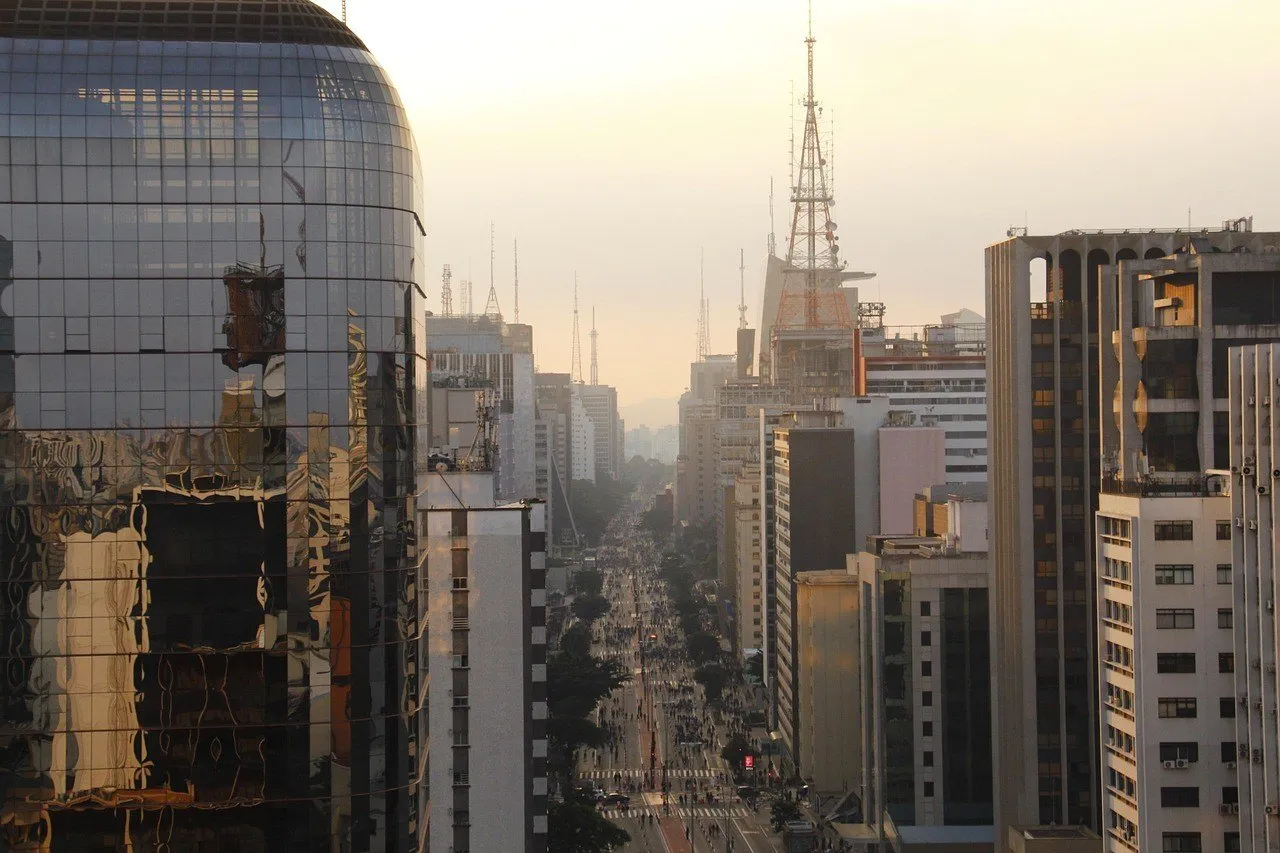
The avenue of towers and offices doubles as a promenade: the open space under MASP and the flow of pedestrians are good reasons to slow down.
View details for Avenida Paulista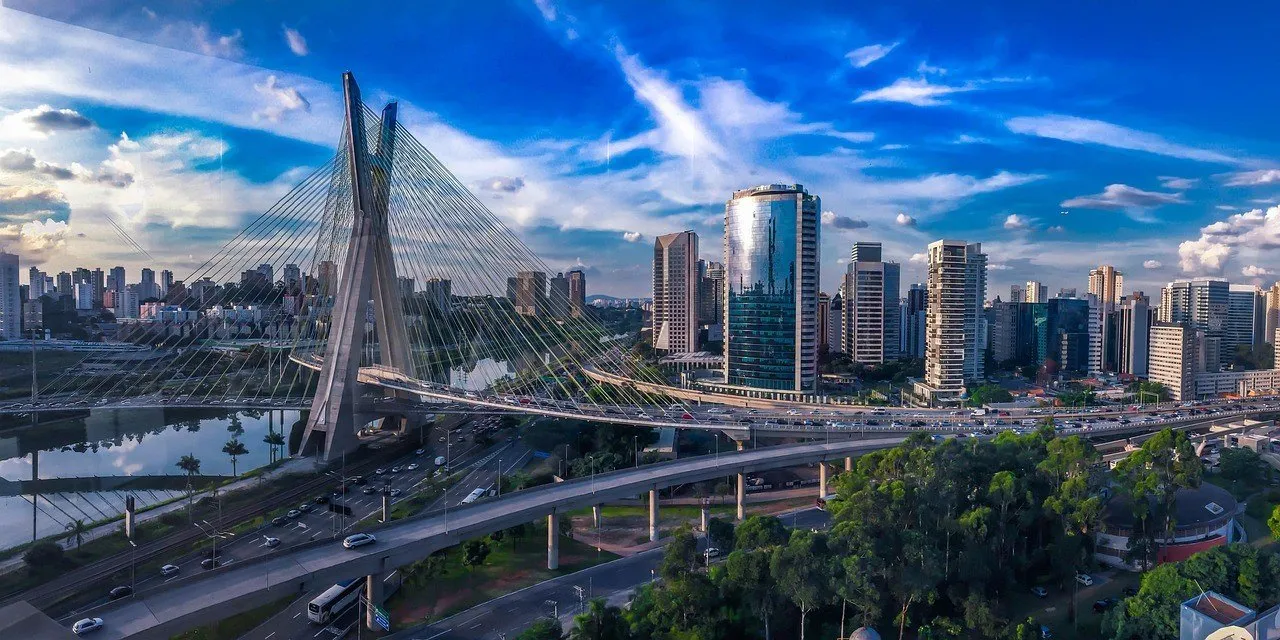
Brazil
On Paulista, you stroll beneath a museum that seems to float. At the Mercadão, you look up from your sandwich and find stained glass. São Paulo gives more when you look beyond the next corner.
You step out of the subway on Paulista, pass a building resting on huge red structures and realize you can walk right under it. That is MASP welcoming you without charging for this first part. São Paulo begins like this: an avenue of offices that doubles as a promenade, museums that deserve a whole afternoon and a lunch that can completely change the course of your day.
To get to know the city, think in regions before you think in kilometers. Set aside one day for Paulista and Liberdade, another for the historic center, and the third for the Museu do Ipiranga and Ibirapuera, with transport between them. The subway helps stitch some of the outings together, but leaving some slack is sensible: you came to look at paintings, not to clock in at the turnstile. The times below are planning suggestions, with room for breaks.
At MASP, glass easels let you walk around the paintings and look at their backs too: the wall no longer dictates the visitor's path.
The ornaments of the Catedral da Sé include Brazilian animals, such as the armadillo and the toucan. They are worth hunting for after you have looked at the towers.
The stained-glass windows of the Mercadão show scenes of farming and food production: the subject of the stalls carries on up above, crossed by light.
1The avenue of towers and offices doubles as a promenade: the open space under MASP and the flow of pedestrians are good reasons to slow down.
View details for Avenida Paulista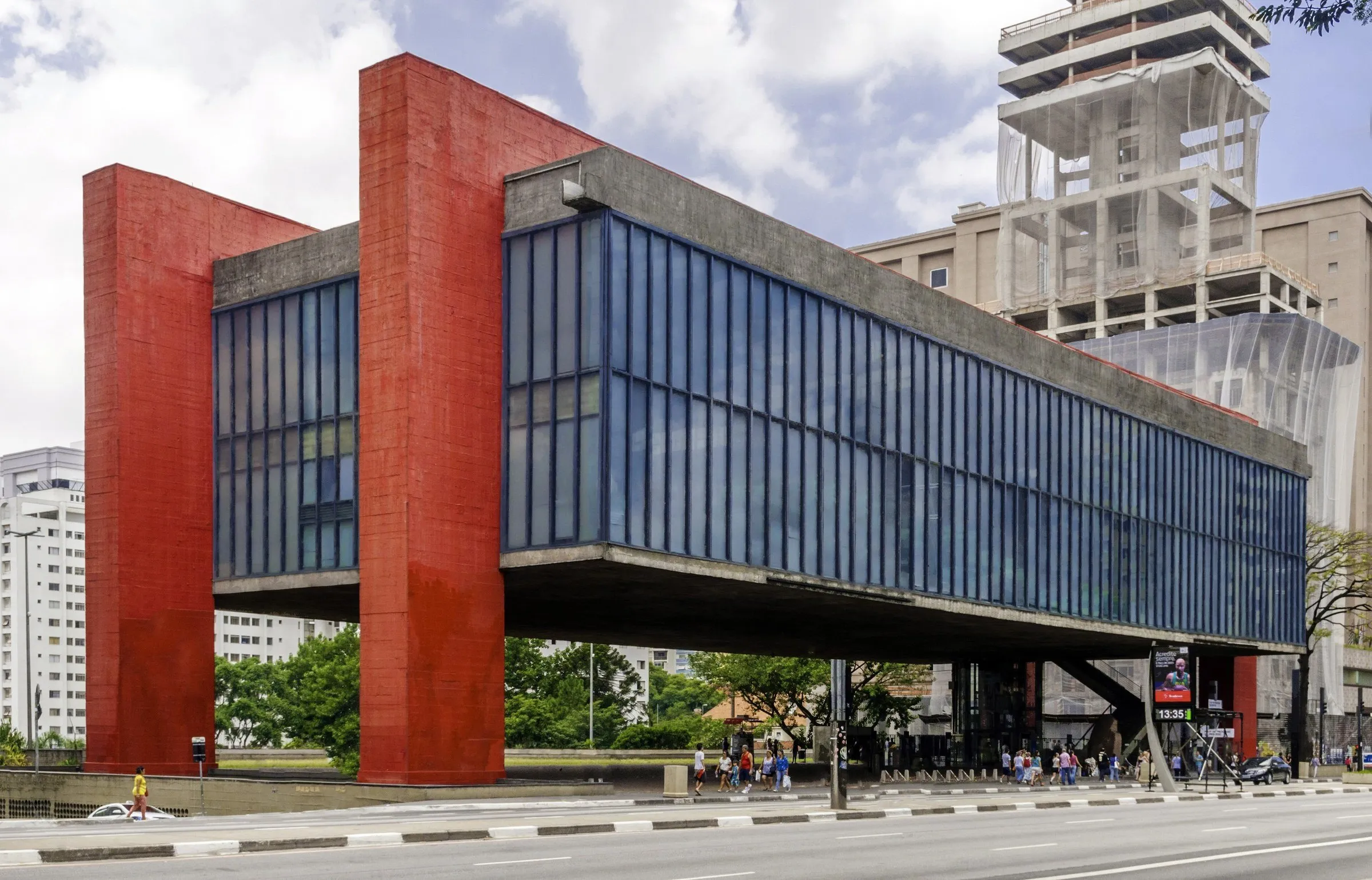 2
Lina Bo Bardi's building leaves a plaza under the museum; inside, glass easels let you choose your own path among the paintings.
View details for MASP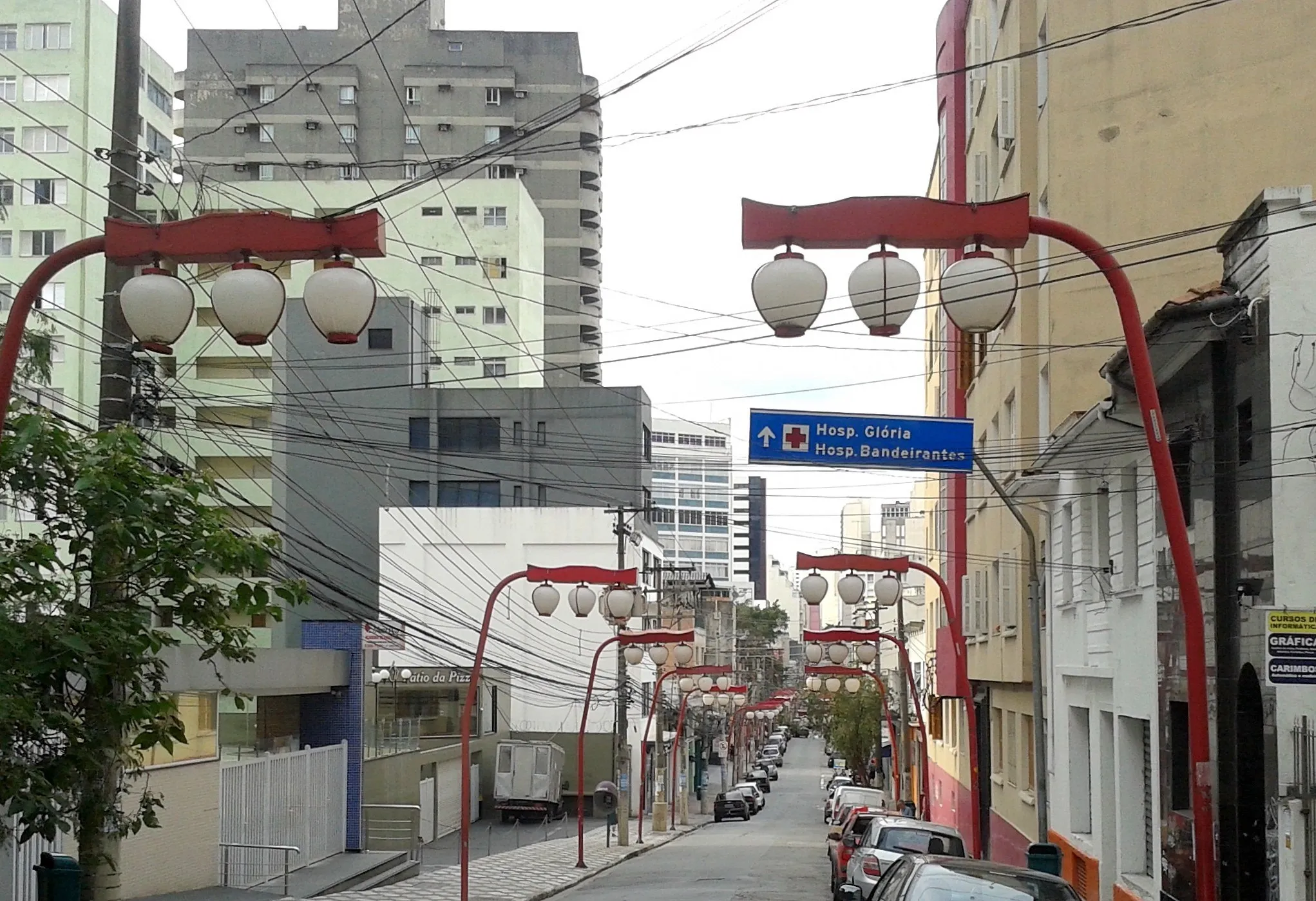 3
Red lanterns, shops and restaurants share the scene with the neighborhood's Black history; the walk is better when you look beyond the shop windows.
View details for Liberdade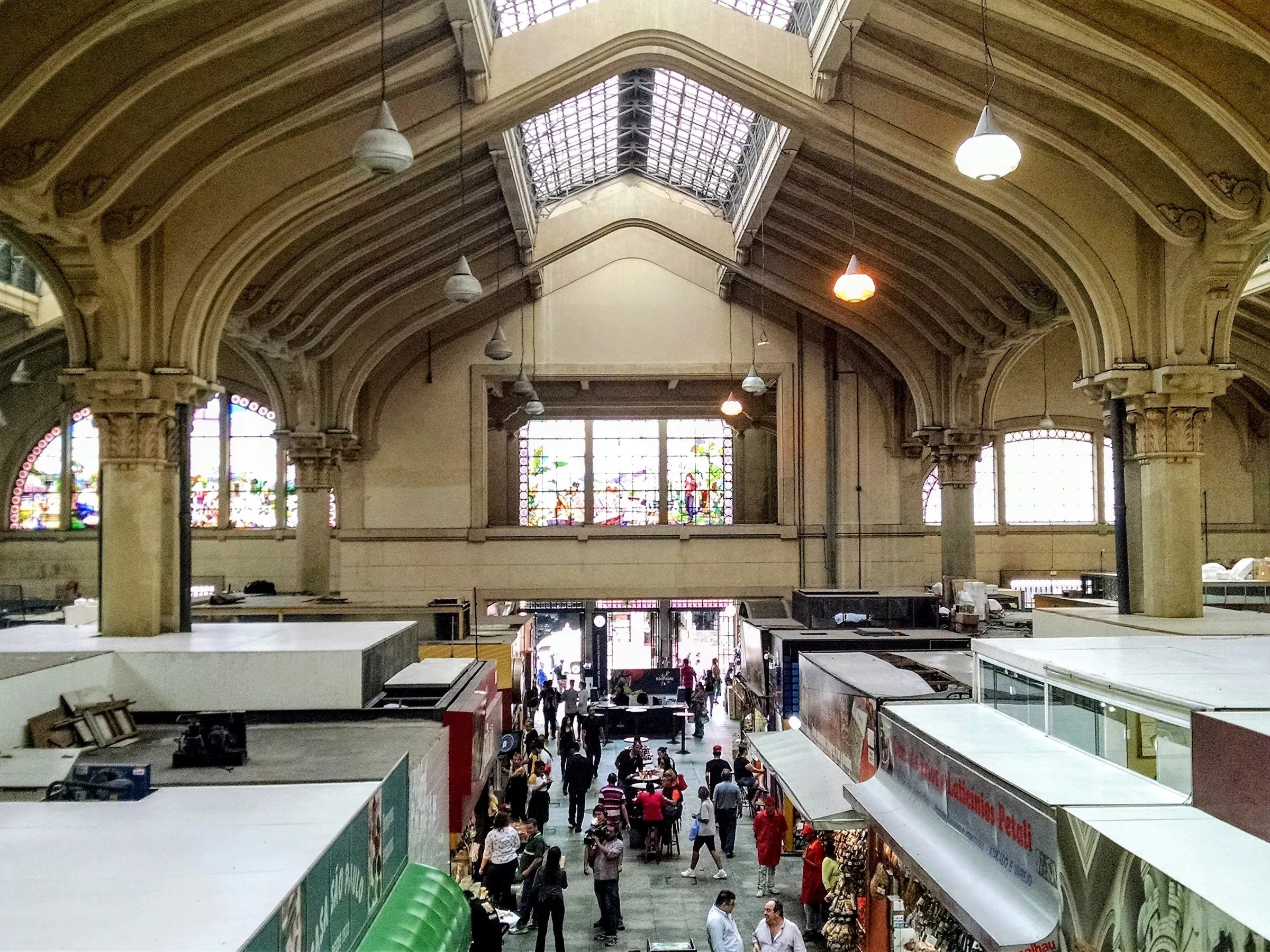 4
Among fruit, spices and mortadella sandwiches, the Mercadão also asks you to look up at the stained glass and at the light flowing through the building.
View details for Mercado Municipal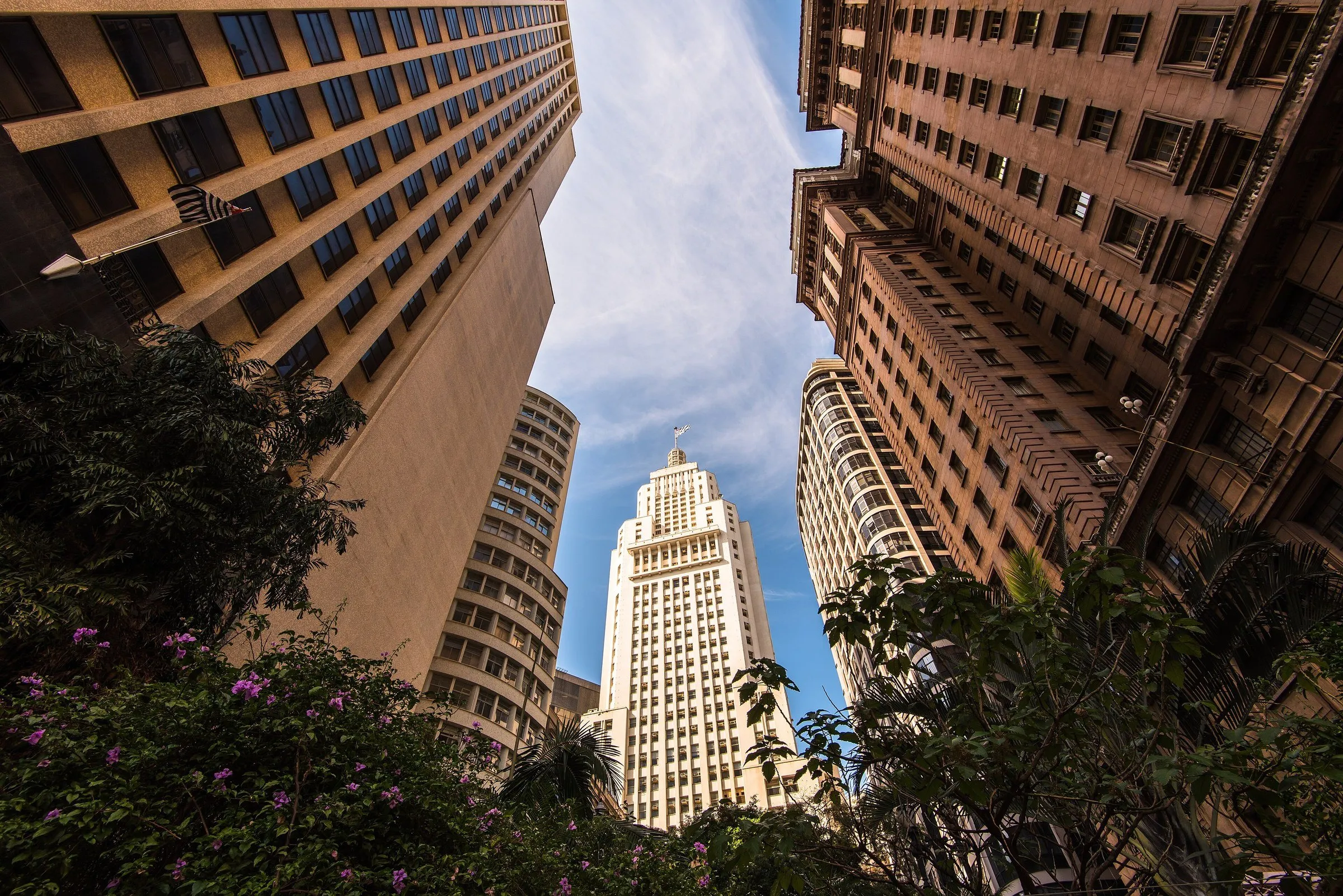 5
The former Banespa building brings together history, exhibitions and a viewpoint; going up helps you make sense of the tangle of buildings you just walked through.
View details for Farol Santander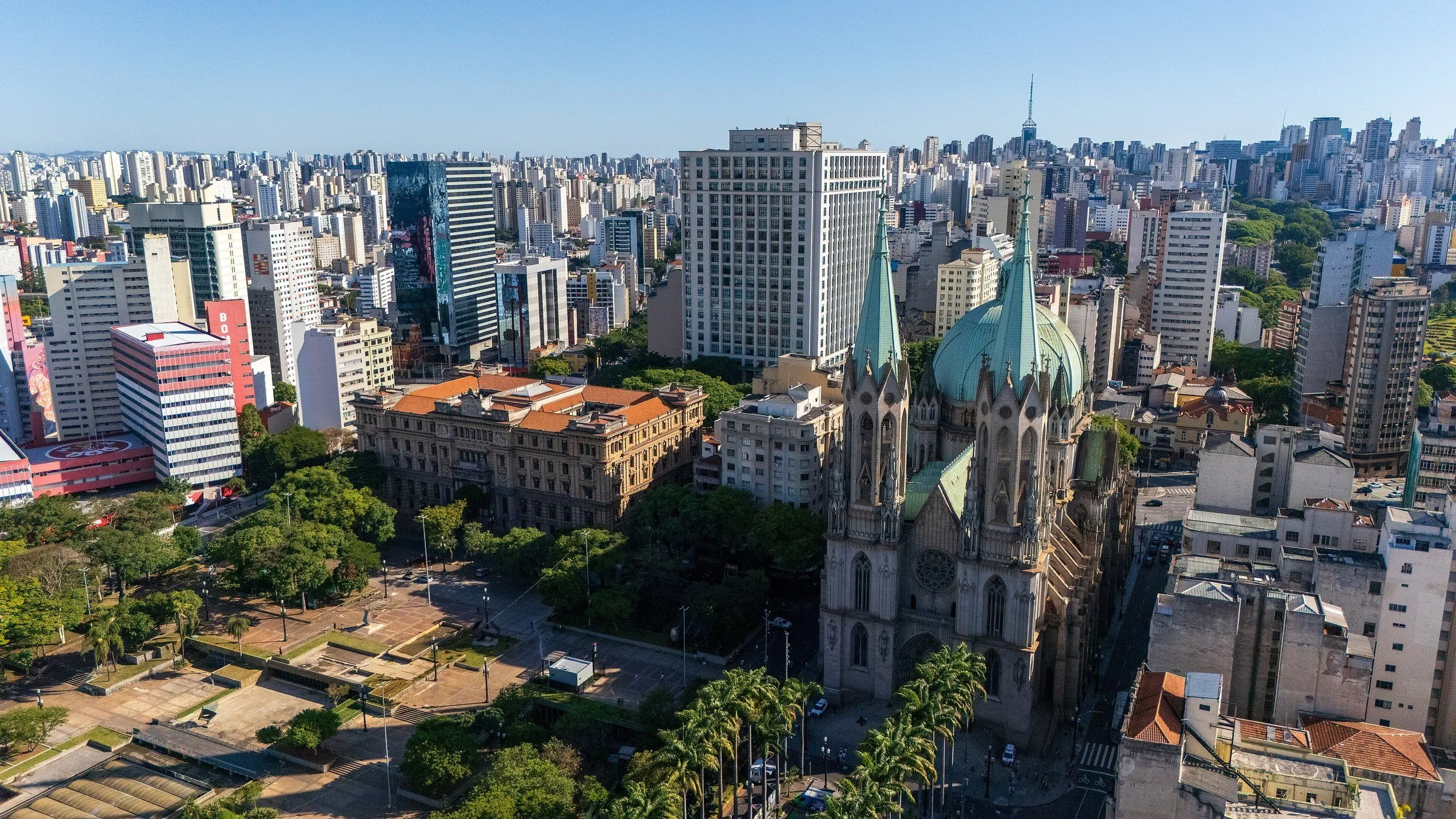 6
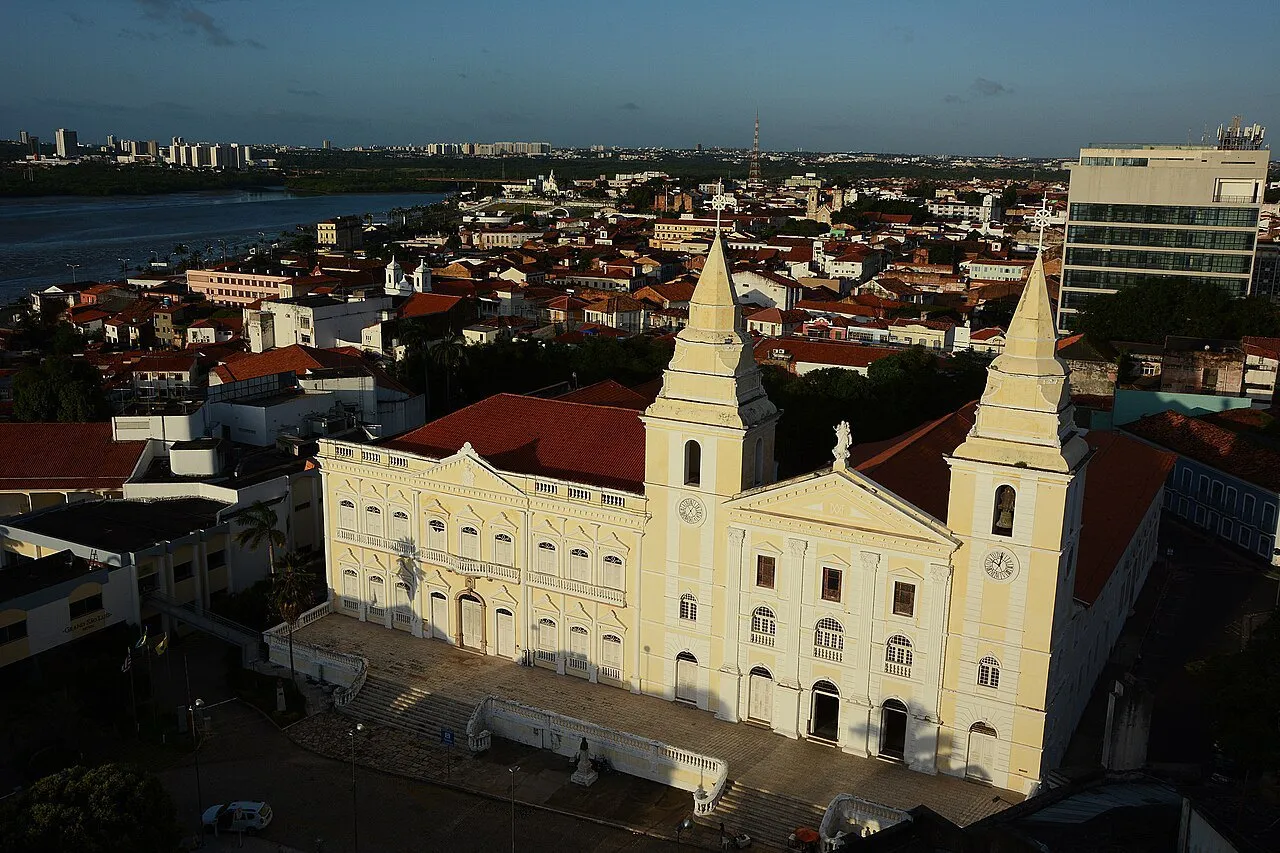
The towers dominate the square, but the Catedral da Sé also rewards a closer look, with stained glass and ornaments inspired by Brazilian fauna and flora.
View details for Catedral da Sé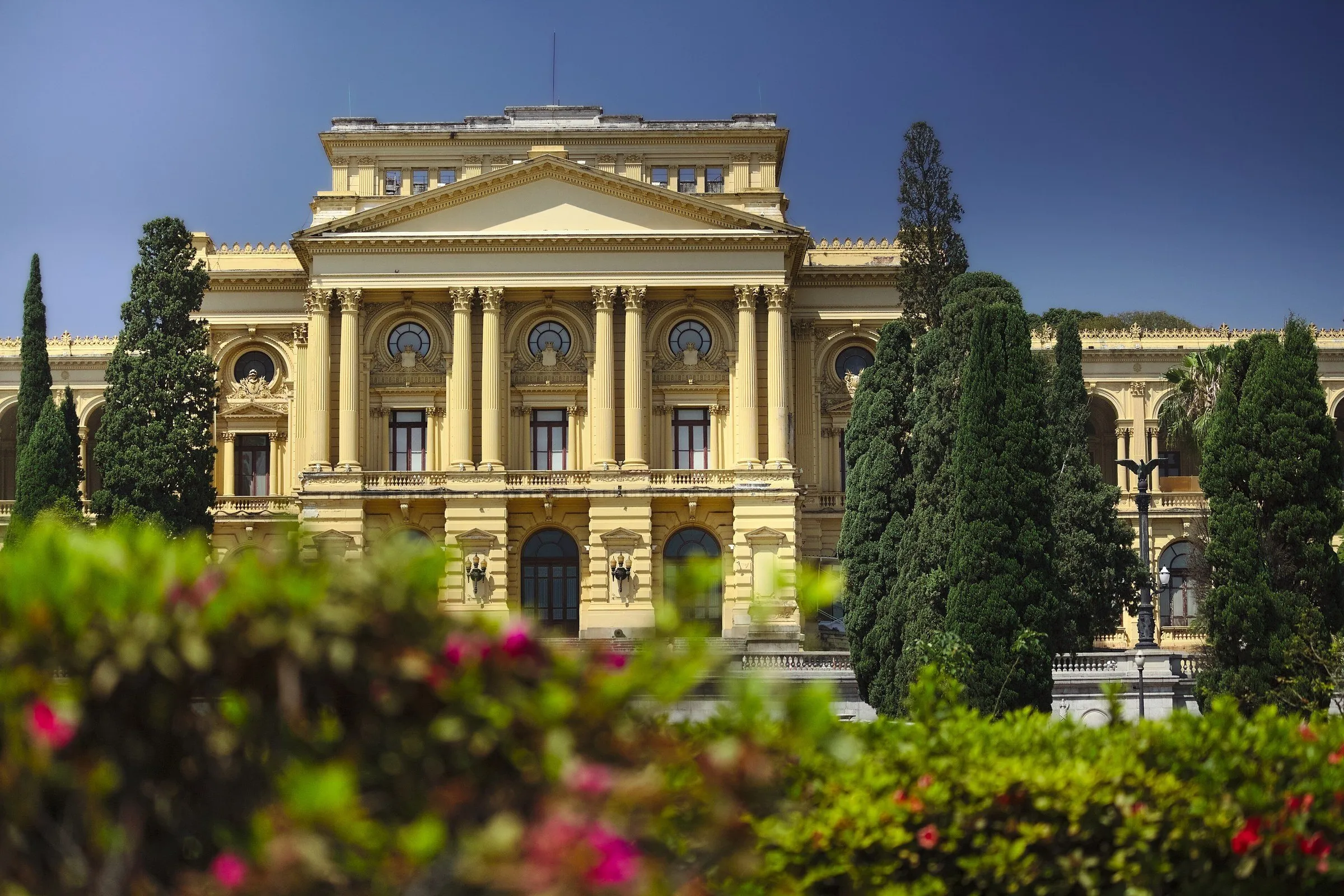 7
The monumental facade leads into a visit through Brazilian history: famous paintings, everyday objects and questions about how the past gets told.
View details for Museu do Ipiranga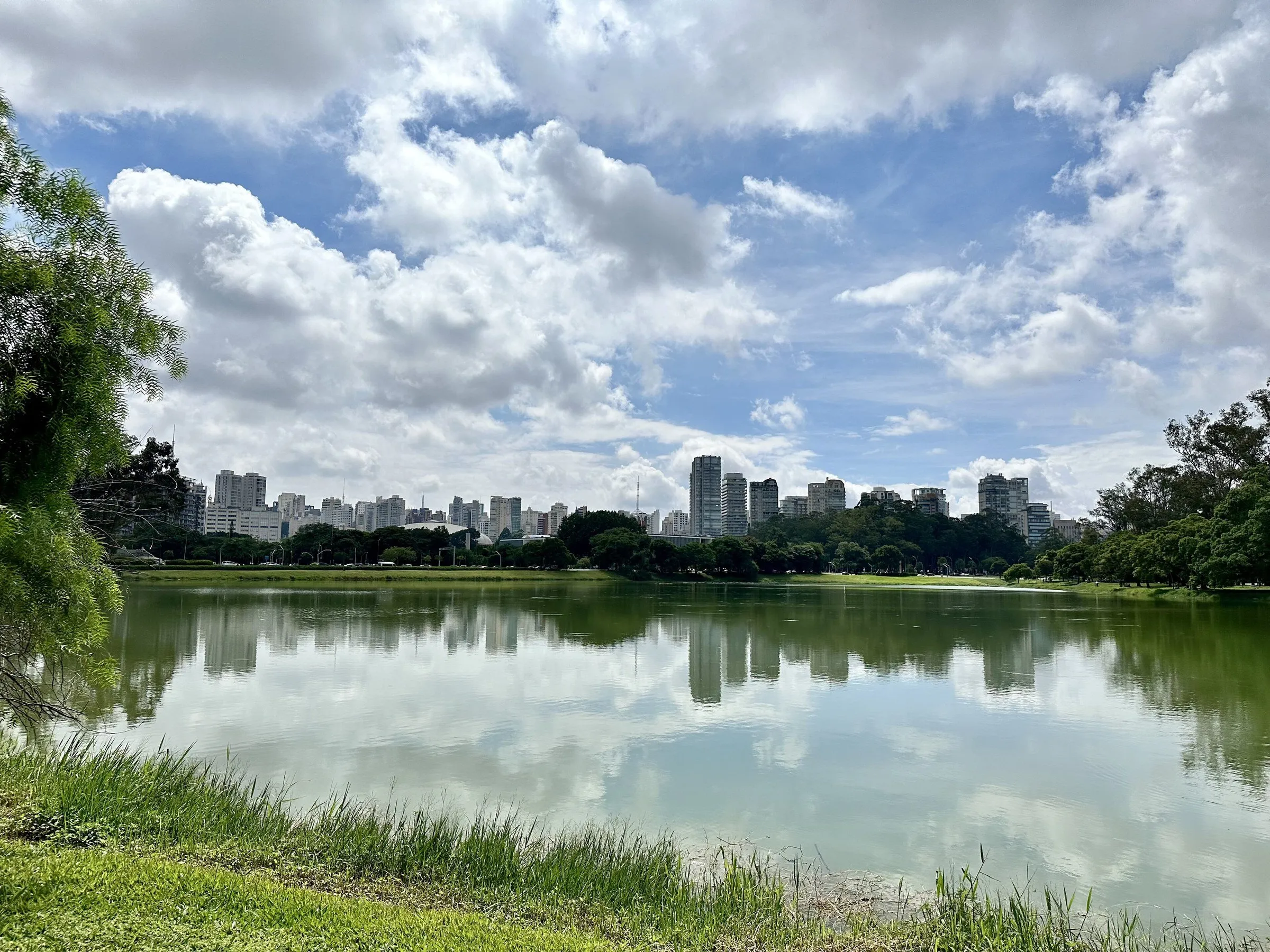 8
Tree-lined paths, room to cycle and cultural venues make Ibirapuera an outing that mixes movement with unhurried pauses.
View details for Parque Ibirapuera1On Paulista, looking up is almost unavoidable, but save some attention for the sidewalk. The avenue mixes commuter traffic with strollers, with MASP along the way. On Sundays, Ruas Abertas usually frees up space for pedestrians and cyclists, depending on the city's schedule.
Instead of covering it all at once, pick one stretch and walk without hurry. The visit pairs well with the museum, but just watching the avenue already helps explain why so many people arrange to meet here.
2First you walk under the building. Then, inside, you can walk behind the paintings. Lina Bo Bardi's design asks practical questions about how to visit a museum: the works in the collection stand on glass easels, with no wall deciding the order in which you read them.
MASP occupies more than one building: choose the exhibitions before you buy a ticket. Look at a few works with care; trying to see everything tends to make you an expert only in finding the exit.
3The red lamps on Rua Galvão Bueno announce the most photographed part of Liberdade. From Japão-Liberdade station, you reach a neighborhood tied to Japanese immigration, with stationery shops, Asian groceries and restaurants that make the shopping list grow without consulting the budget.
That view does not tell the whole story: Liberdade also holds the memory of the Black population that settled in the area. Take note of the references to that history, then choose a restaurant; a bowl of ramen deserves more concentration than eating while balancing shopping bags.
4The mortadella sandwich may draw you in, but look up before choosing a table. The stained-glass windows show scenes of farming and food production; skylights and glass roof tiles light up the interior. The building takes part in lunch without ever showing up on the bill.
Walk past the stalls of fruit, cheese and spices, compare portions and ask prices before you eat. The stop works as lunch on your downtown day; sharing a sandwich avoids finding out too late that the filling had plans of its own.
5After walking among the downtown buildings, going up the Farol Santander changes the scale of your outing. The former Banespa building, called Altino Arantes, houses exhibitions, memory spaces and a viewpoint. From above, the facades stop filling the whole street and become one ensemble.
Pick one show and give the view some time, rather than using the elevator just to collect a photo. Check the schedule before you buy: not every activity in the building is necessarily part of the same ticket.
6The towers catch the eye from afar; the Brazilian details appear up close. The ornaments of the Catedral da Sé include references to the country's fauna and flora, among them the armadillo and the toucan. You walk in looking at the height and end up searching for small reliefs.
Inside, look at the stained glass and altars while respecting those who are there to pray. The crypt holds the burials of figures from Brazilian history, among them Tibiriçá, but access needs to be confirmed separately. The nave alone already allows a first visit without barging into a service.
7The facade may give the impression of a former palace, but nobody ever lived there: the building was always meant as a museum. At the Museu do Ipiranga, which is linked to USP, the staircase and the Salão Nobre lead to the painting “Independência ou morte!” by Pedro Américo. It is that image you recognize before you even read the caption.
The visit goes beyond the painting: household utensils, tools and other pieces help discuss work, housing and the versions built around Brazilian history. Choose a few exhibitions and read them calmly; the facade gives you the photo, but the questions are in the rooms. Set aside the morning so you do not compete with the clock for attention.
8After the elevators and turnstiles, Ibirapuera changes your task: find shade, adjust your pace and accept a pause. The park offers walking tracks, resting areas and bicycle traffic, with cultural venues in the same complex.
Plan your entrance around the walk you want to take: the gate you choose changes where the route begins. Bring water and comfortable shoes, leave time to sit and do not turn distance into a competition. Covering every corner just to declare the park finished would be a rather laborious way to rest.
Use the official subway map to choose where to stay and how to get around: Paulista, Luz, Sé and Liberdade all suit a trip on the rails. For Ibirapuera, plan the stretch to the gate too; the name of the area on the map does not put you inside the park.
Do the downtown visits during the day, put your phone away after checking the route and step into an establishment to look up directions calmly. Agree on a meeting or pickup point beforehand and prefer transport when you do not feel comfortable walking.
Check each museum's free-admission policy and whether you need to reserve even when entry is free. At MASP, compare what each ticket includes: exhibitions, buildings and times need to fit the outing you want to make.
Summer tends to be rainier, while winter usually has less rain. Bring an extra layer and rain protection; save the park for the best window in the forecast and keep a museum as a fallback for bad weather.
At the Sé, respect services, restricted areas and photography rules. The tourist visit and access to the crypt may have their own rules, so check before building your day around them.
Check whether your flight uses Guarulhos or Congonhas before booking transport. On arrival and departure, look up the options and guidance of the relevant airport and add margin to the trip; do not treat the two names as neighboring terminals.
In São Paulo, deciding on lunch is part of the outing. The Mercadão invites a mortadella sandwich, Liberdade puts a bowl of ramen in your path and the virado à paulista asks you to arrive hungry. You do not need to pick one dish to represent the whole city: alternate the market counter, a neighborhood restaurant and a longer meal. Ask about portion sizes and prices before ordering, especially if the idea is to try several things.
Rice, beans thickened with manioc flour and sides such as pork chop, collard greens, egg and banana: a dish that asks for space on the table and in your lunch planning.
The Mercadão classic turns the bread into a support for plenty of filling; check the size before ordering one per person.
Noodles in hot broth, with toppings that vary from place to place: a good way to sit down calmly after the shops of Liberdade.