 1
Nature
Le Jardin Parque de Lavanda
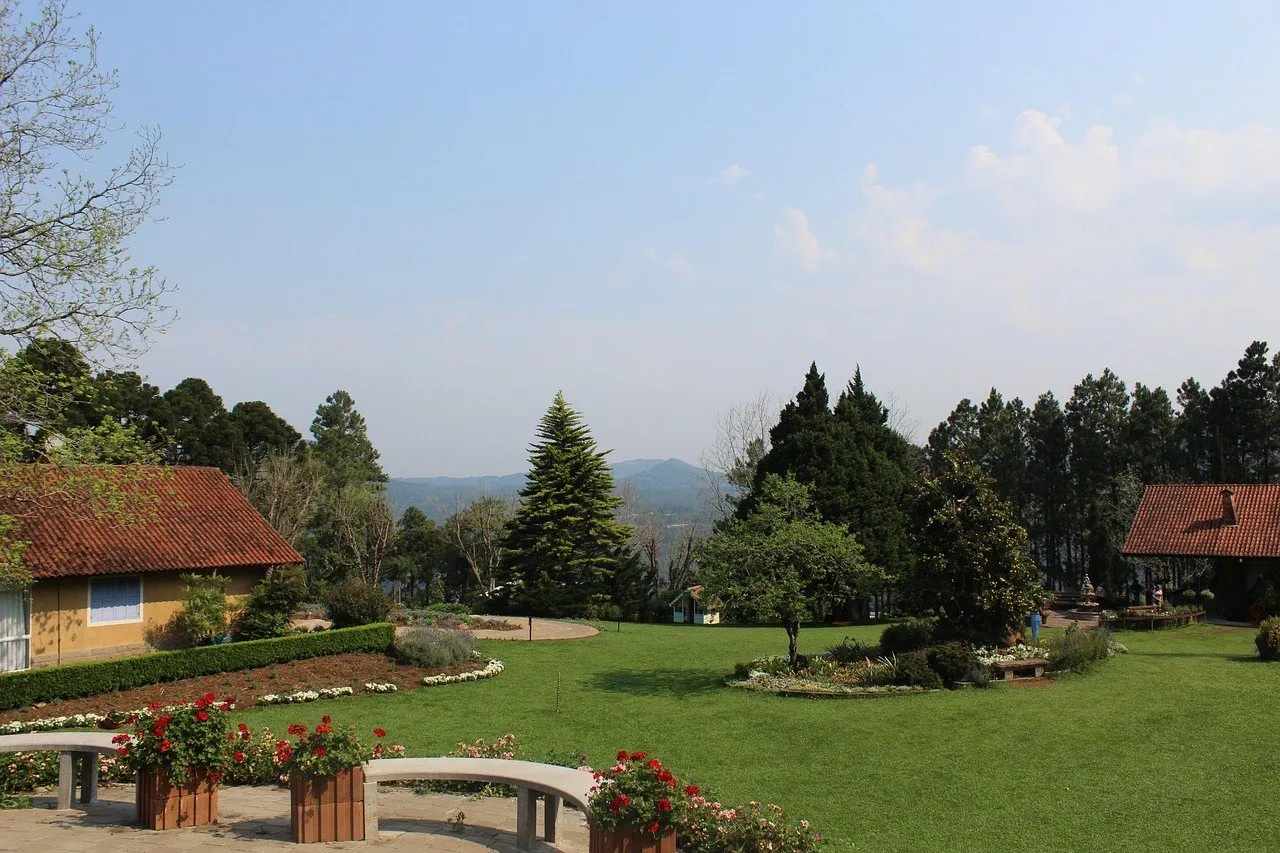
Lavender, seasonal flowers, lawns and greenhouses make up Le Jardin, a garden outside Gramado's Centro for strolling while looking beyond the next frame.
View details for Le Jardin Parque de Lavanda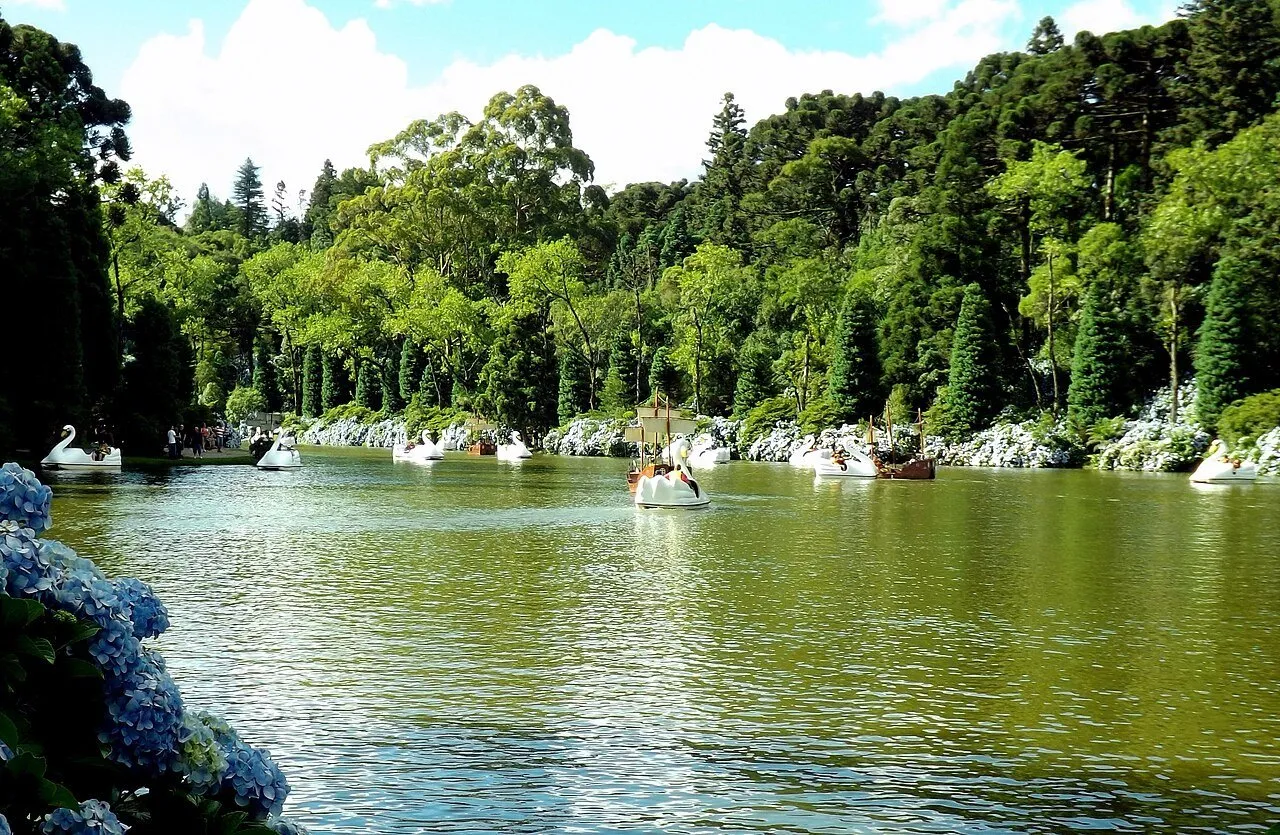
Brazil
In Gramado, you head out to see the Lago Negro and come back arguing about which chocolate to take home. Between pedal boats, miniatures and the flower beds of Le Jardin, the outing moves at the pace of the next coffee.
On the Rua Coberta, the stroll becomes a succession of tables, shop windows and coffee breaks. At the Lago Negro, pedal boats take the place of cars in the landscape. Gramado, in the Serra Gaúcha, has a talent for turning the gaps between outings into part of the trip. Just resist the idea of filling every hour with a paid attraction: the lakes, the churches and the gardens also deserve room in your day.
This itinerary splits the visit between the Centro, the Planalto area and a trip out to Le Jardin, without trying to squeeze the whole Serra into one getaway. For the park by the RS-115, arrange round-trip transport; in the Centro, group the stops on foot. The Mini Mundo calls for attention to detail, while the Lago Negro calls for free time. When choosing where to stay, check the location on the map and the real distances to the attractions.
The Lago Negro was created after a fire in the forest of the area; the trees brought from the German Black Forest help explain its name.
The Rua Coberta also goes by Rua Madre Verônica. You can look up one on the map and find the other on the street sign without having taken a wrong turn.
At the Mini Mundo, the buildings follow a scale of 1:24. Visitors suddenly grow tall; the care given to the miniatures stays life-size.
1Lavender, seasonal flowers, lawns and greenhouses make up Le Jardin, a garden outside Gramado's Centro for strolling while looking beyond the next frame.
View details for Le Jardin Parque de Lavanda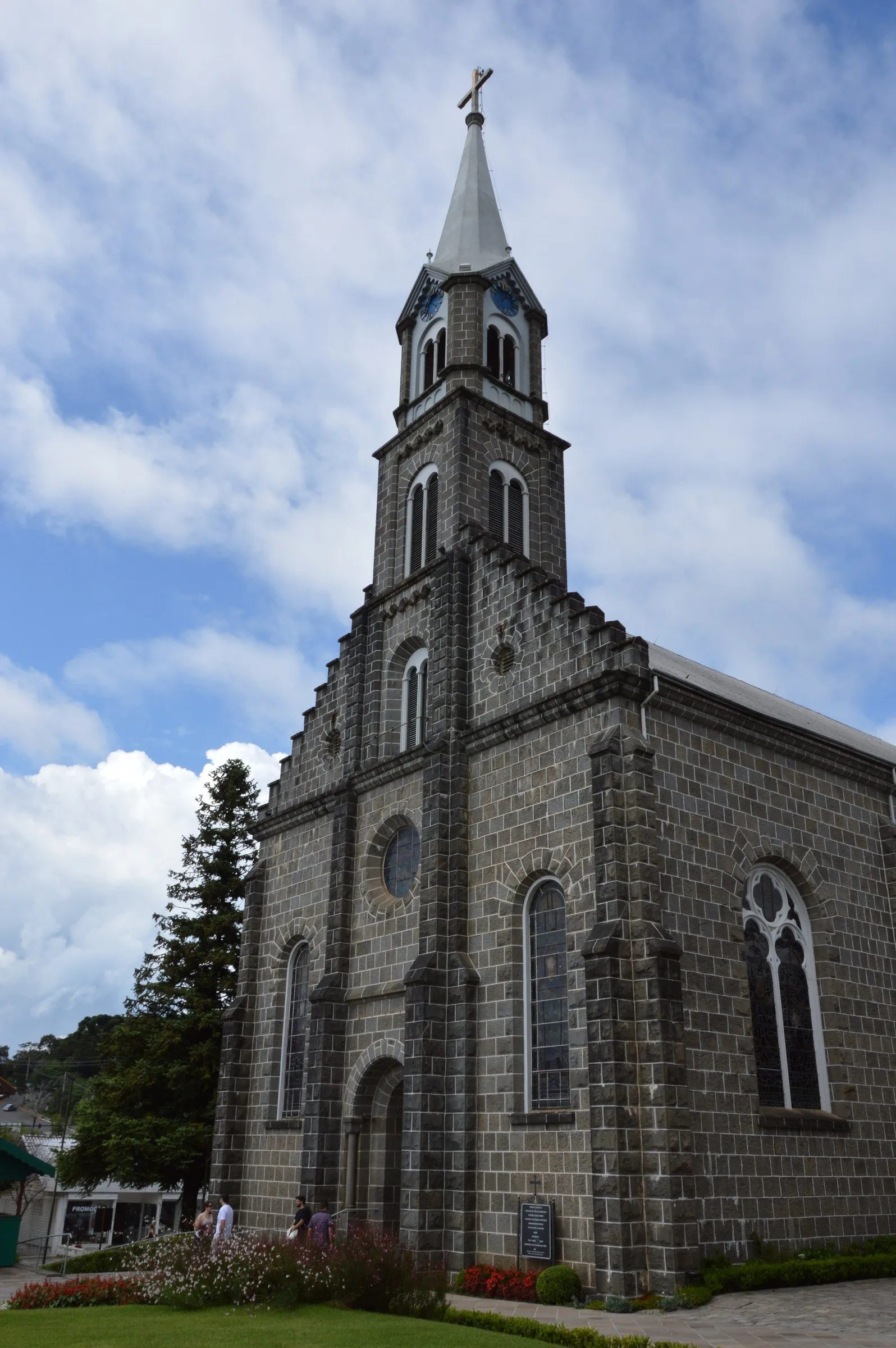 2
The basalt stone façade and the stained glass windows of the Igreja São Pedro offer a pause from the bustle of the Avenida Borges de Medeiros, in the heart of the Centro.
View details for Igreja Matriz São Pedro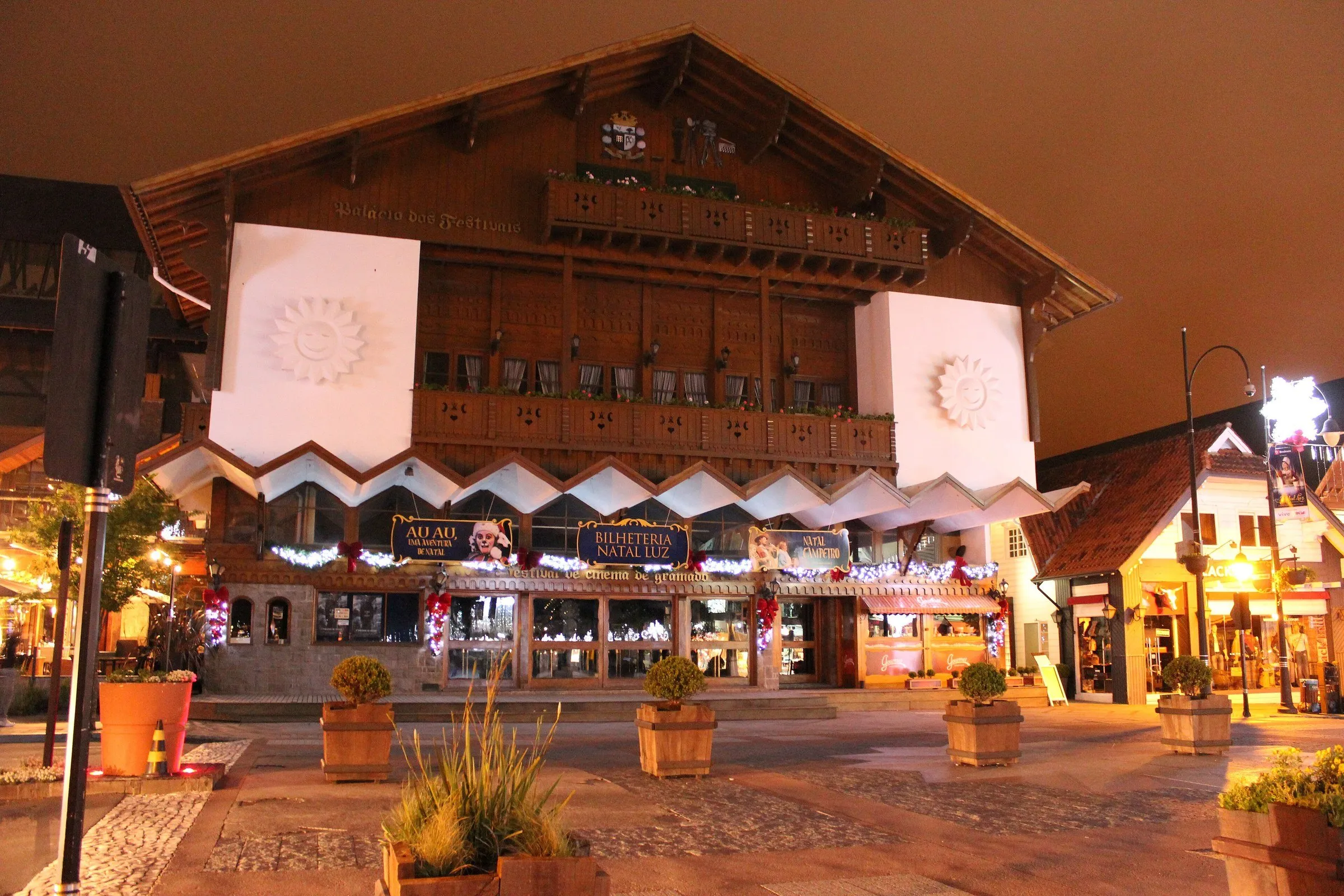 3
Home of the Gramado Film Festival, the Palácio dos Festivais puts the Kikito and audiovisual production in the path of anyone strolling through the Centro.
View details for Palácio dos Festivais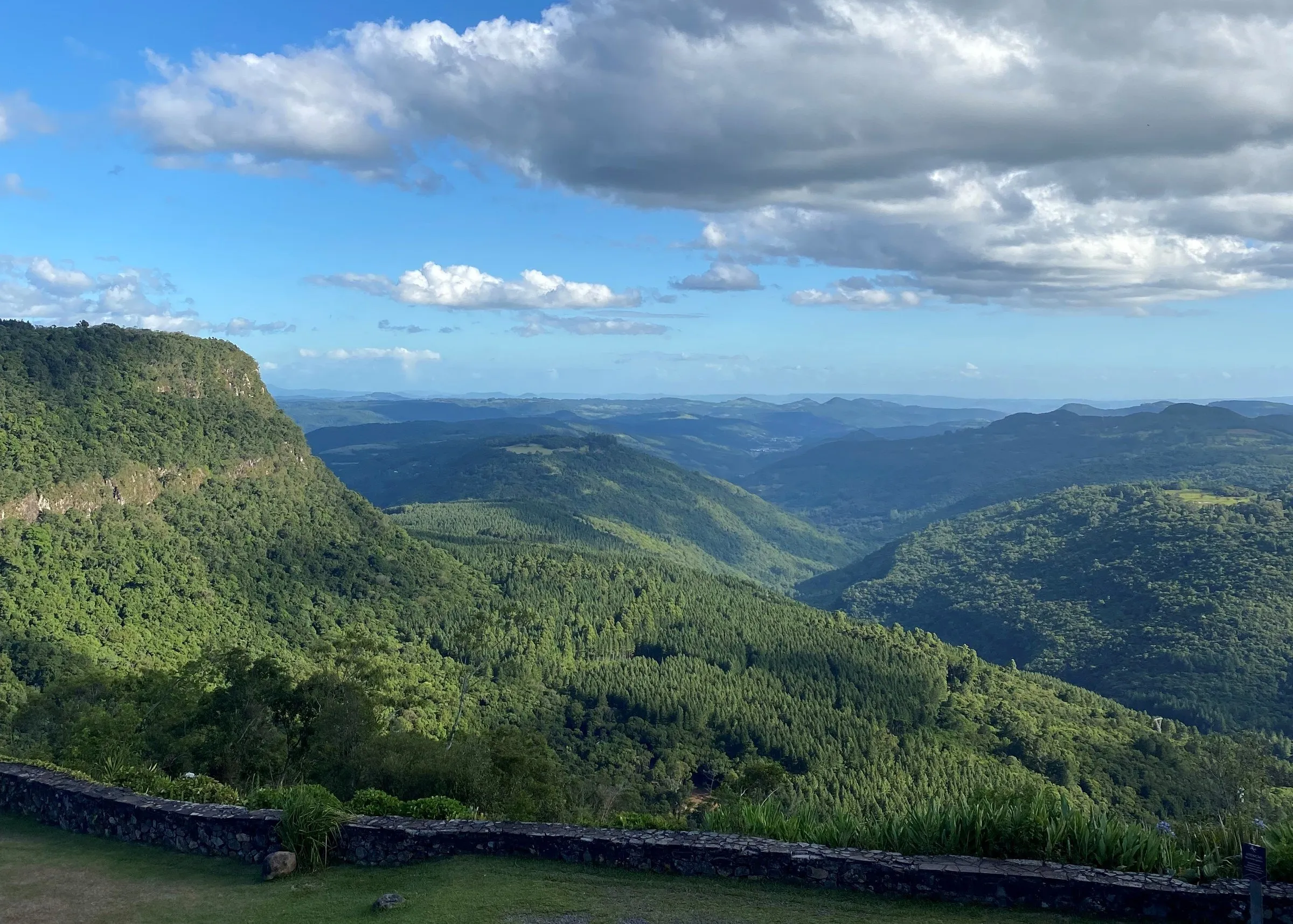 4
The viewpoint on the Avenida das Hortênsias opens a window onto the Vale do Quilombo and swaps the Centro's shop windows for vegetation-covered slopes.
View details for Belvedere Vale do Quilombo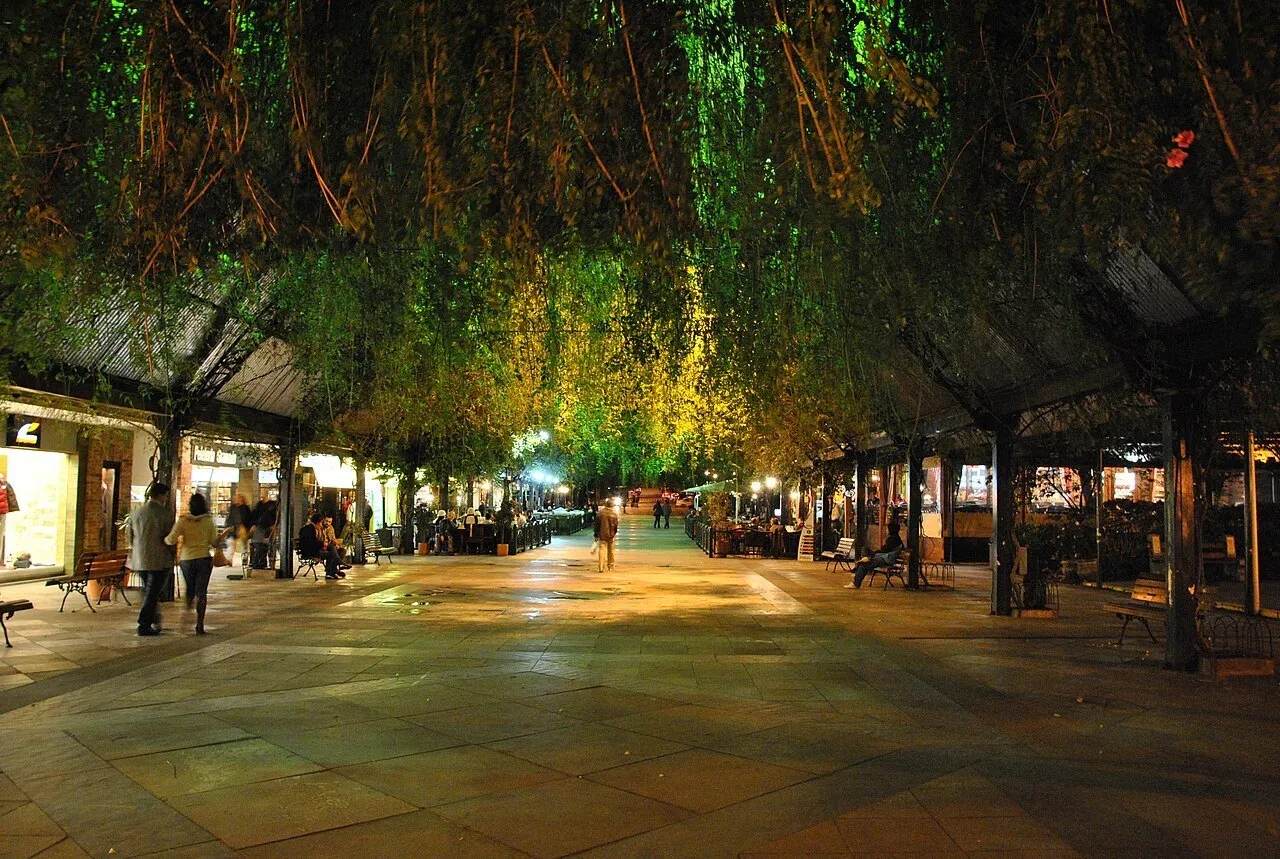 5
The Rua Madre Verônica gets a transparent roof, cafés and restaurants: a pedestrian corridor for watching the bustle and choosing a table in the Centro.
View details for Rua Coberta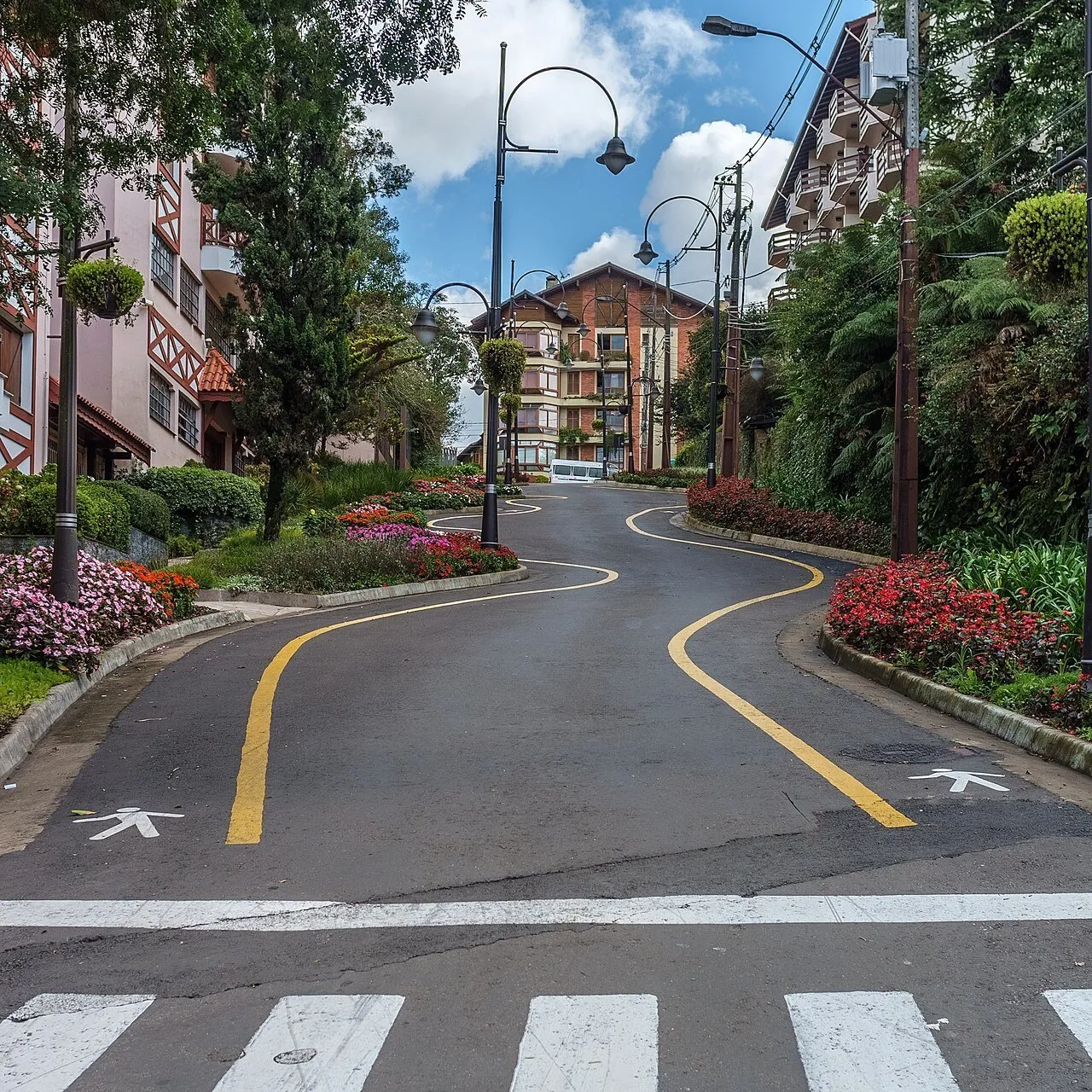 6
A winding stretch of the Rua Emílio Sorgetz, with flower beds following the curves, became the Rua Torta and makes for a short walk to see the gardens of the Centro.
View details for Rua Torta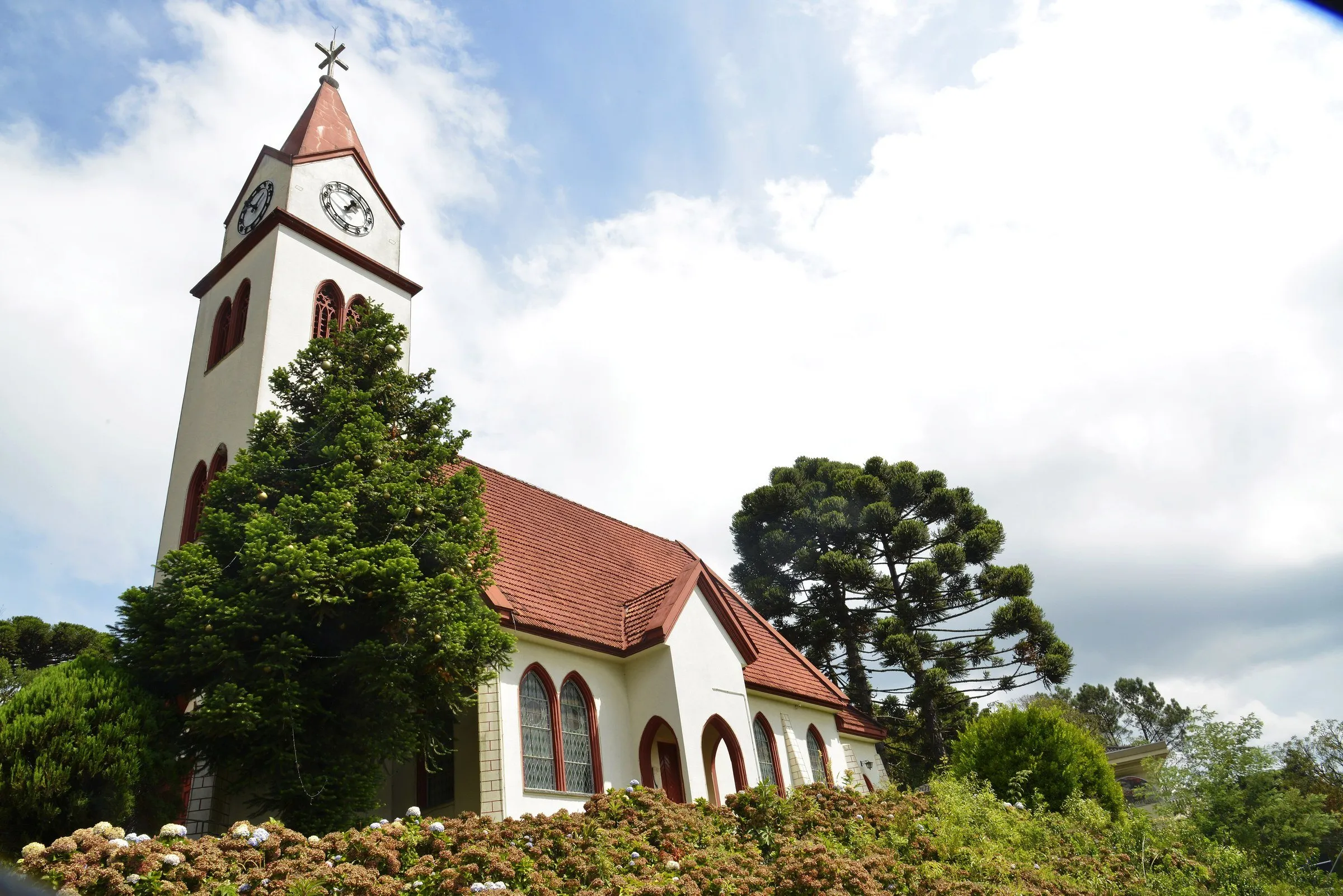 7
The Templo Apóstolo Paulo, known as the Igreja do Relógio, shows off its tower among gardens and offers another look at the churches of Gramado.
View details for Igreja do Relógio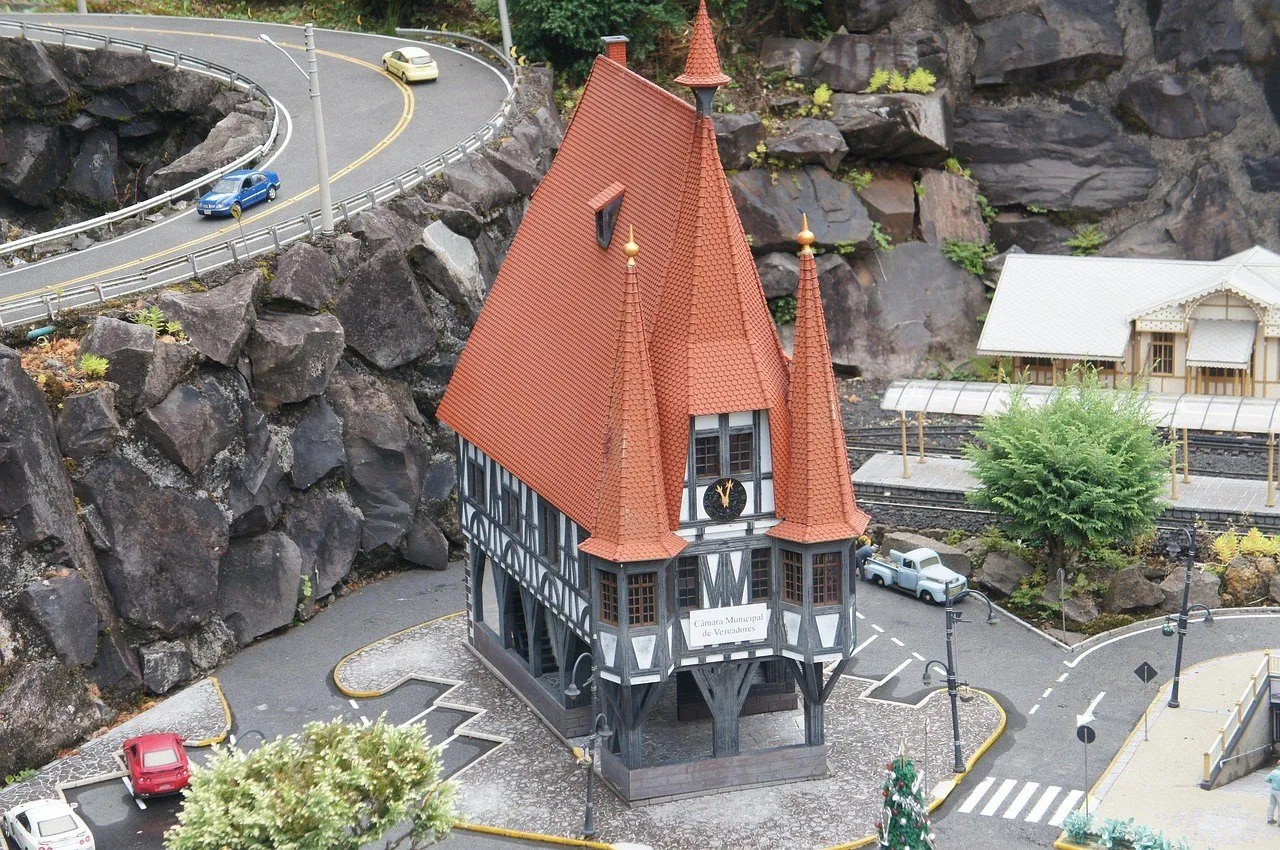 8
Buildings at a scale of 1:24, tiny inhabitants and detailed scenes form an open-air city that invites you to look down with great care.
View details for Mini Mundo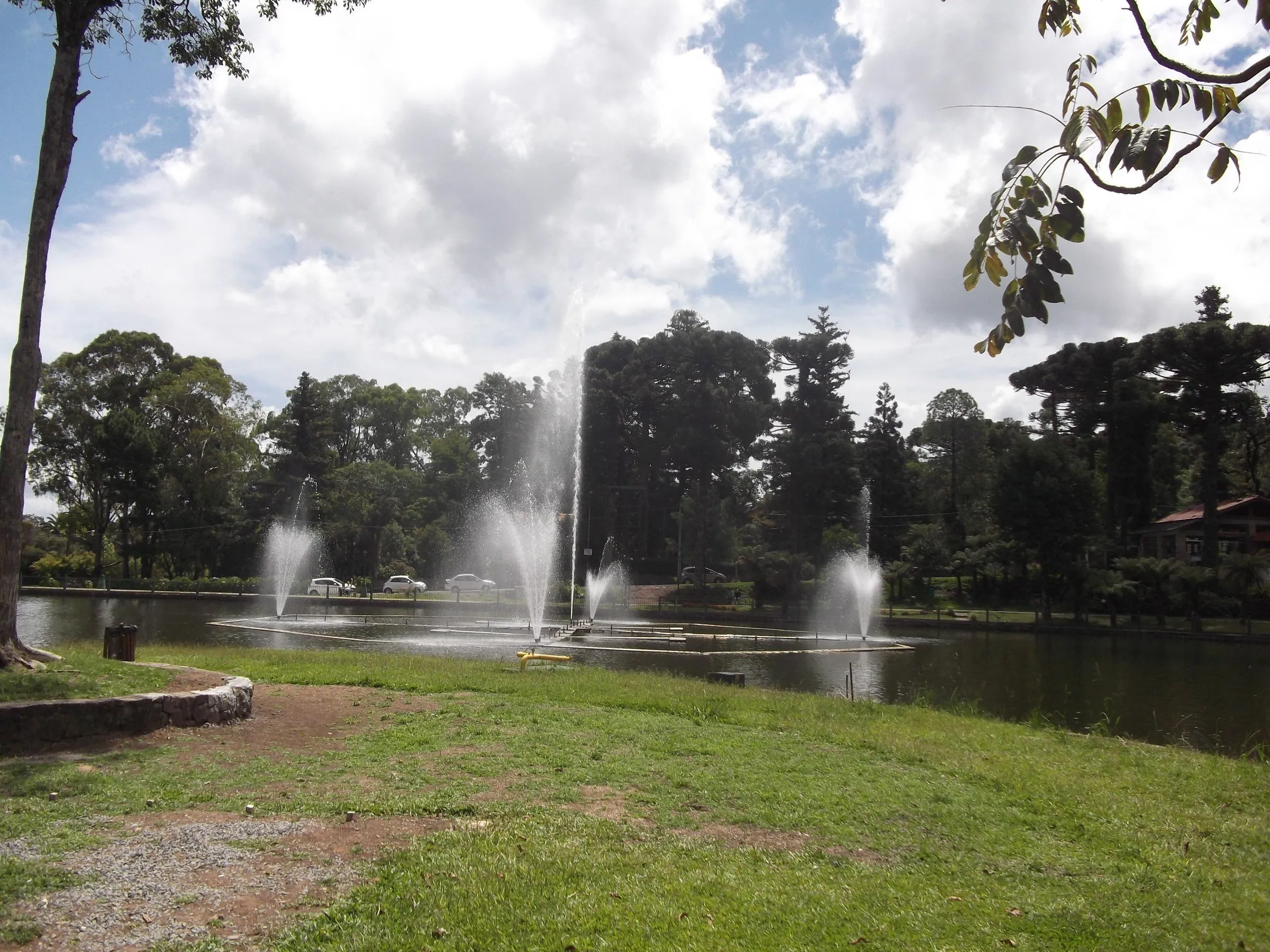 9
A small island, araucarias and shores for walking make the Lago Joaquina Rita Bier an outdoor pause near the Mini Mundo and the Centro.
View details for Lago Joaquina Rita Bier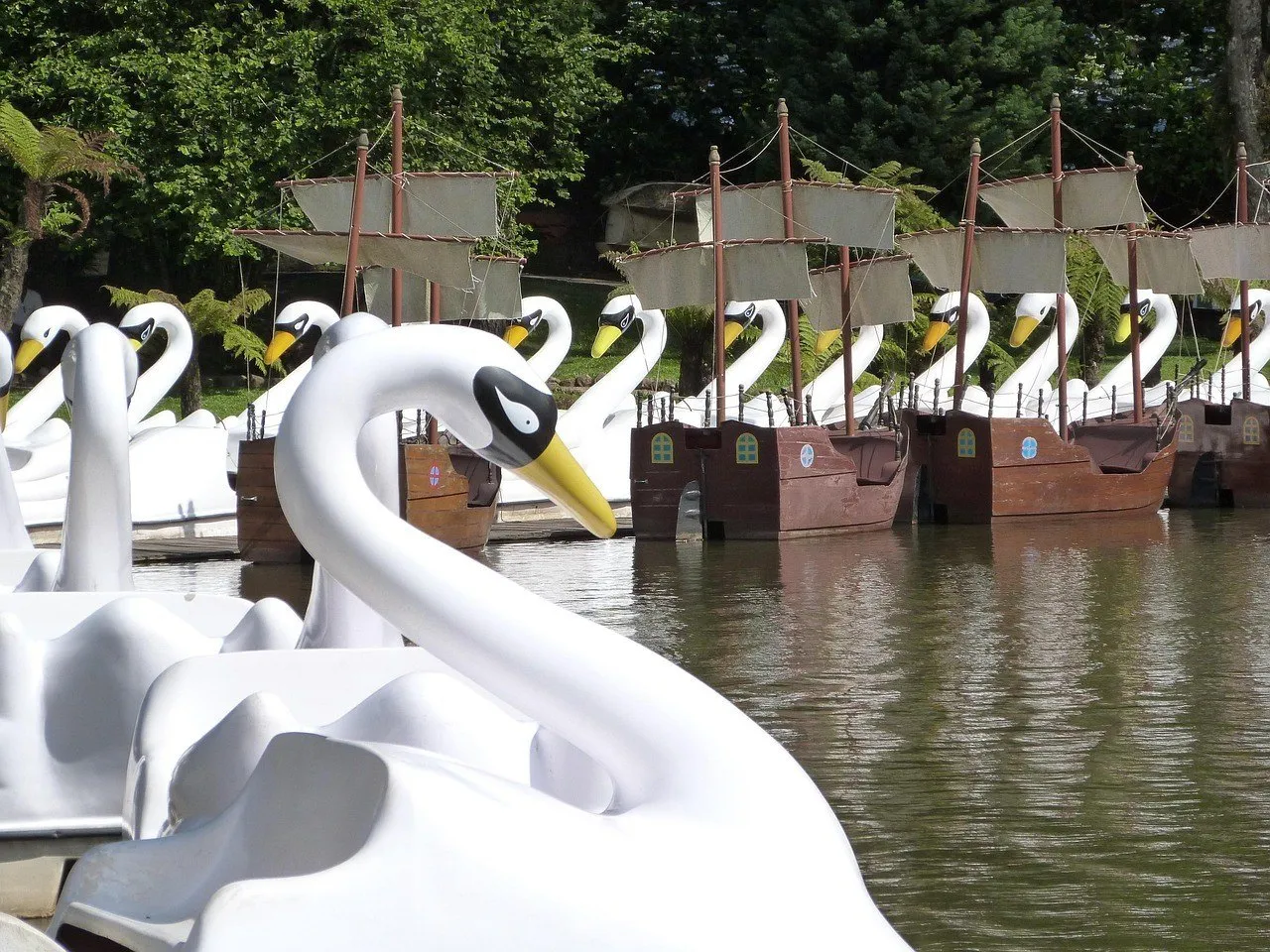 10
Dark water, tall trees and pedal boats share the scenery at the Lago Negro, with a path along the shores for strolling without turning everything into a paid activity.
View details for Lago Negro1The lavender gives the park its name, but the visit doesn't depend on finding a purple carpet stretching to the horizon. At Le Jardin, it shares space with seasonal flowers, lawns and greenhouses. The visit works best when you take in the flower beds as they are that day, instead of demanding from nature the photo you saw online.
In the Várzea Grande area, by the RS-115, the garden calls for its own trip from the Centro. Set aside time to walk and explore the greenhouses without turning the visit into a rushed photo session. Before going, check the current look of the gardens and the admission conditions on the park's channels.
2Among chocolate shop windows and people crossing the Borges de Medeiros, the dark stone of the Matriz São Pedro holds the eye. The basalt cladding gives texture to the façade; the stained glass windows with sacred images shift your attention to the light once you step inside. It is worth taking both readings, outside and inside.
The church remains a place of worship, so the pace of the visit follows the life of the parish. If a service is under way, lower your voice and wait before moving around. After studying the façade up close, step back a little in the public space to see how the tower organizes the Centro's skyline.
3The façade of the Palácio dos Festivais announces that Gramado can also be found on the movie screen. This is where the Film Festival brings together films and audiovisual professionals; the Kikito, the event's award, appears as a symbol of that gathering. Even outside the festival, it is worth looking for its details before continuing along the avenue.
The outside stop is quick and pairs well with the Igreja São Pedro and the Rua Coberta. To turn the look into a movie outing, check the Cine Embaixador schedule and the day's access conditions. Buying a ticket without checking the film just because the building is famous would be taking tourist enthusiasm too far.
4You only have to leave the line of shops for the landscape to change the subject. At the Belvedere Vale do Quilombo, the interest lies in the green slopes and the depth of the valley, seen from the Avenida das Hortênsias. It is a short pause for looking far away, and it fits well between outings in the Centro.
Enjoying it depends on visibility: if fog closes everything in, the view takes a day off too. Fit the stop in when the sky clears, instead of defending a fixed time in the itinerary. Take in the landscape from the space meant for pedestrians and save the photo for when you are stopped safely.
5Here the roof is as much a part of the scenery as the tables. On the Rua Madre Verônica, known as Rua Coberta, the transparent structure lets light fall on the pedestrian corridor. Cafés, restaurants and shops make crossing it a hard task for anyone who announced they were only going to take a quick look.
The street connects the Avenida Borges de Medeiros to the Rua Garibaldi and hosts events and performances. Walk before you sit: that way you see the whole space and compare menus with less hunger making the decisions. On a day with programming, the informal food court takes on a different rhythm; check the schedule if you are looking for a quieter table.
6The name promises no more than it delivers: the street curves and the gardens follow the design. The Rua Torta is a stretch of the Emílio Sorgetz, also presented as Ladeira das Flores. Instead of looking for a big attraction, take in the combination of paving, flower beds and façades that turns a short passage into a stop.
The charm is in changing position to notice the curves, respecting the limits of the sidewalk and local traffic. Take the photo without occupying the road and let the next visitor find their own framing. It is a good opening for the second day: you start with a light outing before giving more attention to the miniatures and the lakes.
7The clock on the tower lends its nickname to the Templo Apóstolo Paulo, linked to the Evangelical Church of the Lutheran Confession in Brazil. The light façade and the gardens create a different reading from the dark stone of the Matriz São Pedro. Visiting both helps you look at Gramado with attention to detail, without repeating the same church photo.
Take in the whole from the public area and approach with respect for the religious use of the space. The flower beds change with the seasons, so flowers seen in photos from another time may not be there. The visit works even without going in: the clock remains the star, even though you are trying to forget the hours.
8You walk in and become a giant, but the visit gets better when you drop the grown-up rush. At the Mini Mundo, buildings from different parts of the world appear at a scale of 1:24, surrounded by scenes and tiny inhabitants. The interest is not just in recognizing a building: it is in discovering what is happening around it.
The replicas are made by the park's own workshop, and the details justify setting aside a generous part of the morning for the visit. Look from different heights and use the available guidance material to notice scenes that would go unnoticed. Since the route is outdoors, include the weather forecast in your planning, along with the ticket.
9After peering through tiny windows at the Mini Mundo, rest your eyes on a life-size landscape. The Lago Joaquina Rita Bier brings together a small island, tree-lined shores and araucarias around it. Conceived by Leopoldo Rosenfeldt, it sits in an area of houses and hotels that helps slow the itinerary down without requiring a long trip.
Walk the stretch of shore that is open, watch the reflections and look for a spot to pause. The events schedule can change how the surroundings are used, so it is worth confirming the conditions before imagining a full walk just like the one in the photographs. It is a stop to catch your breath between the miniatures and the Lago Negro.
10The pedal boats play their part in the scene, but the walk along the shores already carries the outing. The dark water reflects tall trees, while the flower beds add color with the season. The Lago Negro is artificial: it was created after a fire in the area and gained trees brought from the Black Forest, in Germany.
First take a walk around on foot to choose the stretch you like most. Only then decide whether you want to pedal or stay on dry land watching the movement. To close the itinerary, it is a good trade: you leave the shop windows and let time pass beside the water, without needing to buy a souvenir for every minute.
For this itinerary, compare lodging in the Centro and the Planalto by the real route to the attractions. Confirm slopes and access conditions with the lodging if there are mobility limitations; a short distance on the map doesn't settle everything.
Group the stops in the Centro and arrange transport to Le Jardin, by the RS-115. Agree on the return before leaving for the park. If arriving via Porto Alegre, also confirm the airport transfer, the road conditions and the expected travel time.
Bring layers of clothing and rain protection, checking the forecast close to departure. Winter attracts those looking for cold, but planning only outdoor outings can make the day hard when the weather closes in.
Set aside budget for the Mini Mundo and Le Jardin, checking admission and access conditions on the official channels. Compare what each offer includes; for meals, read the full menu before sitting down.
Natal Luz and the Film Festival are part of Gramado's calendar. Check the dates and the circulation conditions for your trip: the programming can affect access, lodging and the pace of the outings.
On the Rua Torta and on the approaches to the lakes, take photos without blocking the way. At the churches, adjust the visit to services; when parking, avoid leaving bags and purchases visible in the car.
Hunger in Gramado needs some planning, because cuca, chocolate and café colonial can take up the space of lunch before you notice. The cafés coloniais combine sweets, breads and savory items in a hearty meal. For dinner, fondue enters the choice, but it is worth comparing menus without treating the whole sequence as an obligation. Between one lake and another, a coffee break also fits in the itinerary.
Found on café colonial tables, it comes in flavors such as grape and chocolate; ask about the options before choosing a slice.
Pão de milho and pão sovado appear on the colonial tables, accompanied by options such as nata and jams; leave room between one round and the next.
A dinner option very present in Gramado; check the flavors, the accompaniments and what is included in the sequence.
Shops and factories are part of the city's circuit; taste before choosing what will take up the free space in your suitcase.