 1
Nature
Jardim Botânico
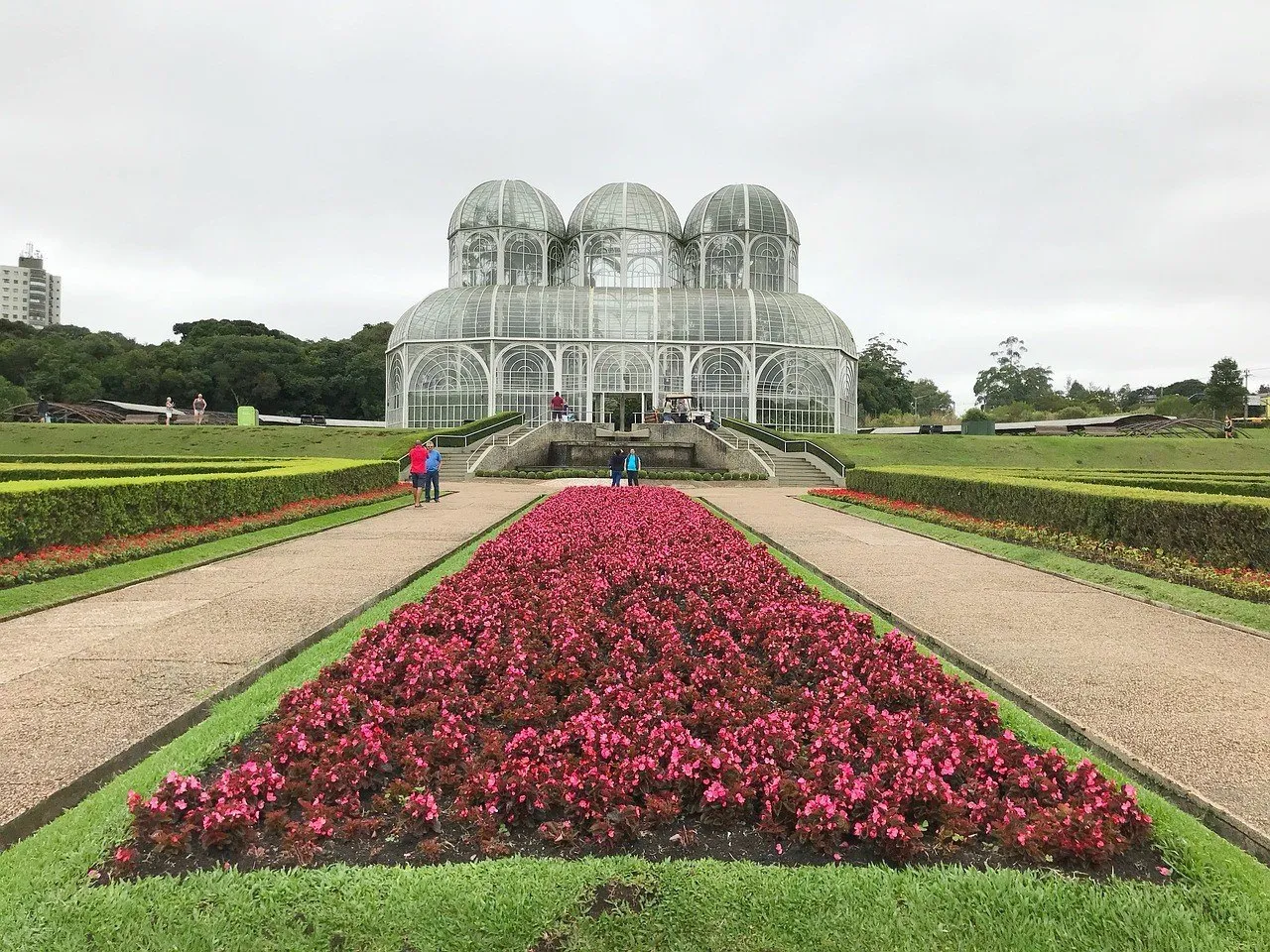
The metal-framed greenhouse appears behind the geometric gardens; the walk continues among plants, paths and the Galeria das Quatro Estações.
View details for Jardim Botânico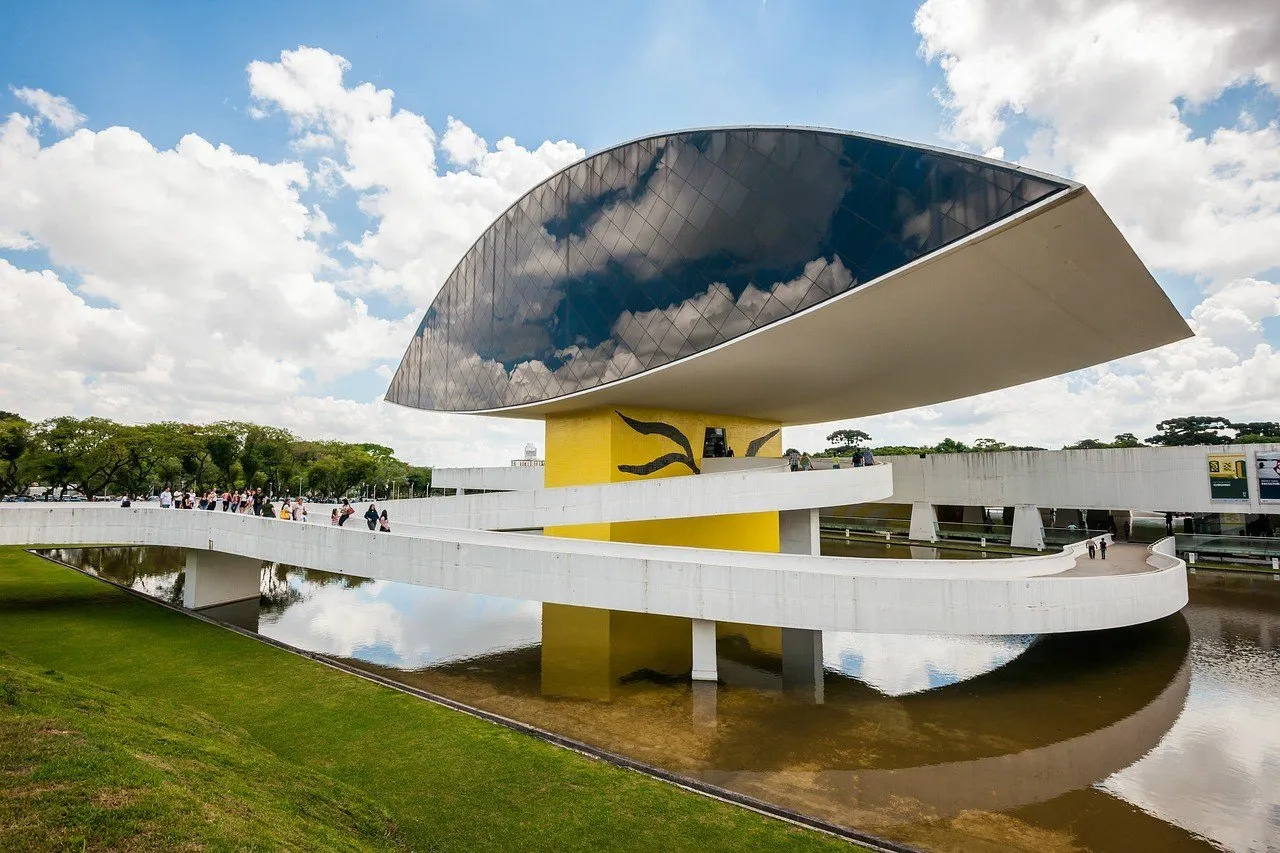
Brazil
A greenhouse appears past the flower beds; farther on, a theater looks like it was drawn in lines over the water. Curitiba gives your camera plenty to do, then tells you to put it all away and walk in the woods.
The greenhouse at the Jardim Botânico appears at the end of a pattern of flower beds; the Ópera de Arame emerges among vegetation, lake and rock. In Curitiba, a good part of the outing is watching construction and nature meet. Even quarries got a second life: they became a park, a lookout and a space for environmental education. You start out trying to frame everything for the photo and end up sitting down to look without the screen in the way.
Set aside the central core for walking and organize the parks by region, using transport between them. The Linha Turismo helps connect the attractions, but doing the whole circuit is not the same as visiting everything: each stop takes time. This itinerary spreads museum, old center and green areas over three days; if the forecast brings rain, swap the order and give more room to the MON. The durations are suggestions for planning the visit, with no rushing between entrances.
The building many people call Unilivre, in the Bosque Zaninelli, now houses the Escola Municipal de Sustentabilidade. The old nickname is still useful for finding the attraction in searches.
In the Bosque Alemão, the tale of Hansel and Gretel follows the trail, and the house associated with the witch is a children's library: here, the destination of the walk can be a story.
Carne de onça is made of raw beef, with seasonings and bread. The name gives more of a fright than the list of ingredients, and no feline takes part in the recipe.
1The metal-framed greenhouse appears behind the geometric gardens; the walk continues among plants, paths and the Galeria das Quatro Estações.
View details for Jardim Botânico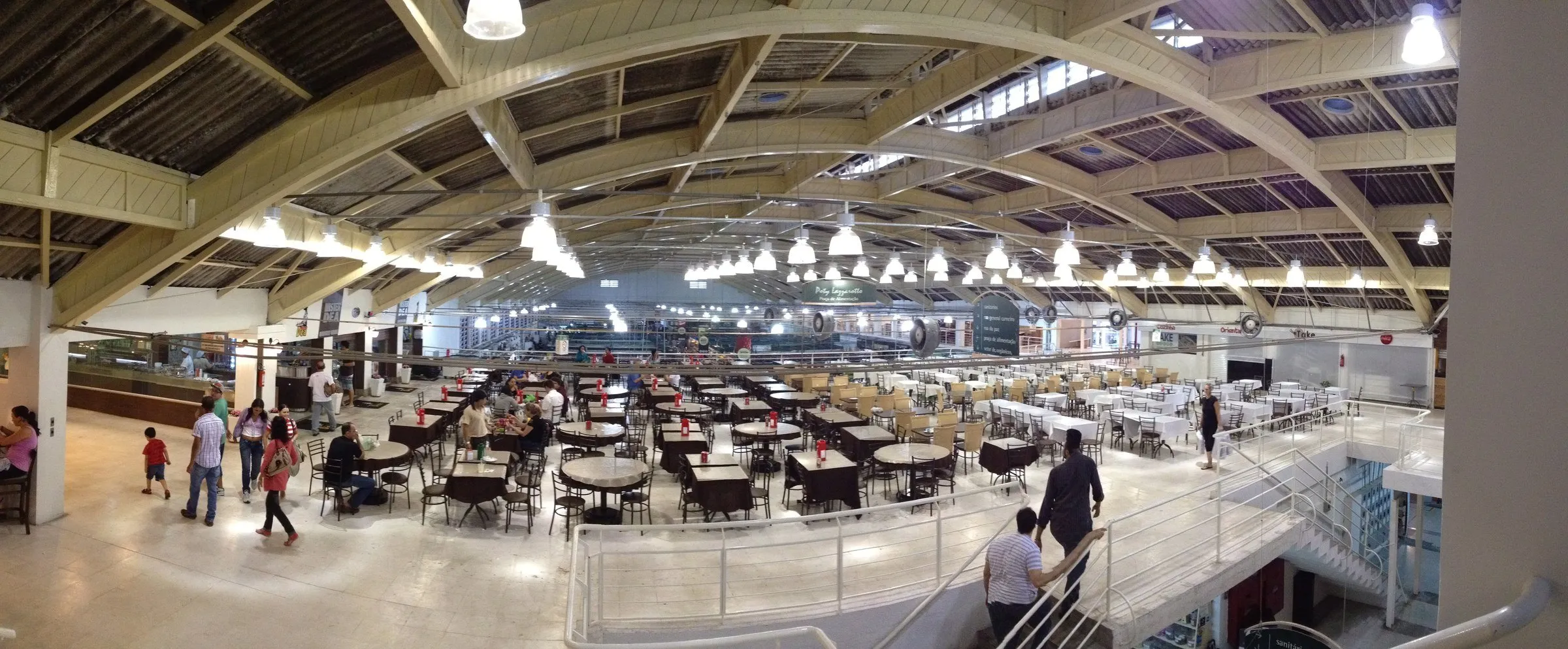 2
Stalls of fruit, seasonings, cheeses and preserves share the address with restaurants: a stop that solves lunch and still yields shopping to take home.
View details for Mercado Municipal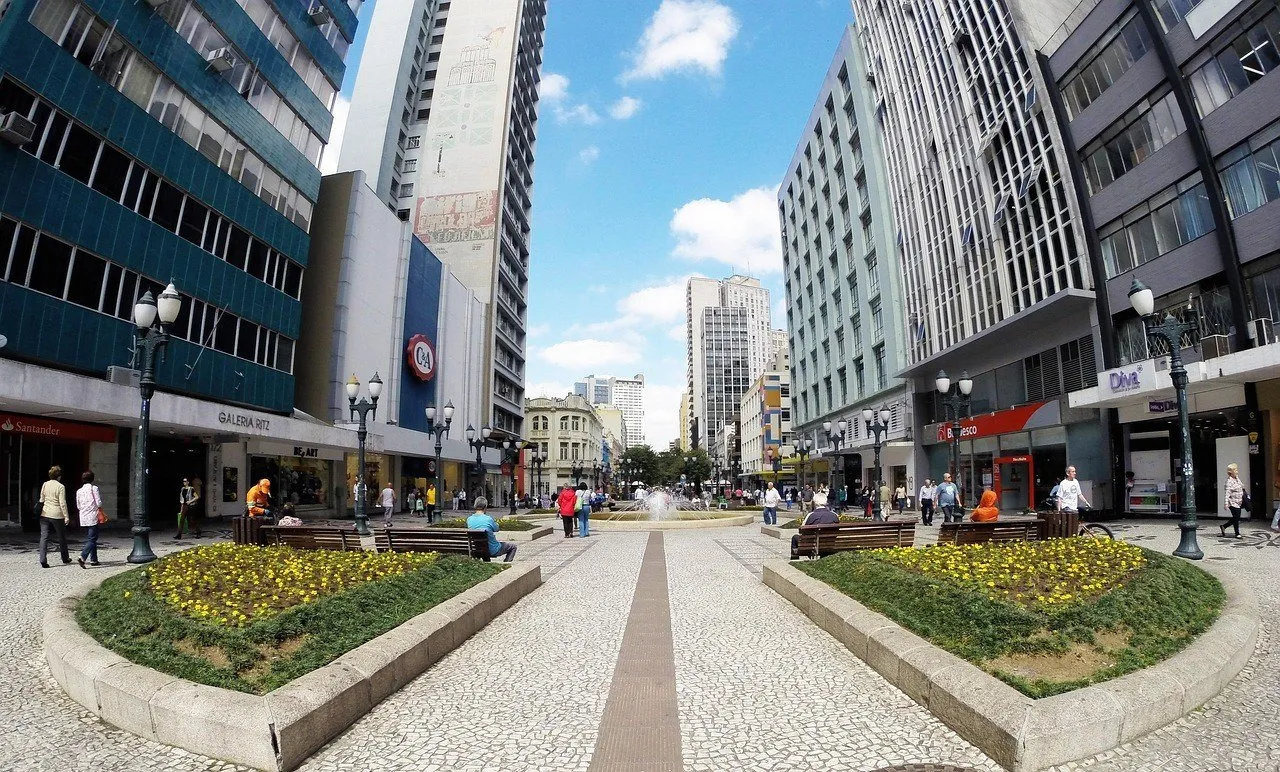 3
The pedestrian stretch of Rua XV de Novembro combines flower beds, shops and historic facades; looking up helps you see beyond the shop windows.
View details for Rua das Flores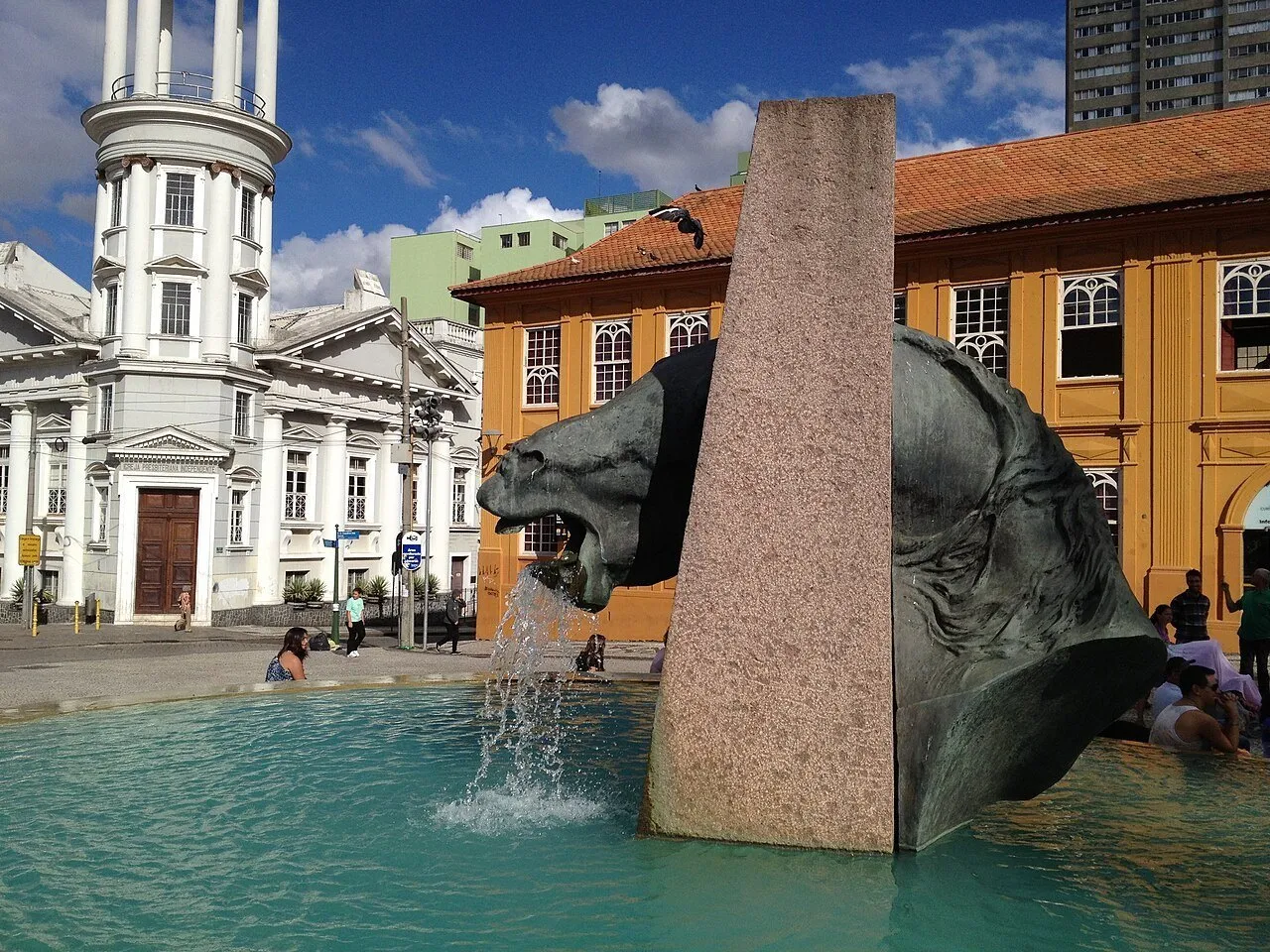 4
Stones underfoot, old buildings and the way to the Praça Garibaldi form the core of the walk through the old center; on Sundays, the fair changes the pace.
View details for Largo da Ordem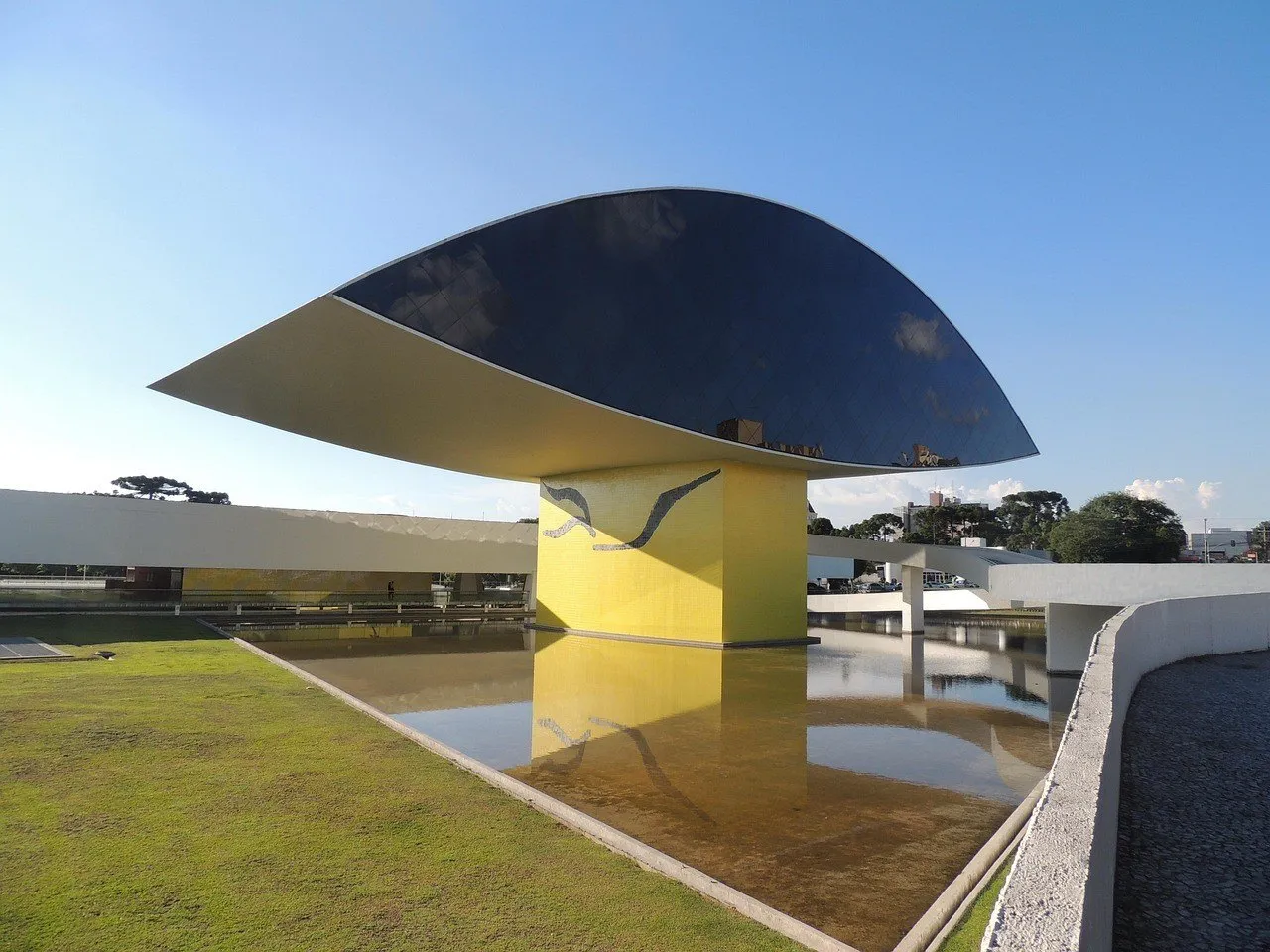 5
The eye-shaped volume draws attention from outside; inside, the MON gathers exhibitions of visual arts, architecture and design in buildings by Niemeyer.
View details for Museu Oscar Niemeyer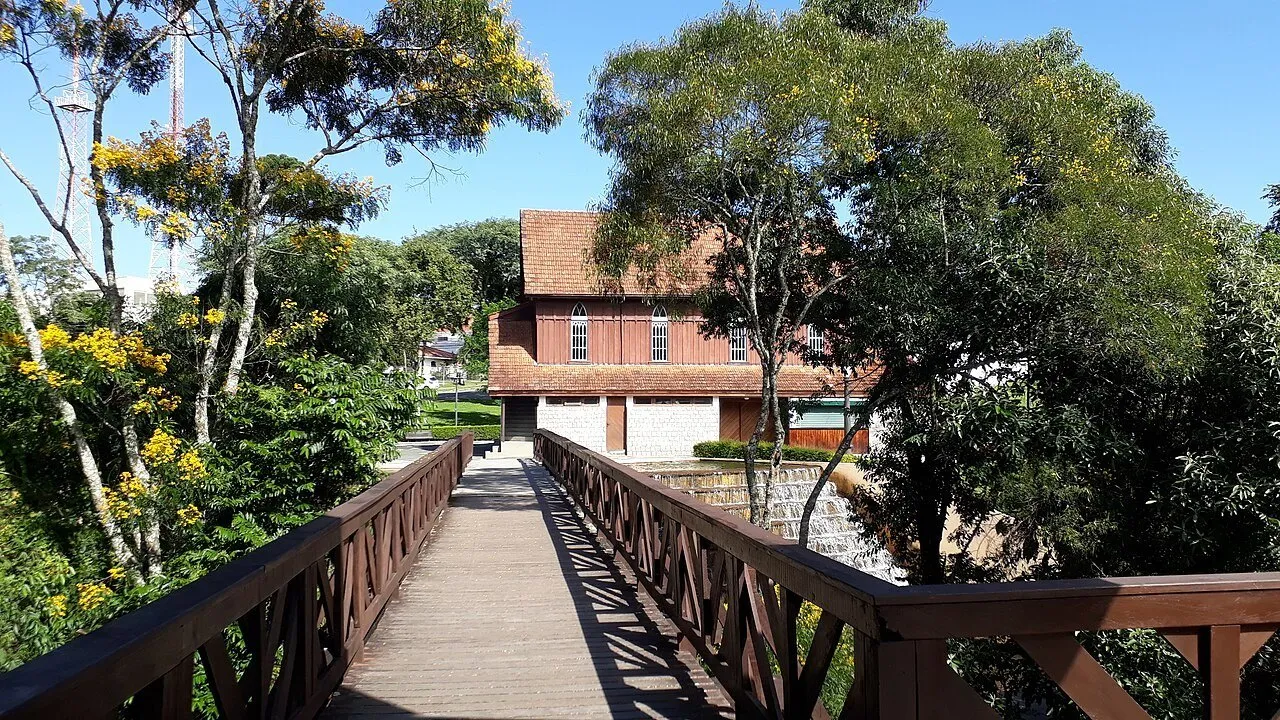 6
A trail with the tale of Hansel and Gretel links a lookout, forest and children's library; the bosque also holds the Oratório de Bach and a rebuilt facade.
View details for Bosque Alemão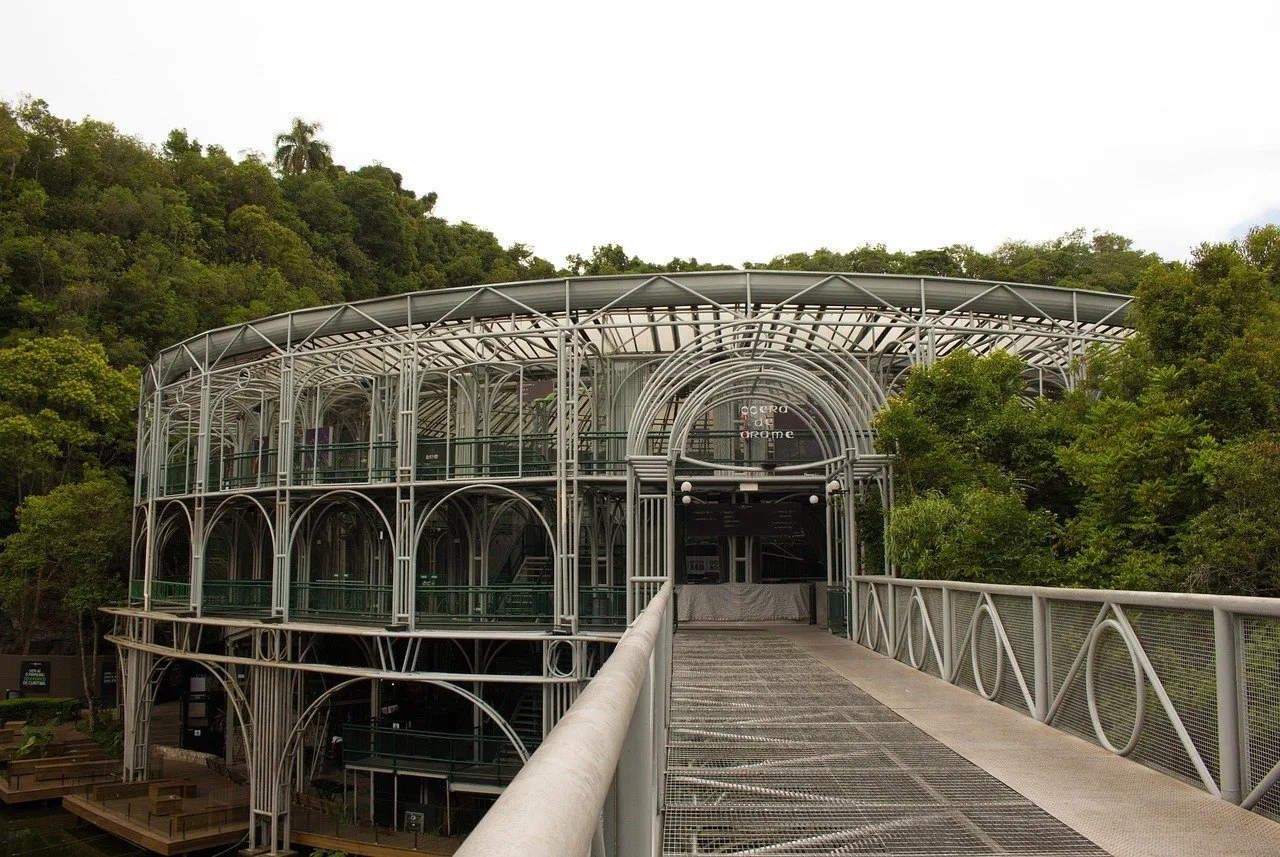 7
A tubular structure, transparent roof and a walkway over the water make the theater an architecture outing among vegetation and rock walls.
View details for Ópera de Arame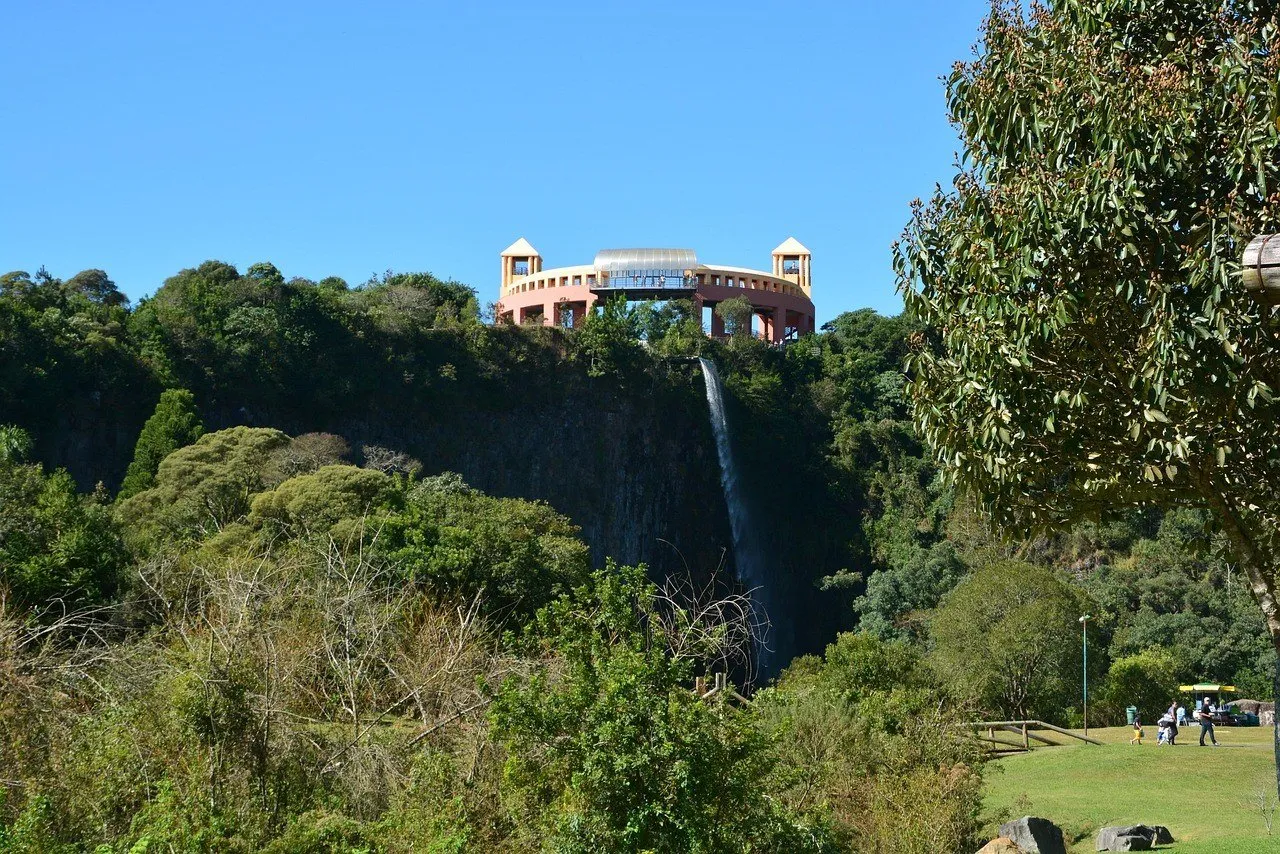 8
A former quarry became a park with a garden, lookout, lake and cascade; the upper and lower areas show different perspectives of the same rock wall.
View details for Parque Tanguá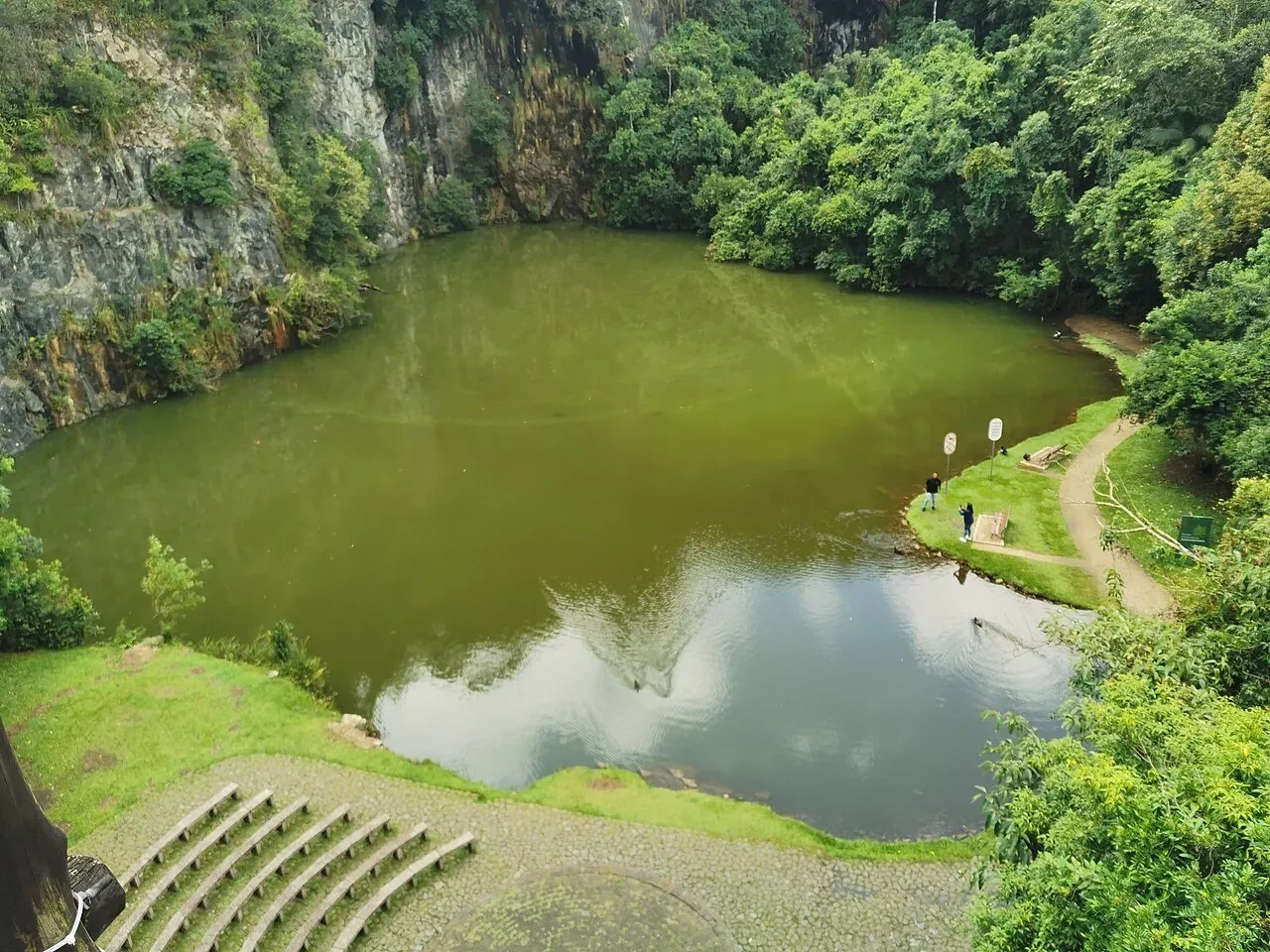 9
Walkways, a lake and a wooden building occupy a former quarry; the building known as Unilivre now houses the Escola Municipal de Sustentabilidade.
View details for Bosque Zaninelli (Unilivre)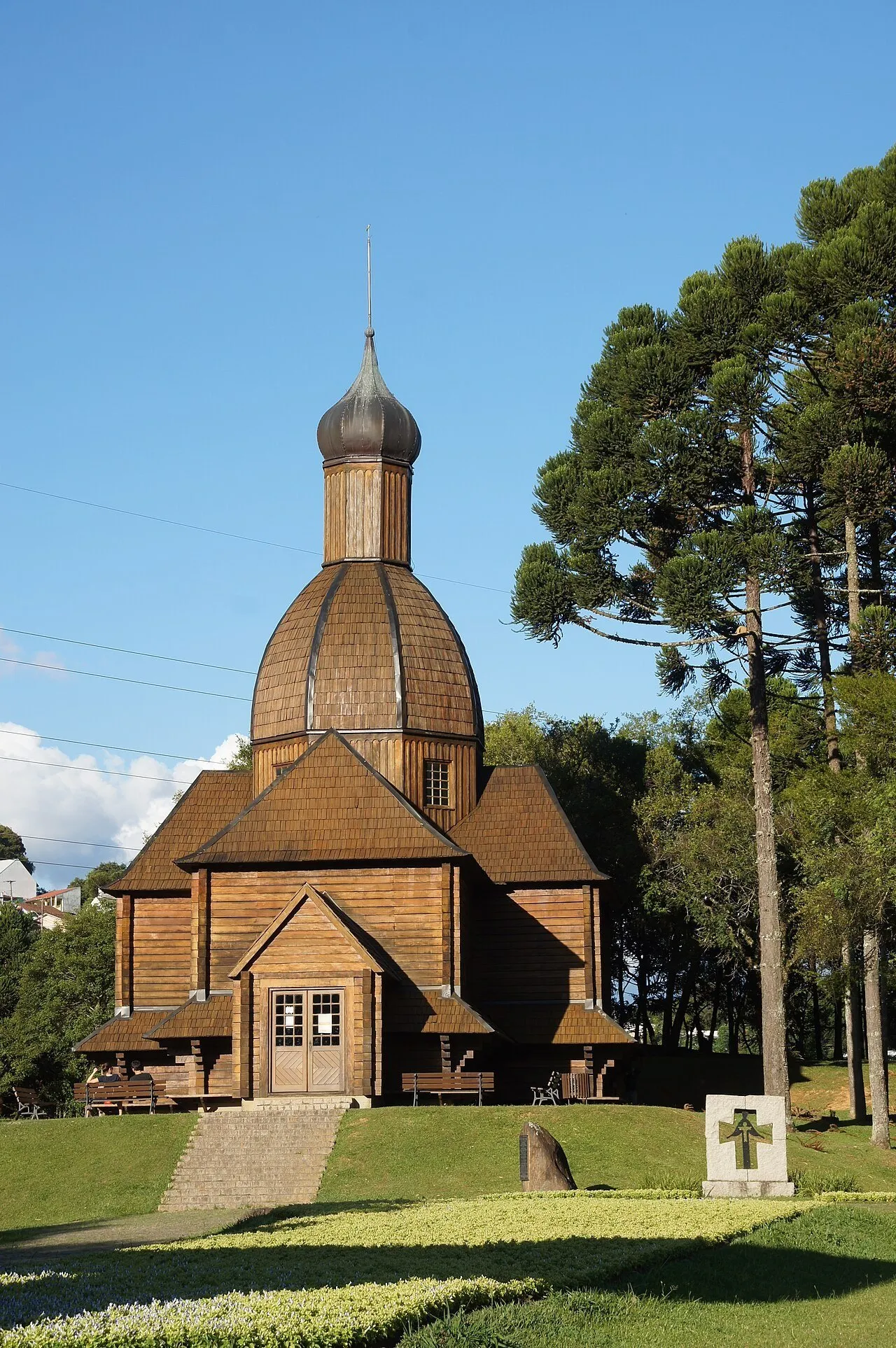 10
In the Parque Tingui, a wooden building inspired by a Ukrainian church, the bell tower and a pêssanka celebrate traditions brought by immigrants.
View details for Memorial Ucraniano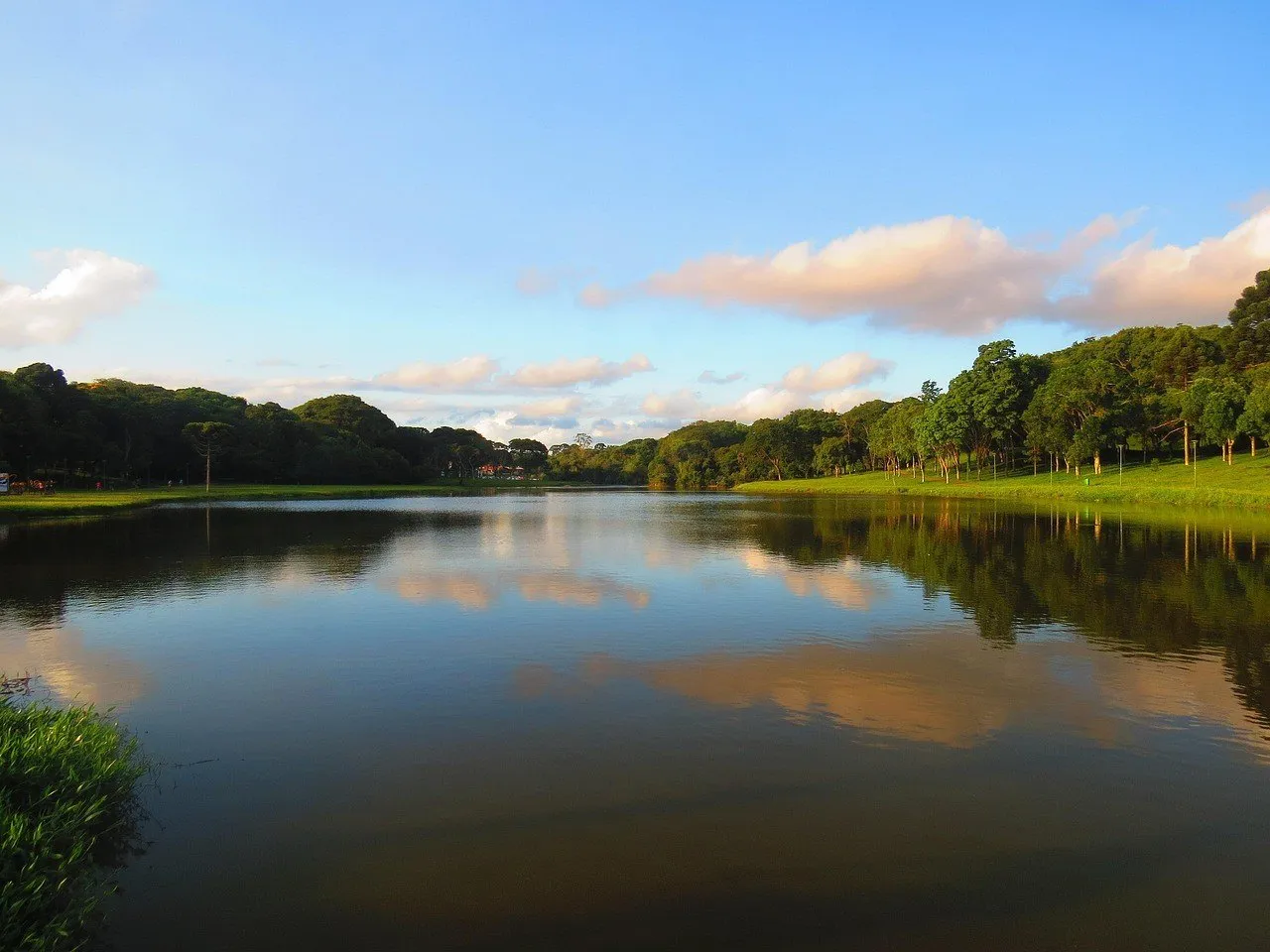 11
Lake, lawns and paths make the Barigui a good long pause; among people walking and birds on the water, the outing needs no sequence of attractions.
View details for Parque Barigui1The flower beds lead the eye to the greenhouse, but resist the temptation to take the photo and leave. The garden has a French inspiration, while the metal structure houses botanical species. Stroll along the paths: the greenhouse itself rewards more than a head-on pose.
Behind it is the Galeria das Quatro Estações. If it is available, the Jardim das Sensações invites you to perceive plants with senses other than sight. A timely reminder for anyone who arrived looking at Curitiba exclusively through the camera.
2Between a spice stall and a cheese stall, lunch begins before you sit down. The Mercado Municipal gathers fruits and vegetables, cured meats, drinks and products from different origins. Walk the aisles first; buying on impulse can turn your backpack into a delicatessen with straps.
The restaurants widen the possibilities beyond a snack, with cuisines of different traditions. Use the visit as a break between the Jardim Botânico and downtown, leaving time to eat. Check the opening hours, especially on Sundays and holidays.
3In the shop windows, the street follows commercial life; above them, the facades tell a different conversation. Rua das Flores is the well-known name of the pedestrian stretch of XV de Novembro and Avenida Luiz Xavier. Alternate your gaze between the flower beds and the buildings.
The Palácio Avenida is a landmark of the route. Come while the shops are busy and combine the walk with the Largo da Ordem. There is no list of rooms to tick off here: just don't cross it all staring at your phone's map.
4The stones of the Largo da Ordem make you slow down before deciding to take a photo. The surroundings include buildings such as the Casa Romário Martins and the Igreja da Ordem, continuing to the Praça Garibaldi. Look for the Fonte da Memória, with its horse head.
On Sunday mornings, the crafts fair brings stalls, music and more people. On other days, there is room to observe the buildings. Choose the version that suits you and confirm the opening hours of the cultural spaces.
5The eye seems to watch the people who came to watch it. Designed by Oscar Niemeyer, the MON buildings justify a walk around the exterior, but the visit is incomplete if it ends there. Visual arts, architecture and design share the museum, with works from Paraná and abroad.
Check the exhibitions and choose a few to see with attention, instead of trying to conquer every room. Set aside a morning for the complex. On a rainy day, it is worth extending the visit and moving the parks to another time.
6Hansel and Gretel accompany the descent through the forest on panels with the tale by the Brothers Grimm. The Torre dos Filósofos offers a view of the city, and the Oratório de Bach resembles a wooden church: there is more to see than the witch's house.
On the trail is the Casa Encantada, a children's library with storytelling. In the lower part, the rebuilt facade of the Casa Mila frames the Praça da Poesia Germânica. Plan your exit to avoid climbing all the way up just to meet the same car again.
7The walkway is already part of the show: you cross the water watching the theater appear among the vegetation. The Ópera de Arame combines a tubular structure and a transparent roof, with a lake and cascades around it. The design invites you to observe construction and landscape together.
The visit to the complex can happen without attending a show, depending on the day's access. Check the schedule of the floating stage and the exhibitions. If you stop to listen to music or eat, add margin before heading to the Tanguá.
8Up high, the Jardim Poty Lazzarotto leads to the lookout; below, a lake and rock wall appear. The Tanguá rewards those who observe the former quarry from more than one angle. The cascade visually stitches the two parts together, while the exposed rock recalls the previous use.
Come late in the afternoon if the forecast cooperates. Going down to the lower area takes time to come back. The tunnel has its own visiting conditions: don't count on spontaneous access, and don't cross barriers to reach it.
9The path through the vegetation ends in front of water, rock and a wooden building. The Bosque Zaninelli occupies a former granite extraction area that has regenerated. The walkway and lake invite you to observe the landscape without requiring a long walk.
The building known for the Universidade Livre do Meio Ambiente, the Unilivre, now houses the Escola Municipal de Sustentabilidade. Respect the educational areas and check whether the ramps and the lookout are open. The photo doesn't have to depend on entering every room.
10The wooden roof and walls catch the eye before the details do. Inside the Parque Tingui, the Memorial Ucraniano honors Ukrainian immigration. The building inspired by a church and the bell tower help you recognize the complex from afar.
Look for the enlarged pêssanka on the lawn: the decorated egg is a reference to this tradition. When the interiors are open, see the exhibitions and the crafts. Afterward, extend the walk along the paths and lakes of the Tingui, without rushing the pause at the memorial.
11At the Barigui, it is worth ending the count of tourist sights. Lake and lawns share space with paths, sports areas and vegetation where native animals live. Choose a stretch to walk or a place to rest; completing the whole park doesn't have to be the goal.
Birds and other animals are part of the landscape, with no commitment to show up for your photo. Observe from a distance and take your trash with you. After the old quarries, this is a good ending: a lake shore, with no alarm calling for the next stop.
Compare the Linha Turismo with a regular bus, taxi or ride-hailing app. The circuit takes time beyond the visits; check the current ticket rule and the intervals before buying.
Bring layers of clothing and rain protection, following the forecast for your days. On wet ground, slow down on trails, wooden ramps and the stones of the Largo.
Check the weekly closures of museums, the market and memorials. A park's opening hours don't guarantee that the cultural facility inside it will be open.
Check the free-admission conditions at the MON and the access conditions to the parks. Save your budget for the exhibitions and activities you plan to do.
Protect your bag and phone, check the map at a calm spot and prefer busy routes. Organize your return from the parks and the meeting with transport before nightfall.
Leave room for wildlife, don't offer food and take your trash to a bin. Use the camera framing to observe without interrupting the animals' rest.
The Mercado Municipal presents the ingredients; the bars continue the conversation with snacks. Pinhão appears more easily in the cold season. Ask about the ingredients before ordering: carne de onça is raw, and the surprise should be left to the name. For a long meal, look for what is being prepared that day.
Seasoned raw beef, served on bread, with accompaniments such as onion, scallion and mustard.
The seed of the araucaria is usually served boiled or roasted; peeling it is part of the pause and takes some patience.
Filled dough linked to Polish tradition, one of the references of Paraná cuisine.