 1
Beaches
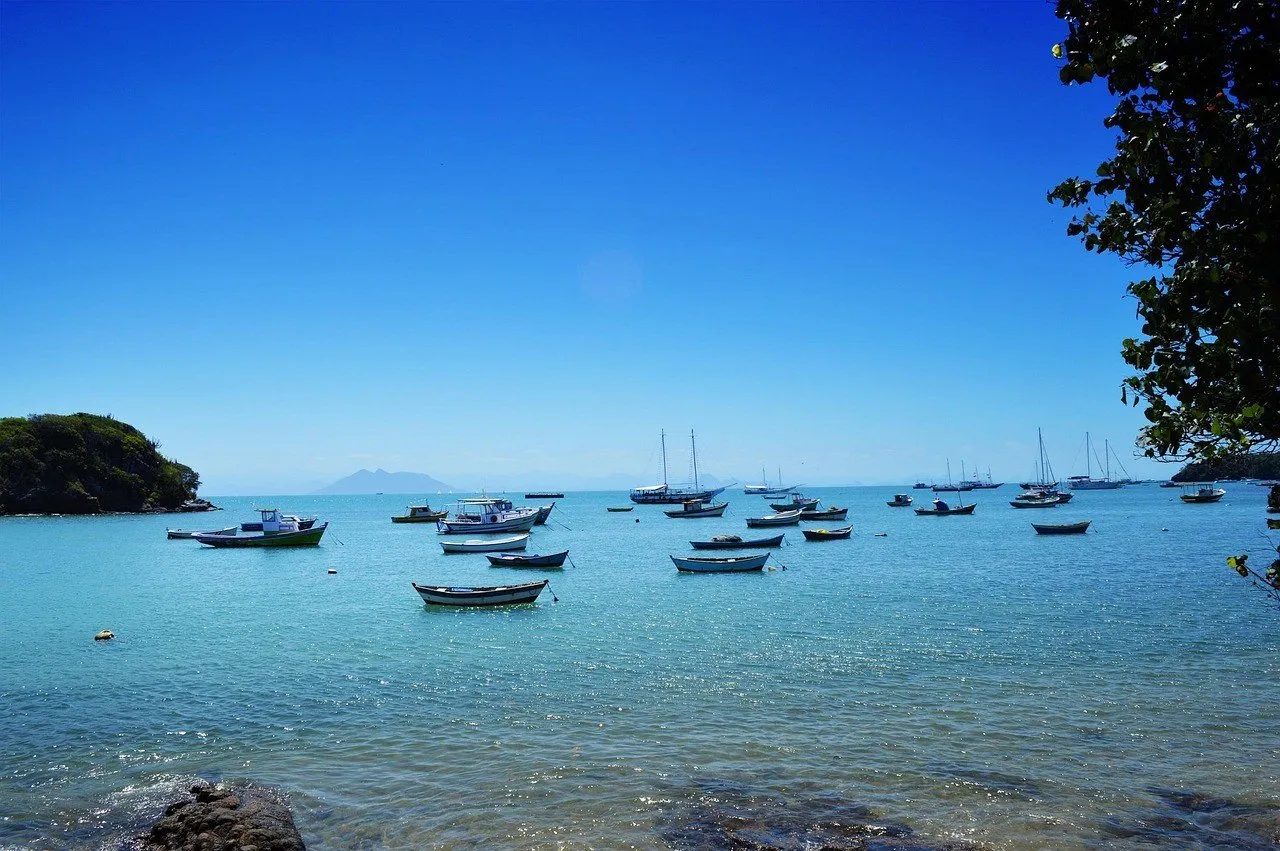
Praia de Tambaú
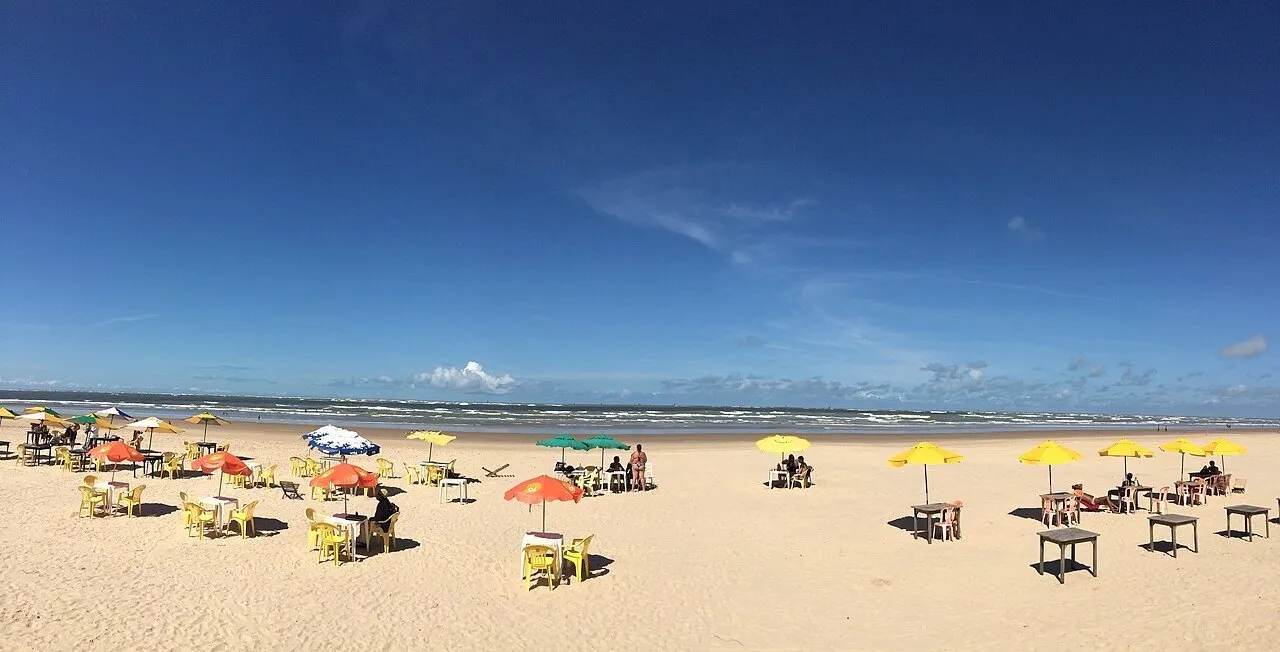
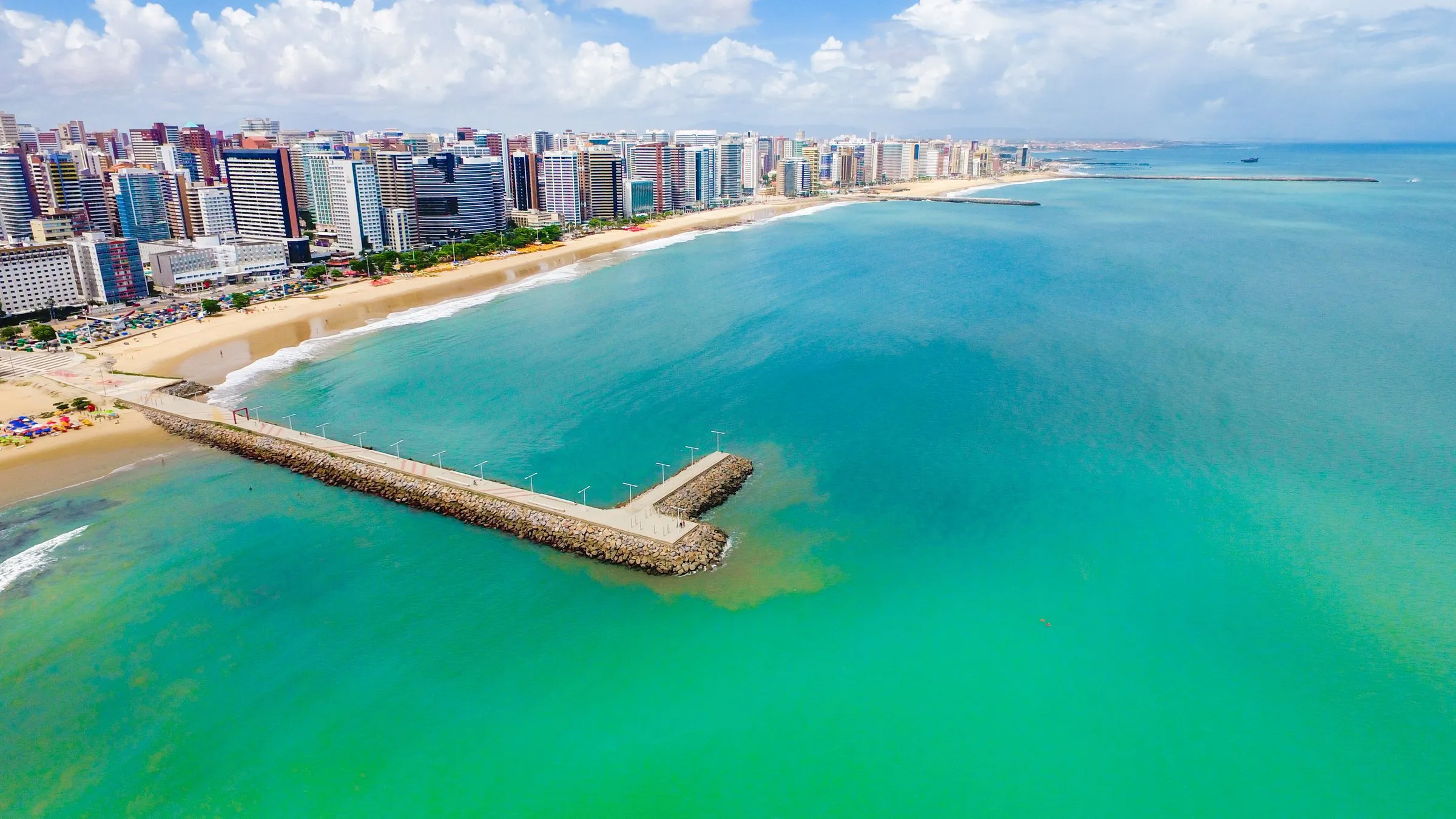
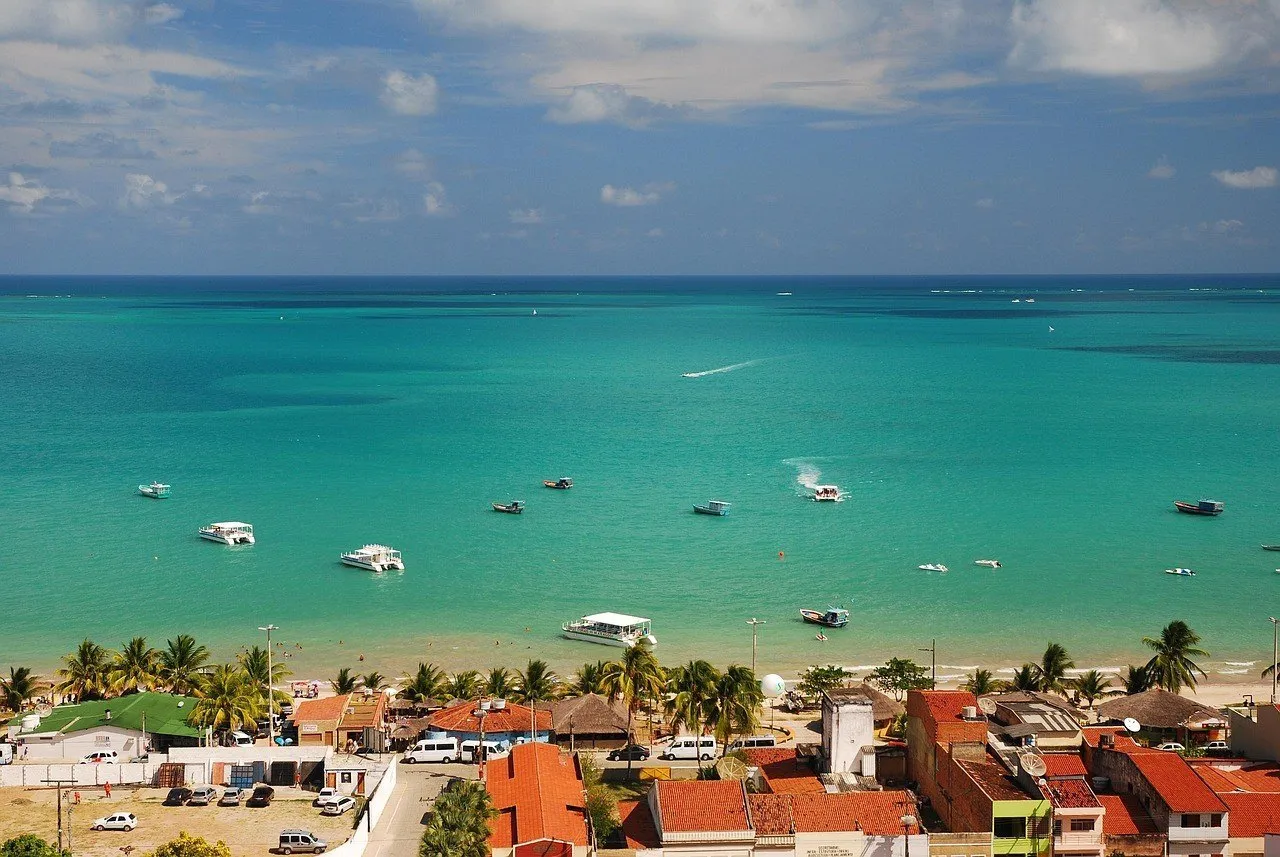
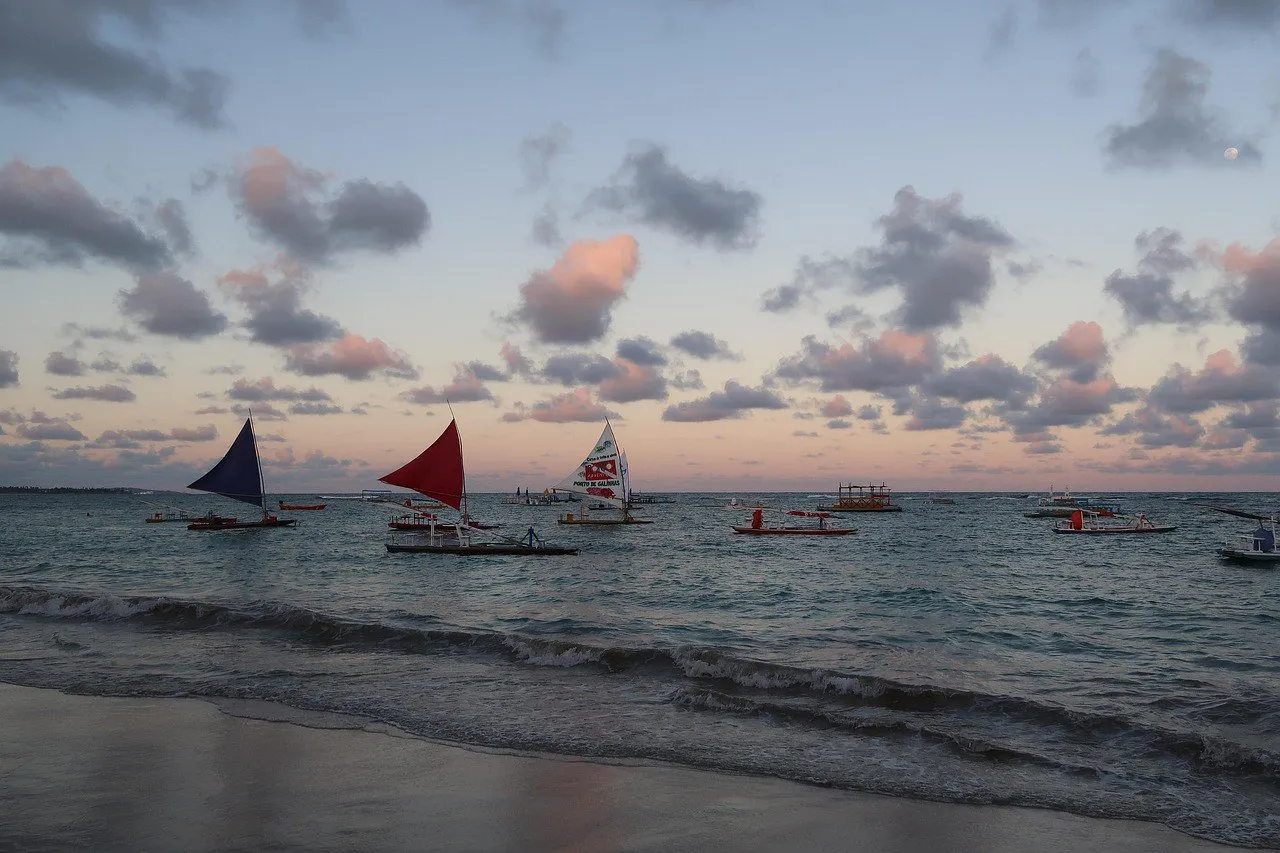
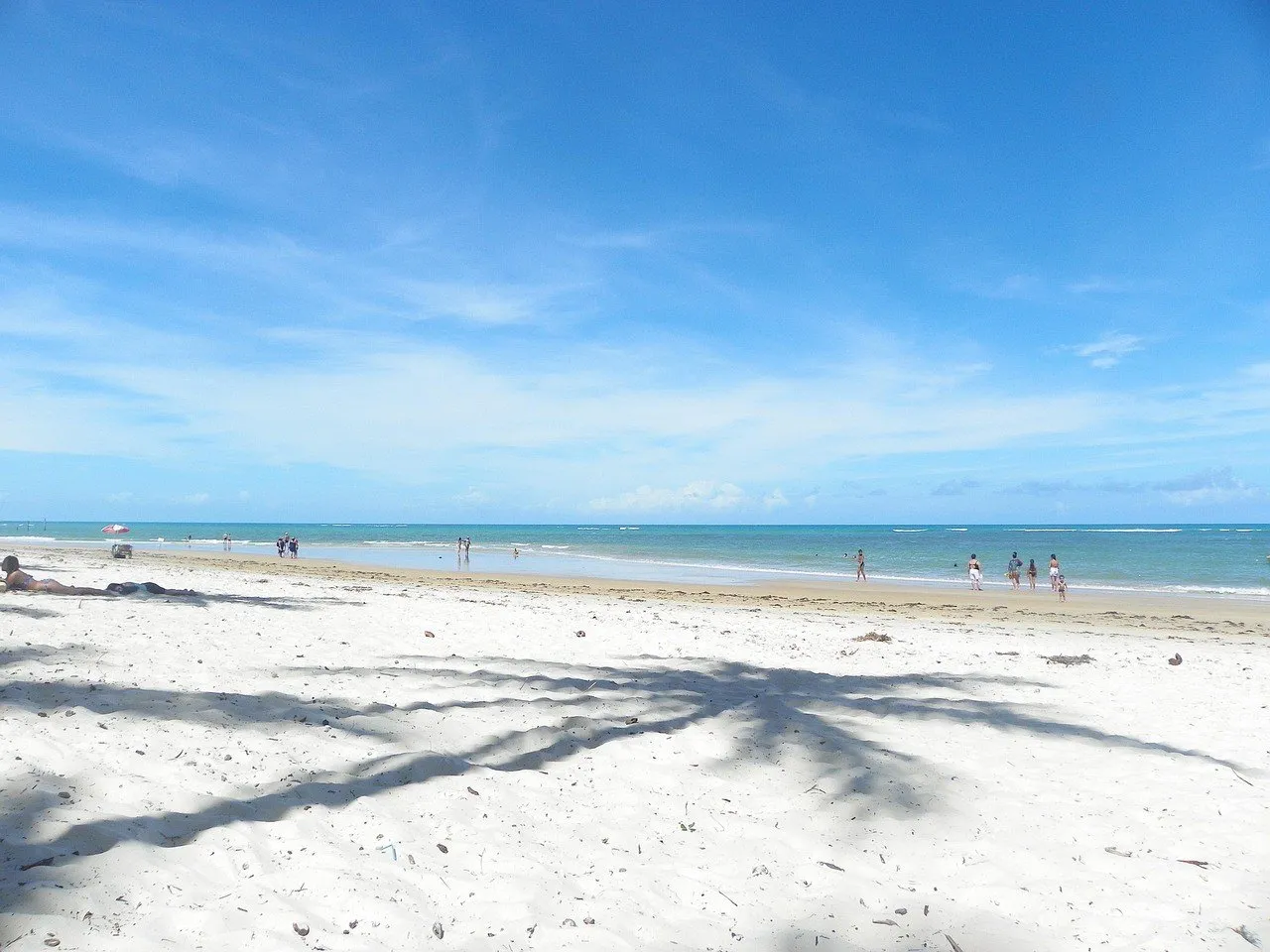
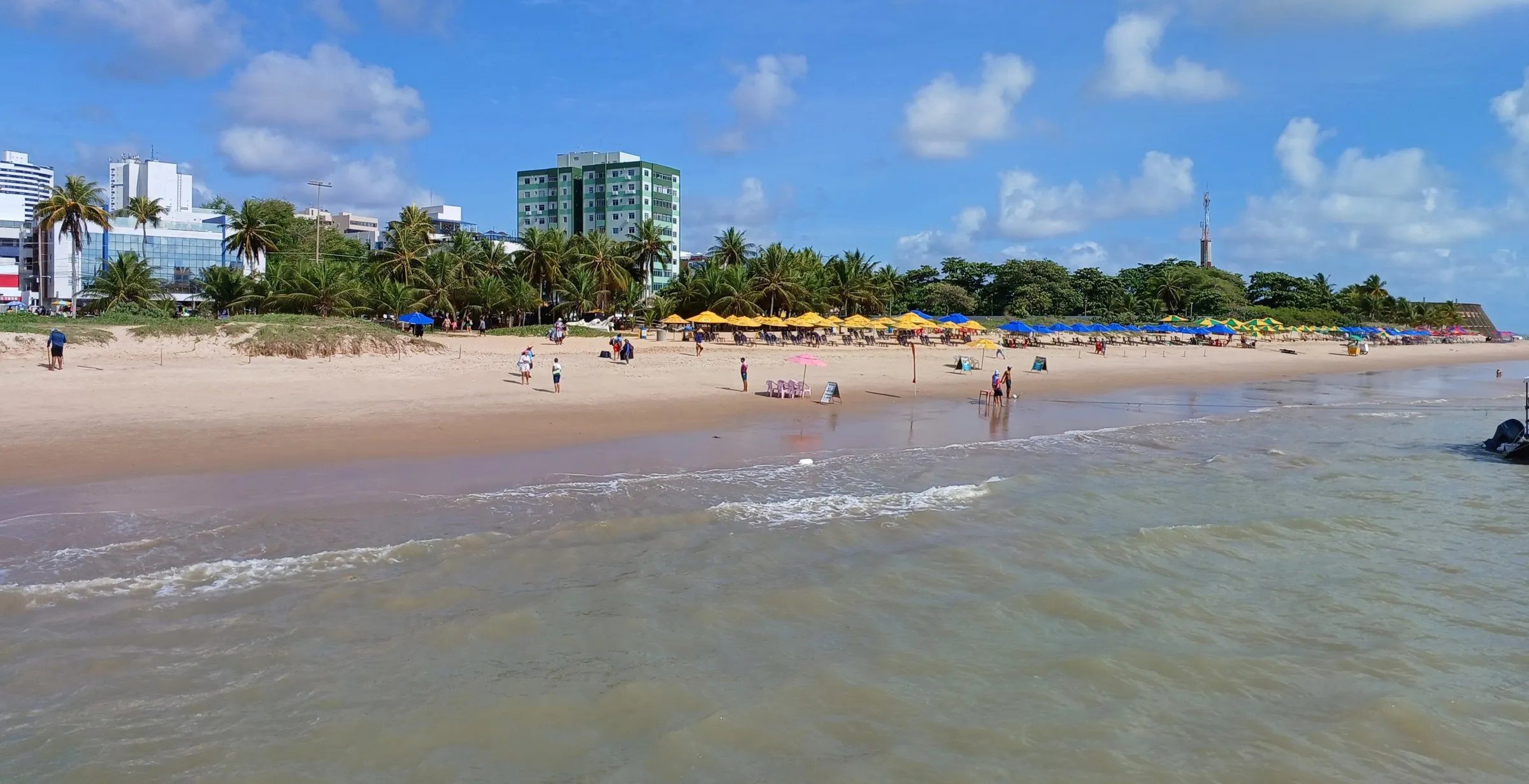
Tambaú combines an urban beach, a promenade and boat departures for Picãozinho; it is a practical base for starting to understand the rhythm of João Pessoa's waterfront.
View details for Praia de Tambaú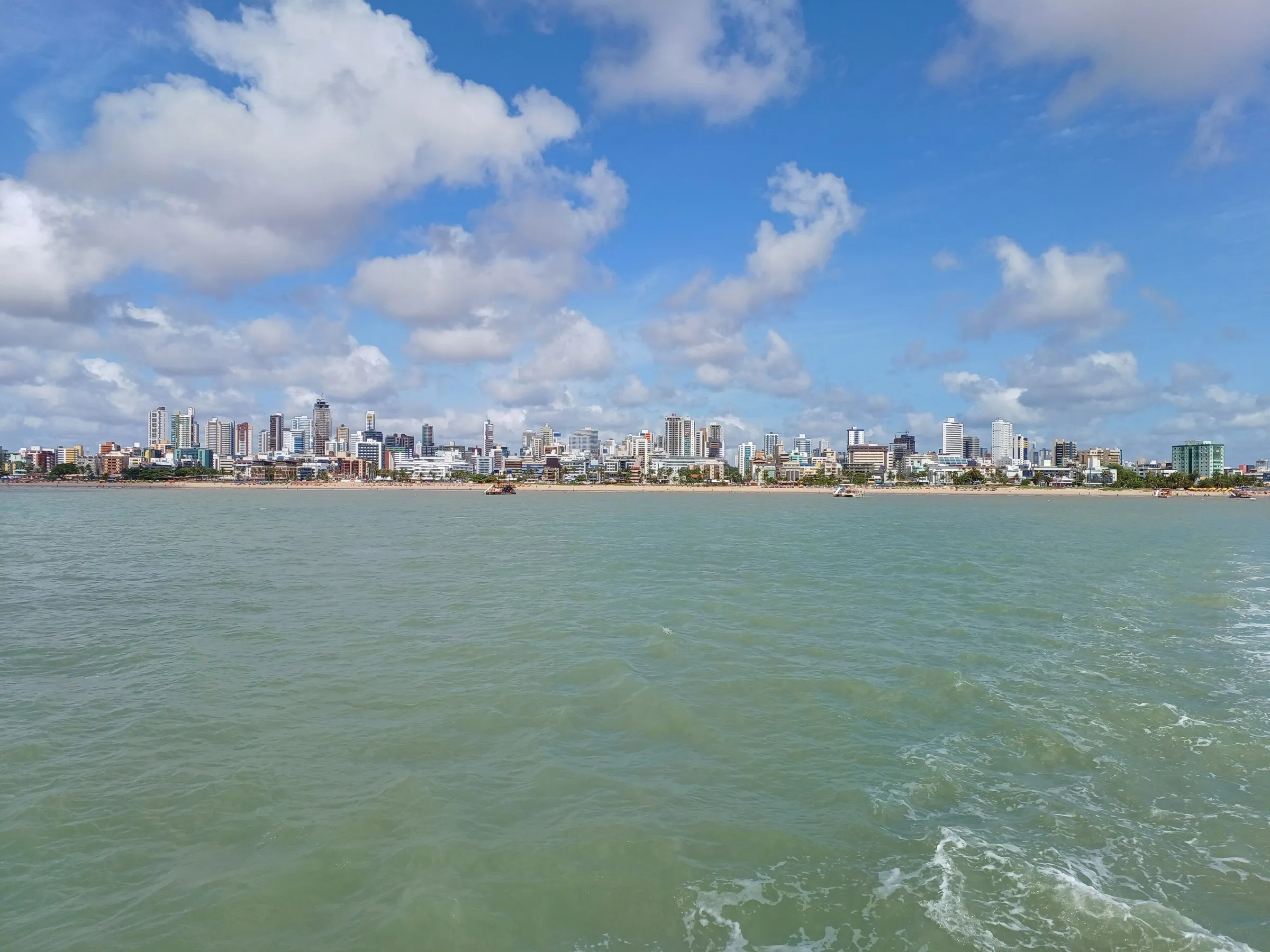
Brazil
In Tambaú, the boat trip waits for the tide to go out. In the garden of Hotel Globo, you wait for the sun to drop over the Sanhauá. João Pessoa has a very particular way of organizing its schedule.
On the Tambaú waterfront, the conversation starts by looking at the sea: is the tide right for Picãozinho? The reefs help decide the plans, and the Cabo Branco promenade offers a very reasonable alternative for those who prefer to stay on land. Somewhere between a walk and a tapioca, you realize that the capital of Paraíba has outings that call for movement and others whose main requirement is choosing where to sit.
But João Pessoa also explains itself with its back to the beach. The city began alongside the Sanhauá, and its Historic Center brings together the Baroque ensemble of São Francisco, the townhouses of Praça Antenor Navarro and the old Hotel Globo. Set aside one day for that side of the trip and another for the architecture of the Estação Cabo Branco and the neighboring lighthouse. The itinerary below organizes three days, with one clause: the tide may change the order of the pages.
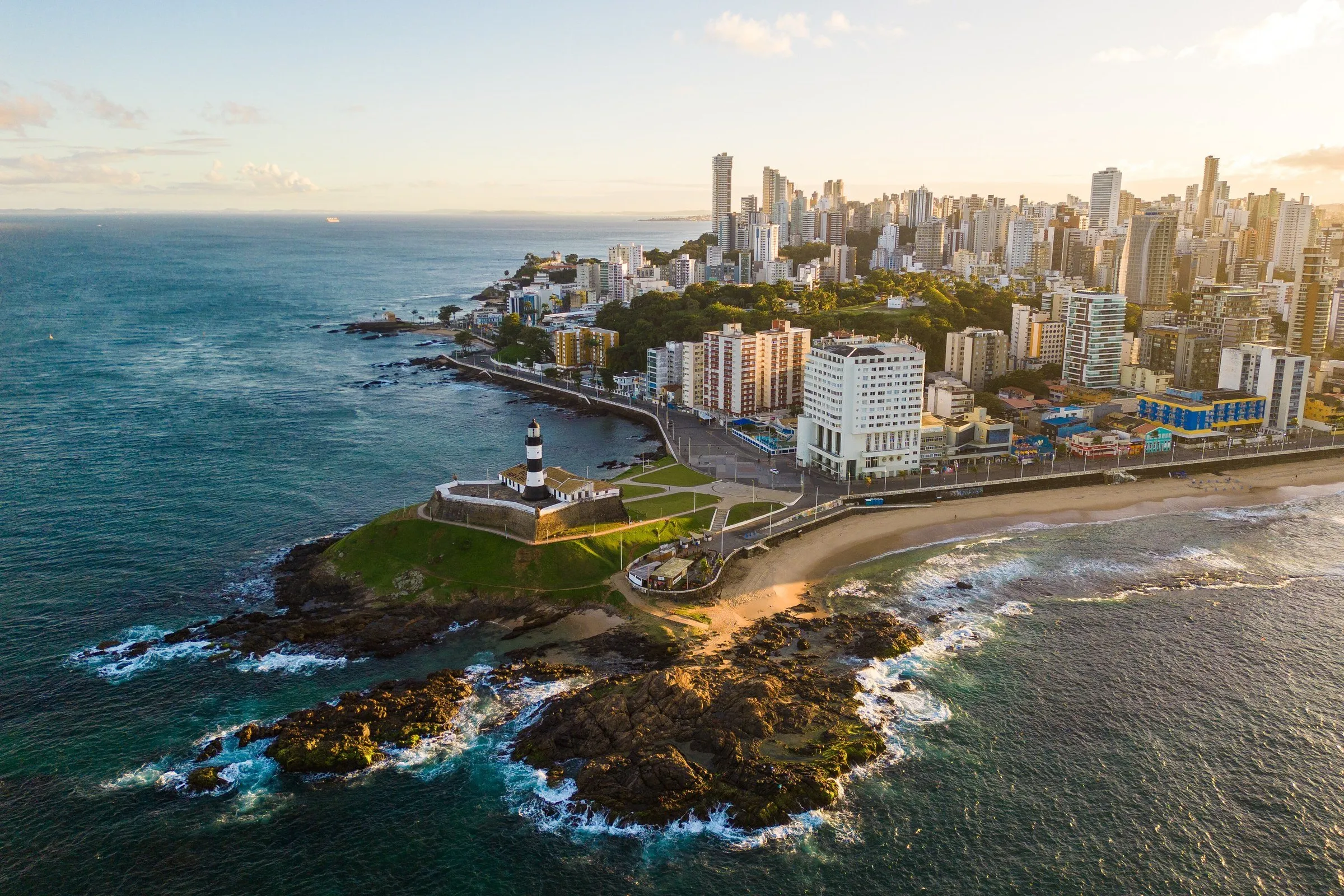
The Farol do Cabo Branco has shapes inspired by sisal, a plant that matters to the economy of Paraíba; the design is by the architect Pedro Abraão Dieb.
Hotel Globo keeps the name of a lodging, but today it hosts art and cultural activities: you go to visit, with no need to ask for a room.
The urban history of João Pessoa began near the Sanhauá River, in what is now the Historic Center; the beaches that draw so many people today are in another part of the city.
1Tambaú combines an urban beach, a promenade and boat departures for Picãozinho; it is a practical base for starting to understand the rhythm of João Pessoa's waterfront.
View details for Praia de Tambaú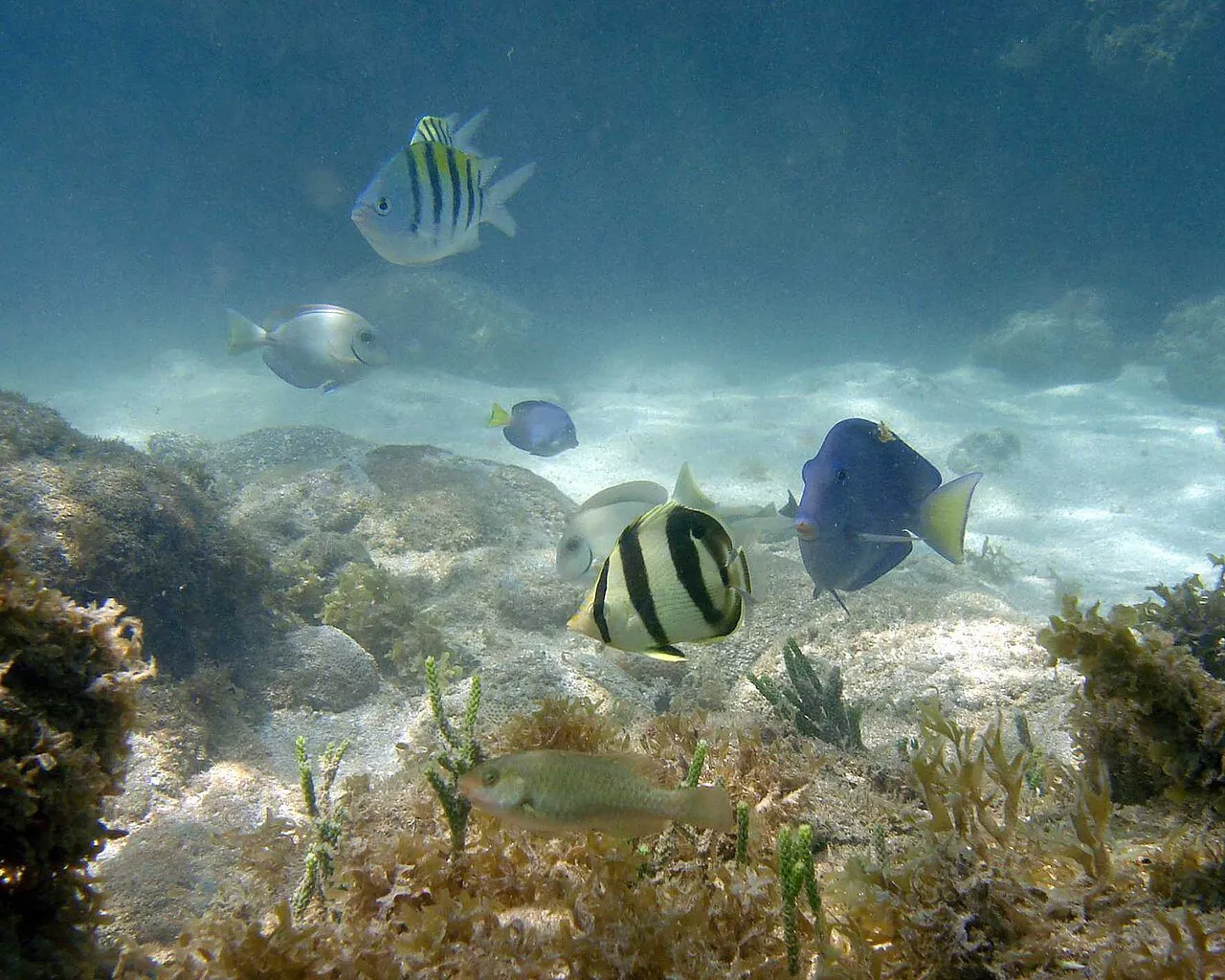 2
Reefs facing Tambaú form natural pools when the tide goes out; the boat trip lets you observe marine life without leaving the city.
View details for Picãozinho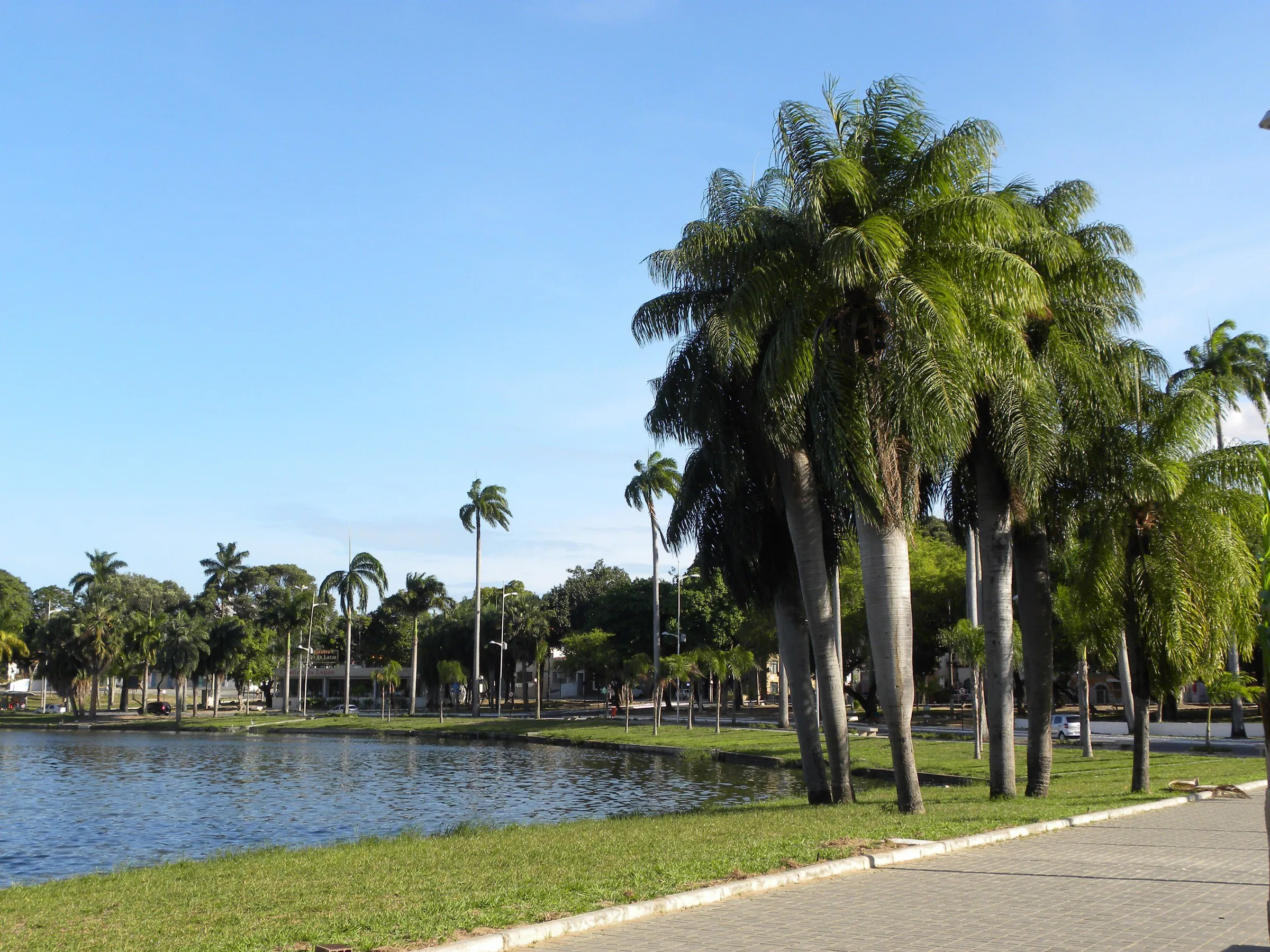 3
The lagoon surrounded by palm trees marks the center of João Pessoa; its paths and gathering areas allow a pause between the visits of the historic day.
View details for Parque da Lagoa — Solon de Lucena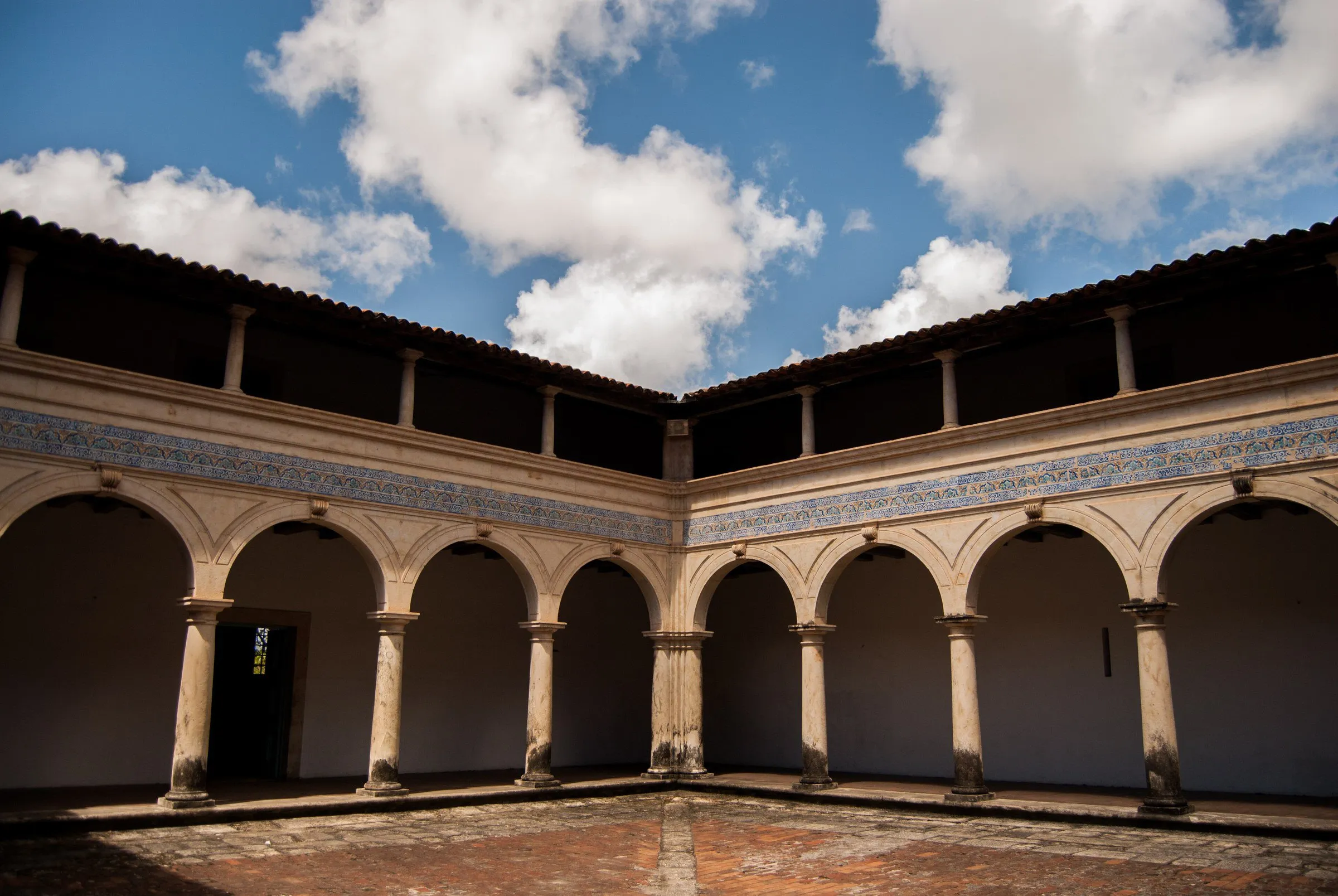 4
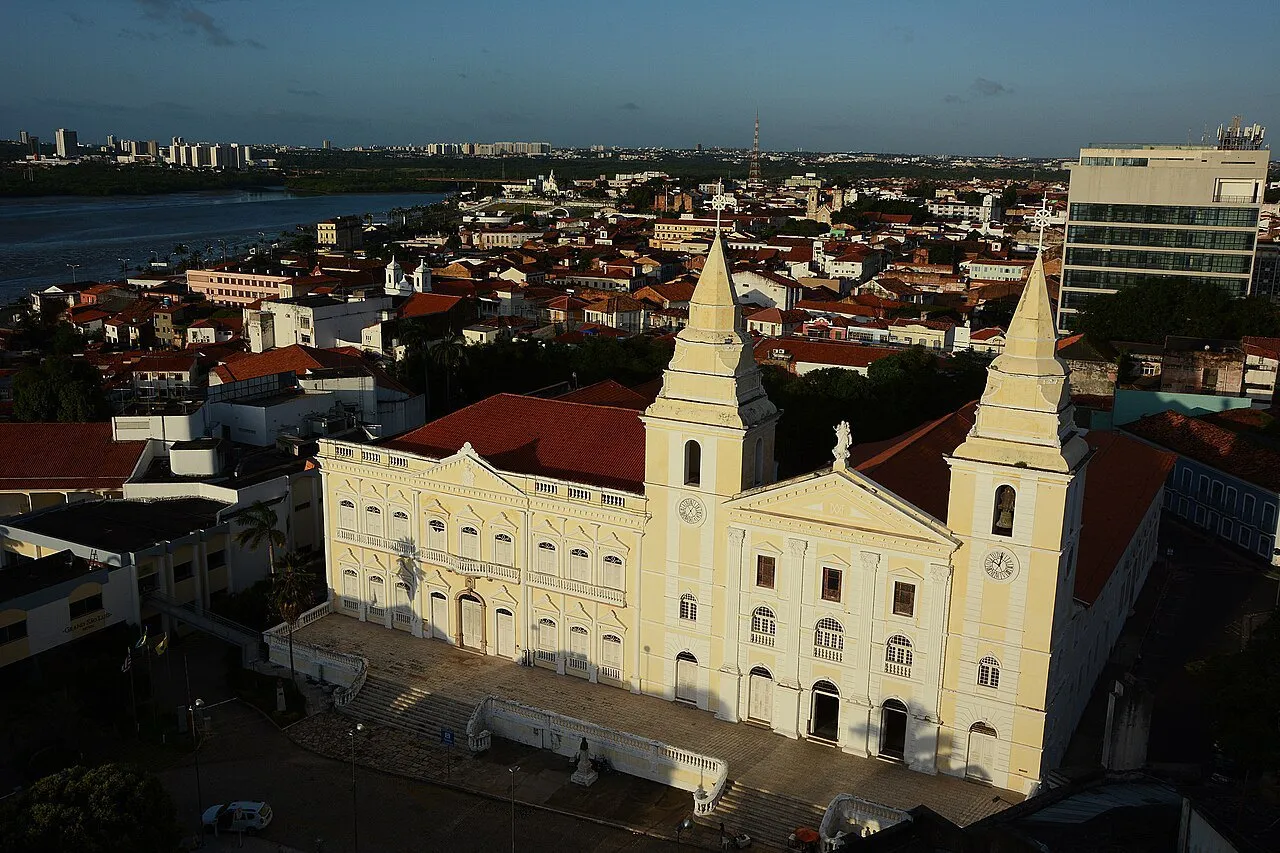
The São Francisco complex brings together a church, a convent and Baroque art; the visit lets you take a calm look at the decoration and at the transformation of the space into a cultural center.
View details for Centro Cultural São Francisco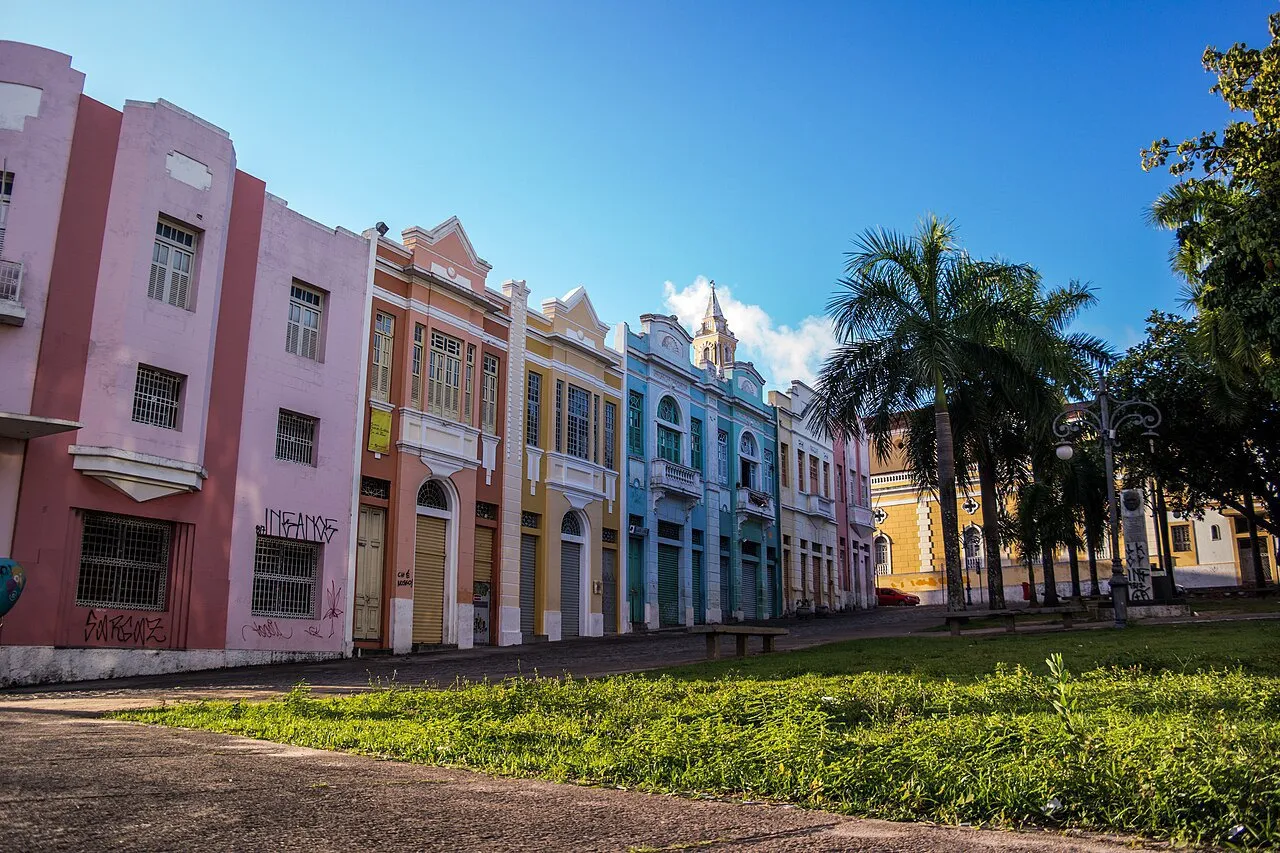 5
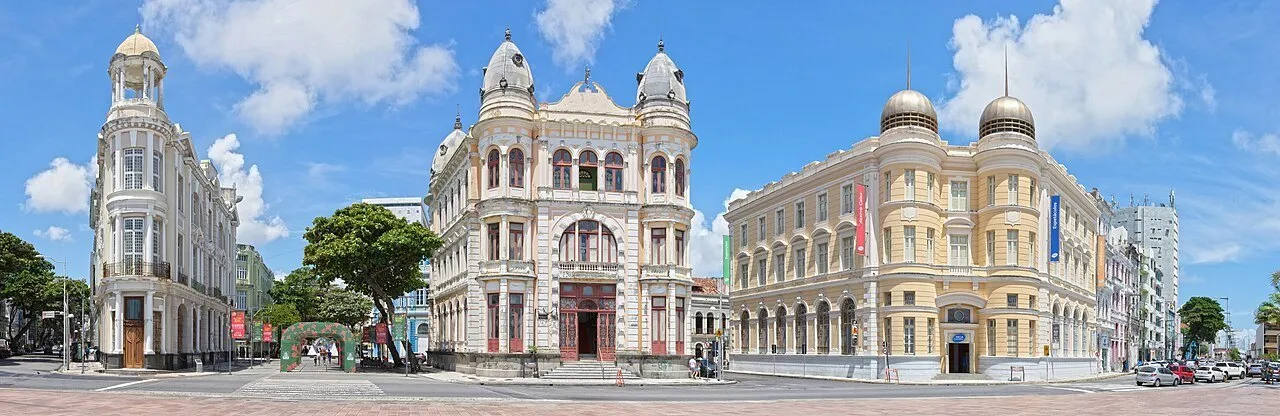
Townhouses with colorful facades surround the Praça Antenor Navarro, in Varadouro; the ensemble helps you notice other eras of the Historic Center's architecture.
View details for Praça Antenor Navarro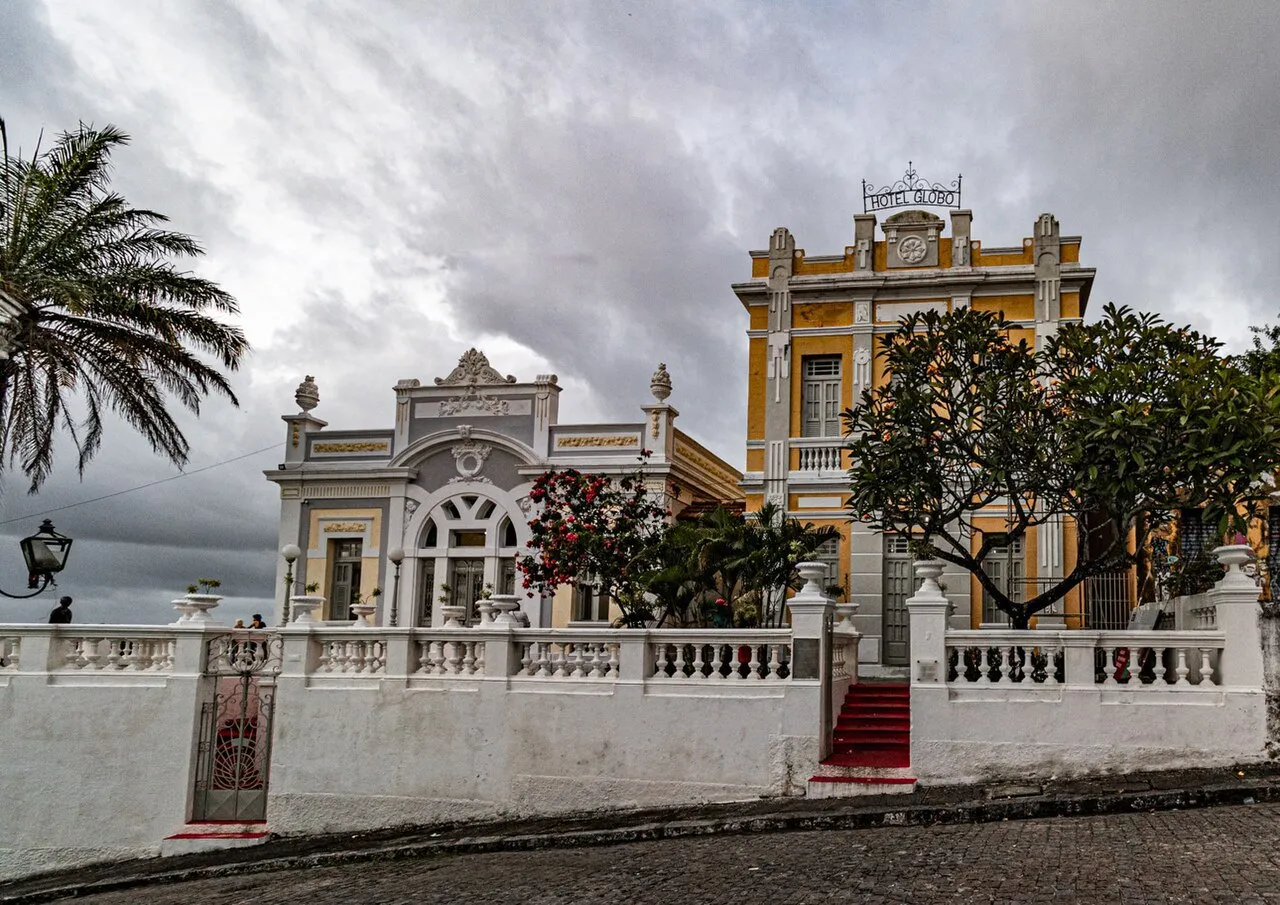 6
The former Hotel Globo hosts art and cultural activities in Varadouro; its garden looks out over the Sanhauá River and is a good stop to end the day in the Centro.
View details for Hotel Globo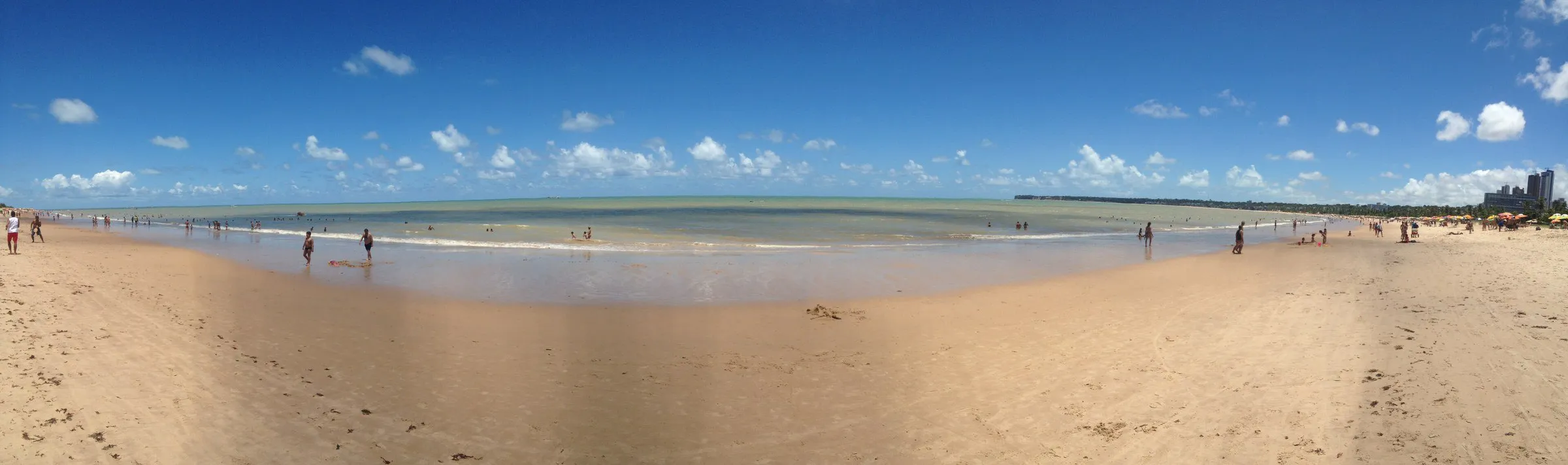 7
The Cabo Branco waterfront combines a seaside walk and places to eat; it is worth setting aside time to enjoy the beach without chasing the next outing.
View details for Praia de Cabo Branco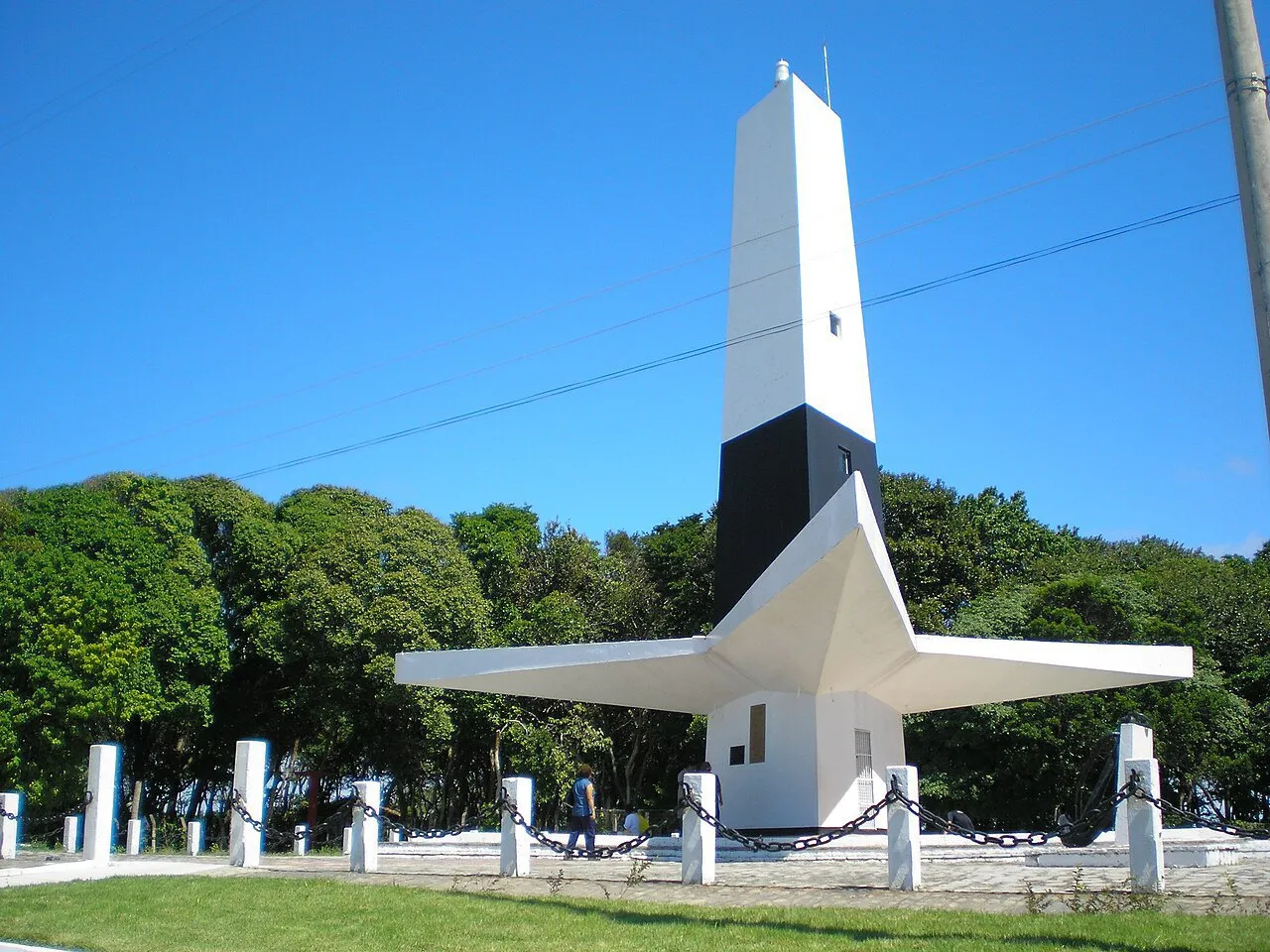 8
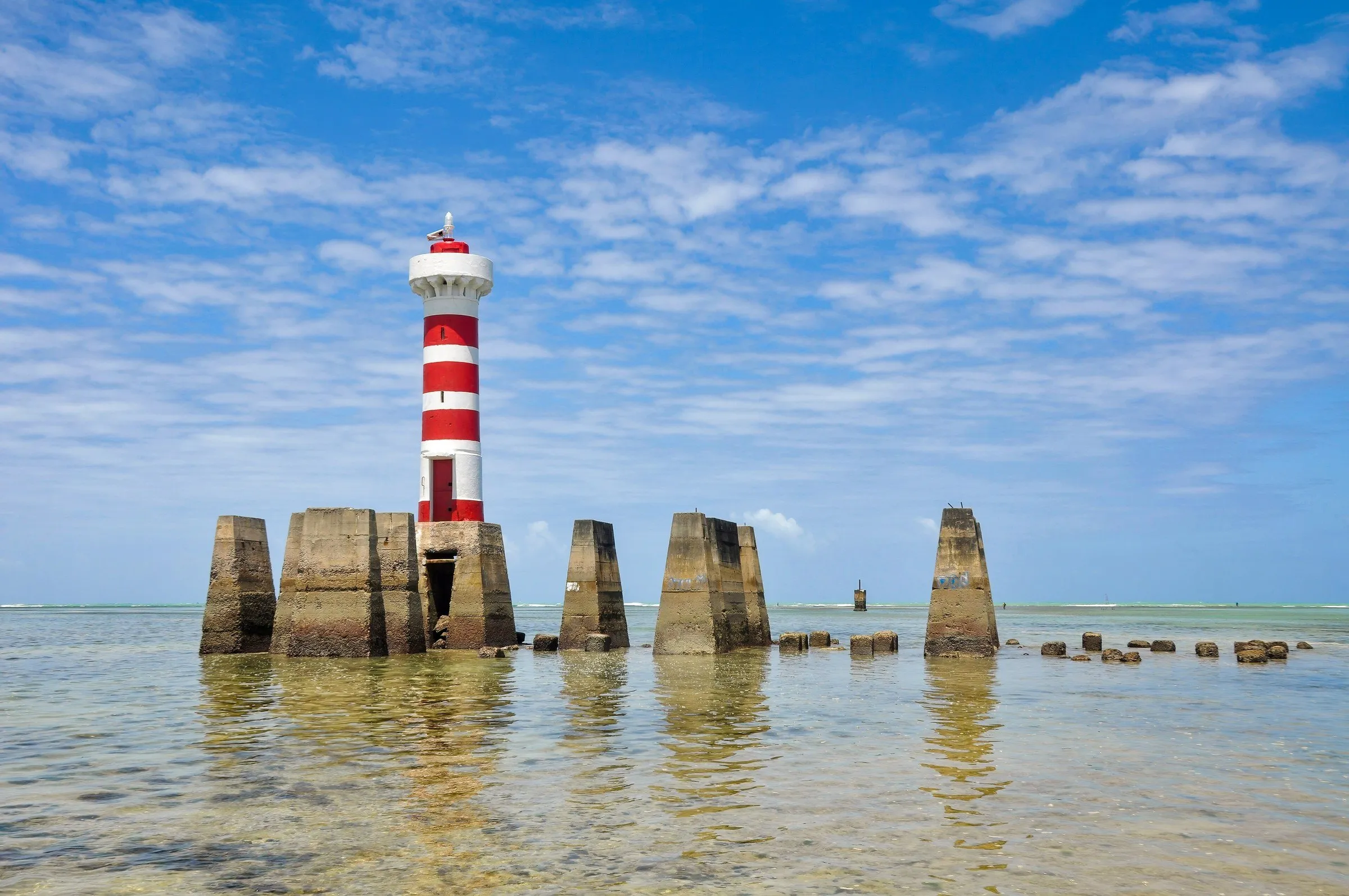
White with a black stripe and a design inspired by sisal, the lighthouse stands on the Cabo Branco cliff and offers a stop to look at the coast.
View details for Farol do Cabo Branco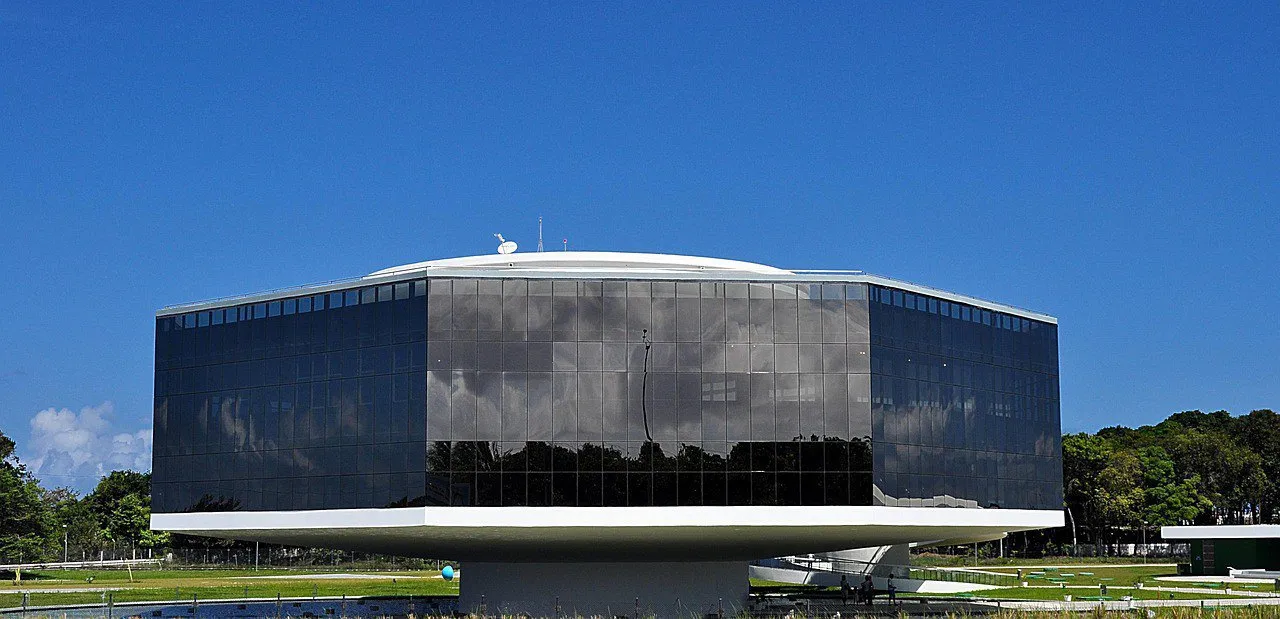 9
Designed by Oscar Niemeyer, the Estação Cabo Branco combines architecture, exhibitions and cultural activities in the area near the Farol do Cabo Branco.
View details for Estação Cabo Branco — Ciência, Cultura e Artes1Tambaú works like a living room facing the sea. The beach has bars and restaurants nearby, bustle along the promenade and boats that leave for the Picãozinho reefs. You can start with a walk and only then decide whether the plan calls for a chair on the sand or a longer coffee.
Pick one stretch to settle in, instead of trying to cover the whole neighborhood between one swim and the next. Before getting in the water, check Sudema's bathing water bulletin and the sea conditions; the look of the beach is no substitute for that check.
2At Picãozinho, the clock of the trip is the tide. At low tide, part of the reefs shows and the natural pools let you observe fish and other marine organisms. The boats leave from Tambaú, but there is no point in choosing a time just because it falls neatly between breakfast and lunch.
Confirm the right departure for the date of your trip and listen to the crew's instructions. The reefs are part of a protected area and suffer from trampling: keep your distance from the corals, do not collect organisms and prefer to watch the animals without interfering with their behavior.
3The palm trees around the water give the Lagoa Solon de Lucena an easily recognizable outline. The park is in the Centro and offers walkways, a bike path and leisure spaces. It is a good first stop to see everyday city life before moving on to the churches and townhouses of the Historic Center.
Take a short walk, watch the reflections on the water and size the outing according to the heat. The Lagoa does not need to become a test of completing the circuit: a pause in a pleasant stretch already fulfills the plan. Afterwards, organize your trip to São Francisco, taking its visiting hours into account.
4At the Centro Cultural São Francisco, looking up is part of the visit. The Franciscan complex brings together religious architecture, Baroque decoration and exhibition spaces; the tour changes scale between the churchyard, the rooms and the details of the interior. Come with time to look, without trying to boil it all down to a photo of the facade.
The center offers guided visits at set times, an option for understanding what you are seeing instead of just agreeing that there is a lot of work there. Check the ticket options and the current program; the suggested duration includes room to follow the explanations and look at the available exhibitions.
5At the Praça Antenor Navarro, the colorful facades catch the eye first, but it is worth looking above the doors and comparing the designs of the townhouses. The commercial ensemble has eclectic and Art Deco references, a reminder that the Historic Center is not just colonial churches. The city also shows up in the forms of its old shops.
Combine this stop with Hotel Globo and walk with attention to the route and the movement on the streets. Conservation work may change the look of some facades, so treat old photographs as a reference, without demanding that the square be exactly like someone else's album.
6The name still suggests a reception desk and suitcases, but Hotel Globo has changed its function. The historic building houses exhibitions and cultural activities, with works by artists from Paraíba. Go in to see what is on display and then head to the garden: that is where the Sanhauá River fills your field of vision.
Late afternoon suits the view, as long as the access hours allow it. Unlike the beach morning, here the subject is the river and the light over the landscape. Confirm that it is open before leaving this visit for last; it would be a shame to arrive with the camera ready and find the gate closed.
7The Cabo Branco walk has a small logistical problem: any pause to look at the sea can turn into a long stop. Restaurants, hotels and snack bars line the urban beach, which suits both a stroll along the promenade and a spell sitting on the sand, depending on the heat and your energy.
In the itinerary, leave this stretch for the start of the day and then continue by car to the lighthouse and Estação Cabo Branco complex. Do not try to turn this whole area into a single walk under the sun; save your energy to look at the architecture instead of looking for the next patch of shade.
8The Farol do Cabo Branco looks more like a sculpture than the cylindrical tower many people imagine. The architect Pedro Abraão Dieb drew its pointed projections inspired by sisal. Up close, the combination of white concrete, a black stripe and sky already explains much of the photography of the place.
The visit makes for a stop to see the coast and can be combined with the nearby Estação Cabo Branco. A useful correction for trip conversations: the lighthouse is north of Ponta do Seixas, where the easternmost point of the mainland is; the two landmarks are not the same spot.
9The lines of the Estação Cabo Branco change the subject of the outing: after so much sand, Oscar Niemeyer's architecture takes the stage. The complex was conceived for science, culture and the arts and houses exhibitions and educational activities. It is worth looking at the whole before deciding which space to enter.
The program determines the length of the visit, so confirm which areas are open on the date. Combine the Estação with the lighthouse, without assuming that all rooms or viewing areas will be accessible. If there is an exhibition that interests you, set aside time for it; collecting facades is tiring too.
Tambaú and Cabo Branco make seaside outings easy; for the historic day, plan a specific trip to the Centro and group the visits in that area. Compare taxi, ride-hailing app and bus depending on your base, without assuming that all the attractions are a walk from the beach.
Before locking in Picãozinho, confirm the visiting window for your date and the sailing conditions. Leave some flexibility between the days: a natural pool is under no obligation to fit the time left over from your lunch.
September to January is usually a drier period, but that does not guarantee open skies. Bring water, sun protection and light clothing; schedule walks for the cooler hours and check the forecast to adjust the beach day.
Sudema monitors stretches of the beaches and publishes bathing water bulletins. Check the spot where you plan to enter the water and respect the local signs; do not use a pretty photo of the sea as a quality bulletin.
In the Centro, prefer daytime visits, choose routes with activity and keep your phone put away when you are not using it. Arrange your return from Hotel Globo and avoid leaving the transport decision until after you find an empty street.
At the beach, agree in advance on minimum spend, chair rental and umbrella; on trips, ask about boarding, equipment and possible extra charges. Compare the total price for your group, not just the price highlighted on the sign.
Between Tambaú and Cabo Branco, the restaurants help prolong the beach break, but leave room for the flavors of Paraíba's cuisine. Start with tapioca or cuscuz and save the rubacão for an unhurried meal: rice, beans, cheese and meat tend to settle hunger with a good deal of conviction. When choosing, ask about portion sizes and sides; ordering everything at once can turn the table into a negotiation over space.
A creamy mix of rice, beans, queijo coalho and carne de sol or charque, with recipe variations; it is worth asking how the house prepares it.
A disc of cassava starch with a sweet or savory filling; in Tambaú, it can be part of breakfast or of a snack after the beach.
Corn cuscuz becomes a heartier meal with carne de sol; let the pace of your outing follow the size of the plate.