 1
Museums and culture
Theatro José de Alencar
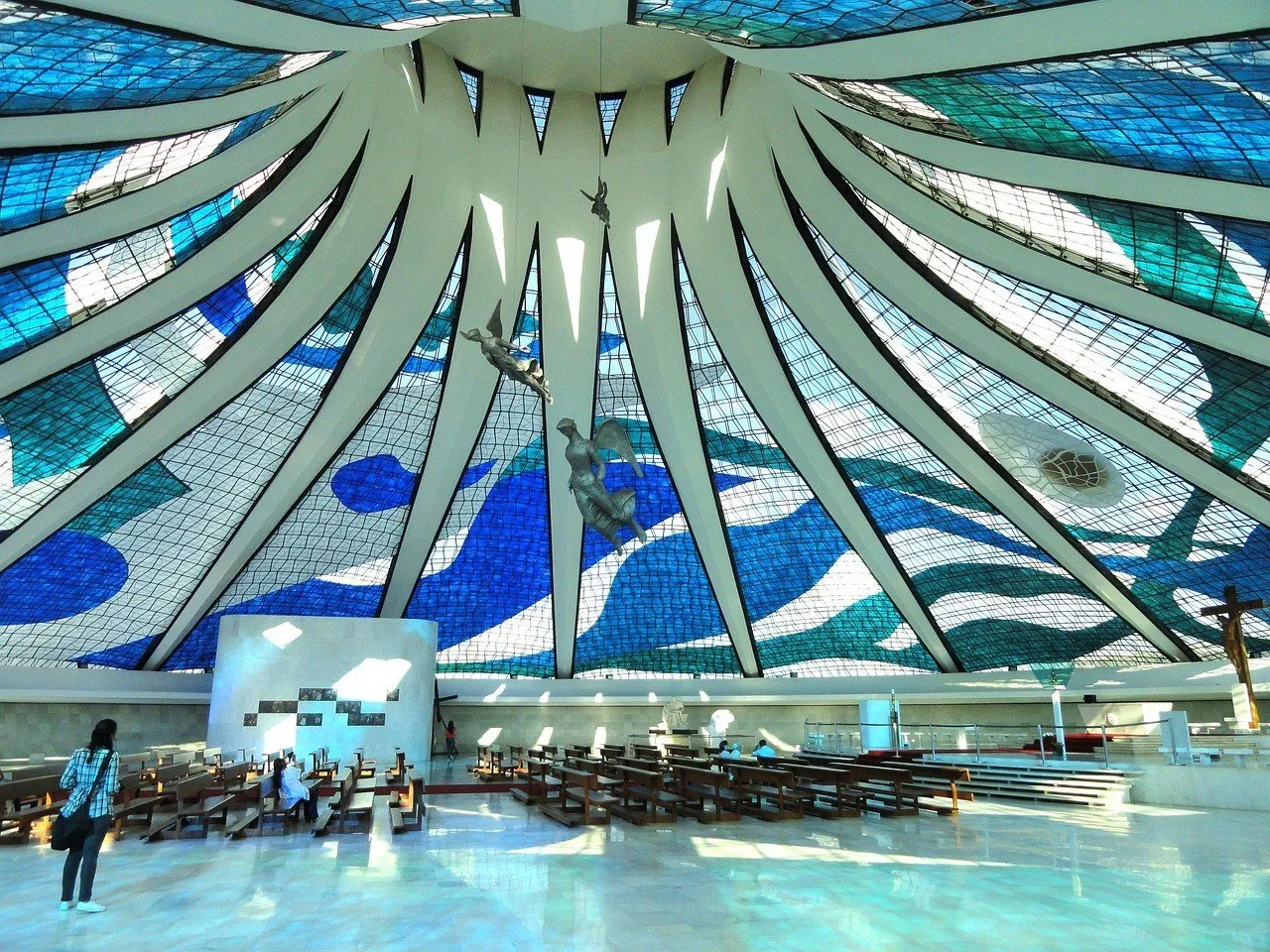
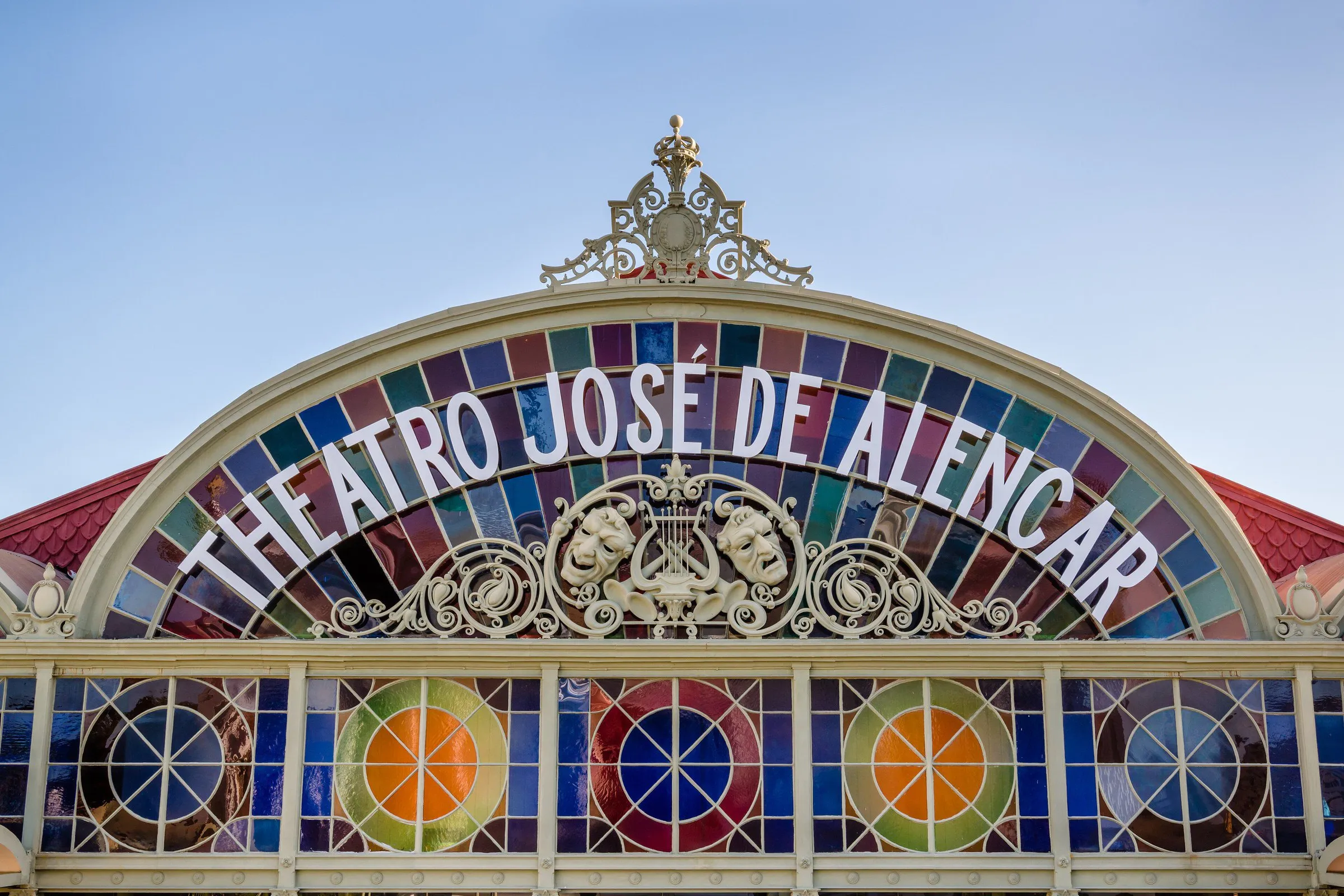
Fan-shaped stained glass, iron railings and a Burle Marx garden make Theatro José de Alencar worth a visit even with no show on the program.
View details for Theatro José de Alencar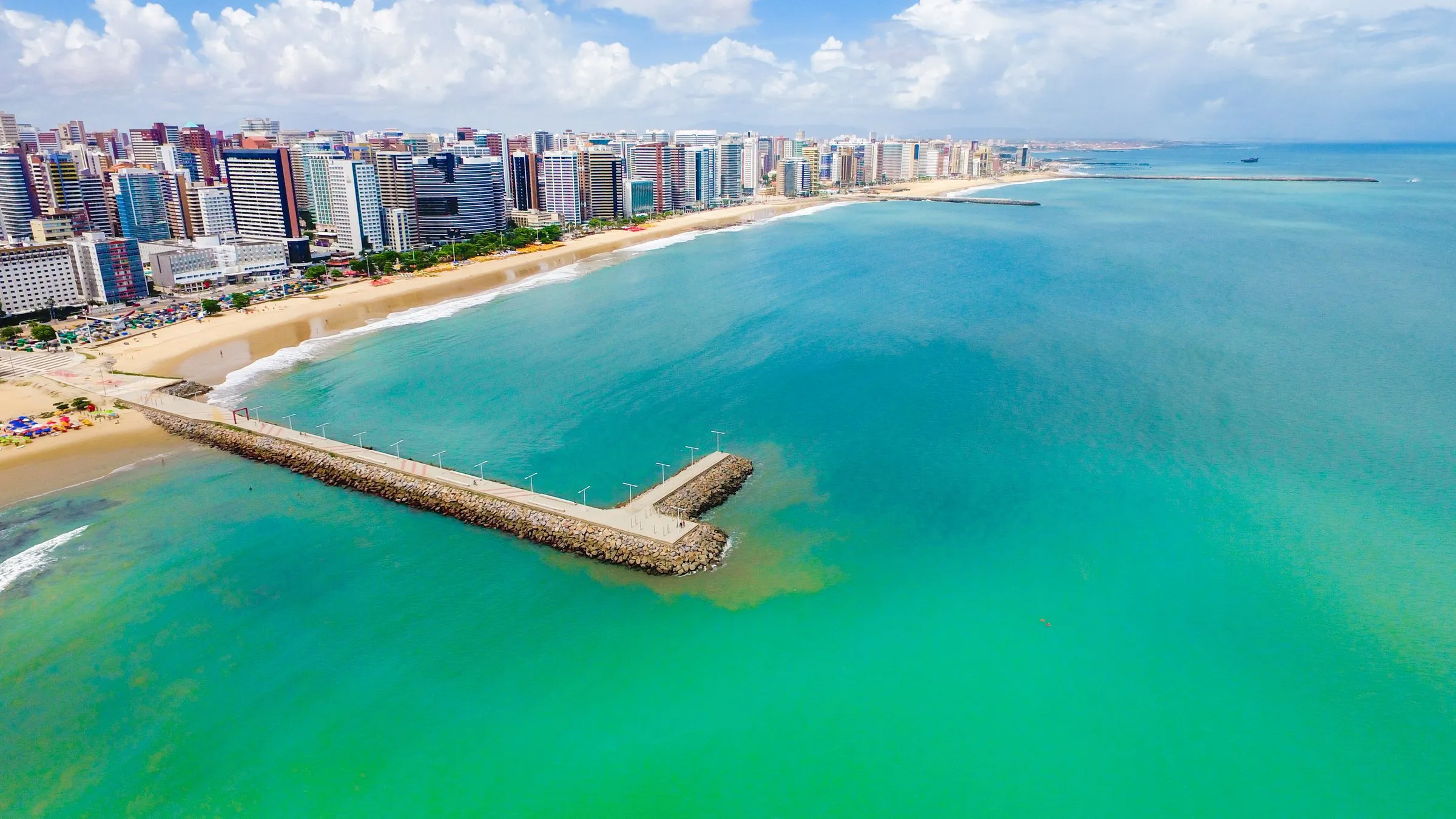
Brazil
Along Beira-Mar in Meireles, you head out for a stroll and end up wondering whether a hammock fits in your suitcase. Between cashews, lace and the sea breeze, buying a souvenir becomes an outing of its own.
At Mercado Central, cashews fit in your luggage; a hammock calls for some negotiation with your suitcase. Along Beira-Mar, lace and embroidery compete for your attention again while the sea wind cools the walk. Fortaleza brings together handicrafts, downtown architecture and a shoreline that changes the subject with every neighborhood: a promenade in Meireles, fish picked out at a stall in Mucuripe, sunset at Praia de Iracema and beach shacks the size of clubs at Praia do Futuro, where Thursday has a menu of its own.
Split the trip into blocks. On the first day, stay downtown: Theatro José de Alencar, the Cathedral, Mercado Central and Passeio Público, ending at Dragão do Mar. On the second, swap asphalt for the mangroves of Cocó Park, have lunch at the fish market and get to Ponte dos Ingleses early for the sunset. The third belongs entirely to Praia do Futuro, preferably on a Thursday.
With more time, the coast offers day trips in opposite directions. To the west, Cumbuco has dunes, lagoons and a wind that fills the sky with kitesurfing sails. To the east, Beach Park, in Aquiraz, is home to the Insano, a water slide many people stare at from below before deciding whether to climb. They make for two very different days: one calls for a buggy and sunscreen; the other, courage and sunscreen too.
The garden of Theatro José de Alencar was designed by Roberto Burle Marx. It is worth looking at the plants as well as craning your neck at the stained glass.
In the main hall of the Theatro, multicolored stained-glass windows open like a fan, alongside iron railings and ceiling paintings. The architecture gives you plenty to talk about before any performance begins.
Macaxeira is the local word for cassava. It comes alongside many dishes from Ceará, and recognizing the name on a menu already settles one lunchtime question.
The baobab at Passeio Público was planted in 1910, well after the 1825 executions that gave the square the name Praça dos Mártires (Martyrs' Square). It has seen a lot in Fortaleza, just not that.
Ponte dos Ingleses (the English Bridge) began construction in 1921 as a port and never worked as one. It ended up with a role no engineer planned: sunset grandstand.
1Fan-shaped stained glass, iron railings and a Burle Marx garden make Theatro José de Alencar worth a visit even with no show on the program.
View details for Theatro José de Alencar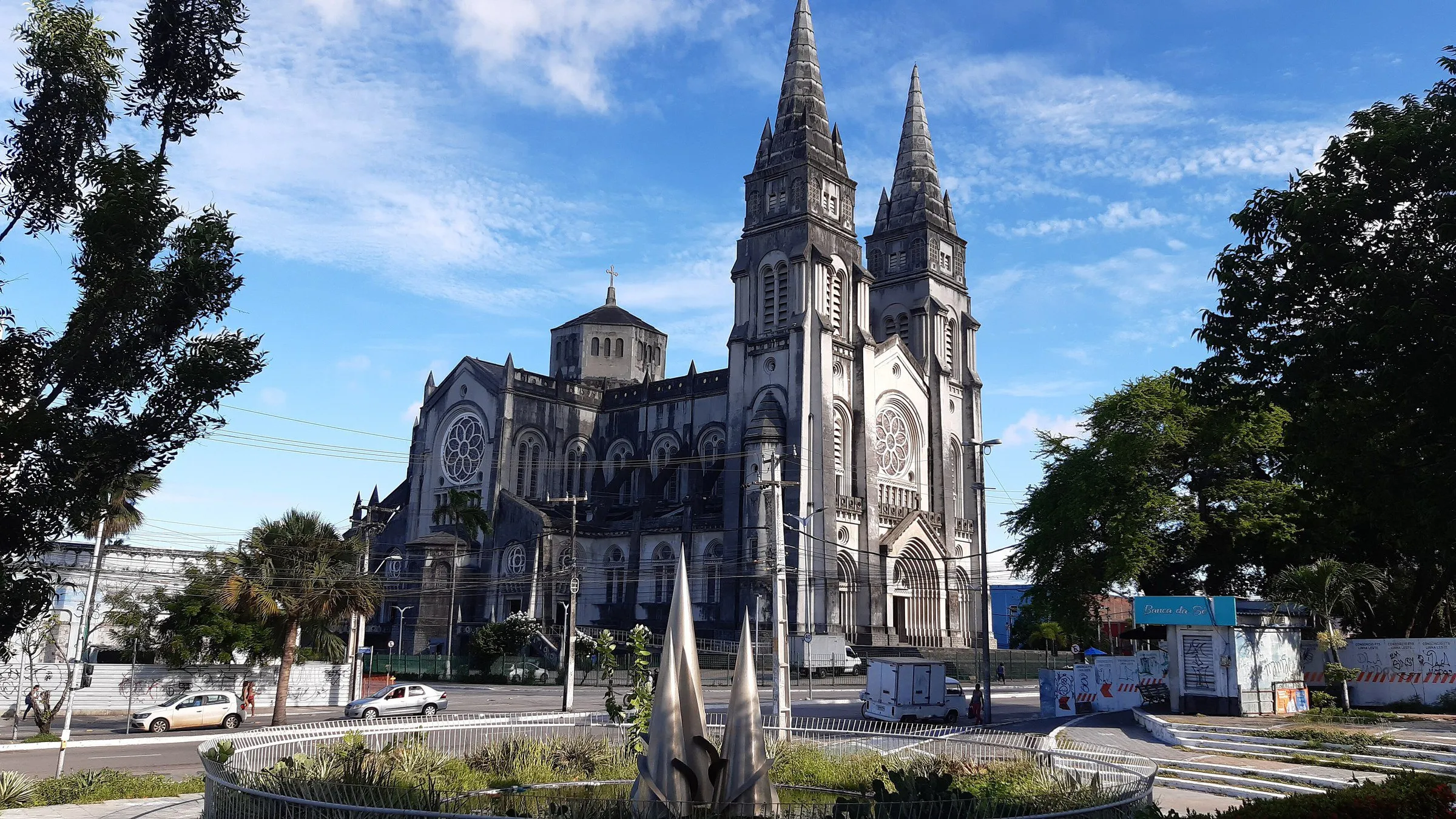 2
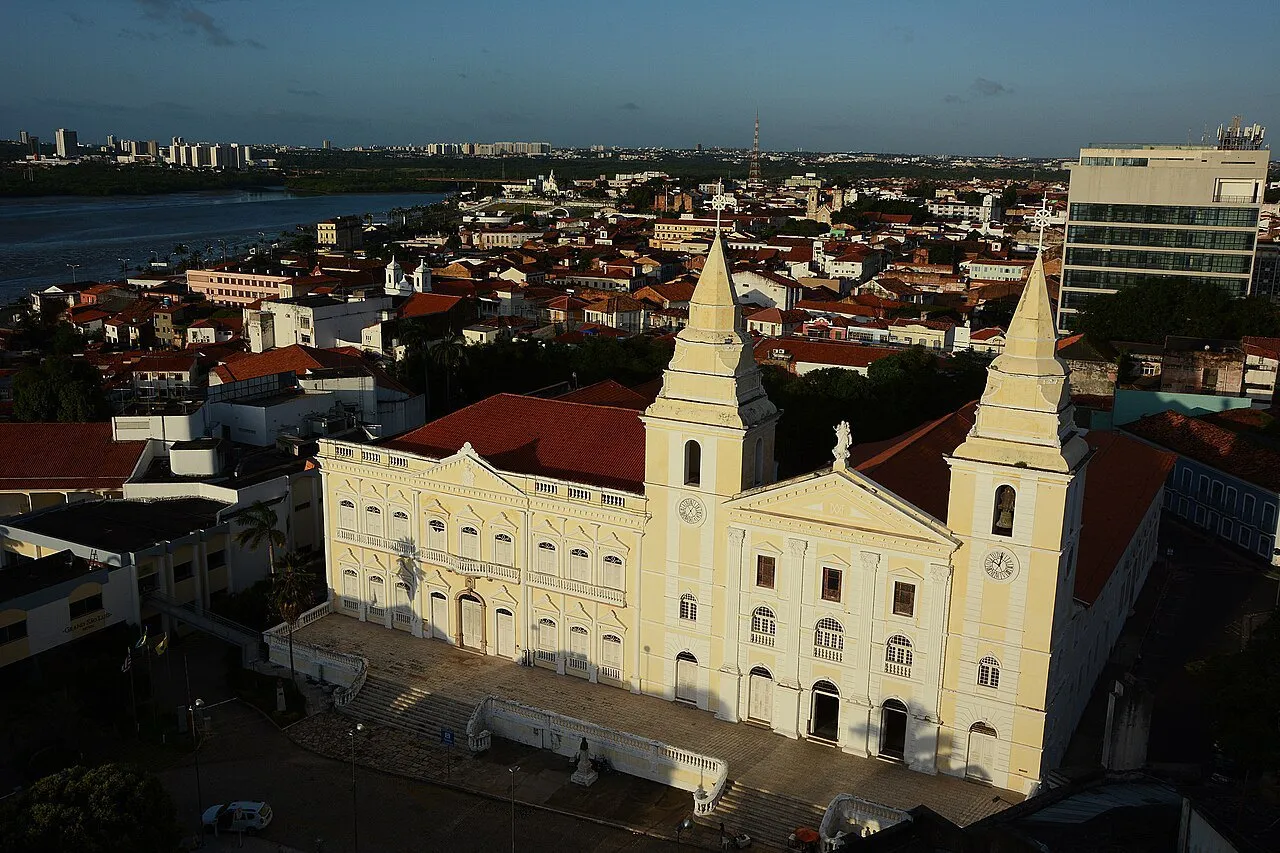
Near Mercado Central, the cathedral dedicated to Saint Joseph trades the bustle of shopping for the quiet of the nave and the colored light of its stained glass.
View details for Fortaleza Metropolitan Cathedral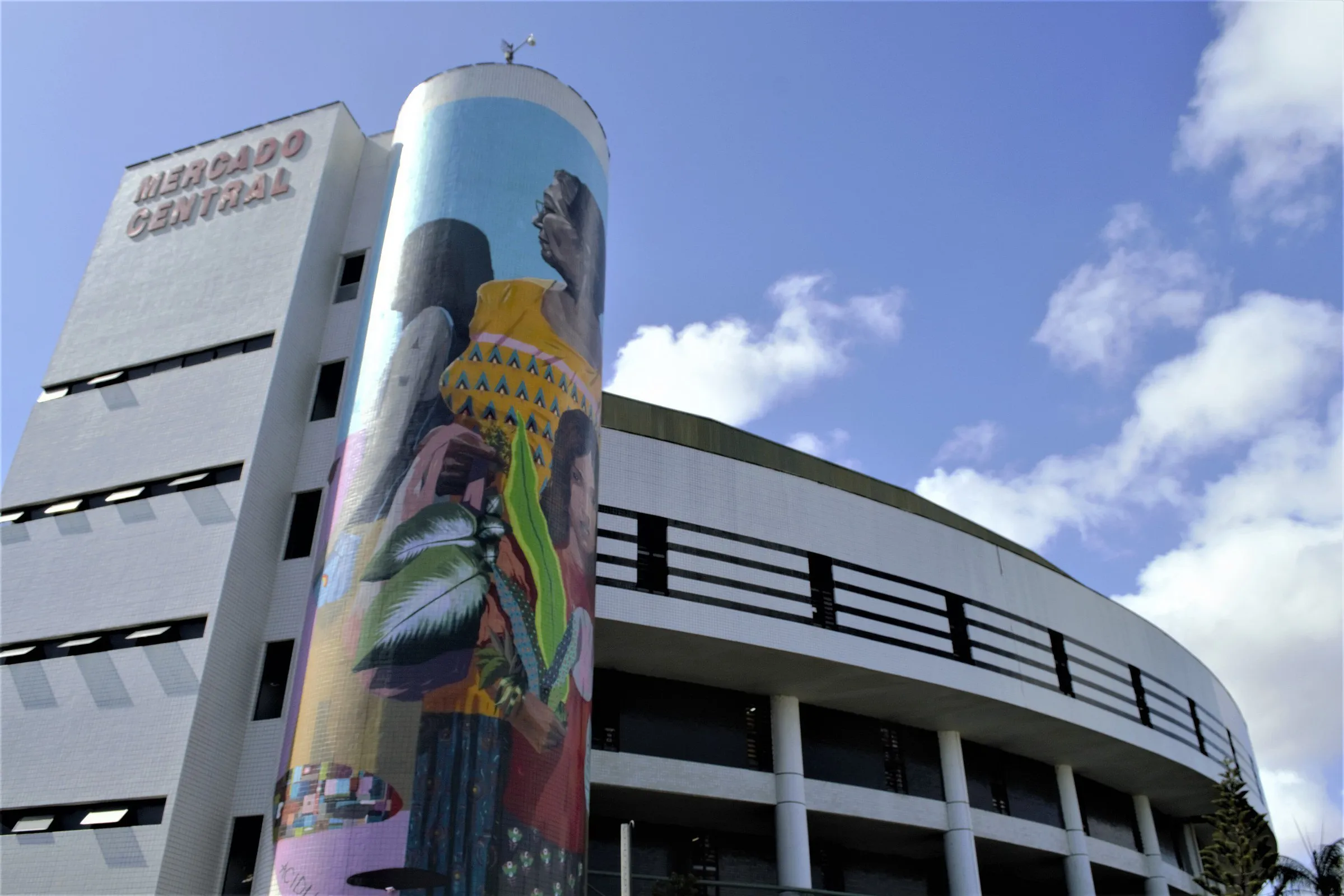 3
Hammocks, lace, leather, cashews and sweets from Ceará fill the aisles of Mercado Central, a good stop to compare pieces and chat about handicrafts.
View details for Mercado Central de Fortaleza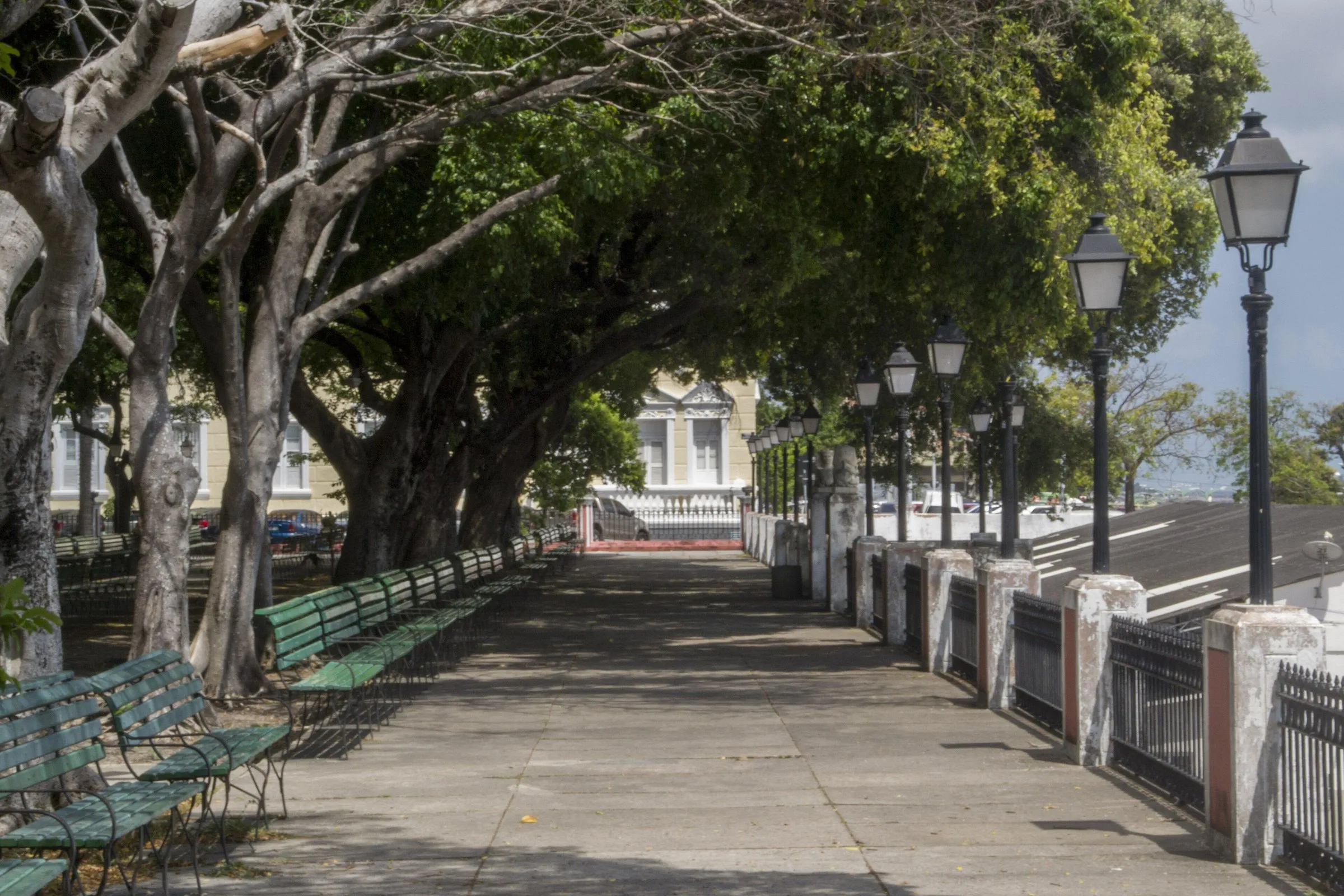 4
Fortaleza's oldest square has two names, a baobab planted in 1910 and the memory of the Confederation of the Equator revolutionaries executed there in 1825.
View details for Passeio Público (Praça dos Mártires)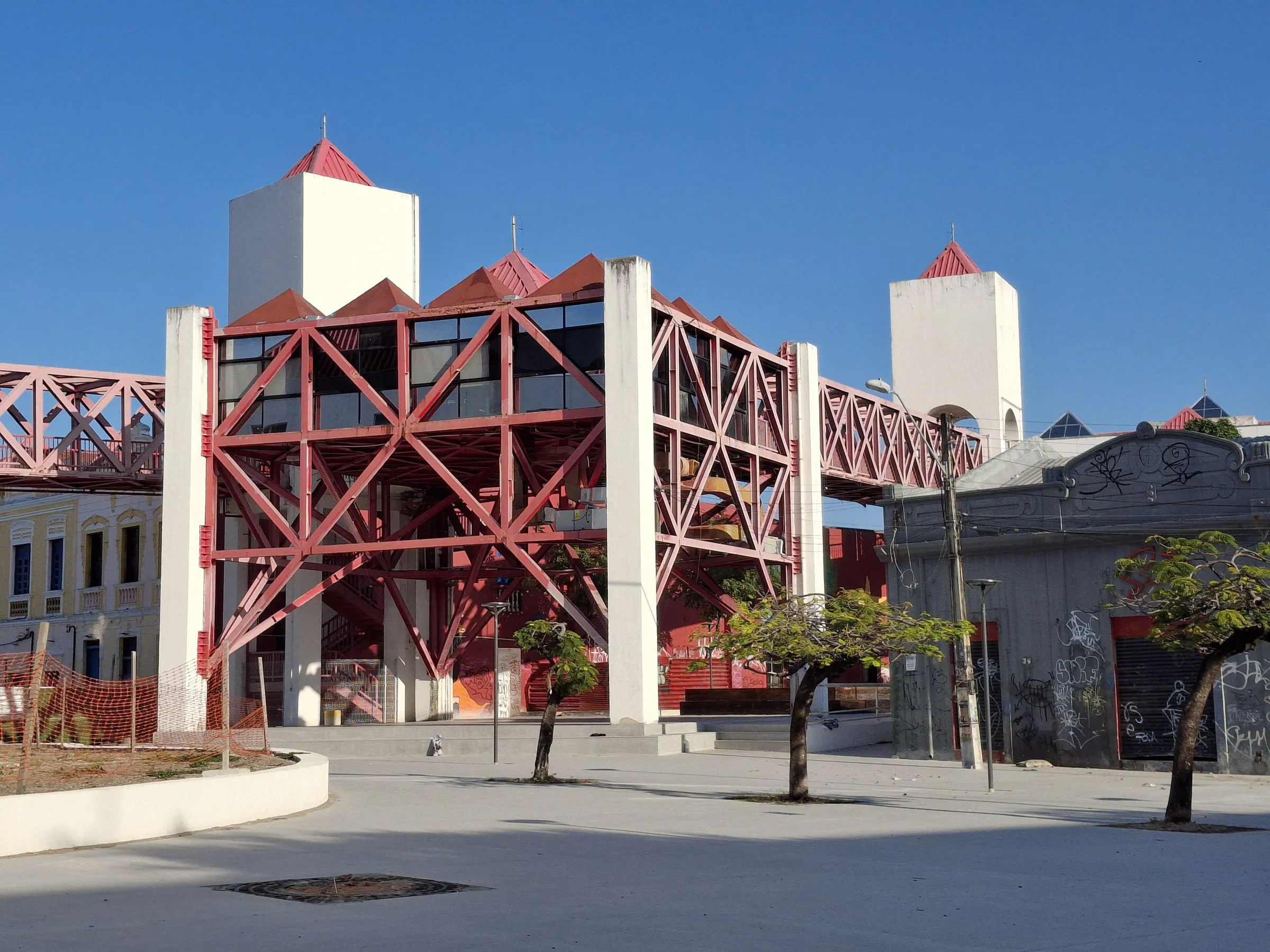 5
Museums, cinemas, a theater and a planetarium share the complex opened in 1999 and named after a raftsman who refused to transport enslaved people.
View details for Centro Dragão do Mar de Arte e Cultura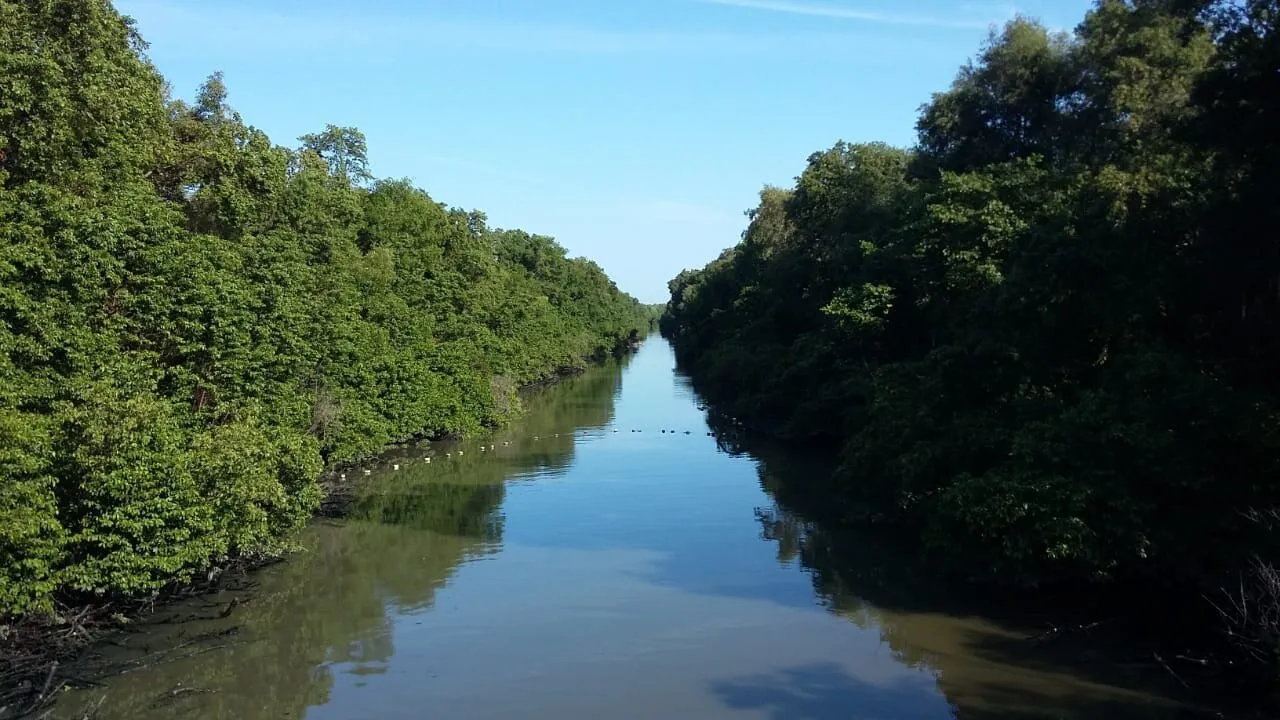 6
With more than 1,500 hectares of mangrove, dunes and forest along the Cocó River, the park takes your morning far from the asphalt without leaving Fortaleza, with short trails and a boat ride.
View details for Cocó State Park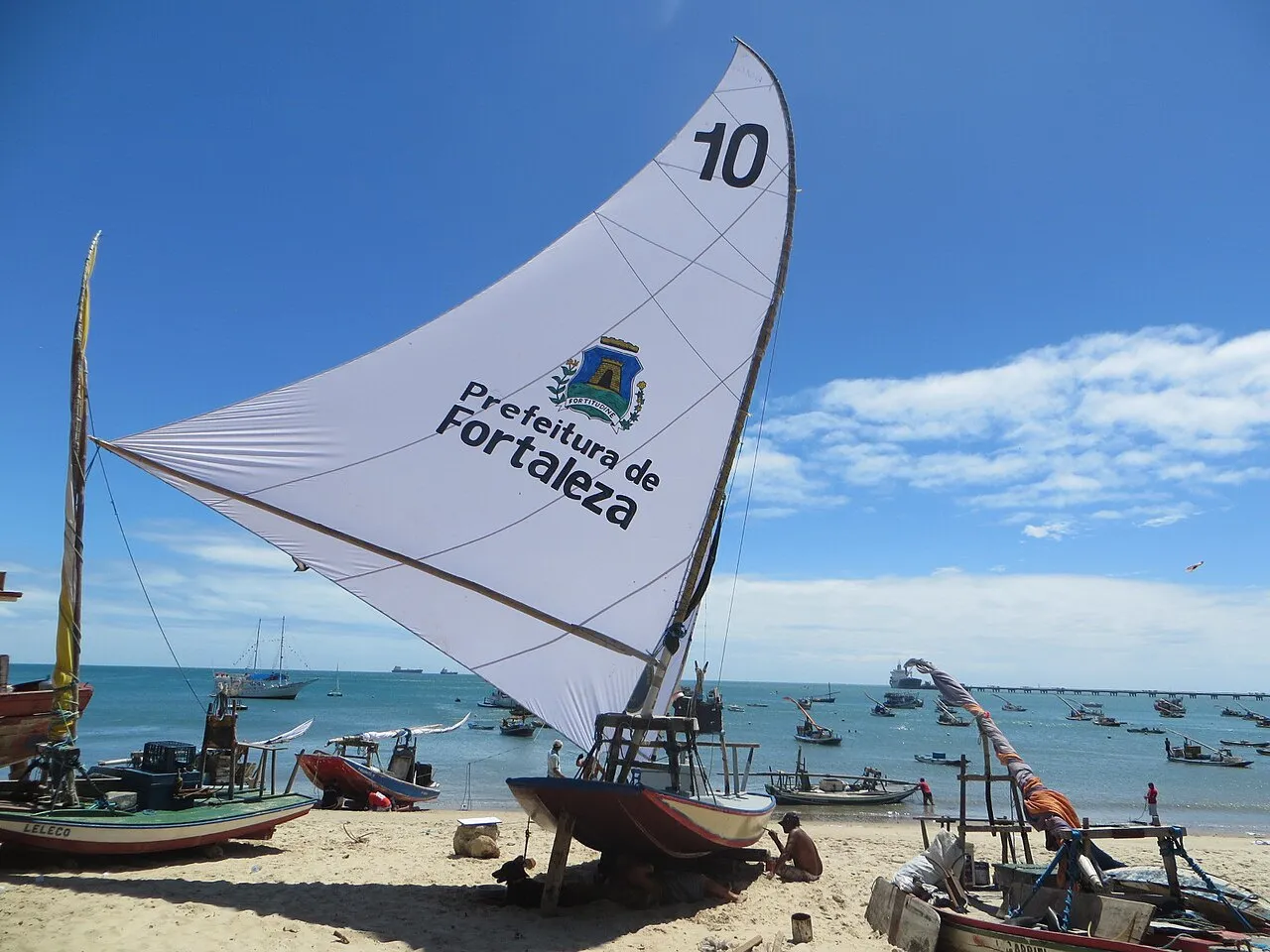 7
At the end of Beira-Mar, you choose fish or shrimp at one of the stalls and have it cooked right there, at a table facing the Mucuripe sea.
View details for Mucuripe Fish Market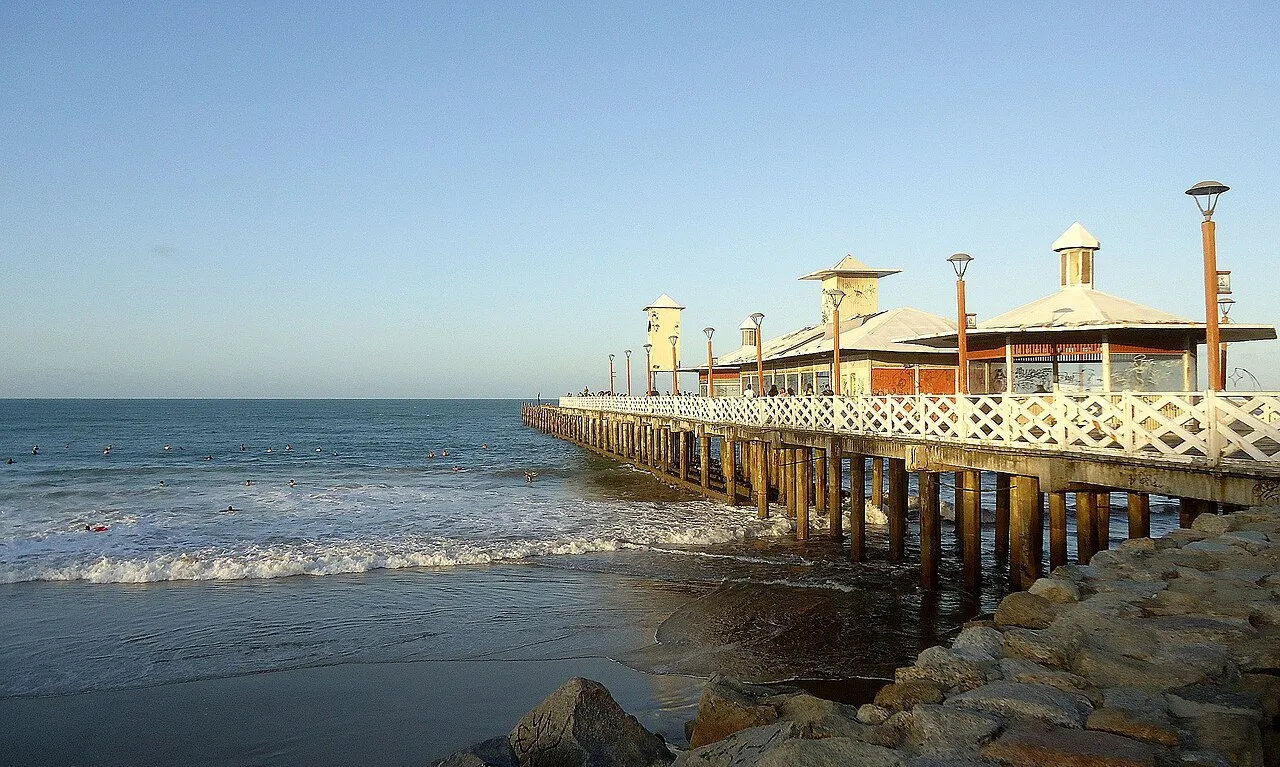 8
Begun in 1921 to be a port and never used as one, the structure over the sea at Praia de Iracema became Fortaleza's spot to wait for the sunset, and sometimes dolphins.
View details for Ponte dos Ingleses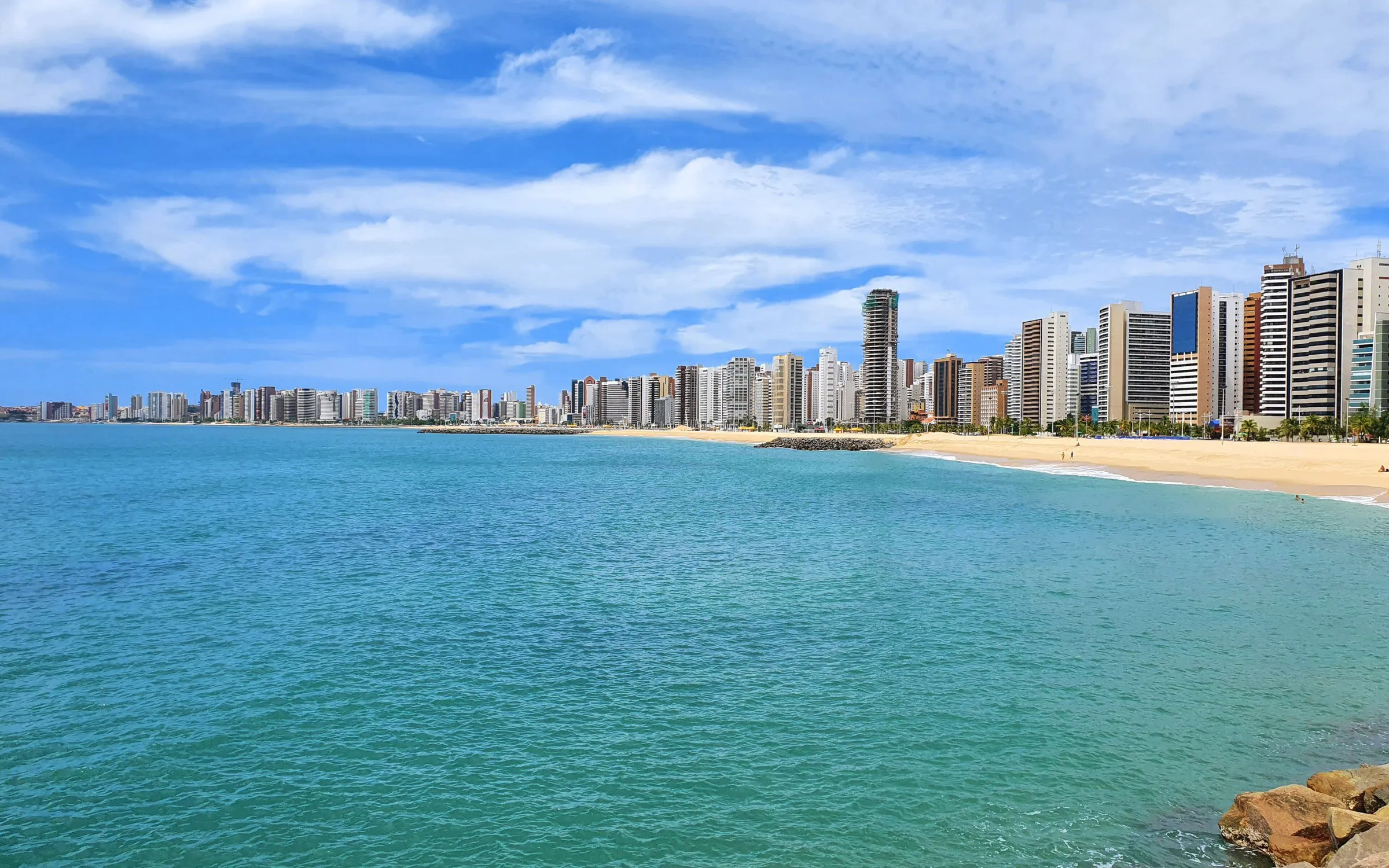 9
The Meireles promenade combines a seafront walk with a handicraft fair, where cashews, embroidery and hammocks fight for whatever space is left in your suitcase.
View details for Beira-Mar de Meireles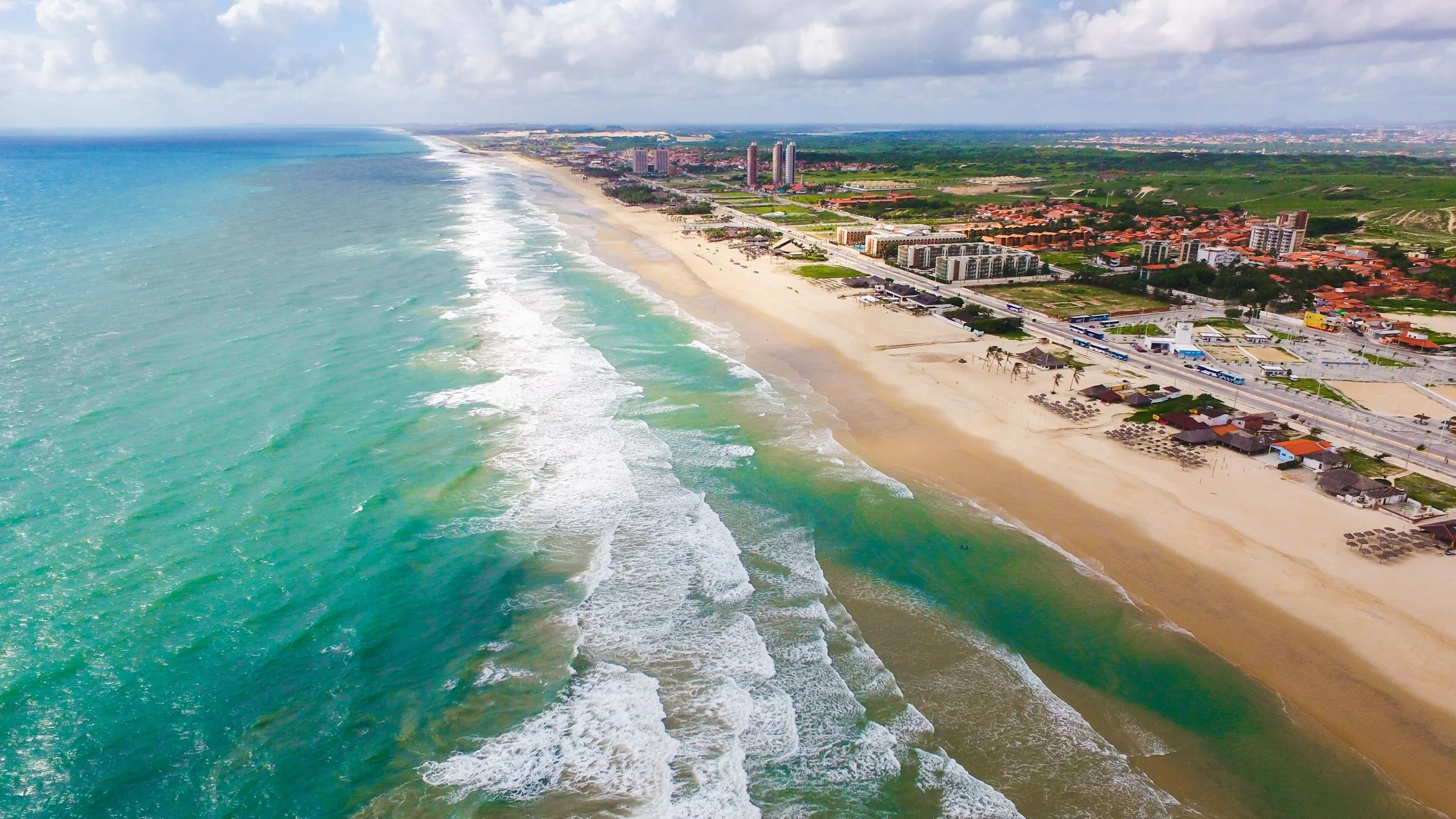 10
About 6 km of pale sand, strong waves and huge beach shacks with pools, hammocks and stages; on Thursdays, crab is the official reason to leave the house.
View details for Praia do Futuro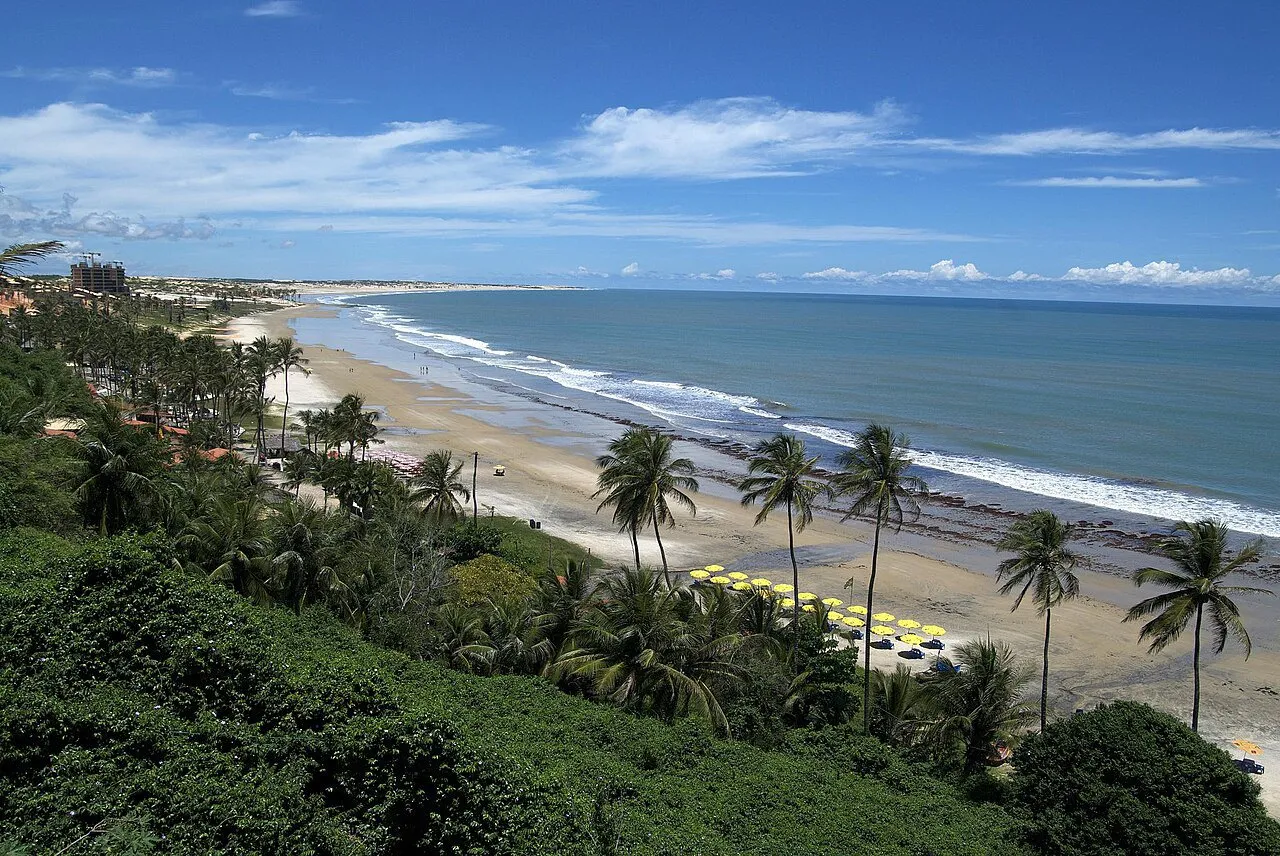 11
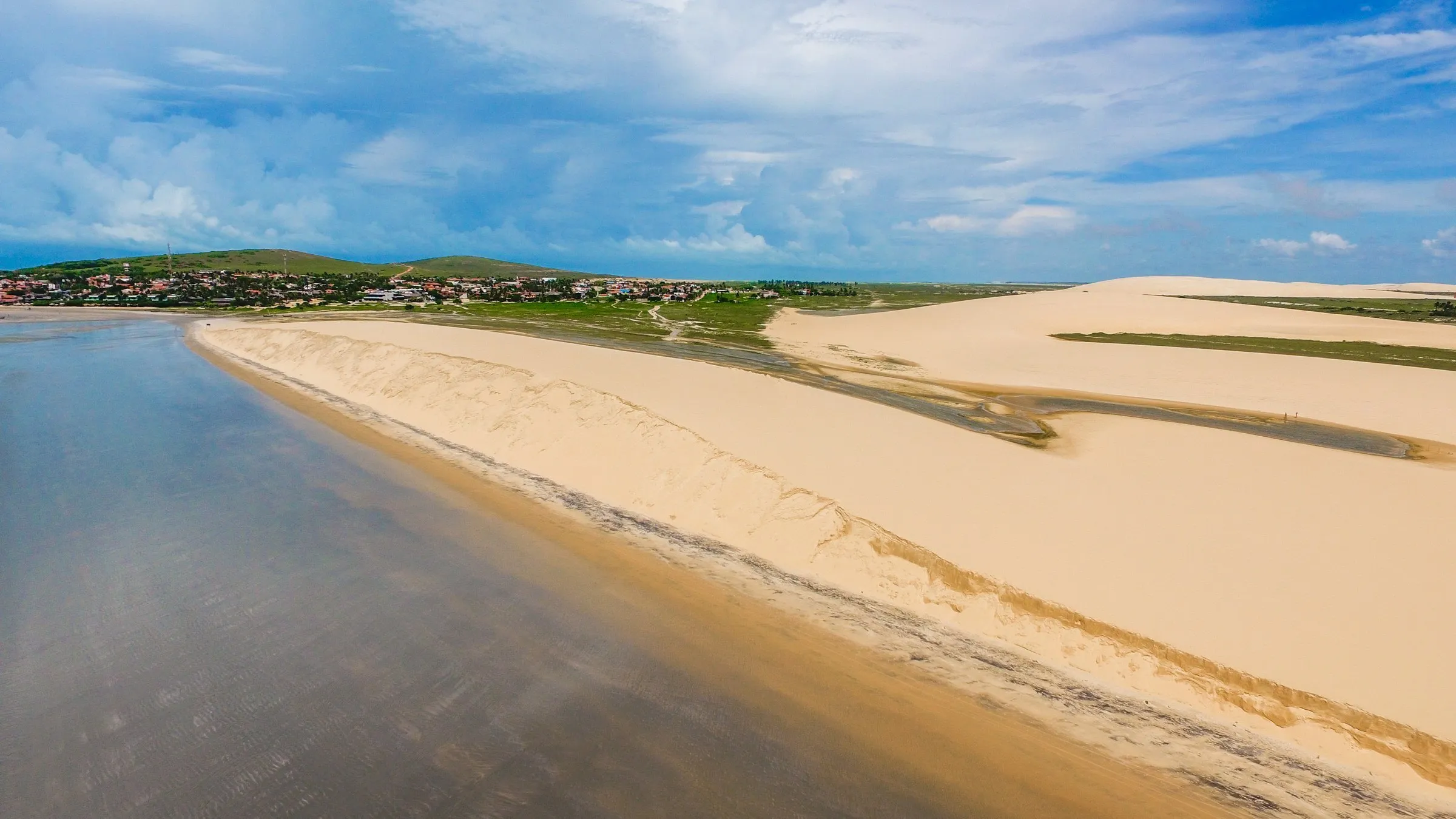
About 30 km from Fortaleza, in Caucaia, Cumbuco combines dunes, freshwater lagoons, buggy rides and a wind that fills the sky with kitesurfing sails in the second half of the year.
View details for Cumbuco Beach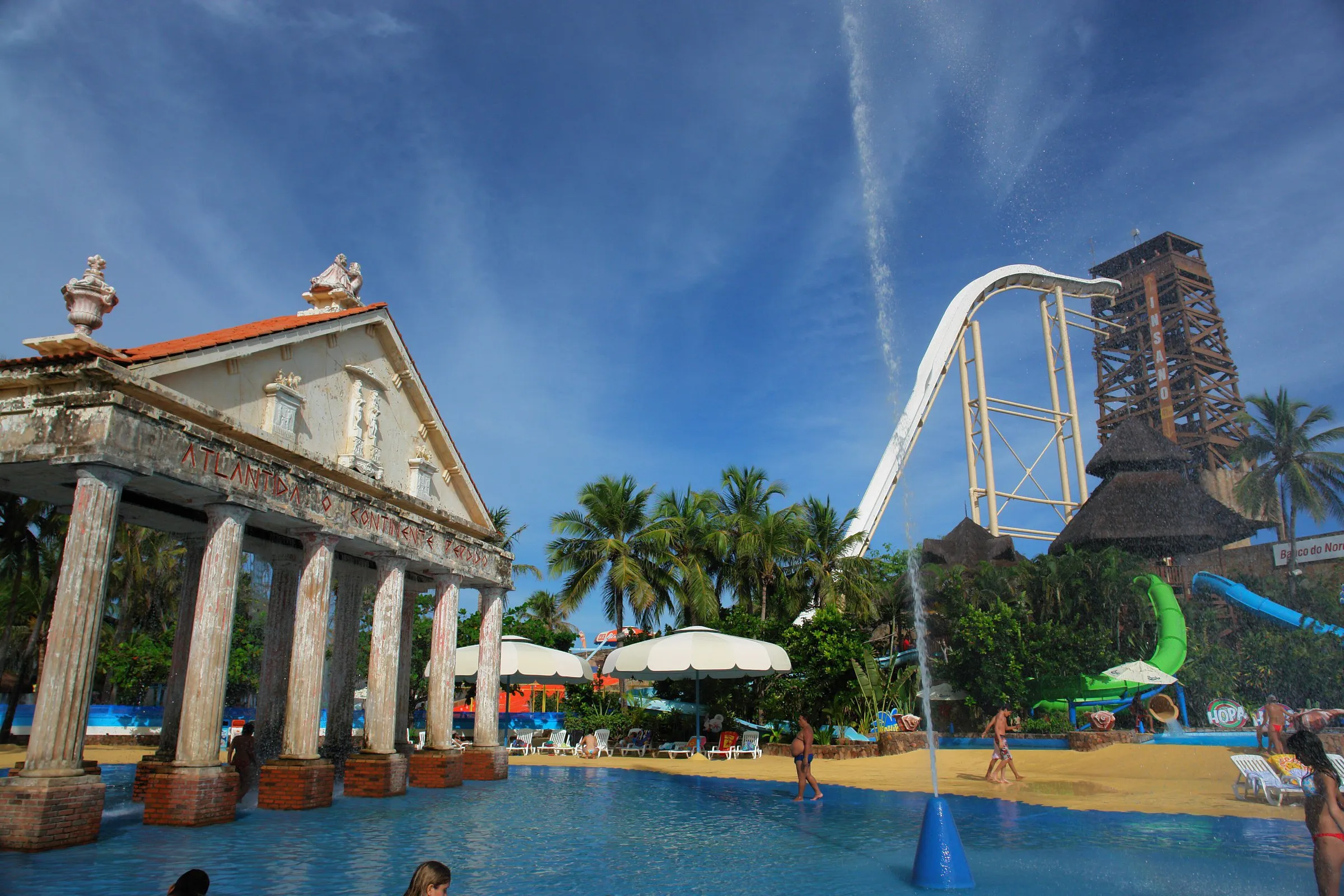 12
On the beach at Porto das Dunas, in Aquiraz, the water park has slides for every dose of courage, including the 41-meter Insano, once the tallest in the world.
View details for Beach Park1Before looking for your seat, look for the fan-shaped stained glass and the patterns in the iron railings. Theatro José de Alencar also asks for a glance at its painted ceiling. In the garden designed by Burle Marx, the scenery is made of plants.
The guided tour covers spaces beyond the main hall, depending on the route available. Book that slot first and fit the rest of downtown around it; it would be a waste to find the door closed between two other stops.
2The façade grabs your attention from afar; the stained glass does the job inside. Dedicated to Saint Joseph, the Metropolitan Cathedral stands in the Praça da Sé area, close to Mercado Central. Between shopping stops, it offers a pause to take in the architecture.
Walk the nave and look for the chapel of Saint Joseph, on the left. It is a working church: if a service is under way, time your visit around it. Take in the light inside without turning every corner into a photo shoot.
3You walk in thinking about cashews and start calculating whether a hammock fits in your luggage. Mercado Central gathers handicrafts, clothing and regional foods, with lace, leather and ceramics along the way. Take a lap before settling on the first price tag.
Ask where a piece comes from and how it was made, especially if you are looking for handmade work. In between, cocada (coconut sweet) and rapadura (raw cane sugar) help you pick the next aisle. Pair it with the Cathedral and check opening hours before putting shopping off.
4Ask for Praça dos Mártires and someone may correct you: in the city, almost everyone says Passeio Público. The official name, adopted by the City Council in 1879, honors the members of the Confederation of the Equator shot on the spot in 1825. Before that, the land had been Campo da Pólvora, Largo do Paiol and Praça da Misericórdia, among other names.
Look for the baobab, planted in 1910 and nicknamed the tree of life. It arrived after the executions, so it was no witness, only shade. A stroll through the flower beds fits nicely between Mercado Central and Dragão do Mar, when your legs start asking for a bench.
5The name does not refer to a sea monster. Dragão do Mar (Sea Dragon) was the nickname of the raftsman Francisco José do Nascimento, who in 1881 refused to carry enslaved people to be sold farther south in the country. The cultural center that bears his nickname opened in 1999, designed by architects Fausto Nilo and Delberg Ponce de Leon.
Inside you will find the Museum of Ceará Culture, the Museum of Contemporary Art of Ceará, cinemas, a theater, a library and the Rubens de Azevedo Planetarium, named after an astronomer from Ceará. Check the program before you go: a planetarium session can set the timing of your afternoon, and the exhibitions change throughout the year.
6You leave a busy avenue behind and, a few minutes later, the trail runs between mangrove roots. Cocó State Park covers more than 1,500 hectares on the banks of the river that gives it its name, with mangrove, dunes and forest. It is considered the largest natural park within an urban area in Brazil's North and Northeast regions.
The trails are short: the main one is about 1.3 km long, and there are shorter routes to the lagoon and the river. On weekends, a boat usually covers a stretch of the mangrove with explanations about the ecosystem. Arrive early, before the sun takes over the whole boardwalk, and bring water and insect repellent.
7Here the menu is on ice. You walk past the stalls, point at the fish or shrimp, agree on a price and take your purchase to one of the frying stalls. The current building, from 2016, brought under one roof the vendors who for generations laid out their catch on boards on the beach sand.
Ask about the cooking fee before you choose: some fish carry a separate charge. Go for lunch, with daylight over the bay and the fishing boats in view. For those coming from Cocó, it is the natural stop before continuing along the shore toward Praia de Iracema.
8The bridge was meant to receive ships and ended up receiving an audience. Construction began in 1921, carried out by an English company, and stopped for lack of funds before the port ever worked. Restored from a 1994 project, it spent years closed and reopened to the public in August 2024, after another renovation.
Arrive before the sun gets low, because the line of phones along the railing forms early. The structure has a dolphin protection center and an observation tower: with luck, a fin will show up in the water. Without luck, the sunset still does its part.
9Plan a walk in Meireles and accept that it may turn into a tour of the stalls. The fair brings together lace, embroidery, leather and cashews by the shore. Examining the finish while the breeze comes in from the sea helps you put off the decision to leave.
Go in the late afternoon or evening to combine the promenade and the fair, checking opening hours. The avenue has a bike lane: take care when crossing. Finish with a meal in the area, without adding another trip, and save the buying for after the walk.
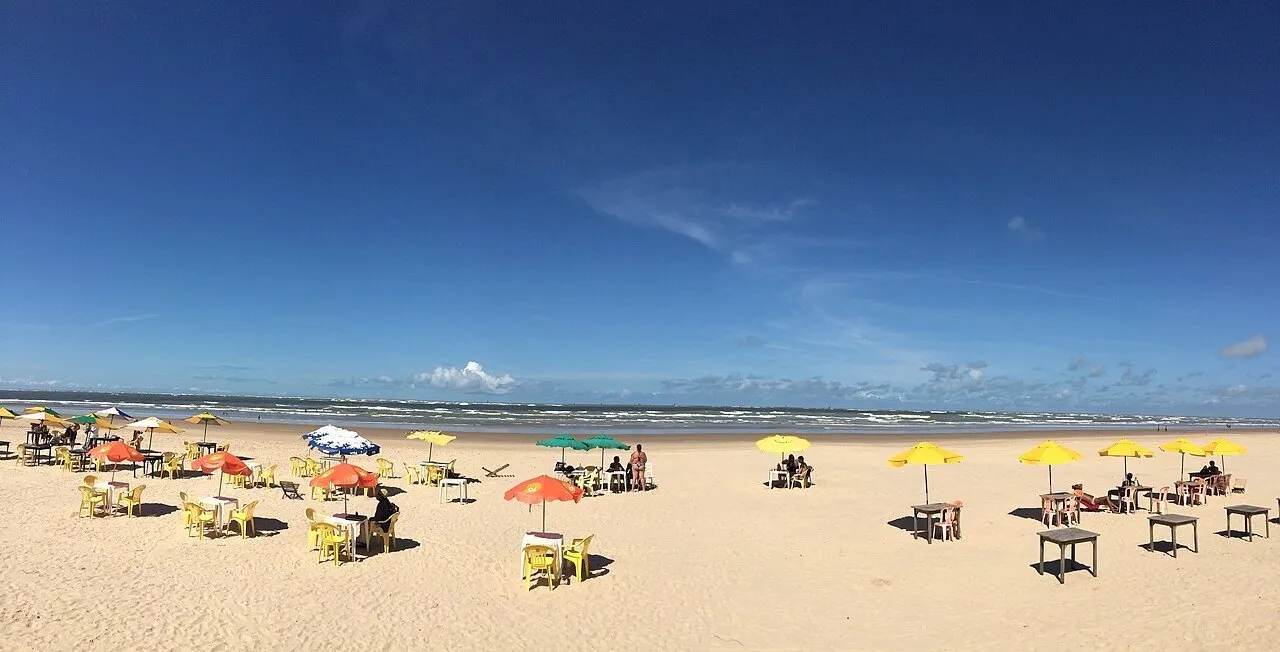
10The beach shacks of Praia do Futuro do not fit the idea of a shack: some have pools, water slides for kids, hammock areas and a stage. There are about 70 of them along some 6 km of pale sand, and choosing where to sit is usually the longest decision of the day. The sea is warm, with strong waves and currents in some stretches.
On Thursday, tradition calls for crab from late afternoon, with forró and comedy on the stages of the bigger shacks. Ask for the little mallet, accept that your shirt will suffer and set aside time: cracking shells is slow work. On weekends, arrive early, because the best spots fill up from 10 a.m.
11In Cumbuco, the wind is the most famous resident. It blows strongest between July and January, kitesurfing season, when colorful sails take over the horizon. The village is in Caucaia, about 30 km from Fortaleza, and the classic outing is a buggy ride across the dunes, with stops at lagoons such as Parnamirim and Banana.
Decide beforehand whether you want the thrill ride, full of steep drops, or a calmer route. If you want to spend hours at Lagoa do Banana, you are better off going by car or taxi, because the buggy will not wait long. Kite beginners usually train at Lagoa do Cauípe, whose water is calmer than the sea.
12The Insano is the kind of attraction you watch for a good while before climbing the stairs. It stands 41 meters tall, and the slide, built in 1997, once held the world record for its category. Beach Park is on the beach at Porto das Dunas, in Aquiraz, east of Fortaleza, and includes a water park, beach and resorts.
If you prefer thrills in smaller doses, there are pools and milder rides, and you can alternate with the sand out front. Buy your ticket in advance, arrive at opening and take sunscreen seriously: a full day under the Ceará sun sends the bill in the late afternoon.
Group Theatro, Cathedral, Mercado Central, Passeio Público and Dragão do Mar on the same day. Taxis or ride-hailing apps help between Centro, Cocó, Mucuripe and Praia do Futuro; for buses, check the route in the Meu Ônibus app.
If you decide to go in the water, look up the exact stretch in the Semace bulletin and follow the lifeguards, especially at Praia do Futuro, which has strong waves. The sanitary rating of the water and the safety of the waves are different matters.
The second half of the year is usually drier; rains concentrate between February and May. Bring sun protection and water for walks, and check the forecast before heading out.
Prefer busy, well-lit routes, carry only what you need and put your phone away after using it. At night, plan your ride back and avoid empty stretches.
At Mercado Central and the Meireles fair, ask about the origin and material of the pieces. Check the finish, the packaging and the room in your luggage; a comfortable hammock still has to fit in the suitcase.
Check the guided tour at the Theatro, the Dragão do Mar program, the Cocó boat, Beach Park's operating days and the Cumbuco outings before locking in your days. The suggested times are estimates to help organize your trip.
Fortaleza's table pairs the coastal catch with the sides of Ceará. Peixada (fish stew), shrimp and crab share the spotlight with baião de dois, macaxeira and coalho cheese. At the fish market, the fish goes from the stall straight to the fryer; at Praia do Futuro, Thursday is crab day. Ask about portion sizes before adding dishes: the urge to try everything may call for more company than you brought. To take home, cashews and sweets from Mercado Central or the fair extend the trip.
Rice and beans cooked together, with versions that include coalho cheese and butter; agree on the sides with the restaurant.
A fish dish found in local cooking, good for dedicating a meal to the flavors of the coast.
Usually served boiled, in some shacks cooked in coconut milk, with a little mallet to crack the shell; set aside time and patience.
It is what cassava is called around here: a side that shows up next to many dishes from Ceará.