 1
Nature
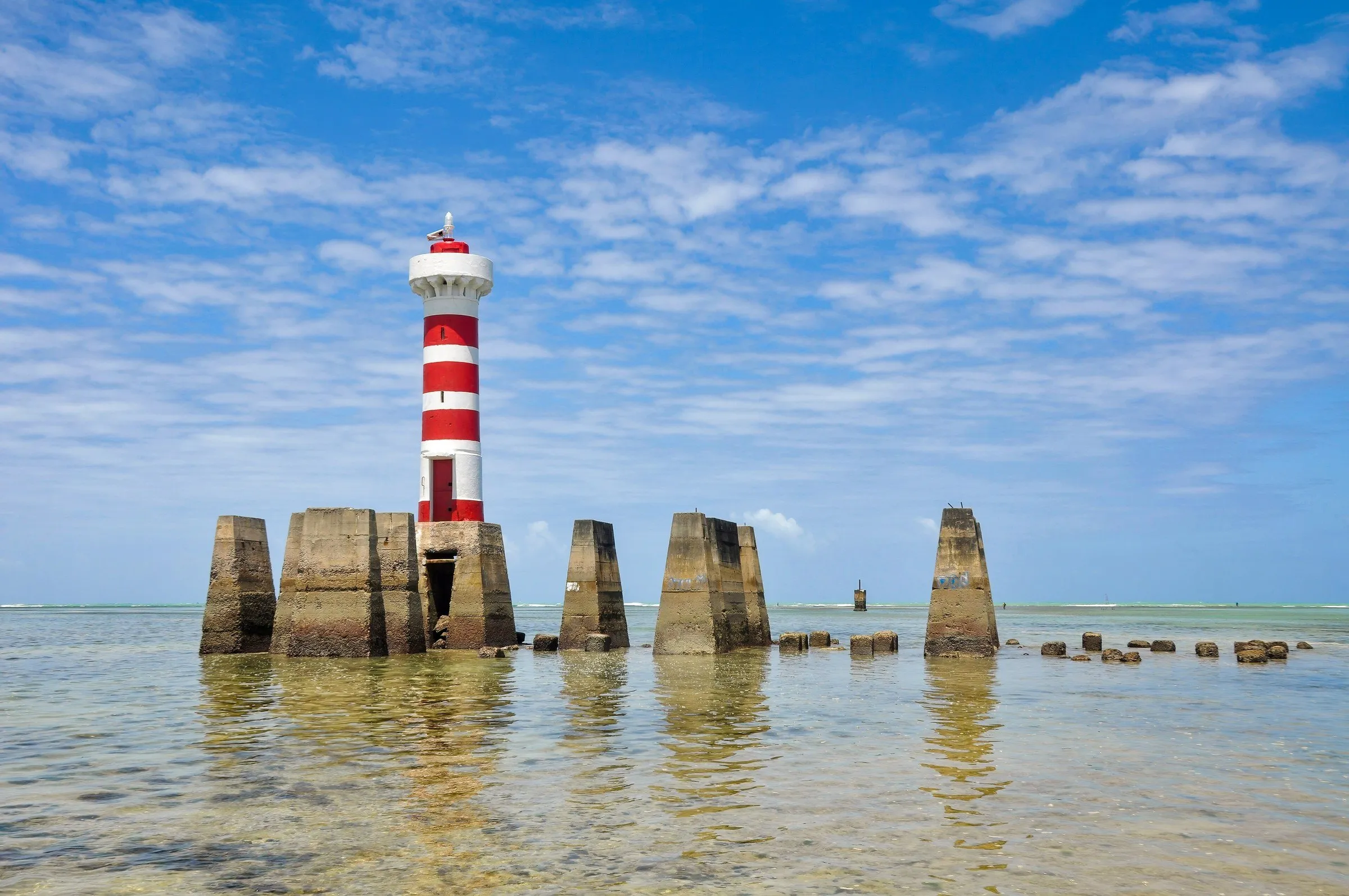
Porto de Galinhas Natural Pools
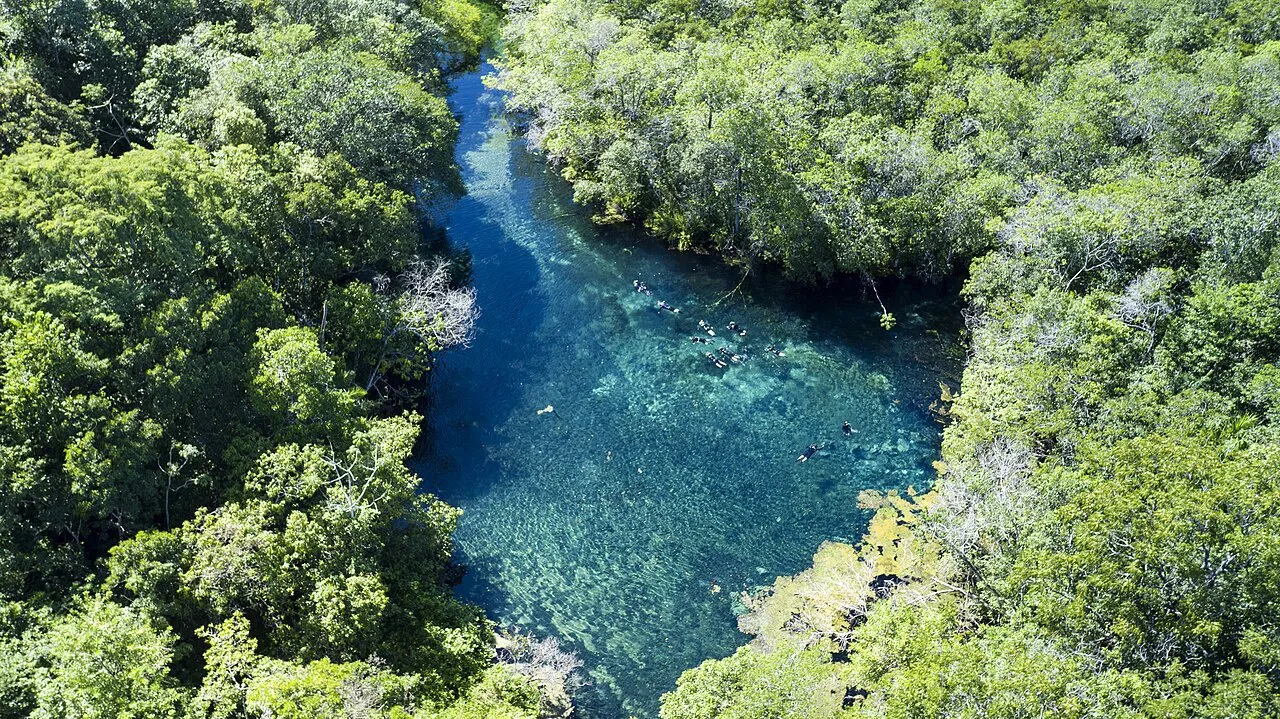
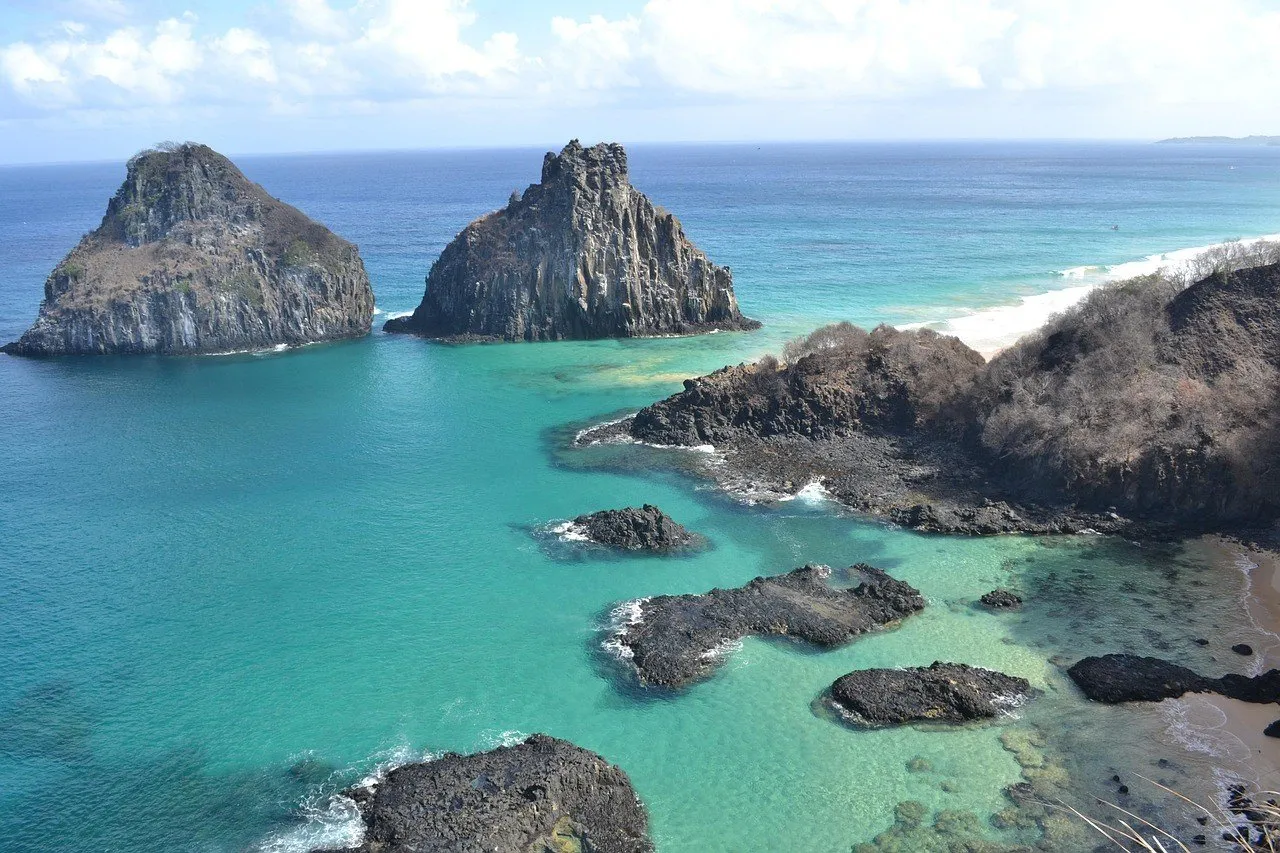
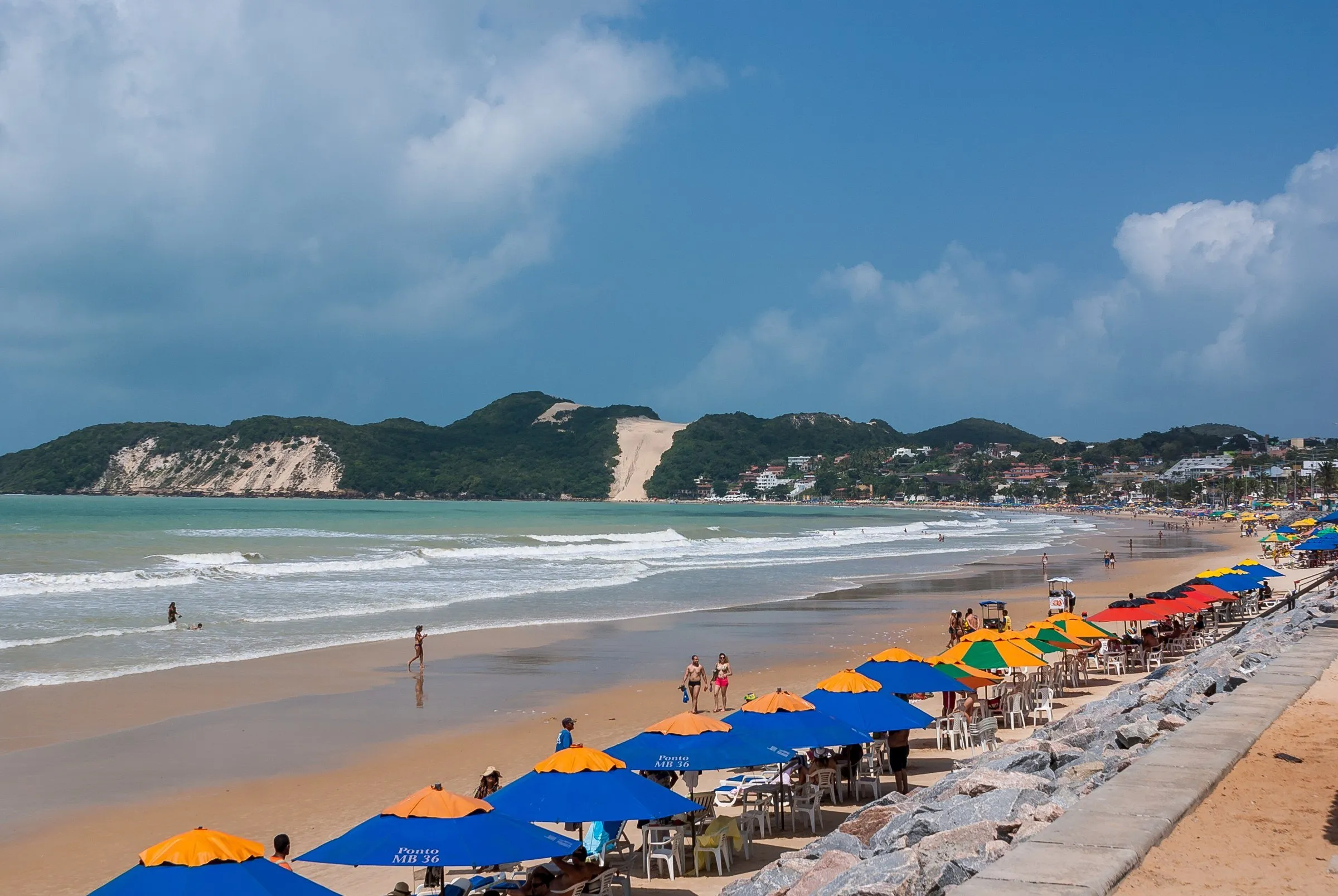
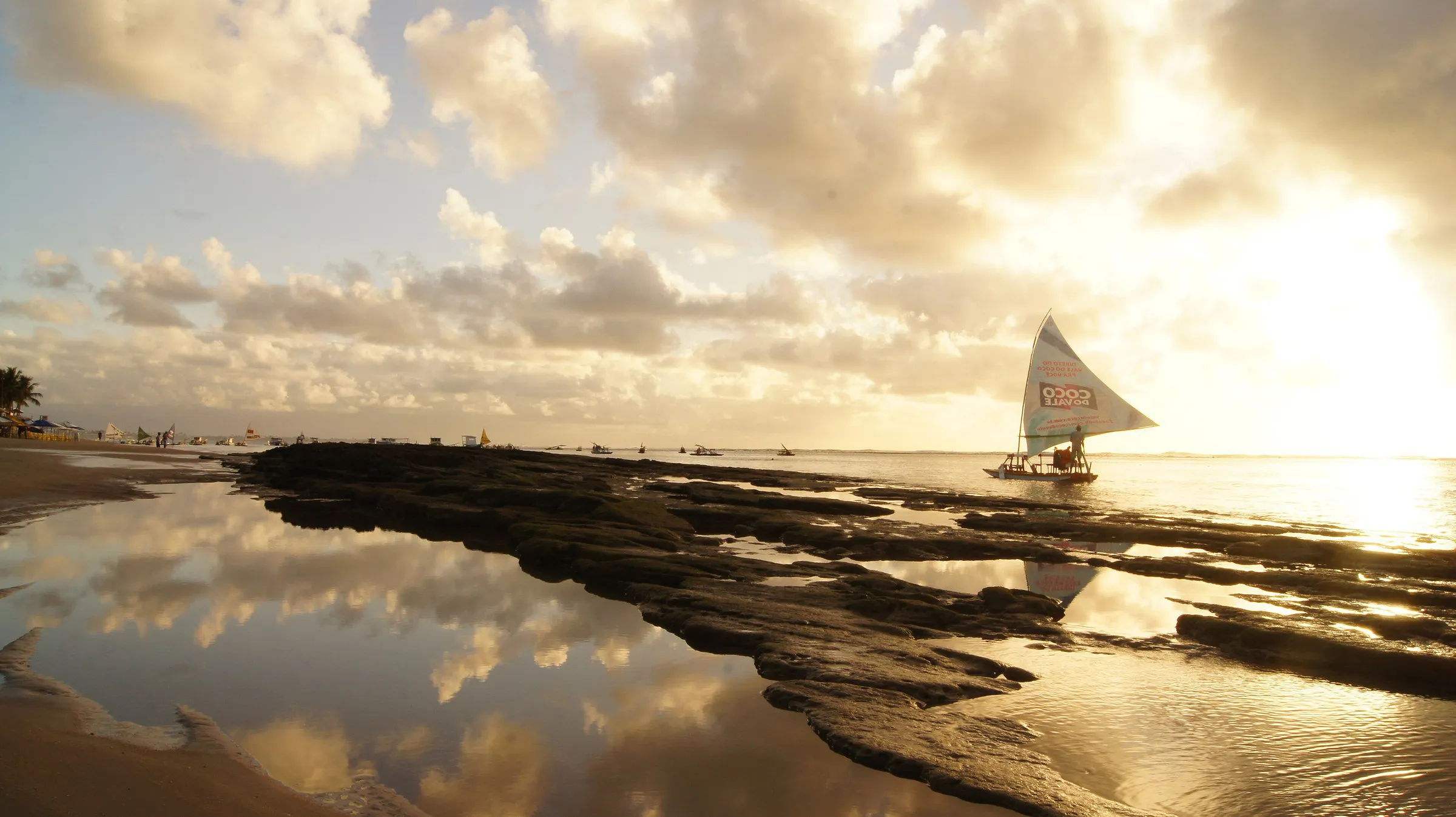
About 200 meters from the Vila's sand, the reefs hold back the water at low tide and form shallow pools; the jangada takes you there in about five minutes.
View details for Porto de Galinhas Natural Pools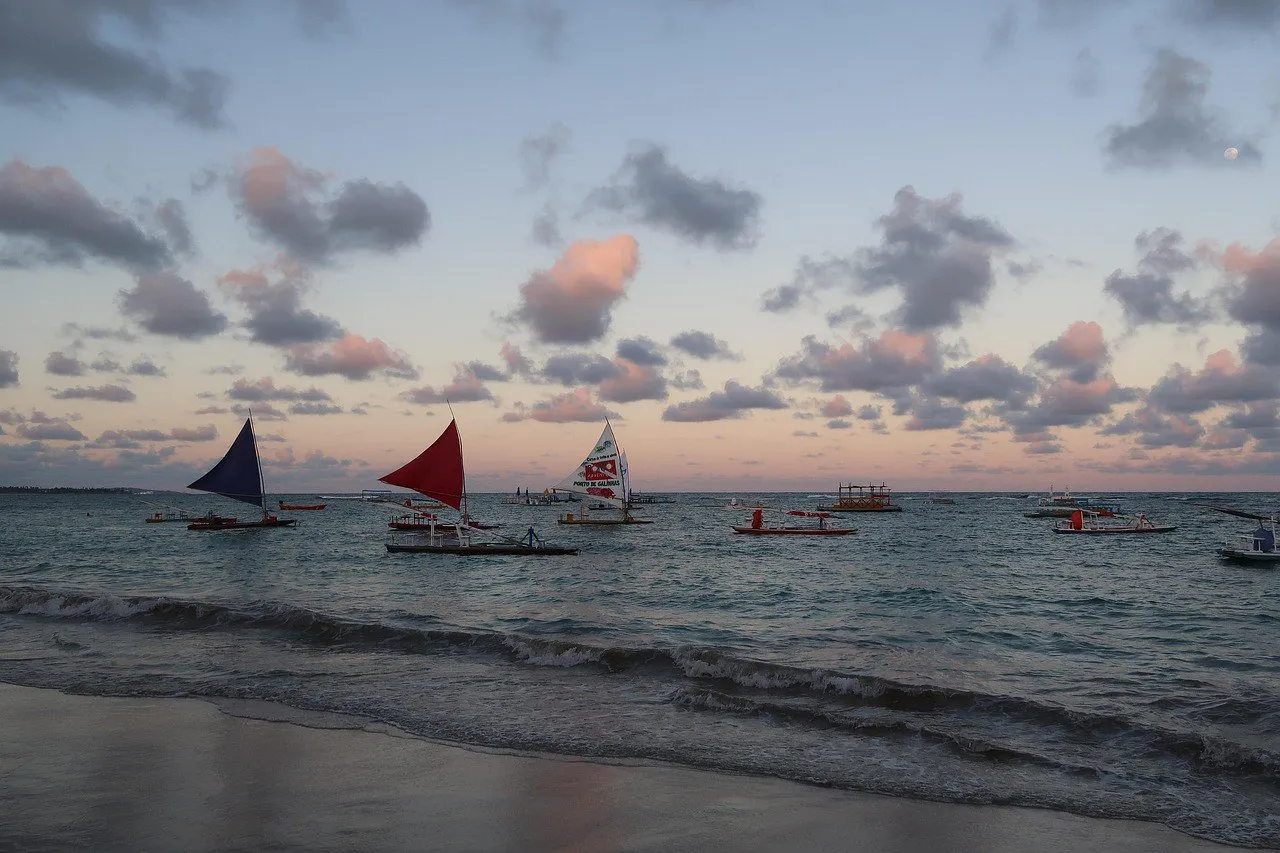
Brazil
In the Vila, the clock that rules is the tide table: when it reads close to zero, triangular-sailed jangadas leave the sand and, in about five minutes, drop you among reefs, with fish swimming past your ankles.
In Porto de Galinhas, the first question of the day isn't about the weather but about the tide. When it drops, the Vila rushes to the jangadas and the pools among the reefs; when it rises, the schedule moves back to the shop-lined streets, the hanging umbrellas and the hens carved from coconut-palm trunks. One thing to clear up right away: Porto de Galinhas is not a municipality. It is a beach and a district of Ipojuca, on the southern coast of Pernambuco, about 50 km from Recife airport.
With the Vila as your base, two days cover the pools and the little town center, with the tide table deciding the order: low tide is for jangadas; high tide is for umbrellas, hens and a long lunch. If you have an extra day, you can head about 50 km south to Carneiros Beach, already in the municipality of Tamandaré, where an 18th-century chapel stands almost at the water's edge; if you have time to spare, it's worth staying overnight. Recife, the gateway to the trip, has its own guide on Roterify.
Before getting its current name, the place was called Porto Rico, because of the abundance of brazilwood in the region.
Viagem e Turismo magazine named Porto de Galinhas the best beach in Brazil ten years in a row.
Cartola, a dessert of banana with cheese and sugar, became intangible cultural heritage of Pernambuco under a 2009 state law.
1About 200 meters from the Vila's sand, the reefs hold back the water at low tide and form shallow pools; the jangada takes you there in about five minutes.
View details for Porto de Galinhas Natural Pools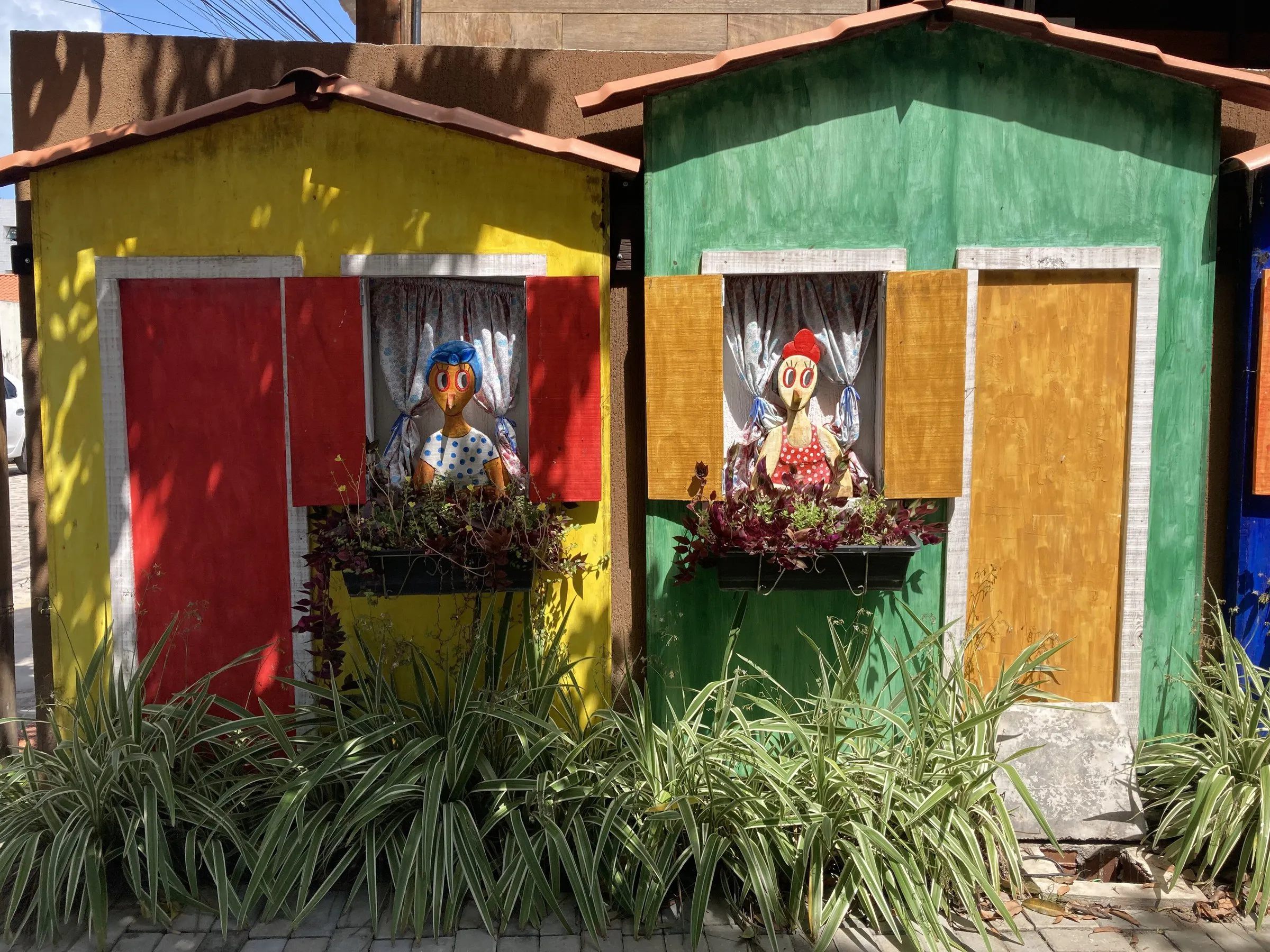 2
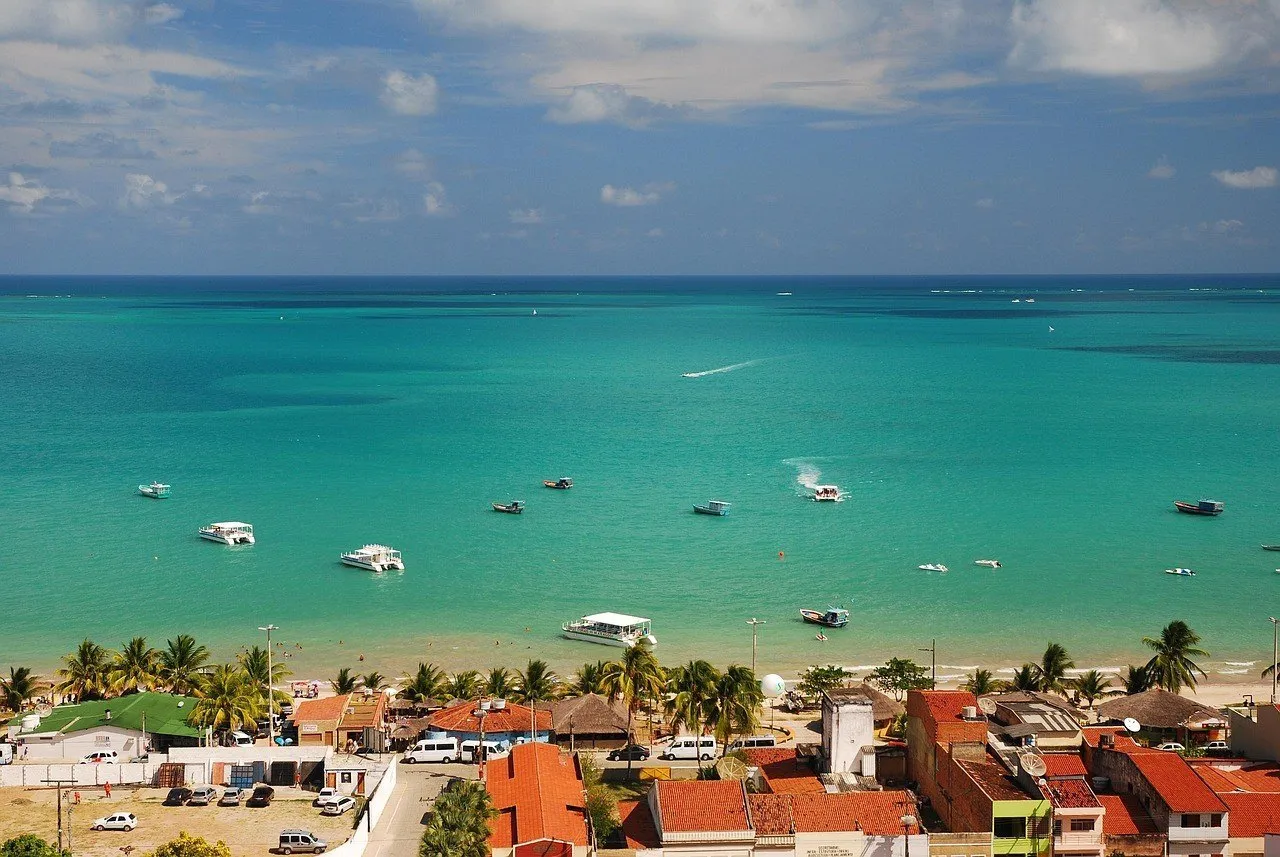
Streets of shops and restaurants, hanging umbrellas and carved hens along the way; the name of the place, though, carries a history far less light than the colors.
View details for Porto de Galinhas Village (the Vila)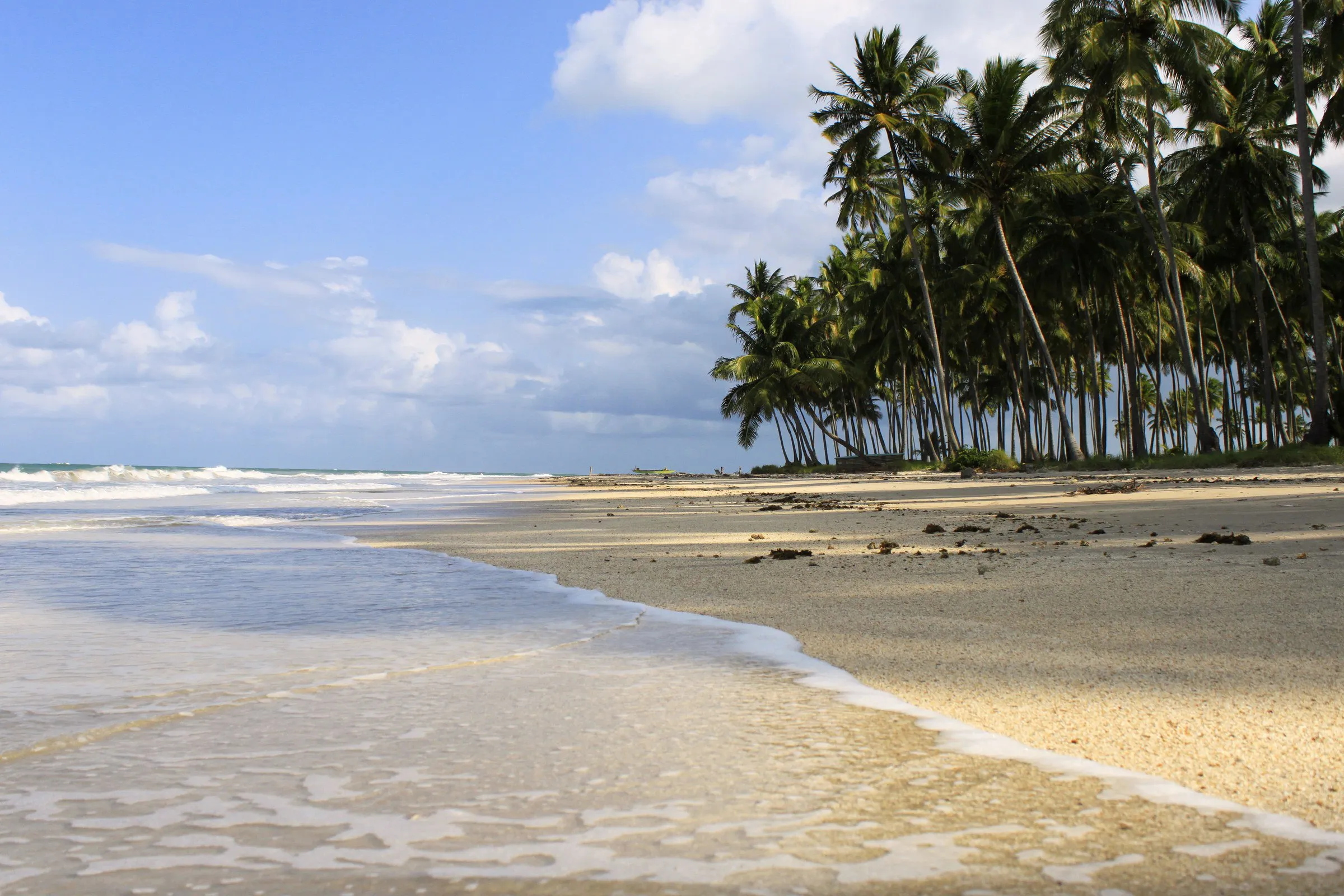 3
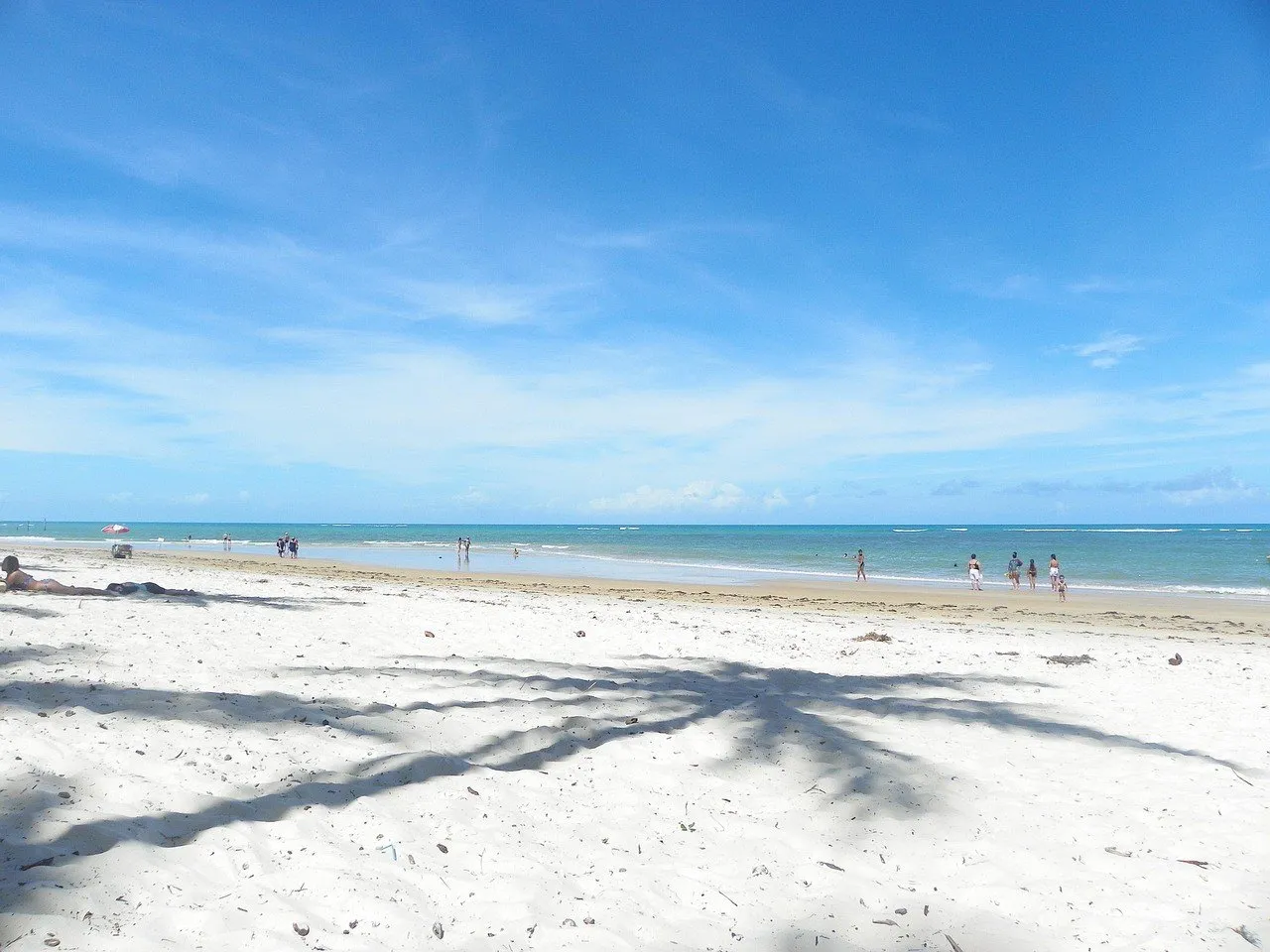
In Tamandaré, about 50 km from Porto de Galinhas, the São Benedito chapel on the sand, coconut palms and calm sea call for a full day, or an unhurried overnight stay.
View details for Carneiros Beach1Here the schedule isn't yours, it's the Moon's. The pools appear when the tide goes out far, and the weeks around the full and new moons tend to bring the lowest tides. The jangadeiro steers the triangular-sailed jangada standing at the stern with a long pole, and within minutes you step down among the reefs, about 200 meters from the beach.
Each jangada carries only a few people, and the stay in the pools lasts close to 40 minutes. Wear reef shoes: there are corals and sea urchins along the way. Respect the areas fenced off with ropes, which protect marine life. When the tide rises, the jangadeiros furl the sails and the day's trip is over, no negotiation.
2Start by counting hens. Many of the sculptures scattered around the Vila came from the hands of the artist Gilberto Carcará, a pioneer in using coconut-palm trunks that fell on the beach; some reach 1.60 meters. On Rua das Piscinas Naturais, the Rua das Sombrinhas (Umbrella Street) covers the way in color and guarantees the afternoon's most repeated photo.
The name has a harsh origin. According to the story told in the region itself, in the days of the illegal slave trade, Africans arrived hidden under crates of guinea fowl, and the code phrase “there are new hens at the port” announced the landing. Before that, the place was called Porto Rico. It's worth remembering this history between one shop and the next.
3The São Benedito chapel, built in the 18th century almost at the water's edge, is the reason many people come to Carneiros, in the municipality of Tamandaré. It stands on private land and only opens inside for occasions such as masses and weddings, but the view from outside already justifies the drive.
From Porto de Galinhas it is about 50 km by road, which makes Carneiros a common day trip. Boat tours pass natural pools, mangroves and the clay bath at Guadalupe Beach, already in Sirinhaém. If you can, stay at least one night: once the groups leave, the beach empties out.
Check the Brazilian Navy's tide table for the Port of Suape before locking in your dates. Tides of around 0.5 m or less tend to be the best for the pools, and the weeks around the full and new moons help.
It is about 48 km from Recife airport. By car or ride-hailing app, the fastest route uses the PE-009, which has a toll. Buses on lines 191 and 195 stop at the airport and take about two hours on average, with many stops.
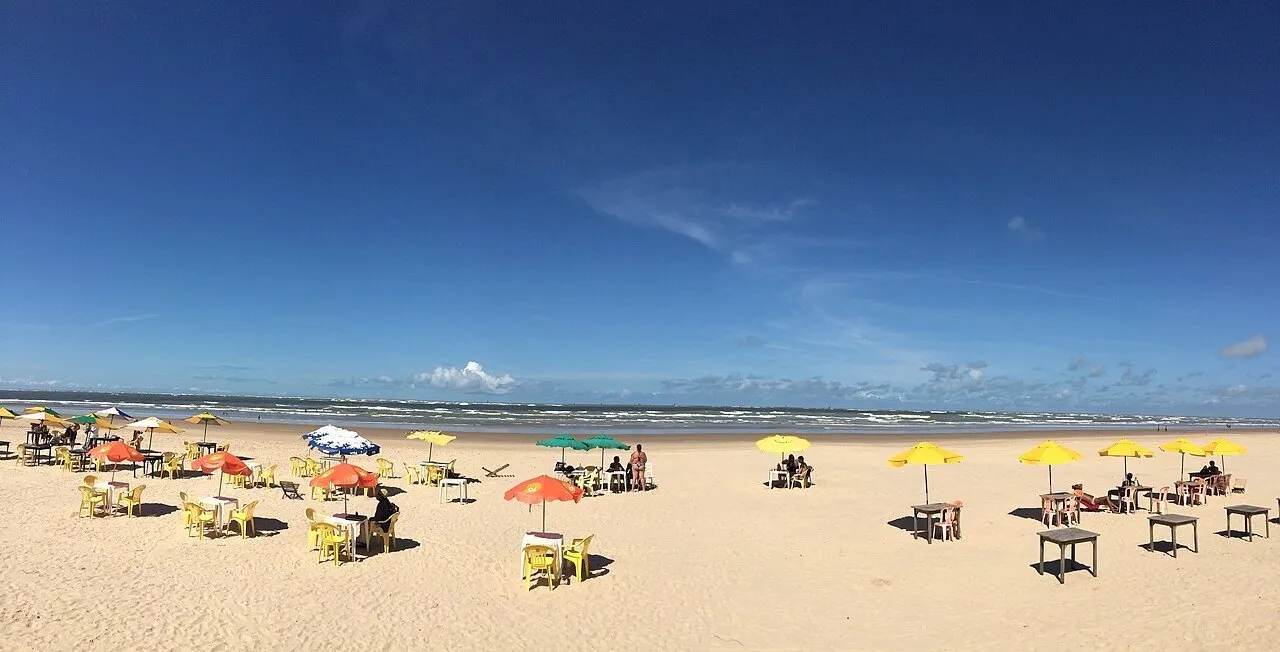
At the Vila's beach shacks, chairs and umbrellas usually depend on a minimum spend. Ask about conditions and prices before settling in and check the bill at the end: overcharging is among the most common complaints.
In the Vila, the pools and the town center are close to each other. Carneiros, though, is about 50 km away, in Tamandaré: a rental car or an agency tour solves the trip, and if you want to stay overnight you need to book lodging there.
Wear reef shoes on the reefs, respect signs and lifeguards, and stay out of the roped-off areas in the pools, which protect corals, sea urchins and fish.
September to March is the driest window, and October to December usually has the least rain. May to July concentrate the rains. December to February is high season: book lodging well in advance.
After a day ruled by the tide, hunger arrives smelling of grilled fish. In the Vila, restaurants cluster in the town center, and some keep a beach shack on the sand and a dining room on the street above, which lets you have lunch still in your swimsuit. The menu mixes sea and backlands: sun-dried beef, cowpea beans and farofa share space with moqueca. To finish, look for cartola, the dessert that Pernambuco protects by law.
Cowpea beans, shredded sun-dried beef, farofa and vinaigrette on the same plate: lunch for someone who still plans to go back to the sand, but maybe won't.
Shrimp moqueca (a coconut-and-palm-oil stew) shows up at the Vila's restaurants; it often comes as a sharing portion, so ask about the size before ordering.
Banana, melted cheese and sugar: the dessert that became intangible cultural heritage of Pernambuco in 2009.