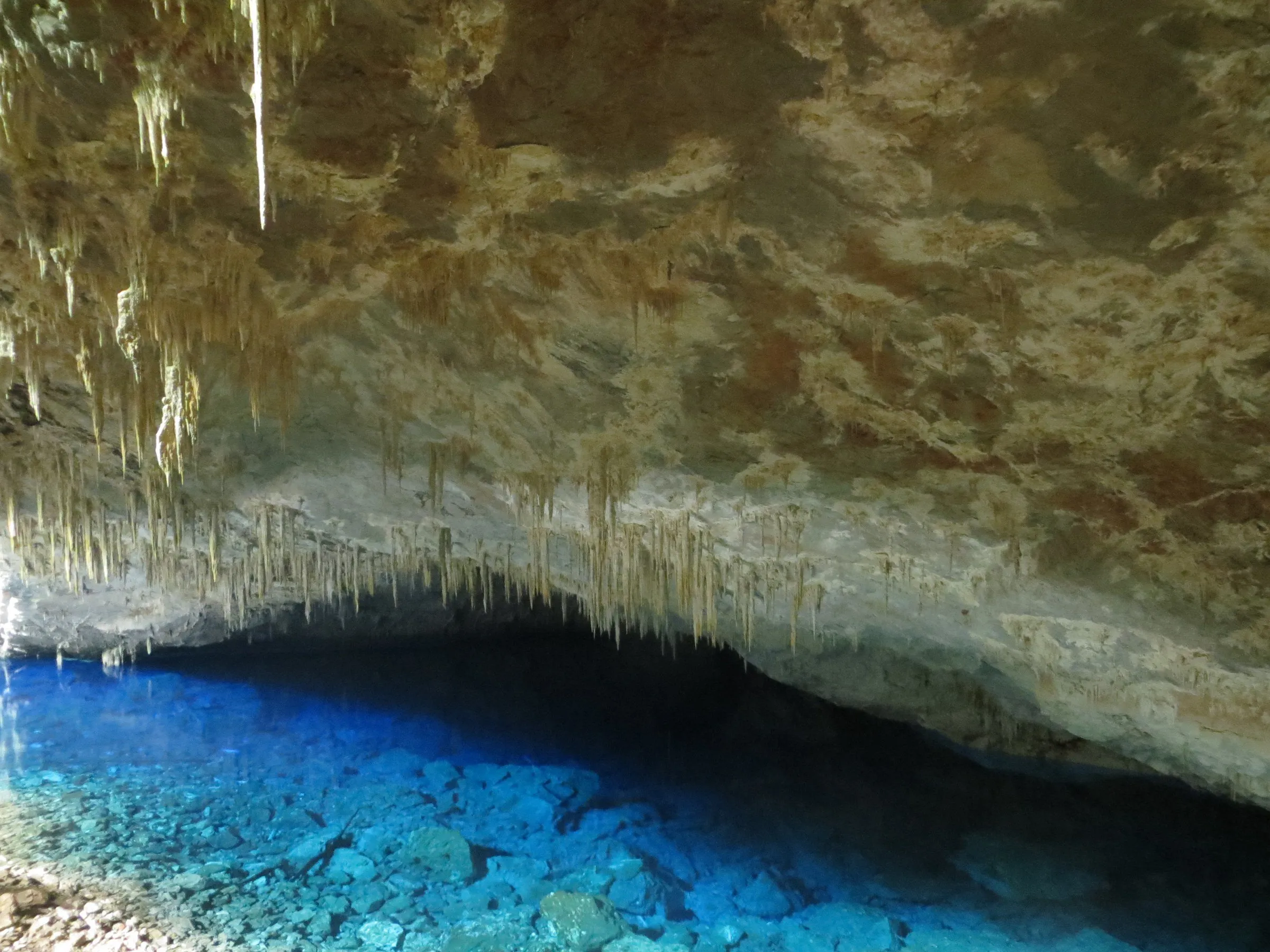
1Gruta do Lago Azul (Blue Lake Cave)
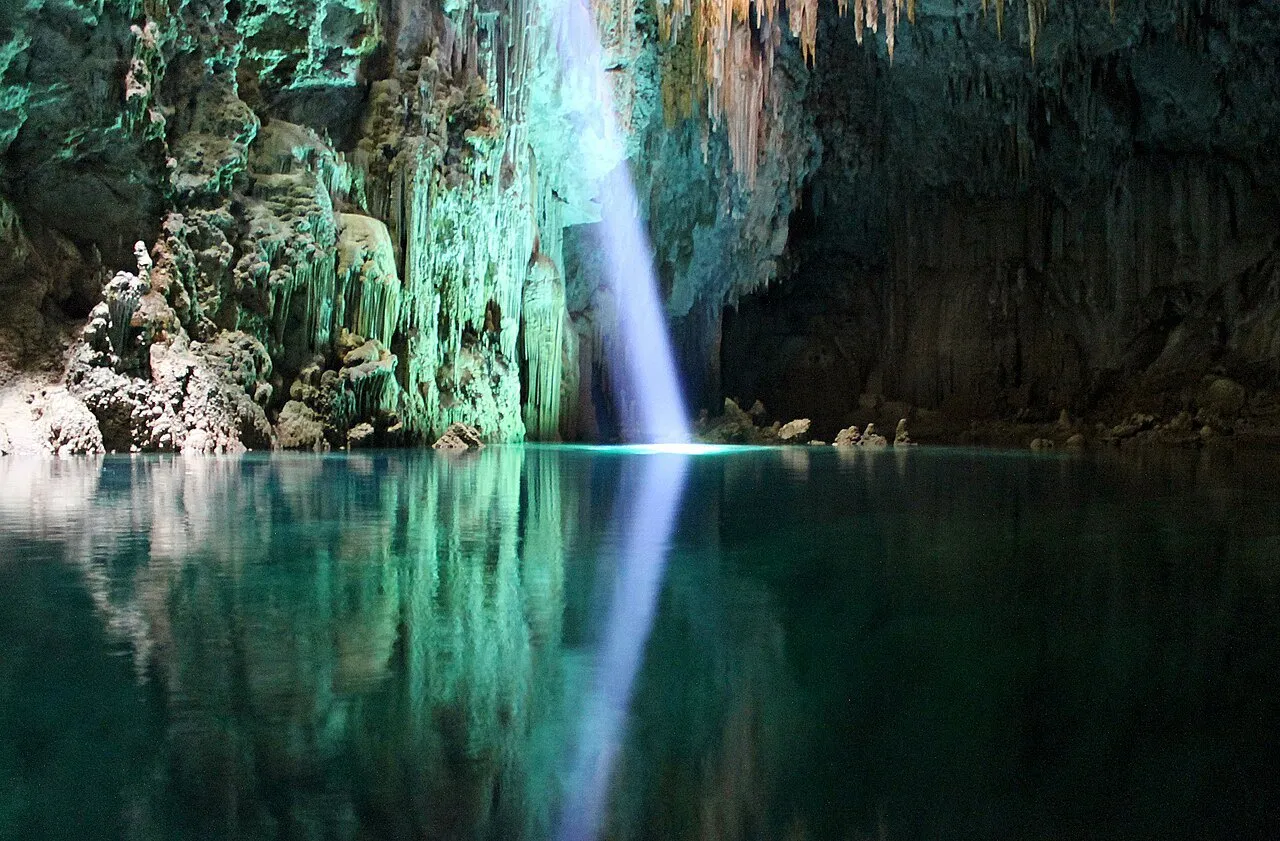
A walk to admire the blue lake inside the cave, without getting into the water: the visit swaps the snorkel for a close look at the shapes of the rock.
View details for Gruta do Lago Azul (Blue Lake Cave)
Brazil
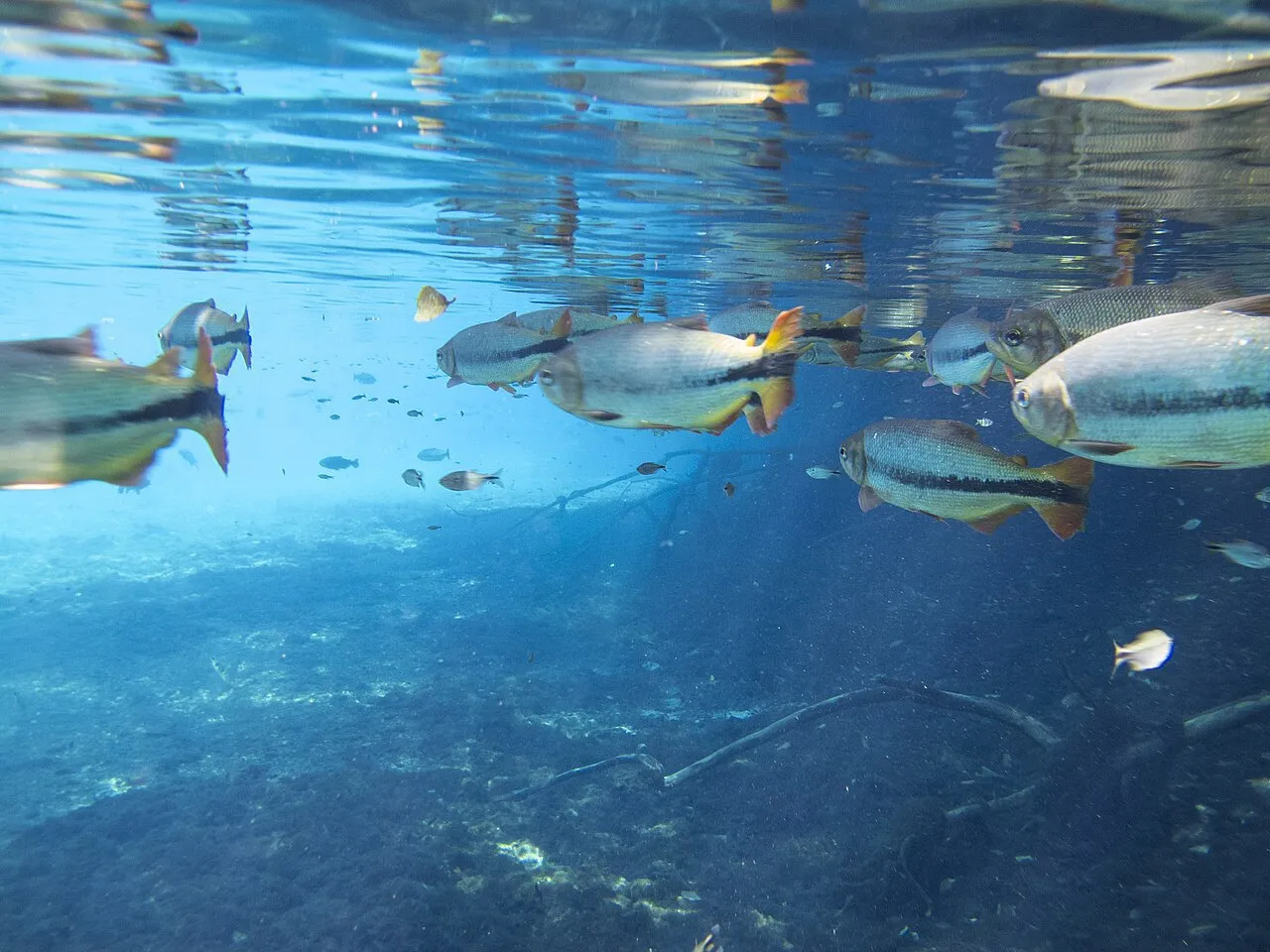
In Bonito, you put a mask on in the water and find fish going about their day among submerged plants. Back at the hotel, the hard part is explaining why you spent so long staring at the bottom of a river.
At Gruta do Lago Azul, the water is for the eyes only: the standard visit is contemplative and does not include swimming in the lake.
The tour called Rio da Prata starts in the waters of the Olho d’Água River; the name of the reserve does not tell the whole route.
At Rio Sucuri, there are also hiking and boat options for seeing the springs without floating.
1A walk to admire the blue lake inside the cave, without getting into the water: the visit swaps the snorkel for a close look at the shapes of the rock.
View details for Gruta do Lago Azul (Blue Lake Cave)
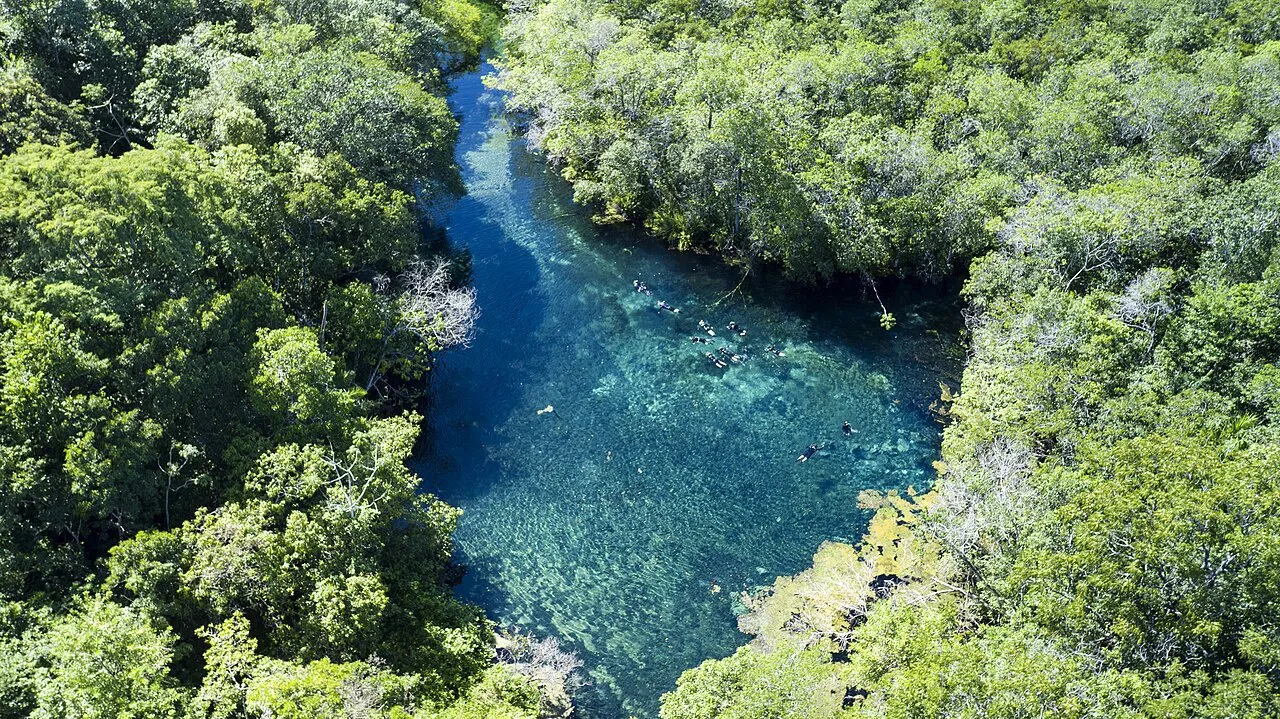
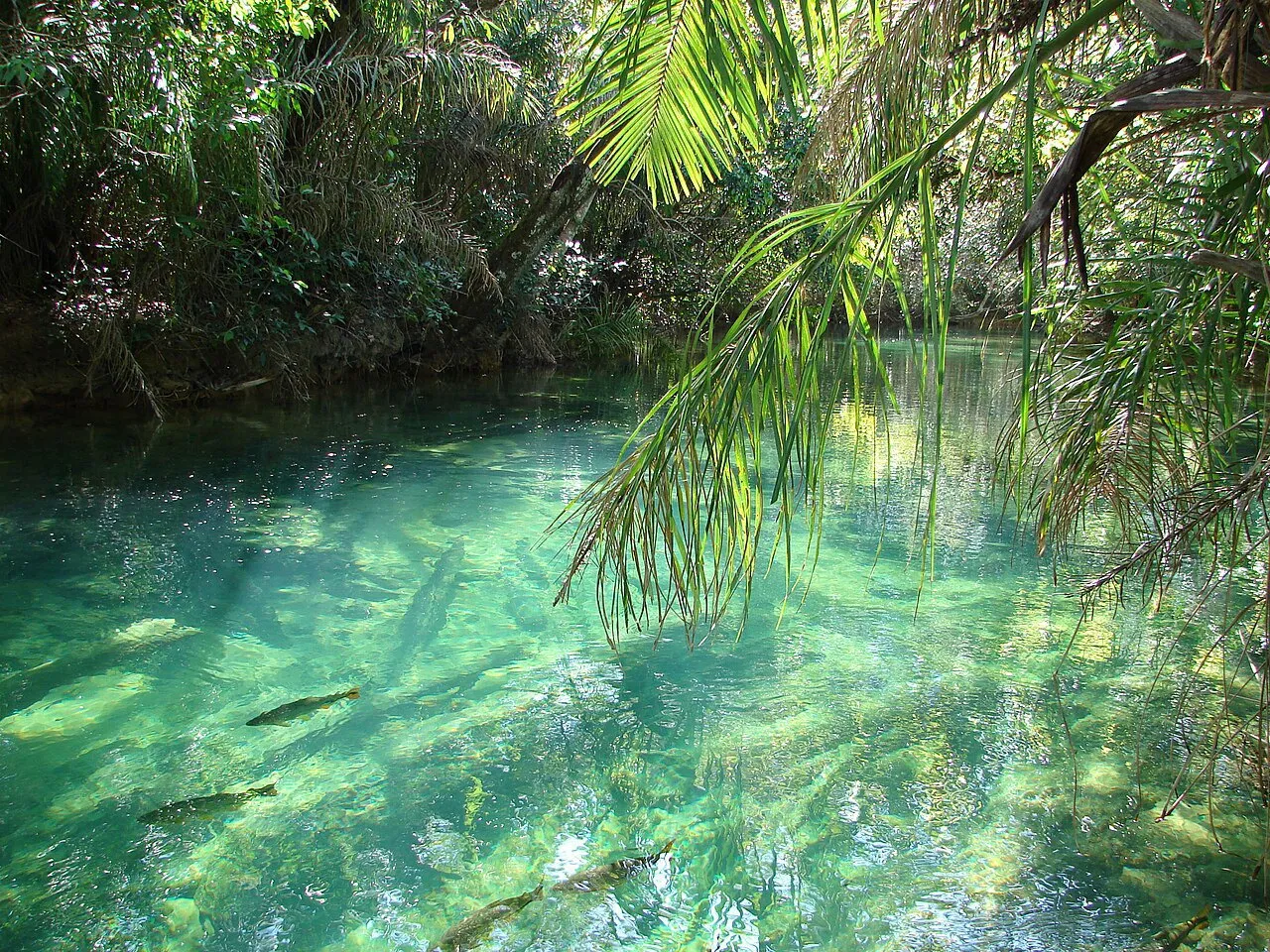
2Springs, submerged plants and fish accompany the float down the Sucuri River; there are also hiking and boat options for watching the water from above.
View details for Rio Sucuri (Sucuri River)
3A stretch of the Formoso River for swimming and watching fish, with leisure areas and facilities that let you spend the afternoon without switching tours.
View details for Balneário Municipal
4The trail follows the Mimoso River past waterfalls and natural pools; the farm’s main house completes the visit with a regional lunch.
View details for Estância Mimosa
5In Jardim, the tour combines a trail and snorkeling along the Olho d’Água and Prata rivers, as a day trip from Bonito that requires booking and transport.
View details for Recanto Ecológico Rio da Prata
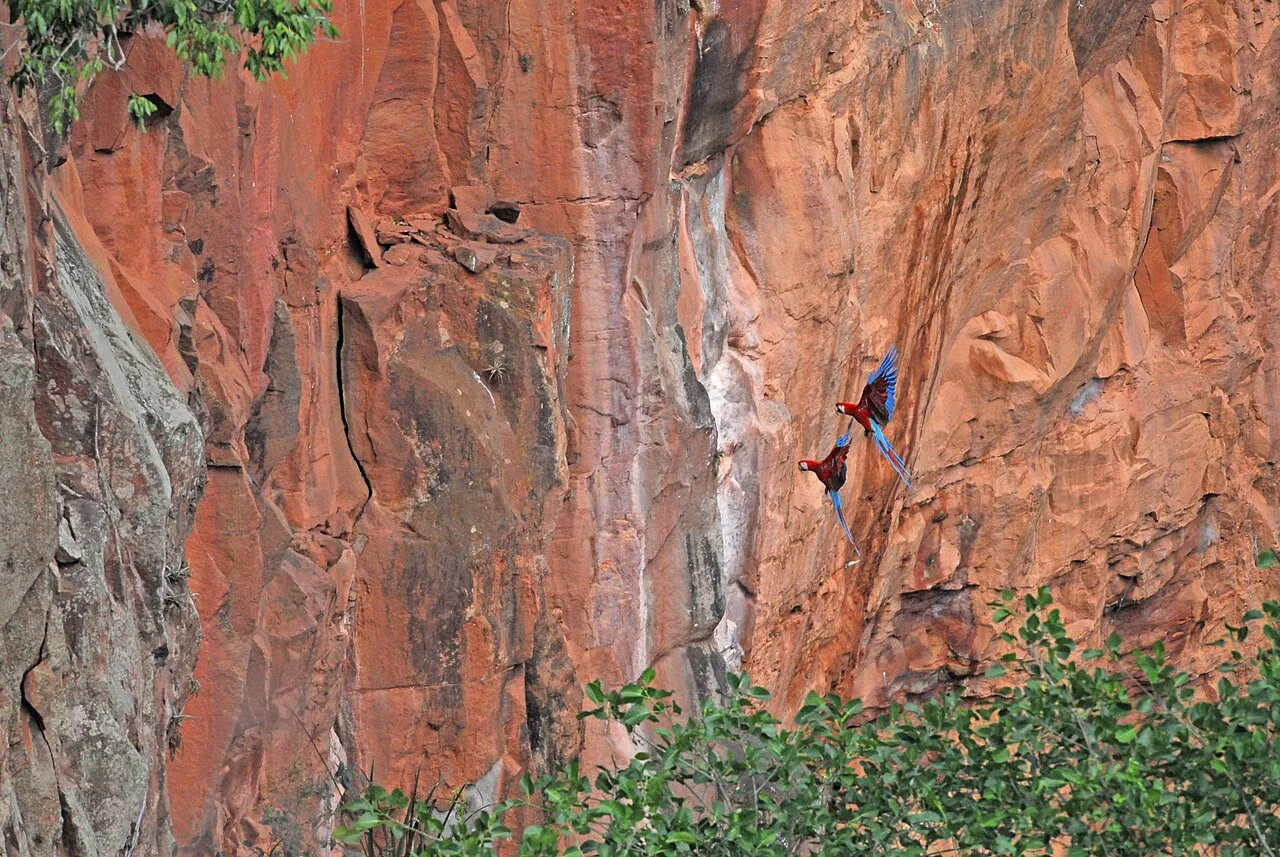
6In Jardim, a trail circles the large sandstone depression and reaches viewpoints for watching wild macaws, without descending to the bottom of the sinkhole.
View details for Buraco das Araras (Macaw Sinkhole)
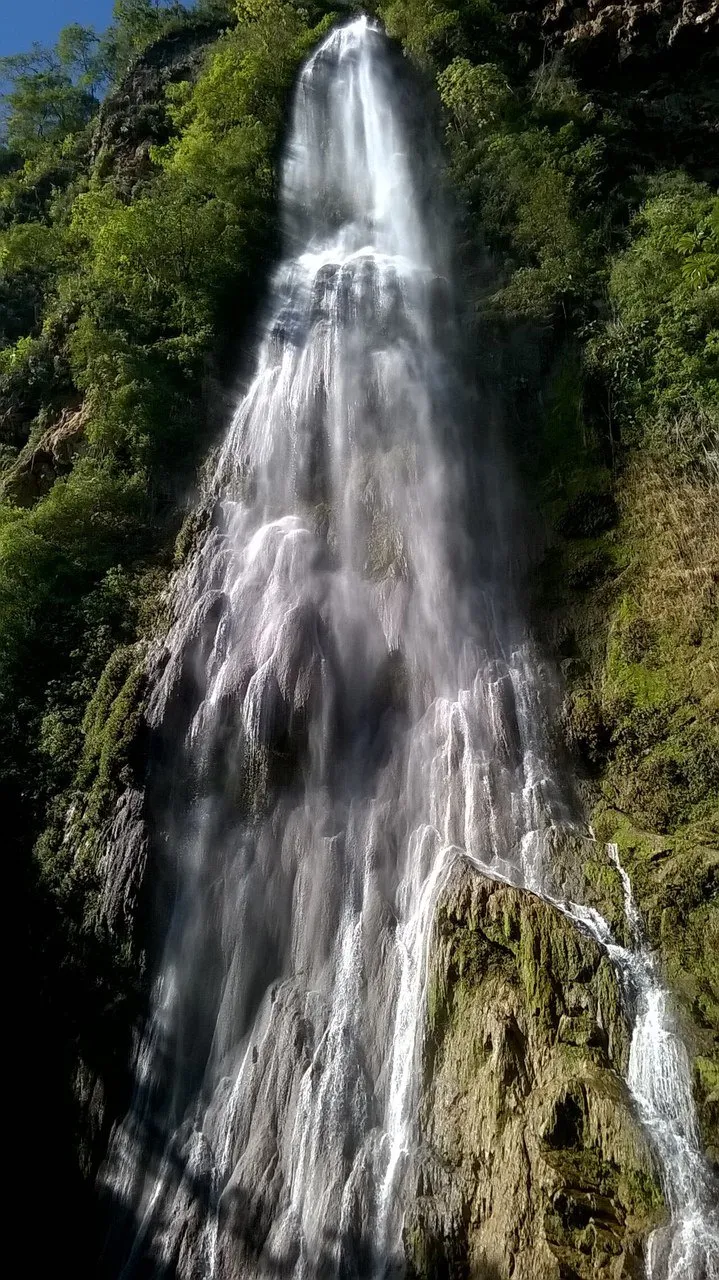
7In Bodoquena, trails through the Salobra River canyon lead to pools and waterfalls; the Boca da Onça fall is the tallest in Mato Grosso do Sul.
View details for Boca da Onça
8The entrance through an opening high in the cave leads to an underground lake, with a boat ride and water activities booked separately.
View details for Abismo Anhumas (Anhumas Abyss)
9The blue of the spring is the main attraction of a complex that offers snorkeling, a trail and leisure areas, with options that vary by ticket.
View details for Nascente Azul
10Falls and pools along the Mimoso River mark the park’s guided trail, which also has a swimming area and a reception center for extending your rest.
View details for Parque das Cachoeiras (Waterfalls Park)
1The descent to the viewing area reveals the blue little by little between the cave walls. After so many invitations to swim, Gruta do Lago Azul asks for a different kind of attention: here the lake is for looking, protected inside a natural monument. The charm lies in stopping and letting your eyes adjust to the contrast between stone and water.
The route leaves Bonito by road into the rural area. Set aside half a day for the transfer, reception and guided visit, without scheduling another activity right after. It is a good first step for realizing that the region’s itinerary also happens underground, even while you stay completely dry.
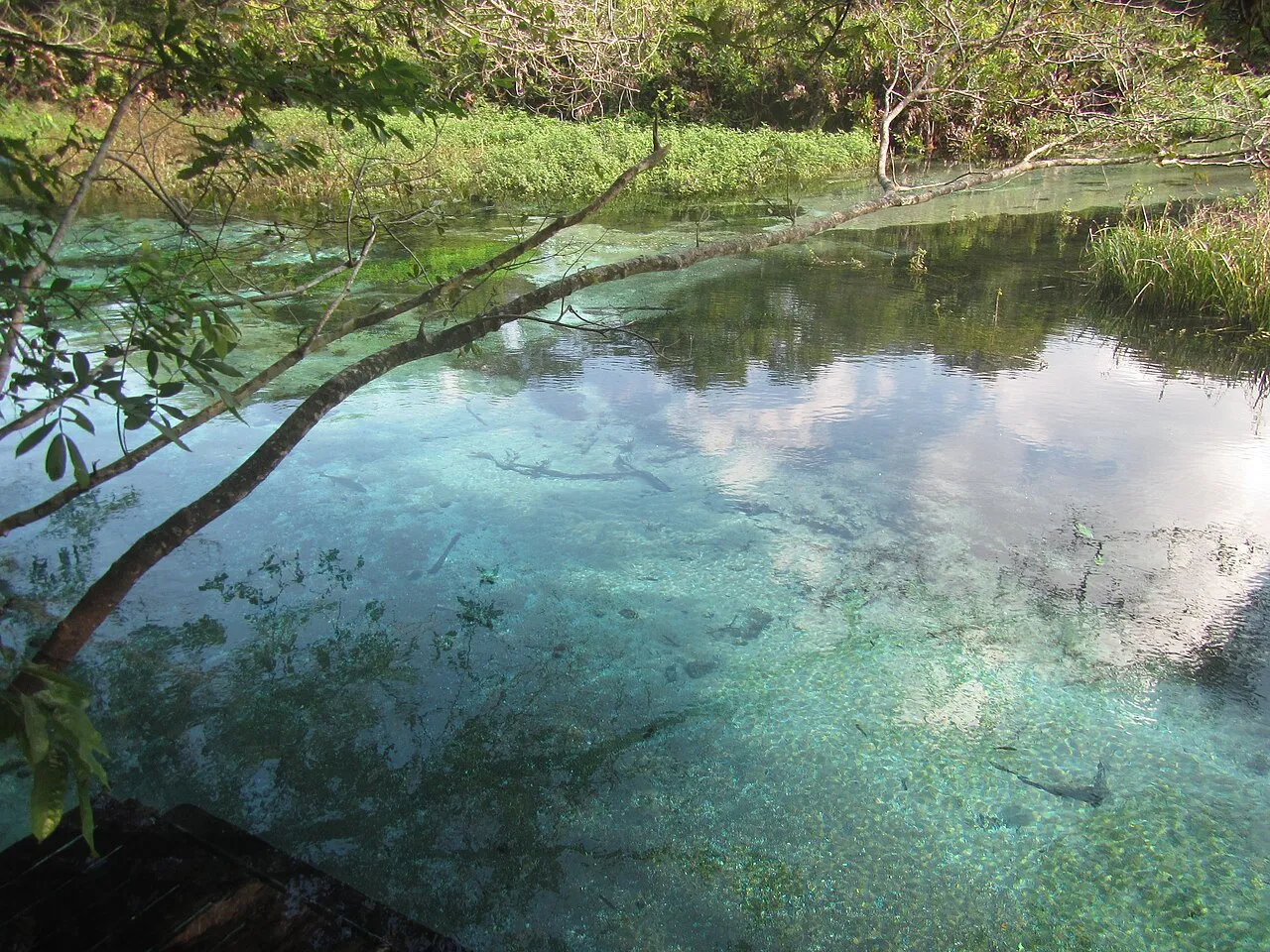
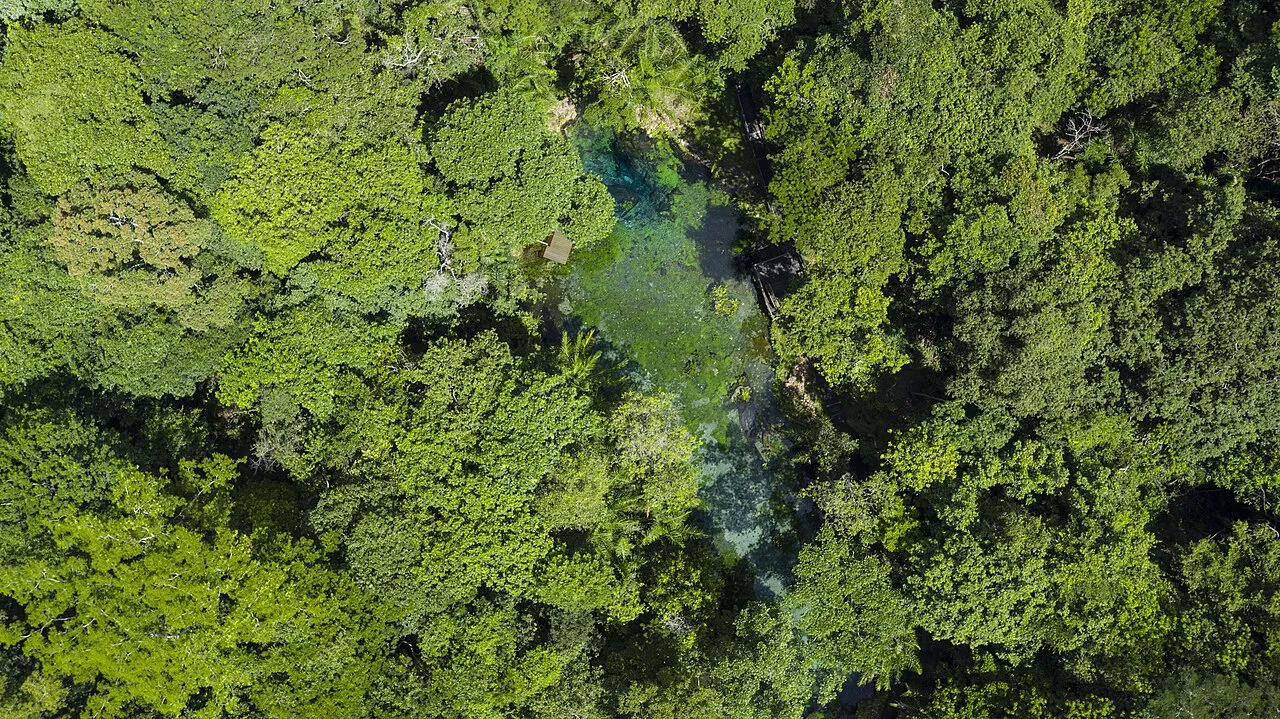
2The underwater plants put on much of the show at Rio Sucuri. You follow the movement of the leaves as you drift with the current, with a guide and a support boat on the activity. Before entering the river, the Trilha das Nascentes (Springs Trail) introduces this scenery from above: notice the changes in color and the meeting of forest and water.
At the reserve, choose whether to float or take a contemplative visit with a trail and boat. The property is in the rural area of Bonito, so set aside travel time and reception time in addition to the time in the water. In the itinerary, the rest of the day stays flexible; leaving the river without rushing to the next wetsuit is also a plan.
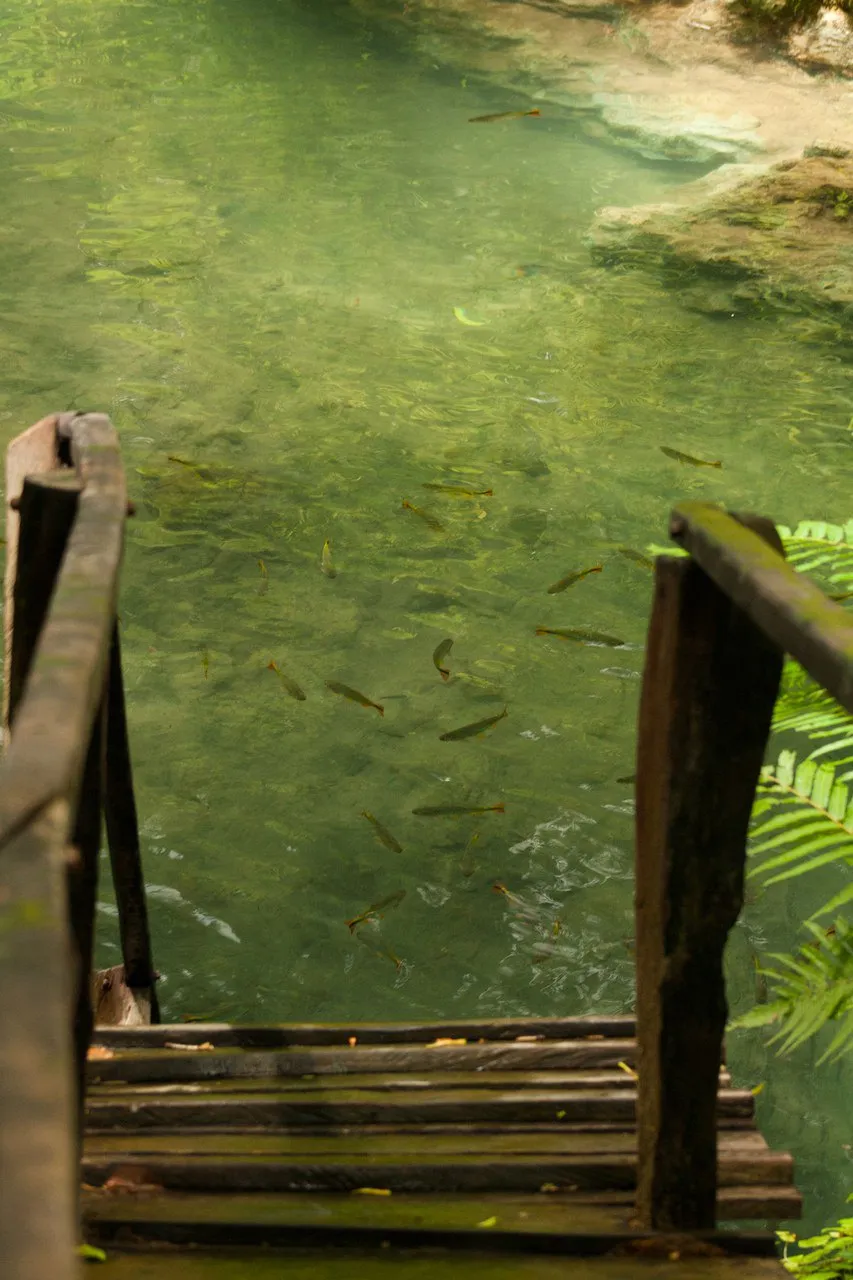
3At Balneário Municipal, the idea is to stay put. The Formoso River runs alongside the leisure areas, with swimming spots and fish that catch your eye even before you get in the water. There are food services, restrooms and rest areas: a big help when the urge to do another trail ends at lunch.
The swimming area is outside the center, in the rural area of Bonito, and requires your own or arranged transport. On the second day, it fits in as an optional afternoon after Rio Sucuri, only if schedules and transport allow. It is equally worth reserving a separate afternoon and letting the swim, rather than a string of reservations, organize your time.
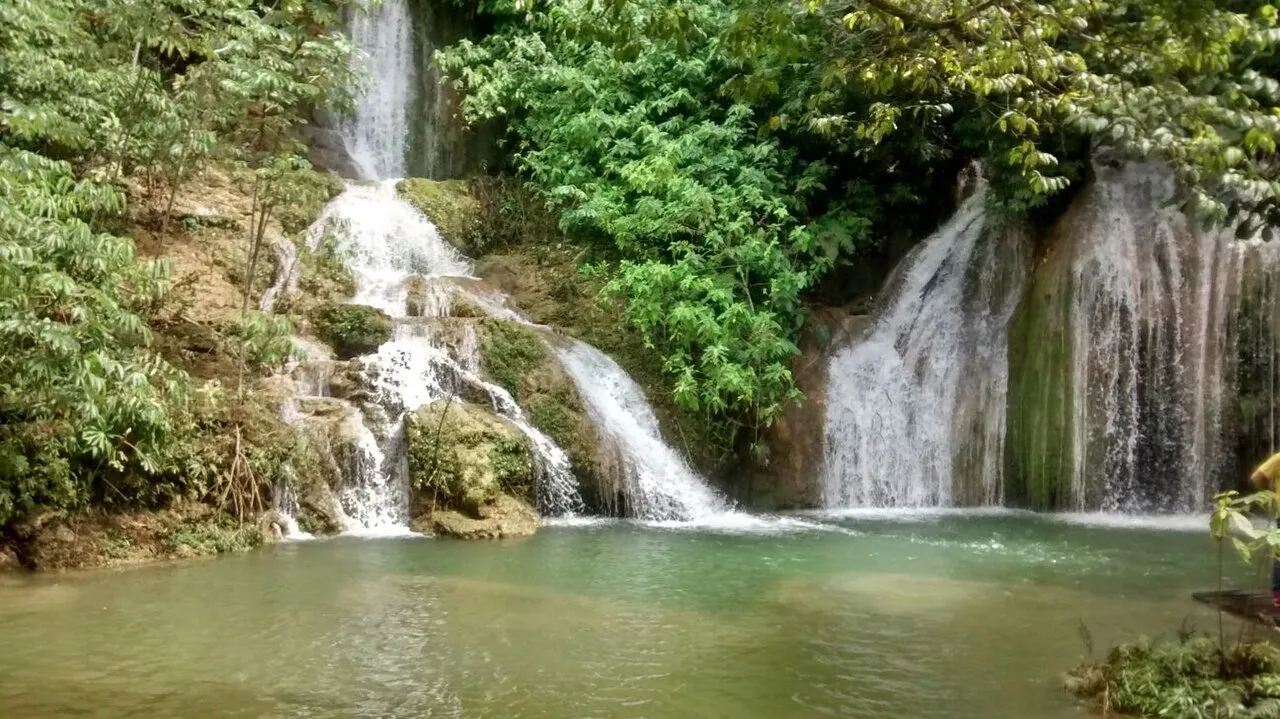
4The sound of falling water appears between one boardwalk and the next at Estância Mimosa. The guided walk follows the riparian forest of the Mimoso River and mixes dirt stretches with stops for a swim. Instead of picking one waterfall and staying, you get to know the differences between pools, rocks and curtains of water along the way.
At the farm’s main house, a regional lunch gives the visit a different rhythm. Treat the tour as the main activity of the day, leaving room for the meal and the trip back to Bonito. Wet ground and uneven steps call for care even if you usually walk a lot; here, looking only at the next photo is not much help to your feet.
5The trail leads up to the spring of the Olho d’Água River, where the water part of Recanto Ecológico Rio da Prata begins. The current carries the group among fish and vegetation until it meets the Prata. It is worth remembering the names: you spend much of the tour in a different river from the one written on your voucher.
The attraction is in Jardim, outside Bonito, reached via the BR-267. Estimate about an hour of travel each way, depending on the route and road conditions, plus the advance time required for check-in. The day trip can be combined with Buraco das Araras if the agency can match the schedules; leave room for lunch and for travel between the properties.
6The sandstone walls appear suddenly beyond the vegetation. At Buraco das Araras, the trail goes around a sinkhole, a large depression in the ground, and leads to observation platforms. The macaws use the cracks in the rock; when they pass through the gap, your eyes follow the flight before you remember where the camera was.
The reserve is in the rural area of Jardim and is usually combined with Rio da Prata on a day trip from Bonito. Schedule both times with the agency and leave slack for the road, lunch and the connection between attractions. Watching is done from the viewpoints, not by descending into the crater, and the birds remain free to go about their own routine.
7The cliff makes you look up before you look for the whole waterfall. Boca da Onça is in Bodoquena, in the Salobra River canyon, and brings together trails, natural pools and the tallest waterfall in the state. The routes differ in length and effort: choosing the package is an important part of the tour, especially because of the elevation changes and stairs.
Plan a dedicated day trip from Bonito. The road heads toward Bodoquena via the MS-178 and ends on a dirt access road; allow about an hour each way, with a margin for local conditions. The hike and the swims fill the day along with the meals. After that, going back to a quiet dinner rounds out the program nicely.
8Looking at the opening in the ground and knowing the tour continues down there changes the tone of the conversation right away. At Abismo Anhumas, an electrically assisted descent takes you to a platform above the underground lake. The visit can continue by boat, while floating and diving depend on the option chosen when booking.
It is an alternative for adding a day to the trip or replacing another cave tour, without trying to squeeze it between two tight reservations. The attraction is in the rural area of Bonito, and the team sets the times for the small groups the day before. Arrange transport after that confirmation; the cave deserves more calm than your schedule may be offering.
9A trail with boardwalks leads to the water that explains the name Nascente Azul (Blue Spring). The float focuses your attention on the spring, while the path lets you observe the vegetation and the calcareous tufa formations. It is the kind of place where the urge to pause and look down competes with the wish to keep walking.
The complex is in the rural area of Bonito and also includes Praia da Capela and leisure activities booked according to the option. Use it as a snorkeling alternative, or set aside an extra day to stay on site, rather than adding it after a long hike in Bodoquena. Confirm exactly which areas your ticket covers and how transport will work.
10The Mimoso River changes its shape along the way: it passes between rocks, spreads into falls and gathers in the pools where the group stops. At Parque das Cachoeiras, the guided trail combines these swimming breaks with a walk through the forest. The route suits those who prefer to alternate movement and water, without floating the whole time.
Use the park as an alternative to Estância Mimosa on the third day, choosing according to the package and the profile of the group. The access leaves Bonito via the MS-178; the complex is in the rural area and also has a swimming area and facilities to stay on after the trail. Check what each option includes before assuming that all areas are covered by the same ticket.
Tours use controlled spots and times. Arrange activities through an authorized agency or operator and check the voucher, transport, equipment and meals before paying; two tickets on the same day only work if the travel fits between them.
You can get around the central shops on foot, but the attractions require road travel. Compare a rental car with shared or private transport once you have the itinerary in hand. Confirm dirt-road access after rain and avoid estimating the trip by kilometers alone.
June to September usually has less rain; summer tends to be rainier. That does not guarantee the condition of a river on the day of your visit. Ask the operator about visibility, water level and possible changes, and bring dry clothes for after swimming.
Bring footwear suited to the trail and follow local guidance on entering the water, life vests and the use of products on the skin. Rules vary among snorkeling, waterfalls and swimming areas; confirm them for each activity and mention any need for assistance in advance.
One snorkeling tour, one cave and one day of waterfalls already show very different landscapes. If the budget is tight, choose among the guide’s alternatives before piling up similar programs. Check whether lunch is already in the package to avoid paying for a second meal unnecessarily.
Keep Bonito as your base for this itinerary’s day trips, with transport booked both ways. Rio da Prata and Buraco das Araras are in Jardim; Boca da Onça is in Bodoquena. Do not count on a city-style transfer between your hotel and the tour.
After watching fish in the river, dinner introduces another side of regional cooking: pintado and pacu appear roasted, grilled, stewed or with annatto (urucum). There are also homemade sweets and dishes made with guavira, a fruit of the region. Check beforehand whether the tour includes lunch, and save a calmly chosen meal downtown for the evening; the appetite of someone who spent the day in the water usually needs little persuading.
Freshwater fish (pintado) prepared with the color of annatto (urucum), common in regional cooking.
One way to try the pacu served in Bonito’s restaurants, grilled over embers; ask about the preparation and the bones.
The fruit appears in sweets, drinks and sauces; availability varies by season and by restaurant.
The farm-style dessert, a milk caramel spread, that also appears at Rio da Prata, made on a wood-fired stove.