 1
Religion and history
Igreja de Sant’Anna
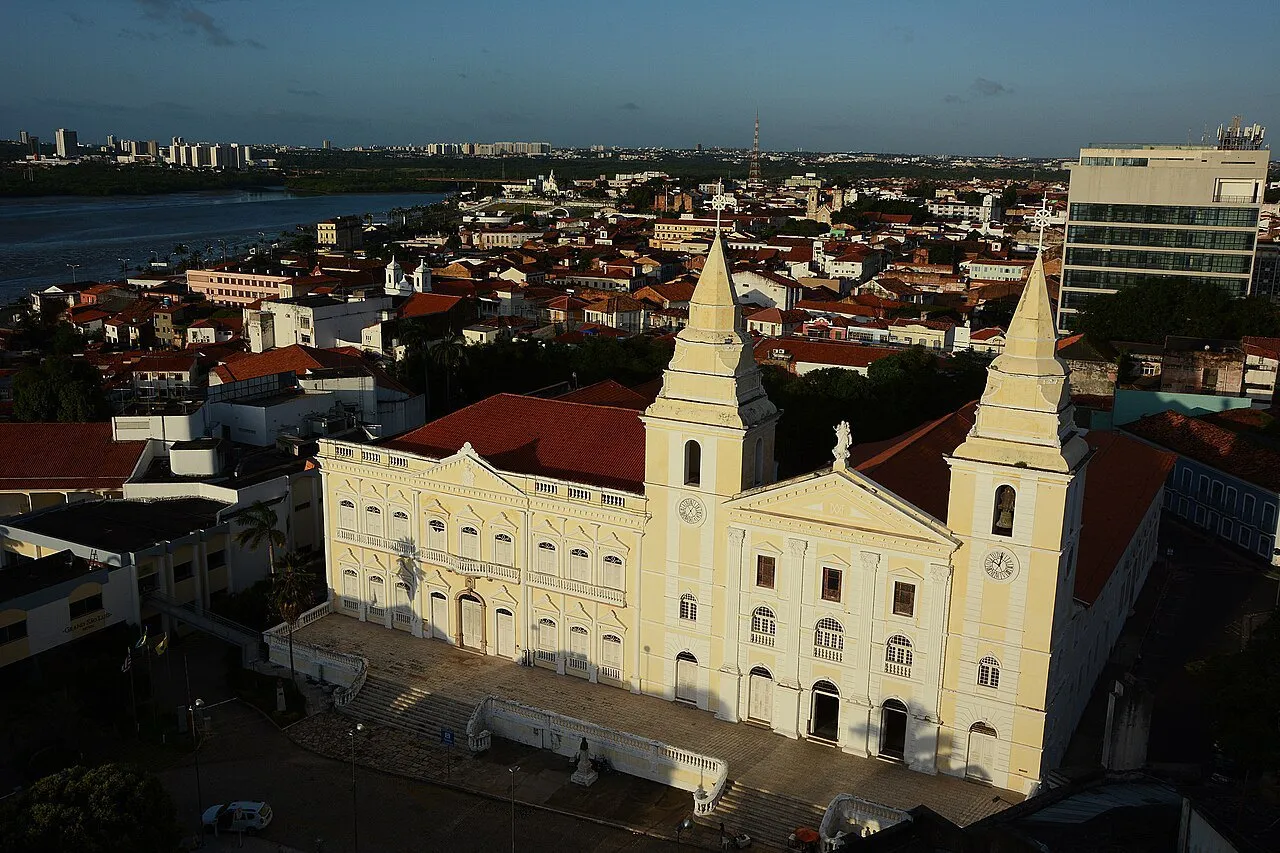
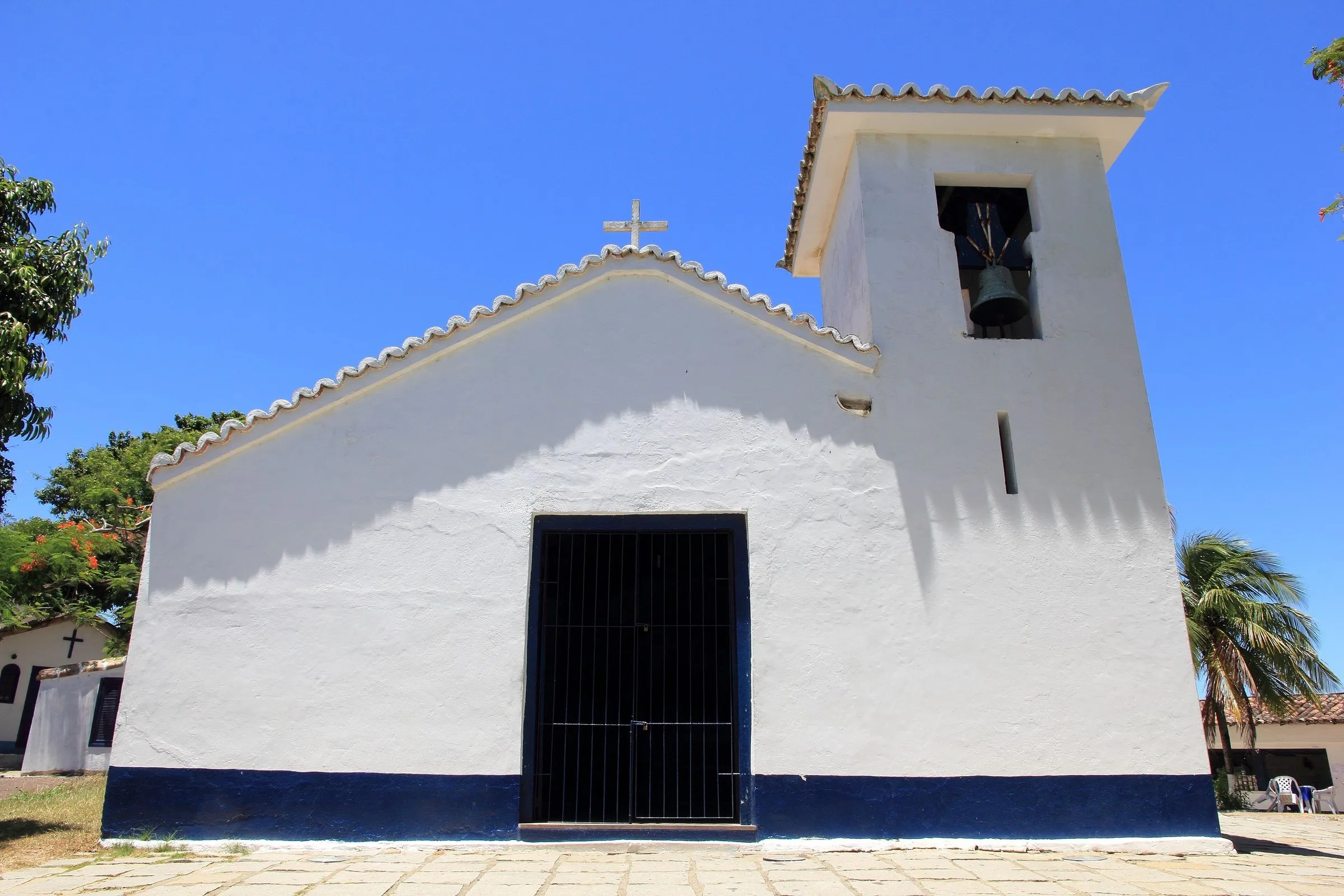
The white church above Ossos pairs 18th-century architecture with a view of boats and coves; the short climb changes the angle of your walk.
View details for Igreja de Sant’Anna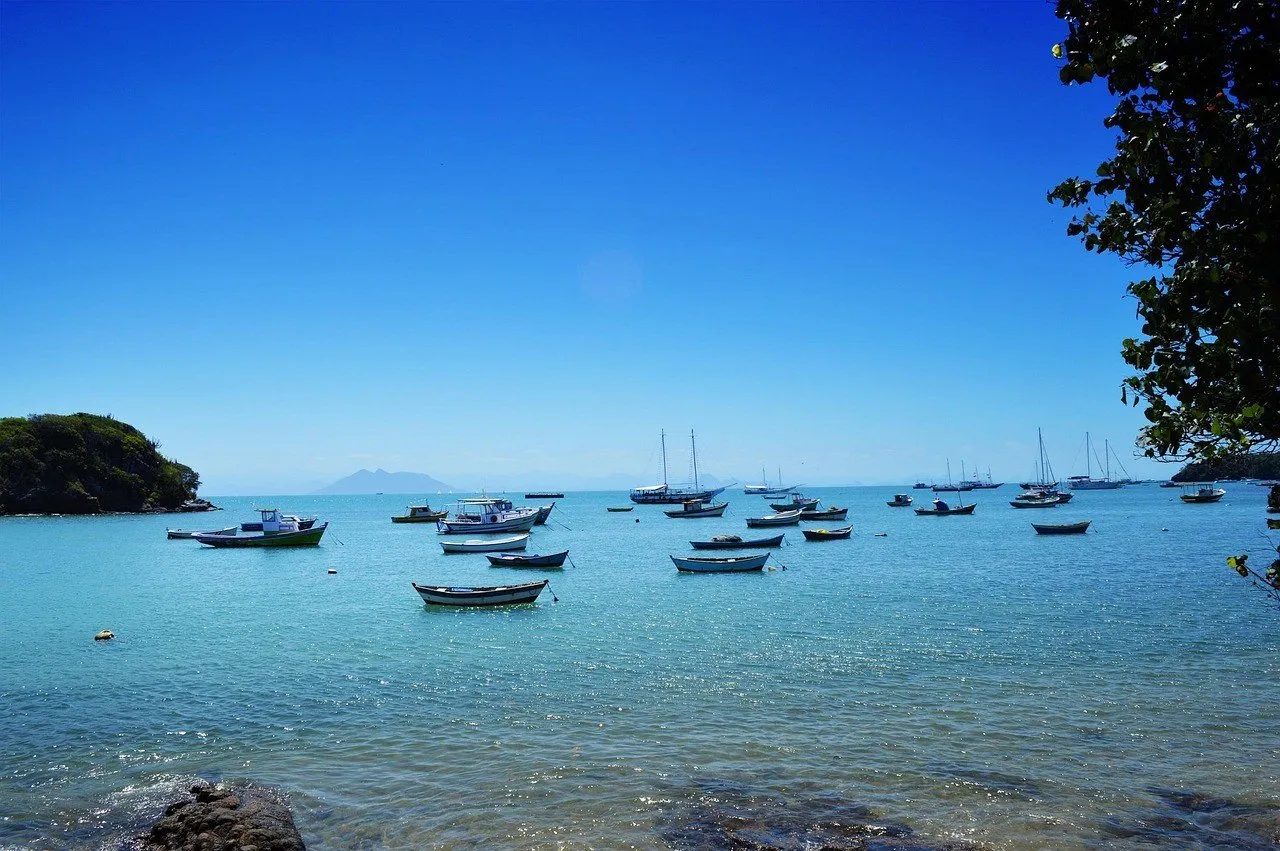
Brazil
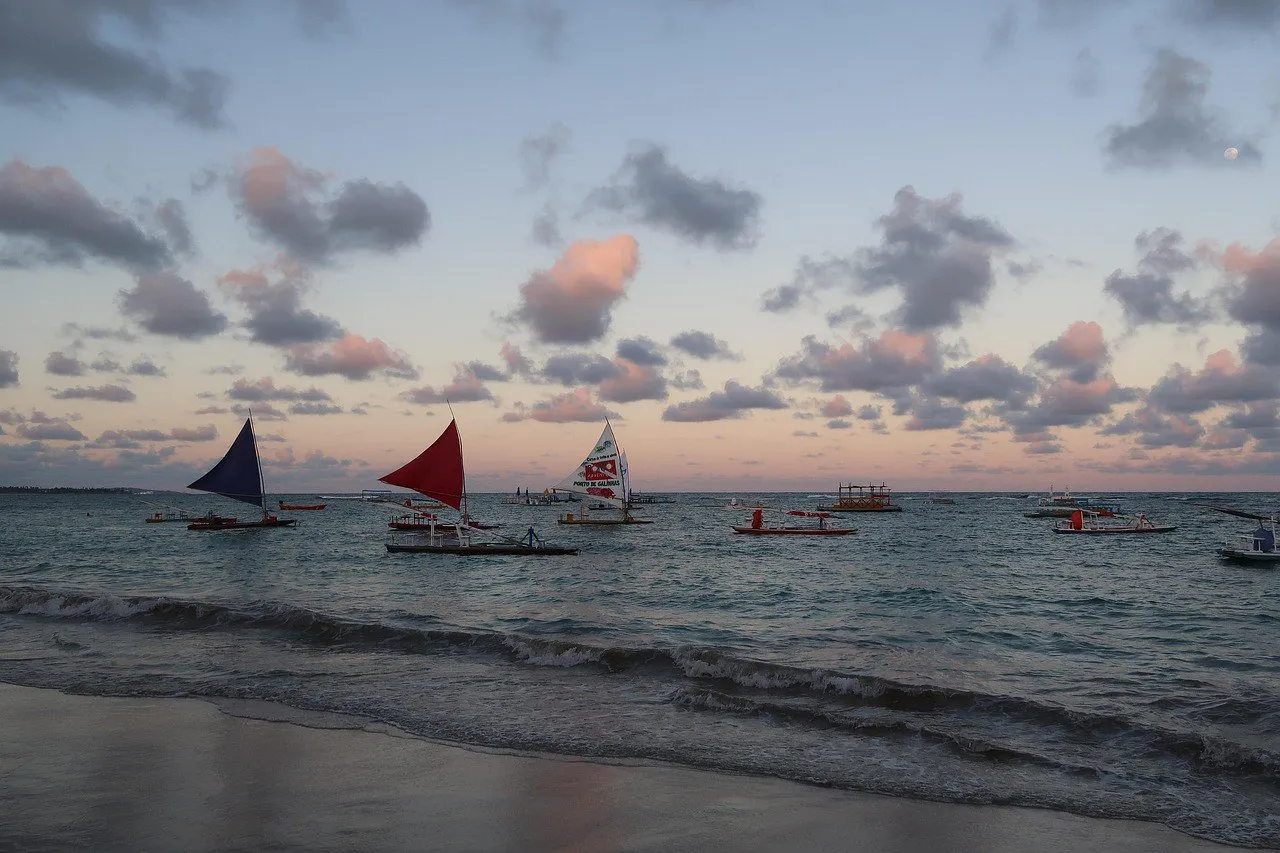
On Orla Bardot, boats sway while you try to pick the next beach. Geribá has waves, Azeda has green water, and Manguinhos saves a table for the end of the afternoon.
You leave the sand, swap flip-flops for sandals and end the night wandering over the cobblestones downtown. Búzios works in that back-and-forth: beaches with waves on one side, calmer coves on another and restaurants in between. The peninsula in the Lakes Region calls for choices, because trying to see every beach in one day turns the outing into one long search for parking. It is better to find good shade and accept that the next cove can wait until tomorrow.
This guide spreads the visits over four days in Búzios, grouping beaches and land-based outings. The center holds Rua das Pedras, Orla Bardot and the path to Ossos; Geribá and Ferradurinha make another practical pair. Cabo Frio and Arraial do Cabo were also considered: they are separate municipalities and fit extra days, either as a planned day trip or as an extension with a different place to stay. The regional trip works better when the road is part of the math before you book the boat.
Orla Bardot honors Brigitte Bardot, whose stay in the old fishing village helped put Búzios on the international map; the actress also appears in a bronze statue by the sea.
The Three Fishermen, a work by Christina Motta, place a scene of daily work inside the Armação landscape: from a distance, the sculpture can slip into your photo as just another group in the water.
Ferradura and Ferradurinha are misleading names: the smaller one sits next to Geribá, not beside the larger beach; checking the map avoids a walk to the wrong place.
At Forno, the sand itself changes the palette of the trip: a reddish tone shows up between the green of the hillside and the blue of the sea.
1The white church above Ossos pairs 18th-century architecture with a view of boats and coves; the short climb changes the angle of your walk.
View details for Igreja de Sant’Anna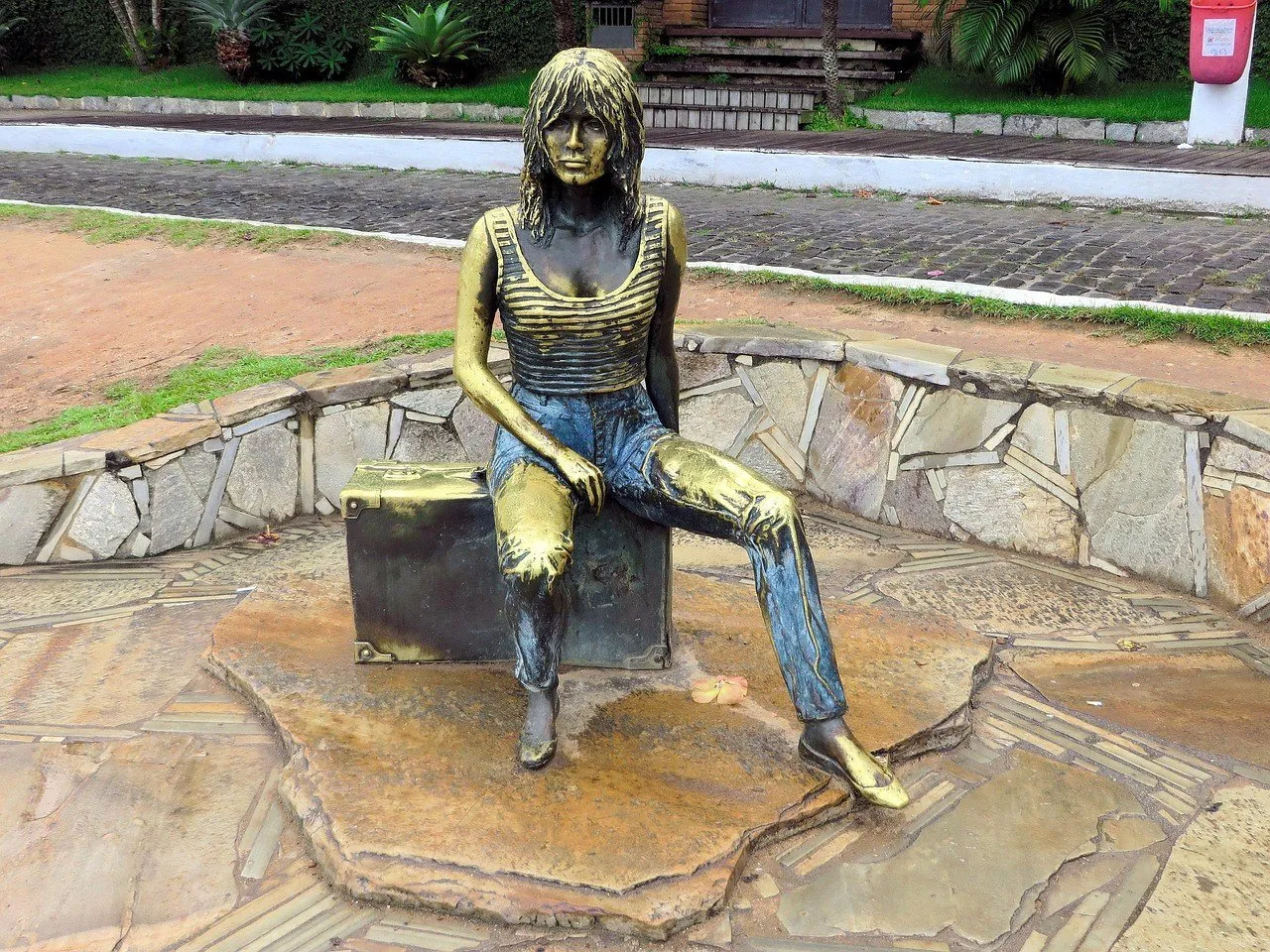 2
Boats, decks and sculptures line the walk along Armação; Brigitte Bardot got a waterfront named after her and a bronze spot overlooking the view.
View details for Orla Bardot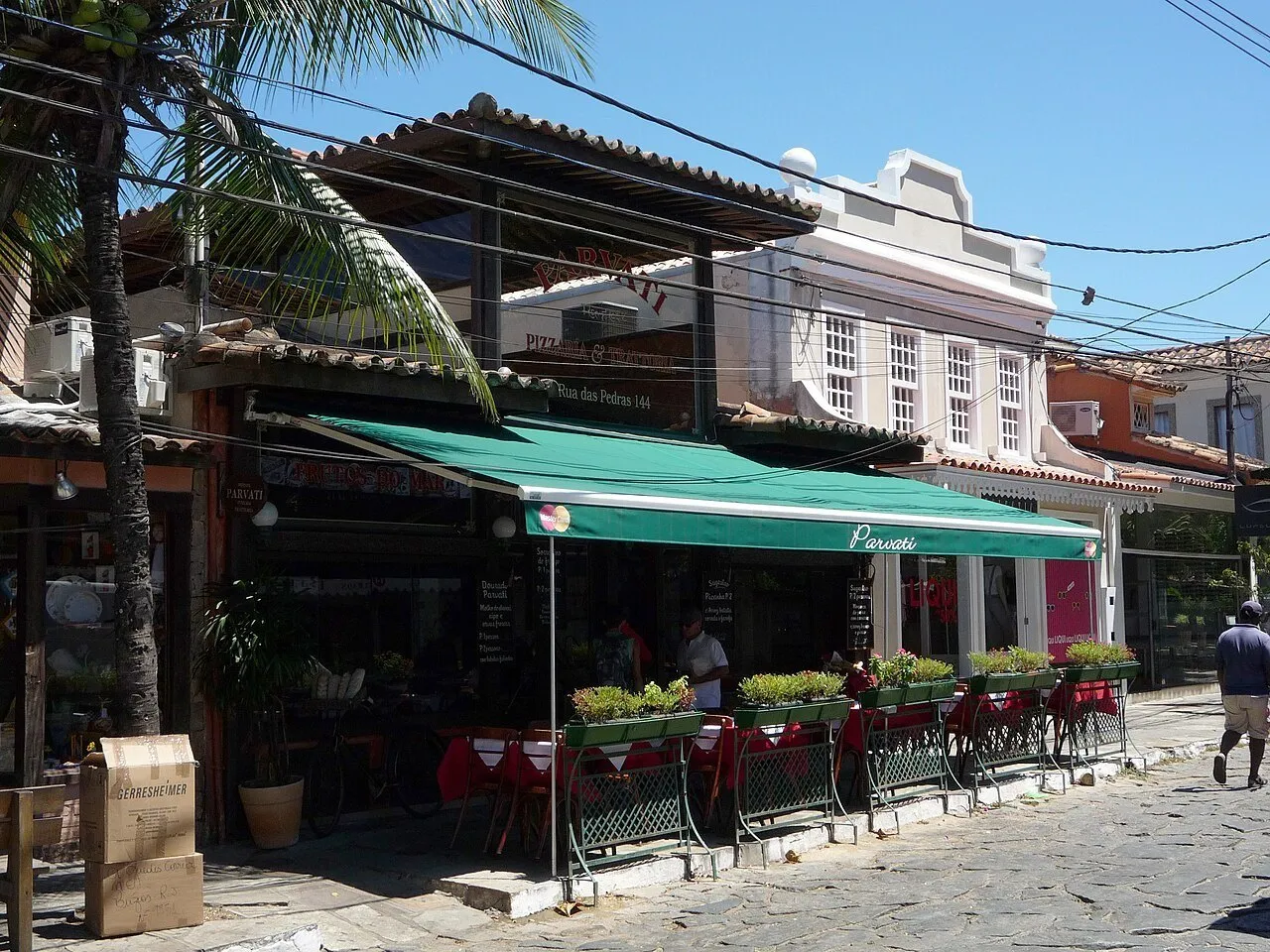 3
The downtown stroll trades sea salt for shop windows, crepes and restaurant tables; at night, the stones underfoot still demand attention to where you step.
View details for Rua das Pedras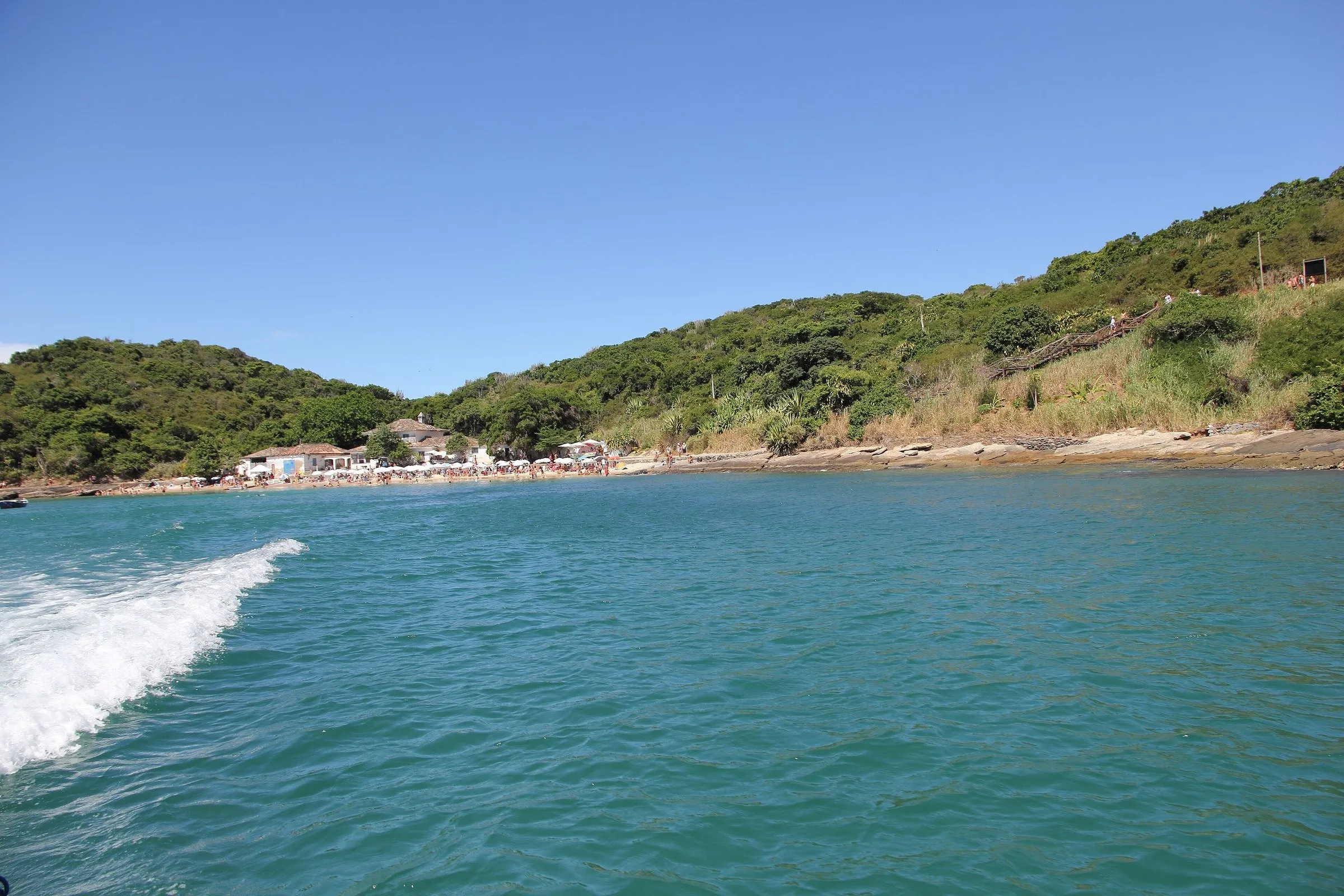 4
Two small strips of sand, greenish water and nearby hillsides close to downtown; the pair calls for an early start and some energy for the slope and stairway.
View details for Azeda and Azedinha Beaches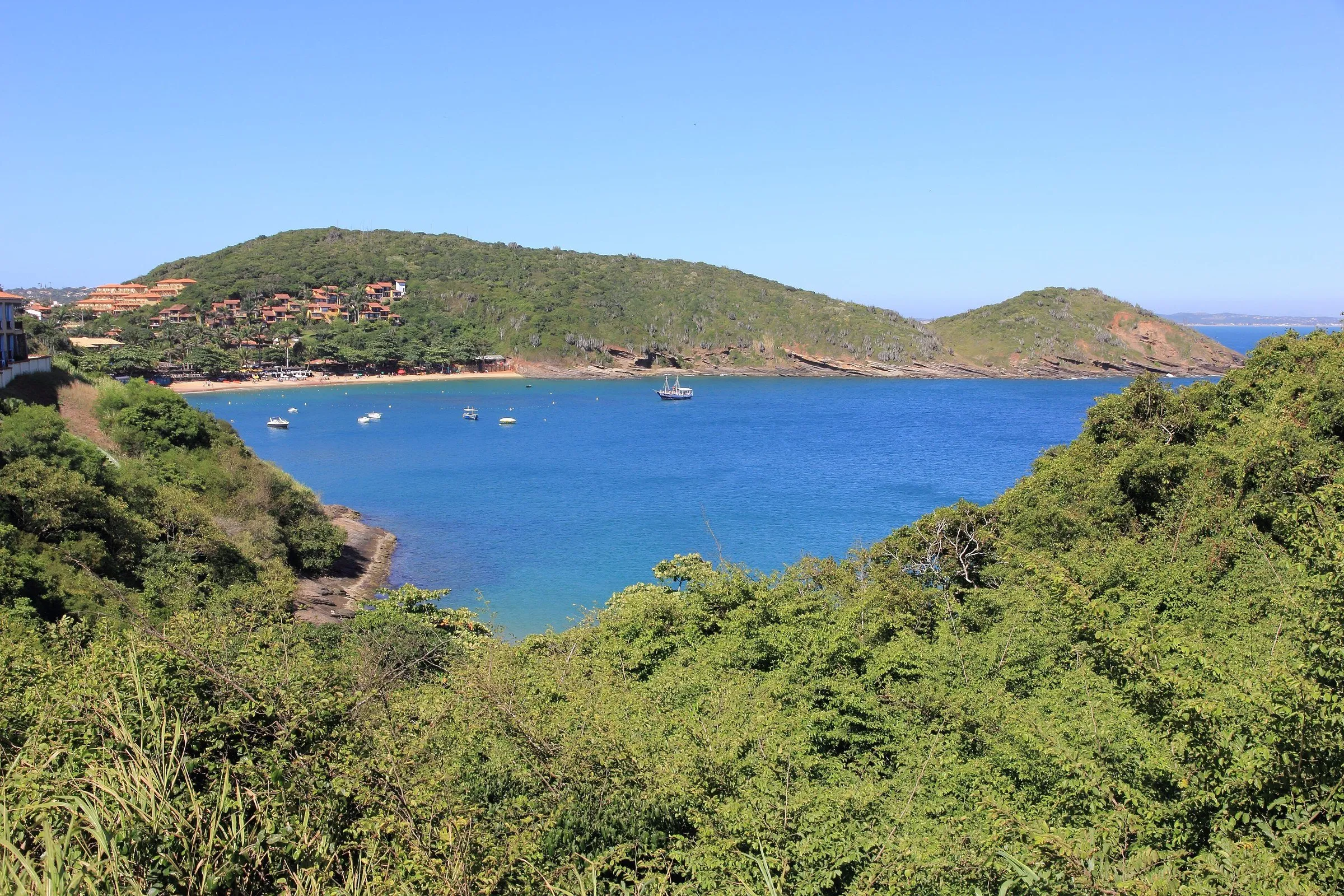 5
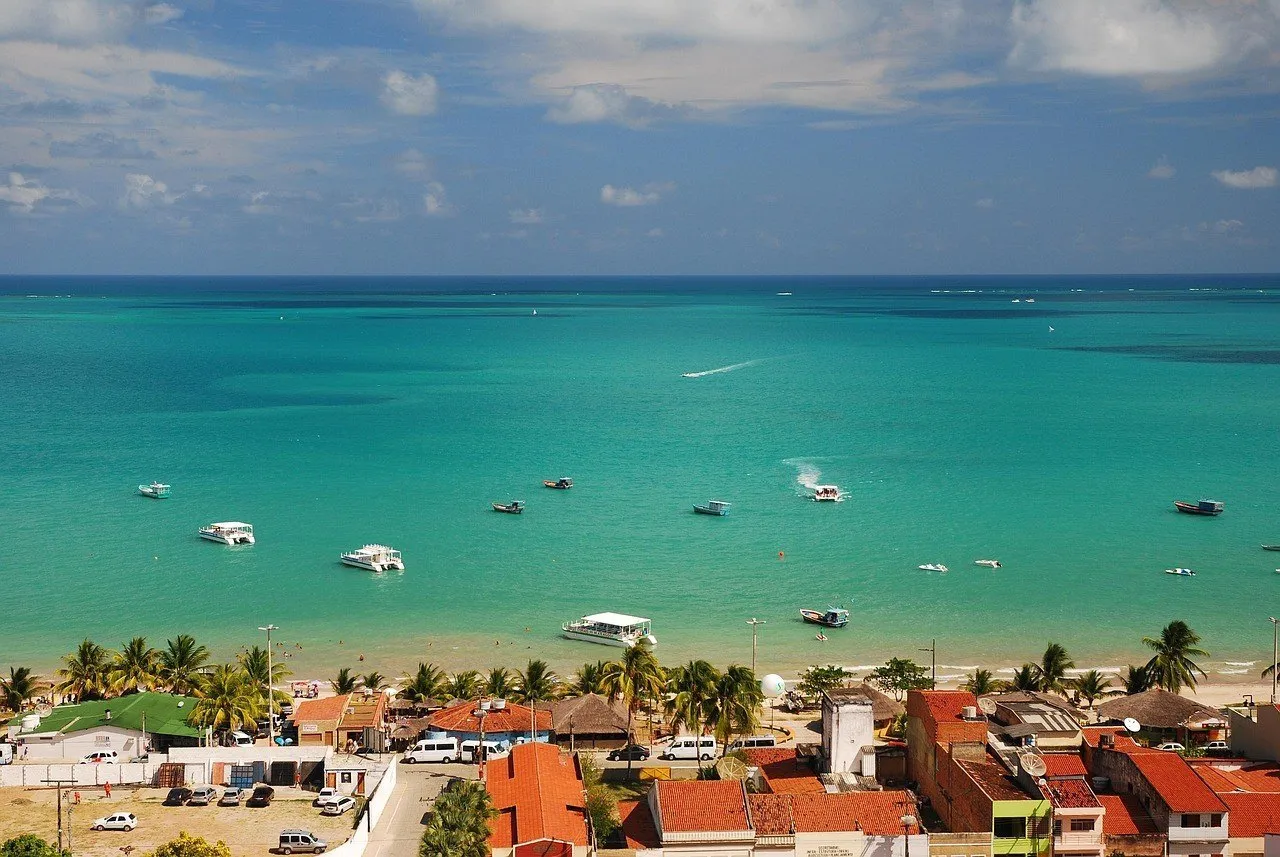
The cove offers generally more sheltered water, restaurants and boat traffic; a practical stop for lunch and a longer afternoon at the beach.
View details for João Fernandes Beach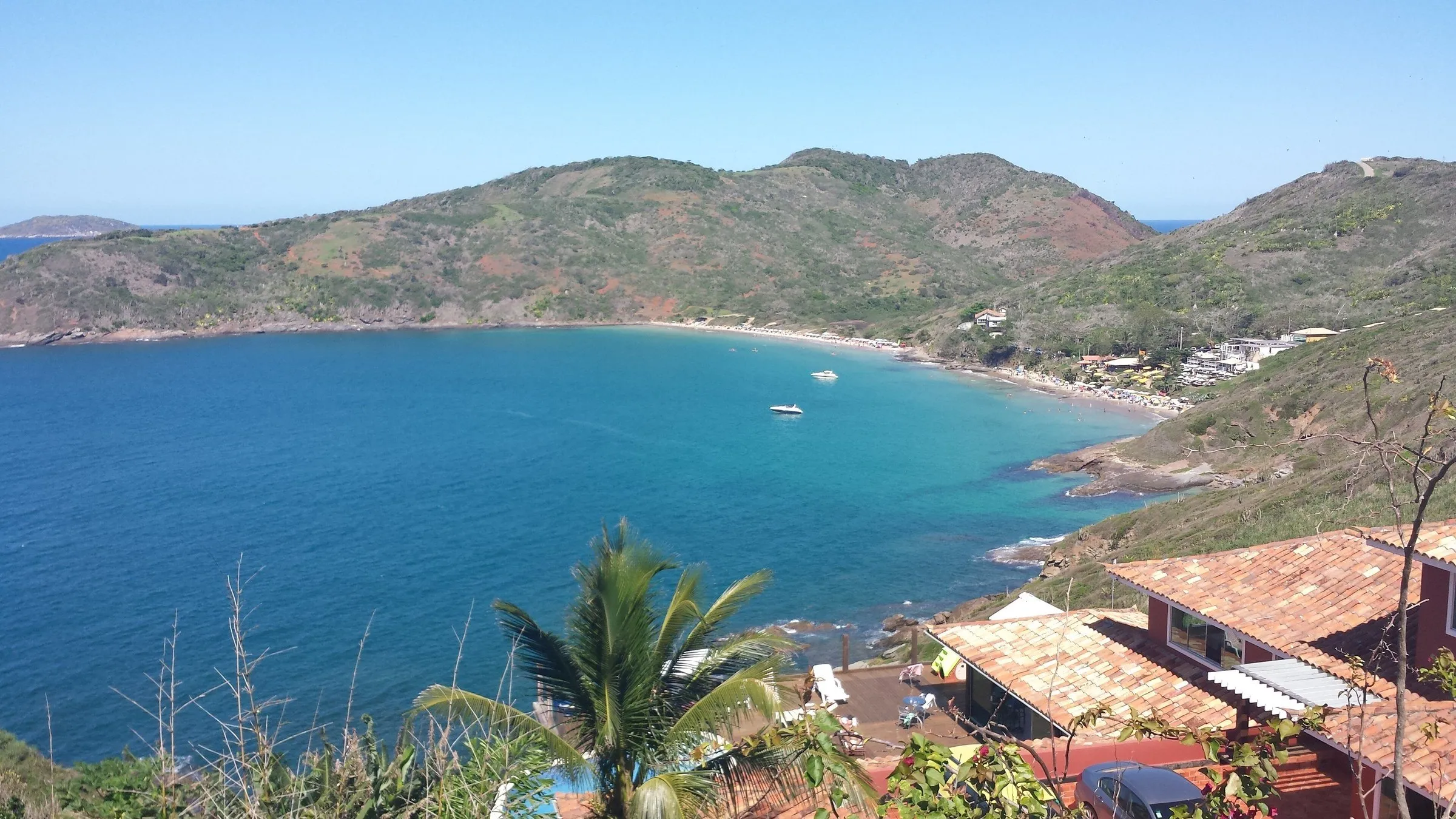 6
A more exposed sea, rocky shores and restaurants along the hillside change the peninsula's scenery; the visit can be worth it for the view alone, even without swimming.
View details for Praia Brava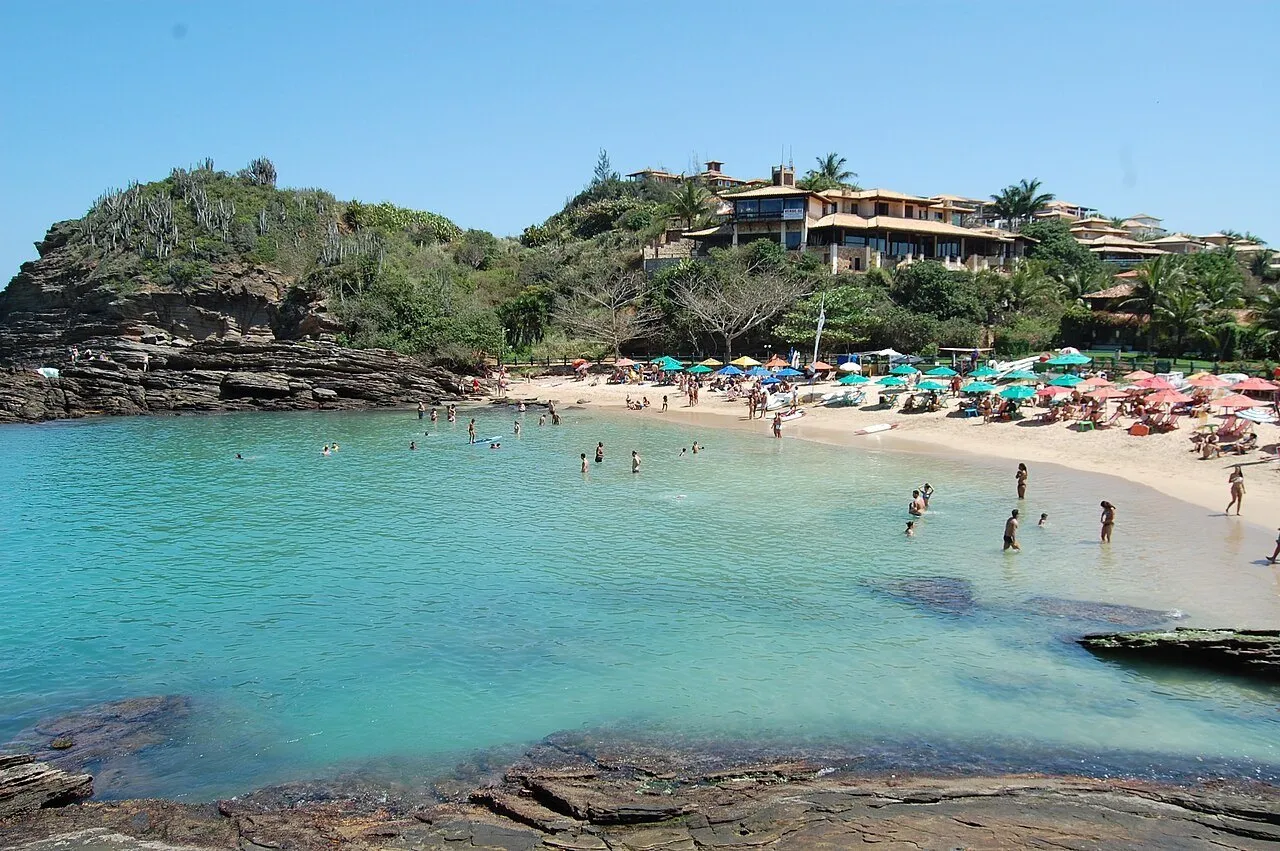 7
Between rocky shores, the small cove is reached from the Geribá side and tends to attract people looking for kayaks, stand-up paddling or a more secluded swim.
View details for Ferradurinha Beach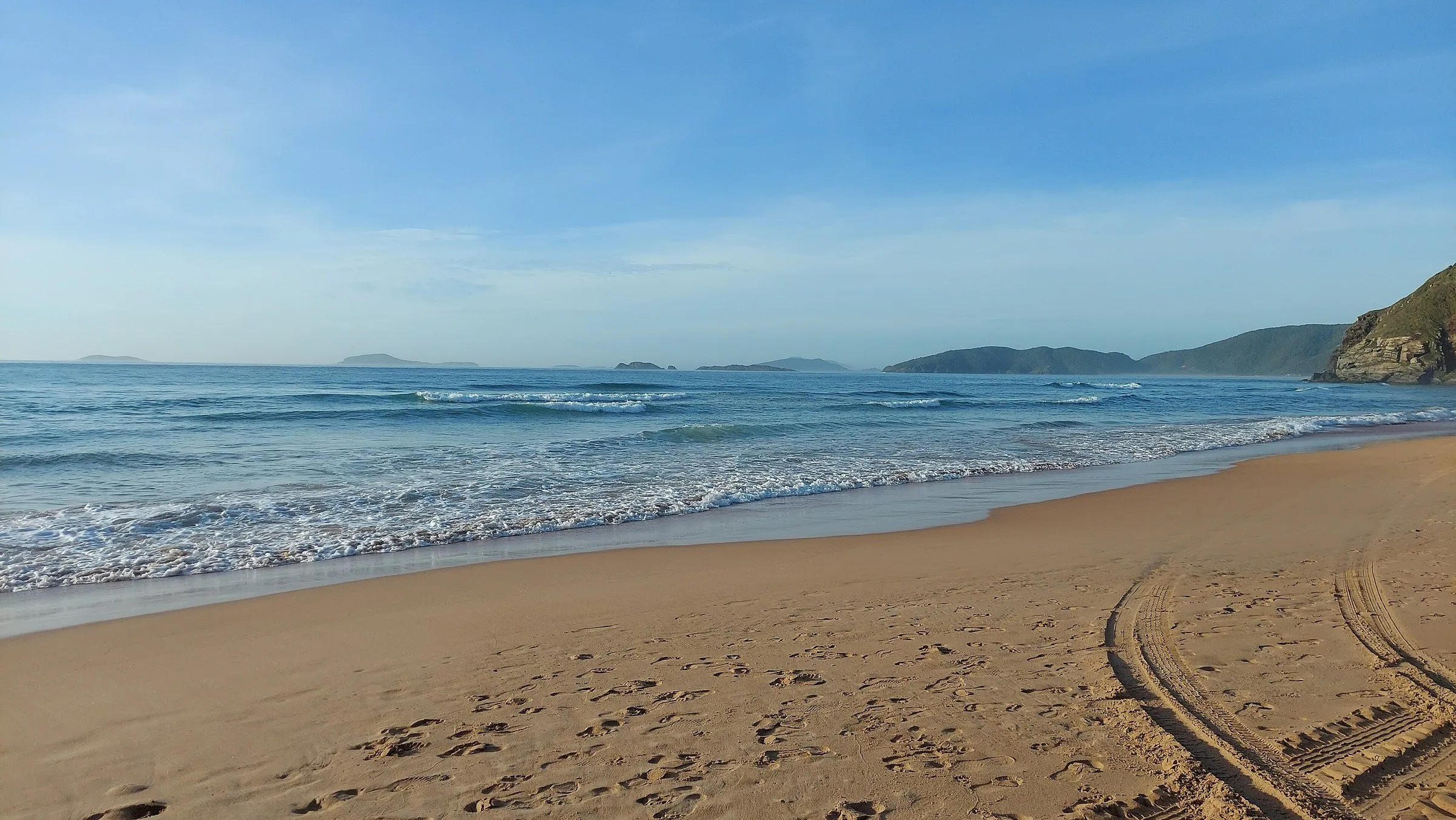 8
Waves, surf schools and a wide strip of sand give the trip a different rhythm; Geribá works for walking, watching the boards and choosing a lesson.
View details for Geribá Beach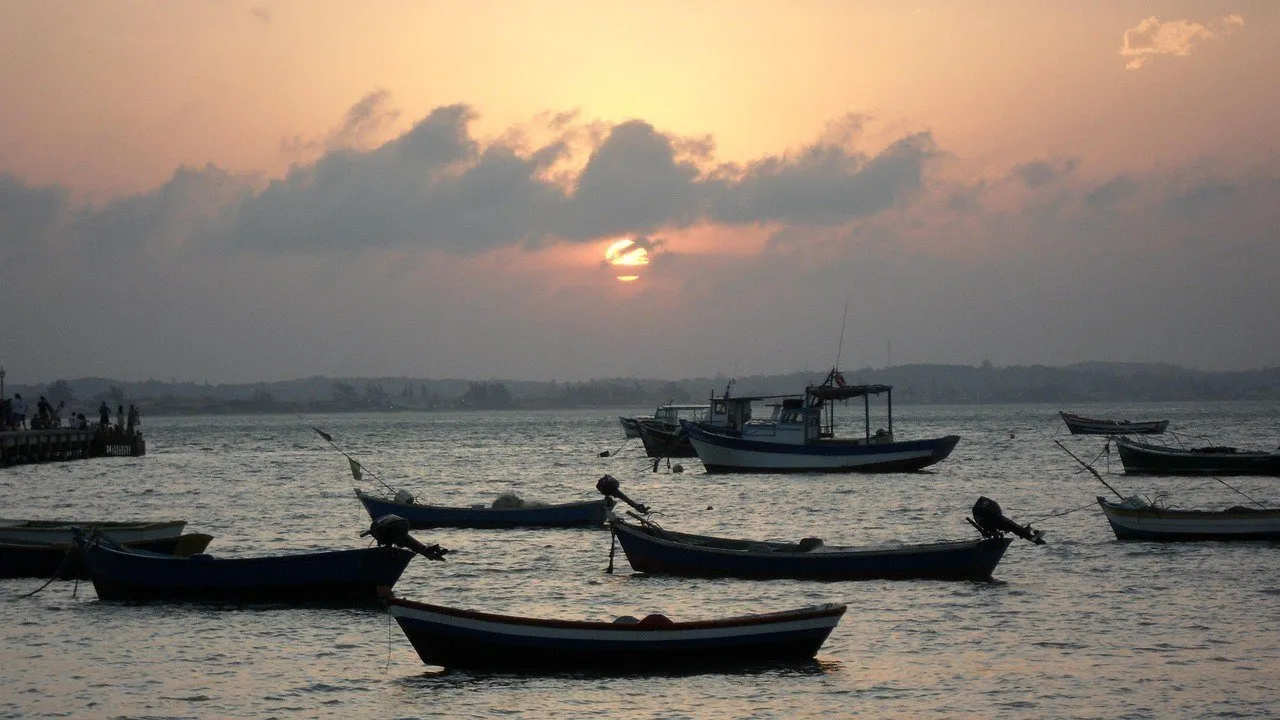 9
Late afternoon takes on a different pace among boats, sails and the strip of sand at Manguinhos; come to walk and watch the light, with dinner nearby.
View details for Manguinhos Beach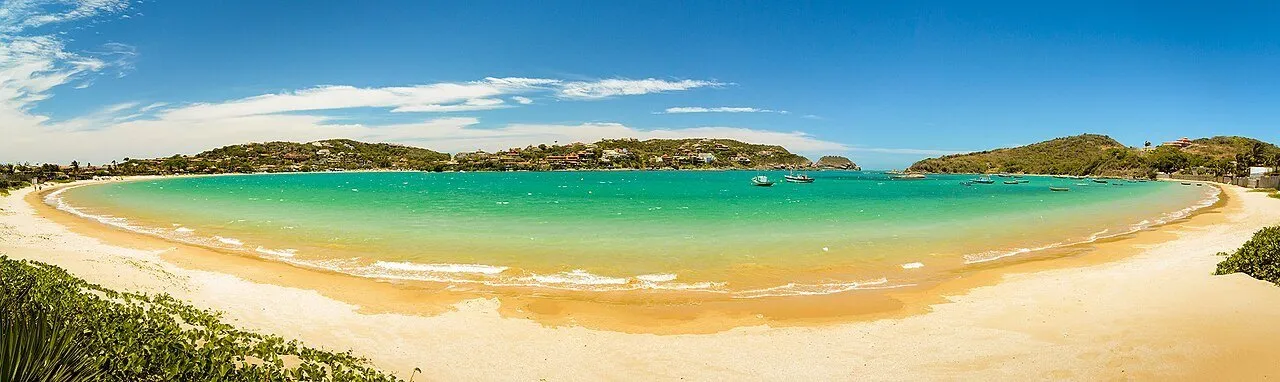 10
The curve of the cove shelters an easy-access beach with usually calmer water, plus kayak and pedal-boat options for anyone wanting to leave the sand.
View details for Ferradura Beach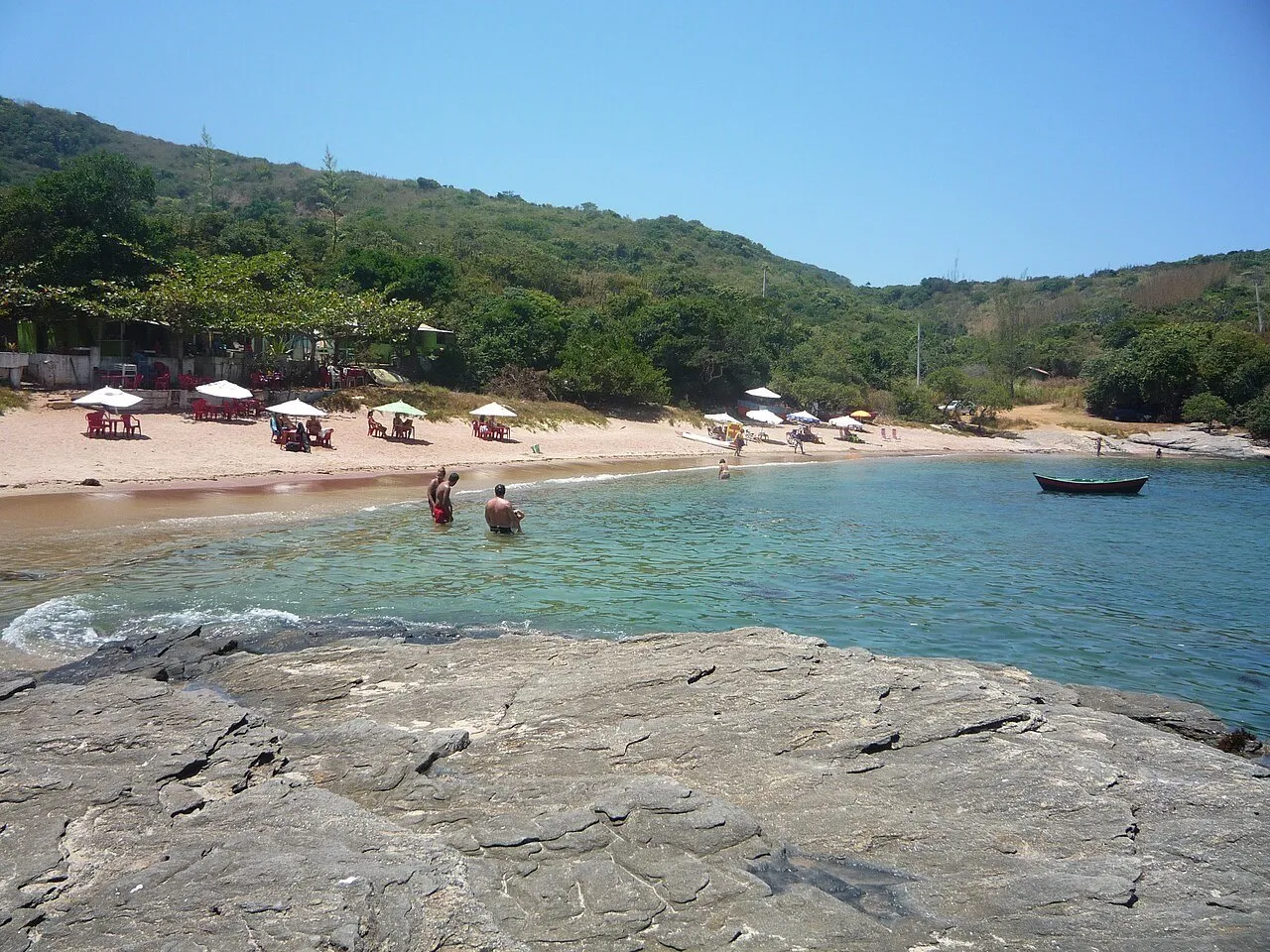 11
The reddish sand sets this small beach apart in Búzios; rocks and hillsides frame the cove, a good pause with less scenery shuffling.
View details for Forno Beach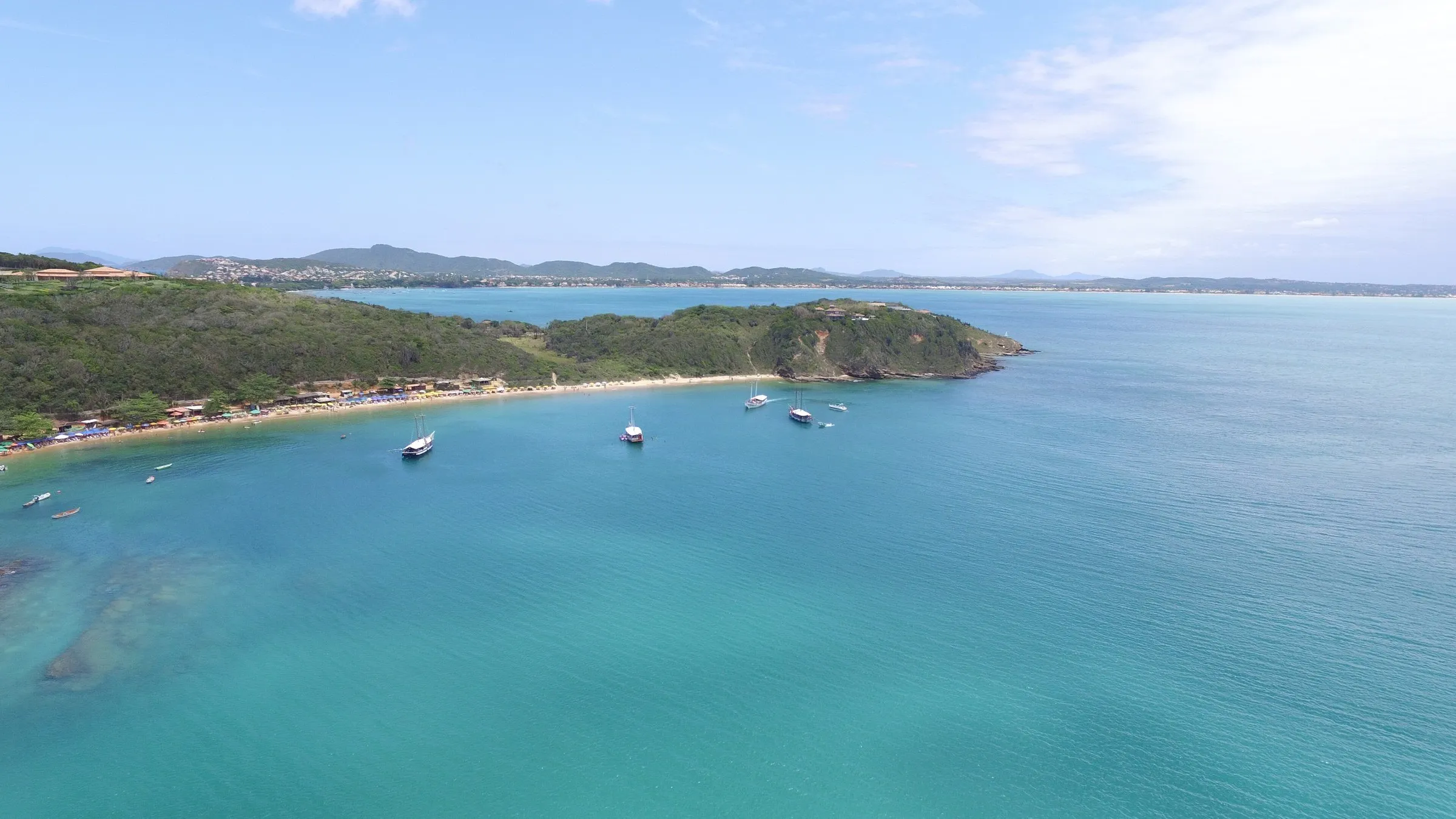 12
A cove popular for swimming and late afternoons, with services on the sand and the option of arriving by water taxi when the sea and operations allow.
View details for Tartaruga Beach1Climbing up to Sant’Anna swaps sea level for a view over Ossos and Armação beaches. The white church has simple architecture from the 18th century and needs no grandeur to hold your gaze. The boats below help you understand the position of this small chapel in the Búzios landscape.
You can arrive by Ladeira de Sant’Anna or from Praia dos Ossos. Set aside time for the exterior and, if it is open, the small interior. Since it is a church in use, the visit has to follow the schedule and rhythm of the congregation, especially during services.
2The boats of Armação give you something to talk about for a whole walk, and Orla Bardot provides the path. Stone and wood follow the sea, with restaurants bridging the stroll and dinner. It is a stretch for looking at the bay, stopping at the sculptures and discovering that the short walk has collected several pauses.
Look for the statue of Brigitte Bardot and the piece The Three Fishermen, by Christina Motta. They tell different parts of Búzios's public image: the actress's visit and the everyday relationship with fishing. Keep going toward Ossos while there is still light to watch the boats.
3After a swim, the debate changes: dinner now or just one more lap? On Rua das Pedras, shops, bars and restaurants share the walk with people settling exactly that question. The uneven paving keeps your pace slow; comfortable shoes make more sense than an outfit that only works sitting down.
Come as the afternoon turns to evening, compare the menus and duck into the nearby streets too. The crepes at Chez Michou are part of downtown's food repertoire, but the fun is picking your own stop without turning dinner into an itinerary obligation.
4The green water appears at the bottom of the stairway, after the path leaving Ossos. Azeda and Azedinha are so close to downtown that the cut of vegetation and rocky shore comes as a surprise. They are two small beaches, so the idea of finding plenty of space has to be negotiated with the calendar.
Save the morning for the pair, watch the sea and travel light to make the stairs easier. The passage between them involves rocks; if it is slippery or the water is not cooperating, enjoy only Azeda. The small size makes for a lovely outing, but it also lets crowds appear quickly on holidays.
5At João Fernandes, lunch can sit very close to your beach towel. The beach gathers restaurants and services in a cove sought out by people who prefer generally more sheltered water. That makes it easy to spend a few hours here, but it also leaves the sand crowded when the town is full.
Snorkeling can make sense when visibility is good and conditions are suitable. Watch the boat traffic before getting in and ask where the swimming area is. If you use a table or chair from a business, clarify the cost first: the view helps you lose track of time, but it does not have to take your budget along with it.
6The name Brava ("rough") already hints that the conversation with the sea changes here. Waves and more exposed water are part of the landscape, framed by rocky shores and vegetation. It is a good counterpoint to the sheltered coves on the itinerary, especially for anyone who likes watching the sea move without having to compete for space in it.
Restaurants and beach clubs occupy part of the surroundings, offering another way to spend a few hours. On this itinerary, the suggestion is a scenery stop; turn it into lunch or a full afternoon if that is your style, dropping one of the day's other beaches. Check local conditions and do not mistake beauty for ease of swimming.
7Despite the family resemblance in the name, Ferradurinha fits geographically with Geribá. Access goes along a small lane at the left end of the larger beach and ends at a small cove bounded by rocks. The change of scale is part of the outing: from an open stretch of sand to a nook that fits the eye better.
In favorable conditions, kayaks and stand-up boards help you make the most of the sheltered sea. The strip of sand, however, does not grow with the number of visitors; arriving early makes a difference. Enjoy the scenery from the beach, with no need to climb wet rocks for a photo that sand level already delivers.
8The sound of Geribá comes from the waves, with the odd frescobol ball making a cameo. The more open beach has a wide strip of sand and a strong connection to surfing, plus schools for anyone wanting to swap contemplation for a first try at standing on a board.
Even without going in the sea, it is worth walking and noticing the difference from the small coves on the other side of the peninsula. To swim or start surfing, ask someone who follows local conditions; the calmest corner one day can change the next. Combine the visit with Ferradurinha, avoiding a crossing of town just to see another beach.
9At Manguinhos, the boards and sails remind you that wind can be a vacation activity too. The beach is sought out for water sports such as windsurfing and kitesurfing, and offers another way to see Búzios: walking on the sand, watching the boats and following the end of the day without any obligation to get in the water.
After Geribá, set aside time to reach this side of the peninsula before the light drops. Bring water and a sarong, and do not count on renting chairs on the sand. Restaurants in the area let you stretch the outing into dinner; pick where you want to walk first and decide on the table afterward, with no need to mix the two plans up.
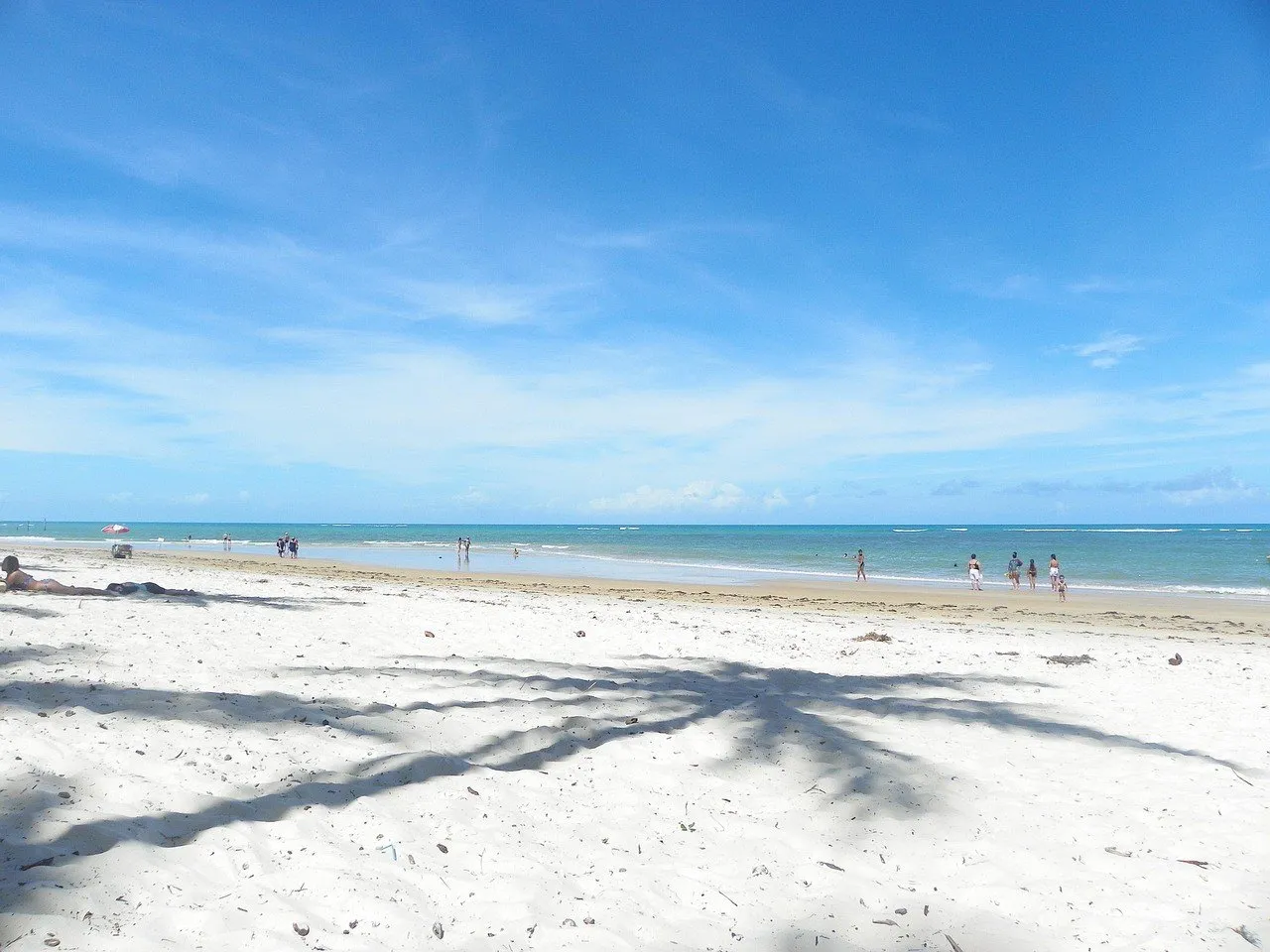
10The curve of Ferradura explains its name without needing a sign. The cove, with usually calmer water, tends to fit the plans of families and of anyone who likes spending the morning alternating between swimming and shade. Access without the stairways of the smaller beaches also helps anyone carrying more gear.
Kayaks, stand-up paddleboards and pedal boats are among the leisure options, depending on the day's operation. Choose the activity based on sea conditions and the guidance of a responsible operator. You can also just stroll along the water's edge and watch the curve of the bay: hitting a paddling quota remains optional on vacation.
11Here the sand changes color: Forno has a reddish tone that shows even more when the light hits the ground just right. The rocks on the sides and the green hillside complete a landscape different from the pale strips seen on other Búzios beaches. The spot suits both a quick stop and a leisurely morning.
Bring water and whatever you need to be comfortable, without relying on services being available on the sand. The sea may look welcoming, but it deserves the same attention as any beach. When looking up the route or booking transport, specify Búzios: Arraial do Cabo also has a Praia do Forno, in another municipality and with different logistics.
12At Tartaruga, you feel like pushing your departure back. The cove tends to have calmer water and receives visitors by both land access and water taxis. The strip of sand is contested in high season; having kiosks nearby makes staying easier but does not remove the need to agree on prices.
Late afternoon is a good reason to choose this side of the peninsula and stay until the light drops. If you arrive by boat, settle in advance how you will get back and consider a plan by land. And take the beach's name as an invitation to pay attention to marine life, never as a promise of spotting animals.
Downtown, Humaitá and Ossos make walks along the waterfront easy, along with boardings when the water taxis are running. Staying next to your favorite beach can save daytime transfers, but you will need to plan the trip back from dinner.
Vans serve the main axis, but several beaches require a walk from the stop. A car or taxi helps on the farther stretches; grouping neighboring beaches avoids repeated parking and a morning lost looking for a spot.
Ask for the menu, clarify rental and service fees and note what was agreed for chairs and umbrellas. Take few valuables to the beach and keep your belongings close while you swim.
April, May, September and October tend to be good choices for avoiding peak summer, outside holidays. Check the forecast, sea conditions and signage each day; blue sky does not guarantee calm water, and a light layer helps in the late afternoon.
Galeão and Santos Dumont let you continue by road with a transfer, a car or a combination with buses. Plan the arrival as a trip of its own, with slack for traffic and connections; do not count on a whole afternoon at the beach right after landing.
Cabo Frio is the neighboring municipality and can fit a day trip by road. Arraial do Cabo lies farther on, past the Cabo Frio area, and needs a dedicated day if you book a boat tour. Prefer a car or a tour with round-trip transport; confirm the route, traffic and sailing conditions. To see both destinations at an easy pace, add days and consider changing your base, rather than shortening the four local days of this itinerary.
The plate may arrive with fish, seafood or a recipe from another part of the world: Búzios mixes coastal cooking with restaurants of many nationalities. The Rua das Pedras–Orla Bardot axis concentrates the options for anyone who wants to walk to dinner; the restaurants of Manguinhos add another stop to the conversation. These are flavors present in the town, with no need to treat them as inventions exclusive to it.
A direct route into coastal cooking; ask which fish is available and check the sides before choosing.
Octopus, oysters and other ingredients from the sea appear in small plates and mains; preparation varies by restaurant.
Part of the loops around downtown, with Chez Michou among the references; they handle everything from dinner hunger to a craving for dessert.