 1
History and architecture
Palácio dos Leões
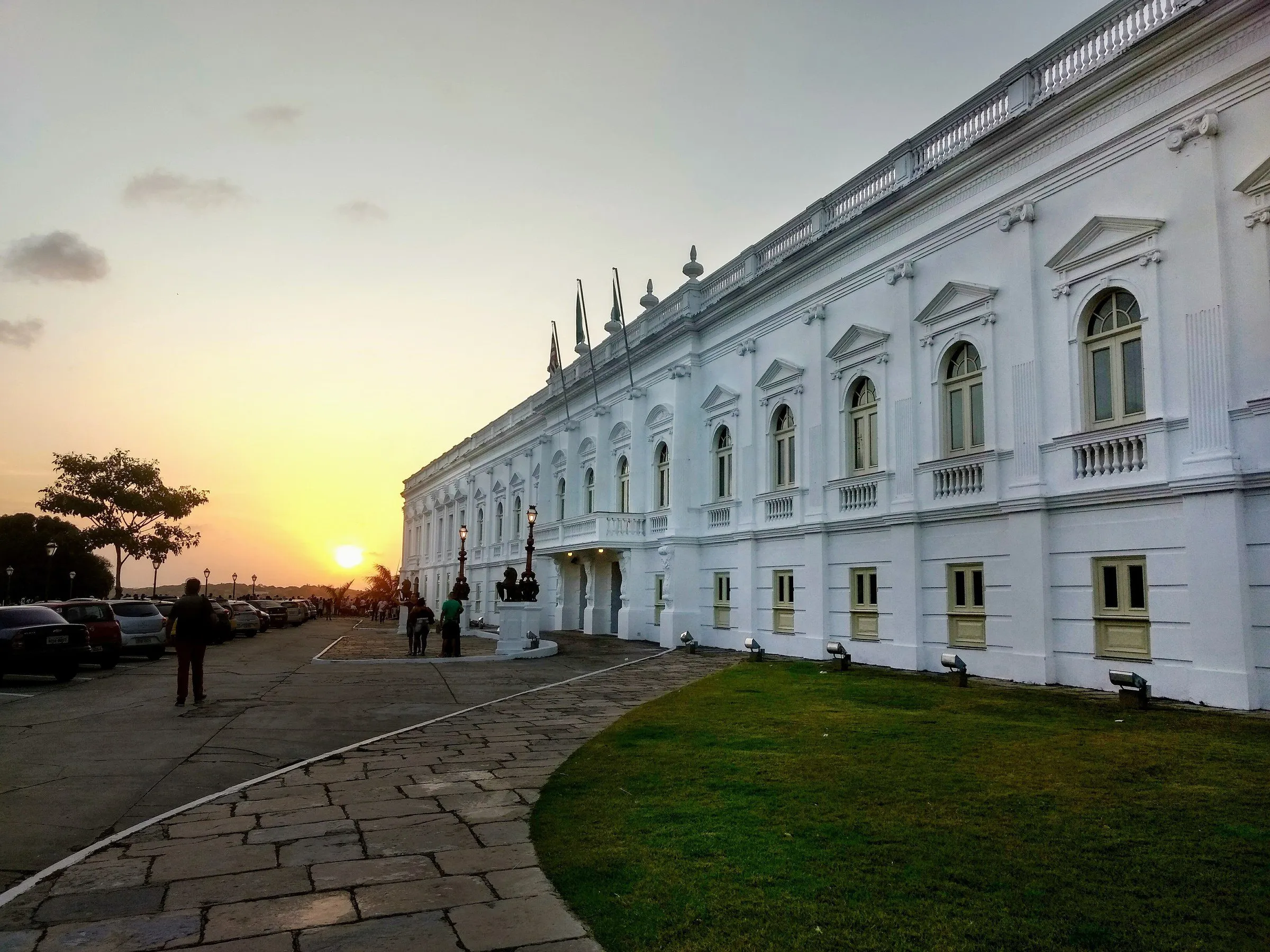
Seat of the Maranhão state government, the Palácio dos Leões also welcomes visitors to its museum area, with furniture, paintings and historic halls.
View details for Palácio dos Leões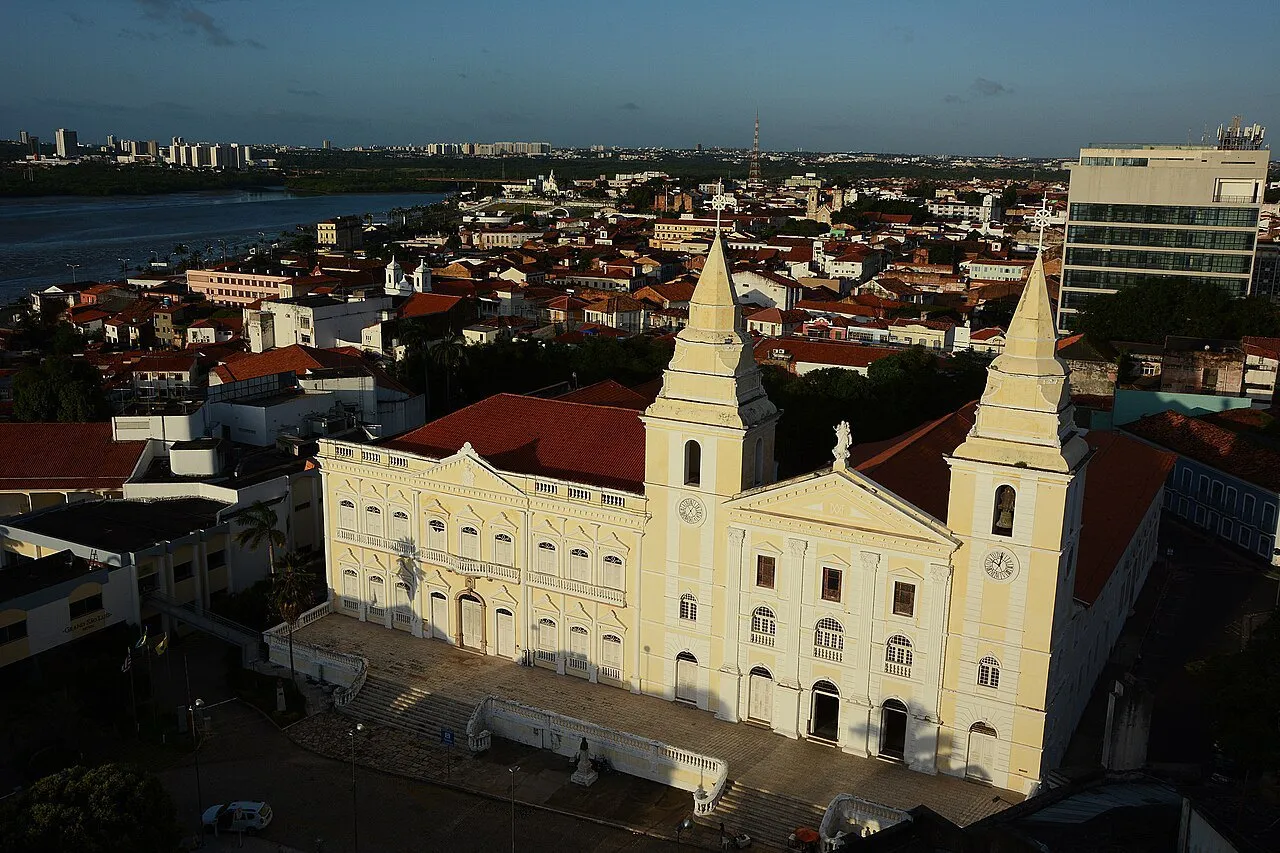
Brazil
In São Luís, tiles compete for your attention with reggae and the next stop for food. Stroll the historic center, look out at the sea and set aside extra days for the Lençóis Maranhenses.
The walk starts with the shine of the tiles and soon gets a soundtrack. In São Luís, the Praia Grande townhouses share the stage with reggae, markets and Maranhão cooking. The center calls for walking in short stretches, with pauses between facades and museums. Set aside three days for the city: two focused on the historic circuit and one combining other spots downtown with the waterfront.
This guide also looks beyond the municipality, without mixing up the addresses. Alcântara sits across the bay and can fill one extra day, depending on the crossings. The Lençóis Maranhenses, on the other hand, are a regional extension with a change of base: we suggest three to four more days and overnights in Barreirinhas or Santo Amaro. Both options sit outside the three-day city itinerary, so the trip doesn't turn into a race against the clock.
The tiles of the historic center were not just decoration: UNESCO highlights their insulating role in buildings adapted to the local climate.
The galleries beneath the Fonte do Ribeirão have gained a resident in popular stories: a serpent said to grow under the island. It is local legend, not an archaeological discovery.
The timing of a trip to Alcântara depends on the water too: crossings of the bay are scheduled around the tides.
1Seat of the Maranhão state government, the Palácio dos Leões also welcomes visitors to its museum area, with furniture, paintings and historic halls.
View details for Palácio dos Leões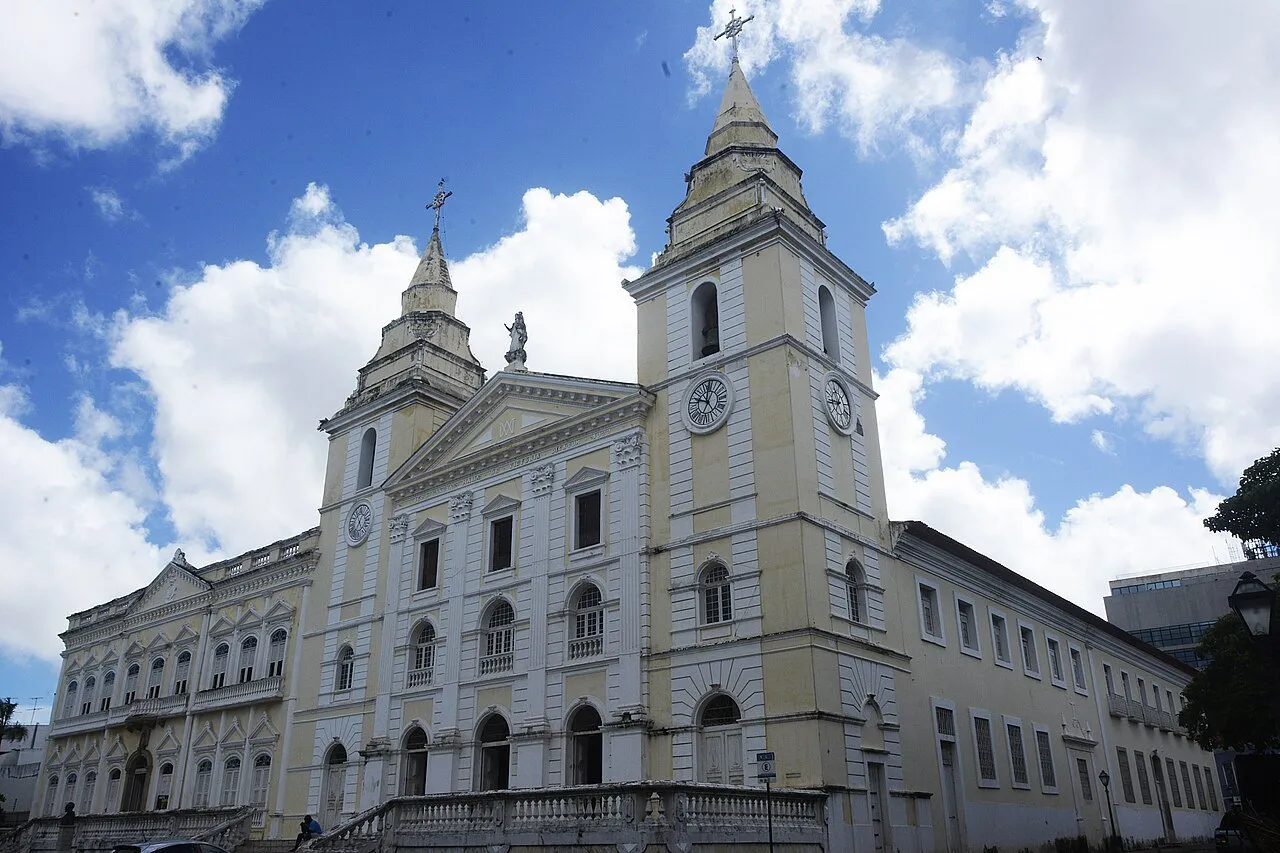 2
Also called the Cathedral of Our Lady of Victory, the Sé invites you to step in slowly and take in the high altar, as well as the facade on Praça Pedro II.
View details for Catedral da Sé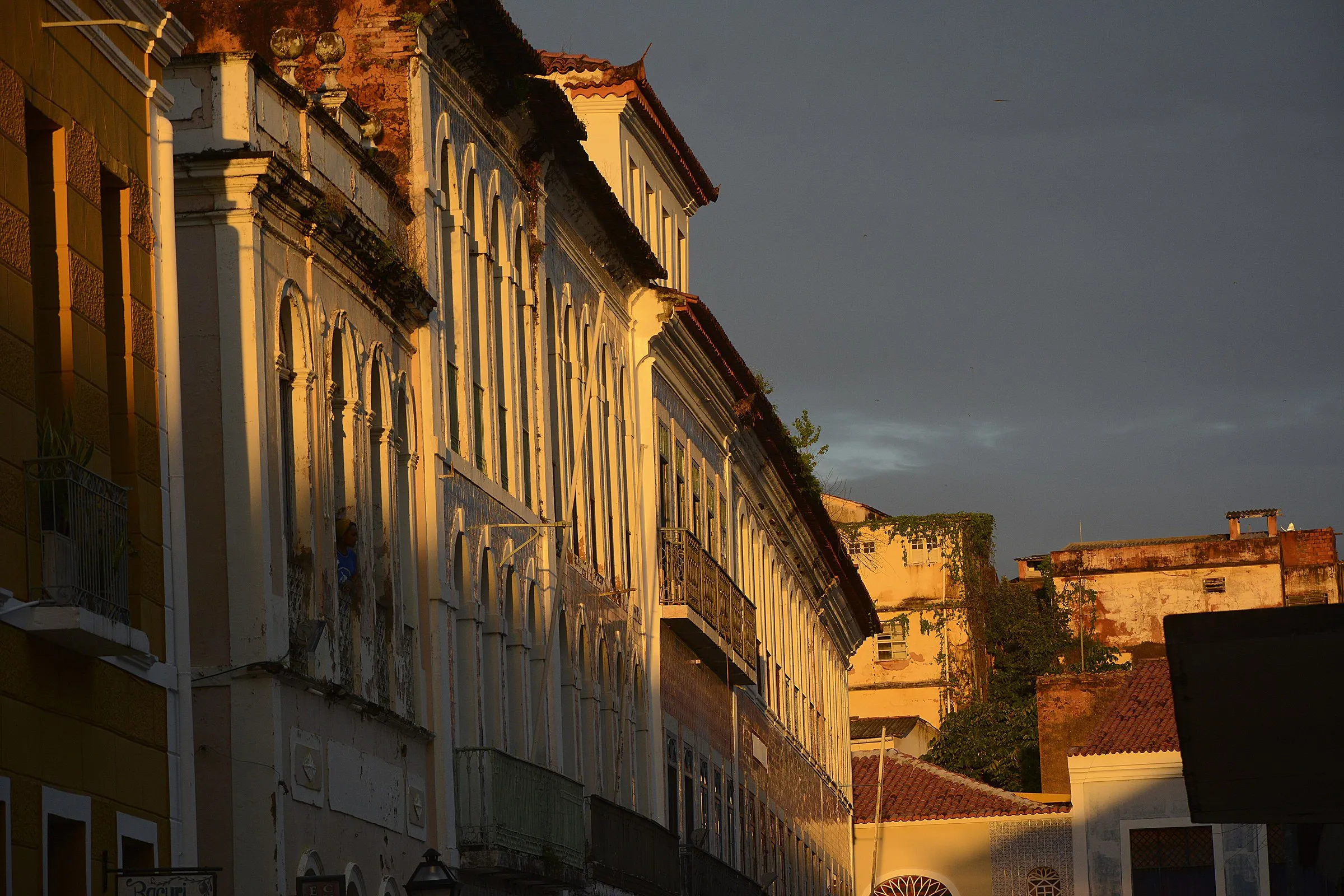 3
Tiles, balconies and cobbled streets make Praia Grande a good starting point for exploring São Luís on foot, with Rua Portugal as the thread of the walk.
View details for Rua Portugal and Praia Grande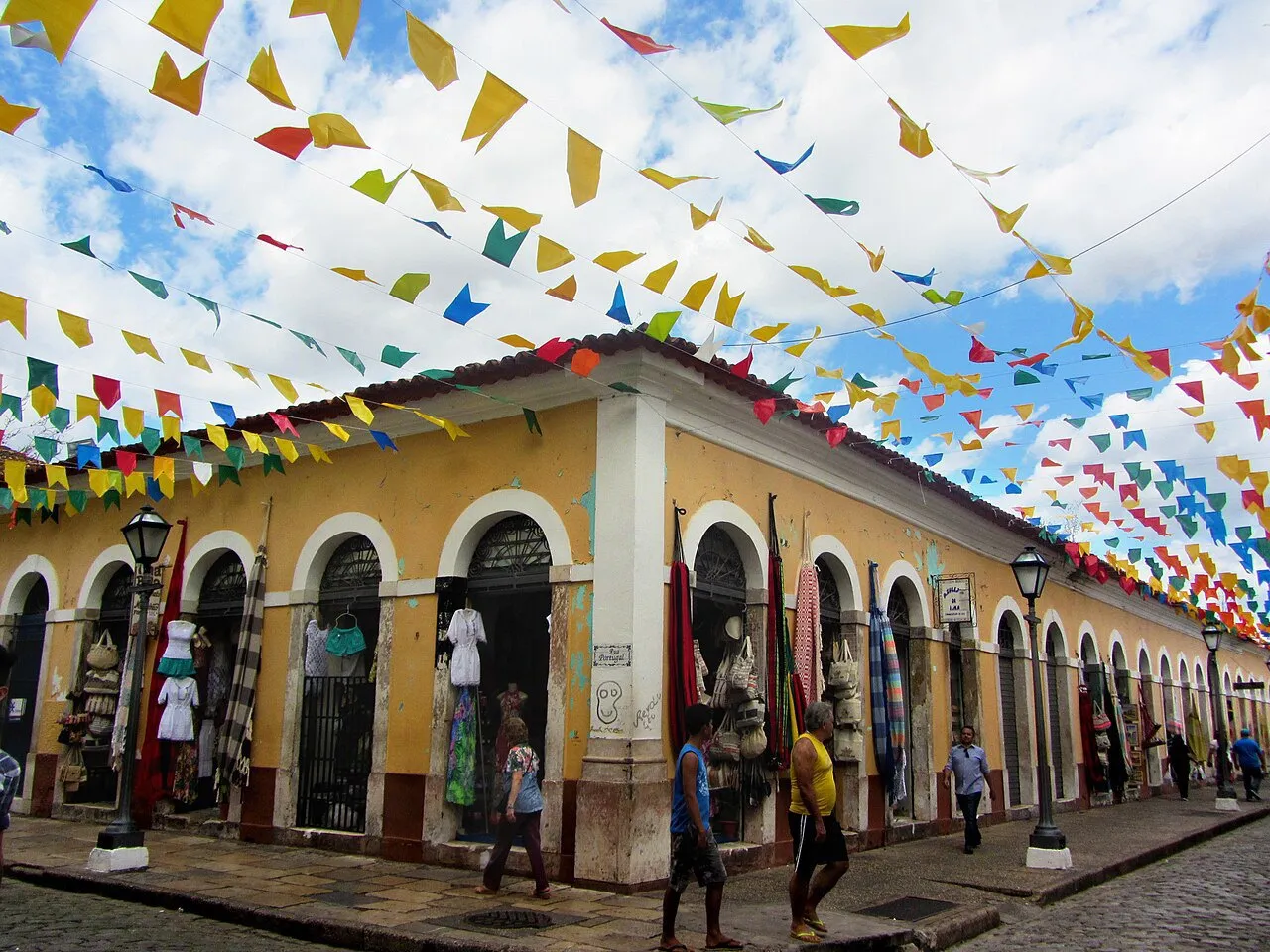 4
Also known as Casa das Tulhas or Feira da Praia Grande, the market gathers products from Maranhão and makes for a stop to taste and shop.
View details for Mercado das Tulhas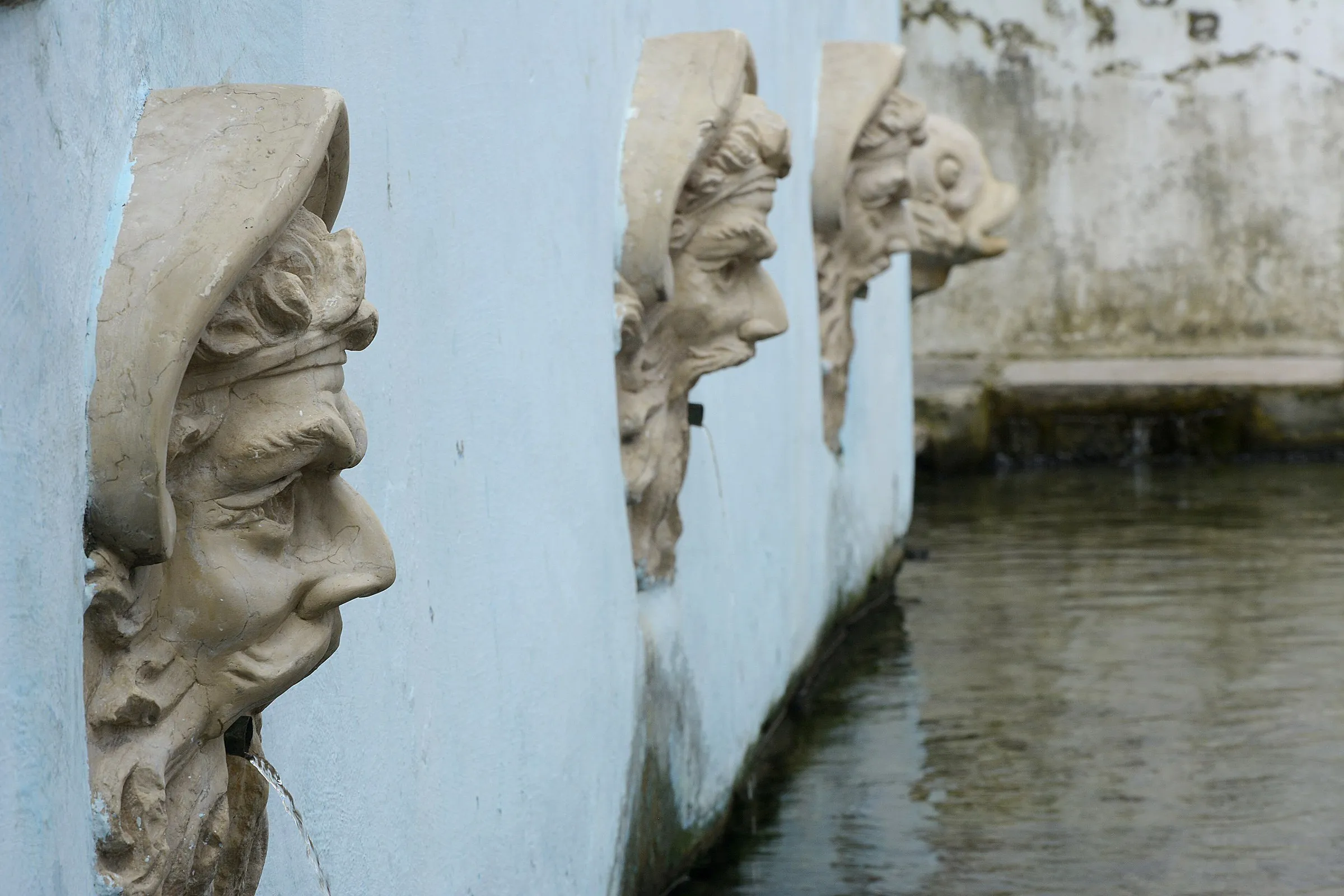 5
Carved faces, stonework and stories of underground galleries make the Fonte do Ribeirão a curious pause on a walk through downtown São Luís.
View details for Fonte do Ribeirão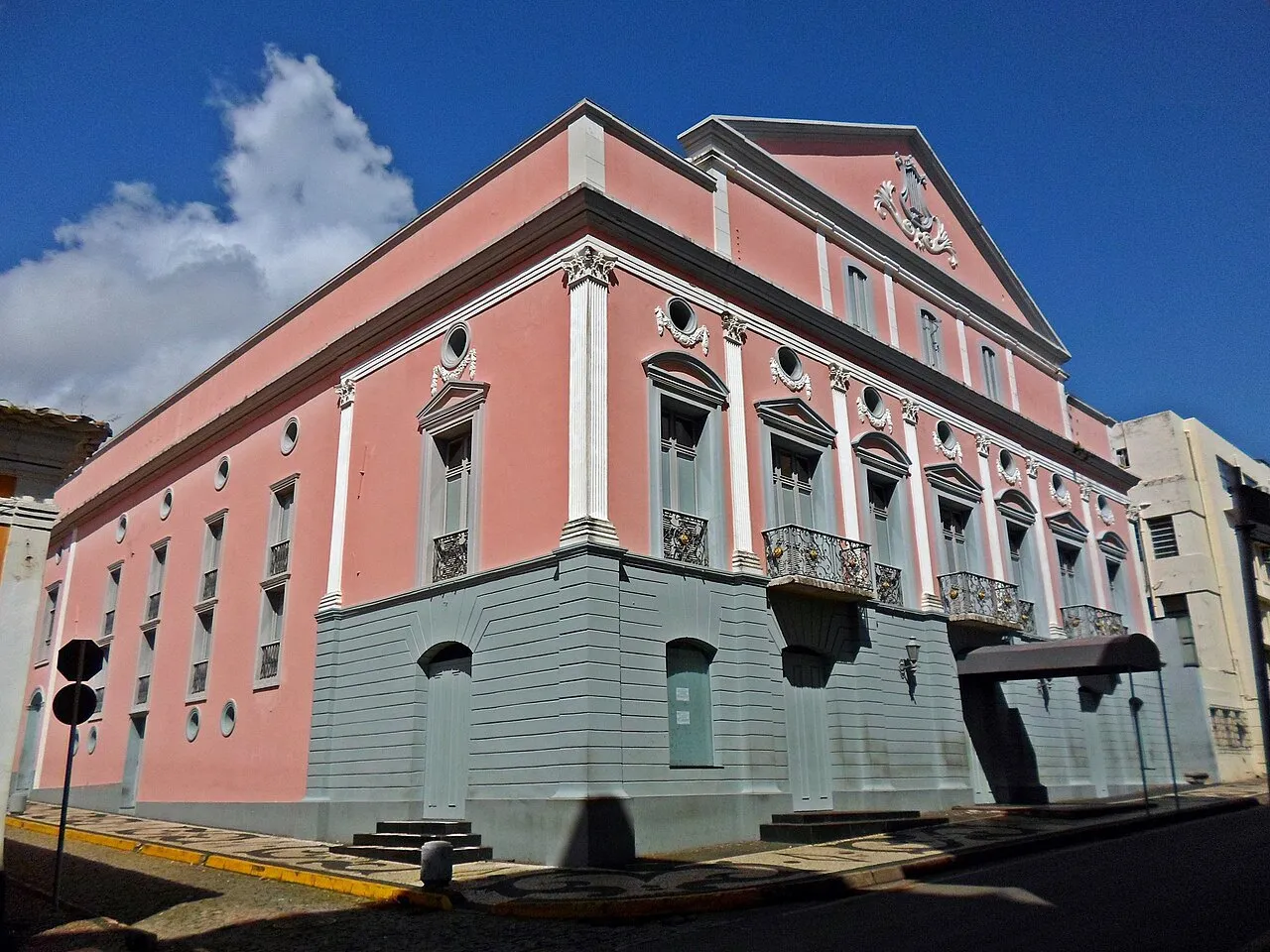 6
On Rua do Sol, the Teatro Arthur Azevedo has a neoclassical facade and an auditorium that can fit into your itinerary as a guided visit or a performance.
View details for Teatro Arthur Azevedo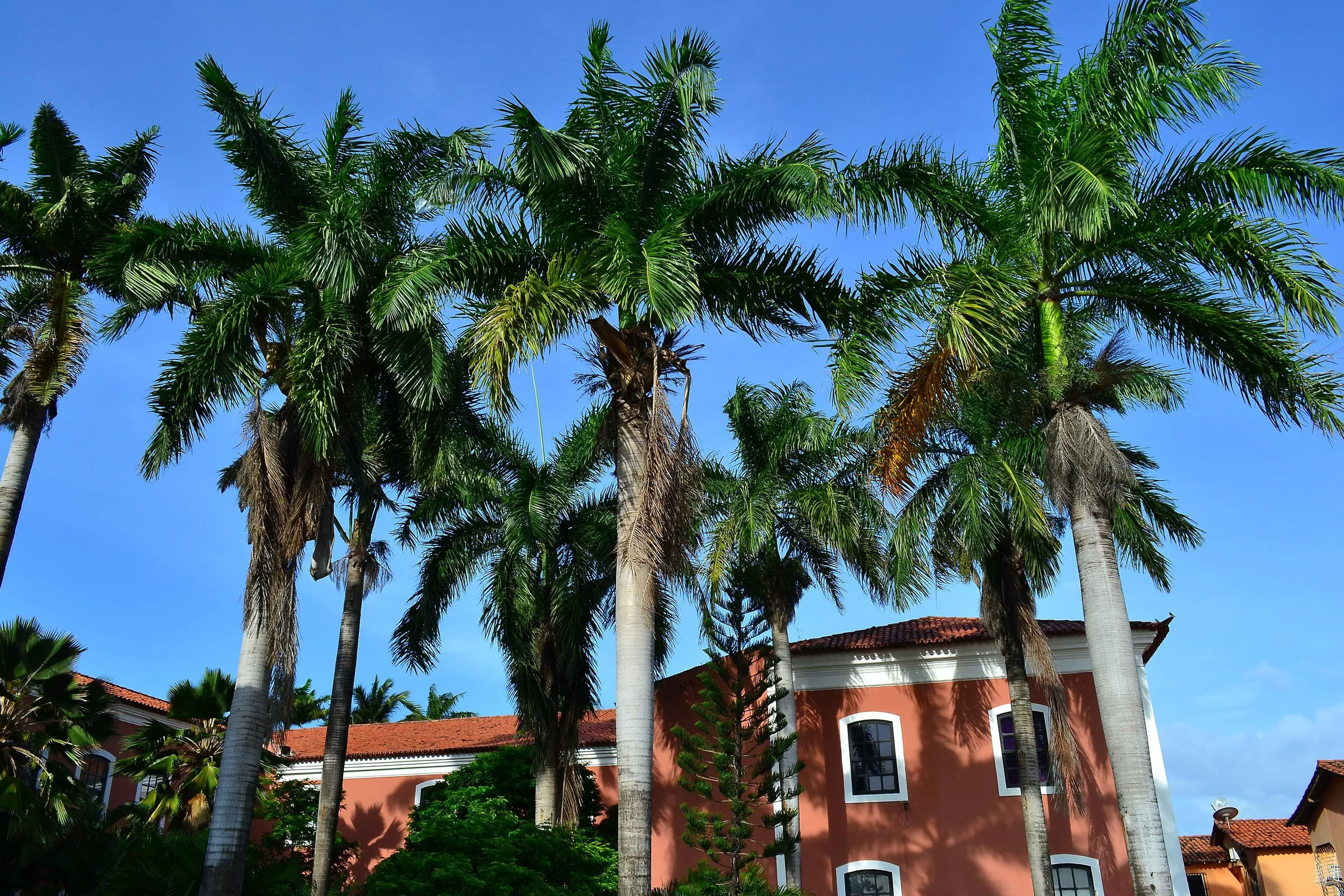 7
In the Desterro neighborhood, the former convent houses the Fundação da Memória Republicana Brasileira and offers another scale of architecture downtown.
View details for Convento das Mercês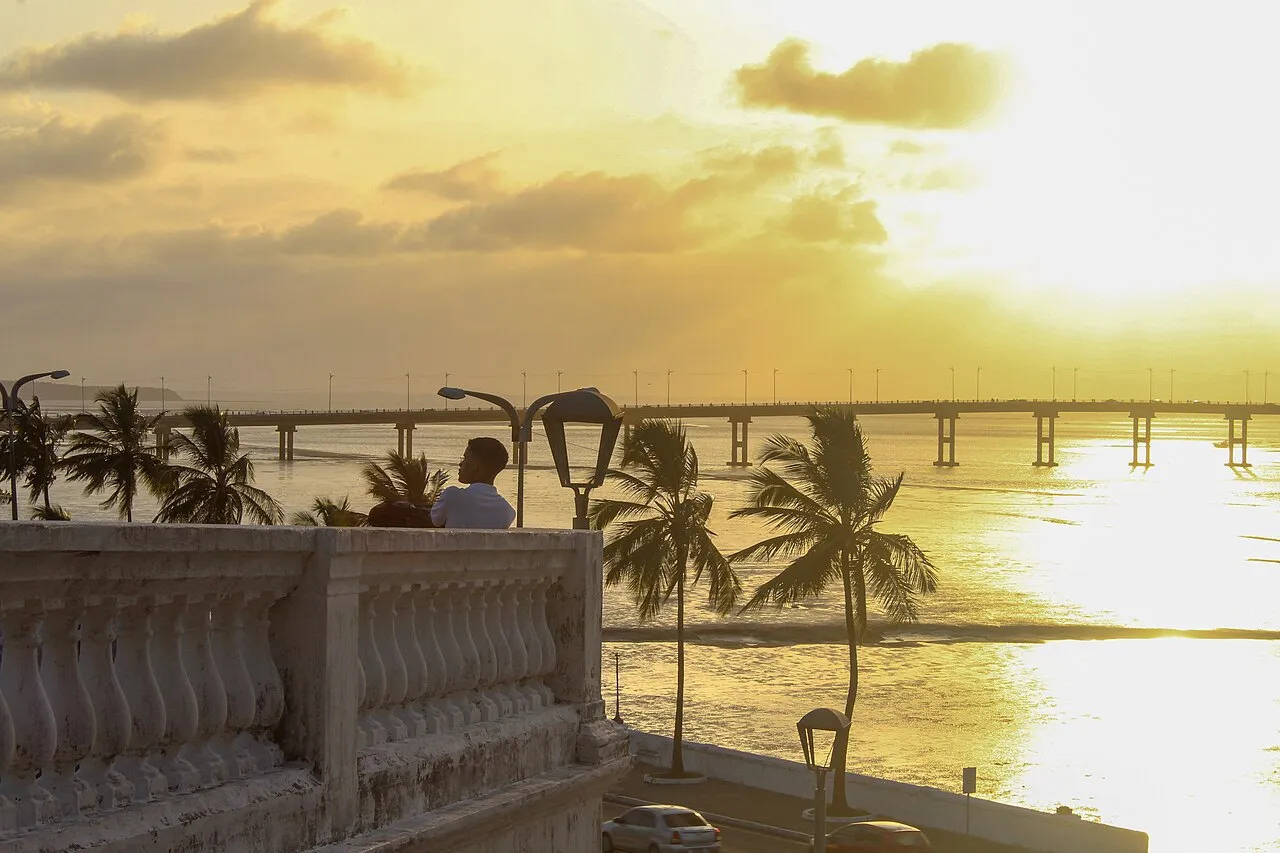 8
Palm trees, staircases and the monument to the poet make up a raised square, with views over the Anil River area and Avenida Beira-Mar.
View details for Praça Gonçalves Dias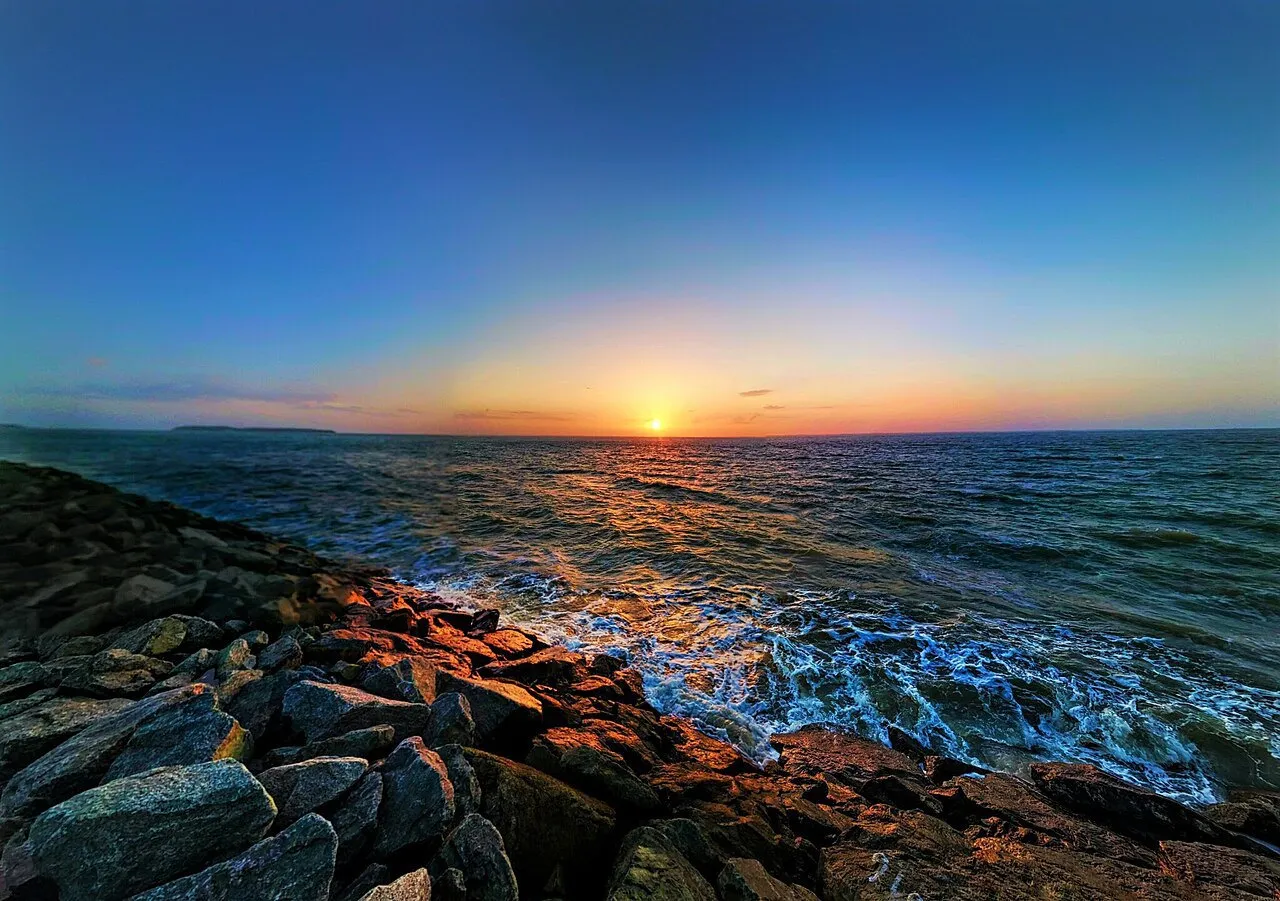 9
A coastal protection structure that has also become a place for walking and contemplation, with sea, open horizon and a view of Ponta d’Areia.
View details for Espigão Costeiro da Ponta d’Areia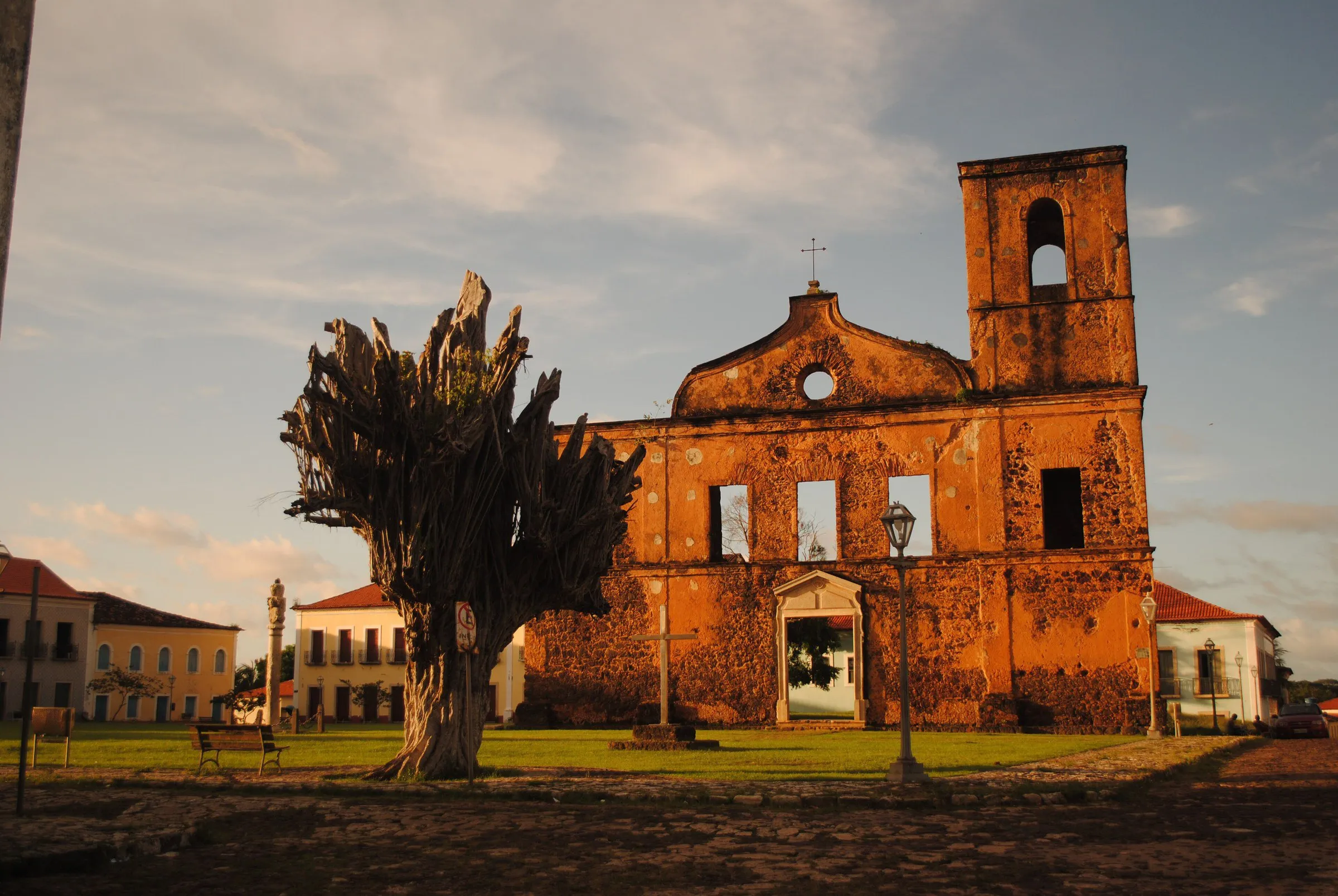 10
Across the Baía de São Marcos, Alcântara is a different municipality: a full-day outing to walk among squares, mansions and churches.
View details for Centro Histórico de Alcântara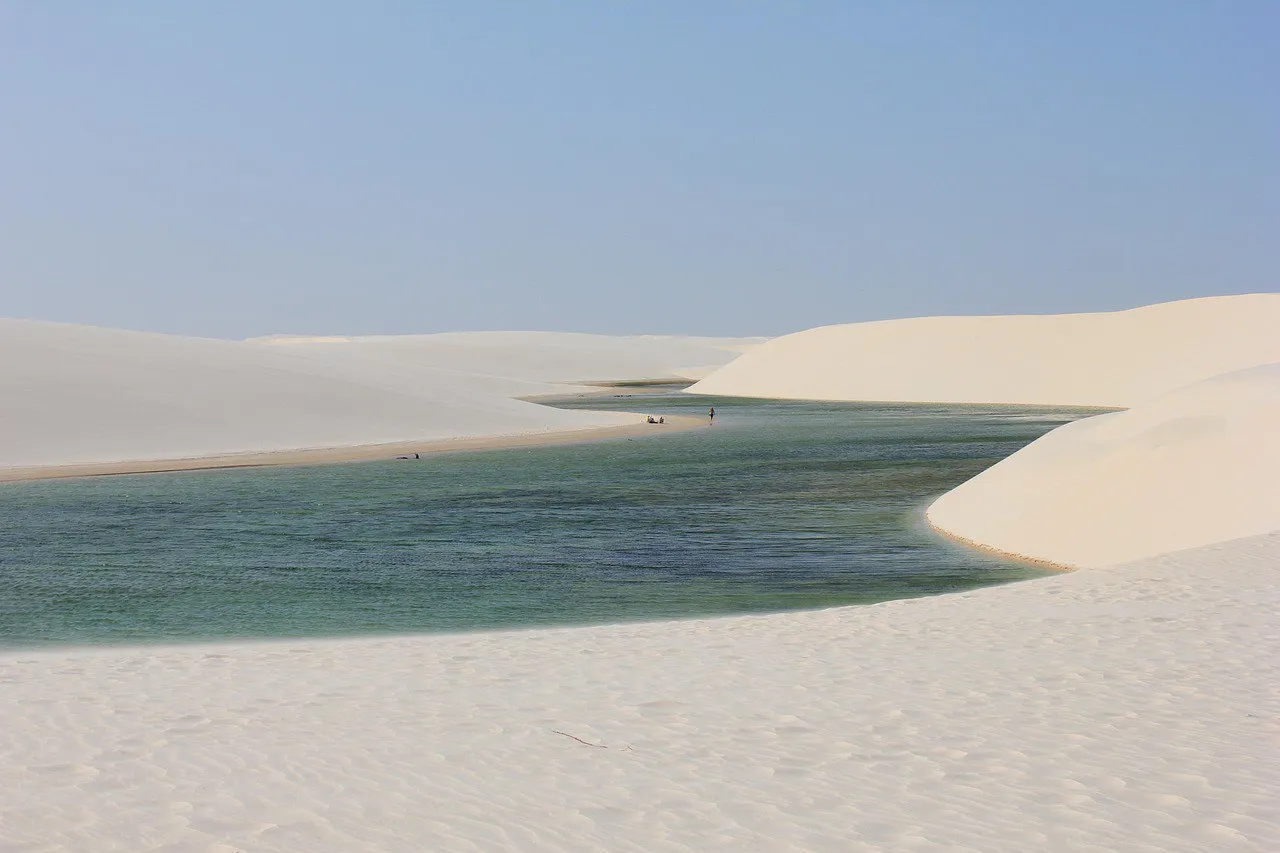 11
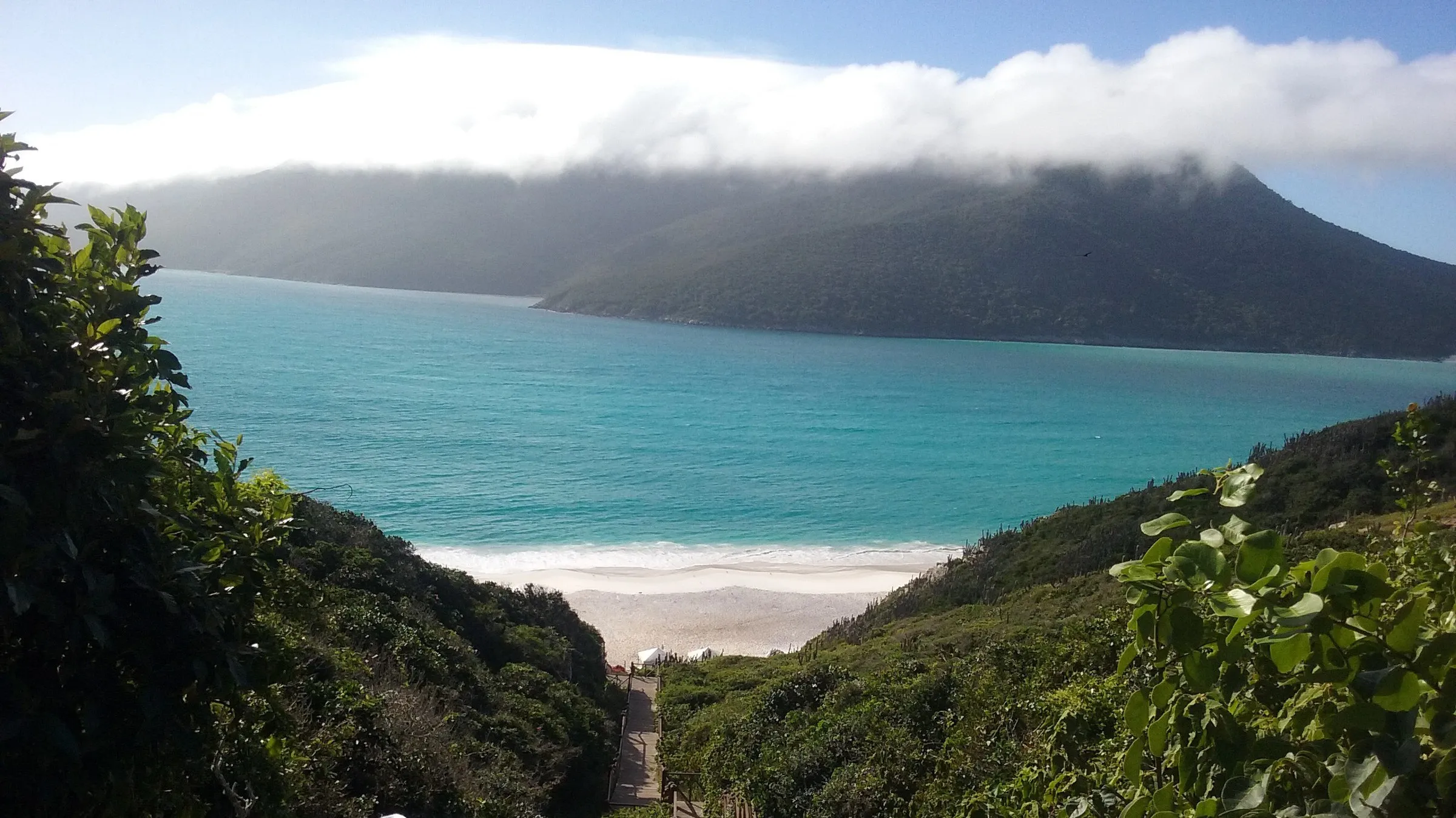
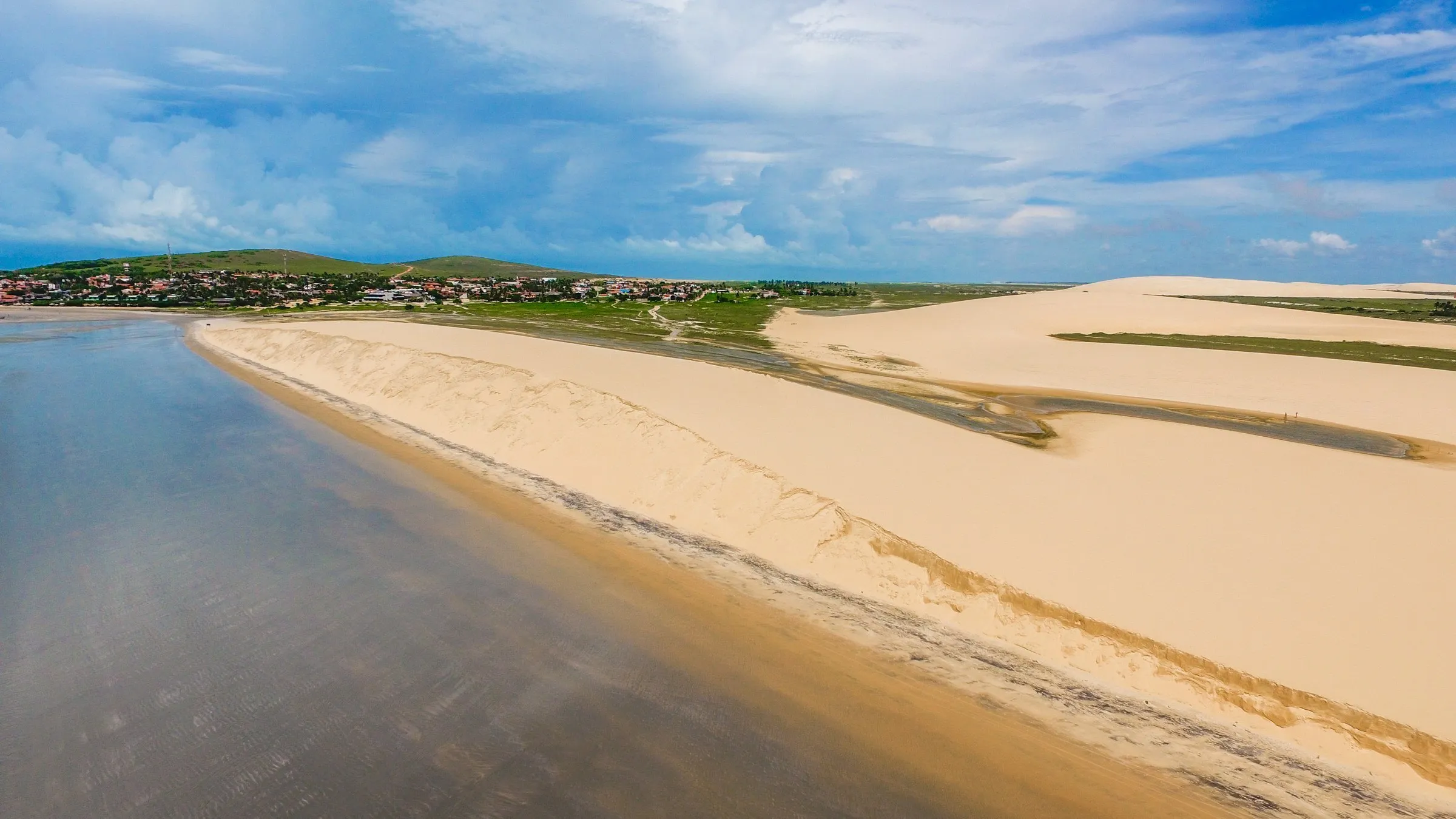
Outside São Luís, the dunes and lagoons of the Lençóis Maranhenses come in as a regional extension, with a change of base and days set aside for the tours.
View details for Lençóis Maranhenses National Park1The lions at the entrance do the welcoming before any guide. The palace houses the state government and a museum with halls, furniture, objects and paintings. The collection includes works associated with Arthur Azevedo's collection, widening the conversation beyond politics.
Set aside time for the interior, beyond photographing the facade. Since the building is still tied to the state administration, check whether the museum is open before planning your day. Combine the stop with the Catedral da Sé, in the Praça Pedro II area.
2On Praça Pedro II, the Sé asks for a change of pace: save the chatter and look at the high altar. Dedicated to Our Lady of Victory, the cathedral has been through renovations that make up its present look. The visit pays off when you take in the interior slowly.
The stop fits right next to the Palácio dos Leões, but the church keeps its religious function. If a service is under way, adjust your plans and respect those who are praying. Compare the interior ornamentation with the civic facades you have just seen.
3On Rua Portugal, the urge to photograph one facade tends to be interrupted by the next. Townhouses covered in tiles, balconies and tall doors help you read Praia Grande, part of the historic center recognized by UNESCO. Looking up pays off as much as checking the map.
Walk while paying attention to the patterns of the tile cladding and the different heights of the houses. A stroll through the neighborhood complements the visits to the buildings in this guide: there's no need to turn every corner into an attraction. Save time for a break and for the Mercado das Tulhas.
4The Mercado das Tulhas shifts the walk from the eyes to the palate. Also called Casa das Tulhas and Feira da Praia Grande, it gathers regional products in a building originally tied to the grain trade. Ask what you are looking at before choosing what to take home.
Take a lap, compare the offerings and get to know the ingredients behind the products. The stop fits into the walk through Praia Grande. For edible or drinkable gifts, check the packaging and how well it keeps: your suitcase tends to be less generous than your enthusiasm.
5The carranca faces of the Fonte do Ribeirão give expression to an old water-supply solution. Look at the basin, the stonework and the facade: the monument explains a piece of life from before turning on a tap at home was easy. The interest is in the details.
The underground galleries have also fed local tales, including the legend of a serpent said to grow beneath the island. It is oral tradition, not an archaeological explanation. Fit the fountain into your walk through the center, without planning to enter the tunnels.
6The facade on Rua do Sol is modest next to the expectation the auditorium creates. At the Arthur Azevedo, the horseshoe-shaped balconies help you imagine a performance in which the architecture itself is part of the experience. Take in the space beyond the stage.
Look for a guided visit or pick a show. They are different experiences, and neither should be assumed just because the facade is accessible. Plan this stretch of the second day around availability; for evening performances, leave a gap for dinner.
7The Convento das Mercês changes the scale of the walk: its long facade contrasts with the streets of townhouses in Praia Grande. The building houses the Fundação da Memória Republicana Brasileira (Brazilian Republican Memory Foundation), which preserves documents, works and objects tied to the country's political history.
Combine looking at the building with the collection that is available. Check access to the exhibitions: an institution that is open does not mean every room is. Set aside the morning for this side of the center and take transport afterward to reach the waterfront.
8The palm trees seem to have been summoned to accompany the poet. Praça Gonçalves Dias combines the monument to the writer, staircases and terraces, opening the landscape to the Anil River and the Beira-Mar. After the museums, the visit is about seeing the city from another angle.
The Igreja dos Remédios and the Palácio Cristo Rei make up the surroundings, without obliging you to squeeze in other visits. Walk around the terraces and notice the perspectives. There are sunny stretches and stairs: choose a comfortable time for your walk.
9The Espigão da Ponta d’Areia reaches out over the water and changes your perspective on the city. Built to help protect the coast from erosion, the structure also offers a walk with an open horizon. After looking at tiles, you can rest your neck.
Arrive while there is light and walk with no obligation to cover the whole length. Late afternoon lets you follow the colors of the sky, weather permitting. Here the idea is contemplation, respecting signs and local conditions, without relying on a swim.
10Alcântara lies outside São Luís, across the Baía de São Marcos. Its center gathers cobbled streets, squares, mansions and churches, visited on foot. It is a change of scenery with an identity of its own, beyond the center of São Luís.
For a day trip, set aside an extra day and confirm both the outbound and return trips: departures depend on the tides and navigation. The traditional tourist connection uses the Praia Grande terminal; check the current departure point. If your time on land is short, consider staying overnight.
11The Lençóis Maranhenses lie outside São Luís, between Barreirinhas, Santo Amaro do Maranhão and Primeira Cruz. The capital works as the arrival gateway. For dunes and lagoons, we suggest three to four extra days, with overnights at an access base.
Go by car or transfer along the BR-135 and MA-402 highways, leaving time for the road and the return. The circuits call for authorized services and walking on sand. From May to September the lagoons are usually full, but the level depends on the rains; check current rules and conditions.
Check opening details for the museums, the services at the Sé and the theater's guided visit before laying out your plan; swap day blocks when necessary.
Wear sturdy shoes, bring water and walk in short stretches; the stone streets and staircases call for attention to the paving, even when a facade holds your gaze.
Group the downtown visits on foot and use transport to reach Ponta d’Areia; confirm the meeting point and arrange your return before you start.
Set aside a day beyond the city itinerary and confirm terminal, tide, sailing conditions and return with the operator; if the window is short, consider staying overnight.
Add three to four days as an initial suggestion, with overnights in Barreirinhas or Santo Amaro; leave time for transfers and confirm circuits, lagoon levels and authorized providers.
Ask permission before photographing people or religious activities and follow each museum's guidelines; keep streets and visiting areas clear for others.
Between one visit and the next, build your lunch around Maranhão cooking: arroz de cuxá, torta de camarão and peixada are among the local references. It is worth asking how each place prepares the dish before ordering; the conversation about seasoning is already part of the trip.
One of the reference dishes of the Maranhão table, a good order for starting to get to know local flavors.
A traditional option for those who want seafood at the center of the meal.
Another way to try the city's fish cooking; ask about the accompaniments the house serves.