 1
Nature
Parque das Aves
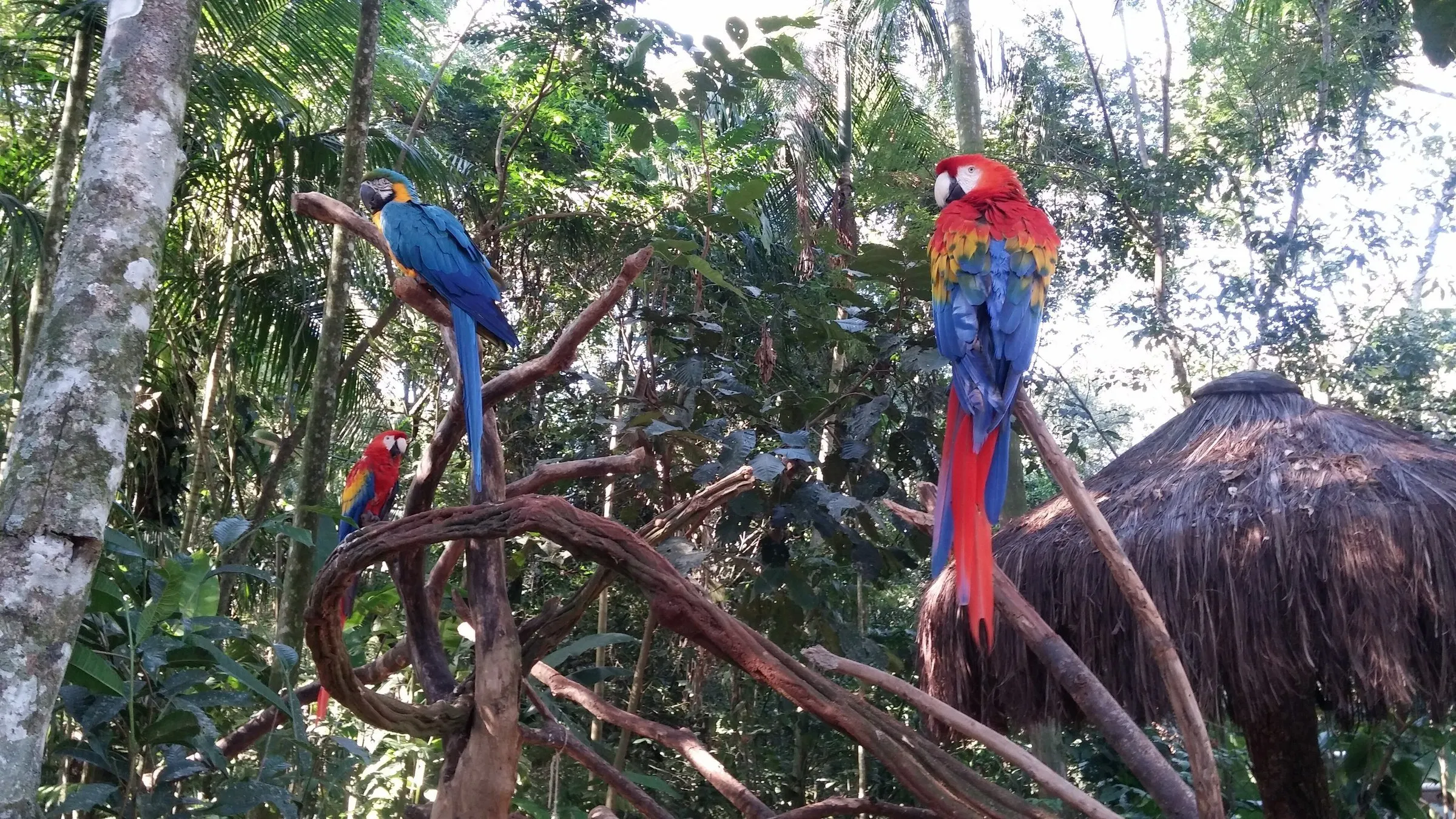
Immersion aviaries put you in the habitat of Atlantic Forest birds, on a conservation-focused visit that pairs well with the Iguaçu Falls.
View details for Parque das Aves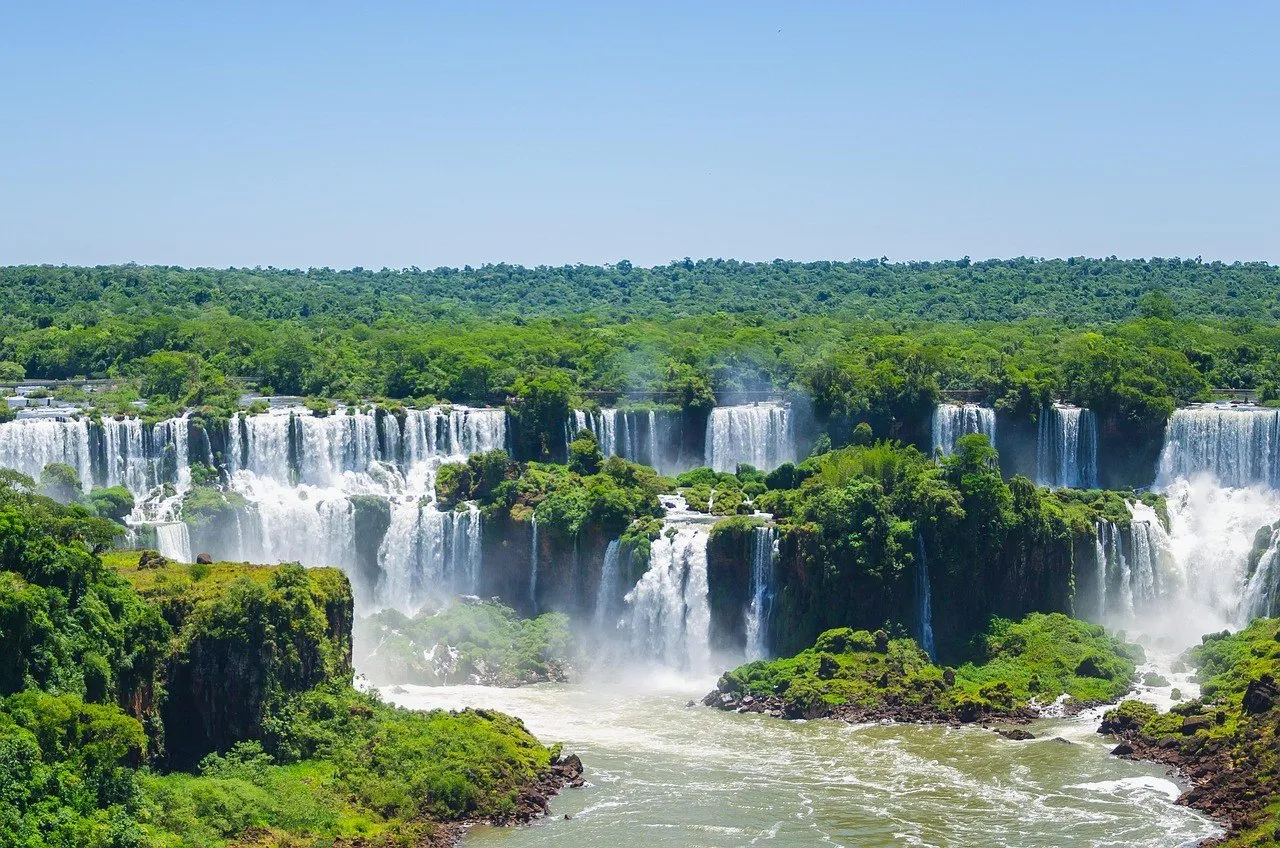
Brazil
The walkway advances, the roar grows and the mist of the Iguaçu Falls takes care of your hairdo for you. In Foz do Iguaçu, rivers also draw borders, and your next stop may have the accent of another country.
The spray of the Iguaçu Falls hits your face and makes conversation lose its importance for a few seconds. Foz do Iguaçu has this way of rearranging priorities: first you try to frame the landscape, then you accept that the water will take up more space than the photograph. The falls sit in the Parque Nacional do Iguaçu, amid the Atlantic Forest, and the visit on the Brazilian side works like a sequence of views that get closer to the river's force.
Outside the park, water keeps guiding the trip. It meets another river at the Marco das Três Fronteiras and takes on an engineering scale at Itaipu. Between these extremes, the gardens of the Buddhist temple, the mosque and the border foods help you get to know the lived-in city. Plan your transfers by area, since the attractions are spread out. The itinerary below stays in Brazil; Macuco Safari and the Friendship Bridge are alternatives to replace stops or extend your stay.
The Parque das Aves focuses its work on the conservation of Atlantic Forest birds: behind the aviaries there is research and care for species of this biome.
The Itaipu spillway is not open like a permanent waterfall; it is a safety structure operated according to the plant's needs.
The village at the Marco das Três Fronteiras is a themed set inspired by the Jesuit missions. The old look is part of the setting of the visit.
1Immersion aviaries put you in the habitat of Atlantic Forest birds, on a conservation-focused visit that pairs well with the Iguaçu Falls.
View details for Parque das Aves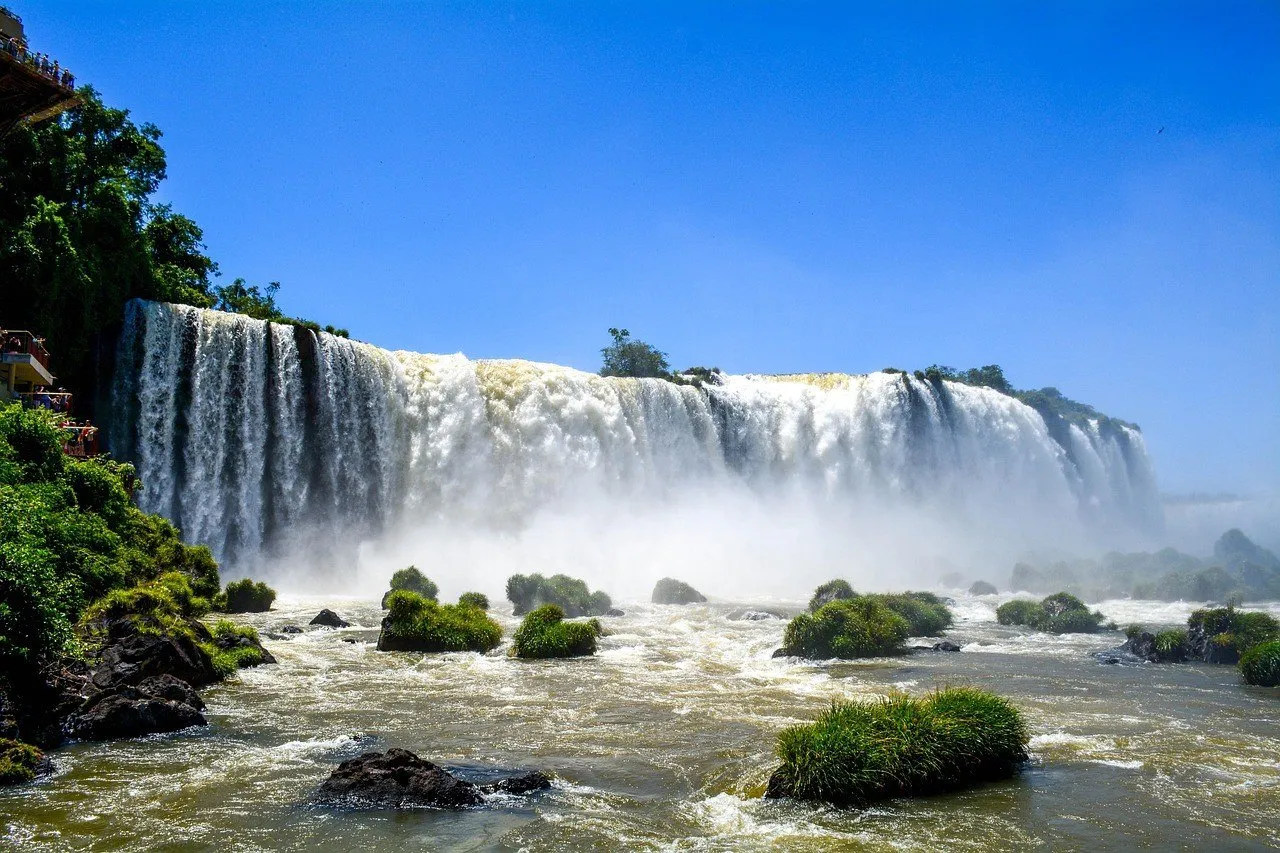 2
A trail through the Atlantic Forest opens successive views of the falls and ends on a walkway facing the Devil's Throat, with water in the air too.
View details for Iguaçu Falls — Brazilian Side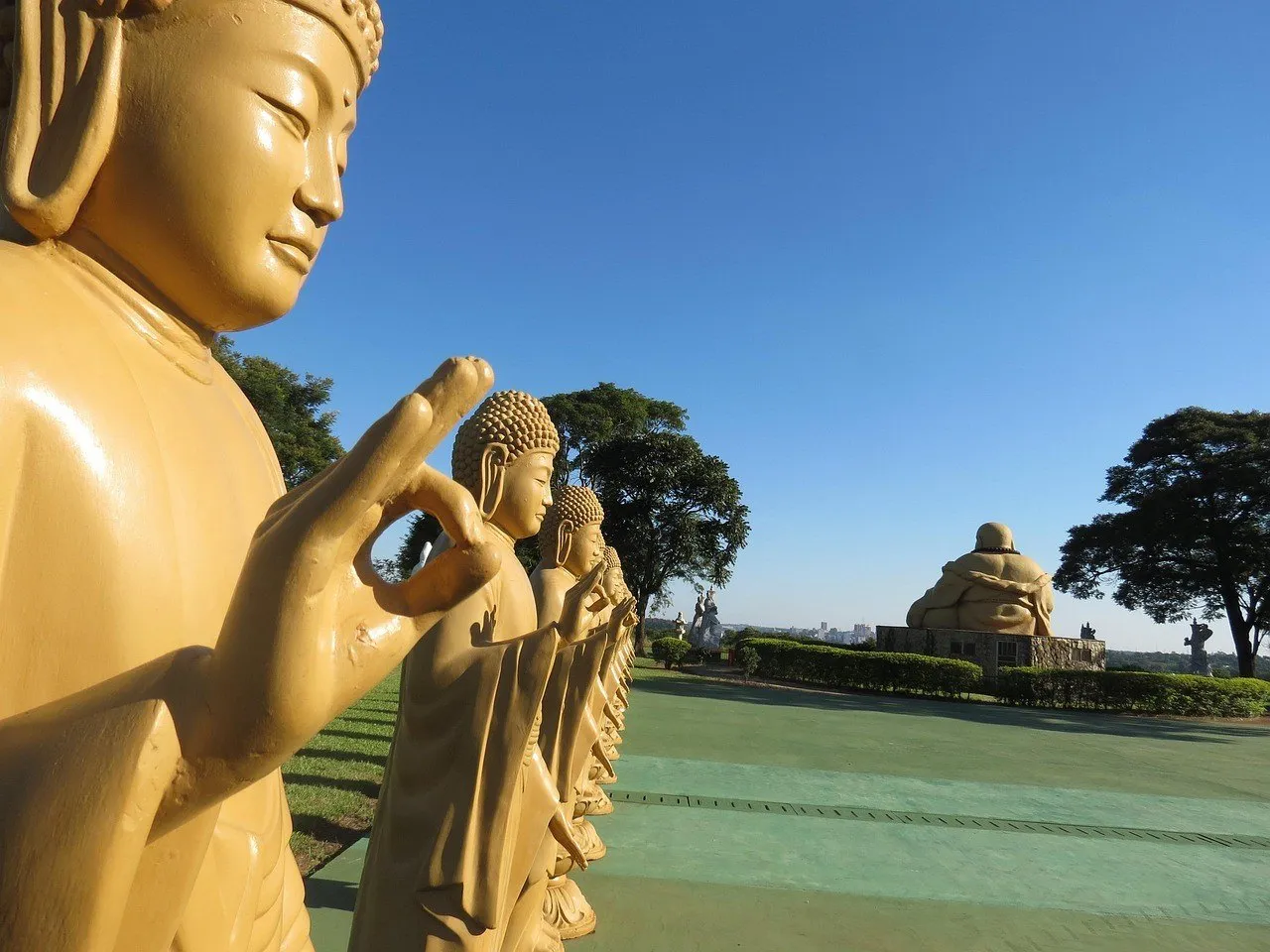 3
Gardens, Buddhist statues and an elevated view of the border region make for a quiet visit to a religious space of the Chinese community.
View details for Chen Tien Buddhist Temple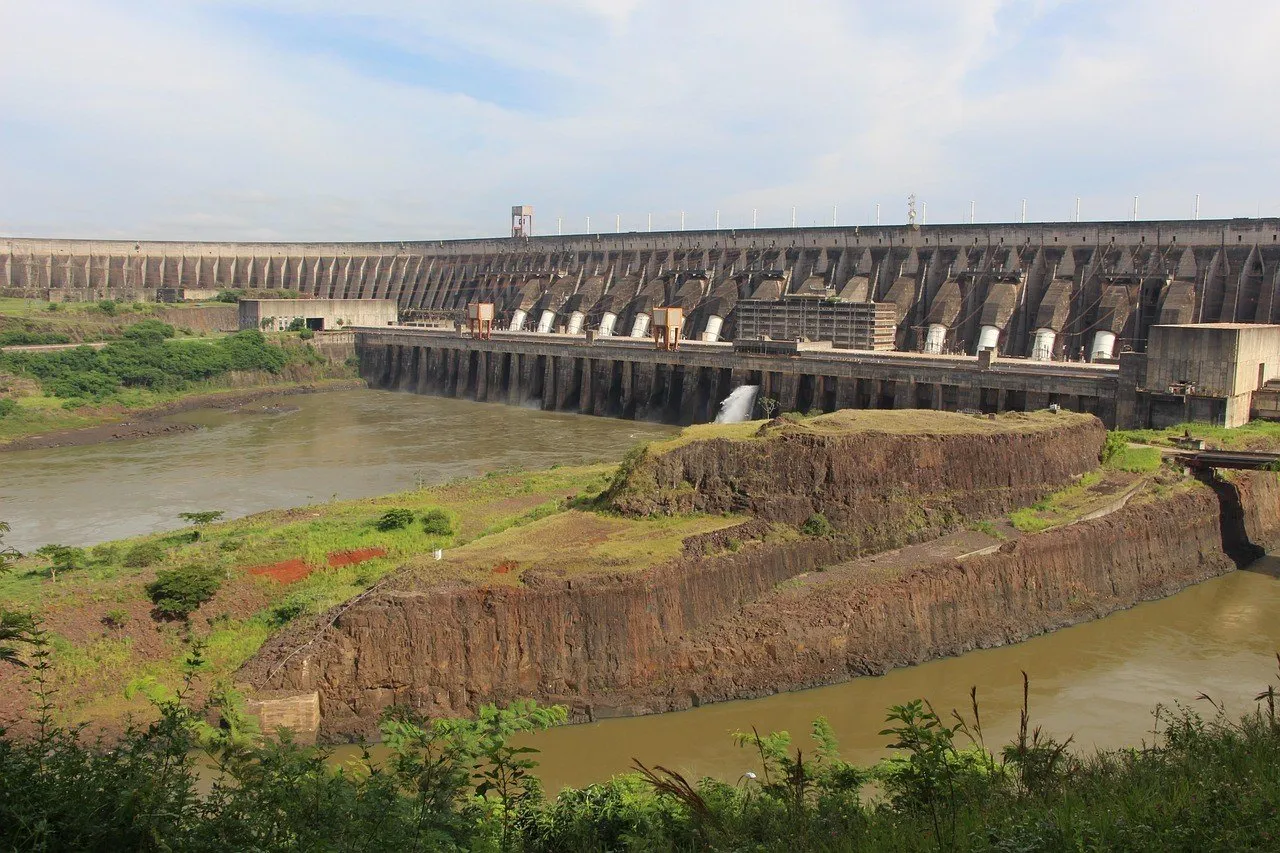 4
A bus circuit passes through the plant's outdoor area and the dam's viewpoints, showing the scale of the work shared by Brazil and Paraguay.
View details for Itaipu Binational — Panoramic Tour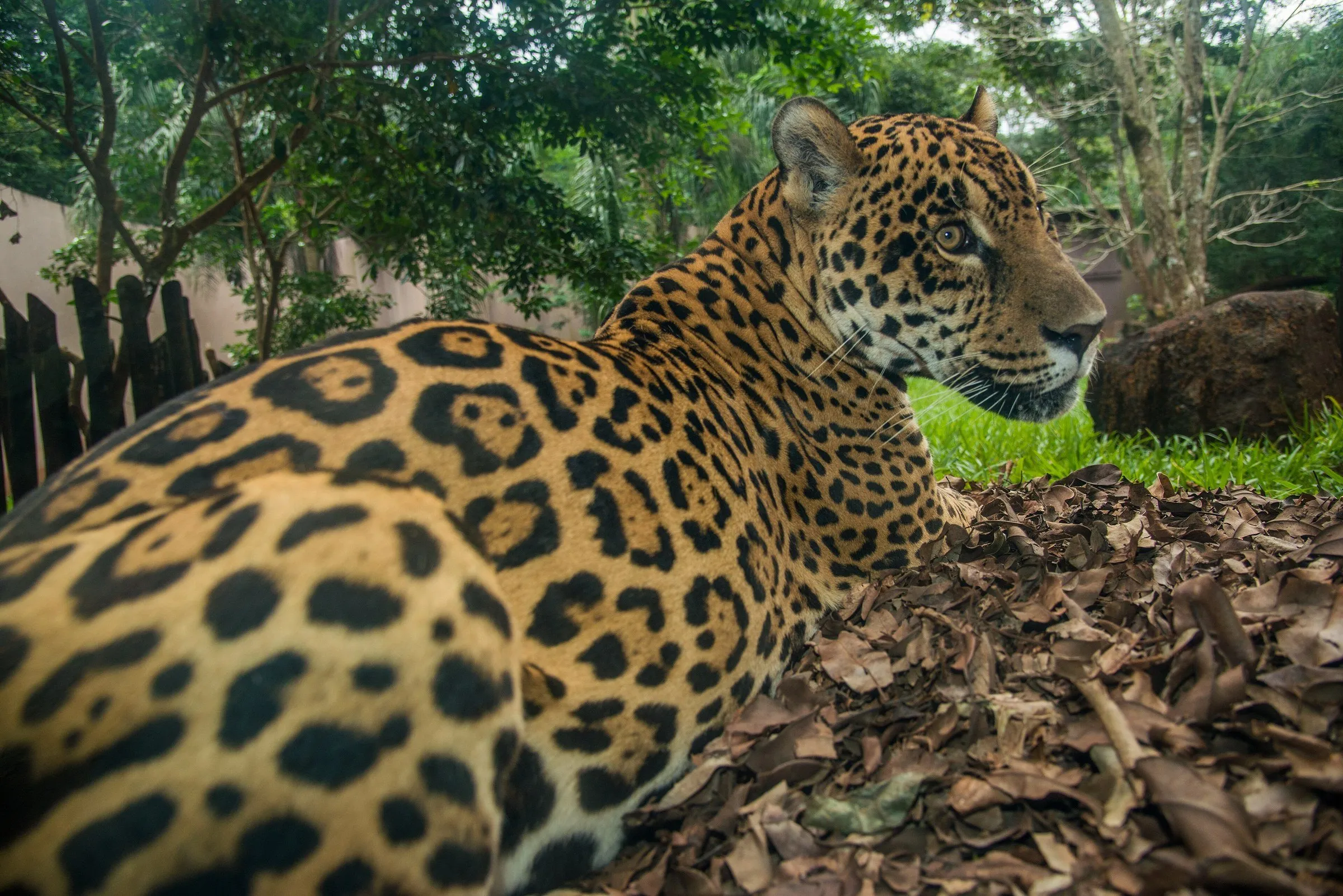 5
Itaipu's environmental tour combines transport and a walk through a reforested area, with explanations about native species and conservation work.
View details for Bela Vista Biological Refuge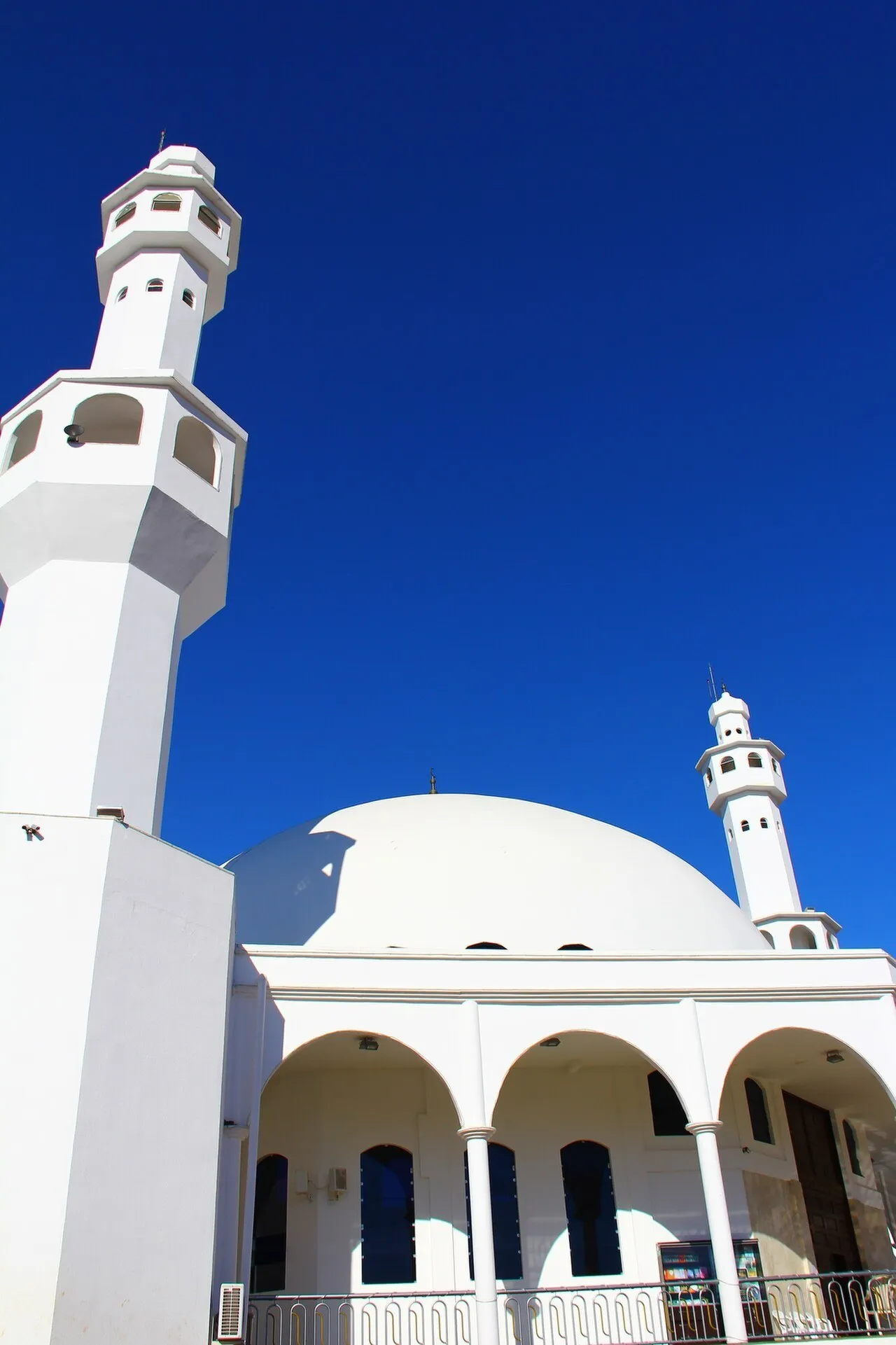 6
The white dome and minarets announce a religious center of Foz's Muslim community, with a cultural visit and details of Islamic architecture.
View details for Omar Ibn Al-Khattab Mosque 7
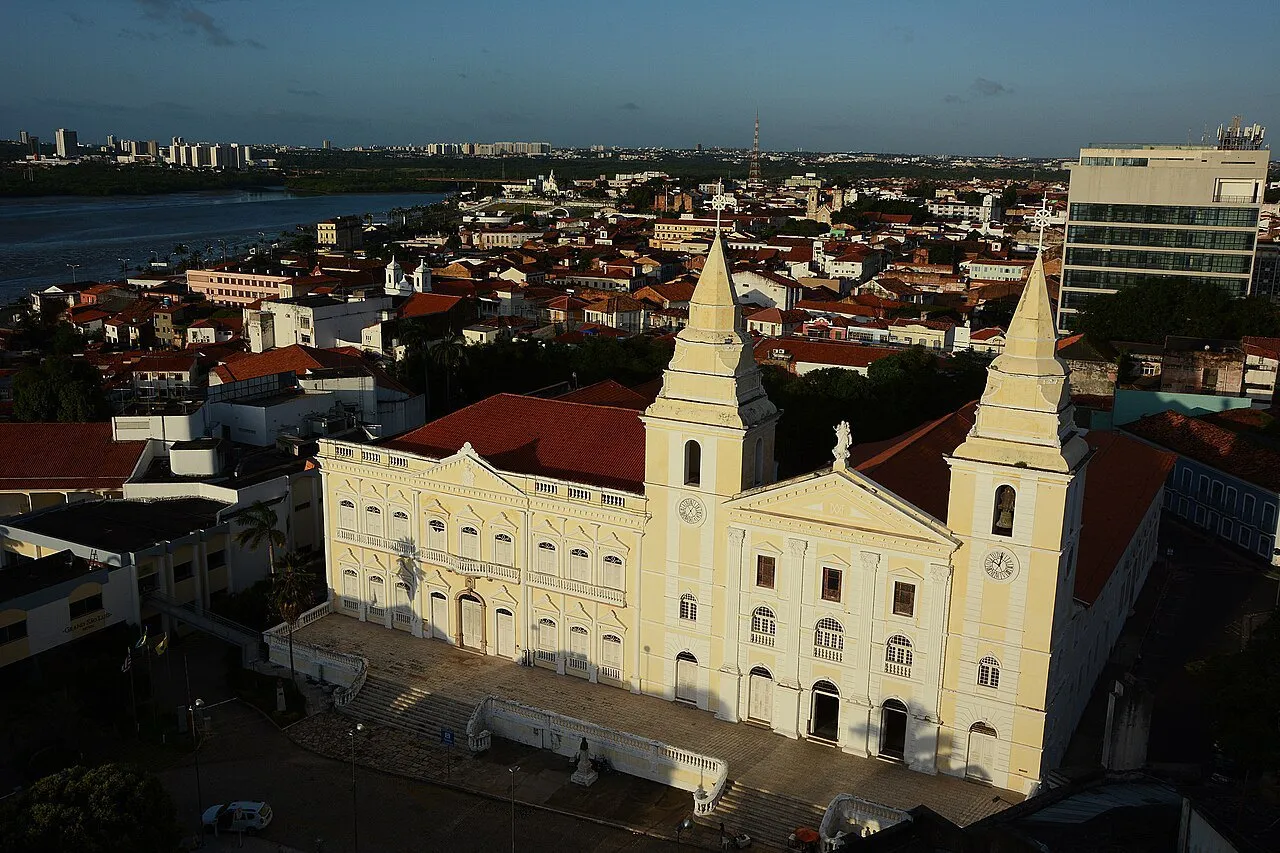
The downtown mother church, with its clock tower, helps you learn about Foz's religious history on a short stop between the bigger attractions.
View details for Mother Church of Saint John the Baptist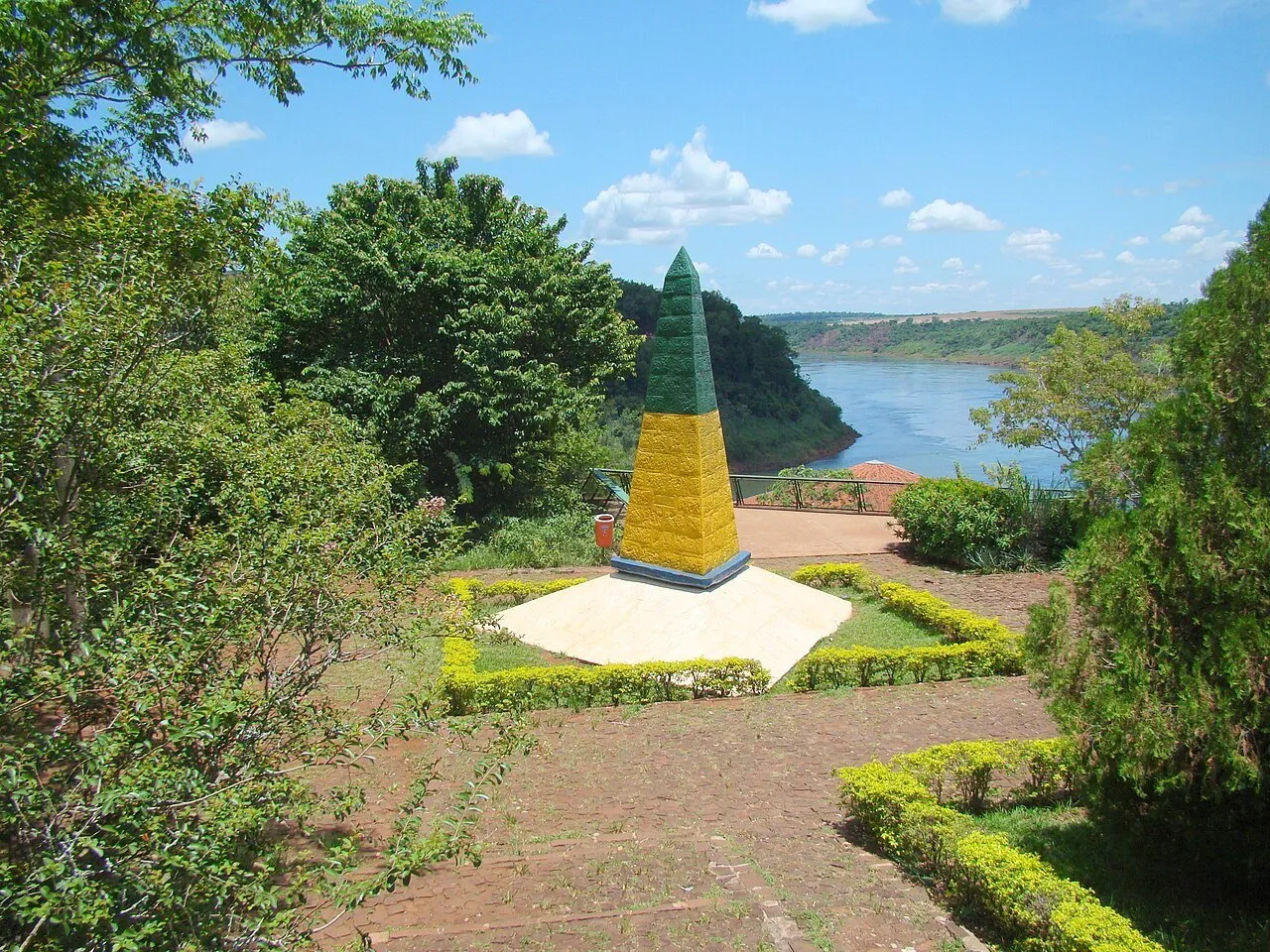 8
From the Brazilian side, the meeting of the Paraná and Iguaçu rivers draws the borders with Argentina and Paraguay, in a complex with an obelisk and cultural performances.
View details for Marco das Três Fronteiras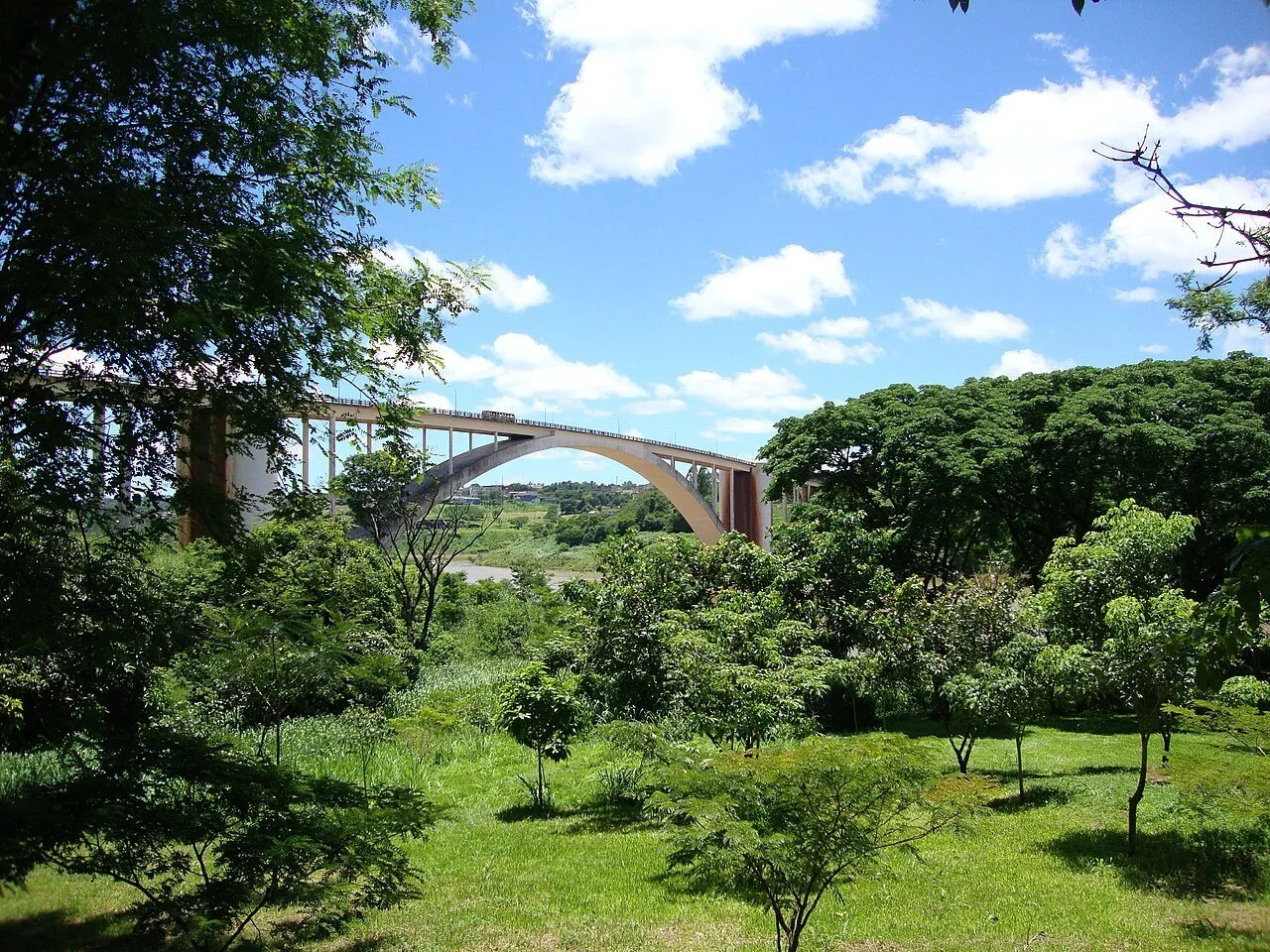 9
The bridge over the Paraná River links Foz to Ciudad del Este and lets you understand the border through the daily movement between the Brazilian and Paraguayan cities.
View details for International Friendship Bridge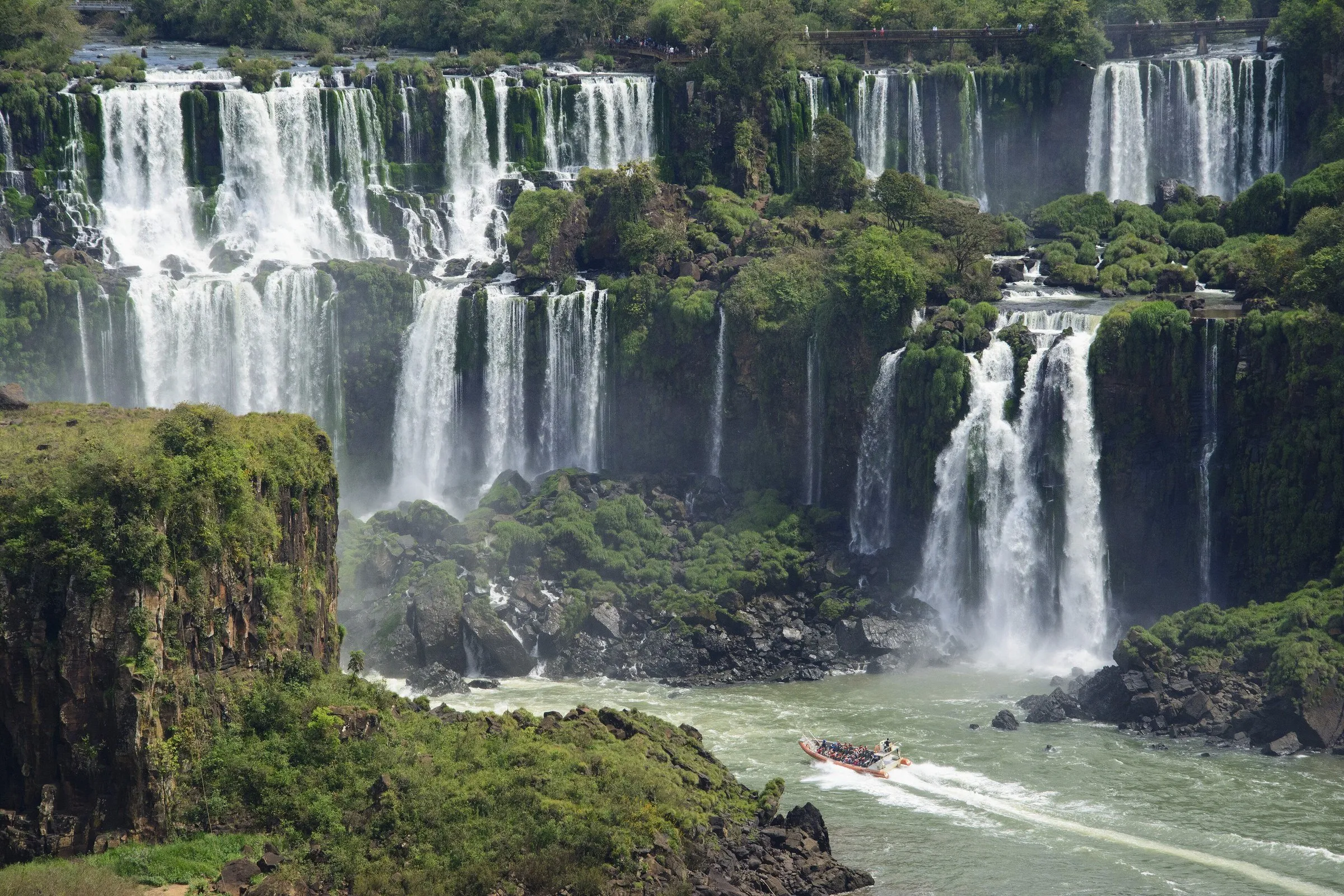 10
A vehicle ride through the forest, a trail and a boat trip on the Iguaçu River bring you close to the falls at water level, on a tour with a ticket separate from the park's.
View details for Macuco Safari — Jungle and Boat1Here, the forest's conversation comes in several volumes: a discreet song, the beat of wings and a macaw that seems to want to join the meeting. The Parque das Aves works on the conservation of Atlantic Forest species and lets you walk through immersion aviaries.
Notice the smaller birds as well as the brightly colored ones; the visit gives more when you slow down. Since the entrance is next to the access to the national park, it makes sense to set aside the morning for the aviaries and then continue to the Iguaçu Falls, with separate tickets.
2The roar arrives before the whole landscape does. Along the trail on the Brazilian side, the falls appear one by one between the vegetation until you reach the walkway facing the Devil's Throat. The mist there respects neither a tidy hairdo nor the promise of taking just one photo.
Access begins at the visitor center, where the internal transport departs. Set aside time for the viewpoints instead of turning the trail into a race to the panoramic elevator. A rain jacket and protection for your phone help you enjoy the shower without worry.
3Rows of sculptures fill the garden, while the city carries on below. The Chen Tien Buddhist Temple was created by the region's Chinese community and works as a place of prayer and contemplation, with Buddhist images spread across the open areas.
You can take in the complex and the landscape of Foz and Ciudad del Este without trying to decipher every symbol on your own. Arrive ready for silence and follow the signs about permitted spaces. It is a shorter stop than the Itaipu tours, but it also deserves unhurried time.
4Facing the penstocks and the dam, the word big seems a rather thrifty choice. The panoramic tour travels by bus through the plant's outdoor area, with stops at viewpoints and explanations about the construction and operation of Itaipu.
It is the option for understanding the whole without a visit to the inside of the powerhouse. The spillway, which appears in photos with enormous jets of water, only opens when operating conditions call for it: arriving and finding it closed does not mean the visit went wrong.
5After looking at Itaipu's concrete, it is worth getting to know the work with the forest. The tour of the Bela Vista Biological Refuge includes transfer from the tourist reception and a guided walk, focused on fauna, flora and environmental conservation.
The route passes through reforested areas and the zoo of regional species. Observation depends on the animals' care routine, so treat each encounter as a possibility, not as a list of guaranteed sightings. Wear closed shoes and leave room to listen to the team's explanations.
6The white dome appears among the neighborhood's buildings, with the minarets marking the skyline. At the Omar Ibn Al-Khattab Mosque, the architecture helps introduce a part of the history of the Arab-Muslim community of Foz do Iguaçu.
The cultural visit lets you get to know the space and observe elements such as the arches and the arabesques, depending on the access allowed that day. It is a working place of worship; follow the team's guidance on dress, circulation and photography. The stop makes more sense with listening and questions than with just a raised camera.
7The clock tower draws attention on Avenida Jorge Schimmelpfeng, but the Church of Saint John the Baptist deserves a pause beyond the photograph. The mother church is part of the history of Foz's formation and was the diocesan cathedral before that title passed to Our Lady of Guadalupe, in Vila A.
Look at the facade and go in if access is available, respecting the religious routine. Since it is downtown, it pairs with a lunch break before heading to the Marco das Três Fronteiras. It is a short visit, good for seeing a part of the city that does not depend on large tourist structures.
8Here, you understand Foz's name by looking at the water: the Iguaçu River meets the Paraná, and the banks point to different countries. The Brazilian obelisk, painted in the national colors, is the landmark of the Marco das Três Fronteiras tourist complex.
The visit brings together views of the rivers, themed scenery and cultural performances. The village is a recreation inspired by the Jesuit missions, not an original ruin. Arrive before sunset to take in the geography in the light and then decide whether you want to stay for the evening program, according to the published calendar.
9Over the Paraná River, the arch of the Friendship Bridge links Foz do Iguaçu to Ciudad del Este. More than a structure to photograph, it is part of the daily circulation of a region where crossing into another country can be a matter of work, shopping or visiting family.
It is an alternative for those interested in border life. Observe the structure from the permitted access points and follow the indicated circulation; do not improvise a photo stop on the roadway. If you want to cross into Paraguay, make it a program of its own, with documentation checked and plenty of time.
10The view changes when you leave the walkway and reach the river. The Macuco Safari combines a ride in an electric vehicle through the forest, a walk and a motorboat trip that approaches the falls. Water fills your field of view and may fill your clothes too.
The tour is inside the Parque Nacional do Iguaçu, but has its own ticket, in addition to the park entrance. Set aside extra time and follow the team's safety guidelines. To enjoy it without rushing, choose another day or replace the Parque das Aves in your plans; adding up all three visits can make the schedule quite tight.
The Iguaçu Falls and the Parque das Aves go together on the same day; Itaipu and the northern attractions call for another block. Line 120 is the bus reference for the Iguaçu Falls and airport axis, but check the route and intervals with the TTU or Foztrans before building your schedule.
Summer can be hot and humid, and winter calls for a jacket. Bring a rain jacket, protection for electronics and a dry change on Iguaçu Falls day. The season helps you choose your luggage, but it does not let you promise the volume of water in the falls on the date of your trip.
First plan the Itaipu day, with the Refuge's departure, and check the calendar of the temple, the mosque, the mother church and the Marco. They have different days off and restrictions. Leave gaps for reception and transport; the duration of the tour does not include the trip from the hotel.
In the national park, keep your distance from the animals and do not feed the coatis. Keep your food put away and follow the indicated circulation areas. On the walkways, the railing marks the limit of the tour, even when the photo seems to ask for one more step.
The Buddhist temple, the mosque and the mother church are working religious spaces. Check the access guidelines, wear clothing appropriate to the place and respect the reserved areas, the silence and the photography restrictions. The visit plan has to adjust to the routine of those who attend these spaces.
Parque das Aves, the Iguaçu Falls, the Itaipu circuits, Macuco Safari and the Marco have their own ticket options. Add up tickets and transport before settling your budget. To save money, prioritize the visits that suit you best and consult the official channels about discounts and required proof.
In Foz, the border also shows up on the plate: Paraguayan chipa, shawarma from Arab cuisine and alfajor sit alongside Brazilian meals. You don't need to cross into another country to taste these flavors. Set aside a snack to try something different between stops; after so much water and walking, sitting down to eat can be the easiest decision of the day.
A baked treat of cassava starch and cheese from Paraguayan tradition, found in the chiperias and snacks of Foz.
A sandwich of pita bread with seasoned meat, salad and sauces; a good option for a hearty snack.
A savory cake of corn, cheese and onion: the name can be confusing, but it arrives on the plate in pieces.
Layers of dough with a sweet filling, often doce de leite, to go with coffee or carry in your bag.