1Cidade Histórica de Porto Seguro
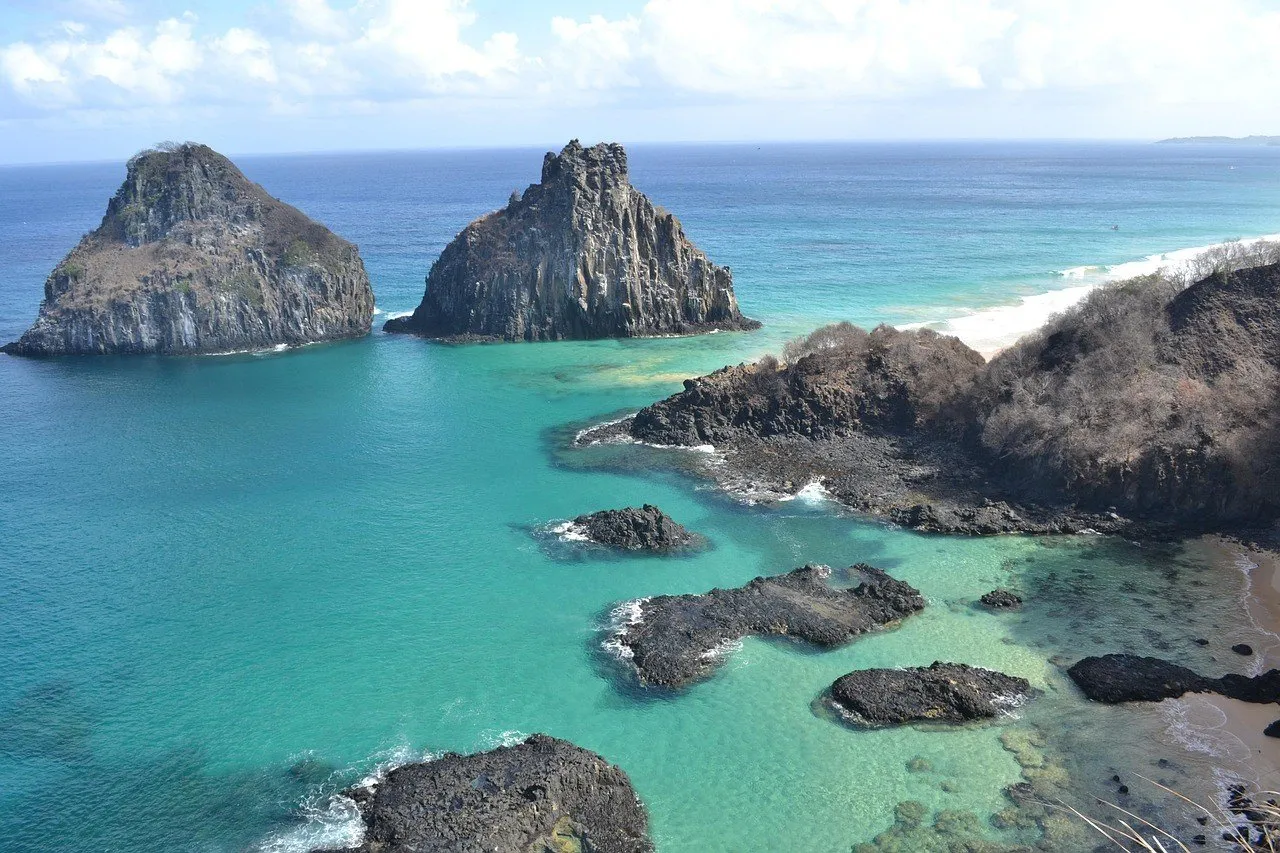
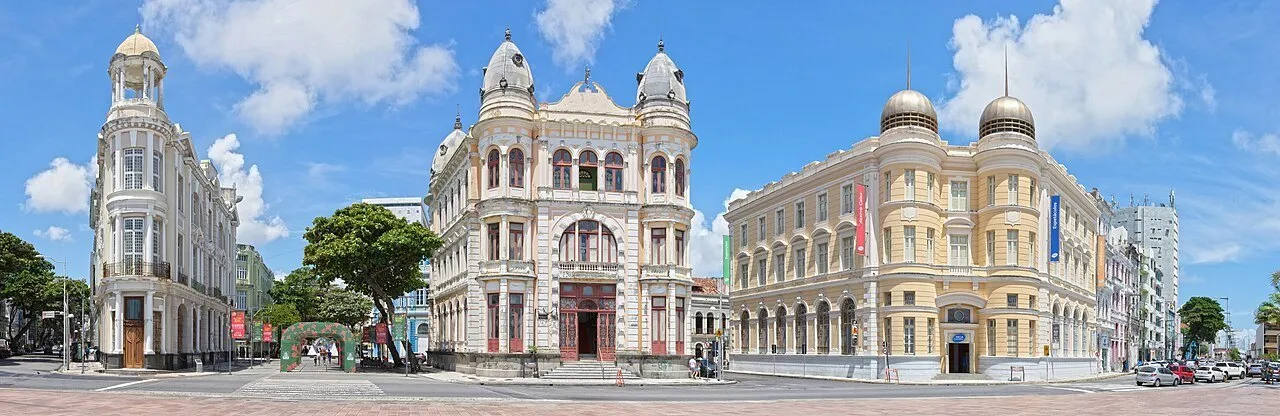
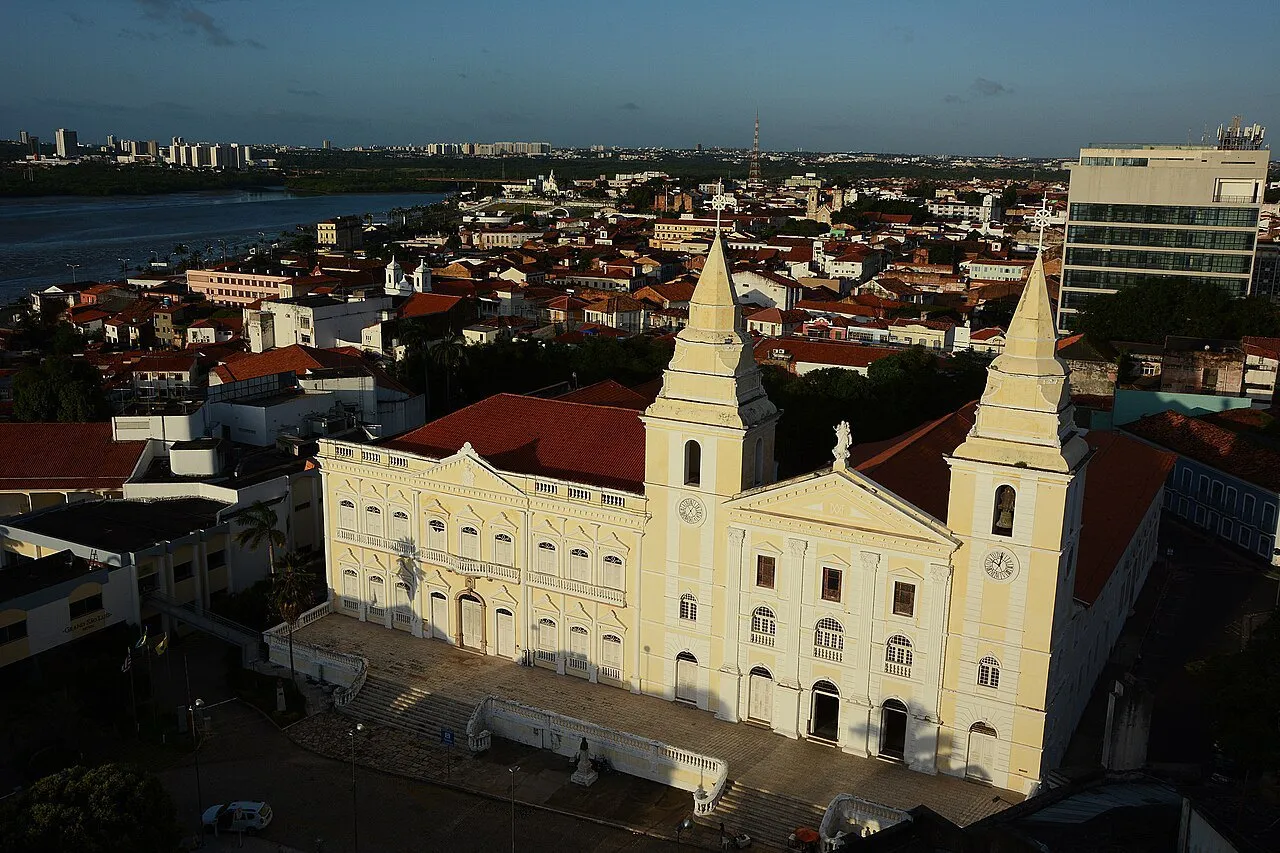
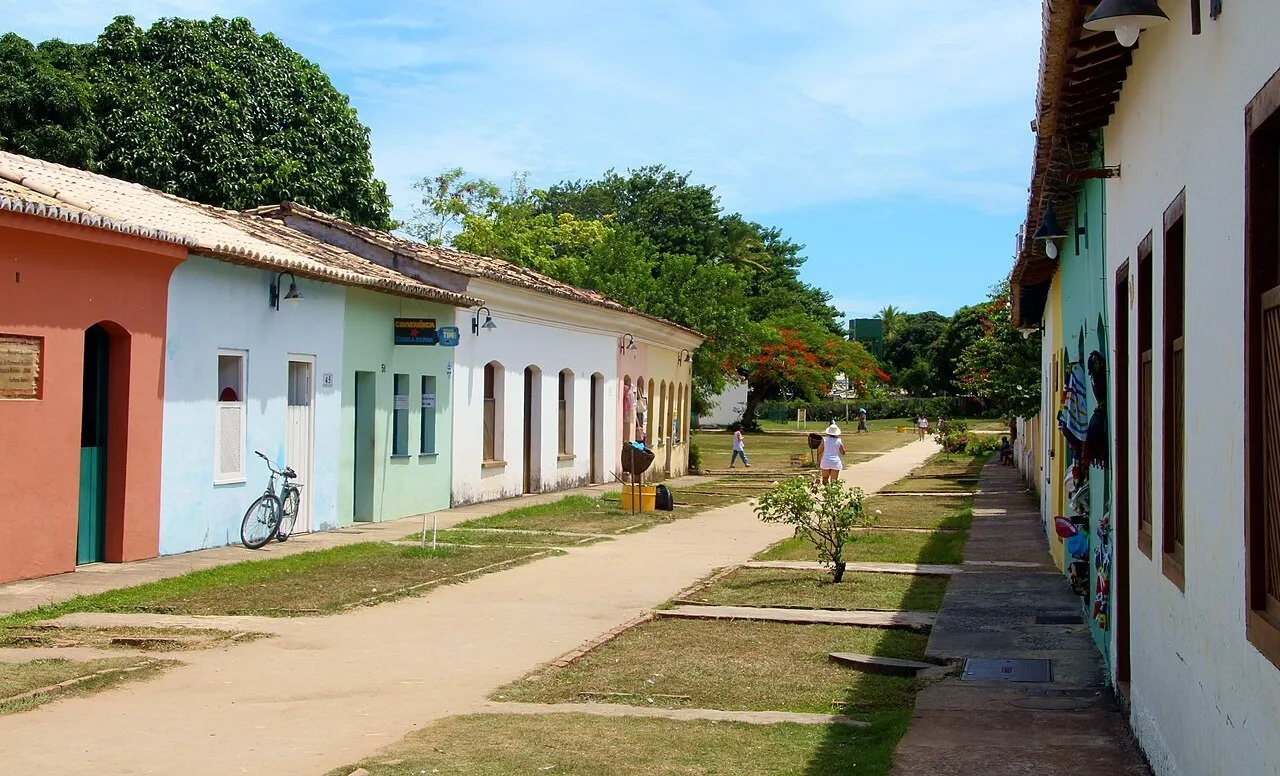
Churches, old houses and the Marco do Descobrimento occupy the Cidade Alta, where the coastal landscape shares attention with the remains of colonization.
View details for Cidade Histórica de Porto Seguro
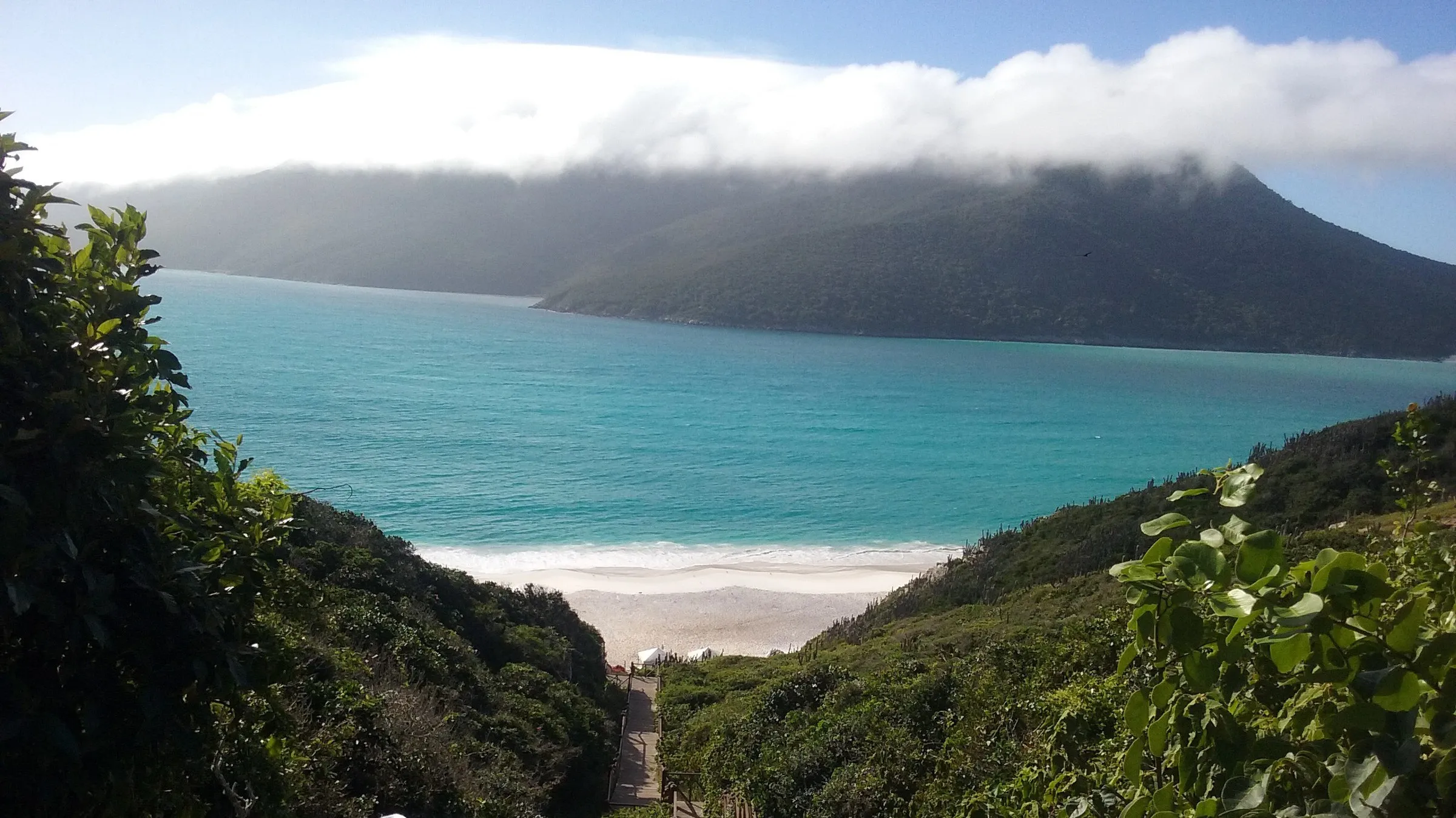
Brazil
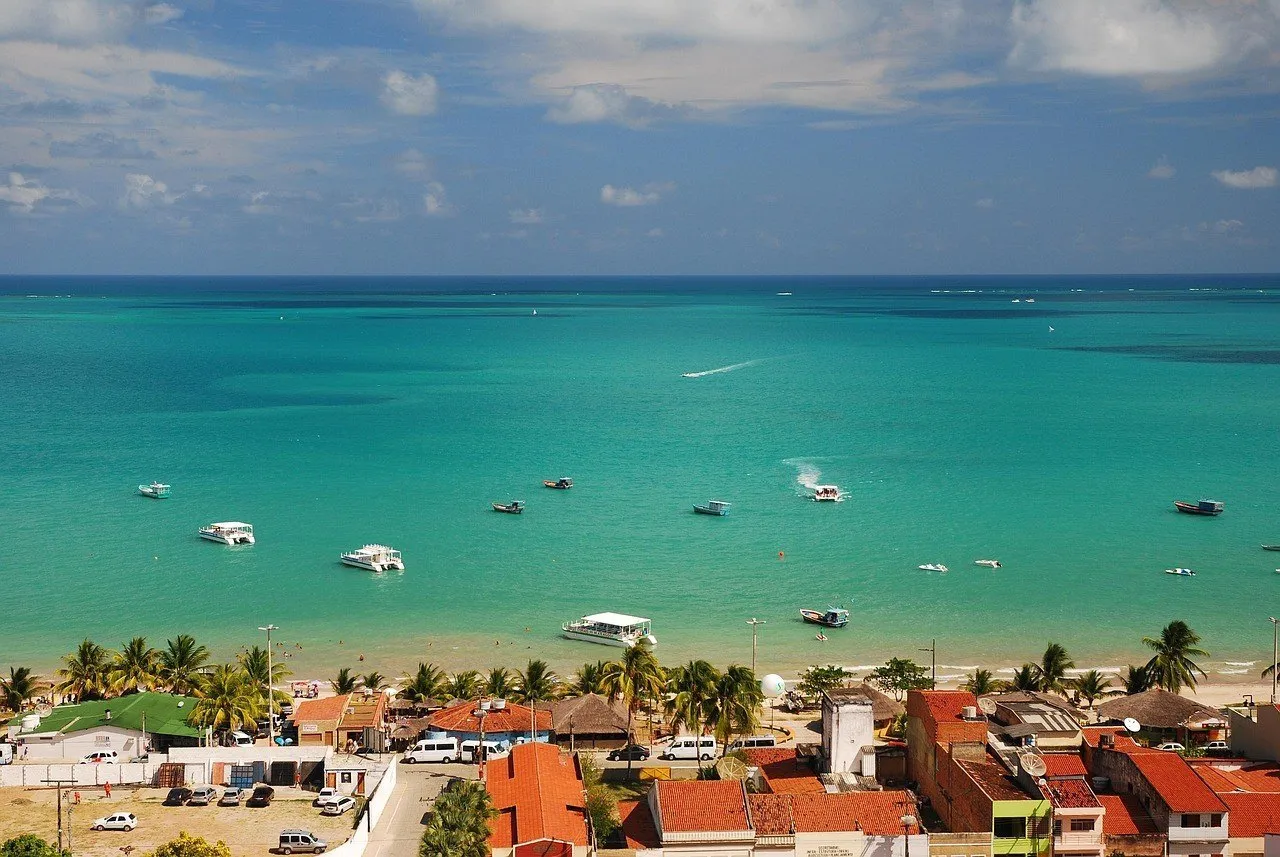
In Porto Seguro, the day can start among the masts of a ship and end with your feet in the sand. Across the Buranhém, Arraial and Trancoso add coconut palms, sea and new paths.
The division between Cidade Alta and Cidade Baixa has an old logic: power and religious buildings were concentrated up high, while the lower part grew tied to the port and the river.
The so-called Marco do Descobrimento is a Portuguese possession marker; Iphan reports that there is no record that Cabral installed the stone.
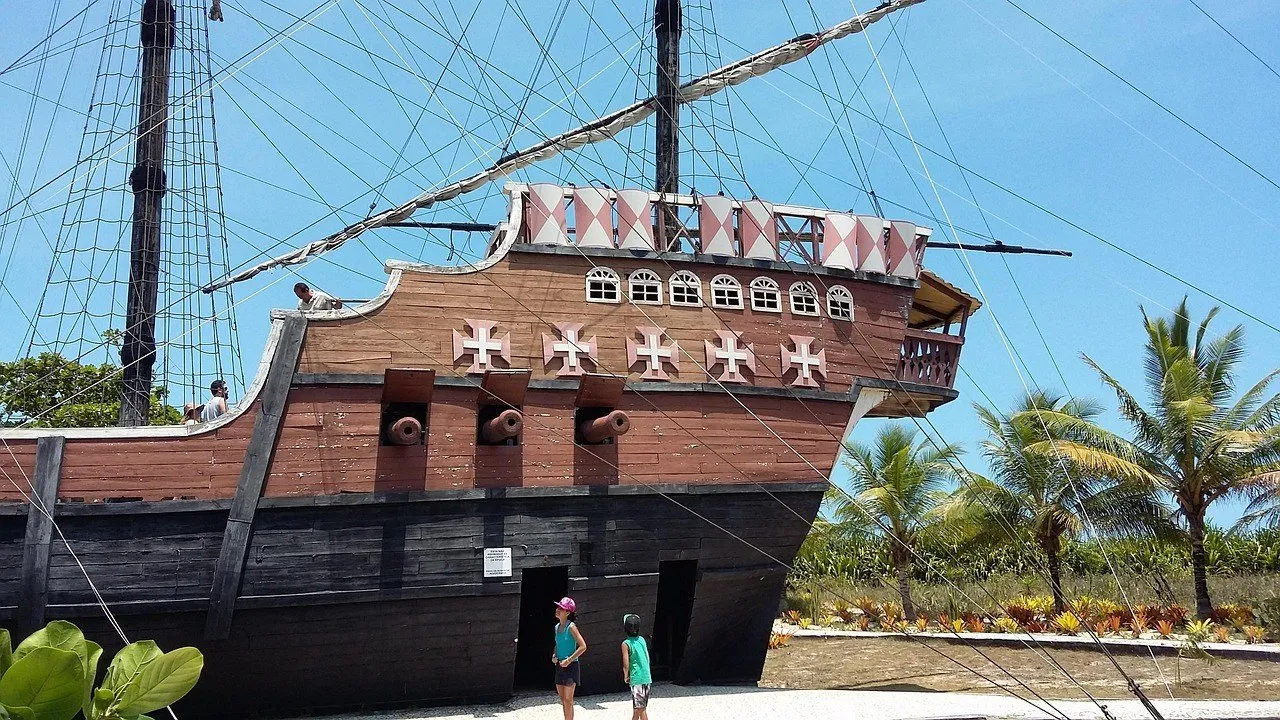
The ship at the Memorial is a replica: its size and rigging help you imagine the crossing, but it is not an original preserved vessel.
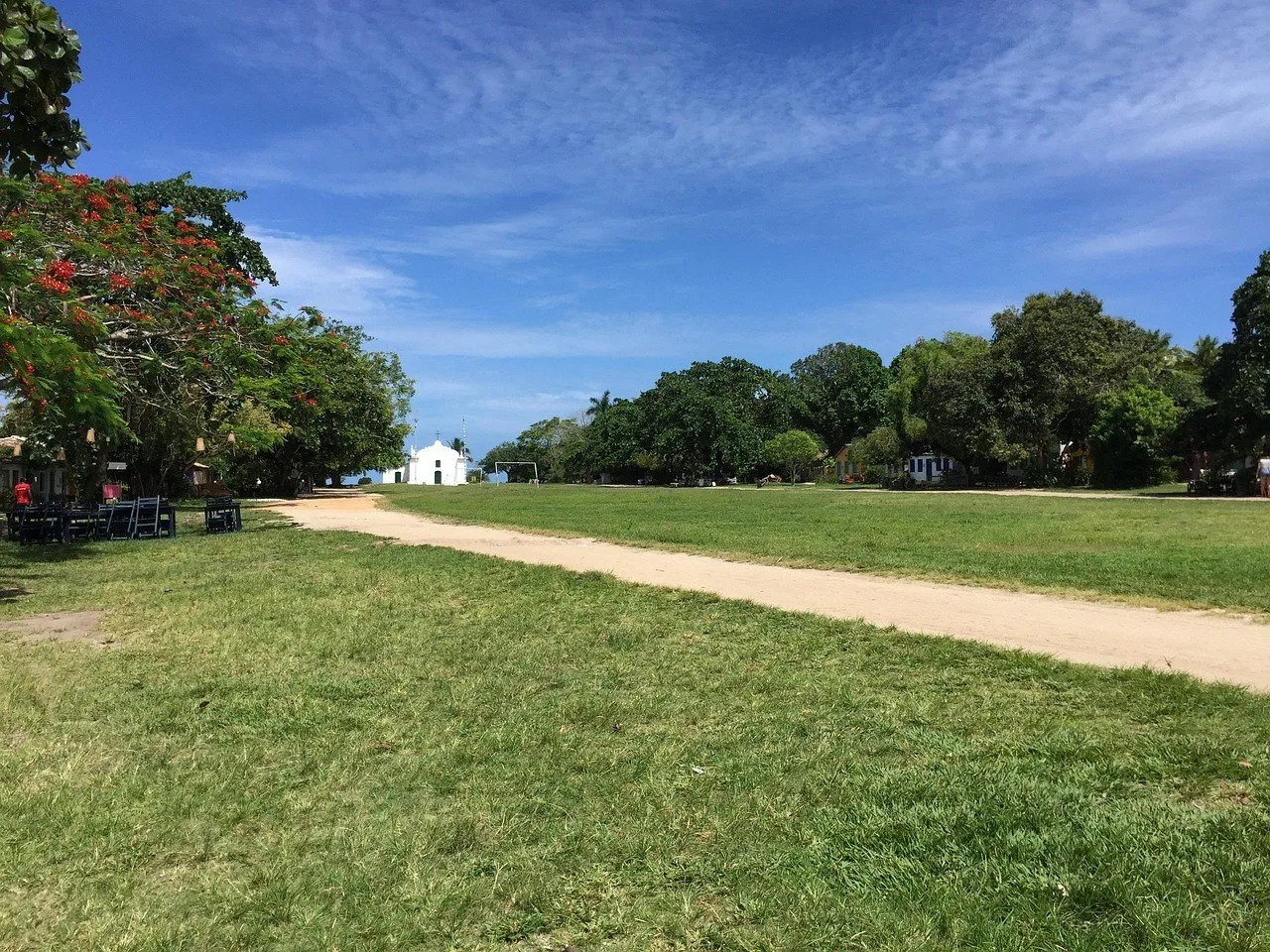
The famous Quadrado de Trancoso is a historic lawn surrounded by houses, restaurants and a church. Trancoso and Arraial d’Ajuda are districts of Porto Seguro.
1Churches, old houses and the Marco do Descobrimento occupy the Cidade Alta, where the coastal landscape shares attention with the remains of colonization.
View details for Cidade Histórica de Porto Seguro
2A ship replica among coconut palms gives scale to the Portuguese voyages; the visit presents navigation and life in the region before the Europeans arrived.
View details for Memorial da Epopeia do Descobrimento
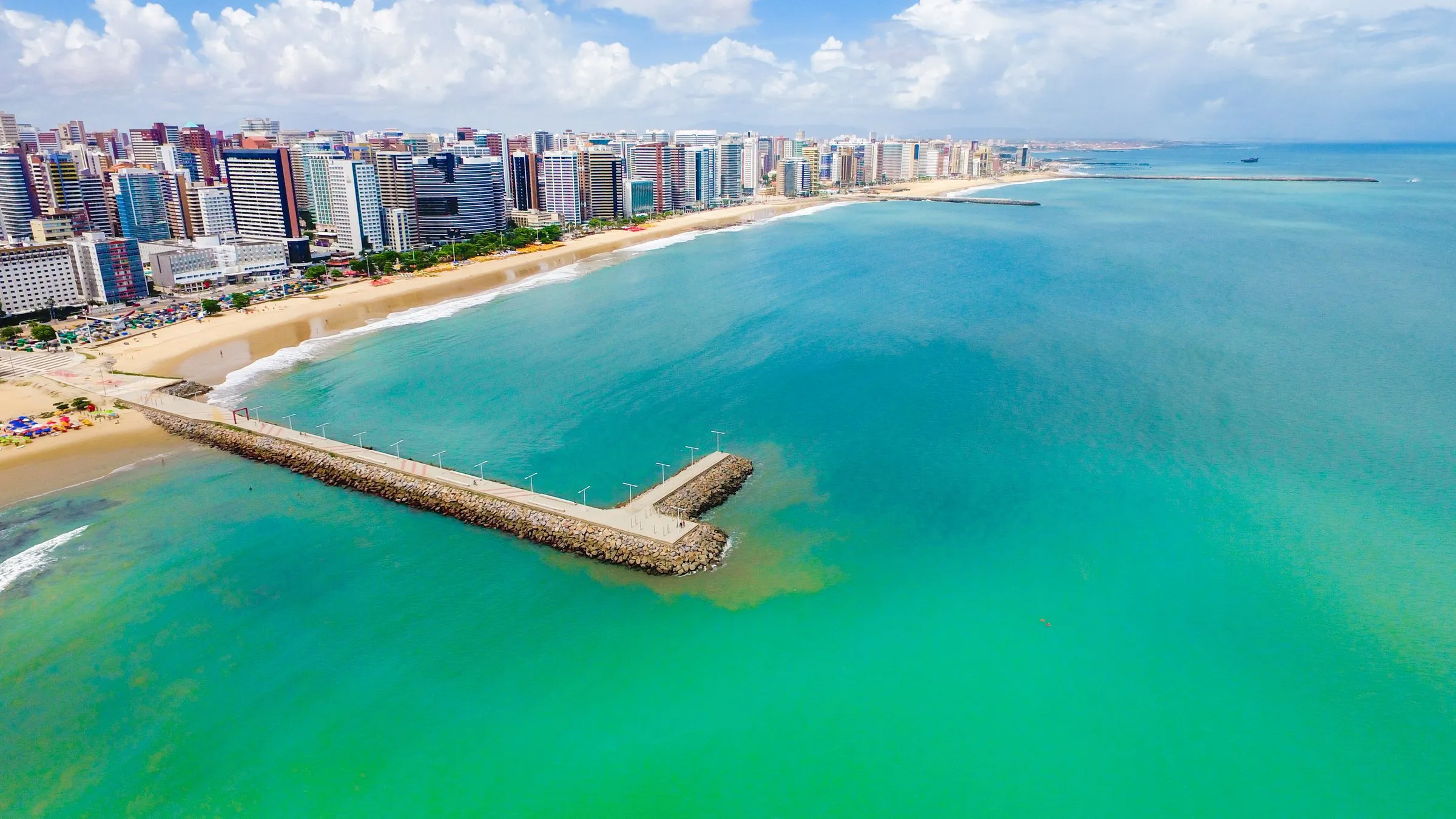
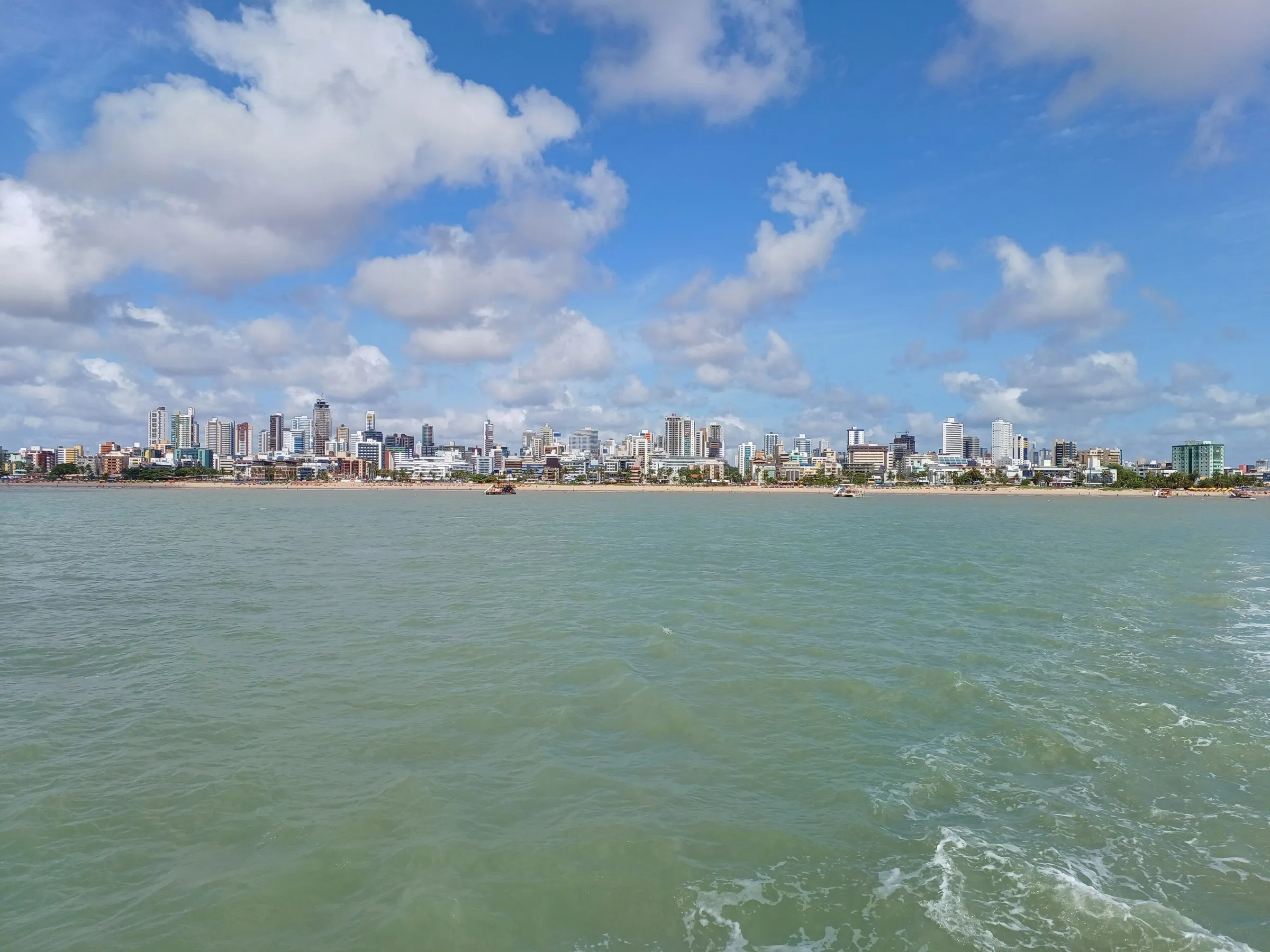
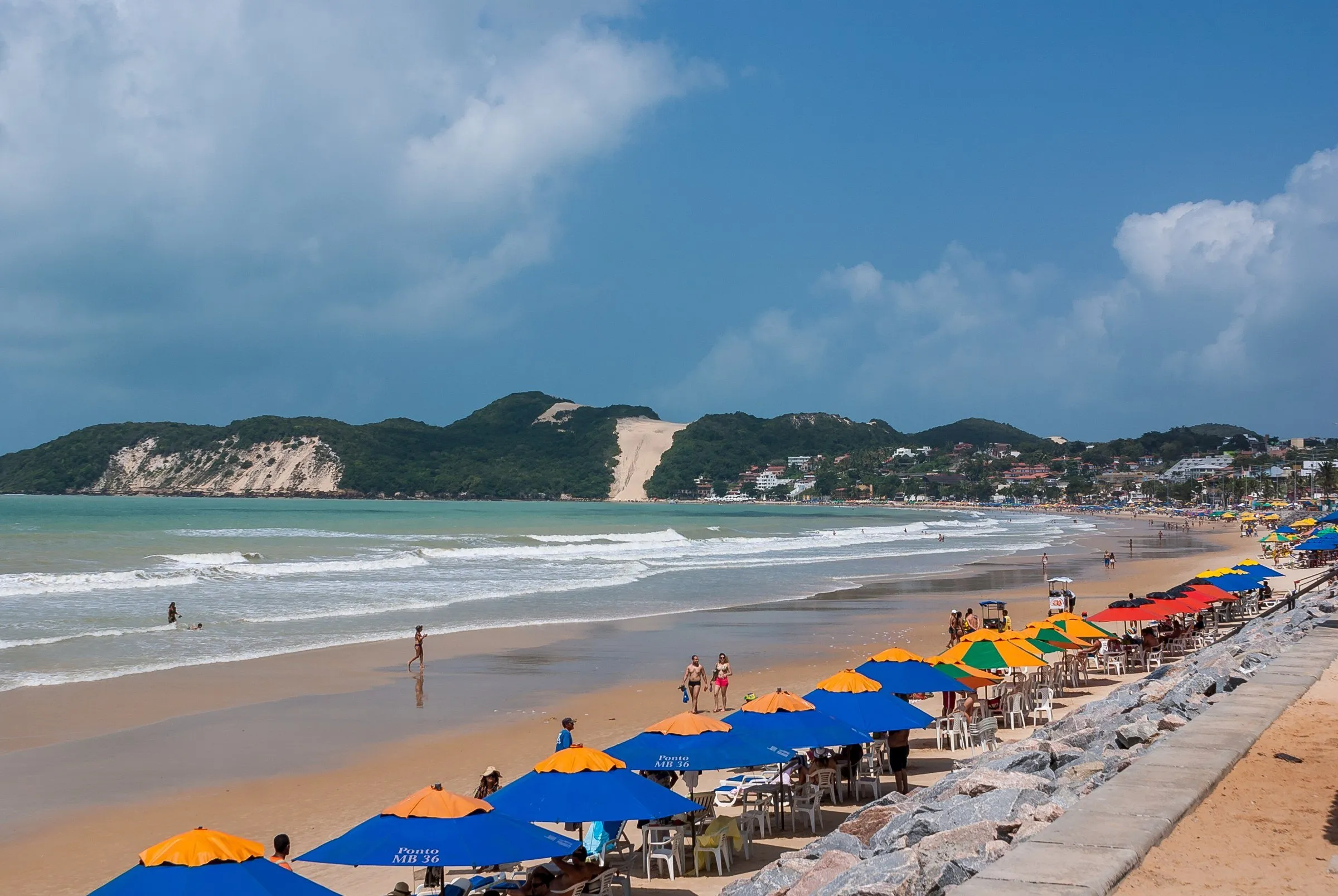
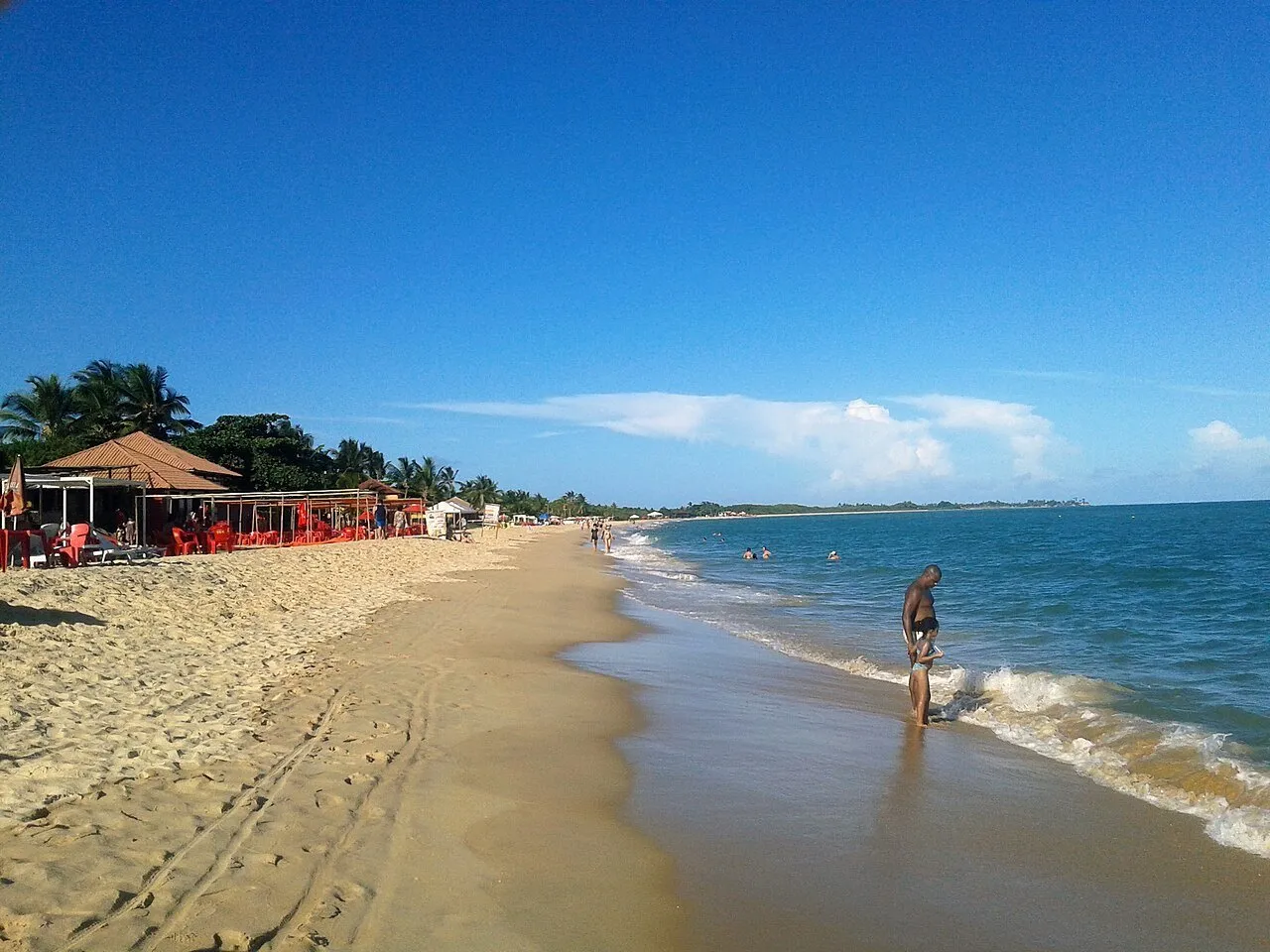
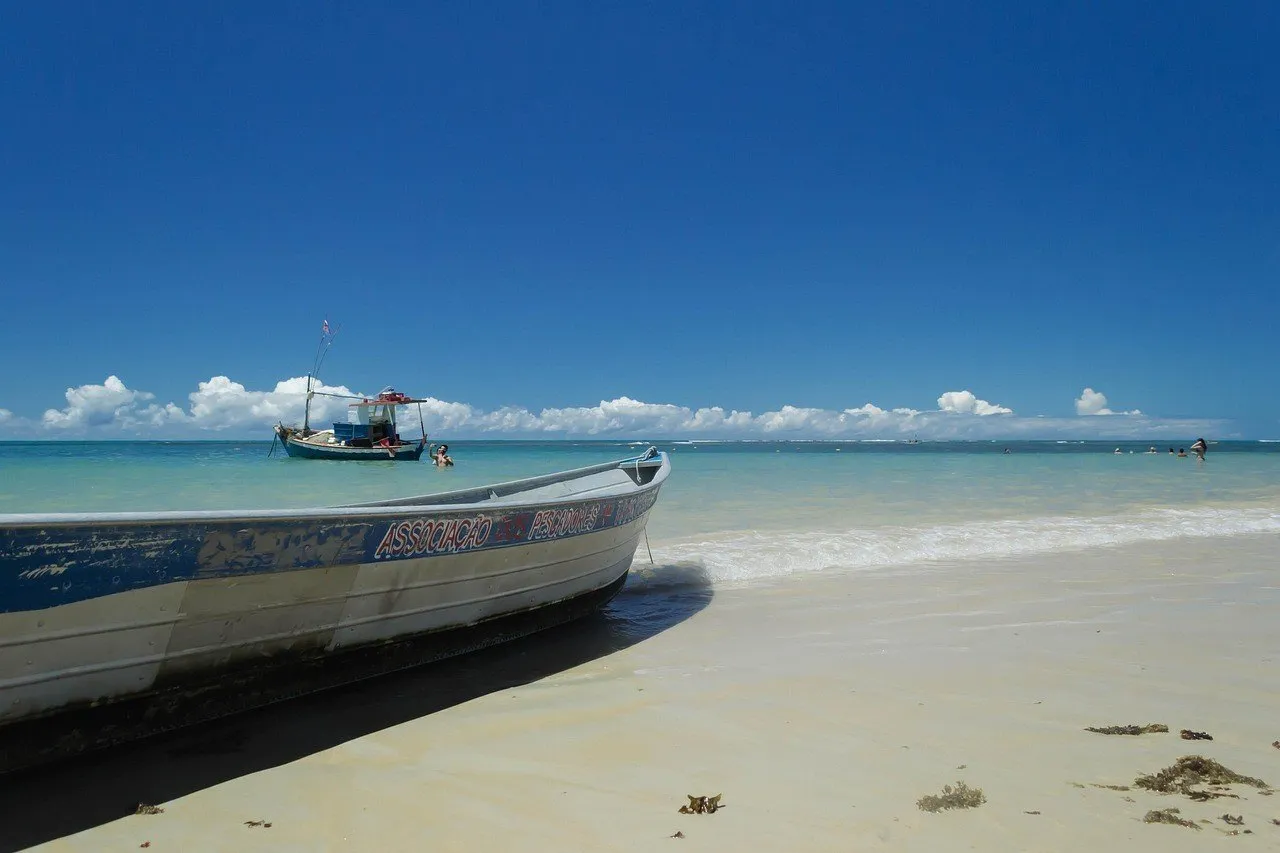
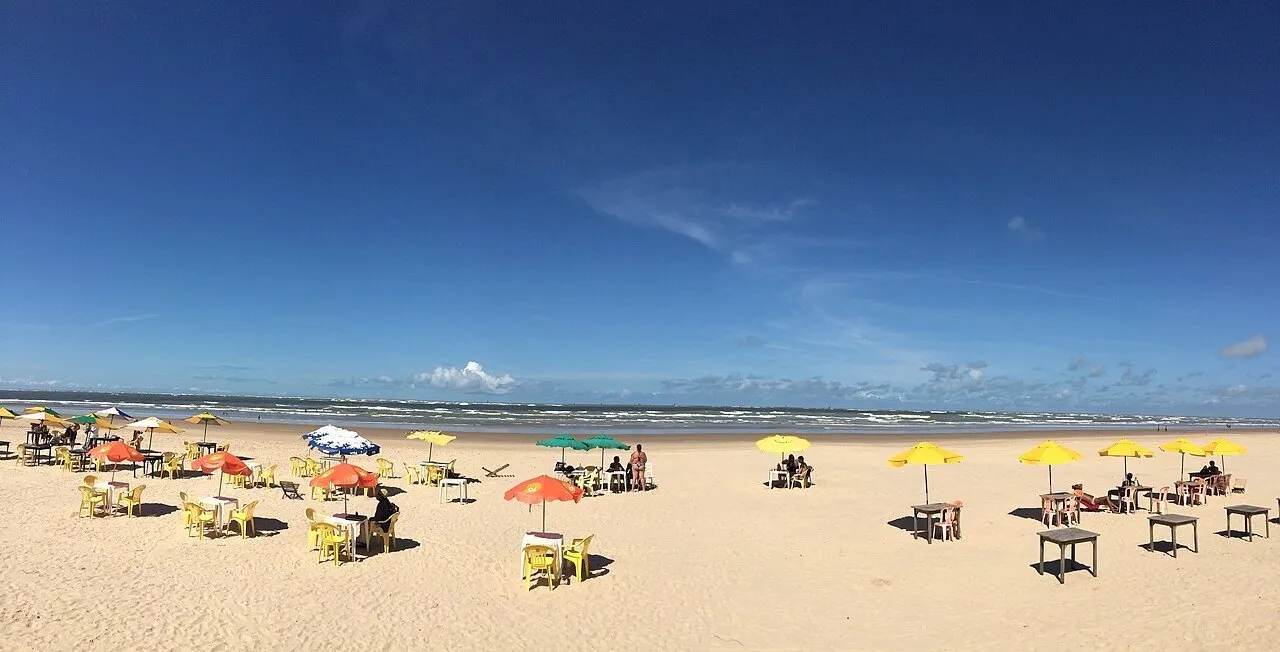
3Large barracas, hotels and activities make Taperapuã one of the busiest stretches of the north shore, with beach and entertainment at the same address.
View details for Praia de Taperapuã
4Across the Buranhém, Arraial d’Ajuda brings together beaches, old houses and a small center with restaurants; it is worth reserving a whole day to alternate sand and village.
View details for Arraial d’Ajuda
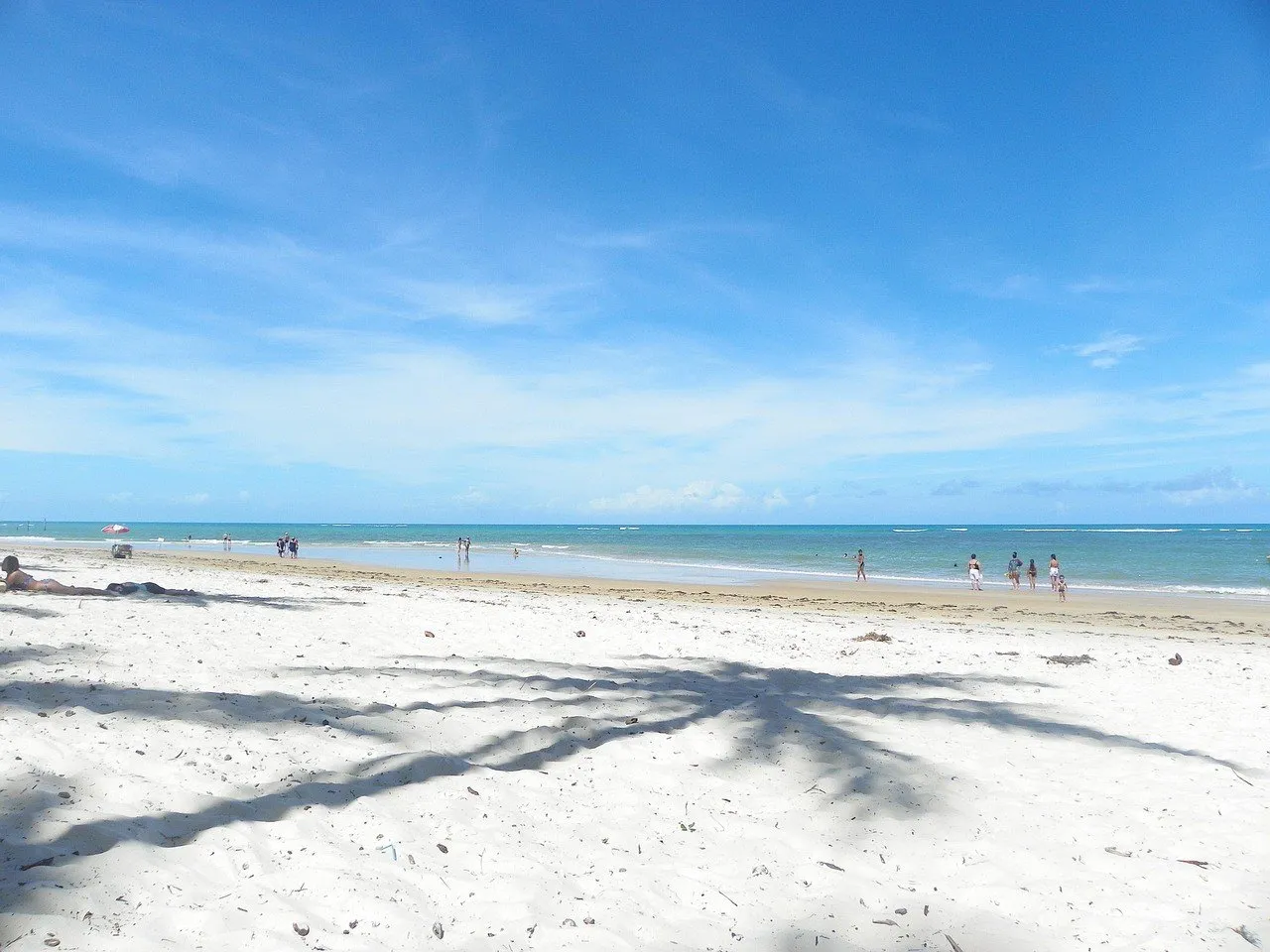
5The sand and coconut palms of Trancoso offer a beach day with barracas nearby, which can end with a walk in the Quadrado.
View details for Praia dos Coqueiros
6A lawn between colorful houses and the church marks the historic center of Trancoso, where the stroll continues among facades, shade and outdoor tables.
View details for Quadrado de Trancoso
1The climb changes the framing: instead of looking at the sea from the sand, you see it alongside the churches and old houses of the Cidade Alta. The protected ensemble includes the Igreja de Nossa Senhora da Pena, the former Casa de Câmara e Cadeia and the Marco do Descobrimento. It is worth noticing how the buildings organize the space, without turning every facade into a stop for memorizing dates.
Walk without hurry and look for a guide or explanation that covers both the Portuguese occupation and the Indigenous presence in the region. The names of the monuments tell one version of history; asking questions broadens the visit. Bring water and save the photos for the moments when the landscape truly holds your attention.
2A wooden ship appears among the coconut palms, on dry land, and changes the scale of the history lesson. At the Memorial da Epopeia do Descobrimento, the replica of a Portuguese vessel draws the eye: ropes, masts and hull help you imagine the work involved in an ocean crossing. The tour also covers life in the region before the arrival of the Europeans.
Set aside time for the staff’s explanation and to notice how the space tells this encounter. The vessel is a reconstruction, and that is precisely the point of the visit: making visible a voyage that usually appears in a few lines of a textbook. Check beforehand which areas are open; the photo in the garden and access to the replica may have different rules.
3At Taperapuã, the sea shares the day with the barracas along the shore. The beach has large food and entertainment venues, and choosing where to sit changes the rhythm of the afternoon quite a bit: some people want to follow the music and others are after a table to chat while looking at the water. Before you run up a tab, walk along the stretch and see which atmosphere suits you.
After the Cidade Histórica and the Memorial, let the sand take over the rest of the schedule. Choose where to have lunch, check the swimming conditions and give the fish time to reach the table. The nearby barracas make this pause easy, but nobody is obliged to keep to an activity schedule; listening to the sea can fill an afternoon too.
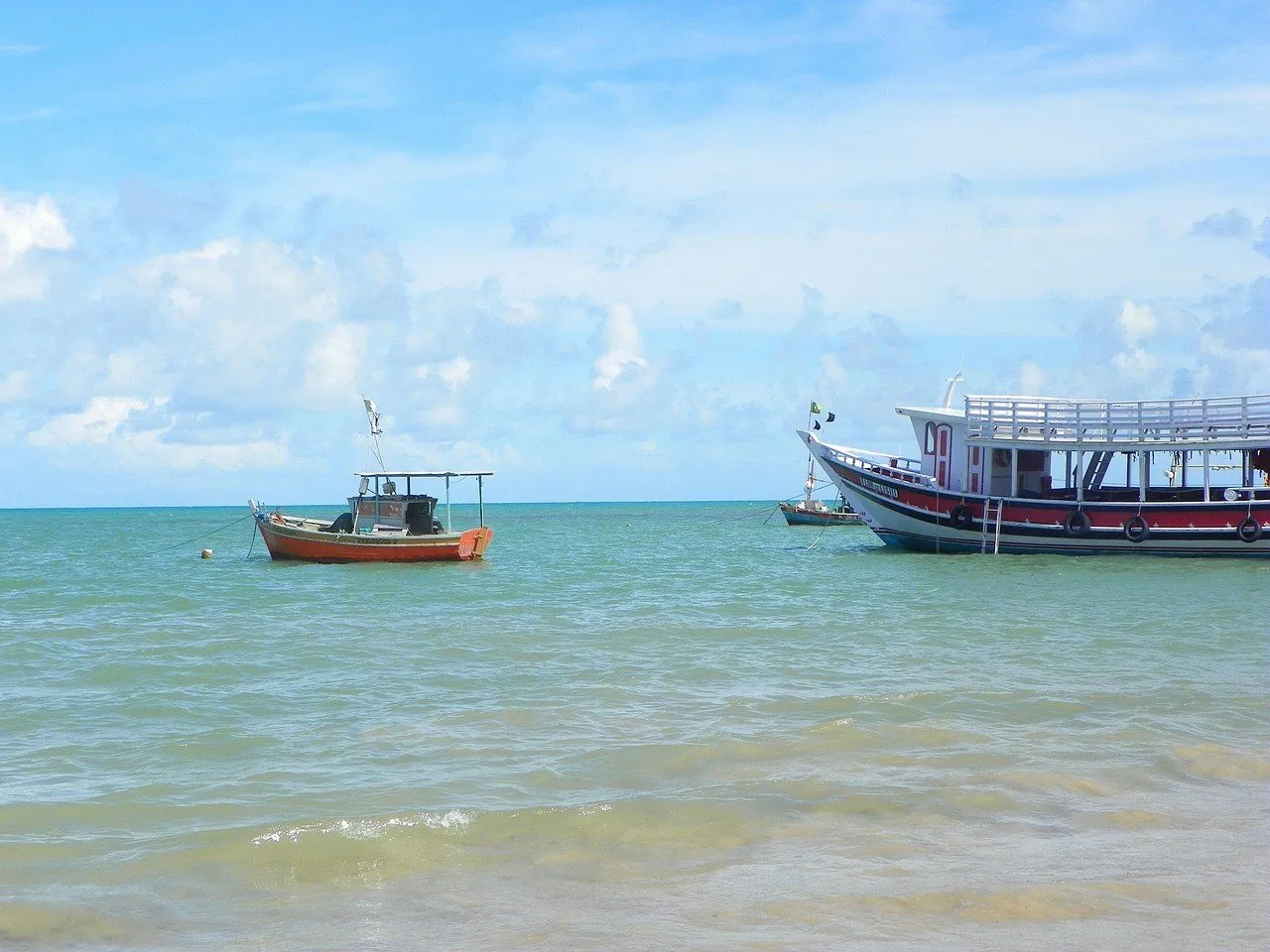
4Crossing the Buranhém opens another chapter of the trip. In the district of Arraial d’Ajuda, beaches, coconut palms and the small center invite you to swap the clock for a simpler plan: pick a stretch of sand, have lunch and then wander around the village. The coast has beaches with different atmospheres, so decide based on the kind of day you want and confirm access before heading out.
Save part of the afternoon for the old houses and the Rua do Mucugê, where shops and restaurants extend the outing. The ferry arrives at the river bank, and there is still a trip to the village or to the chosen beach. Plan the return too; crossing again after dinner works better when the transport has already been thought out.
5At Praia dos Coqueiros, in Trancoso, the name already gives away part of the landscape. Coconut palms, sand and sea make up the scene, with barracas for those who want to trade the walk for a table facing the water. Choose your spot calmly: the facilities make it easy to stay a long time, and the bill also deserves to be understood before you settle in.
Combine the beach with the Quadrado, without squeezing another district into the same day. Check the swimming conditions and keep lunchtime for what it deserves: chatting, waiting for the fish and looking at the sea in between. To get there from the main town, plan the whole route; a point on the map does not show the wait at the crossing or the traffic.
6The Quadrado seems to ask you to cross the lawn slowly. Colorful houses surround the historic space of Trancoso, with restaurants and the church making up a landscape that changes with the light. Notice the doors, the roofs and the movement before deciding where to sit: the outing began well before you opened the menu.
Trancoso is a district of Porto Seguro, but it requires a day of travel of its own; being in the same municipality does not shorten the road. Combine the Quadrado with a nearby beach and leave the end of the afternoon for walking around the historic center. If you plan to stay for dinner, arrange the return while it is still daylight or consider sleeping there, rather than improvising transport afterward.
The Centro makes shops and getting around the main town easier; the north shore puts the beach closer. Arraial and Trancoso have bases of their own. Compare the cost of the back-and-forth with the savings on the nightly rate and, on a longer trip, consider splitting your lodging between the regions.
On the route across the Buranhém, pedestrians and vehicles have different flows. Include the wait and the transport after landing in your calculations; check the service close to your trip. For Arraial and Trancoso, arrange the return before heading out, especially if you want to have dinner in the district.
Cidade Histórica, Memorial and Taperapuã make up the day in the main town. Arraial and Trancoso fall on other days of this itinerary. If the schedule starts to look like an endurance test, drop a stop and stay longer where the sea and the shade made you want to sit down.
Check the forecast, tide, water quality and local notices before getting in the water or walking along stretches of sand. Conditions change between beaches and days; the color of the sea in a photograph does not guarantee swimming on the date of your trip.
Porto Seguro receives visitors all year and can have rain in any month. August and September usually have lower rainfall; compare the holiday calendar if the idea is to find fewer crowds. Stay flexible so you can swap the beach days.
At the barracas, ask about chair use, minimum spend, portion sizes and closing time. Confirm whether the dish serves the whole table before ordering another. Keep an eye on your belongings and choose the ride back before the beach empties out.
Dendê, coconut milk and fish make lunch in Porto Seguro call for a longer pause. Moqueca goes well with an unhurried day, while acarajé takes care of the hunger that shows up between the beach and the walk through the village. Ask about portion sizes and the pepper before ordering; to finish, a cocada fits even when the table has already declared itself full. If you have a dietary restriction, confirm the ingredients directly with whoever prepares the food.
Fish or seafood stew with dendê, coconut milk and seasonings; confirm the species, the sides and the portion size.
A fritter of feijão-fradinho fried in dendê, served with fillings such as vatapá and shrimp; arrange the pepper when you order.
A sweet of coconut and sugar, found in light and dark versions, firmer or creamier; even a small purchase changes the dessert.