 1
Beaches
Praia de Pajuçara
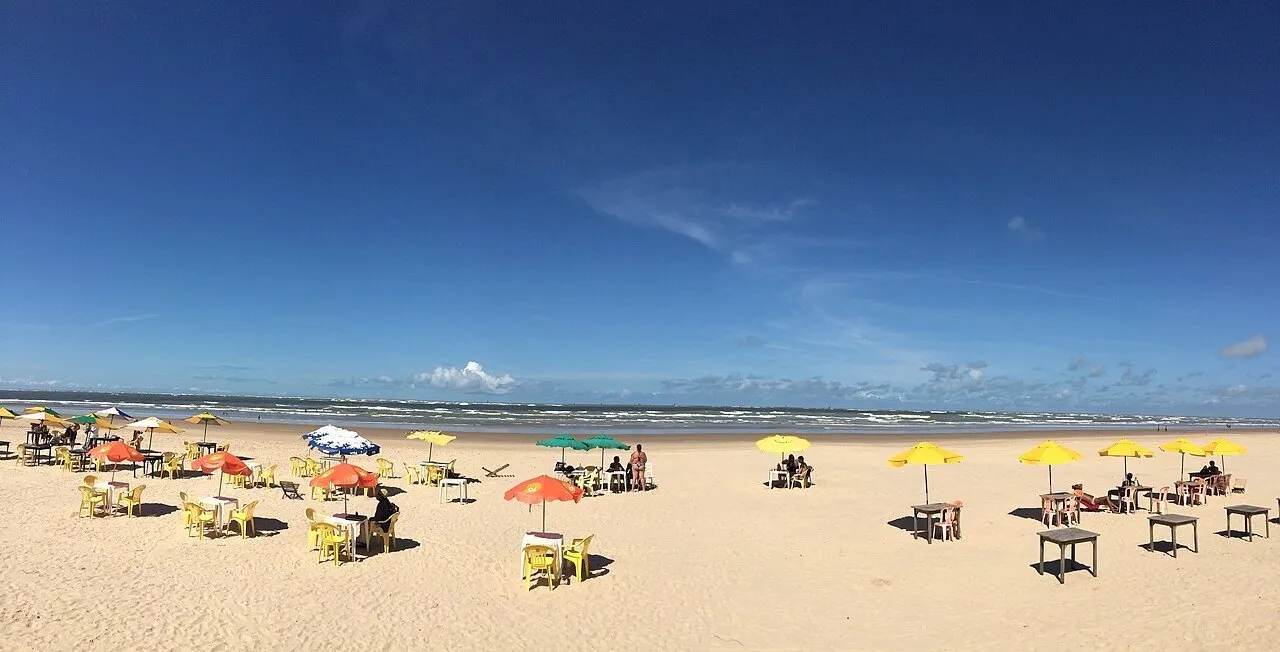
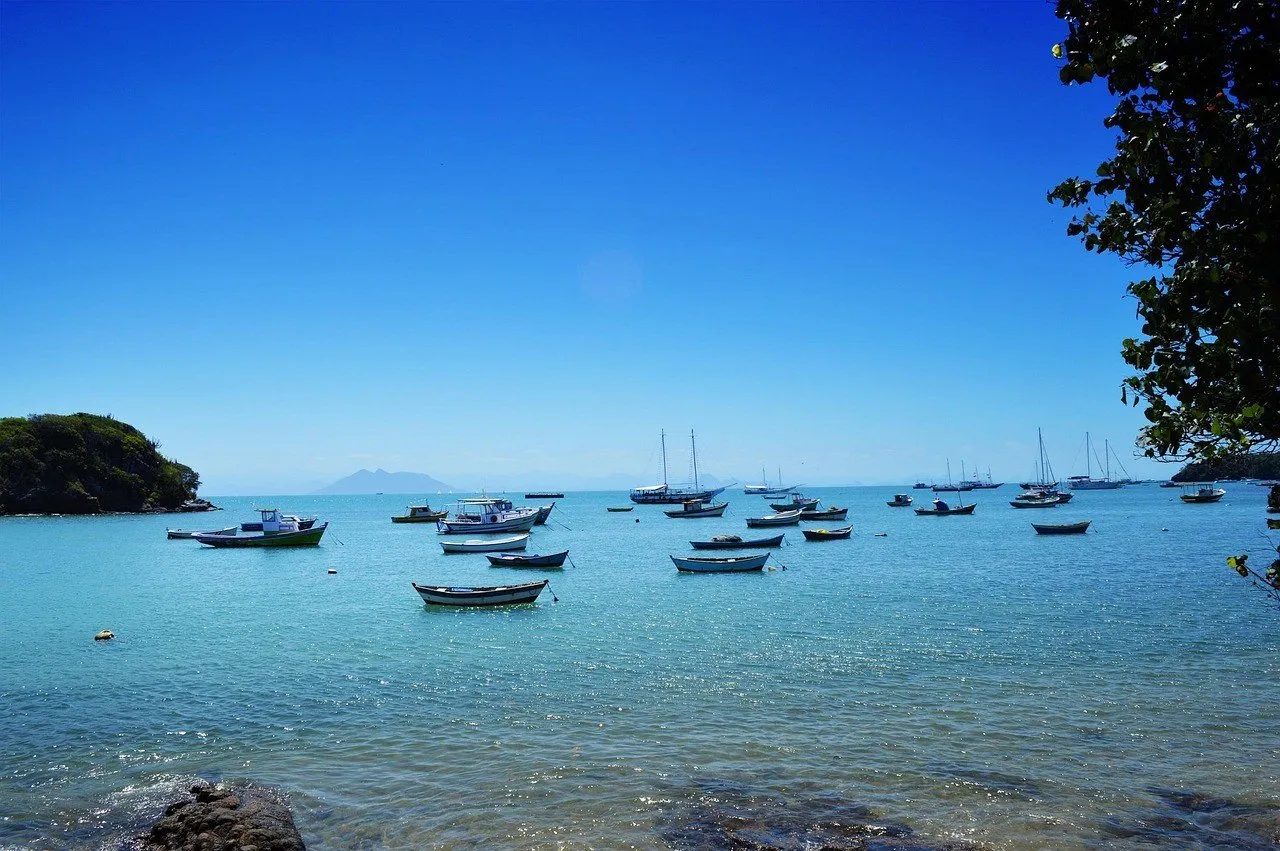
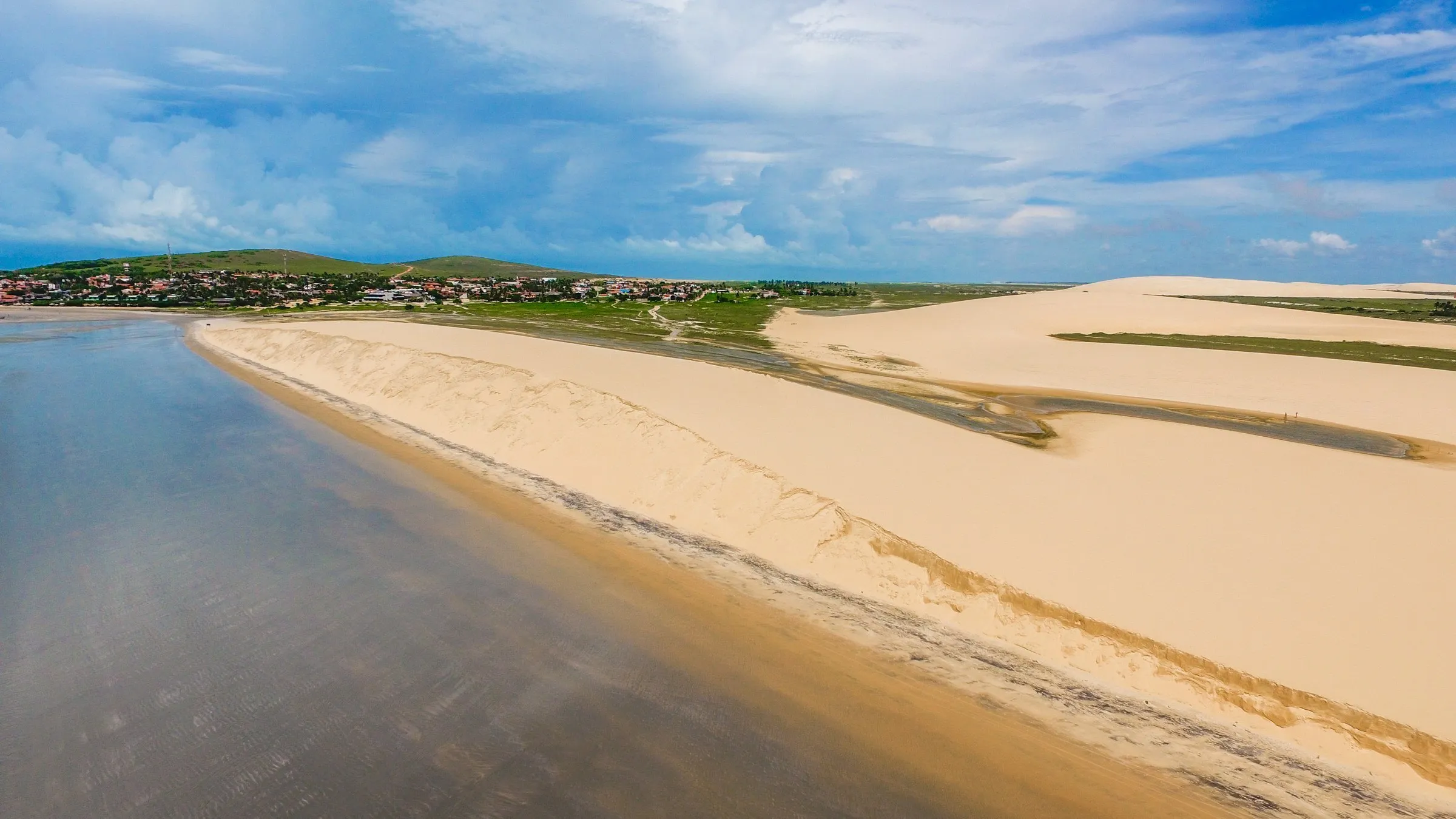
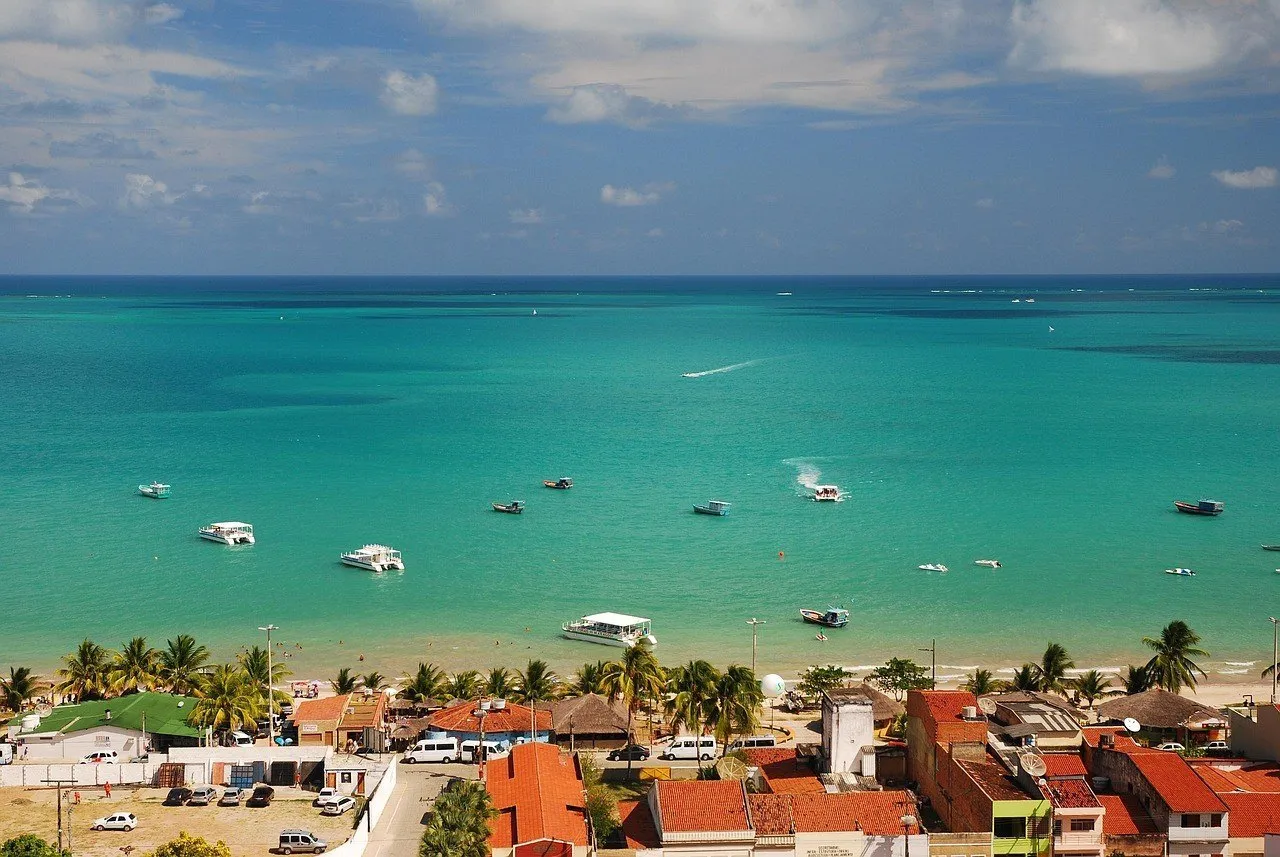
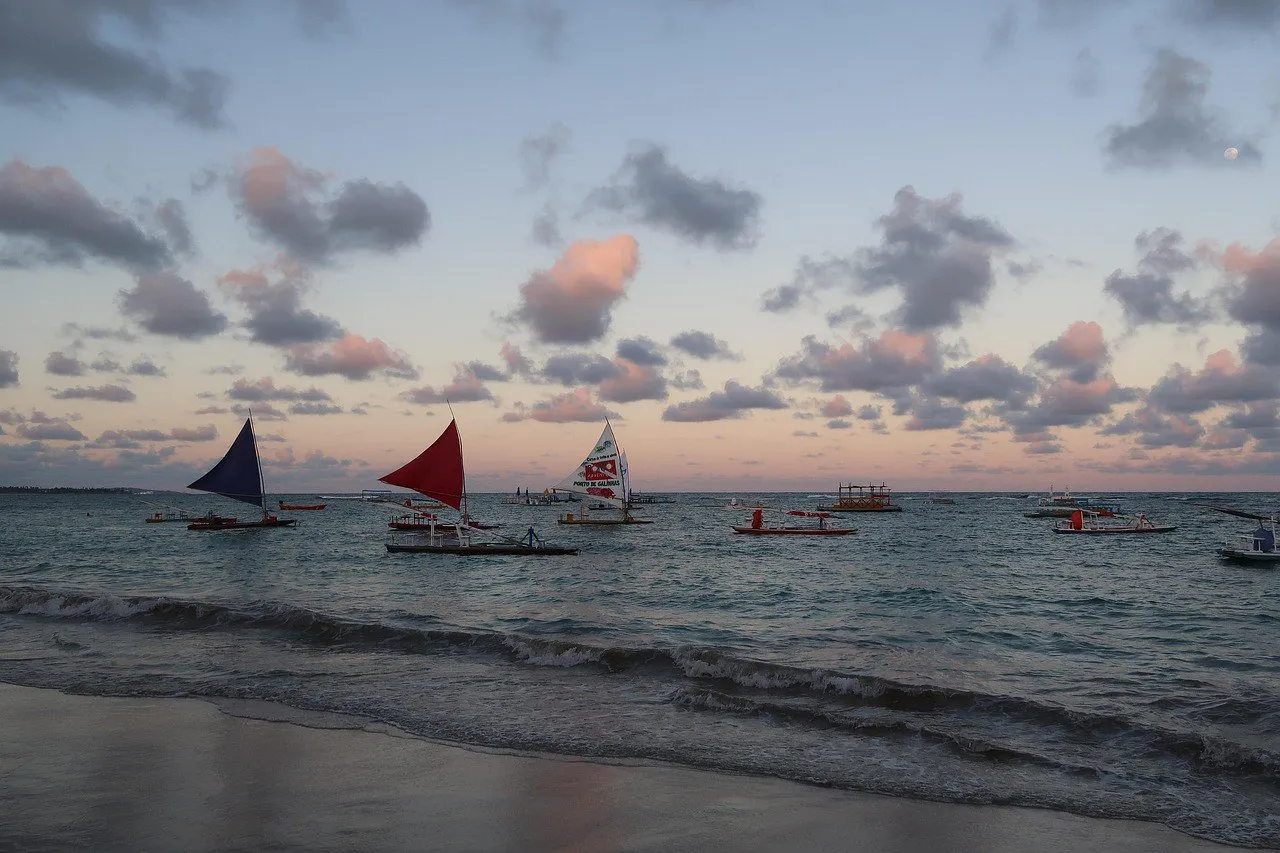
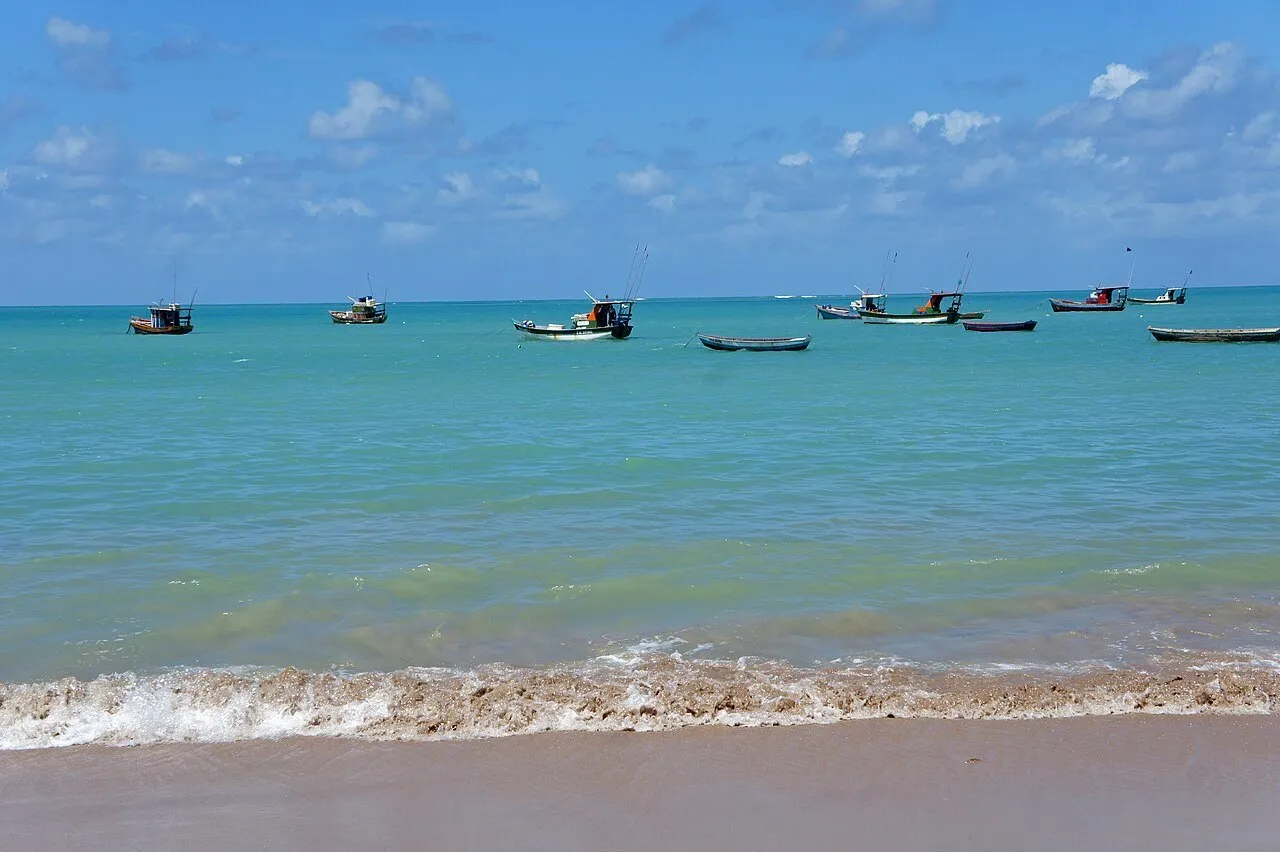
Jangadas, piscinas naturais at low tide and a waterfront with restaurants: Pajuçara helps explain why the trip's clock has to consult the sea.
View details for Praia de Pajuçara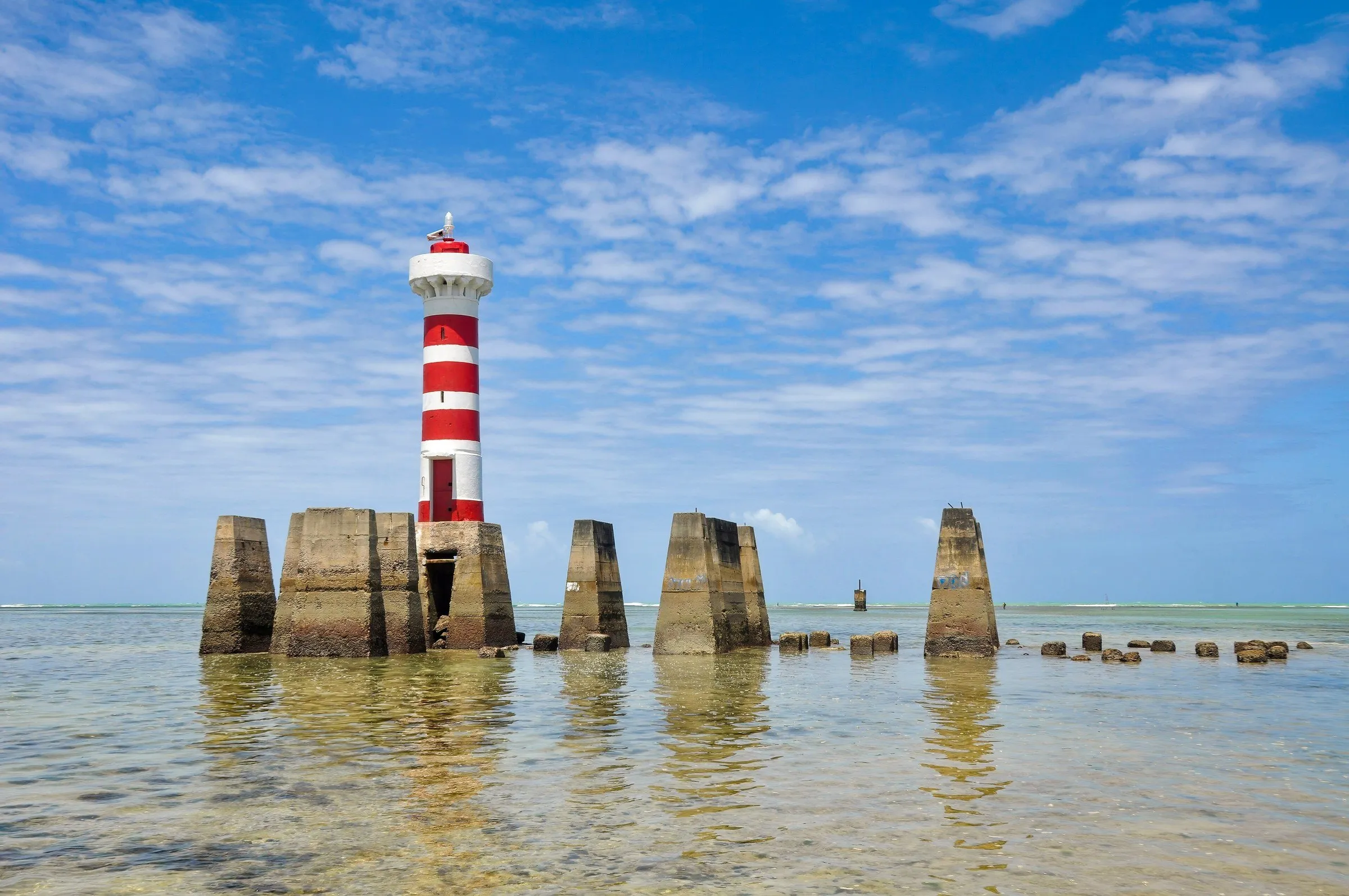
Brazil
At Pajuçara, the jangadas wait for the tide to go out; at Pontal da Barra, filé shows up at the shop doors. In Maceió, even the itinerary has to learn to follow the rhythm of the water.
The jangadas lined up at Pajuçara reveal Maceió's first rule: the tide decides when boats leave for the piscinas naturais. You may have planned the trip for after breakfast, but the sea did not get the invitation. Between Pajuçara, Ponta Verde and Jatiúca, the waterfront holds much of a visitor's day: walking, restaurants and that habit of looking at the water again, even right after photographing it.
But leave room to step away from the boardwalk. Jaraguá shows the city's link to the port; the Centro holds the Cathedral and a former government palace that became a museum. At Pontal da Barra, the filé embroidery shares the spotlight with Lagoa Mundaú. Separate the outings by area and keep Ipioca for a day of its own, on the north coast. This itinerary suggests three days, with visit times planned to fit in breaks, not to win a race between coconut palms.
At Pontal da Barra, filé is also needlework: the name identifies the colorful embroidery sold by the neighborhood's artisans, on the shores of Lagoa Mundaú.
The Museu Palácio Floriano Peixoto occupies a former seat of the state government. The furniture and ceremonial objects help show how power liked to present itself.
Pajuçara and Jatiúca sit along the same stretch of waterfront, but the sea behaves differently: Jatiúca usually has more waves. Walking between the beaches does not turn them all into pools.
Sururu ties the food to the city's landscape: this shellfish is part of the Lagoa Mundaú ecosystem and of the work of Maceió's marisqueiras.
1Jangadas, piscinas naturais at low tide and a waterfront with restaurants: Pajuçara helps explain why the trip's clock has to consult the sea.
View details for Praia de Pajuçara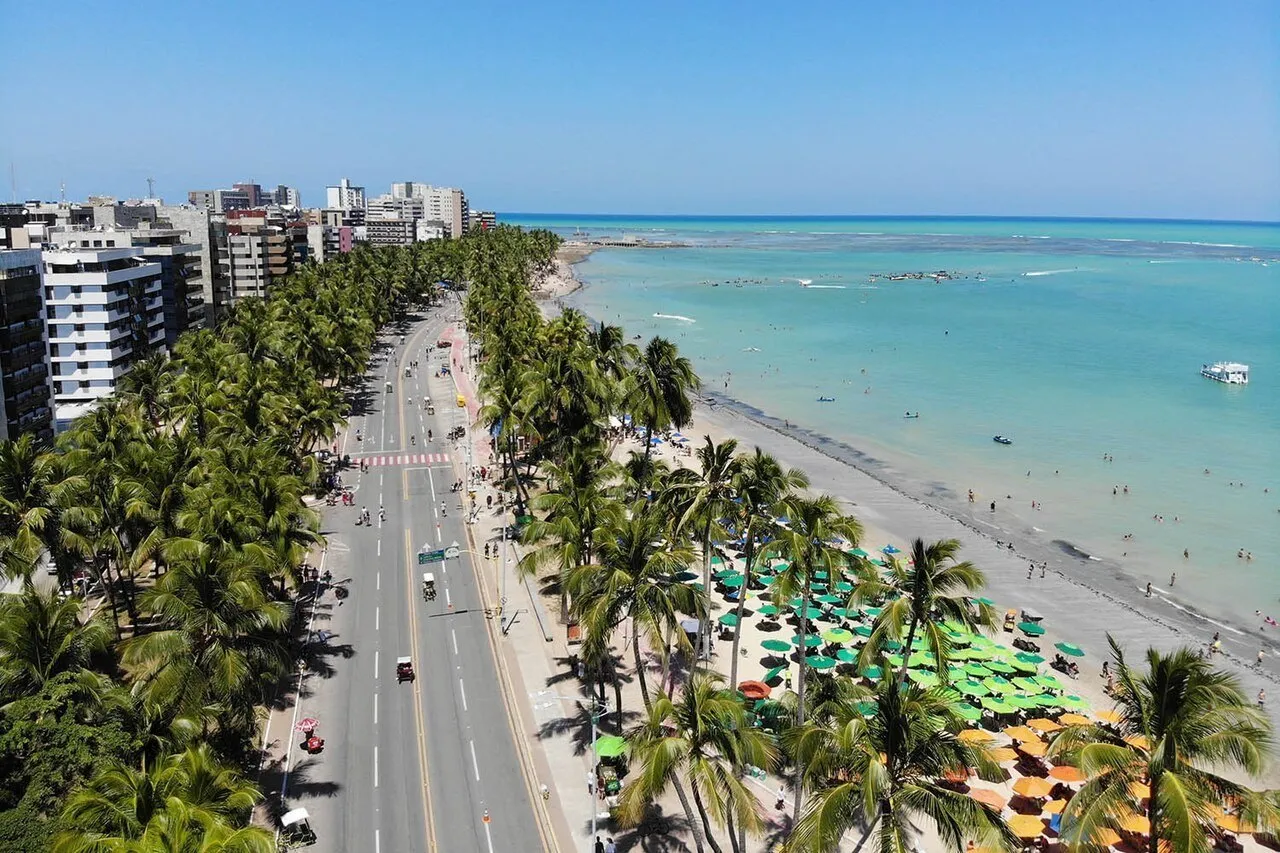 2
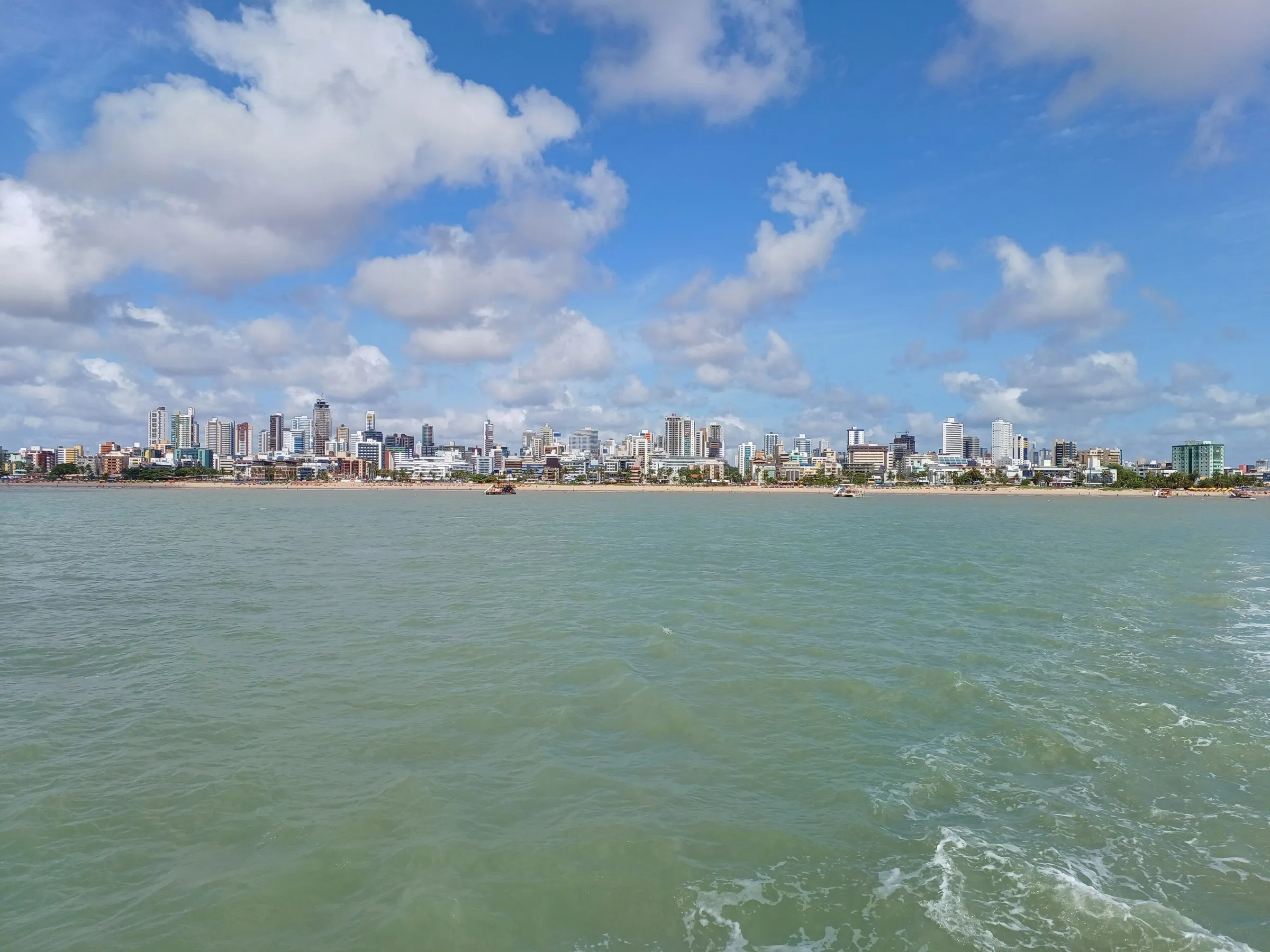
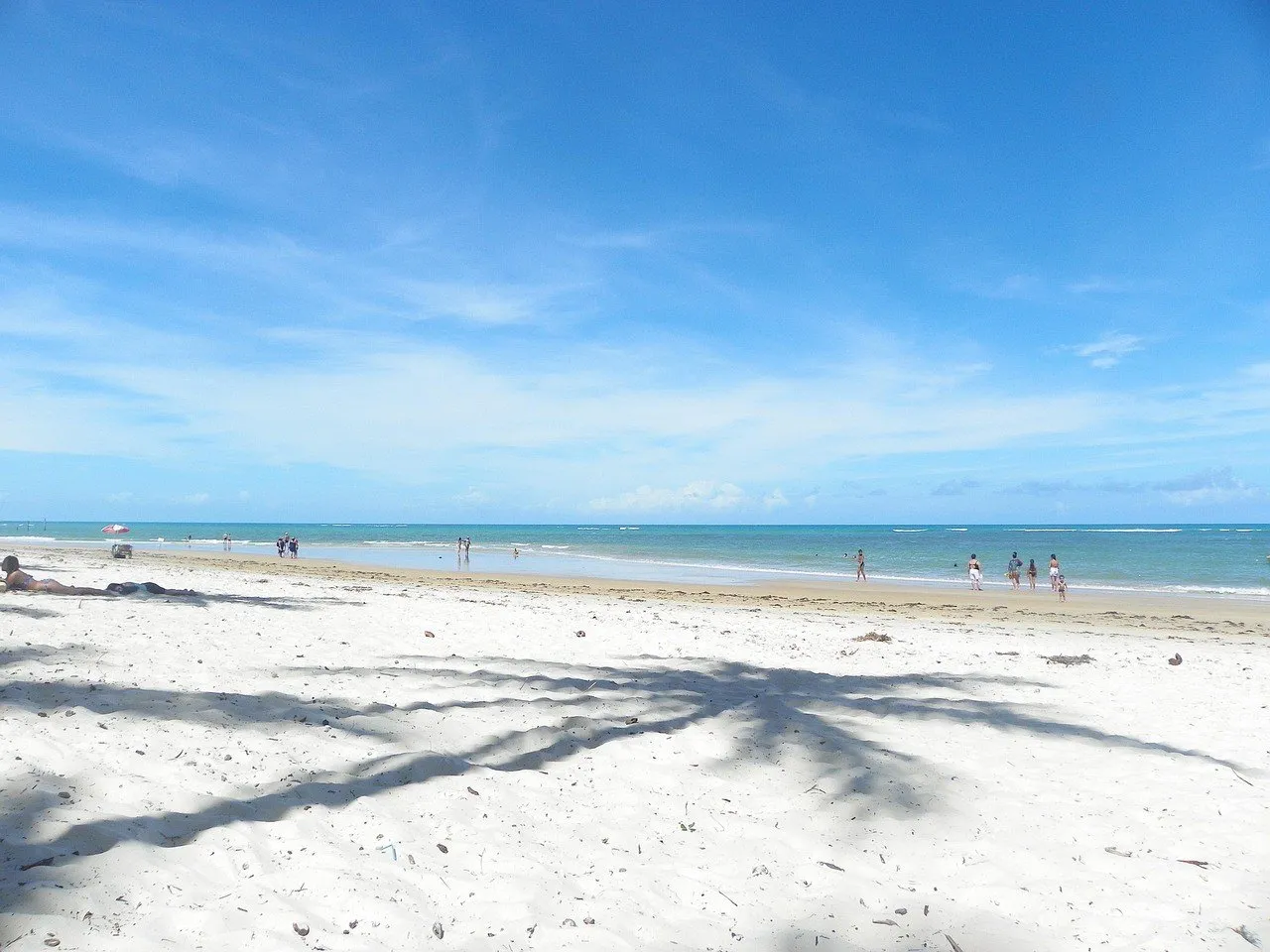
Coconut palms, kiosks and the Marco dos Corais make Ponta Verde a good stop for walking along the waterfront and stretching the conversation while looking at the sea.
View details for Praia de Ponta Verde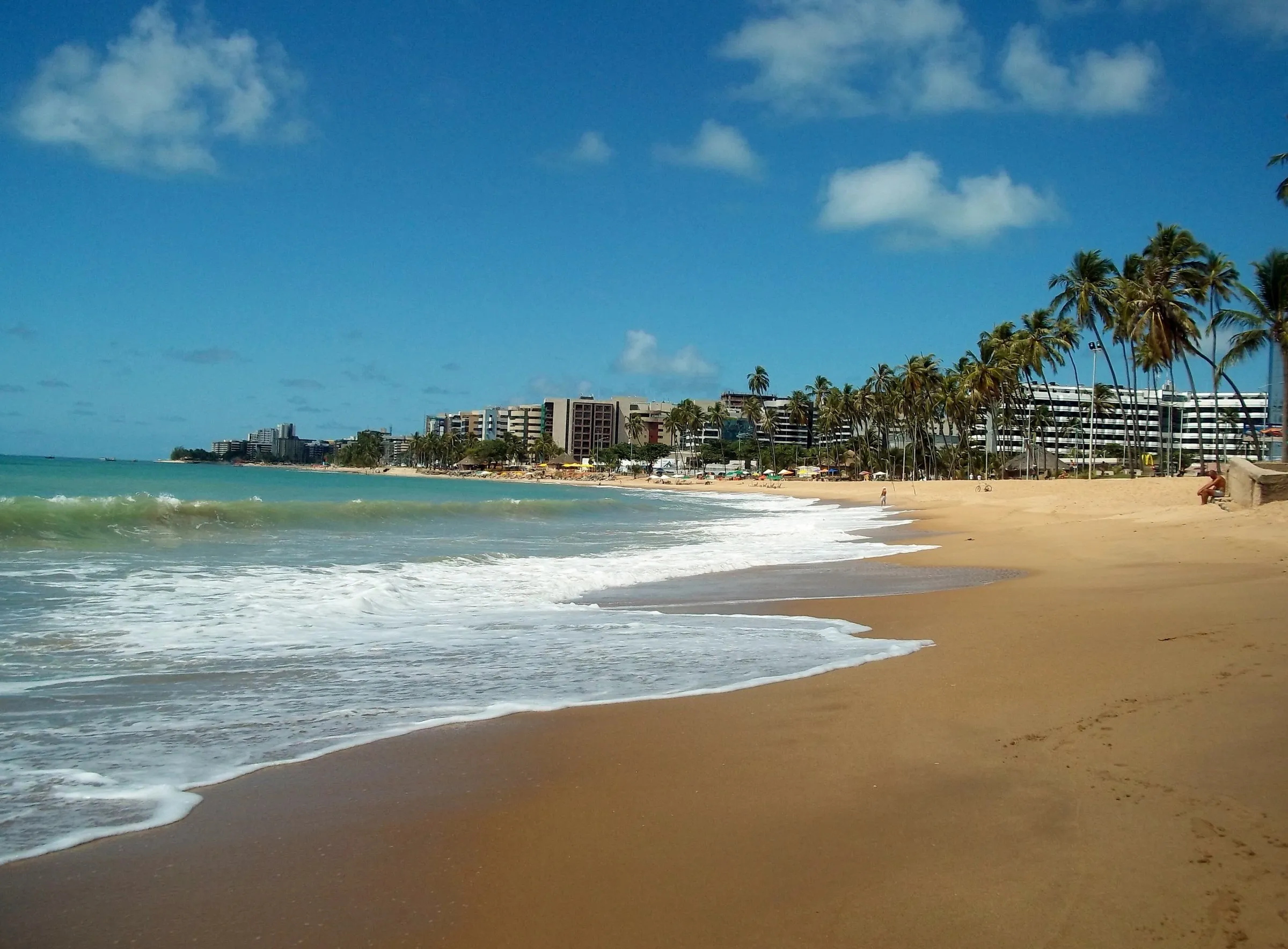 3
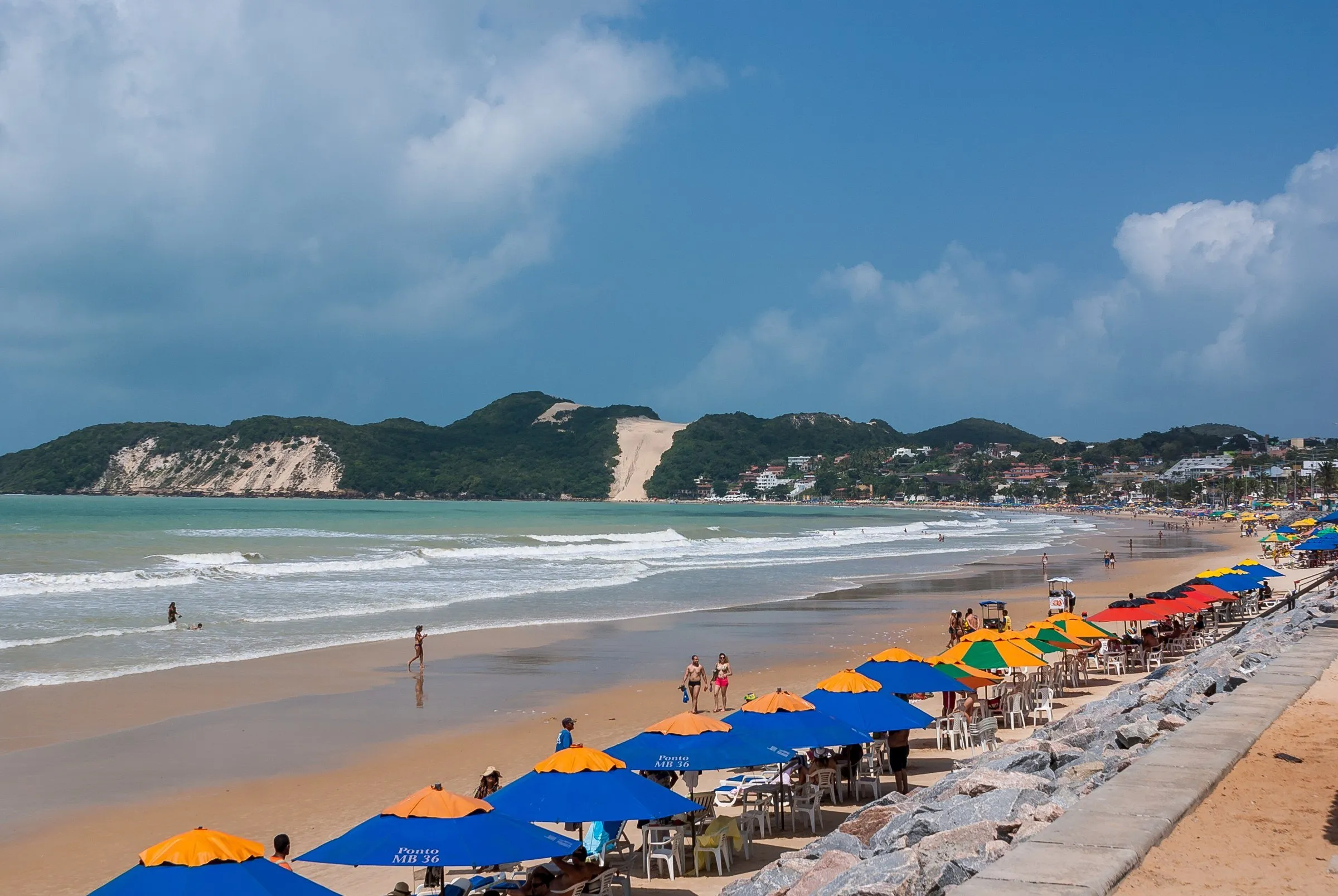
With a generally rougher sea and restaurants nearby, Jatiúca invites you to swap the expectation of a pool for a walk and a long meal.
View details for Praia de Jatiúca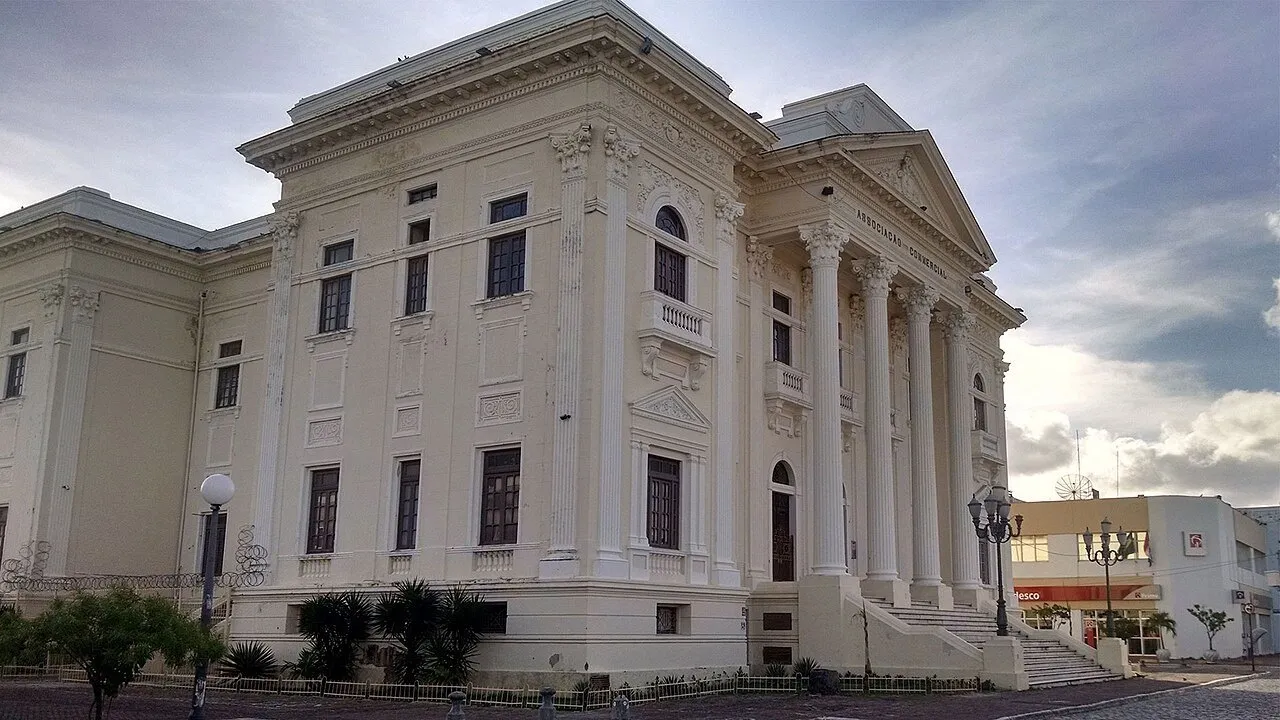 4
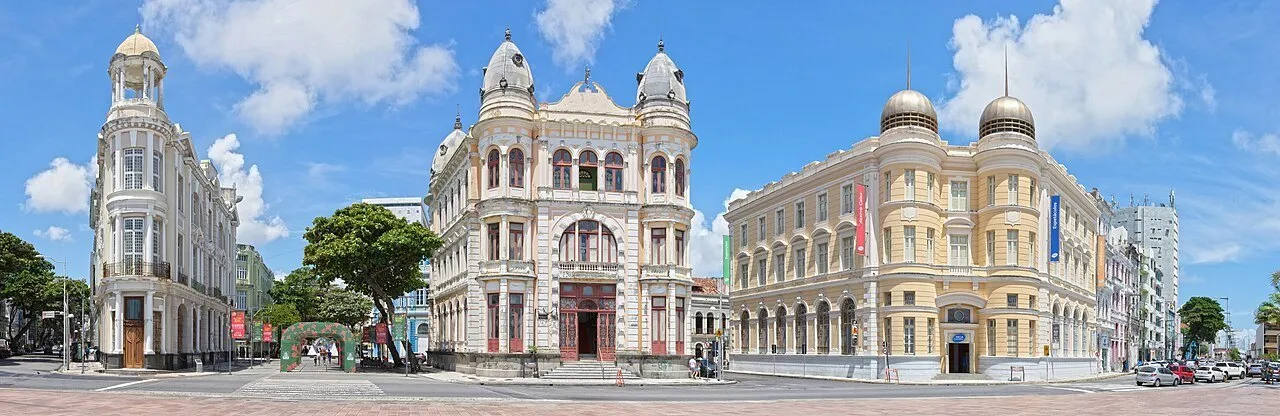
Warehouses, townhouses and port-related buildings tell another part of Maceió in Jaraguá, a neighborhood for observing facades and walking attentively.
View details for Bairro de Jaraguá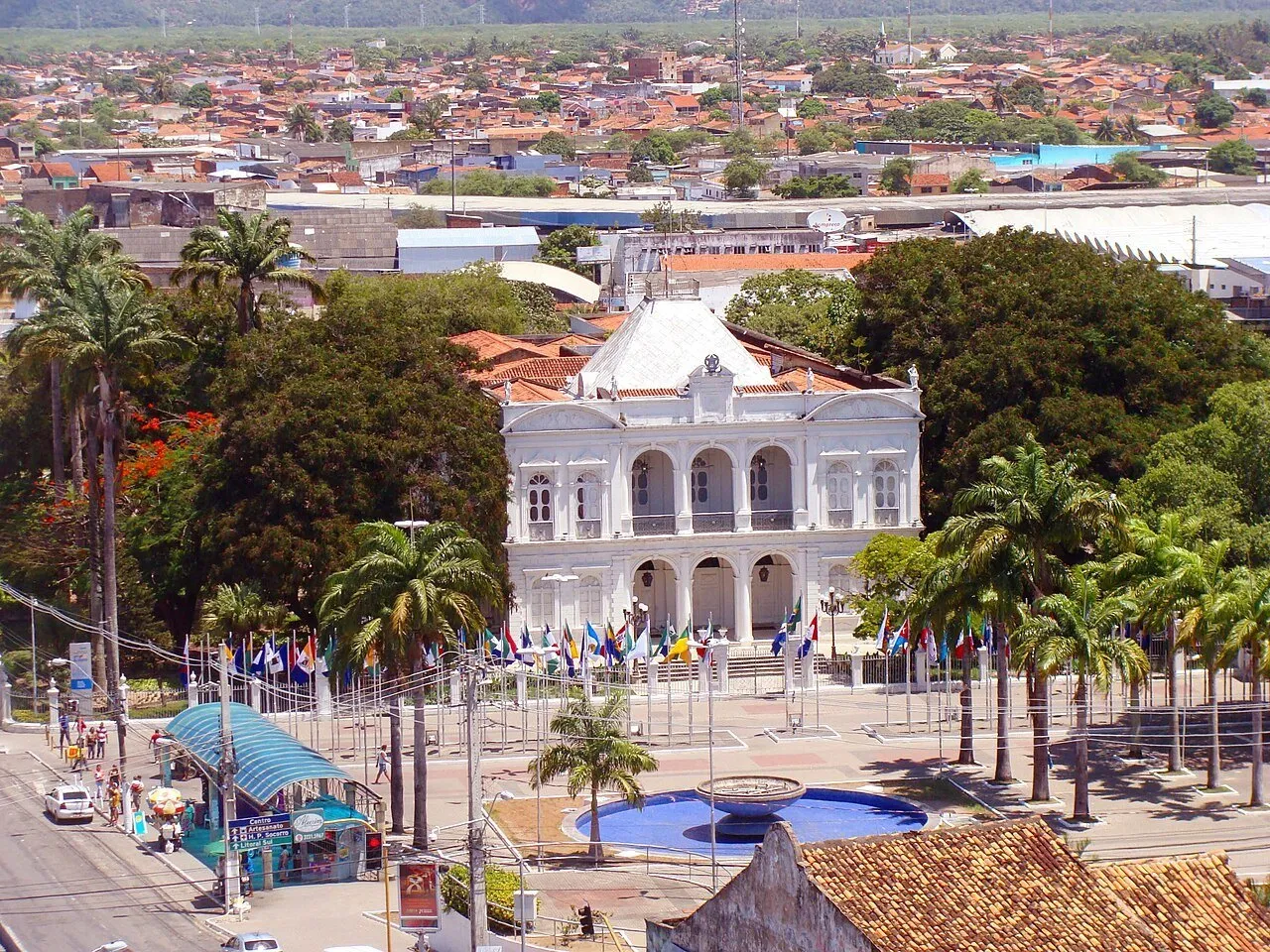 5
The former seat of the Alagoas government holds furniture, decorative objects and paintings by Alagoan artists, with a facade that already deserves a pause.
View details for Museu Palácio Floriano Peixoto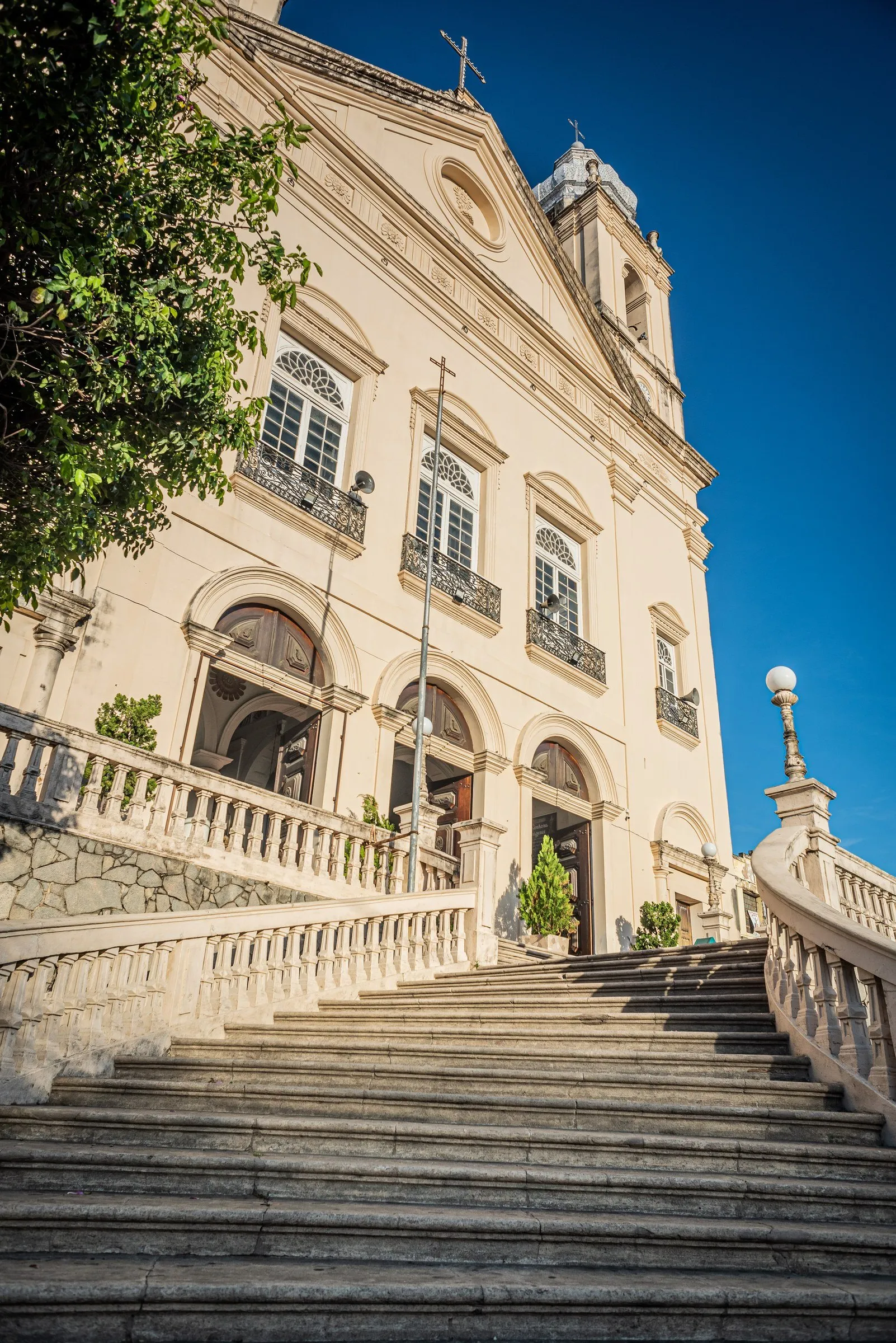 6
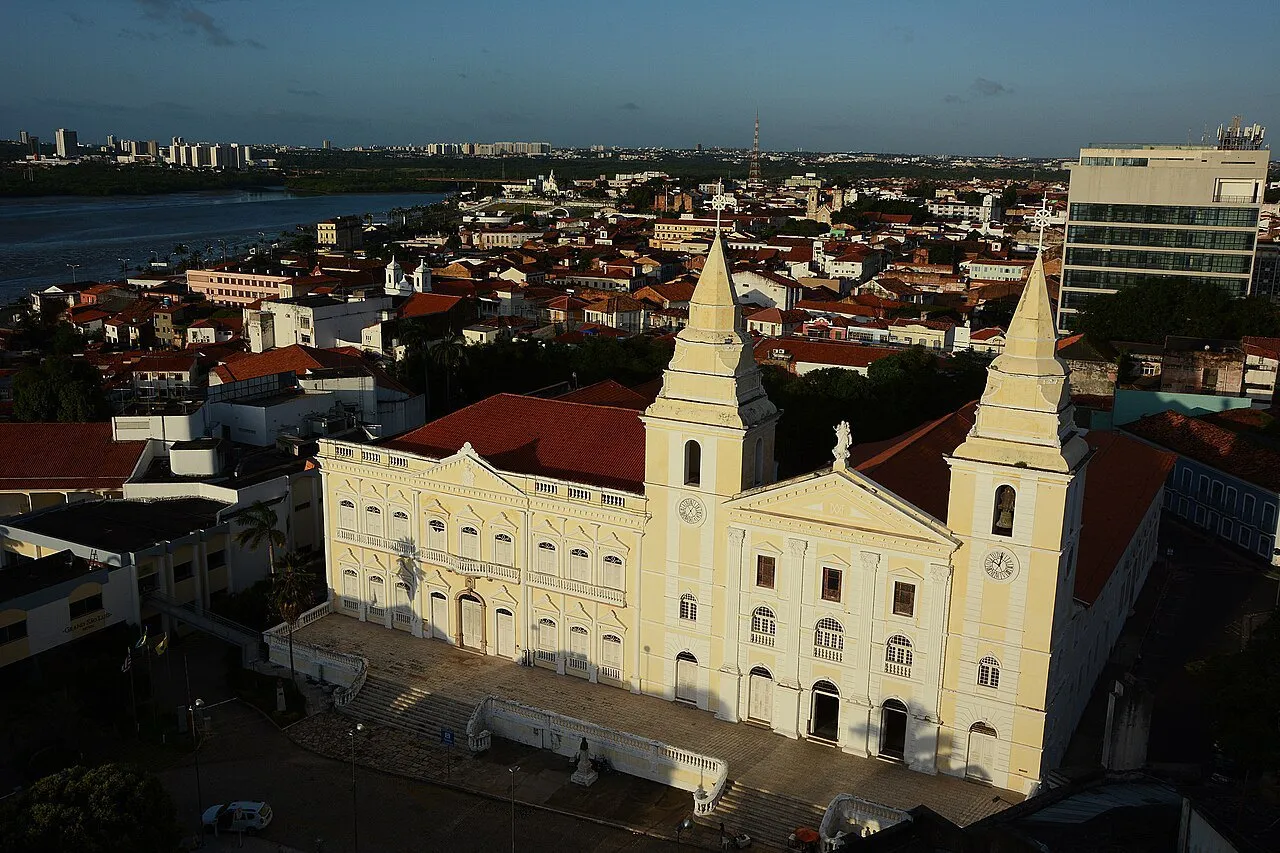
On Praça Dom Pedro II, Maceió's Cathedral has a facade with columns and symmetrical towers and offers a pause to observe religious art.
View details for Catedral Metropolitana Nossa Senhora dos Prazeres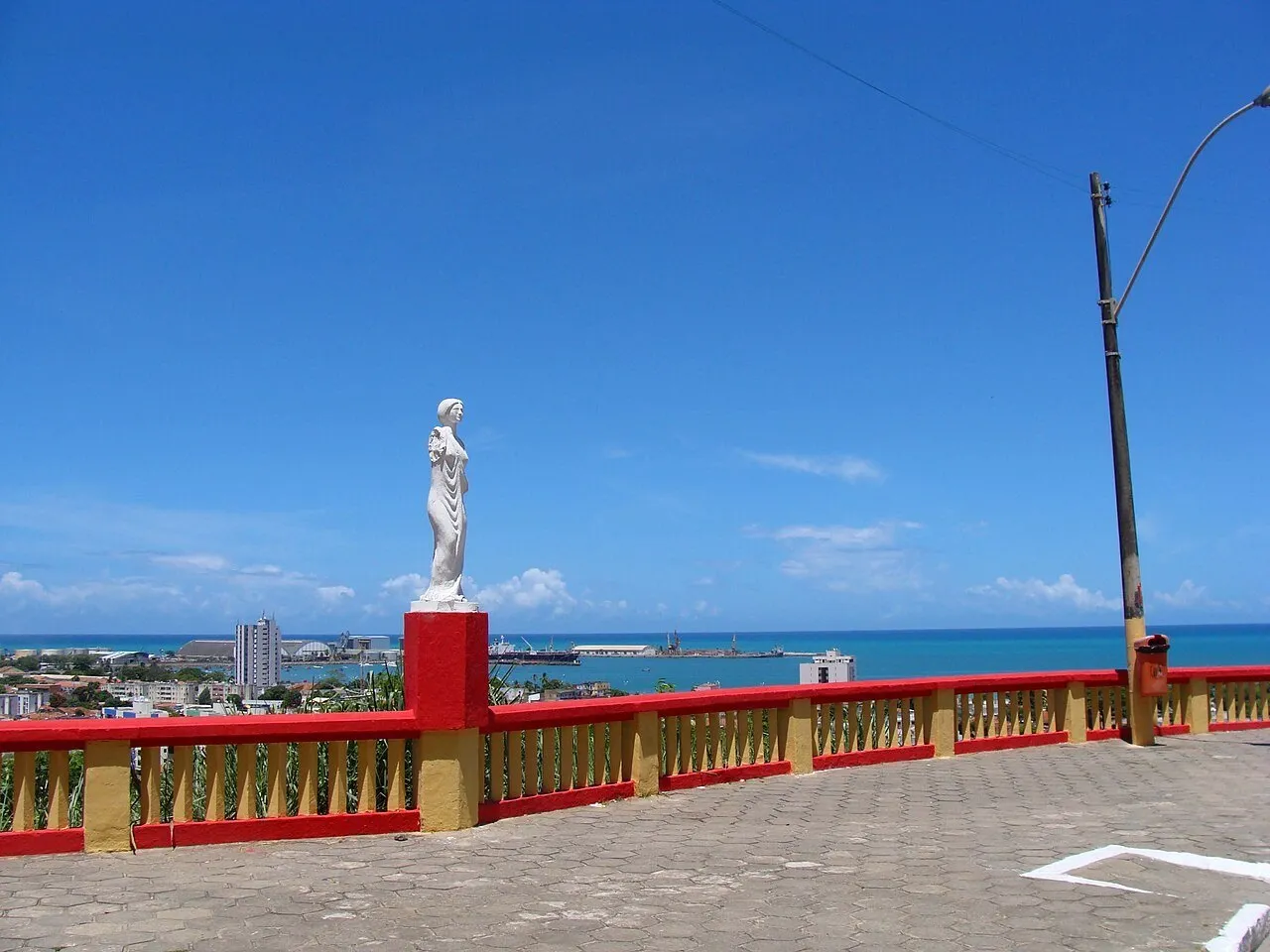 7
In the Farol neighborhood, the Mirante São Gonçalo opens the view over the lower part of Maceió and helps link the rooftops, the port and the sea in one panorama.
View details for Mirante São Gonçalo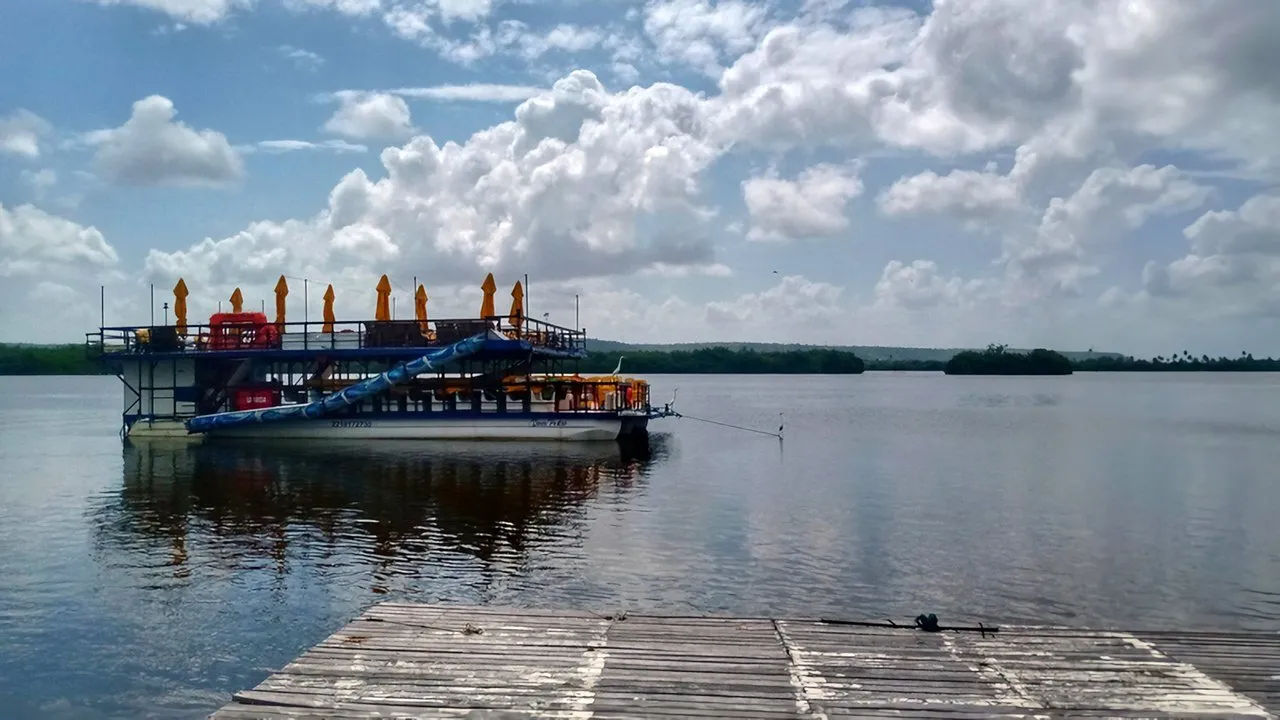 8
The neighborhood of the rendeiras gathers filé embroidery shops by Lagoa Mundaú, on a visit where watching the artisans' work is part of the outing.
View details for Pontal da Barra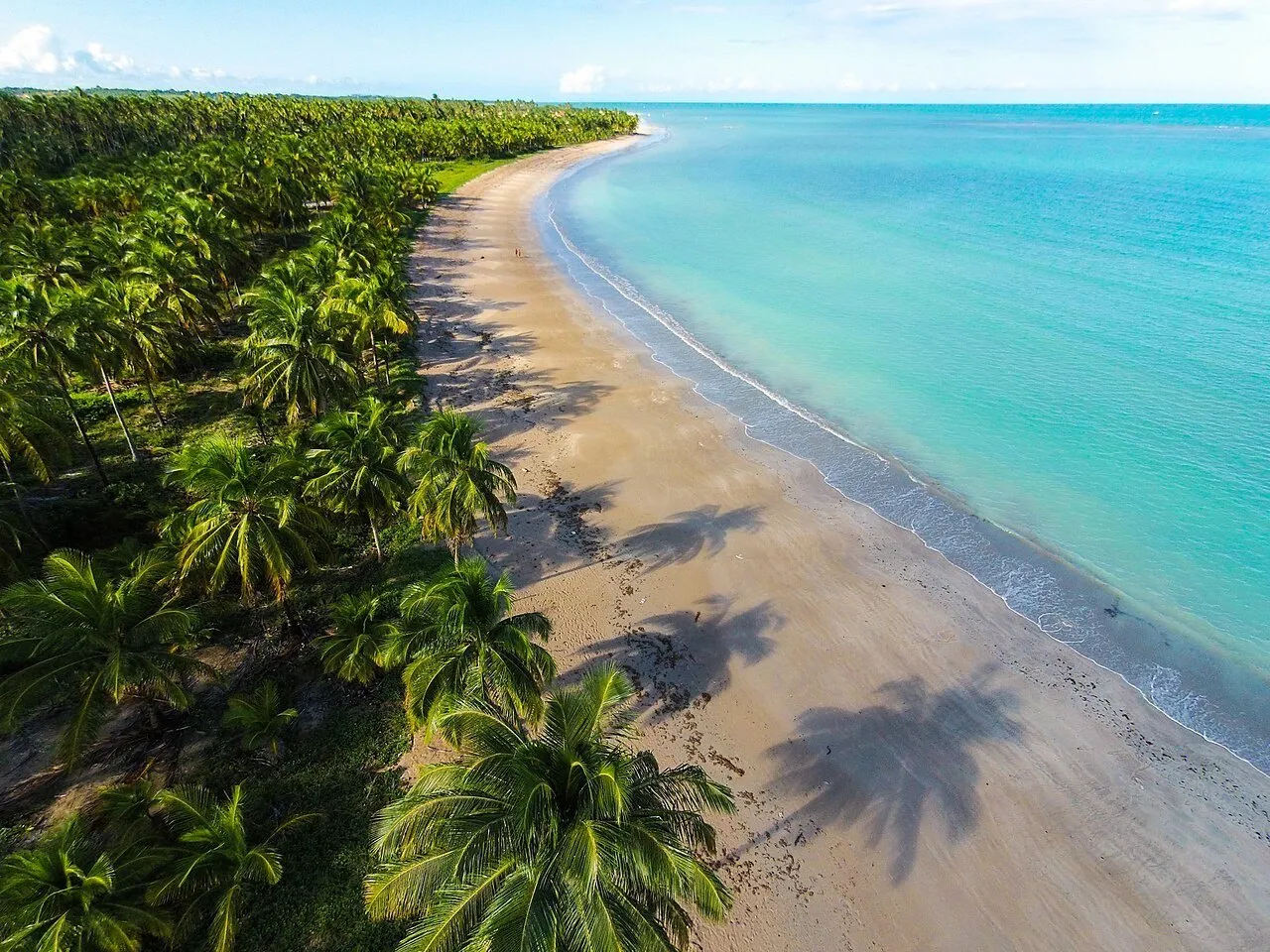 9
On Maceió's north coast, Ipioca offers a strip of sand, coconut palms and beach clubs; a separate day lets you enjoy the beach without timing every break.
View details for Praia de Ipioca1On the sand at Pajuçara, the jangadas are part of the scenery and also the transport to the piscinas naturais. When the tide allows, the trip goes out to the reefs, where you see the city from the water. The departure time changes from day to day: the booking has to talk to the tide table, not just to your wish to sleep in.
The beach is also good for a walk without boarding anything, with bars and restaurants nearby. For swimming, check the IMA bulletin and local conditions; water that looks good in a photo is no substitute for information on bathing water quality.
2In Ponta Verde, walking already takes up a good part of the plan: coconut palms follow the curve of the beach and the kiosks offer reasons to interrupt any step goal. The Marco dos Corais reaches out over the water and changes the angle of the landscape, while the Maceió sign often ends up in the photos of people passing through the area.
Restaurants and cafés help stretch the visit beyond the sand. Set this stretch aside for a break after the jangada at Pajuçara. The tide changes the scene near the reefs; enjoy the view of the waterfront and follow local guidance.
3The sound of the waves is more present in Jatiúca. The sea is usually rougher than in the sheltered stretches of the waterfront, so it is worth arriving with walking and scenery in mind, without assuming that any patch of sand suits the same kind of swim. Benches and rest areas help turn passing through into a stop.
The neighborhood is also good for an end of day at the table, with bars and restaurants. After following the sequence of beaches, you notice the differences without inventing three separate outings. If hunger arrived earlier, the itinerary accepts that revision.
4Jaraguá draws the eye to its facades. Warehouses and buildings tied to port trade help read the city from another entrance, far from the sequence of beach umbrellas. Praça Dois Leões and the Associação Comercial building are references for organizing a walk through the neighborhood, observing the details of the buildings along the way.
Come to look at the whole: the interest lies in the relationship between streets, buildings and port. Prefer daytime and check the schedule of the spaces you want to visit inside; a facade open to the street does not mean an interior open to the public.
5The former seat of the state government gives the Museu Palácio Floriano Peixoto a different scale from the beach: here attention goes to the halls, the furniture and the objects used to represent power. The collection includes paintings by Alagoan artists, as well as silverware, crystal and decorative pieces that help you observe the rooms beyond their size.
Look first at the building from the square and then walk through the available spaces. The stop goes well with the historic Centro. Since the palace may have changes in service and institutional use, confirm visiting before you go.
6The towers of the Catedral Nossa Senhora dos Prazeres change the visual reference of the walk through the Centro. On Praça Dom Pedro II, the facade with columns and a triangular pediment asks you to step back a little to take in the whole. Inside, the altars and the space for celebration invite you to slow down and lower the volume of the conversation.
Combine the visit with the museum and the Mirante São Gonçalo. The cathedral is a church in use: during celebrations, observe discreetly and leave the photos for later. Wood, images and architecture change the pace nicely for someone coming from the beach.
7From high up in Farol, the Mirante São Gonçalo puts the lower part of Maceió in perspective. The city stops being a sequence of stops and appears as a whole: rooftops in front, the port area and the sea farther on. It is a good pause to understand where you came from and where you will go next on the tour.
Combine the visit with the Centro and consider transport to spare yourself the climb in the heat. Check for any works and use the observation areas that are open; the panorama does not require acrobatics at the railing.
8At Pontal da Barra, the color comes out of the threads. The shops on Rua das Rendeiras show filé embroidery on clothing and home pieces, and the visit gains another layer when you get to watch an artisan at work. Ask about the technique and who made the piece: understanding it is more interesting than choosing only by the color that matches your suitcase.
Lagoa Mundaú offers another landscape after so many outings facing the ocean. To stay until late afternoon, confirm that the shops are open and plan your return. Leave room in your luggage: measuring a towel after buying it takes optimism.
9Ipioca is still within Maceió, but it calls for different planning: set aside a day and plan the trip to the north coast. The strip of sand and the coconut palms let the beach take center stage, while beach clubs offer support facilities for those who prefer to arrive with a table and lunch sorted out.
Choose between using an establishment or visiting on your own, checking access and charges. Entry, consumption and activities may have different rules. Also check the tide, wind and bathing water quality: the blue does not come guaranteed with the reservation.
Check the Marinha tide table for the Porto de Maceió and confirm operation with whoever runs the trip. Low tide alone does not guarantee a departure: wind, waves and local rules also count.
Check the recent IMA bulletin for the exact stretch of beach and the local signage. Avoid swimming near drainage outlets or after heavy rain.
Pajuçara, Ponta Verde and Jatiúca work as one waterfront block; the Centro and Jaraguá call for another outing. For Ipioca and Pontal da Barra, plan the round trip before leaving and compare transport with tours that already include transfers.
Before sitting down or boarding, confirm in writing the price per person, what is included, minimum spend and cancellation. The ad may cover only part of the day.
From October to March, it usually rains less; check the forecast anyway. Use sunscreen, bring water and take breaks in the shade. To swap the beach for the museum, confirm that it is open.
Visit Jaraguá and the Centro during the day and use transport when you do not know the way. On the sand, bring only what you need and keep your belongings under watch.
Maceió's table also talks to the water. Sururu brings the dish close to Lagoa Mundaú; fish and shrimp show up in waterfront kitchens. Between one meal and another, it is worth asking where the seafood comes from and how it is prepared, instead of choosing only by the fanciest name on the menu. Split your appetite between shellfish recipes, grilled fish and a more substantial regional dish after a day of walking.
The shellfish tied to Lagoa Mundaú appears in broths and other local recipes; a good starter to get to know this flavor of Maceió.
Fish such as cioba and camurim go on the grill with seasonings like lime and cilantro; ask which fish is available that day.
A regional combination for a change from seafood: carne de sol served with macaxeira, with preparation and sides that vary from place to place.