 1
Markets
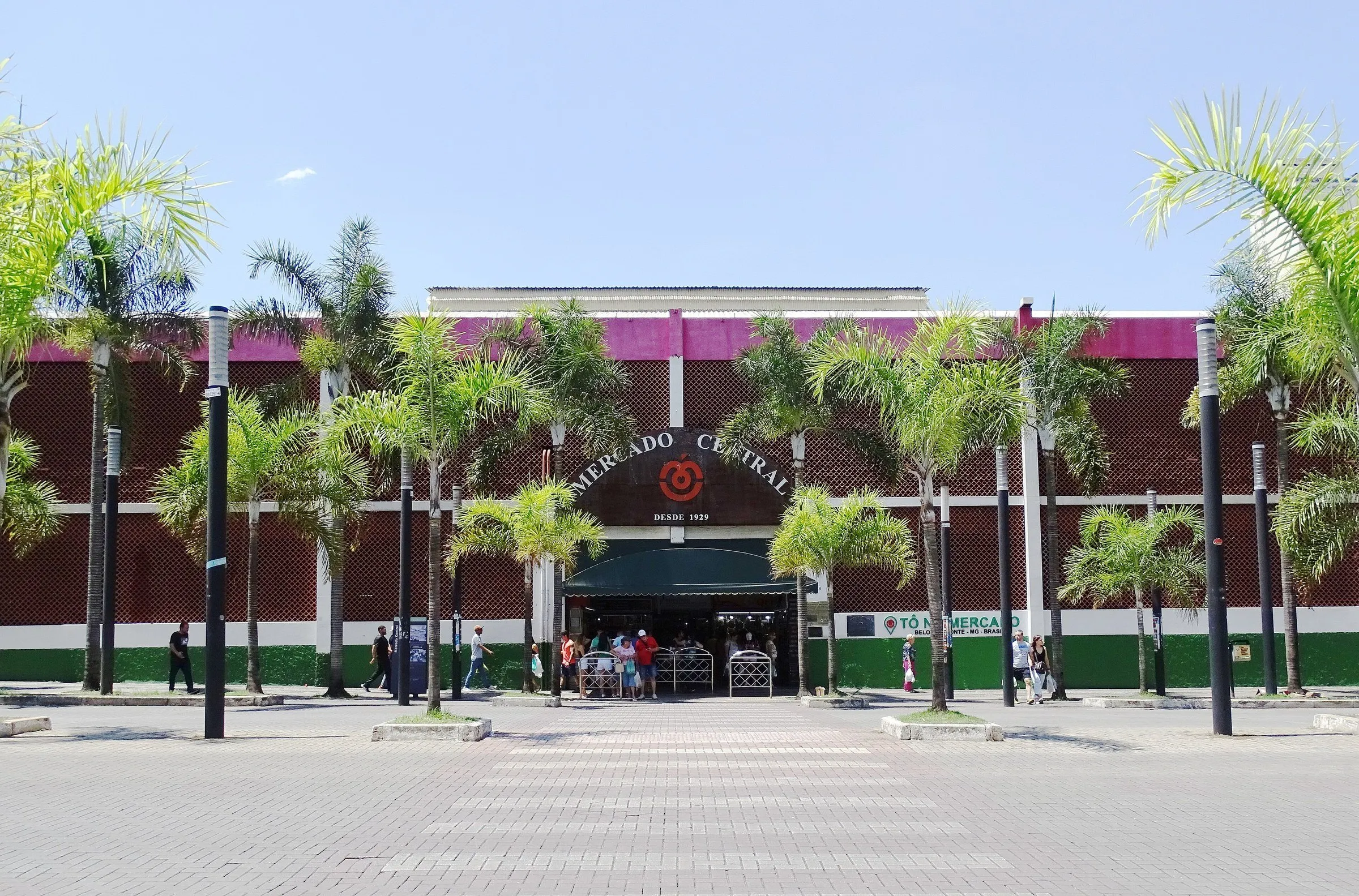
Mercado Central
Cheeses, guava paste, herbs and boteco counters share the aisles of the Mercado Central, where the shopping list tends to grow along with your hunger.
View details for Mercado Central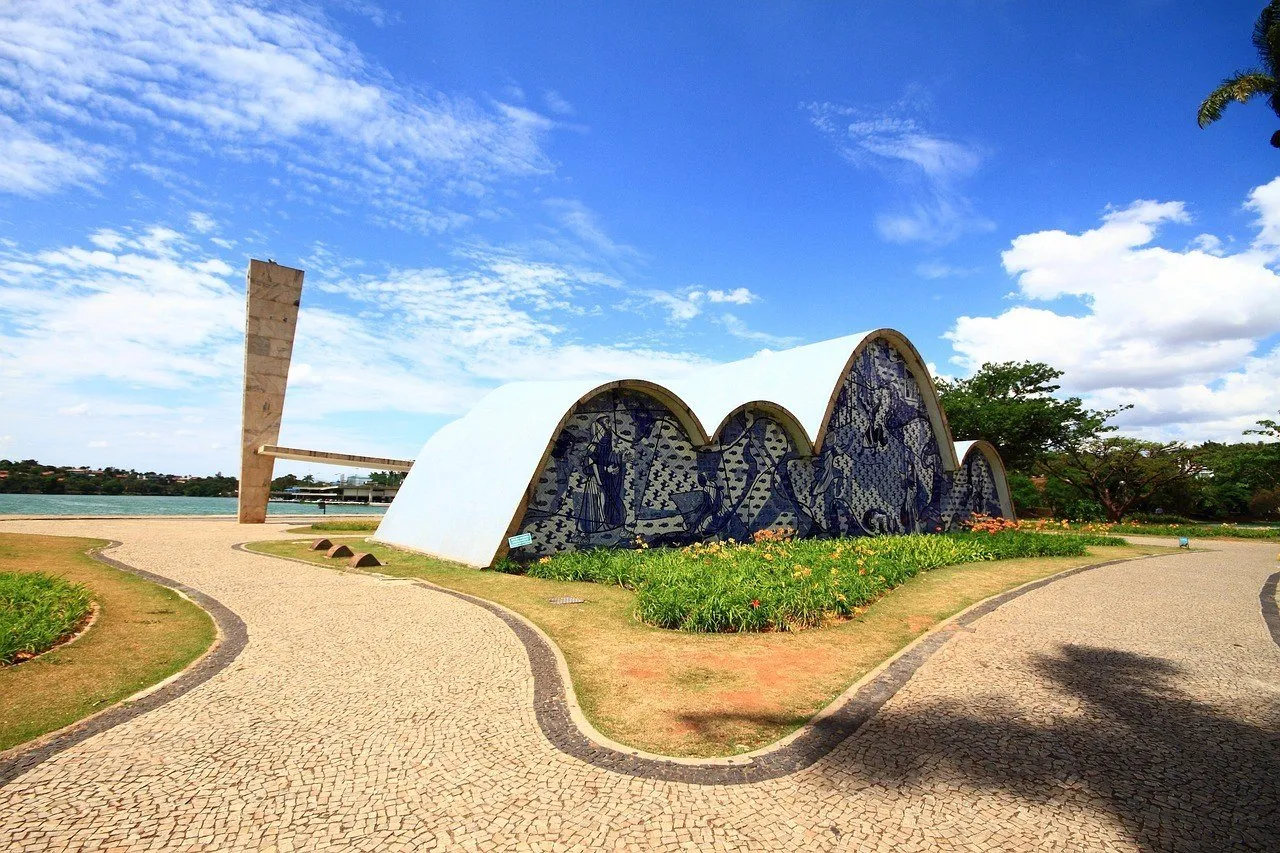
Brazil
At the Mercado Central, you go in search of a cheese and end up planning lunch. Then come the gardens of Liberdade, the curves of Pampulha and a climb to check out the horizon that gives BH its name.
A bag of cheese in one hand, a coffee in the other and the question of where to have lunch: the Mercado Central is a good start for Belo Horizonte. The city puts food along the route, but it does not live on counters alone. The old administrative buildings of Praça da Liberdade have taken on cultural uses, while Pampulha combines modern architecture and a landscape by the lagoon. In between, the hills remind you that looking at the map and walking across it are different activities.
Organize the trip by region: Centro and Liberdade on one day, grand rooms and viewpoints on another, Pampulha on the third. This split avoids crossing BH over and over and leaves room to choose an exhibition at an easy pace. The reward shows up both in a detail of Portinari's tiles and in the view from Mangabeiras. For meals, trade haste for curiosity: compare cheeses, order a snack and accept that a coffee break can become a very serious part of the itinerary.
The Parque Municipal opened before the official inauguration of BH: the green area was already part of the plan for the new capital.
On the World Heritage list since 2016, Pampulha has architecture, art and landscaping recognized together.
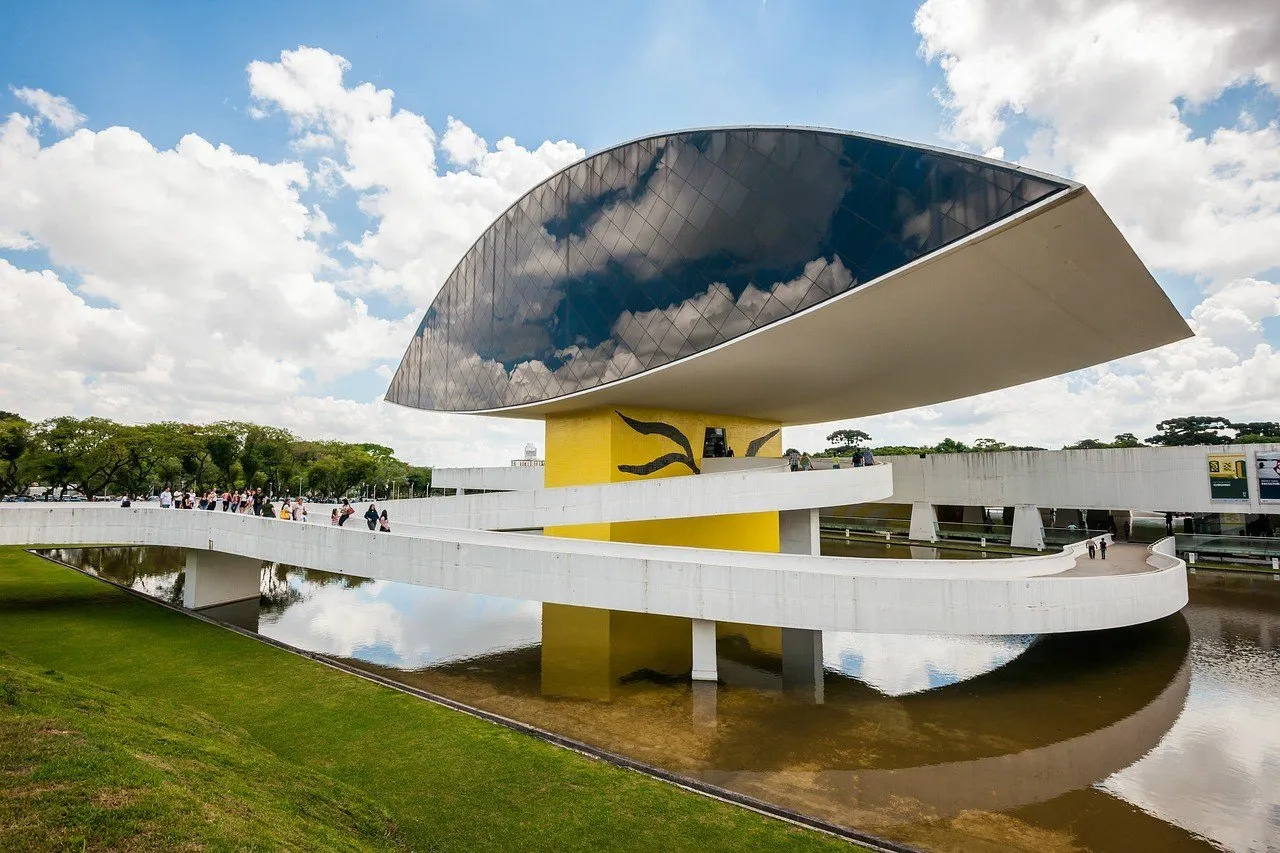
The Casa do Baile was once a restaurant and dance venue; today, it is dedicated to architecture, urban planning and design.
1Cheeses, guava paste, herbs and boteco counters share the aisles of the Mercado Central, where the shopping list tends to grow along with your hunger.
View details for Mercado Central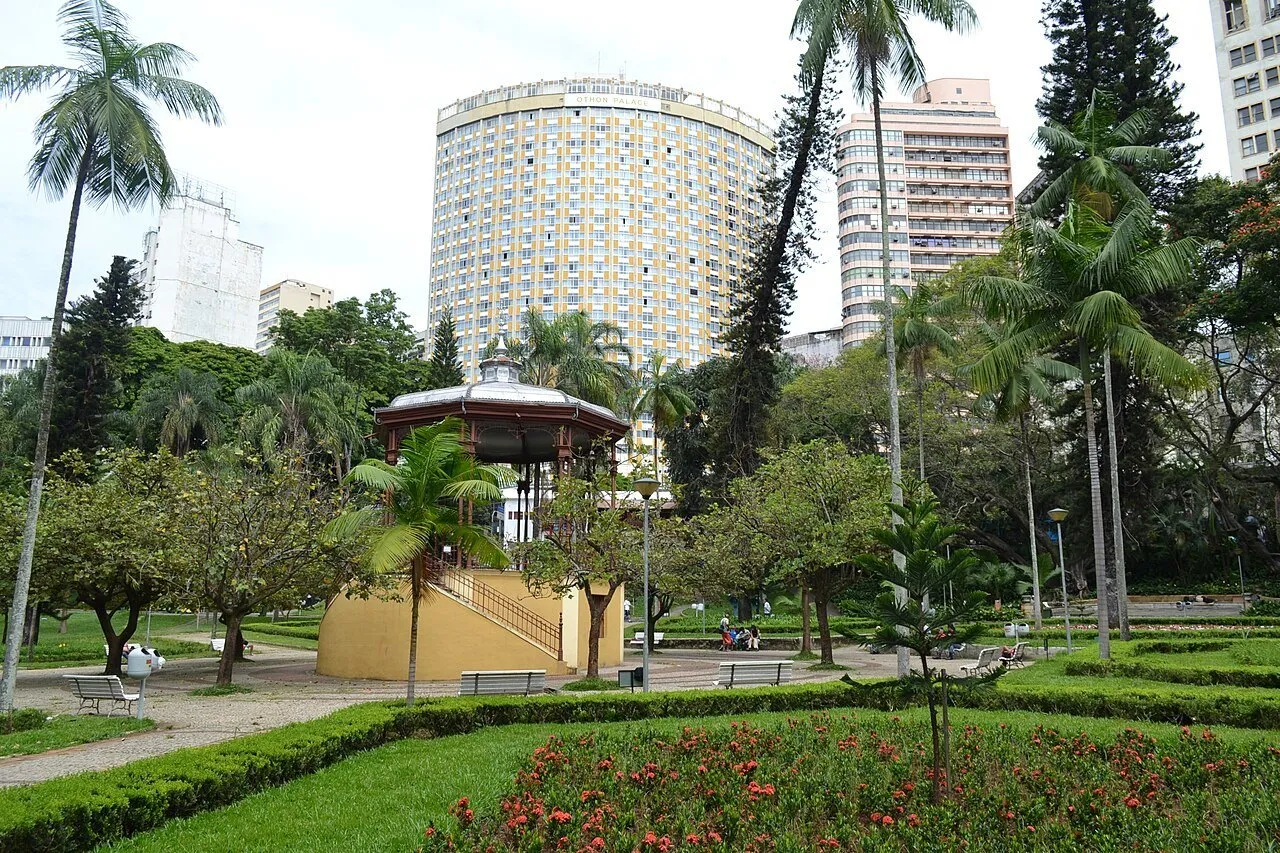 2
Old trees, paths and lakes make a green pause next to Avenida Afonso Pena: the Parque Municipal appeared before BH's own inauguration.
View details for Parque Municipal Américo Renné Giannetti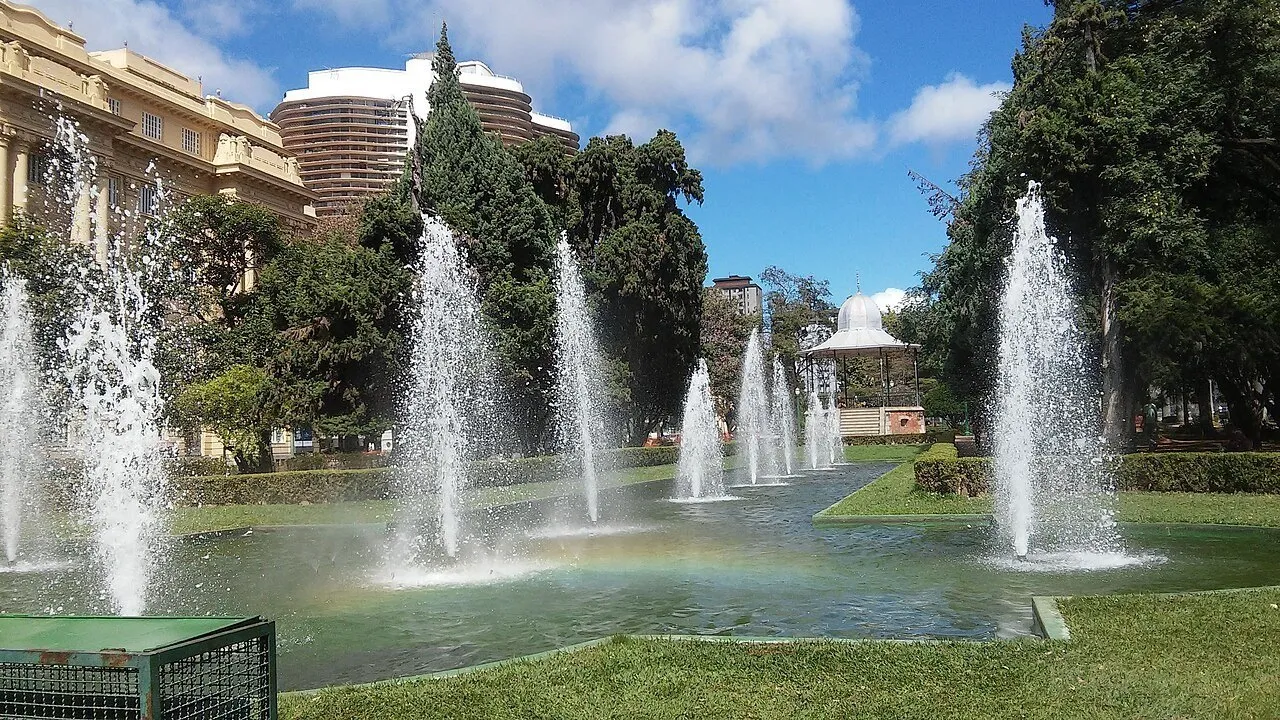 3
An avenue of palm trees leads to the Palácio da Liberdade, while old government buildings house cultural spaces around the gardens.
View details for Praça da Liberdade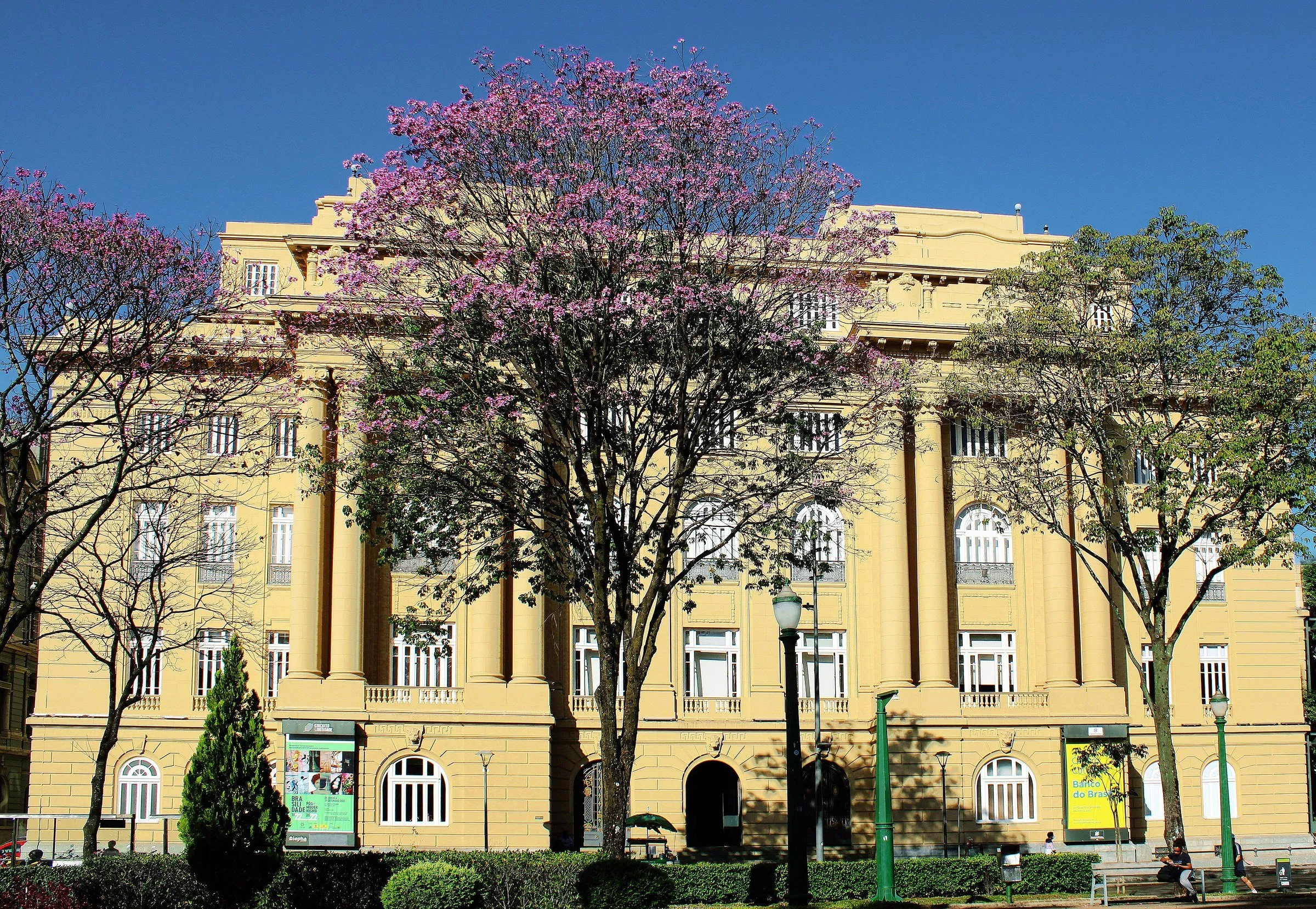 4
Exhibitions, theater and educational activities fill the former building of a state department on Praça da Liberdade, with a central courtyard and staircases.
View details for Centro Cultural Banco do Brasil Belo Horizonte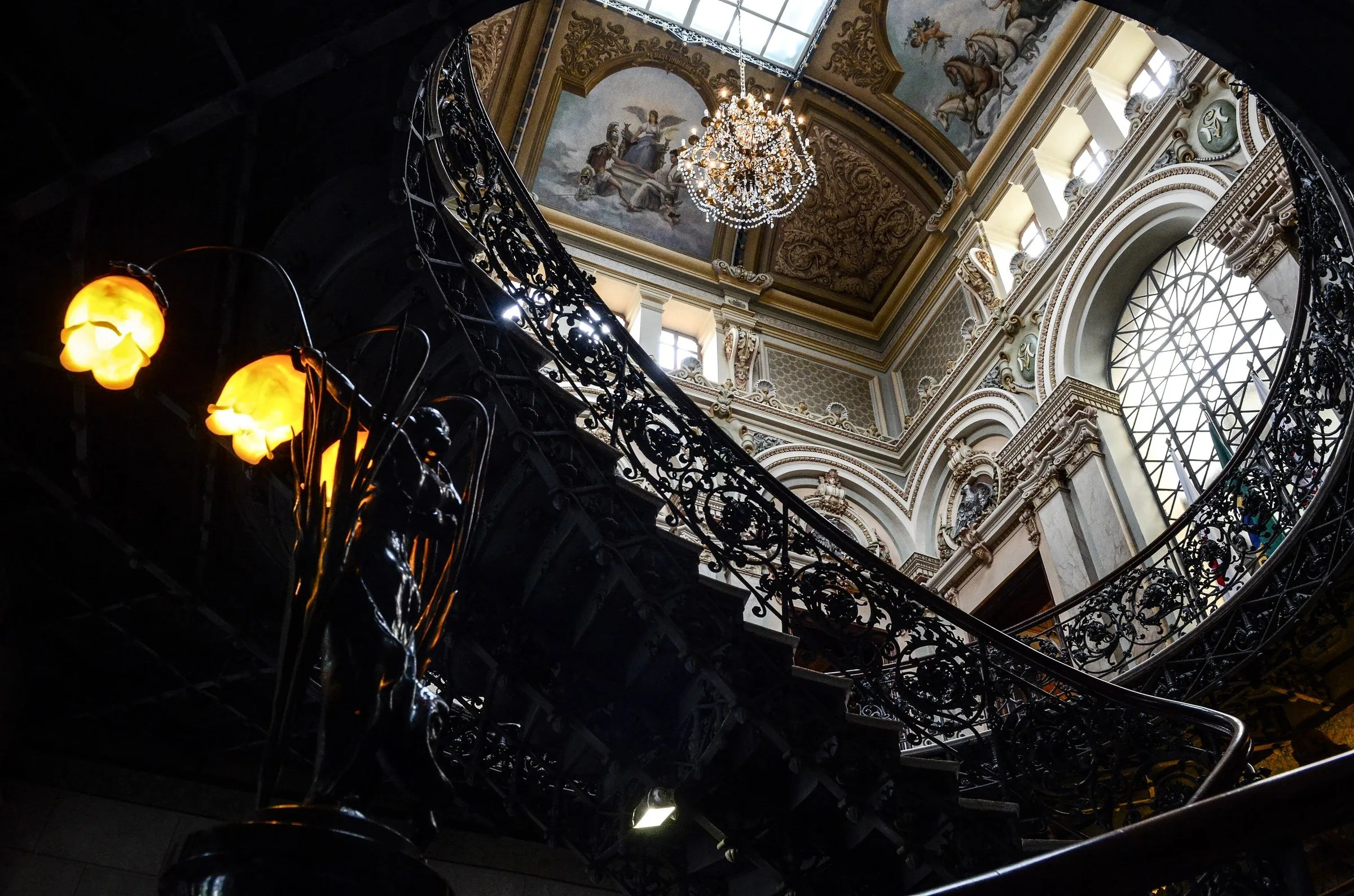 5
Former seat of the Minas government, the Palácio da Liberdade has gardens, decorated rooms and a staircase of iron and marble facing the square.
View details for Palácio da Liberdade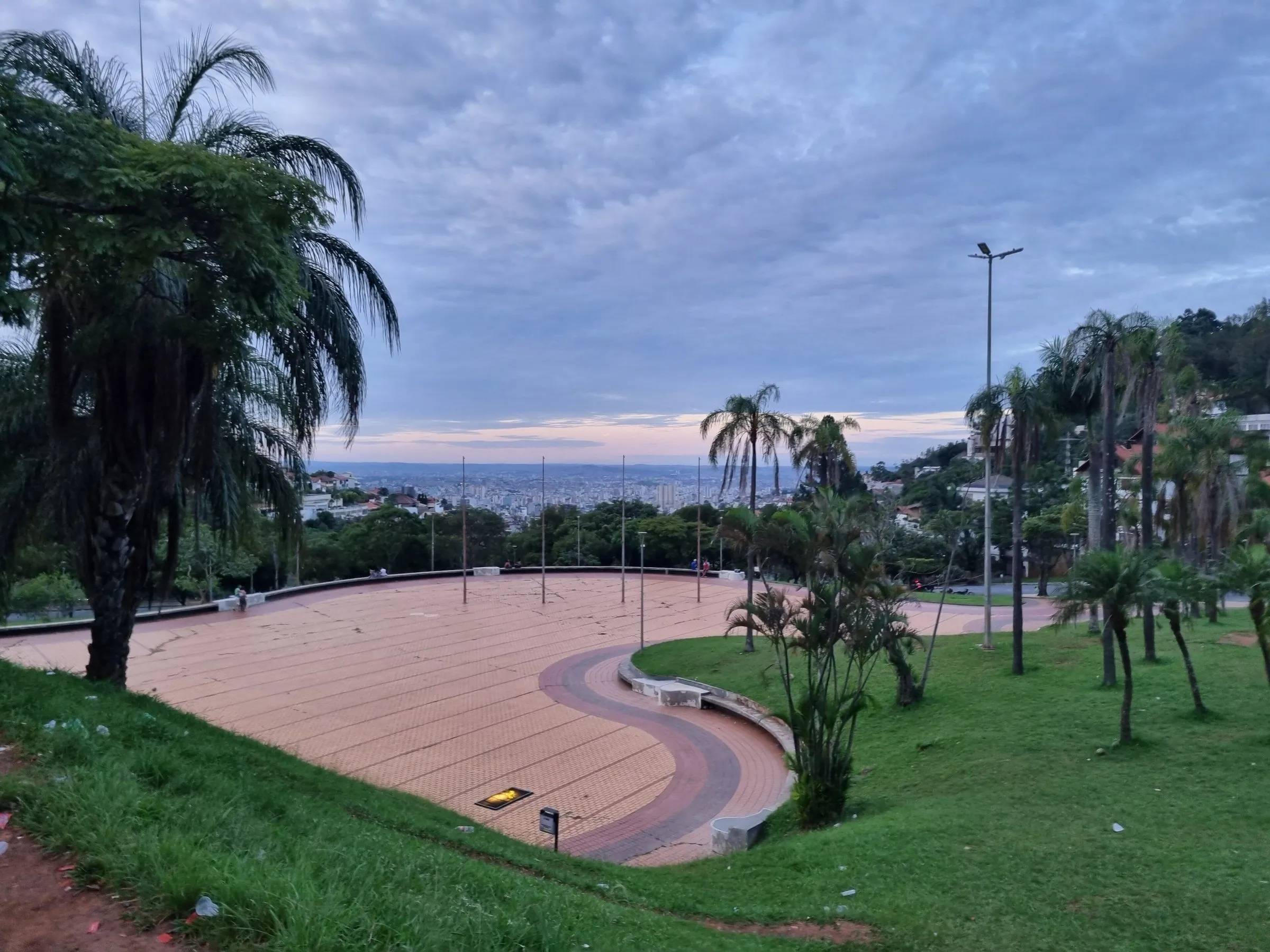 6
Praça Governador Israel Pinheiro, known as Praça do Papa, opens a view of the city next to the Serra do Curral, at the top of the Mangabeiras neighborhood.
View details for Praça do Papa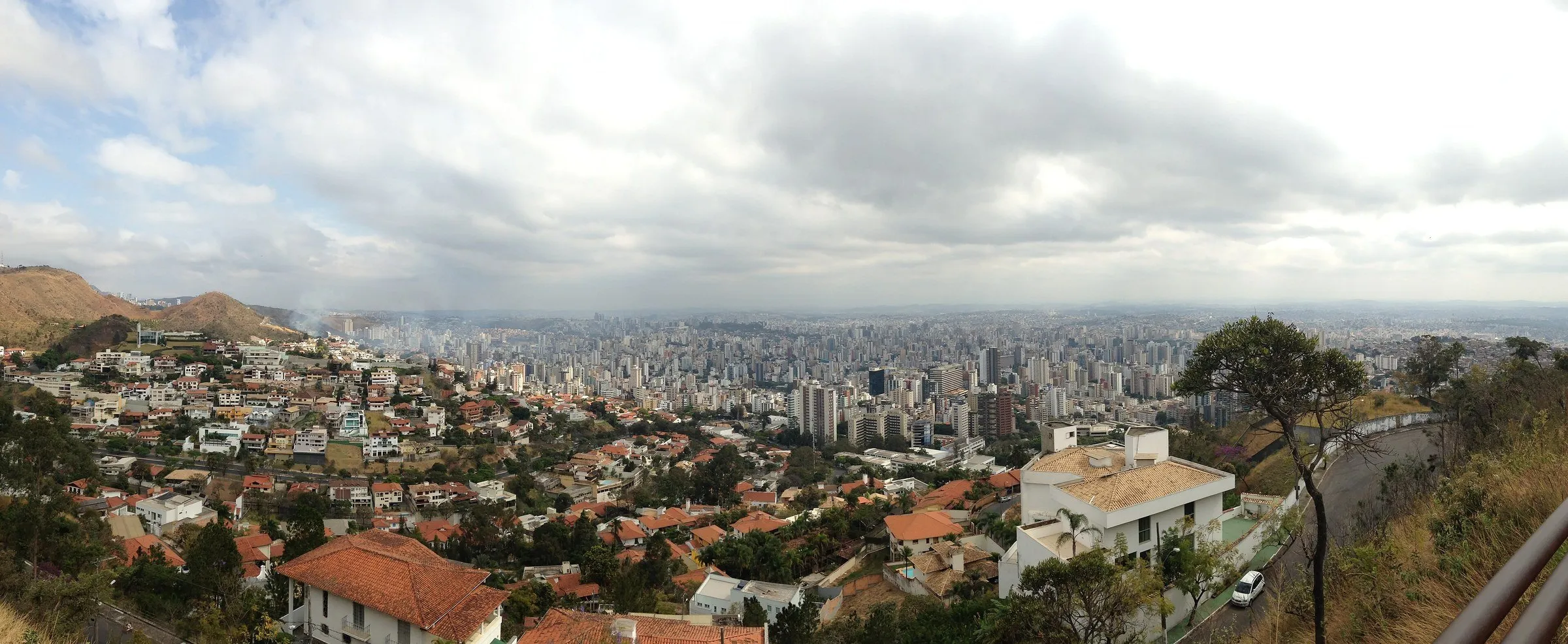 7
Wooden decks and gardens put the buildings of Belo Horizonte in the foreground, with a wide view that helps connect the neighborhoods on the map.
View details for Mirante do Mangabeiras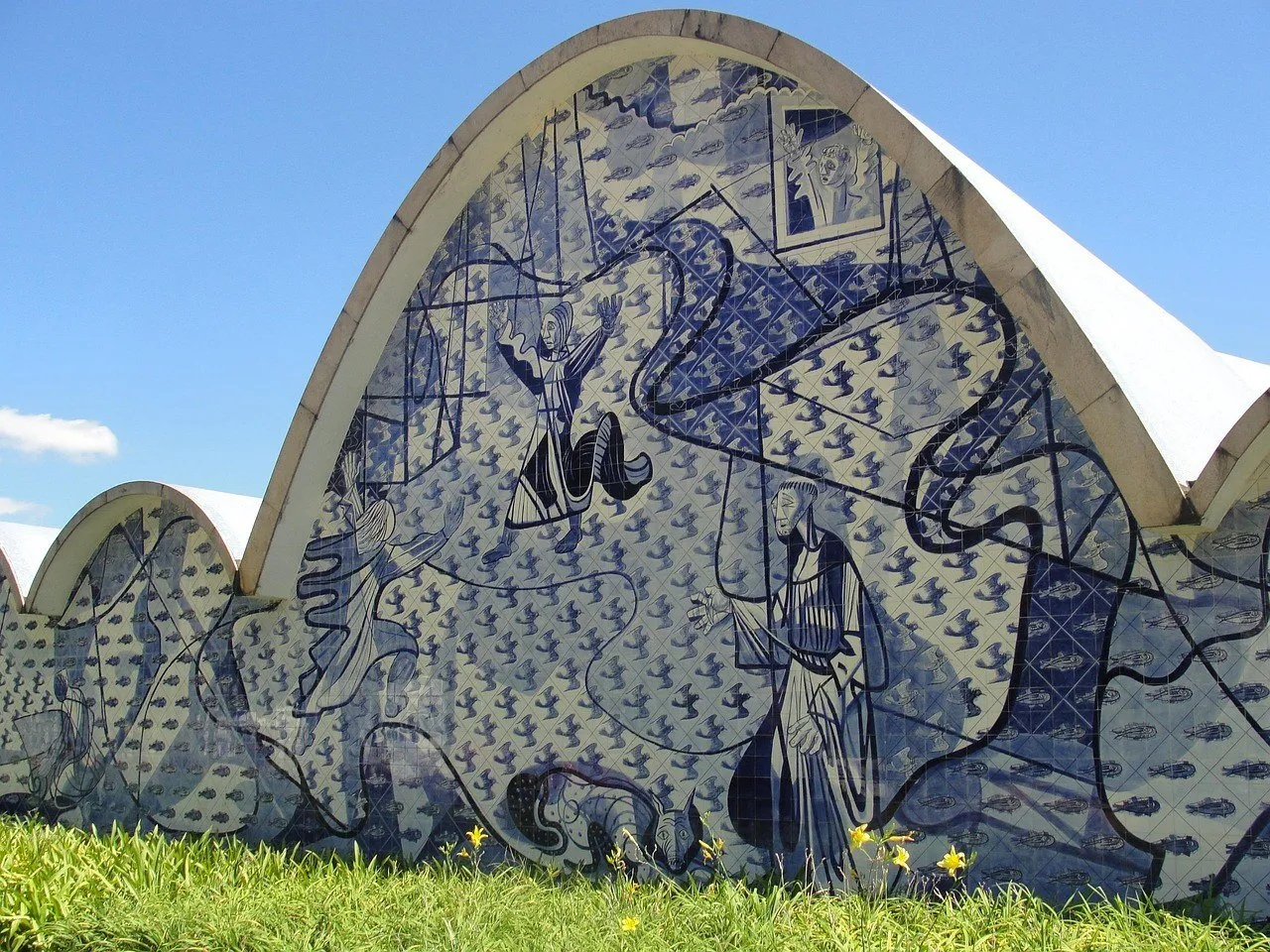 8
Niemeyer's curves meet Portinari's art at the Igrejinha da Pampulha, one of the buildings of the complex recognized as a World Heritage Site.
View details for Igreja São Francisco de Assis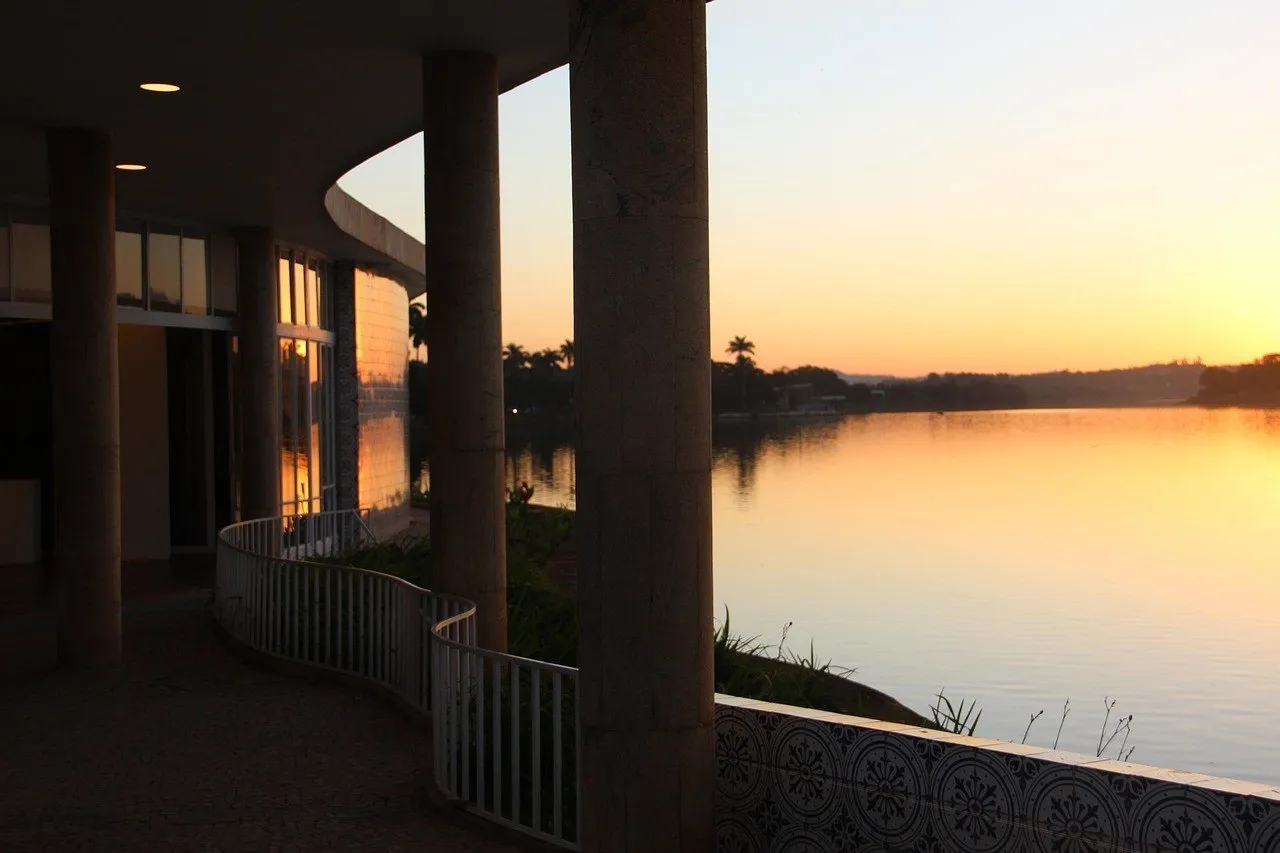 9
A winding canopy follows the small island of the Casa do Baile, a former dance venue that now hosts activities in architecture, urban planning and design.
View details for Casa do Baile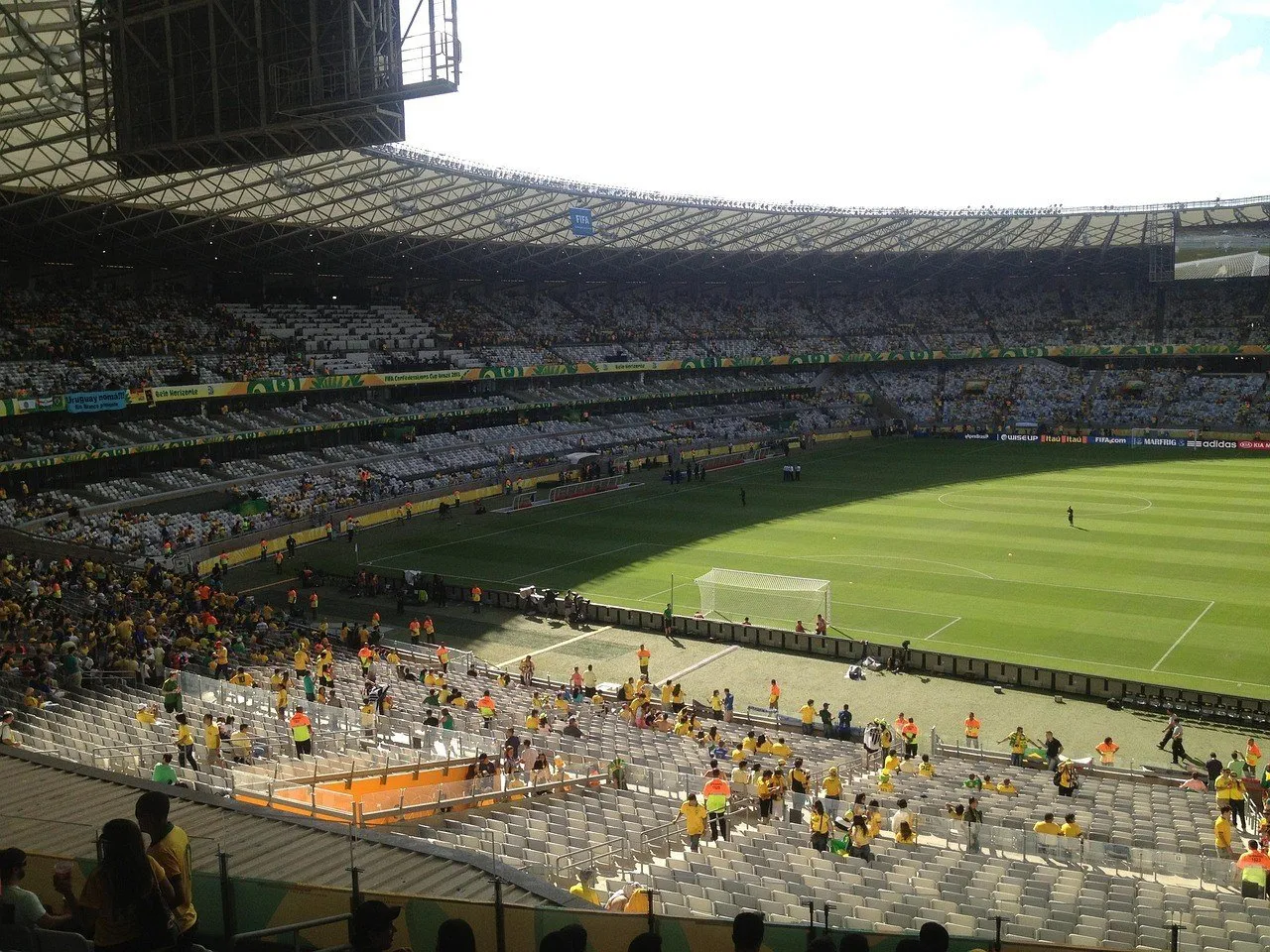 10
The stadium houses the Museu Brasileiro do Futebol and offers behind-the-scenes tours, a way to get to know Pampulha from the stands.
View details for Mineirão e Museu Brasileiro do Futebol1Between one cheese stall and the next sweets stall, the Mercado Central turns buying a souvenir into an outing. The aisles mix food, crafts, herbs and religious items; there is even a chapel. You walk in looking for guava paste and walk out comparing cheeses you did not know how to tell apart.
Set aside time to eat before deciding you are done. Fígado com jiló is a snack tied to the place; cheese and sweets also fuel the investigation. Ask about origin, aging and how to keep what goes in your suitcase.
2Avenida Afonso Pena stays outside, but under the trees the walk changes speed. The Parque Municipal gathers paths and lakes in Centro. Paul Villon's landscaping combines native and exotic species; the vegetation also shelters birds and other animals.
Choose a shaded path and take a lap around the lakes before heading on to Liberdade. This refuge did not come along to fix the city afterward: it was already part of the planning of the new capital. The pause can fit into the itinerary without becoming another chore.
3The palm trees point to the Palácio da Liberdade; on the sides, facades of former government departments tell how BH was designed to govern Minas. Walk along the central axis of the gardens and come back along a side path, among fountains and a bandstand.
Today, some of these buildings host activities of the Circuito Liberdade. Alternate the outdoors with an exhibition, without turning the afternoon into a race to tick off museums. Set a bench aside in your plan: watching the square is also an activity, and it does not require understanding any architecture plaque.
4A staircase leads to the building that swapped government offices for exhibitions, theater, cinema and educational activities. The CCBB occupies a former administrative headquarters of Minas, organized around a central courtyard. Notice the interior between one room and the next: the construction itself is already part of the visit.
The program changes, so pick the show or performance that suits you. Set aside time for it: trying to see everything between lunch and the next commitment tends to produce more tiredness than memories.
5In front of the avenue of palm trees, the Palácio da Liberdade holds the ceremonial scale of the former seat of government. The eclectic facade announces decorated rooms, chandeliers and a staircase of iron and marble. The gardens offer another way to take in the whole.
Choose a visit to the interior to notice details that escape a photograph. The staircase, for example, was made in Belgium. Gardens and rooms may follow different arrangements; confirm the current setup so you do not find out at the gate that you needed another time slot.
6BH spreads out ahead and the Serra do Curral appears next to the square: you can make sense of the city that the hills had been introducing little by little. The official name is Praça Governador Israel Pinheiro, but the nickname stuck after the visit of John Paul II.
Reopened after a redevelopment, the square received improvements in infrastructure and accessibility. Take in the landscape before continuing to the Mirante do Mangabeiras: they are different places, and visiting the square does not replace access to the viewpoint.
7From the top of the decks, the buildings stop being a sequence of street corners and become landscape. The Mirante do Mangabeiras has gardens and viewing structures facing BH, in an area run by the Parque das Mangabeiras, with its own access.
Late afternoon is a good time to watch the light change; arrive before the last entry. There is a ramp up to the first deck and the main square. For specific mobility needs, confirm the route with the administration and have your ride back planned.
8The Igrejinha da Pampulha swaps a monumental facade for curves. Oscar Niemeyer's design blends with the art of Cândido Portinari and the gardens of Burle Marx. Before going in, look at the tiles on the exterior: changing sides changes how you read the building.
Inside, Portinari's Via-Sacra continues this conversation. The temple is part of the Conjunto Moderno da Pampulha, recognized by UNESCO, and keeps its religious function. Fit your visit around the services and follow the guidelines on tickets and photography.
9The bridge leads to a small island and the canopy seems to continue the line of the lagoon's edge. At the Casa do Baile, the curve guides your walk: roof, columns and the space between them explain Niemeyer's design. The landscaping was conceived by Burle Marx.
The former restaurant and dance venue became a reference center for architecture, urban planning and design. Check the exhibitions, but set aside time for the exterior. The visit grows when you stop trying to fit everything into a single photograph.
10The Mineirão offers another perspective on Pampulha: stands and football stories come in. The Museu Brasileiro do Futebol gathers a collection tied to the sport, and the tour lets you see behind the scenes. It is also worth it for anyone who wants to understand how a stadium works.
The visit may take in locker rooms, a press room and other areas, depending on the day's operation. Matches and events change routes and can cancel visits. Pick an available time before planning the outing; the photo of the pitch should not be a promise.
Walk around Centro and Liberdade if you are comfortable with slopes; plan on a bus, taxi or ride-hailing app for Pampulha and Mangabeiras. Check the full route before heading out.
The airport is outside BH. Compare the Conexão Aeroporto with a taxi or ride-hailing app and leave a margin for traffic on the way back; check current departures and schedules.
Being at Praça da Liberdade does not mean finding everything open. Check each institution and choose the shows that interest you; there are gardens to fill the gaps.
April to September tends to have less rain than summer. Bring water, sunscreen and a light jacket; adjust the viewpoints to the day's forecast.
In Centro and at the market, protect your bag and phone. After dark, plan to board somewhere busy and avoid deciding your route while distracted on the sidewalk.
Ask about keeping cheeses and sweets fresh. If an international flight is involved, check the rules for bringing food into your destination before filling the suitcase.
Start with pão de queijo and coffee, compare cheeses at the Mercado Central and save some appetite for a mineiro lunch or a boteco snack. Fígado com jiló calls for curiosity; tropeiro and cheese with guava paste offer other paths. Ask about portion sizes before ordering several dishes: the itinerary already has its hills.
Polvilho and cheese become a crisp shell outside and a soft center: ask for it fresh from the oven to go with your coffee.
Beans with flour, eggs and sides that vary by restaurant; it has a special connection to the food of the Mineirão.
Prepared on the griddle, it is a snack tied to the counters of the Mercado Central and to the city's botecos.
Savory meets sweet in a simple pairing; comparing cheeses changes the result of the dessert quite a bit.