 1
Neighborhoods
Pelourinho
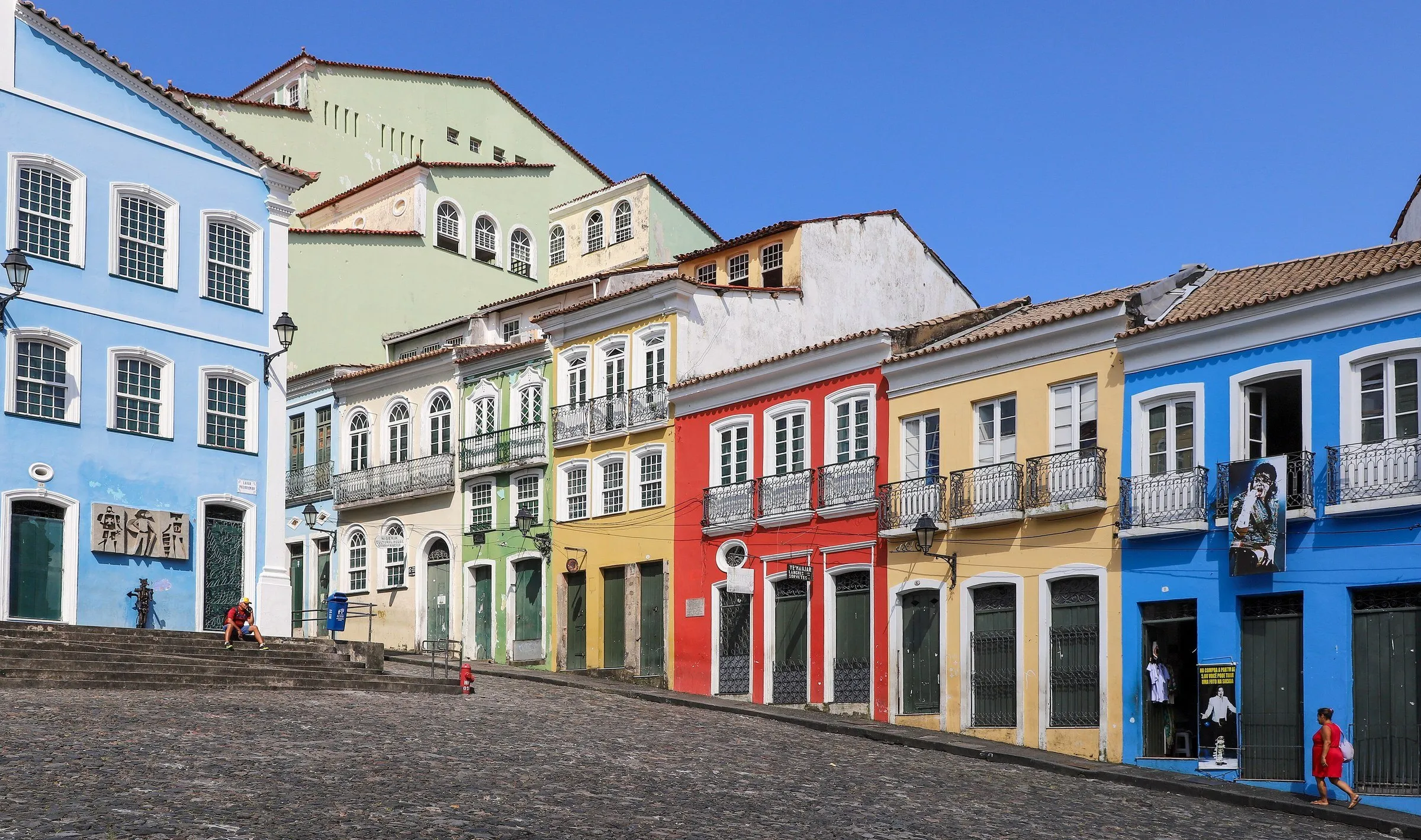
Colorful mansions, stone-paved slopes and music venues make for a walk that asks you to pay attention to Black history, beyond the façades.
View details for Pelourinho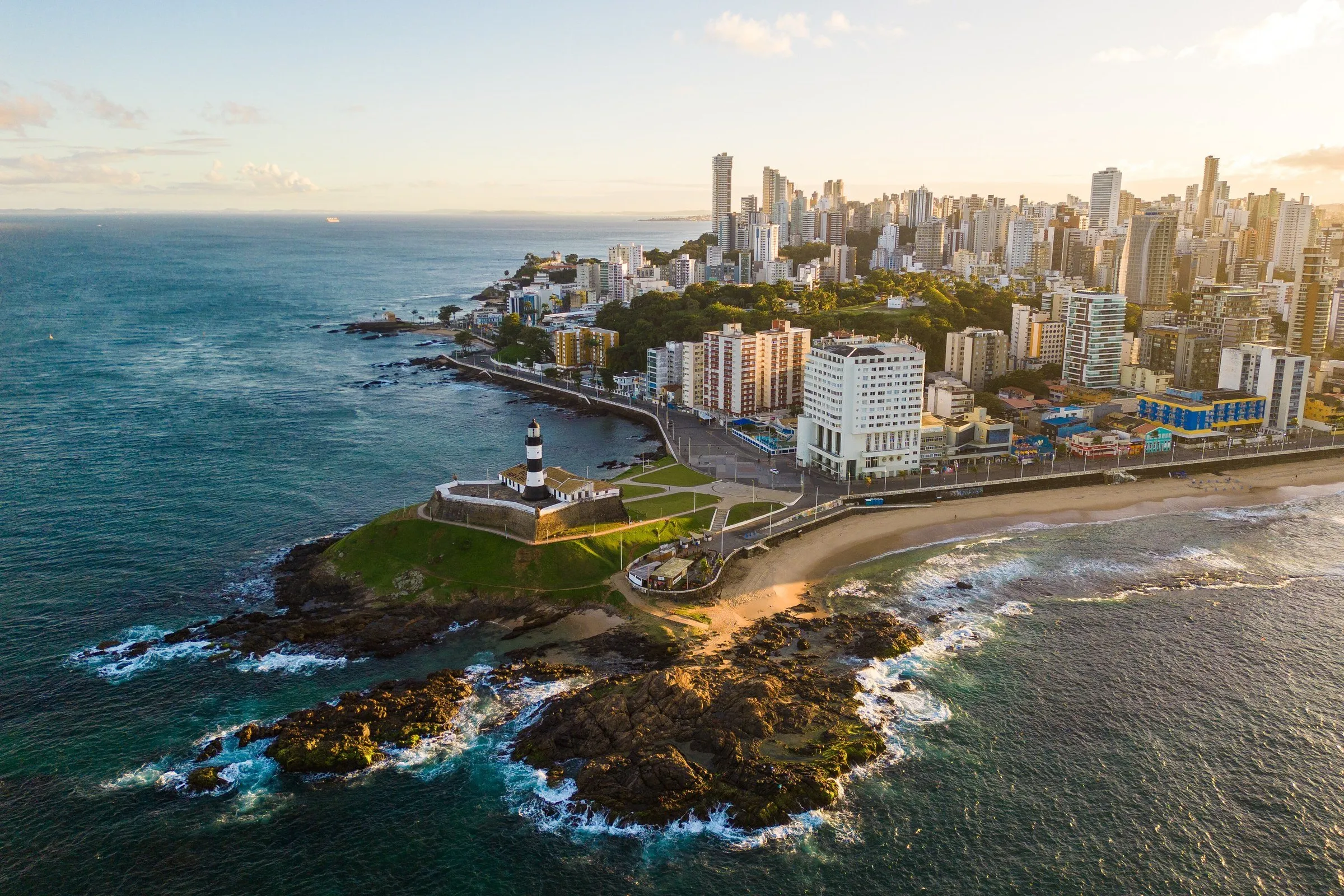
Brazil
You come down from Pelourinho, cross the city by elevator and find the bay below. In Salvador, even the way between one stop and the next has views, history and a good excuse to pause.
The first decision of the day seems simple: start from the top or from the bottom? In Salvador, the center is split between the Cidade Alta (Upper City) and the Cidade Baixa (Lower City), and the Elevador Lacerda is part of the daily commute for people who live there. You walk up stone-paved slopes, pass colorful façades and, suddenly, the Baía de Todos-os-Santos opens up between the buildings. The itinerary has already begun before you step into a single museum.
Organize the trip by area: the historic center on the first day, Barra and Solar do Unhão on the second, Bonfim and Humaitá on the third, finishing with dinner in Rio Vermelho. Some routes are for walking and others call for transportation; the city doesn't fit into one continuous stroll along the waterfront. The Black presence runs through the music, the food, the faith and the history of the places. Listening to the people who live here is part of the visit, not just the soundtrack.
The historic center recognized by UNESCO goes beyond Pelourinho: it covers other neighborhoods and the division between the Cidade Alta and the Cidade Baixa.
The ex-votos at Bonfim give thanks for graces attributed to the saint: each object has a story beyond the photo of the railing.
The Solar do Unhão underwent an intervention by Lina Bo Bardi; the old complex became a space for art, with a staircase of contemporary design among its elements.
1Colorful mansions, stone-paved slopes and music venues make for a walk that asks you to pay attention to Black history, beyond the façades.
View details for Pelourinho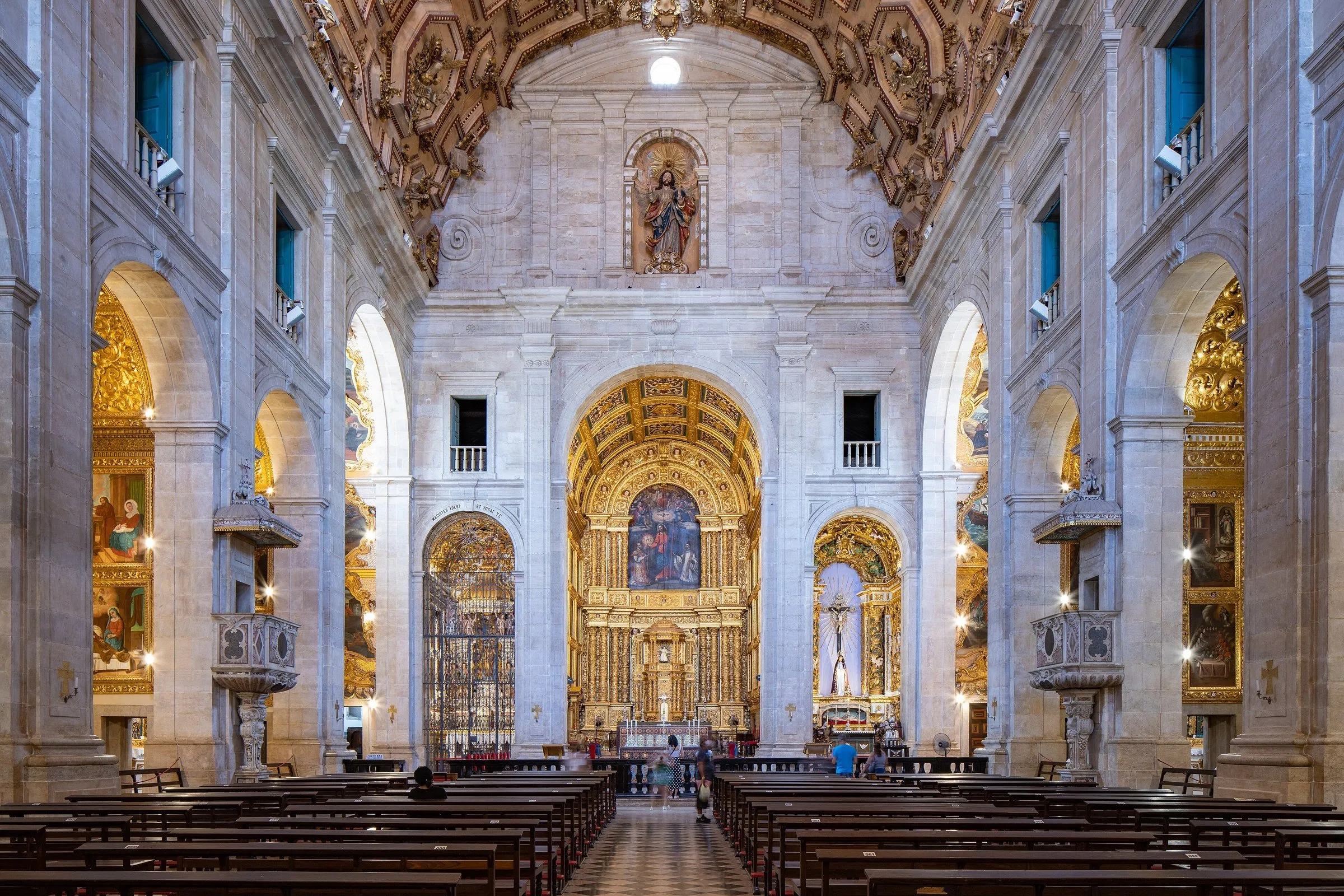 2
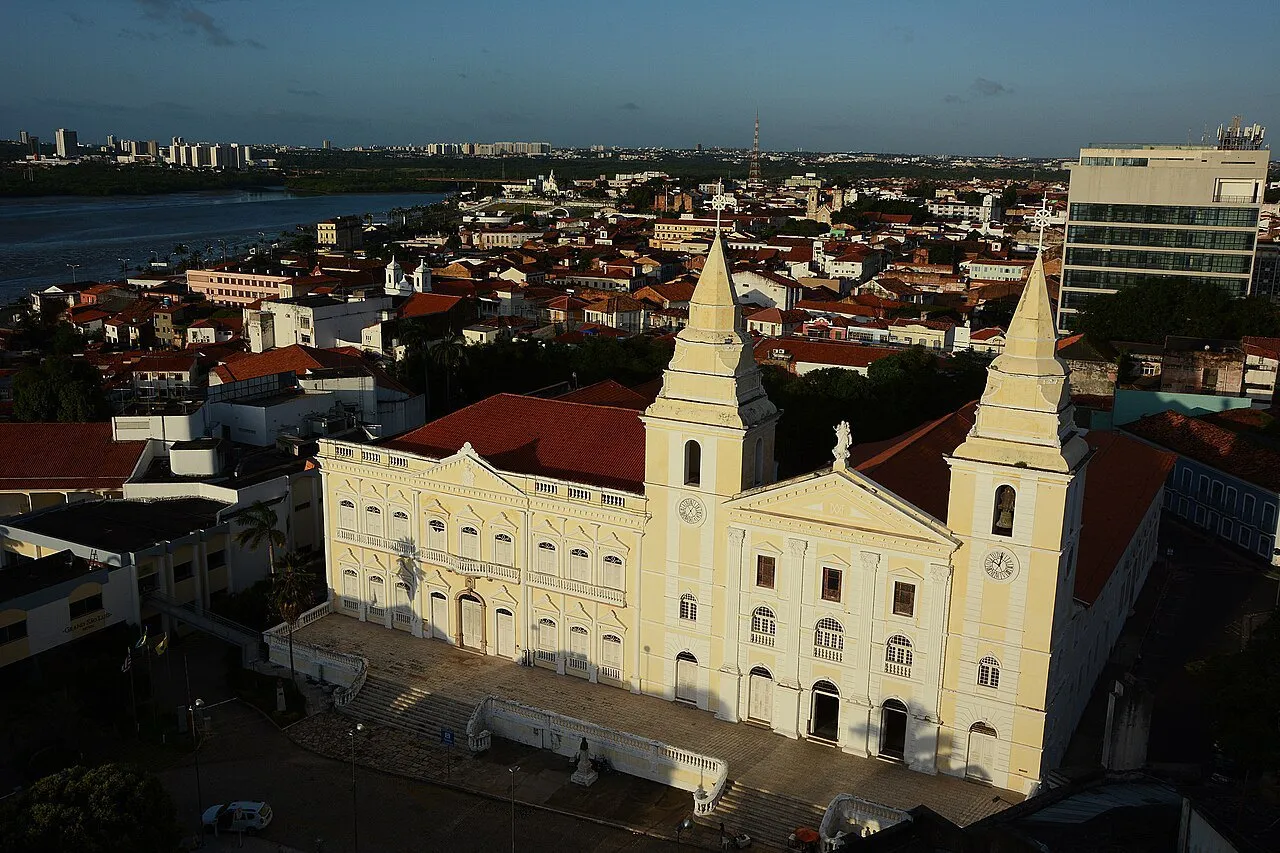
At Terreiro de Jesus, the Cathedral combines gilded altars, paintings and a ceiling that makes the visit continue upward, among details of sacred art.
View details for Catedral Basílica de Salvador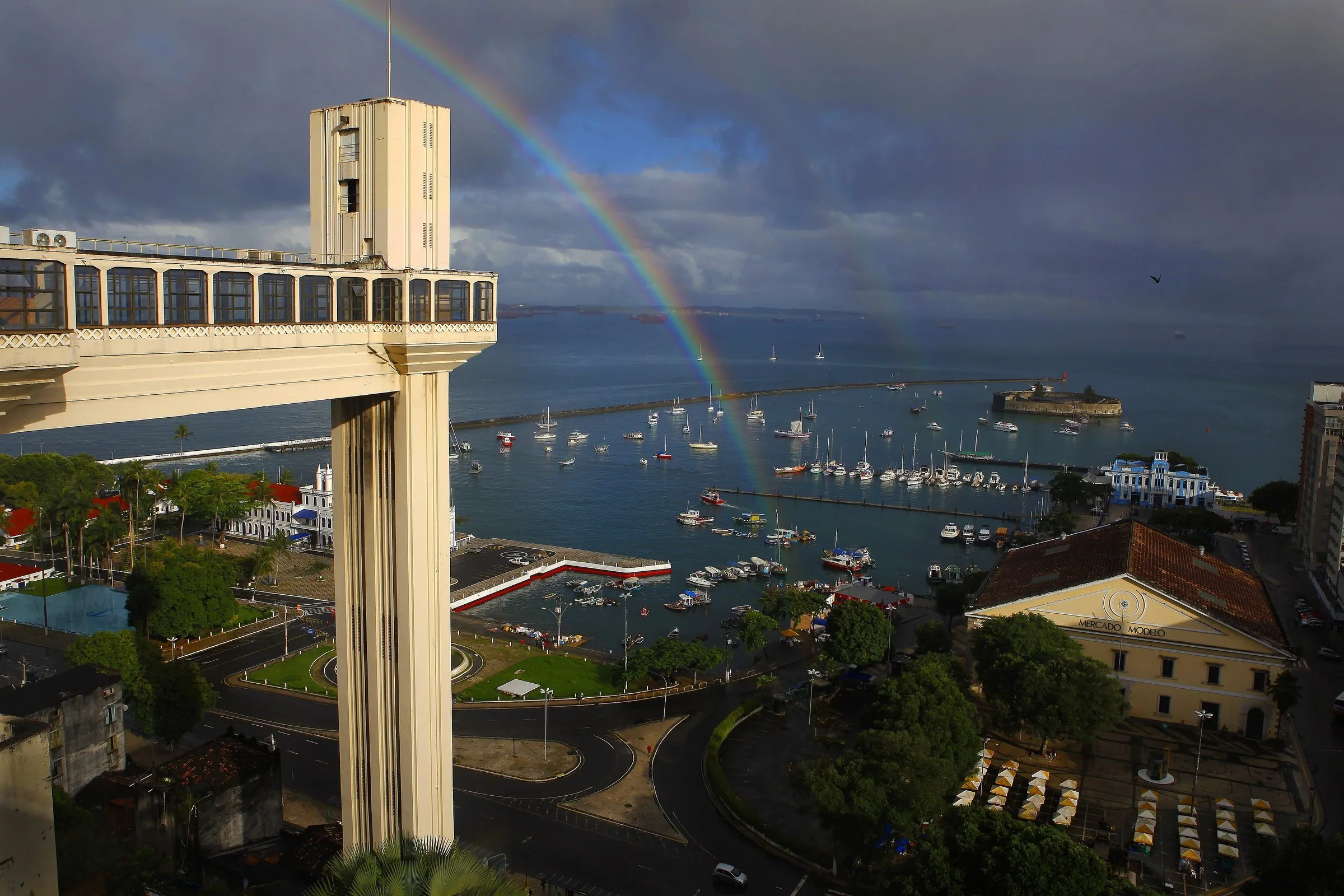 3
The elevator links the Cidade Alta and the Cidade Baixa; the short crossing is part of local routine and comes framed by the bay and the port.
View details for Elevador Lacerda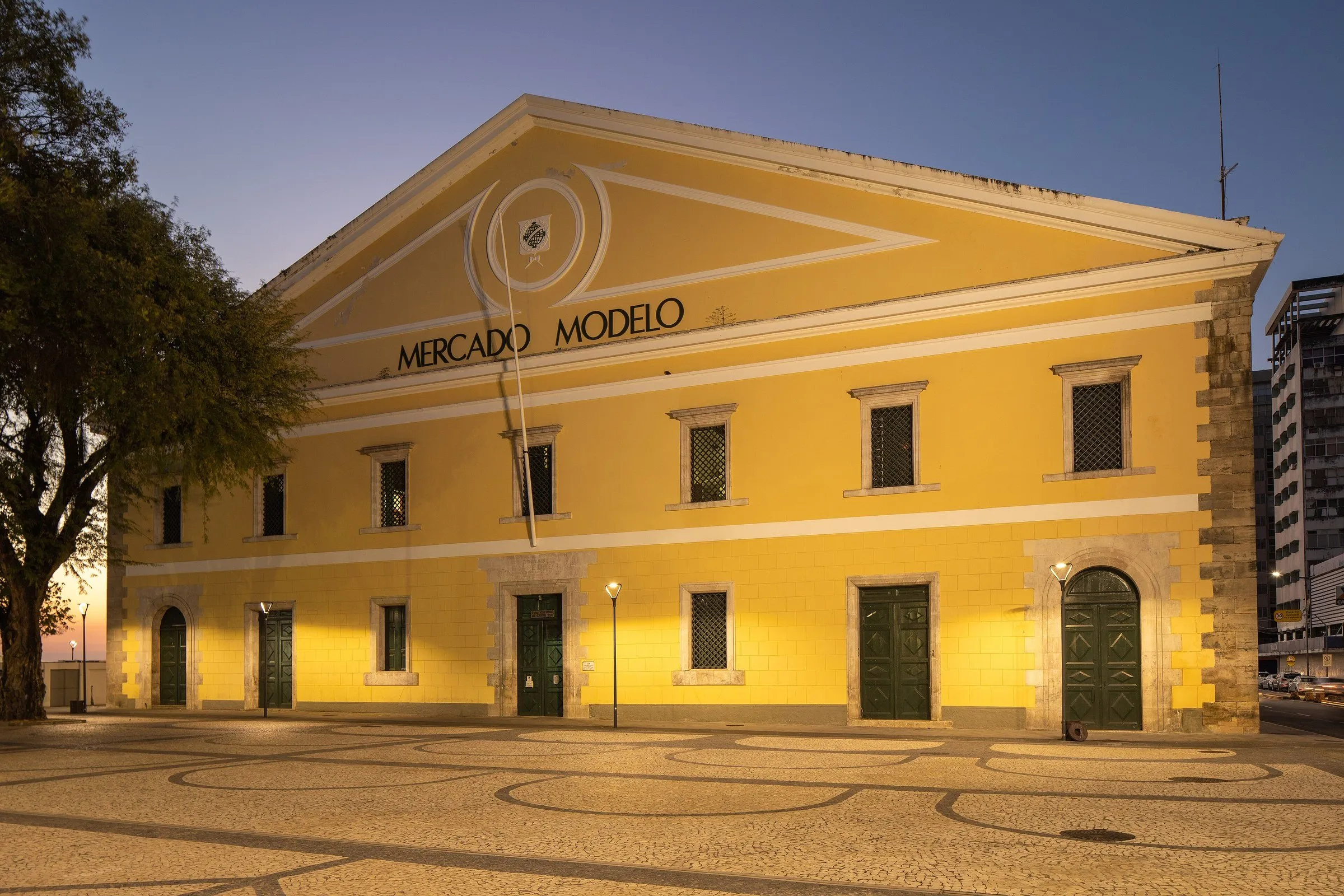 4
Crafts, fabrics and souvenirs fill the market by the port, a stop that combines shopping with the route between the two cities.
View details for Mercado Modelo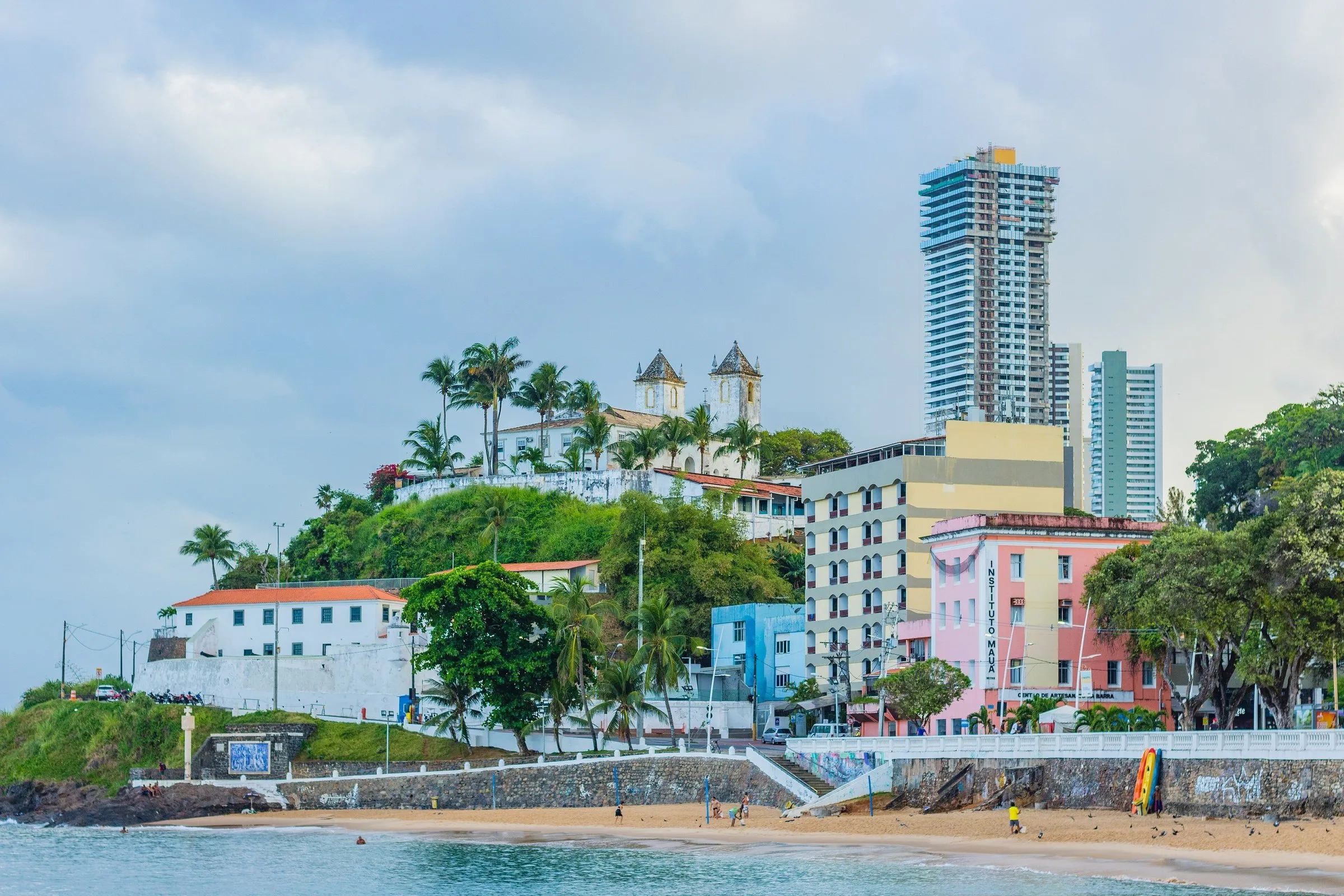 5
The strip of sand at Porto da Barra gathers bathers and water sports, with a waterfront that lets you continue on foot to the lighthouse.
View details for Praia do Porto da Barra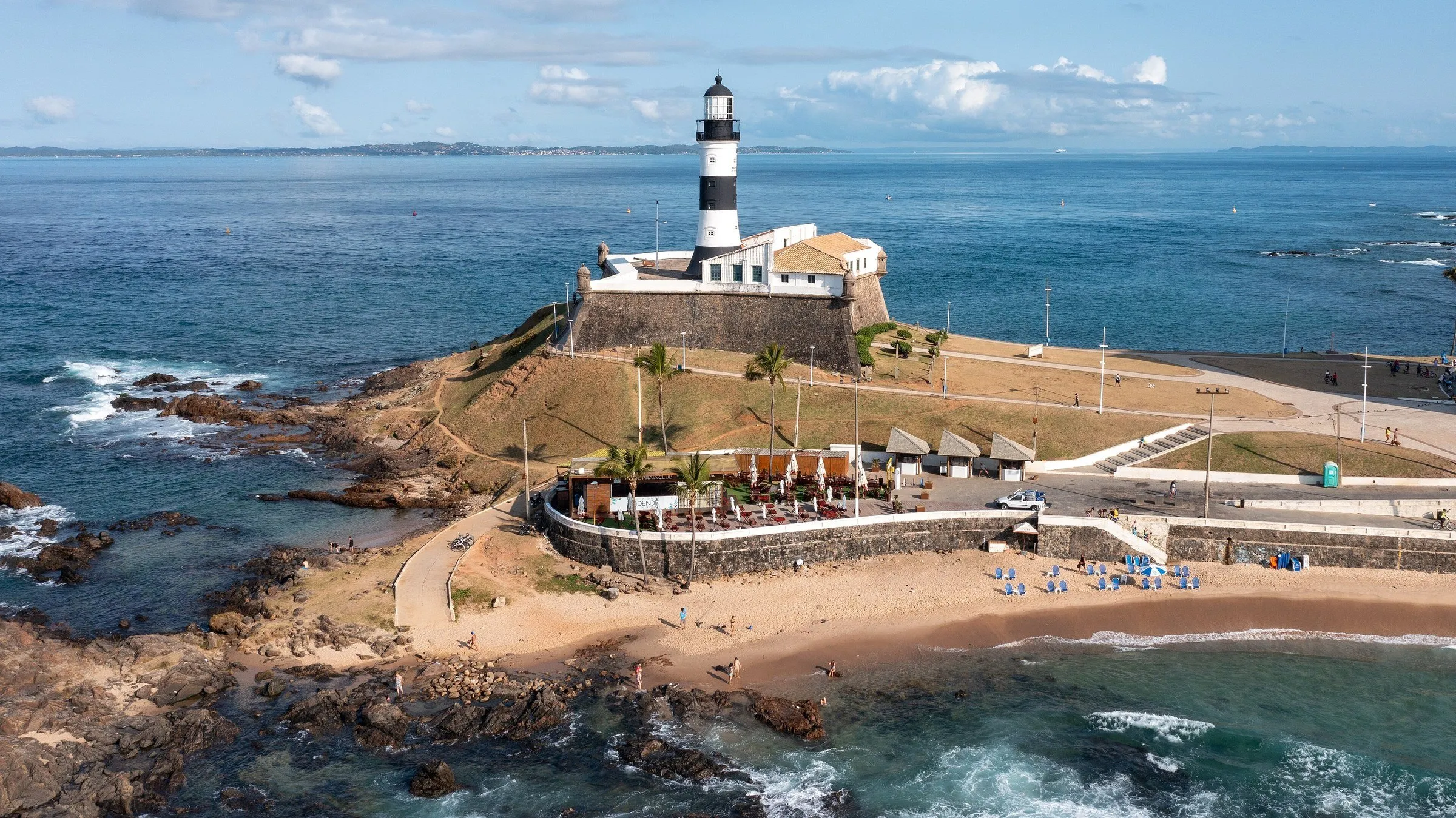 6
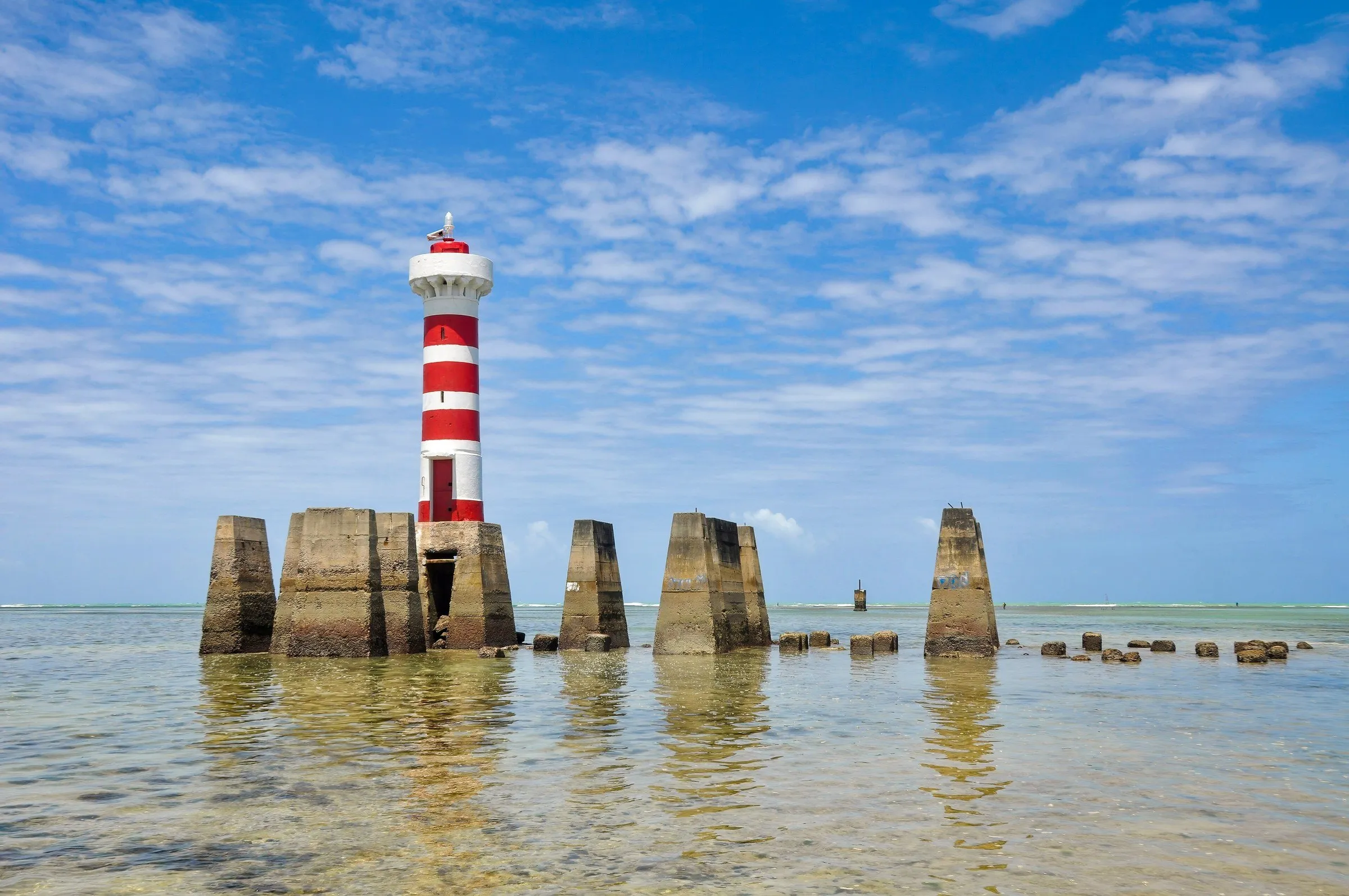
The lighthouse is part of the Forte de Santo Antônio da Barra, at the entrance of the bay, and the Museu Náutico adds stories of navigation to the visit.
View details for Farol da Barra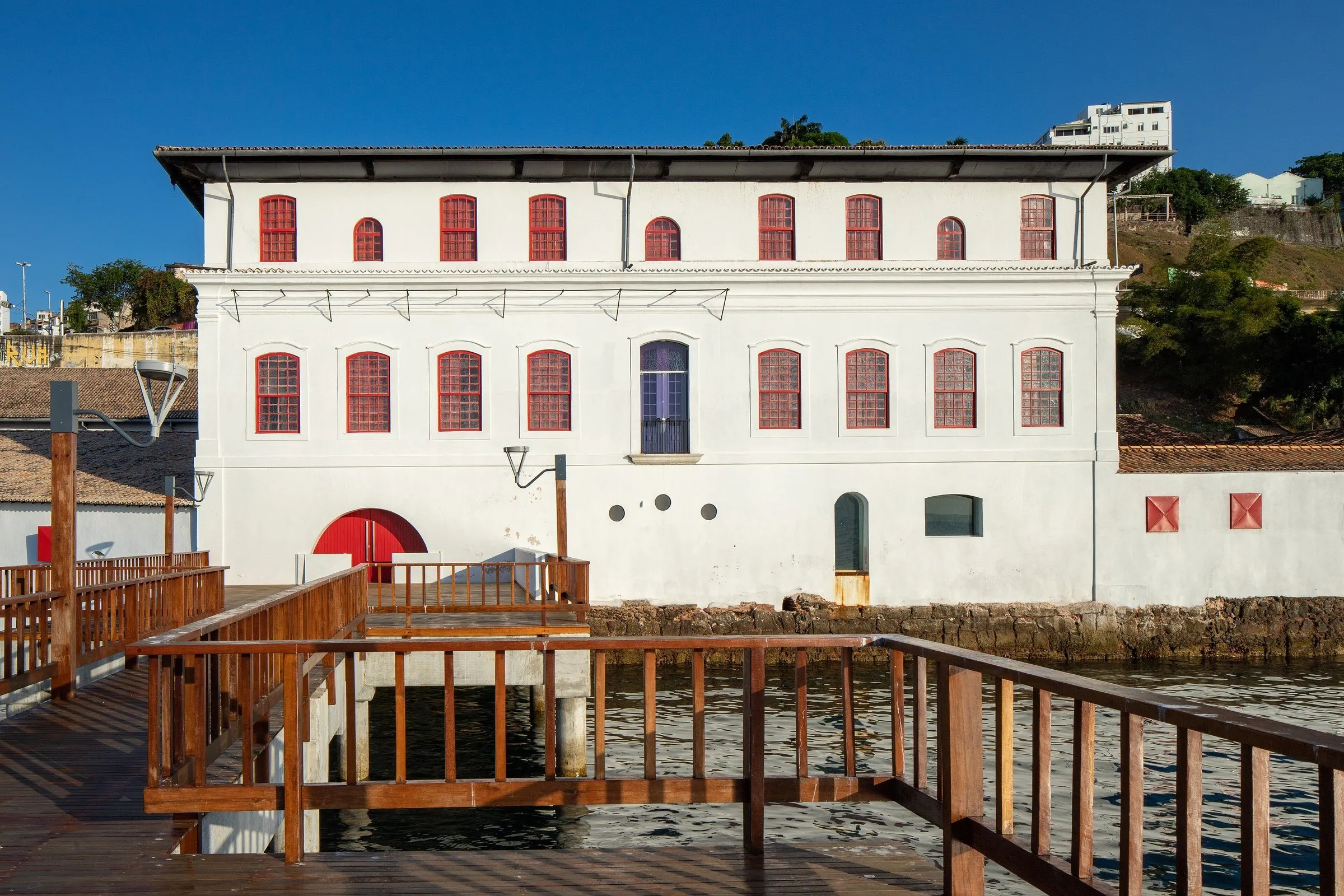 7
The Museu de Arte Moderna da Bahia occupies an old complex by the bay, where architecture, exhibitions and outdoor spaces share the visit.
View details for MAM no Solar do Unhão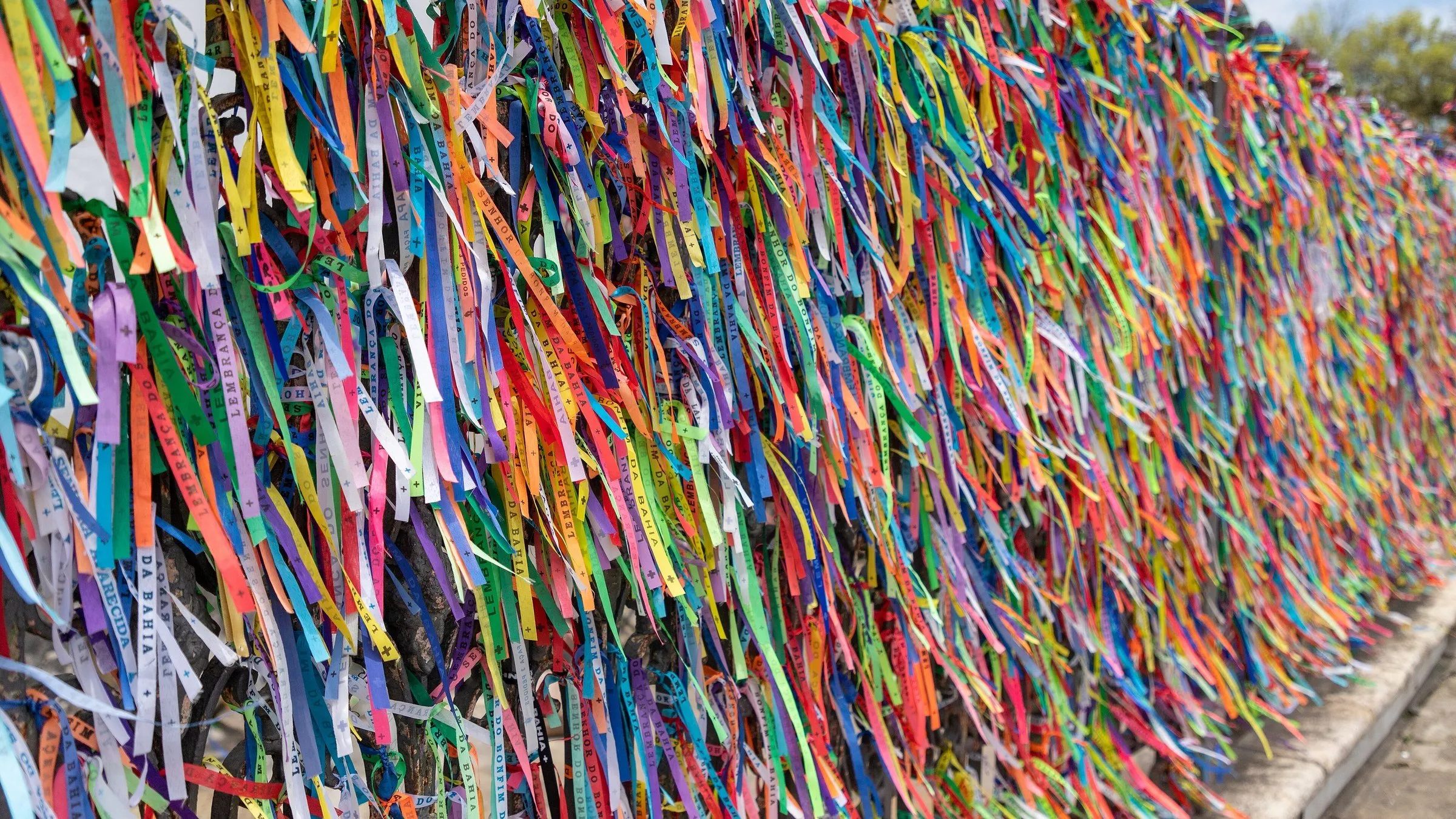 8
The ribbons cover the railing, but Bonfim calls for a visit that also reaches the church and the devotion expressed in the worshippers' thanks.
View details for Basílica Santuário do Senhor do Bonfim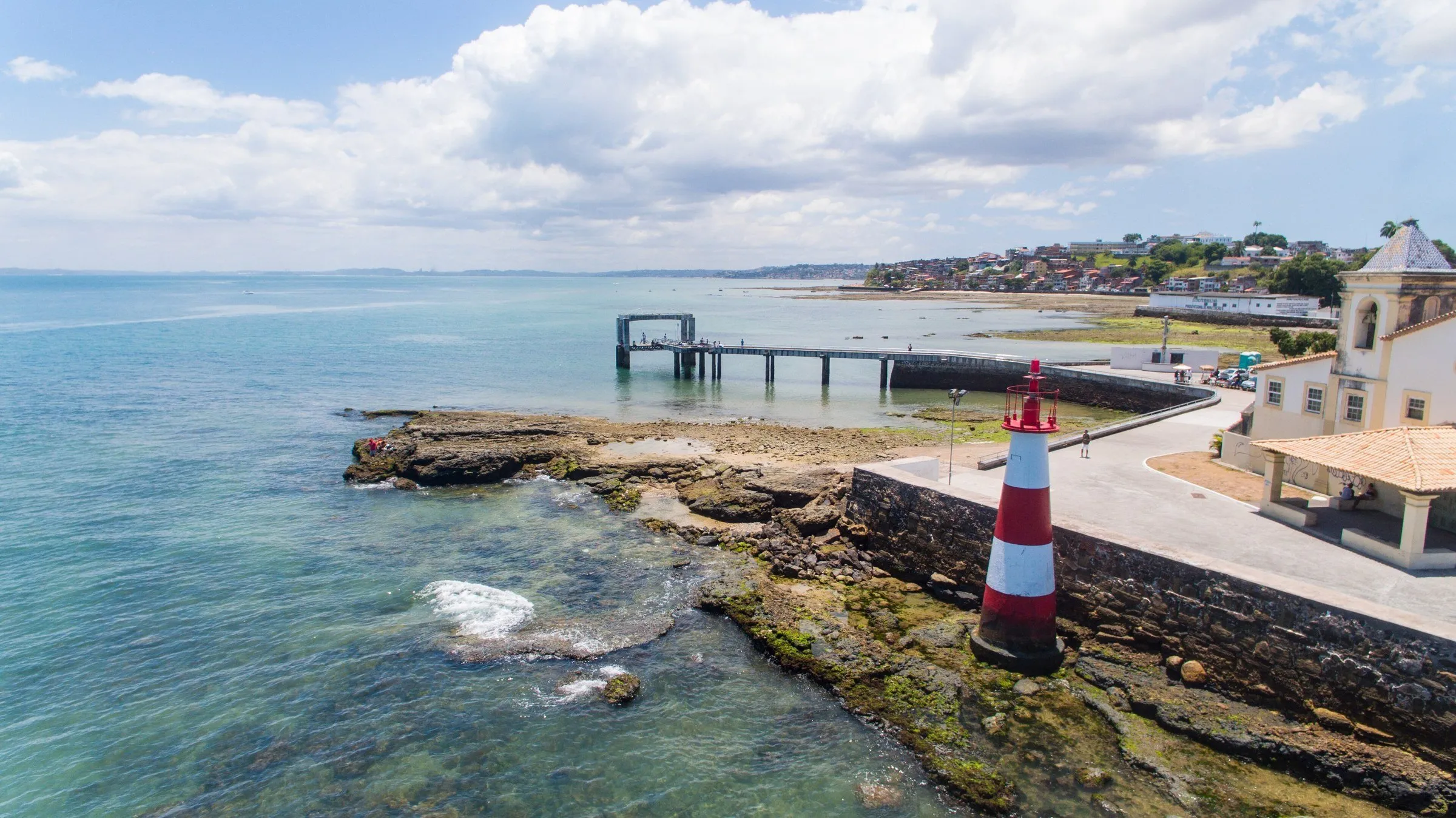 9
The small lighthouse and the edge of the bay make Humaitá a pause in the Cidade Baixa, with room to watch the water and the changing light.
View details for Ponta de Humaitá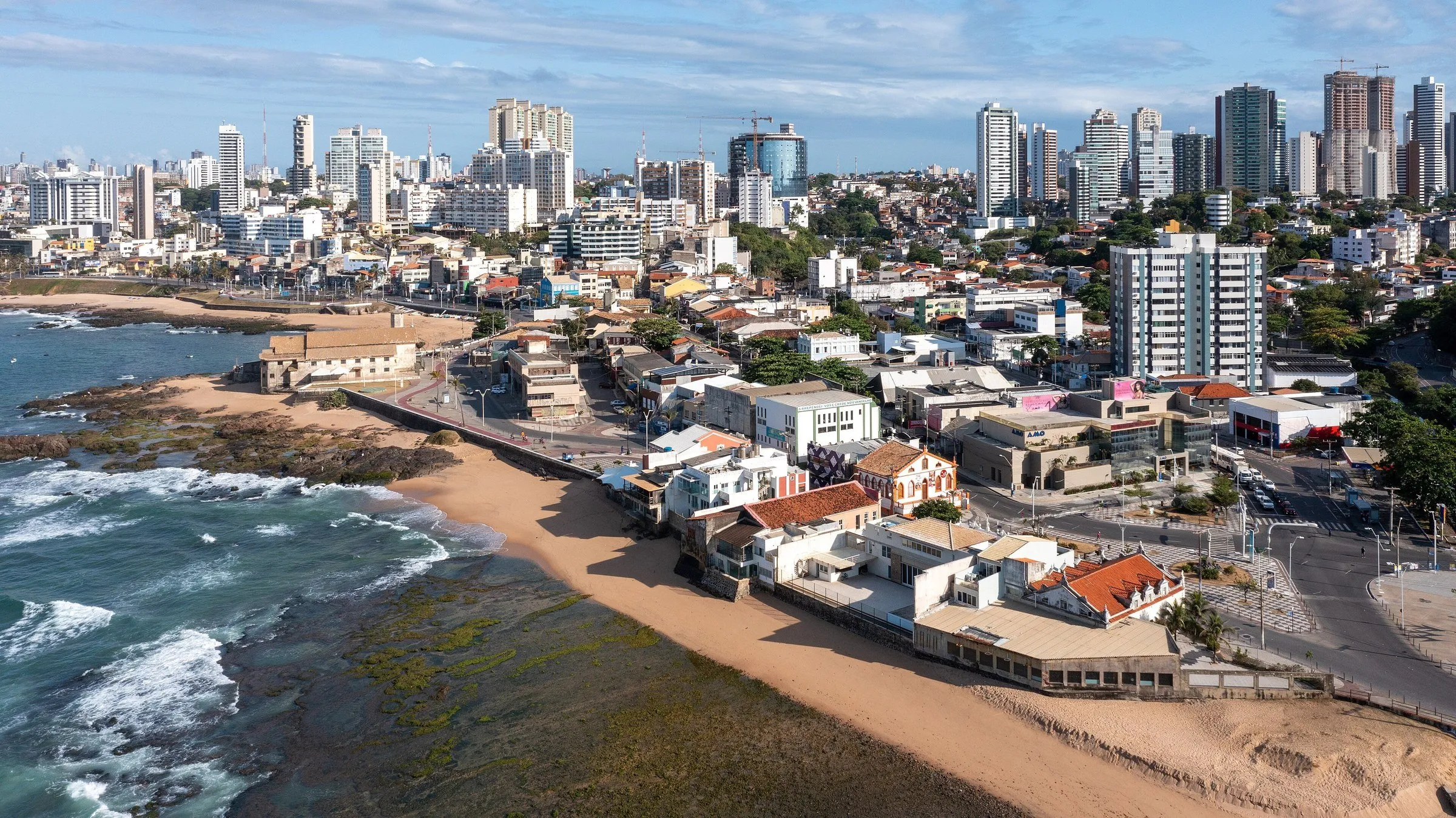 10
Acarajé stalls, bars and references to the devotion to Iemanjá give the neighborhood a walk that goes beyond choosing where to have dinner.
View details for Rio Vermelho1Largo do Pelourinho offers the famous photograph, but walking its streets reveals more than colorful walls. The Black presence shapes this area through associations, cultural expressions and religious spaces. A local guide helps you see stories that the façade alone doesn't explain.
Head toward Terreiro de Jesus without trying to conquer every slope at once. There are places to go inside or to listen to music, depending on the schedule. Turning every corner into a photo session usually calls for a pause before the camera.
2Step into the Cathedral and let your eyes adjust to the change in light. The gilded altars share your attention with paintings and the ceiling of the nave. Seat of the Primate Archbishop of Brazil, the church is still a place of worship, not just a cool break in your walk.
Take in the whole, then pick a few details; photographing every surface leaves little time for seeing. The visit pairs well with Pelourinho, on the same circuit, respecting service times and reserved areas.
3The cabin doesn't need a view for the outing to be worth it: the landscape appears on arrival and in the surroundings. The Lacerda connects Praça Municipal to Comércio and is everyday transportation, with visitors and residents sharing the way between the city's levels.
At the top, take in the hillside, port and bay before going down. Below, the Mercado Modelo helps you continue along the route. The ride is short, but the line can change your plans; don't treat the elevator as an isolated attraction of the neighborhood.
4In Comércio, the Mercado Modelo changes the pace of your walk: you go in thinking of a little souvenir and start comparing fabrics, crafts and objects that need to fit in your suitcase. Close to the Lacerda, it works well on the same day as the crossing between the two cities.
Take a lap before buying and ask about the origin and materials of the pieces. There are options for a food break, chosen without hurry. The best purchase doesn't have to be the biggest; your luggage tends to have firm opinions about that.
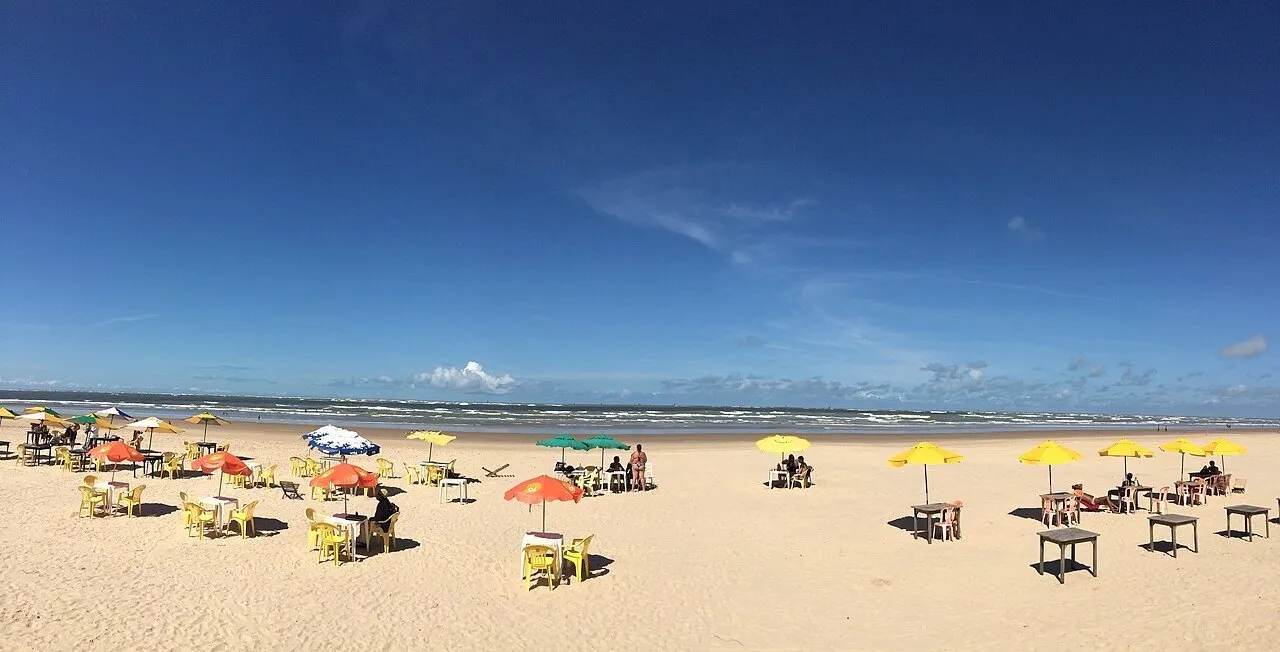
5At Porto da Barra, the sand is in demand, especially at the busiest times. Bars, restaurants and beach services are nearby, while the water gathers bathers and nautical activities. It is a stop for shortening the to-do list.
If conditions are right, set aside time for a swim and plan how to look after your belongings. Then follow the waterfront to the Farol da Barra. The two stops connect better with an unhurried walk than with successive rides in the car.
6The striped tower shows up before you arrive, but it isn't alone: it is part of the Forte de Santo Antônio da Barra, at the entrance of the Baía de Todos-os-Santos. Inside, the Museu Náutico gathers objects that help you think about the city's relationship with the sea.
Take in the whole and, if it is open, visit the museum. Climbing the lighthouse depends on access conditions; don't build the whole afternoon around it. The waterfront already lets you follow the meeting of fortification and water.
7At the Solar do Unhão, the sea takes part in the visit even when you came to look at art. The complex houses the Museu de Arte Moderna da Bahia and had an intervention by Lina Bo Bardi. Alternate your attention between artwork, architecture and landscape.
Check which galleries are open and choose your route. The Parque das Esculturas is part of the complex, but its access needs to be confirmed; the museum is no promise of a beach. A pause in the courtyard may be worth more than another visit squeezed into the clock.
8The ribbons call first, but Bonfim deserves more than a photo by the railing. The basilica is a place of everyday devotion, with visitors who come to give thanks, make requests or see one of Salvador's best-known religious spaces.
If available, visit the ex-voto areas: objects offered for graces attributed to the saint, which draw the eye to personal stories. Respect the services and those who came to pray; your trip doesn't need to turn other people's faith into a show.
9Humaitá juts out into the Baía de Todos-os-Santos and lets the landscape take over the outing. The lighthouse is part of the point's complex, at the far end of the Península de Itapagipe, with historic buildings and water very close. It fits with the side of the city where Bonfim is.
Walk through the accessible area and stop to watch the light change, without needing to go down to the rocks. Set aside time to sit; rushing past would give you just one more photograph with no memory of the wind. Plan your return before settling in.
10The dendê from the stalls helps guide your arrival in Rio Vermelho. The presence of fishermen and the devotion to Iemanjá coexist with restaurants, bars and art spaces. Take in this whole before deciding you came only for the night.
Walk through the largos of Santana and Mariquita and choose where to eat. Acarajé and abará come with different accompaniments; talking to whoever prepares them works better than guessing. For the way back, arrange your ride before your attention splits between the conversation and the last bite.
Wear shoes that grip on stone and group the Cidade Alta and the Cidade Baixa. Confirm the Lacerda is operating; between neighborhoods, plan transportation instead of adding up walks on the map.
The airport lists a transfer between the terminal and the Aeroporto metro station. Check how it operates and map out the full route to your lodging; the station is not inside the terminal hall.
April to July tends to bring more rain. Bring water, sun protection and something to cover up; rearrange your days according to the forecast. Before swimming, consult Inema and local guidance about the sea.
Respect services and photography rules in churches. Ask permission before photographing people, stalls or religious practices, and agree on any service before accepting.
Do the central walks during the day, check the route inside an establishment and put your phone away when you leave. At night, plan your return and a well-lit pickup spot.
Ask which fillings and accompaniments come with your order: shrimp may show up in different preparations. Agree on prices and portions before eating; it's better to settle the pepper at the start than to negotiate afterward.
The dendê can change your plans before you read a menu. Start with the stalls, set aside one meal for moqueca and ask about the accompaniments. The food tells stories of work, religion and the passing down of knowledge; talk to whoever prepares it. In Rio Vermelho, end the outing seated, without hurry.
Black-eyed pea fritter fried in dendê, with fillings that may include vatapá, caruru and dried shrimp.
Bean batter cooked by steaming instead of frying; try this version from the stalls too.
Fish, seafood or other bases with dendê, coconut milk and cilantro; check the size of the pot.