 1
Viewpoints
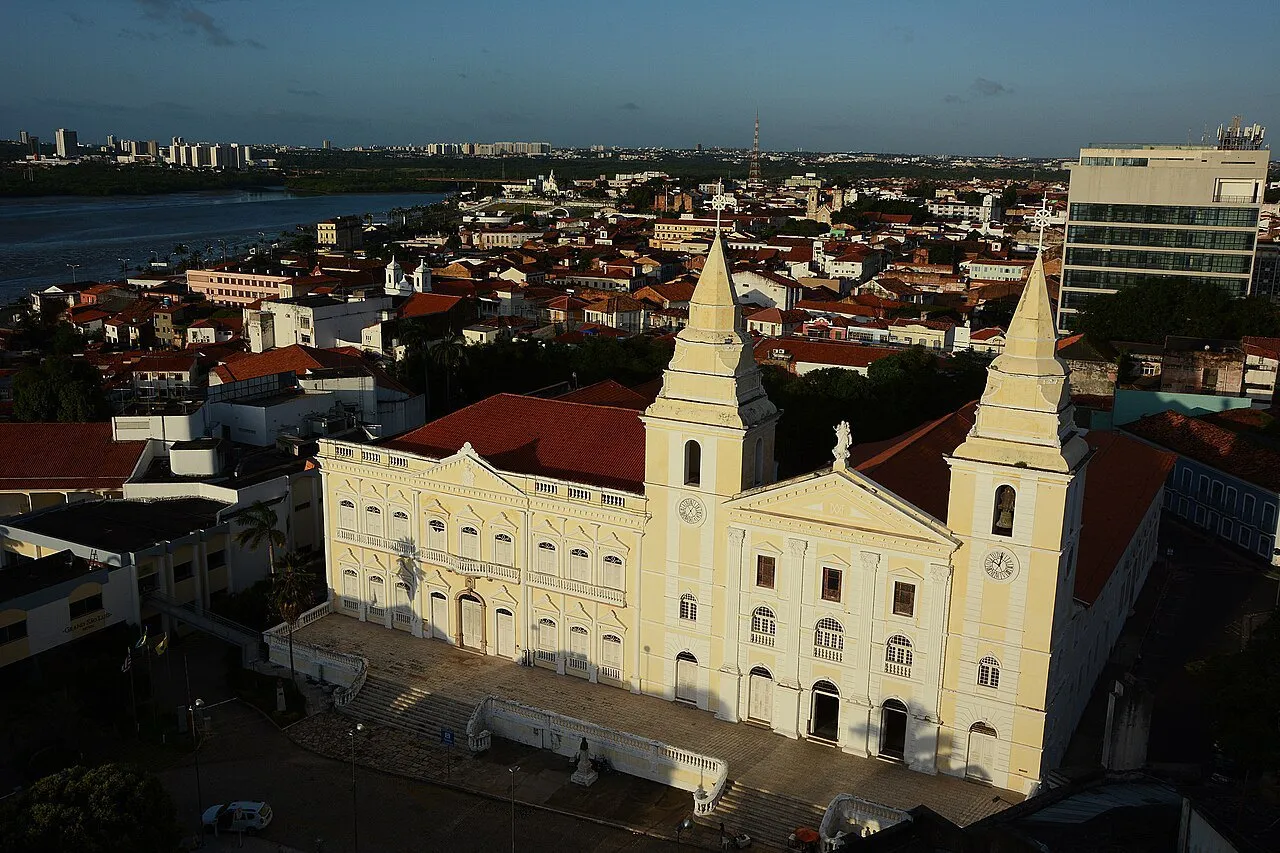
Colina de Santo Antônio
The church and viewpoint of the Colina de Santo Antônio help you see Aracaju from above, in a place tied to the origins of Sergipe's capital.
View details for Colina de Santo Antônio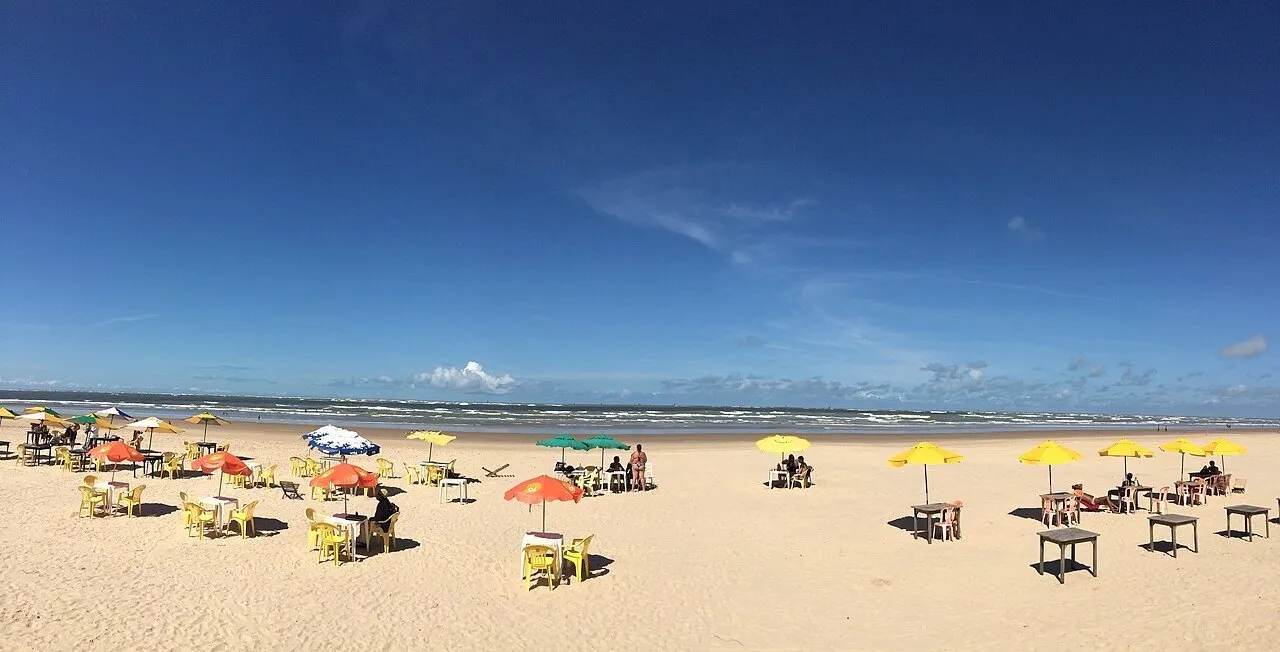
Brazil
At Atalaia, you pose under the arches and start negotiating with the heat: a walk now, caranguejo later. In Aracaju, even a stroll by the sea has to leave room for the table.
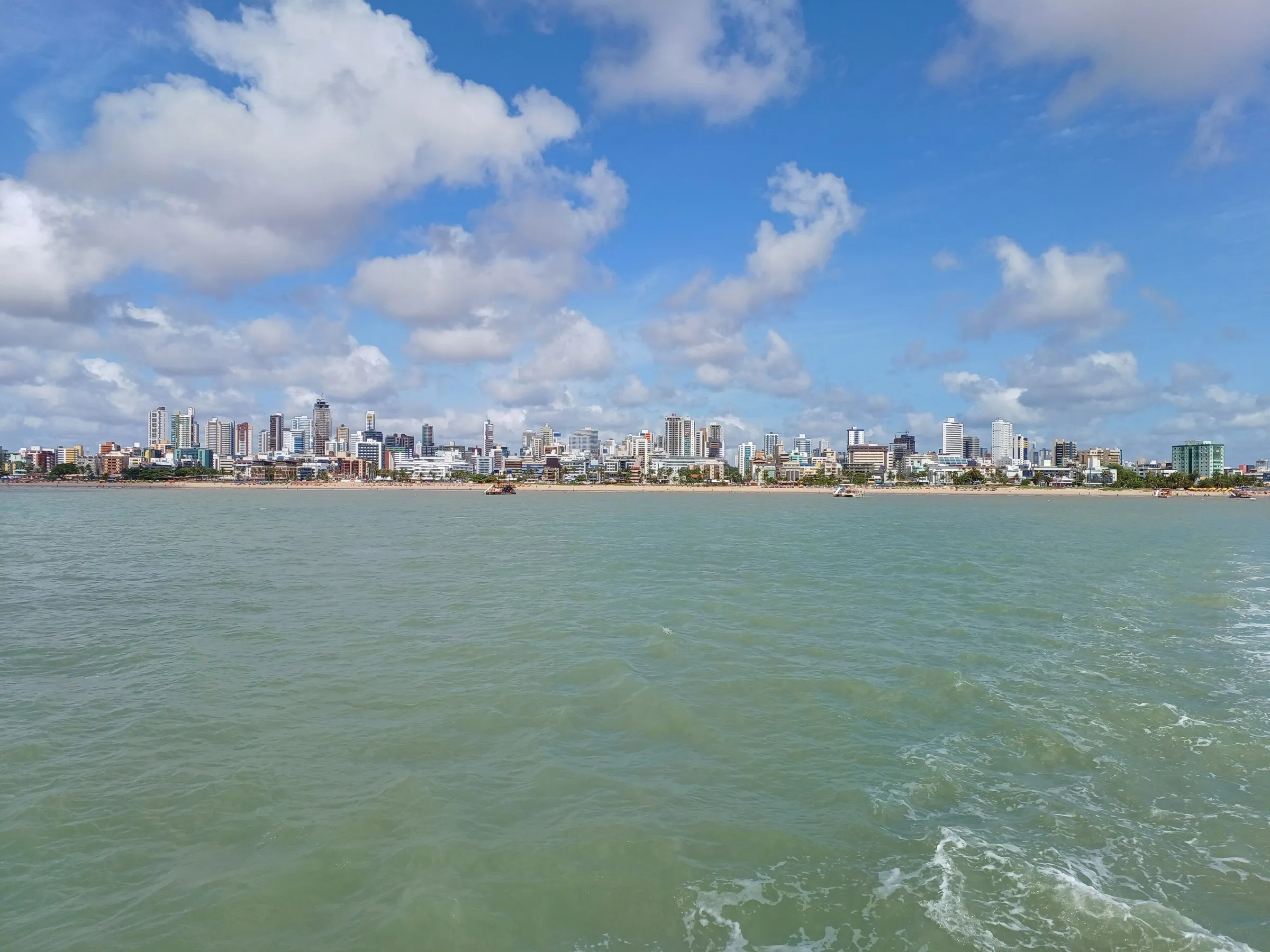
Between the Atalaia promenade and the riverside in the Centro, Aracaju changes the subject without leaving the water. On the waterfront, the conversation turns to the arches, the Oceanário and the restaurants; in the markets, it becomes nuts, flour and crafts. The sea sits beyond a generous strip of sand, so the idea of leaving the hotel and dropping straight into the water deserves a look at the map. The walk starts before the first swim.
Organize the itinerary by area: one day for the Colina de Santo Antônio, the markets and the museums of the Centro; another for Atalaia and the late afternoon at Mosqueiro. It fits into two days, but a third lets you sit down without calculating the next departure. Prefer getting between these blocks by car or taxi and keep the walking for within each area. The sun doesn't have to take part in every stage as an endurance test.
Aracaju became the capital of Sergipe in 1855, replacing São Cristóvão; looking at the river helps explain the importance of the port in that choice.
The Oceanário building is shaped like a turtle when seen from above: the architecture gives away the theme before you reach the tanks.
The markets of the Centro form a group, but each has a different calling: crafts at Antônio Franco, flavors at Thales Ferraz and supplies at Albano Franco.
Mangaba goes beyond juice: it also appears in ice creams, sweets and liqueurs, and its harvest is tied to traditional communities in Sergipe.
1The church and viewpoint of the Colina de Santo Antônio help you see Aracaju from above, in a place tied to the origins of Sergipe's capital.
View details for Colina de Santo Antônio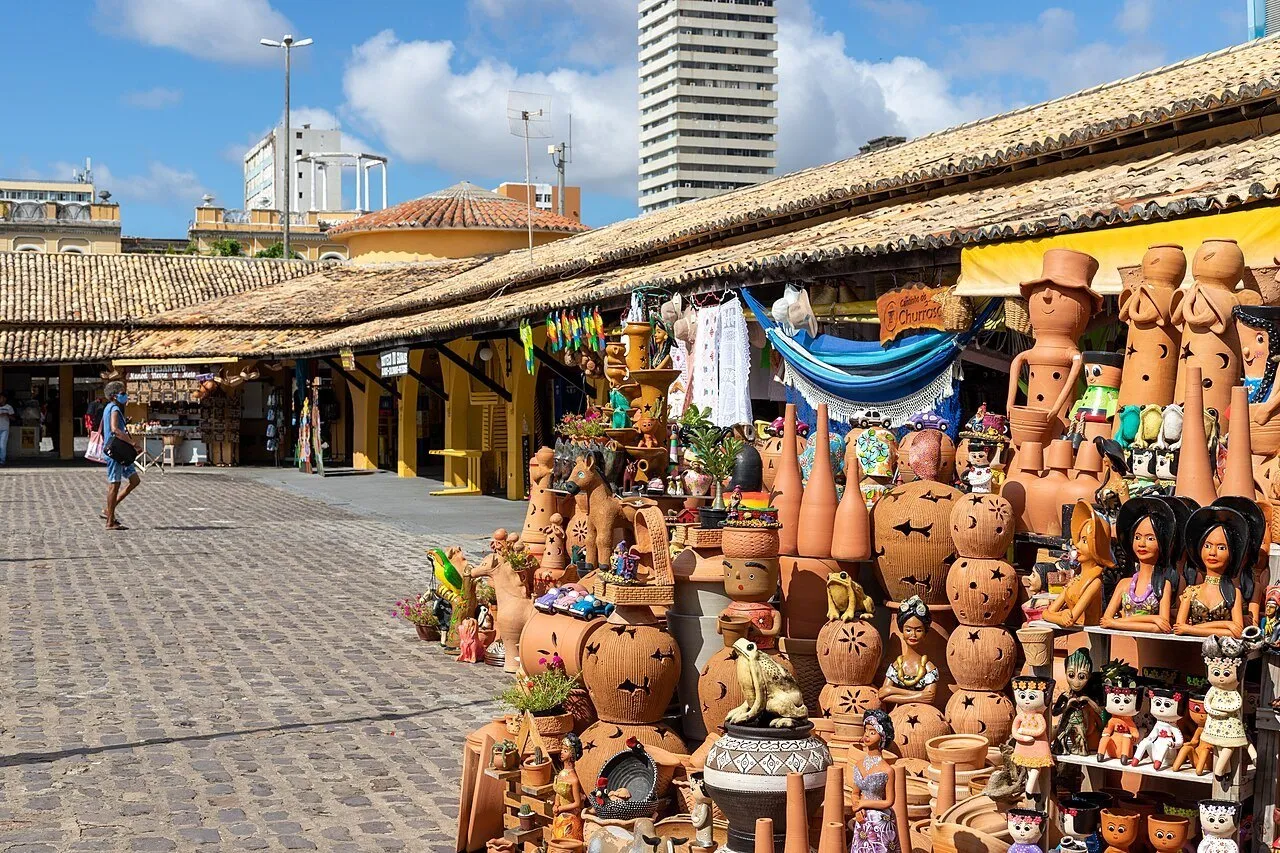 2
Antônio Franco, Thales Ferraz and Albano Franco bring together crafts, nuts, flour and everyday shopping near the Rio Sergipe.
View details for Mercados Centrais de Aracaju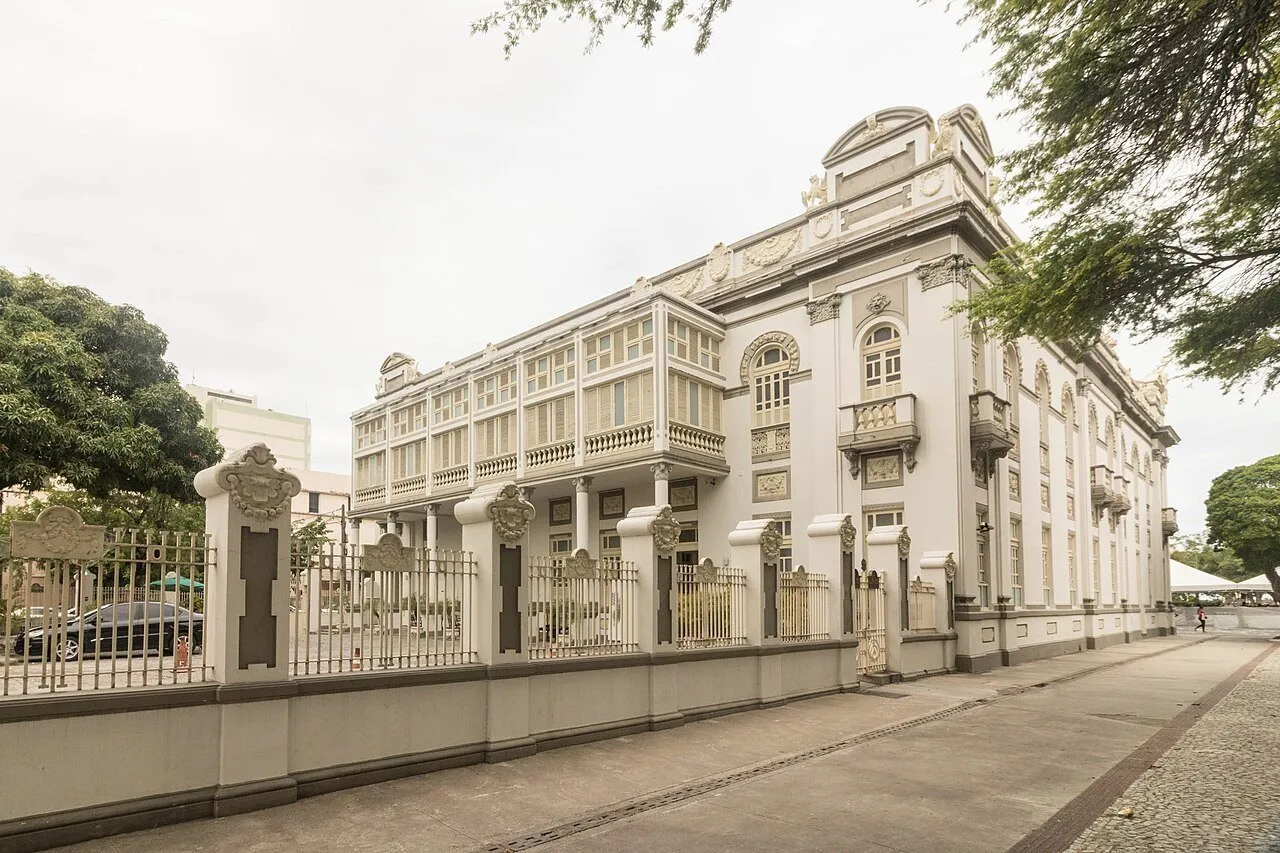 3
The former seat of Sergipe's government opens its doors to halls, paintings and objects tied to the state's political life, in the Centro.
View details for Palácio-Museu Olímpio Campos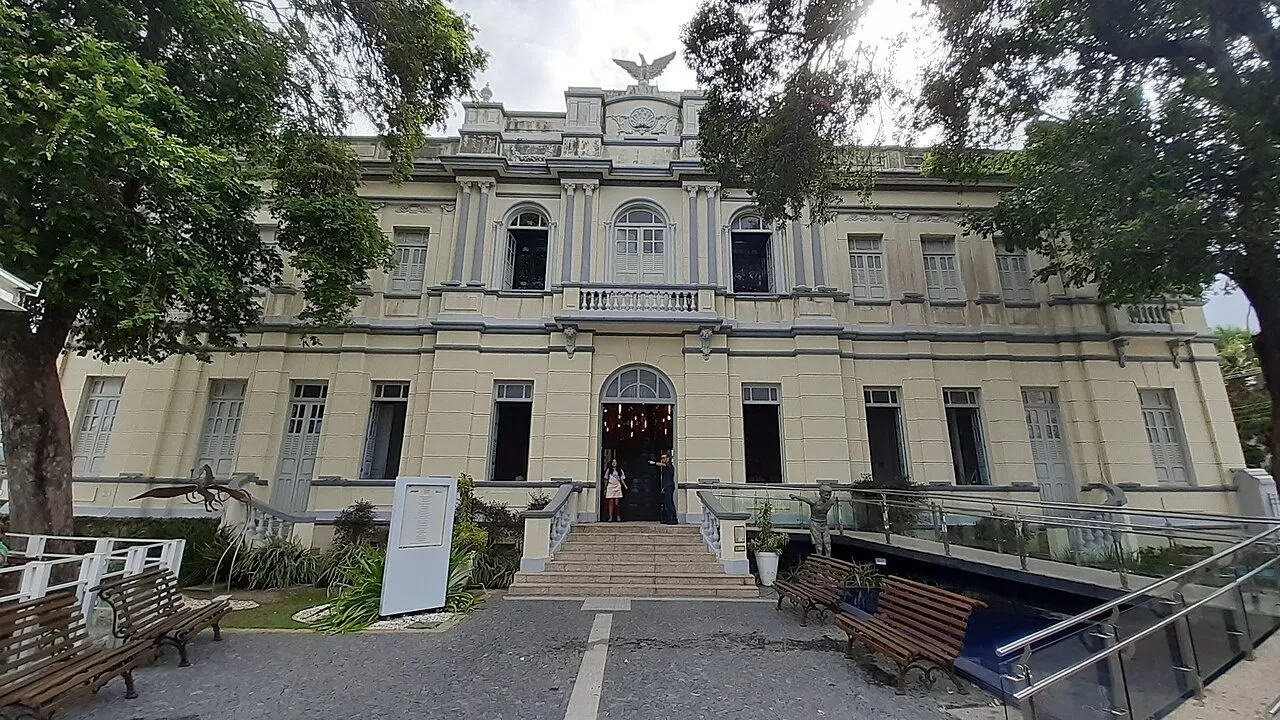 4
Screens, sounds and interactive features present the landscapes, festivals, ways of speaking and flavors of Sergipe in a museum that asks for time to experiment.
View details for Museu da Gente Sergipana Governador Marcelo Déda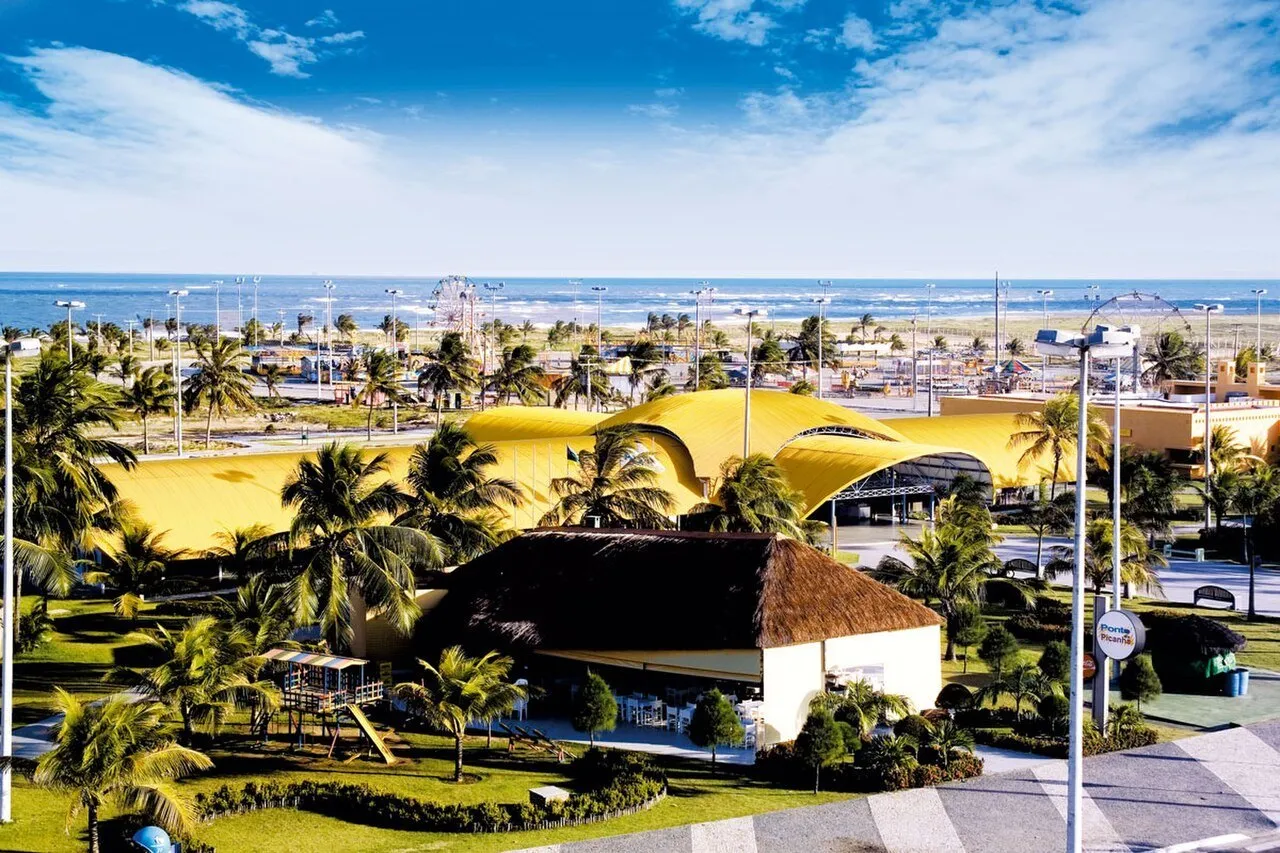 5
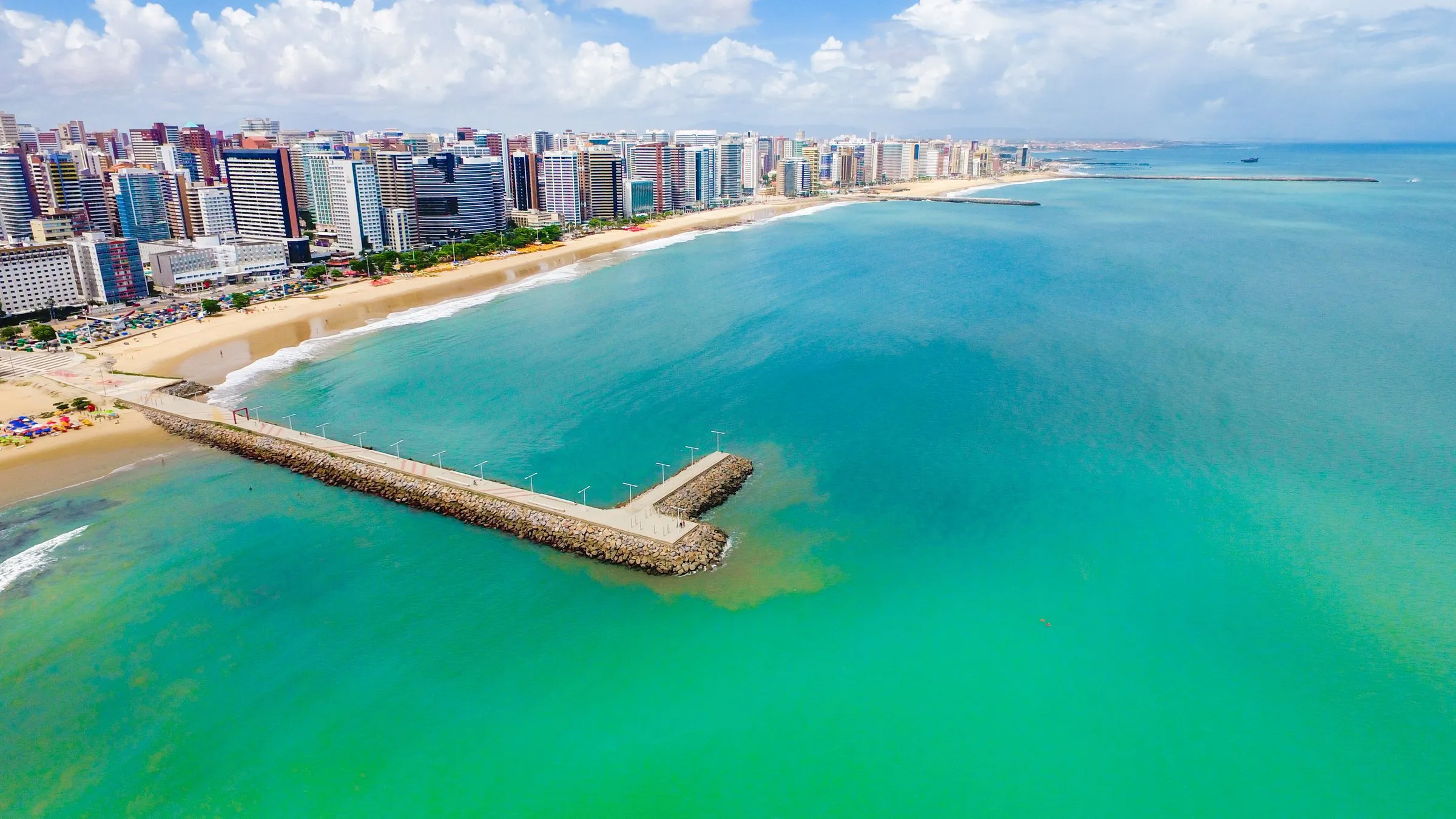
Arches, promenade, bike path and lakes make the Orla de Atalaia an outing in itself; the beach joins the conversation after the walk across the sand.
View details for Orla de Atalaia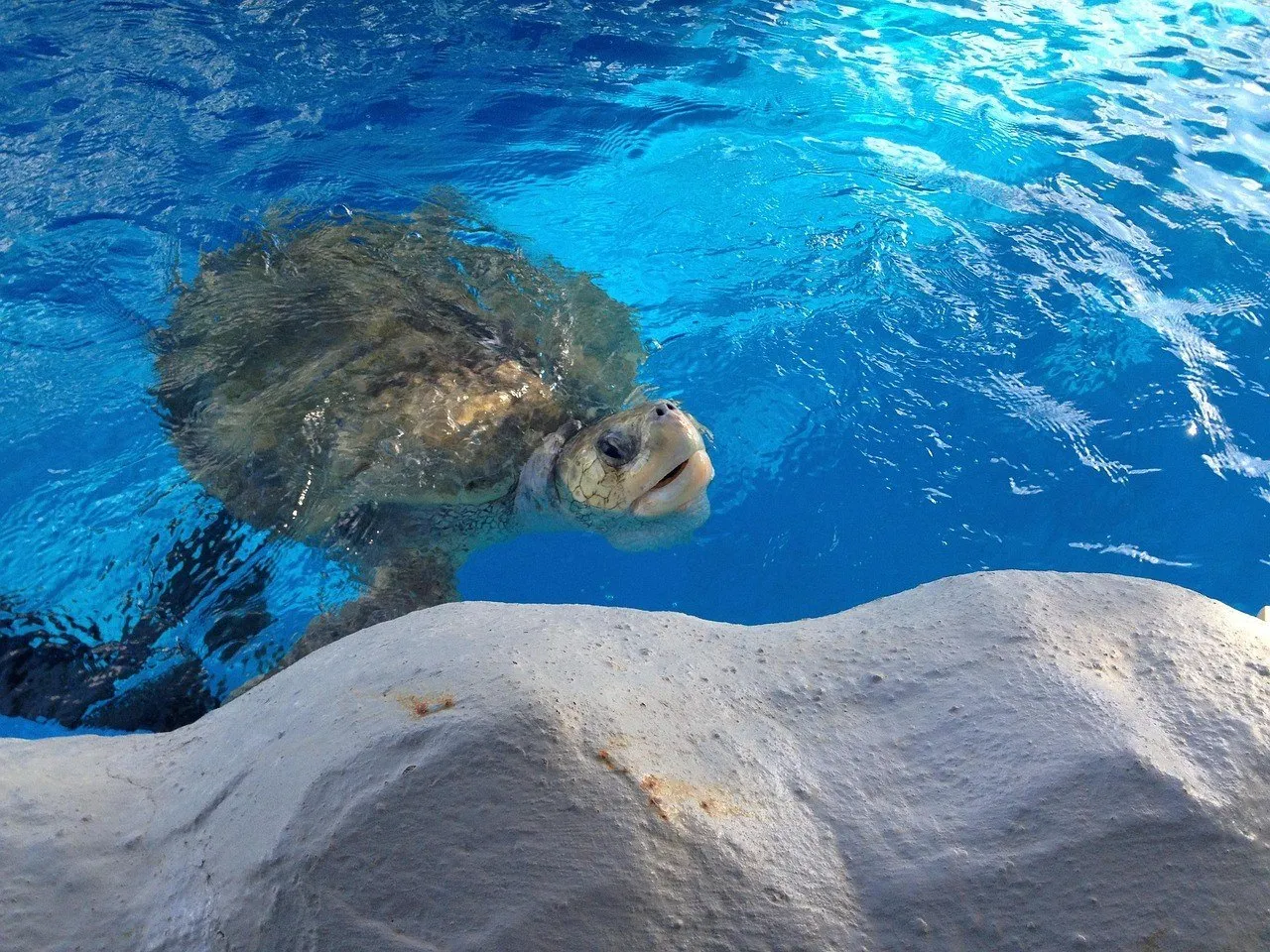 6
Tanks, aquariums and educational spaces bring you closer to sea turtles and the conservation work of Projeto Tamar in Sergipe.
View details for Oceanário de Aracaju — Fundação Projeto Tamar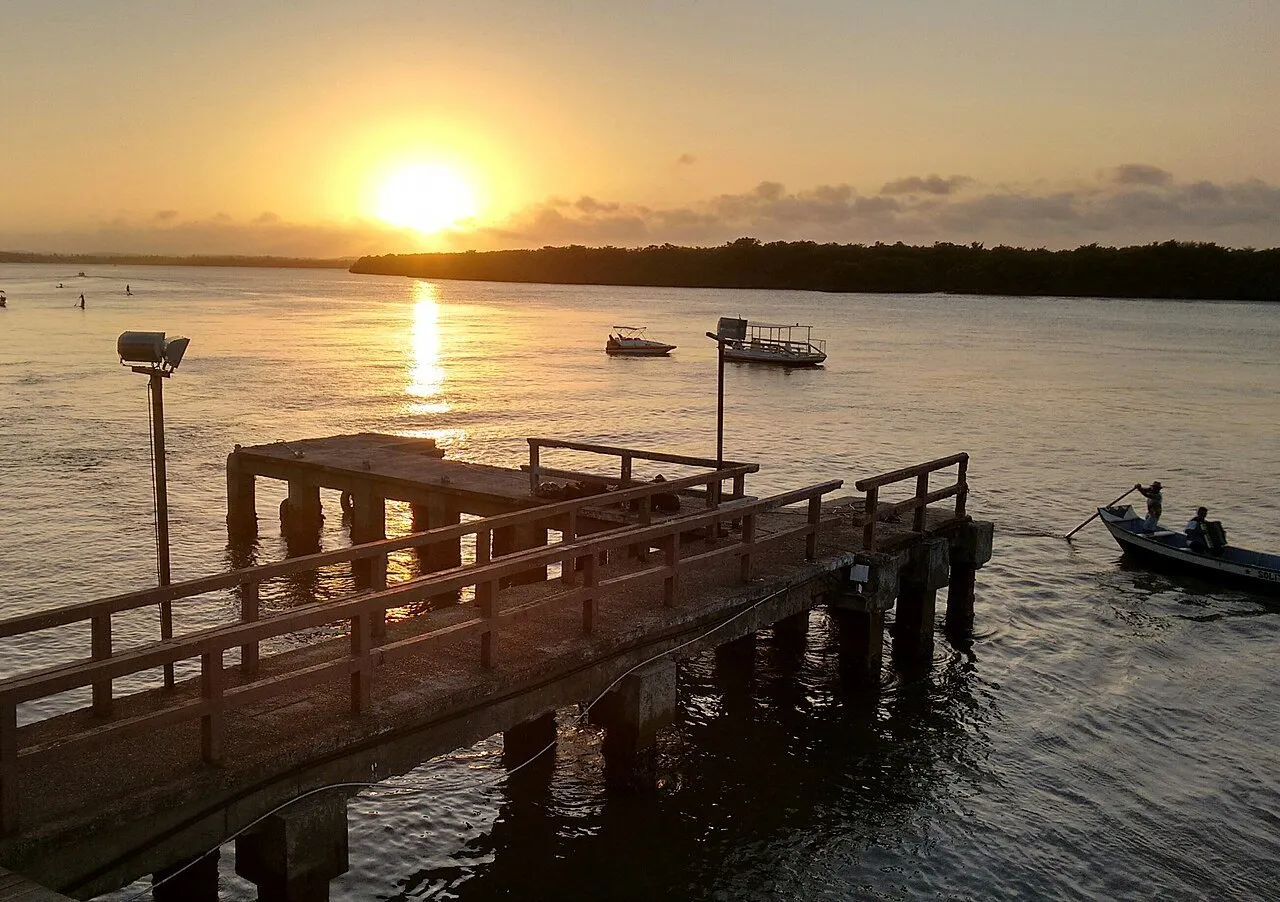 7
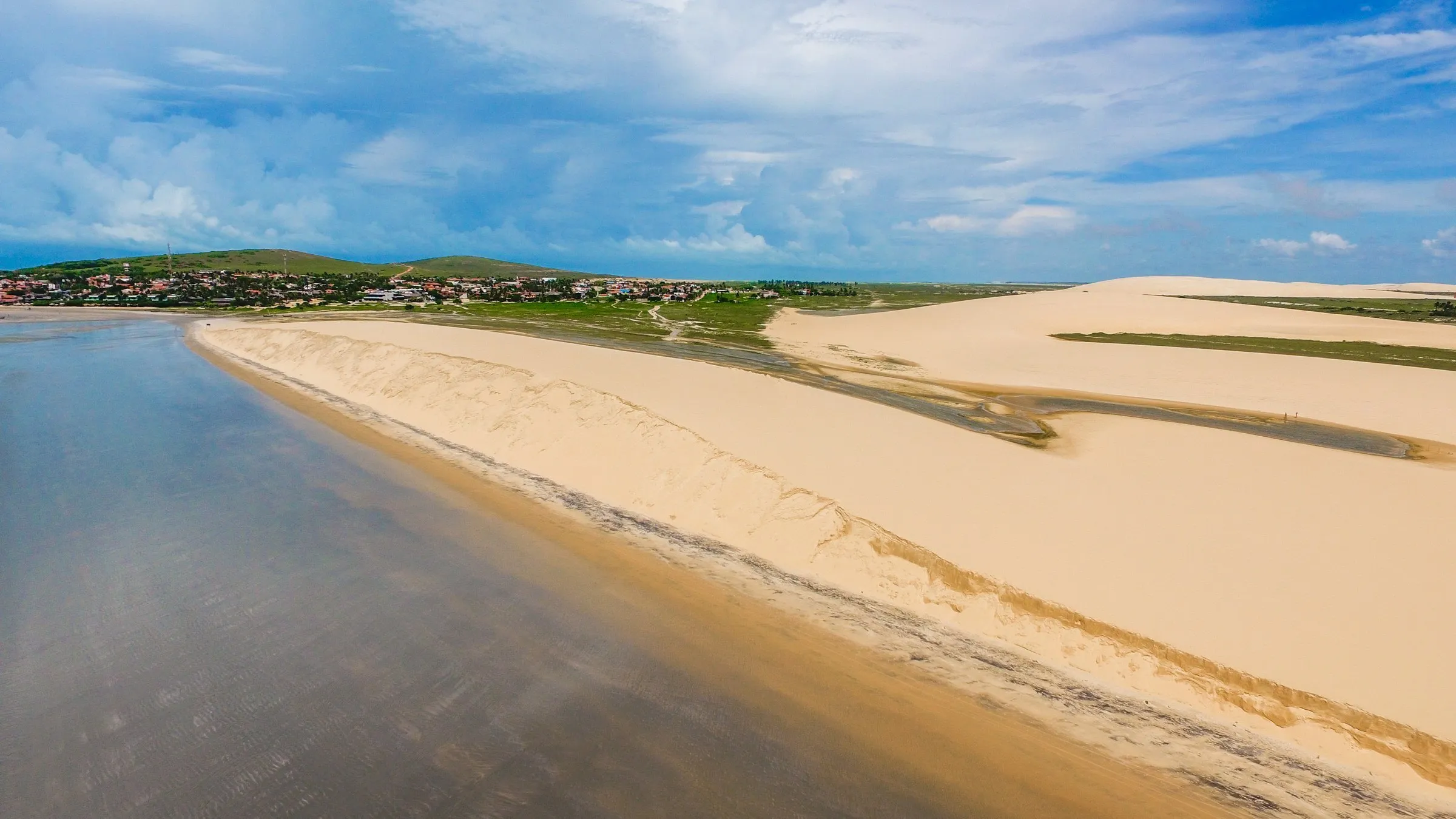
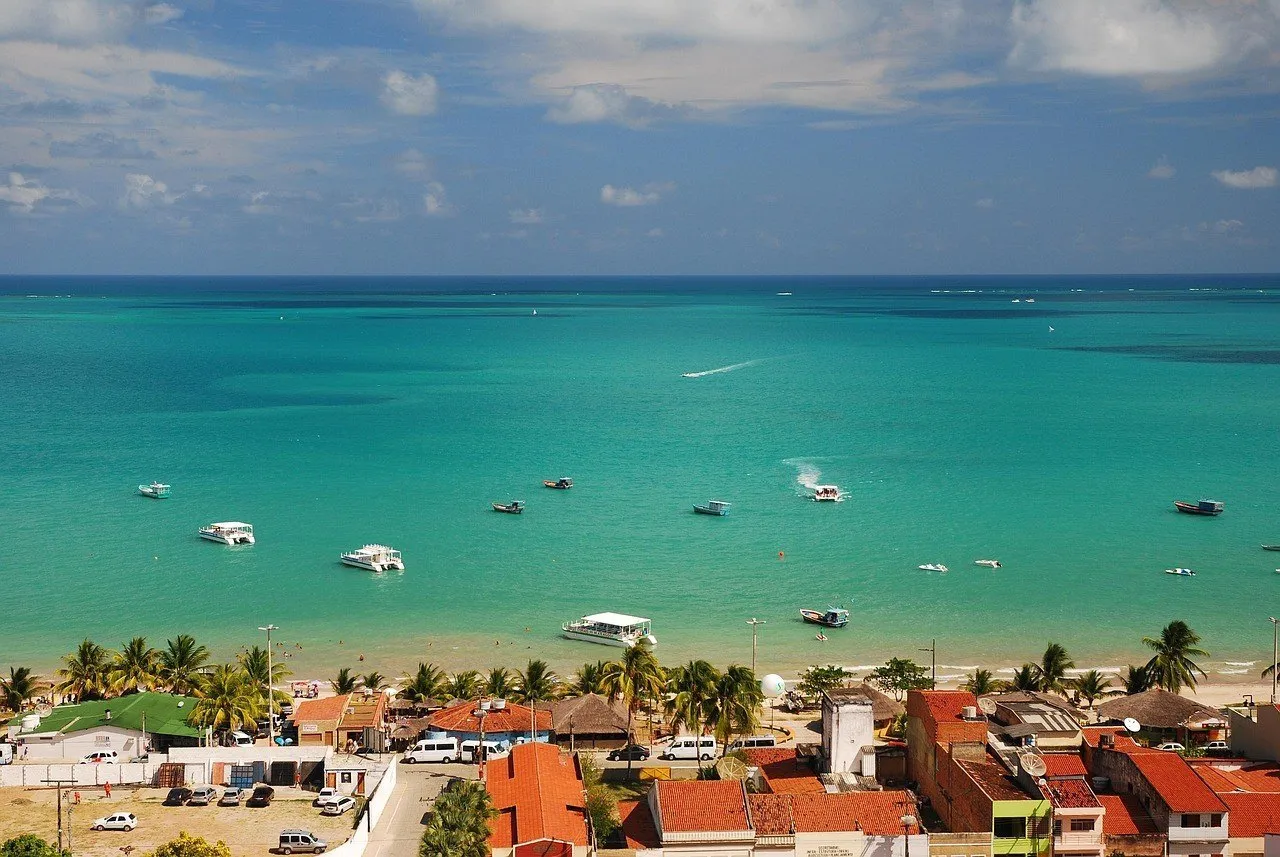
On the bank of the Rio Vaza-Barris, in Mosqueiro, the Orla Pôr do Sol offers a late afternoon facing the water and the movement of boats.
View details for Orla Pôr do Sol Jornalista Cleomar Brandi1The city changes scale when you climb the Colina de Santo Antônio. The church shares the spotlight with the view, and the whole helps you understand that Aracaju is not just the strip of beach hotels. The neighborhood is tied to the origins of the capital, before the urban layout spread across the plain.
Stop to take in the panorama and the religious surroundings, without turning the visit into a race for photographs. The viewpoint recently went through a revitalization, with a panoramic walkway and better circulation; check the access conditions and respect the moments of celebration at the church.
2Just walking into the markets turns the souvenir list edible. Nuts, flour, cheeses and sweets share the stroll with handicrafts. The group includes Antônio Franco, Thales Ferraz and Albano Franco, near the bank of the Rio Sergipe; each one takes part in a different piece of the city's shopping.
Start with the crafts at Antônio Franco and move on to the products at Thales Ferraz, leaving time to compare stalls before choosing what goes in the suitcase. Albano Franco shows the supply side of the group. Here it pays to wander without feeling obliged to buy at the first approach: lunch still has to fit the budget.
3On the Praça Fausto Cardoso, the Palácio-Museu Olímpio Campos swaps the routine of government for the routine of visiting. The former seat of state power preserves rooms and objects that help you imagine how receptions and official spaces worked. The interest lies as much in the building as in the decorative details.
Look at the mural paintings, the furniture and the arrangement of the halls: political history also shows in the way a house is occupied. Set aside time to listen to the guided mediation, when available, instead of just walking through the rooms. Afterward, look at the facade again from the square; the visit gains context when you connect the interior to its surroundings.
4Here the visit calls for more curiosity than solemn silence. The Museu da Gente Sergipana uses image, sound and interactivity to present cultural expressions, landscapes and customs of the state. Instead of following just a sequence of objects in display cases, you get closer to ways of speaking, celebrating and cooking.
Go in with time to try the exhibition's features and listen to the stories, without trying to tick off every room like someone stamping a passport. The museum works well after the markets: what you saw and tasted in the morning starts to find an explanation. Check the program and the access guidelines before going, especially for guided visits.
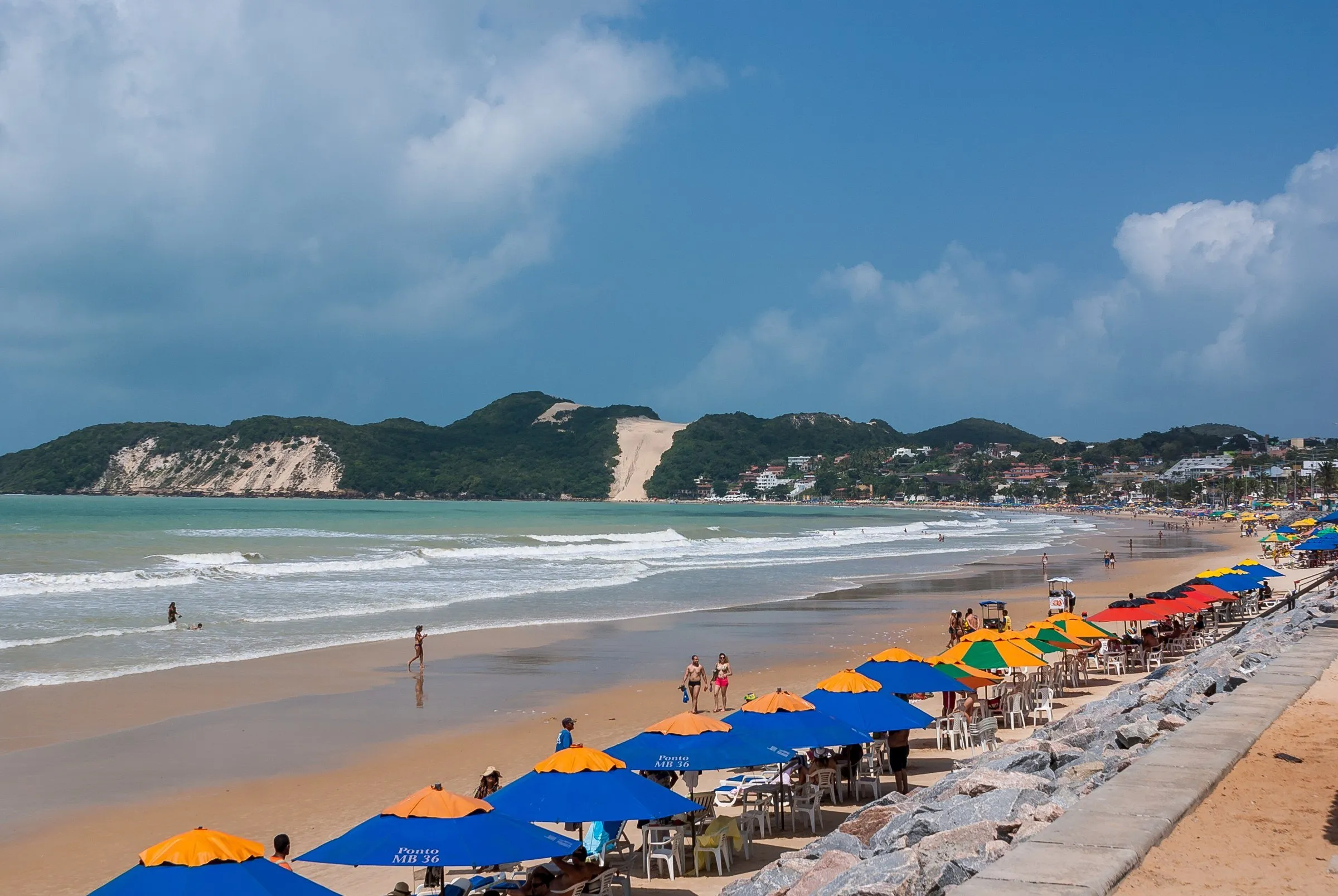
5The arches make for the arrival photo, but the stroll continues along the promenade, the lakes and the leisure areas of the Orla de Atalaia. It is a good area to get a feel for Aracaju's tourist rhythm: people walking, bicycles passing and restaurants preparing for the next stop of those who only came for a walk.
Pick one stretch to explore on foot, instead of trying to see the whole structure at once. The strip of sand to the sea is wide in several places, a detail that changes the logistics with children or a lot of sun. For walking, bring water and choose a time of milder heat; the promenade and a swim in the sea are different outings.
6A turtle passes through the tank and the pace of the visit slows down with it. The Oceanário de Aracaju is the visitor center of the Fundação Projeto Tamar in the city, with aquariums, tanks and spaces about marine life. The proposal goes beyond identifying animals: it shows threats, research and protection efforts.
Notice the content on the turtles' life cycle and the participation of coastal communities in conservation. The turtle-shaped building, noticed in aerial views, is another curious detail of the complex. Check the schedule before going if you want a specific activity; the regular visit does not guarantee seeing releases or handling work.
7In Mosqueiro, the late-afternoon address swaps the sea for the Rio Vaza-Barris. The Orla Pôr do Sol Jornalista Cleomar Brandi lets you watch the light change over the water and the movement of the boats, without having to buy a tour to enjoy the place. It is a pause that suits the last stretch of the day.
Arrive early to walk around and choose where to stay; the name of the waterfront is no guarantee against clouds. The spot also serves as a boarding point for river trips, but they require their own planning and a check of the day's conditions. In this itinerary, the idea is to stay on the bank and watch the sunset without hurry.
Atalaia, Centro and Mosqueiro call for transfer planning. Compare car, taxi or hired transport for those trips and walk within each area; check the return point before heading to the southern coast.
September to March tends to favor outdoor outings; April to July usually has more rain. Bring water and sunscreen and use the museums as part of the itinerary, without depending on a perfect forecast.
Check the bathing water quality report and the beach signage on the day. Ask the lifeguards for guidance, especially before entering unfamiliar stretches; the width of the sand doesn't tell you how the currents are.
Choose the day for the Centro based on the museums' current hours and confirm the last entry. Avoid scheduling that part of the trip for a Monday without checking each attraction's opening.
At beach bars, ask the price of the portions and the terms for using tables and umbrellas before settling in. In the markets, compare products and ask for guidance on keeping food fresh.
Prefer the lit, busy stretches of the promenade for walking at night. Avoid crossing isolated areas of sand and keep your belongings with you at stops and during transfers.
In Aracaju, a meal can start at a market stall and end facing the sea. Caranguejo, fish and other seafood share space with flour, boiled peanuts and sweets. Try mangaba in one of the versions you find along the way and let the clock rest at caranguejo time: eating in a hurry is asking for an extra chore. In the markets, ask where the product comes from and how to keep it; a good souvenir also has to survive the suitcase.
A crustacean on the Sergipe table, to be eaten little by little; ask for guidance on how to crack it open if it's your first time.
Served in the shell, it has a different texture from the roasted version and appears among the state's traditional flavors.
Two ways to try a fruit tied to the extractive harvesting of traditional communities in Sergipe.
Another option from the coastal kitchen; check the fish of the day and the portion size before ordering.