 1
Architecture
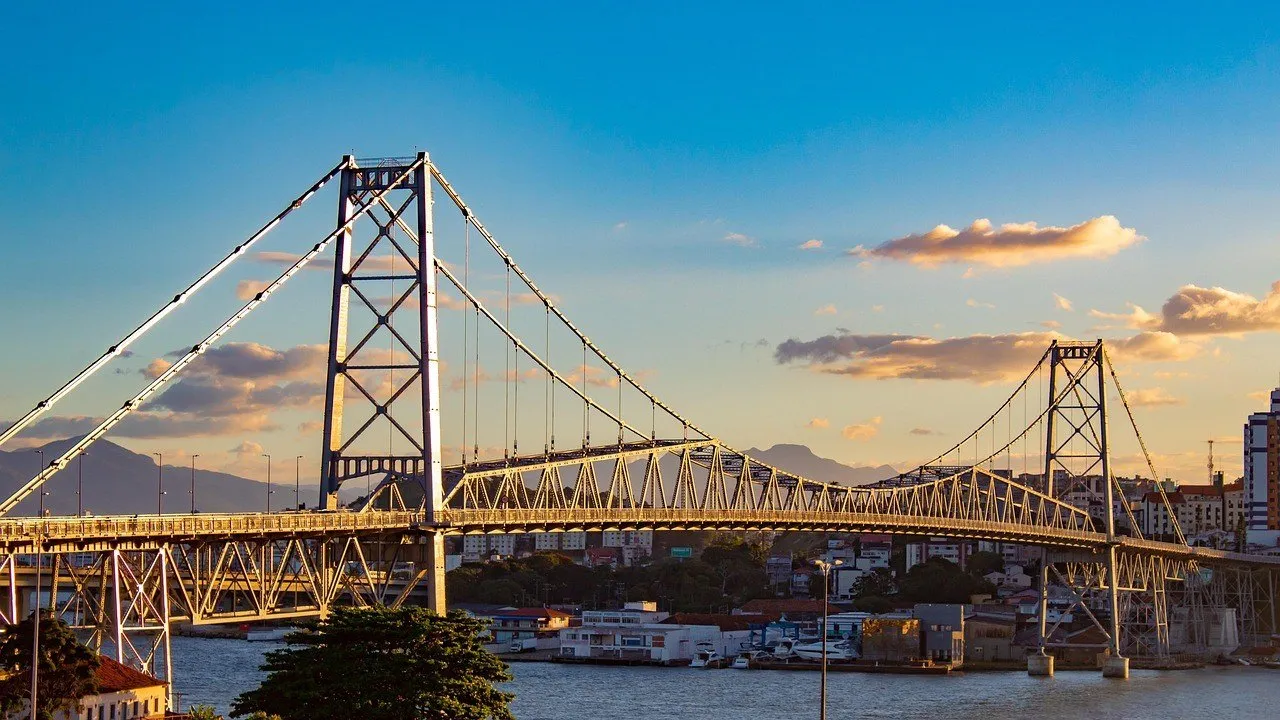
Ponte Hercílio Luz
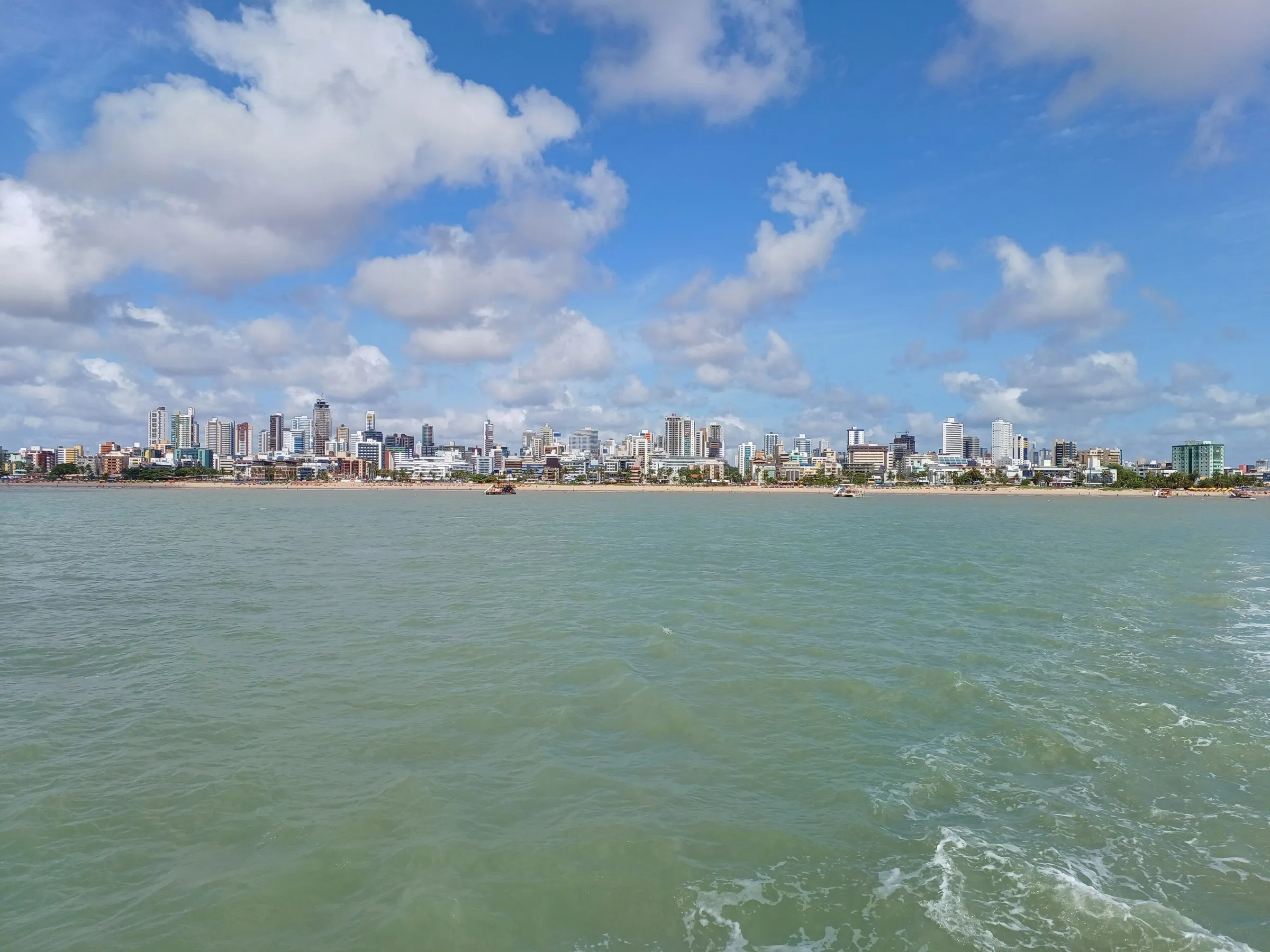
The metal structure that links the island to the mainland lets you take in the bay and understand the geography of Florianópolis before heading to the beaches.
View details for Ponte Hercílio Luz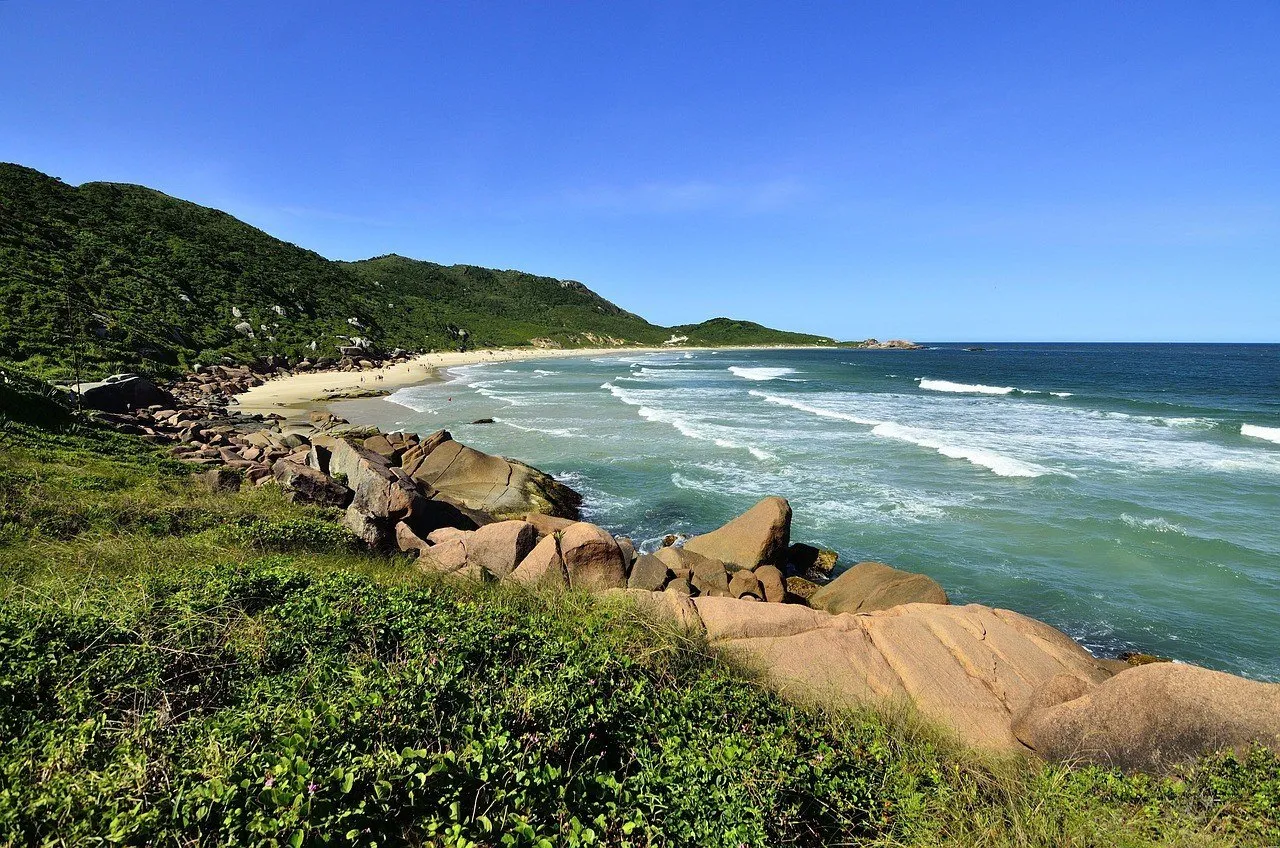
Brazil
At Joaquina, the board goes down the wave or the dune. At Ribeirão da Ilha, it gives way to a platter of oysters. Florianópolis has you changing scenery before you've even shaken the sand off your feet.
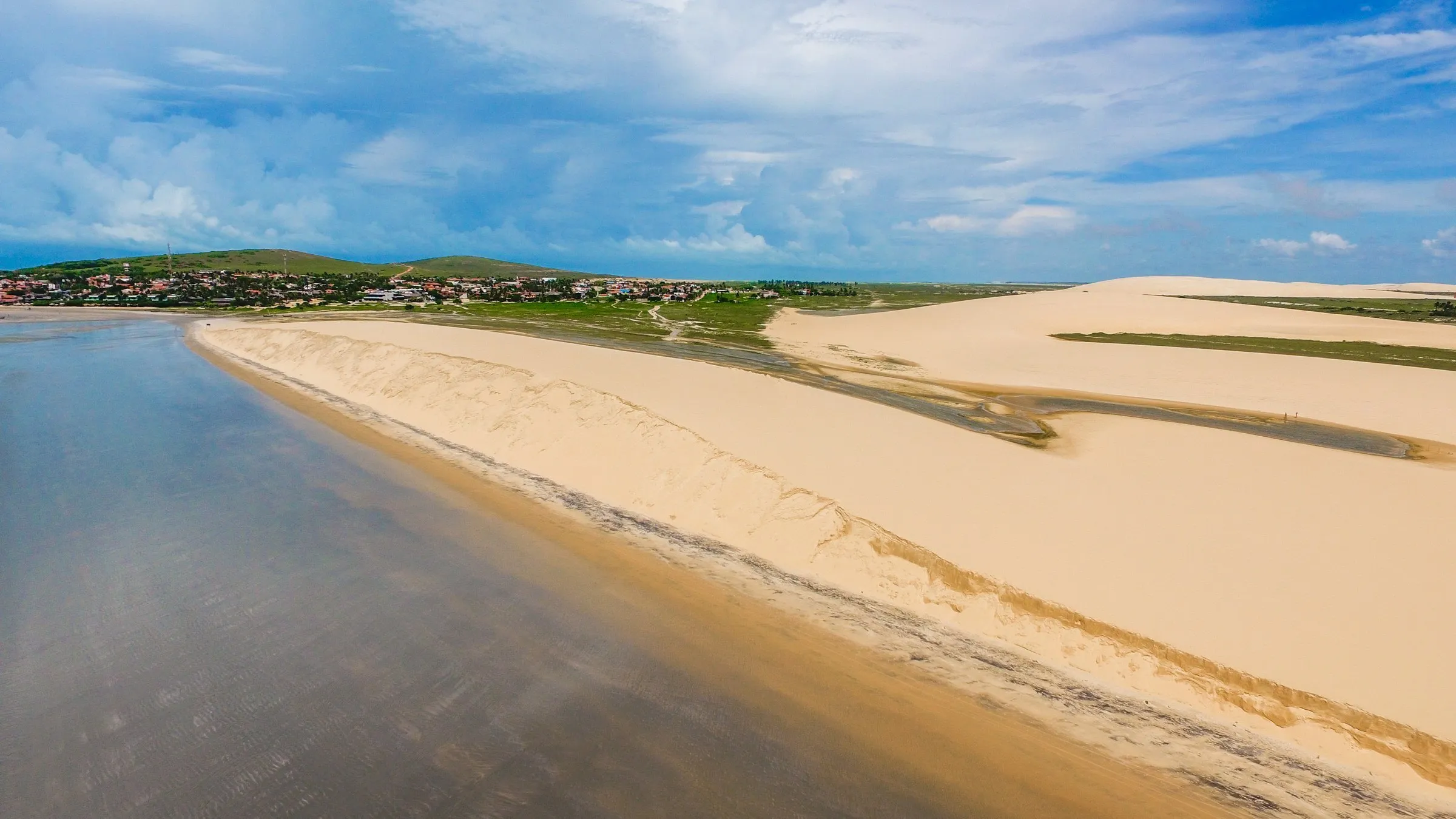
You arrive at Joaquina ready to spend the day looking at the sea, but you end up looking back too: the dunes compete with the waves for your attention. Florianópolis works like that, with the landscape changing the subject from one bend to the next. It has a lagoon ringed by hills, a surf beach and Azorean-settled villages facing the bays. In the Centro, the Ponte Hercílio Luz ties the island part to the mainland and reminds you that the city goes on beyond the sand.
The secret to the itinerary is choosing one piece of the island at a time. Pair the Centro with Santo Antônio de Lisboa; then give one day to the east and another to the south. The map accepts your ideas, but summer traffic tends to carry out a harsh review. Three days introduce the city; staying longer lets you trade the collection of beaches for afternoons on the same sand. Between transfers, leave room for fish, pirão and oysters: lunch also helps you understand the place.
Inaugurated in 1926, the Ponte Hercílio Luz turned a century old in 2026. The structure reopened to traffic in 2019, after a long restoration.
Despite its name, the Lagoa da Conceição is a lagoon with a connection to the ocean. The water ringed by hills, therefore, is not cut off from the sea you see on the eastern beaches.
The rocky shore at Joaquina holds lithic workshops: traces of stone tool making by Indigenous peoples. Human settlement of this coast predates surfing.
1The metal structure that links the island to the mainland lets you take in the bay and understand the geography of Florianópolis before heading to the beaches.
View details for Ponte Hercílio Luz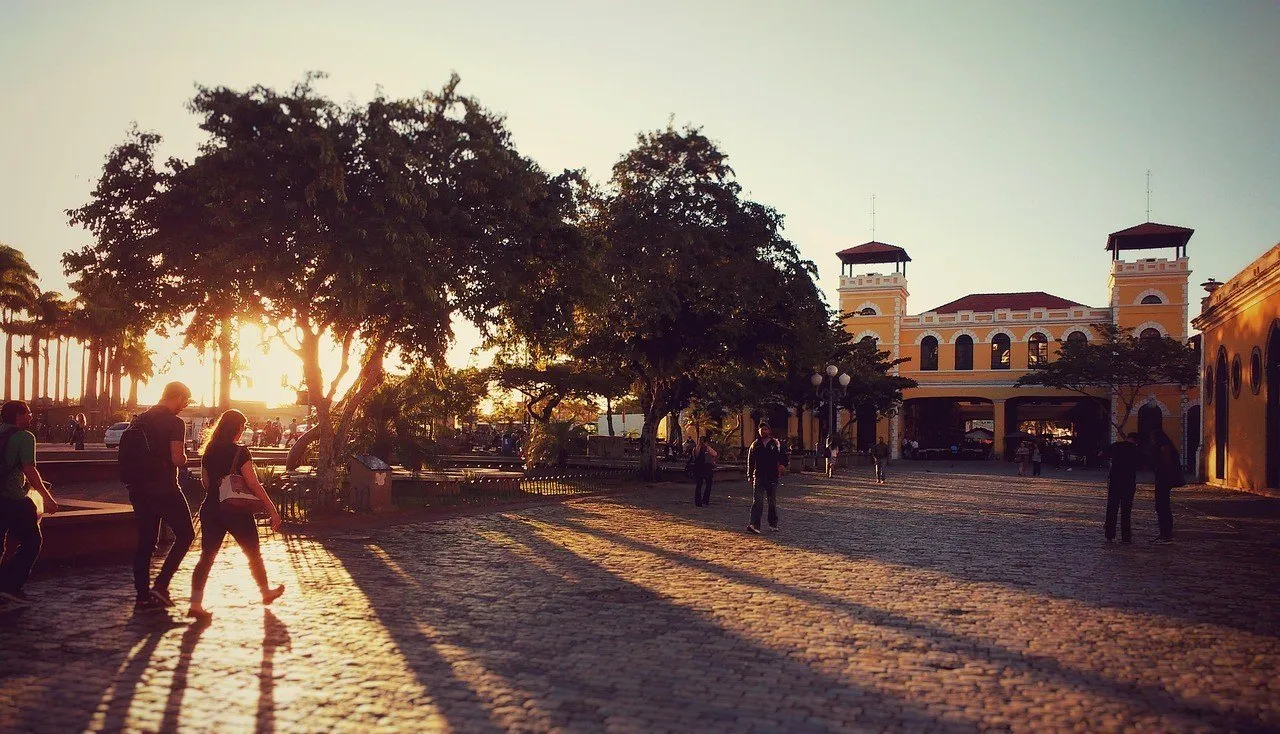 2
Fish stalls, shops and bar tables share the building in the Centro: you can look at the catch on the counters and, right after, choose how it will reach your plate.
View details for Mercado Público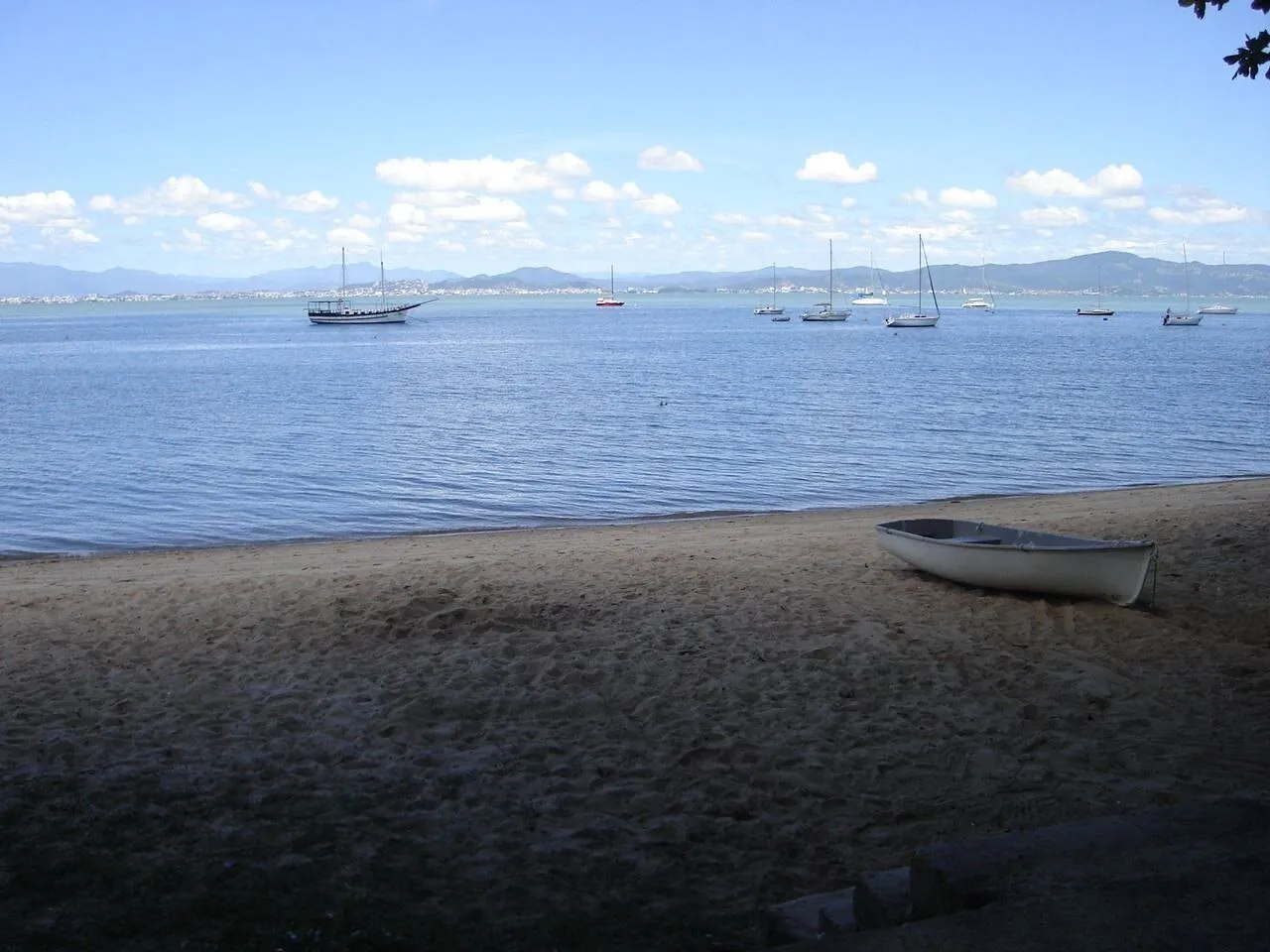 3
Azorean-influenced houses, crafts and seafood restaurants line the edge of the Baía Norte, with room to stretch out the end of the afternoon.
View details for Santo Antônio de Lisboa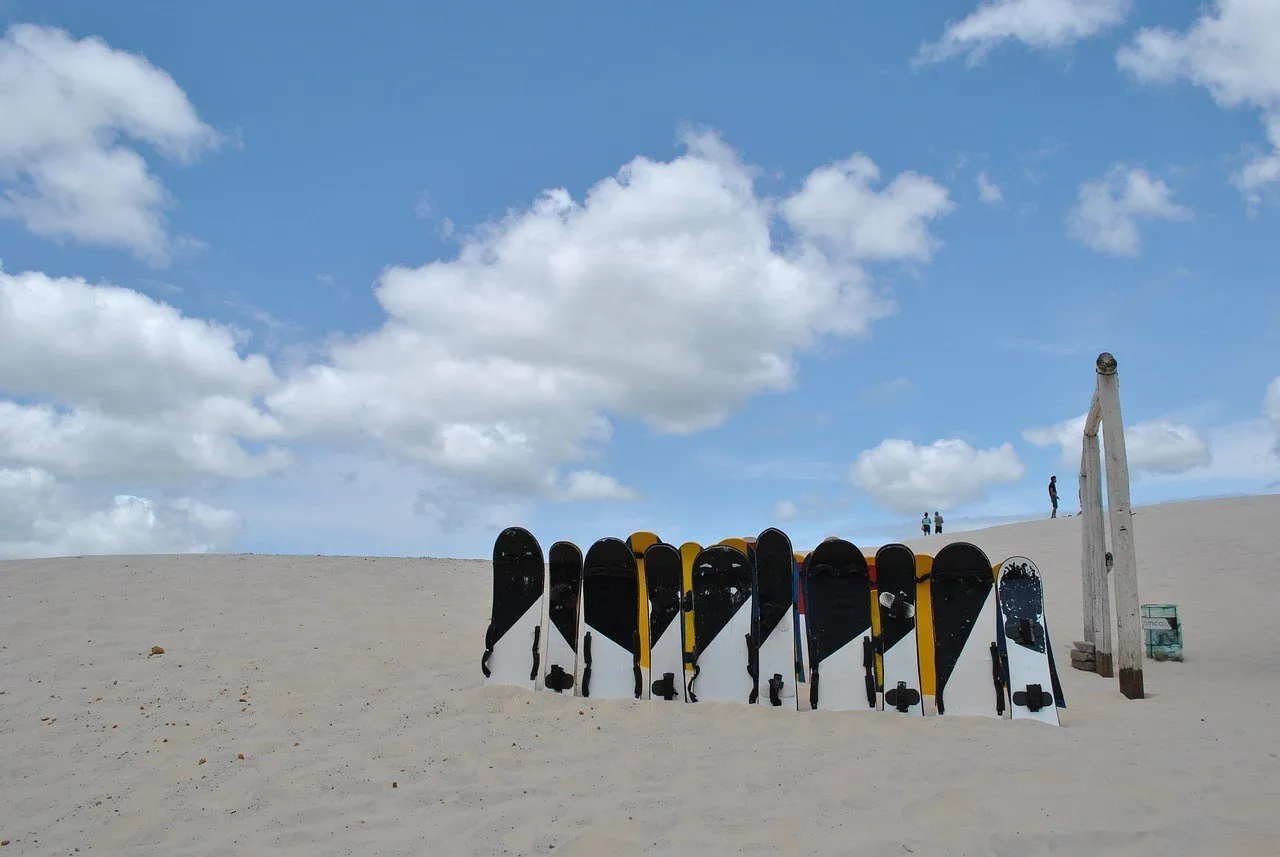 4
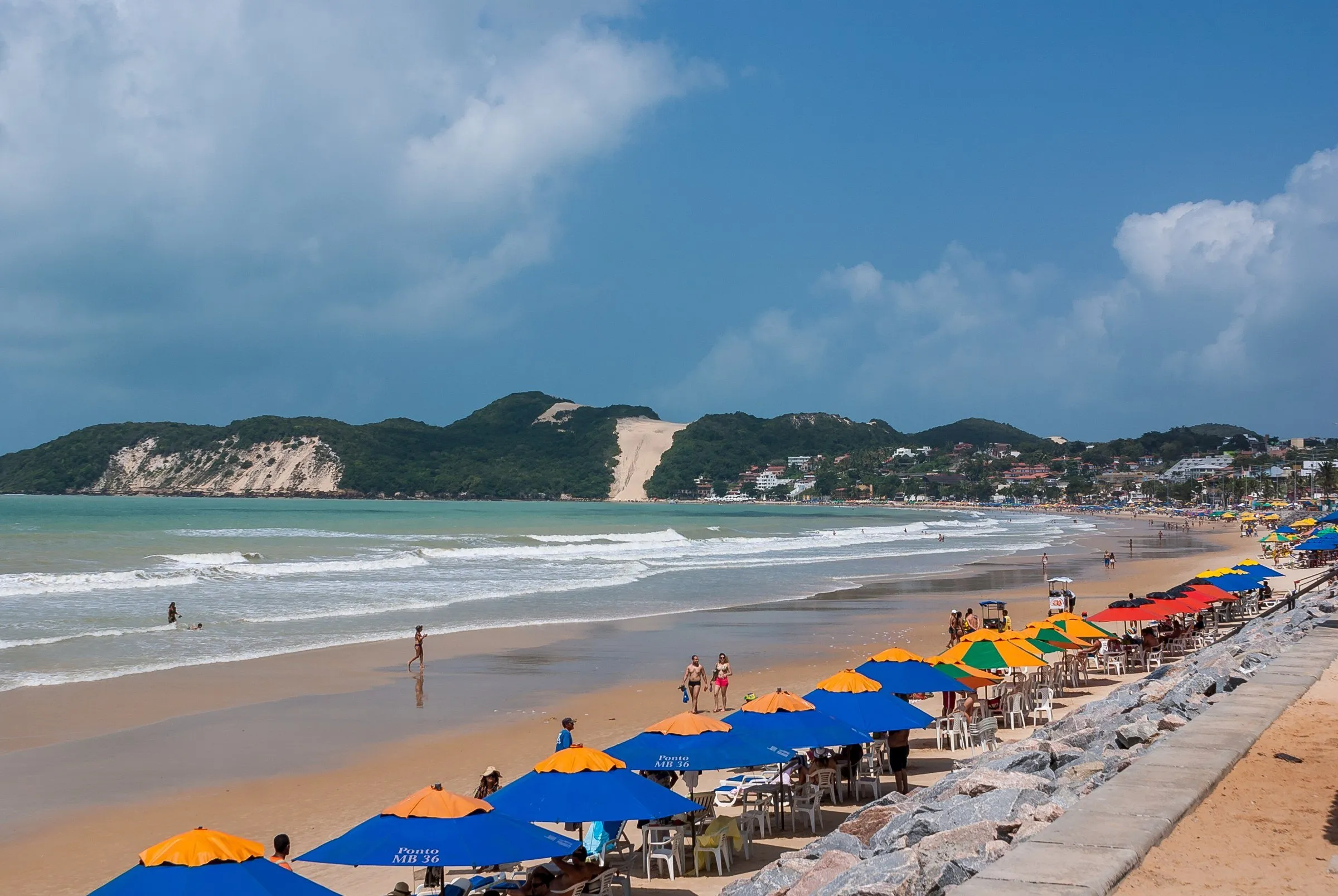
Waves sought by surfers, dunes and a rocky shore with archaeological marks give Joaquina more to talk about than an afternoon fits in a beach chair.
View details for Praia da Joaquina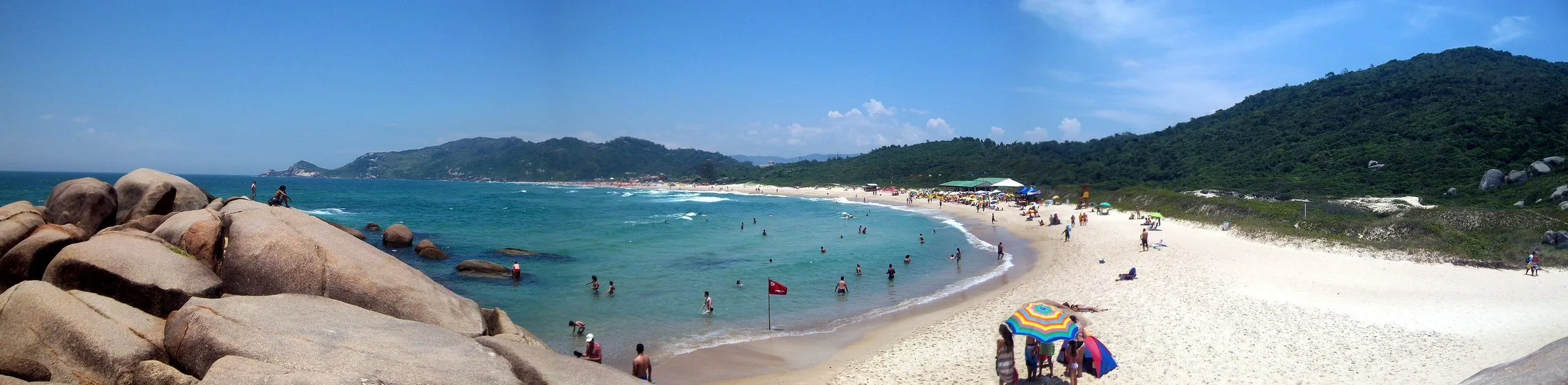 5
Between hills and rocky shores, the Mole combines sand your foot sinks into and open-sea waves: the name describes the ground, but promises no calm in the water.
View details for Praia Mole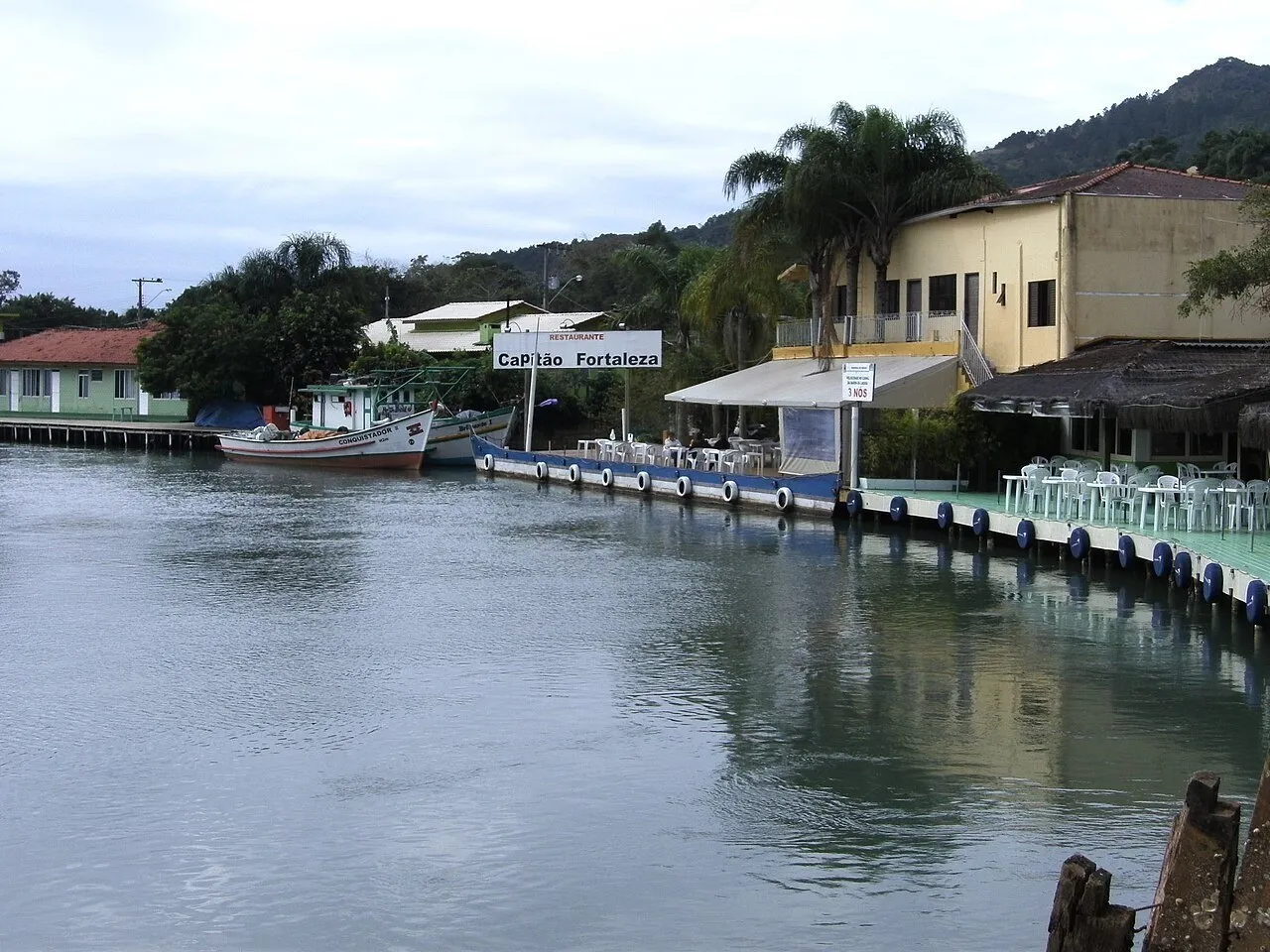 6
The channel links the Lagoa to the ocean and organizes the stroll through the Barra, where boats, a pedestrian bridge, restaurants and the beach share the visitor's attention.
View details for Barra da Lagoa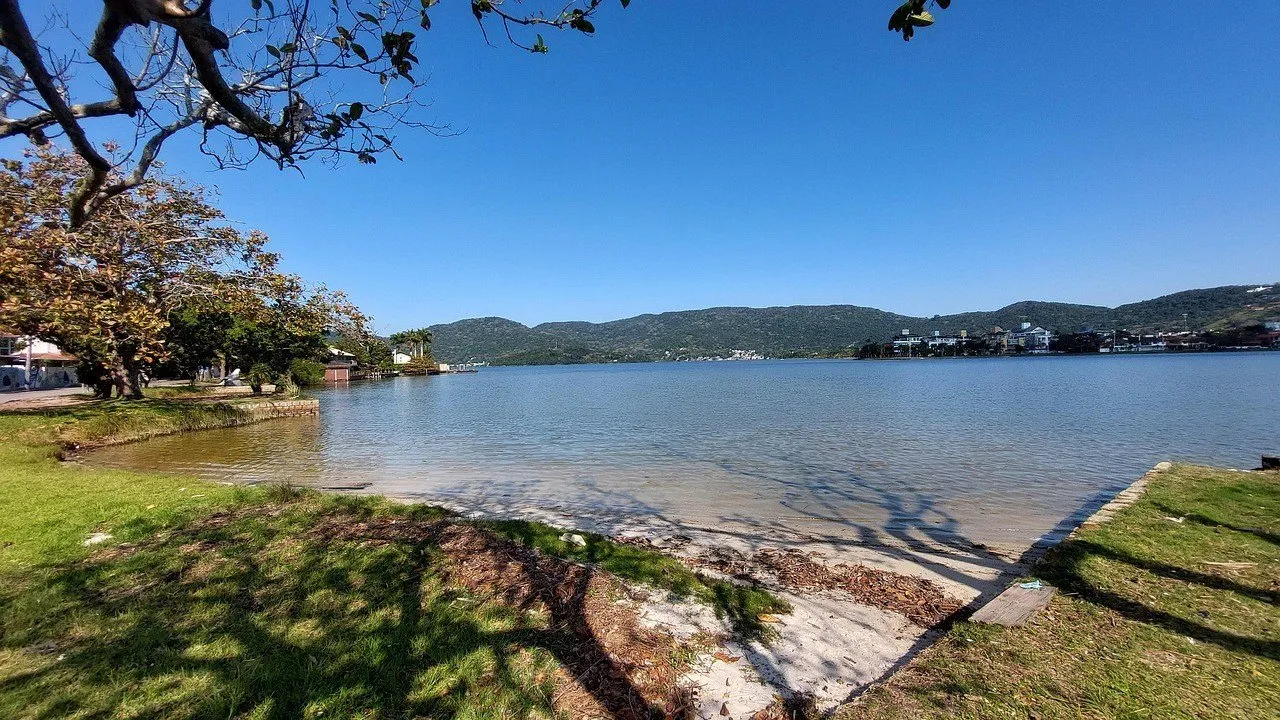 7
Water between hills, water sports and a Centrinho with restaurants make the Lagoa a different pause among the ocean beaches on the east of the island.
View details for Lagoa da Conceição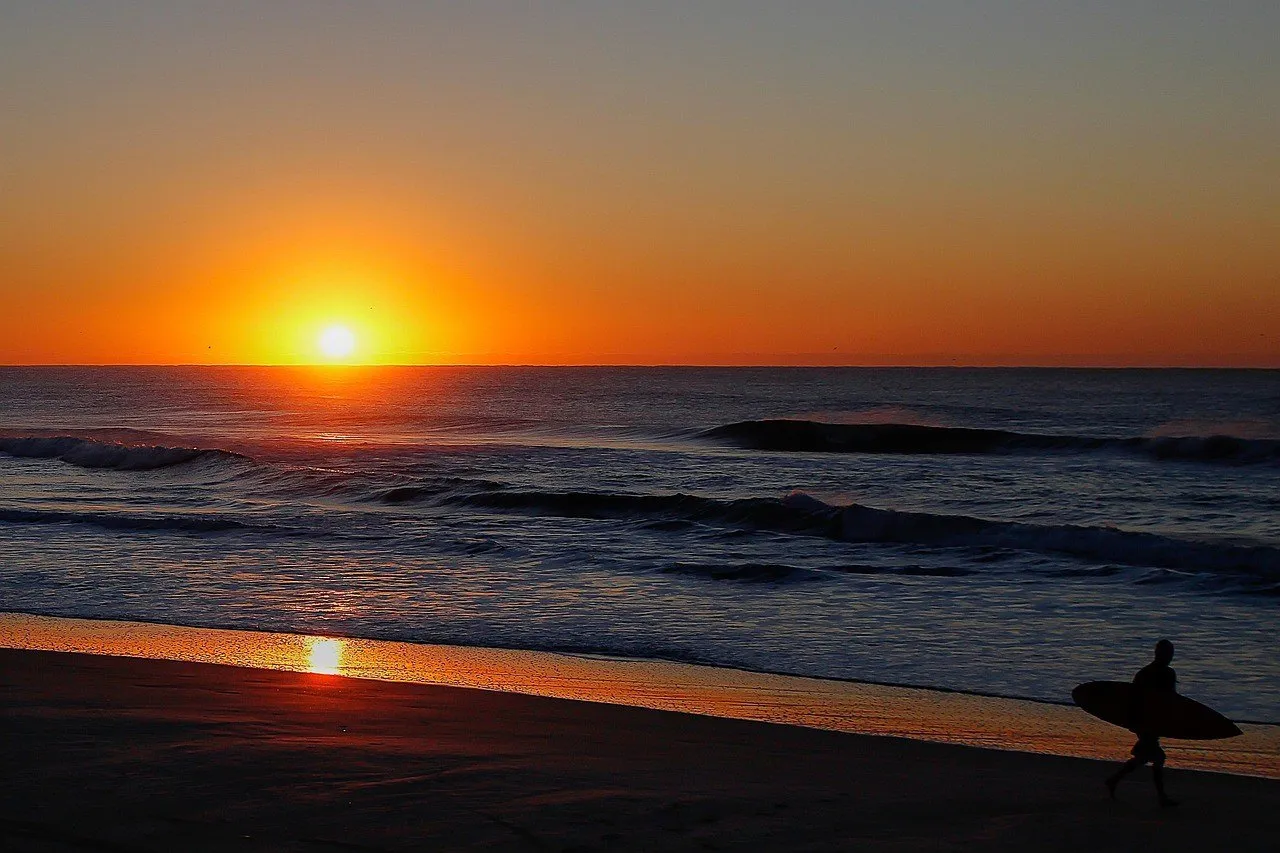 8
The island on the horizon helps you recognize Campeche: on the beach, the strip of sand invites a walk and the open sea gathers board sport enthusiasts.
View details for Praia do Campeche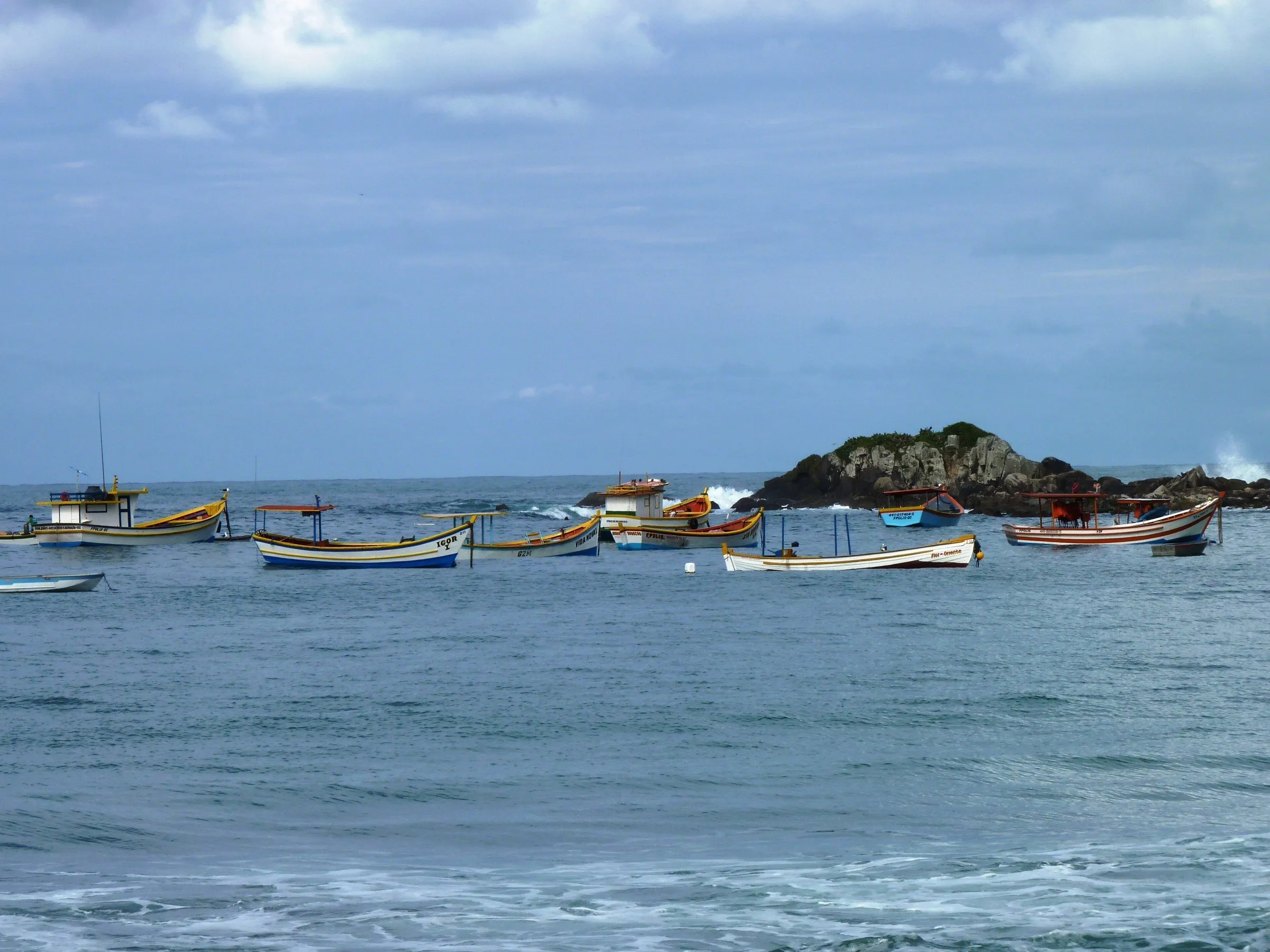 9
A village tied to fishing and an open-sea beach share the scenery at Armação, whose name still recalls the region's old whaling activity.
View details for Praia da Armação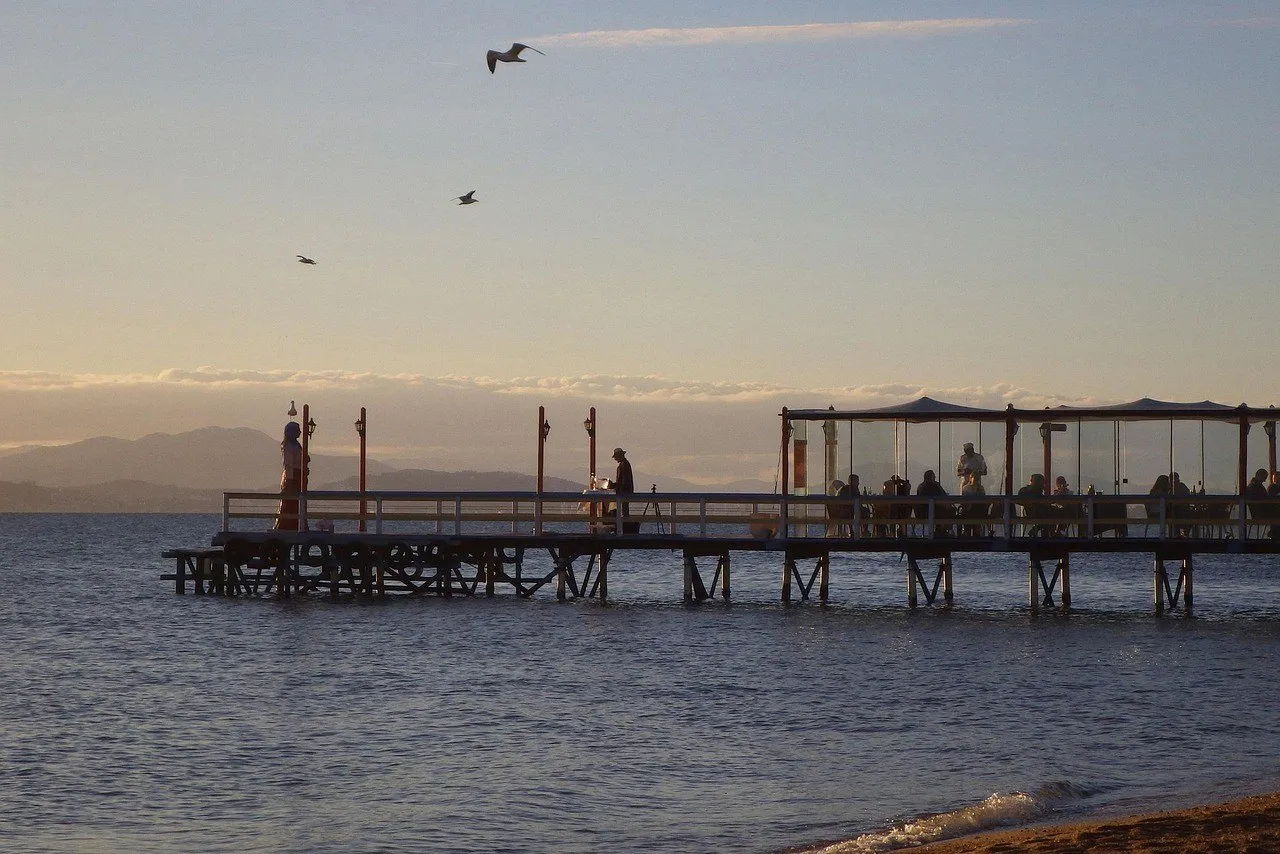 10
Azorean-influenced houses and oyster restaurants line the edge of the Baía Sul, on an outing where the walk can end at the table.
View details for Ribeirão da Ilha1The bars and towers of the Hercílio Luz frame the water. Inaugurated in 1926 and reopened to traffic in 2019, it links the island to the mainland. Arriving at the island end lets you observe the structure and place the city between the bays.
Combine the visit with the Mercado Público. Go with time to look at the joints of the construction, instead of just trying to fit it into your phone. Before crossing, check the signs and any restrictions on circulation.
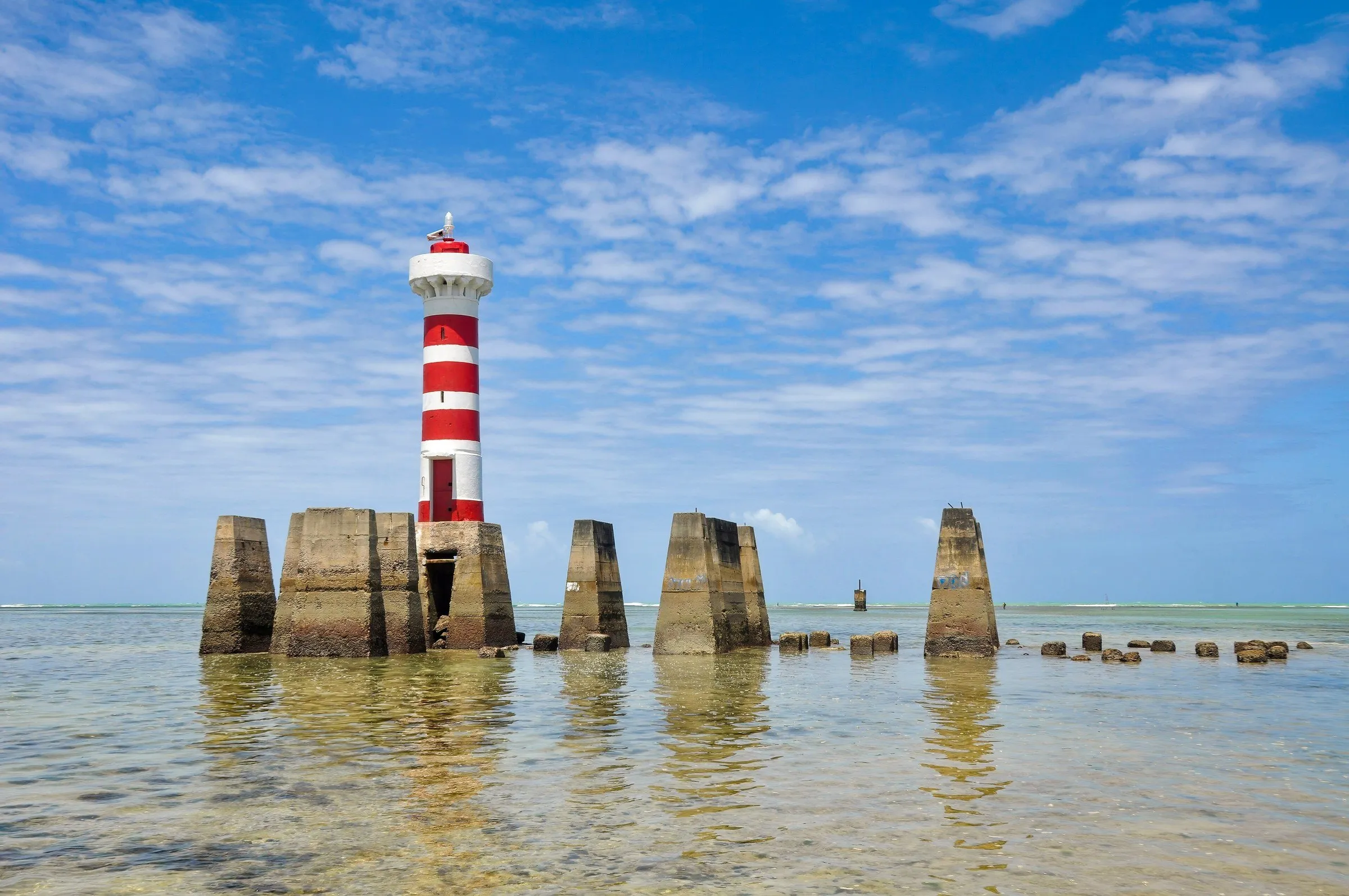
2The question here quickly shifts from souvenir to lunch. Among fish stalls, shops and bars, the Mercado Público shows that a historic building can also solve hunger. Walk around before sitting down and compare what each kitchen offers.
Pastel de camarão and fried fish are among the local options. There is room for a full meal or a snack between walks in the Centro. The stalls keep their own routines: pick your time based on what you plan to do, since buying fish and having dinner are not the same outing.
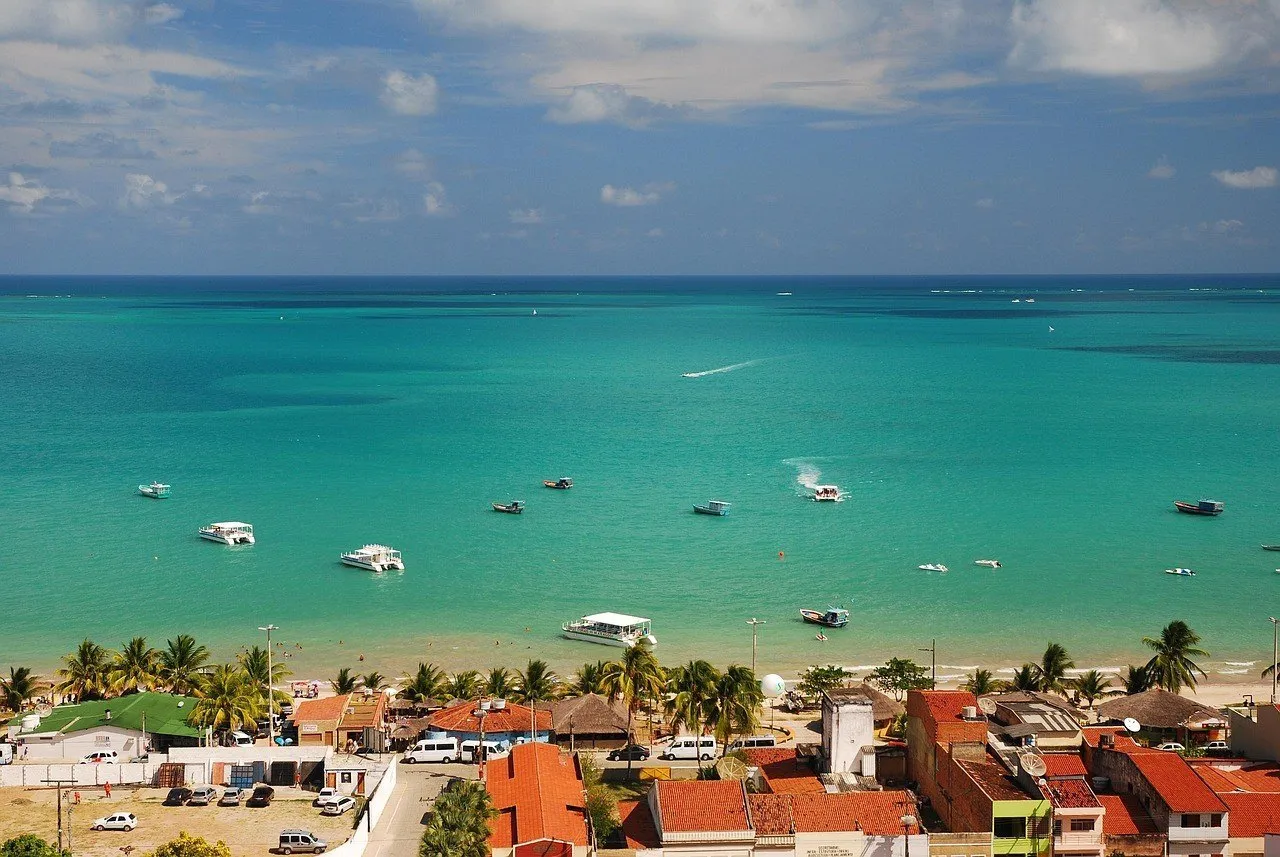
3In Santo Antônio, you walk through the historic core, look at the houses and end up searching for a table facing the water. The Azorean presence shows in the architecture and the traditions; the crafts add stops.
The link to fishing and mariculture reaches the table, especially in dishes with oysters. Set aside the afternoon for the streets and, if the sky cooperates, the sunset. The risk to the schedule is the conversation continuing after the bill.
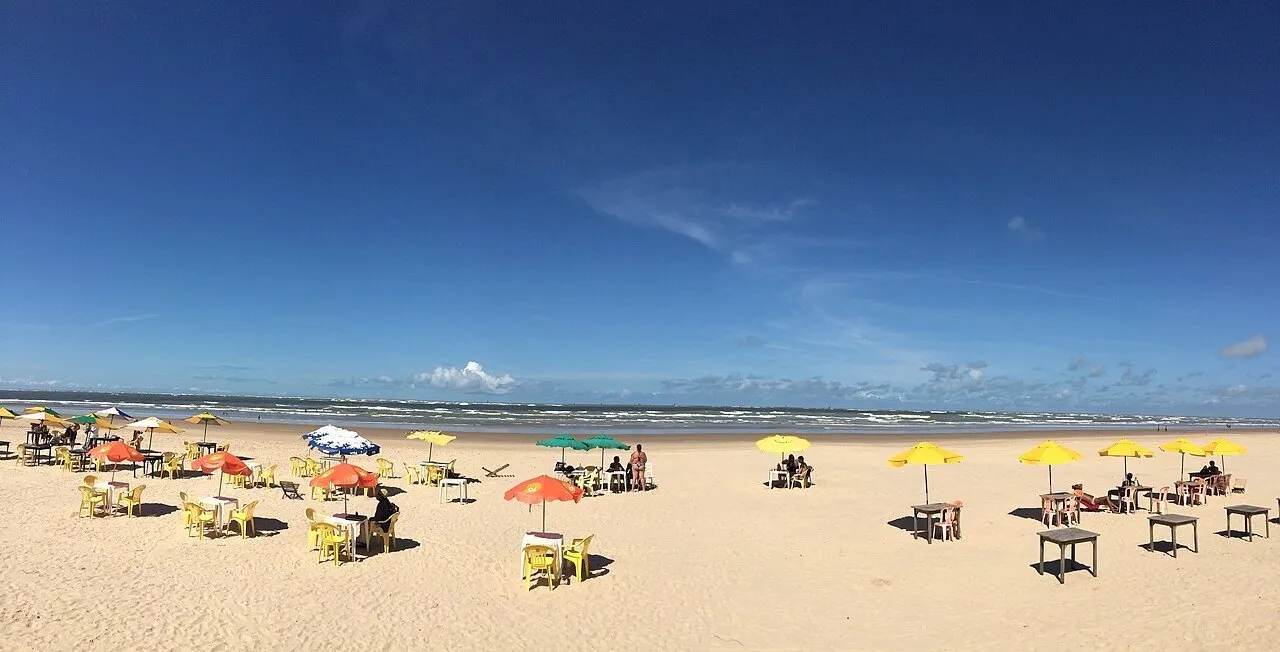
4At Joaquina, there's a board heading into the water and a board heading to the dunes. The beach is known for surfing, but walking along the sand already makes the stop worthwhile. To try sandboarding, look for local guidance and respect the signs.
The rocky shore holds lithic workshops, traces of the work of Indigenous peoples making stone tools. Observe without touching or altering the surface. In the open sea, check the lifeguards' guidance: watching the waves can also be the plan.
5The name makes sense: your foot sinks into the soft sand of the Mole. The sea has a different temperament, with strong waves that attract surfers. Between hills and rocky shores, the landscape earns a pause.
On the route between Lagoa and Barra, it works as a short stop or the main destination of the day. If you plan to stay, ask about services before consuming. Swimming depends on conditions; with children or little sea experience, consult the lifeguards before deciding.
6Following the channel to the sea is a good way to arrive at the Barra. Boats give the outing another topic. The pedestrian bridge and the beach help you read the meeting of Lagoa da Conceição and the Atlantic.
Set aside time for lunch and a walk. The community keeps a close relationship with fishing and with tainha, present in the local cooking. For swimming, look for the lifeguards' guidance: a calm appearance is not permission to enter the channel.
7Among the eastern beaches, the Lagoa changes the scale of the view: the ocean becomes water ringed by hills. Kayaks, stand up paddle boards and other water activities are part of the landscape. The Centrinho adds restaurants and neighborhood bustle.
You can come just to walk and eat. After the sand and waves of Joaquina, swapping beachwear for a table seems an excellent decision. Before booking a sport, check the wind, the water conditions and the operator's guidance.
8At Campeche, the island in front of the beach serves as a reference during the walk. The sand stretches on, the horizon stays open, and surfers and kitesurfers appear depending on conditions. There's room for a brief pause or a whole morning.
The beach and the Ilha do Campeche are different places: spotting the island does not automatically mean including it in the day. Here, the idea is to enjoy the strip of sand itself. Consult the lifeguards before swimming and check that you remember which access you used to arrive.
9The name Armação comes from the old whale-fishing structure, a history of exploitation that marked this coast. Today, a visit finds a community tied to fishing, boats and a beach to walk on before sitting down to eat.
Conditions vary along the strip of sand, and heavy swells change how the place reads. Start by observing the waterfront and the signs. On the southern circuit, Armação works as a pause between Campeche and an end of afternoon facing the bay.
10In the Ribeirão, look for a table, but hold off on ordering: first walk among the houses and observe their relationship with the edge of the bay. The Azorean settlement and fishing help explain the landscape that gastronomic tourism has come to share.
Oyster farming marks the region; the restaurants present different preparations without demanding a quantity contest. Set aside time to eat and see the light of the late afternoon. The beach comes in as scenery; swimming requires checking conditions and bathing water quality.
Compare the Centro, Lagoa da Conceição and Campeche by your routes. Confirm the real beach access and parking before booking.
Check lines, schedules and payment with the Consórcio Fênix. Compare car, ride-hailing app and bus, counting parking, waiting and traffic between the areas.
Check the bathing water quality at the sampling point with the IMA and the lifeguards' signs. Clear water does not replace these checks at Joaquina, Campeche or the Lagoa.
March and April favor the beach with less crowding. Summer also brings rain; check the forecast and bring a light layer for the wind on the bay.
Check prices for chairs, umbrellas and parking before using them. At the Mercado and on the waterfronts, ask how many people the portion serves.
Carry only what you need, mind your phone and avoid leaving bags visible in the car. In the fishing villages, respect homes, residents and workspaces.
Pastel at the Mercado, shrimp around the Lagoa and oysters in the bay neighborhoods: lunch follows the itinerary. Ask about the fish available and how the house prepares it. Pirão keeps the fish company, although the urge to scrape the platter clean can compromise any pose.
Farmed in the region, they appear ao bafo and au gratin, among other preparations; Ribeirão da Ilha is one of the places to look for them.
Brings together different preparations of the crustacean, such as garlic and oil and à milanesa; confirm the sides and the size before ordering.
The fish may come roasted, fried or stuffed, with pirão made from cassava flour; availability follows the season and the house menu.
A mollusk filling in crisp fried dough, a choice tied to the island's cooking, to look for at the counters in the Centro.