 1
Nature and viewpoints
Diamond Head — Lēʻahi
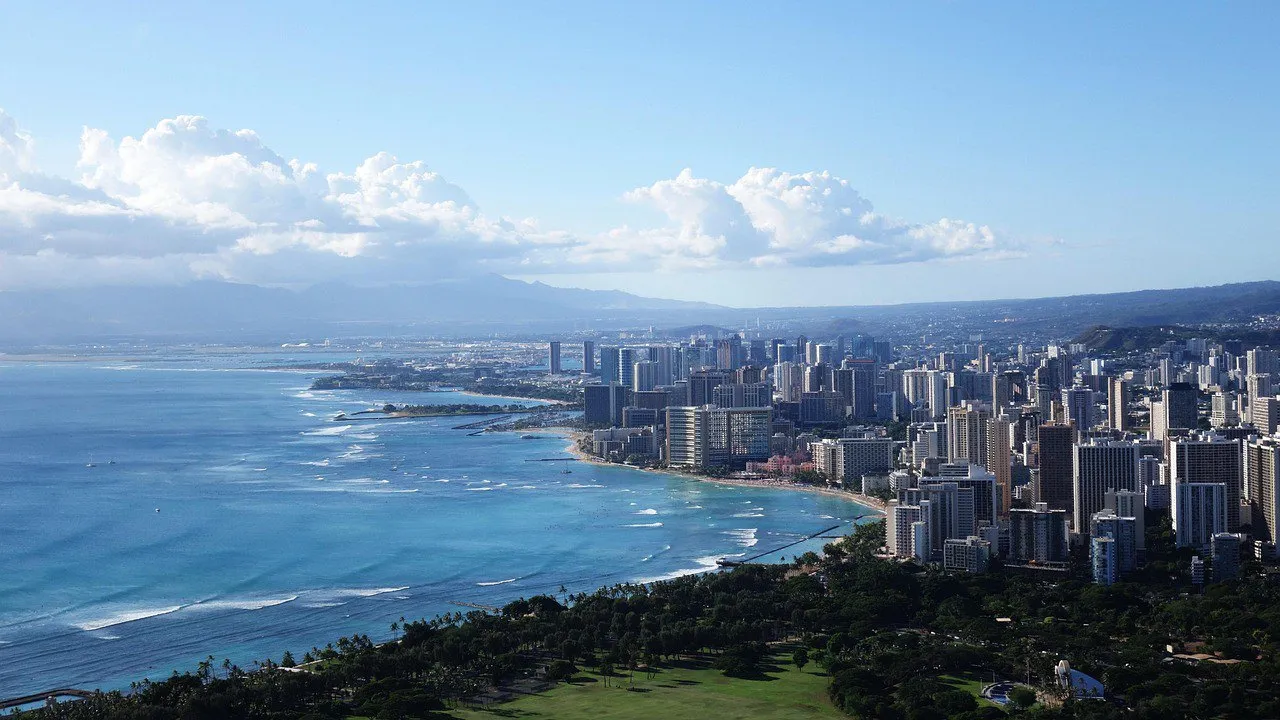
The trail climbs through the Diamond Head crater to views of the Honolulu coast; stairs and stretches of military infrastructure are part of the way.
View details for Diamond Head — Lēʻahi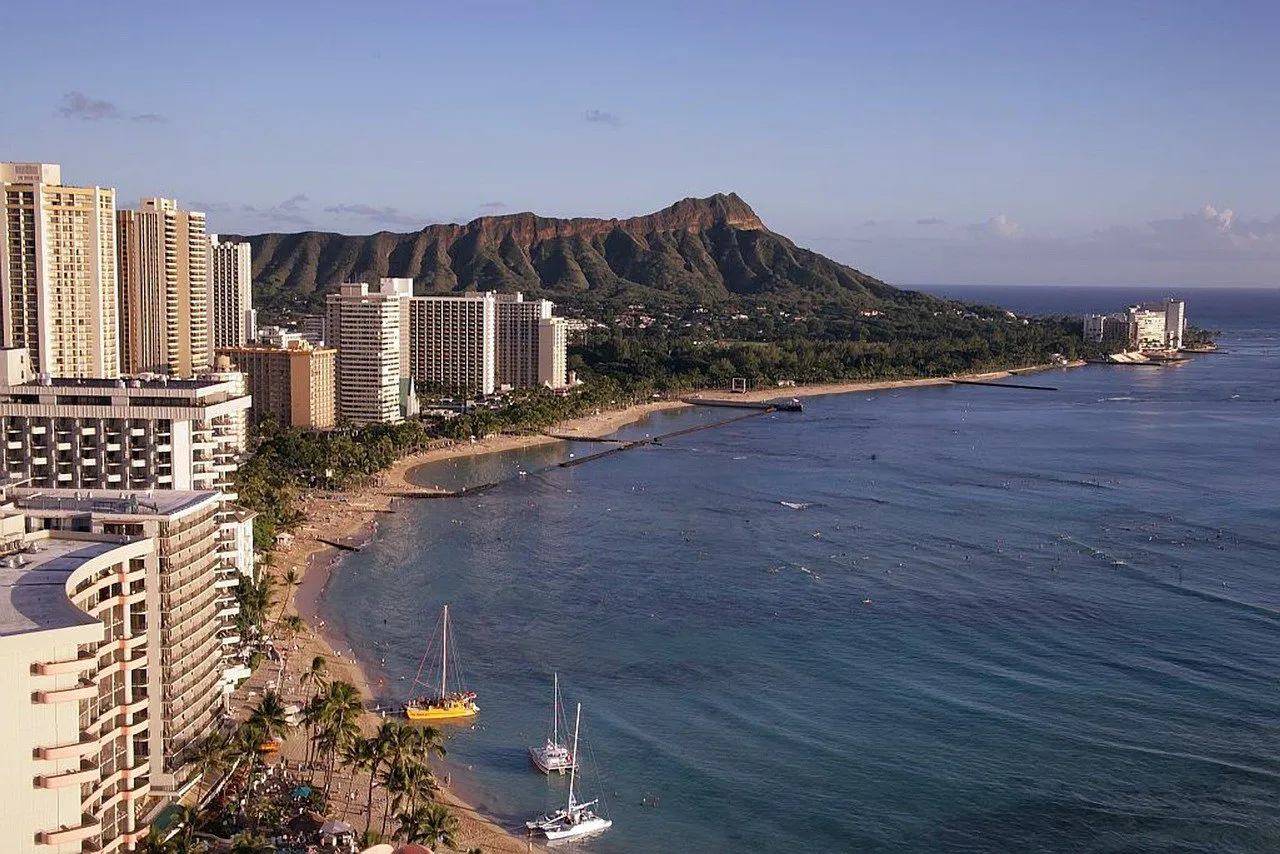
United States
In Waikiki, surfboards slip between the hotels and the sand, with Diamond Head on the horizon. In Honolulu, you can see the same coast from the crater rim and then come back down to walk beside the sea.
Waikiki's surfboards cross the sidewalk, the hotels cast shade beside the sand and the outline of Diamond Head appears at the end of the beach. The trail lets you flip the view and see this coast from high above. To get to know Honolulu beyond the water, step into the Bishop Museum and follow the stories and knowledge of Hawaii and the Pacific. Lunch can be a poke bowl or a plate lunch, with time to pick the seasonings and negotiate the next walk.
This guide focuses on Honolulu and the nearby Pearl Harbor area on the island of Oahu; it is not a tour around the island. Set aside three days: Diamond Head, downtown and Waikiki; one extended morning at Hanauma Bay; then Pearl Harbor and the Bishop Museum. These blocks require transportation between areas. Build the order around your reservations and opening days, keeping Hanauma on a day of its own. Between an environmental briefing, a swim and the trip back, the bay should not have to compete with a trail for the clock.
Diamond Head is also called Lēʻahi. The crater and the military structures share the landscape along the trail up to the summit.
The Bishop Museum was created by Charles Reed Bishop in honor of his wife, Princess Bernice Pauahi Bishop: the surname has nothing to do with a religious institution.
The statue of Duke Kahanamoku in Waikiki honors the swimmer and surfer who helped spread surfing around the world; the lessons on the beach carry on that connection with the sport.
1The trail climbs through the Diamond Head crater to views of the Honolulu coast; stairs and stretches of military infrastructure are part of the way.
View details for Diamond Head — Lēʻahi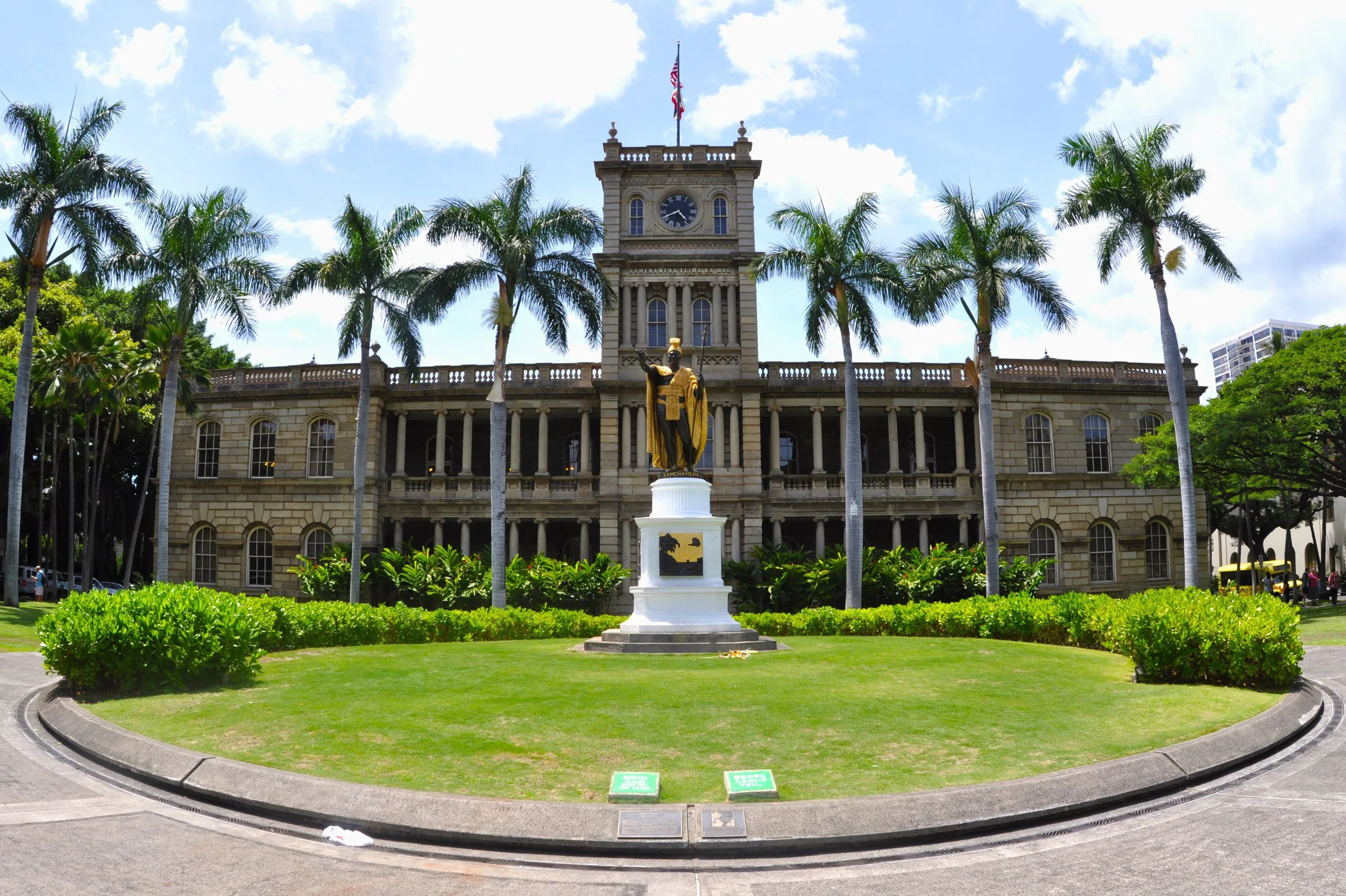 2
The statue of Kamehameha I stands in front of the state Supreme Court building; the judiciary history center presents another chapter of Hawaii's past.
View details for Aliiolani Hale and Statue of Kamehameha I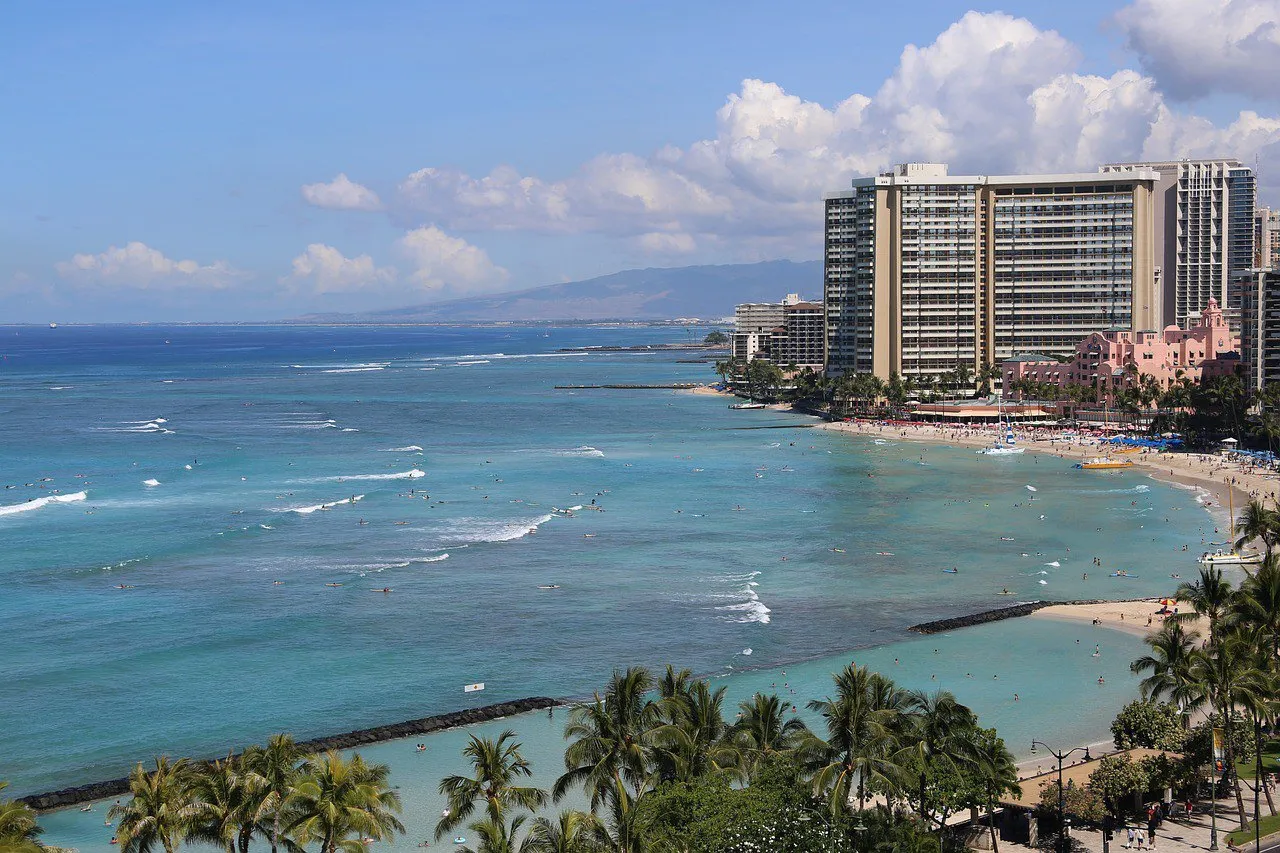 3
The beach in front of the hotels has Diamond Head in the background and surf lessons in the water; the walk beside the sea works even if you never get in the ocean.
View details for Waikiki — Waikīkī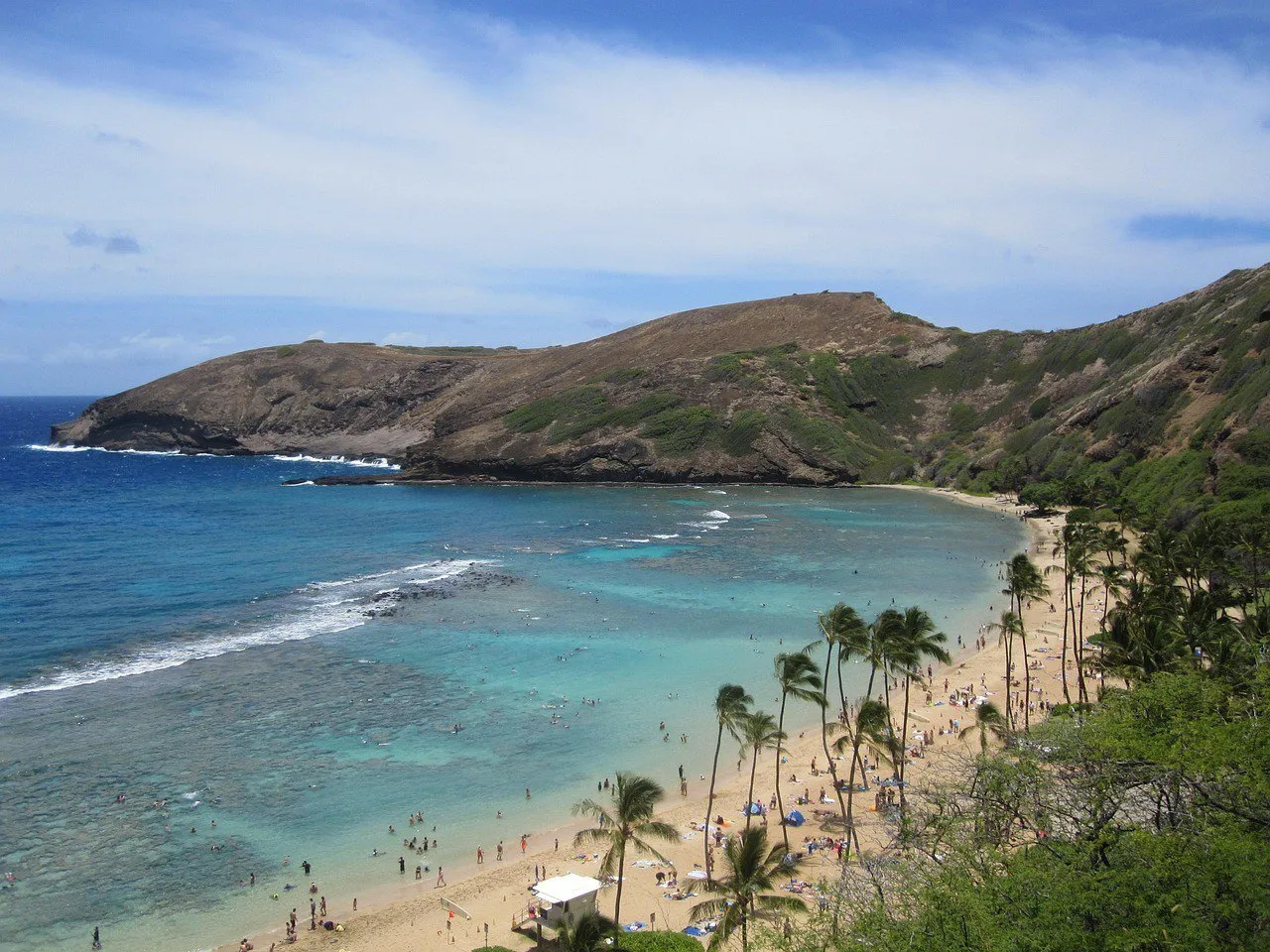 4
The protected bay combines beach and reef, with visits organized by time slot and an environmental briefing; time in the water depends on sea conditions.
View details for Hanauma Bay Nature Preserve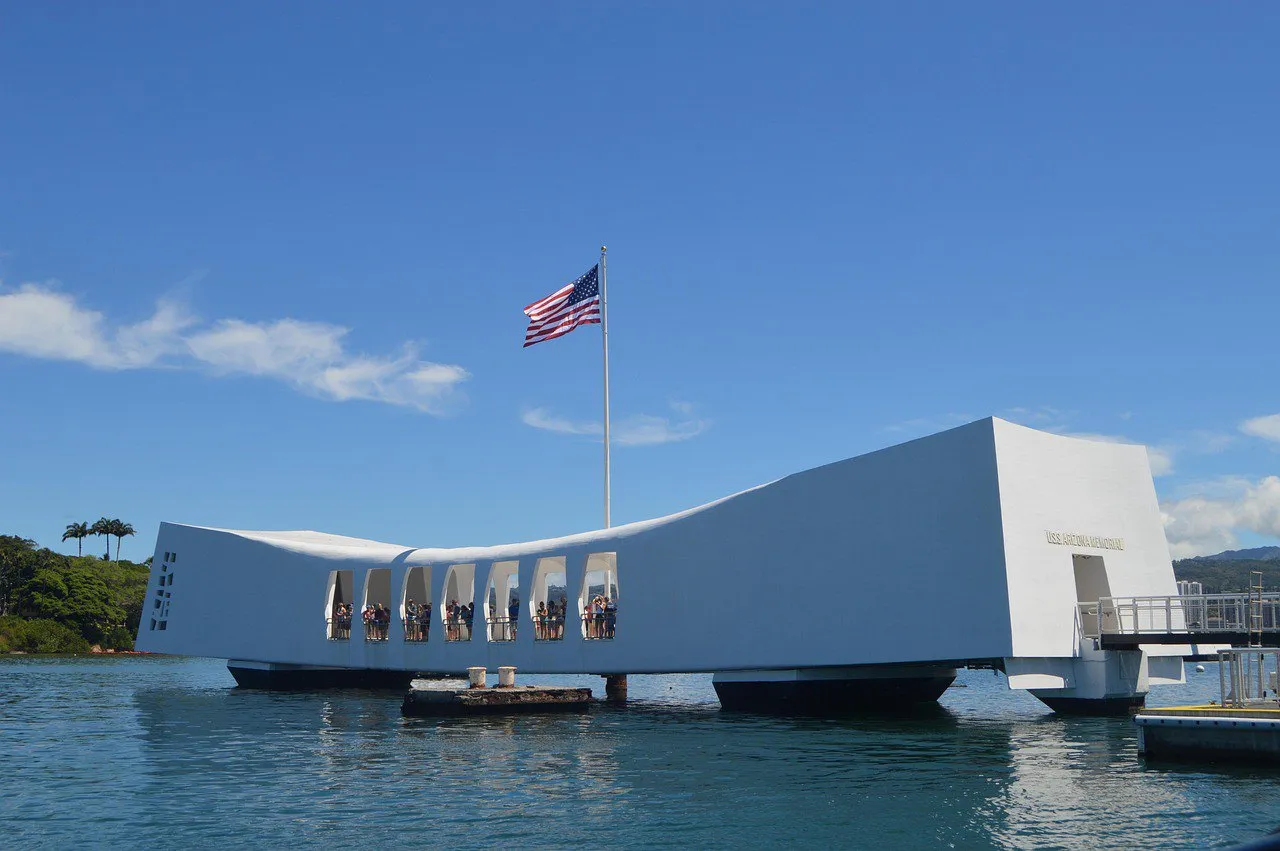 5
The visitor center and the USS Arizona Memorial present the history of the attack on Pearl Harbor and a space of tribute to the people who died there.
View details for Pearl Harbor National Memorial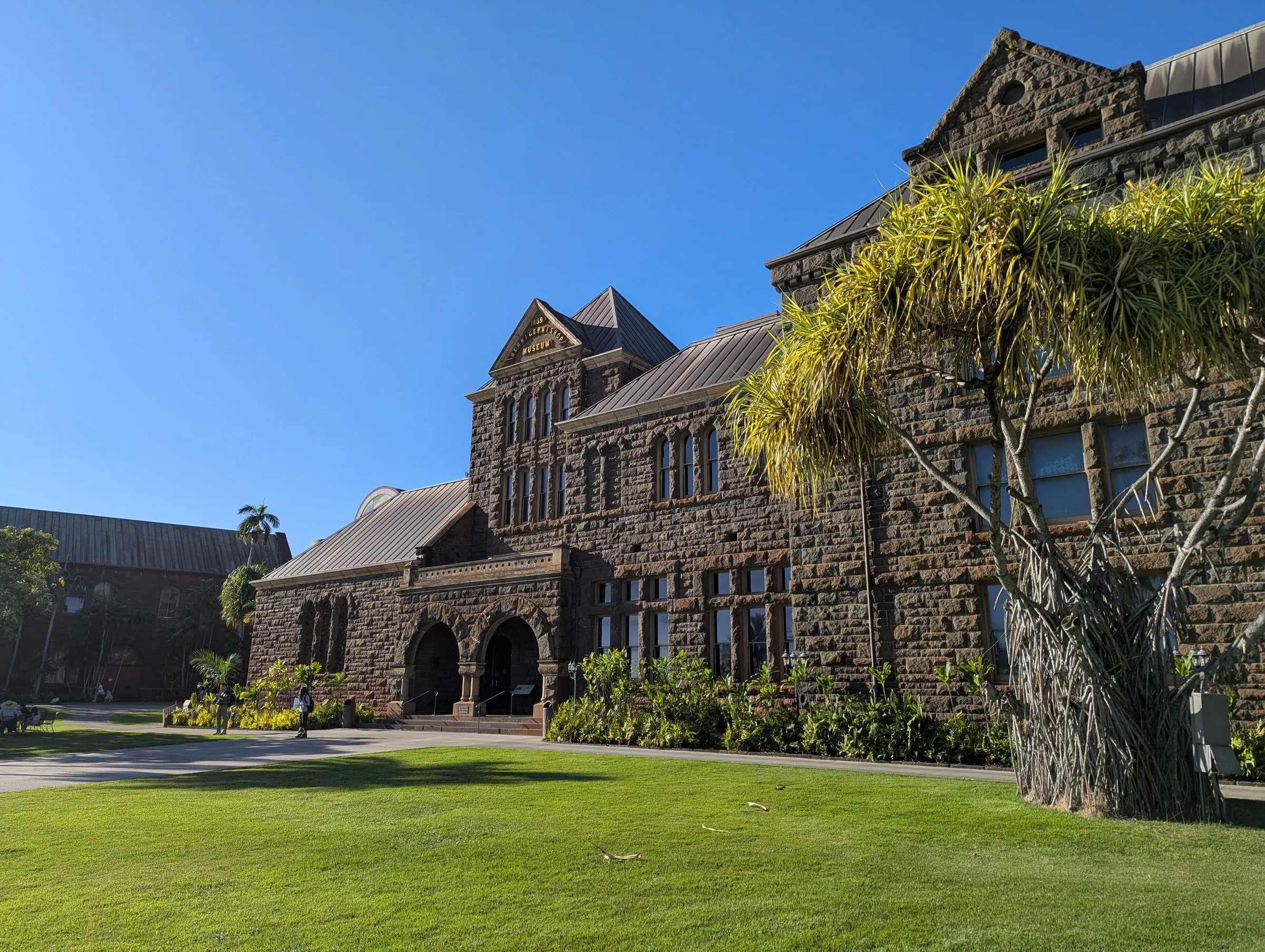 6
Cultural objects and natural history collections help you get to know Hawaii and the Pacific; Hawaiian Hall is a good starting point for the visit.
View details for Bishop Museum1The outline of Diamond Head looks close when you see it from Waikiki. On the trail, the distance turns into steps, switchbacks and sun. Also called Lēʻahi, the monument combines a volcanic crater with remains of military use; from up there, the row of buildings along the coast stops being just a backdrop for the beach.
Go at your reserved time, with water and sturdy shoes. For non-residents, entry and parking require an advance reservation. Save some energy for the way down and do not schedule the next outing right at the end of the trail.
2Kamehameha I stands in front of the facade of Aliiolani Hale, in the civic area of downtown. The statue lets you recognize the complex before you discover its current role: the building houses the Hawaii Supreme Court. The classic photograph and a working courthouse share the address.
Inside, the Judiciary History Center explores Hawaiian concepts of justice and the formation of the Western-influenced judicial system. Check opening hours if you want to go in. To photograph the facade, use the marked crossings and stay on the sidewalk.
3Surfboards move between the sidewalk and the sand, while Diamond Head closes off the view along the beach. Waikiki gathers the oceanfront hotels and the bustle of Kalakaua Avenue, but it pays off more when you slow down. The statue of Duke Kahanamoku recalls the neighborhood's connection to surfing.
Choose between walking or booking a lesson with an instructor; watching someone stand on a board does not guarantee an elegant first attempt. Check the notices and lifeguards before getting in the sea. It is also fine to simply watch the light change.
4From above, the strip of sand curves around the water and leaves parts of the reef visible. Hanauma Bay is a protected area, with managed entry and an orientation program that is part of the visit. Before thinking about snorkeling, leave time to arrive, watch the required presentation and walk down to the beach.
Ask the lifeguards about conditions and respect your limits. Do not touch or stand on the corals, even when they look like rocks for a break. The bay usually closes on Mondays and Tuesdays; confirm the calendar and the official booking.
5The white structure of the USS Arizona Memorial marks a place of remembrance above the submerged ship. A visit to Pearl Harbor begins on land, in the visitor center exhibits, which put the Japanese attack and the war in the Pacific in context. Give the stories some time before heading to the memorial program.
Plan your time slot through Recreation.gov, the official channel for USS Arizona reservations. The boat depends on the weather, and bags and backpacks are restricted. Neighboring museums and ships have their own tickets; this block does not cover the entire complex.
6In Hawaiian Hall, your eyes climb the gallery levels before returning to the objects and explanations. The Bishop Museum holds Hawaiian and Pacific cultural collections, as well as natural history. It was created by Charles Reed Bishop in honor of Princess Bernice Pauahi Bishop, his wife.
Start with the Hawaiian galleries and choose programs according to the time you have. After Pearl Harbor, the visit broadens the day's subjects and gives center stage to the knowledge of the islands. Do not try to rush through every room.
Secure Diamond Head, Hanauma Bay and the USS Arizona before fixing the days. Hanauma usually closes on Mondays and Tuesdays; keep a day of its own for the bay and check the Bishop Museum's calendar.
In Waikiki and Hanauma, read the notices and ask the lifeguards about conditions before getting in. Water seen from the sand does not tell the whole story of currents and reefs.
Compare routes before renting a car for your whole stay. Group visits by area and check parking; the Hanauma reservation does not guarantee a space.
Pearl Harbor restricts bags and backpacks. Check the rules so you do not carry the beach bag to an inspection line, and take only the belongings you need for the day's block.
The months from April to October tend to be less rainy, but keep an eye on the forecast. Bring water and sun protection for the trail and stay flexible: wind can suspend the USS Arizona boat.
At Pearl Harbor, treat the memorial as a place of tribute and reflection. At Hanauma, respect the environmental briefing and do not use the corals as support to rest or adjust your gear.
Poke asks for attention to the seasonings before you choose the bowl size. Plate lunch, meanwhile, usually brings together rice, macaroni salad and a protein, a combination that spares you from turning lunch into long research. These are foods tied to local life and to the different traditions that met on the islands. Compare the portions and save some appetite for a sweet break.
Pieces of seasoned raw fish; versions may include salt, seaweed, shoyu and other toppings, depending on the place.
A meal with rice, macaroni salad and a protein, such as chicken katsu or teriyaki; ask about the size before ordering.
The sweet, icy break for after sightseeing: pick a flavor combination without trying to fit the whole menu in the same cup.