 1
Parks
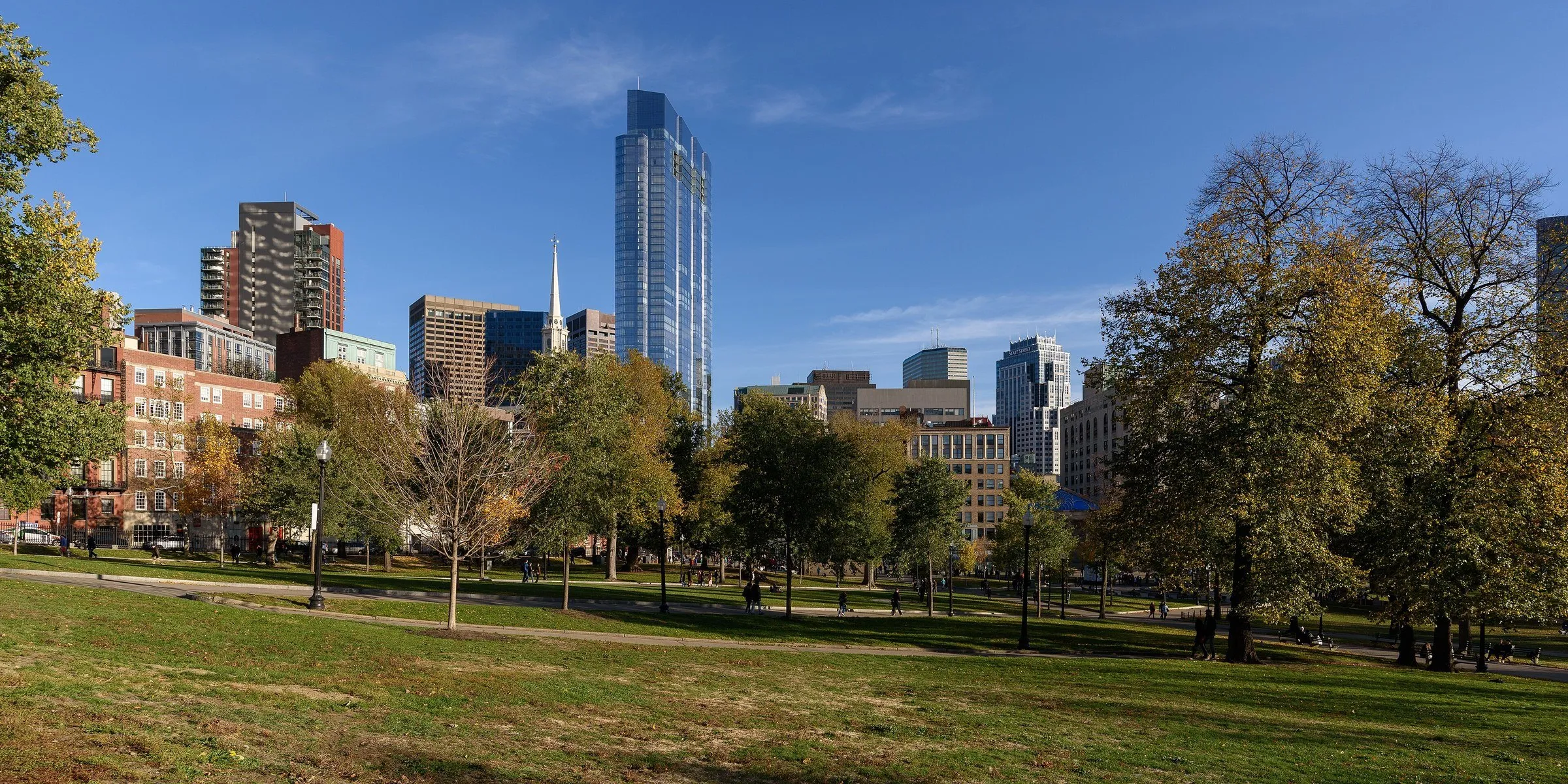
Boston Common
Among its paths, trees and the Frog Pond, the Common is a green pause downtown and a good starting point for understanding the Boston you explore on foot.
View details for Boston Common
United States
A line of red bricks runs through Boston and becomes your guide. Along the way, the itinerary alternates between Independence-era debates, wind off the Charles River and a much-needed pause for lobster.
The red line of the Freedom Trail runs across Boston's sidewalks while you try to decide whether to look at the ground or at the facades. It helps connect places from the story of Independence, but the city also asks for detours: to the grass of the Common, to a reading room in the library and to the Charles River. Bring comfortable shoes; the argument that everything is close together tends to lose steam after the third neighborhood.
This guide combines four days in Boston and neighboring Cambridge, home to Harvard, with a fifth day devoted to Salem. The art museums get a day of their own, with no obligation to cross every gallery. Salem works as a day trip by train; Cape Cod and its islands call for a different travel decision. To explore that coast properly, set aside extra days and consider changing your base instead of squeezing it in between lunch and dinner.
Boston Common and the Public Garden are neighbors, but they were born with different purposes: the first served community uses, while the second was designed as an ornamental garden.
Faneuil Hall is still a space for public gatherings as well as a tourist stop; its political history did not stay locked in the exhibits.
At the Gardner Museum, the arrangement of the works is part of the visit: Isabella organized the objects without the conventional museum labeling system.
1Among its paths, trees and the Frog Pond, the Common is a green pause downtown and a good starting point for understanding the Boston you explore on foot.
View details for Boston Common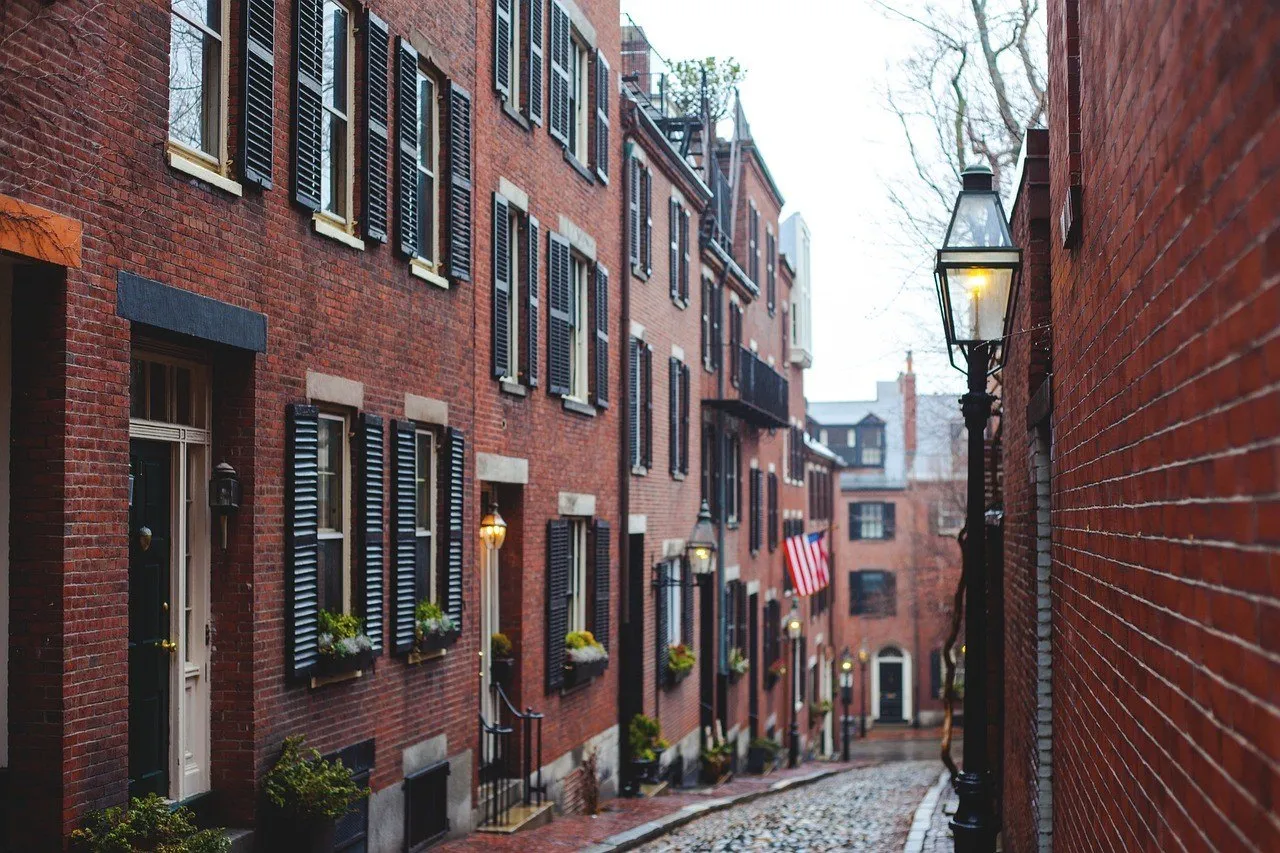 2
Brick houses and sloping streets set the pace in Beacon Hill, a neighborhood next to the Common where the walk calls for more attention to the sidewalks than to the map.
View details for Beacon Hill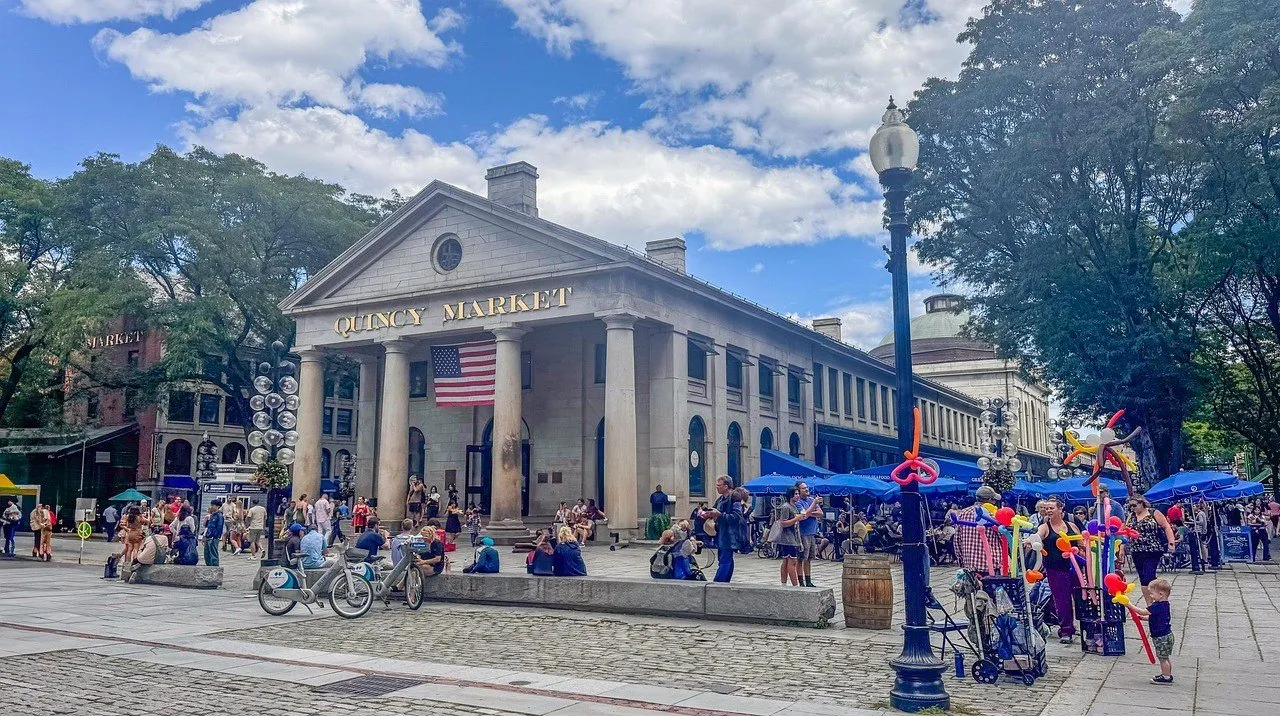 3
Faneuil Hall combines political memory with visitor information; next door, Quincy Market offers food and bustle for a break during your walk downtown.
View details for Faneuil Hall and Quincy Market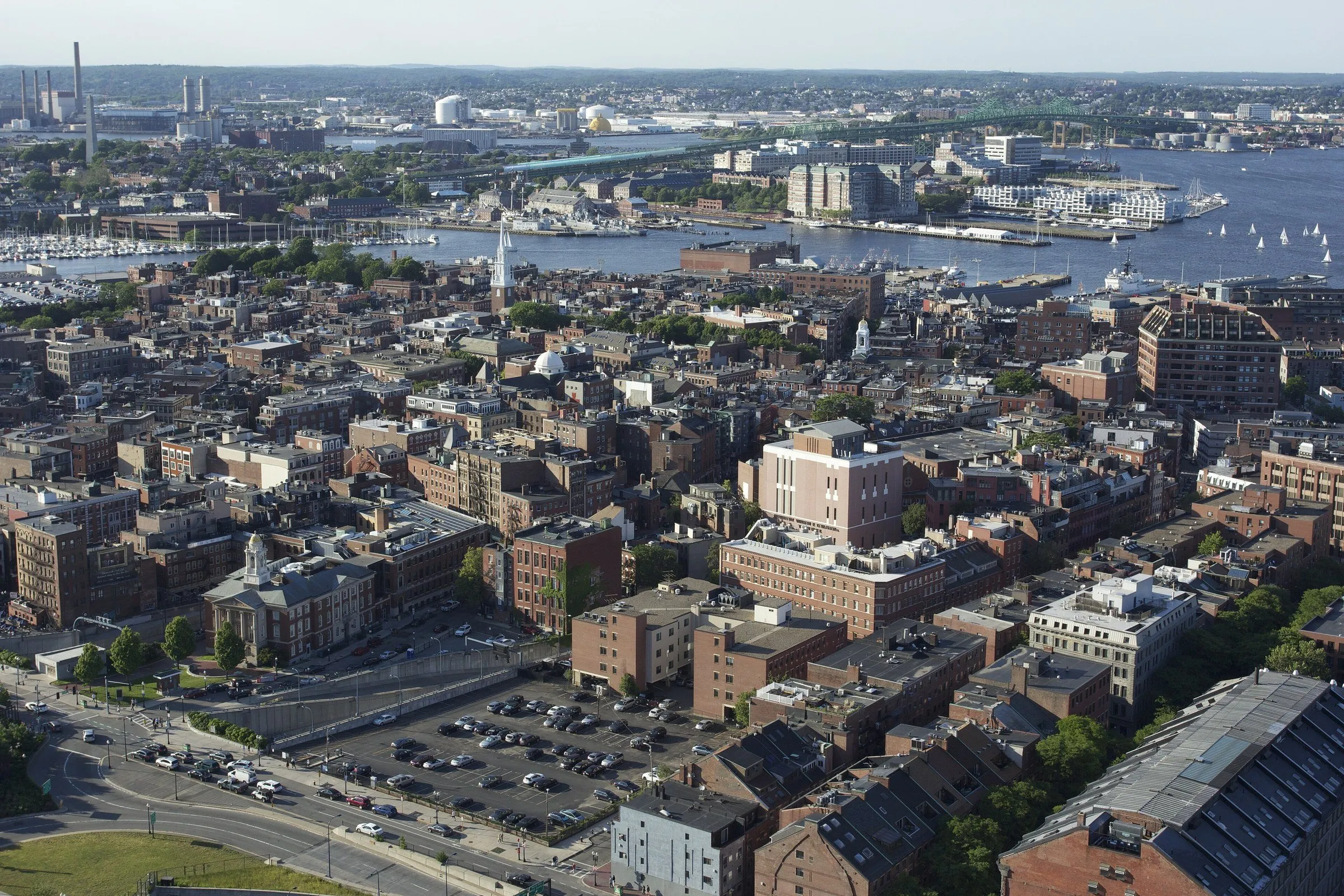 4
Narrow streets, Revolution-era landmarks and Italian-tradition restaurants come together in the North End, a good area to end the day walking and eating.
View details for North End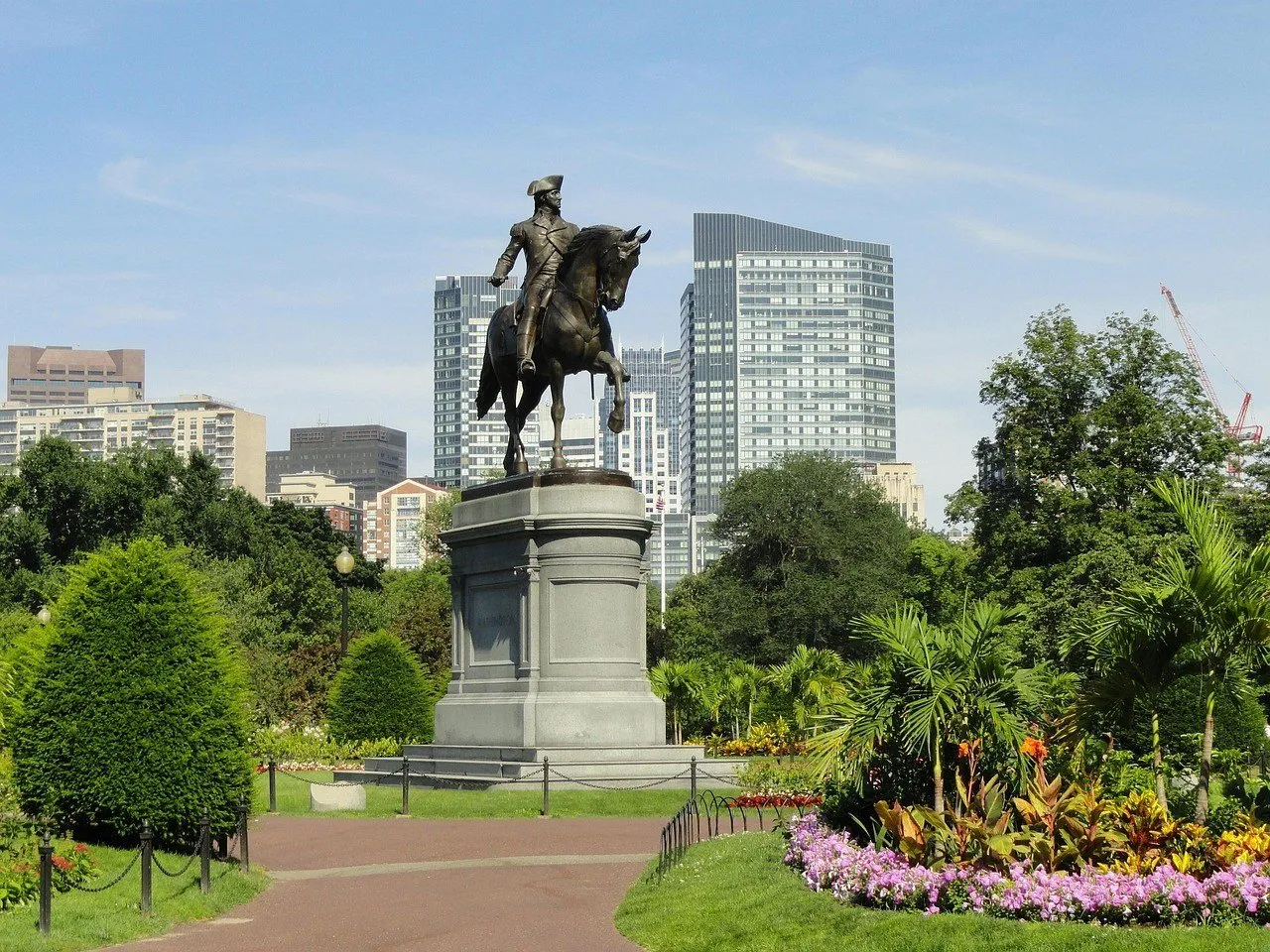 5
A pond, flower beds and winding paths make the Public Garden the ornamental neighbor of the Common, good for strolling without following the straight line of your next appointment.
View details for Public Garden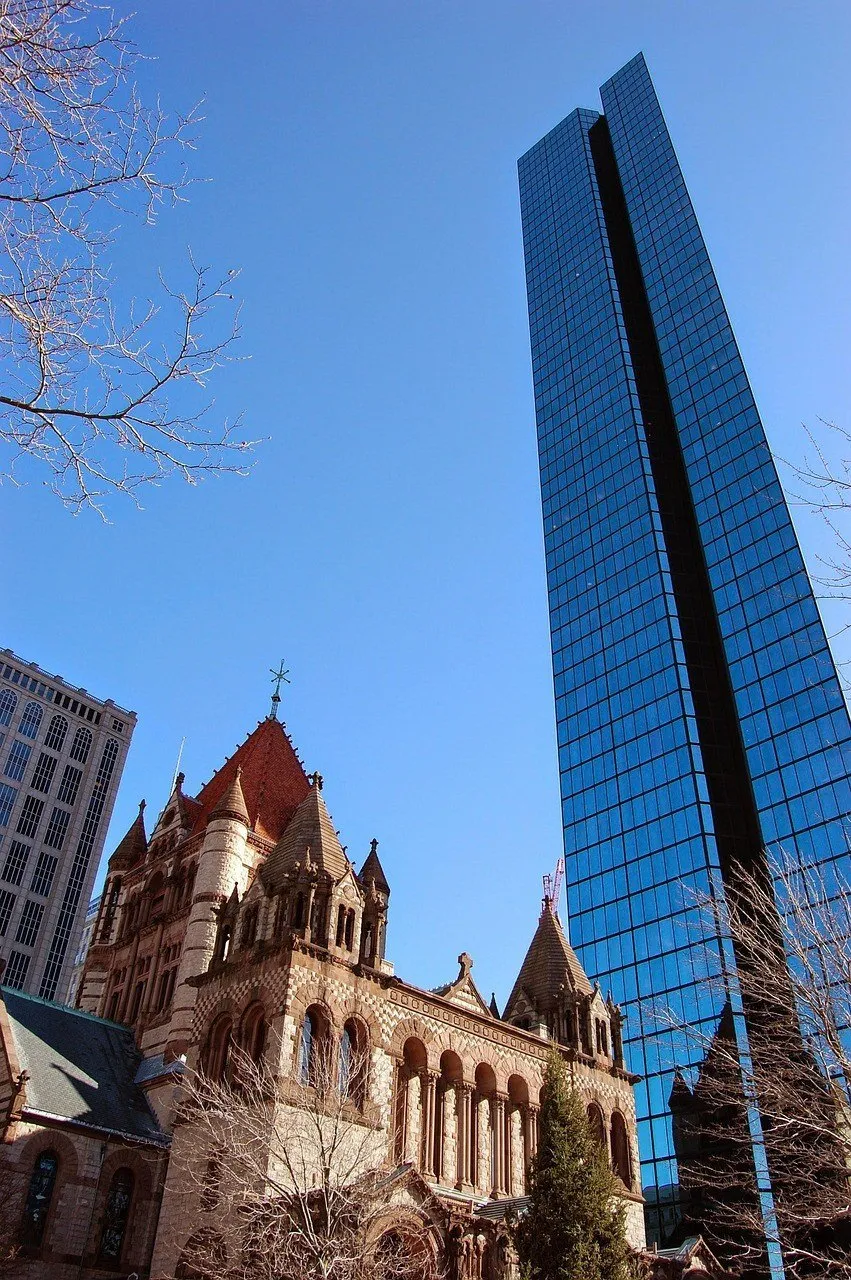 6
The library and Trinity Church shape the scenery of Copley Square, a plaza for watching facades and taking a break between Back Bay walks.
View details for Copley Square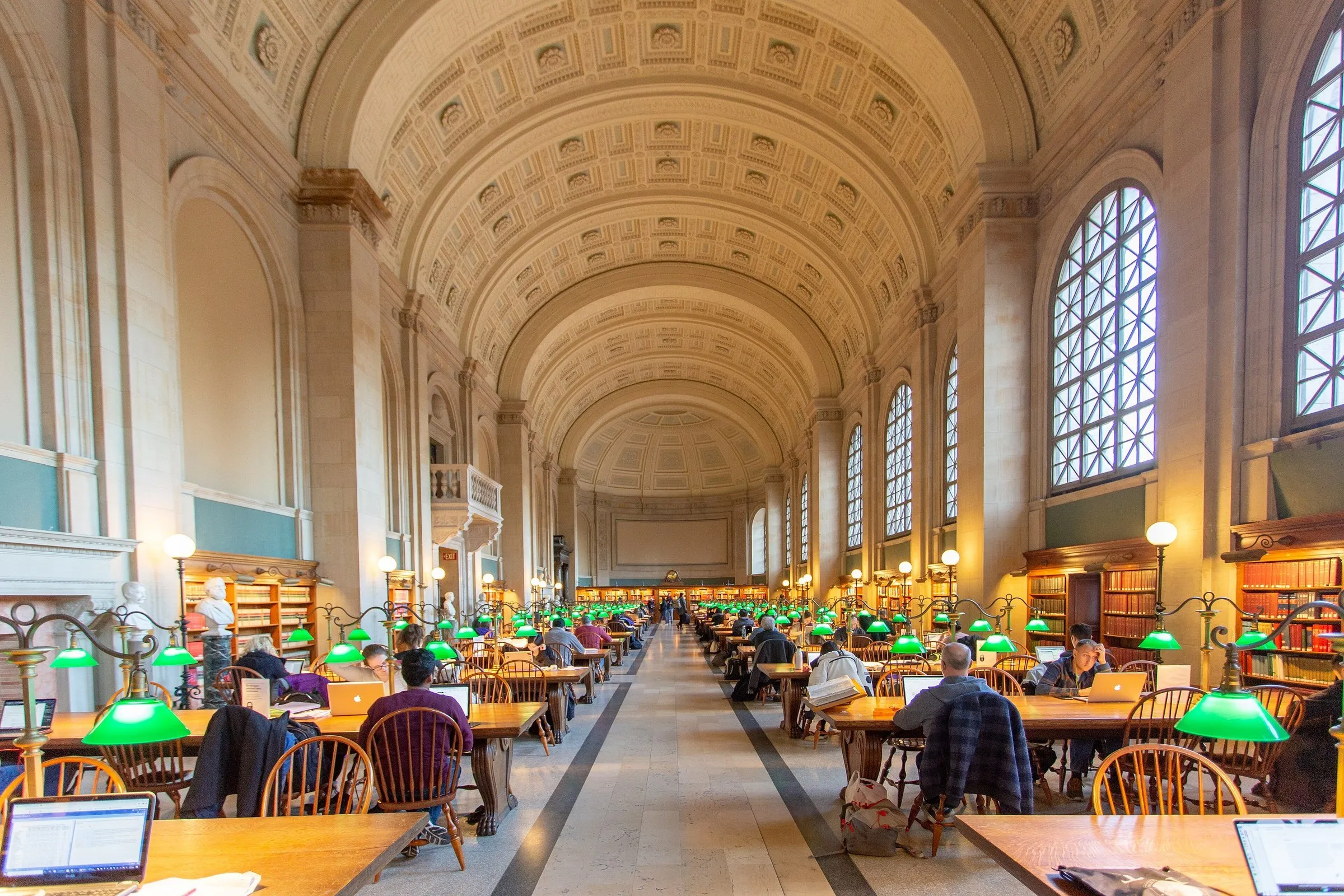 7
The central library combines the McKim Building, the Bates Hall reading room and a courtyard that invites you to trade street noise for a pause.
View details for Boston Public Library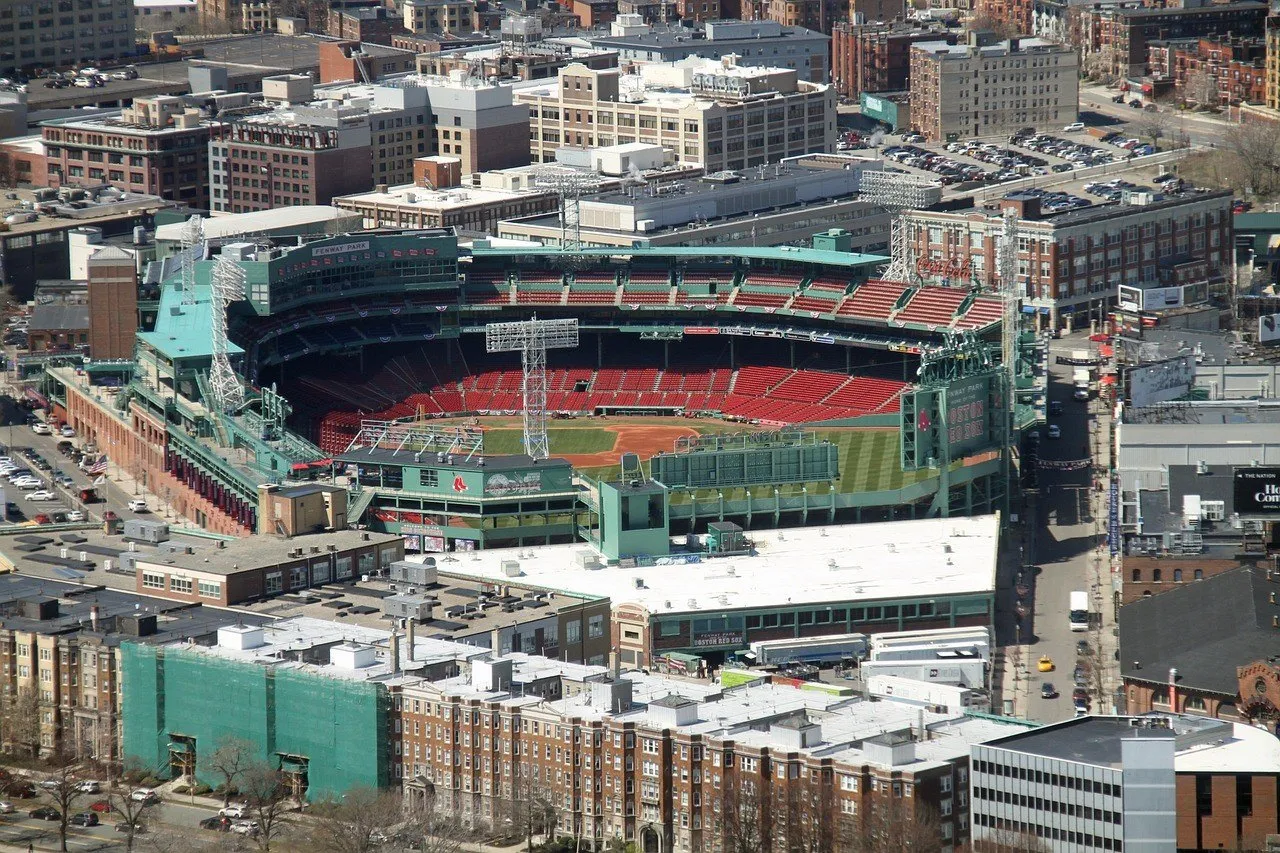 8
Home of the Red Sox, Fenway Park brings you closer to Boston baseball; watching a game and taking a tour are different outings that need their own planning.
View details for Fenway Park 9
The masts and rigging of the USS Constitution change the scenery at the former Charlestown naval shipyard, with a waterfront walk and access to the ship subject to controls.
View details for USS Constitution and Charlestown Navy Yard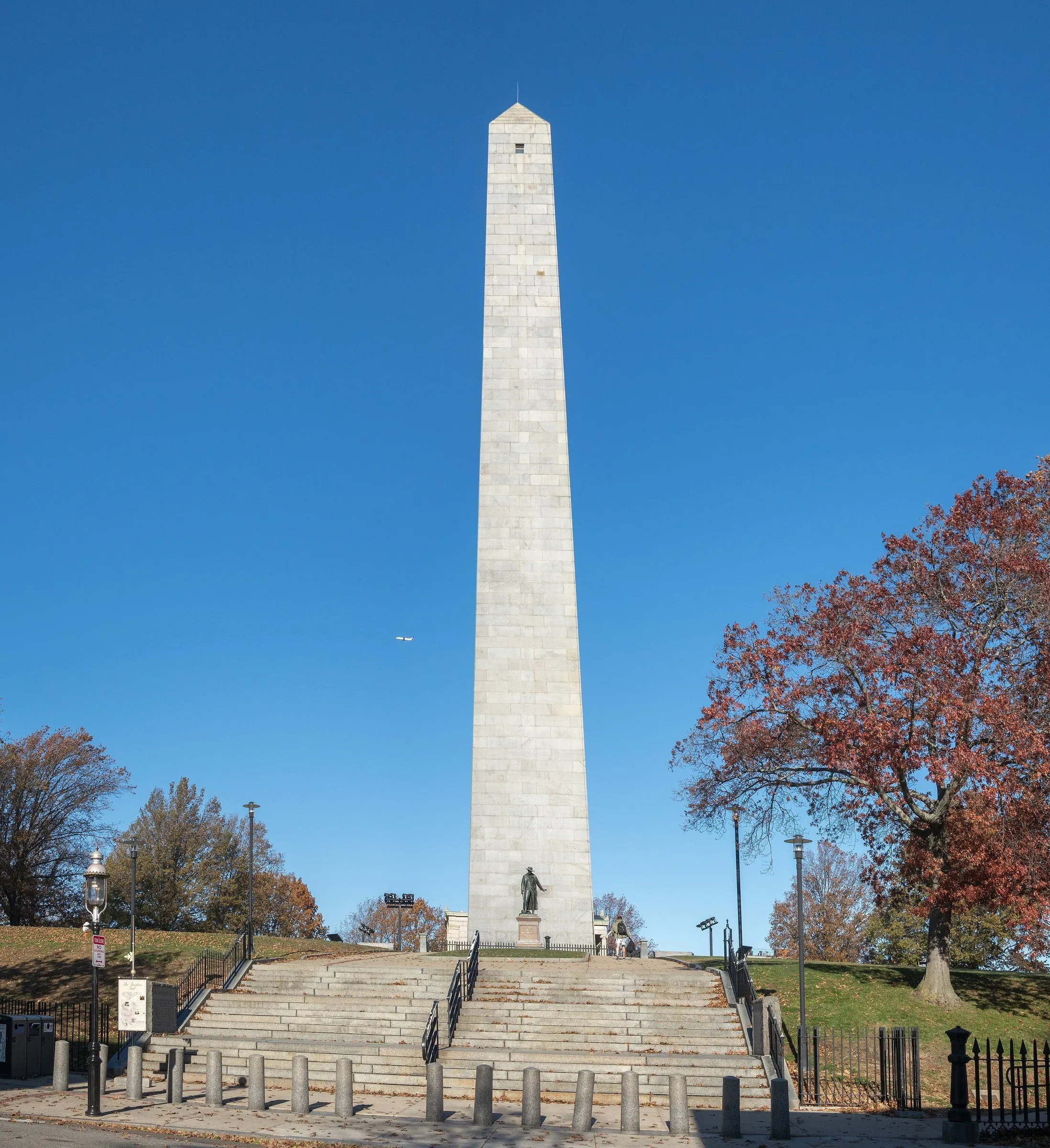 10
An obelisk dominates the Charlestown skyline and recalls the Battle of Bunker Hill; the nearby museum helps you read the episode beyond the view from the hill.
View details for Bunker Hill Monument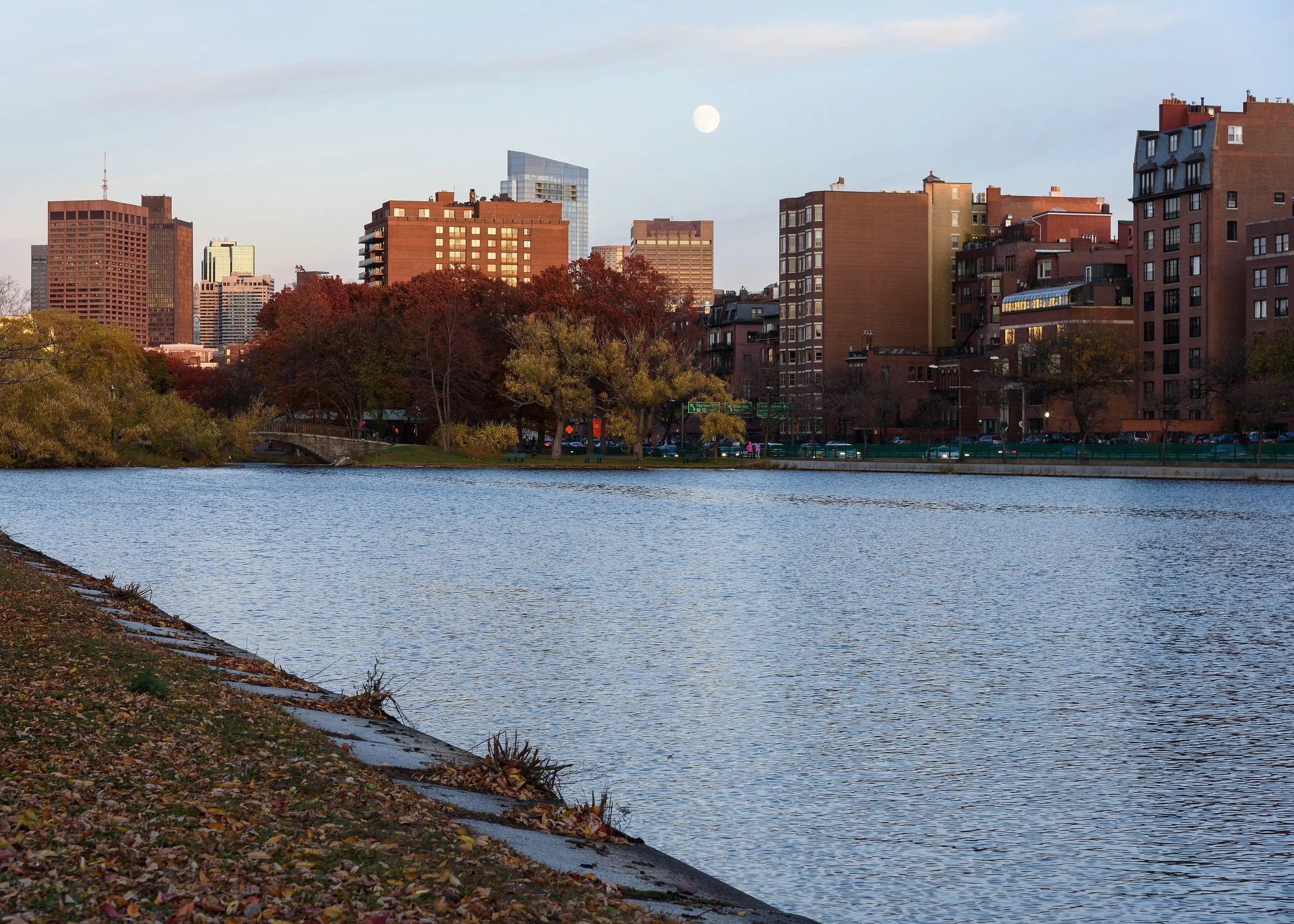 11
Paths along the Charles River offer space to walk and watch the water on the Boston bank, with access via footbridges over the road next to the park.
View details for Charles River Esplanade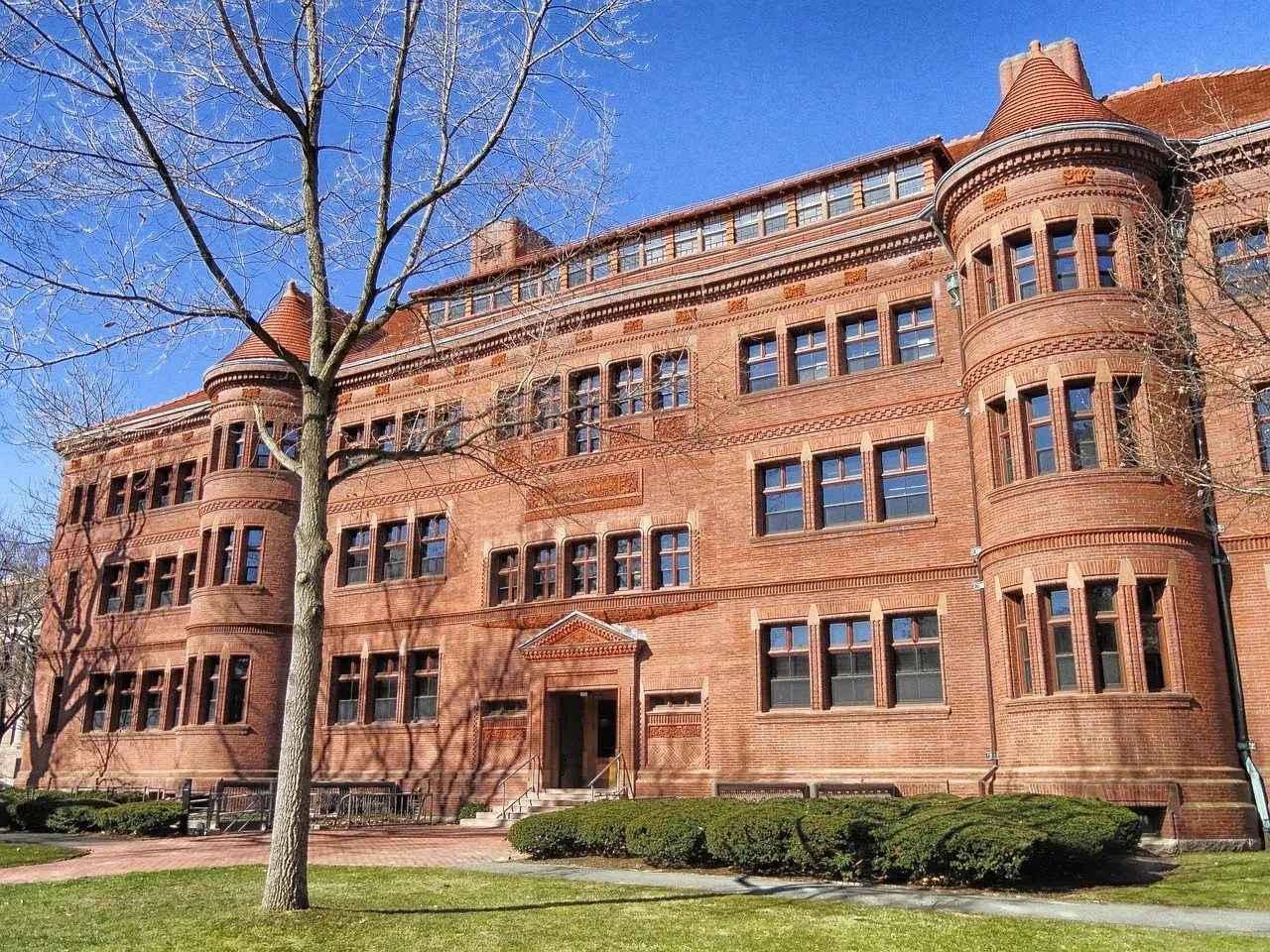 12
Across the Charles River, in Cambridge, Harvard combines university spaces and the bustle of Harvard Square; the visit depends on the areas open to the public.
View details for Harvard and Harvard Square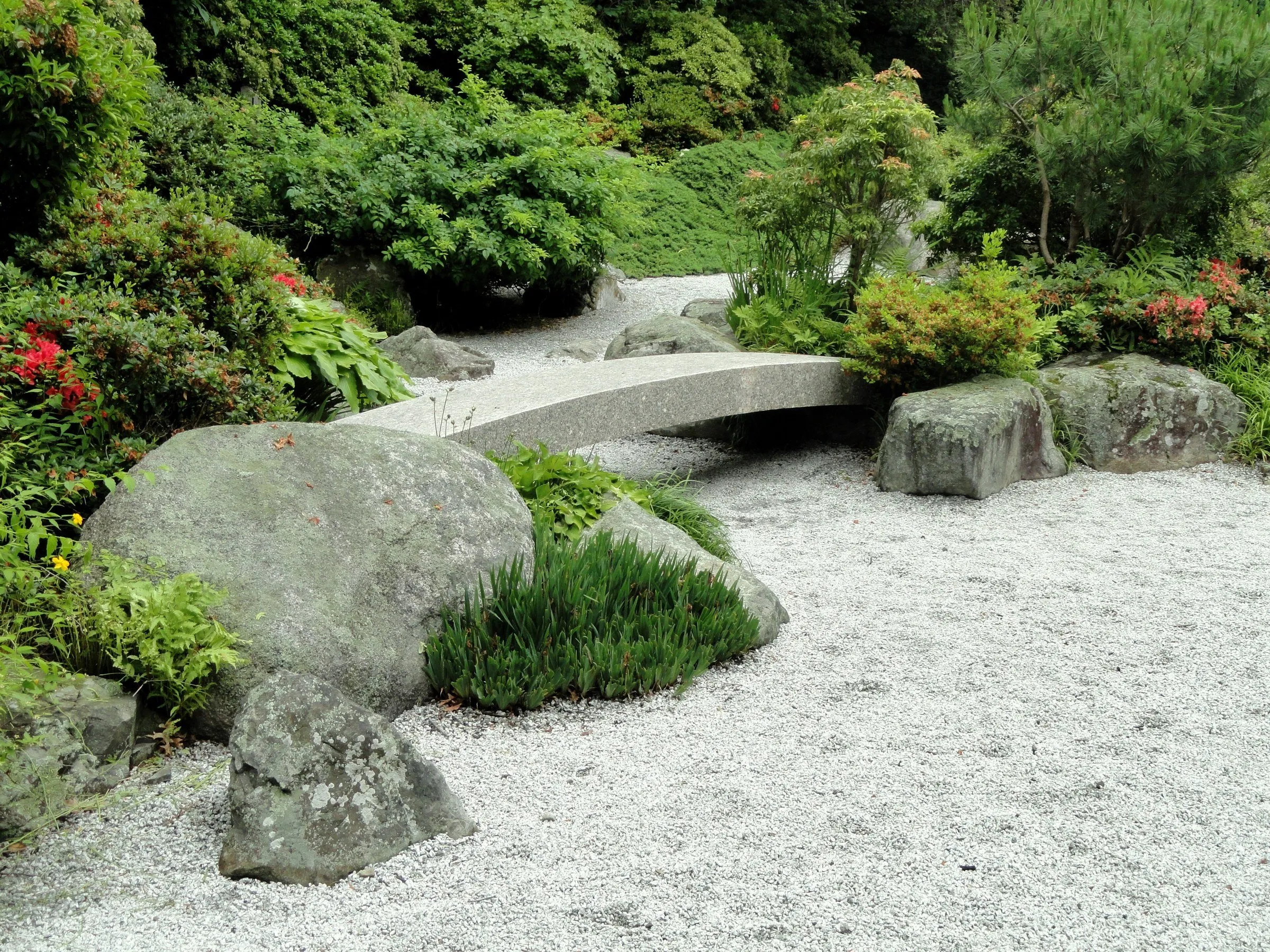 13
The MFA brings together art from the Americas, Asia, Europe and antiquity; choosing a few collections makes the visit more enjoyable than trying to see everything.
View details for Museum of Fine Arts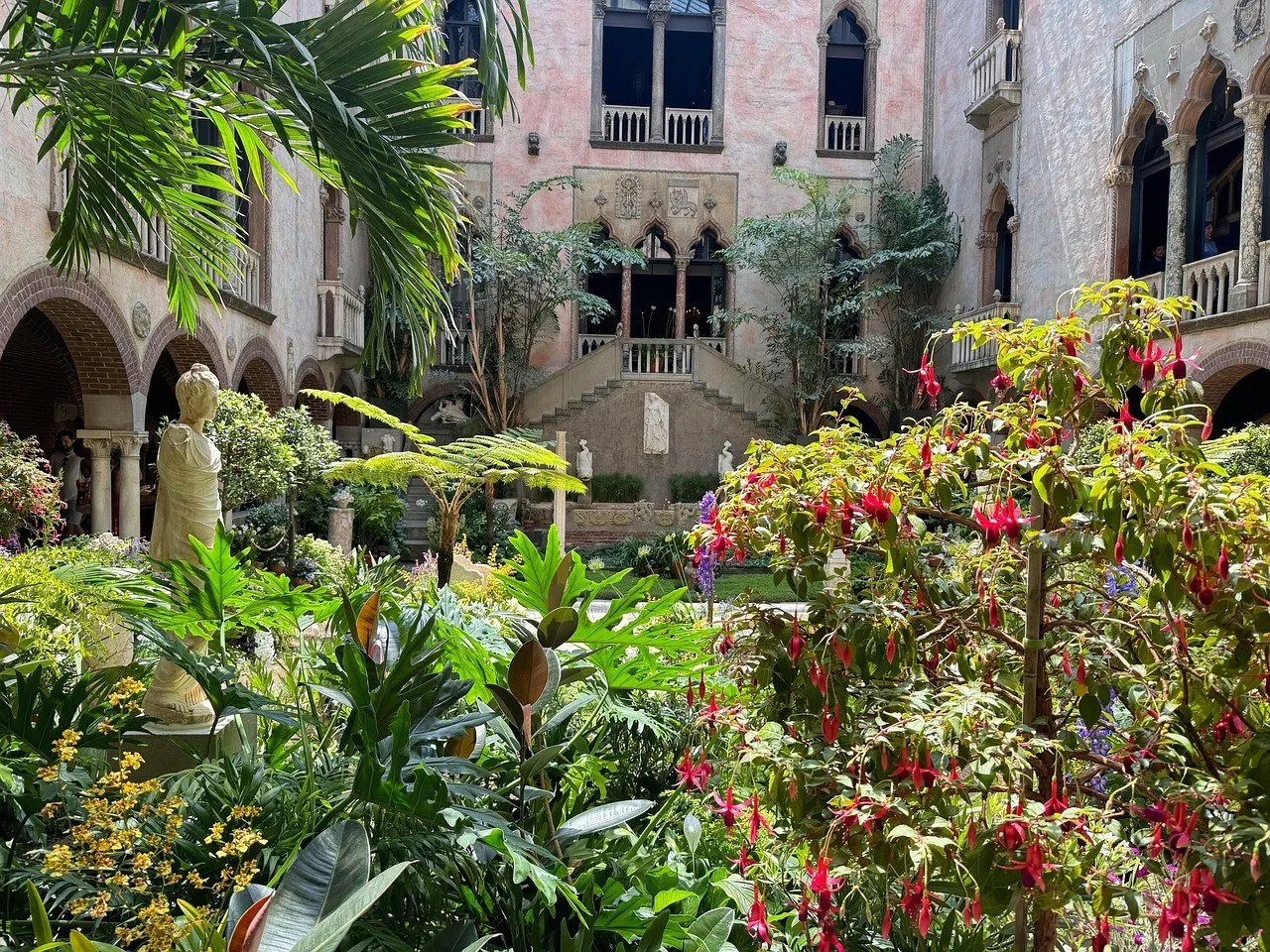 14
Isabella Stewart Gardner's collection asks for a different way of looking: objects arranged by the collector herself, without the usual sequence of labels.
View details for Isabella Stewart Gardner Museum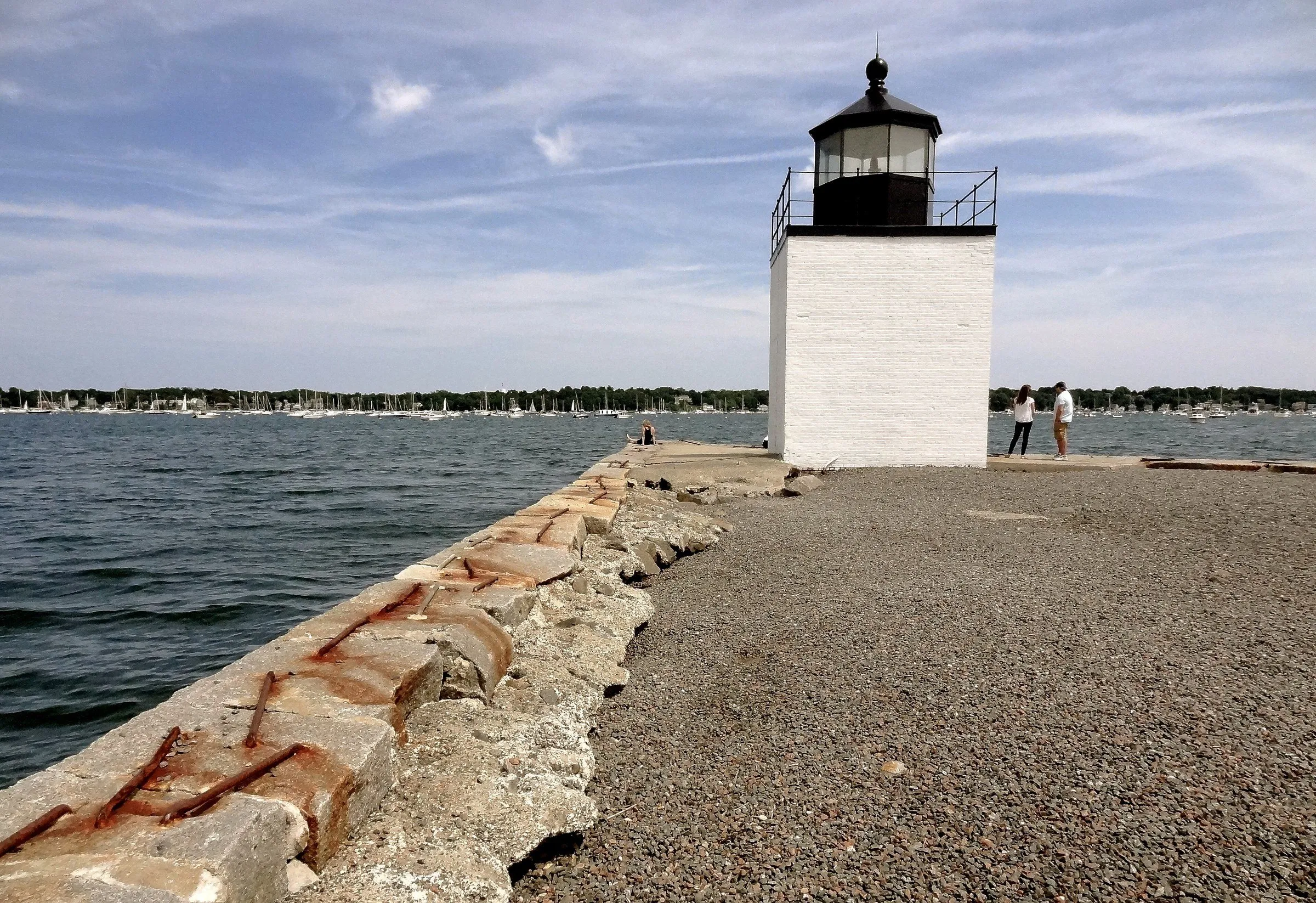 15
Salem calls for a day of its own outside Boston: the downtown combines the memory of the witchcraft trials with maritime history, reachable by train from North Station.
View details for Historic Downtown Salem1Before it became your break between outings, the Common was a grazing ground, a military training field and a stage for protests. That mix of park and public arena helps explain why it works better as a place to linger than as a quick photo stop.
Start along the central paths and notice how the streets spill into the green. The Frog Pond changes its use with the seasons, so the scene on a winter trip can be very different from a summer vacation. The suggested time is for walking without turning the whole park into a race.
2The brick facades make you slow down in Beacon Hill, and the slopes make sure the decision sticks. Next to the Common, the neighborhood combines residential architecture with the presence of state government; the State House dome helps orient your eyes when you look up.
Walk without feeling obliged to collect doors. Charles Street offers a practical reference for organizing your route, while the smaller streets call for care with steps and sidewalks. People live behind those photographed windows: keeping entrances clear is a kindness more useful than any elaborate pose.
3At Faneuil Hall, it is worth separating the historical visit from the urge to have lunch. The meeting hall has a past of debates and protests, while the National Park Service visitor center helps you plan your route through the Freedom Trail sites.
Afterward, look at the group of markets around it and decide whether to eat there or head to the North End. The proximity makes it easy to change plans; there is no need to turn every stall into a required stop. Set aside time to go into the Hall when it is open, instead of reducing everything to the food stalls.
4In the North End, the walk alternates between memories of the Revolution and the very practical question of where to have dinner. Paul Revere's house and the Old North Church help place the neighborhood on the historical map; the streets and restaurants give you a reason to stay once you close the app.
Use Hanover Street as a reference and explore the side streets without hurry. This stop proposes a walk through the neighborhood and does not automatically include visits inside the landmarks. If you want to go into any of them, check the hours and drop another stop from the day: dessert can wait, the ticket office does not always.
5Cross from the Common into the Public Garden and notice how the design changes. Here, the paths curve around the pond and the flower beds invite you to loop around; the garden was conceived for decoration and strolling, unlike the old practical uses of its neighbor.
The vegetation and the light change a lot with the season, so try to enjoy the garden that exists during your trip. The Swan Boats are part of the place's image, but they depend on seasonal operation. With or without a boat ride, the walk is already a pause before heading to the Back Bay facades.
6Copley Square is a good lesson in looking up without having to memorize names of styles. Trinity Church sits on the eastern edge of the square; the library completes the set, and the contrast between the buildings changes the framing with every crossing.
Use this stop to walk around and observe the facades before going into the library. Visiting the inside of the church is a separate choice, subject to the religious schedule and access conditions. For this itinerary, the square works as an outdoor stop: you decide whether your curiosity about architecture deserves a longer visit at another time.
7You can walk into the Public Library without an urgent research project or an overdue paper. The McKim Building, beside Copley Square, holds spaces such as Bates Hall, with its reading tables, and a courtyard that changes the rhythm of the visit as soon as you leave the street.
Plan a route that respects the areas open to visitors, and remember that the library is still a working library. Readers are not extras, so photos and conversations call for discretion. If a room is closed for an event or maintenance, adapt your visit to the spaces available; there is no reason to cross a barrier in search of the photo you planned.
8Fenway is the place to sense how much baseball occupies the city's imagination. The Red Sox ballpark has a peculiarly shaped field, marked by the wall known as the Green Monster. Even for those who still mix up the rules, the space helps you understand the relationship between the stands and the game.
In this itinerary, book the guided tour as a daytime option and check the schedule before fitting it in. A game calls for different organization: transportation, entry and time on site change a lot. You do not need to master the sport's statistics to enjoy the atmosphere, but it helps to know the basics before you sit down.
9The masts appear before the details do: at the Navy Yard, the USS Constitution gives Boston's maritime history a different scale. Visiting the grounds lets you see the ship at the old shipyard, and boarding, when available, puts you in a space quite unlike a conventional gallery.
Separate the walk around the area from the visit to the ship and the museum: they are distinct experiences with their own rules. On board, stairs and passageways call for attention; anyone with mobility limitations should check accessibility beforehand. Even without boarding, the waterfront ensemble justifies crossing to Charlestown with time to look at the water.
10After the Navy Yard's masts, the Bunker Hill obelisk appears as another landmark on the Charlestown horizon. The monument honors a battle from the start of the American Revolution, and the nearby museum gives context to both the fighting and the building of the memorial.
Visit the outdoor area without relying on the climb to count the outing as complete. When the staircase is open, climbing takes stamina and room in your day; there is no elevator to the top. If your legs have already negotiated too much with the hills, the museum offers a less breathless way to understand the place.
11On the Esplanade, the Charles River takes center stage and the walk no longer depends on a particular facade. The park follows the Boston bank; choose one stretch instead of assuming you need to cover the whole length to enjoy the scenery.
Getting there takes attention to the access points, because the traffic road separates parts of the neighborhood from the riverside area. Use the footbridges and the paths marked on the map. Then walk at a pace that lets you share the space with runners and cyclists; a bench by the water also counts as a legitimate part of the itinerary.
12Harvard is in Cambridge, a separate municipality, and deserves to appear on the map with the right address. For those staying in Boston, the Harvard station on the Red Line makes a car-free visit easy. The university offers information and tour options to help organize your walk through the permitted spaces.
Combine the campus with a break in Harvard Square, without assuming that all academic buildings are open. Gates, events and university activities may limit your route. In the itinerary, the visit comes after Charlestown and the Esplanade; use transit between the areas and shorten the walk along the river if you want a tour at a set time.
13At the Museum of Fine Arts, the first useful decision is to accept that you will not see everything. The collections range from the art of the Americas to Asian, European and ancient holdings, with objects of very different kinds. The map deserves a few minutes before you start walking.
Pick two or three areas that match your interests and leave the rest for another trip. The time estimate is a proposal for a selective visit, not a promise of finishing the museum. If a temporary exhibition catches your eye, swap one of the collections for it instead of simply adding more rooms.
14After the scale of the MFA, the Gardner changes the conversation. The arrangement of objects follows the choices of Isabella Stewart Gardner, and the absence of conventional labels makes you look at how the pieces relate before searching your phone for each explanation.
Use the digital guides when you want to go deeper on a work, but set aside moments without a screen to take in the rooms. The visit does not have to become a test of recognizing artists. Since it is in the same part of the city as the MFA, you can combine the two in a day of museums, as long as you take a real break between them.
15The name Salem usually arrives together with witches, but the visit gains another depth when you tell tourist fantasy apart from the memory of the victims. The downtown also connects to the city's maritime past, which gives the walk a thread beyond the themed shops.
Leave North Station on the Newburyport/Rockport regional train and check the round-trip timetable; Salem's station lets you continue on foot to the downtown. Set aside the whole day, travel included, and choose a few visits according to your interests. In October, confirm reservations and special operations before traveling: the programming changes the city's rhythm considerably.
Group visits by neighborhood and use public transit for the longer hops; the itinerary already separates downtown, Back Bay, Charlestown and the museums to save repeat walking.
The Silver Line links the terminals to South Station, where you can connect to the Red Line; check service and the route to your accommodation before landing.
Spring and fall can alternate between mild and cold spells; bring a layer you can put on and take off, especially for the walk along the river.
Secure museums and timed tours first, then organize the parks around them; do not buy back-to-back visits without a transit buffer.
Keep your bag and phone under control in lines and on transit, and use marked crossings near roads; when photographing facades, stand out of the pedestrian flow.
Before paying at restaurants, check taxes, tip and any service charge; the prices shown on the menu may not be the full bill.
After the hills and the museums, it is worth choosing one seafood meal and saving another for the North End. Lobster in a bun, creamy soup and a dessert that does not match its name make up a small vocabulary for reading menus; ask about ingredients if you have dietary restrictions.
Clam soup in the creamy New England style; ask about the ingredients, including whether it contains pork.
A bun filled with lobster, which may come with butter or with mayonnaise; choose the preparation before arguing over which version you prefer.
Despite the pie in the name, it is a cake with custard cream and chocolate glaze: leave the dictionary out of dessert.