 1
Viewpoints
Washington Monument
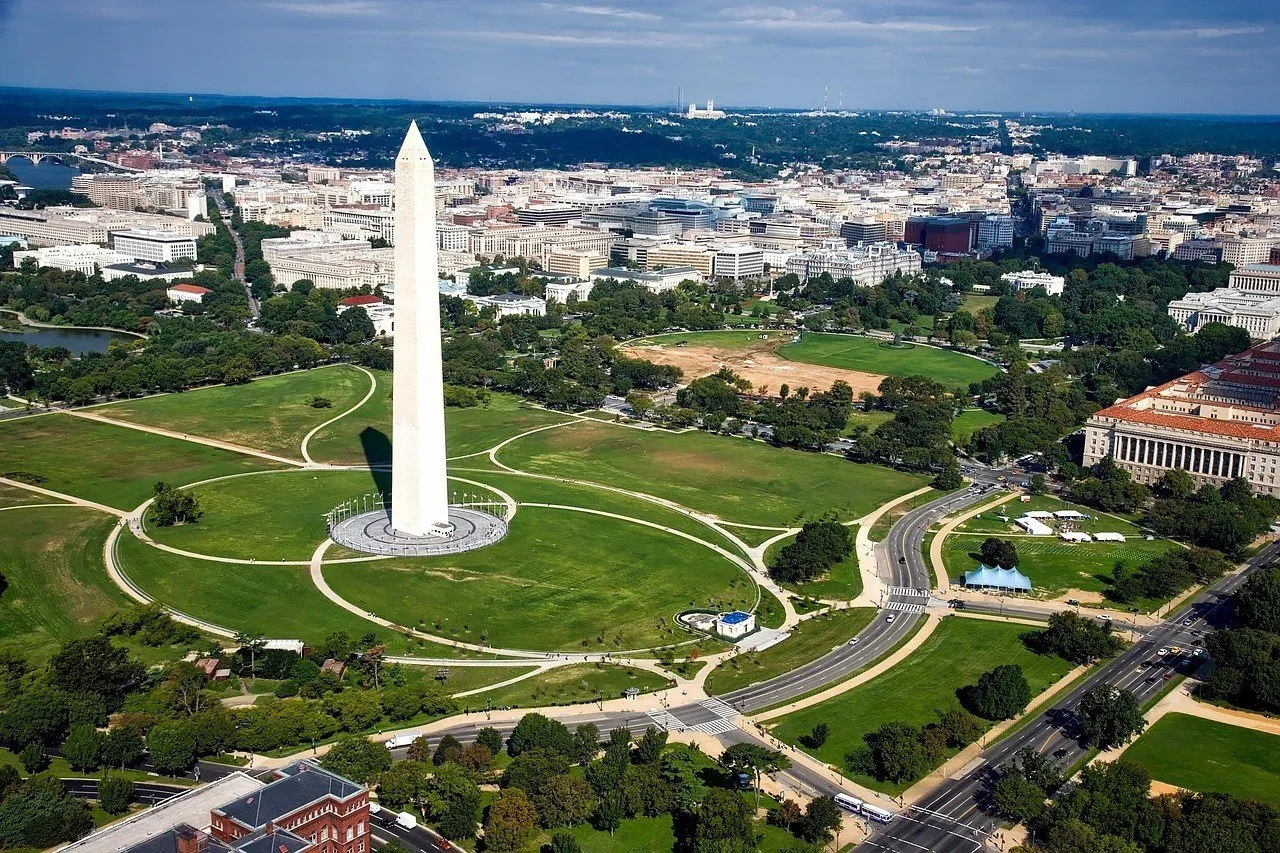
The obelisk honoring George Washington anchors the National Mall landscape and offers an observation deck to see the city on a different scale.
View details for Washington Monument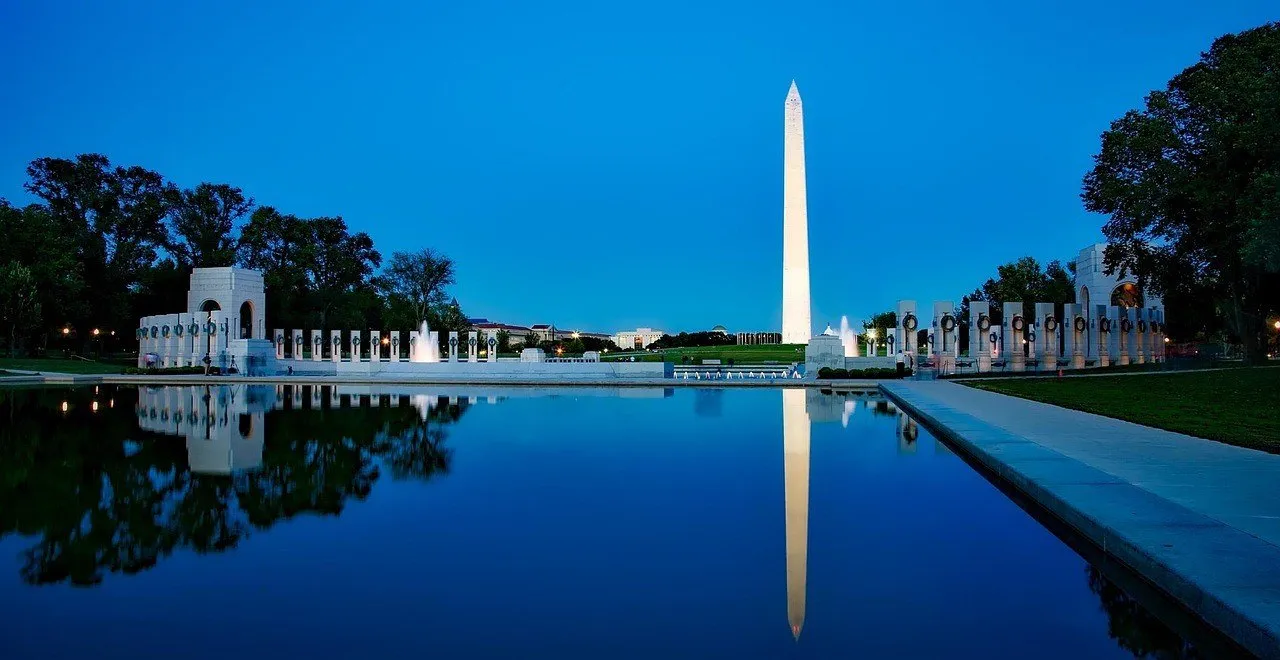
United States
You gaze at the Washington Monument reflected in the water, estimate a quick little walk and discover that the National Mall runs on a different scale. Luckily, the museums offer good breaks along the way.
From the top of the Lincoln Memorial steps, the Reflecting Pool draws your eye straight to the Washington Monument. It is a view you know from the movies, but the visit gains another depth when you read the speeches on the walls and the names carved into the neighboring memorials. The National Mall stages much of this meeting of landscape, power and memory; the distances, though, deserve more respect than they seem to ask for on a phone screen.
After the walking come the airplanes, fossils and paintings: Washington has major museums with free general admission, although some visits require a reservation. Pick rooms instead of trying to collect buildings. This itinerary spreads the essentials over three days and keeps the Jefferson Memorial as an option for a longer stay. End the day in Georgetown or look for the Ethiopian cooking of Shaw and U Street: the city stays interesting once you step out of the parade of marble columns.
At the Vietnam Veterans Memorial, the names follow the chronology of the losses rather than alphabetical order. The wall asks to be read in a different way.
In the Minerva mosaic at the Library of Congress, the scroll stays partly rolled up: knowledge still has room to keep going.
Not even the origin of the name half-smoke has an agreed explanation. In Washington, you can order the sandwich and leave the etymology debate for after the chili.
1The obelisk honoring George Washington anchors the National Mall landscape and offers an observation deck to see the city on a different scale.
View details for Washington Monument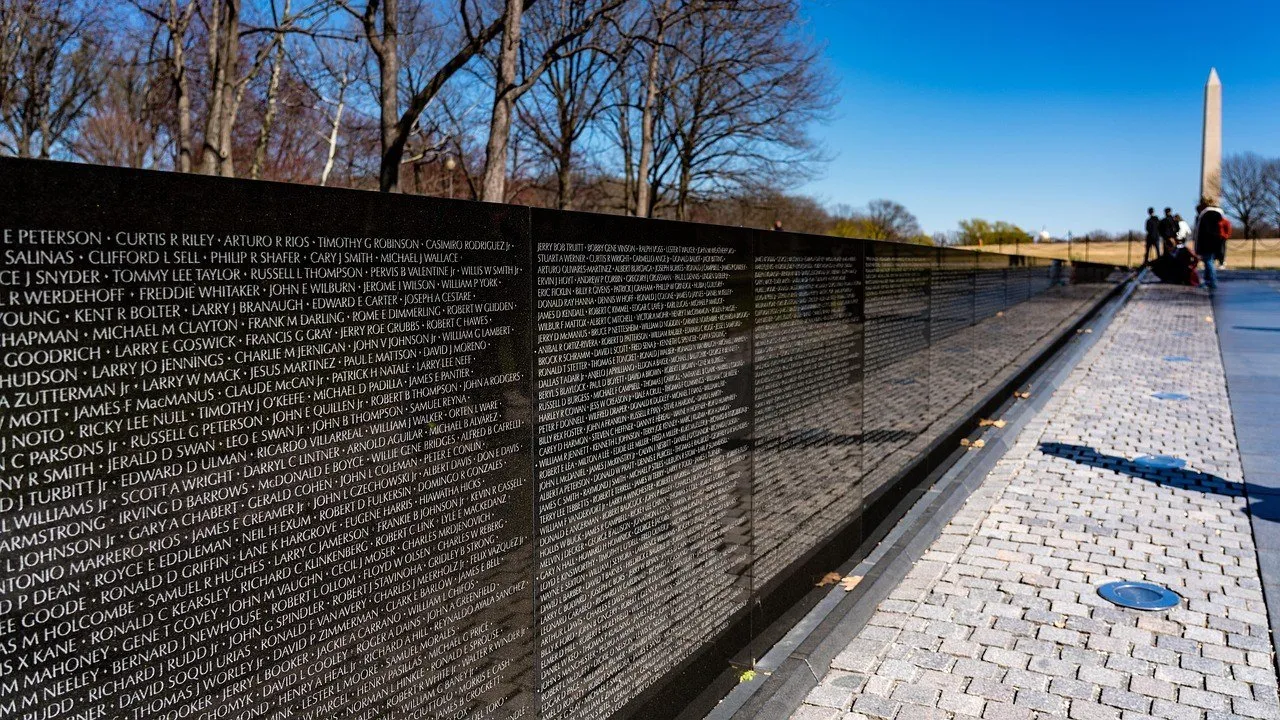 2
A wall of engraved names and surfaces that reflect passersby: the memorial to those who died in the Vietnam War invites a quiet visit.
View details for Vietnam Veterans Memorial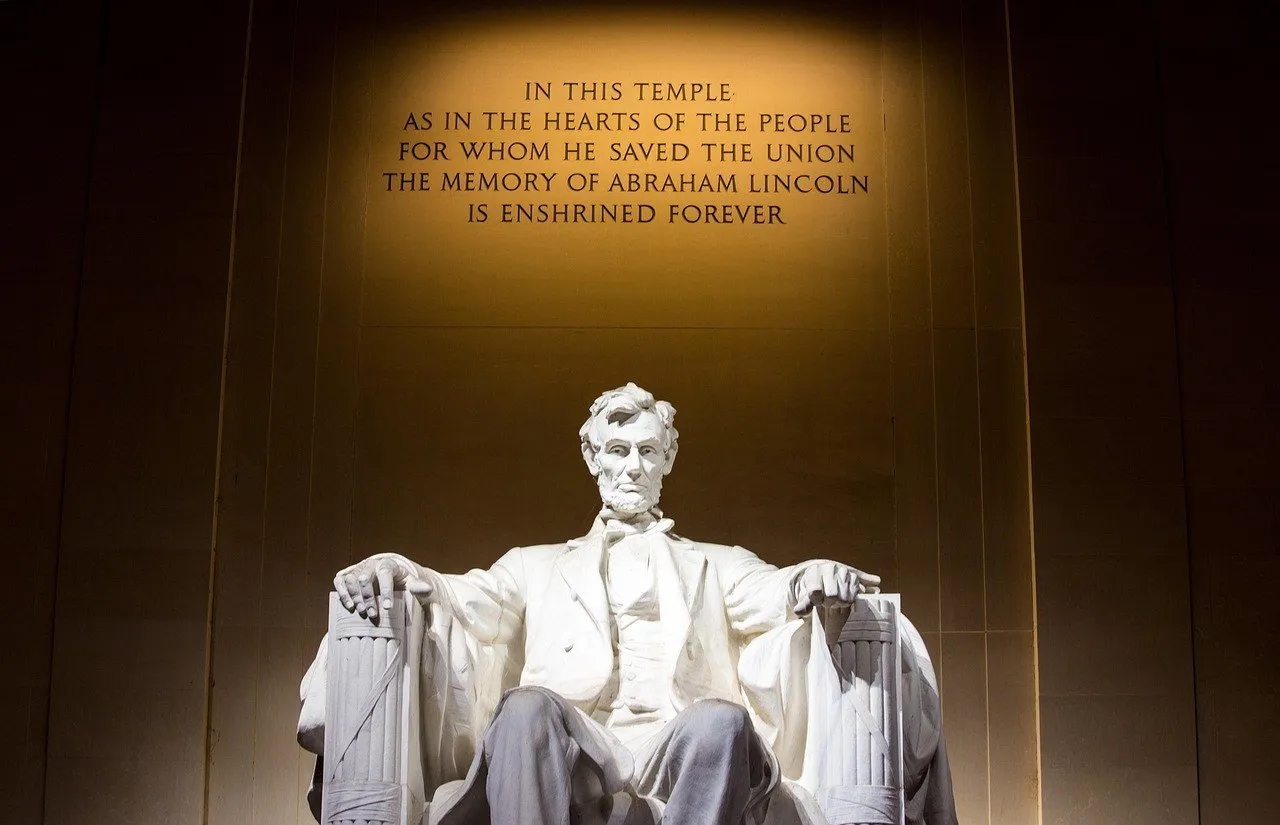 3
Lincoln seated among engraved speeches and a view of the Reflecting Pool: the memorial combines monumental architecture with the memory of the civil rights struggle.
View details for Lincoln Memorial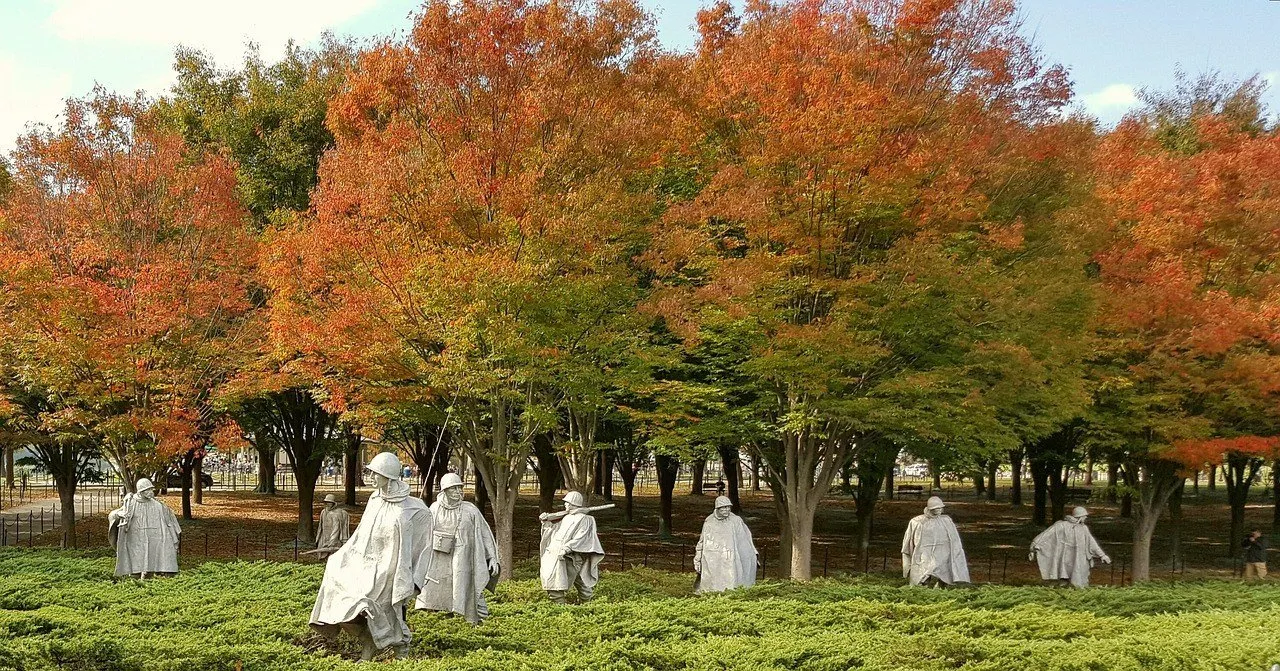 4
Steel soldiers cross a low field beside a wall of engraved faces, in a memorial that gives shape to the tension of the Korean War.
View details for Korean War Veterans Memorial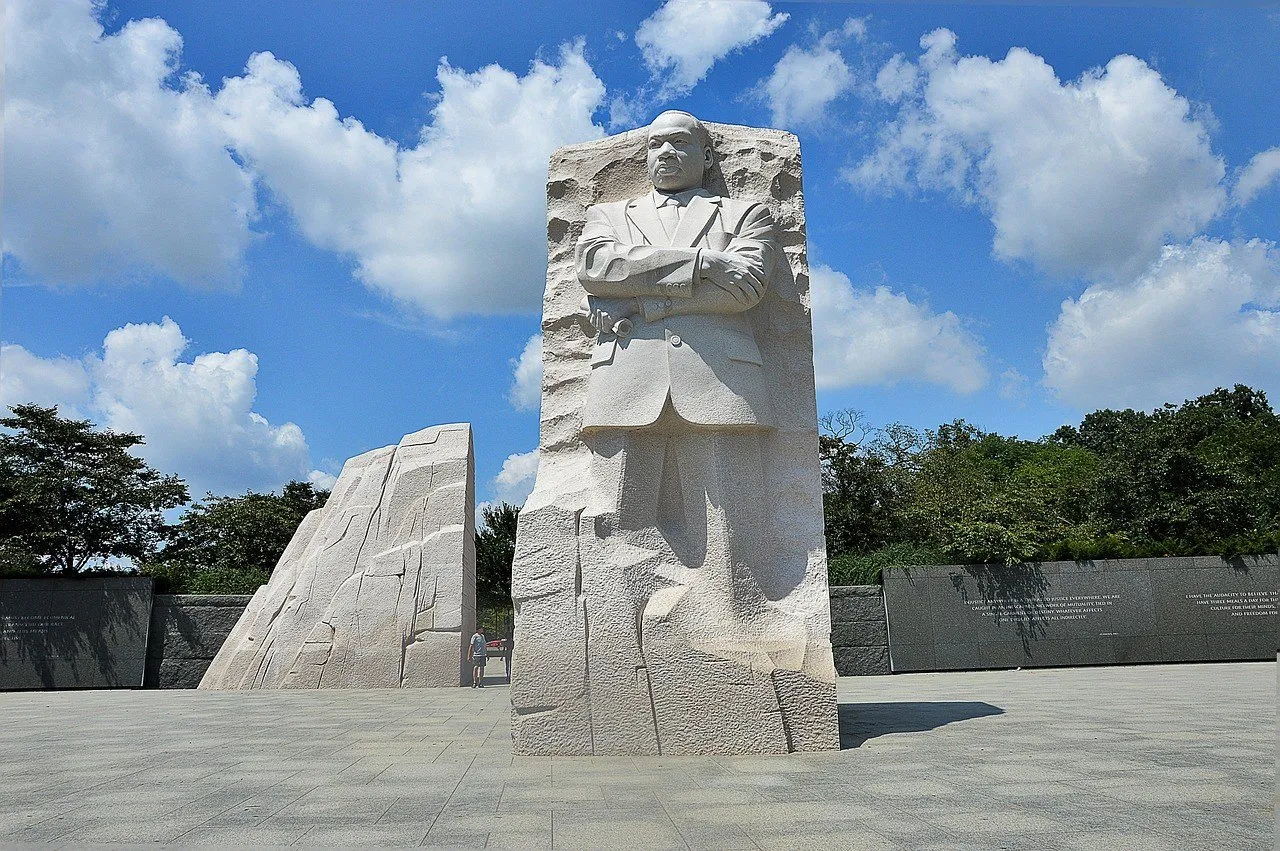 5
King's figure emerges from a block of stone, surrounded by words about equality and justice, beside the waters and trees of the Tidal Basin.
View details for Martin Luther King Jr. Memorial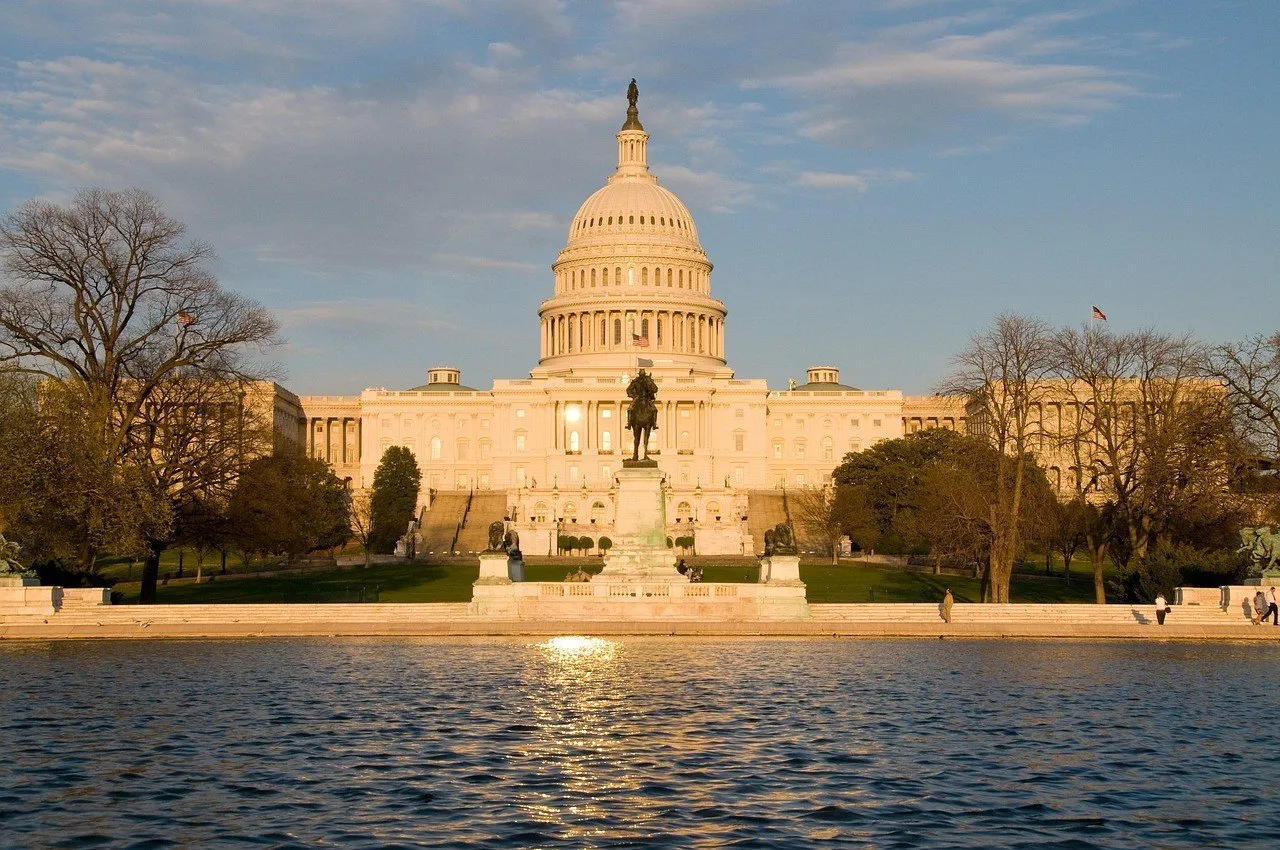 6
Congress's dome dominates Capitol Hill; inside, guided tours present ceremonial spaces and help explain the seat of the American legislature.
View details for United States Capitol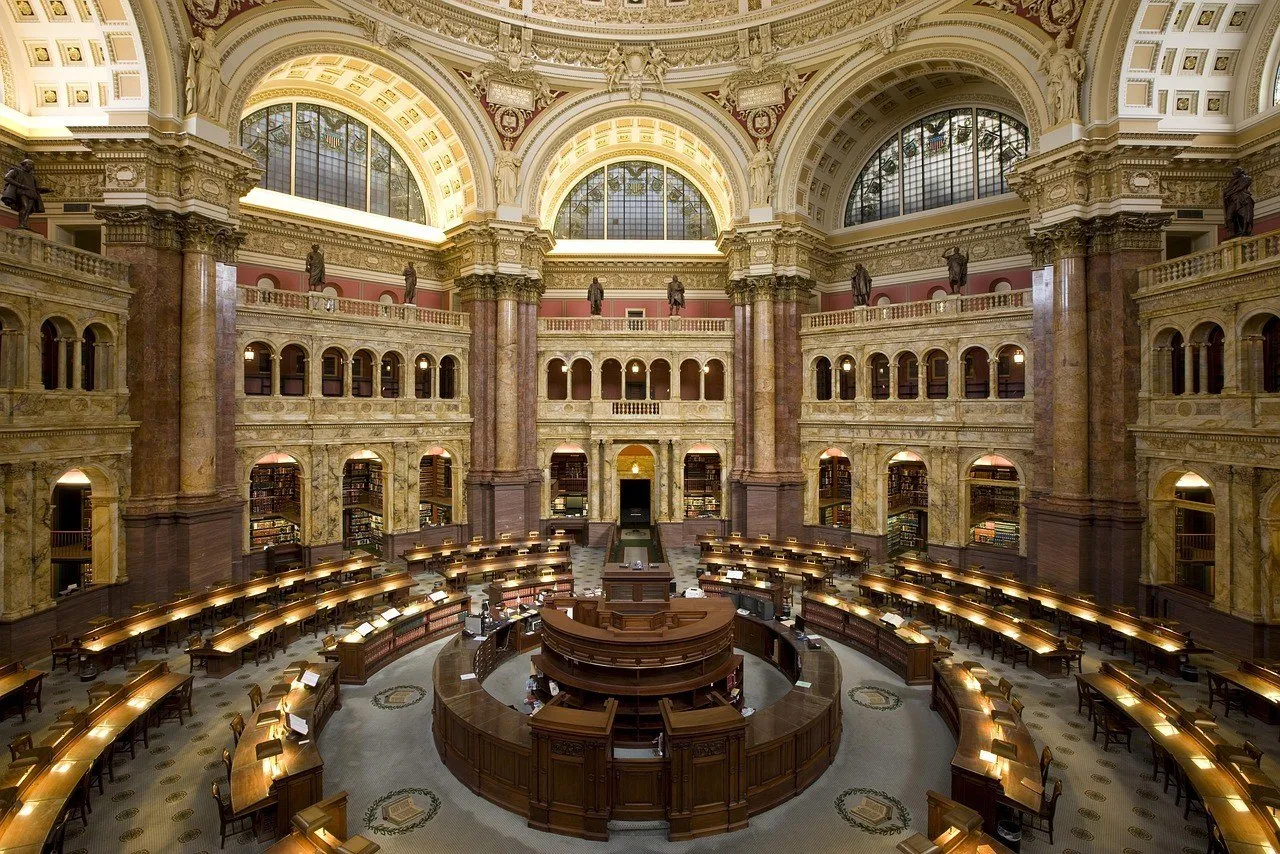 7
In the Thomas Jefferson Building, staircases, mosaics and paintings make you look up before you even think about the books of the Library of Congress.
View details for Library of Congress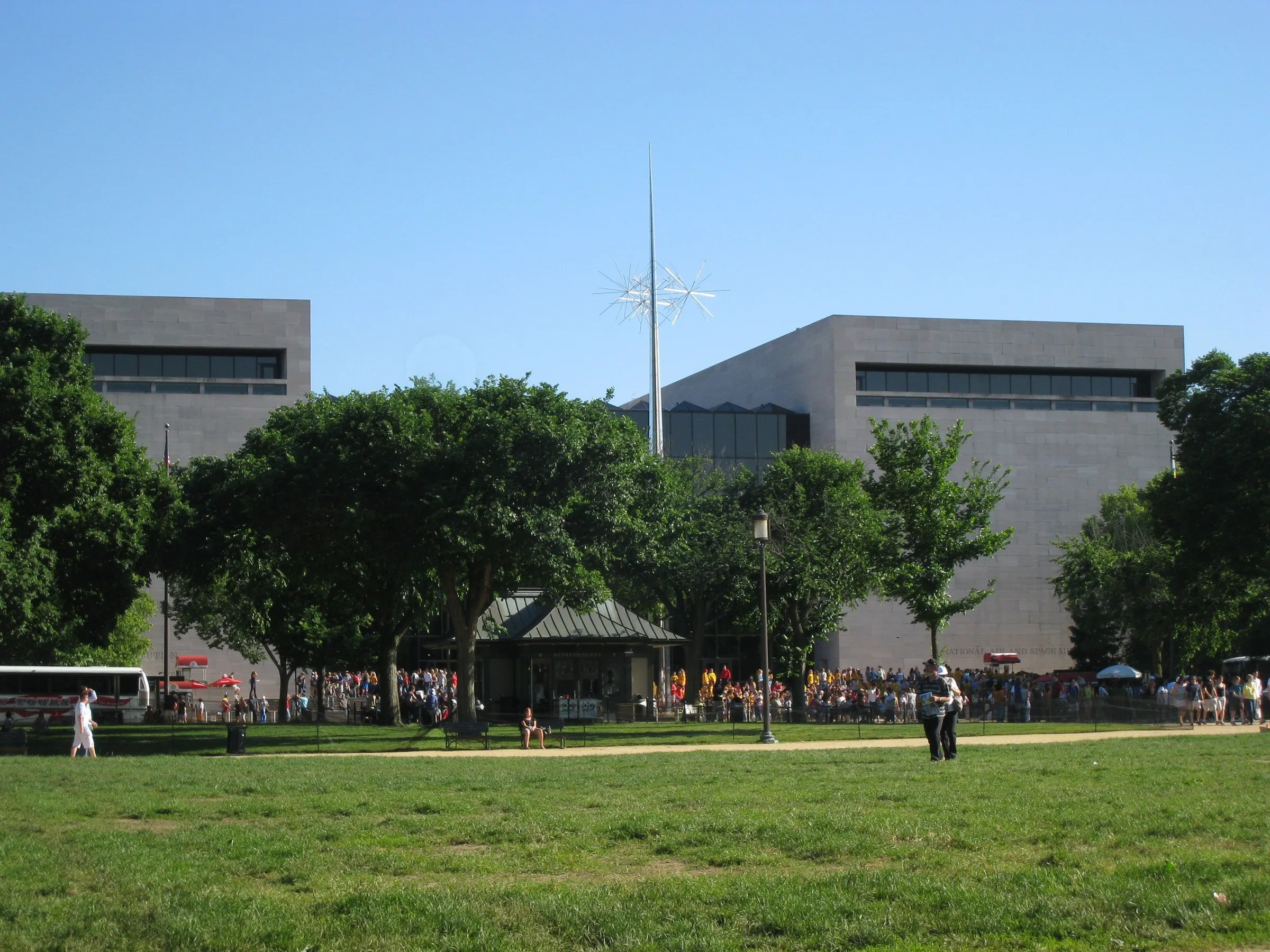 8
Airplanes and spacecraft tell the story of flight at the Smithsonian, with objects tied to the Wright brothers and the missions that took people to the Moon.
View details for National Air and Space Museum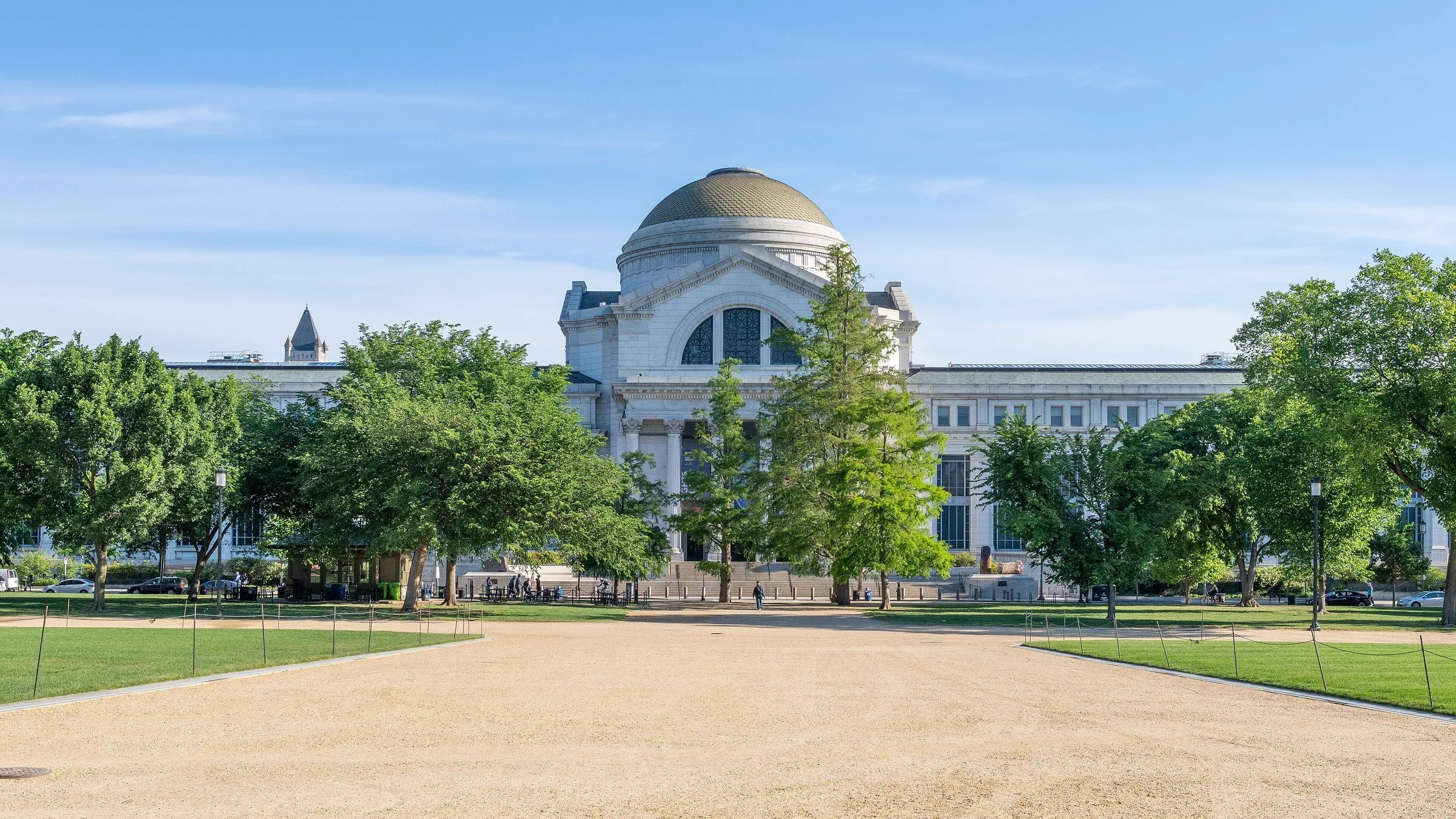 9
Fossils and the history of life on Earth fill this Smithsonian museum, where the Deep Time hall turns dinosaurs into questions about the planet.
View details for National Museum of Natural History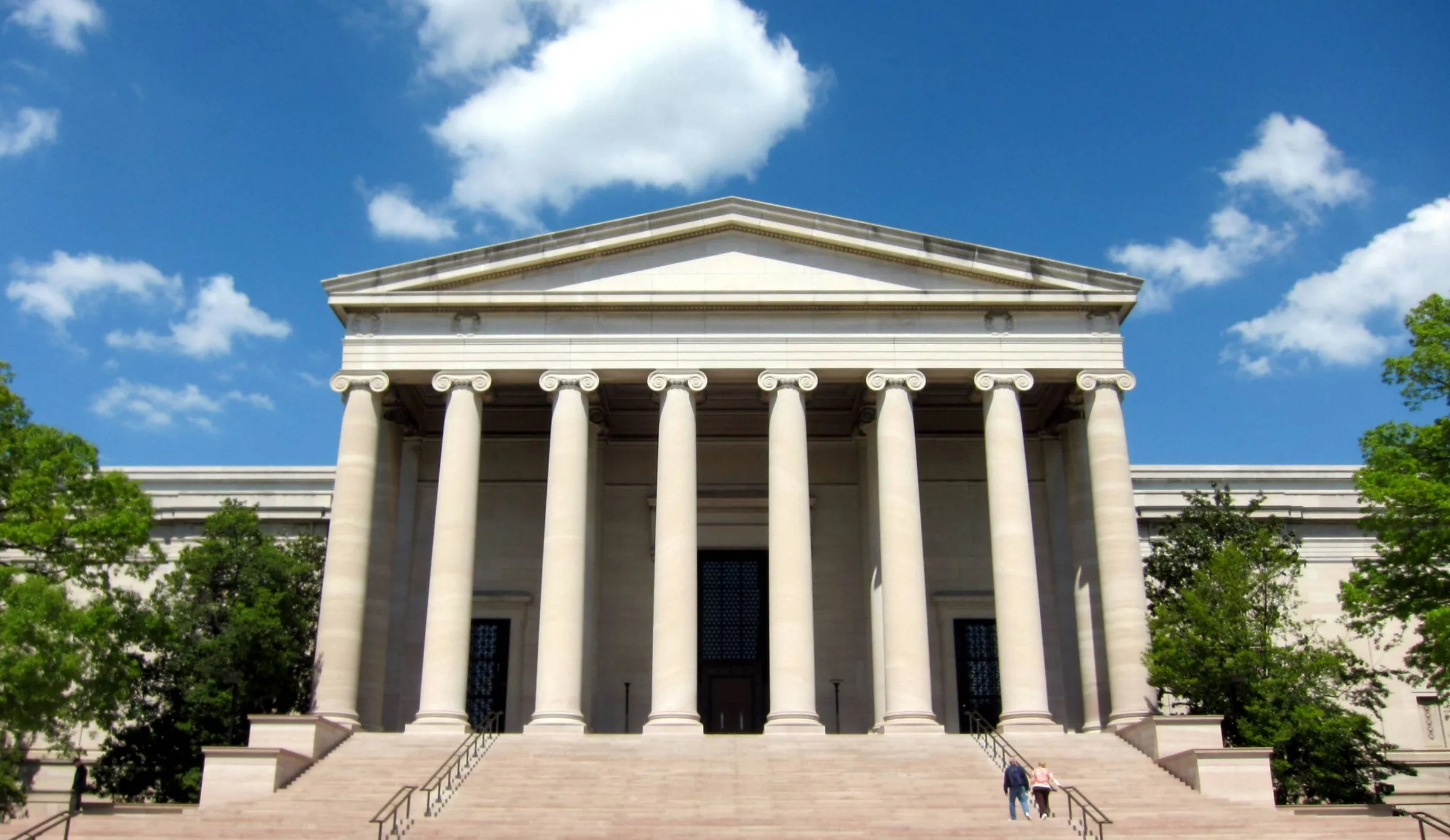 10
Painting, sculpture and architecture are spread across two buildings and a garden, with free admission and collections to build a visit your own size.
View details for National Gallery of Art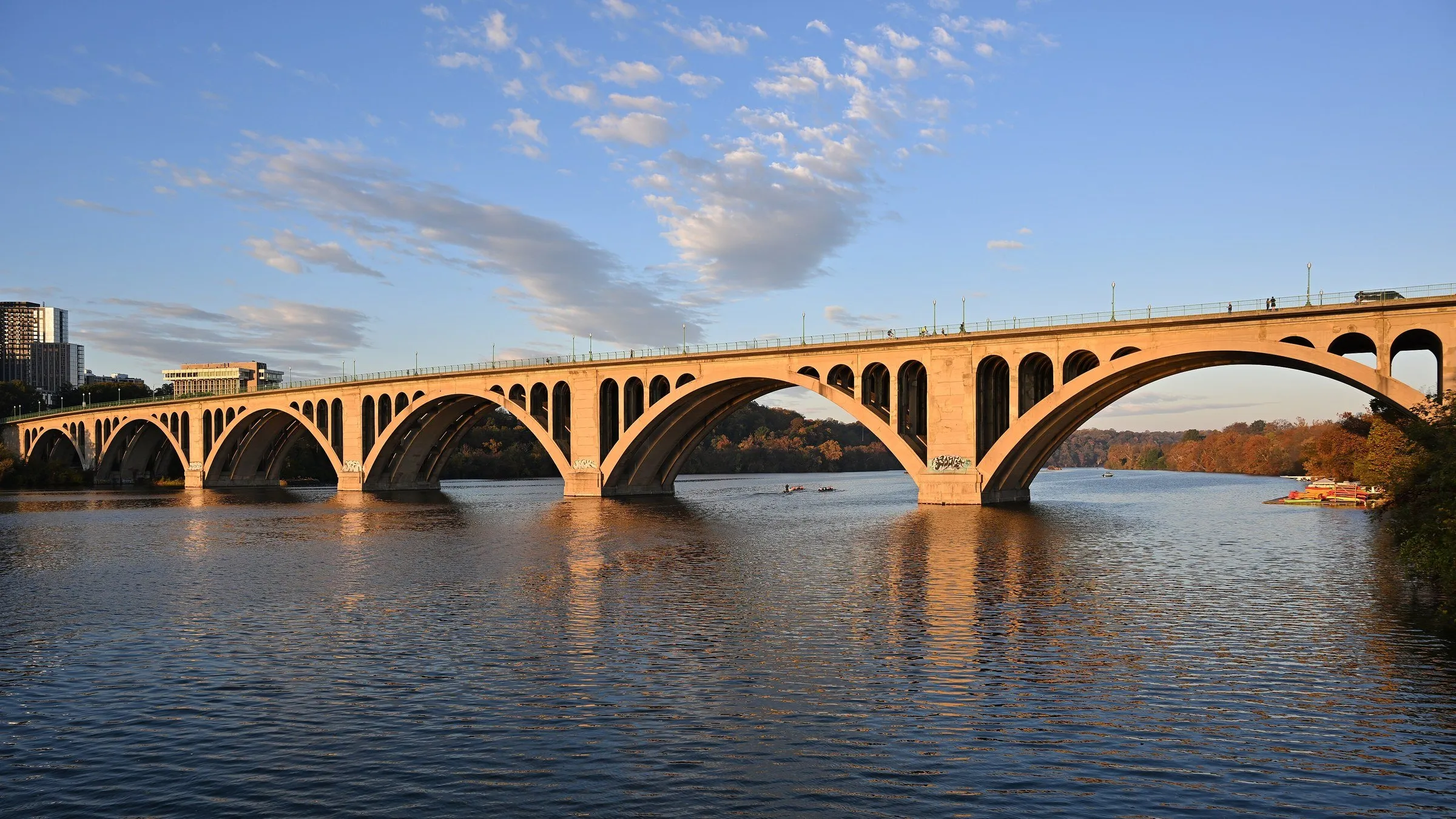 11
Streets of old houses, shopping on M Street and a waterfront to rest beside the Potomac: Georgetown closes out the day on a different scale from the National Mall.
View details for Georgetown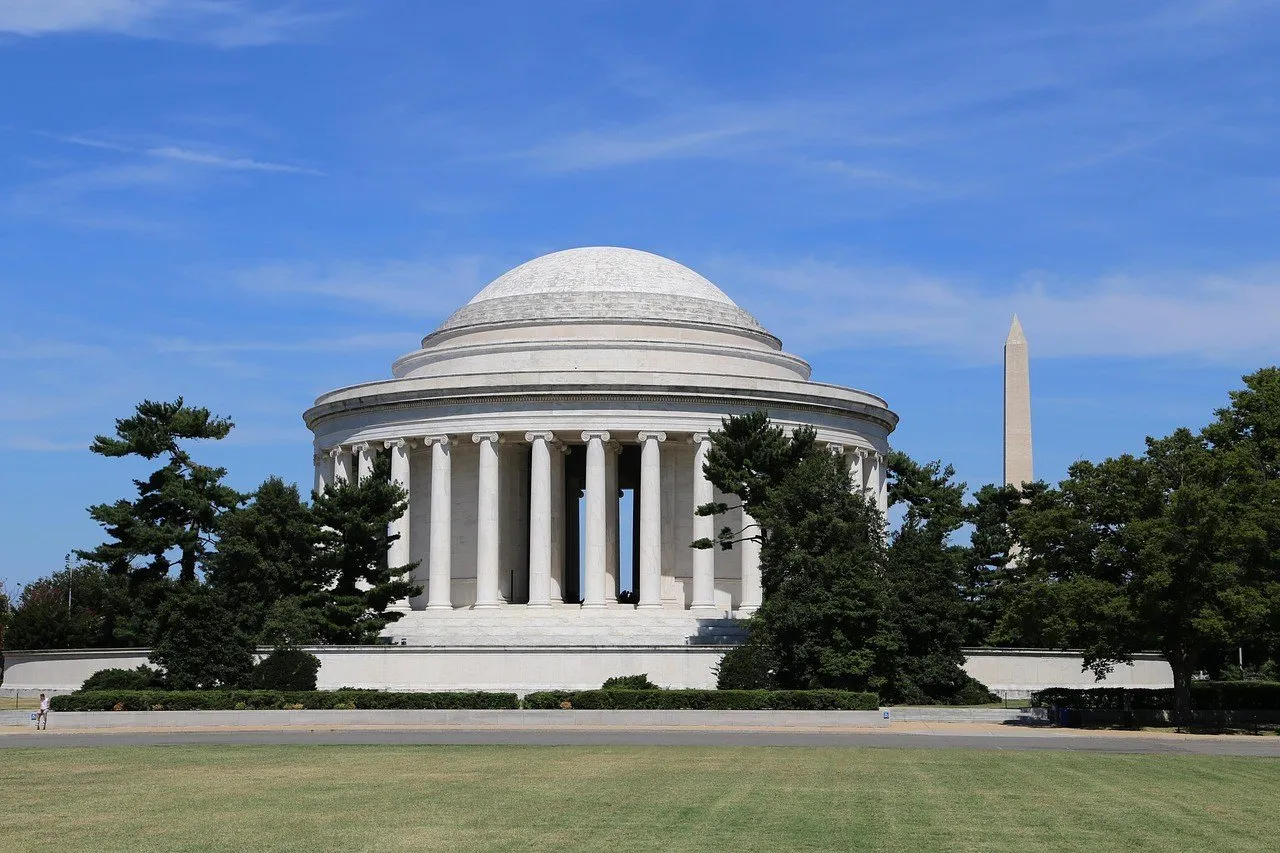 12
A dome and a colonnade on the edge of the Tidal Basin shelter the statue of Thomas Jefferson, with water and cherry trees framing the surroundings.
View details for Jefferson Memorial1It is hard to lose sight of the obelisk, which does not mean it is as close as it looks. Built in honor of George Washington, the monument holds a central spot on the Mall. From the lawn around it, you can already see the axis linking the great memorials and the Capitol.
The ride to the observation deck is by elevator and usually requires a timed ticket. Up there, the windows turn familiar buildings into pieces of a map. Without a reservation, stick to the outdoor stop: the visit still makes sense without depending on landing a spot that day.
2As you follow the path, the wall appears and fills more and more of your field of view. The inscribed names, arranged by the sequence of the losses, give the Vietnam War a human dimension. Flowers, notes and keepsakes left beside the wall show that this is still a place of personal tribute.
Beyond the wall, the site includes sculptures dedicated to the servicemen and the women who served in the conflict. Walk through without rushing toward the next stop. The memorial is close to the Lincoln Memorial but deserves a pause of its own, with care when photographing people who are paying their respects.
3The statue of Abraham Lincoln holds your gaze, but save a few minutes for the walls: they carry the Gettysburg Address and the second inaugural address. The contrast between the scale of the chamber and the size of the people helps explain why so many linger there.
On the steps, look for the inscription marking the spot of Martin Luther King Jr.'s "I Have a Dream" speech. Then look out at the Reflecting Pool and the Washington Monument. Visiting the main chamber is usually free; any experiences in other areas of the building have their own conditions.
4The soldiers appear in motion, in ponchos and full gear, as if crossing a difficult landscape. Beside them, faces etched into the granite extend the tribute to those who served in the Korean War. Look at the group from different positions and notice how the figures relate to the wall.
The memorial is a short walk from the Lincoln Memorial, which makes it easy to include in the same circuit. The proximity also helps you notice differences in language: here, memory comes through faces, movement and reflections. Set aside a few minutes to read the signs and understand what each part represents.
5An opening between blocks of stone leads to the figure of Martin Luther King Jr., who seems to step forward out of the rock. The composition echoes the images of the mountain of despair and the stone of hope tied to his speech. Before heading to the water, read a few of the quotations scattered around the memorial.
The tribute widens Washington's circuit beyond presidents and wars, recalling the struggle for racial equality and justice. Near the Tidal Basin, the landscape invites you to slow down. If the sun is strong after the other memorials, take a break before deciding whether to keep walking.
6The dome appears in almost every image of American power, but a visitor's route begins at the visitor center, on the east side. Entry to the historic spaces is by guided tour, with a route subject to change. The Rotunda and the National Statuary Hall are usually part of the visit.
Notice how paintings, statues and rooms build a narrative about the country. This is a visit to the seat of the legislature, not an automatic ticket to watch sessions: the House and Senate galleries have separate rules. Pair it with the Library of Congress, which is right nearby, instead of crossing the city afterward.
7Entering the Great Hall and keeping your head down takes a lot of discipline. Staircases, paintings and mosaics make architecture a central part of a visit to the Thomas Jefferson Building. Look for the Minerva mosaic and notice the partly unrolled scroll, a visual way of saying that learning never ends.
The main reading room is a research environment, with specific ways of observing and tourist access. Check the day's options and pick an exhibition as well. For this itinerary, a focused visit works better than fitting in every program between the Capitol and the Air and Space Museum.
8Seeing a historic airplane up close changes the proportions of the adventures you know from books. The National Air and Space Museum's collection brings together aircraft, equipment and spacecraft; among its highlights are the Wright Flyer and objects from the Apollo 11 mission. Check which pieces are on display during your trip.
Choose a few galleries and give the stories behind the machines some time. This guide covers the National Mall building in Washington. The Udvar-Hazy Center, in Virginia, is a different address and calls for its own planning; mixing the two up in your navigation app could send your itinerary into a very different orbit.
9In the Deep Time hall, a Tyrannosaurus and a Triceratops share a scene that needs no long introduction. The fossils, though, are just the start of the conversation: the exhibition links the history of life to changes in climate and environments. You go in chasing dinosaurs and may come out thinking about today's world.
The museum is big, so pick one part to explore carefully before moving on to other rooms. General admission is usually free and does not require a ticket, but there is a security screening. With kids, leave room for an unexpected discovery; the map rarely predicts which fossil will captivate everyone.
10Choosing a wing already helps a lot: the West Building holds art from earlier periods, while the East Building focuses on modern and contemporary work. In the latter, the atrium and the Alexander Calder mobile are part of the outing too. Even the trip between the buildings offers a surprise in the tunnel of lights.
Pick artists or rooms before going in and accept leaving plenty for another time. Free admission favors this kind of visit, with no duty to squeeze out every penny's worth until your feet beg for mercy. If you are pairing it with Natural History on the same day, make a short selection and protect your lunch break.
11After so much monumental lawn, Georgetown brings the trip back to the scale of shop windows, front doors and restaurant tables. M Street concentrates the shops, while the nearby streets and the C&O Canal offer other paths to explore. Head down to the river to trade the facades for the Potomac landscape.
Georgetown Waterfront Park makes a break between the walk and dinner. You can focus the outing on the waterfront and the shopping streets, without trying to see the whole neighborhood in one afternoon. On the third day of this itinerary, take transit from the museum area so you arrive with energy to stroll.
12The circular building appears reflected in the water before you reach the columns. Inside, the statue of Thomas Jefferson fills the central chamber; outside, the Tidal Basin changes the experience with the light and the season. The cherry trees make the surroundings especially popular during bloom season.
Consider this an option for those extending their trip or preferring to swap part of the museum circuit for more time outdoors. Its spot on the south shore calls for a walk of its own: adding it on impulse at the end of a tiring day tends to seem like a better idea on the map than on your feet.
Use public transit to link areas and walk within each circuit. Dulles connects via the Silver Line; Reagan National via the Blue and Yellow lines. Check the WMATA trip planner for alerts and schedules.
Reserve the attractions that use timed entry and leave room for security. The free general admission at the museums in this itinerary helps the budget, but it does not guarantee a spot at every program or event.
Bring broken-in shoes, water and sun protection. Summer can be hot and humid; in winter, the wind changes how comfortable the walks are. Use the museums and breaks to adjust your pace.
Notice who is reading names, leaving flowers or attending a ceremony. Avoid blocking walkways to take photos and lower your voice near personal tributes.
Keep your belongings close and check your way back after dinner. Follow the guidance of staff in buildings and at memorials; visiting areas and access points may change because of events or security measures.
Washington fits in a sausage bun and also at a shared table of injera. The half-smoke solves a casual lunch, while the Ethiopian cooking in areas like Shaw and U Street invites you to sit down and share dishes. Between museums, plan your break before hunger makes every decision; at night, Georgetown offers a change of scenery by the river.
Sausage usually smoked and then grilled, served in a bun, often with chili and onion; napkins are part of the equipment.
Soft Ethiopian bread used to scoop up the sides; a good way to share a meal at the local community's restaurants.
Ethiopian chicken stew with a spicy seasoning, usually served with injera to soak up the sauce.