 1
History
Statue of Liberty and Ellis Island
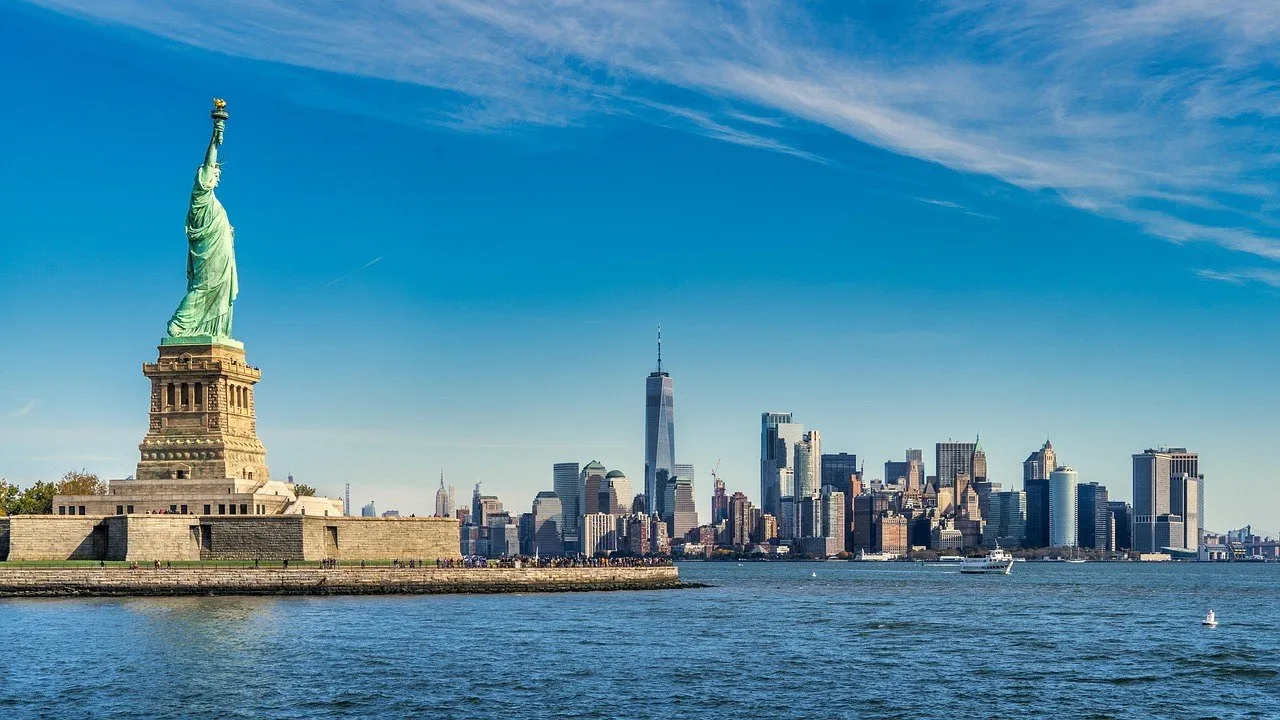
The statue given by the French and the island through which about 12 million immigrants passed, both on the same ferry trip from southern Manhattan.
View details for Statue of Liberty and Ellis Island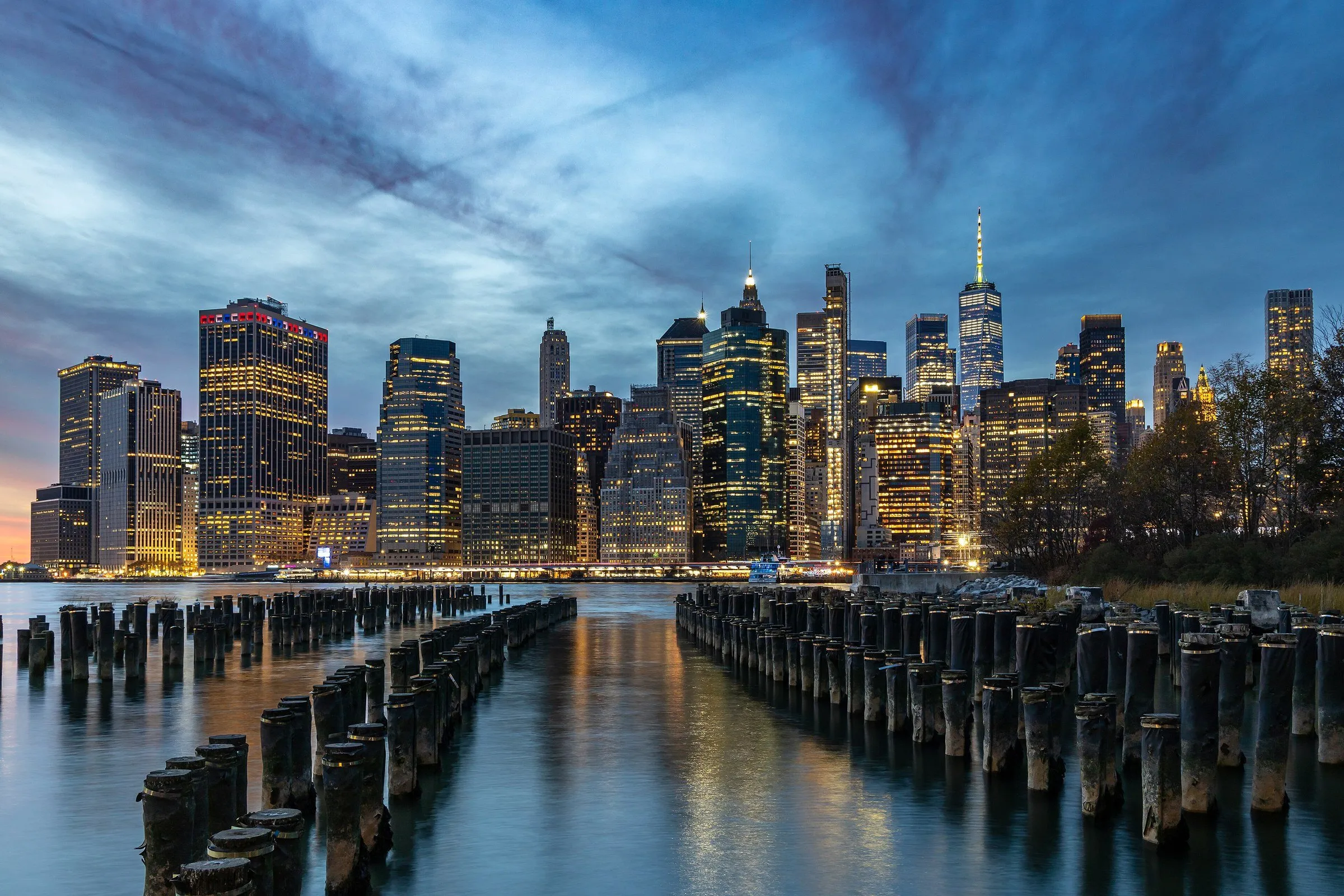
At eight in the morning, the New York subway turns into a general assembly of languages: a bagel wrapped in paper, a newspaper in Spanish, a conversation in Mandarin. About 800 languages are spoken in the city, and the subway car introduces you to several.
The first thing New York teaches you is that Manhattan is just one of the five boroughs. The others are Brooklyn, Queens, the Bronx and Staten Island, and anyone who spends the whole trip on the island goes home with half the story. The subway, which runs 24 hours a day, stitches it all together and sets your pace: you go down a staircase in one neighborhood and come up in another, on a sidewalk that smells of onions grilling on a hot dog cart.
This guide splits the city into three blocks. The first is the harbor and the southern tip of Manhattan, with the Statue of Liberty, Ellis Island and the 9/11 memorial, ending with the walk across to Brooklyn. The second brings together Midtown, the Met and Central Park. The third swaps the island for a park built on elevated rails and the Coney Island boardwalk, where the city takes off its shoes and becomes a beach town.
To prepare the ground for Central Park, the builders used more gunpowder than was spent at the Battle of Gettysburg during the American Civil War.
In 1884, circus showman P. T. Barnum led Jumbo the elephant and 21 other elephants across the Brooklyn Bridge. The parade helped calm those who still doubted the structure's strength.
The Statue of Liberty was paid for with money raised among the French people, not by the government of France.
Grand Central's lost and found has received a $100,000 violin and even live animals, and returns most of what comes in to its owners.
1The statue given by the French and the island through which about 12 million immigrants passed, both on the same ferry trip from southern Manhattan.
View details for Statue of Liberty and Ellis Island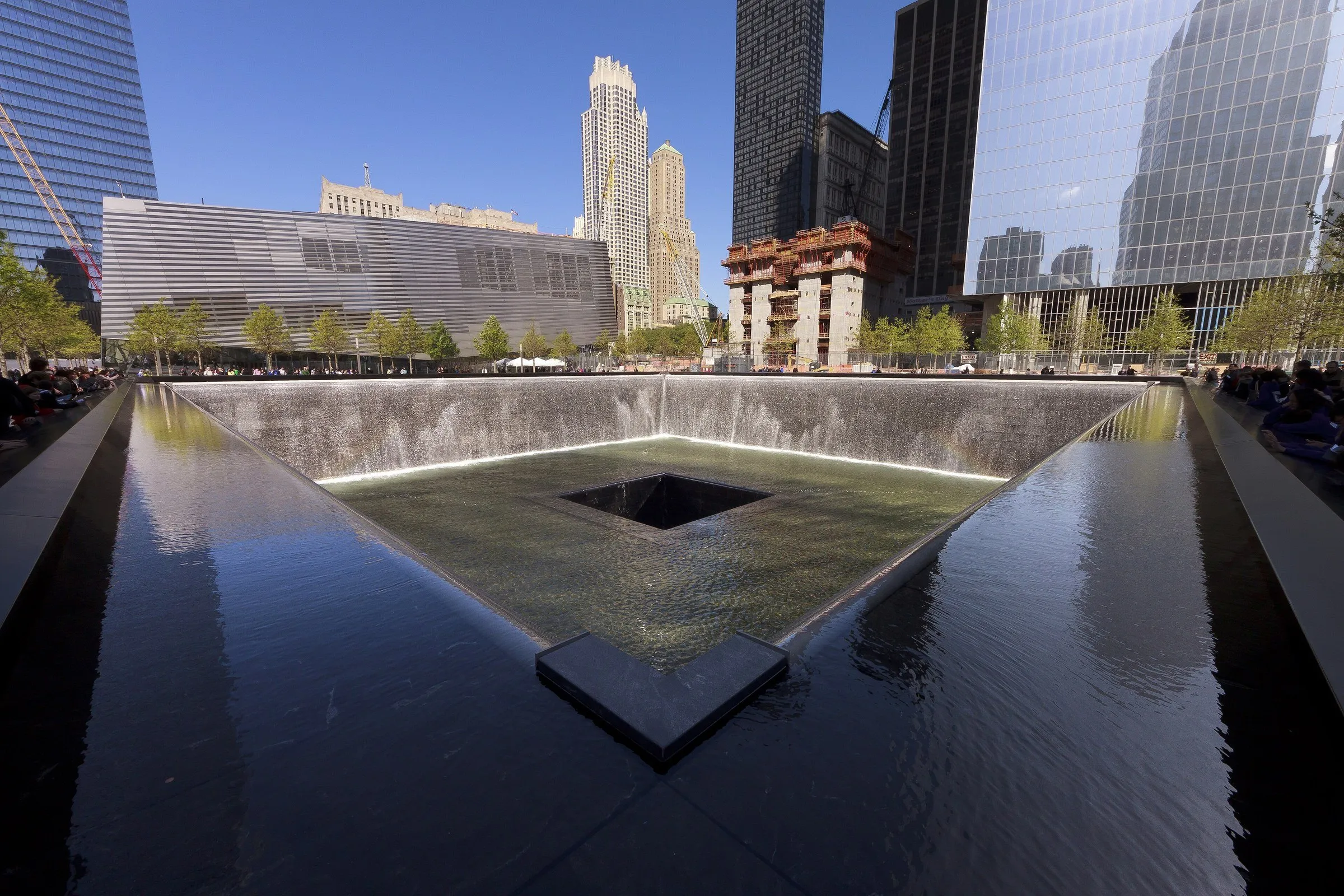 2
Two reflecting pools on the exact site of the Twin Towers, ringed by the victims' names engraved in bronze, and a museum dedicated to the 2001 attacks.
View details for 9/11 Memorial & Museum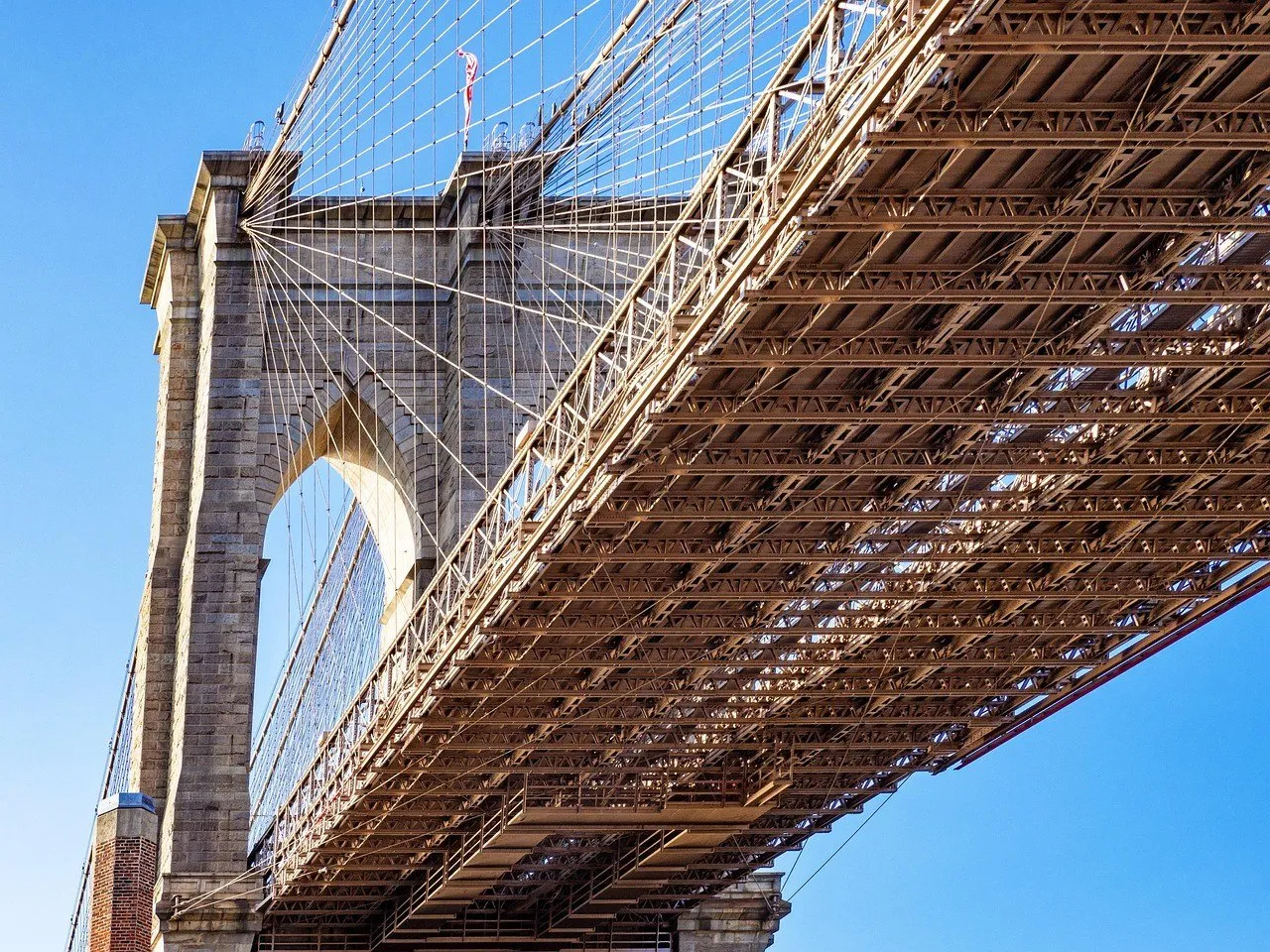 3
An 1883 suspension bridge with stone towers and Gothic arches and a pedestrian promenade hung above the traffic: the prettiest way to trade Manhattan for Brooklyn.
View details for Brooklyn Bridge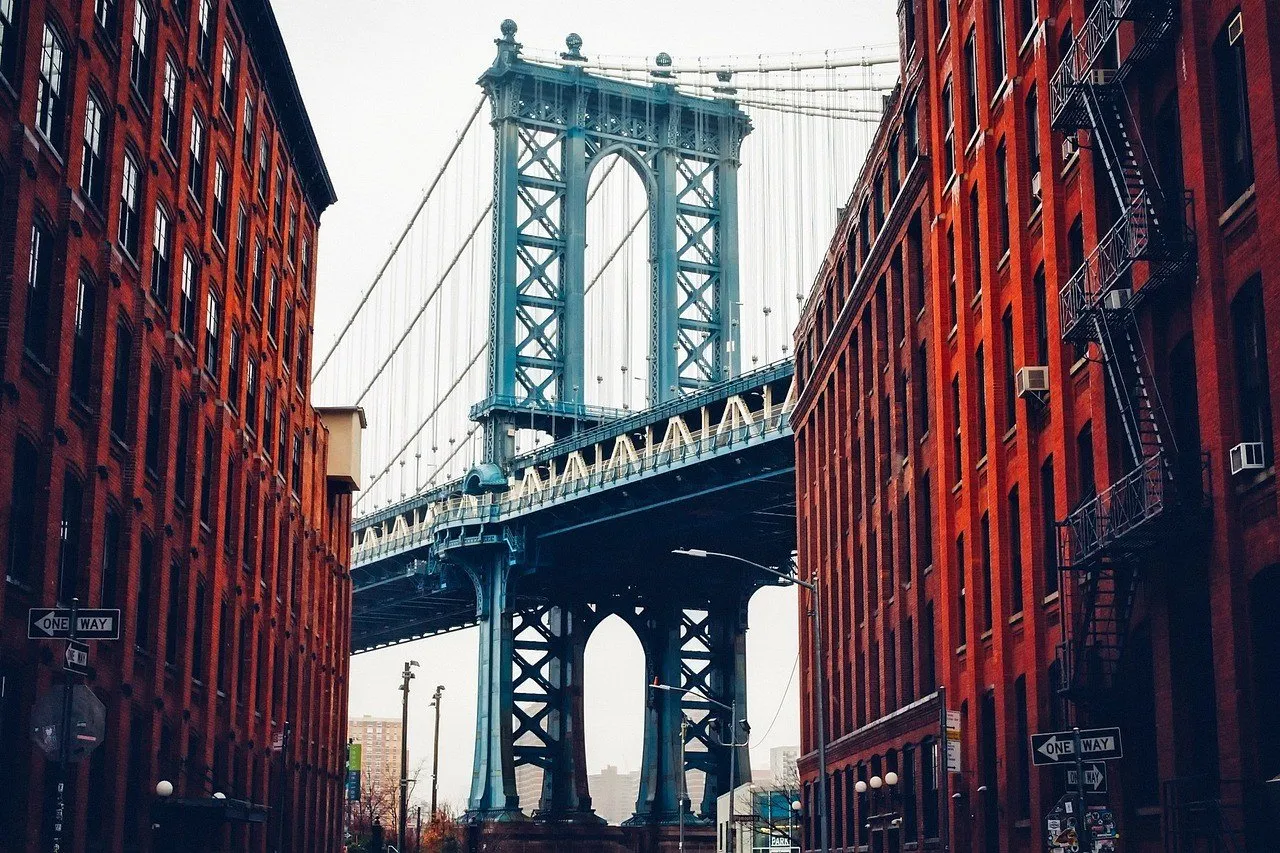 4
A former factory district under the Manhattan Bridge, with cobblestone streets, a long riverside park on the East River and Brooklyn's most sought-after view of Manhattan.
View details for DUMBO and Brooklyn Bridge Park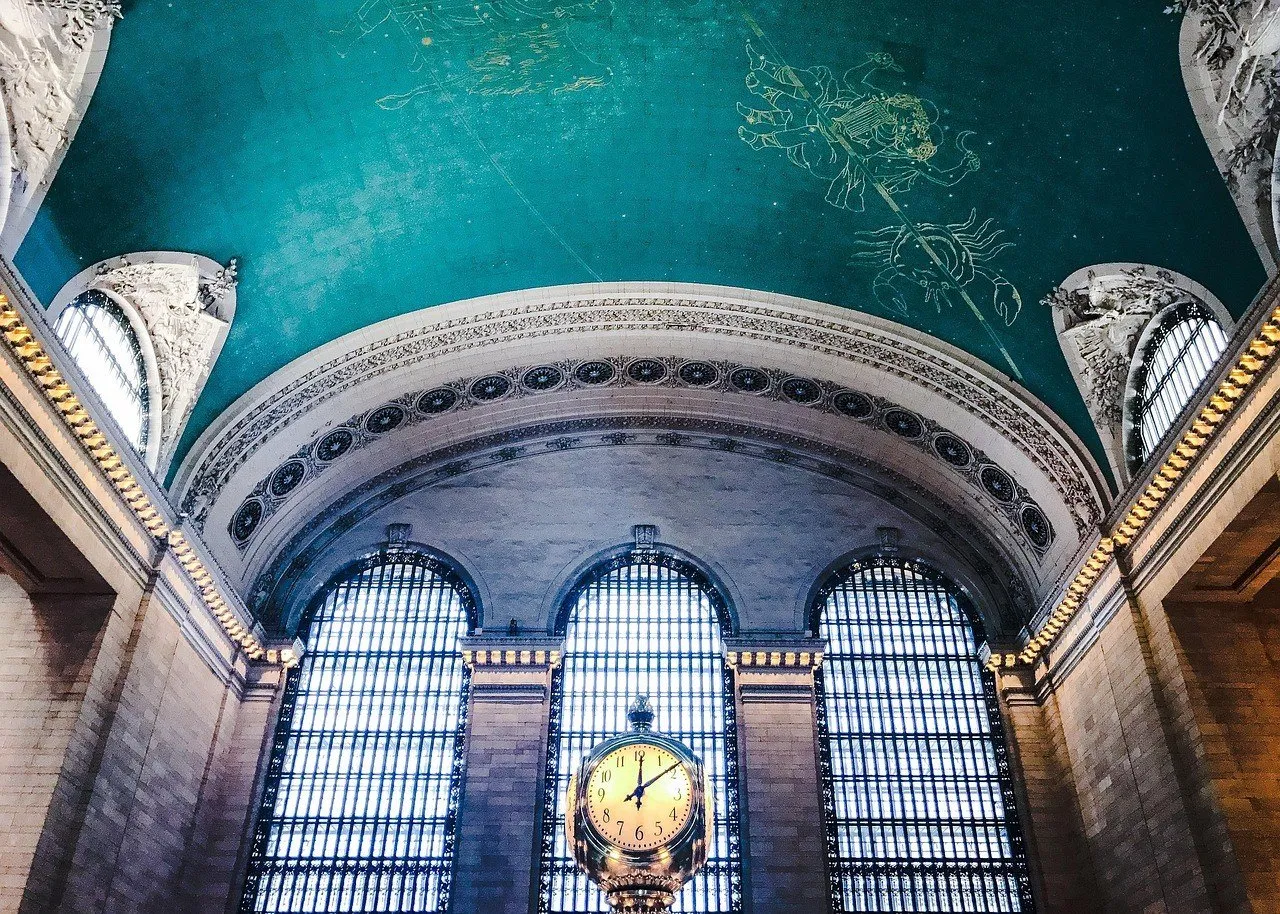 5
A 1913 train station with more platforms than any other in the world, a main hall with a blue-green ceiling and a corner where you can whisper from one wall to the other.
View details for Grand Central Terminal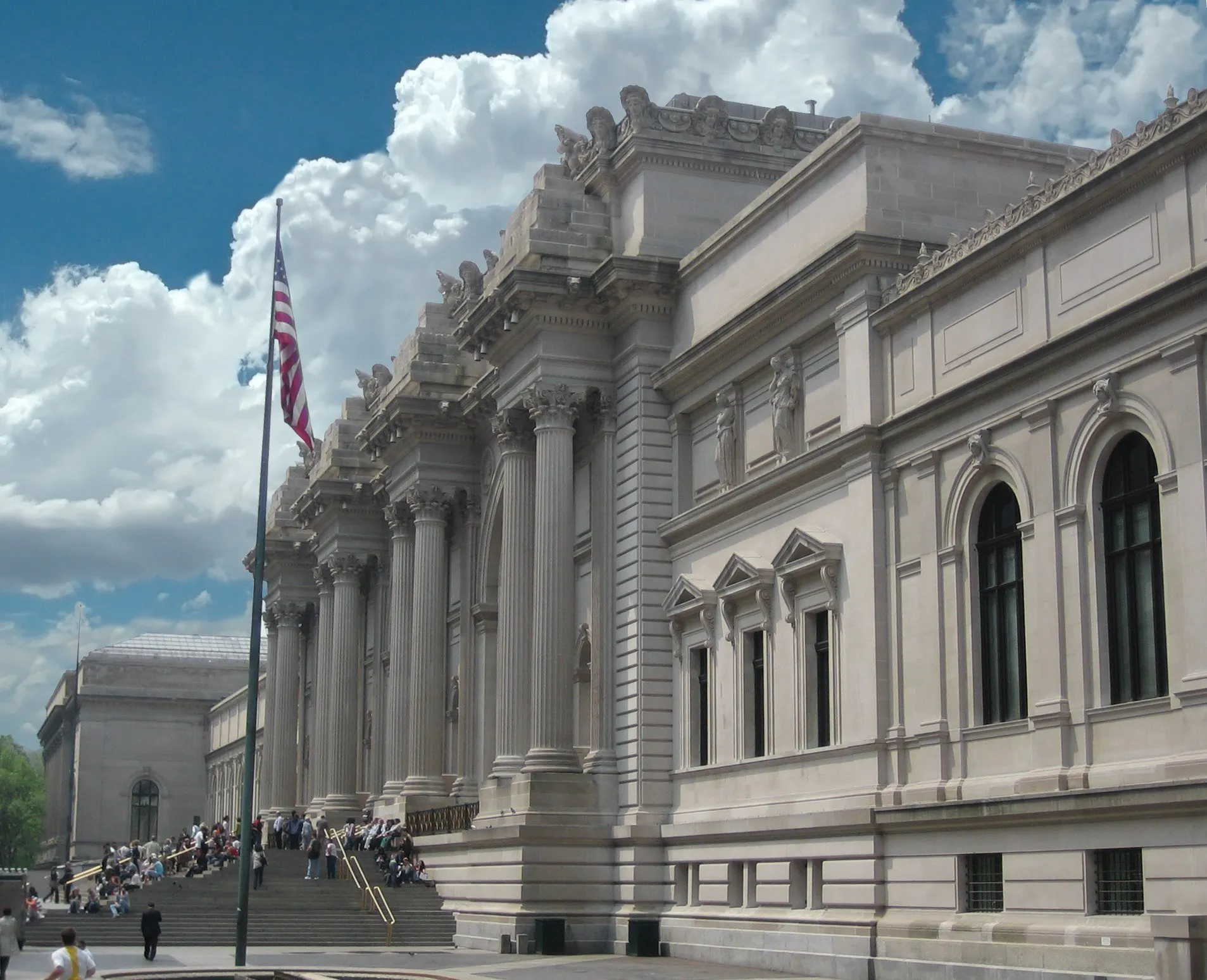 6
The most visited museum in the United States, on the edge of Central Park, with about 1.5 million works and an entire Egyptian temple reassembled inside one of its wings.
View details for Metropolitan Museum of Art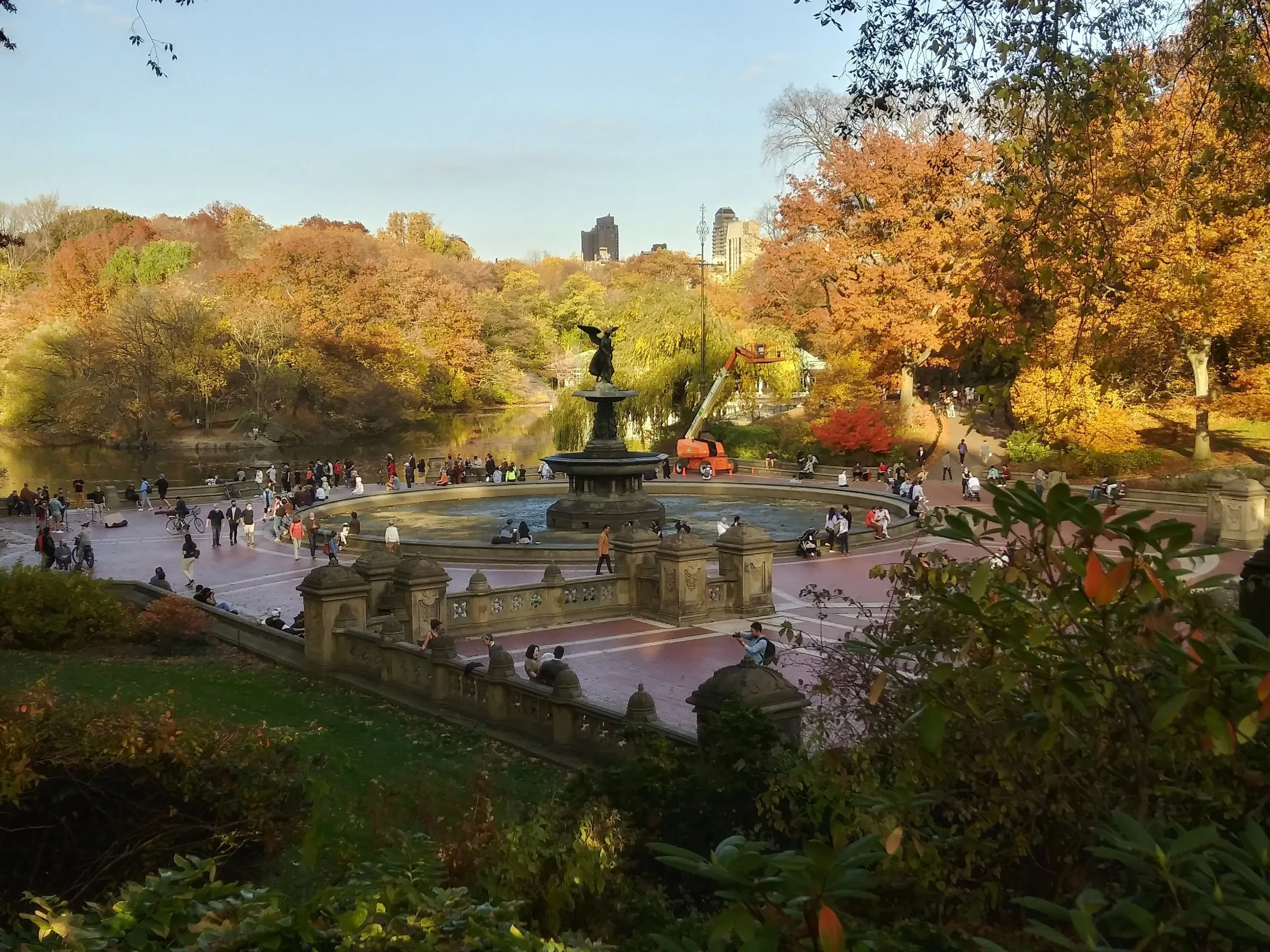 7
An 843-acre (341-hectare) park in the middle of Manhattan, designed in the 19th century with lakes, woods and bridges that look like nature's work but were planned one by one.
View details for Central Park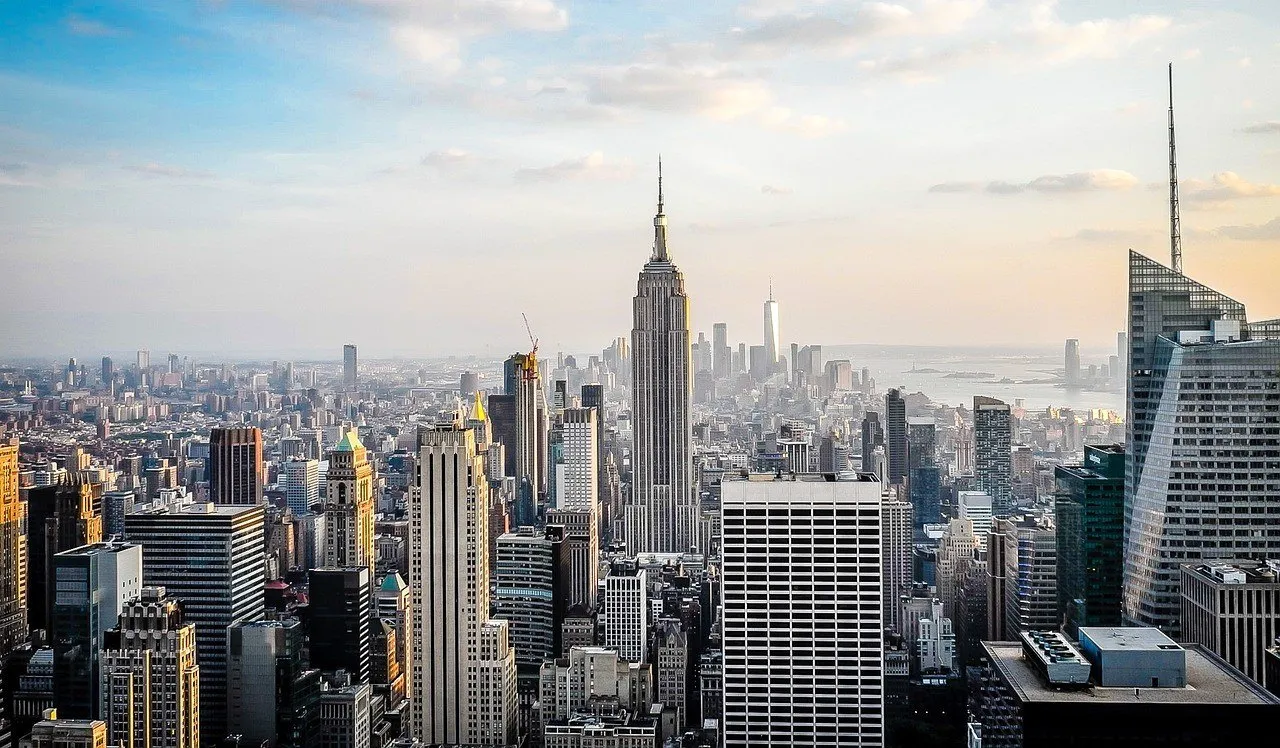 8
A 102-story skyscraper put up in a little over a year and opened in 1931, with an open-air observatory on the 86th floor and a top that changes color depending on the date.
View details for Empire State Building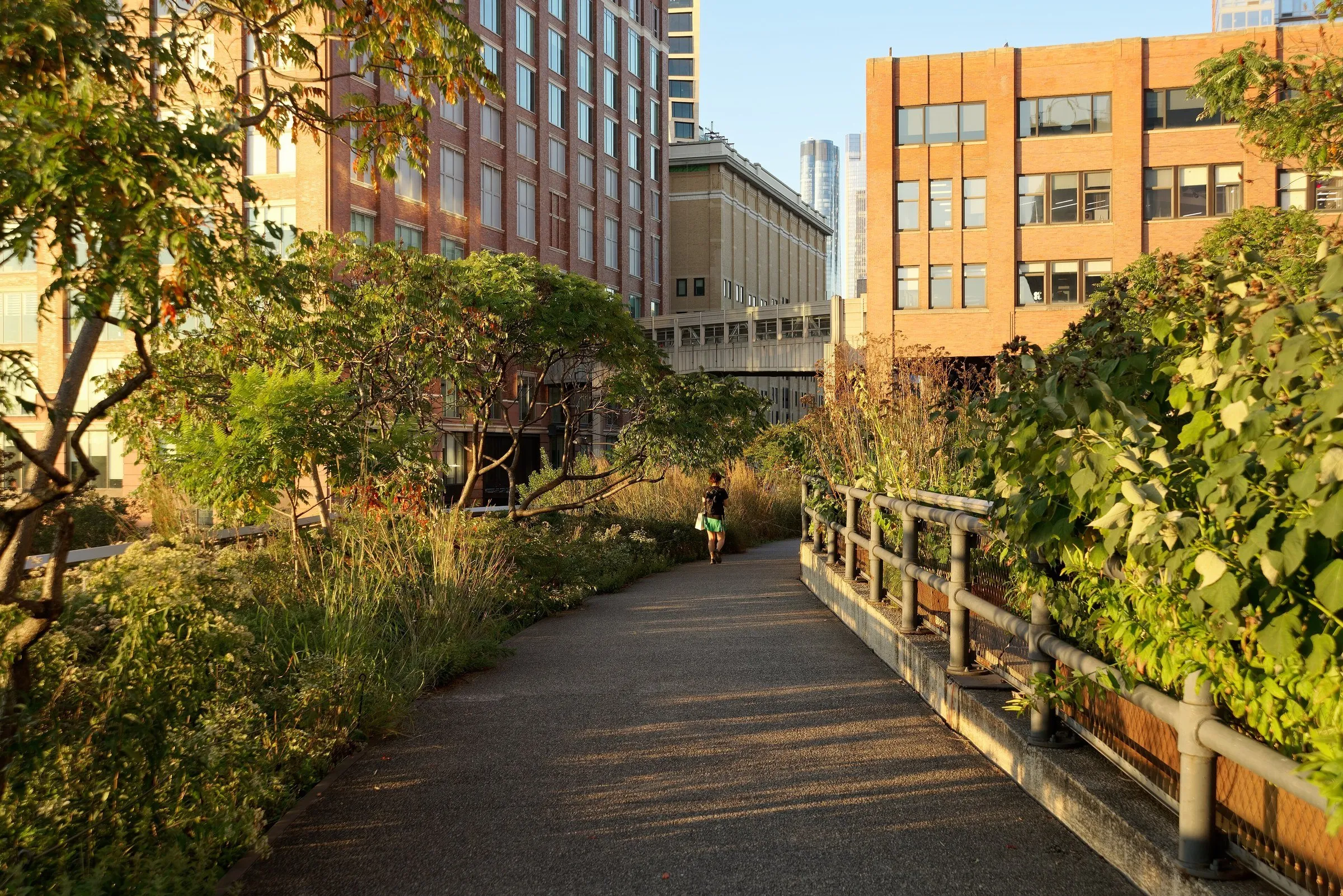 9
A 1.45-mile (2.3 km) elevated park built on a former freight rail line, with gardens inspired by the weeds that sprouted on the abandoned tracks.
View details for High Line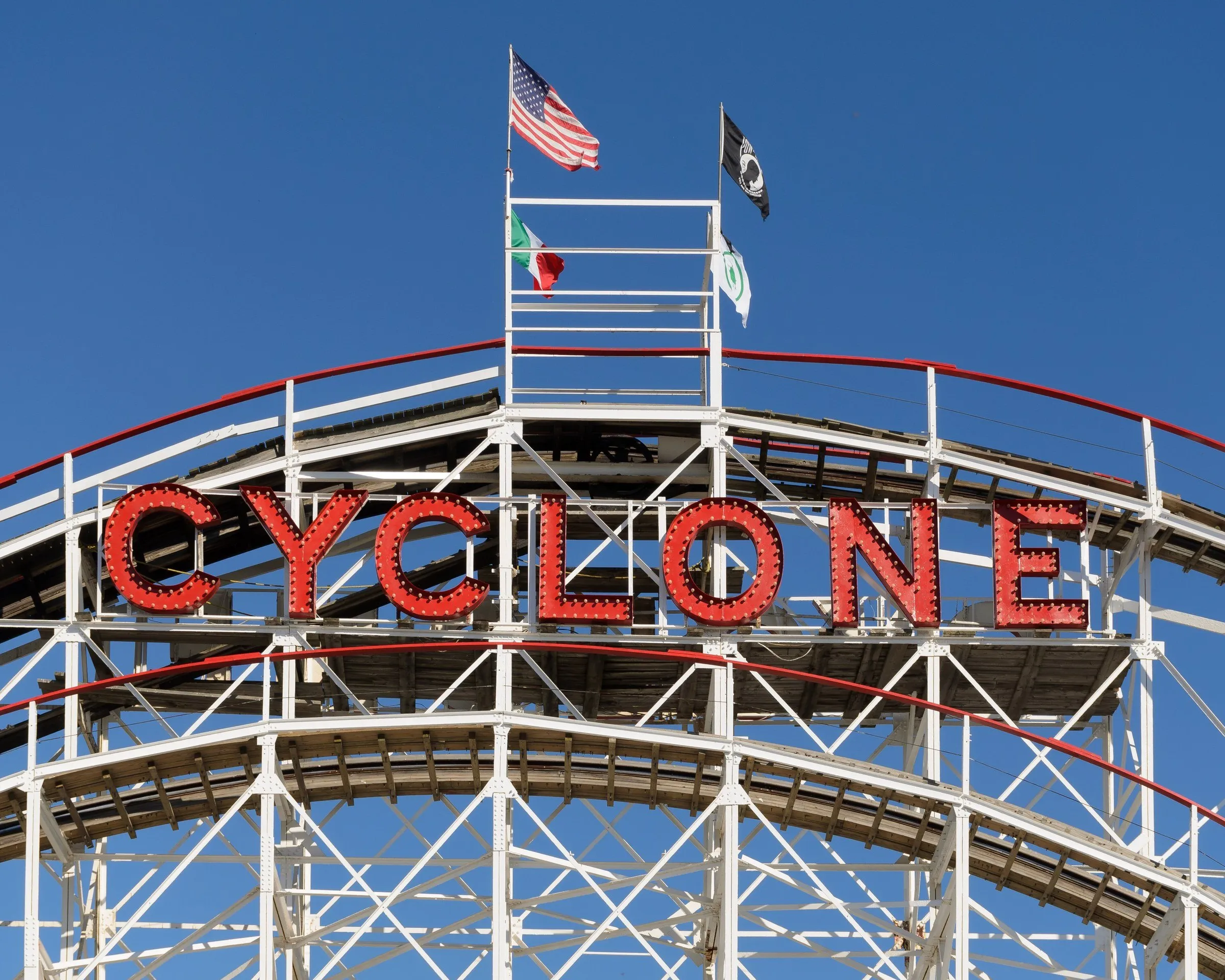 10
New York's beach, in southern Brooklyn, with a 1923 boardwalk, a century-old Ferris wheel, a landmarked roller coaster and the hot dog that became an institution.
View details for Coney Island1When it was dedicated in 1886, the statue was the color of a brand-new copper pot. In about twenty years, the air and water of the harbor turned it green, and that patina now protects the metal. The internal iron framework came from the drawing board of Gustave Eiffel. Reaching the crown takes 162 steps, with no elevator.
The same ferry stops at Ellis Island, the stop many people skip and shouldn't. Between 1892 and 1954, about 12 million immigrants were processed there, many of them in the registry room with its 56-foot (17-meter) ceiling. Since 1990 the building has housed the National Museum of Immigration.
2The sound reaches you before the view does. On the footprints of the Twin Towers, two pools of about 4,000 square meters (roughly an acre) each hold the largest man-made waterfalls in the United States, with water pouring down without pause. Engraved on the bronze edges are 2,983 names: the victims of September 11, 2001, and the six killed in the 1993 World Trade Center bombing.
The design, called Reflecting Absence, was chosen from more than 5,000 submissions and opened to the public in 2011; the museum followed in 2014. Look for the Survivor Tree, a pear tree rescued from the rubble, replanted in the Bronx and brought back in 2010.
3The pedestrian walkway sits about 16 feet (5 meters) above the car lanes, so you walk among steel cables with traffic rushing below. When it opened in 1883, it was the longest suspension bridge in the world, with a main span of 1,595 feet (486 meters). Stop every so often and look back: Manhattan keeps filling the frame.
The construction is a family story. John Roebling drew up the design and died in 1869; his son, Washington, took over as chief engineer, and Washington's wife, Emily Warren Roebling, helped supervise the work. The limestone and granite towers, with their pointed arches, make the best photo backdrop on the crossing.
4DUMBO stands for Down Under the Manhattan Bridge Overpass, a name coined in 1978 by residents who bet that something so ugly would scare off developers. It didn't. The coffee, sugar and soap warehouses became offices and shops, and it was in a building on Washington Street that the cardboard box was invented. At the corner of Washington and Water streets, the Manhattan Bridge appears framed by the buildings.
On the waterfront, Brooklyn Bridge Park covers about 85 acres (34 hectares) of former cargo piers. Jane's Carousel, from 1922, spins here in a pavilion designed by architect Jean Nouvel. In the late afternoon, the lawns become bleachers for watching the sun set behind Manhattan.
5Even with no train to catch, walk in and stop in the middle of the main concourse. People crossing in every direction, the four-faced brass clock above the information booth and, high above, a blue-green ceiling with constellations. Opened in 1913, the station has 44 platforms, more than any other railway station on the planet.
Then walk down the ramp toward the Oyster Bar and look for the arches lined with Guastavino tile. This is the Whispering Gallery: two people in opposite corners, facing the wall, can talk softly as if they were side by side. Passersby won't understand why you are talking to the tile.
6Founded in 1870, the Met received more than 5.7 million visitors in fiscal year 2025, more than any other museum in the country. With about 1.5 million pieces in the collection, the right question isn't how much time you have, but what you'll leave for the next trip.
Start with the Temple of Dendur, made of sandstone, taken apart by the Egyptian government during the campaign to save the monuments of Nubia, donated to the United States in 1965 and reassembled in the museum in 1978. Then pick two or three wings and move on, guilt-free. This is also where the Met Gala, the Costume Institute's annual ball, takes place.
7Almost nothing in Central Park came about on its own. The lakes were made by damming springs, and the fertile soil was brought in from Long Island and New Jersey because the original ground couldn't hold plants. The design is by Frederick Law Olmsted and Calvert Vaux, who won a competition in 1858, and it fools you so well that you forget the skyscrapers a few blocks away.
To avoid getting lost in 843 acres (341 hectares), pick one section. Between Bethesda Terrace, with its fountain and staircase facing the lake, and the Ramble, a wood of winding trails, an entire afternoon fits. Farther north is the Jacqueline Kennedy Onassis Reservoir.
8Construction began in March 1930 and the building opened in May 1931. At 1,250 feet (381 meters) to the roof, it was the tallest in the world until the North Tower of the World Trade Center passed it in 1970. Since King Kong in 1933, it has appeared in more than 250 films and series, so you've probably seen it before you arrive.
The 86th-floor observatory has an outdoor area and opens every day, rain or shine, which guarantees wind in your face and Manhattan in every direction. On the 102nd floor there is a smaller, enclosed deck. At night, look at the top: the LED lights installed in 2012 change color for dates and events.
9Starting in the 1930s, freight trains ran along this viaduct and rolled straight into buildings to unload. After 1980 the line was abandoned and weeds took over. When the park opened in 2009, the designers decided to imitate precisely that wild growth: landscape designer Piet Oudolf planted about 400 species of grasses and wildflowers.
It runs 1.45 miles (2.3 km) from Gansevoort Street to around 34th Street, next to Hudson Yards, always a few stories above the sidewalk. You cross the streets overhead, from the Meatpacking District to Chelsea, catching glimpses of the Hudson River in the gaps between buildings. In 2019, the walk was already receiving about 8 million visitors a year.
10Coney Island is where New York goes when it wants sand between its toes. The subway reaches Stillwell Avenue station and, a little farther on, the Riegelmann Boardwalk begins, a 1923 boardwalk facing the sea. Along the way are Luna Park, the Wonder Wheel, a Ferris wheel from 1920, and the Cyclone roller coaster, both city landmarks.
This is where Nathan Handwerker began selling hot dogs in 1916, the origin of Nathan's Famous, which holds an eating contest every summer. The neighborhood also has the New York Aquarium. The mood is big-city beach: boom boxes, the smell of fried food and people from every borough sharing the same strip of sand.
Rules for entering the United States depend on your nationality. Check whether your country is part of the Visa Waiver Program, which requires an approved ESTA, or whether you need a tourist visa, which involves the DS-160 form, a fee and a consulate interview. Wait times for interviews vary, so start well in advance.
At subway turnstiles and on buses, just tap a contactless card or your phone on the OMNY reader. The MetroCard stopped being sold at the end of 2025, and the system has a fare cap for frequent riders: check the rule before you go.
Summer is hot and humid, with days above 90°F (32°C), and in winter the January average hovers near freezing (32°F, or 0°C), with snow in many years. Spring and fall tend to be mild but change quickly: bring an extra layer.
The Staten Island Ferry is free and crosses the harbor between Manhattan and Staten Island. It doesn't replace a visit to the Statue of Liberty, but it is a boat ride that costs nothing.
For the Statue of Liberty and Ellis Island, Statue City Cruises is the only authorized seller and the only ferry. The crown and the pedestal have limited spots and a separate reservation, sold only online.
Almost everything that is most typical of New York's table arrived by ship. Italian immigrants adapted pizza to local ingredients, and Lombardi's, opened in Little Italy in 1905, is often cited as the country's first licensed pizzeria, a title some researchers dispute. The large Ashkenazi Jewish community brought the bagel and delicatessen culture, and halal carts spread quick dishes seasoned the way each owner likes across the street corners. For dessert, there is New York cheesecake and the black-and-white cookie, half vanilla, half chocolate.
Thin, wide crust, crisp only at the edge and soft enough to fold in half, with tomato sauce and mozzarella. Sold by the slice, for eating on the move.
The ring-shaped bread of the Ashkenazi Jewish tradition, topped with thin slices of cured salmon.
The signature sandwich of the city's Jewish delis, like Katz's: pastrami piled between two slices of rye bread.
Chicken with rice from the halal carts, which also sell gyro and falafel. Each cart has its own seasoning, because many owners bring the recipe from home.
We use cookies and similar technologies, such as Google Analytics, in accordance with our Privacy Policy and, by continuing to browse, you agree to these terms. You can decline at any time in the policy.