1Millennium Park and Cloud Gate
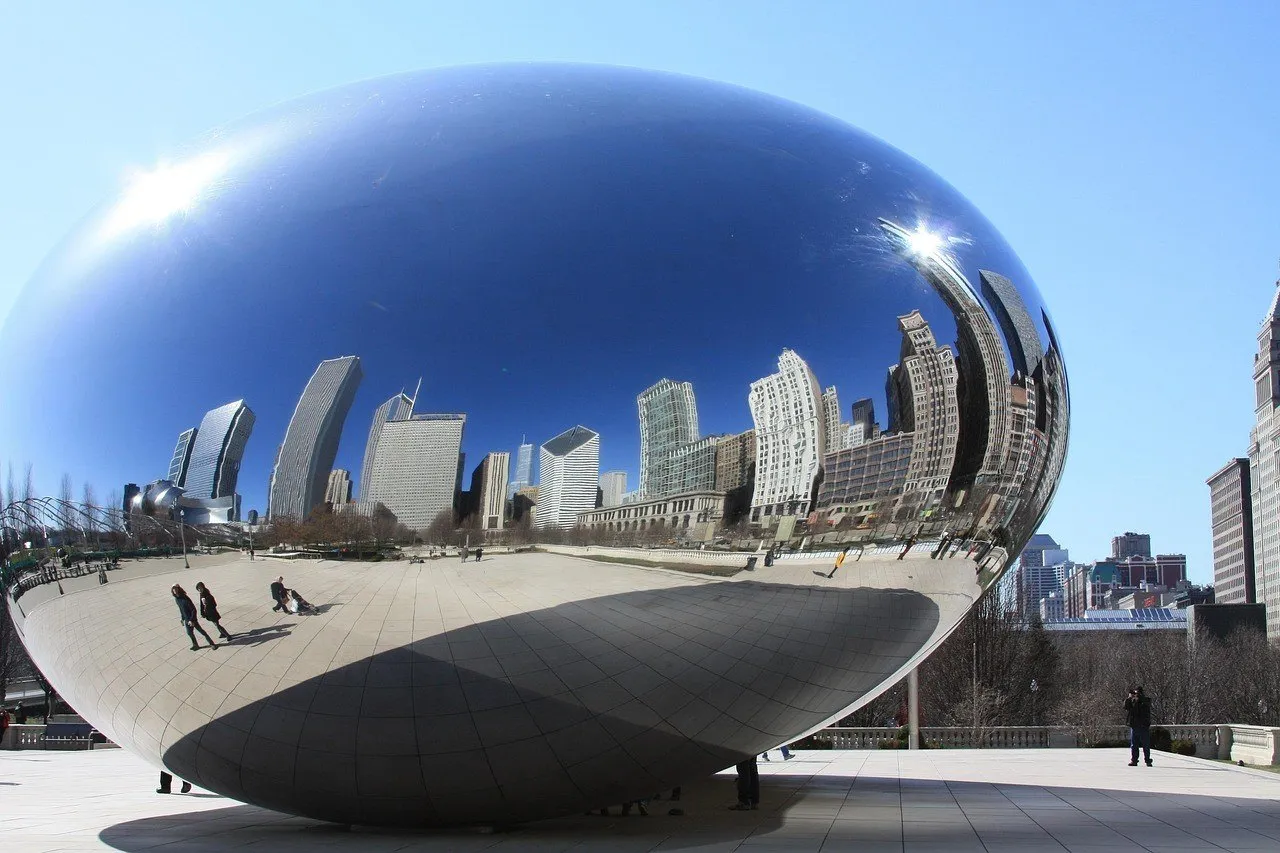
The Bean gives Chicago back in one curved surface; around it, Millennium Park brings together gardens, public art and Frank Gehry's concert pavilion.
View details for Millennium Park and Cloud Gate
United States
You walk up to the Bean to photograph Chicago and walk away with your own face stretched across the skyline. Then head down to the river: the architecture lesson continues outdoors.
The Bean is officially called Cloud Gate and is the work of Anish Kapoor: its surface hands the skyline back to you and puts you in the picture.
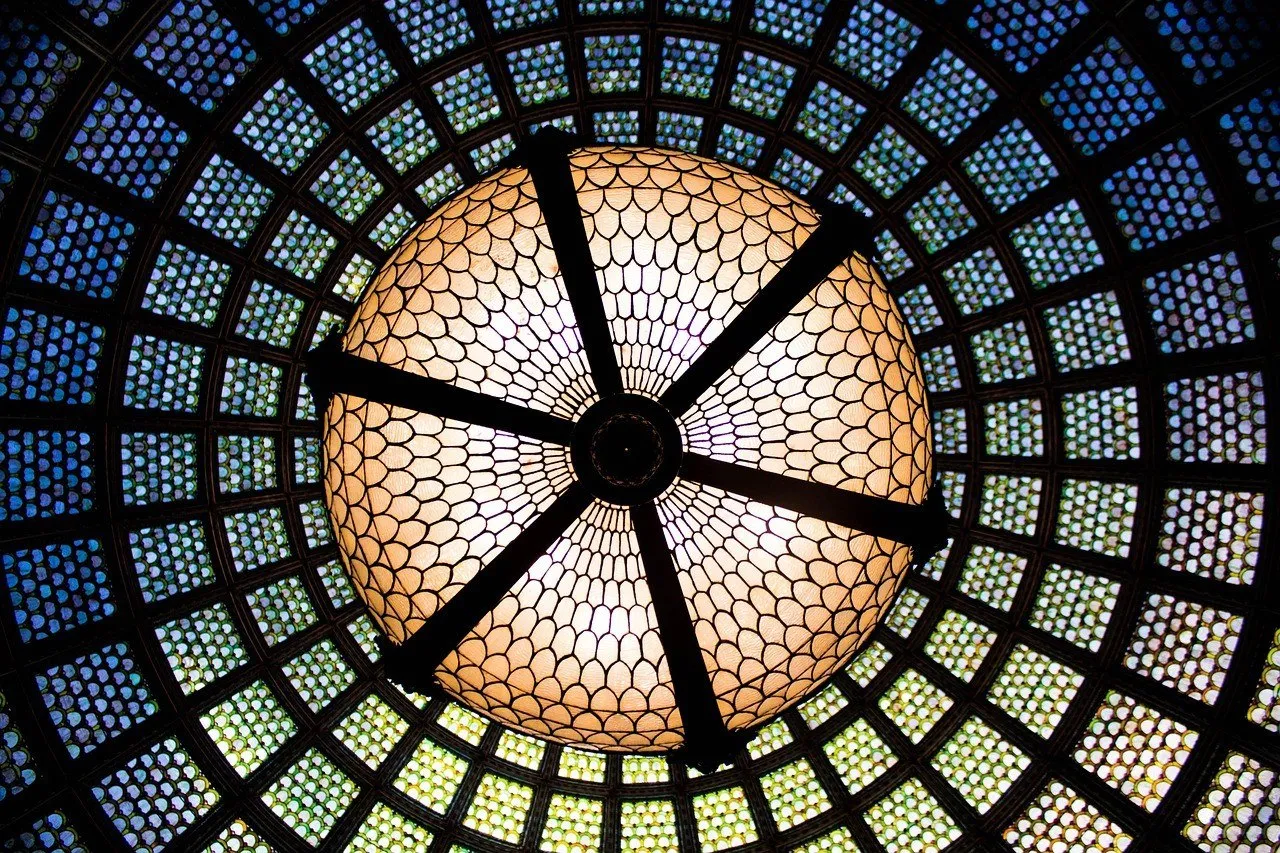
The Chicago Cultural Center used to be the public library. Today you come in for the art, and you may spend the whole visit looking at the Tiffany ceiling.
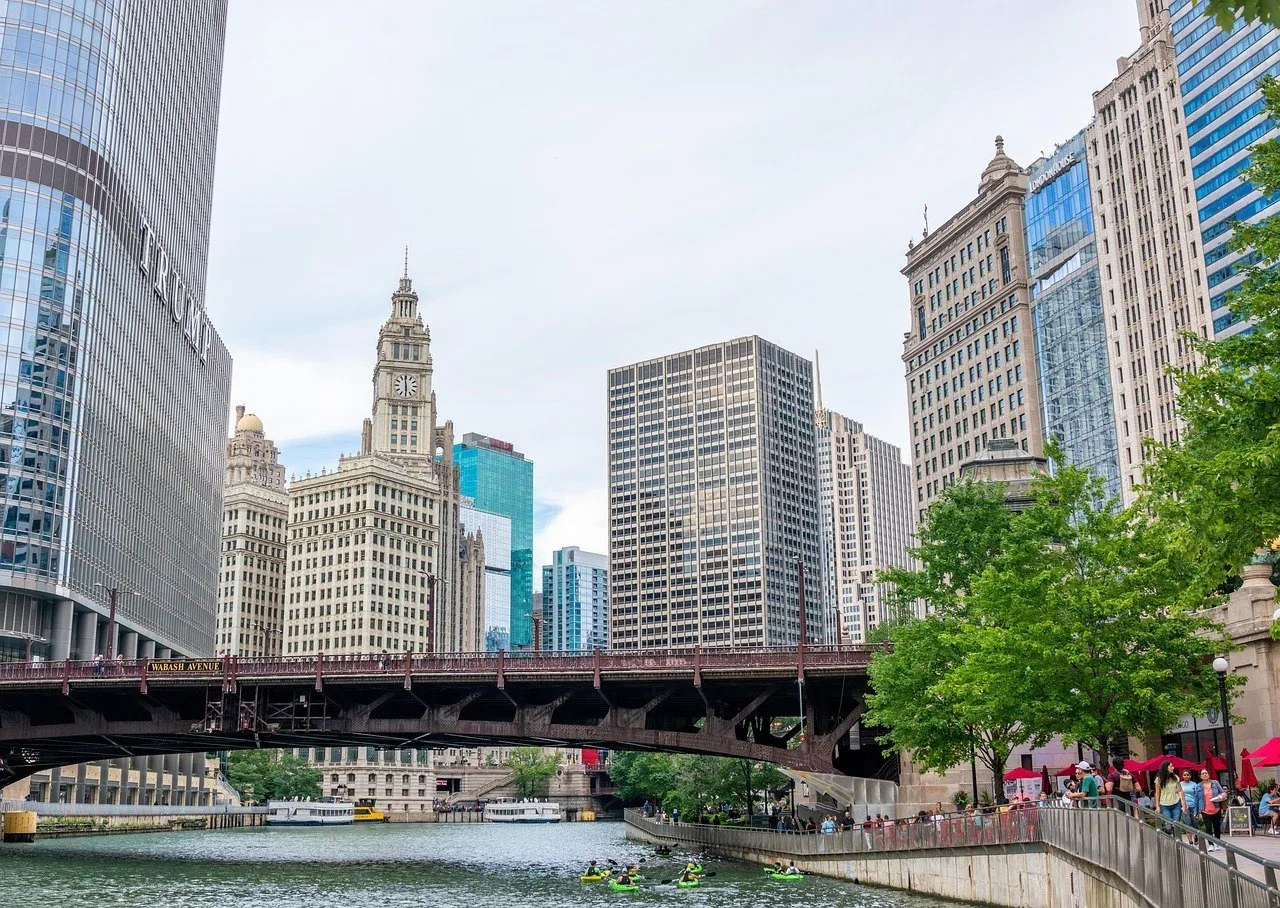
The flow of the Chicago River was reversed to carry its waters away from the lake; its banks once served industrial shipping.
At Wrigley Field, the ivy and the hand-operated scoreboard coexist with the roar of the Cubs. Tradition knows how to put on a show, too.
1The Bean gives Chicago back in one curved surface; around it, Millennium Park brings together gardens, public art and Frank Gehry's concert pavilion.
View details for Millennium Park and Cloud Gate
2Mosaics, marble staircases and a Tiffany dome fill the former public library; the exhibitions give you one more reason to step inside this Loop building.
View details for Chicago Cultural Center
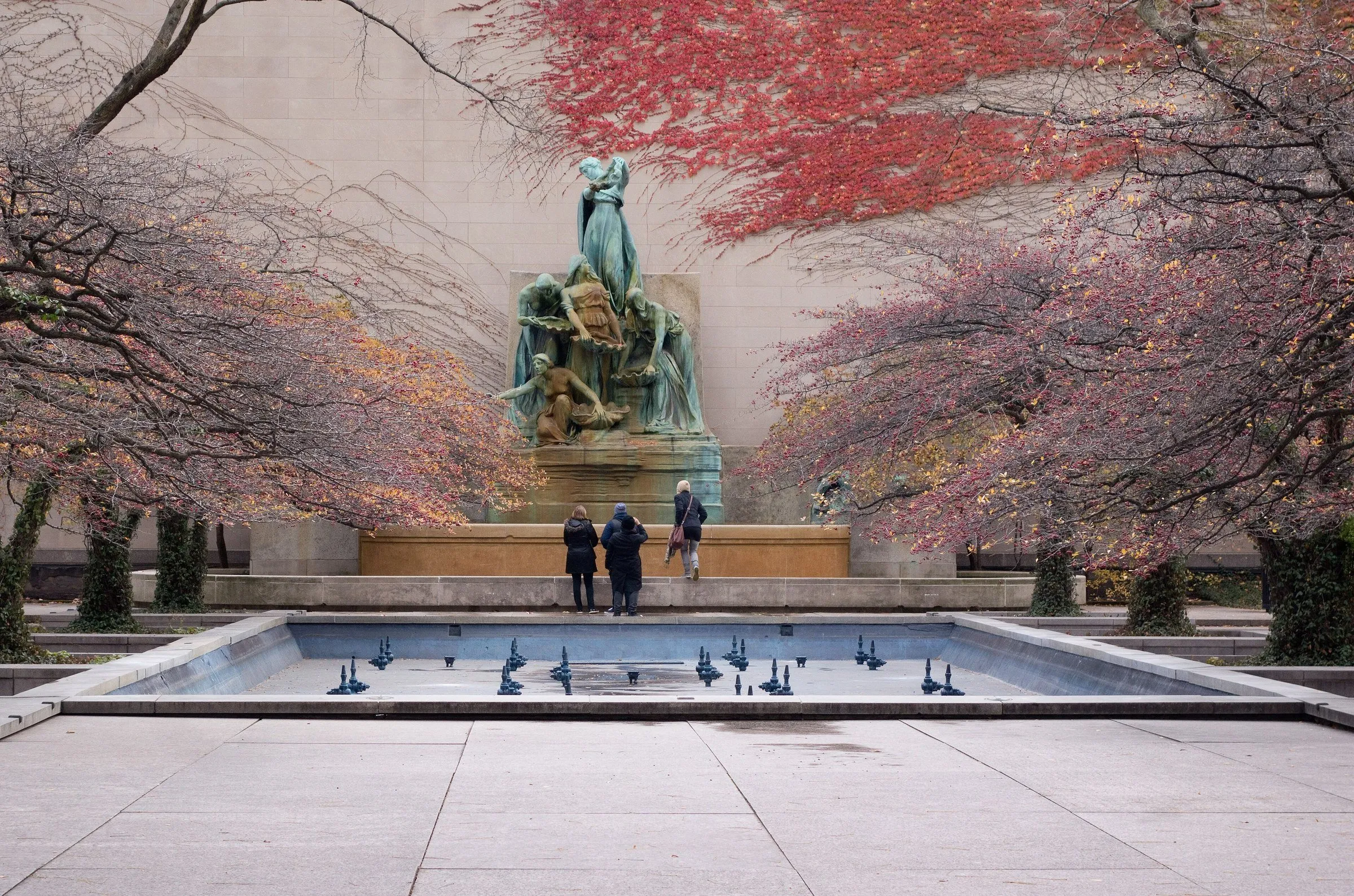
3Behind the bronze lions on Michigan Avenue, the museum holds Seurat, Hopper and art from many eras; pick a few galleries and take your time.
View details for Art Institute of Chicago
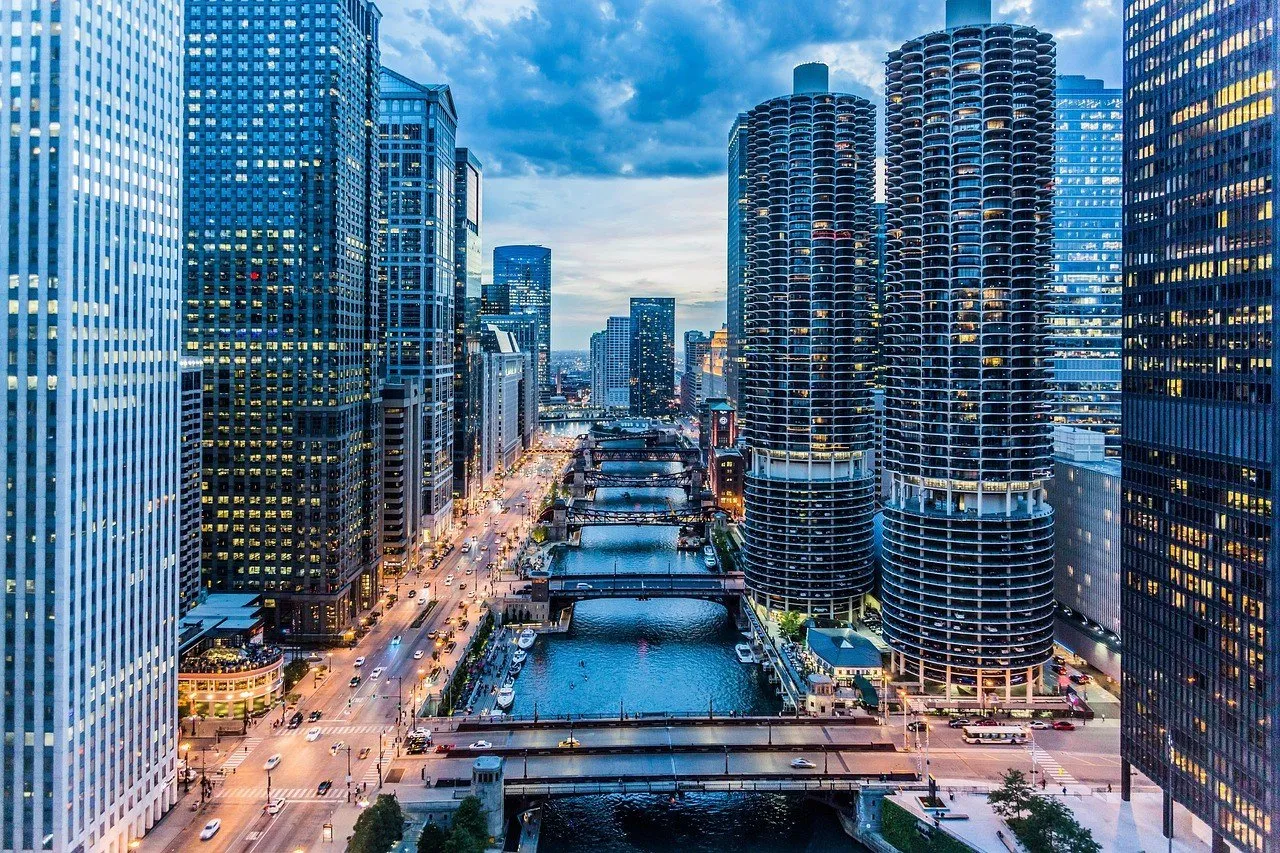
4The walk along the river passes bridges, terraces and skyscrapers; boat tours also depart from here and help you read the city's architecture.
View details for Chicago Riverwalk
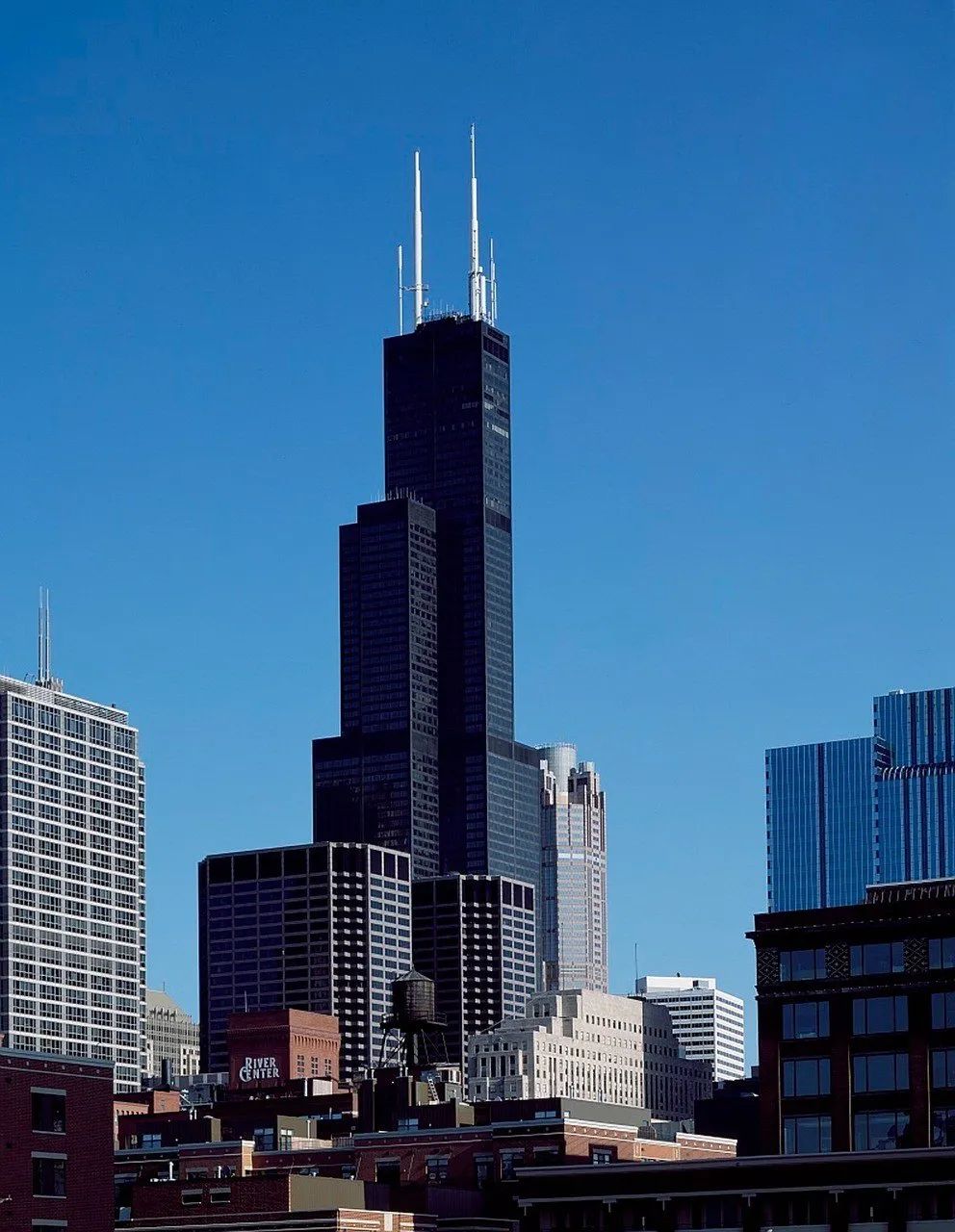
5The Skydeck shows the urban grid from the top of the Willis Tower; on The Ledge's glass balconies, the floor becomes the most talked-about part of the visit.
View details for Willis Tower and Skydeck
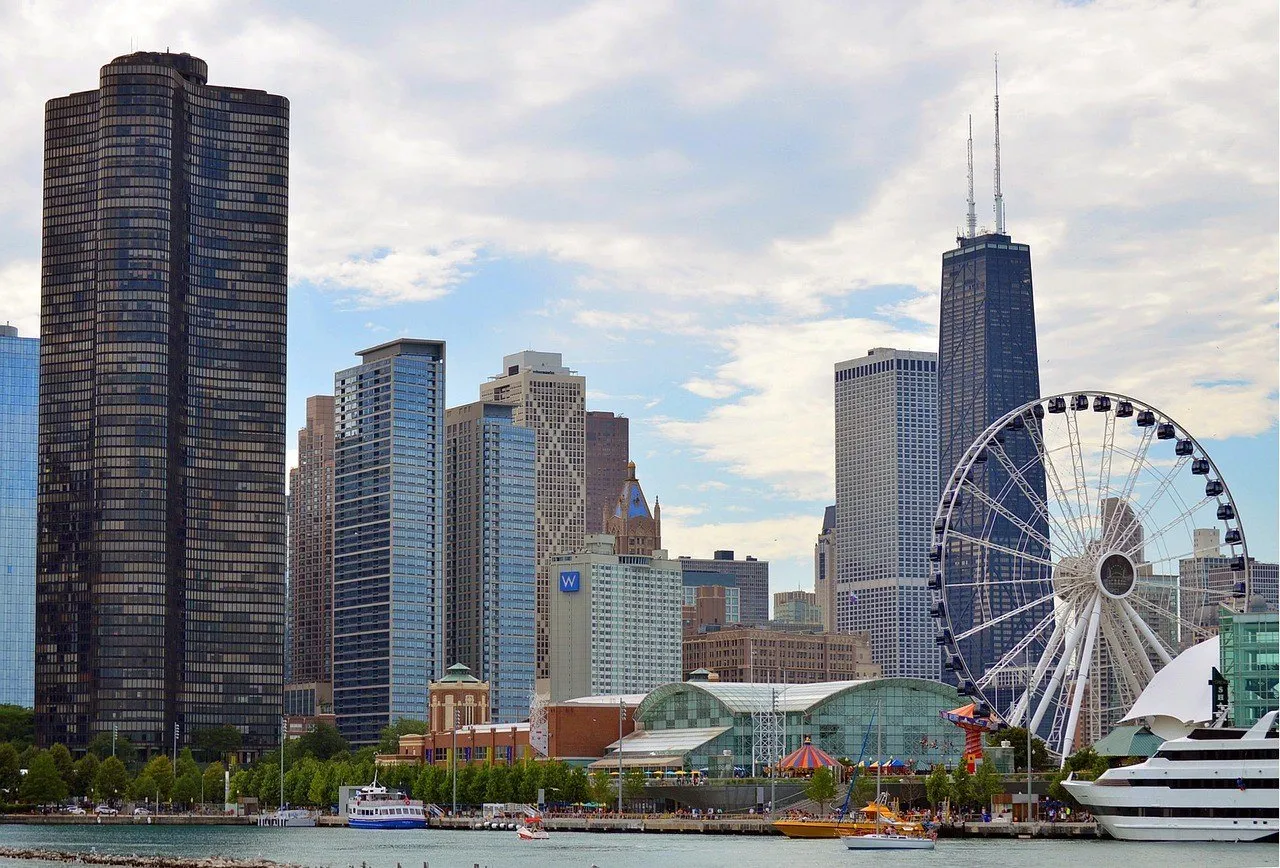
6The Centennial Wheel spins above a pier with rides, restaurants and views of Lake Michigan; strolling the area and boarding the rides are separate plans.
View details for Navy Pier
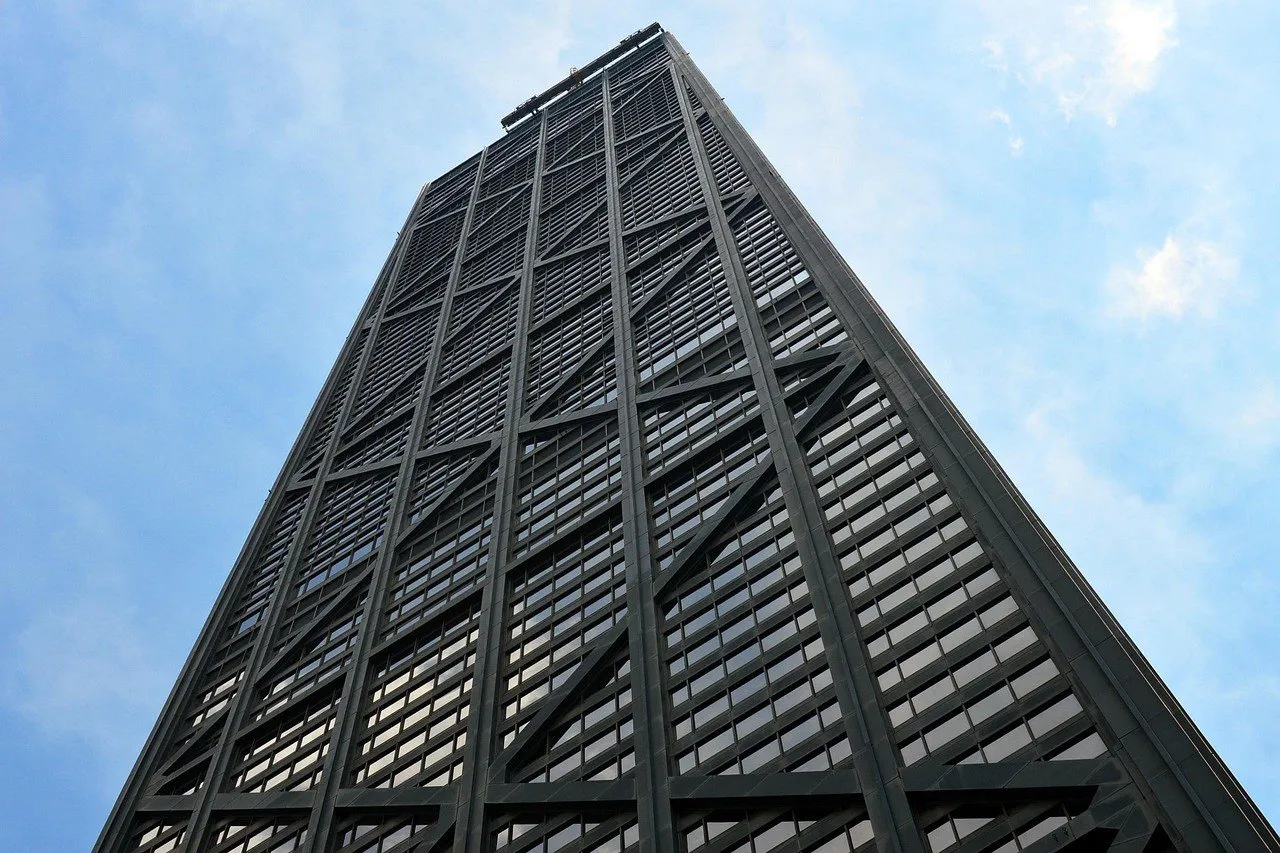
7In the building known as the John Hancock Center, the observation deck brings Lake Michigan closer to the horizon; the TILT platform adds an optional lean to the visit.
View details for 360 CHICAGO
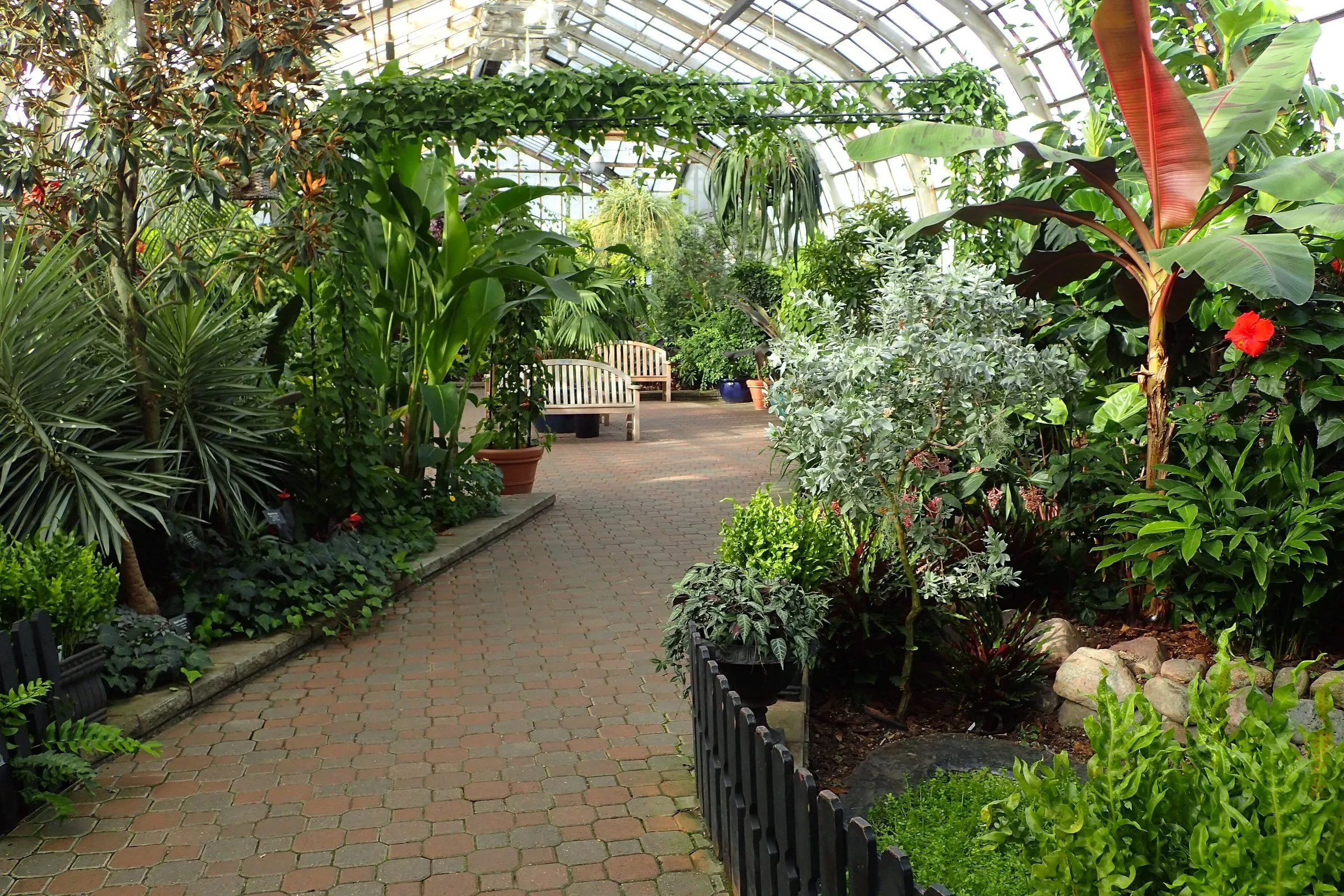
8The glass greenhouse holds palms, ferns, orchids and flower shows; admission is usually free, with a timed reservation to organize the visit.
View details for Lincoln Park Conservatory
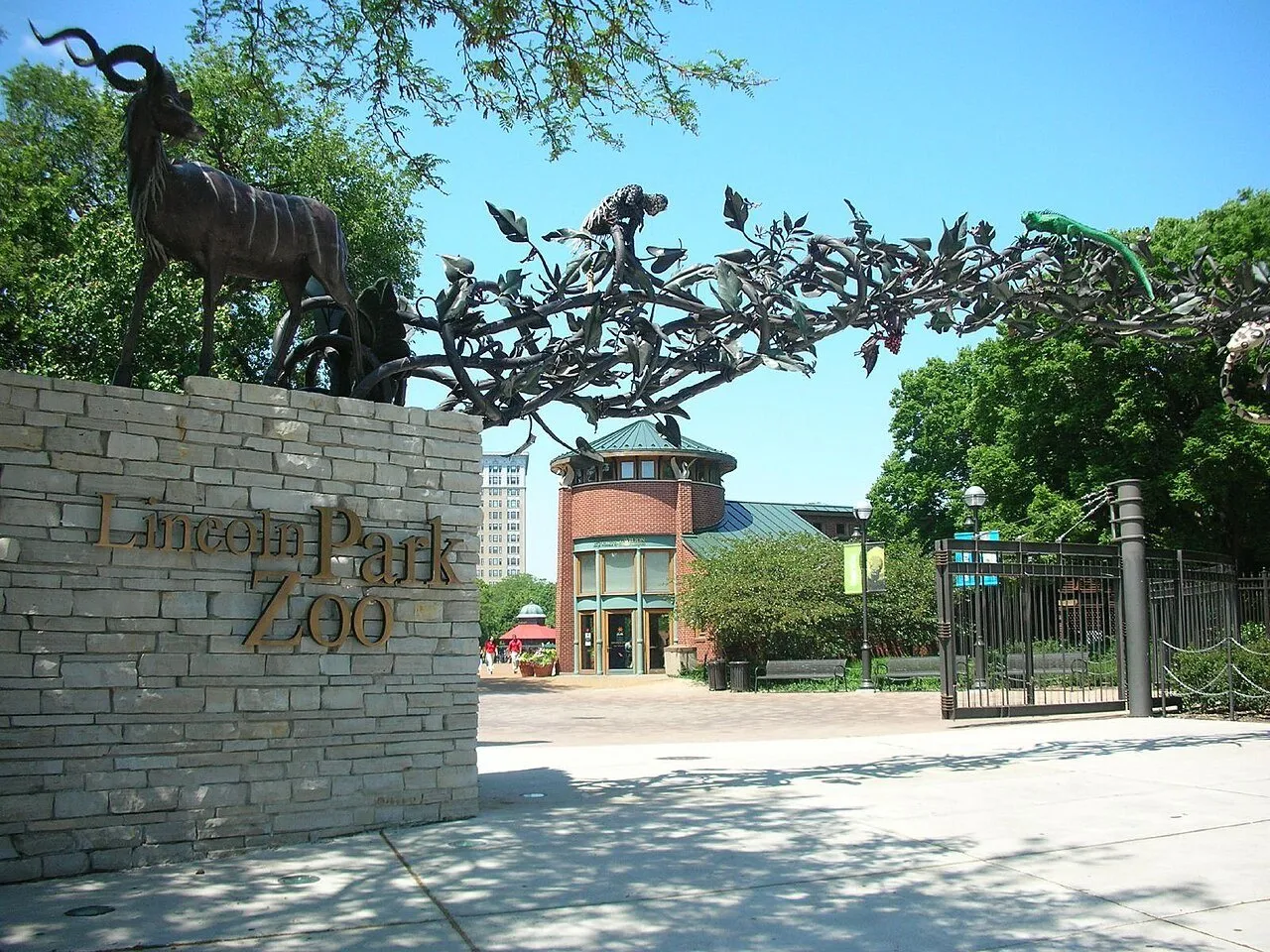
9The free-admission zoo brings animals and gardens to the North Side; combine a selection of habitats with a break in the green, without chasing every gate.
View details for Lincoln Park Zoo
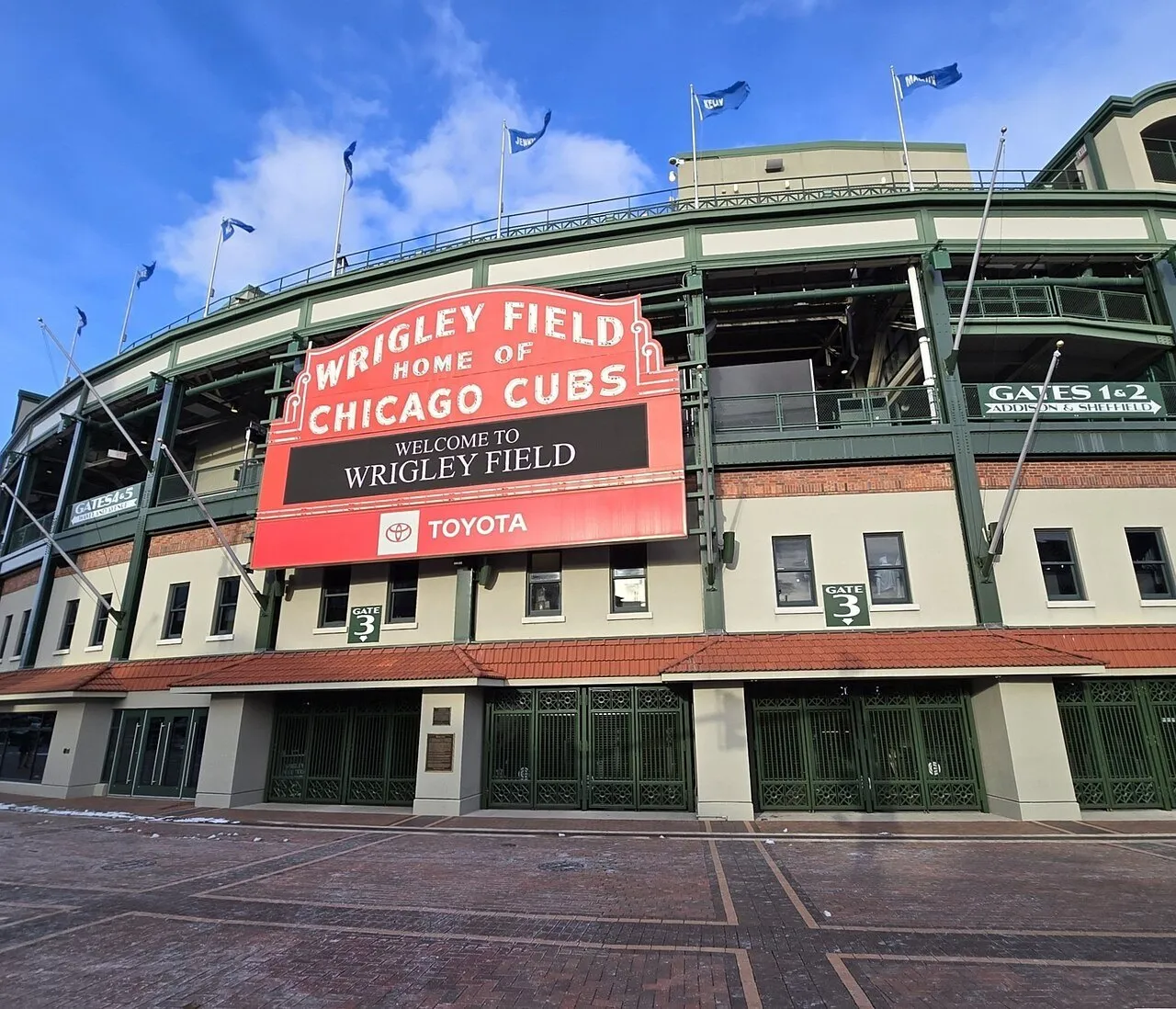
10Home of the Chicago Cubs, with its red sign, ivy on the outfield wall and a neighborhood that moves to the rhythm of baseball; decide between the exterior, a tour and a game.
View details for Wrigley Field
1Step up to the Bean and look for your reflection among the buildings: Anish Kapoor's polished steel sculpture stretches the skyline and scrambles anyone walking underneath. Cloud Gate is the official name, but the shape explains why the nickname stuck.
The park goes on beyond the photo. Walk among the Lurie Garden, the Crown Fountain and the Jay Pritzker Pavilion, designed by Frank Gehry. Take a few breaks without the camera: there is plenty of Chicago happening outside the frame.
2Cross Michigan Avenue and let your eyes climb. The Chicago Cultural Center has mosaics, grand staircases and a Tiffany glass dome in Preston Bradley Hall that steals the attention from the walls. The building once served as the public library; going all out on the ceiling was part of the package.
The program combines exhibitions and performances that change throughout the year. Come in even for a short break between the park and the museum: the visit spares your wallet and gives your neck a workout.
3The bronze lions on Michigan Avenue do the welcoming; inside, the company includes Seurat and Hopper. An afternoon in front of La Grande Jatte and the lit-up diner counter of Nighthawks are part of the collection, alongside art from different eras and regions.
Choose a few works or departments and leave room for discoveries. Trying to conquer the whole Art Institute turns painting into endurance. Since it sits right next to Millennium Park, save your energy for the galleries and catch your breath outside afterward.
4Heading down to the Riverwalk changes the frame: the bridges rise above you, boats glide close by and the facades slip into the water as reflections. The south bank has places to sit and watch the activity.
Go at your own pace or combine the walk with an architecture cruise. Check where to board: seeing the dock does not mean you are at the right entrance. If the day is packed, pick one stretch; the river does not expect you to clock in at every bridge.
5At the Willis Tower, The Ledge puts you on a glass balcony that juts out from the building, with the streets beneath your feet. The rational part of you understands the idea; your knees may ask for a moment of negotiation.
The Skydeck also lets you take in downtown, the river and the lake without stepping onto the balcony. Prioritize good visibility and count on lines. On a short trip, choose between this deck and 360 CHICAGO based on the view and the location you prefer.
6Navy Pier juts out over Lake Michigan with a Ferris wheel, promenades and cultural attractions. Stroll, watch the water and decide whether you want to add a ticket. Free general admission does not turn every ride into an extension of the sidewalk.
The Centennial Wheel has enclosed cabins and a different perspective on the buildings. Even if you do not ride, find an angle on the city and take a break. Check conditions before setting expectations for outdoor attractions: strong wind is part of the planning here, too.
7The view from 360 CHICAGO puts the lake in the foreground and shows how the buildings follow the shoreline. It sits in the building known as the John Hancock Center, right by the Magnificent Mile: a practical alternative if you are exploring the north side of downtown.
TILT adds movement to the scenery in a glass structure that tilts visitors outward. It is optional and depends on your ticket. You can stay with the contemplation: Chicago already fills your eyes without having to test your stomach.
8Palms and ferns take over the scene in this glass greenhouse in Lincoln Park. The rooms include orchids and seasonal flower shows: a break of leaves and humidity after so many right angles downtown.
Admission is usually free, but it requires a timed reservation. The conservatory works for plant lovers and for anyone who wants to slow down and watch their shapes. Combine it with the neighboring zoo, leaving some slack between the two, especially if you are traveling with children.
9Among the paths of Lincoln Park, the zoo allows a visit with less commitment to the clock. General admission is free, and you will find gorillas, lions and penguins, plus the gardens. The map does not have to become a checklist of species.
Choose a few areas and watch what happens. The institution also works in conservation and research, a topic worth looking into during your visit. The conservatory is nearby; just make sure the greenhouse reservation does not turn into a race across the park.
10The red sign announces the home of the Chicago Cubs before you even see the field. Inside, the ivy on the wall and the hand-operated scoreboard appeal even to people who mix up a ticket stub with the gate.
You can admire the exterior, look for a guided tour or book a game. Each choice takes a different amount of time. If you go to a game, leave extra time for getting in and for the Wrigleyville crowds; another commitment right afterward invites anxiety into the bleachers.
The Blue Line connects O’Hare to downtown; the Orange Line serves Midway. Check service alerts and your arrival terminal, especially if you have a large suitcase or need an elevator. The train helps you avoid traffic.
Group your sights in the Loop and use trains or buses for the North Side. On the Riverwalk, you walk below street level: note the access points when setting a meeting spot.
From May to September, outdoor outings come into their own. Bring an extra layer for the lake and check the forecast. In winter, alternate short outdoor stretches with the museum, the cultural center and the greenhouse.
The park, the Cultural Center and the zoo balance out the paid attractions. Add up only the outings you plan to do before buying a pass. At Navy Pier, getting in and riding the rides are separate bills.
Plan your return from Wrigleyville before the game, keep your phone and documents secure in crowded stretches and prefer busy routes at night. Choose a hotel with transit connections in mind, not just the price.
Advertised prices may have taxes and tip added. Check whether the bill already includes service and ask for an explanation when in doubt: that habit keeps your pizza budget from growing as much as its crust.
Deep dish arrives with a tall crust, cheese and sauce on top: it is worth sharing before you commit to another meal. Between walks, Chicago fits in a loaded hot dog or an Italian beef that demands attention to the sandwich wrapper. Choose by appetite and by where the day takes you.
Pizza with a tall crust, cheese and tomato sauce; a knife and fork stop looking like excessive formality.
An all-beef frank with mustard, relish, onion, tomato, pickle and peppers: quite a lot of work for one bun.
A roll with thinly sliced beef and broth, served with peppers or giardiniera; ask about the spiciness before you choose.
The sweet-and-salty mix associated with Garrett settles the choice between snack and dessert in a single bag.