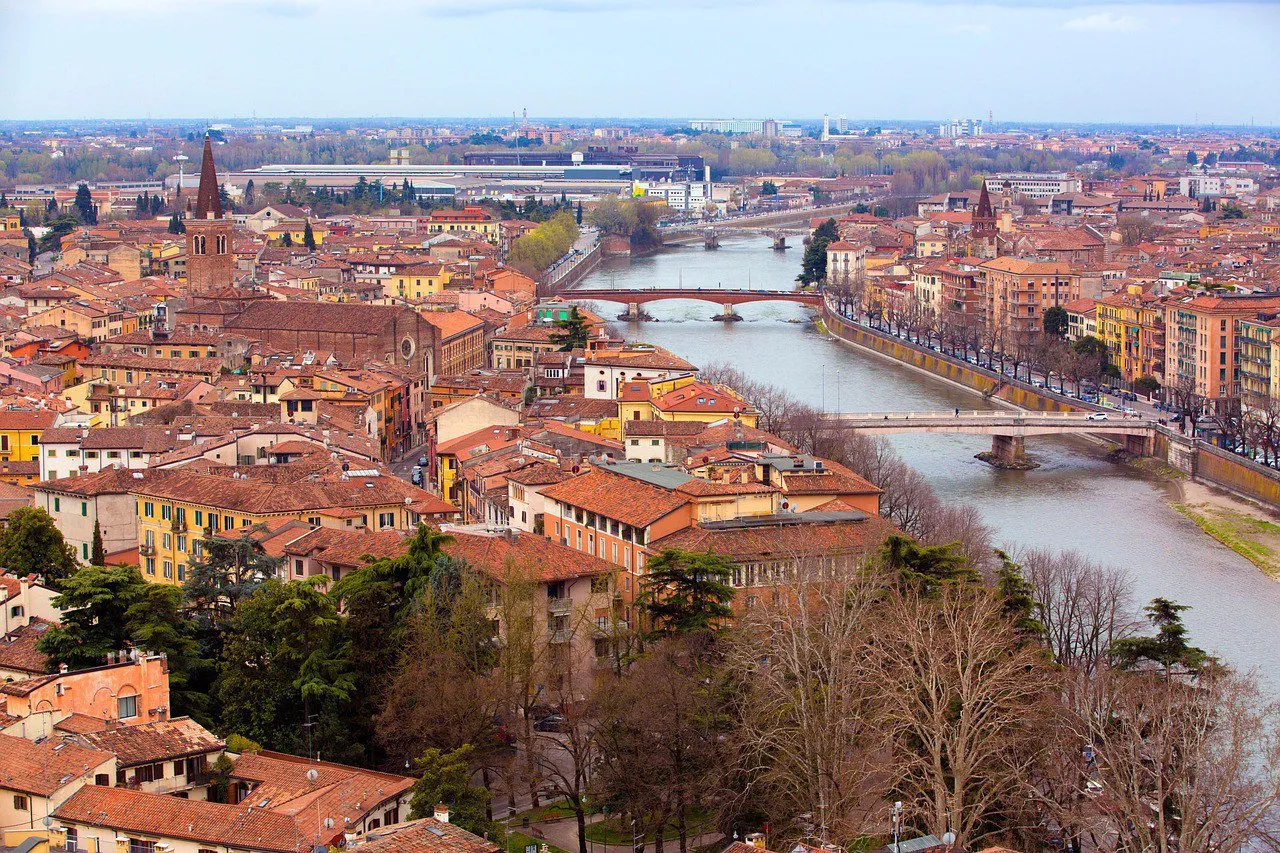
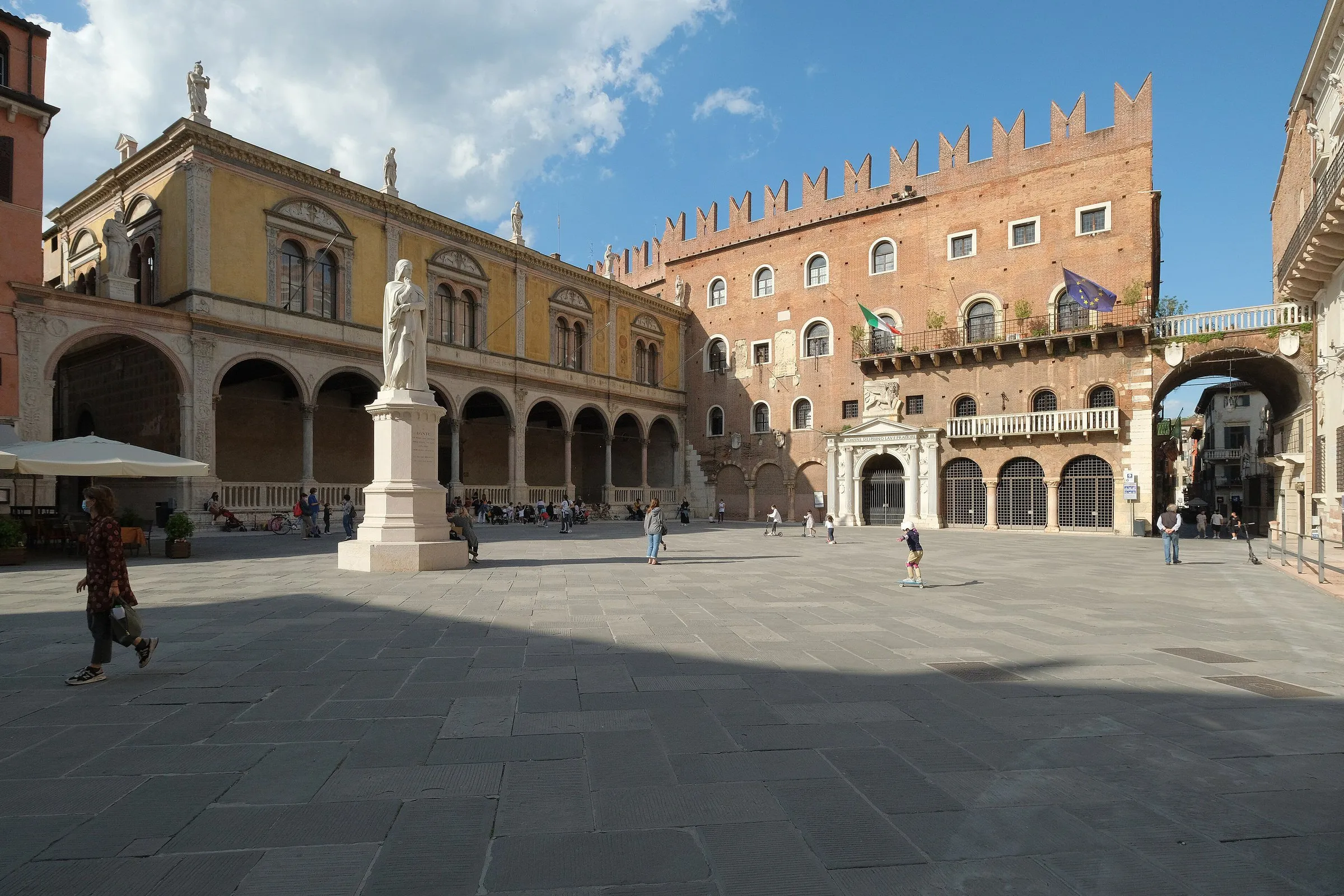
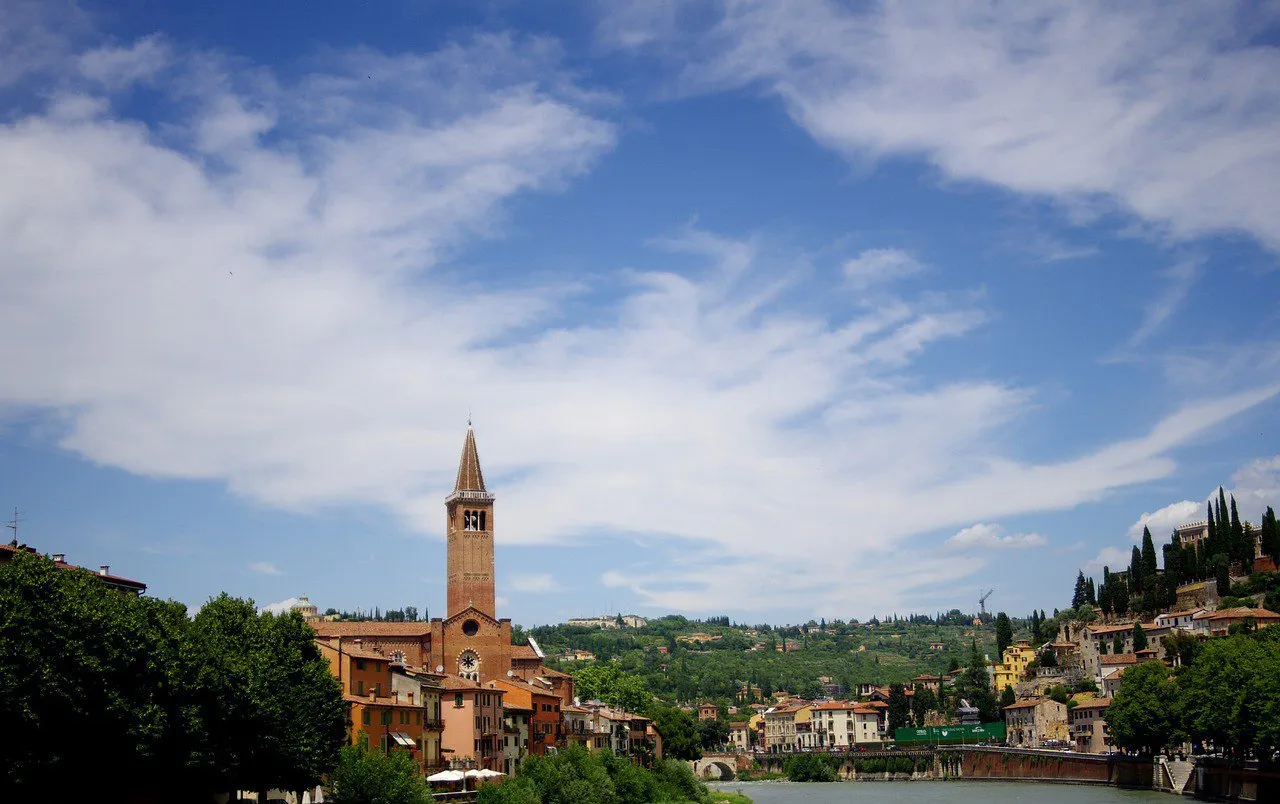
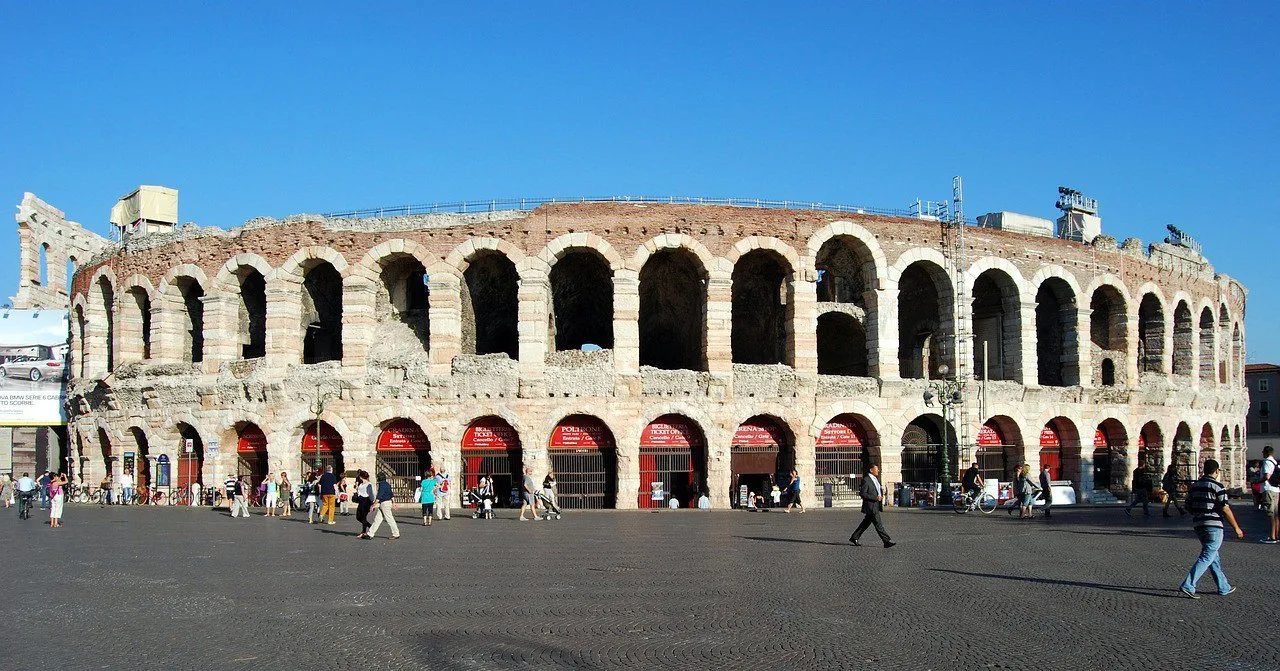
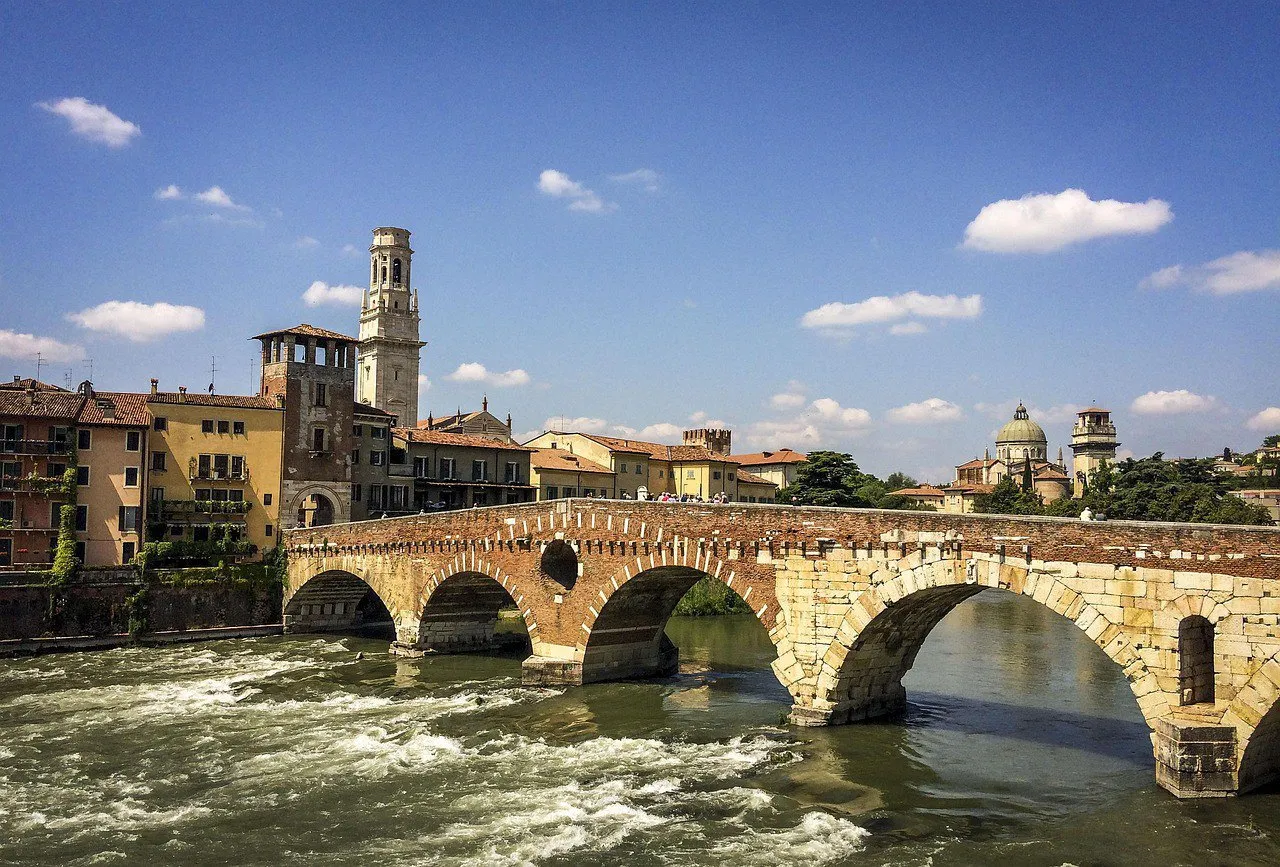
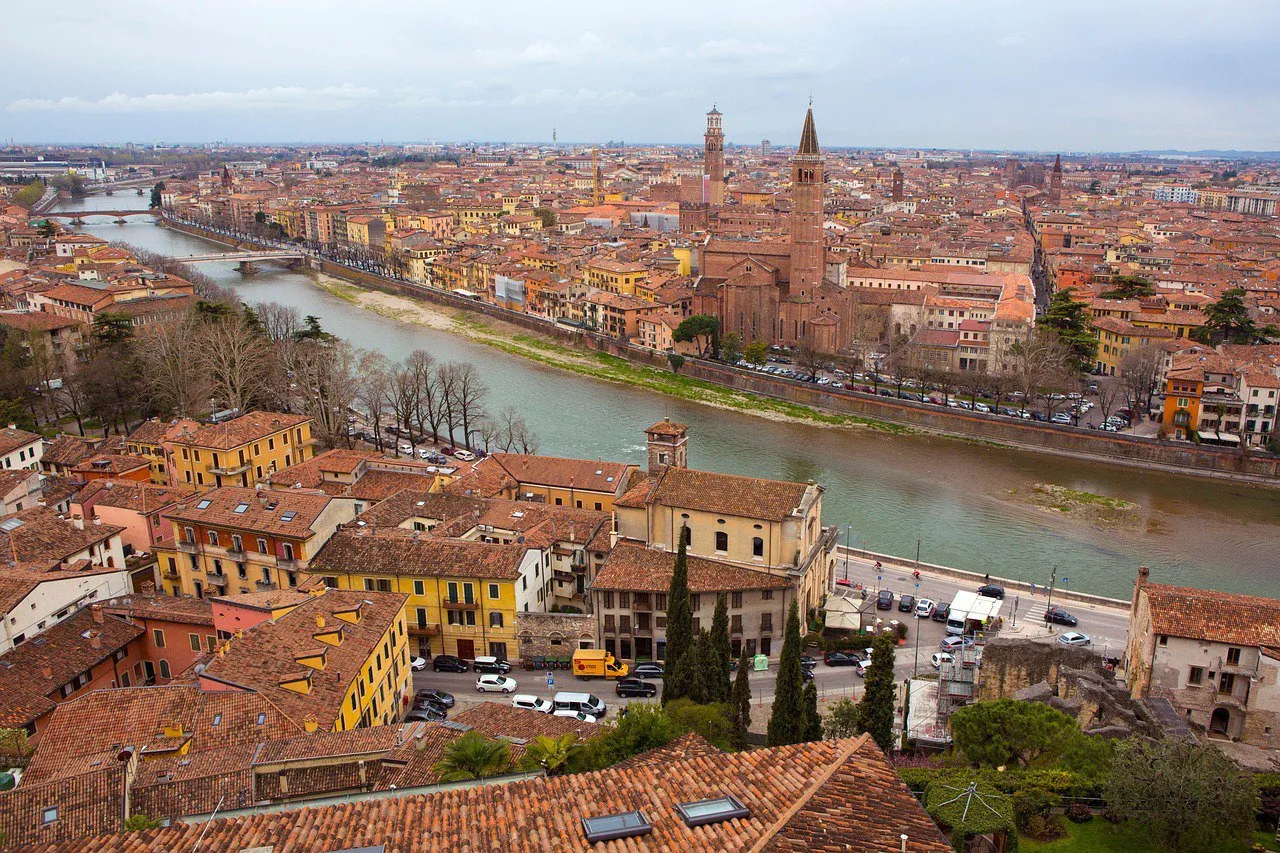
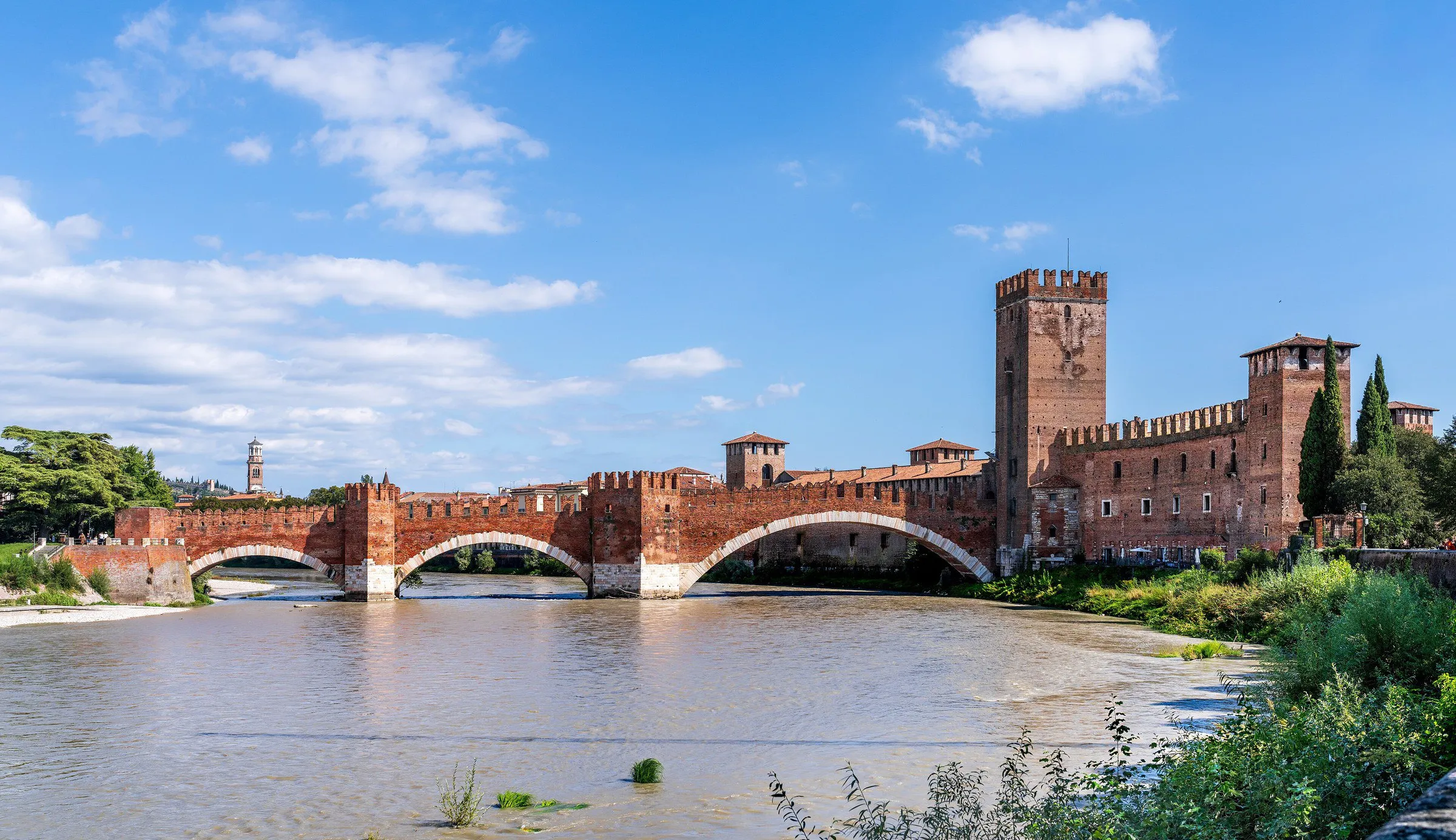
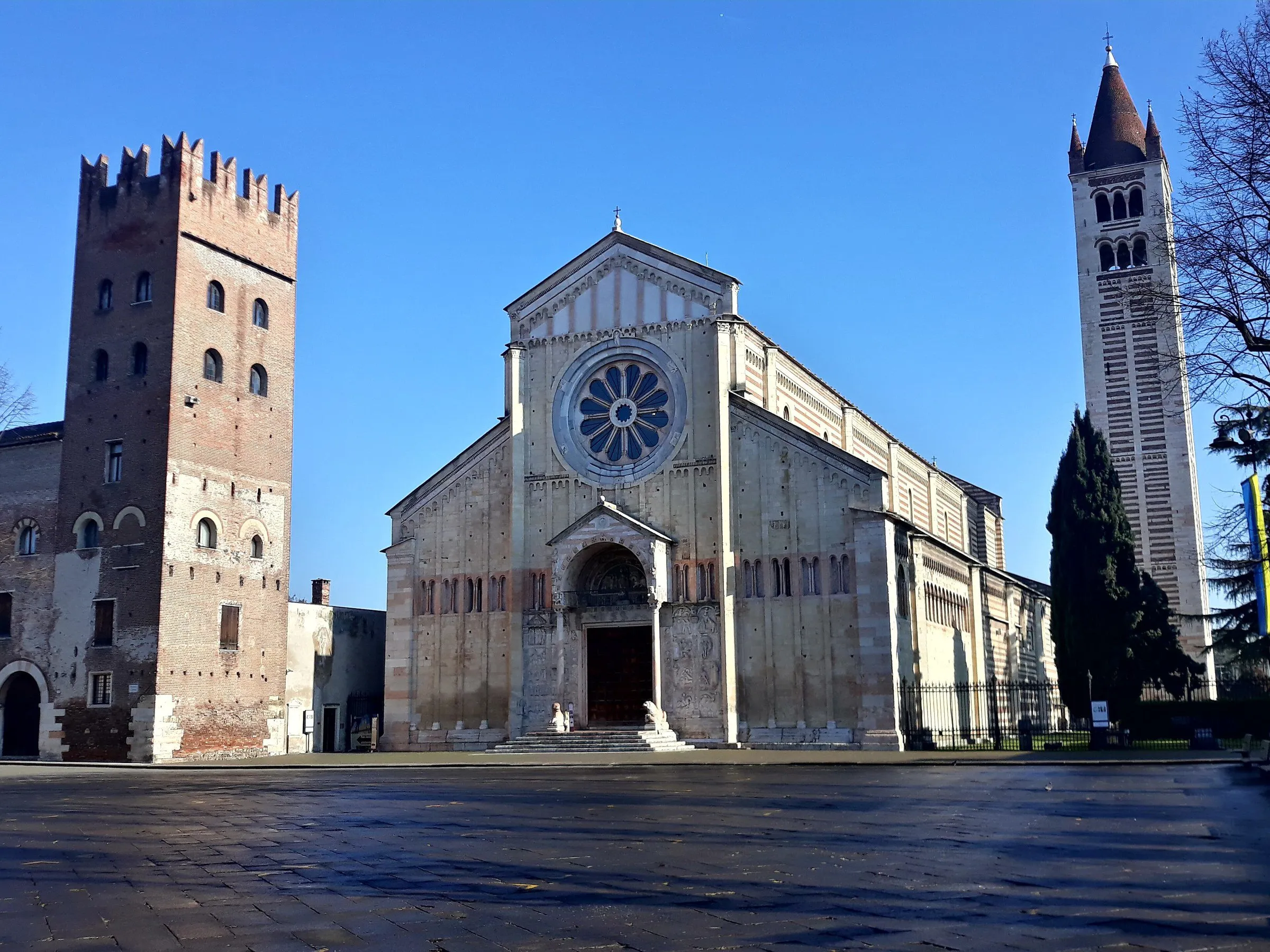
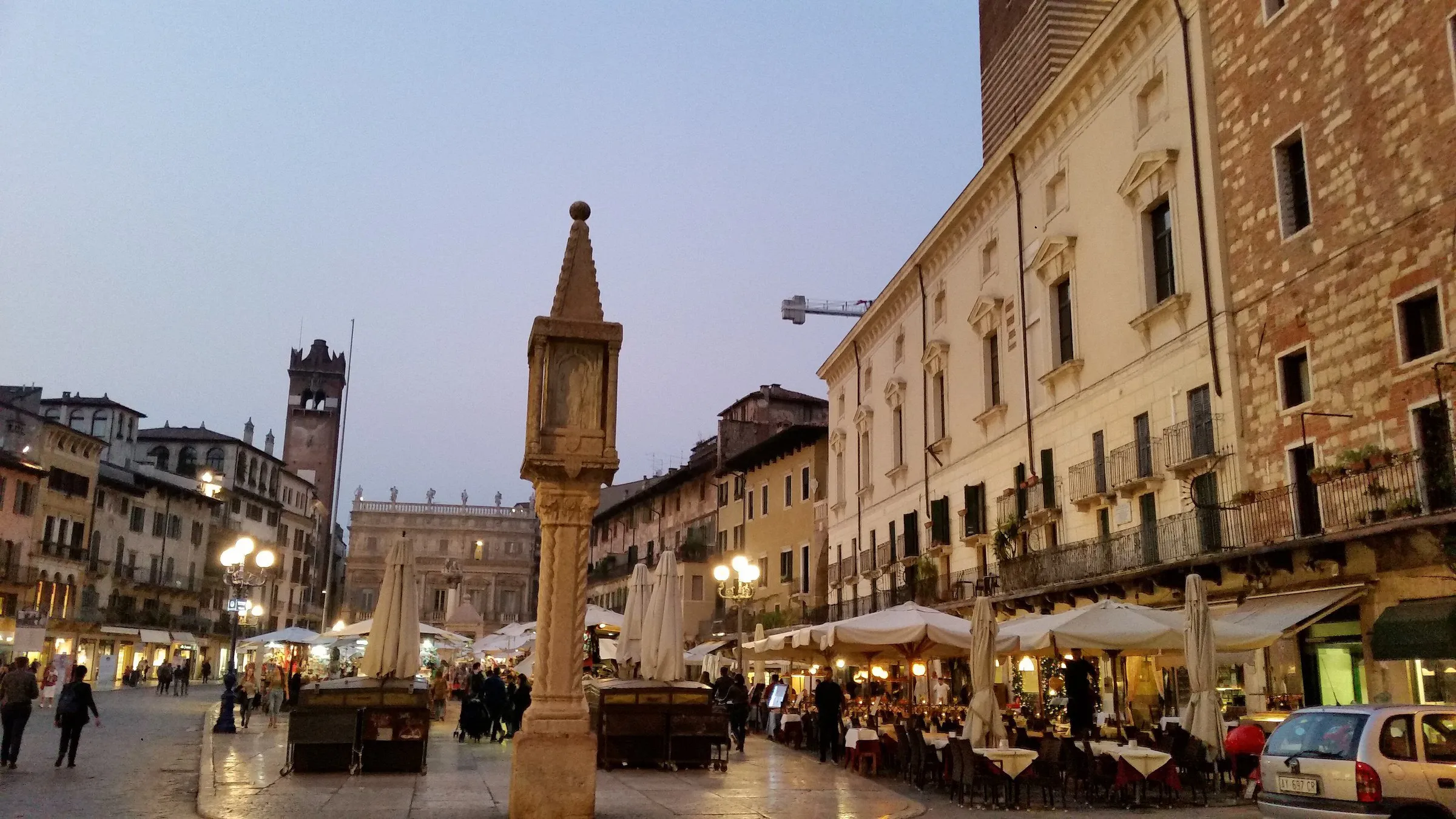
Verona sits in a bend of the Adige River, and almost everything you came to see fits inside it: the Arena on Piazza Bra, the medieval squares, the churches of brick and rosy stone. The city became a Roman colony in 89 BC and was ruled by the della Scala family, the Scaligeri, in the 13th and 14th centuries. Each era piled its layer on top of the last, and in 2000 UNESCO added the whole ensemble to the World Heritage List. The center is flat, and the best way to explore it is on foot, with frequent coffee stops.
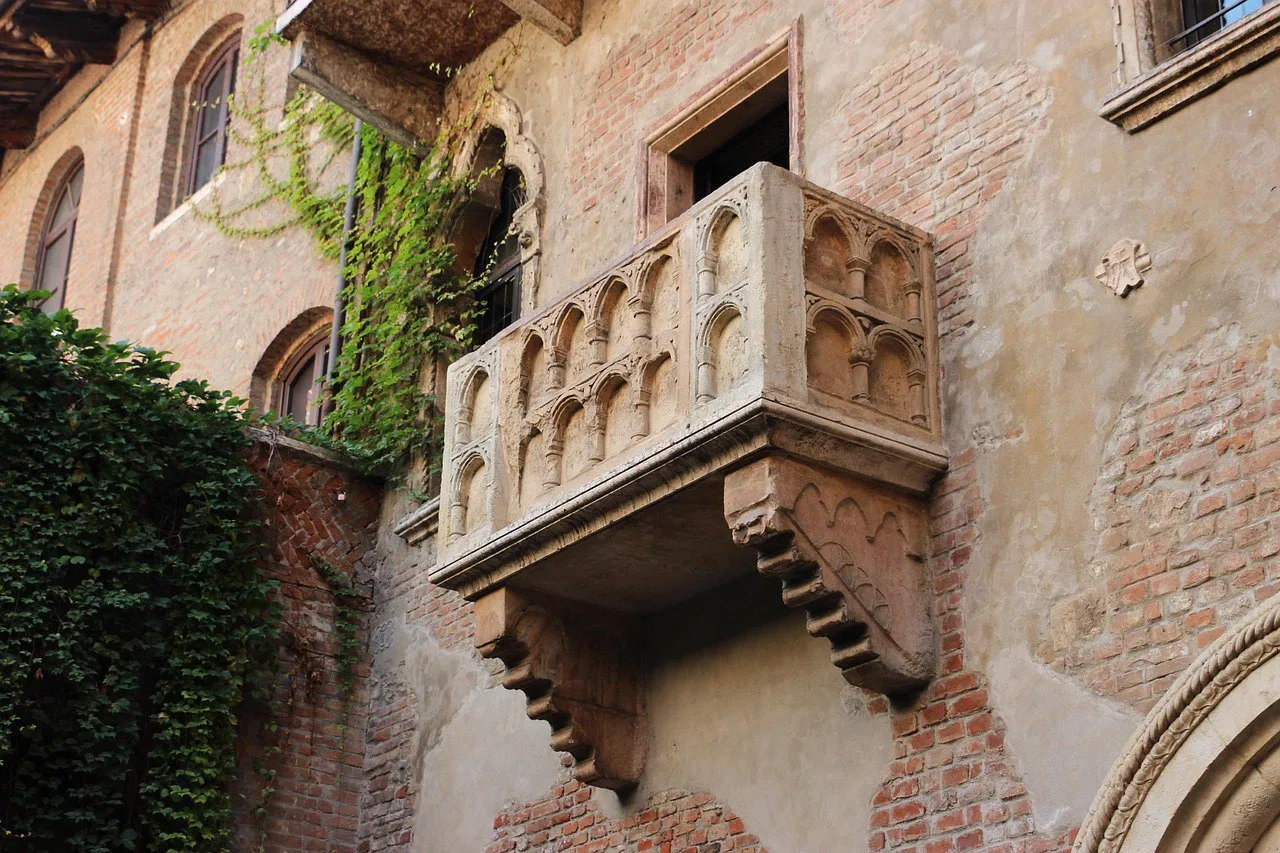
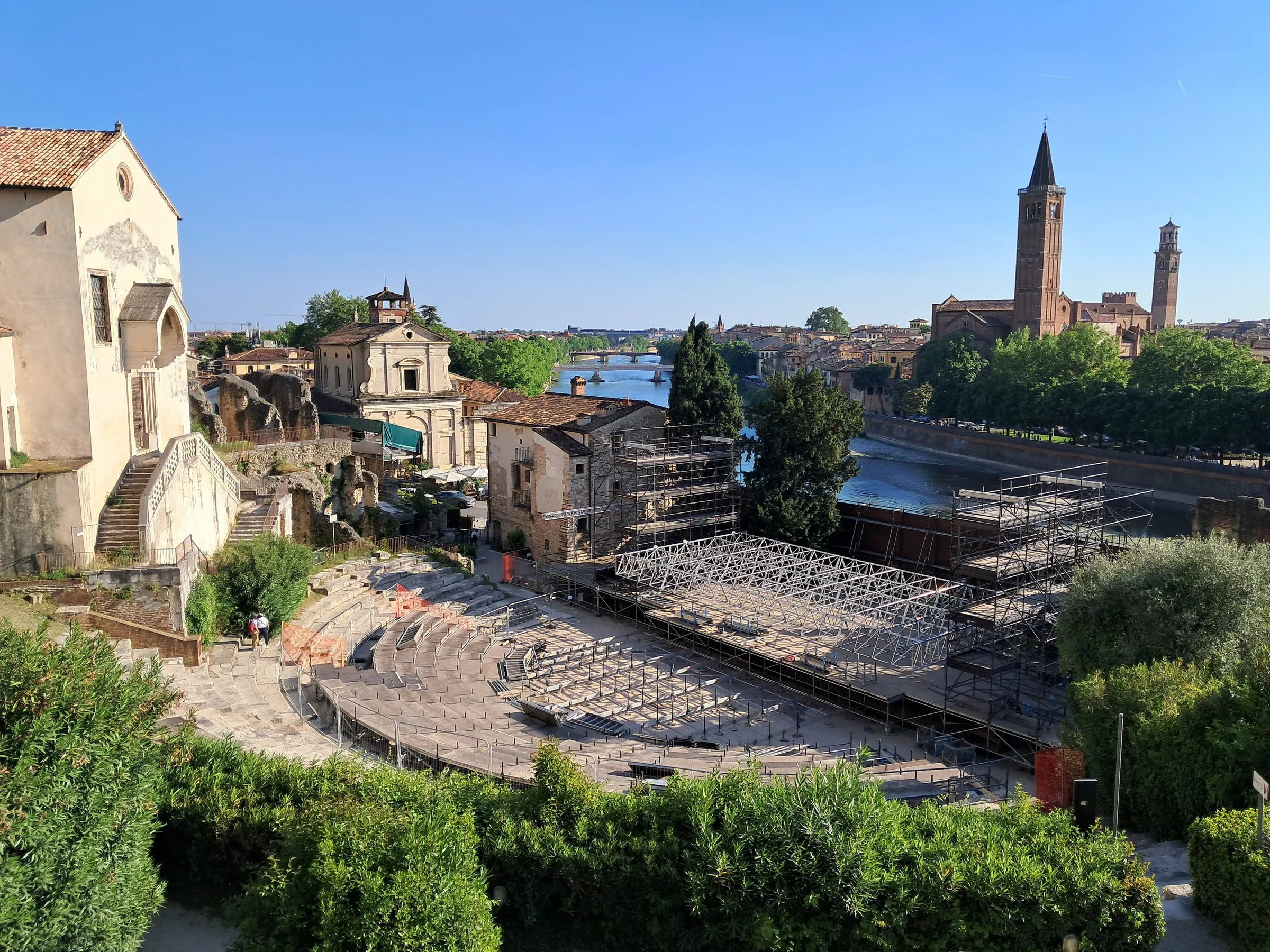
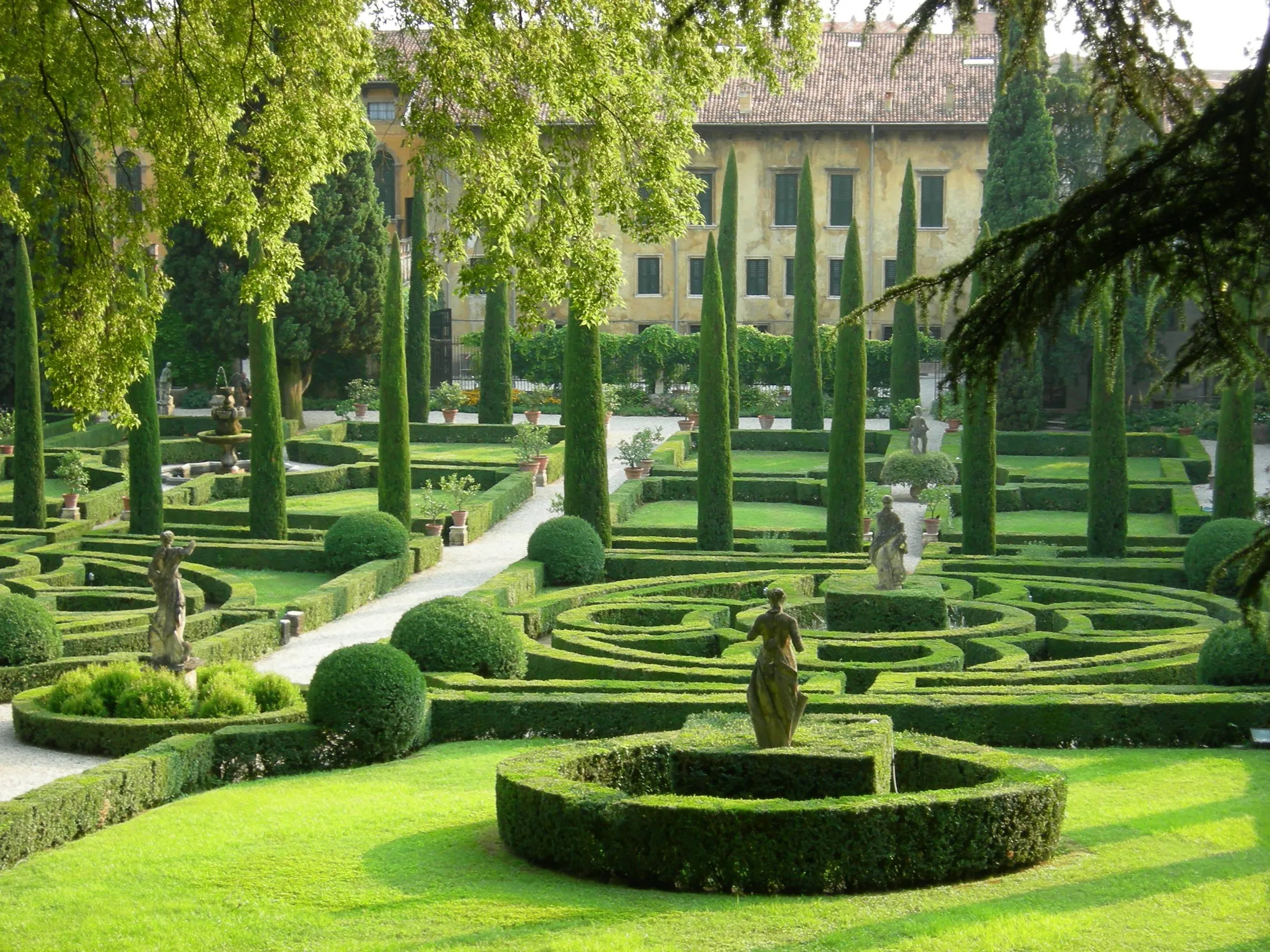
It is also the city of Romeo and Juliet, fictional characters who have been given a house, a balcony and even a wedding venue. Take the legend lightly and save time for the rest: across the river, the Roman theater, the Giardino Giusti and the Castel San Pietro viewpoint show Verona from above, with towers and bell towers lined up over the rooftops.
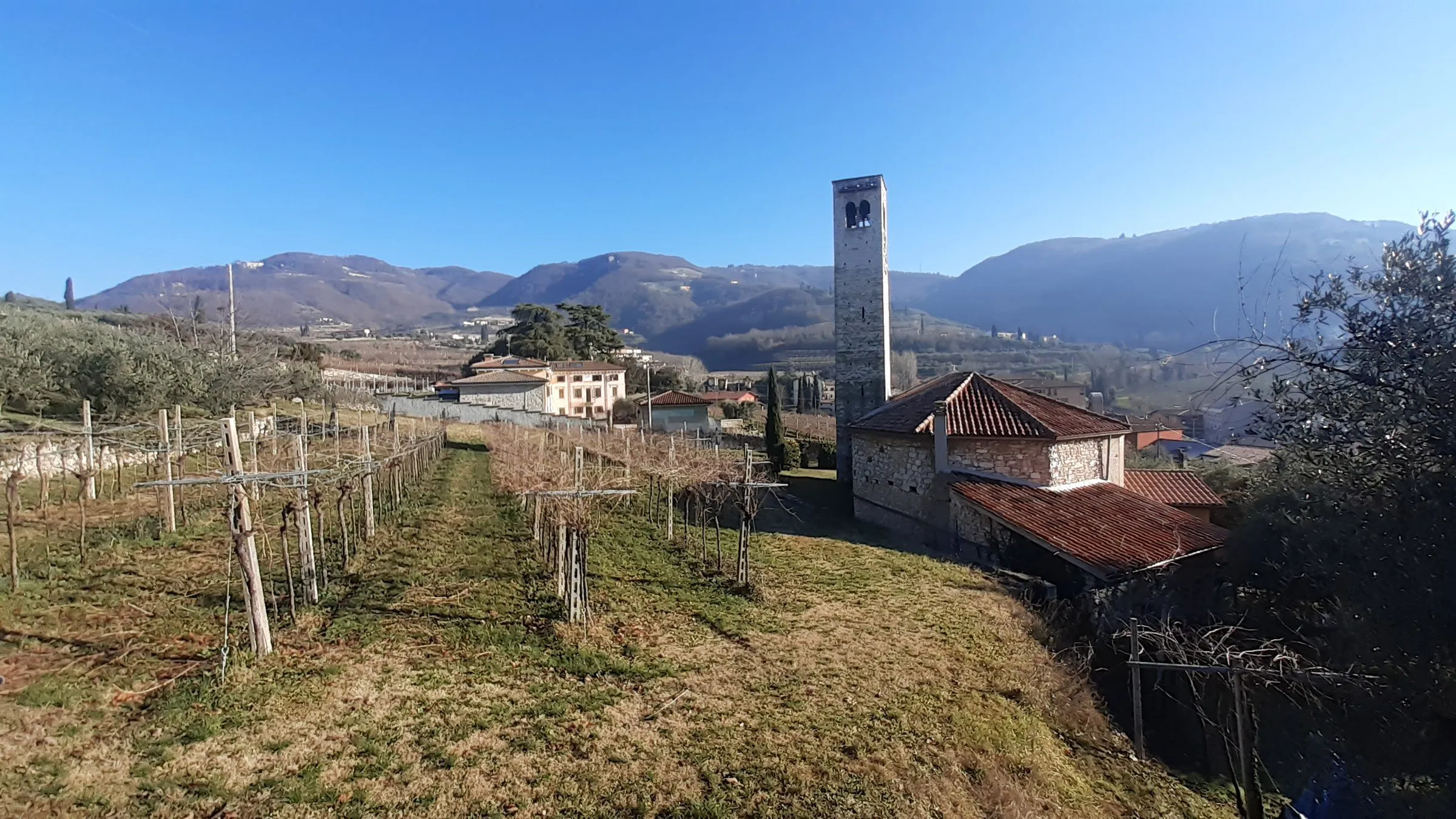
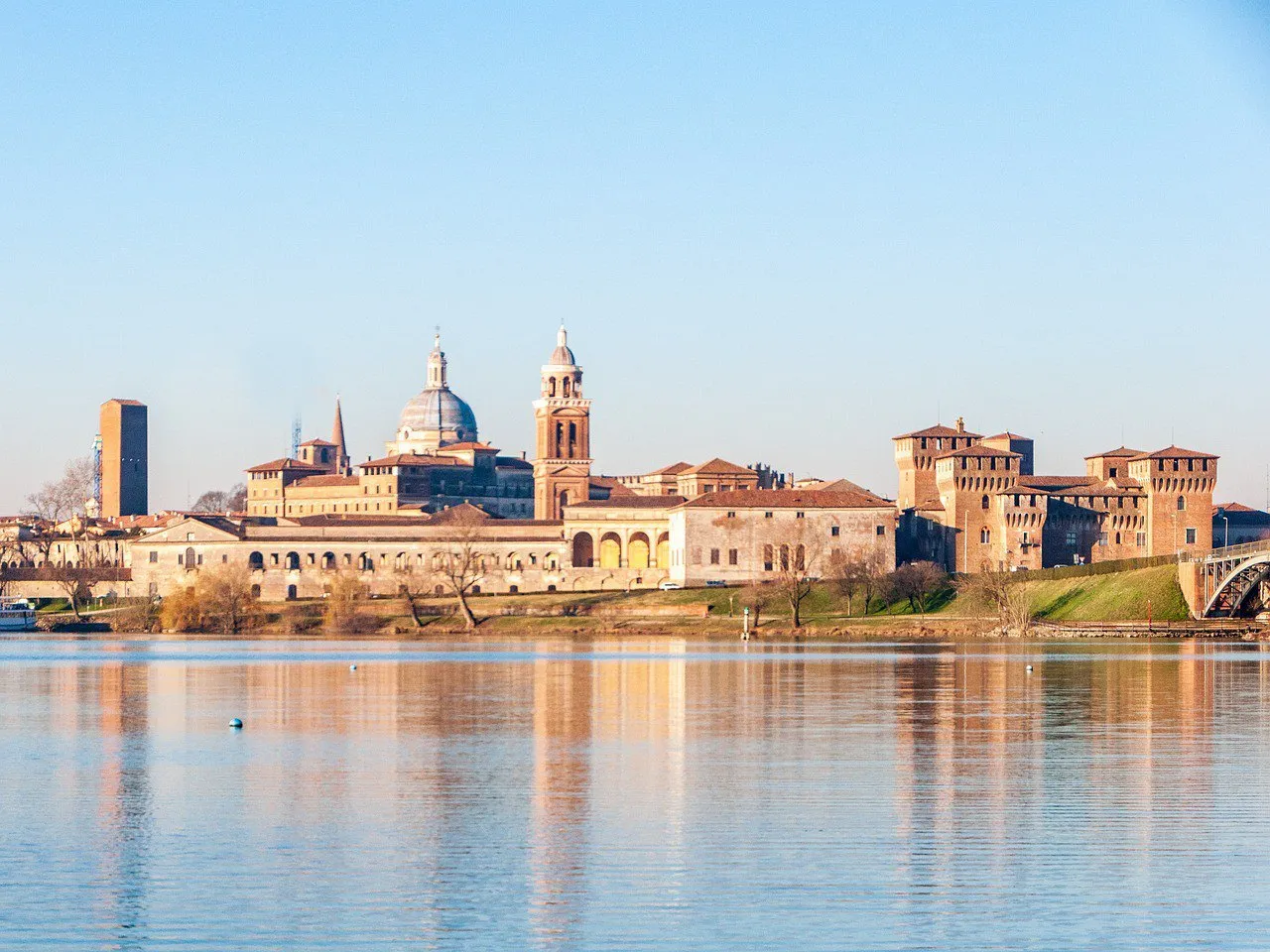
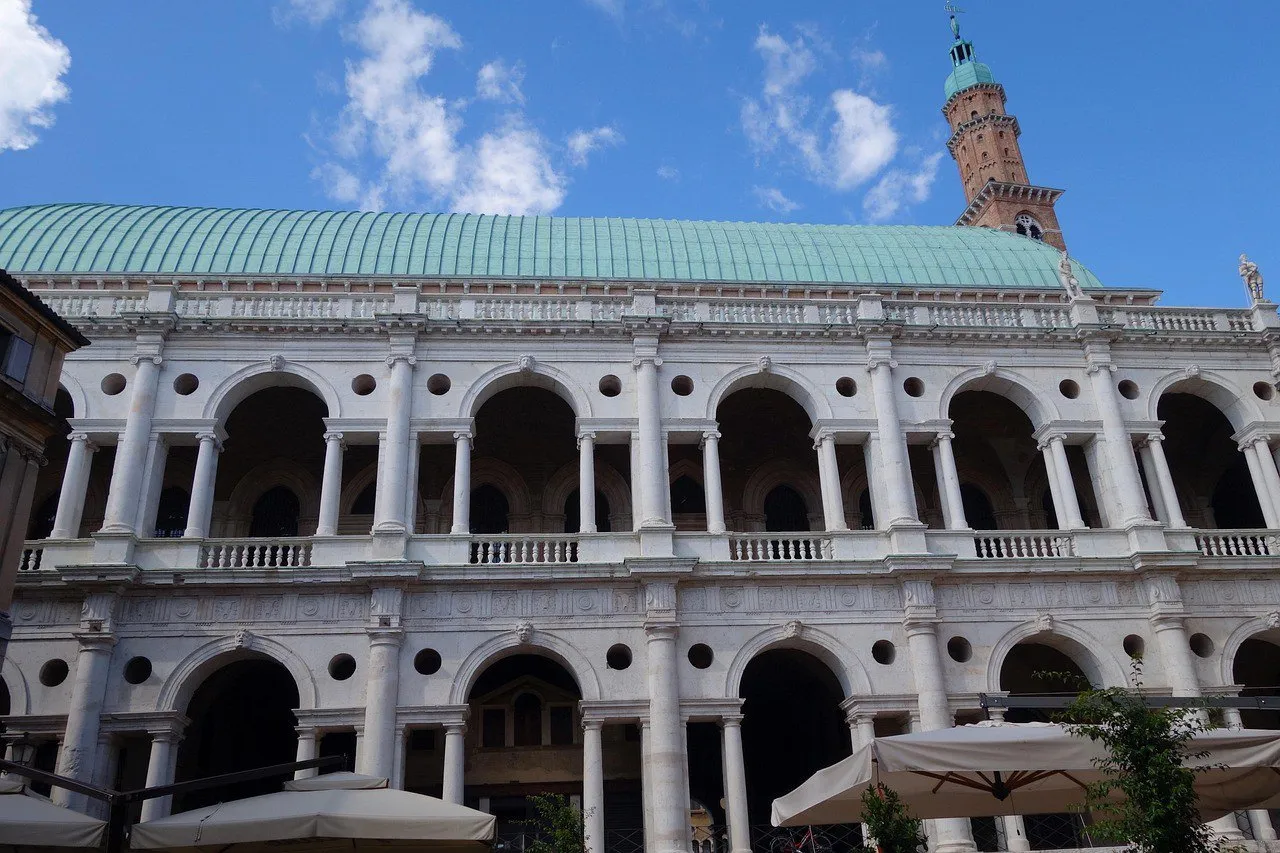
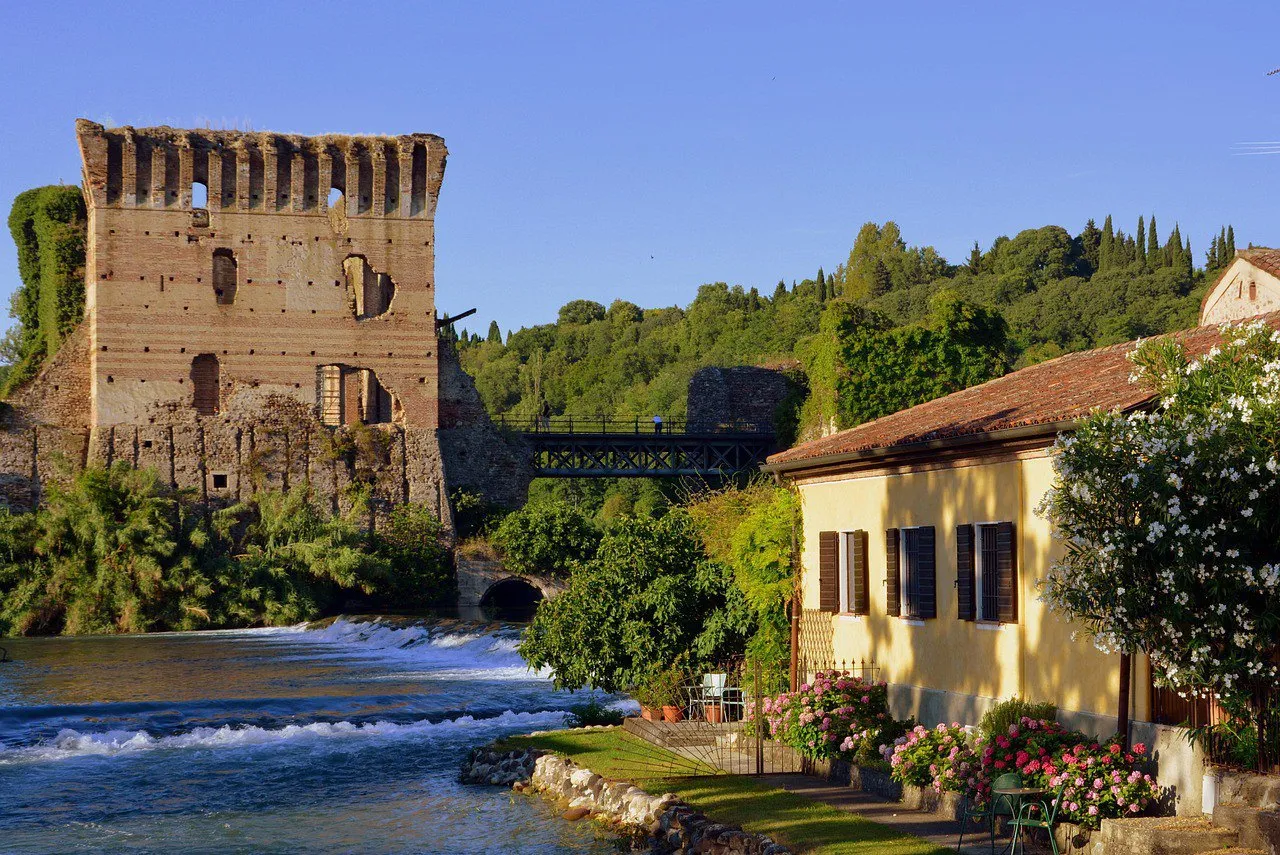
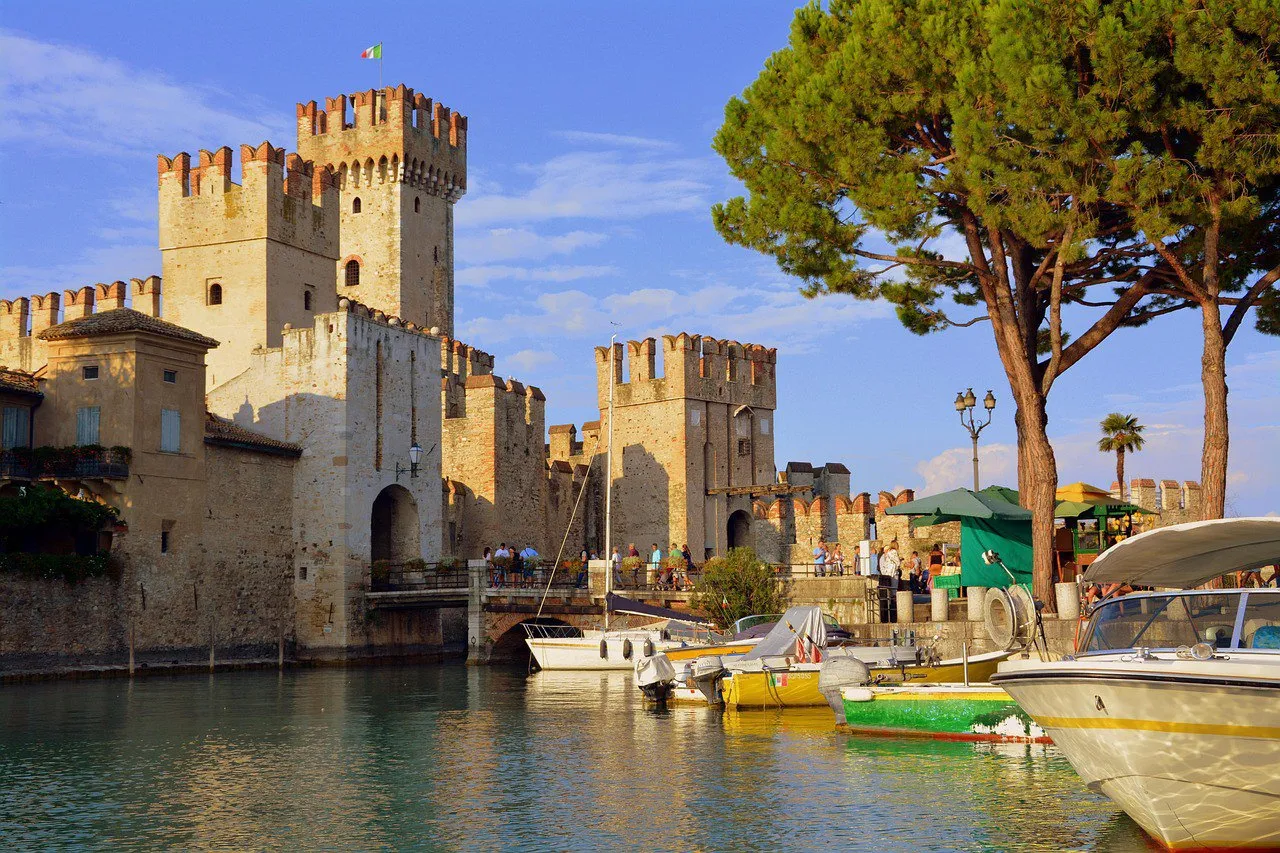
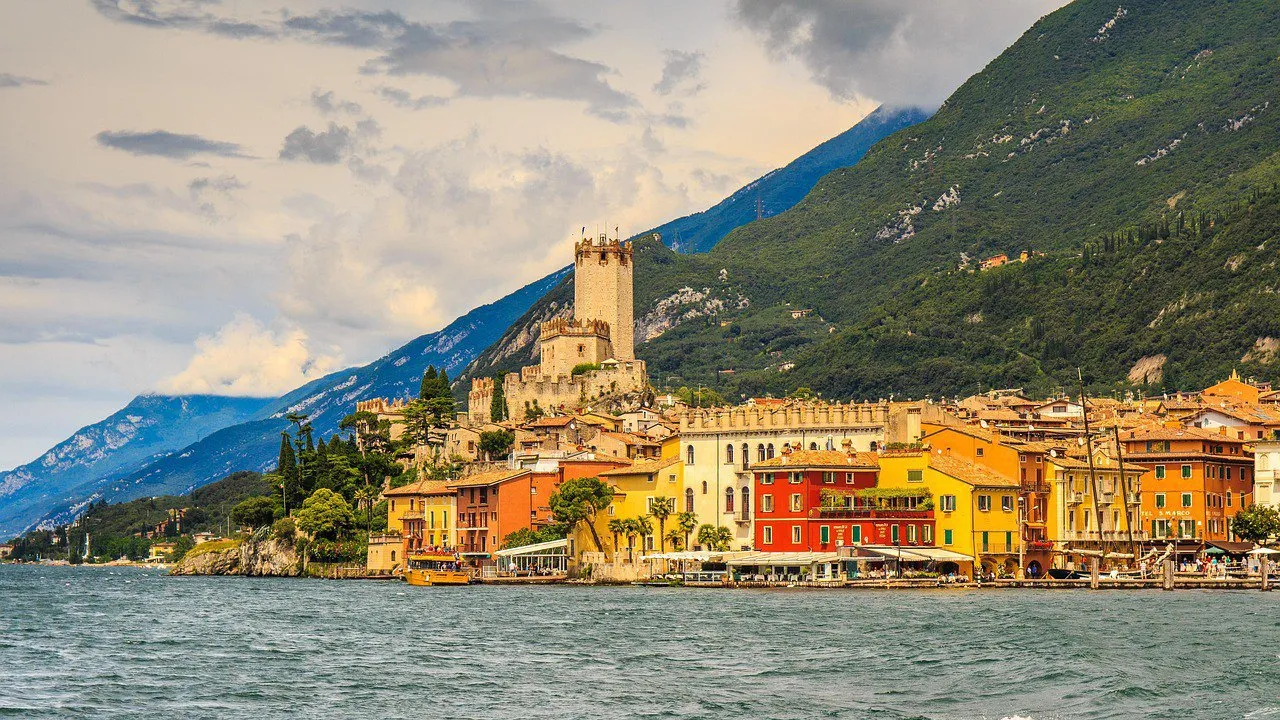
Three days cover the center. After that, use Verona as a base for the surrounding area, which lies in other municipalities: the vineyards of Valpolicella to the northwest, and the cities of Mantua, in Lombardy, and Vicenza, each less than an hour away by train, make good day trips. With two more days and a car, head to Lake Garda: Borghetto sul Mincio and Sirmione on the first day, Malcesine and Monte Baldo on the second, with an overnight stay by the lake. Travel times in this guide are estimates for planning.
 1