1Milan Cathedral (Duomo) and Rooftop Terraces
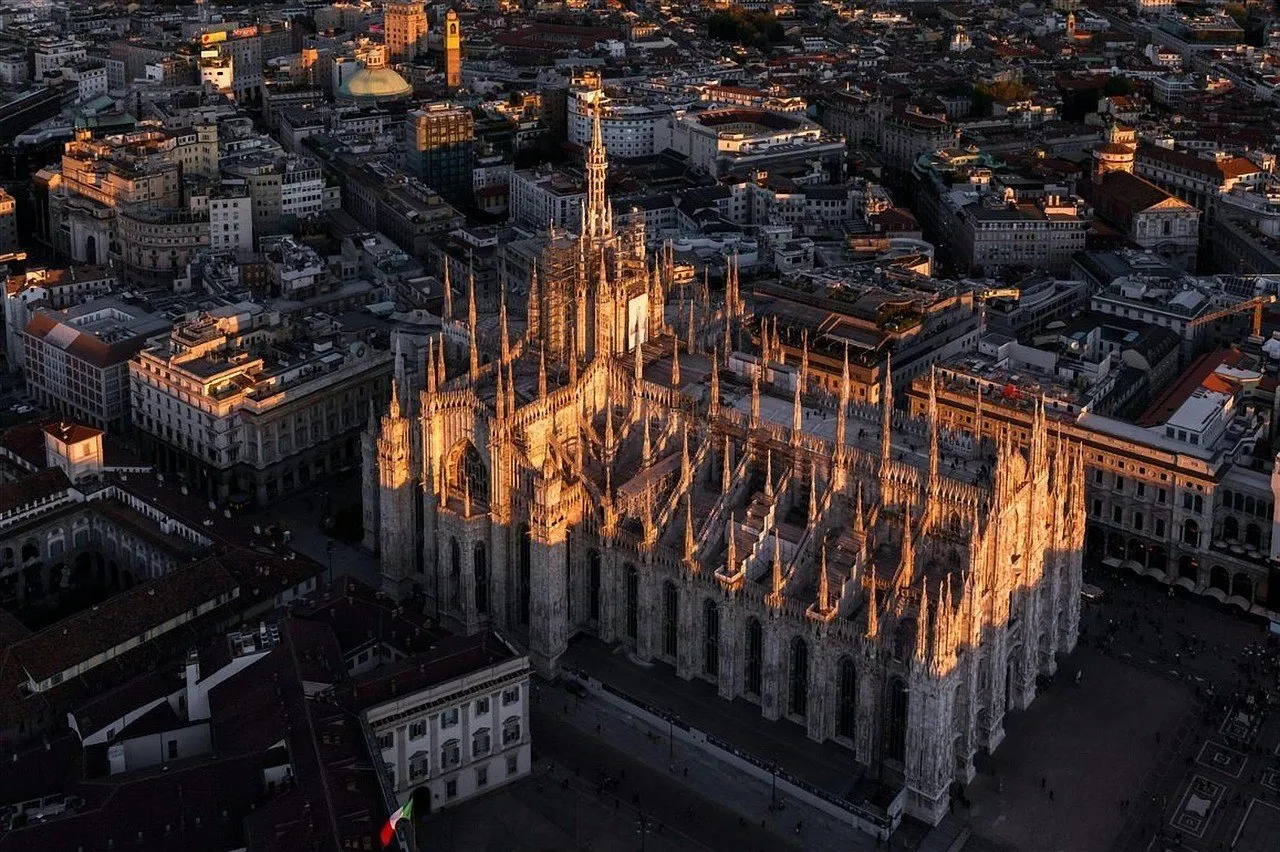
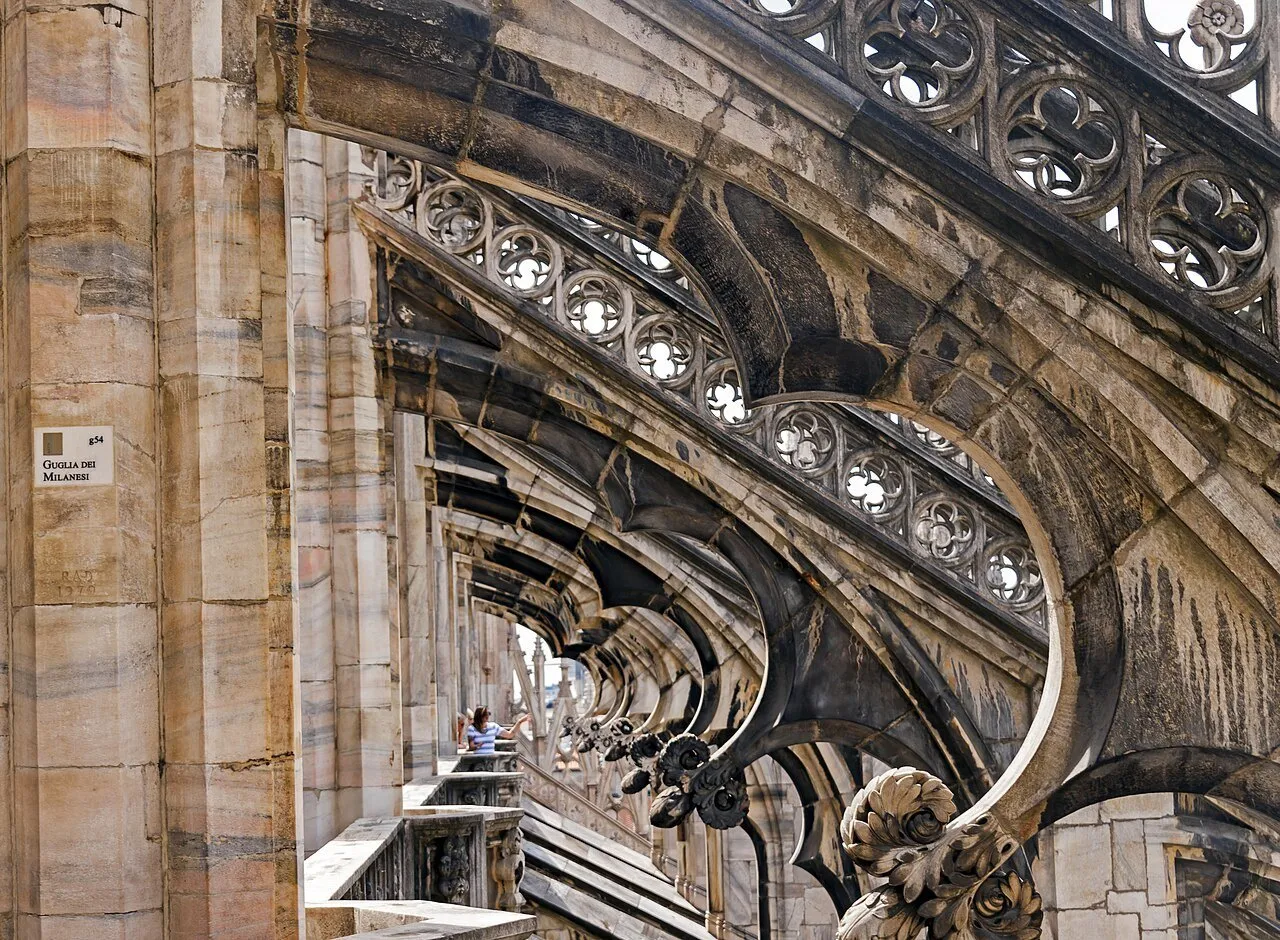
The marble cathedral has a second visit up above: walkways among spires and sculptures, with the golden Madonnina keeping you company.
View details for Milan Cathedral (Duomo) and Rooftop Terraces
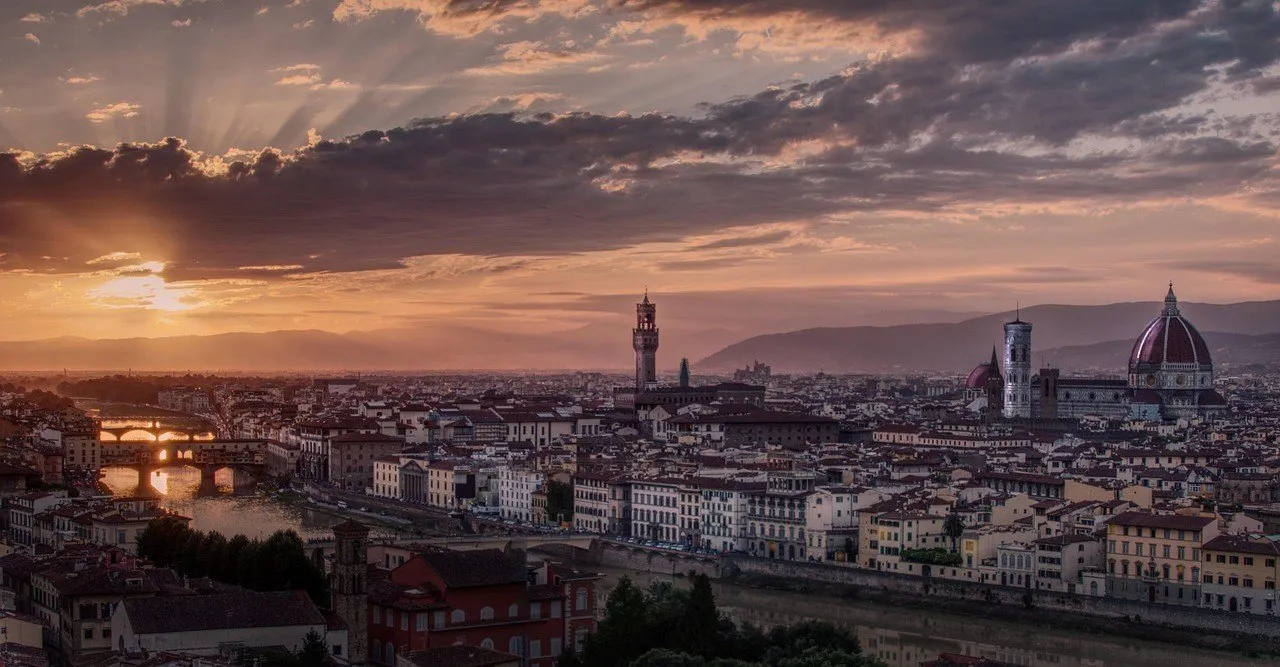
On the Duomo's roof, you stroll among marble spires; along the Navigli, you follow the bars' reflections on the water. In between, Milan still finds room for Leonardo and a yellow risotto.
The Madonnina that shines above the Duomo is not solid gold: its gilded surface covers worked copper sheets.
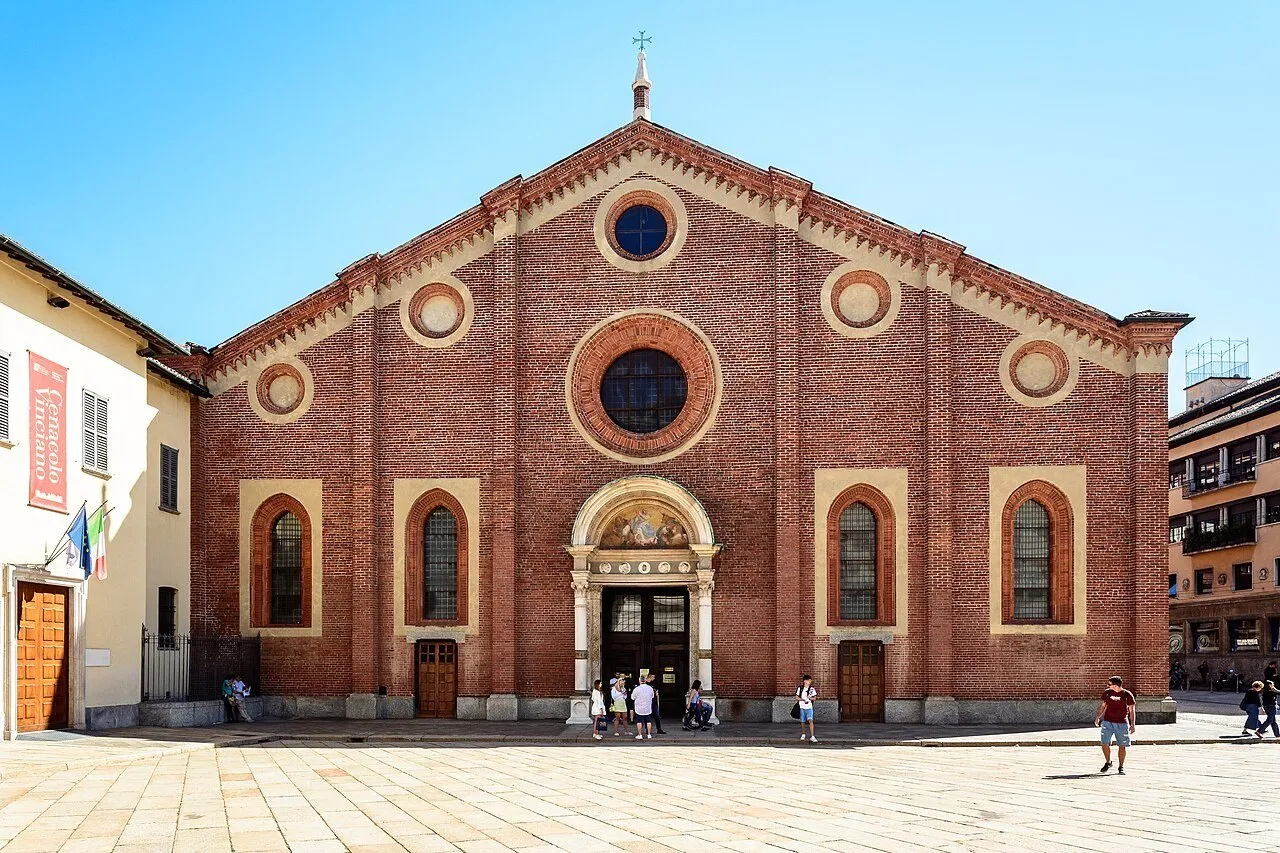
The bell towers of Sant’Ambrogio had different audiences: one served the monks; the other, the canons who shared the complex.
In the Cenacolo refectory, The Last Supper shares the space with another wall painting: Giovanni Donato Montorfano's Crucifixion is on the opposite wall.
1The marble cathedral has a second visit up above: walkways among spires and sculptures, with the golden Madonnina keeping you company.
View details for Milan Cathedral (Duomo) and Rooftop Terraces
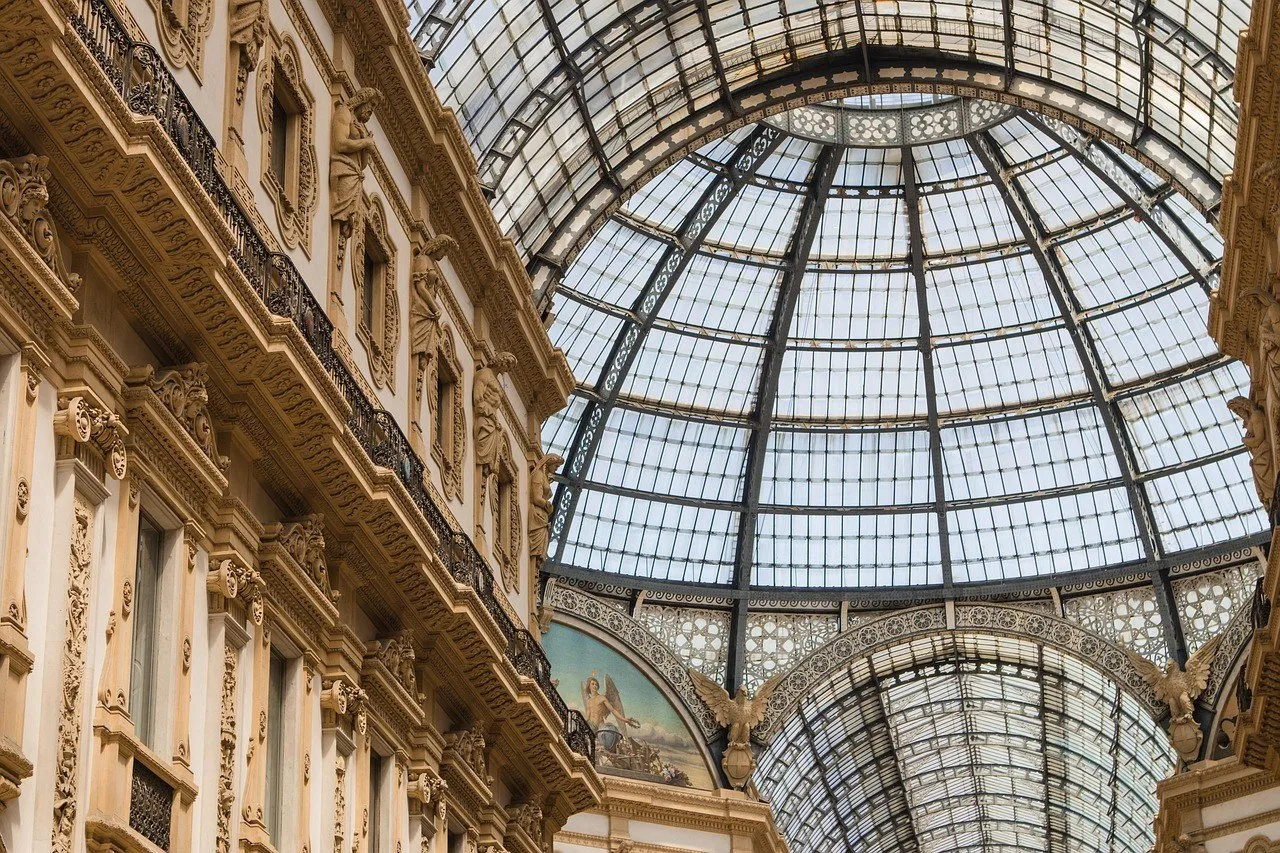
2A covered passage between the Duomo and La Scala, with a glass dome, exposed ironwork and mosaics: even those who just walk through end up looking at the ceiling.
View details for Galleria Vittorio Emanuele II
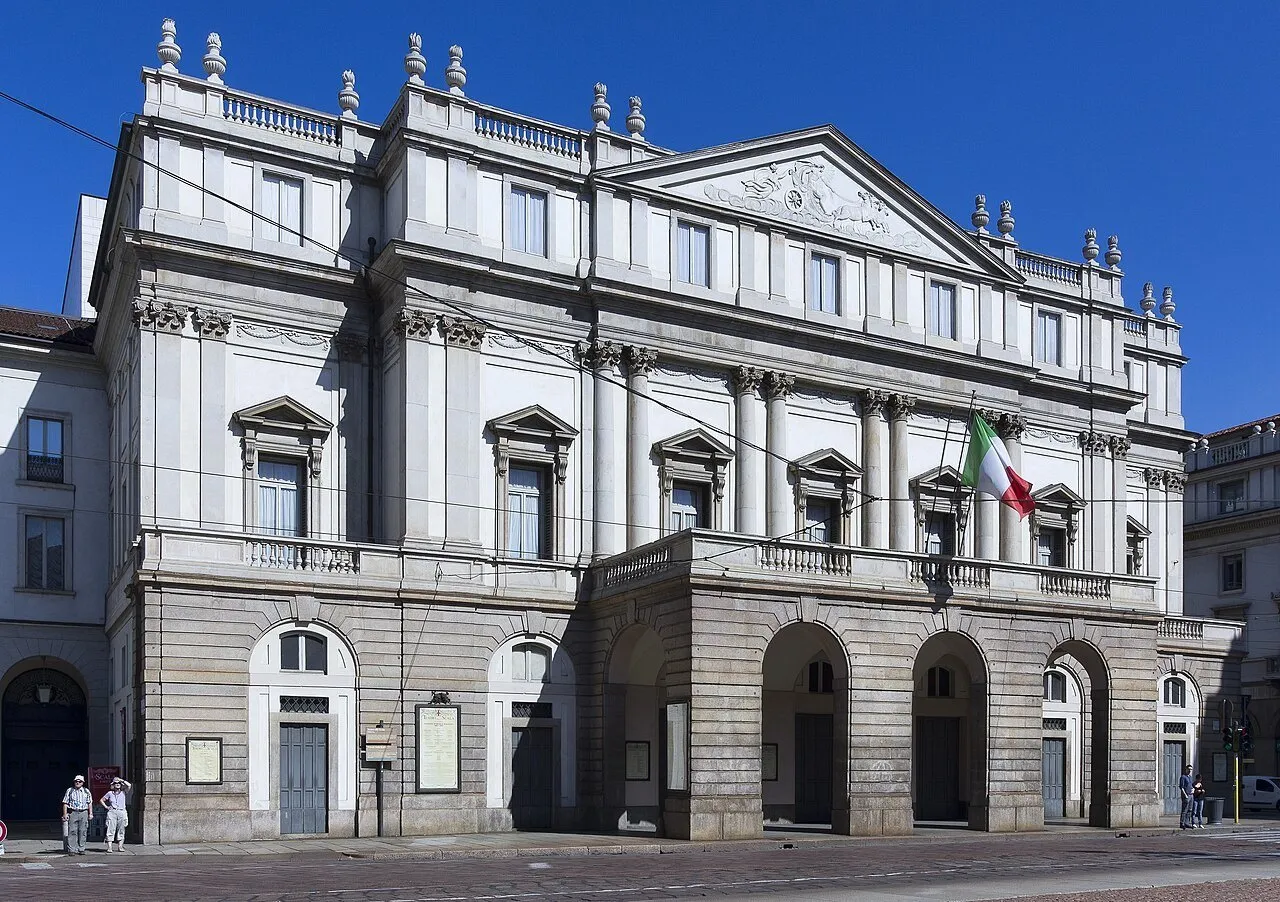
3Portraits, instruments and opera memorabilia bring you closer to La Scala; a peek into the theater's auditorium depends on rehearsals and the schedule.
View details for La Scala Theatre Museum
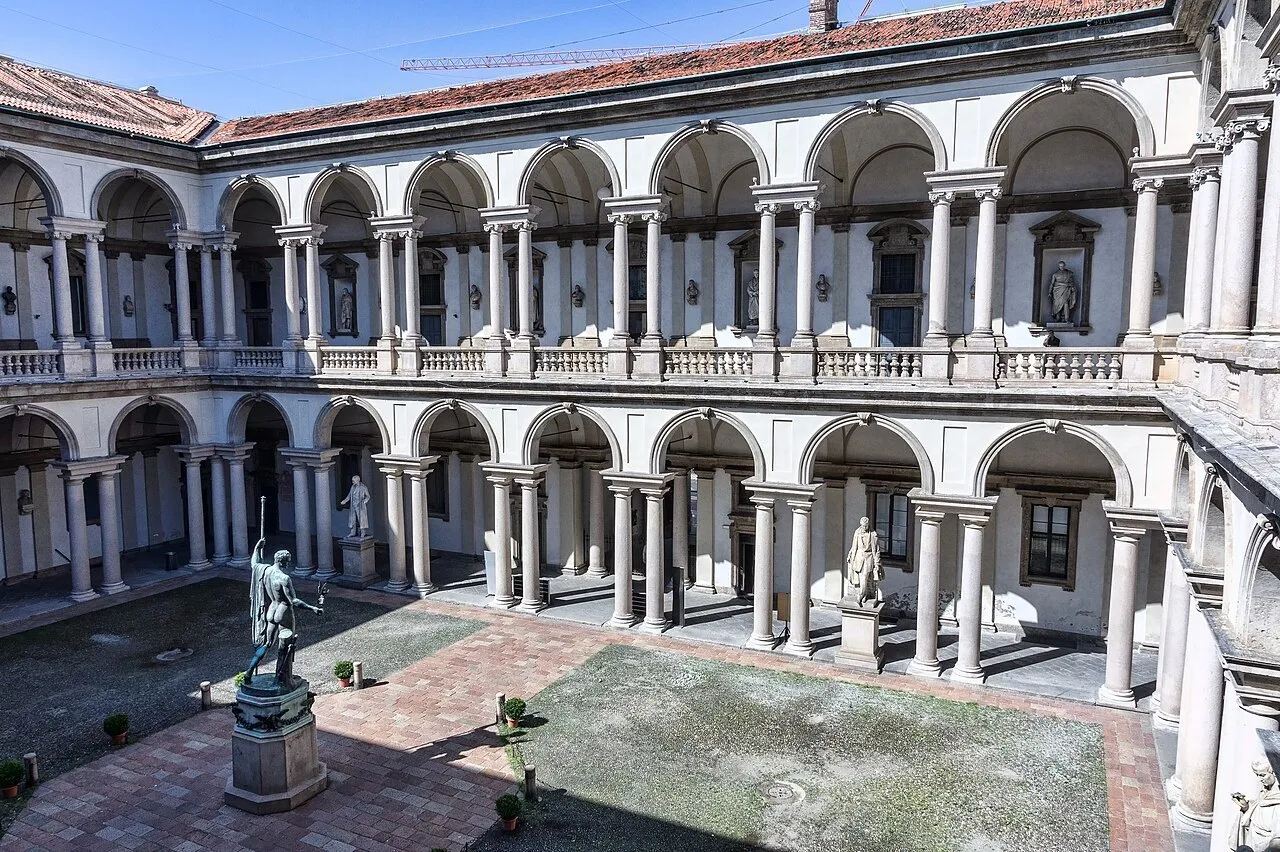
4Mantegna, Raphael, Caravaggio and Hayez's kiss fill the rooms of the Pinacoteca di Brera; set aside time to look before heading out into the neighborhood.
View details for Pinacoteca di Brera
5Leonardo's Last Supper remains in the former refectory of Santa Maria delle Grazie, with access in short time slots and mandatory reservations.
View details for Cenacolo Vinciano — The Last Supper
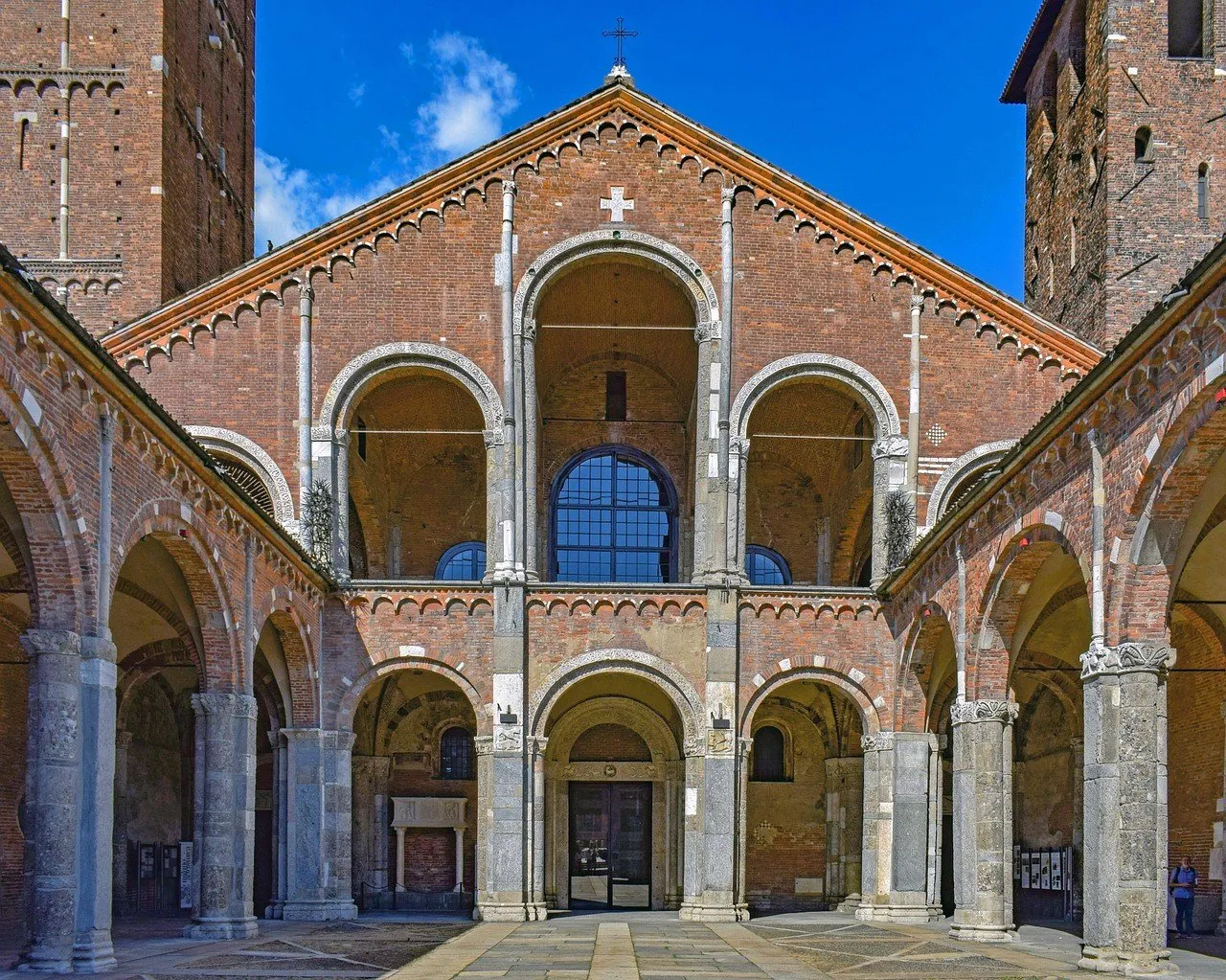
6Red brick, an arcaded courtyard and distinct bell towers mark the basilica tied to Ambrose, one of Milan's religious landmarks.
View details for Basilica of Sant’Ambrogio
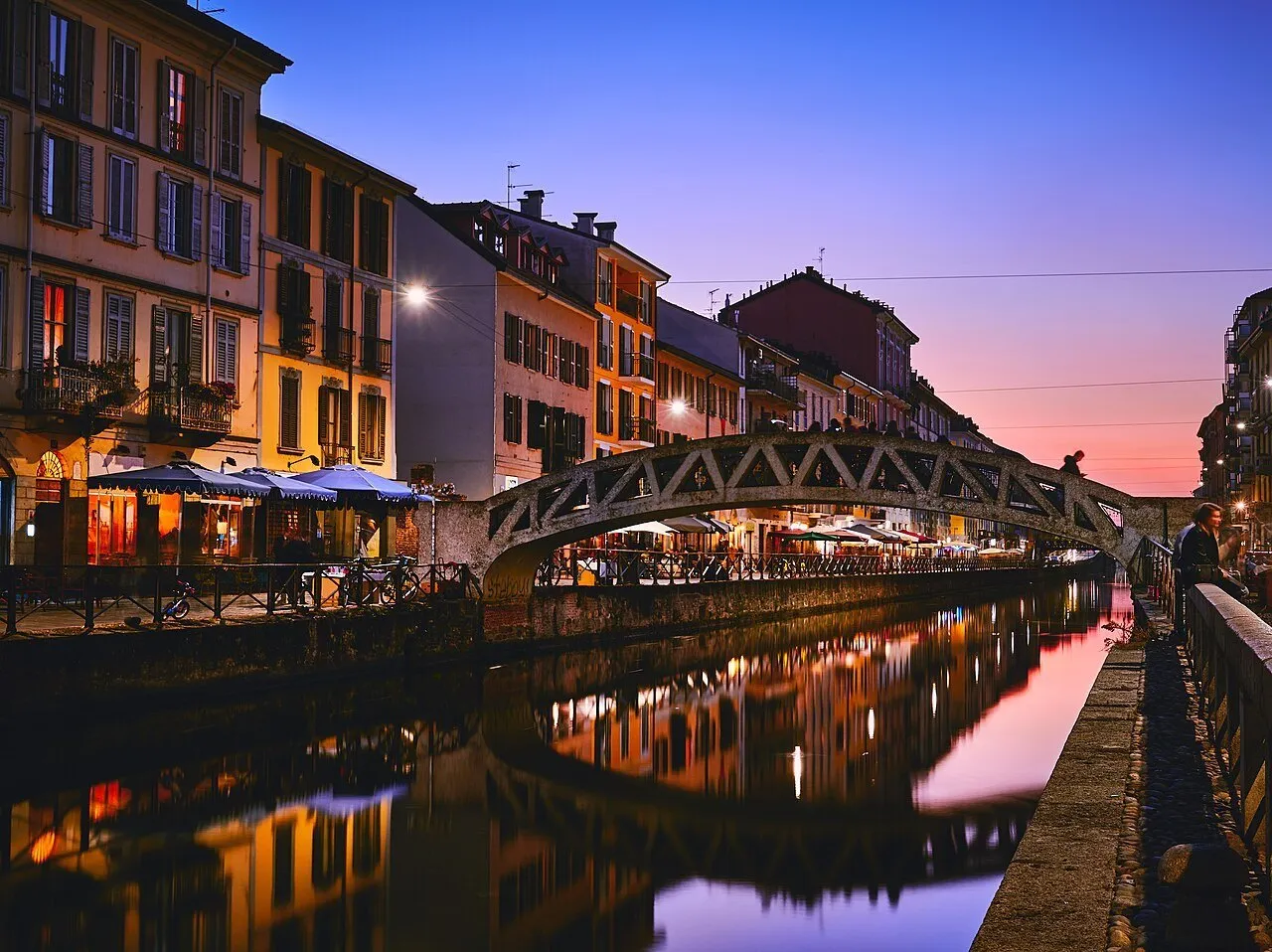
7In the old port area, the Darsena and the Grande and Pavese canals bring together bridges, balconied houses and tables that fill up toward the end of the day.
View details for Navigli and Darsena
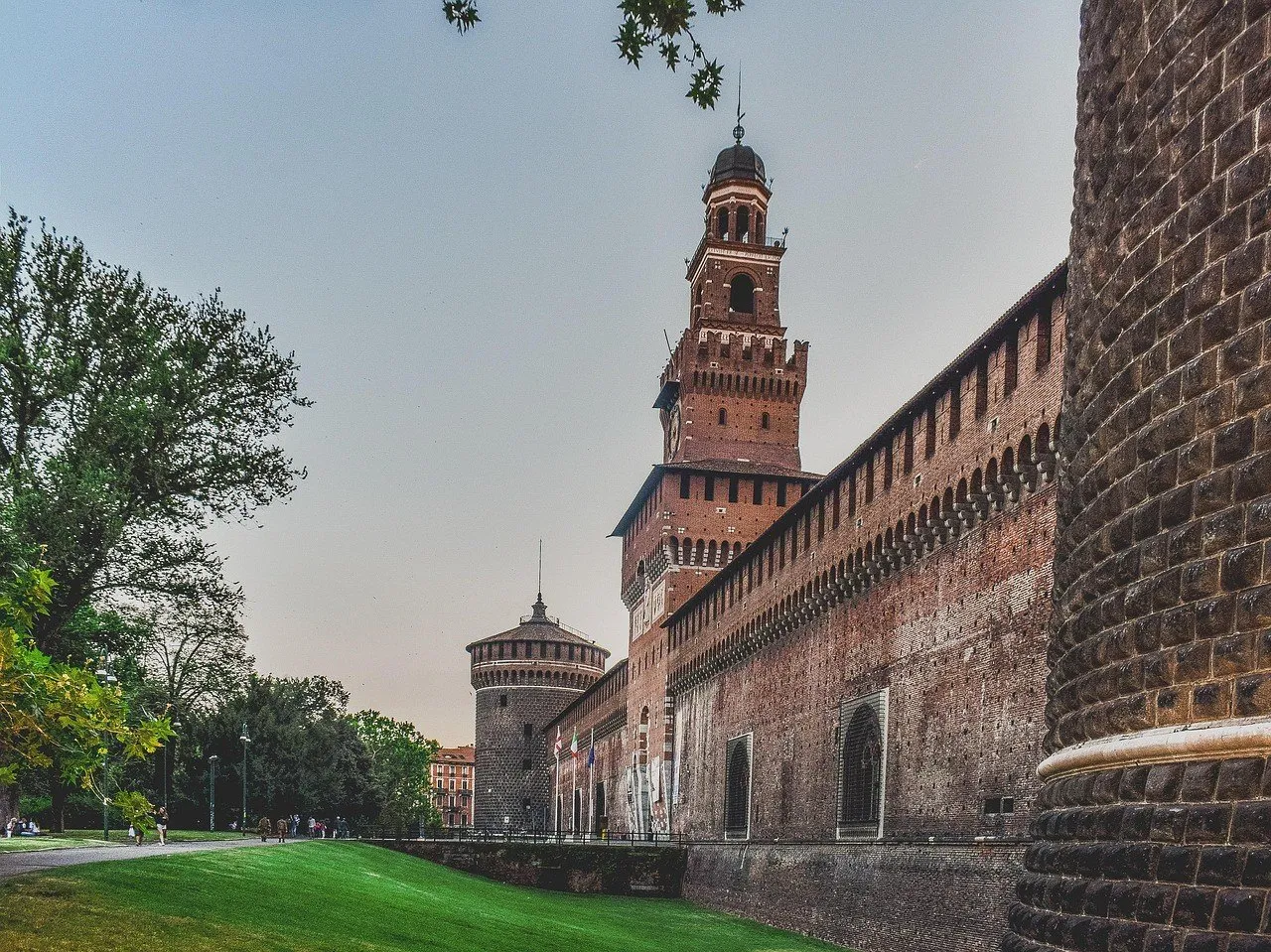
8The brick castle opens its courtyards to strollers and houses the city's collections; Michelangelo's Rondanini Pietà calls for a longer stop.
View details for Sforza Castle (Castello Sforzesco)
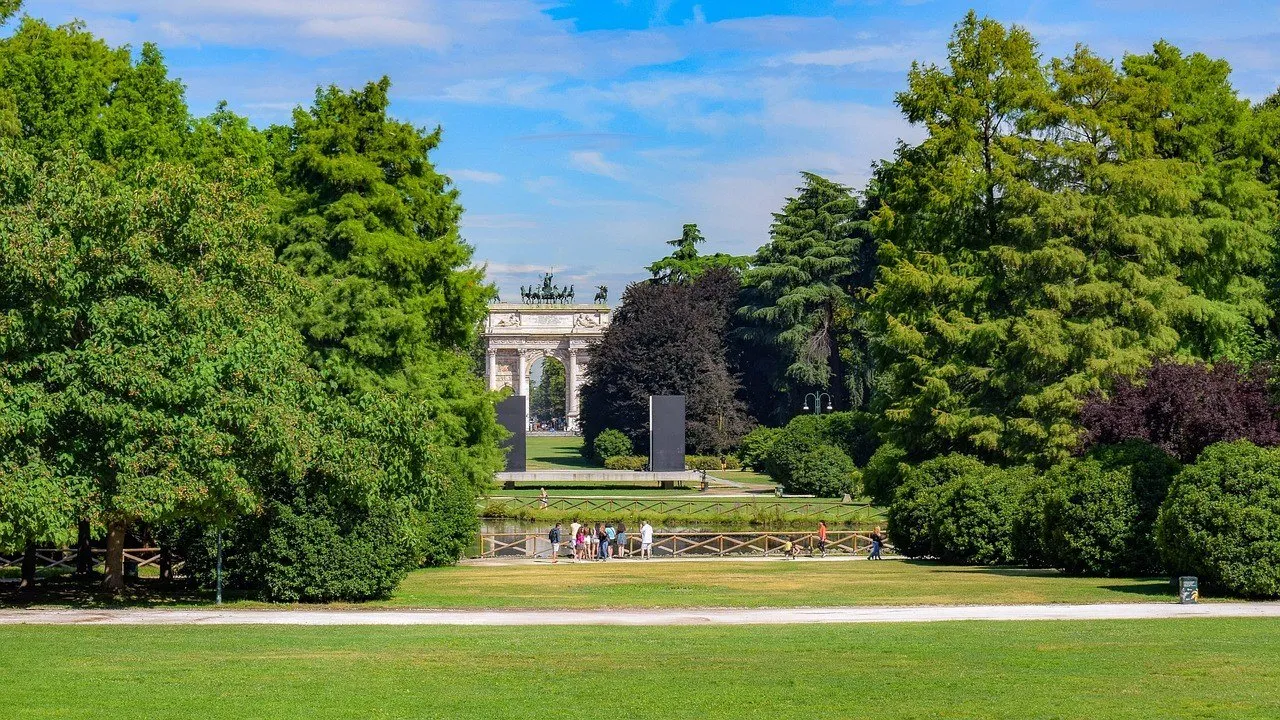
9The lawn behind the castle leads to trees, a lake and the Arco della Pace: an outdoor break between the collections and the rest of the city.
View details for Parco Sempione
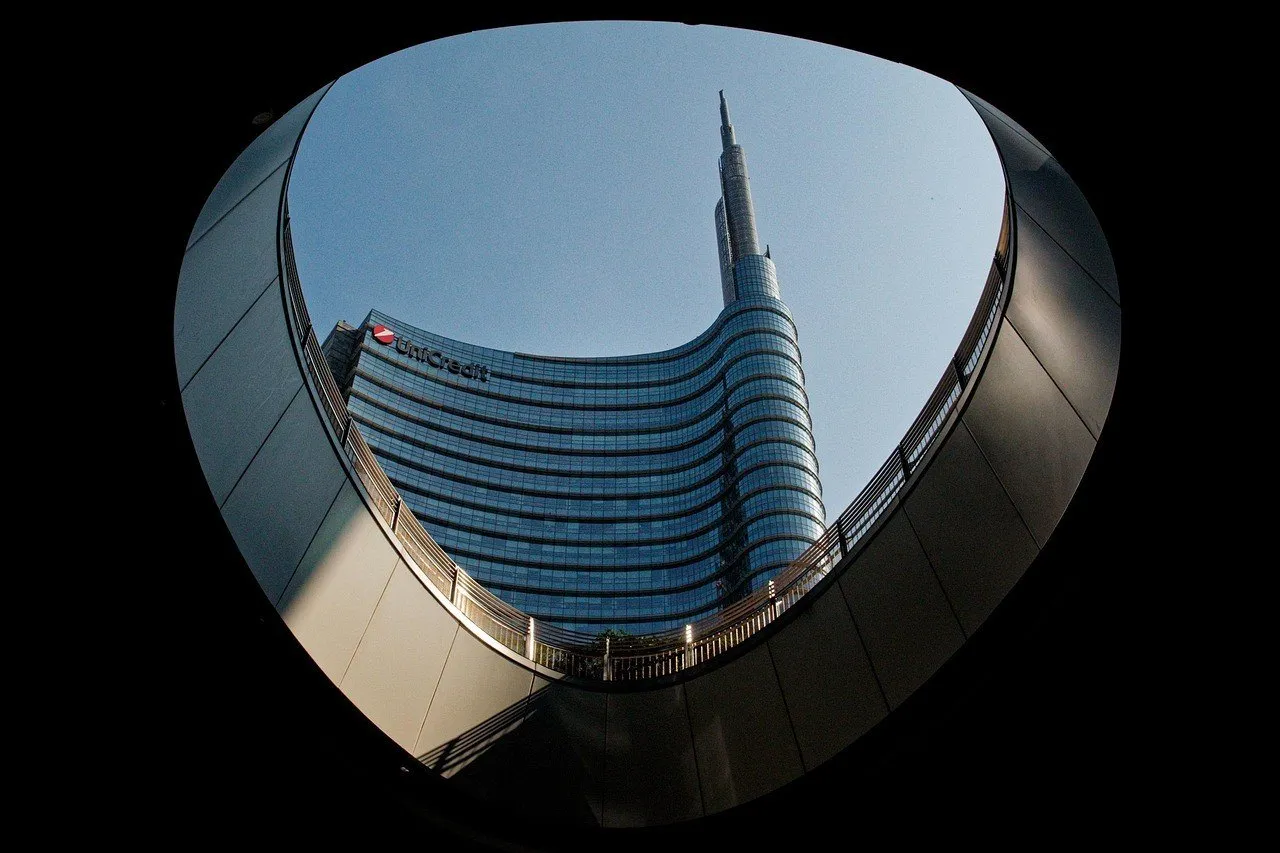
10Piazza Gae Aulenti, the Biblioteca degli Alberi park and the planted balconies of the Bosco Verticale show the Milan of new buildings and public spaces.
View details for Porta Nuova — Piazza Gae Aulenti and Bosco Verticale
1On the Duomo's terraces, you walk right alongside the spires and see details that the square below turns into tiny dots. The Madonnina is up there; down below, central Milan shows through the gaps in the stone. The façade suddenly takes on a different scale.
Split your visit between the interior and the roof, and check your ticket. Stairs and elevator are different options; taking the elevator does not remove every step along the route, so check accessibility before you book.
2You don't need to buy a handbag to enjoy the Galleria: the glass roof, iron structure and mosaics already take up your attention. The crossing of the arcades forms the Ottagono, covered by the dome; the passage connects the Duomo and La Scala.
Cross slowly and walk back looking the other way. In the shop windows, the exercise is free; at the café tables, read the menu before you sit down. This address has a talent for turning a quick break into a line in your budget.
3At La Scala, the understated façade hides the spectacle you might have expected to find outside. The museum gathers instruments, portraits and objects tied to opera, bringing you closer to the people who made the theater's history.
Your ticket lets you look at the auditorium from a box when the theater's activity allows it. Rehearsals and events may block the view; to hear the orchestra live, plan a different outing and a different ticket. Here, the visit happens mainly in the museum.
4In Brera, stop in front of Mantegna's Dead Christ, Raphael's Marriage of the Virgin, Caravaggio's Supper at Emmaus and Hayez's The Kiss. They are good starting points, with no obligation to turn every room into an art history exam.
The gallery is the main event here, along with a walk around the neighborhood. Compare gestures, light and distance in the paintings; afterward, the streets of Brera help you go from the museum's silence back to the noise of the café tables.
5Before looking for Judas, notice how Leonardo organizes the movement around the table. The Last Supper fills the wall of the former refectory of Santa Maria delle Grazie; on the opposite wall is Montorfano's Crucifixion.
The viewing takes place in a slot of about fifteen minutes, with crowd control for conservation. Reservations are mandatory: arrive as early as your ticket indicates. Without a slot, visiting the church does not give you access to the mural or replace the museum reservation.
6The courtyard of Sant’Ambrogio changes the texture of the walk: out go the marble lacework of the Duomo, in come red brick and arcades. The church was founded by Ambrose; its current look is shaped by the Romanesque reconstruction.
Notice the different bell towers and walk through the courtyard before entering the nave. The basilica remains a place of worship, with its own visiting hours; keep your voice down and adapt your visit to services. Here, the city asks for a pause.
7Near the Darsena, Milan swaps the ceilings of its museums for the reflection of façades on the water. The walk reaches the Naviglio Grande and Naviglio Pavese canals, with bridges and ringhiera houses lining the banks.
Arrive while there is still light to walk, and pick a table after looking at the menu. At night, bars and restaurants get busier; move away from the first tables if you want to talk with less effort. At aperitivo time, check what comes with your drink rather than assuming dinner is included.
8The entrance through the tower of the Sforza Castle leads to a sequence of courtyards that gives a sense of the scale of the old fortification. You can see this side of the complex without a museum marathon; choose your collections before you buy.
The Rondanini Pietà, Michelangelo's unfinished sculpture, invites you to slow down. The elongated figures and the worked surface deserve more attention than a quick photo. Check which sections are open, especially if a specific room motivated your visit.
9After the castle's rooms, crossing into Parco Sempione is a change in the size of your breath. Paths link lawns, trees and water; the Arco della Pace closes off the perspective of one of the walk's axes.
Head to the arch looking for a bench or some shade along the way. The crossing pairs well with the castle because of proximity, but it depends on the weather: if it rains, cut the walk short and save the afternoon for an indoor activity. The lawn can wait.
10Around Piazza Gae Aulenti, your eyes go up to the glass of the buildings and down to the paths of the Biblioteca degli Alberi park. Squares and pedestrian walkways share the scene with the tall buildings next to Garibaldi.
Continue to the Bosco Verticale to see the trees on the balconies. These are residential towers: the visit happens from the outside, in public space. Afterward, return through the square or stretch the walk along Corso Como; the stacked gardens keep giving you something to talk about.
Start with the Cenacolo's official website and follow the channels listed there; confirm that the ticket is named and how early you need to arrive. If it sells out, keep an eye out for new availability, while keeping the itinerary's alternative in mind.
On ATM services, use the same card or device; on the metro, tap again when you exit. Each passenger needs their own, and ATM contactless is not valid on the railway trains.
Linate has metro line M4; Malpensa has the Malpensa Express and buses; Bergamo Orio al Serio has buses to Milan. Compare the trip to your address and the return before you buy.
Check dress codes and sightseeing hours at churches. Services can interrupt visits to the Duomo and Sant’Ambrogio; a tourist ticket does not make the site available all day.
The La Scala museum and a performance have different tickets. At the castle, the courtyards are free; check which collections are open before paying. Compare tourist passes with the visits you plan to make.
Keep your bag closed and your phone away from the edge of the tables. Check the forecast for the Duomo terraces: rain calls for sturdy shoes, less rush on the marble and museums in between.
Traditional Milanese cooking loves rice, butter and sit-down meals. In the Navigli, aperitivo changes the rhythm before dinner; check what comes with it on the menu, because there is no universal promise of a buffet. To try the classics, compare menus on the neighborhood's streets, without using the length of the line as your only seasoning.
Creamy rice with saffron, butter and broth: the characteristic yellow shows up even before the aroma.
Breaded veal cutlet; check the house version before expecting the same breaded cutlet you may know from home.
Milan's Christmas sweet bread contains candied fruit and raisins in the traditional version; judge it by the crumb, without the family debate over the fruit.
We use cookies and similar technologies, such as Google Analytics, in accordance with our Privacy Policy and, by continuing to browse, you agree to these terms. You can decline at any time in the policy.