 1
Antiquity
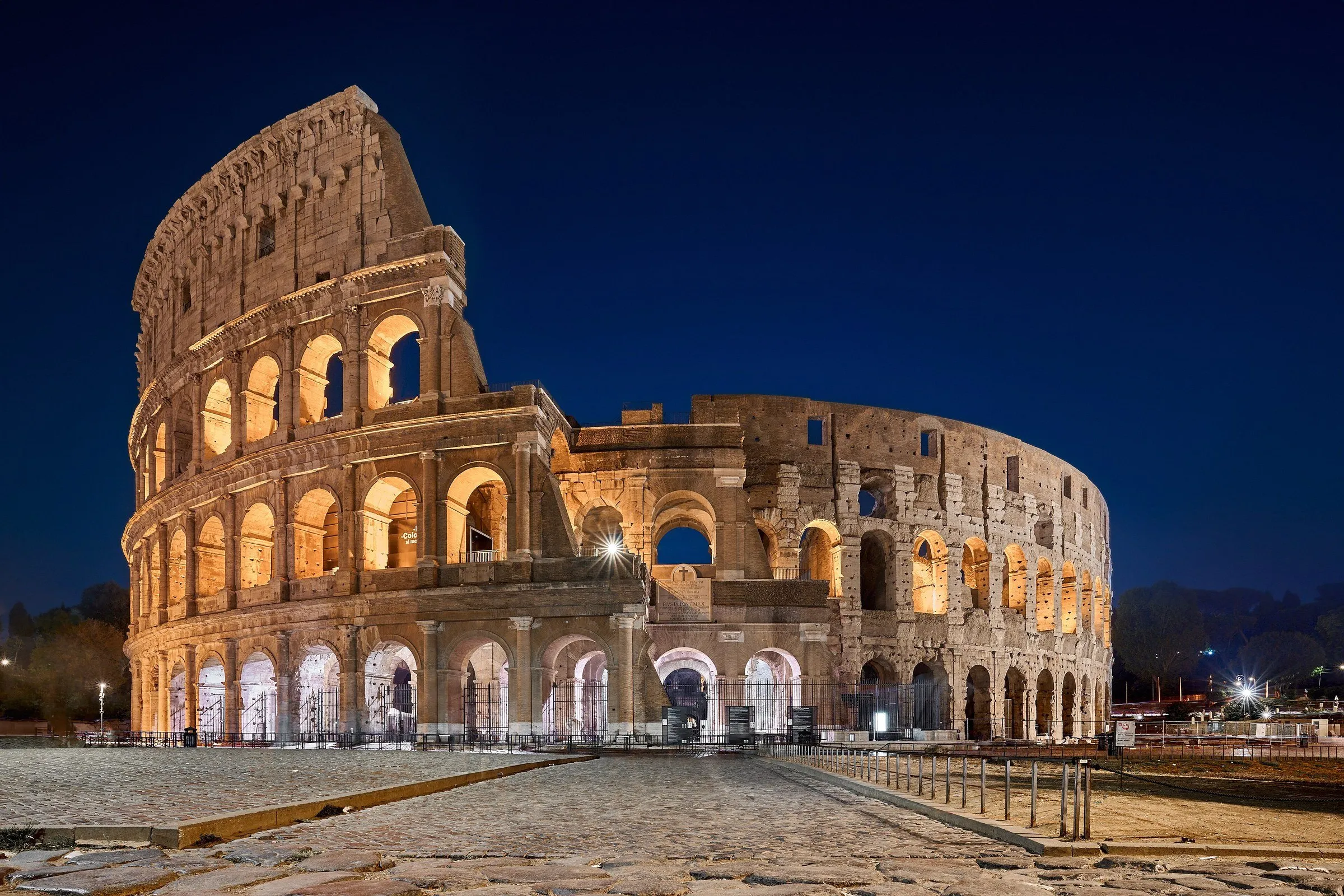
Colosseum
An amphitheater inaugurated in AD 80, with an estimated capacity of at least 50,000 people and an underground maze of tunnels and lifts that made wild animals appear in the middle of the arena.
View details for Colosseum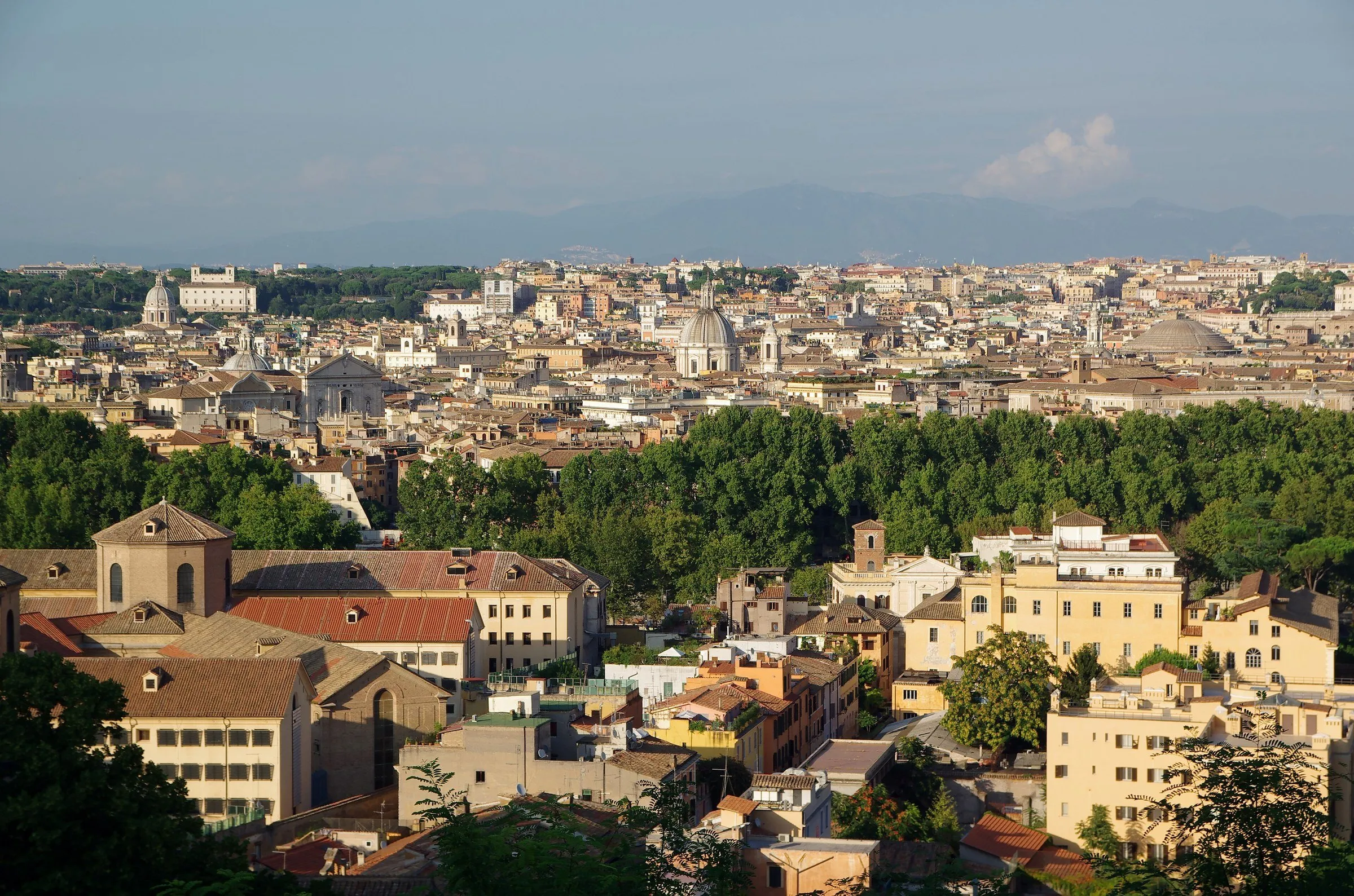
At noon sharp, a cannon fires from the top of the Janiculum and half of Rome checks its watch without putting down the fork. Here, even the exact time is a tradition, one that began in 1847.
Rome is the city where building a subway line turns into an archaeological dig. Line C opened its first stretch in 2014 and only reached the Colosseum in late 2025, with a small museum space in the station to show off the finds made along the way. It sums the place up nicely: everything you step on has layers. The good news is that the historic center is compact. With a decent pair of sneakers, you can walk from the Pantheon to the Trevi Fountain in a few minutes, stopping at every corner for a facade, an open church or a gelato.
Think of the trip in three blocks. Ancient Rome revolves around the Colosseum, the Forum and the Palatine. The Vatican, across the Tiber, is technically another country and deserves a day all to itself. Between the two lies the Baroque center, with squares shaped like stadiums and fountains the size of buildings. Evenings belong to Trastevere, whose name comes from Latin and means across the Tiber, and to Monti, where the hardest decision of the day is choosing between carbonara and cacio e pepe.
Rome also asks for a little planning. The Colosseum, the Vatican Museums and the Galleria Borghese run on timed entry and sell through their official websites, some with named tickets and ID checked at the door. Book those three before you fly and leave the rest open: the best hours in the city tend to be the ones nobody planned, like a gelato in a square you didn't know existed or noon on the Janiculum, waiting for the cannon.
The coins tossed into the Trevi Fountain are collected and donated to Caritas. In 2016, the estimate was around 1.4 million euros in a single year.
From 1652 to 1866, Piazza Navona was flooded on August weekends for the Pamphili family's parties.
Rome has about 2,500 nasoni, the little street fountains with drinking water. Cover the spout's lower opening with a finger and the water shoots up through a tiny hole, straight to your mouth.
The Pietà in St. Peter's Basilica is the only work Michelangelo ever signed: his name is carved on the sash across Mary's chest.
Tradition says the Fontana della Barcaccia, at the foot of the Spanish Steps, is shaped like a boat because a Tiber flood once left a vessel stranded in that square.
1An amphitheater inaugurated in AD 80, with an estimated capacity of at least 50,000 people and an underground maze of tunnels and lifts that made wild animals appear in the middle of the arena.
View details for Colosseum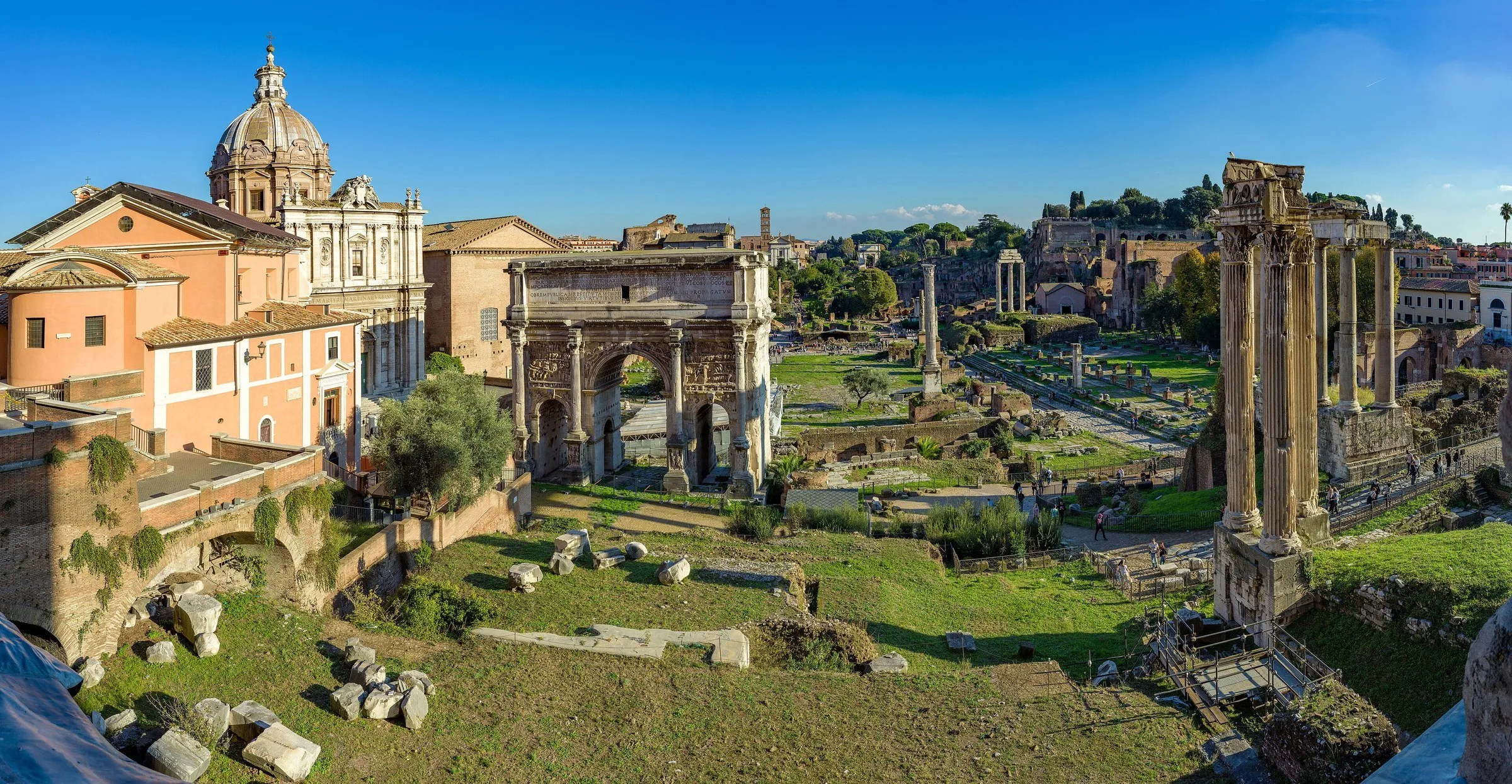 2
The old center of Roman public life, among temples, arches and platforms, with the Palatine just above: the hill that legend ties to Romulus, the city's first king.
View details for Roman Forum and Palatine Hill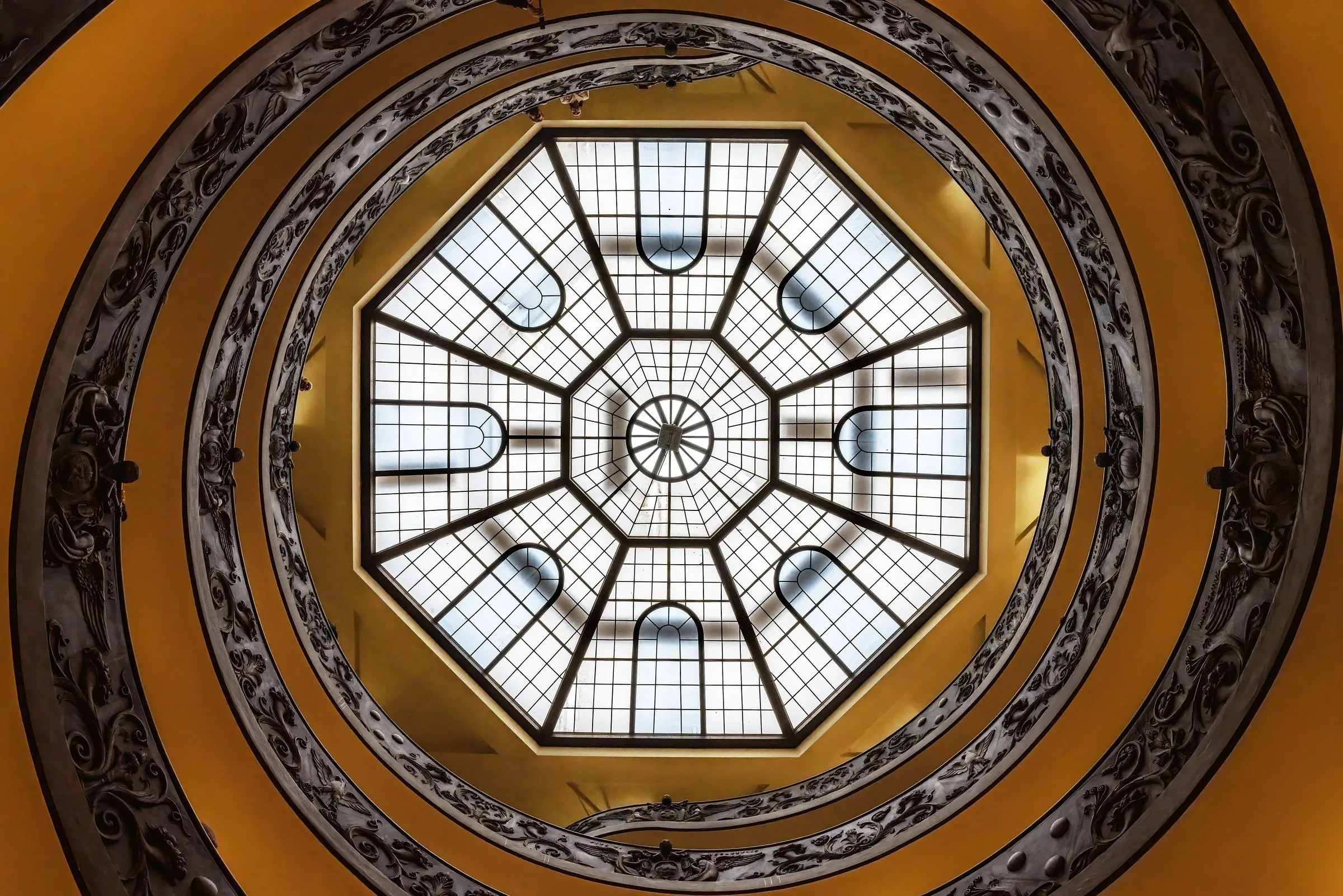 3
Collections gathered by the popes since the 16th century, with the Raphael Rooms along the way and Michelangelo's Sistine Chapel as the grand finale of the route.
View details for Vatican Museums and Sistine Chapel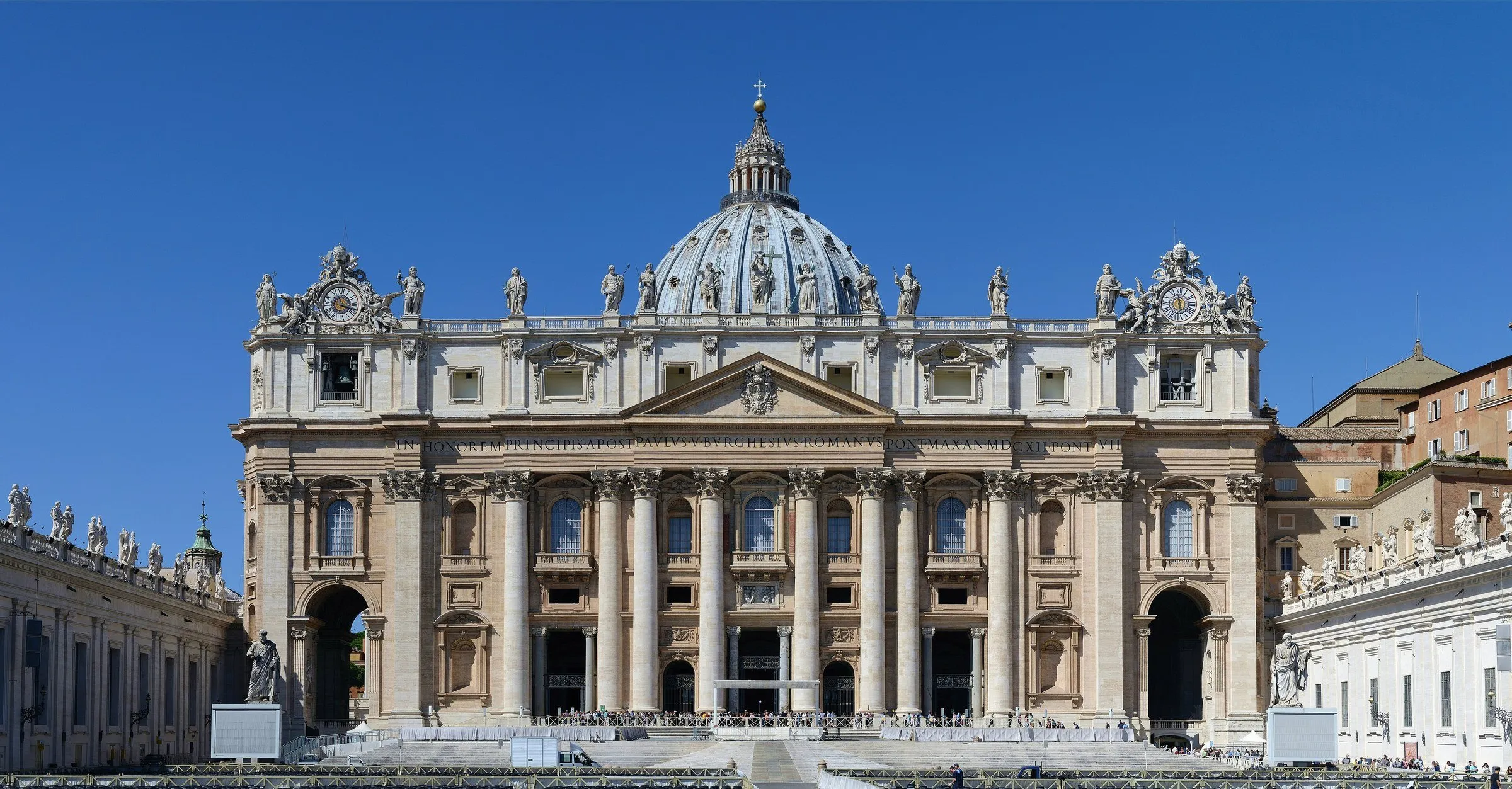 4
The largest Christian church in the world by interior area, with a dome nearly 137 meters high, Michelangelo's Pietà and a square embraced by Bernini's colonnades.
View details for St. Peter's Basilica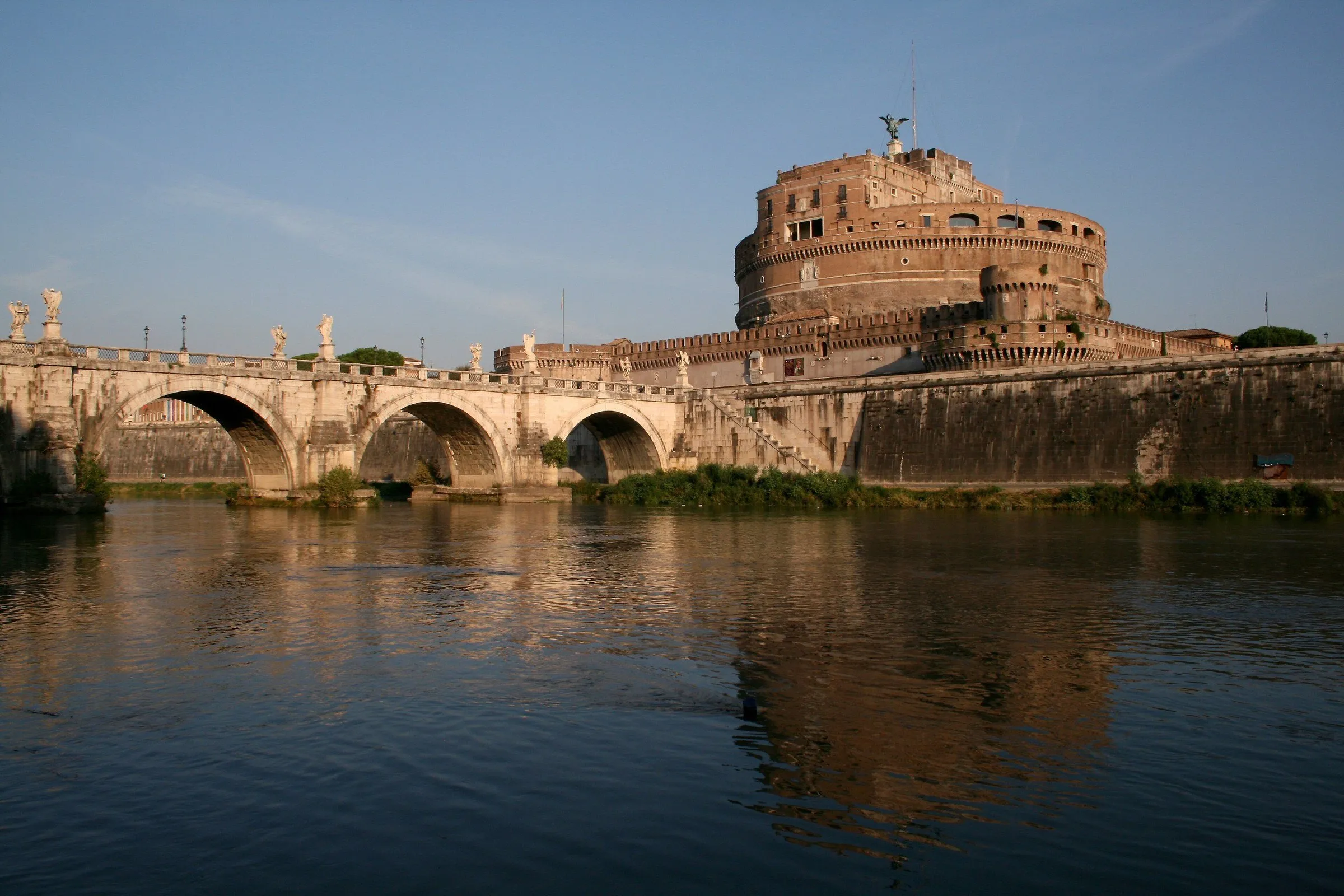 5
Emperor Hadrian's mausoleum turned papal fortress, with a fortified corridor to the Vatican and an archangel legend that explains its name.
View details for Castel Sant'Angelo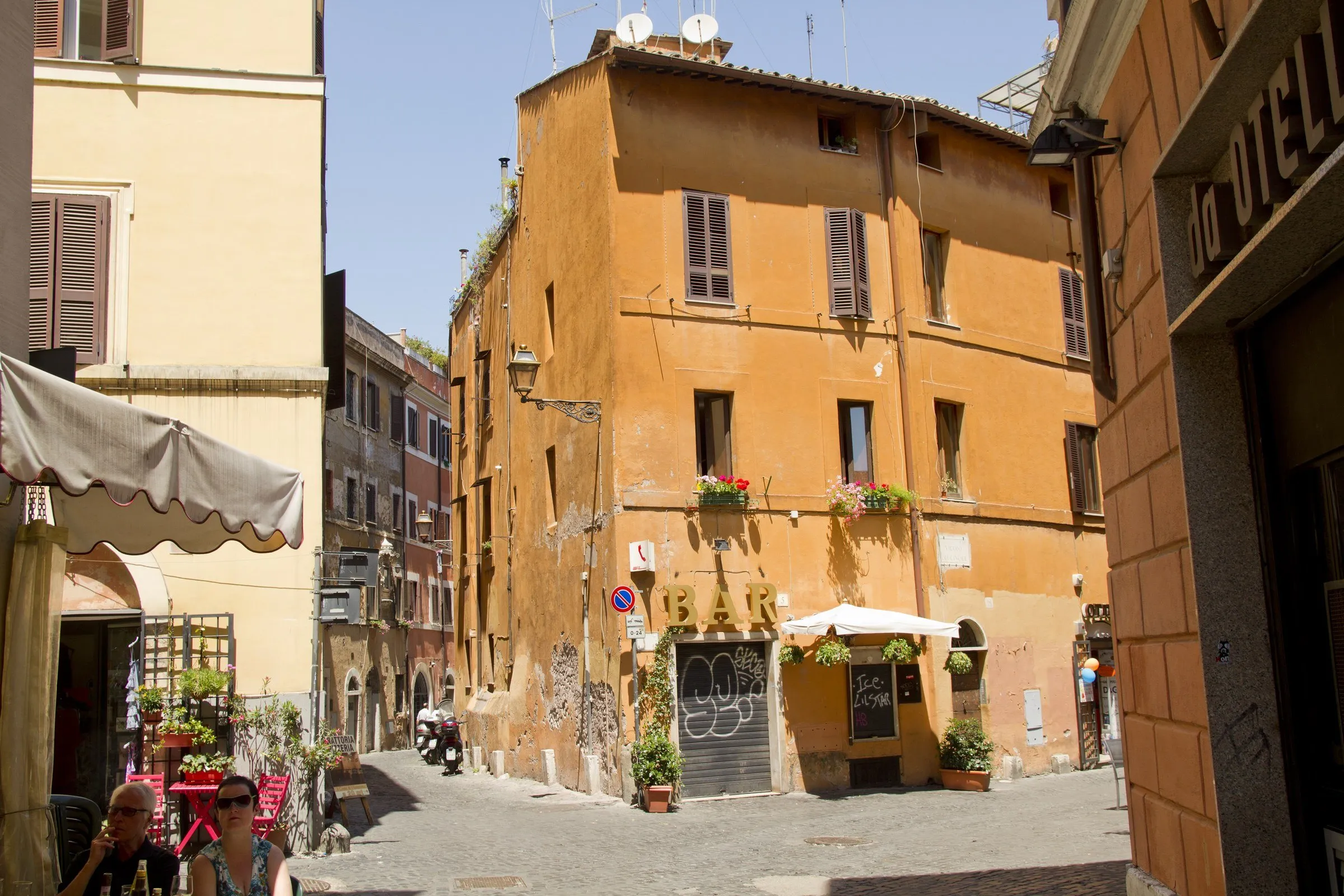 6
A neighborhood of cobblestone alleys across the Tiber, great for dinner and aimless wandering, with the Janiculum viewpoint and its noon cannon just above.
View details for Trastevere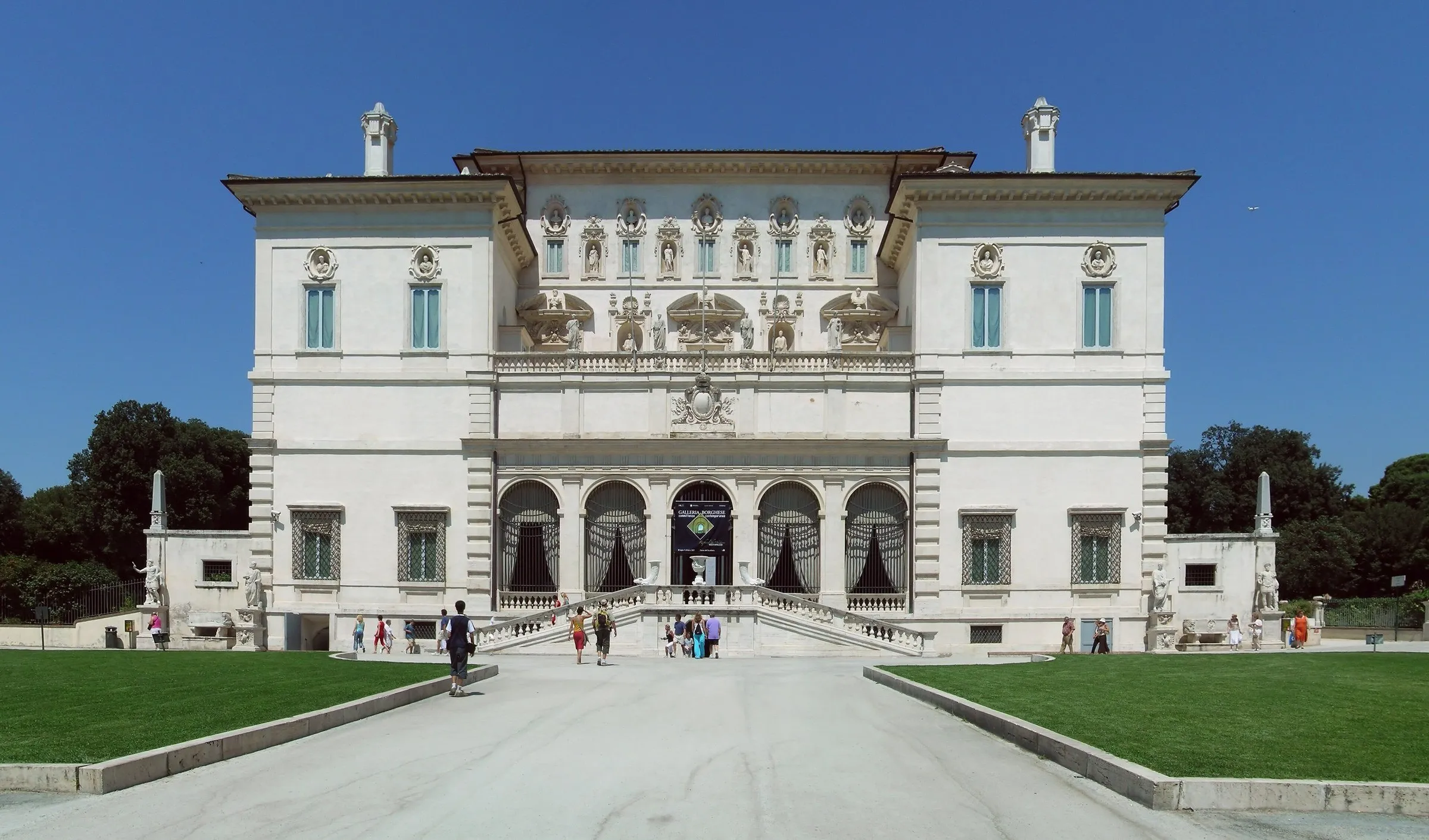 7
Cardinal Scipione Borghese's former villa, inside a park of about 80 hectares, with sculptures by Bernini, paintings by Caravaggio and entry by reservation only.
View details for Galleria Borghese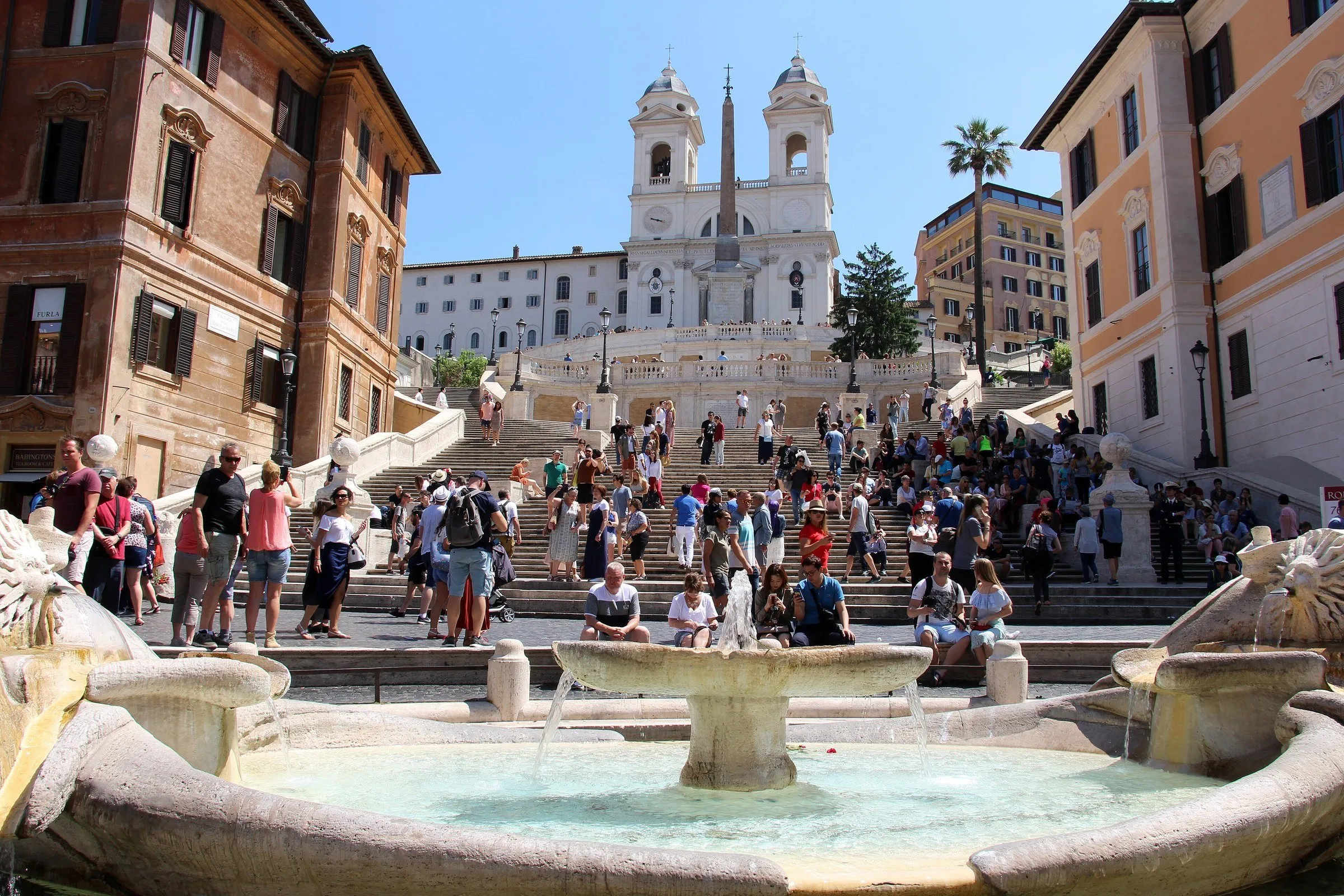 8
The 135 steps linking Piazza di Spagna to the church of Trinità dei Monti, with the Fontana della Barcaccia below and the house where the poet John Keats died next door.
View details for Spanish Steps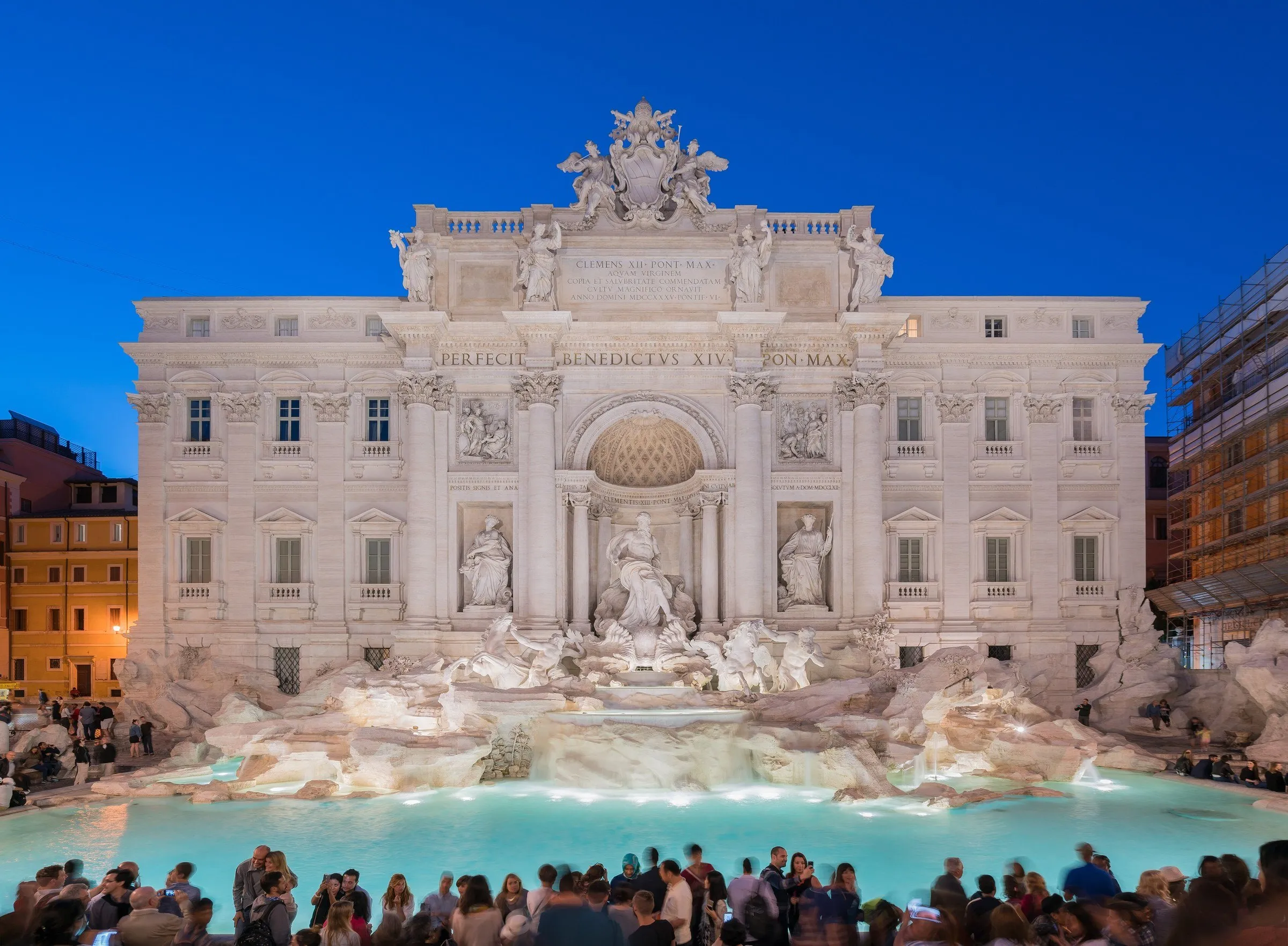 9
A Baroque fountain completed in 1762 that fills the entire facade of a palace and is the end point of the Acqua Vergine, heir to an ancient Roman aqueduct.
View details for Trevi Fountain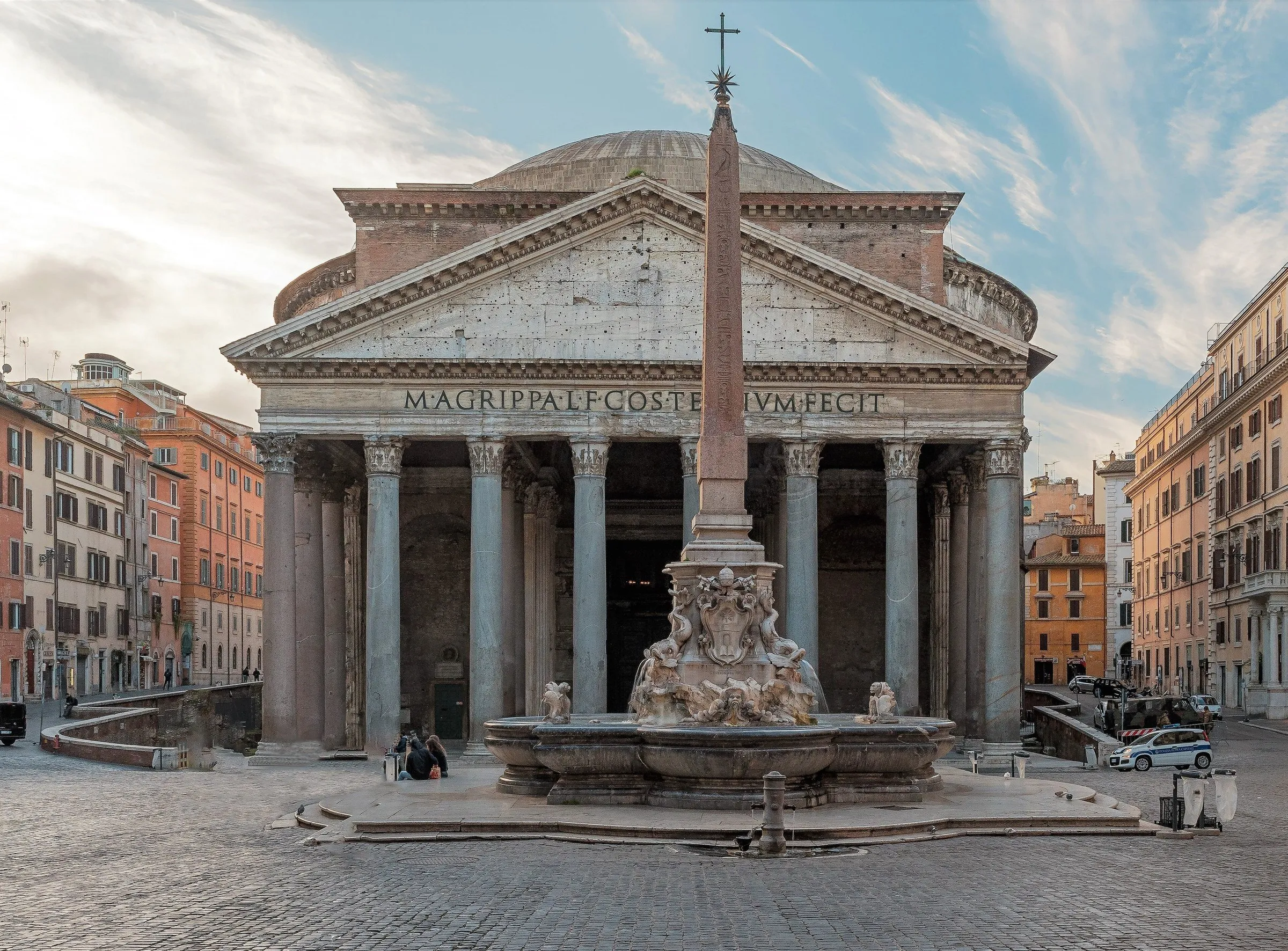 10
A temple rebuilt by Emperor Hadrian around AD 126, with a dome about 43 meters wide that is still the largest unreinforced concrete dome in the world.
View details for Pantheon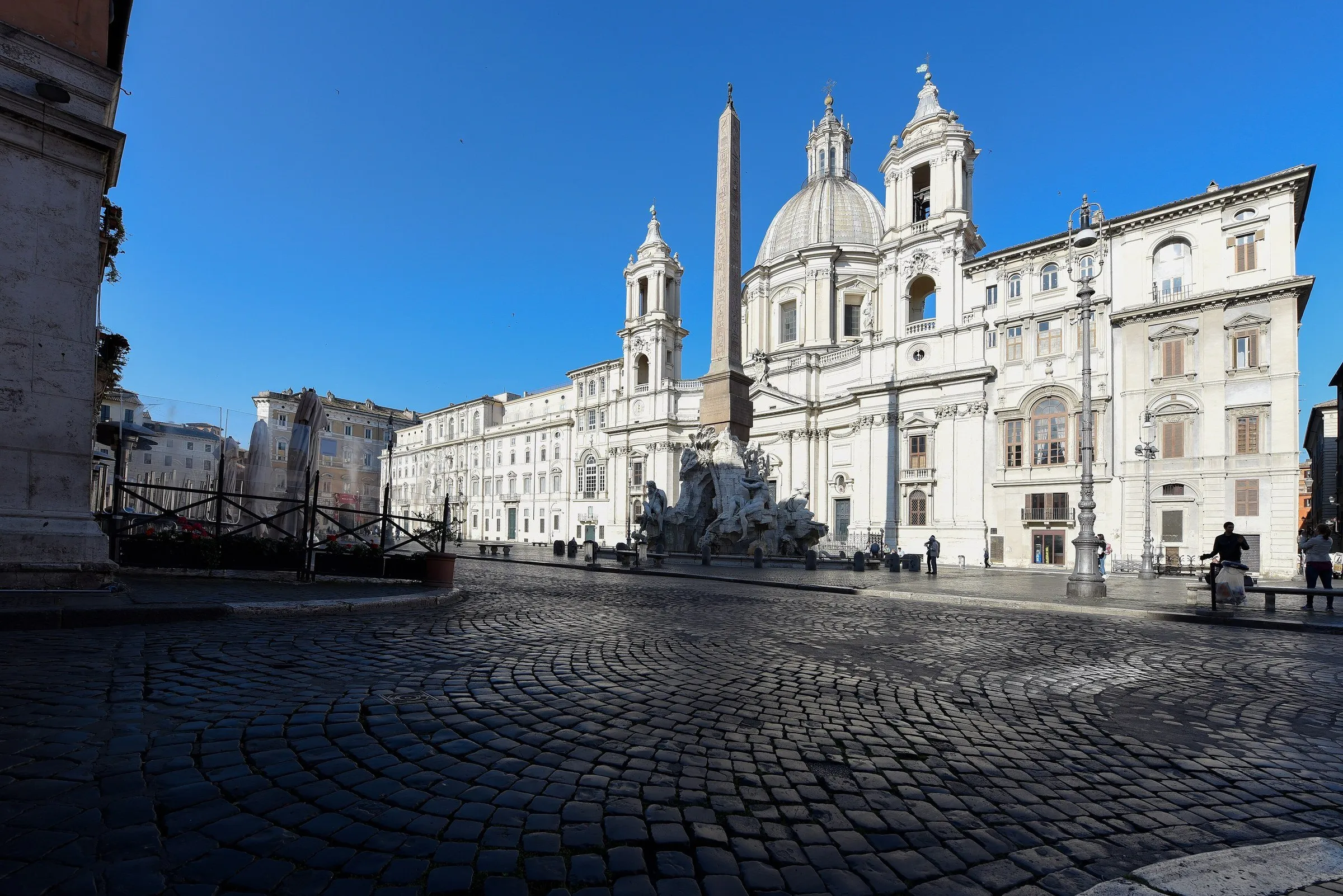 11
A long, oval square that keeps the outline of a first-century Roman stadium and has at its center the Fountain of the Four Rivers, a Bernini work unveiled in 1651.
View details for Piazza Navona1Vespasian began the work and his son Titus inaugurated the amphitheater in AD 80, with games in which more than 9,000 wild animals are said to have been killed. Modern estimates put the crowd at at least 50,000 spectators: a big stadium on derby day, only with gladiators on the pitch.
The detail that changes the visit is below ground. Domitian ordered the hypogeum built, two levels of tunnels and cages with 80 vertical shafts through which animals and scenery rose up, an ancient special effect. Going down there takes a specific ticket, which tends to sell out before the others.
2This is where people voted, held trials, gave speeches and paraded after military victories. Today what remains are loose columns, pieces of temples and plenty of uneven stone paving, and that jigsaw puzzle is what makes the walk fun. Look for the Temple of Caesar, built by Augustus on the spot where Julius Caesar's body was burned in front of the crowd.
Then climb the Palatine. From up there, the Forum turns into a map and the Colosseum appears in the distance. Shade is scarce across the whole area, so in summer a hat and a water bottle stop being suggestions.
3It all started with a statue: the Laocoön, unearthed in 1506 and taken to the Vatican by Pope Julius II. Today there are about 70,000 works, 20,000 of them on display, and nearly 7 million visitors a year. The Raphael Rooms hold The School of Athens, painted between 1509 and 1511.
The Sistine Chapel is the last room on the route. Michelangelo painted the ceiling between 1508 and 1512, with more than 300 figures, and came back about 25 years later for the Last Judgment, on the altar wall. Save your energy: arriving there after hours of galleries is part of the package, and your neck will complain.
4The measurements sound exaggerated until you step inside: 220 meters long, with room for tens of thousands of people standing. Work began in 1506 and stretched over more than a century, passing through Bramante, Michelangelo and Maderno, while Bernini took care of the square and much of the interior. The dome reaches 136.6 meters.
In a chapel to the right of the entrance stands the Pietà, carved between 1498 and 1499, the only work Michelangelo signed. Since an attack in 1972, it has stood behind protective glass, renewed in 2024. Notice also Bernini's baldachin, raised over the papal altar.
5Hadrian had the great cylinder built in the 2nd century to serve as a tomb for himself and his family. Centuries later, the popes turned it into a castle and linked it to St. Peter's Basilica by the Passetto di Borgo, a fortified corridor. In 1527, during the Sack of Rome, Pope Clement VII took refuge there.
The name comes from a legend: the archangel Michael is said to have appeared on top of the mausoleum, sheathing his sword, to announce the end of a plague in 590. Opera lovers will recognize the setting of the third act of Puccini's Tosca. Arrive on foot across the Ponte Sant'Angelo, with its stone angels.
6The name comes from the Latin trans Tiberim, across the Tiber, and the neighborhood still feels like a place apart: crooked cobbled streets, old houses and little squares where restaurant tables spill onto the sidewalk. At its heart is Santa Maria in Trastevere, one of Rome's oldest churches, facing a square with a fountain that turns into the neighborhood's living room at night.
Before noon, climb the Janiculum, the hill just above. A cannon fires to mark the hour, a tradition revived in 1959, and the view takes in domes and bell towers across the whole center. Then head back down and choose your restaurant by smell.
7Scipione Borghese, nephew of Pope Paul V, collected with a good eye and deep pockets: he backed Bernini early and gathered Caravaggios the way kids complete a sticker album. The result fills 20 rooms on two floors. In Apollo and Daphne, the marble freezes the instant the nymph begins turning into a tree.
There are six Caravaggios in a single room, and Canova's Paolina Borghese greets visitors right in the first one. Visits are timed and limited, so there's no time to dawdle. On the way out, Villa Borghese park, opened to the public in 1903, has lawns, other museums and the Pincio viewpoint.
8Built between 1723 and 1725, the staircase climbs 135 steps and 29 meters to the church of Trinità dei Monti, in flights and curves that make the climb seem shorter than it is. Down below, the Fontana della Barcaccia is shaped like a half-sunken boat, and legend says Pope Urban VIII commissioned it after a Tiber flood left a boat in the square.
In the corner house, on the right as you climb, the English poet John Keats lived and died in 1821; today the place is a museum dedicated to him. One rule catches many people by surprise: sitting or eating on the steps can earn you a fine.
9It appears suddenly, at the end of narrow little streets, and it is much bigger than photos suggest: about 26 meters high and nearly 50 wide. Designed by Nicola Salvi and inaugurated in 1762, it marks the arrival of the Acqua Vergine, successor to an aqueduct opened in 19 BC, in a roar of water that drowns out everyone's conversation around you.
Tradition calls for a coin tossed backward, with your right hand over your left shoulder, to guarantee your return to Rome. The money goes to Caritas. Since 2026, visitors who don't live in the city pay a small fee to get close to the water during much of the day.
10From outside, it looks like a Greek temple portico glued onto a cylinder. Inside, the scale changes: the dome is about 43 meters across, the same as the height from floor to top, so a perfect sphere would fit in the hall. The oculus, around 9 meters wide, is the only window, and through it come sunlight, late-afternoon glow and, now and then, rain.
For that reason the floor slopes slightly and has discreet drains. The building became a church in 609, and continuous use helped keep it standing. Raphael is buried here, as are the kings Victor Emmanuel II and Umberto I.
11The shape gives away its origin. The square occupies the space of the stadium built in Domitian's time, which is why it looks like an elongated racetrack surrounded by buildings. Between 1652 and 1866, on August weekends, it was flooded for the Pamphili family's parties: a public swimming pool with a view of the Baroque.
At the center, Bernini's four giants represent the Nile, the Danube, the Ganges and the Río de la Plata. Many guides say one of the statues covers its face so as not to see the church of Bernini's rival Borromini, but the fountain was finished before Borromini began work. The cloth on the Nile says something else: nobody knew where the river began.
The nasoni, the street fountains, carry the same drinking water as the city's homes. Bring a bottle and refill it freely, especially in summer.
The historic center is a walking job. For longer distances, the metro has three lines, and Line C now reaches Colosseo station.
The Colosseum, the Pantheon and the Vatican Museums have official sales pages, and plenty of look-alike sites charge more. Check the address before you pay.
The Colosseum and the Pantheon usually have free entry on the first Sunday of the month, and the Vatican Museums on the last. It saves money, but expect crowds.
To enter the basilicas, shoulders and knees usually need to be covered. A light scarf in your bag solves it.
The Forum and the Palatine have very little shade. In summer, leave the ruins for early morning and the museums for the hottest hours.
Roman cooking is few ingredients and plenty of opinions. The classic pastas form practically a family: gricia has guanciale, pecorino and pepper; carbonara adds egg; amatriciana, originally from the town of Amatrice, puts tomato where the egg would be. In Testaccio, the old slaughterhouse district, the dishes of the quinto quarto survive: the offal left over after the noble cuts were divided up.
Guanciale, egg, pecorino and black pepper. The creaminess comes from the egg and cheese; if cream shows up, be suspicious.
Pecorino romano and black pepper, and the name means exactly that. With so little on the plate, there's nowhere to hide a mistake.
A fried rice croquette with tomato sauce, eaten by hand. The name is an Italianization of the French surprise.
A whole fried artichoke, a recipe from Rome's Jewish community, that opens like a golden flower and crackles when you bite.
We use cookies and similar technologies, such as Google Analytics, in accordance with our Privacy Policy and, by continuing to browse, you agree to these terms. You can decline at any time in the policy.