About Castel Sant'Angelo
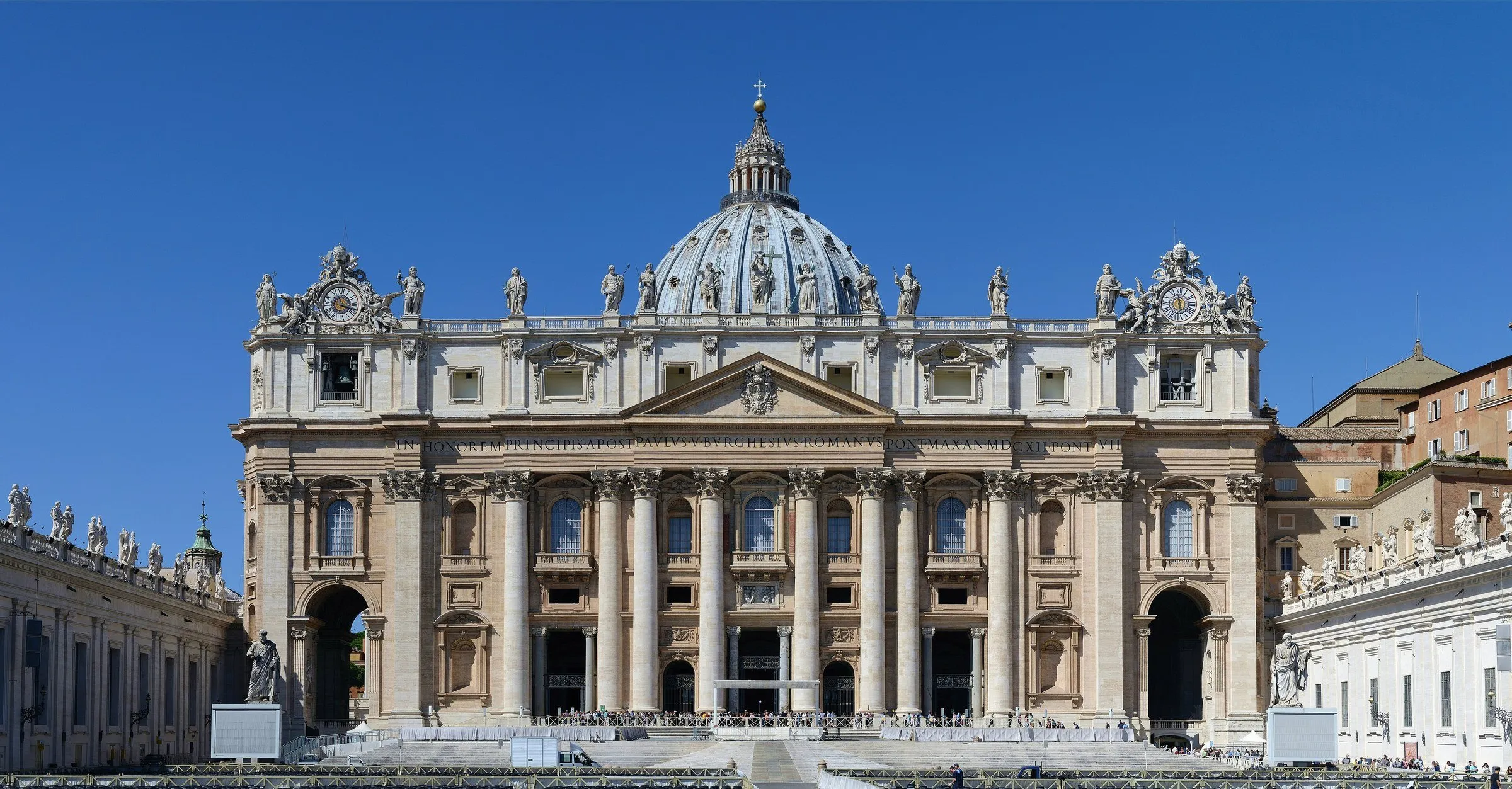
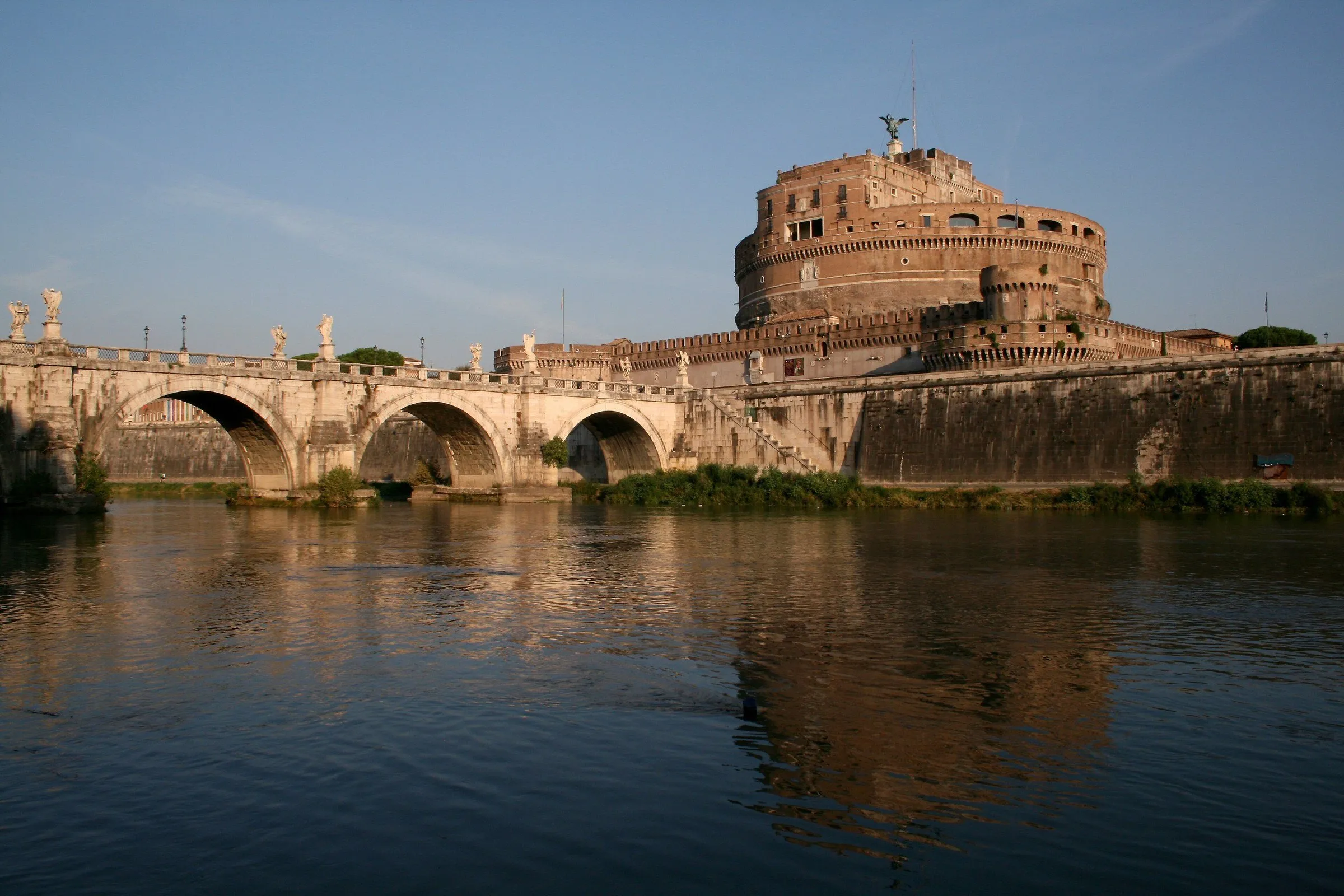
Hadrian had the great cylinder built in the 2nd century to serve as a tomb for himself and his family. Centuries later, the popes turned it into a castle and linked it to St. Peter's Basilica by the Passetto di Borgo, a fortified corridor. In 1527, during the Sack of Rome, Pope Clement VII took refuge there.
The name comes from a legend: the archangel Michael is said to have appeared on top of the mausoleum, sheathing his sword, to announce the end of a plague in 590. Opera lovers will recognize the setting of the third act of Puccini's Tosca. Arrive on foot across the Ponte Sant'Angelo, with its stone angels.