 1
Squares and fountains
Piazza del Campo
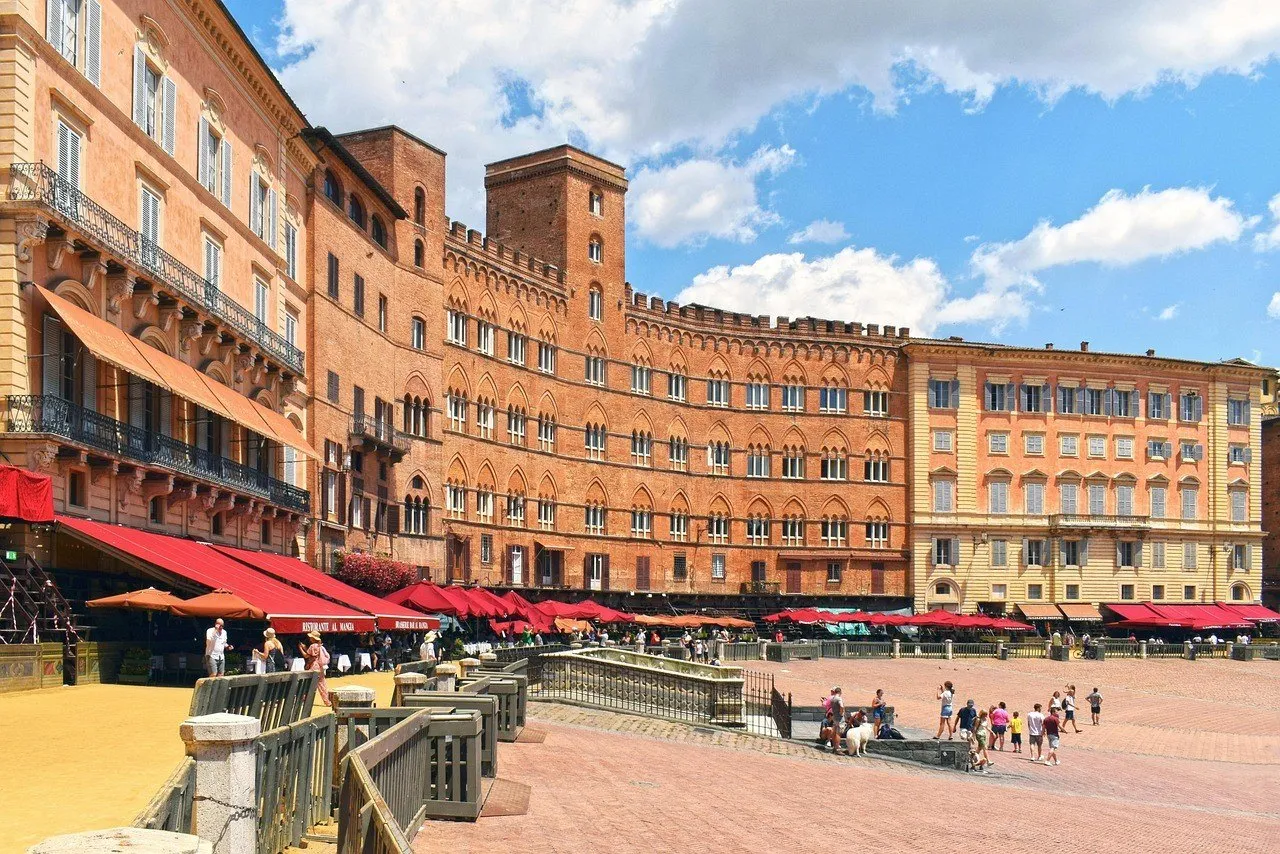
The shell-shaped square brings together the Palazzo Pubblico, the Torre del Mangia and the Fonte Gaia; the sloping ground invites you to look at the city from the bottom up.
View details for Piazza del Campo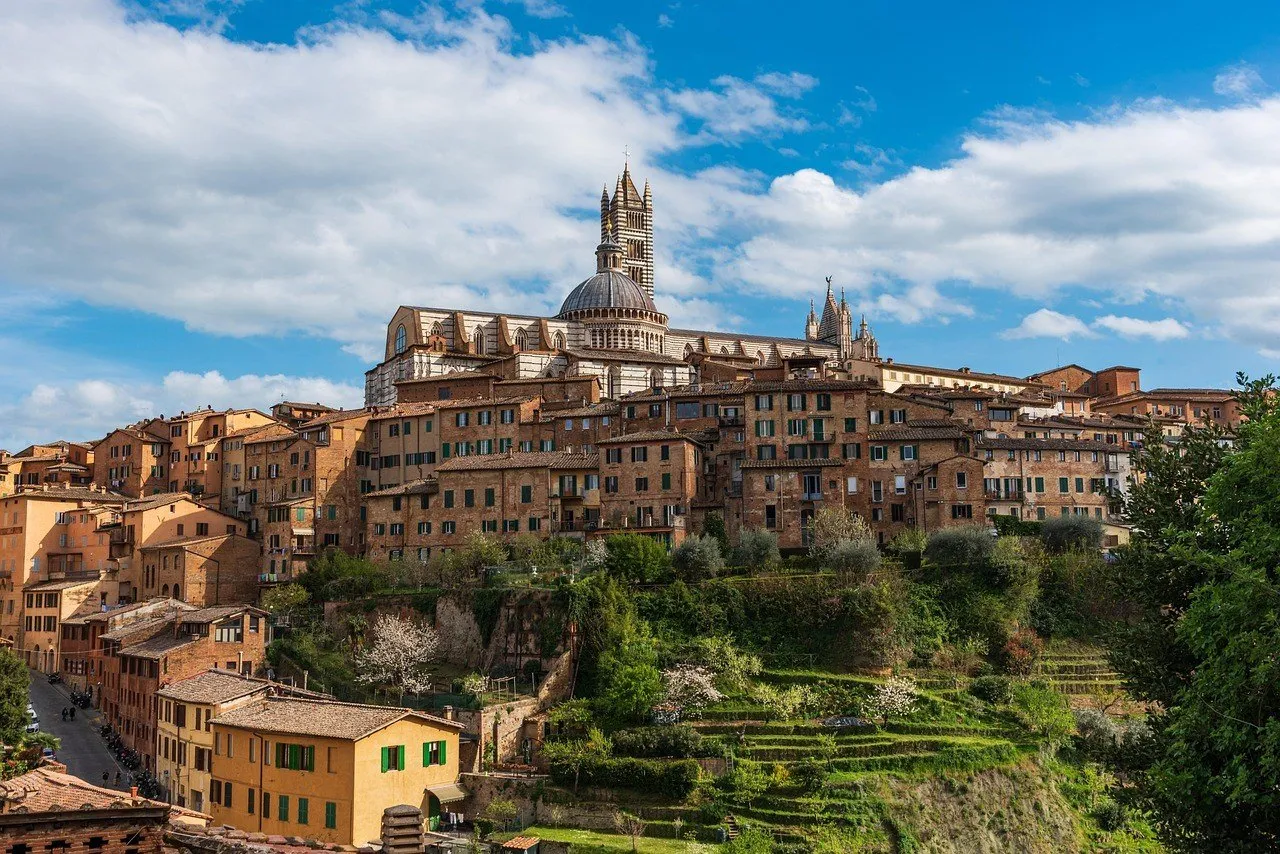
Italy
In Piazza del Campo the ground slopes, the bricks soak up the sun and the Torre del Mangia makes you look up. In Siena, even the break between a museum and a plate of pici comes with a hill.
Step out of a narrow lane and the Campo suddenly appears, open like a shell made of bricks. Siena arranges a visit around this contrast of scales: lanes, an open square and churches that compete with the rooftops for the skyline. The UNESCO-recognized historic center keeps a strong medieval unity. For visitors, that means walks full of curves, façades and climbs that the flat map conveniently forgets to mention.
Give the city two days to split the Duomo, the frescoes of the Palazzo Pubblico and the former Santa Maria della Scala hospital without turning painting into an endurance test. This guide also includes Monteriggioni, a neighboring municipality whose walled core was born tied to Siena's defense: set aside an optional third day for the round trip, with time for transport and the climb from the bus stop.
The name Torre del Mangia comes from the nickname of its first bell ringer, Giovanni di Balduccio, known as Mangiaguadagni ("spend-it-all"); the reference is to the man, not to a lunchtime specialty.
The Fonte Gaia you see in the Campo is a reproduction: original sculptures from the fountain are preserved in the Santa Maria della Scala.
Piazza Salimbeni took its current form in a nineteenth-century renovation; the medieval look of the palaces alone does not tell the whole history of the square.
1The shell-shaped square brings together the Palazzo Pubblico, the Torre del Mangia and the Fonte Gaia; the sloping ground invites you to look at the city from the bottom up.
View details for Piazza del Campo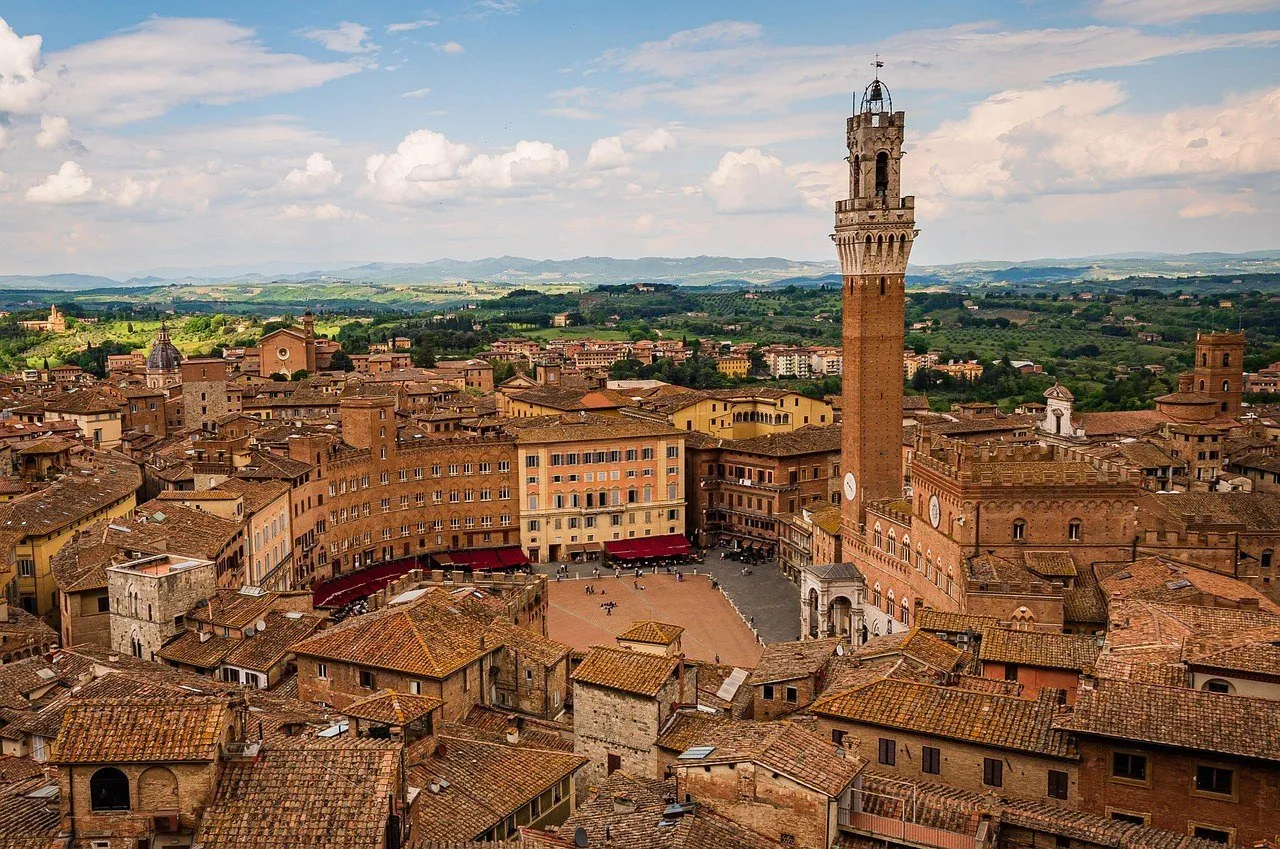 2
Attached to the Palazzo Pubblico, the tower lets you see the shell of the Campo, the web of streets and the hills; the climb takes stamina and ticket planning.
View details for Torre del Mangia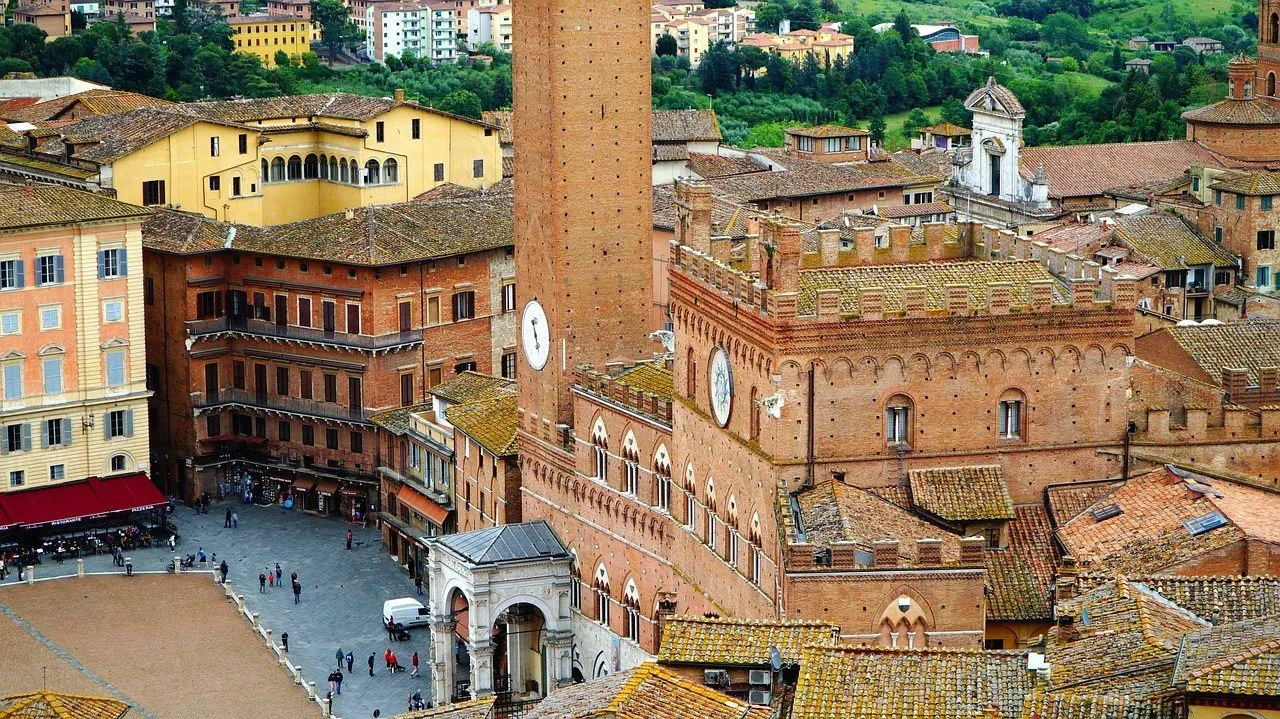 3
In the Sienese government palace, the Museo Civico holds paintings by Simone Martini and Ambrogio Lorenzetti that discuss collective life right on the walls.
View details for Palazzo Pubblico and Museo Civico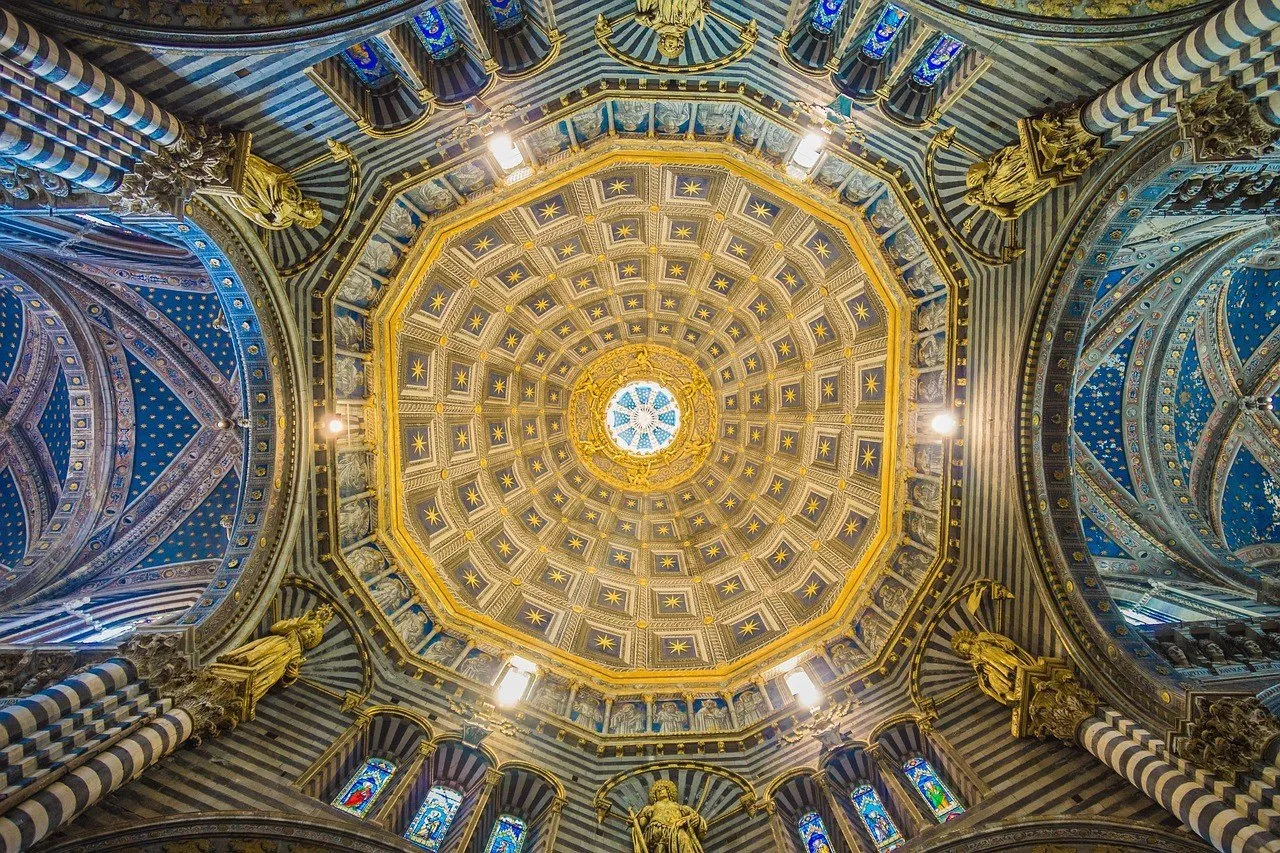 4
The Cathedral of Santa Maria Assunta brings together a sculpted façade, marble and a narrative inlaid floor; the parts on view vary with the calendar.
View details for Siena Cathedral (Duomo)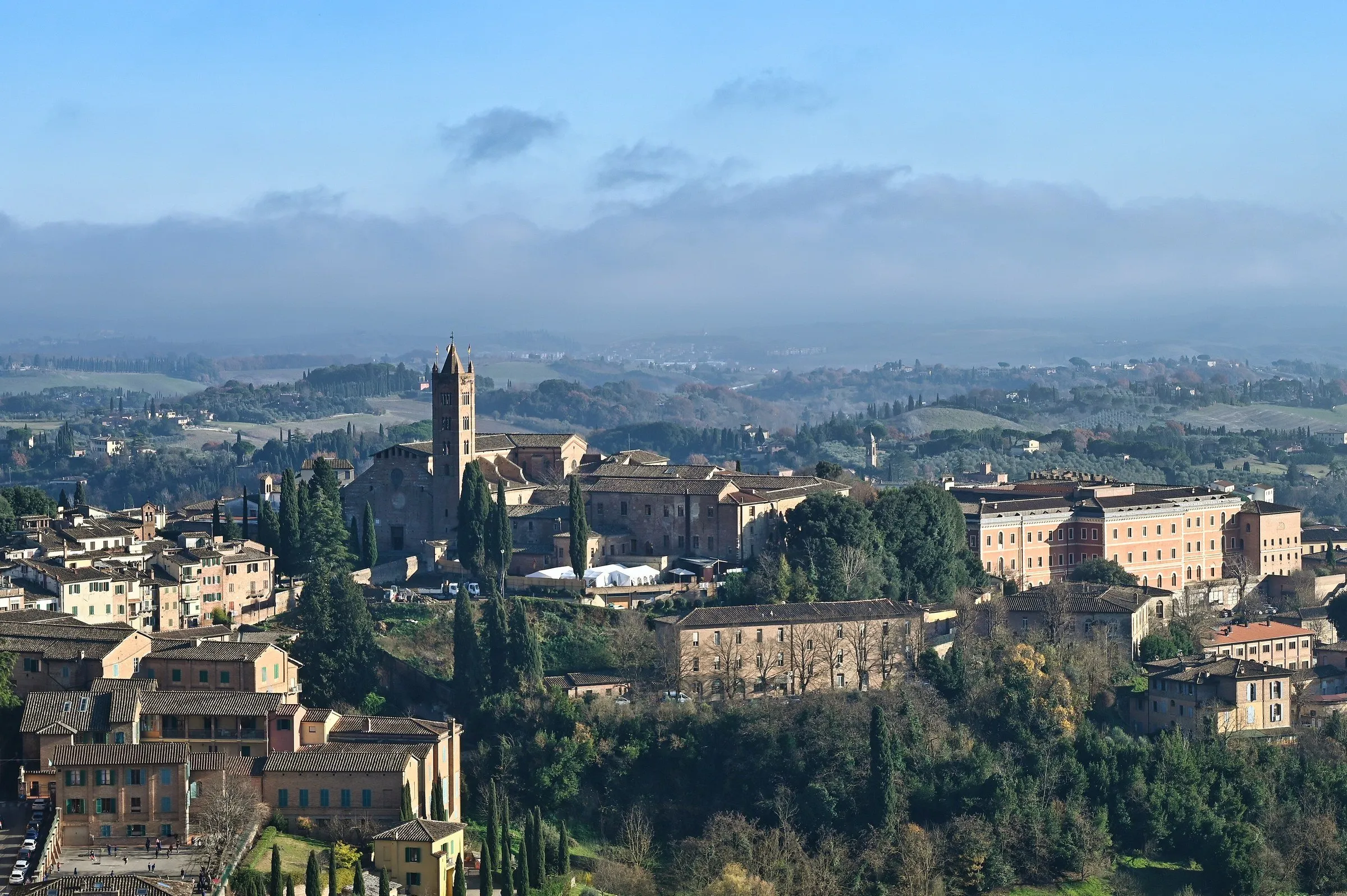 5
The church with an unfinished façade holds works of art and opens onto Piazza Manzoni, from where the Duomo and the Torre del Mangia rise over the rooftops.
View details for Basilica of Santa Maria dei Servi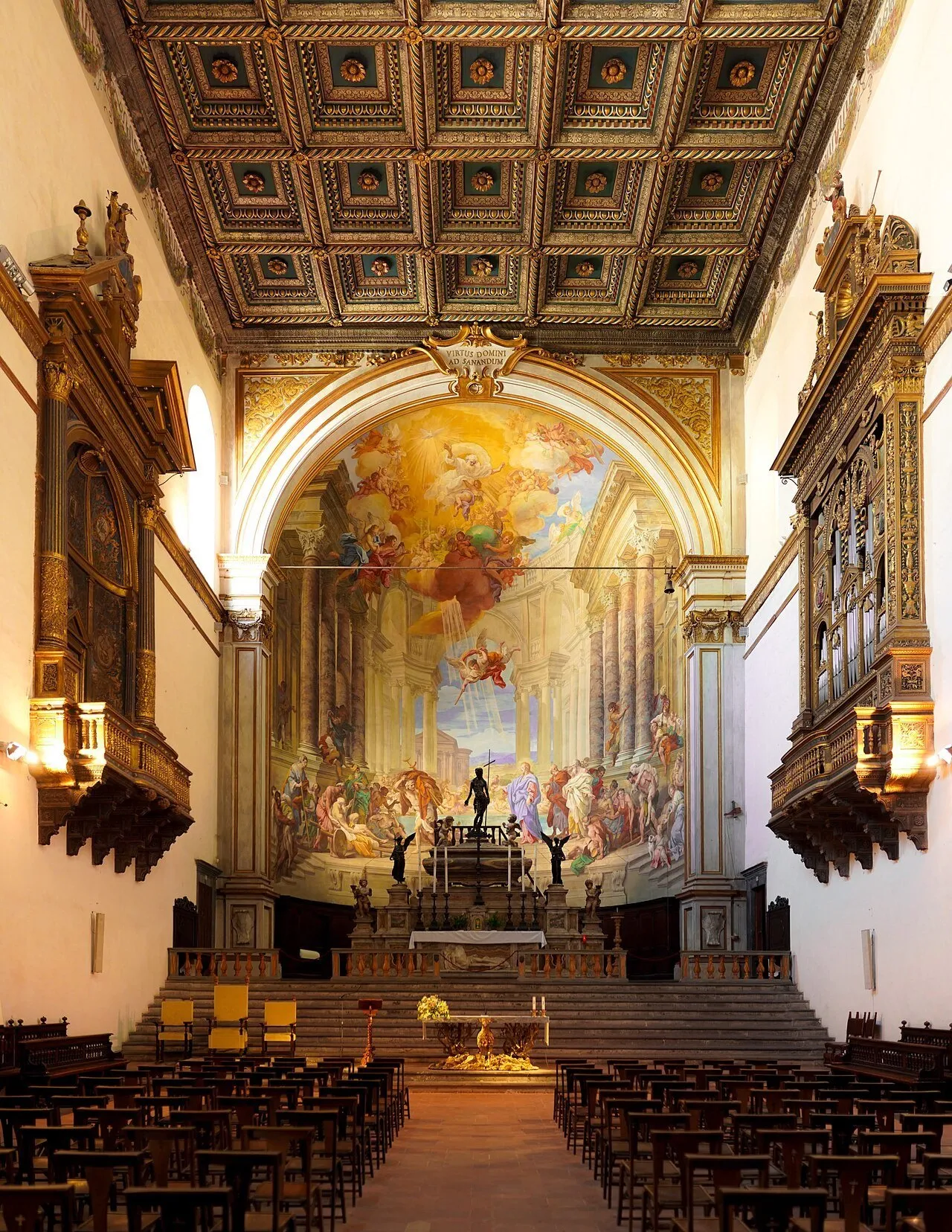 6
The former hospital facing the Duomo is now a museum complex, with frescoes about care, corridors and collections that follow the different levels of the building.
View details for Santa Maria della Scala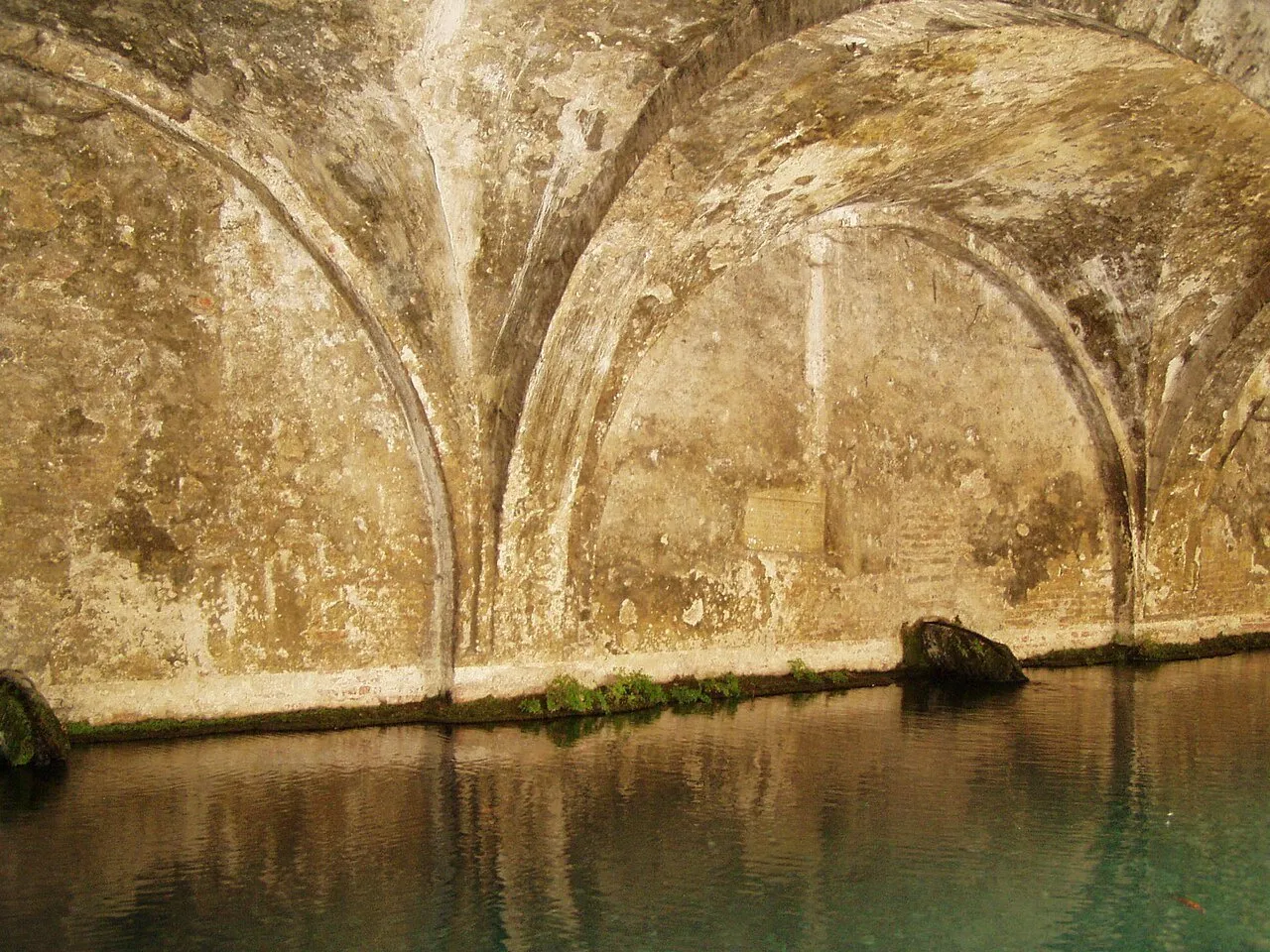 7
With brick arches and basins tied to the old water supply, Fontebranda shows how water organized work and daily life in the neighborhood.
View details for Fontebranda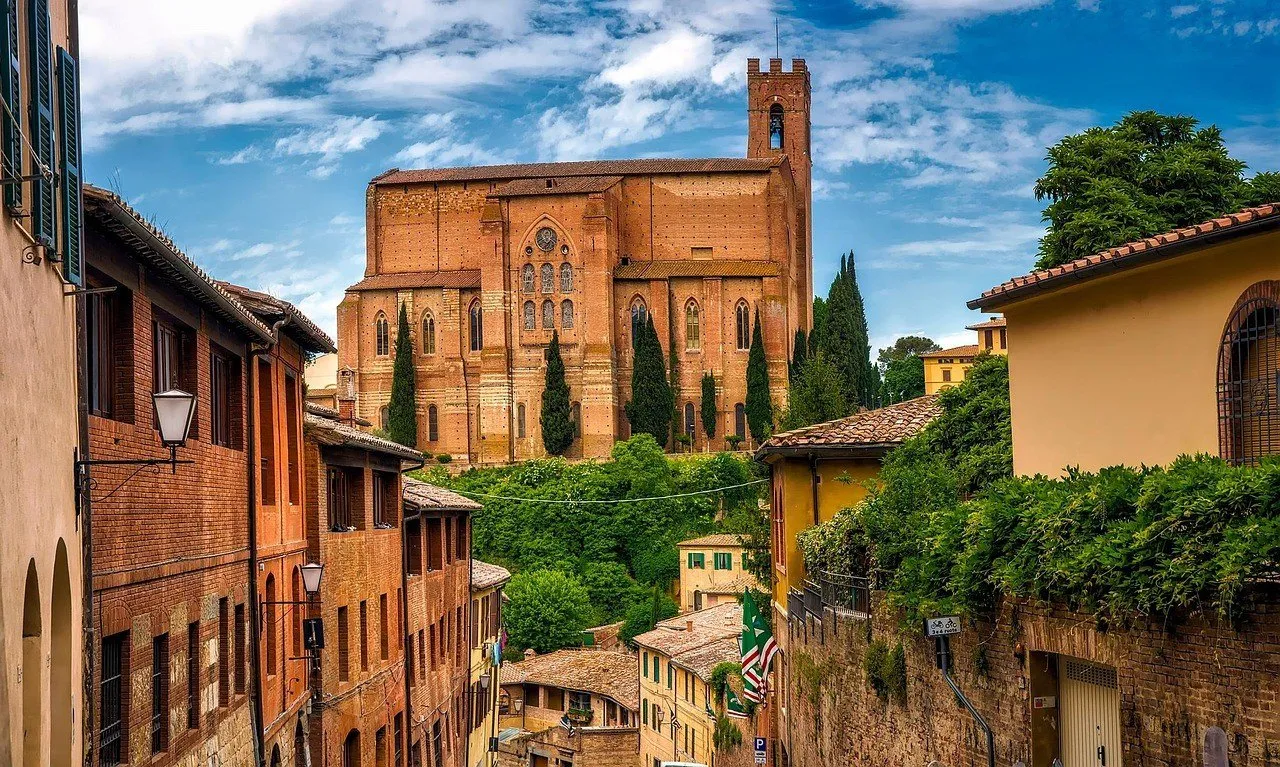 8
The great brick church on the heights of Camporegio is tied to the life of Saint Catherine of Siena and combines a spacious interior with views of the historic center.
View details for Basilica of San Domenico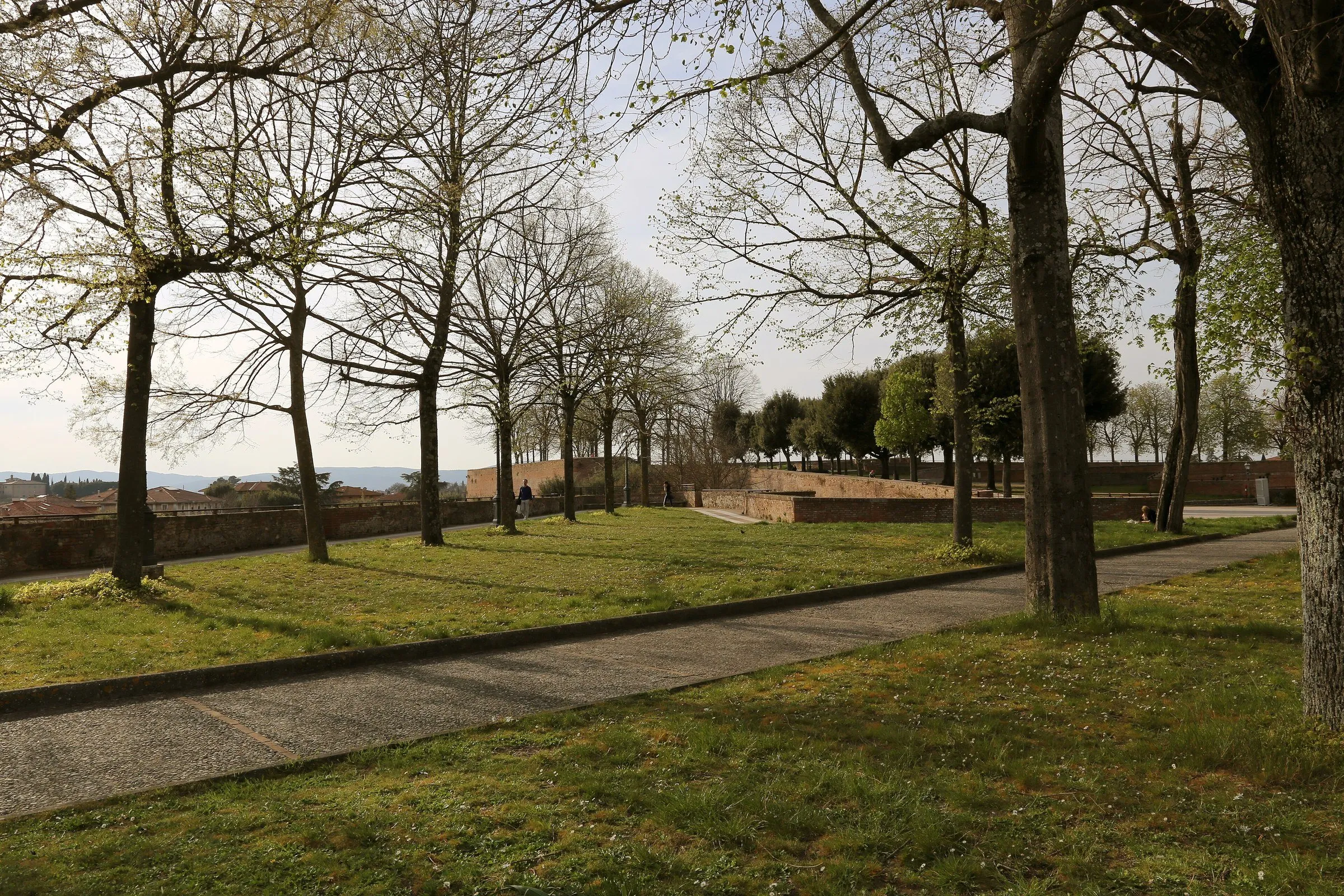 9
The brick fortress built under Medici rule now has green spaces and paths with views of Siena; an outdoor break close to the center.
View details for Fortezza Medicea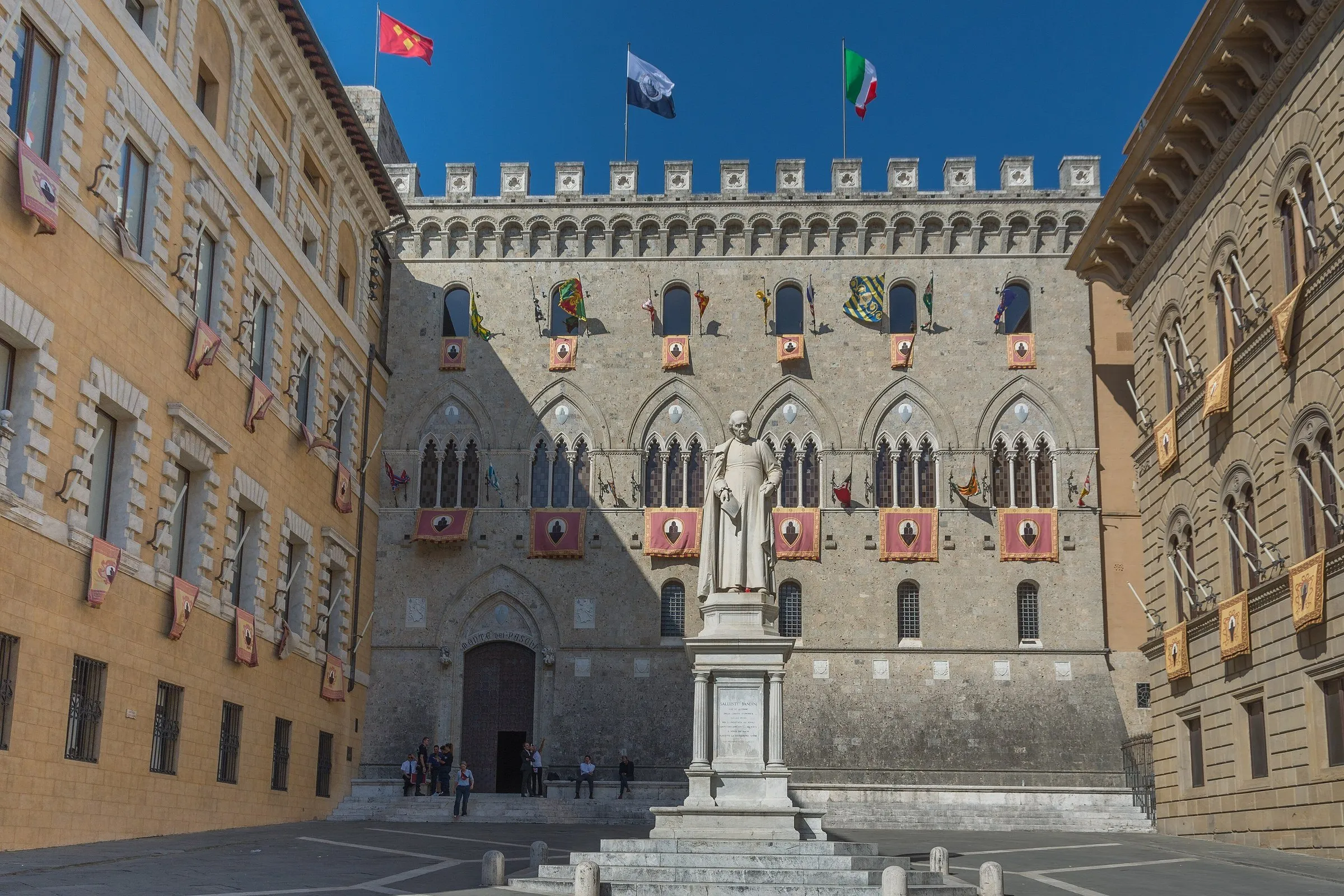 10
Palaces tied to Siena's financial history surround the statue of Sallustio Bandini in this brief square, whose current layout came from an urban renovation.
View details for Piazza Salimbeni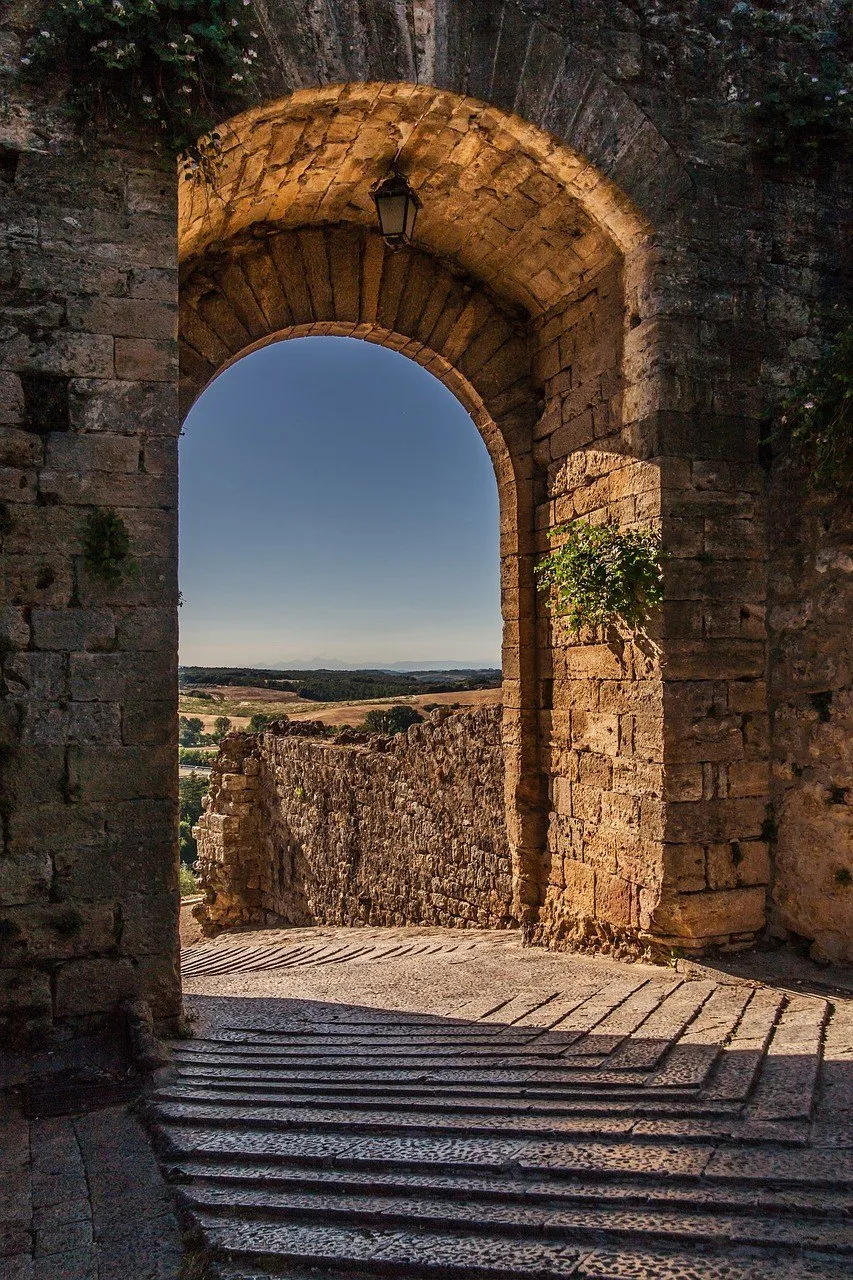 11
Outside Siena, the small walled core of Monteriggioni makes a round trip tied to the city's defensive history, with a square, gates and paths along the walls.
View details for Monteriggioni1You arrive through a narrow passage and, suddenly, the space opens up. Piazza del Campo slopes down toward the Palazzo Pubblico, with the shell design marked in the paving.
At the top stands the Fonte Gaia, while the tower anchors the other side of the scene. The Campo also hosts the Palio, so the calm square of an ordinary visit can look quite different on the days of the event.
2From the Campo, the Torre del Mangia seems to pull your gaze out of the square. It is part of the Palazzo Pubblico and expresses the importance of civic power in medieval Siena, in dialogue with the Duomo.
Up there, the rooftops help explain why a walk here has so many curves and changes of level. The visit adds another reading of the same historic center, but it should fit your stamina and the access conditions of the day.
3The brick façade closes off the lower part of the Campo; inside, the Palazzo Pubblico holds a lesson in politics painted on the walls. The Museo Civico occupies the palace and gathers works of the Sienese school, notably Simone Martini's Maestà and Ambrogio Lorenzetti's Allegory of Good and Bad Government.
This painting was made for a seat of government: watching who works, who moves around and who appears protected helps you read the whole.
4In the Duomo, looking at the floor is part of the visit. The pavement combines marbles in figurative scenes, built with incision and inlay techniques; some areas are protected and follow a display calendar.
The cathedral holds works by artists such as Nicola Pisano, Donatello and Michelangelo, but you don't need to turn your visit into a hunt for signatures. Pick a few details, look closely and check what your ticket includes, because the complex offers different routes.
5High up in Valdimontone, Piazza Manzoni offers a view of the center in which the Duomo and the Torre del Mangia stop being separate visits and become part of the same horizon.
Step inside to see the church, which keeps the Madonna del Bordone by Coppo di Marcovaldo and other paintings. The unfinished façade and the changes to the interior help you notice that Siena's buildings gained layers over time, even when the city seems so cohesive at first glance.
6Across from the cathedral, the Santa Maria della Scala tells a story of care. The former hospital took in pilgrims, the sick, the poor and children; today its spaces host collections and museum routes. The building follows the hillside, so the visit unfolds across levels, rooms and passages that escape the first impression of the façade.
In the Pellegrinaio, the frescoes show activities tied to hospital life, such as treatment and welcome. It is a museum to set time aside for, not a stop between leaving the Duomo and lunch.
7Fontebranda gives visible form to a subject that usually stays underground: Siena's water supply. The brick arches shelter the basins connected to the bottini, the city's network of underground channels. The complex served everyday uses, from drinking water to the neighborhood's work activities.
San Domenico stands on the nearby heights and helps you sense the difference in level. Here, the route teaches too: getting there is downhill, and continuing usually means regaining the height.
8The brick bulk of San Domenico shows up from afar, before you work out where to enter. The basilica sits on a rise above the Fontebranda area and has a side entrance, a useful detail for anyone who tends to look for the door right in the middle of the façade.
The link with Saint Catherine of Siena shapes an important part of the visit, including the chapel that keeps a relic of the saint. Respect the religious use and also take in the more sober architecture, especially after the profusion of marble in the Duomo.
9After so many narrow streets, the Fortezza Medicea offers room to stretch your stride. Built on the orders of Cosimo I de' Medici, the old military structure relates to the control of the city after the defeat of the Sienese republic.
Today, the green spaces and the paths along the walls invite you to rest and look for the profile of the historic center. Treat this stop as a counterpoint to the museums: here the program is to follow the light over the rooftops and let the view do a bit of the work.
10A stop at Piazza Salimbeni changes the theme of the walk: from saints and rulers to families and business. Palaces such as Salimbeni, Tantucci and Spannocchi surround the space, with the statue of Sallustio Bandini in the middle. The link with Monte dei Paschi di Siena ties these façades to the city's financial history.
The ensemble you find was reorganized in the nineteenth century by the architect Giuseppe Partini. Consider this an exterior visit: access to the palaces' interiors depends on specific occasions.
11Monteriggioni's ring of walls belongs to another municipality, but it has a direct link with Siena: the village was created by the Sienese republic to defend its territory in the dispute with Florence.
Set aside an extra day to go and return without rushing. Bus lines 130 and 131 stop near the castle, with a final uphill walk from the Colonna area; check the specific schedule for your trip. If you drive, use the outer parking. The walkways depend on their own opening, and there is no need for an overnight stay.
Wear shoes with good grip and avoid dragging a suitcase up the slopes. To get from the station, check the urban connections and mechanical routes available to your accommodation.
Check the signs for limited-traffic zones before following your navigation app. Arrange any authorized access with your accommodation and plan parking and the walk before you arrive.
At the Duomo, compare what each option includes and the floor's display calendar; the tower and the civic museum also need their own check. Book through the official channel and keep a margin between timed visits.
If your trip coincides with the Palio, check the program, access to the Campo and lodging availability well ahead. The contrade are communities of the city: respect ceremonies, parades and local guidance.
Bring a light layer to cover your shoulders when asked and follow each church's rules on dress, silence and photography. Services may limit tourist visits.
Spring and autumn favor walking; in summer, spread the museums over the hottest hours. Watch your belongings in lines and check the forecast before the descents.
In Siena, the pasta dish and the sweets display deserve different breaks. Pici arrive thick, with the texture of a pasta that has no plans to vanish into the sauce; afterward, ricciarelli and panforte shrink the meal down to small pieces. Choose lunch between visits and leave buying sweets for the way back: carrying a box is much easier once the climb is over.
Thick pasta, traditionally handmade, found in Sienese cooking; check the sauce of the day before choosing.
Almond sweets associated with Siena, good for a short break between walks.
A dense sweet with candied fruit, nuts, honey and spices; one small slice is already a conversation starter.
A local pig breed found in meats and cured products: look for the product's identification on the menu.