 1
Religion and art
Duomo of Naples
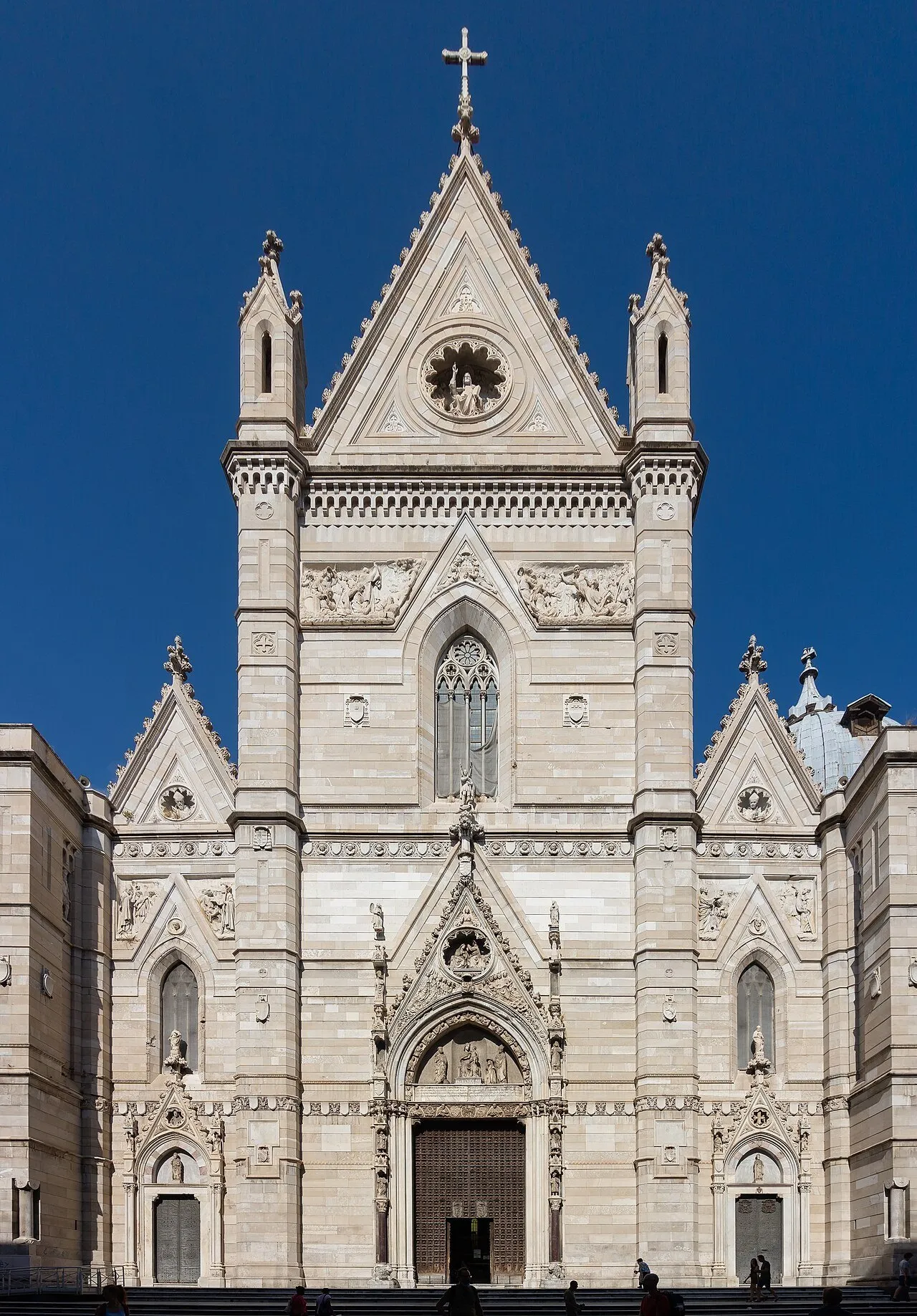
The cathedral dedicated to the Assumption houses the devotion to San Gennaro and older religious spaces, such as Santa Restituta and the baptistery of San Giovanni in Fonte.
View details for Duomo of Naples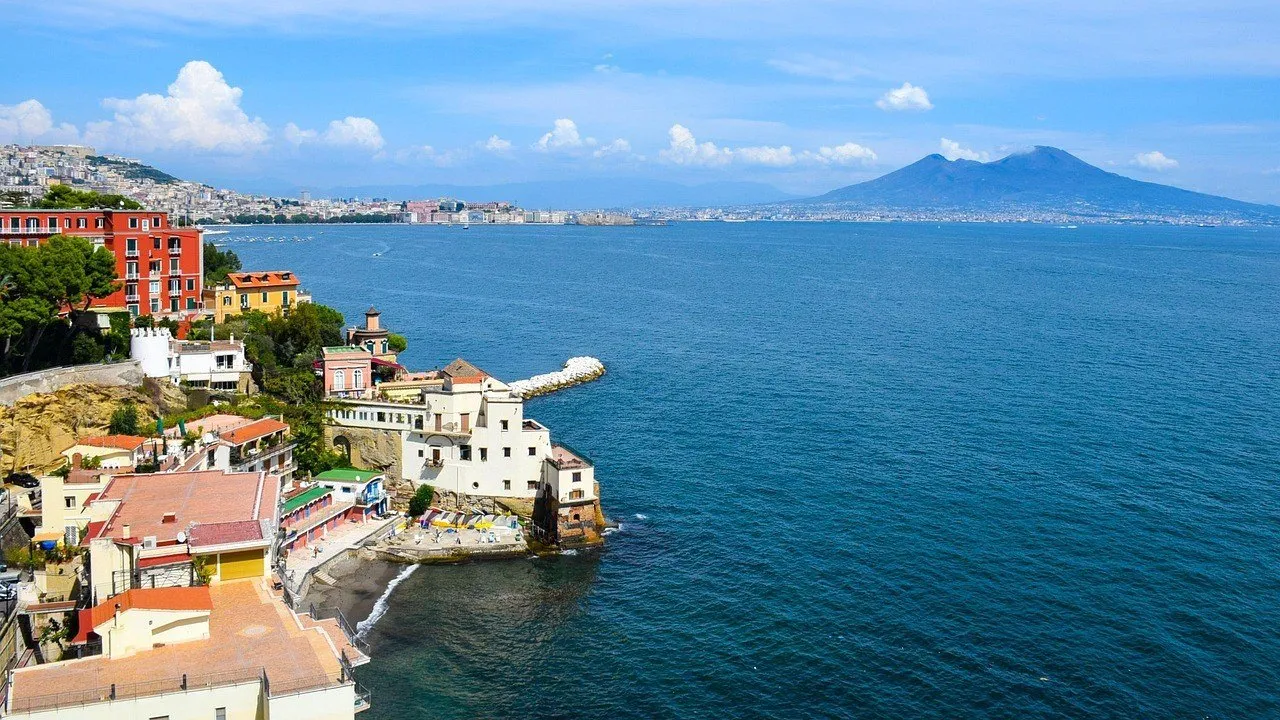
Italy
On Spaccanapoli, the smell of pizza competes for your attention with churches and nativity-scene shop windows. Then you climb to the Vomero and see why that street got a name that sounds like a cut.
You turn a corner in the center and find a shop window of nativity scenes in which the Nativity cast shares the stage with celebrities. You keep going along Spaccanapoli, and the walk alternates between church facades, small shops and food counters. Naples asks for this kind of attention: look at the whole street, then lean in to a detail. The old layout of the center carries on in the path you take between one pizza stop and the next.
To organize your visit, set apart the historic center, the museums and viewpoints of the Vomero, and the stretch between the Palazzo Reale and the sea. That makes three days with different rhythms: walking narrow streets, choosing museum rooms and letting the view of the gulf fill the afternoon. The Archaeological Museum helps you understand the objects recovered from the cities buried by Vesuvius. At the castles, you see that Naples was also a city of defense and power.
Spaccanapoli looks like a single street, but it joins stretches with different names, such as Via Benedetto Croce and Via San Biagio dei Librai; the nickname helps more than memorizing every street sign.
Among the scenes painted on the benches of the Santa Chiara cloister, there is a nun feeding cats: it is worth looking for this small domestic moment in the decoration.
The name Castel dell'Ovo comes from a legend: Virgil supposedly hid an egg in the castle, and the fate of the building would depend on it staying intact.
The MANN's Farnese collection brings together sculptures from Rome; not everything in Naples' great archaeological museum was found at Pompeii.
1The cathedral dedicated to the Assumption houses the devotion to San Gennaro and older religious spaces, such as Santa Restituta and the baptistery of San Giovanni in Fonte.
View details for Duomo of Naples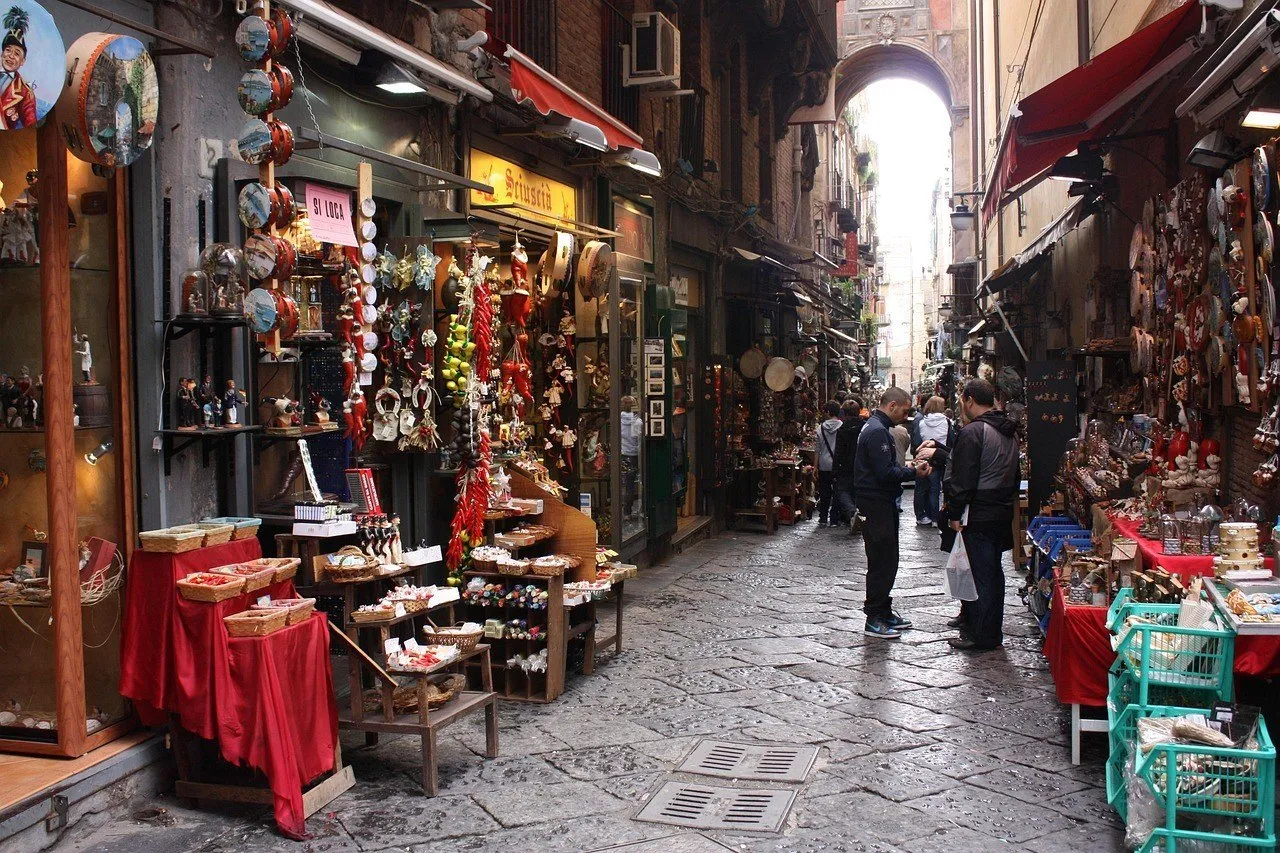 2
The street of nativity-scene workshops has crafts all year round: Nativity figures share the shop windows with politicians, actors and other familiar faces.
View details for Via San Gregorio Armeno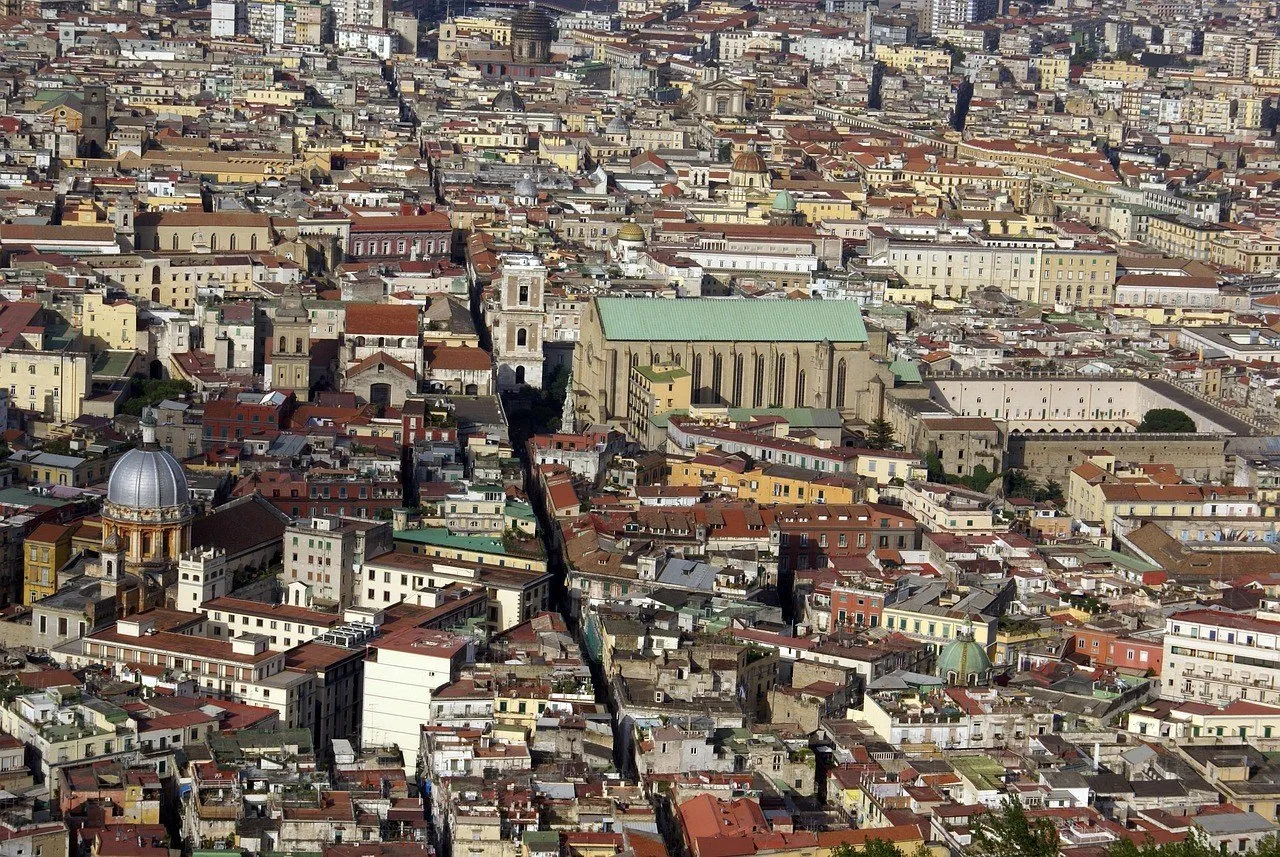 3
The narrow axis crossing the historic center joins streets with different names, churches and shops; seen from above, it looks like a straight cut in the city's fabric.
View details for Spaccanapoli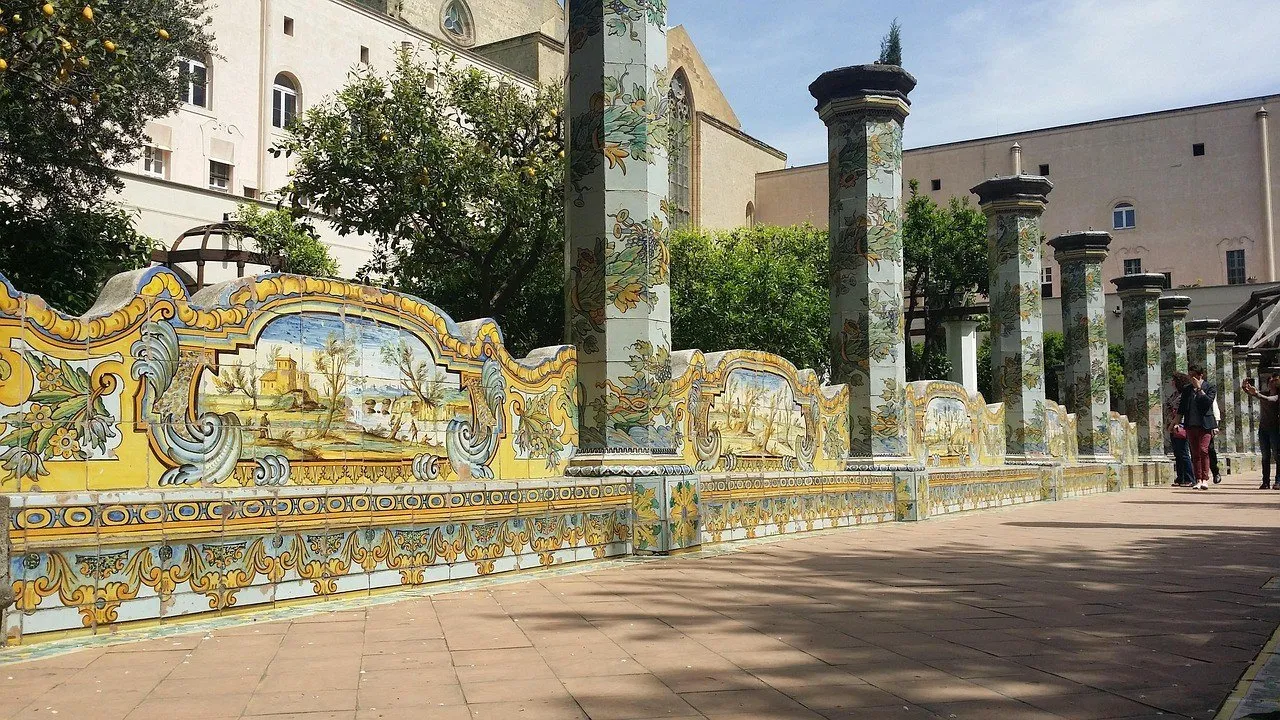 4
The Santa Chiara cloister combines greenery and painted ceramic on pillars and benches; the details tell scenes of work, landscape and everyday life.
View details for Santa Chiara Complex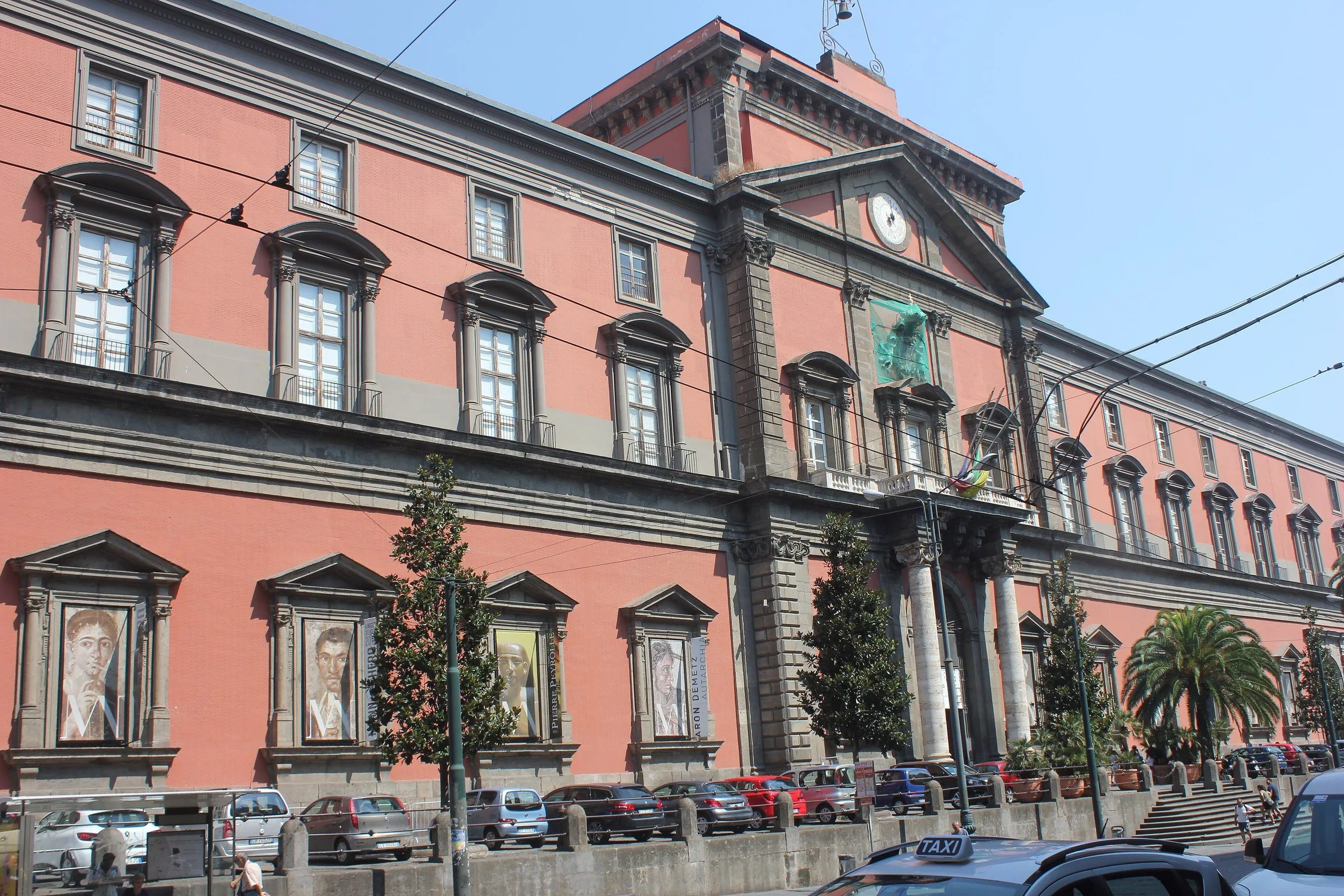 5
Sculptures from the Farnese collection, frescoes and objects from the Vesuvius region help you imagine ancient life beyond the walls and streets of the archaeological sites.
View details for National Archaeological Museum of Naples (MANN)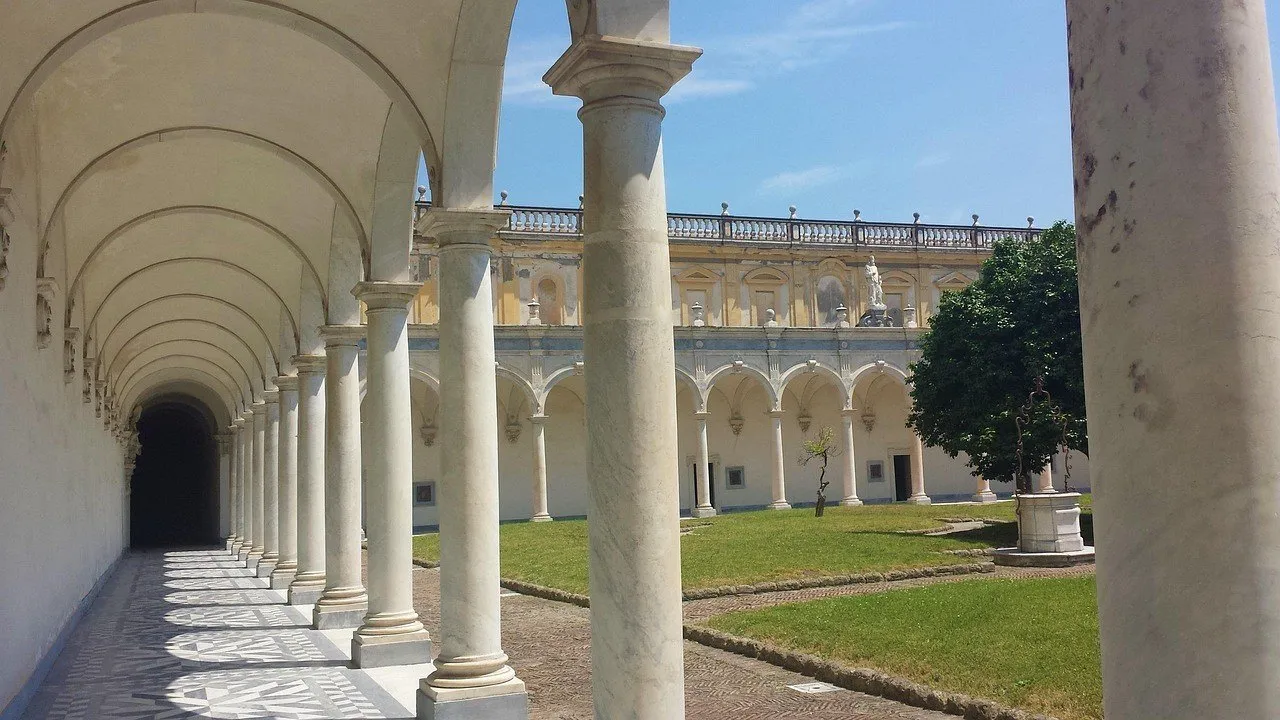 6
The former monastery next to Sant'Elmo has a Baroque church, cloisters, views of the gulf and collections tied to the city's history and to Neapolitan nativity scenes.
View details for Certosa and Museum of San Martino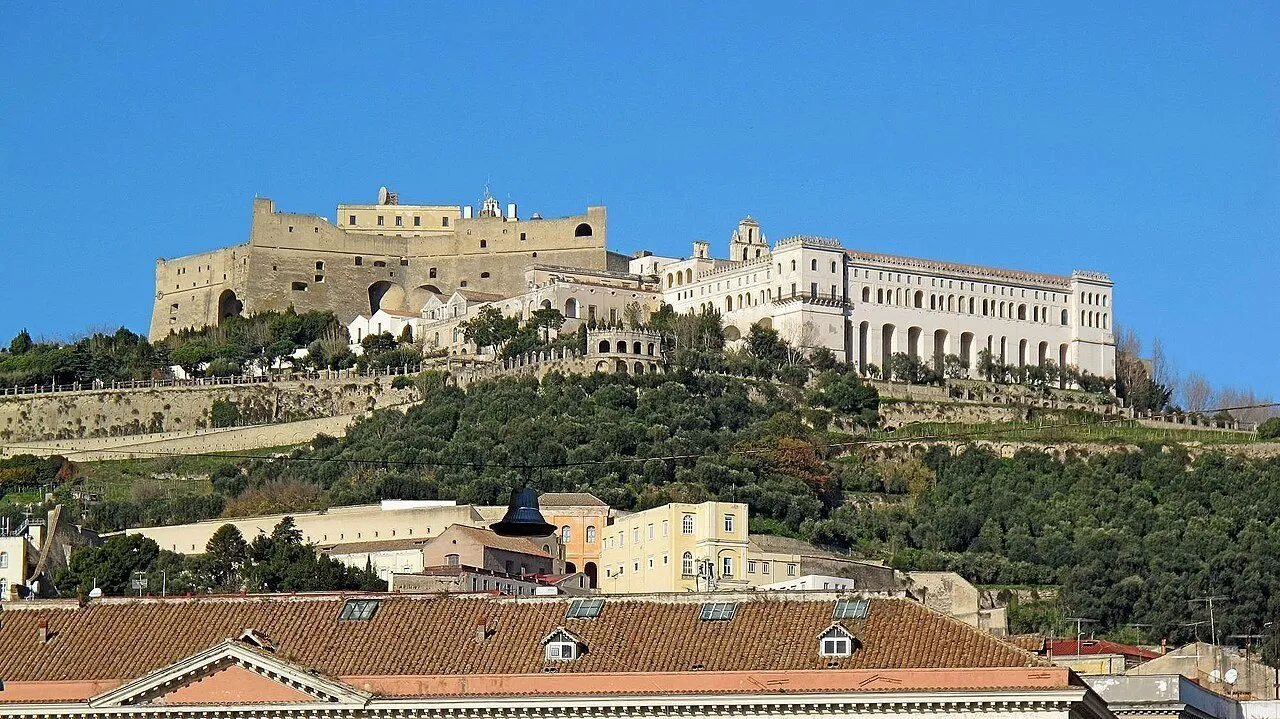 7
The fortress at the top of the Vomero lets you look over the center, the gulf and the pattern of the streets; its bastions help explain the site's former defensive role.
View details for Castel Sant'Elmo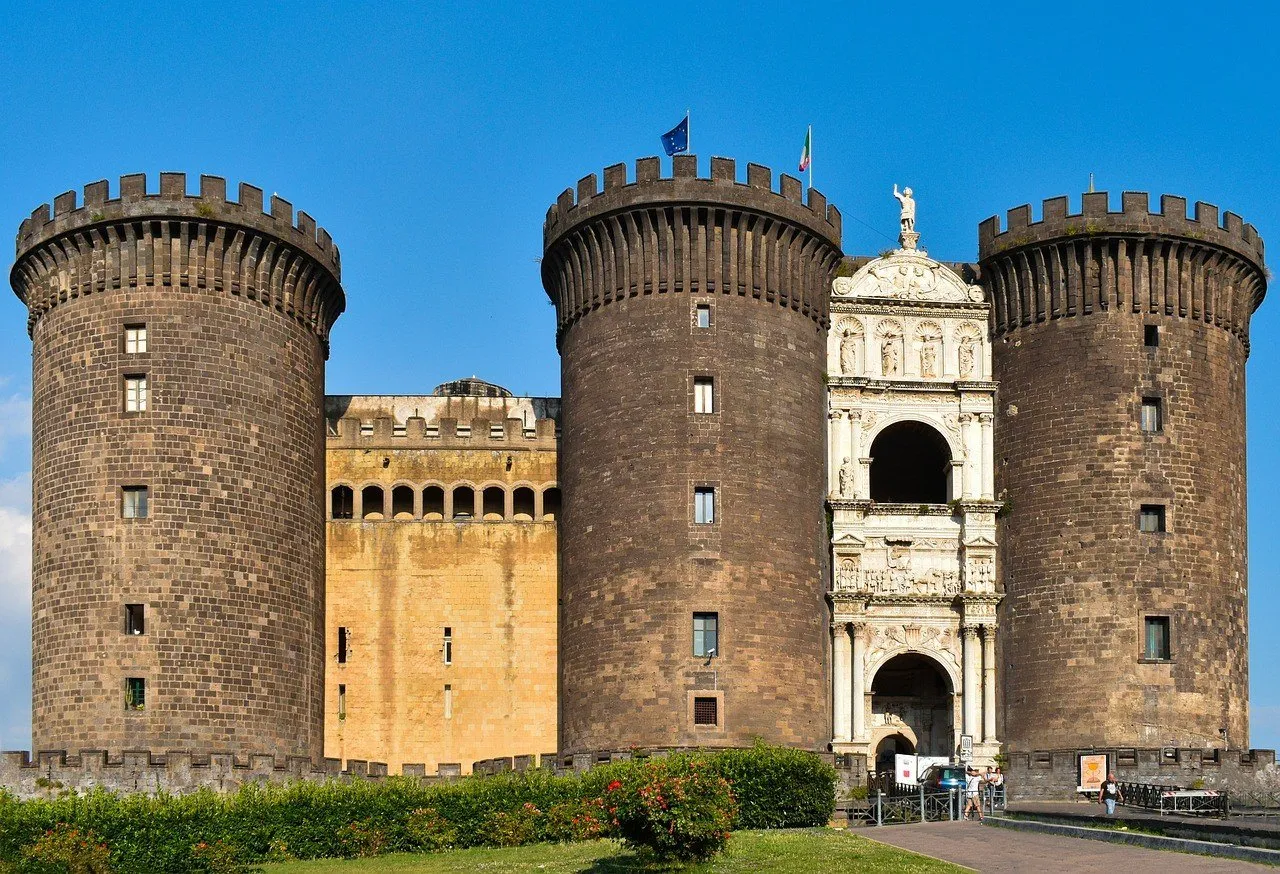 8
The castle's towers next to Piazza Municipio frame a marble arch; the complex houses the Civic Museum and bears marks of Angevin and Aragonese rule.
View details for Castel Nuovo (Maschio Angioino)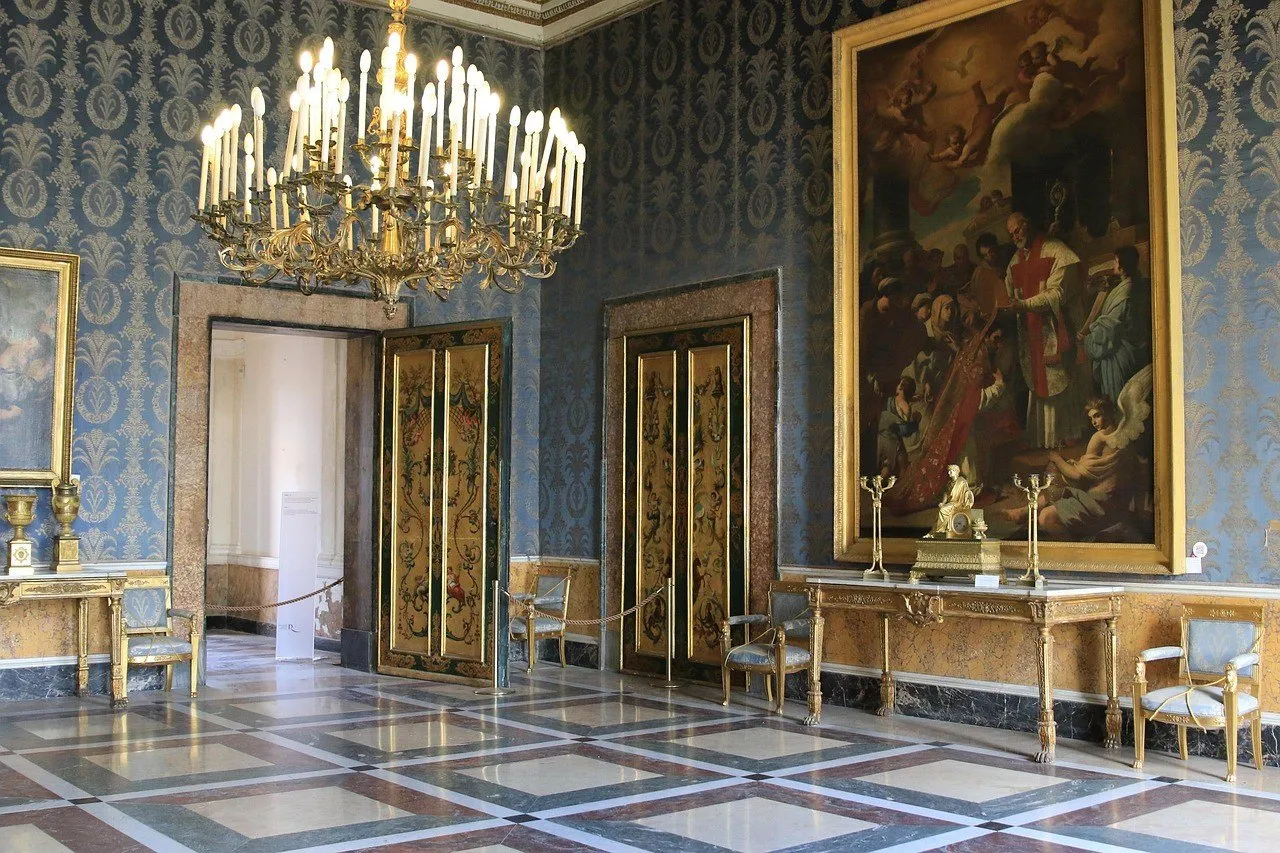 9
The residence of viceroys and monarchs opens state rooms and spaces tied to court life; the facade is part of the scenery of Piazza del Plebiscito.
View details for Palazzo Reale of Naples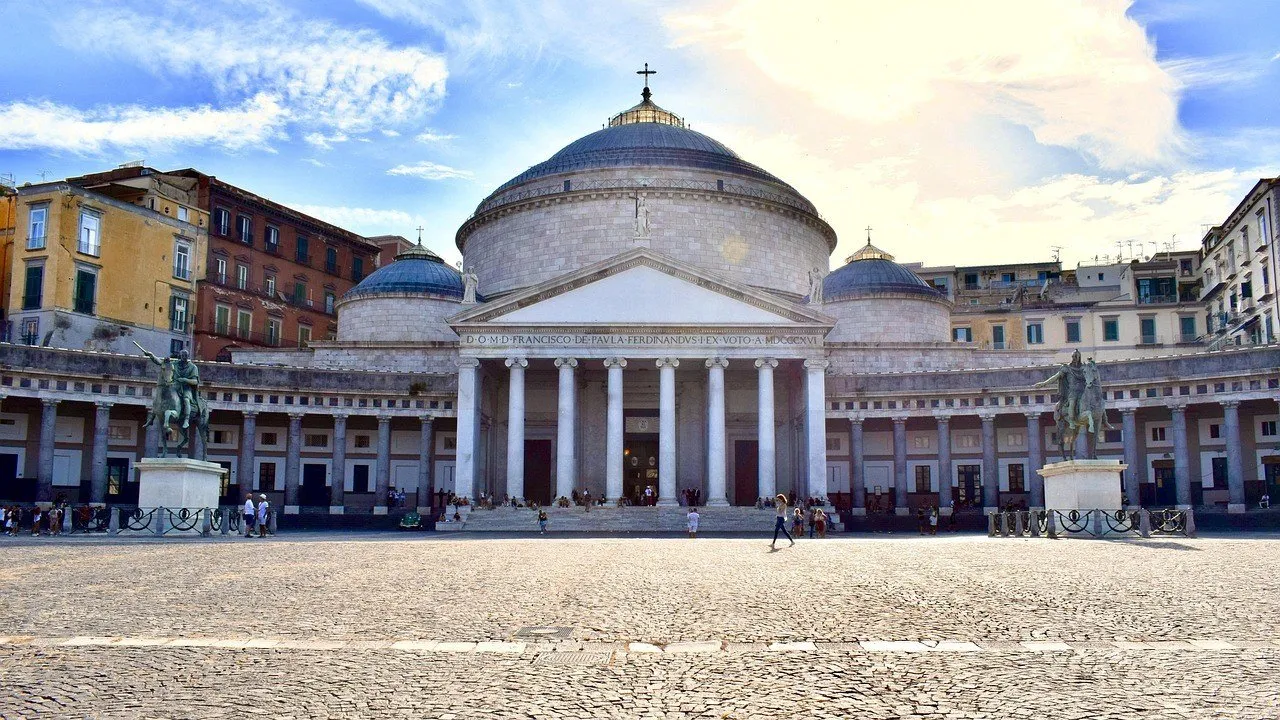 10
Between the Palazzo Reale and the basilica of San Francesco di Paola, the square makes room to look at facades, statues and the city's passage toward the sea.
View details for Piazza del Plebiscito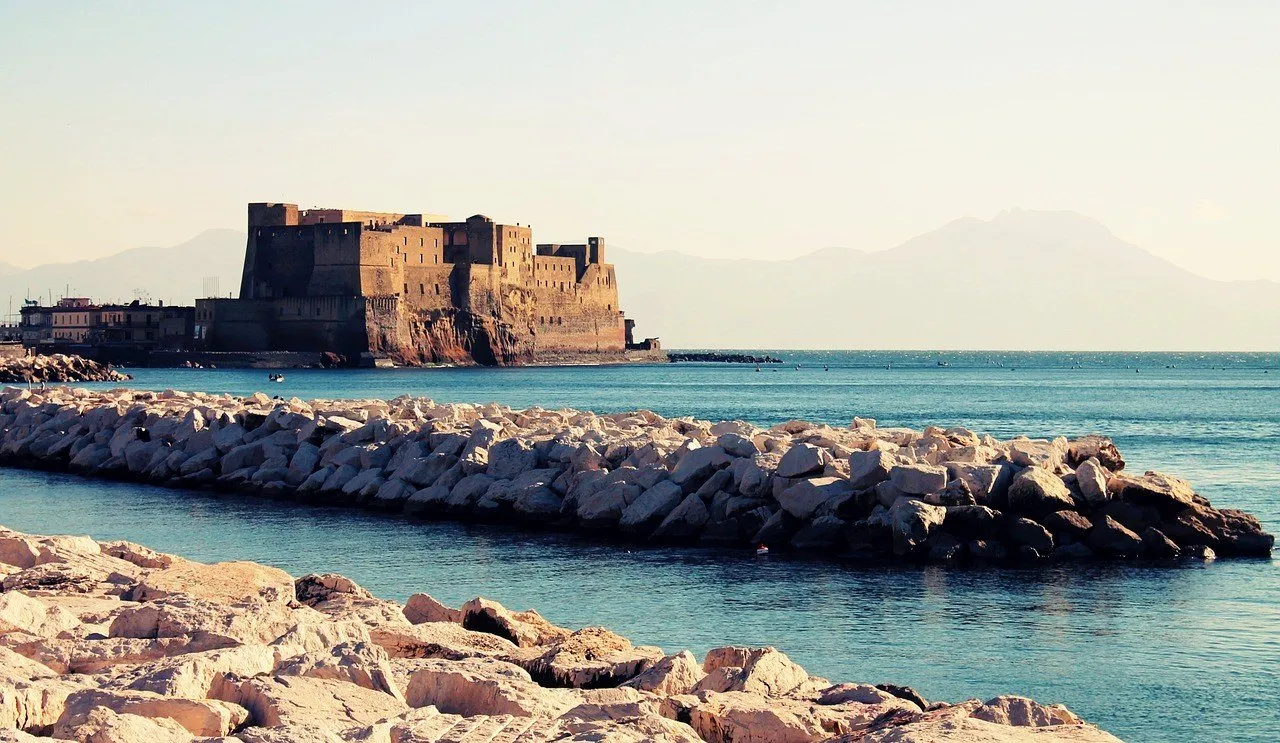 11
Built on the islet of Megaride, the castle stands by the sea at Santa Lucia; the proposed visit is from the outside and along the waterfront stretch in front of the fortress.
View details for Castel dell'Ovo and surroundings1Come in from Via Duomo and leave your hurry outside. The cathedral of Santa Maria Assunta holds chapels tied to San Gennaro, but the visit also reaches the basilica of Santa Restituta and the baptistery of San Giovanni in Fonte.
The presentation offered by the Duomo itself helps tell these spaces apart, which a quick glance turns into a single church. Check the available routes and plan your visit around the services, respecting moments of prayer.
2In the workshops of Via San Gregorio Armeno, Nativity figures live alongside miniature versions of politicians and artists. Look at the scenes, the clothes and the tiny objects: part of the fun is in what fits inside a shop window.
The shops work throughout the year, so the visit does not depend on December. Walk the street slowly, making room for others in front of the counters. Before choosing which character will travel in your suitcase, compare the finishes and ask about how the piece was made.
3The map calls one stretch Via Benedetto Croce and another Via San Biagio dei Librai; for the walk, think of the whole as Spaccanapoli. This axis follows the old layout of the center, past churches, squares and food counters.
Do the route on foot. In the itinerary, it links San Gregorio Armeno to Santa Chiara, sparing you from turning every street sign into a new navigation mission. From up in the Vomero, the line that looks like a maze at street level becomes much clearer.
4After the narrow streets, Santa Chiara opens garden paths between pillars covered in ceramic. Yellows, blues and shades of orange converse with the greenery in the design by Domenico Antonio Vaccaro. The visit calls for a close look.
On the backs of the benches there are rural, maritime and everyday scenes: look for the nun feeding cats. The basilica and the cloister circuit have their own access and hours; plan the visit before you arrive so you can see both without rushing.
5The MANN gives a face, color and objects to the ruins of the Vesuvius region. The collections include frescoes, utensils and finds from the ancient cities, plus the Farnese statuary, made up of pieces from Rome.
Check the collections' opening plan: works and restorations can change which rooms are available. Choose what to see with care, instead of racing every display case. If Pompeii is on another leg of your trip, this context helps you picture its interiors.
6Next to the fortress, the Certosa swaps defensive stone for worked marble, paintings and cloisters. The Baroque decoration of the former monastery asks for time to look at the ceiling, the floor and the walls, with the city showing up in the gaps.
In the museum, the nativity scenes expand on what you saw on San Gregorio Armeno: the figures occupy settings arranged like small cities. There are also collections on the history of Naples. Choose among the open sections; after the MANN, trying to take it all in can tire you out before it teaches you anything.
7Down below you walk through the streets; at Sant'Elmo, you see how they fit together. The fortress sits at the top of the Vomero, with views of the city and the gulf. Look for the line of Spaccanapoli among the rooftops and recognize the path you took the day before.
The bastions recall the site's defensive role. Walk the open areas and alternate the panorama with the architecture, without seeing everything through your camera. The neighboring Certosa di San Martino uses the same climb, with no other crossing of the city.
8From afar, the towers catch your eye; up close, the marble arch changes the subject. Castel Nuovo combines fortress and celebration of power. Also called Maschio Angioino, it went through Aragonese transformations and stands near the port.
The Civic Museum brings together art and rooms of the monument, such as the Palatine Chapel. Check which routes are part of the ticket on the day of your visit. Before going in, look at the facade to compare the bulk of the towers with the details of the entrance.
9On Piazza del Plebiscito, the Palazzo Reale shifts the walk to the scale of the court. The residence served viceroys and dynasties that ruled Naples; its rooms of representation show how architecture also helped demonstrate power.
Follow the available circuit through rooms, decoration and ceremonial spaces. Pick details to observe, without trying to memorize the names of all the former occupants. Check the notices about restorations and open areas, including gardens and additional routes.
10After the narrow streets, Piazza del Plebiscito gives your shoulders a break. On one side stands the Palazzo Reale; on the other, the basilica of San Francesco di Paola with its colonnade. Step back to compare the proportions.
The equestrian statues of Carlo III and Ferdinando I come into view, but the square also works as a pause between museums. It hosts events and may have temporary structures. Rest before heading to the sea, without squeezing in another indoor visit out of obligation.
11In Santa Lucia, the castle juts out over the sea on the islet of Megaride. Castel dell'Ovo has Norman origins, but its name comes from a legend: Virgil supposedly hid an egg there on which the fate of the building would depend.
Plan the stop to see the exterior from the waterfront and the accessible surroundings. Entry depends on visiting conditions and work on the monument; do not count on the terraces. The water and the changing light already close out the itinerary.
Line 1 links the center to the Vomero: Museo serves the MANN area, and Vanvitelli lets you continue on foot to the monuments on the hill. Check the day's service with the ANM.
The Alibus links the airport to Stazione Centrale and the port. Check the airport's operation, the stops and the current schedules; avoid ticketed commitments right after landing.
Check the museums' notices: works and closures may require changing the order of the itinerary. The suggested times are planning estimates, without lines or transfers.
On crowded streets and on transit, keep your phone and wallet in a closed compartment in front of your body. Stop out of the flow to check the map; leave room for locals to pass.
Prefer spring or fall for so much walking. In the heat, do the outdoor stretches earlier and bring water. Read menus and check service charges before sitting down for a break.
The counter solves much of your hunger between walks: folded pizza, fried food in a cone and sweets that fit in your hand. Alternate these snacks with a sit-down meal to truly rest. In the display cases, the choice between sfogliatella riccia and frolla can take longer than choosing lunch; splitting the two is a perfectly reasonable solution.
Pizza served folded to go; it is worth finding a corner where you can eat calmly before going back to sightseeing.
Filled, fried dough, with combinations that vary from place to place; ask about the filling before ordering.
A paper cone of small fried bites, in land or sea versions; one option is to share it so you still have room for dinner.
A pastry offered in riccia and frolla versions, with shells of different textures; the first usually gives away your choice through the crumbs.