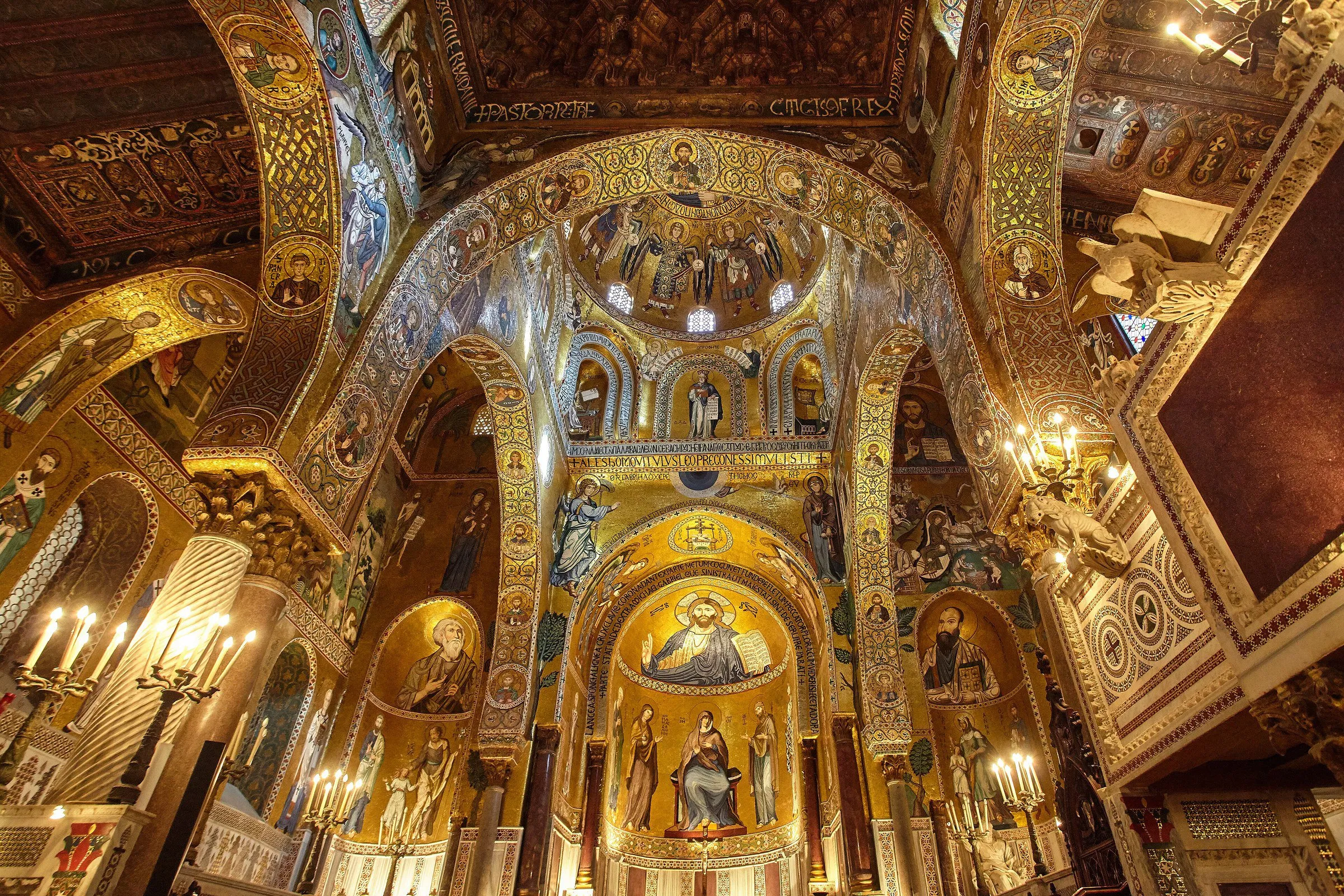
1Norman Palace and Palatine Chapel
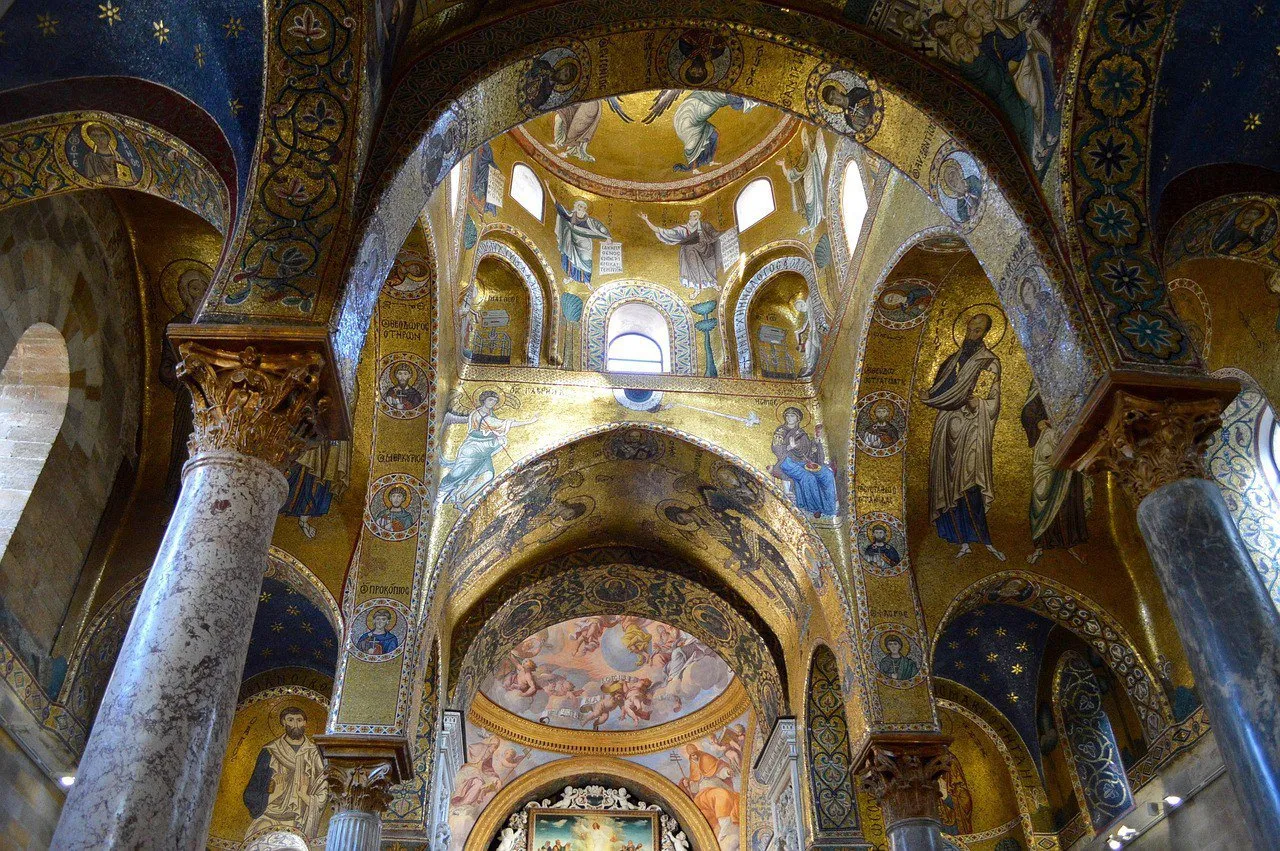
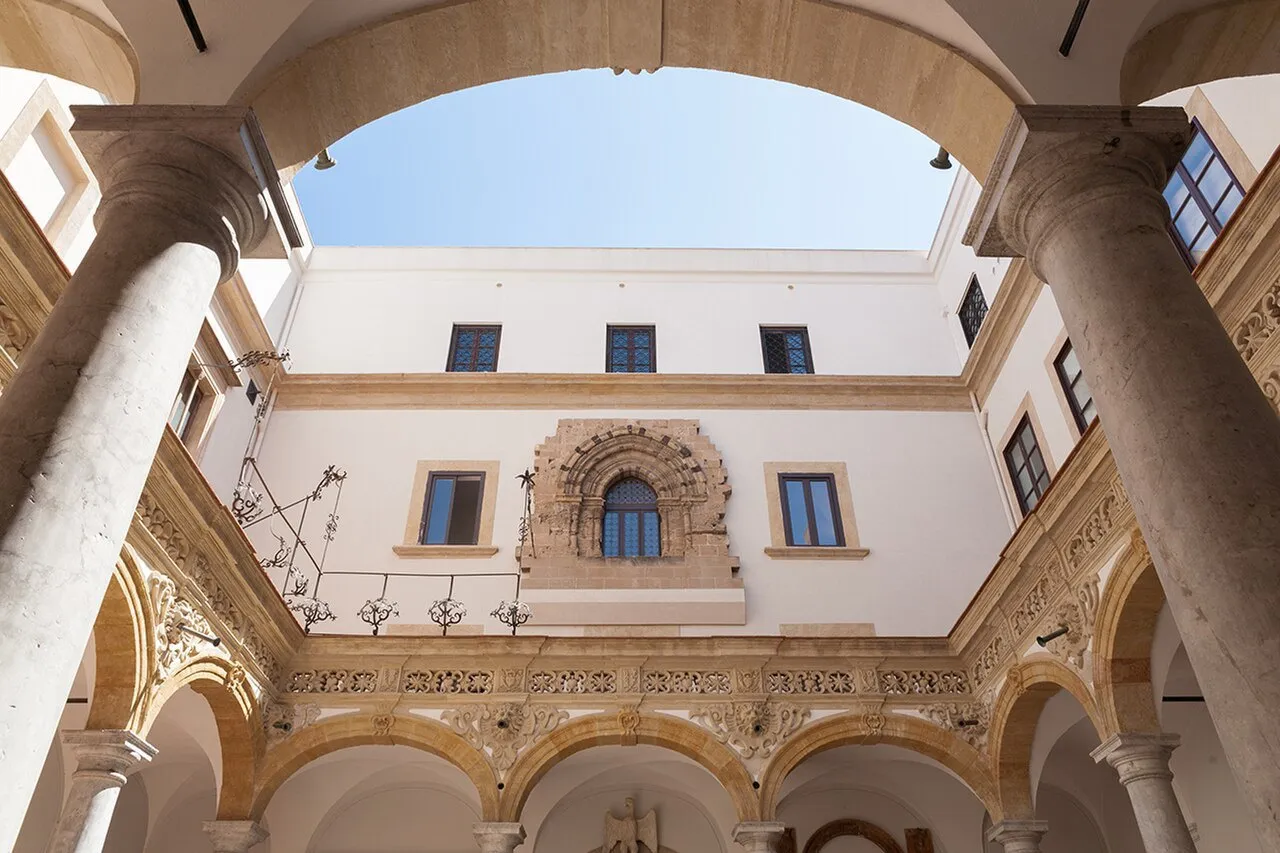
The residence of the Norman kings holds the Palatine Chapel: golden mosaics, marble and a wooden ceiling with decoration in the Islamic tradition.
View details for Norman Palace and Palatine Chapel
Italy
In Palermo, you step out of a chapel covered in golden mosaics and head to Ballarò for bread with panelle. The afternoon can end among curved facades or with sand between your toes at Mondello.
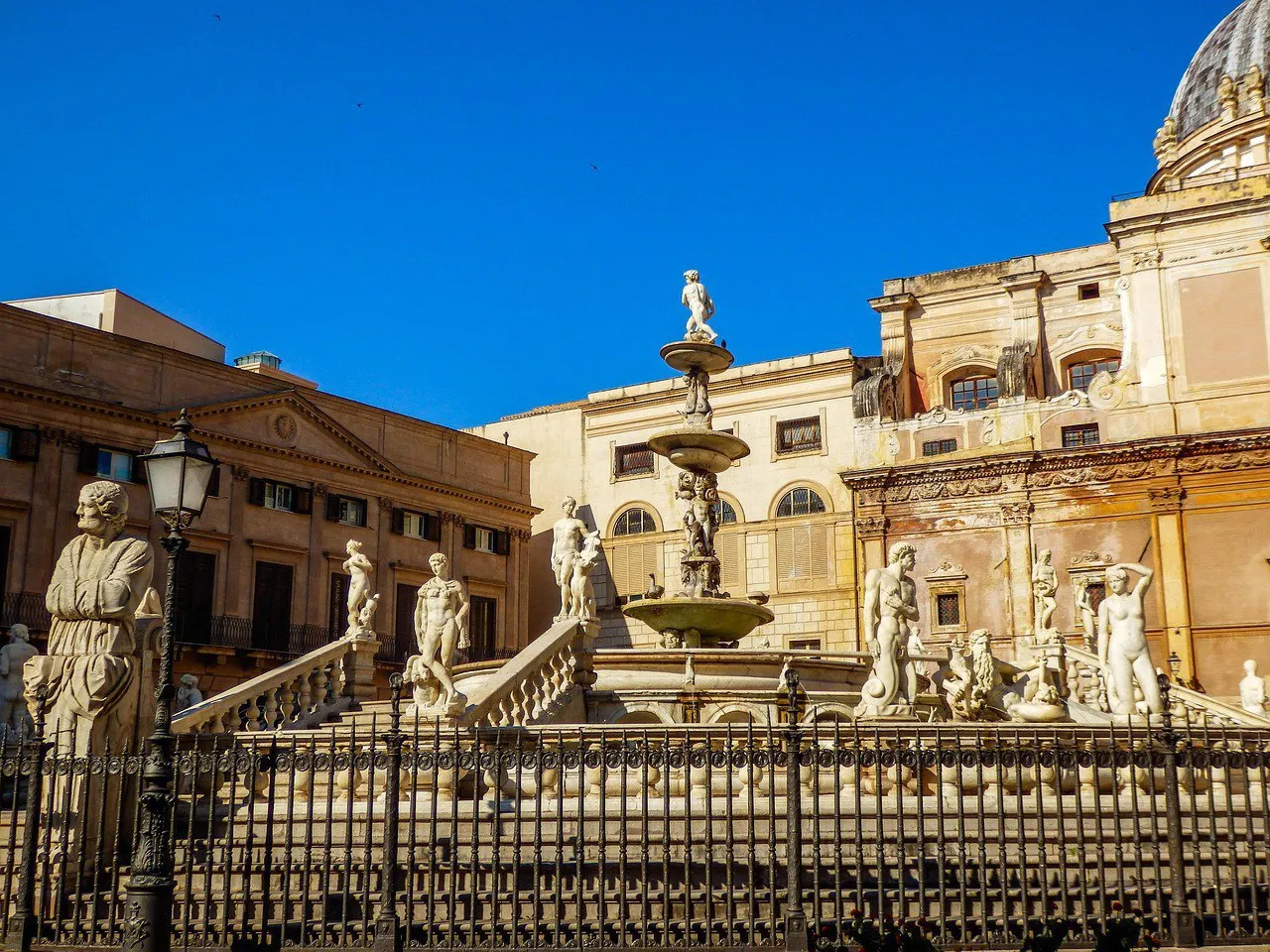
The Pretoria Fountain was commissioned for a garden in Florence before being sold to Palermo: even the fountain had to organize a move.
In the Palatine Chapel, mosaics in the Byzantine tradition share the space with a wooden ceiling decorated with muqarnas in the Islamic tradition.
Martorana is the nickname of Santa Maria dell’Ammiraglio, and it also appears in the name of the almond-paste sweets linked to the former convent.
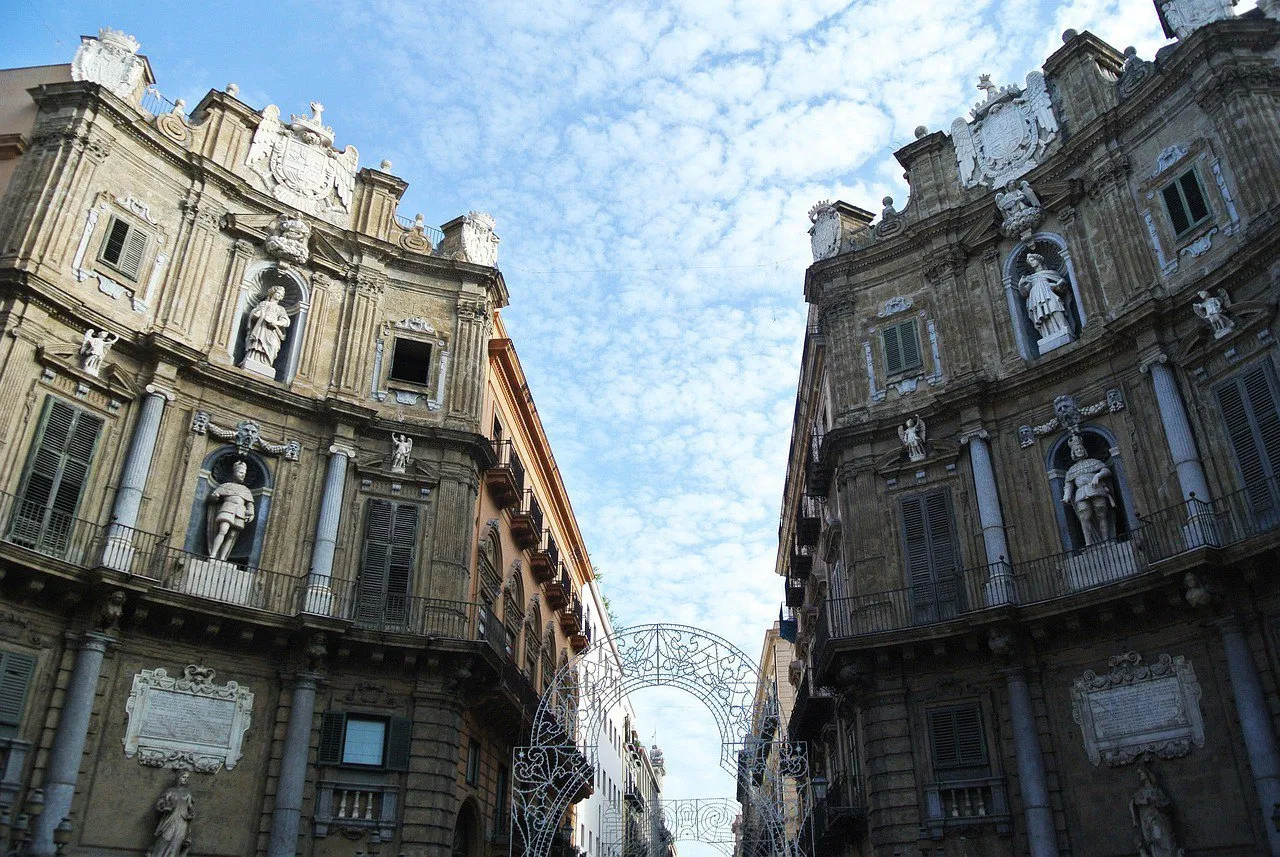
At the Quattro Canti, the sculptures represent seasons, kings and patron saints: the decoration works like a small program of power and protection.
1The residence of the Norman kings holds the Palatine Chapel: golden mosaics, marble and a wooden ceiling with decoration in the Islamic tradition.
View details for Norman Palace and Palatine Chapel
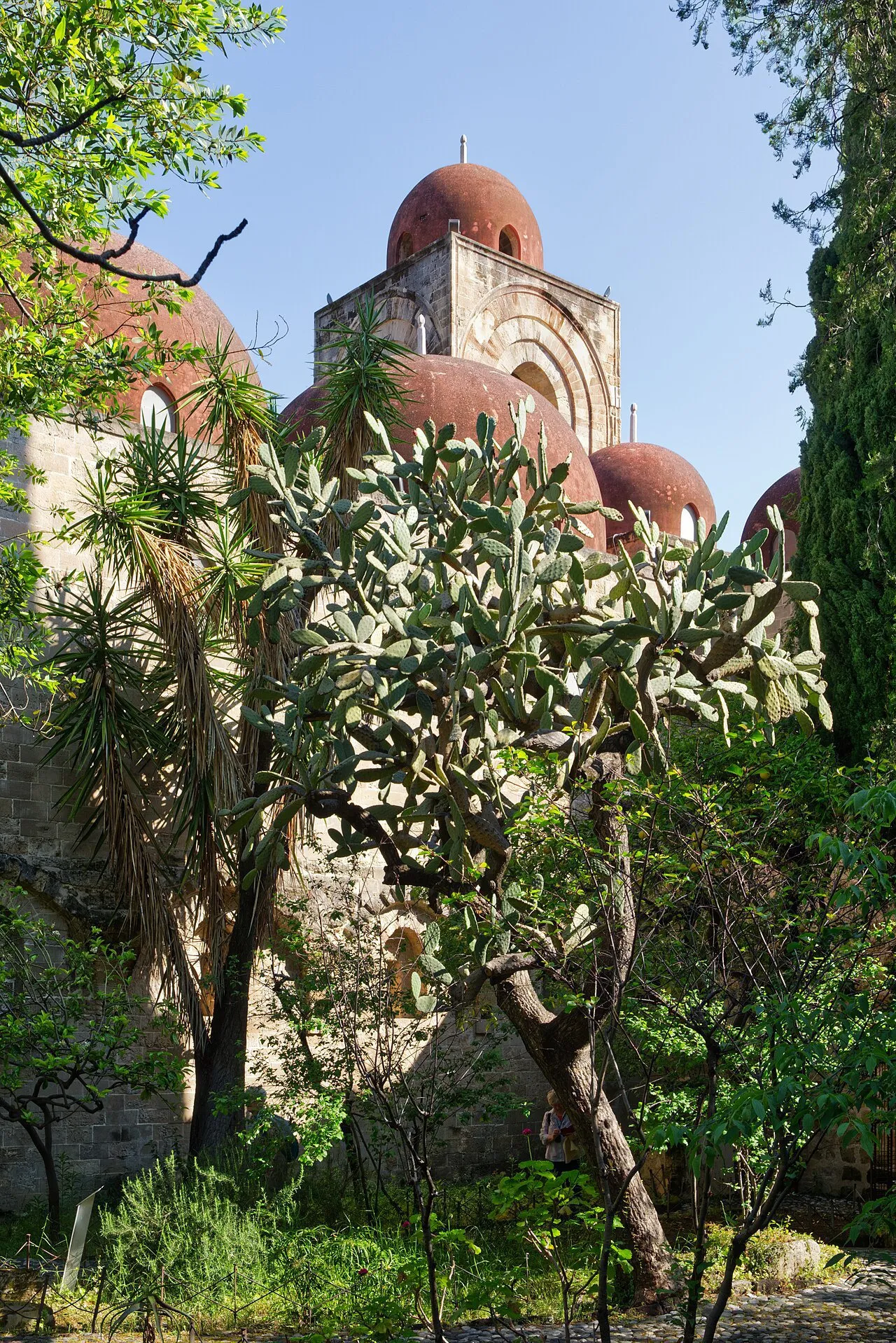
2Red domes rise above a garden with cloister columns: this Norman complex offers a green pause close to the royal palace.
View details for San Giovanni degli Eremiti
3Among stalls of fresh produce and street food, Ballarò turns a lunch break into a stroll through everyday life in the Albergheria neighborhood.
View details for Ballarò Market
4Arches, towers and a dome show the changes the cathedral has gone through, with royal tombs and devotion to Saint Rosalia along the Cassaro.
View details for Palermo Cathedral
5Four curved facades frame the crossing of Via Maqueda and the Cassaro, with fountains and sculptures that make you stop mid-walk.
View details for Quattro Canti
6The marble fountain fills much of Piazza Pretoria and has a well-traveled biography: it was commissioned for a garden in Florence before coming to Sicily.
View details for Pretoria Fountain
7Also called Santa Maria dell’Ammiraglio, the Martorana combines Byzantine mosaics with later additions in a church linked to Admiral George of Antioch.
View details for Martorana Church
8Sculptures and reliefs from Selinunte share the Salinas collection with pieces from other civilizations, in a visit devoted to the archaeology of Sicily.
View details for Salinas Archaeological Museum
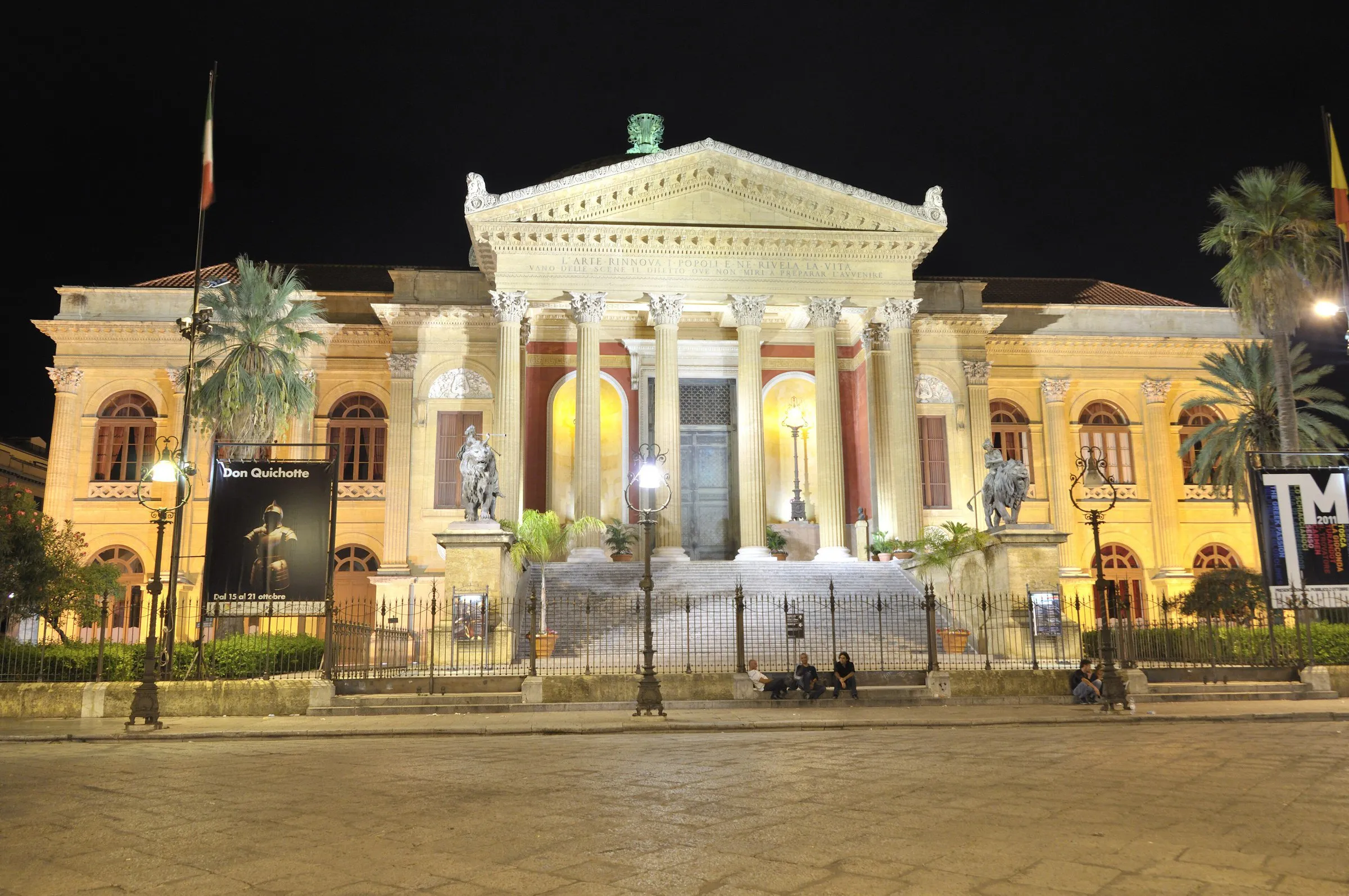
9The staircase and columns announce the opera house on Piazza Verdi; the guided tour shows the main hall and other spaces tied to the performances.
View details for Teatro Massimo
10The Regional Gallery of Sicily occupies a former aristocratic residence and holds Antonello da Messina’s Annunciata and the fresco Triumph of Death.
View details for Palazzo Abatellis
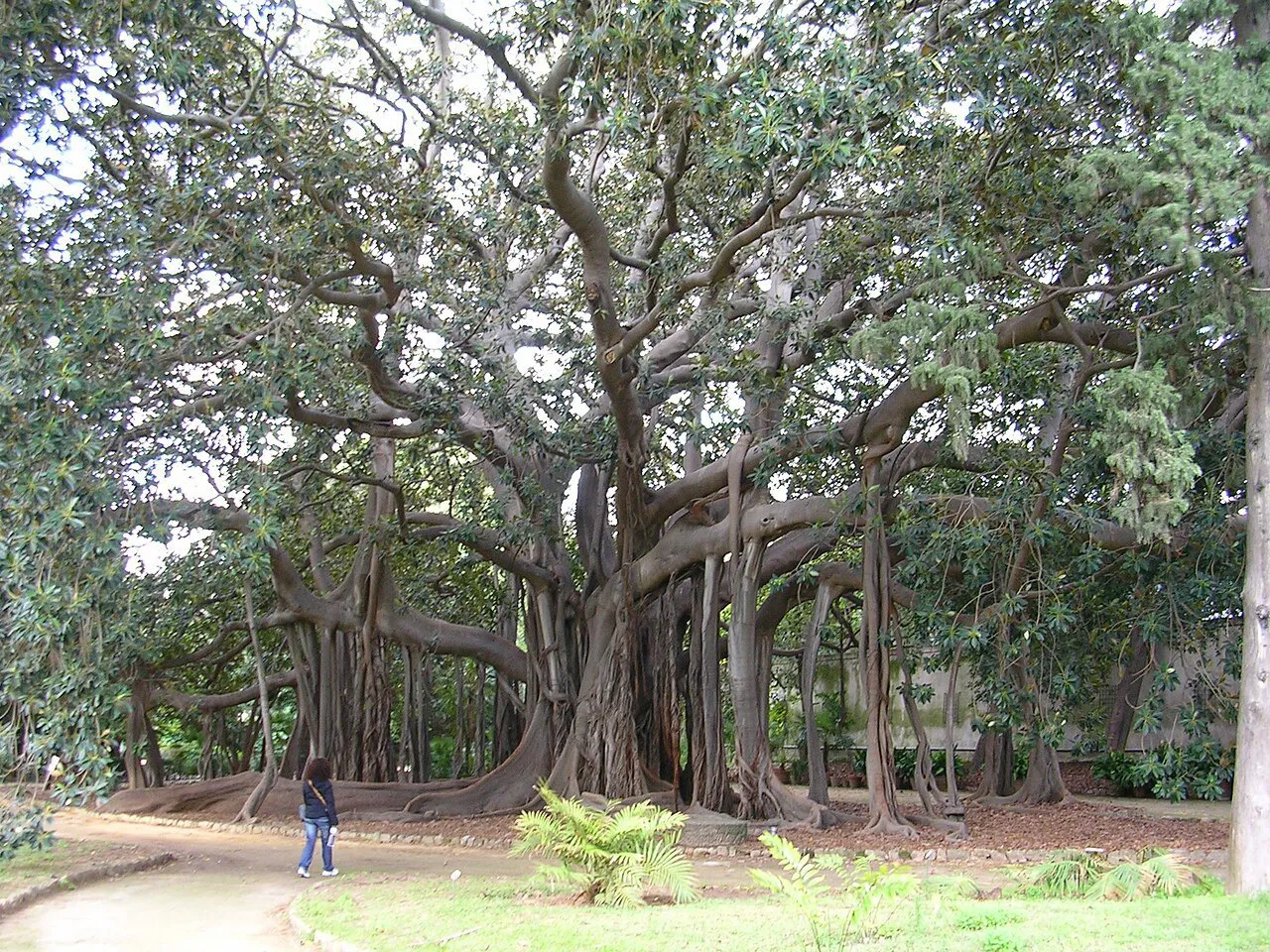
11The botanical garden of the University of Palermo swaps the marble of the churches for big trees; the monumental ficus is one of the characters of the walk.
View details for Orto Botanico
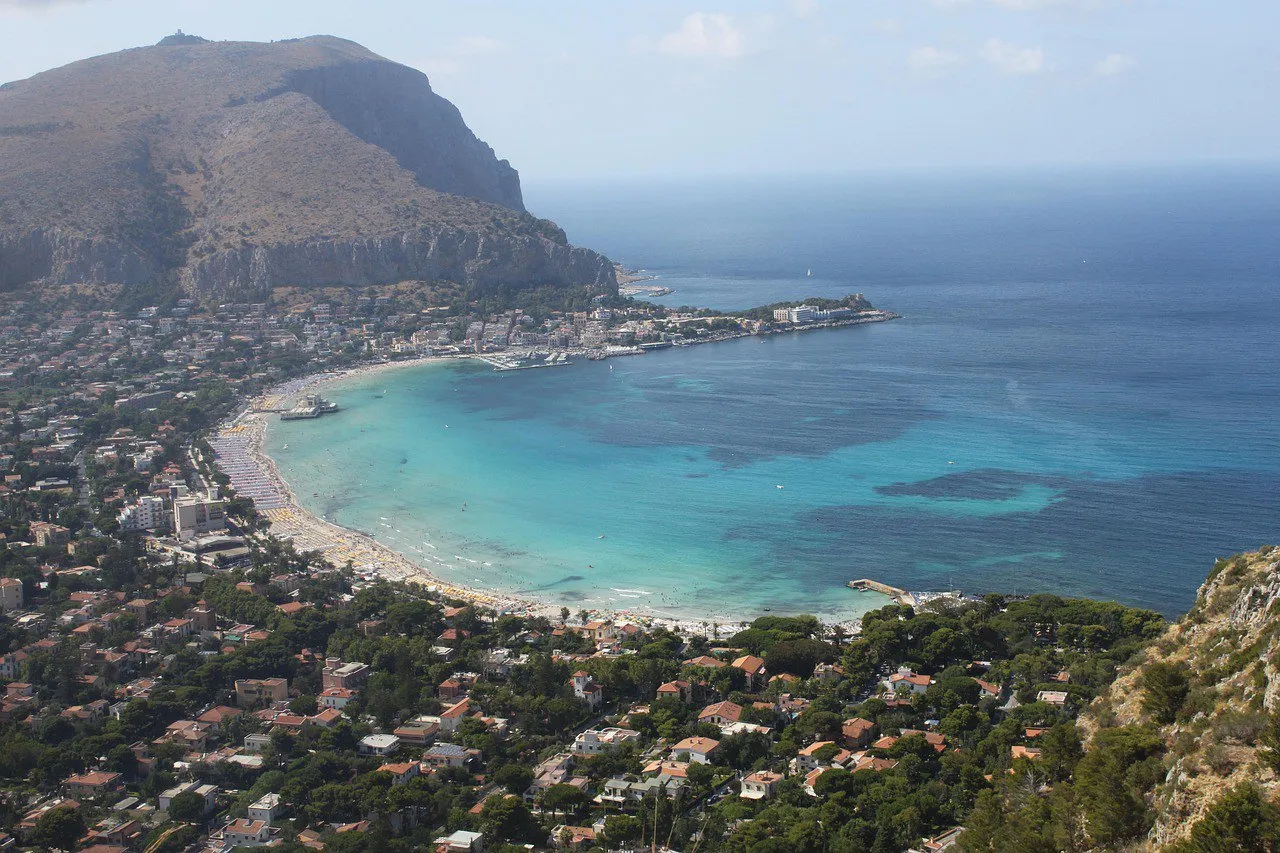
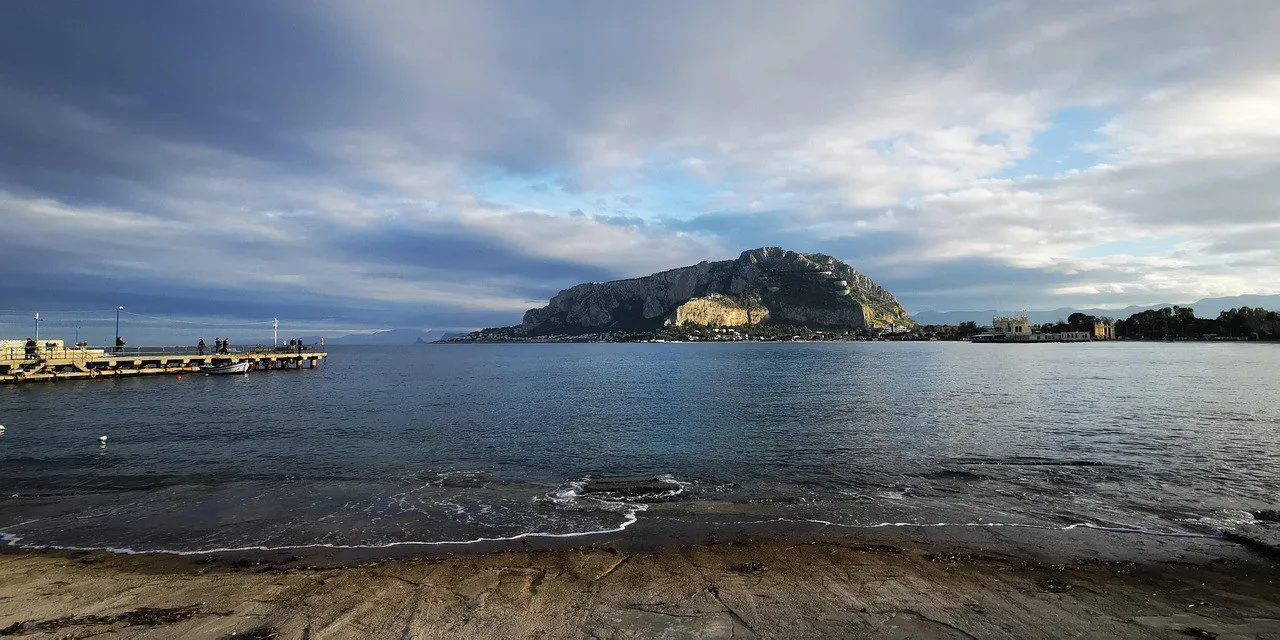
12On Palermo’s coastal side, Mondello offers a stretch of sand, Liberty-style villas and a former bathing establishment built over the water.
View details for Mondello Beach
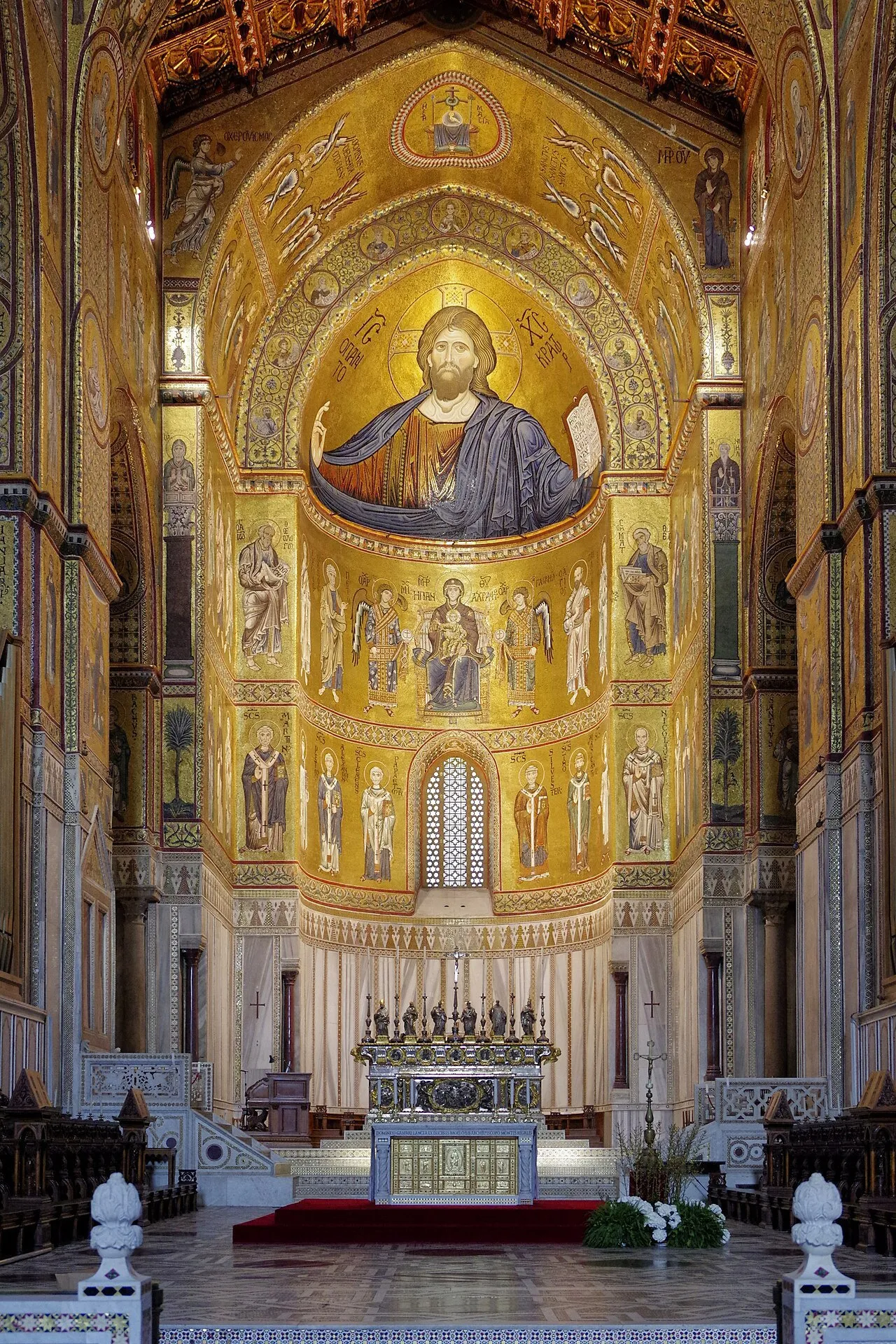
13Outside Palermo, Monreale Cathedral brings together golden mosaics and a cloister of decorated columns; set aside dedicated time for the day trip.
View details for Monreale Cathedral and Cloister
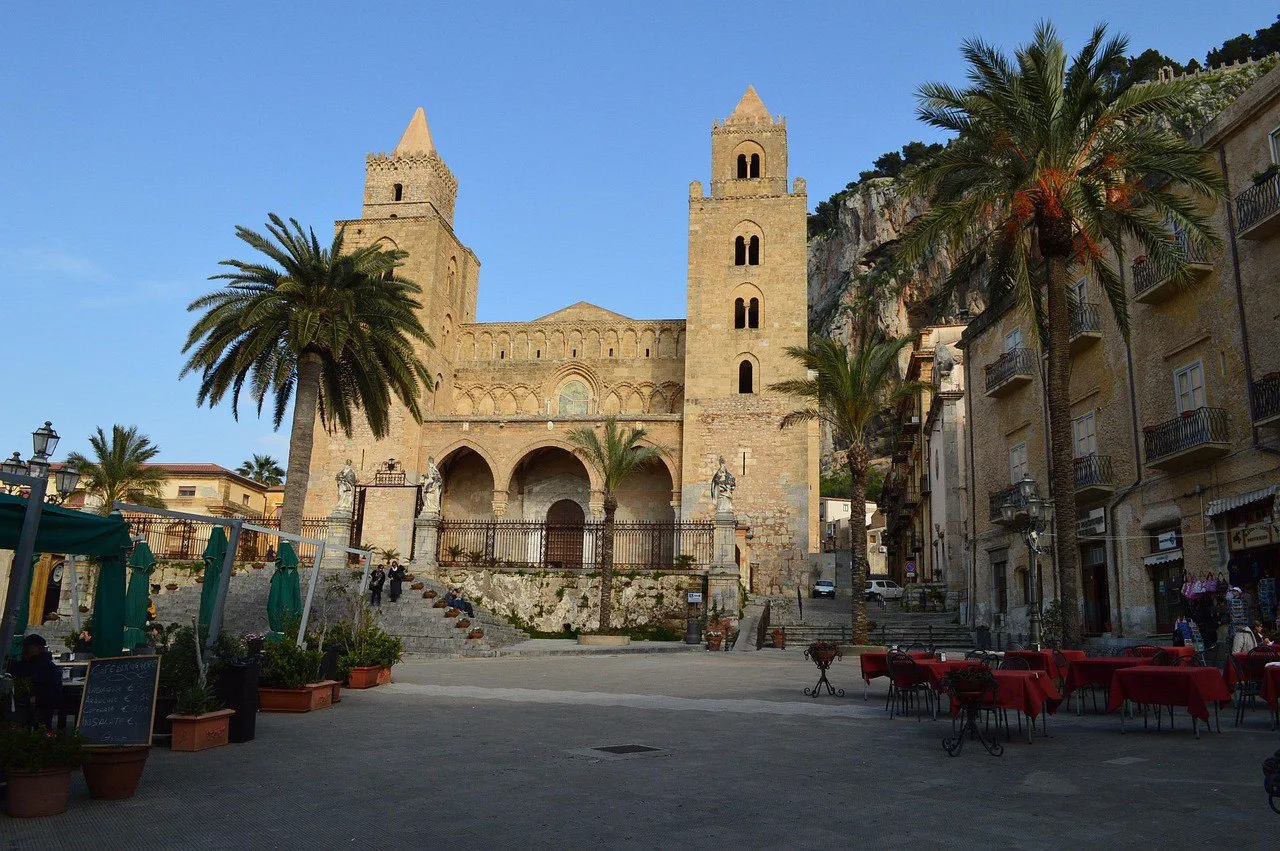
14In Cefalù, outside Palermo, Norman towers and the Christ Pantocrator mosaic make a good reason for a day trip by train with time left for the seafront.
View details for Cefalù Cathedral
1The first impulse in the Palatine Chapel is to raise your phone. Try to hold off for a moment: the Byzantine mosaics pull your eyes upward, but the carved wooden ceiling deserves attention too. The shapes known as muqarnas resemble small stalactites. The whole is part of the royal palace and helps explain the meeting of traditions that defined Norman Palermo.
Split the visit between the chapel and the palace rooms that are open, without assuming they all open together. After so much detail overhead, walking to the neighboring monuments feels like a break for your neck.
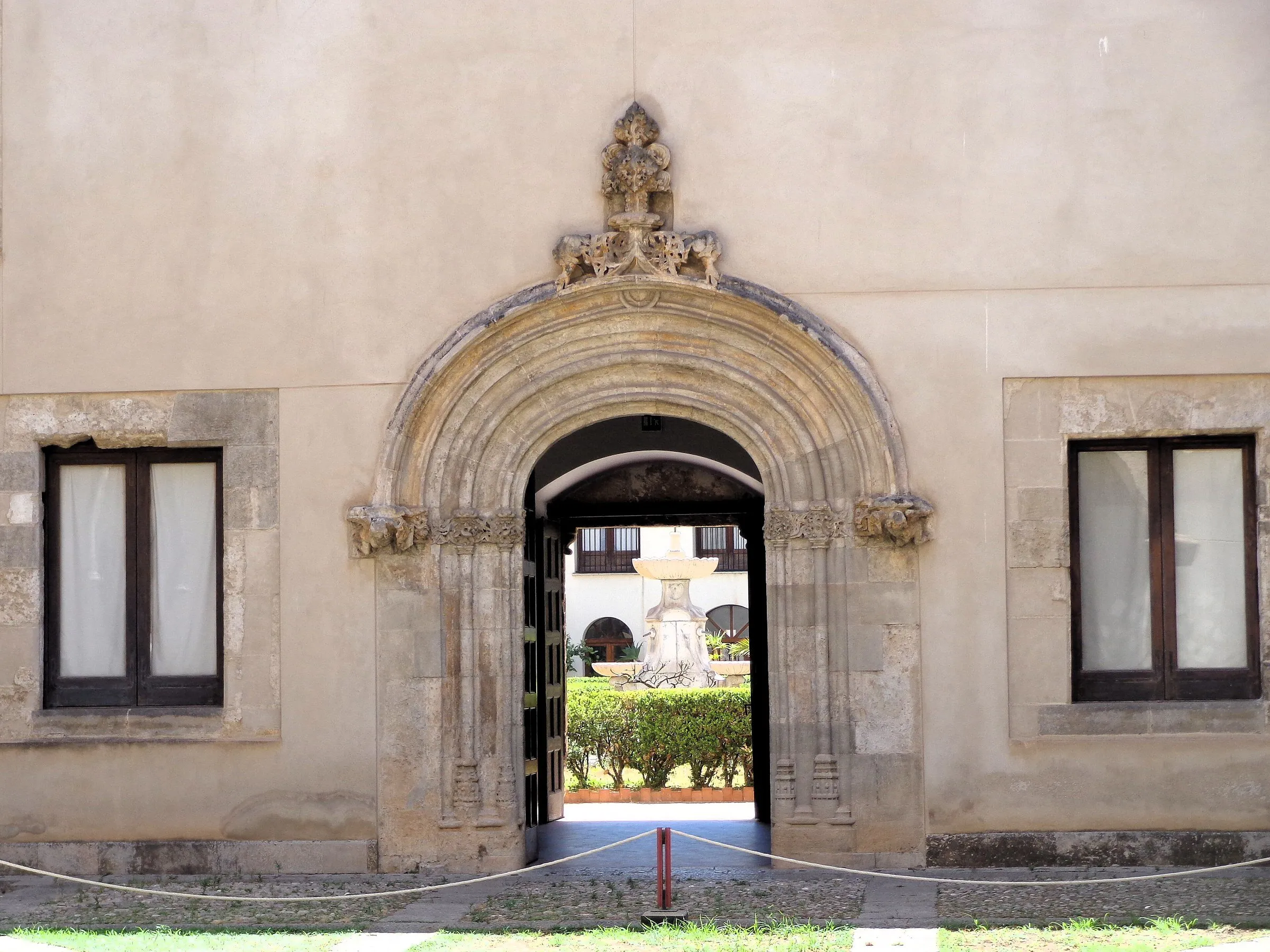
2The red domes announce San Giovanni degli Eremiti before you even know its full name. In this Norman complex, the garden takes up as much of your memory as the old church: greenery, pale stone and cloister arches share the scene. After the gold of the Palatine Chapel, the change of scale is easy on the eyes.
Go in and take your time, noticing how the plants creep toward the columns. The interior is sober; much of the charm lies in this relationship between building and garden, which calls for an unhurried walk.
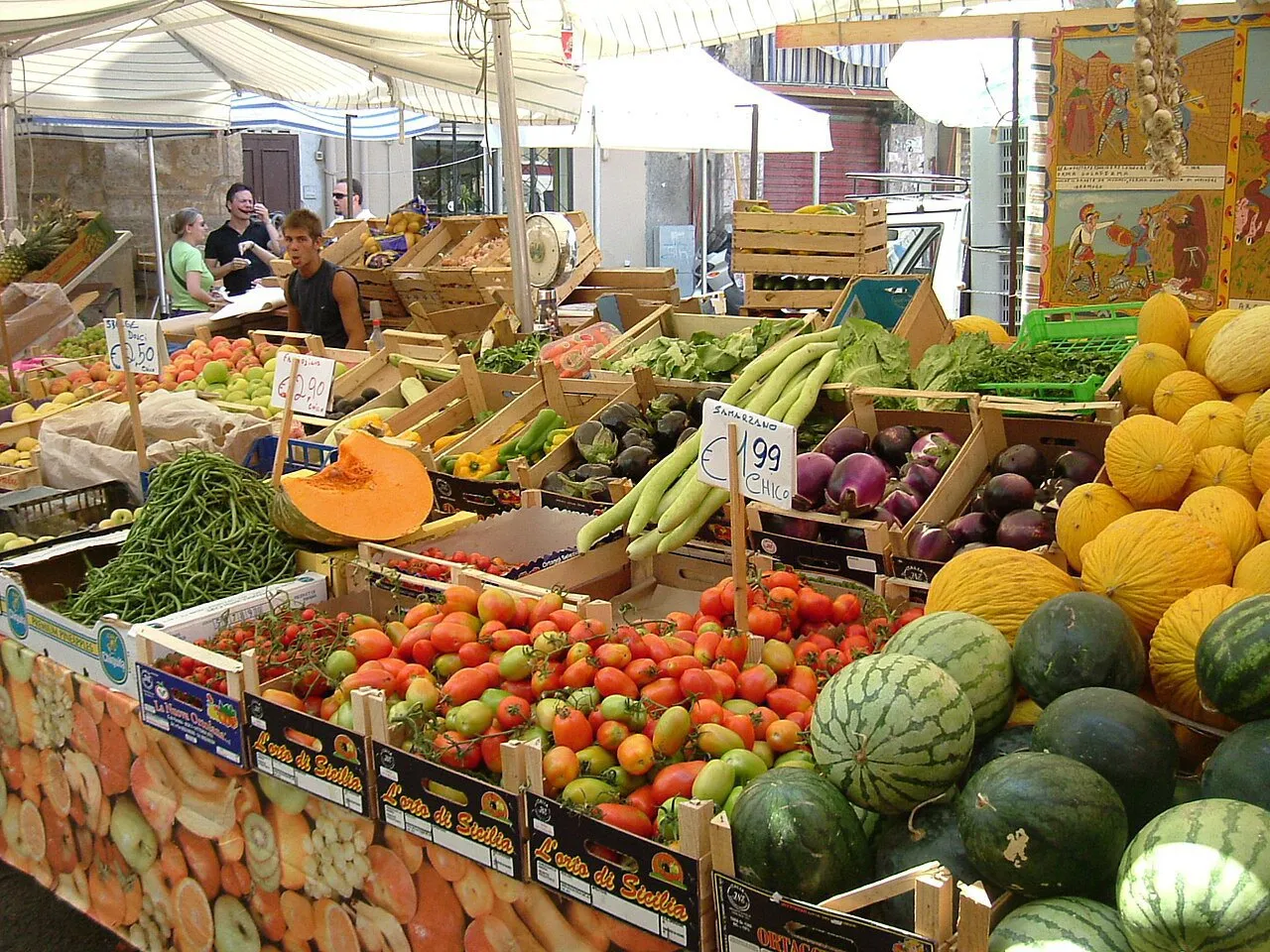
3In Ballarò, the plan to just take a quick look usually ends with bread and something fried in your hand. The market brings together food stalls, fresh produce, conversations and the calls of the vendors. Walk around watching what is being prepared, instead of picking the first stall you see after arriving hungry.
Panelle and crocchè help you build lunch in stages. If you would rather sit down, walk first and eat afterward. Remember that people are also shopping and working there: step aside to let them pass and ask permission before taking portraits.
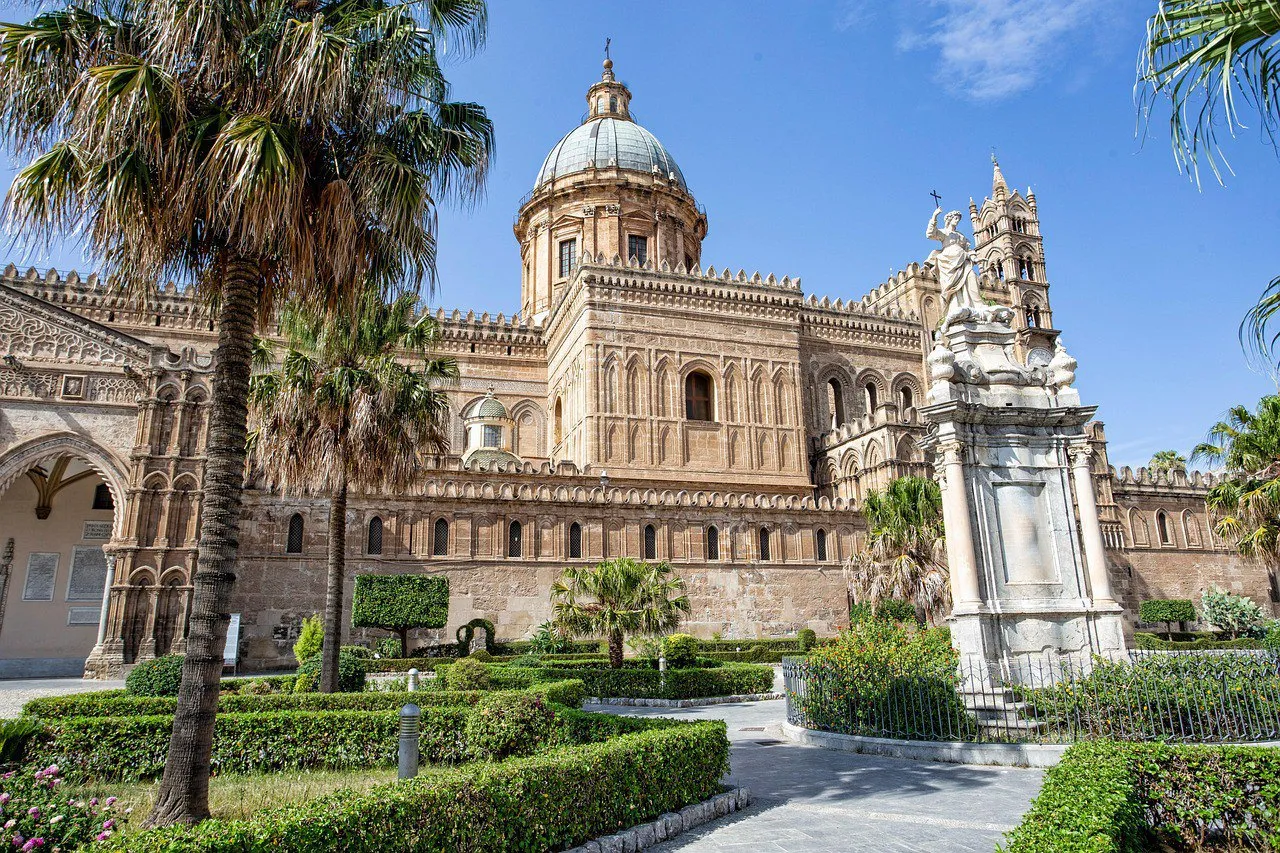
4Look at Palermo Cathedral from more than one side. The succession of towers, arches and volumes gives away the changes made over the centuries; the apse area preserves the Norman language particularly clearly. You can see the layers as you walk around it, without having to memorize a family tree of kings.
Inside are the tombs of sovereigns and the chapel dedicated to Saint Rosalia. The monumental routes have their own rules. The rooftops offer another view when accessible, but works may limit the visit: treat the climb as a bonus to be confirmed.
5You reach an intersection and the city stages a small theater around you: curved facades, fountains and sculptures fill the Quattro Canti. Via Maqueda meets Via Vittorio Emanuele here, at a spot also called Piazza Vigliena. The symmetry catches your attention first; then the details of each facade appear.
Look at the allegories of the seasons and the figures of kings and patron saints. They lift the square out of the category of mere scenery. The visit is short and works as a landmark for finding your way around the center.
6The Pretoria Fountain seems too big for a quick peek between two churches. Walk all the way around: the marble changes its design as you move, with sculptures, stairs and basins composing the square. The curious part is that the piece was made for Luigi de Toledo’s garden in Florence before being sold to Palermo.
Setting it up in the city involved adaptations and the work of other sculptors. It also tells a story of transport and reassembly. Visit it together with the Quattro Canti and the Martorana, taking advantage of how close they are to compare the spaces.
7The Martorana has another name that explains its origin: Santa Maria dell’Ammiraglio, linked to Admiral George of Antioch. Inside, the mosaics slow your gaze down. Look for the depiction of Roger II crowned by Christ, an image in which art also delivers a message of power.
Later changes to the building sit alongside the Byzantine decoration. Compare the scale of this church with the Palatine Chapel: the details start talking to each other. The nickname came from the convent associated with the church, also remembered in the almond-paste sweets.
8Before heading off to hunt for temples across the island, step into the Salinas. The metopes of Selinunte, carved panels that were part of the temples, let you see up close figures and stories that on a ruin would sit far above your head. The museum also holds objects from other origins, widening the conversation beyond Greek Sicily.
Pick a few pieces to look at slowly, rather than rushing through the rooms trying to remember every name. In Olivella, close to the Teatro Massimo, the visit lets you fit archaeology and music into the same outing.
9The staircase of the Teatro Massimo makes plenty of people stop before they even think about opera. Lift your eyes to the facade and then choose between a guided tour and a performance. The tour inside presents the main hall and other spaces, such as the foyer and the areas around the royal box.
Seeing the empty building is one thing; hearing it at work is another. If a performance fits your trip, check the program. The guided tour lasts about forty minutes, but whether it runs depends on the artistic schedule: the stage has commitments beyond welcoming tourists.
10Antonello da Messina’s Annunciata and the Triumph of Death are reason enough to arrive at the Palazzo Abatellis without rushing. But also look at how the works appear in the rooms. Carlo Scarpa’s design treated supports, light and the relationship with the architecture as part of the visit.
The home of the Regional Gallery of Sicily was an aristocratic residence before taking on other uses. Walking through it helps put the churches you saw in the streets into context. You may leave remembering the space around a painting as much as the painting itself, a good reason to look up from the label.
11When the visit starts to feel like a string of stones and mosaics, the Orto Botanico offers another texture. The garden belongs to the University of Palermo and holds a great Ficus macrophylla f. columnaris, a tree that has become a symbol of the place. Here the star keeps growing and will not fit in a frame.
Treat it as a visit to a garden, with time to look at the plants. It pairs well with the Palazzo Abatellis, since both are in the Kalsa area. After so much decoration in the churches, the plan can simply be to follow the shape of a tree.
12Mondello is still Palermo, but it takes a trip of its own, outside the walkable circuit of the center. The bay sits between Monte Pellegrino and Monte Gallo, with Liberty-style villas and the former bathing establishment resting on the water. Even without going into the sea, there is architecture to admire along the waterfront.
Set aside an afternoon to go and come back without competing for minutes with museums. You can arrive by bus or car; on busy days, allow some slack. Before spreading out your towel or taking a dip, check the public access points and any swimming restrictions currently in force.
13In Monreale, a separate municipality, the Cathedral of Santa Maria la Nuova continues the conversation begun by the mosaics of Palermo. Christ Pantocrator dominates the interior decoration; in the cloister, it is the small columns and capitals with scenes, animals and plants that call for attention. You trade the monumental scale for details that are almost overlooked.
The day trip can be made by bus from Palermo, with a connection listed from Piazza Indipendenza. Check the current stop and set aside a good part of the day for transport, cathedral and cloister. Staying overnight is optional; keep Cefalù for another day.
14The cathedral towers stand out in the center of Cefalù; inside, the Christ Pantocrator mosaic draws the eye to the apse. The building is part of the same UNESCO-recognized ensemble that links Palermo and Monreale. The artistic continuity explains the trip, but the coastal landscape completely changes the setting.
Take the train from Palermo Centrale to Cefalù and save the day for the visit and a walk. Use about one hour each way as a reference, checking the service you choose. The day trip is doable; to stretch out the beach time, add a night as an optional extension.
Group the Cassaro, Via Maqueda and nearby sights together; leave a separate block for Mondello and confirm the bus and the return before heading out.
Falcone Borsellino airport has a rail link to Palermo; compare the arrival station with your lodging’s address and check the service for your day.
Check the dress rules and the times reserved for services; carry something to cover your shoulders and avoid taking photos during religious services.
Ask for prices before ordering food, step aside for people at work and keep your phone and wallet safe when crossing crowded stretches.
For walking, I would favor spring or early autumn; in the heat, bring water, protect yourself from the sun and plan pauses between monuments.
The palace, chapel, monumental areas and cloisters may have different conditions; compare what each ticket includes before buying combinations you will not use.
In Palermo, leave room to eat in stages. Bread with panelle solves the first hunger; the arancina can become the lunch you swore you had not planned. Between market and rosticceria, look at what is coming out fresh and ask about the filling. To finish, the almond-paste sweets called frutta martorana let you continue the church’s conversation with another texture.
Bread with thin fritters made of chickpea flour, sometimes served with crocchè, potato croquettes.
A fried, filled rice ball, in versions such as ragù and cheese; choose by filling before ordering another one.
Bread with offal, including spleen, from the street food tradition; ask about the extras and how it is served.
Almond-paste sweets shaped like fruit, associated with the Martorana convent.