 1
Seafronts and architecture
Zhuhai Fisher Girl and Lovers' Road
The Fisher Girl sculpture lifts a pearl over Xianglu Bay; pick a stretch of Lovers' Road and enjoy the sea without hurrying.
View details for Zhuhai Fisher Girl and Lovers' Road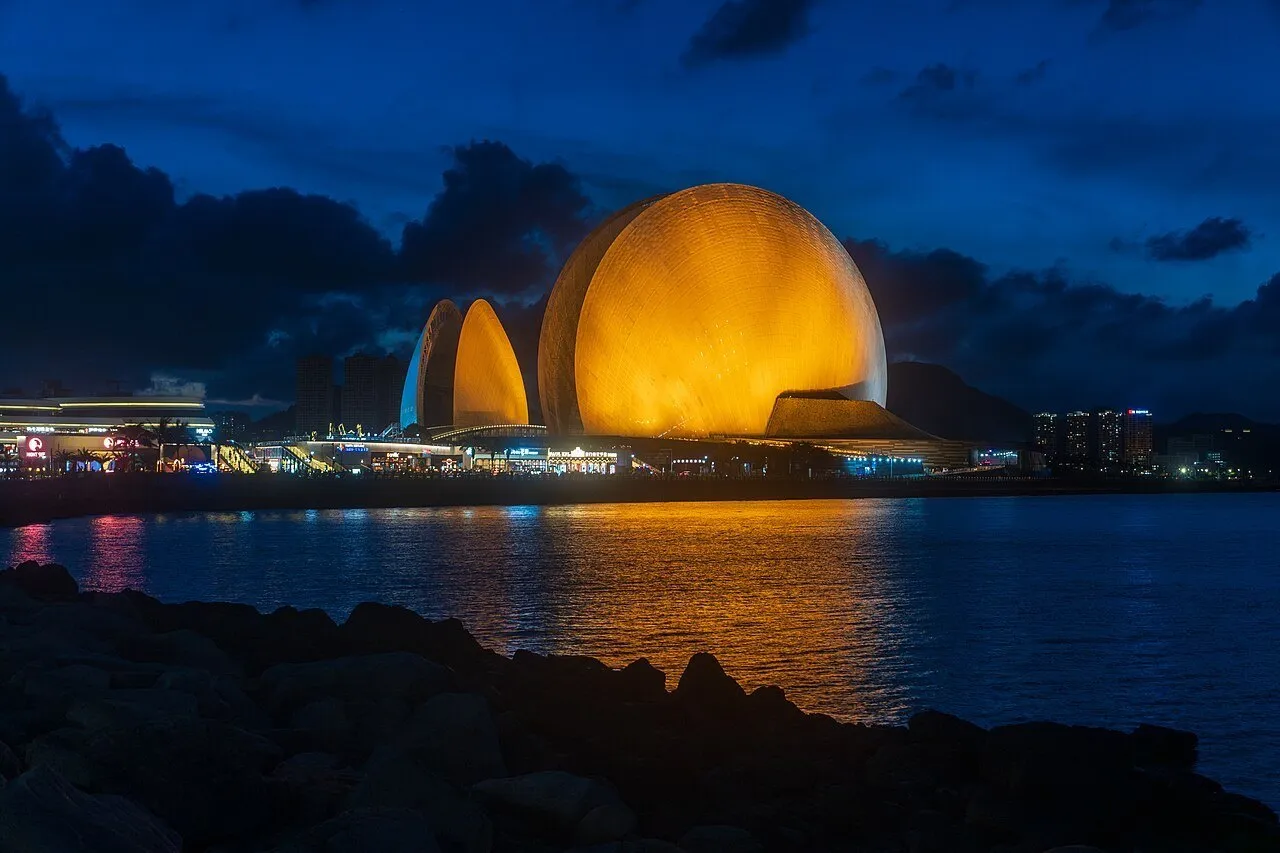
China
In Zhuhai, two giant shells rise in front of the sea and the walk carries on along the waterfront. Then you swap the horizon for village lanes and find out that a tea break deserves time too.
The opera house's shells change profile as you walk around Yeli Island. Across the water, the Xiangzhou seafront links gardens, urban beaches and the Zhuhai Fisher Girl, who lifts a pearl over the bay. That stretch of coast is a good start, but it doesn't sum up the city: the streets of Beishan and Tangjiawan show courtyards, ancestral halls and houses that are still part of local life.
Split your visit between the central seafront, the Yuanming and Beishan outings, and a trip north that takes in Tangjiawan and Qi'ao. Use transport between the clusters instead of turning the coastal avenue into an endless walk. Zhuhai is in Guangdong, right next to Macau, but this itinerary stays in mainland China. A trip to Macau requires checking documents and conditions of its own; being close on the map doesn't remove the border crossing.
The shapes of the Zhuhai Opera House evoke shells and represent the sun and the moon: the architecture follows the city's maritime theme.
The New Yuanming Palace is a recreation inspired by the old Yuanmingyuan in Beijing; it is not an original imperial palace moved to Zhuhai.
Gongleyuan was Tang Shaoyi's private garden before becoming a space shared with the community.
The cha guo of Tangjiawan include treats such as taro cake and layered cake: here, the tea break comes with something to chew on.
1The Fisher Girl sculpture lifts a pearl over Xianglu Bay; pick a stretch of Lovers' Road and enjoy the sea without hurrying.
View details for Zhuhai Fisher Girl and Lovers' Road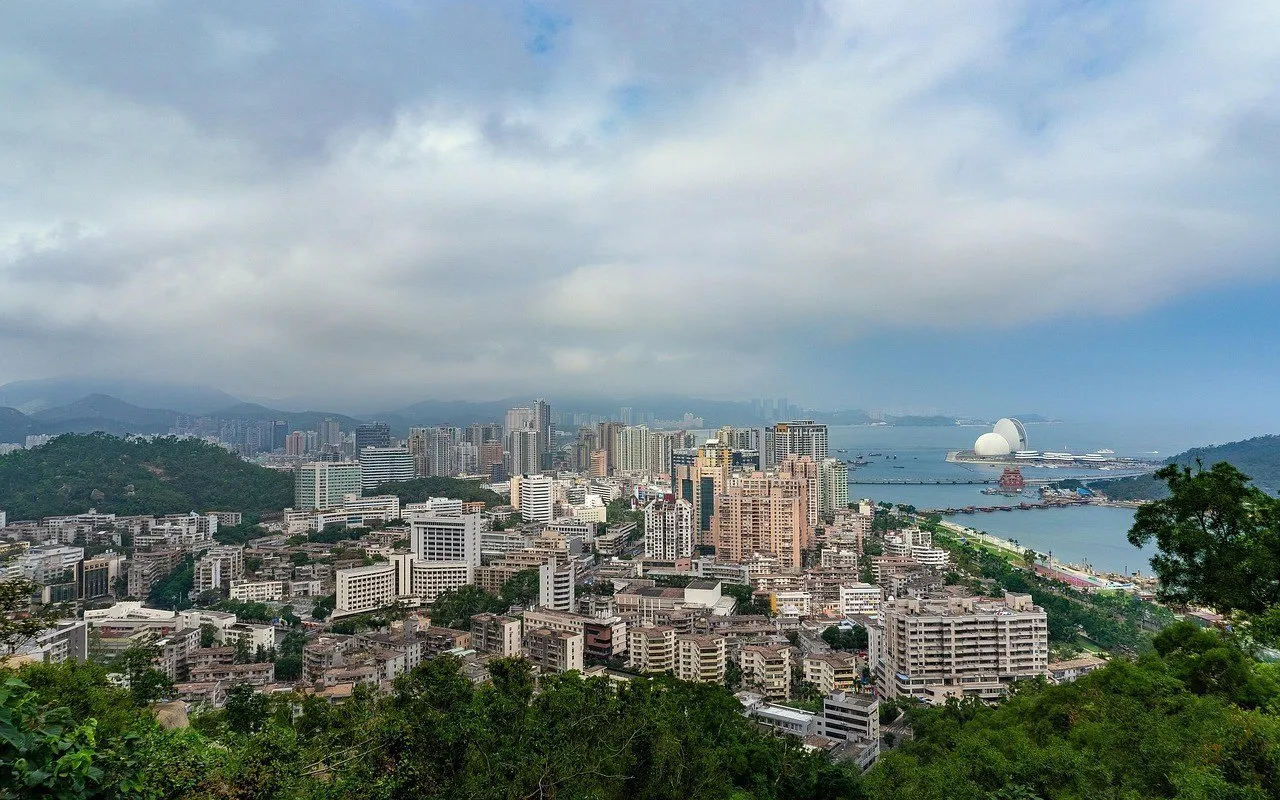 2
The hill near the waterfront changes the angle of the walk, with greenery and city views; keep to a short route that suits the weather and your energy.
View details for Jingshan Park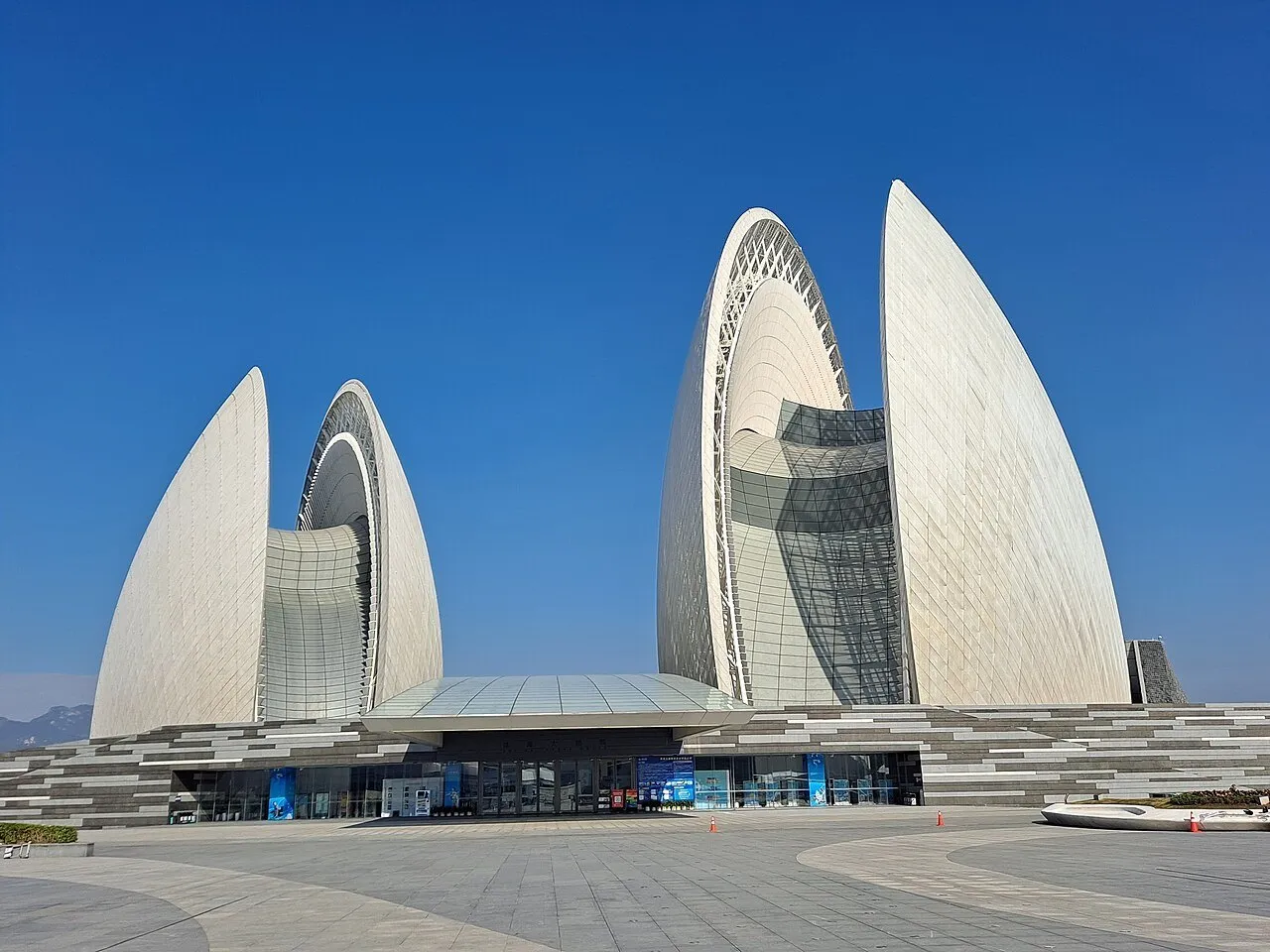 3
The opera house's white shells mark Yeli Island; the outdoor stroll combines architecture and waterfront, while shows need their own research and tickets.
View details for Zhuhai Opera House and Yeli Island 4
Gardens, pavilions and architectural recreations evoke Beijing's Yuanmingyuan; visit the park as a modern interpretation, with activities charged separately.
View details for New Yuanming Palace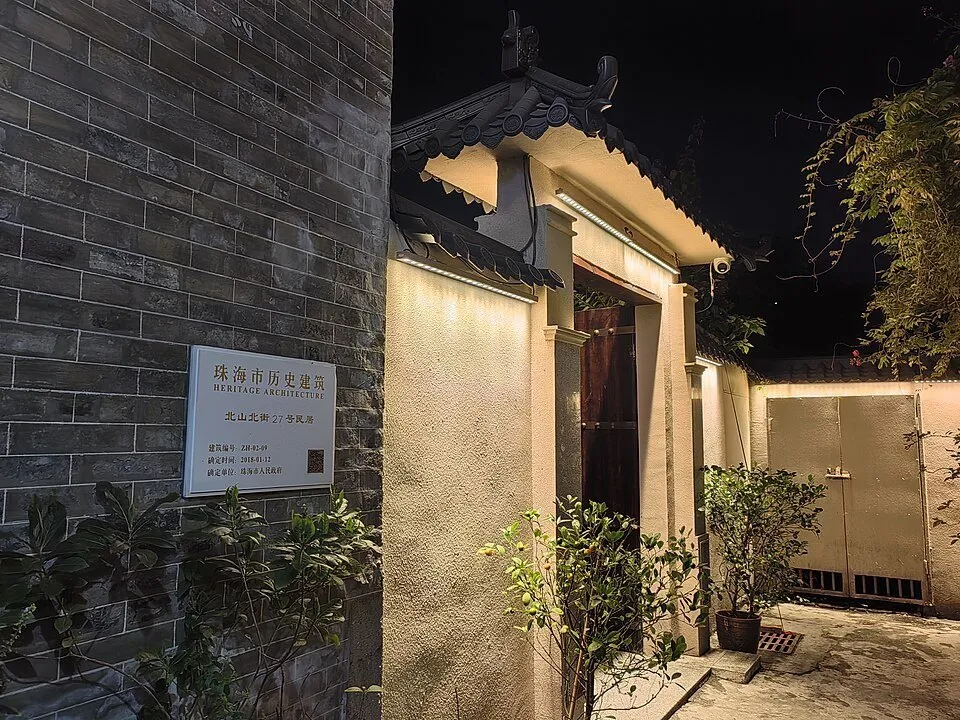 5
Ancestral halls, village streets and teahouses share space in Beishan, where heritage is still tied to gatherings and community life.
View details for Beishan Village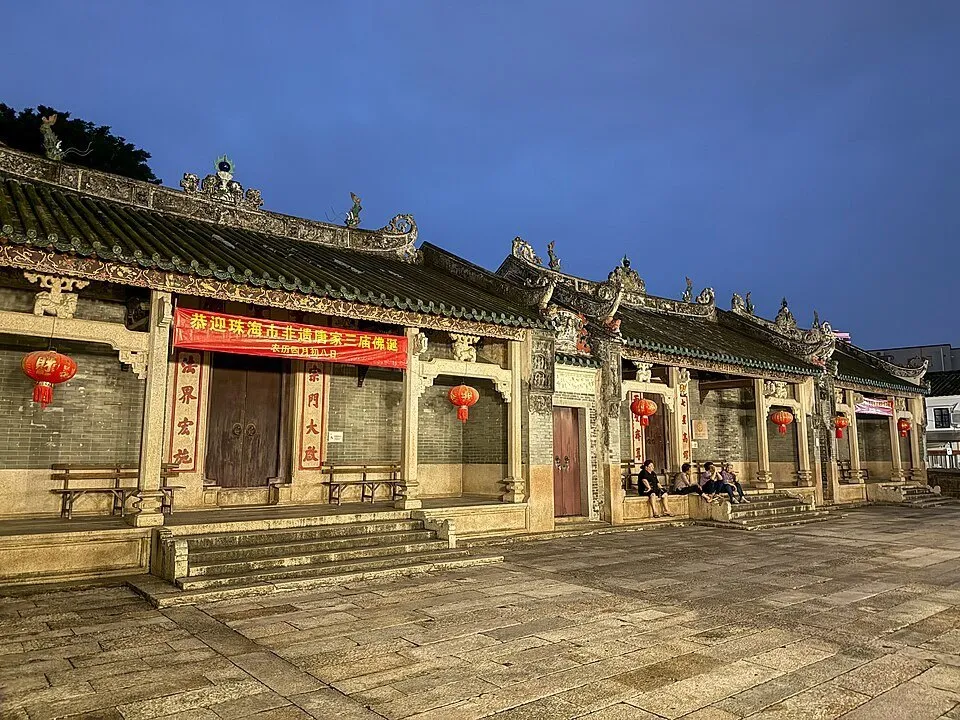 6
The Shan Fang Road area gathers historic streets, houses and shops; combine the walk with Gongleyuan and notice daily life beyond the shopfronts.
View details for Tangjiawan Historic District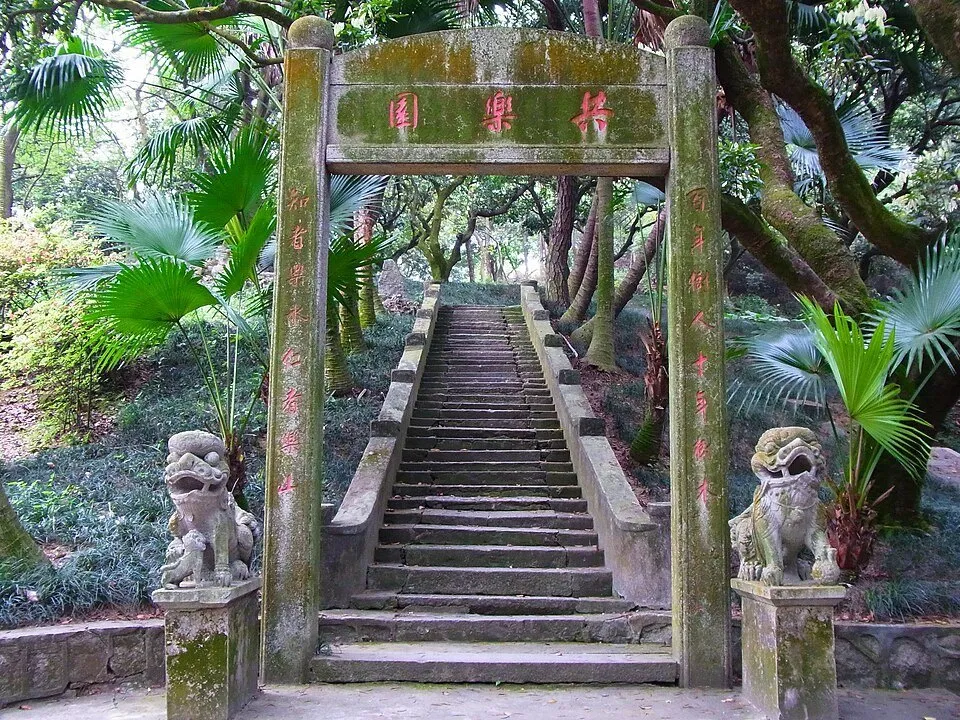 7
Tang Shaoyi's former garden brings together tree-lined paths and historic buildings, a green break close to Tangjiawan's old streets.
View details for Gongleyuan Garden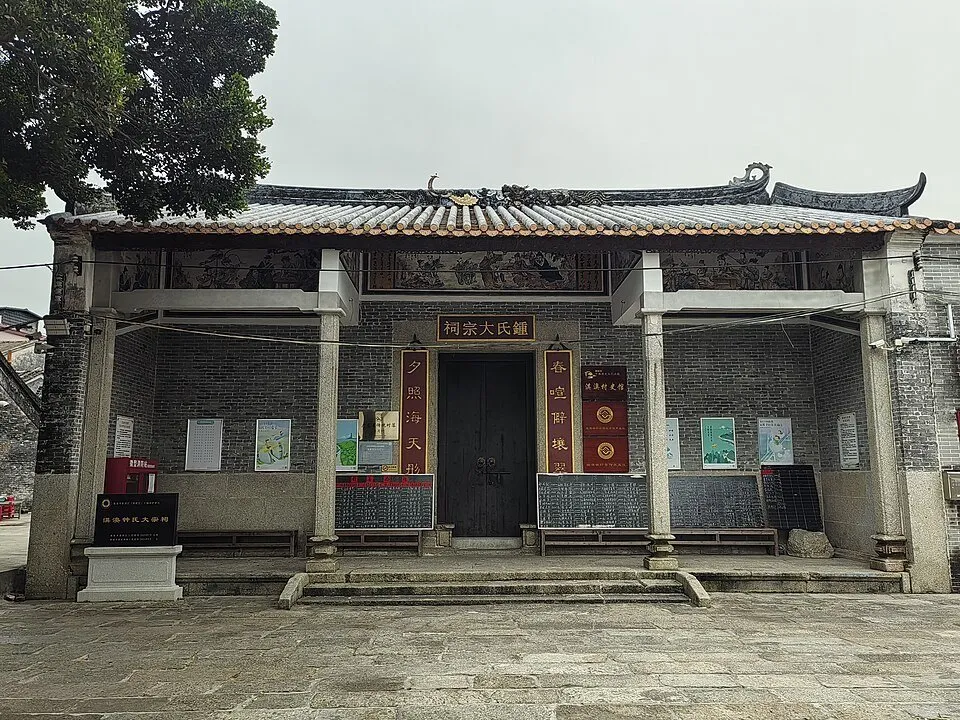 8
Baishi Street offers a walk through Qi'ao's inhabited core, with places of memory and local life; natural areas need separate planning.
View details for Qi'ao Island and Baishi Street1A pearl held high above her head is how you recognize the Zhuhai Fisher Girl before you even reach the base. The granite sculpture, created by Pan He, looks out over Xianglu Bay and works as a landmark for starting a stretch of Lovers' Road.
The avenue runs along several coastal sections, not a single square. Walk only the stretch you chose and watch the bay without counting on a swim. To continue to the opera house or another distant spot, compare the route and take transport.
2After looking at the bay from water level, look for another perspective in Jingshan's green areas. The park connects to the Jingshan Trail network, which links different parks and districts of the city. The idea here is a selective walk, not completing the whole network.
Check the entrance and which paths are open before heading up. There are slopes, and the heat changes the effort of the visit a lot. Don't count on a cable car or recreational descent to complete the outing: that equipment needs its own confirmation, and so do the paths after heavy rain.
3Up close, the opera house's shells reveal curves that disappear in photos taken from the mainland. The complex sits on the northern part of Yeli Island and hosts opera, concerts, dance and other performances. For this itinerary, the plan is to enjoy the exterior and walk around the surroundings.
Walk around looking for different perspectives, without counting on entry to the halls. Seeing a show is a different plan: check the language, the duration and the official ticket. At the end of the day, leave time to sit and look at the water, instead of leaving as soon as you find the photo angle.
4Chinese pavilions and European-inspired forms appear in the same walk through the New Yuanming Palace. The park recreates parts of Beijing's Yuanmingyuan and combines palace and garden references. The interest lies in this interpretation built in Zhuhai, without mistaking it for a preserved original imperial complex.
Walk a selection of the gardens and leave the extra activities until you know the conditions. General admission advertised as free doesn't mean that shows, rides or attractions are included. Check what is actually running on your date and set aside a break before heading to Beishan.
5The Yang family ancestral hall gives you a reference point to start Beishan, but the visit continues through the streets and the gathering places. The community brings together family heritage, teahouses and cultural initiatives. Local events show that the buildings also serve gatherings, not just cameras.
Walk slowly, step into the places that are open, and ask permission before photographing interiors or people. A tea break fits here better than a list of facades to tick off. Music, fairs and performances depend on the calendar; the outing shouldn't rely on a festival that has already ended.
6On Shan Fang Road the scale changes: you trade the wide coastal avenues for a walk among historic buildings and shops. Tangjiawan's old core went through protection and revitalization work, with a renovated stretch opened to the public. That doesn't turn every building into a sight you can visit.
Start with the public streets and pick a stop to eat. Houses, cultural spaces and temples may have different access conditions. The fun is in noticing details and current uses, without walking in through doors left open by mistake. Save Gongleyuan for next, keeping time for the trip to Qi'ao.
7The shade and paths of Gongleyuan make a good change after the streets of Tangjiawan. Tang Shaoyi's former private garden preserves a complex that mixes Chinese and Western references, including buildings such as the Guanxingge observatory. Not every building needs to be open for the visit to be worth it.
Choose a short loop and take in the garden without turning every staircase into an obligation. The place has been restored, and access to buildings or activities may change. Check the conditions at the gate and save the energy you have left for Qi'ao.
8Baishi Street is a reference point for getting to know the inhabited side of Qi'ao. The walk crosses places of memory and streets tied to the community, on an island that also appears in the cultural itineraries of northern Zhuhai. Here, the plan stays in the village core, without adding a mangrove expedition.
Plan your trip there and back before leaving Tangjiawan. Museums, temples and trails have their own access; don't assume they are all open. Walk the public areas, respect people's homes and leave any visit to the nature reserve for a confirmed schedule, with conservation rules checked.
Combine short walks with buses or licensed taxis. Keep the Chinese names of the sights and your lodging's address handy; confirm the route and the way back, especially on the Tangjiawan and Qi'ao day.
Compare the transfer from Jinwan airport with your hotel's location. If you arrive via Hong Kong or Macau, check the documents, visas and transfers that apply; the itinerary doesn't include an international crossing.
Alipay and WeChat Pay let you link compatible international cards, but setup depends on the issuer. Test it before you need to pay and also carry cash in yuan, without assuming your physical card will be accepted everywhere.
Prefer days with a firmer forecast for the hills and the seafront. Bring water and sunscreen and follow wind, rain and storm alerts; if a place is closed off, swap the walk for an indoor visit you have confirmed.
Respect signage and ask permission before photographing interiors or residents. Ancestral halls, houses and temples may have rules of their own; an open door is not an invitation to walk in.
Much of the itinerary is walking and looking at exteriors. Before paying for rides, shows or extra visits, check what is included and whether the time fits the rest of your day.
Between the seafront and the villages, save room for Cantonese morning tea and small portions of dim sum. In Tangjiawan, ask for cha guo; in Beishan, stop at a teahouse. The break may last longer than the photo of the facade, and that is a perfectly acceptable result.
Small portions served with tea; shrimp dumplings and buns are among the city's Cantonese options.
A family of traditional treats to go with tea, including taro cake and layered cake; ask about the ingredients.
Also shows up in Beishan, a reminder of the region's exchanges; try it without turning the pastry into a reason to cross the border.