 1
History and architecture
Tiananmen Square
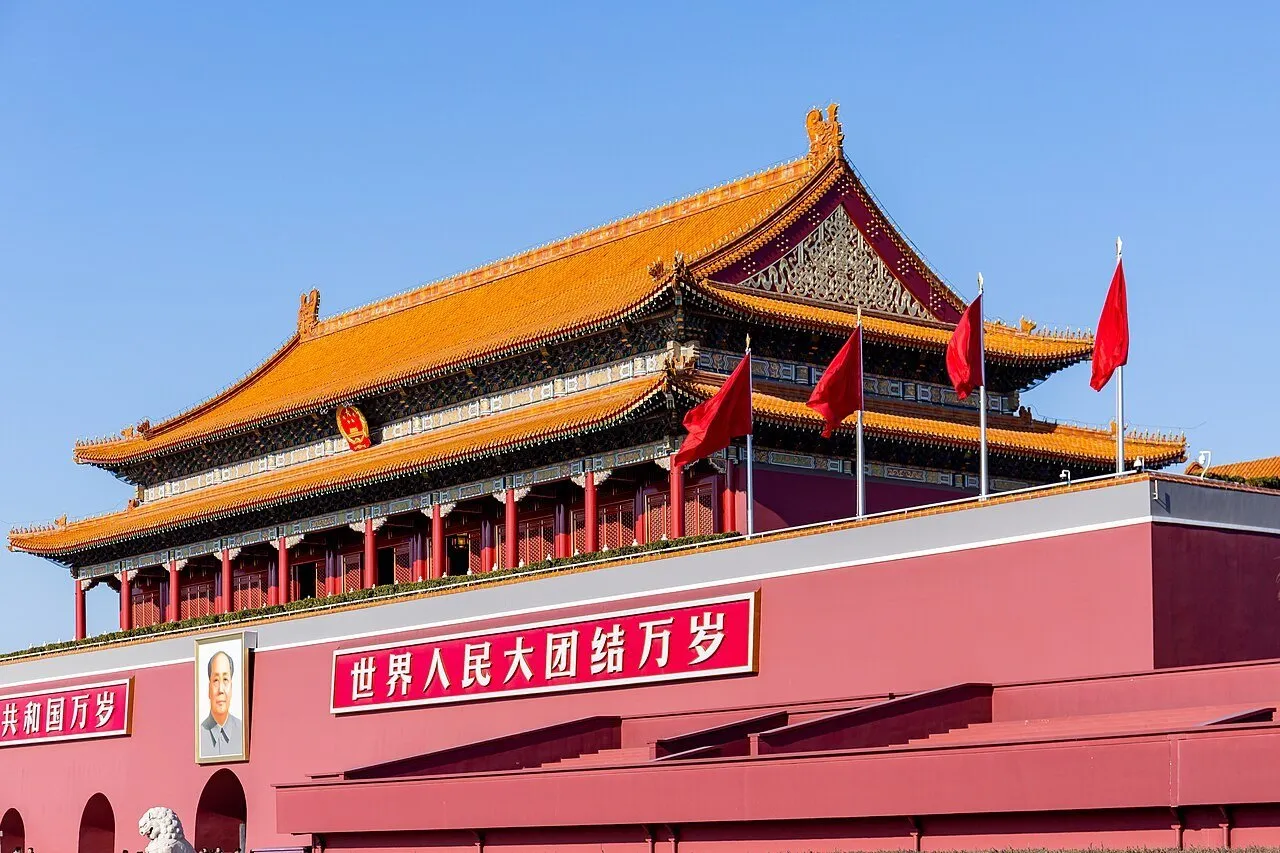
The great square on the central axis helps you grasp Beijing's scale, but it takes planning to get in and does not replace a visit to the palace.
View details for Tiananmen Square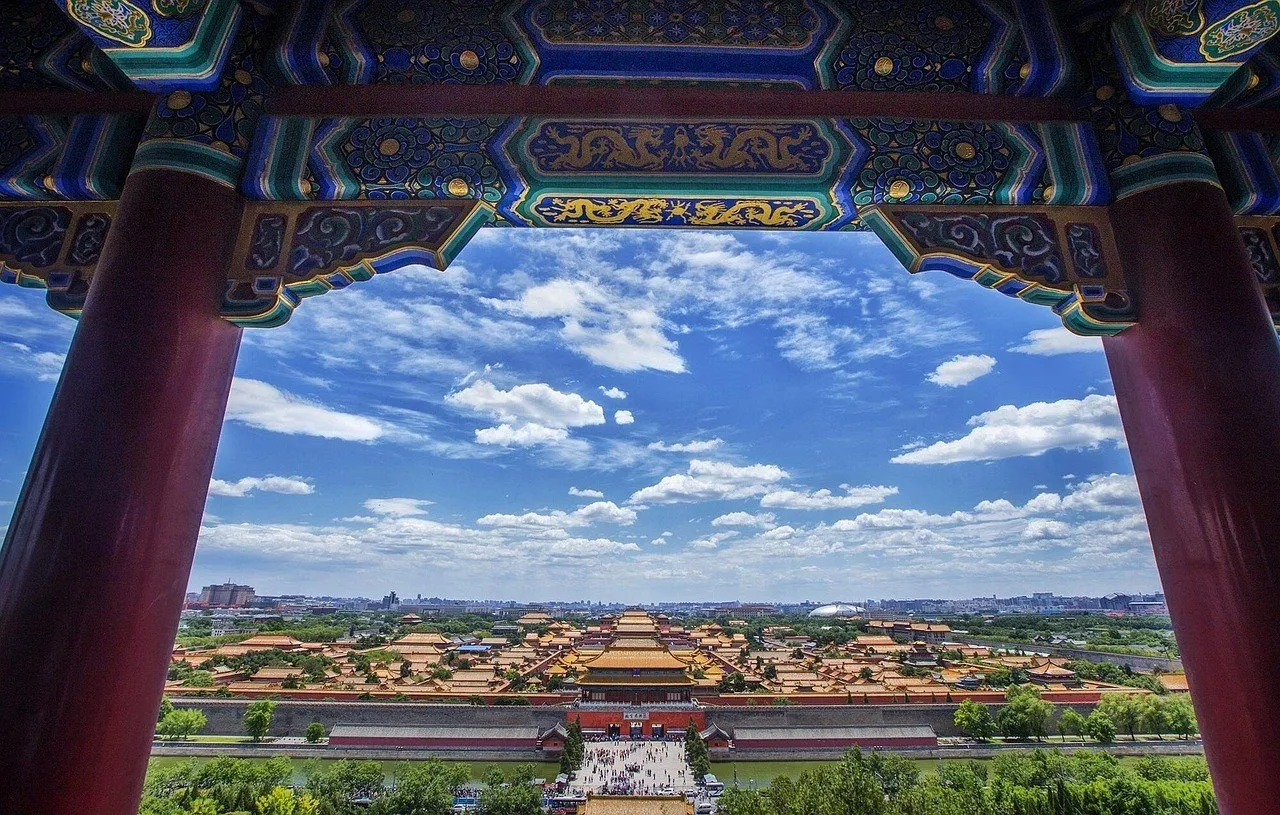
You walk through the red courtyards of the Forbidden City, climb Jingshan and finally grasp the scale of those rooftops. Later, a bowl of noodles and the lanes of Shichahai change the pace.
The yellow roofs of the Forbidden City seem to go on forever when you look from Jingshan. Down below, the sequence of gates and courtyards explains a Beijing built to impress before anyone even reached the emperor. But a walk through the hutongs, the alleys between courtyard houses, trades monumental scale for doorways, bicycles and a street corner where you can stop without checking the next attraction.
Organize the trip by area and by reservation, because a short line on the map can hide a long transfer. This itinerary gives one day to the imperial axis, another to the temples and Shichahai, and the third to the Summer Palace and the Olympic area. The 798 art district is an alternative; Mutianyu, a full-day outing. To add the Great Wall without sacrificing the city, set aside one more day.
Beijing's central axis brings together palaces, gardens and ceremonial spaces in a planned composition: the city's symmetry also expresses ideas of order and government.
The Summer Palace combined residence and administration with a garden organized around Kunming Lake and Longevity Hill; landscape was also a matter for the court.
The Bird's Nest hosted Olympic ceremonies at both the 2008 Summer Games and the 2022 Winter Games: the stadium had a second Olympic debut.
1The great square on the central axis helps you grasp Beijing's scale, but it takes planning to get in and does not replace a visit to the palace.
View details for Tiananmen Square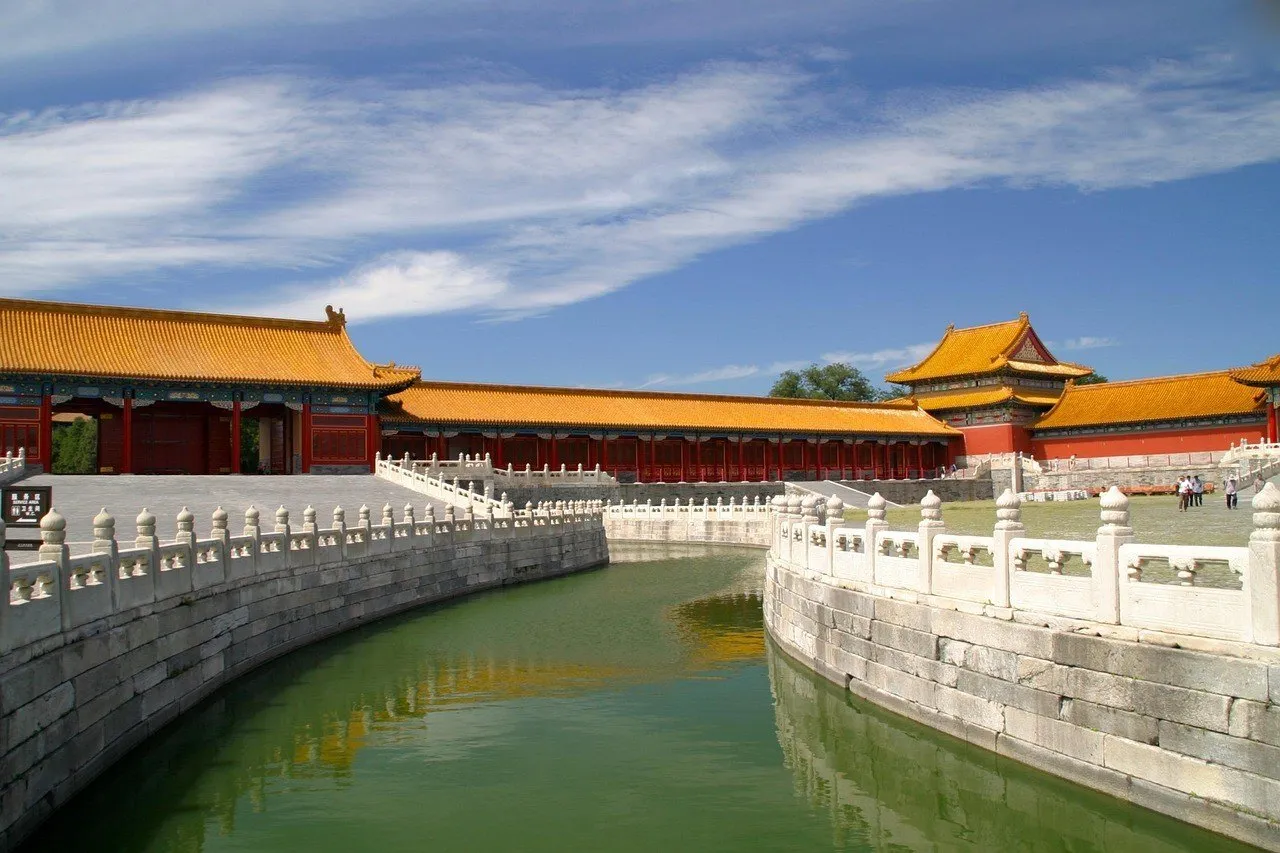 2
Red gates, ceremonial halls and strings of courtyards make up the former imperial palace, now visited as the Palace Museum.
View details for Forbidden City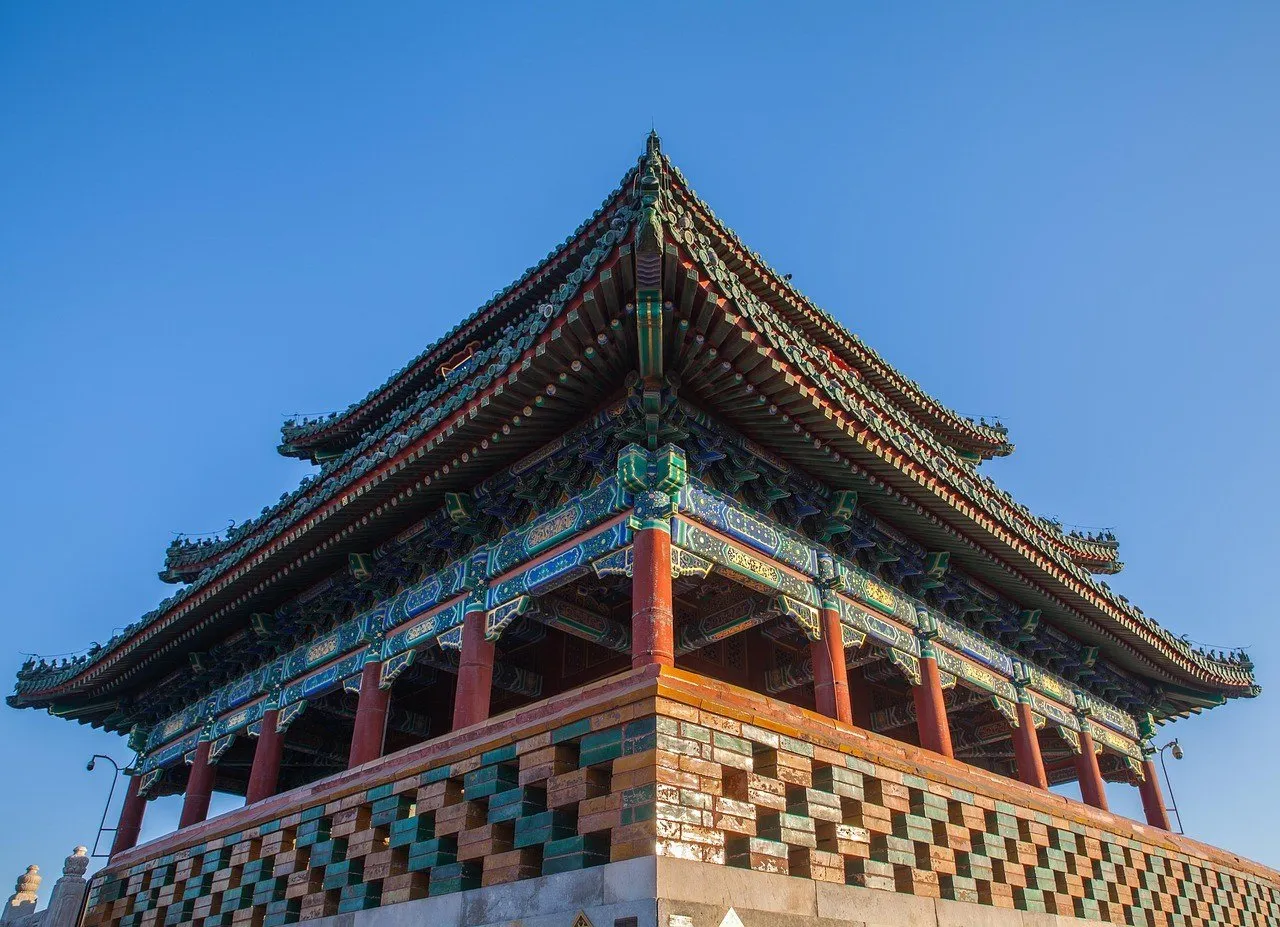 3
The Wanchun Pavilion offers a view over the Forbidden City's rooftops; the climb helps you see the layout of the imperial center.
View details for Jingshan Park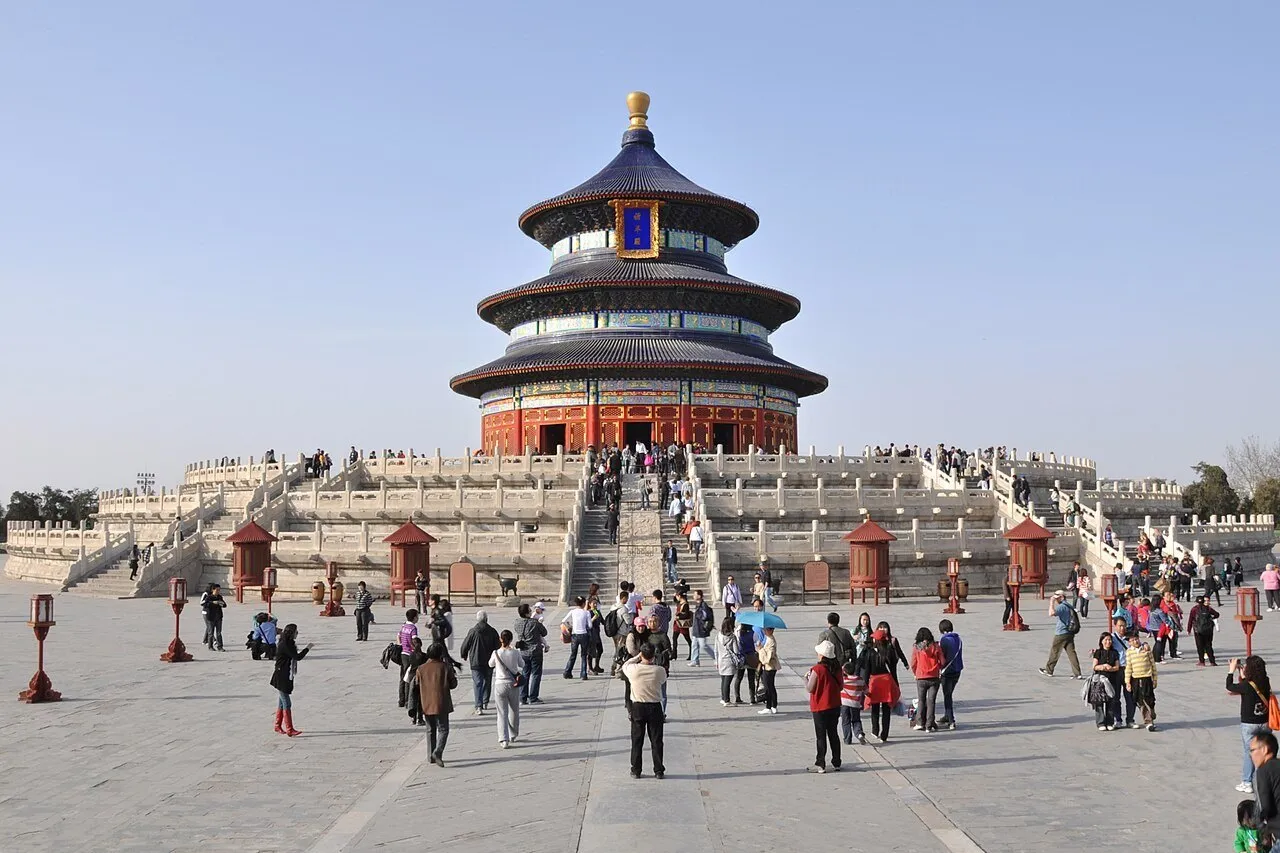 4
The blue-roofed hall is part of a ritual complex devoted to imperial prayers for good harvests, set within a large park.
View details for Temple of Heaven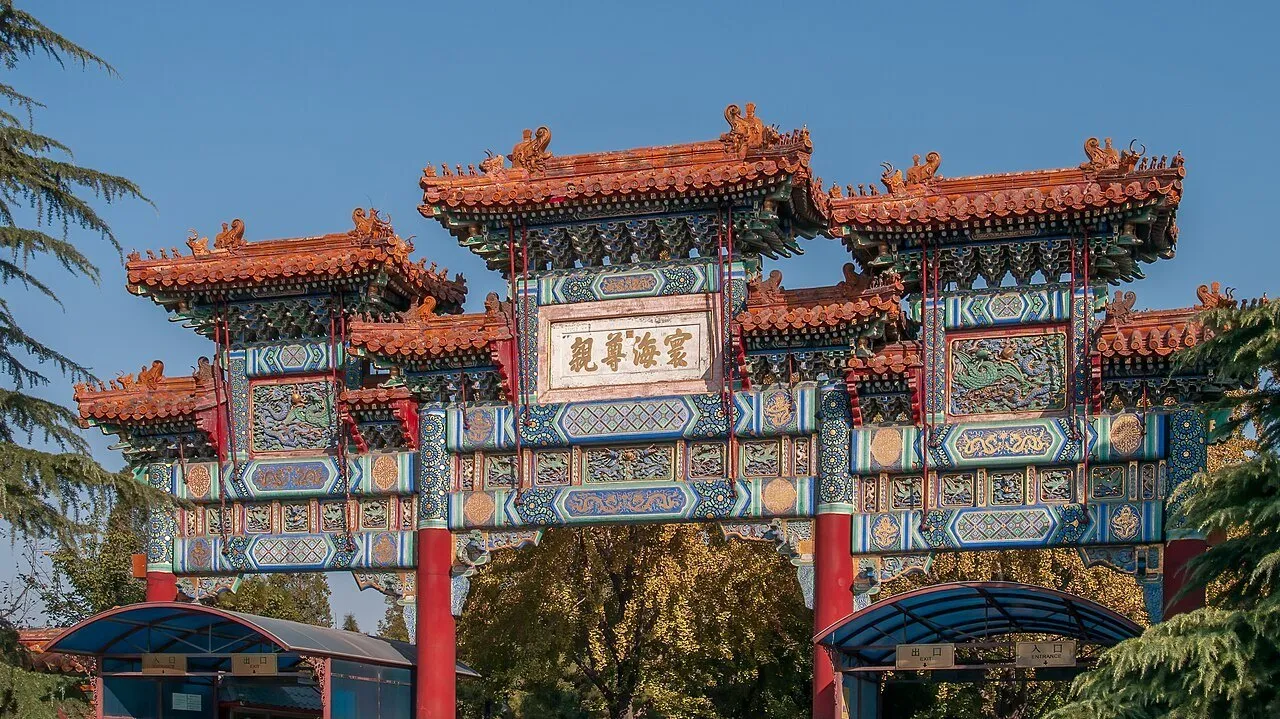 5
A former imperial residence turned Tibetan Buddhist monastery, Yonghe combines courtyards, gateways and the routine of a place of worship.
View details for Lama Temple — Yonghe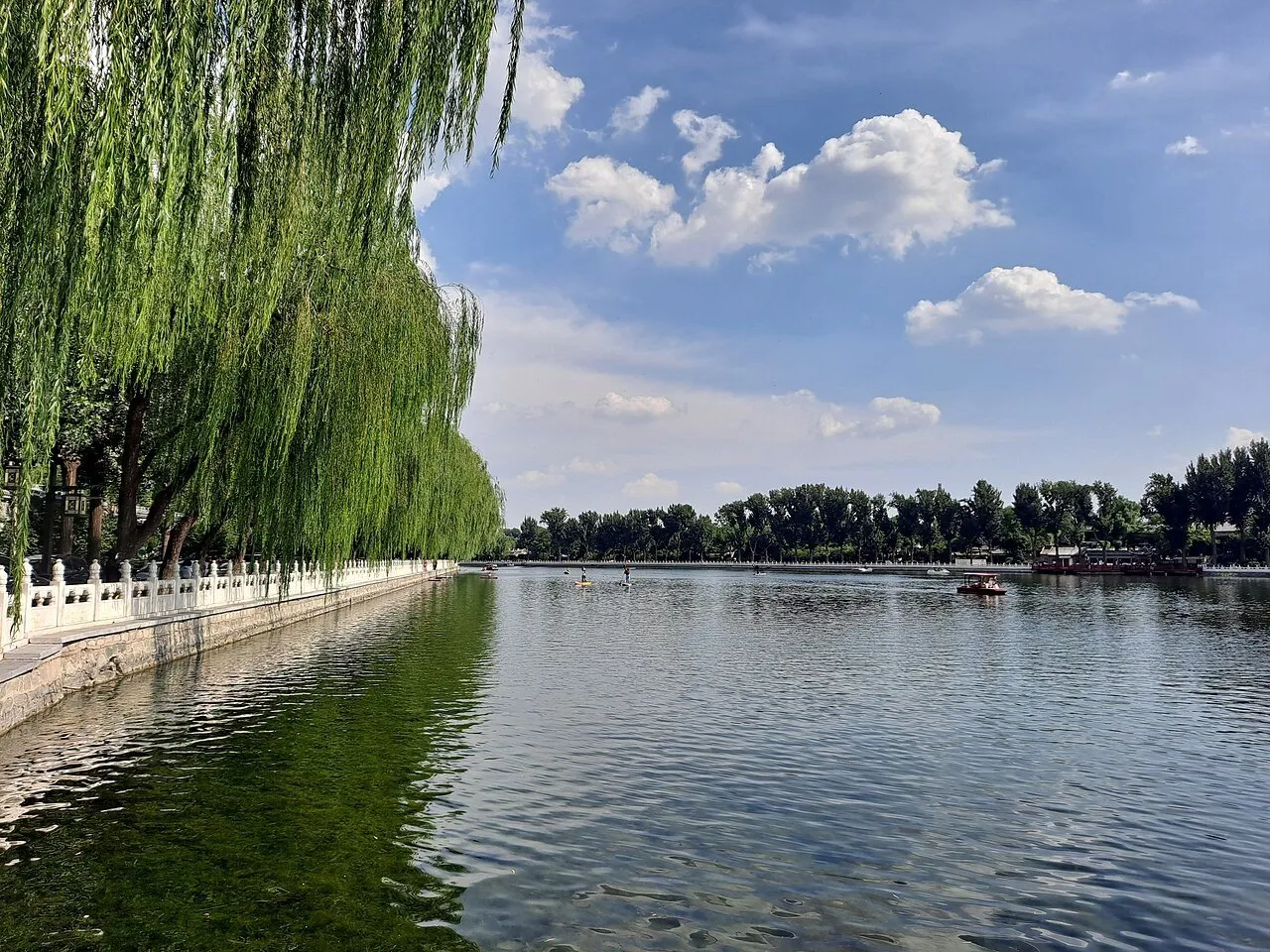 6
Alleys, courtyard houses and lakeside walks give the city a different scale, with pauses to eat and watch the streets.
View details for Shichahai and Its Hutongs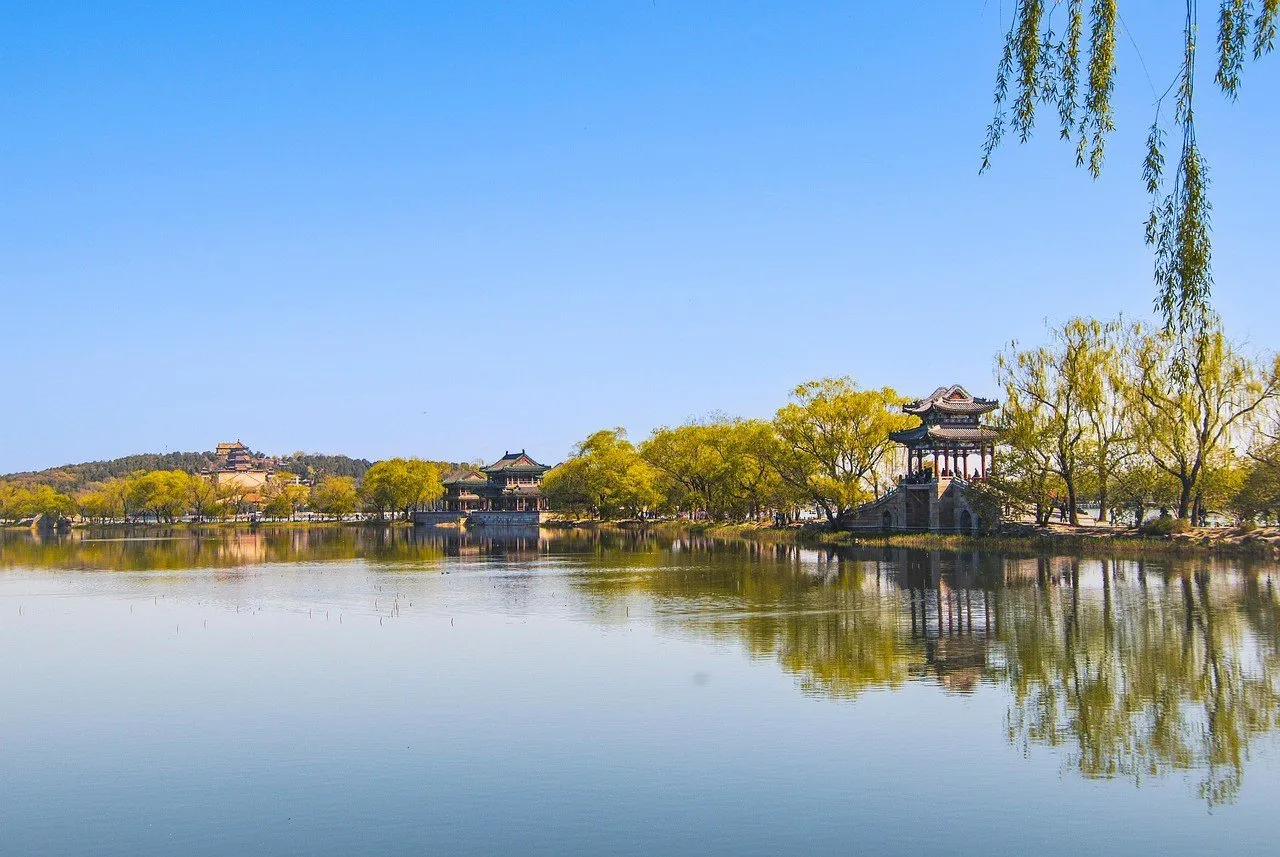 7
Kunming Lake and Longevity Hill organize the gardens, halls and pavilions of an imperial retreat that calls for an unhurried morning.
View details for Summer Palace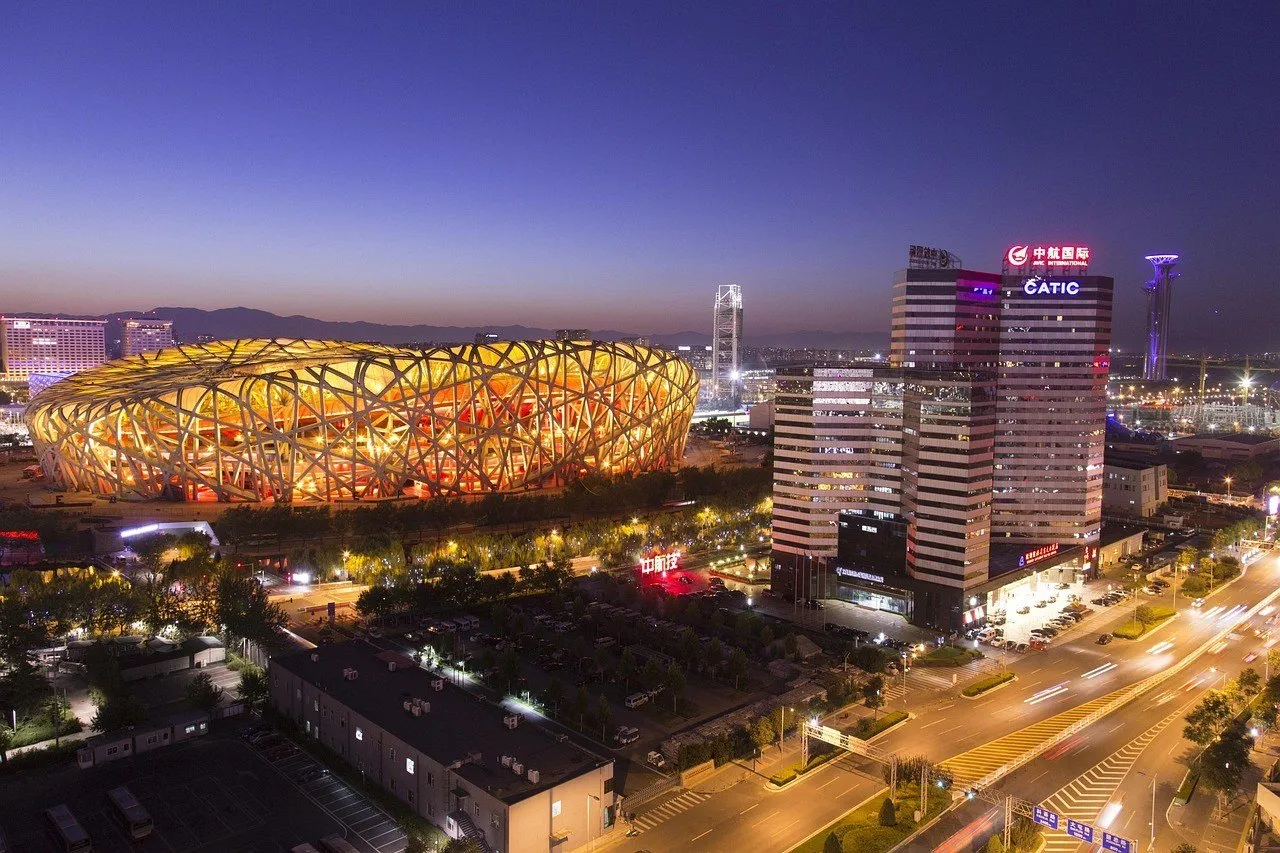 8
The Bird's Nest's steel structure dominates a walk through the Olympic area, with an exterior visit that fits after the Summer Palace.
View details for Olympic Park and the Bird's Nest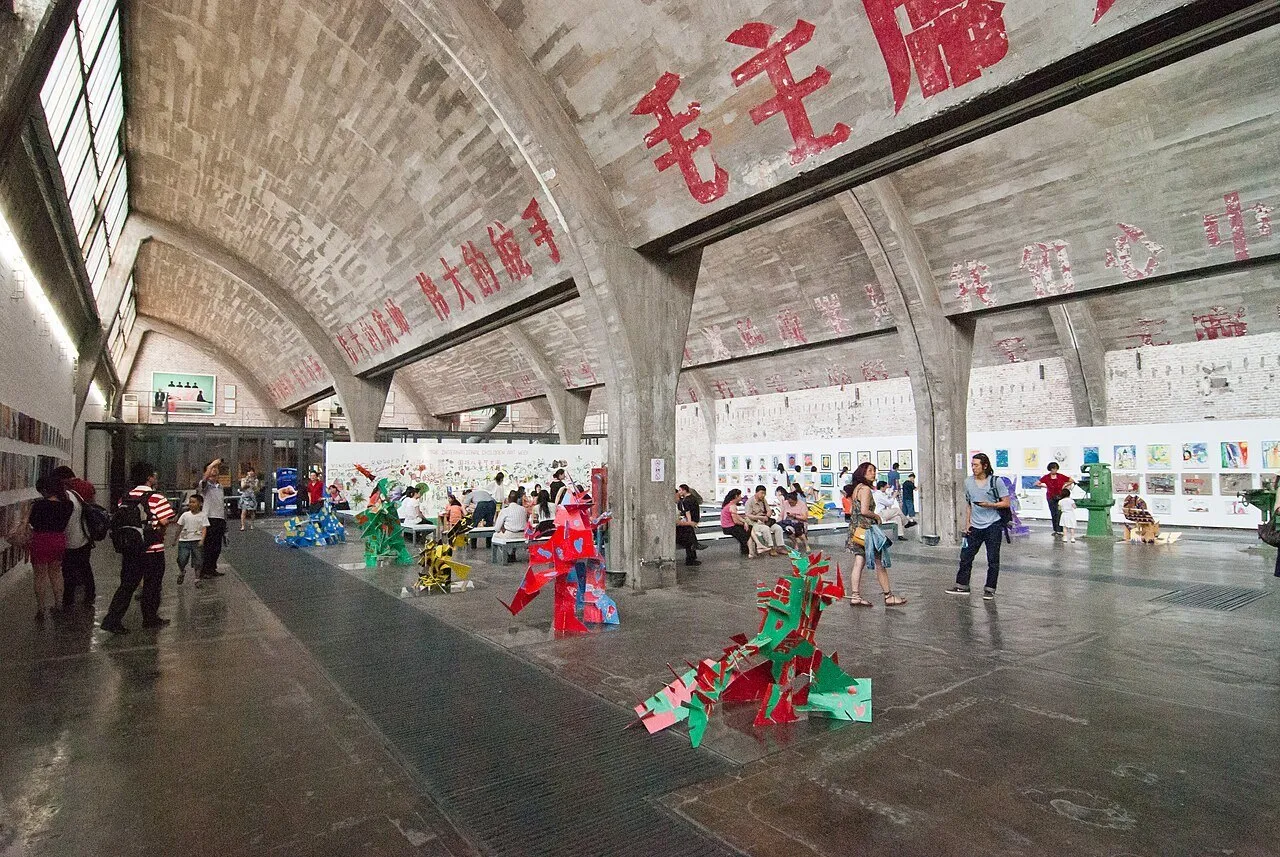 9
Former industrial spaces now host galleries, art institutions and studios: an alternative outing for anyone who wants contemporary Beijing.
View details for 798 Art District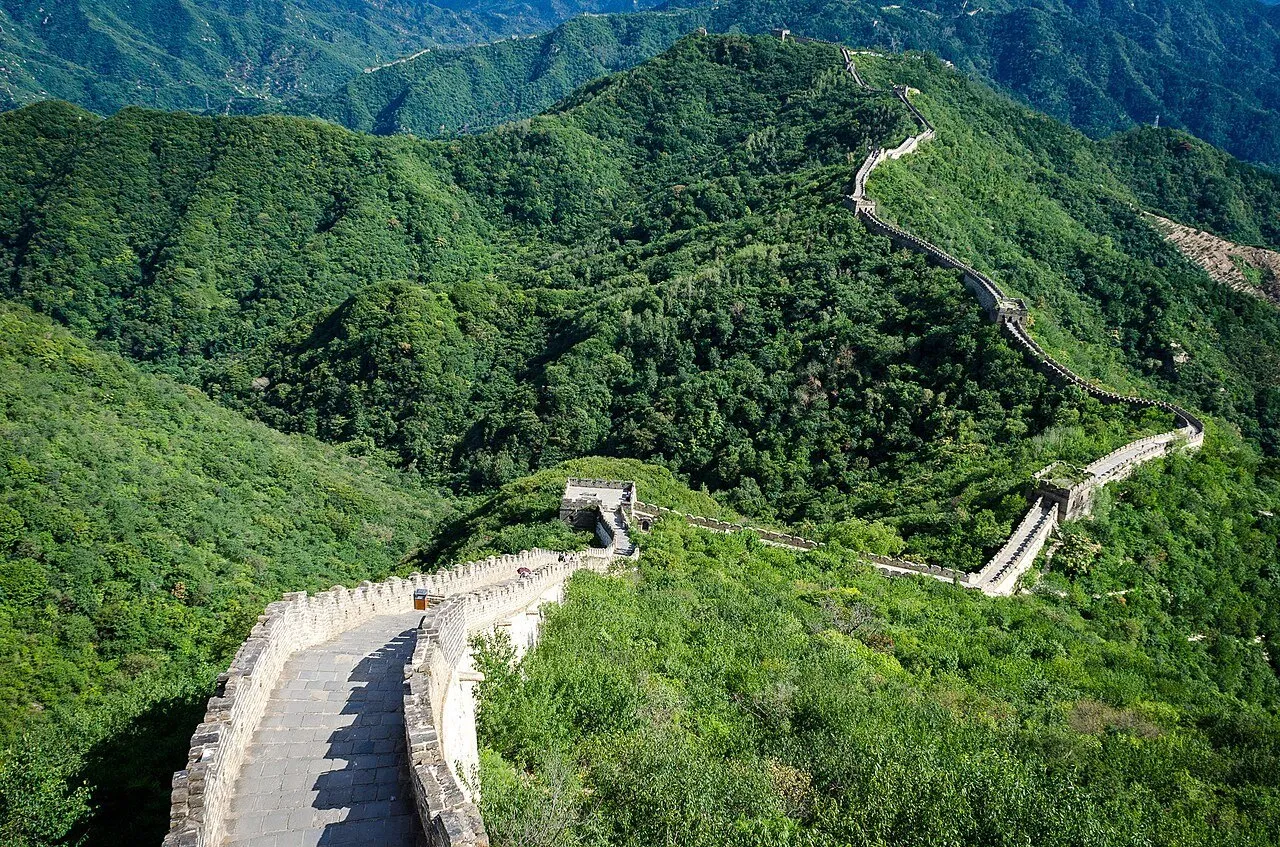 10
Towers and walls follow the mountains of Huairou, on an outing outside the center that requires planned transport and a day set aside.
View details for Great Wall at Mutianyu1The width of the square changes your sense of distance: Tiananmen Gate looks close until you start walking. This space is part of the ceremonial and public complex of the central axis, with the Forbidden City farther north.
The visit depends on a reservation and security checks. Plan a pass-through in the morning, without squeezing in the museum, mausoleum or reviewing stand, which have their own rules. The time to get in can weigh more on the clock than the walk itself.
2You pass through a gate, cross a courtyard and find another gate: the Forbidden City makes your body understand imperial scale. The former palace of the Ming and Qing dynasties now houses the Palace Museum.
Enter from the south and work your way north, where the exit makes it easy to continue to Jingshan. Choose which galleries to include; trying to see every room turns the visit into a marathon of rooftops. Book the official ticket and check closing days.
3After crossing the palace at ground level, Jingshan changes your point of view. The park lies north of the Forbidden City, and the climb to Wanchun reveals the repetition of courtyards and roofs that seemed endless from below.
Save some energy for the uphill paths and go while there is still light. A pretty time on the clock does not guarantee a clear horizon. If the steps are a lot, enjoy the garden without turning the viewpoint into an obligation.
4The blue roof of the Hall of Prayer for Good Harvests draws every eye, but the Temple of Heaven deserves a longer route. The emperors held ceremonies here tied to heaven and agriculture; curved and square forms express ancient ideas about heaven and earth.
Combine the hall with the sites included in your ticket. The park may be open while the monuments are closed, especially on regular Mondays. Arriving too early will not make the hall open sooner.
5Visitors and worshippers cross the courtyards of Yonghe, known as the Lama Temple. Before it served as a Tibetan Buddhist monastery, the complex was the residence of a prince who became emperor. That origin explains the solemnity of its gateways.
Visit slowly, making way for those at prayer. The sequence of halls is worth more than chasing a photo of every altar. Observe the structures and follow local signs: sightseeing and religious practice share the space.
6The Houhai shore offers a break from the sequence of imperial courtyards. Shichahai gathers lakes and hutongs, the alleys associated with Beijing's courtyard houses. Alternate open water with stretches of smaller streets, without a queue of mandatory interiors.
Yandaixiejie works as a reference point for shops and bustle. Pick your paths according to the hour and respect doors and residents: a residential neighborhood has no tourist backstage. Finish with a meal, without turning every corner into one more task.
7The water of Kunming Lake opens the scene before you count the pavilions. The Summer Palace weaves gardens, residences and ceremonial spaces around the lake and Longevity Hill. The court also governed the empire amid composed landscapes.
Choose a stretch of shoreline, corridors and buildings instead of promising yourself the full loop around the lake. Indoor areas may have their own tickets and hours. Boats, when running, are a complement: the itinerary works on foot.
8The Bird's Nest's steel mesh looks like a scribble enlarged until it became a stadium. In the Olympic Park, the architecture shifts vocabulary after the imperial rooftops. Walk the public areas and notice structural details that vanish in distant photos.
The itinerary prioritizes the exterior. Going inside the stadium means checking tickets, extra time and possible changes due to events. After a long morning at the Summer Palace, pick a short route and enjoy the change of scale.
9At 798, the old industrial structure became an address for art. Sheds and factories house institutions, galleries and studios, in a complex where buildings and exhibitions are both worth a look. It is a change of subject after following emperors and ceremonial axes.
Pick a few shows before you go: the district is not a single museum with one calendar for everything. Set aside a long morning or afternoon. It is an alternative to the third city day, sparing you a trip across Beijing just to collect facades between commitments.
10The wall follows the mountains instead of making life easy for those who climb. At Mutianyu, the Ming-period layout brings together watchtowers and stretches surrounded by vegetation. The landscape deserves a day of its own.
Plan the round trip and choose a section that suits your stamina. Even if you arrive by cable car, you will find stairs and steep changes in level. Mutianyu is either an extension of the itinerary or replaces a full day; it does not fit between the palace and dinner downtown.
Start with the Forbidden City and Tiananmen Square: they are separate entries, each with its own ID and security checks. Bring the original passport used for the booking. Arriving early will not fix a ticket you forgot to reserve.
Take the subway between neighborhoods and walk within each area. Save destination names in Chinese and your booking confirmations. Check whether your ticket uses Capital or Daxing before choosing your transfer.
Check which payment methods work with your documents and keep cash as a backup. The Beijing Service counters at the airports advise on payment, transport and connectivity; sorting this out on arrival saves sightseeing time.
At Yonghe, give space to those praying and follow the guidance on photography. In the hutongs, ask permission before photographing residents; an open gate does not turn a private home into a place to visit.
May and autumn tend to favor walking. Check the forecast and air quality before the viewpoints or the Wall; adjust effort and protection to the weather. Holidays call for a bigger margin on reservations.
Roast duck deserves a planned meal, but leave room for a lunch of zhajiangmian and for snacks between sights. Compare the menu and portion before ordering: on a trip with this much walking, the danger is turning every pause into a banquet and then negotiating the Jingshan climb with your own stomach.
Roast duck with golden skin; choose a restaurant with a clear menu and ask how the house serves the portion.
Noodles with a soybean paste sauce, a good way to get to know Beijing through the lunch bowl.
Fruit, traditionally hawthorn, coated in a thin sugar shell: crunch for a break between sights.
A drink found throughout local flavors; a warm pause between one visit and the next, without competing with dinner.
We use cookies and similar technologies, such as Google Analytics, in accordance with our Privacy Policy and, by continuing to browse, you agree to these terms. You can decline at any time in the policy.