 1
Museus
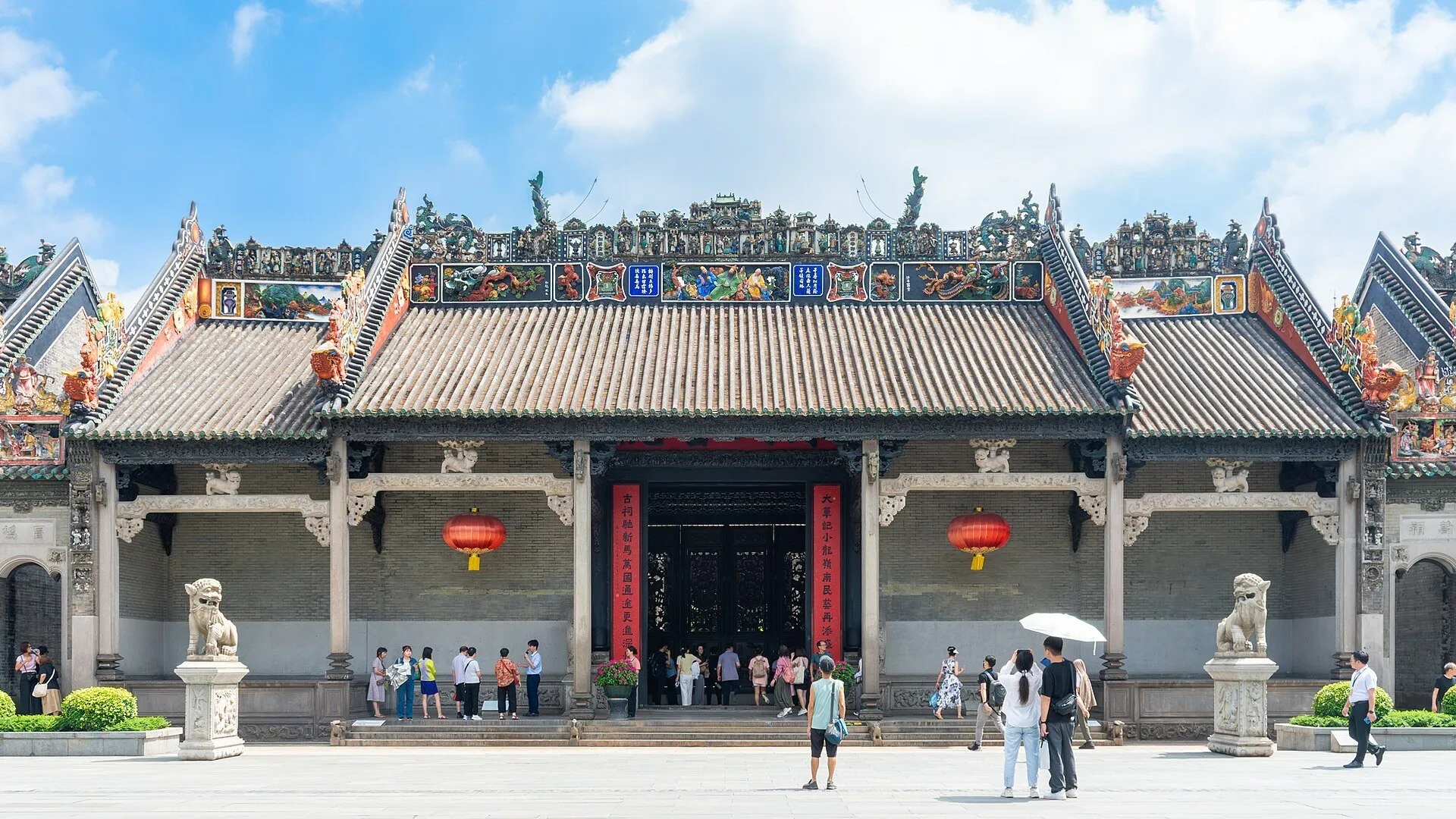
Chen Clan Academy
Roofs lined with ceramic figures, carved wood and courtyards structure the former academy of the Chen clan, now devoted to the folk arts of Guangdong.
View details for Chen Clan Academy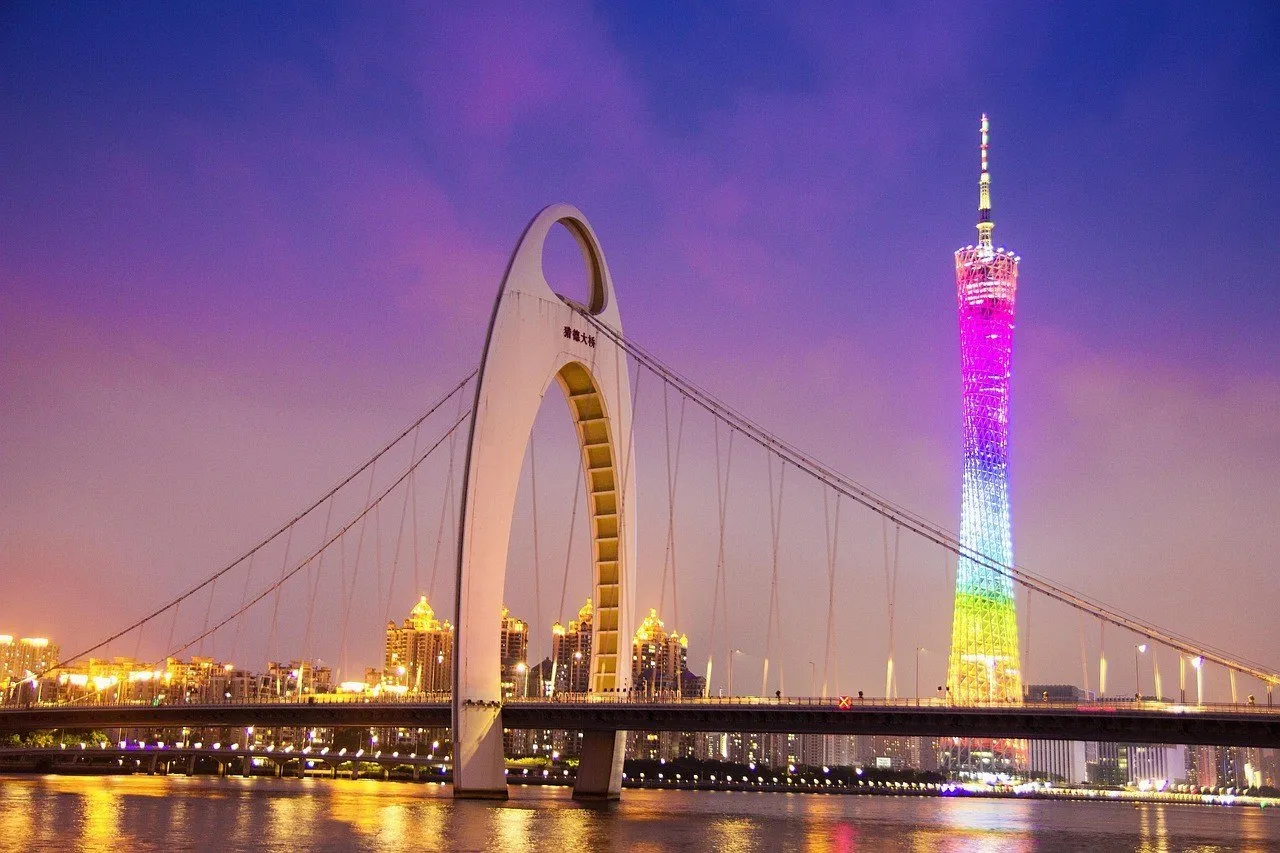
In Guangzhou, the day starts with tea and baskets of dim sum and ends with the tower lit up over the Pearl River. In between, rooftops crowded with little figures make you forget to look straight ahead.
The basket lid lifts, the steam escapes and you decide to order one more plate. Guangzhou, also known in English as Canton, deserves to be approached through the dinner table. Cantonese cooking follows you through the trip, from dim sum to sweet soups. Between meals, you get a city of carved rooftops, shopping streets with archaeological remains and old trading houses along the Pearl River.
Plan your visit by district: Liwan, with the Chen Clan Academy, Yongqing Fang and Shamian; Yuexiu, with the park, archaeology and Beijing Road; and Zhujiang New Town, with the Guangdong Museum and Huacheng Square. Then cross over to Canton Tower. Take the metro between these clusters and walk within them: here, tea deserves a place in the schedule as much as the museum does.
Shamian means something close to 'sandy surface': the island of European-style facades carries in its name the memory of the sandbank where it began.
According to local legend, celestial beings arrived riding goats that carried rice to ward off famine; the sculpture in Yuexiu Park recalls that story.
At the Nanyue King Museum, the jade burial suit shares the spotlight with a collection of ceramic pillows: even bedtime can turn into archaeology.
Yum cha means 'drink tea', but the table usually fills up with dim sum too; translating the phrase literally could leave your breakfast much smaller than expected.
1Roofs lined with ceramic figures, carved wood and courtyards structure the former academy of the Chen clan, now devoted to the folk arts of Guangdong.
View details for Chen Clan Academy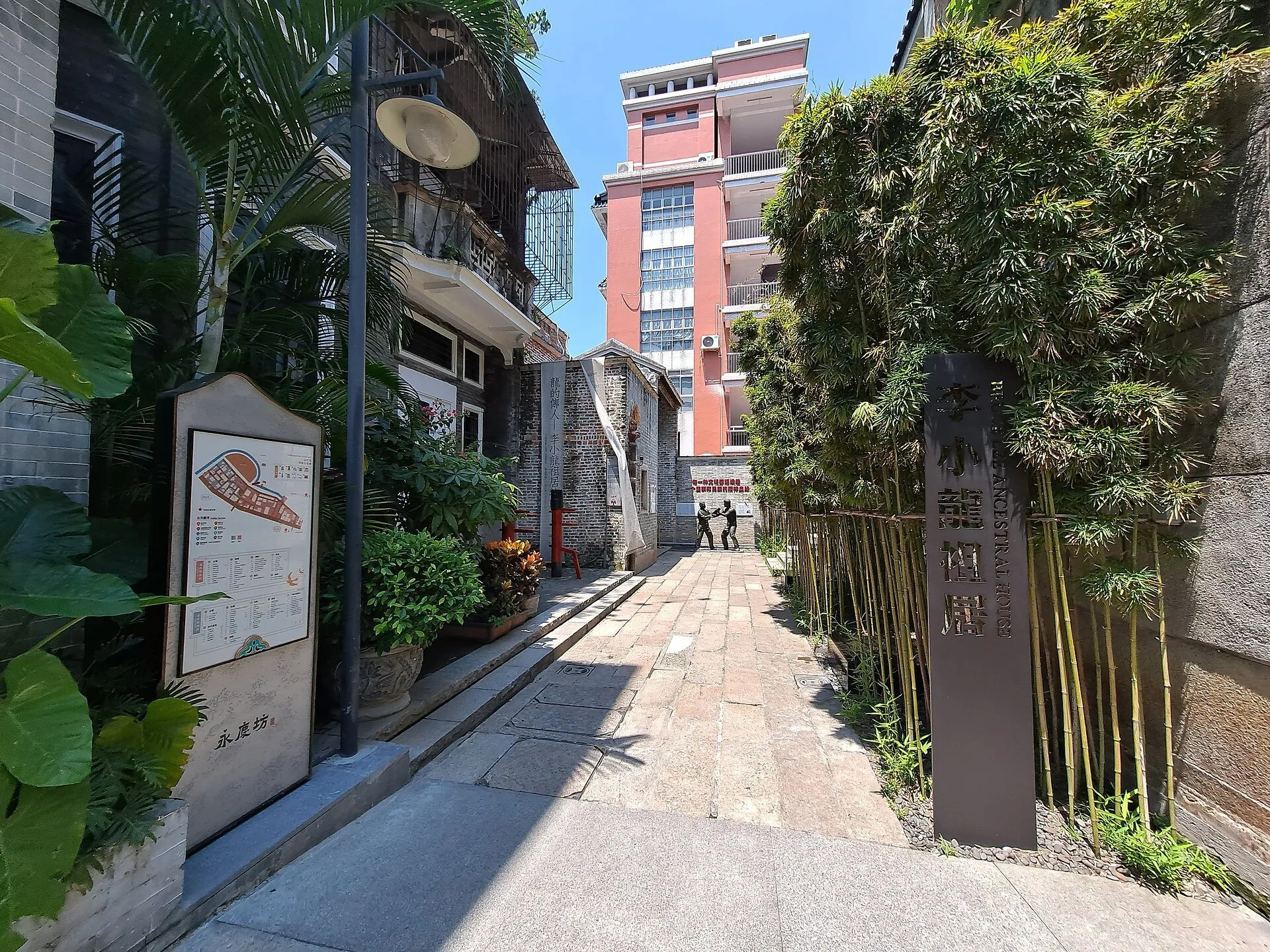 2
Xiguan alleys, traditional houses and renovated shops surround Yongqing Fang, a good stop for a walk and for learning about the neighborhood's ties to Cantonese opera.
View details for Yongqing Fang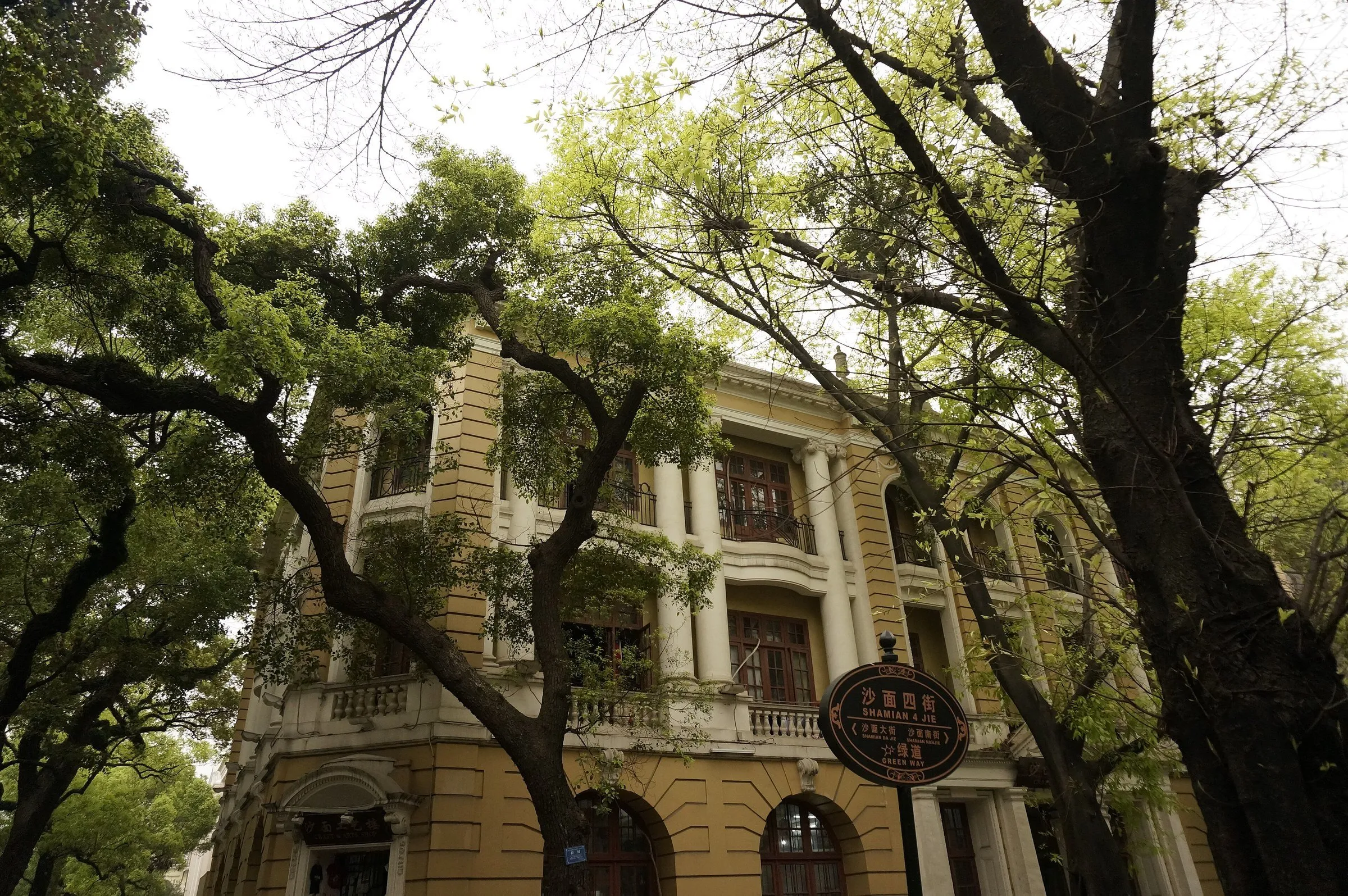 3
Tree-lined streets and former banks, consulates and trading houses tell the story of the British and French concessions on this island by the Pearl River.
View details for Shamian Island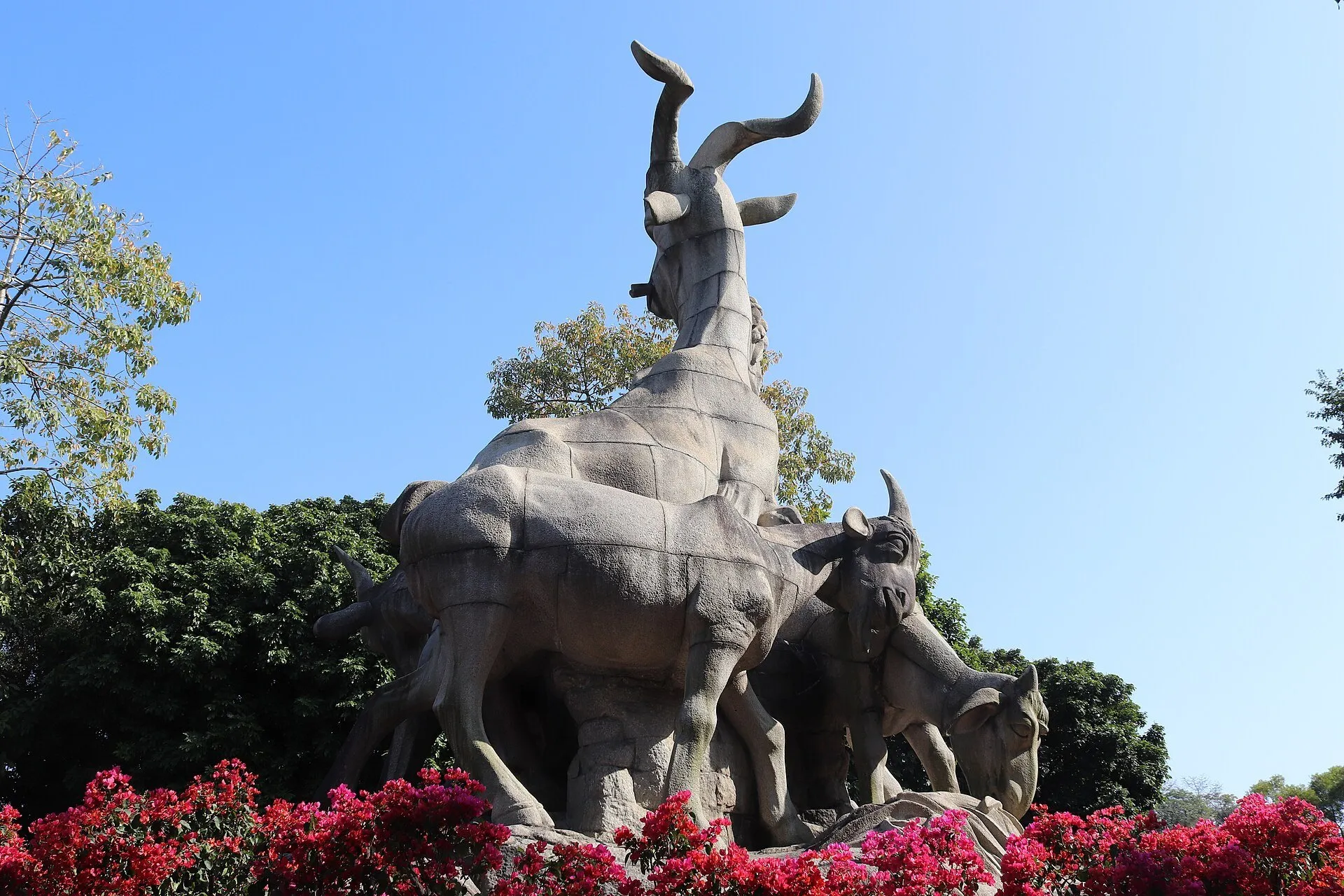 4
Hills, lakes and tree-lined paths surround the goat sculpture and remains of the old city in Yuexiu Park, near the Nanyue museum.
View details for Yuexiu Park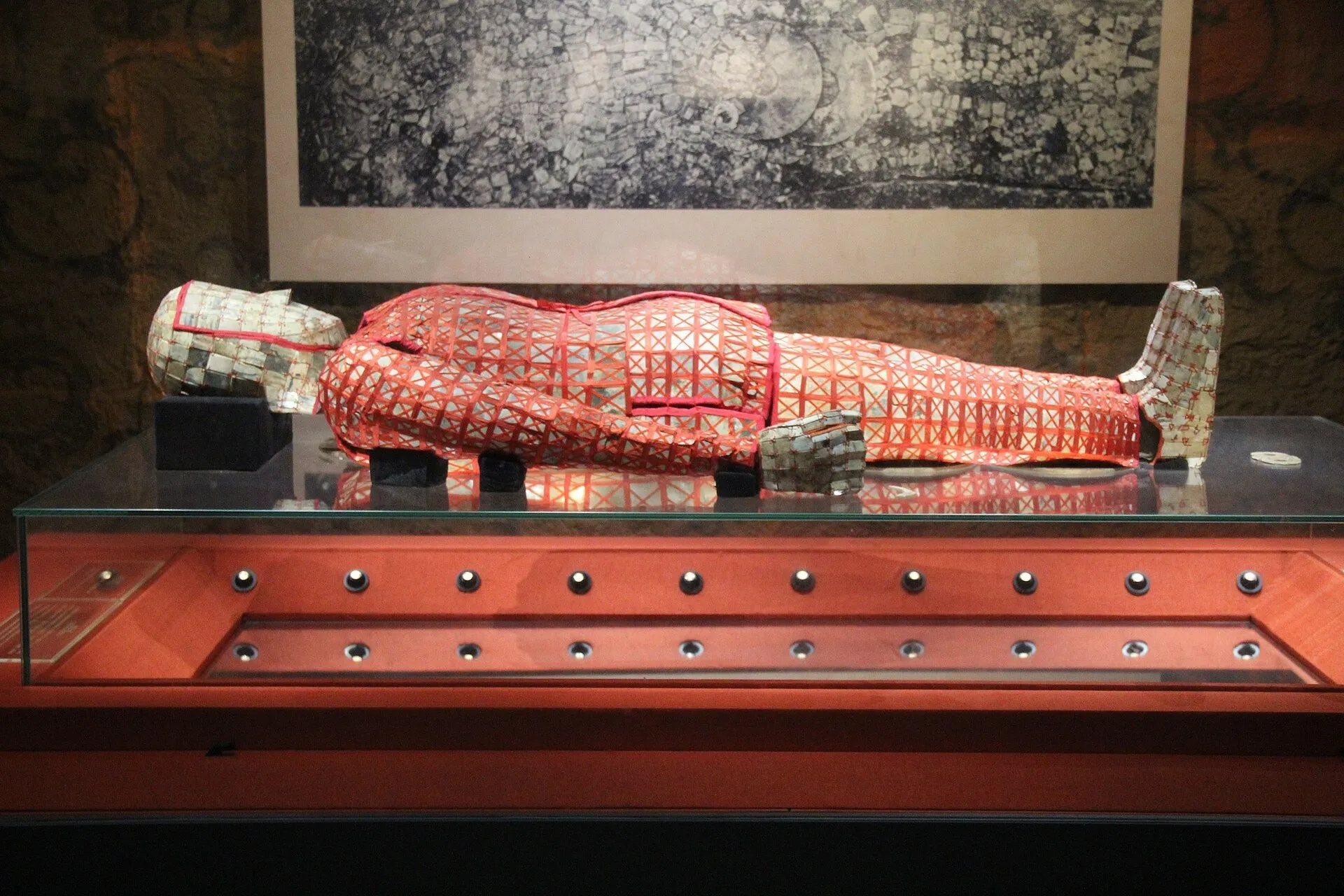 5
Burial objects, seals and a jade suit introduce the Nanyue kingdom at the museum branch near Yuexiu Park; the palace site is at a different address.
View details for Nanyue King Museum — tomb site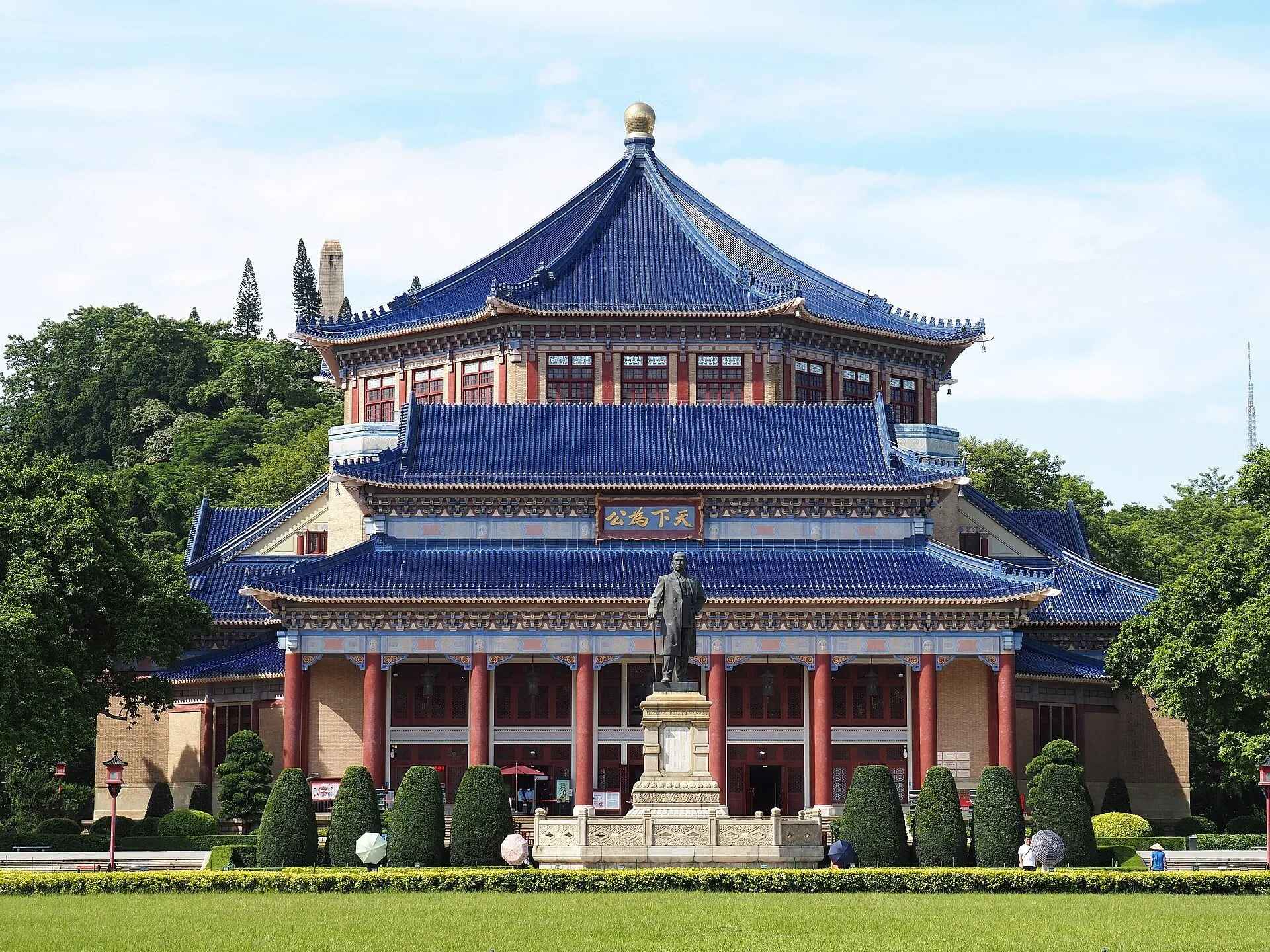 6
An octagonal roof of blue tiles and red columns marks the memorial dedicated to Sun Yat-sen, built on the site of his former presidential headquarters.
View details for Sun Yat-sen Memorial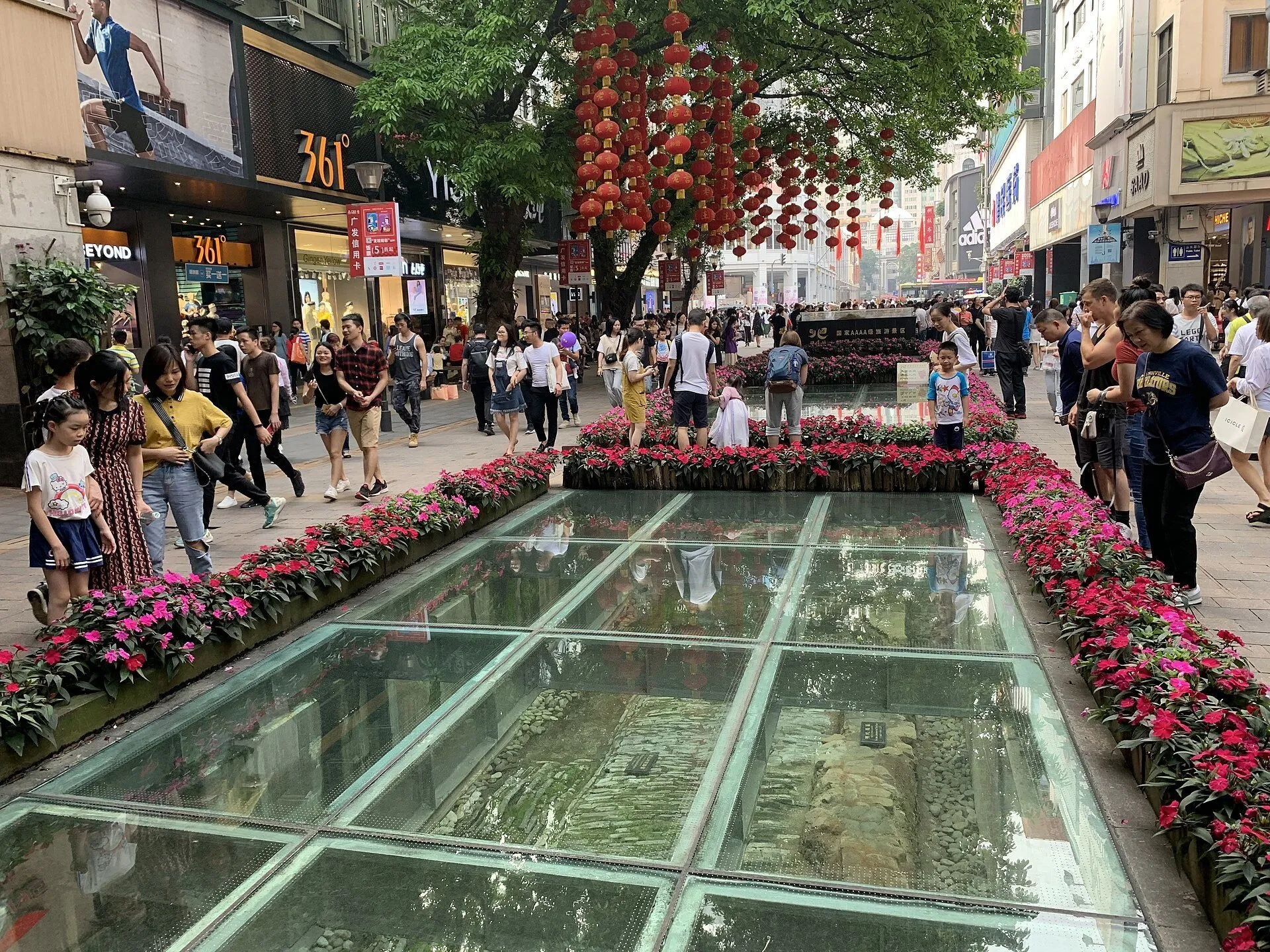 7
Shops and restaurants fill this commercial street in Yuexiu, where stretches of old paving appear under glass in the middle of the walkway.
View details for Beijing Road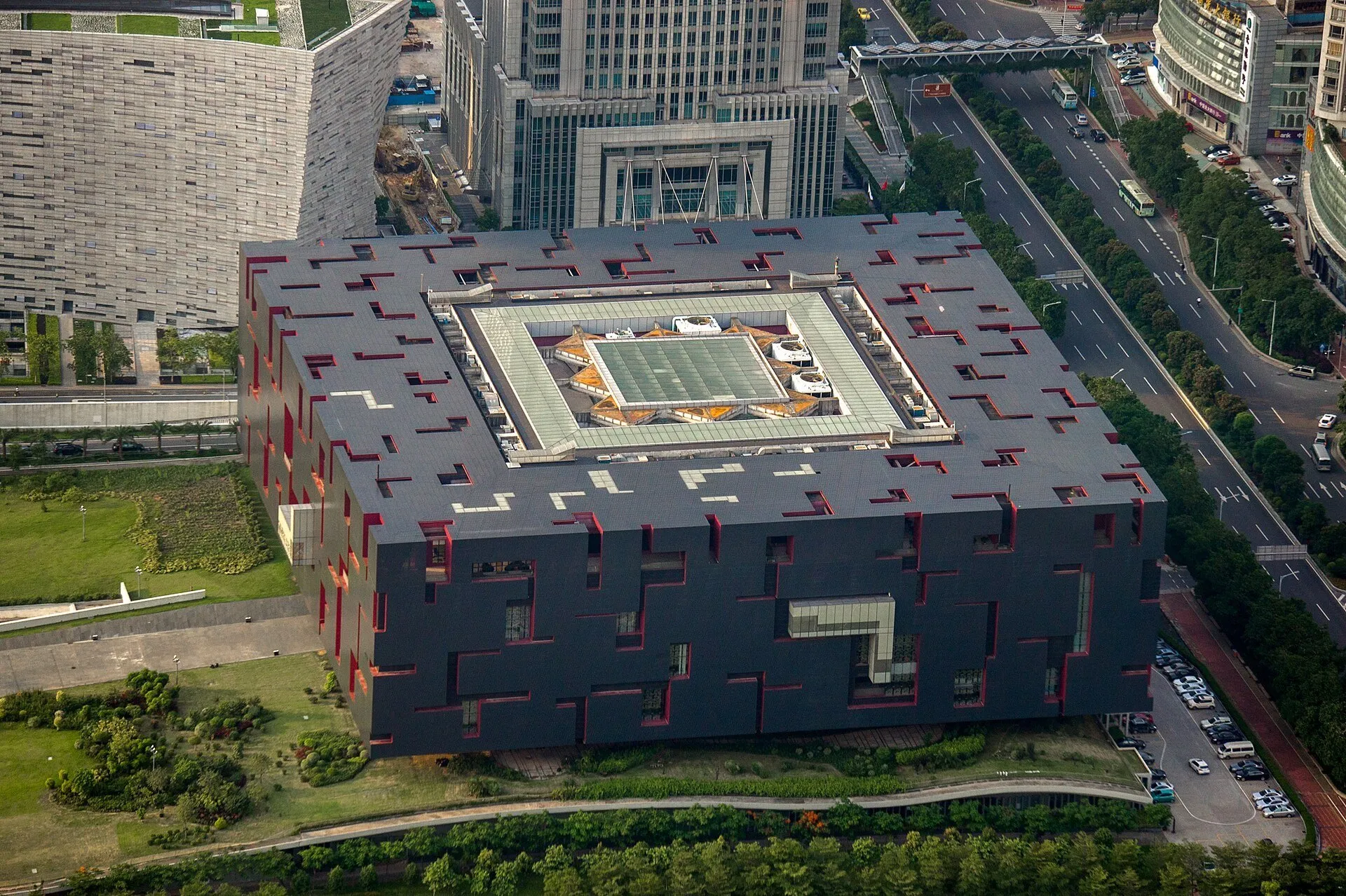 8
Guangdong's history gains scale with a dragon boat, reconstructed settings and objects tied to maritime trade at this museum in Zhujiang New Town.
View details for Guangdong Museum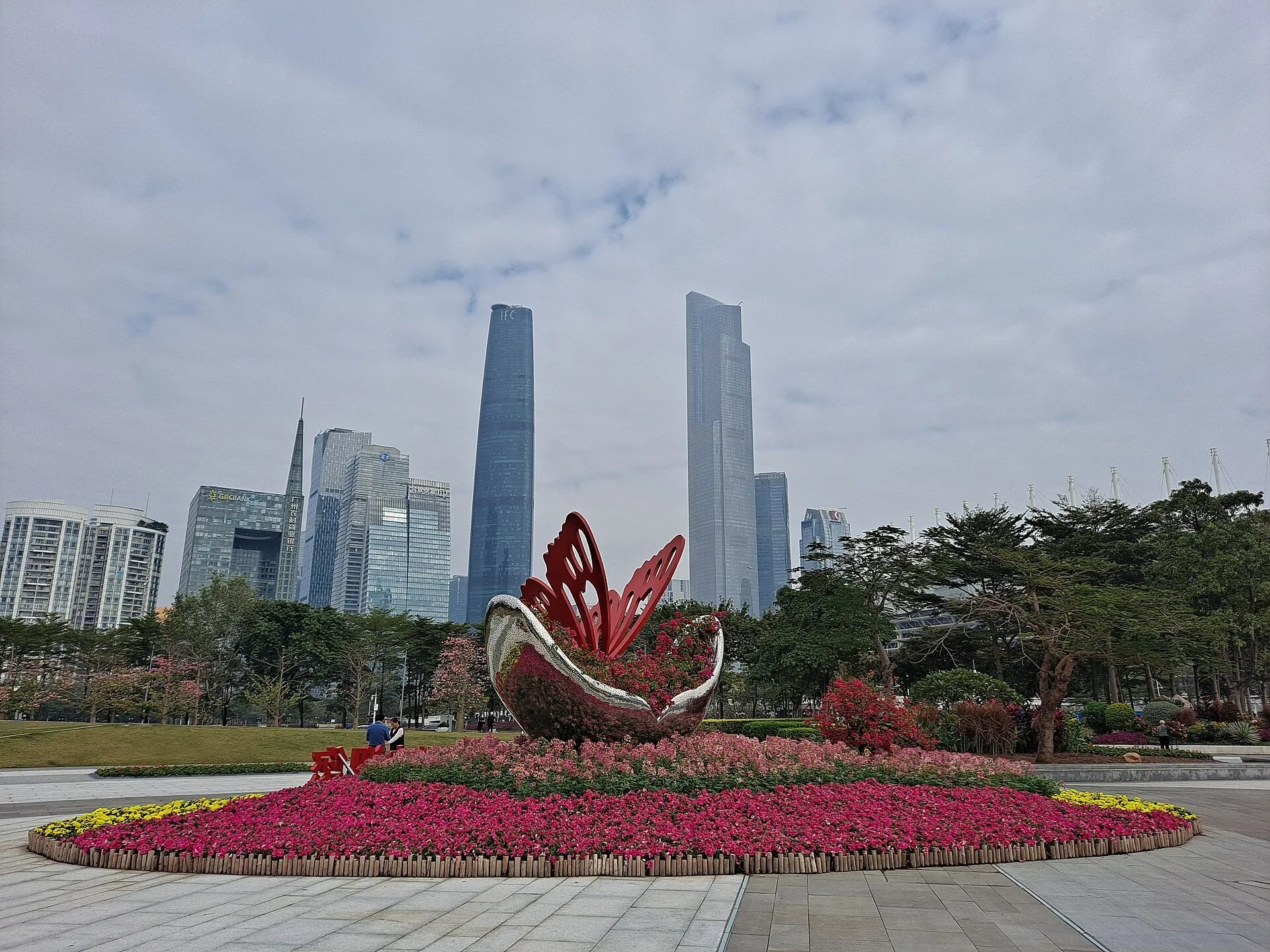 9
Gardens, cultural buildings and skyscrapers surround Huacheng Square, an outdoor stroll to take in Guangzhou's modern axis and look toward the tower.
View details for Huacheng Square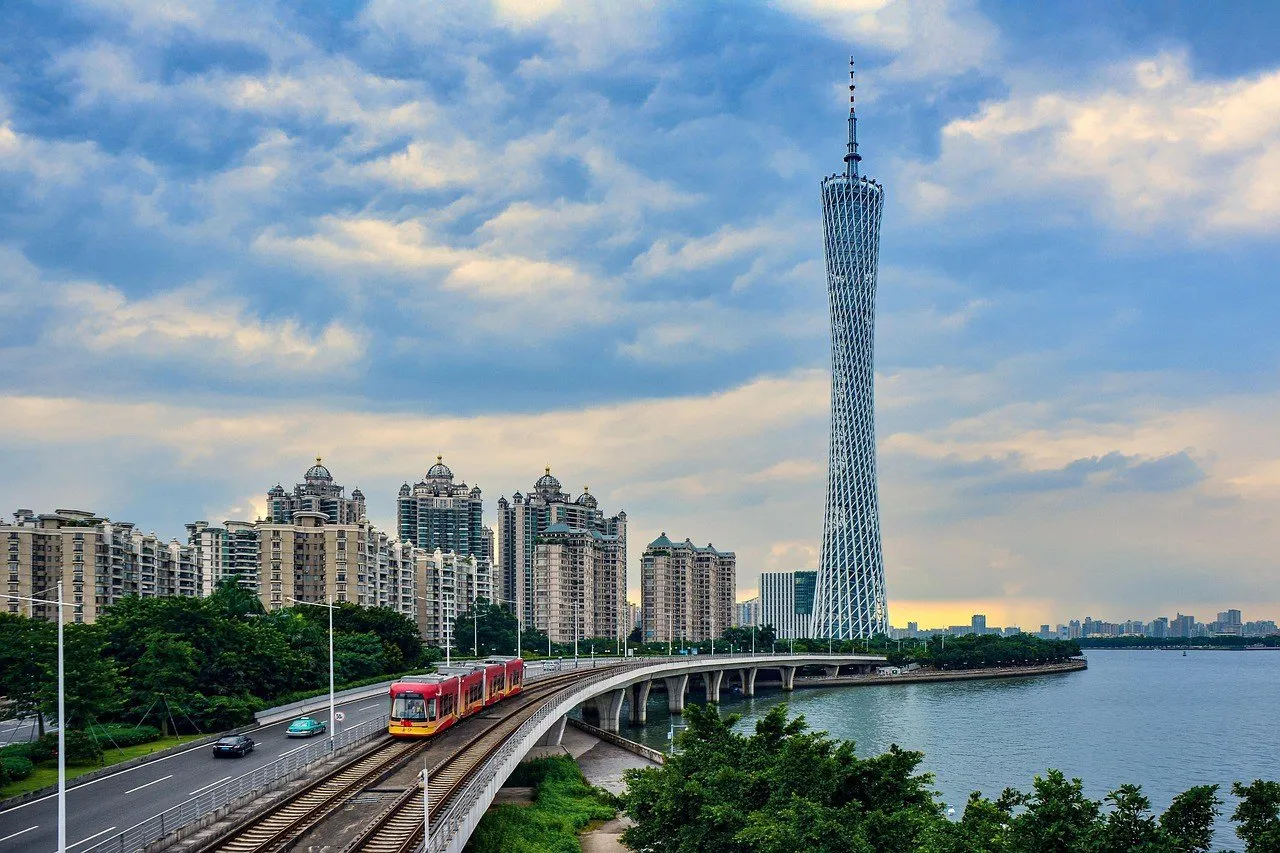 10
The steel structure with a slender waist marks the south bank of the Pearl River; the observation decks show Guangzhou from above and the riverfront lets you admire the tower from outside.
View details for Canton Tower1Look up: the roofs have been given a small crowd of ceramic characters. The academy combined ancestor worship with support for Chen clan students preparing for the imperial exams. Today it houses the Guangdong Folk Arts Museum.
Wood, brick and stone carry details that a hurried walk-through won't reveal. Alternate between halls and courtyards and pick one stretch of roof to study; trying to photograph them all may give you a stiff neck.
2In Yongqing Fang, trade the straight line for the alleys. The neighborhood keeps traditional Xiguan houses and buildings with covered arcades, among craft shops, snack stalls and design stores. The renovation to welcome visitors has brought a lot of commerce to the scene.
The link to Cantonese opera shows up in the museum devoted to that art, where costumes and props help you understand the stage. Include the visit if access is available, or set aside the time to look at facades and eat.
3Columns, verandas and neat rows of windows line Shamian's tree-shaded streets. The island preserves buildings from the former British and French concessions: banks, consulates, churches and trading headquarters show how this piece of Guangzhou was occupied.
Stroll past the buildings and continue to the riverbank. The visit works mostly from the outside; some buildings have other uses. Read the signs to see the history of the concessions too, not just the facades that fill your phone's gallery.
4The goat sculpture gives your walk through Yuexiu Park a destination, among hills, lakes and tree-lined paths. The terrain rises and falls: the map may seem more generous to your legs than the walk will actually be.
Besides the sculpture tied to the city's legend, the park holds stretches of the old city wall and the Zhenhai Tower. To fit it in with the Yuexiu museums, choose a few stops and save some energy to keep the day going.
5A jade burial suit changes your idea of ceremonial dress. It is part of the collection from the tomb of Zhao Mo, ruler of Nanyue, alongside seals, weapons and utensils that reveal the power of this ancient kingdom.
Mind the address: the museum has separate tomb and palace areas. This itinerary uses the branch near Yuexiu Park; the lower part of the tomb has its own access, separate from the regular ticket.
6The blue roof grabs your attention first; then come the red columns and the octagonal design. The memorial honors Sun Yat-sen on the grounds of his former presidential headquarters. Residents of the city and overseas Chinese communities financed its construction.
Behind the traditional look, steel and reinforced concrete create a large hall. The place also hosts events and performances, so the visit depends on available access; view the facade from a distance before looking for the details.
7You set out looking at shop windows and end up examining the ground. Beijing Road keeps old paving protected under glass in the middle of a shopping area: today's commerce was built over paths used by earlier generations.
After the archaeological stop, turn your attention back to the shops and restaurants. Save the end of the day to carry on into dinner, without turning the walk into a shopping contest. To photograph the glass, step out of the flow of pedestrians: your discovery can wait a few steps.
8A dragon boat inside the museum warns you that the province's history won't fit in small display cases. Objects and reconstructed settings present the peoples of Guangdong and their connection to the sea.
Look for the wallpapers painted for export: the city also sold images of itself. Use the history exhibition as the backbone of your visit. General admission is usually free, with a named reservation; special exhibitions may follow other rules.
9Leaving the museum, swap the scale of objects for the scale of skyscrapers. Huacheng Square organizes this part of Zhujiang New Town, among the library, the Guangzhou Opera House, gardens and office towers.
Walk toward the river to look at Canton Tower on the opposite bank. Late afternoon lets you watch the light change. Events can alter foot traffic; check the schedule before building your visit around a show.
10Canton Tower narrows in the middle and then widens again, as if its steel lines had been twisted. From the riverbank it already merits a stop; inside, the visit brings together observation decks and attractions.
Compare what each ticket includes and watch the visibility: clouds can hide the panorama. Save the ascent or the riverfront walk for the shift between afternoon and evening, leaving room for lines and transfers.
Search for Guangzhou in map apps and save the Chinese names of the attractions; Canton is an older English name, while local signs and searches use Guangzhou and other forms.
Use the metro to link Liwan, Yuexiu and the tower area; confirm on the official channel which payment method is available to foreign visitors and plan the route back to your hotel.
Set up and test your payment methods before relying on them at a meal; also carry cash in yuan and check whether each venue accepts international cards.
Guangzhou's summer is hot, humid and rainy; leave Yuexiu Park for early in the day and use the museums as breaks between walks, keeping an eye on the forecast and local alerts.
The Guangdong Museum and the Nanyue museum use named reservations; check how to register your passport and bring the required document, so you don't discover the procedure at the door.
Put your phone away after photographing the remains under glass and keep your belongings close to your body in shopping areas and on the metro; stop out of the flow of people to check the map.
Yum cha combines tea and dim sum: order a little at a time so the table doesn't turn into a depot of baskets. At other meals, try roast meats, wonton noodles and sweet soups. Check the ingredients in fillings and broths, especially if you have allergies; shrimp and meat appear in many preparations.
Small dishes such as shrimp dumplings, siu mai and barbecued pork buns; start with a short selection and order more if there's room.
Egg noodles in broth with wontons; the firm texture of the noodles is part of the fun, and the broth may contain fish and meat.
Char siu (pork) and roast goose are among the options; choose by portion and side dishes, without having to gather them all in one lunch.
Desserts served in a bowl, such as red bean soup; it may look like a dinner soup, but the spoon delivers a different ending to the meal.
We use cookies and similar technologies, such as Google Analytics, in accordance with our Privacy Policy and, by continuing to browse, you agree to these terms. You can decline at any time in the policy.