1São Bento Station (Estação de São Bento)
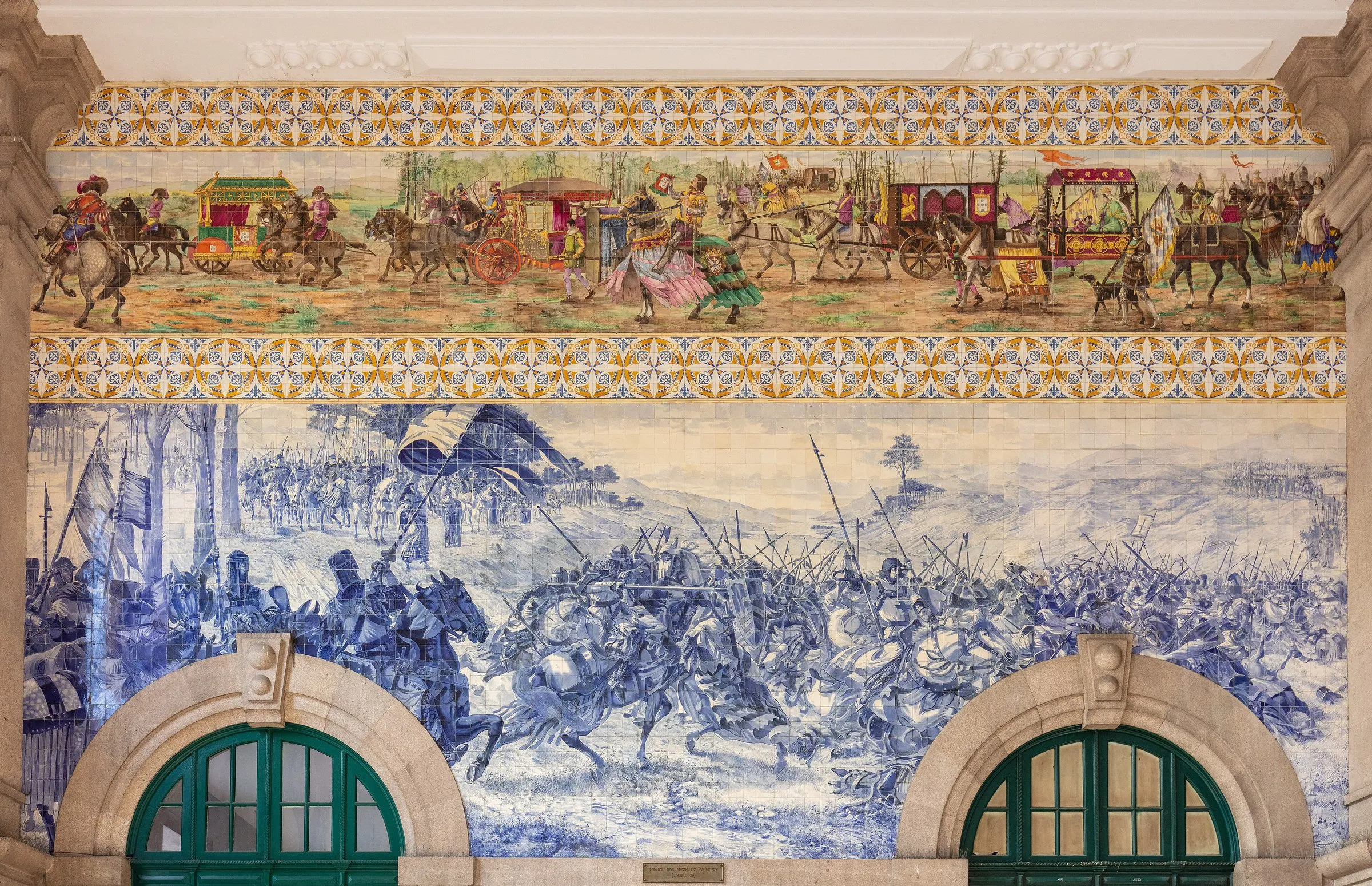
In São Bento's hall, Jorge Colaço's azulejos follow the station's daily routine; a stop to look at painted scenes without having to board a train.
View details for São Bento Station (Estação de São Bento)
Portugal
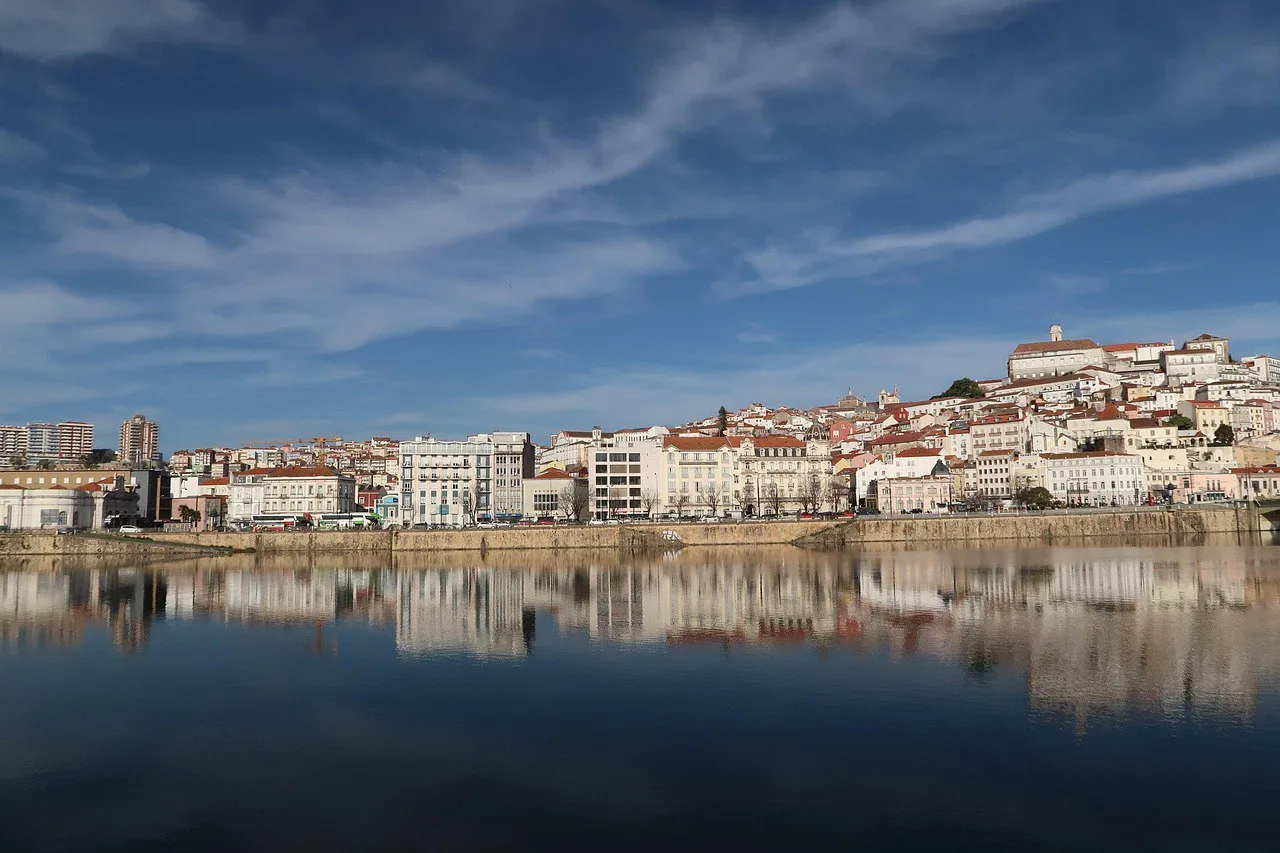
You stop to look at the azulejos in São Bento and, before you know it, the path has already run down to the Douro. In Porto, the view helps you pick a direction; the slope reminds you that coming back is part of the walk too.
The azulejos in the São Bento hall are by Jorge Colaço: the station doubles as a sequence of painted scenes for people who are not even catching a train.
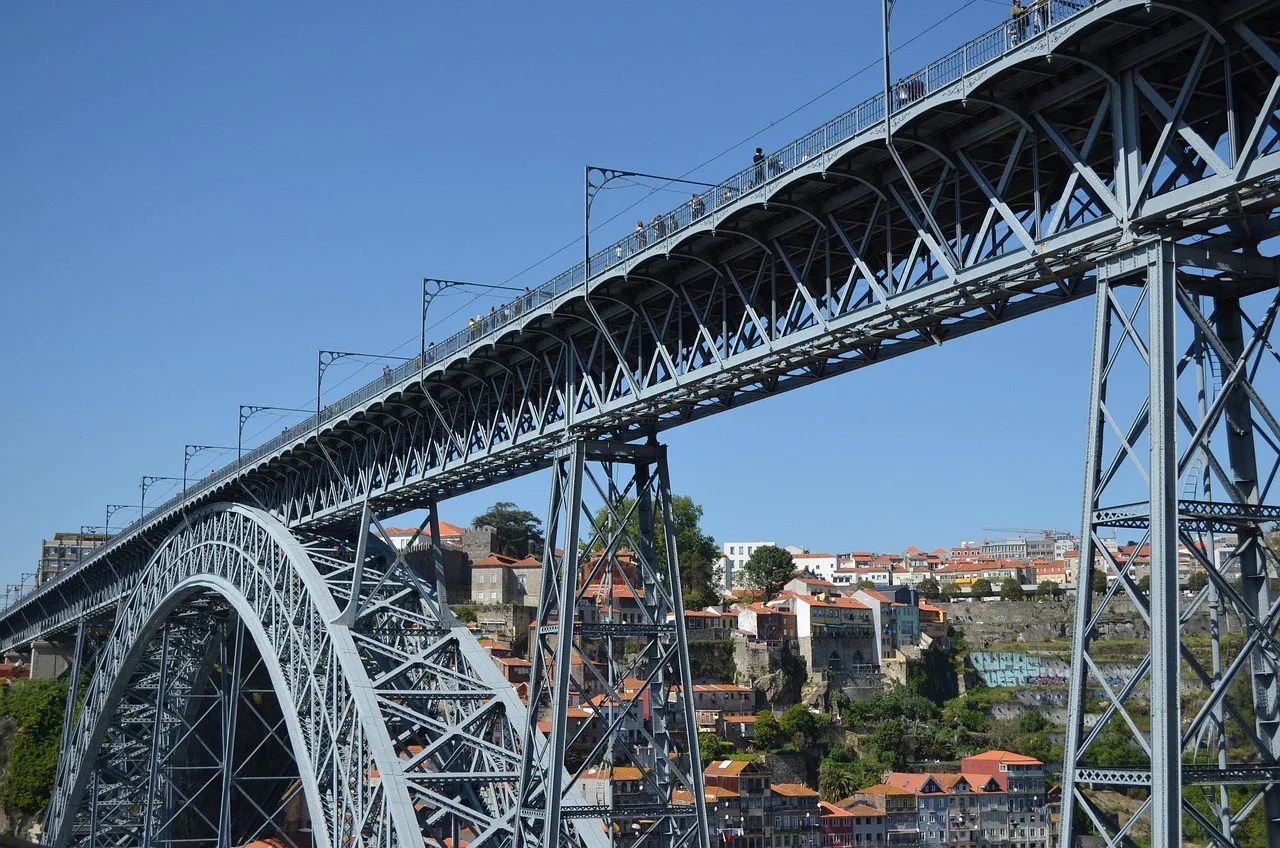
The Ponte Luís I was designed by Teófilo Seyrig, a disciple of Eiffel; recognizing the family of iron structures does not settle the question of authorship on its own.
In the Palácio da Bolsa, the Sala das Assembleias Gerais uses plaster to imitate wood. The visit also makes for a small review of what your eyes swore they recognized.
At Clérigos, the accessible route includes a multisensory experience that simulates the climb and the view; that is different from physically climbing to the top of the tower.
1In São Bento's hall, Jorge Colaço's azulejos follow the station's daily routine; a stop to look at painted scenes without having to board a train.
View details for São Bento Station (Estação de São Bento)
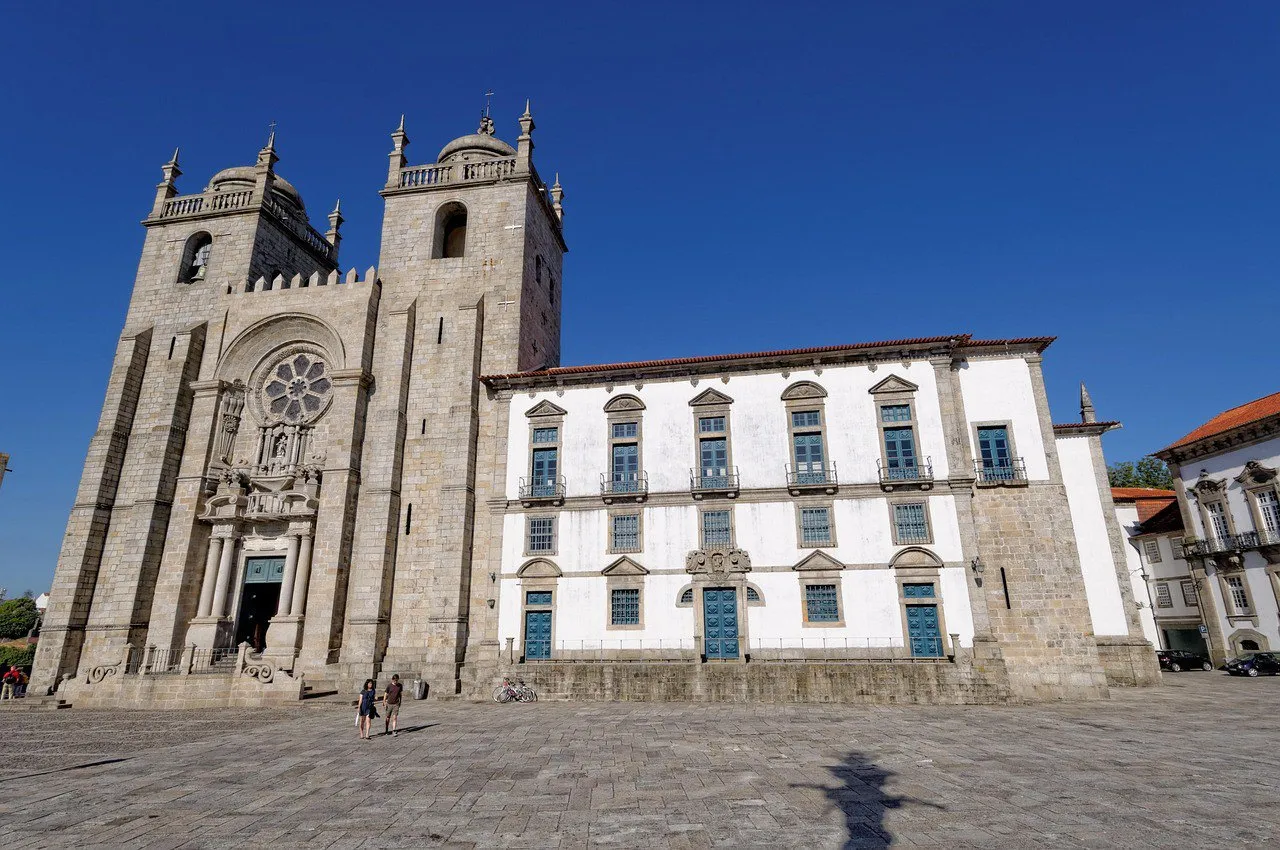
2The Sé combines the presence of a Romanesque building with a Gothic cloister and azulejos; the terreiro opens a view over the rooftops, the Douro and the Gaia bank.
View details for Porto Cathedral (Sé do Porto)
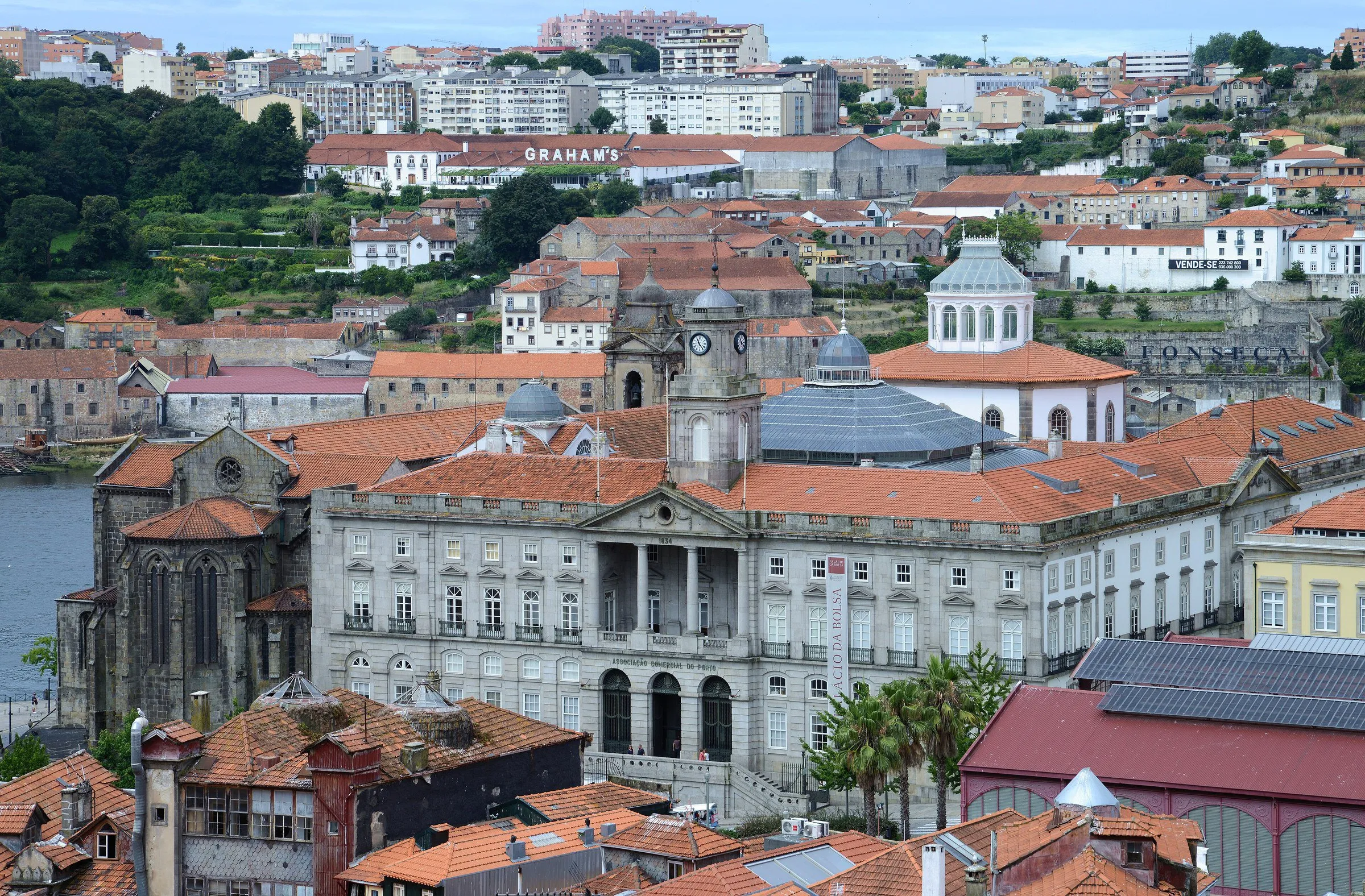
3The Palácio da Bolsa brings together the Pátio das Nações, staircases and decorated halls; the visit is guided and requires attention to the schedule and the available language.
View details for Bolsa Palace (Palácio da Bolsa)
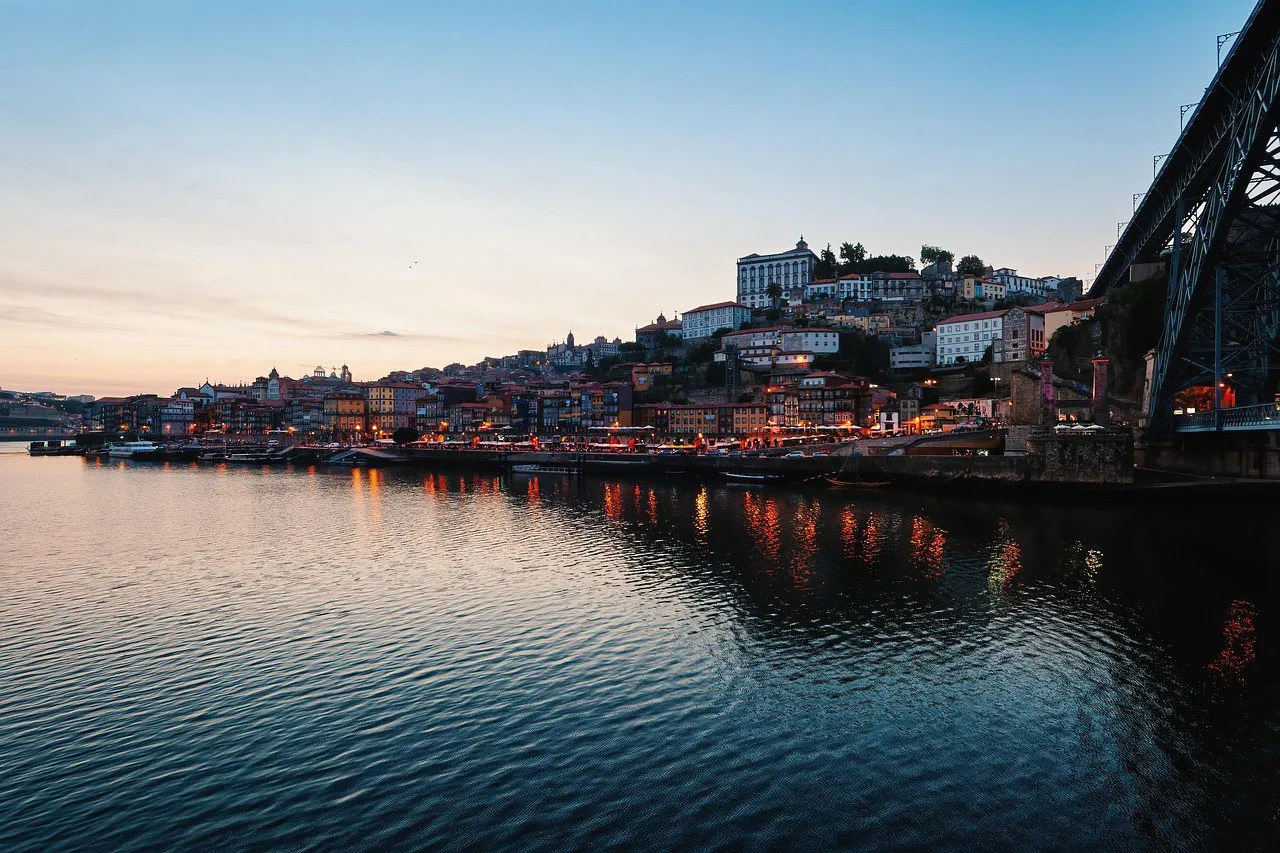
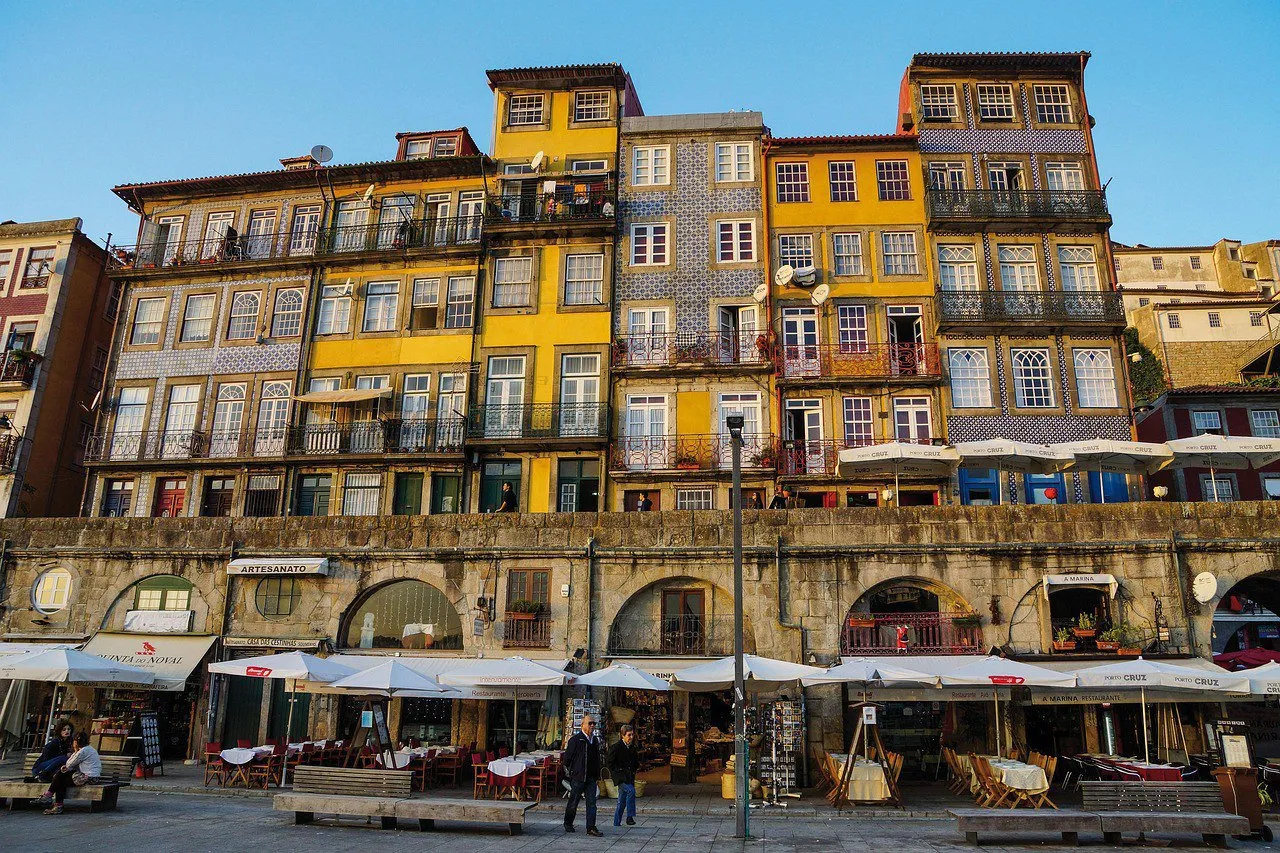
4A square, facades and paths along the Douro make up Ribeira; walk a stretch of the quay to change the angle on the bridge and the houses on the hillside.
View details for Ribeira
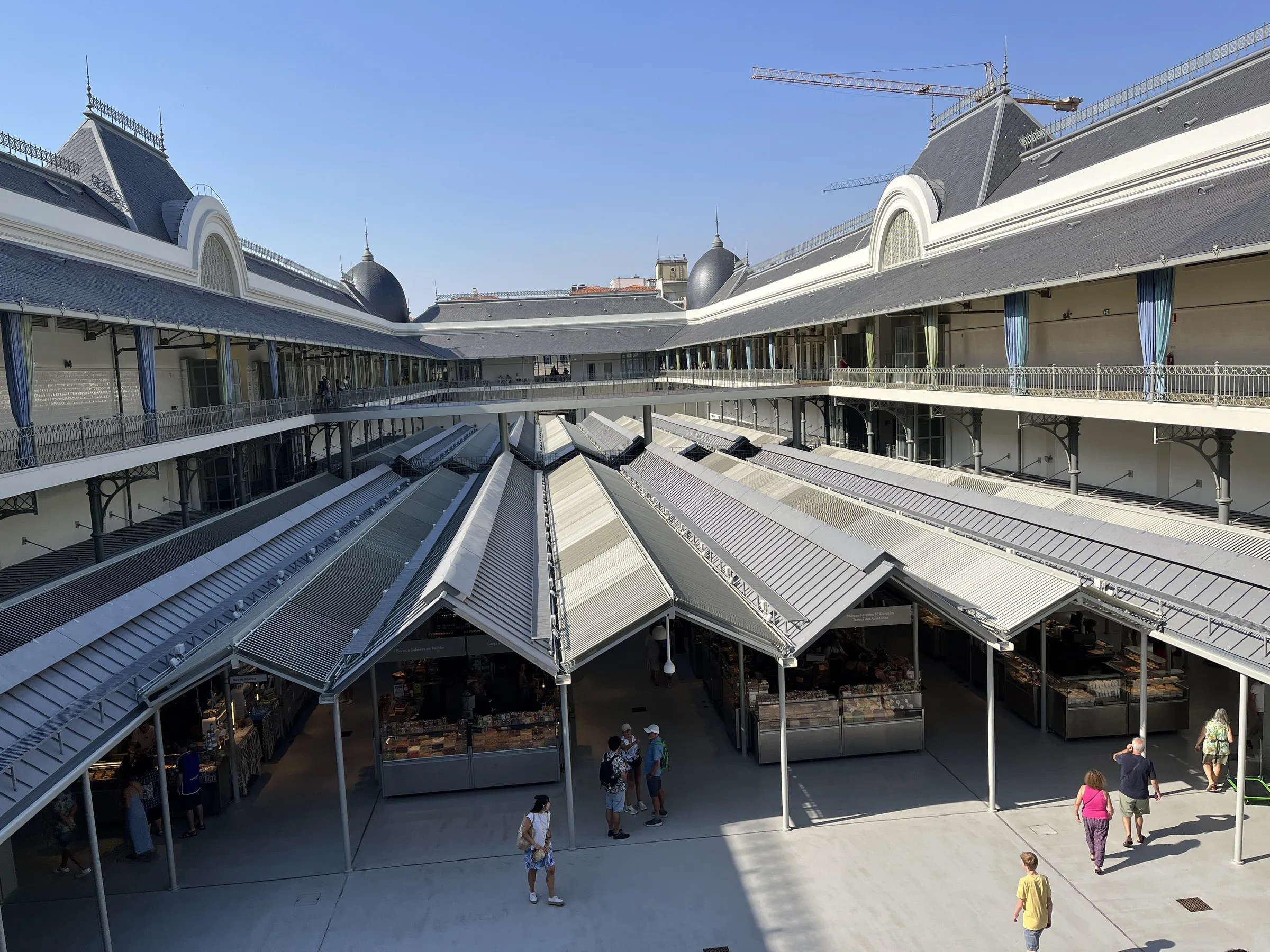
5Fresh-food stalls, shops and restaurants share the restored Bolhão; the visit makes for a morning of shopping and snacking, as long as it falls on a day the market is open.
View details for Bolhão Market (Mercado do Bolhão)
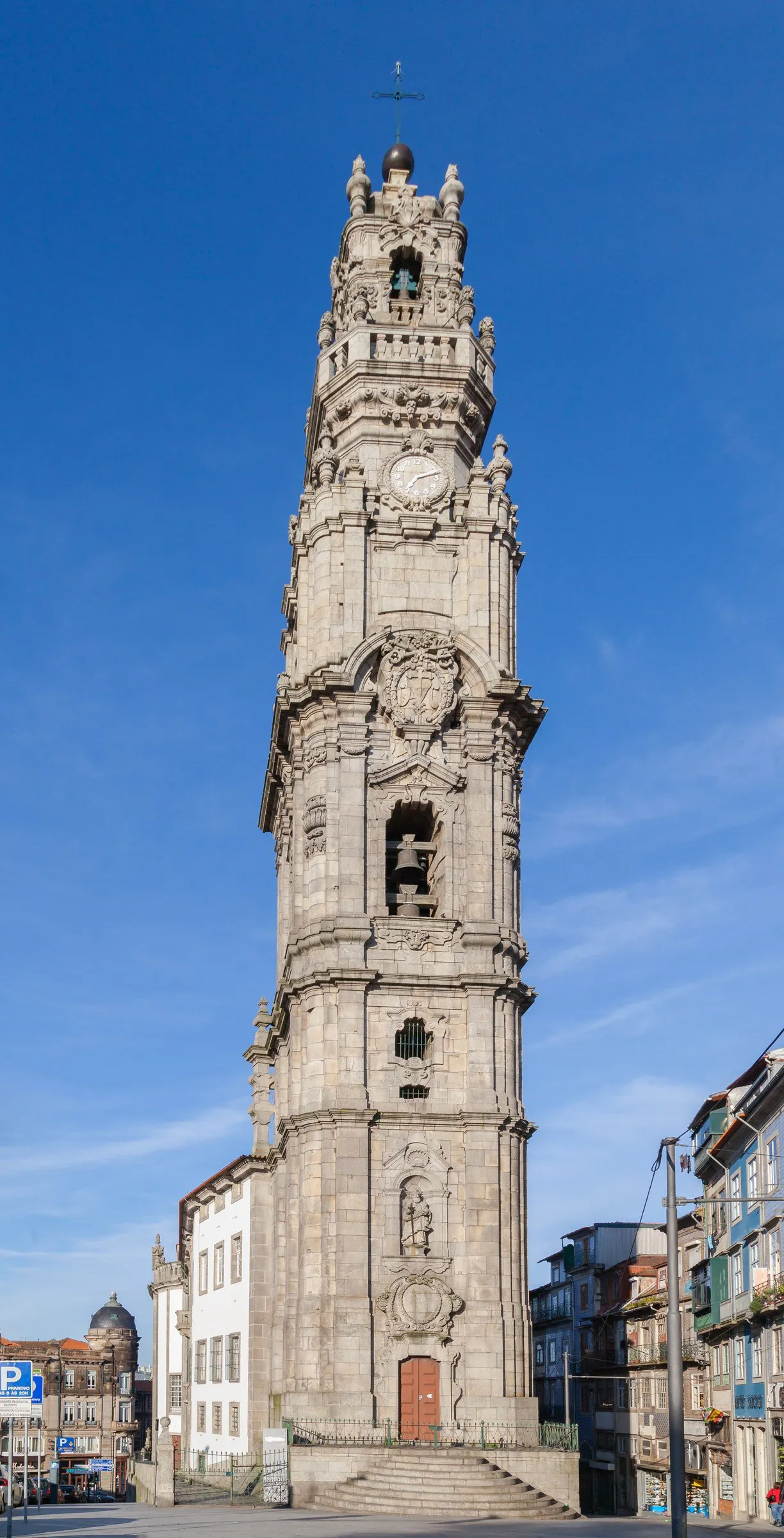
6The Baroque Clérigos complex combines church, museum and tower; the climb by stairs offers another reading of the rooftops of Porto and the Douro River.
View details for Clérigos Church and Tower (Igreja e Torre dos Clérigos)
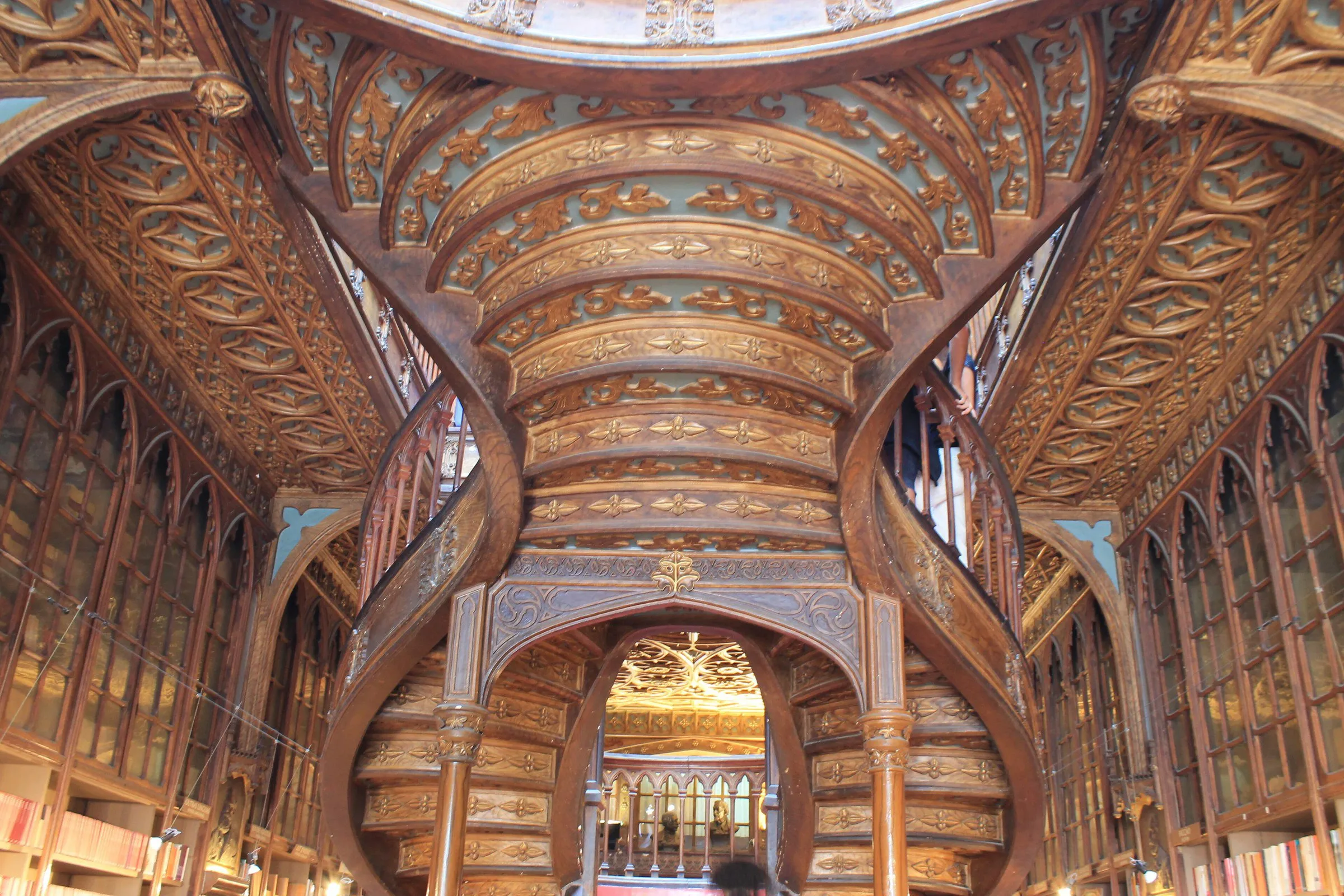
7The red staircase, the stained glass and the shelves of the Lello make the architecture part of the visit; buy through the official channel and check which spaces are included.
View details for Lello Bookshop (Livraria Lello)
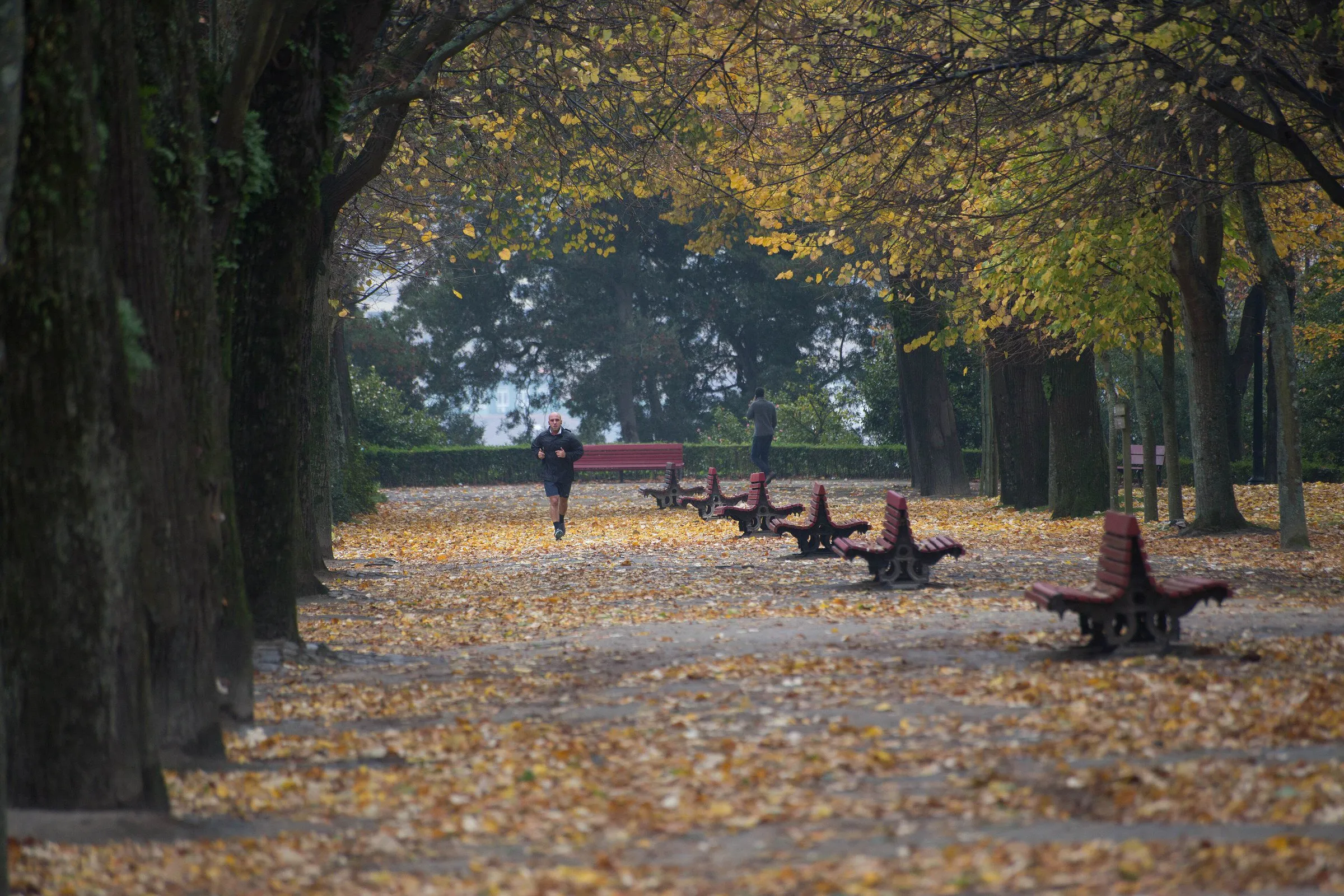
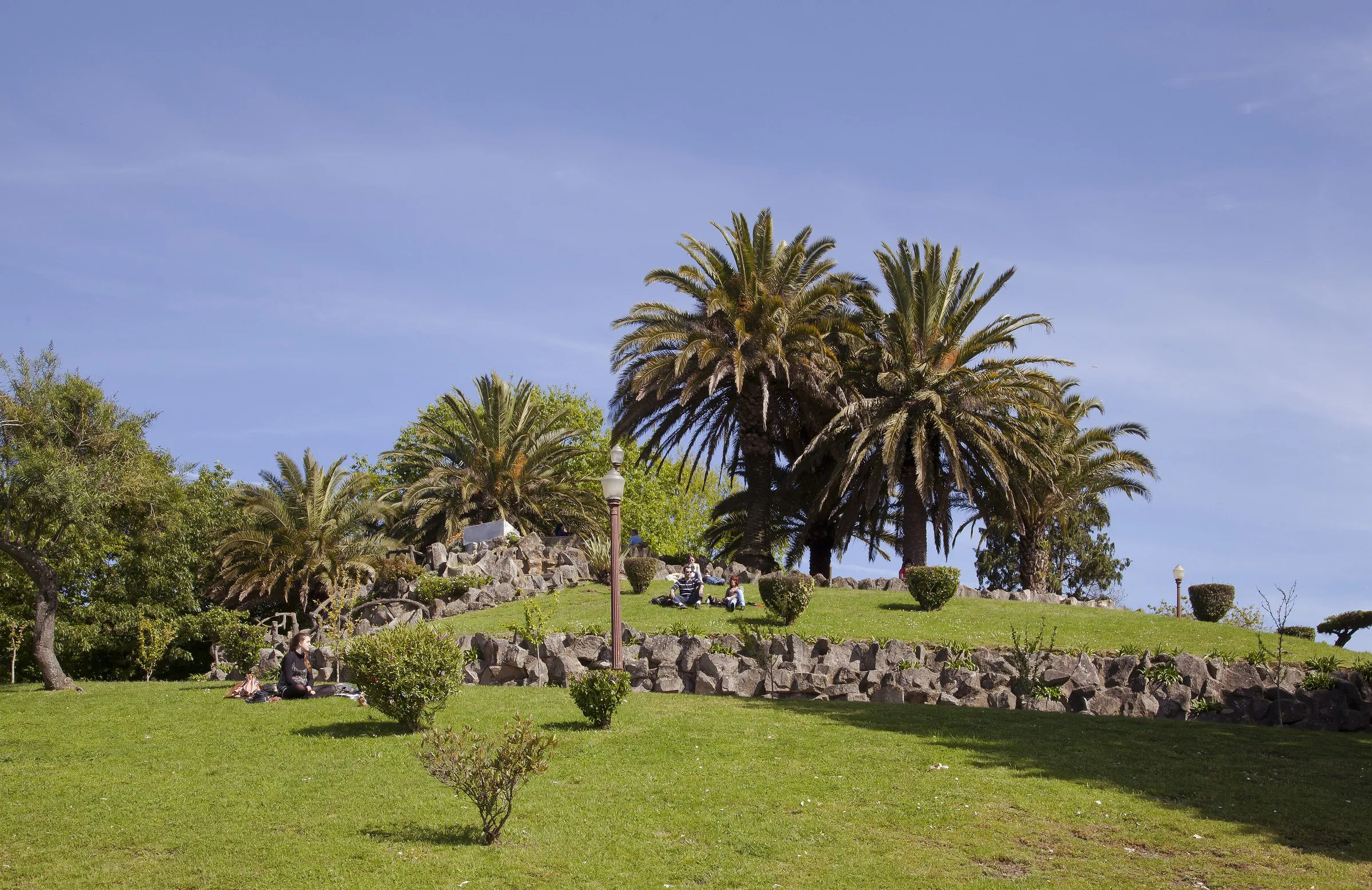
8Tree-lined paths and viewpoints over the Douro lead the walk through the Jardins do Palácio de Cristal; pick a circuit to take in the river and the city.
View details for Crystal Palace Gardens (Jardins do Palácio de Cristal)
9The iron structure of the Ponte Luís I links Porto and Gaia on different levels; the upper deck offers the crossing alongside the metro line.
View details for Luís I Bridge (Ponte Luís I)
10In Vila Nova de Gaia, the Jardim do Morro opens a view of the Douro and the historic center of Porto; a pause after crossing the upper deck.
View details for Morro Garden (Jardim do Morro)
1The panels at São Bento make you slow down before you reach the platforms. The hall brings together azulejos by Jorge Colaço, with historical scenes that compete for attention with the passengers. Look at each wall instead of settling the whole thing with one photograph.
The station is still at work. Keep the passages clear and separate the visit from any train trip. Notice the glass and iron roof too; the itinerary continues on foot to the Sé.
2The Terreiro da Sé offers a pause before you go in: rooftops, river and Gaia help you place the day. The cathedral keeps Romanesque elements, but later additions changed its architecture. The Gothic cloister and its azulejos deserve a second look.
Choose the areas you want to visit and confirm your ticket. The church is still a place of worship, and services can change how you move around. The plan includes a selection of spaces and the terreiro; adding every area means extending the stop.
3The Pátio das Nações pulls your eyes up to the iron and glass roof. The halls of the Palácio da Bolsa change materials, colors and proportions, with the Salão Árabe among the highlights. In the Sala das Assembleias Gerais, plaster imitates wood.
The visit is guided only, with an announced length of about half an hour. Leave some margin and confirm the language, which is set by order of arrival. The ticket does not turn the palace into a self-guided stroll.
4In Ribeira, the Douro gives your eyes room again after the sloping streets. Walk across the square and along a stretch of the quay before choosing a table. The facades change as you move away, and the bridge keeps you company on the walk.
Look at the fountain and the sculpture known as the Cubo da Ribeira. This stop is on the Porto bank, not to be confused with the Gaia quay. Compare menus: the first table facing the river does not have to decide your dinner.
5The Bolhão starts with the produce: fish, fruit, vegetables and other foods give the walk its direction. The restored market keeps fresh-food trade at the heart of the visit, with shops and restaurants that add more stops. Look first; choose later.
Plan this morning for a day when the market is open. It closes on Sundays and holidays; restaurants and stalls may keep different hours. There are elevators: check the information to pick an entrance that suits your route.
6The Torre dos Clérigos helps you find the center from afar; up close, it starts to organize the view. The Baroque complex tied to Nicolau Nasoni brings together a church and a museum, besides the climb. Save some breath for taking in the rooftops.
Tell the tower apart from the accessible alternatives. The multisensory space simulates the experience of the climb and the landscape, without being equal to physical access to the top. Evening hours depend on specific dates: a lit-up photo says nothing about the calendar.
7At the Livraria Lello, the red staircase competes with the book spines. The neo-Gothic building spreads the visit across floors, shelves and a stained-glass window. Save a moment for the books: the camera can take over the whole visit if you let it.
The official website sells tickets for different spaces and options. Check the product, without assuming it includes every room or discounts on books. Leave margin for the line and follow the luggage and circulation rules on the day.
8In the Jardins do Palácio de Cristal, you go from a tree-lined path to an opening over the Douro. The viewpoints change the relationship between river and city. The Avenida das Tílias and areas of Émile David's design remain among the landmarks.
Choose a partial circuit and give yourself time for the benches, besides photography. Opening hours change with the season. The itinerary uses the gardens; museums, exhibitions and activities at the other venues need their own planning.
9On the upper deck of the Ponte Luís I, the Douro lies below and the Porto hillside fills the view. The iron structure was designed by Teófilo Seyrig. The crossing connects the area around the Sé to the Jardim do Morro, in Gaia.
Use the pedestrian space and stay alert to the metro. The itinerary crosses over to Gaia and stops at the garden. Check for closures and avoid blocking the way: the bridge also serves daily commuting.
10To see Porto head-on, cross over to Gaia. The Jardim do Morro sits right where the upper deck of the bridge ends, facing the historic center on the other bank. The landscape lets you spot places from earlier days.
The visit is to the garden, not dependent on the cable car or neighboring monuments. Check hours and access rules: the municipality announced management and redevelopment measures. Respect the paths, the vegetation and the rest of the people who live nearby.
Group visits by height and area, using transport for the longer hops. São Bento and the Sé sit above Ribeira; checking the route keeps the climb from turning into a punctuality test.
Pick your Andante coverage and validate when you start the trip and when you change line or transport. Contactless bank payment works only at enabled locations and validators; check before counting on it.
The Francisco Sá Carneiro Airport has a metro connection on line E. Check the station and the connections that suit your lodging best, including the ticket zones and any service changes.
Bring footwear that helps on the slopes and rain protection. Spring and fall favor walking, but check the forecast for the bridge and the gardens. Pick another order of visits if the open-air stretches get uncomfortable.
Compare the Lello ticket, the Clérigos route and the guided Bolsa visit before buying. In churches, respect worship and silence; in crowded areas, keep your documents and cell phone close.
In Porto, the francesinha can take up the space you had set aside for several snacks. Alternate one sit-down meal with shopping and short breaks at the Bolhão, checking menus and portions before ordering. Fish, salt cod and meat dishes also show up in the local cuisine. If you want Port wine, pick a glass and take your time; the drink is part of the city, but it does not have to become a string of tastings between two staircases.
A sandwich with fillings and sauce, a Porto specialty that calls for a table and attention to portion size.
A traditional dish of the city, to try after asking about the ingredients and how the house prepares it.
A fortified wine tied to the city's name, for a tasting pause according to your interest.