 1
Monuments
Jerónimos Monastery
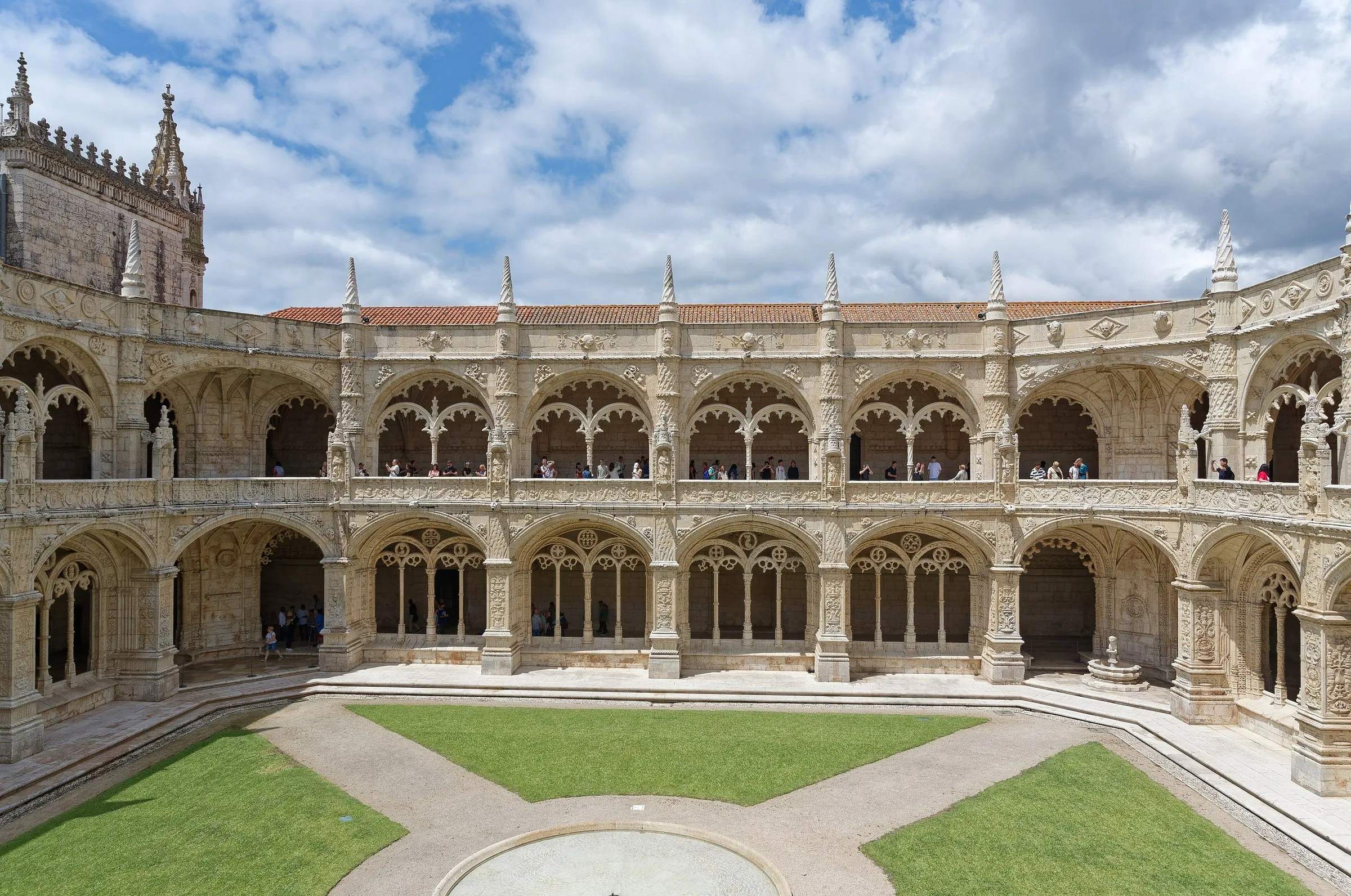
A monastery founded by King Manuel I in 1496 and handed to the monks of the Order of Saint Jerome. The church holds the tombs of Vasco da Gama and Luís de Camões.
View details for Jerónimos Monastery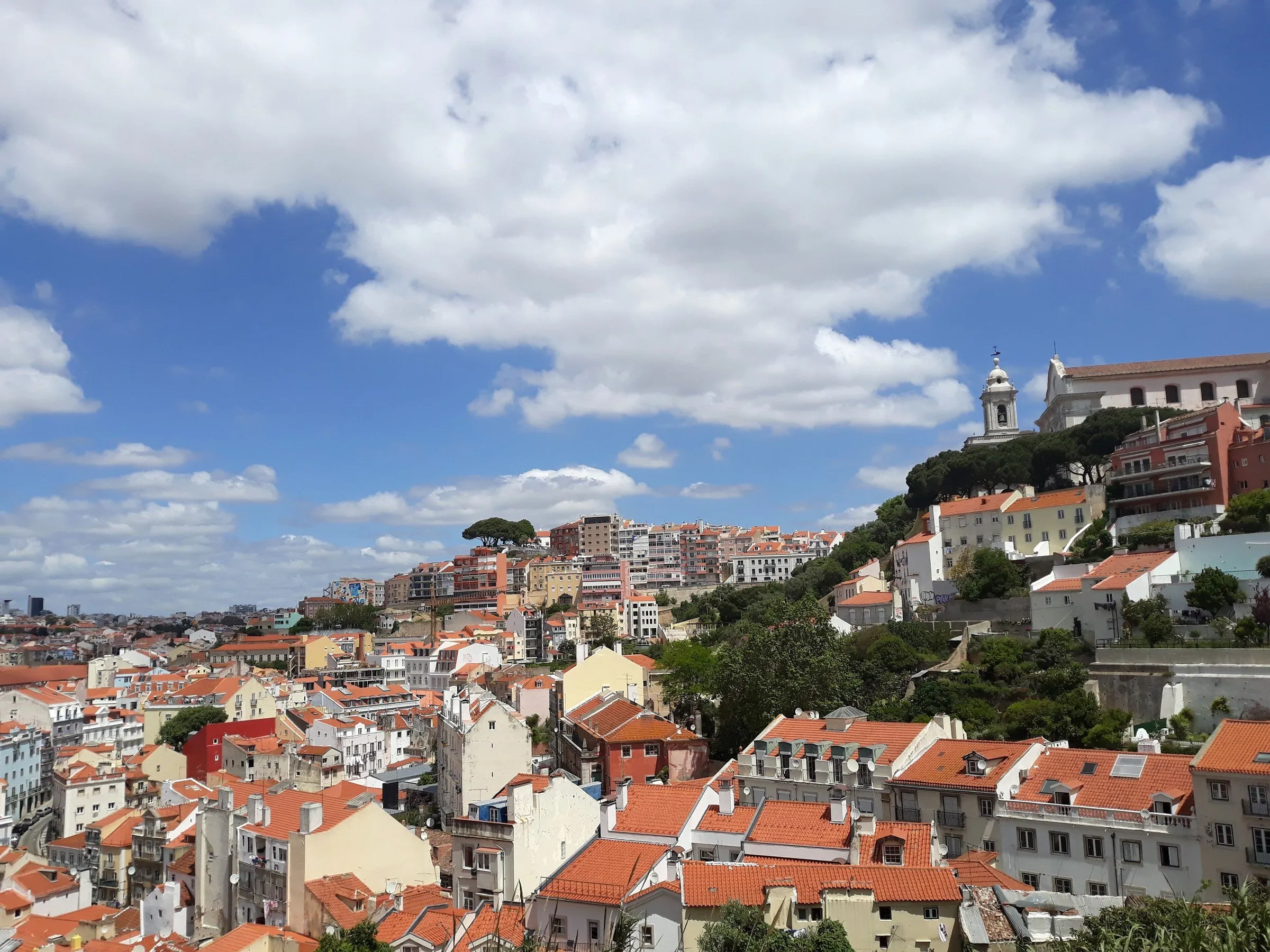
Portugal
In Lisbon, a yellow tram climbs the hill just inches from tiled facades, and down below the Tagus shines so brightly it looks like the sea. The city is explored in ups and downs, with a mandatory stop for a pastel de nata.
Lisbon is a city of ups and downs. It spreads across hills on the banks of the Tagus, and almost every slope ends at a viewpoint where someone is playing guitar, selling a drink or just gazing at the river. The black-and-white pebble pavement is as pretty as it is slippery, so a pair of sturdy-soled shoes is worth more than any new outfit. You can do a lot on foot, as long as you accept that your legs will start complaining around the second day.
Much of what you will see traces back to a single morning: November 1, 1755, when an earthquake, a tsunami and a fire destroyed most of the city. The Baixa was redesigned from scratch, in straight streets, while Alfama, which held up, kept its maze of alleys. Farther west, Belém tells the earlier chapter, the Age of Discovery, when Lisbon became one of the great trading centers of the world.
Split the trip by area. Belém deserves a day all to itself; the Baixa, the Castle and Alfama form another block, mostly done downhill; and the third day is for the Chiado, the museums and the Parque das Nações. At night, the choice is usually between a fado house in Alfama and a sidewalk table at some square, with small plates and conversation until late.
After the 1755 earthquake, the buildings of the Baixa were given an internal wooden frame designed to withstand tremors, the so-called Pombaline cage. To test the idea, scale models were placed among troops marching around them, simulating a quake.
Fado was added to UNESCO's list of Intangible Cultural Heritage in 2011, and UNESCO itself cites Afro-Brazilian sung dances among the influences that shaped the genre.
The tower of São Jorge Castle that now houses the camera obscura once held some of the kingdom's most important documents and, between the 14th and 17th centuries, was known as the Torre do Tombo.
The equestrian statue of King José I, in the middle of Praça do Comércio, immortalized the horse too: it has a name, Gentil.
1A monastery founded by King Manuel I in 1496 and handed to the monks of the Order of Saint Jerome. The church holds the tombs of Vasco da Gama and Luís de Camões.
View details for Jerónimos Monastery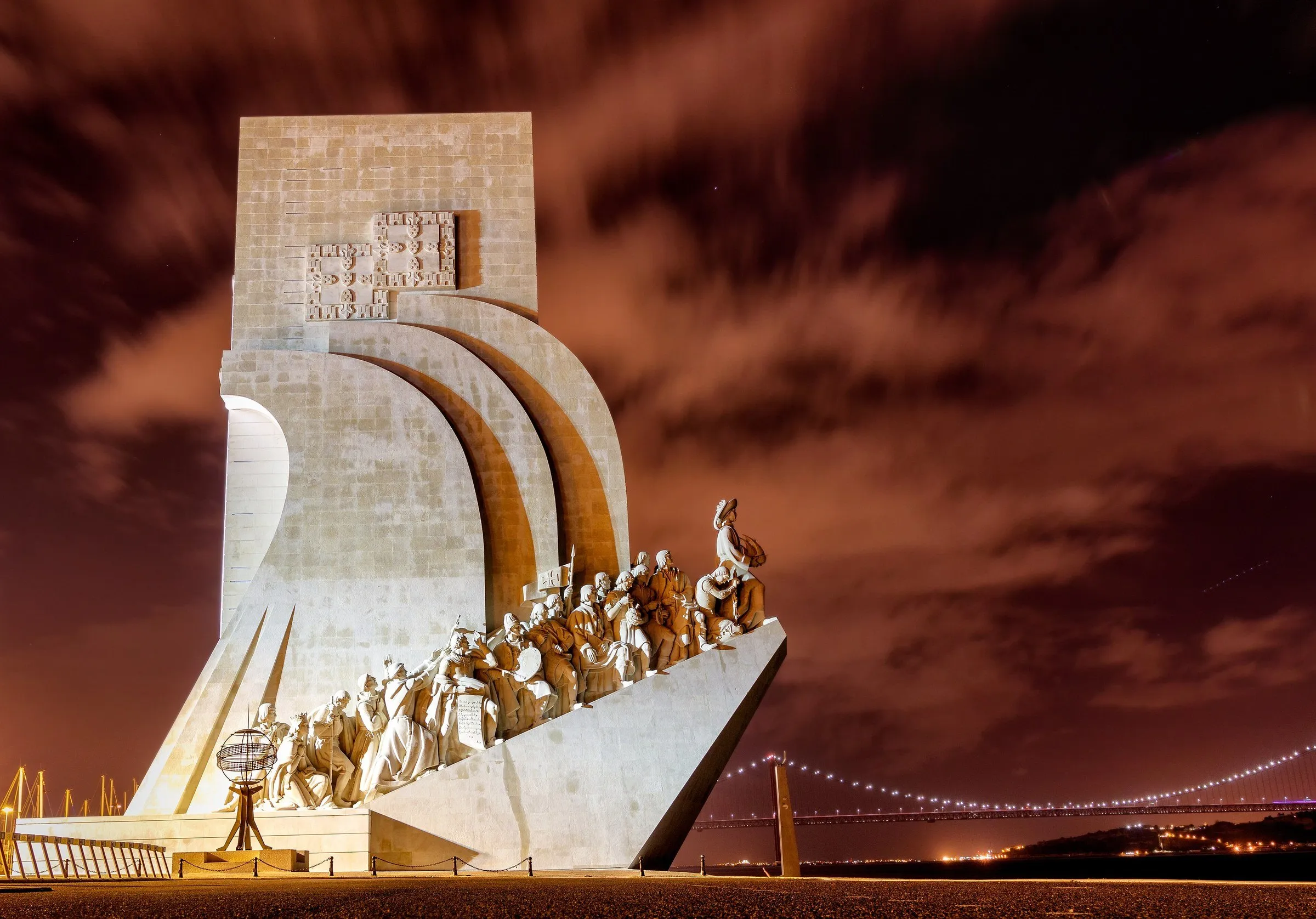 2
A 56-meter monument shaped like the prow of a caravel, opened in 1960, with Prince Henry the Navigator leading 32 figures from the Age of Discovery.
View details for Monument to the Discoveries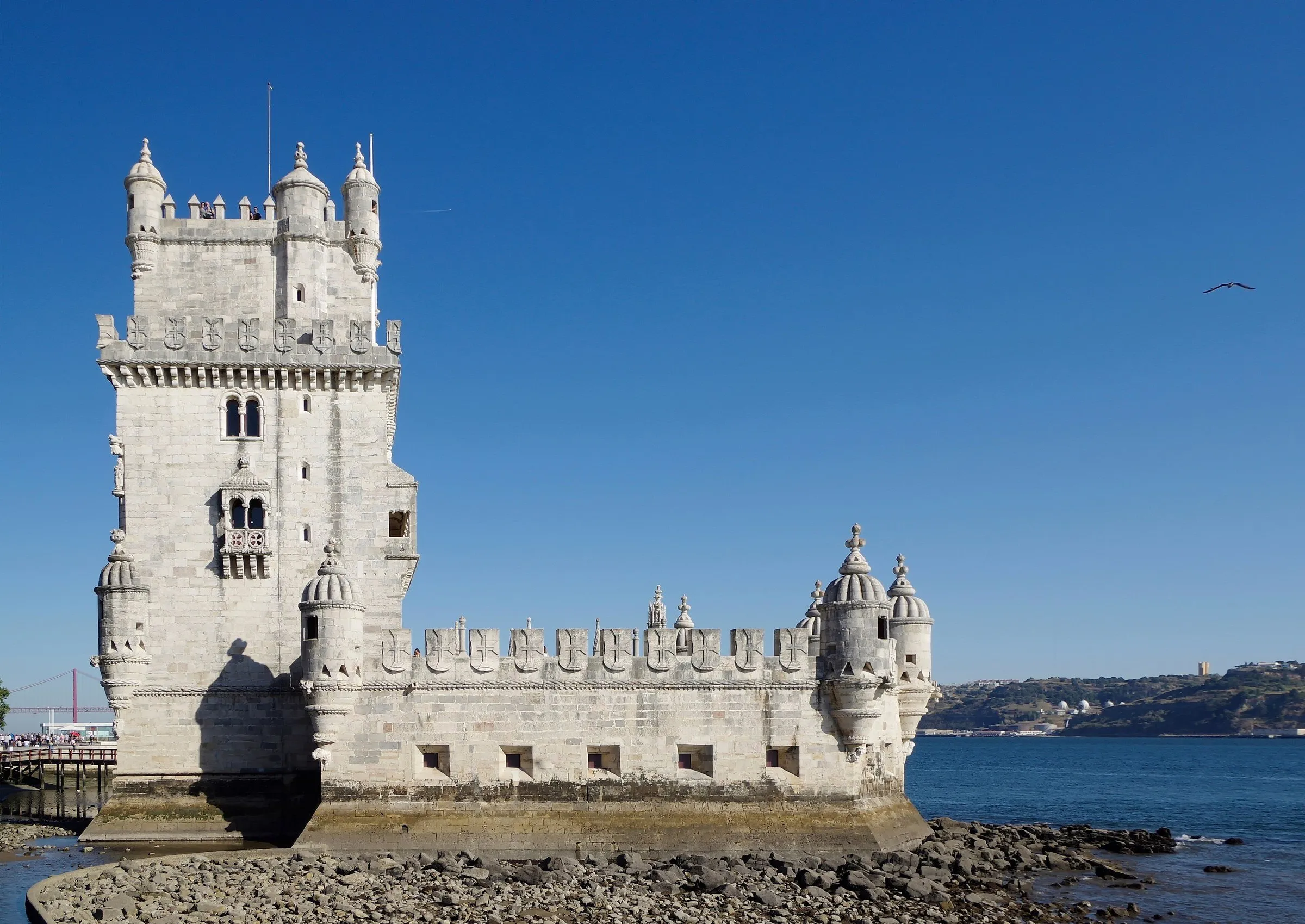 3
An early 16th-century fortress on the Tagus, with the armillary sphere and the cross of the Order of Christ carved in stone: the symbol of Lisbon in the Age of Discovery.
View details for Belém Tower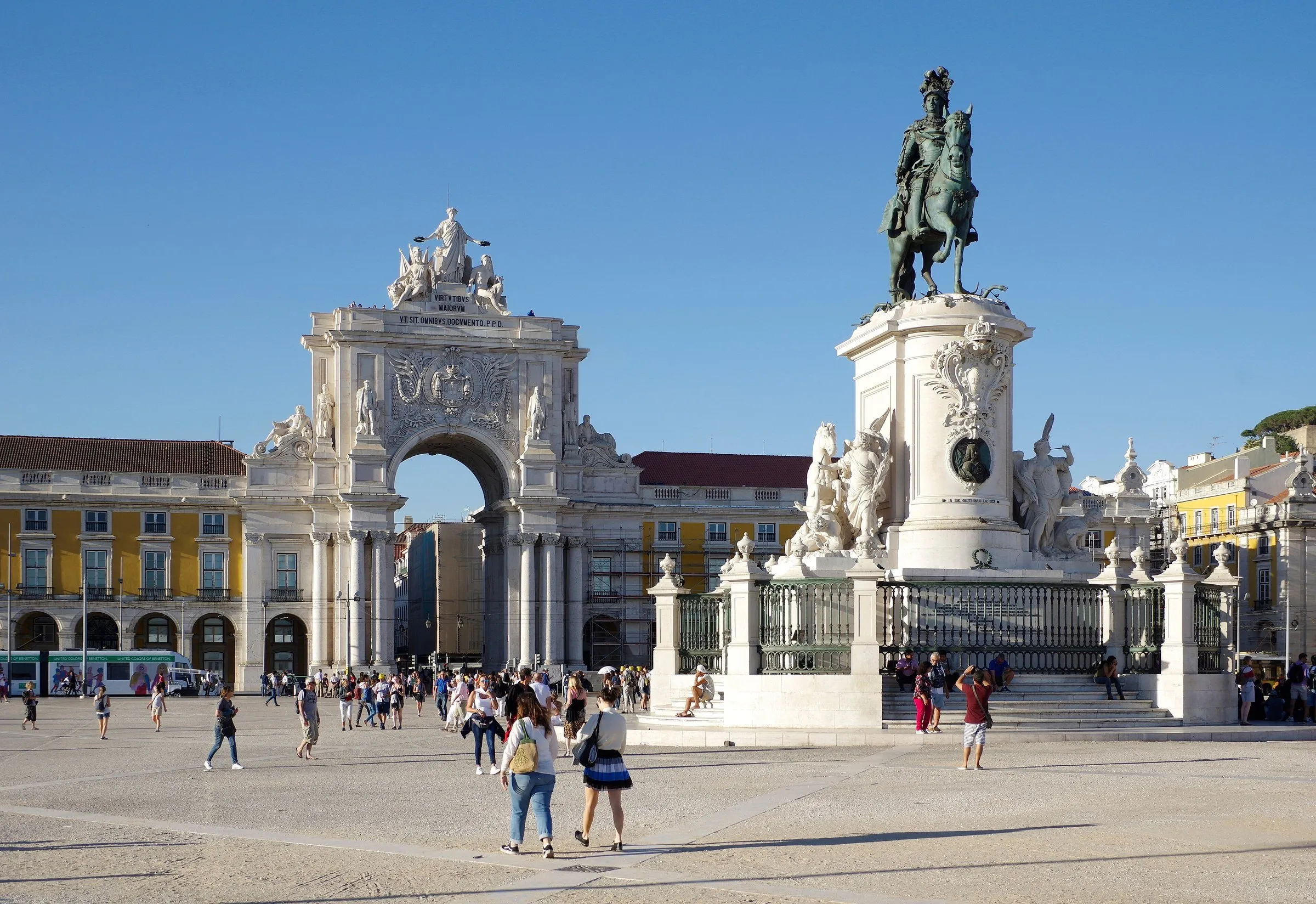 4
The huge square that opens the Baixa to the Tagus, on the spot where the royal palace stood until 1755. Locals still call it Terreiro do Paço.
View details for Praça do Comércio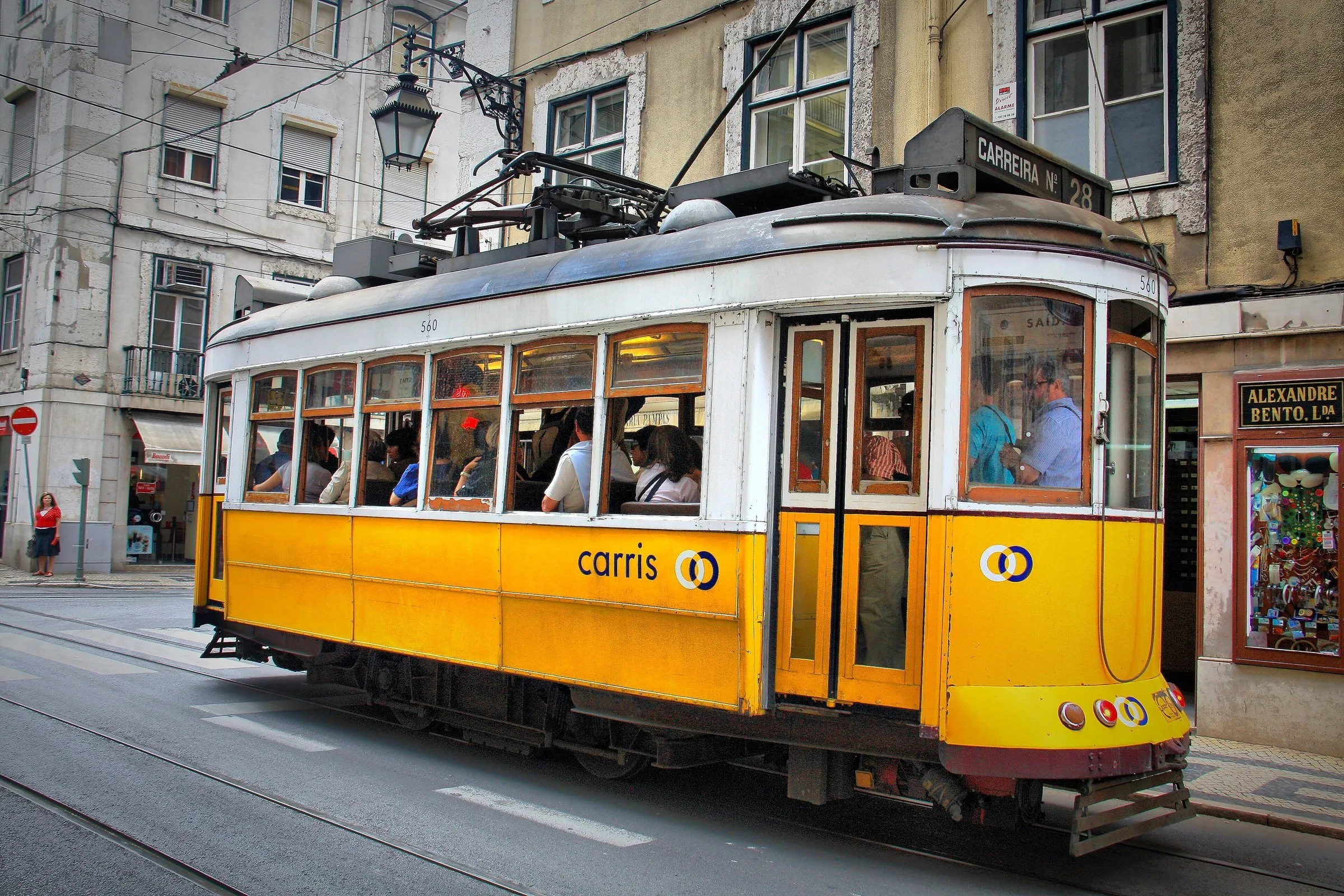 5
The yellow tram that crosses old Lisbon, from Graça to Prazeres, passing through the Sé, the Baixa, the Chiado and Estrela on stomach-dropping curves and slopes.
View details for Tram 28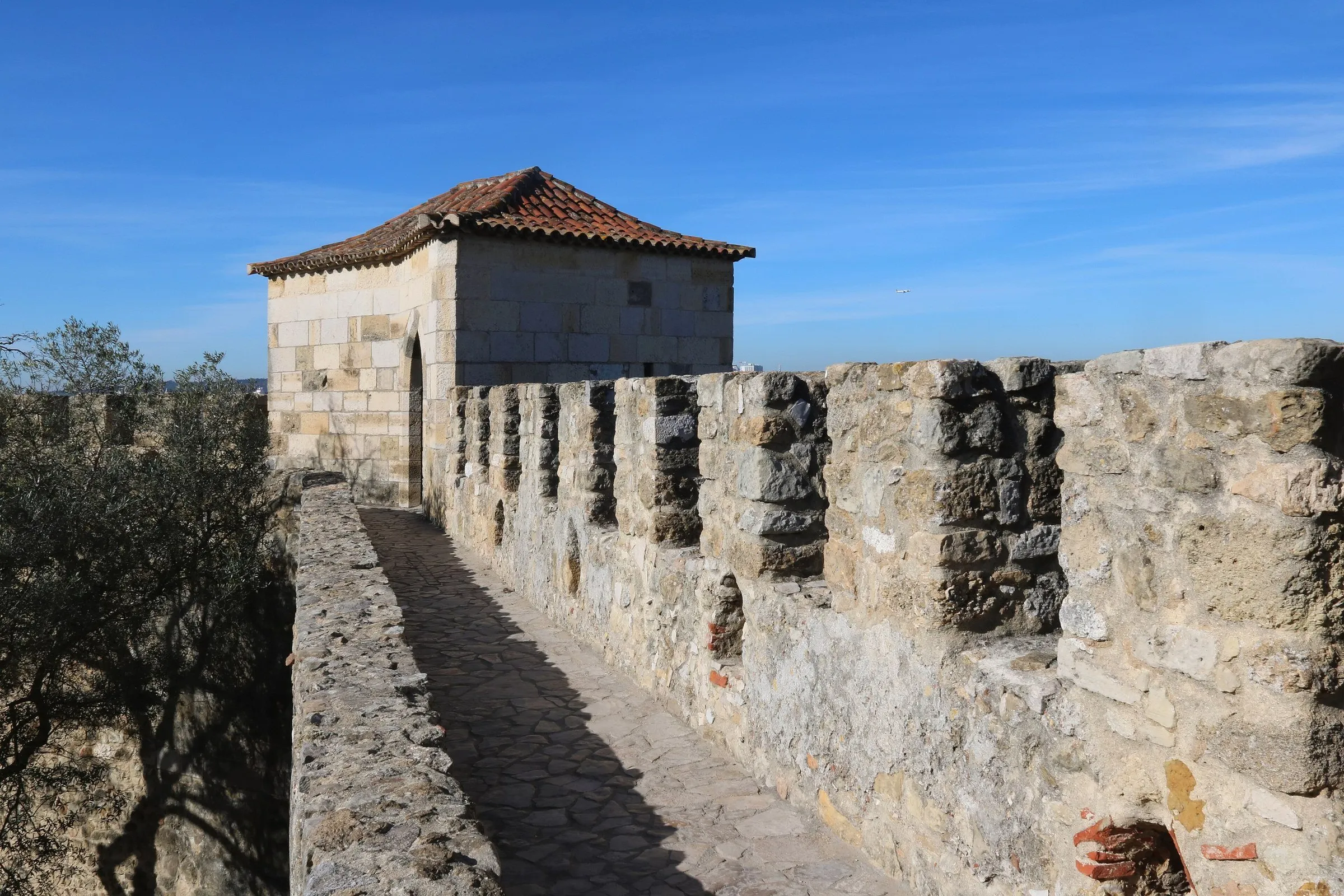 6
Walls on the hilltop above Alfama, with traces of more than 2,600 years of settlement and a camera obscura that shows Lisbon live, using lenses and mirrors.
View details for São Jorge Castle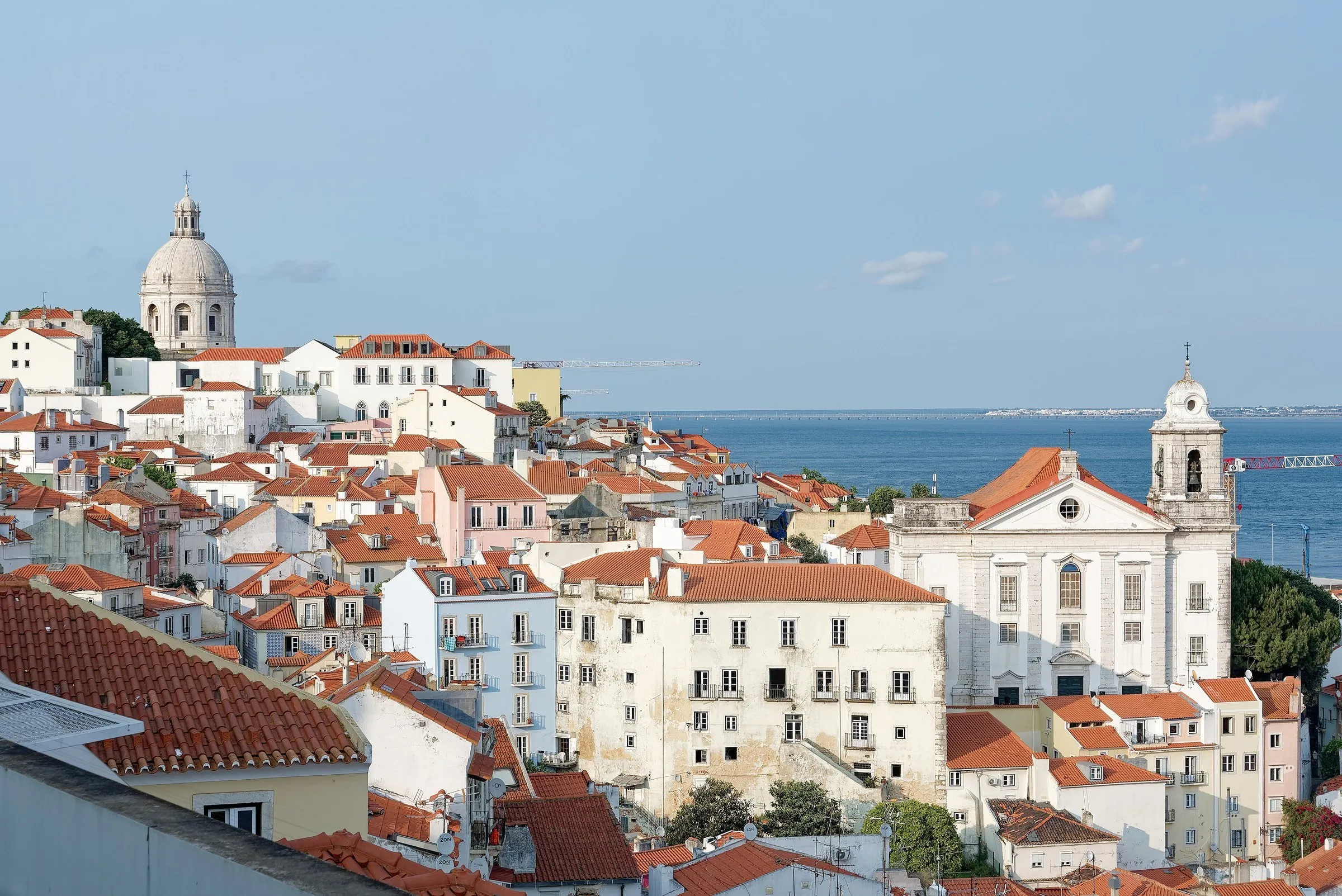 7
Lisbon's oldest neighborhood, a maze of alleys and stairways between the castle and the river, which escaped the 1755 destruction and fills with fado at night.
View details for Alfama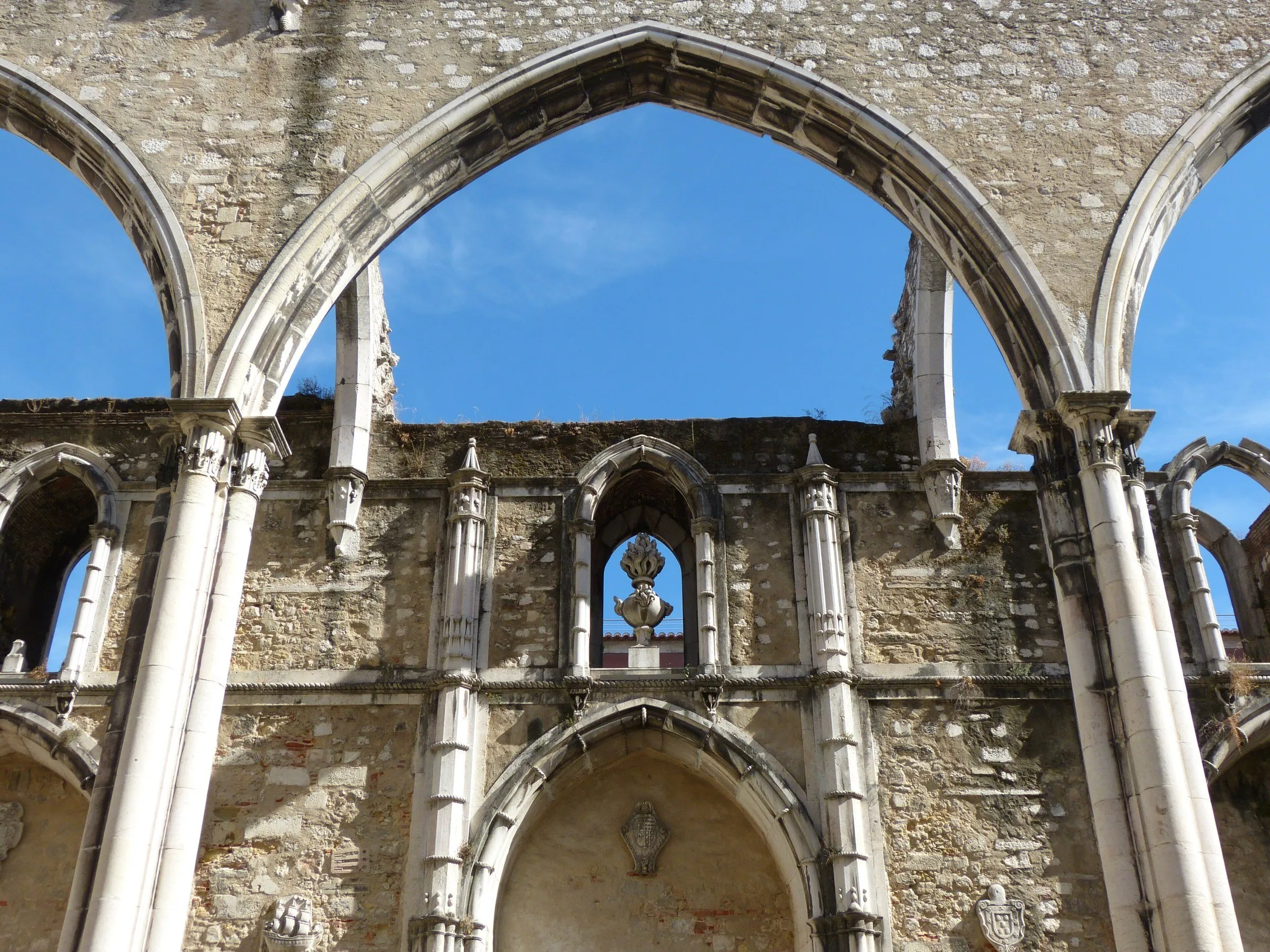 8
A ruined church at the top of the Chiado, kept that way since the 1755 earthquake as a reminder of the tragedy. Inside, under open sky, there is an archaeological museum.
View details for Carmo Convent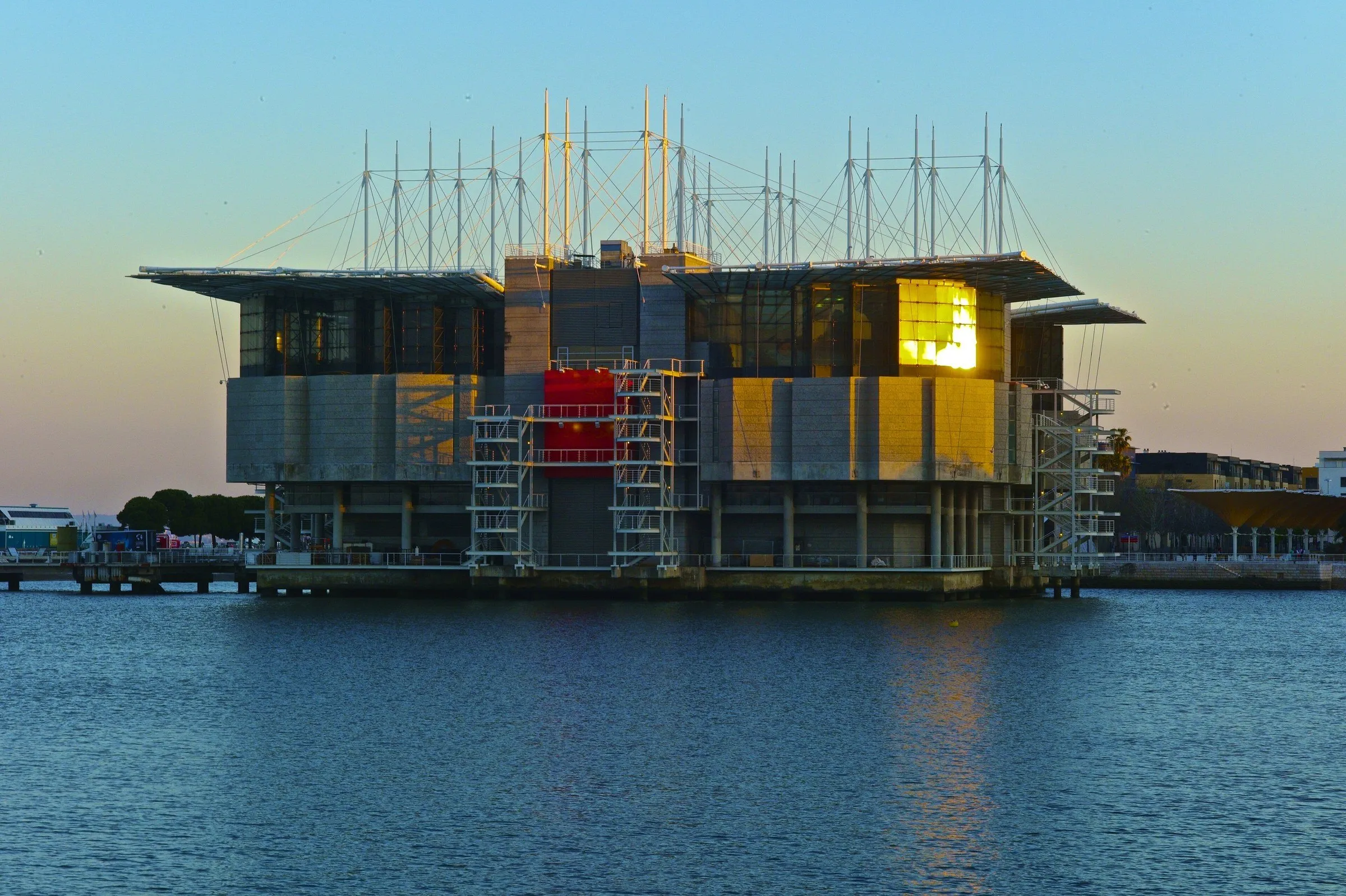 9
An aquarium at the Doca dos Olivais, in the Parque das Nações, with more than 500 species around a large central tank, from sea otters to sunfish.
View details for Lisbon Oceanarium1The name gives the story away. King Manuel I founded the monastery in 1496 and entrusted it to the monks of the Order of Saint Jerome, on the site where Prince Henry the Navigator had built a church dedicated to Santa Maria de Belém. The result is one of the great works of 16th-century Portugal, with a church that works as a pantheon: the tombs of Vasco da Gama and Luís de Camões are here, the navigator and the poet at the same address.
Arrive early, because Belém fills up fast once the tour buses park. And on the way out, get ready for another line: the one at the neighboring pastry shop that has been making pastéis de nata since 1837, with an old recipe that came from the monastery itself.
2It looks like a stone caravel about to leave the dock, and that is exactly the idea. Prince Henry the Navigator stands at the tip, 9 meters tall, followed by 32 figures of navigators, cartographers, missionaries, chroniclers and artists spread along the two ramps. The first version, made of temporary materials, was set up in 1940 for the Exhibition of the Portuguese World; the permanent one, in concrete and stone, was inaugurated on August 9, 1960, on the 500th anniversary of the prince's death.
Since 1985 the interior has exhibition rooms and a viewing platform at the top. From up there, the whole Belém waterfront comes into view, and the monastery and the tower take on the right size on your mental map.
3From a distance, Belém Tower looks small for so much fame; up close, the carved stonework explains everything. Designed by Francisco de Arruda, it was born as part of Lisbon's maritime defenses: a tower with a well-armed bulwark in front, keeping an eye on whoever sailed up the Tagus. King Manuel I made sure to leave the royal mark everywhere, with the royal coat of arms, the armillary sphere and the cross of the Order of Christ.
Together with the Jerónimos Monastery, the tower has been a UNESCO World Heritage Site since 1983. To go in, you need to book a date and time, even with the Lisboa Card. If your schedule does not cooperate, the riverside promenade gives you the classic photo with no line at all.
4Locals insist on calling the place Terreiro do Paço, and their stubbornness has a good reason: this is where the Paço da Ribeira, the royal residence, stood until the 1755 earthquake. In the rebuilding of the Baixa, led by the Marquis of Pombal, it became one of the largest squares in Europe, open to the river, with King José I on horseback in the center, in a statue by Machado de Castro.
On the north side, the Rua Augusta Arch has a terrace at the top, with the straight grid of the Baixa streets on one side and the Tagus on the other. In the opposite direction, right at the water's edge, the Cais das Colunas is the most sought-after spot for photos, especially as the sun starts to go down.
5The 28 is a sightseeing tour at public transport prices. The little yellow trams, small and very photogenic, take on steep climbs and tight turns between the hills, linking Graça to Prazeres. Along the way they pass Martim Moniz, the Sé, the Baixa, the Chiado, Estrela and Campo de Ourique, with palaces, viewpoints and tiled facades almost within arm's reach.
If you get a window seat, open the glass and enjoy the view. Use the line like an ordinary bus: get off wherever something catches your eye and take the next tram later, since another one will come. The bell announces when it is approaching.
6The climb to the castle is a small endurance test, and the reward comes right after the entrance: Lisbon rooftop after rooftop, all the way to the river. The archaeological site stacks up layers of time, from 7th-century BC settlements to an 11th-century residential quarter from the Islamic period, plus the ruins of the palace of the Counts of Santiago, the castle's last noble residence, brought down by the 1755 earthquake.
In the Ulysses Tower is the camera obscura, a play of lenses and mirrors that projects the city in real time, in a full 360-degree sweep. The guided visit to it is included in the ticket, as is a guided walk around the castle.
7In Alfama, the GPS gives up before you do. The city's oldest neighborhood occupies the slope between the castle and the Tagus, and the 1755 earthquake did not destroy it, so the alleys and tiny squares still follow a layout centuries old. In Moorish times, this was the entire city, and the name comes from the Arabic al-hamma, something like hot springs.
Start at the Santa Luzia and Portas do Sol viewpoints, then wander down with no plan, passing by the Sé cathedral. At night, the fado houses turn on their lights: the genre is usually sung by a solo voice, accompanied by guitars and the Portuguese guitar, with twelve strings, an instrument that exists only here.
8You walk into a church and, instead of a roof, you find sky. The ruins of the Carmo Convent were preserved after the 1755 earthquake precisely so that the people of Lisbon would not forget the destruction, and the stone arches that remain trace in the air the outline of a church that no longer exists.
Since 1864 the ruins have housed the Carmo Archaeological Museum, created a year after the Association of Portuguese Archaeologists, with pieces ranging from Prehistory to the contemporary era. On the way out, Largo do Carmo is the natural starting point for walking down to the Baixa, through the streets of the Chiado.
9Lisbon spends its life facing the water, so it makes sense to dedicate an afternoon to what lives beneath it. The Oceanarium sits on the Doca dos Olivais, in the Parque das Nações, far from the slopes of the center, and gathers more than 500 species arranged around a large central tank, which is the heart of the visit.
The sea otters tend to steal the show, with a loyal audience at the glass. Save some attention for the sunfish, too, a huge, flat fish that looks like it was drawn in a hurry. It is the ideal plan for a rainy day or for anyone traveling with kids.
The tourist card covers the trams and entry to Belém Tower and the Jerónimos Monastery, which still require a booked date and time. Run the numbers against your itinerary before buying.
Belém Tower and the Jerónimos Monastery usually close on Mondays and some holidays. Save that day for Alfama or the Oceanarium.
The small stones of Portuguese pavement get slick with wear, and even more so in the rain. Sturdy-soled sneakers help you avoid slips on the slopes.
Some of the city's historic funiculars and lifts have been closed for long periods for inspection. Before counting on them in your itinerary, check their status on the Carris website.
On crowded trams and viewpoints, keep your wallet in a closed pocket and your backpack in front of you.
In Lisbon, snacking is serious business and dessert comes before lunch with no guilt at all. The city eats well at standing counters, in paper-tablecloth tascas and in neighborhood pastry shops, almost always with a short coffee to finish. The pastel de nata, even better when it comes out warm, with cinnamon and sugar on top, is the official currency of these breaks.
A little tart of crisp flaky pastry with a lightly caramelized egg custard on top. Ask for it warm and sprinkle with cinnamon.
A soft roll with thin slices of seasoned pork, the quick counter snack that shows up on every corner of the city.
Sardine grilled over charcoal and served on a slice of bread, which soaks up the flavor. Street food and festival food.
A liqueur made from ginja, a sour cherry, served in a tiny cup at the counter. It is drunk standing, in one or two sips.