 1
University Hill
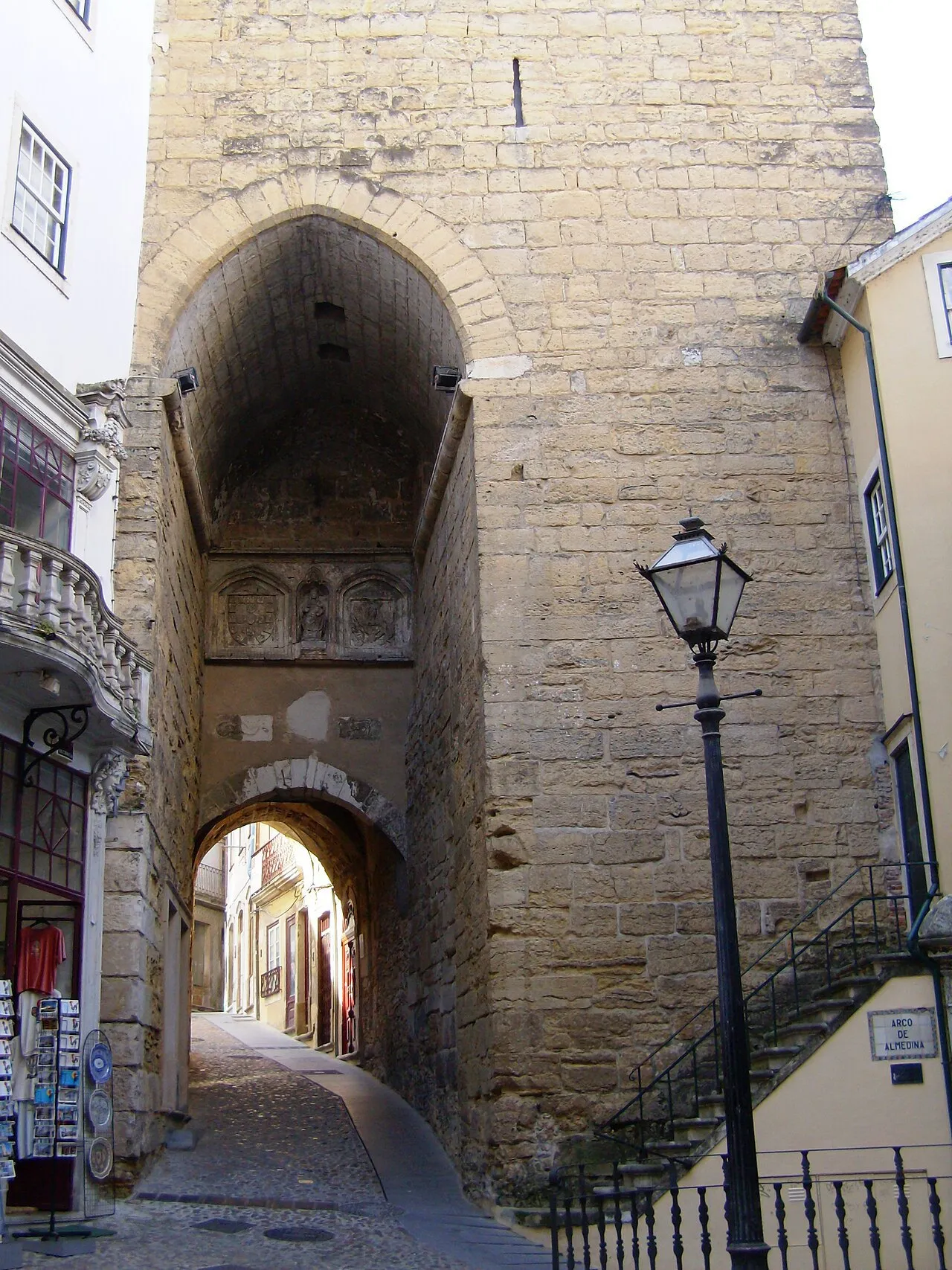
Arco de Almedina
Main gate of Coimbra's old city wall, opening right in the middle of Rua Ferreira Borges. Beyond it begins the stepped climb toward the Old Cathedral and the Alta.
View details for Arco de Almedina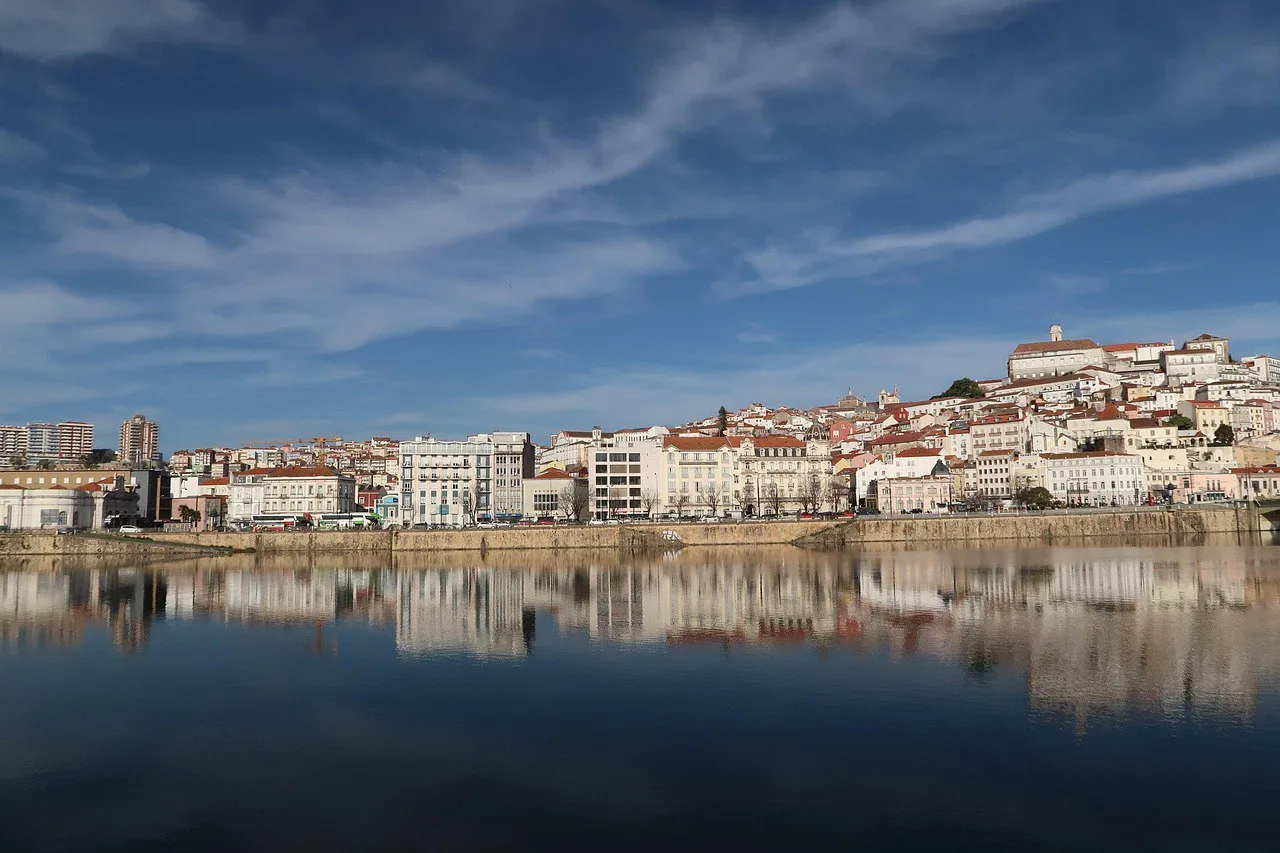
Portugal
In Coimbra, the university's Baroque library shares its shifts with a colony of bats, and students still cross the Alta in black capes, on their way to classes in a palace that once belonged to kings.
Coimbra runs on its own calendar, and it is an academic one. In May, the Queima das Fitas takes over the streets for eight days; the rest of the year, the city revolves around a hill, the Alta, where the university has operated since the 16th century in a former royal palace. Down below sits the Baixa, with its shops and pastry cafés, linked to the upper town by staircases that test any visitor's calves. Across the Mondego, the left bank holds a monastery, gardens and the story of Pedro and Inês.
This guide uses Coimbra as a base and steps outside the city limits when the trip is worth it. The Roman ruins of Conímbriga are in Condeixa-a-Nova, about 16 km (10 miles) away, and fit into a morning. The Buçaco National Forest, in the municipality of Mealhada about 30 km (19 miles) away, calls for a full day trip, with a stop in Luso, the spa village just below the forest. Neither outing requires changing hotels.
The first three days are on foot, in shoes that can handle slick stone and steep slopes. Book the Joanina Library early, because the visit has a set time slot, and leave Conímbriga for the morning of day three. For the trips outside town, a car gives more freedom but is not required: there are trains and buses to Luso, and a taxi or bus to Condeixa. In the evening, look for a Coimbra fado performance, a style tied to student traditions and played on a guitar with its own tuning.
The name Coimbra was borrowed: when the bishopric of Conímbriga moved to Roman Aeminium in 586, the new city ended up inheriting the name of its neighbor, which lies about 16 km (10 miles) away.
A colony of bats lives in the Joanina Library and, at night, eats the insects that would ruin the books. That is why staff cover the tables with leather sheets before closing.
One of the bells in the University Tower has a nickname: the Cabra (the Goat), which for a long time marked the hours of student life.
Queen Saint Isabel, who funded the rebuilding of the Monastery of Santa Clara, is the patron saint of Coimbra. The city holiday falls on July 4, the date of her death in 1336.
The Queima das Fitas began in 1899, lasts eight days in May and is often described as the biggest student festival in Europe.
1Main gate of Coimbra's old city wall, opening right in the middle of Rua Ferreira Borges. Beyond it begins the stepped climb toward the Old Cathedral and the Alta.
View details for Arco de Almedina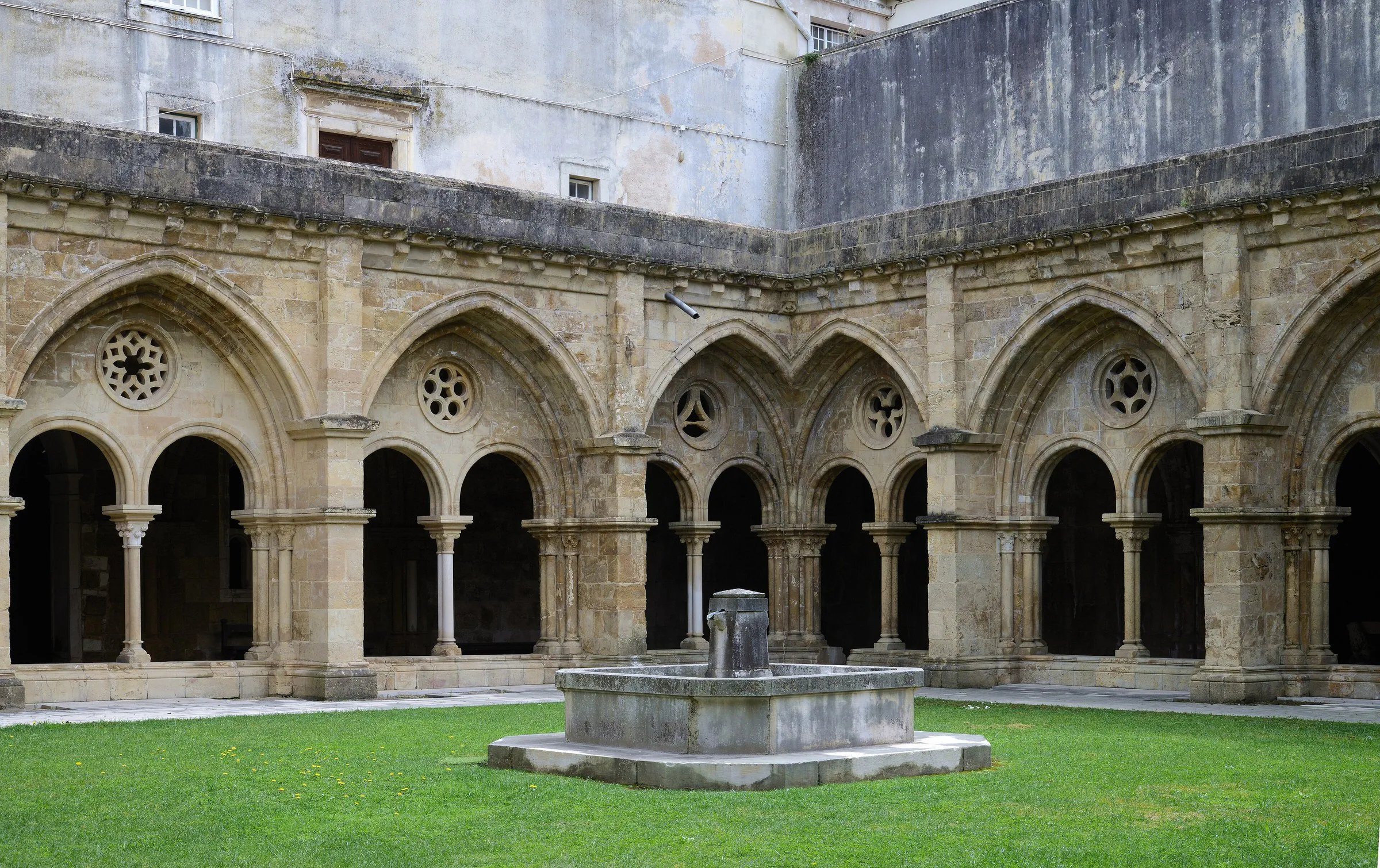 2
A Romanesque cathedral that looks like a small fortress, begun in the time of King Afonso Henriques. Inside are a Flemish Gothic altarpiece and a 13th-century cloister.
View details for Sé Velha (Old Cathedral)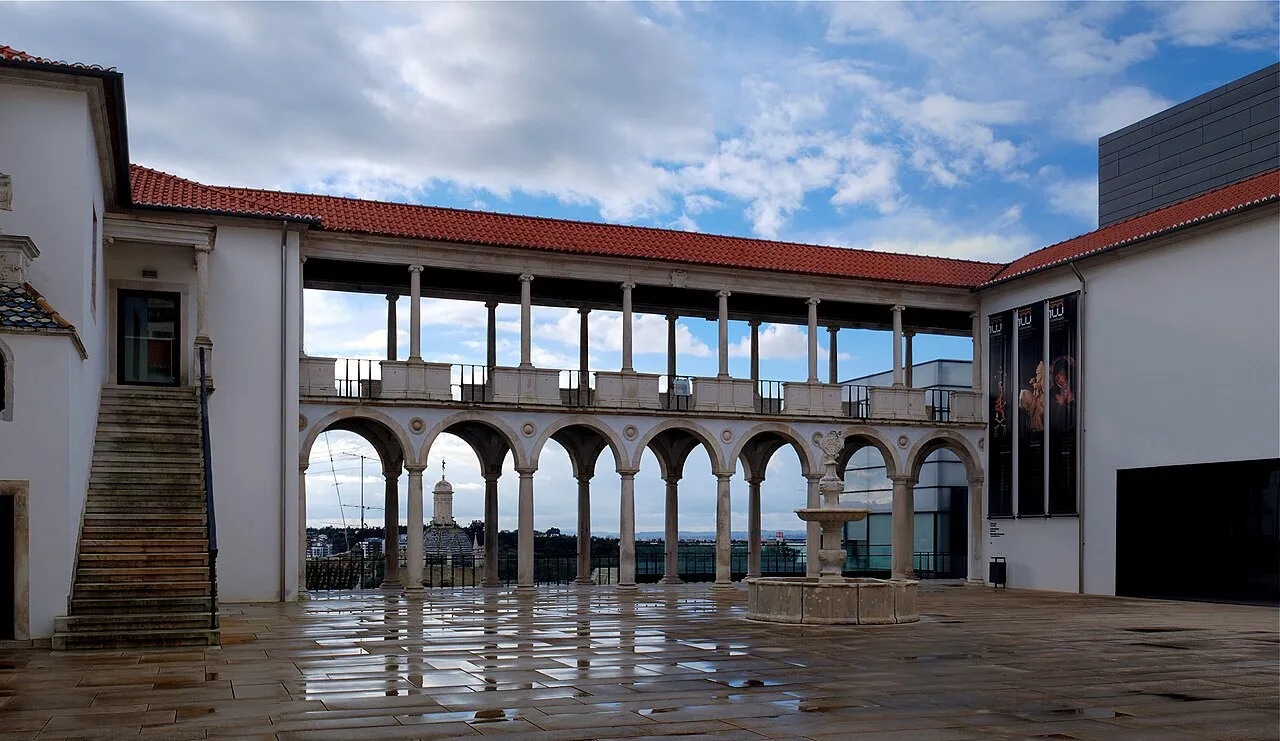 3
An art museum set in the former bishops' palace, on top of the galleries that supported the city's Roman forum. The descent into the 1st-century cryptoporticus is the most striking moment.
View details for Museu Nacional de Machado de Castro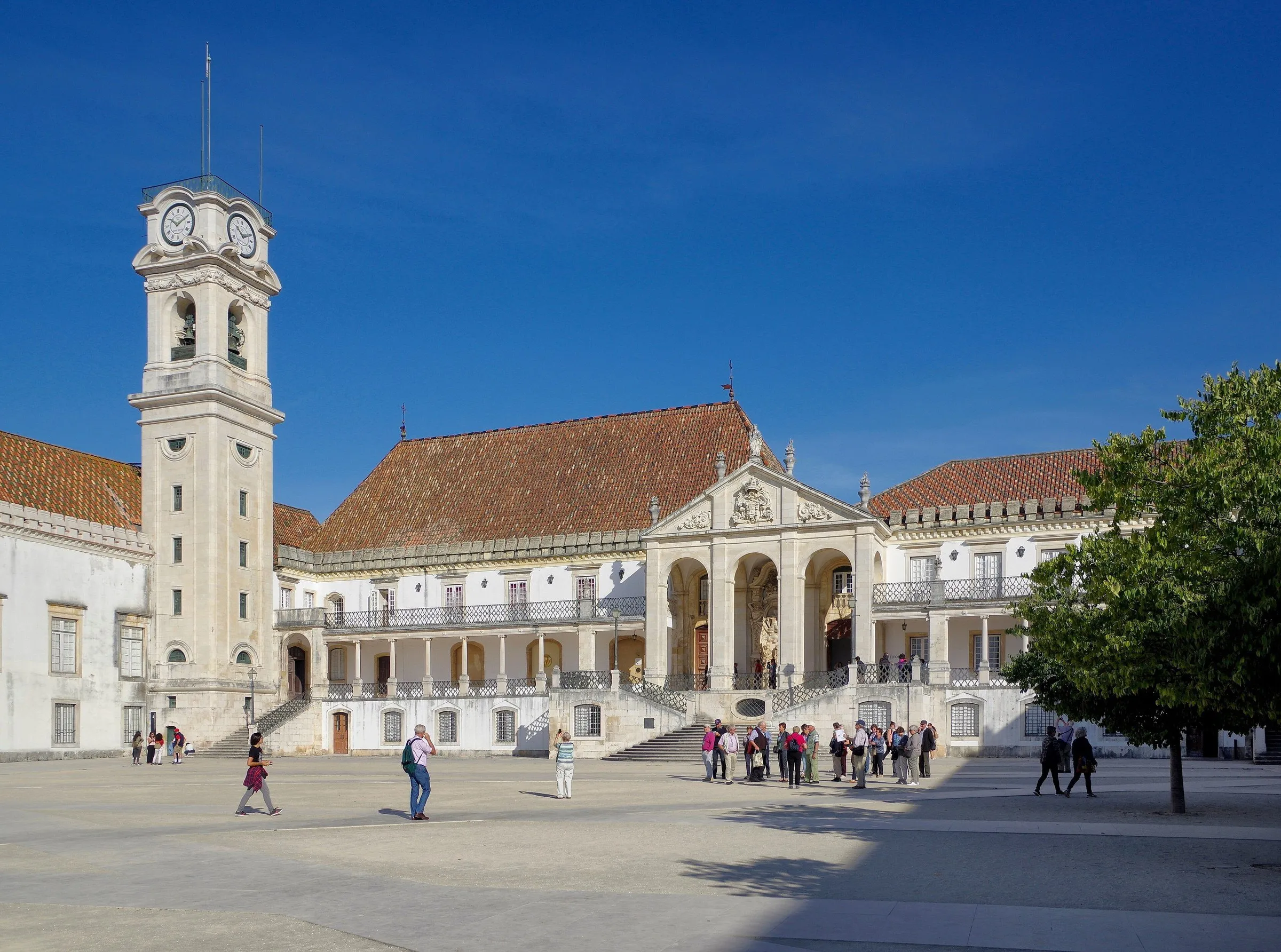 4
The courtyard of Portugal's oldest university occupies a former royal palace at the top of the Alta, with a Baroque tower, a chapel and the hall for solemn ceremonies. A World Heritage Site since 2013.
View details for Universidade de Coimbra (Paço das Escolas)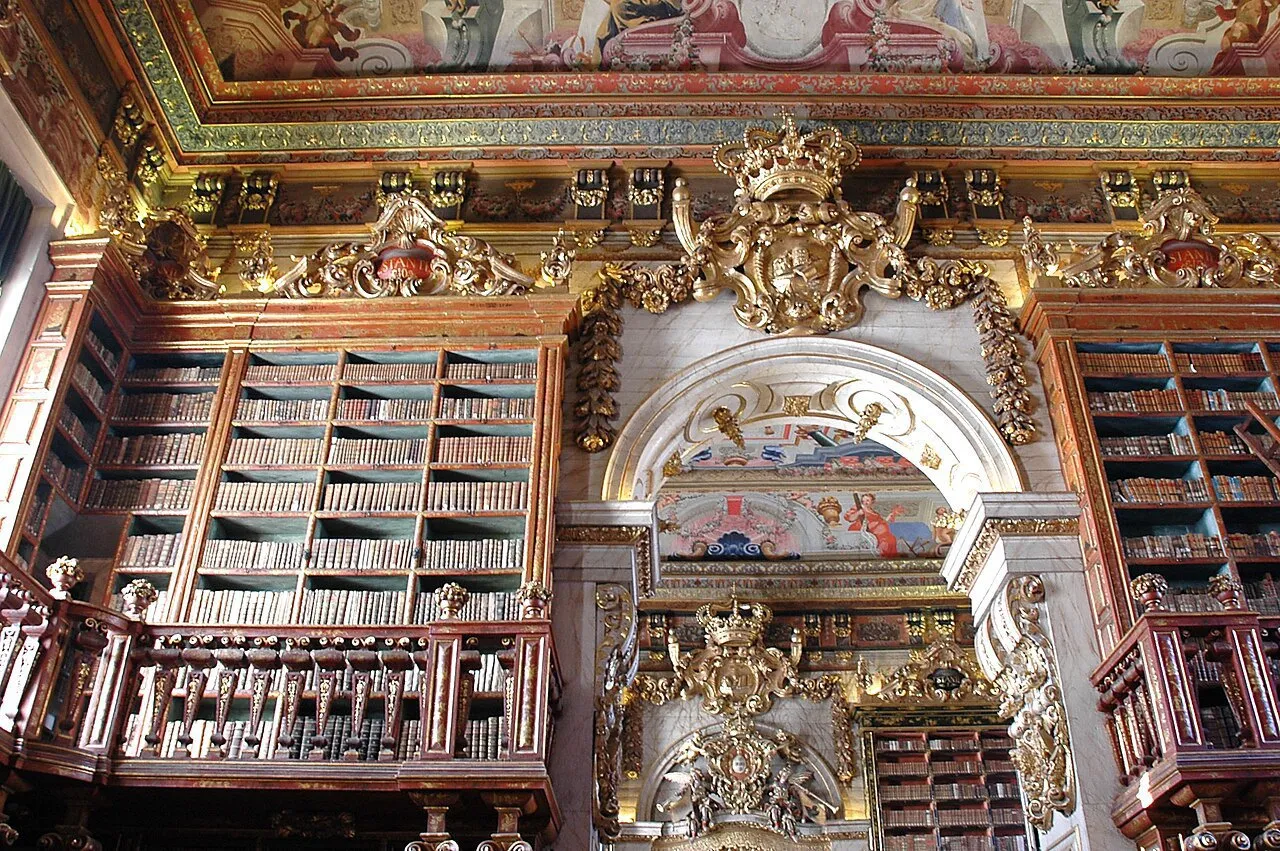 5
A Baroque library built between 1717 and 1728, with gilded bookcases of exotic wood and a colony of bats that hunts, at night, the insects that would eat the books.
View details for Biblioteca Joanina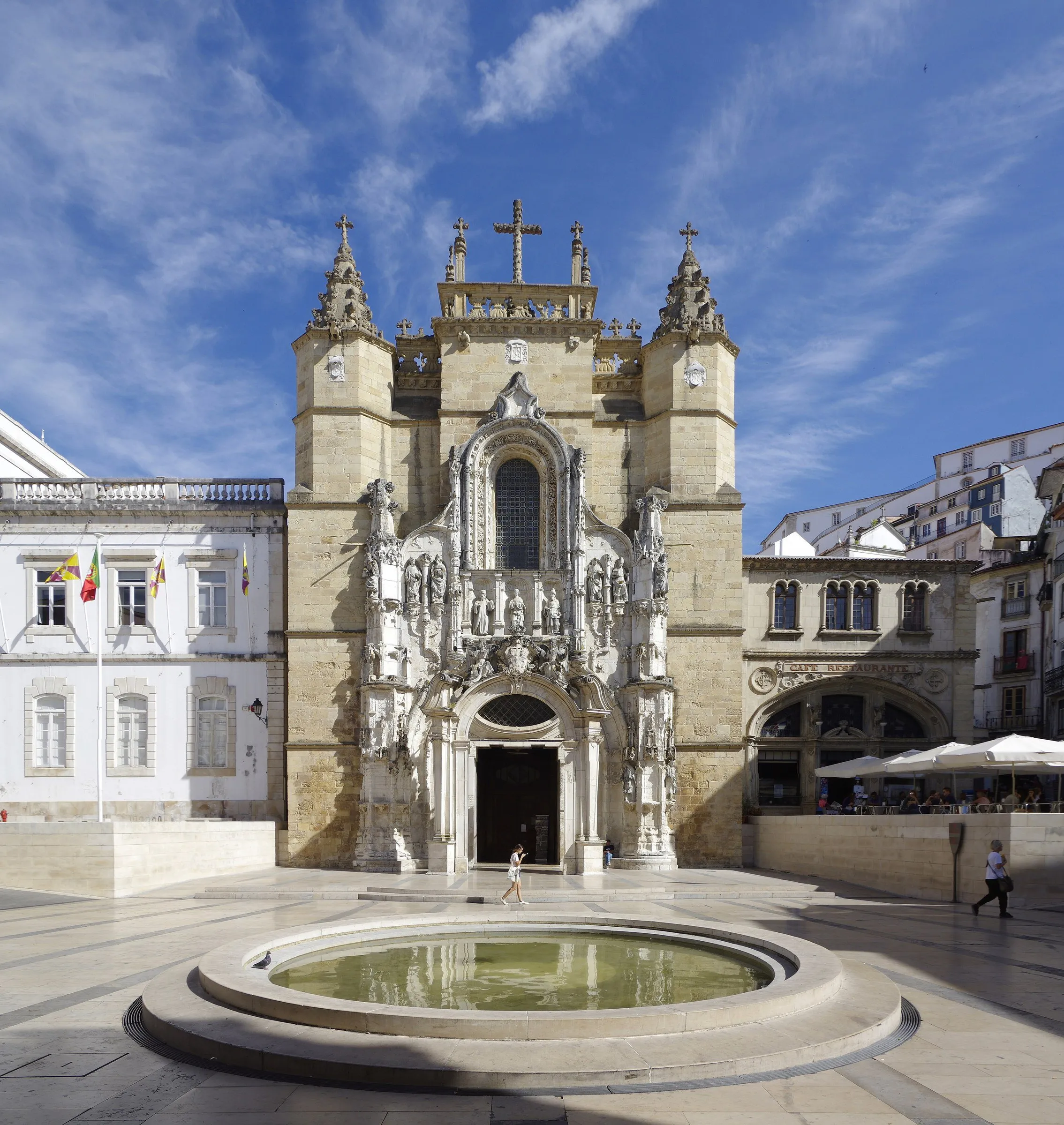 6
A monastery founded in 1131 that holds the tombs of Portugal's first two kings. Next door, an old 16th-century church became the Café Santa Cruz.
View details for Mosteiro de Santa Cruz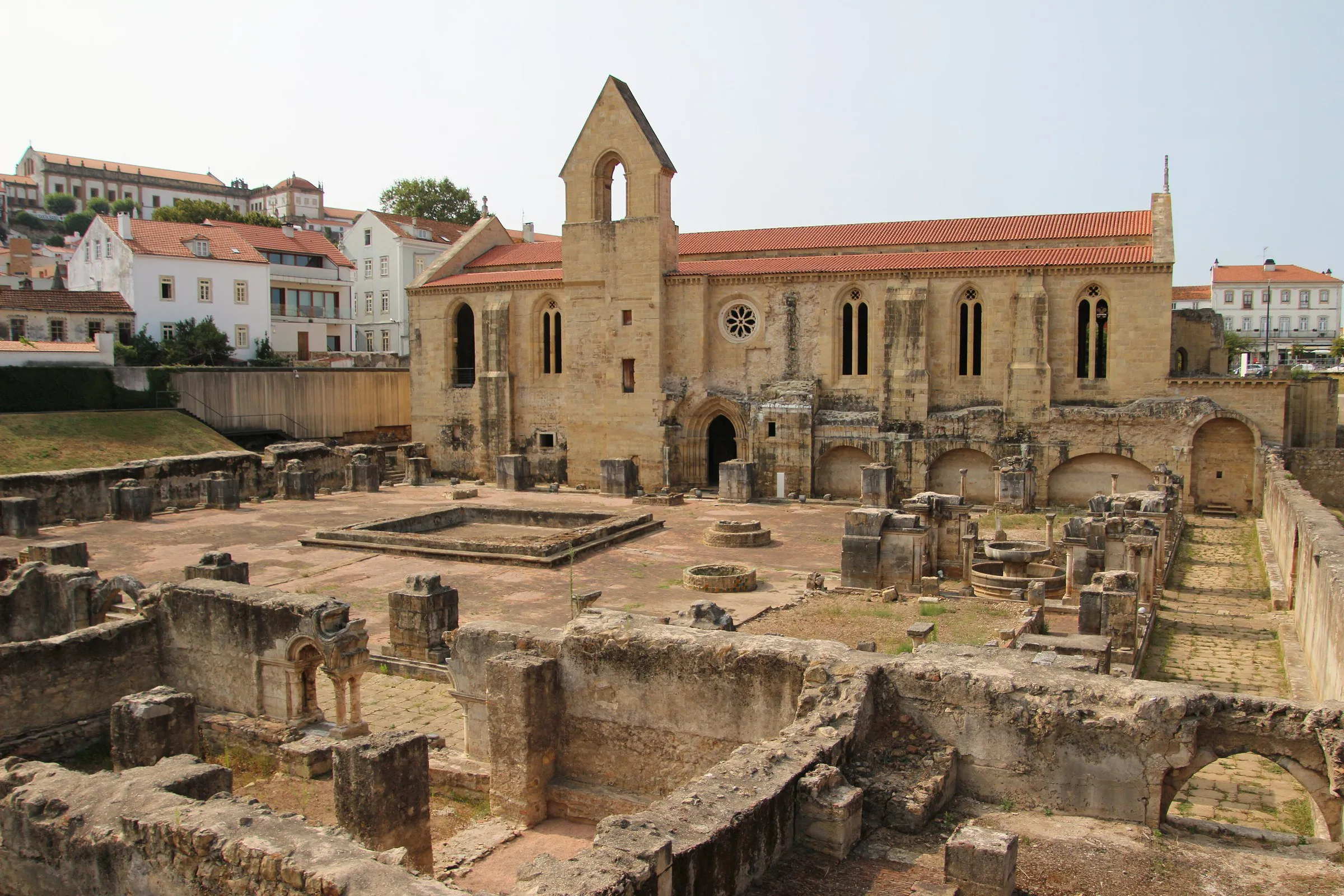 7
A Gothic monastery that the Mondego flooded over the centuries, until the nuns left in 1677. Excavated and restored, it gained an interpretation center in 2009.
View details for Mosteiro de Santa Clara-a-Velha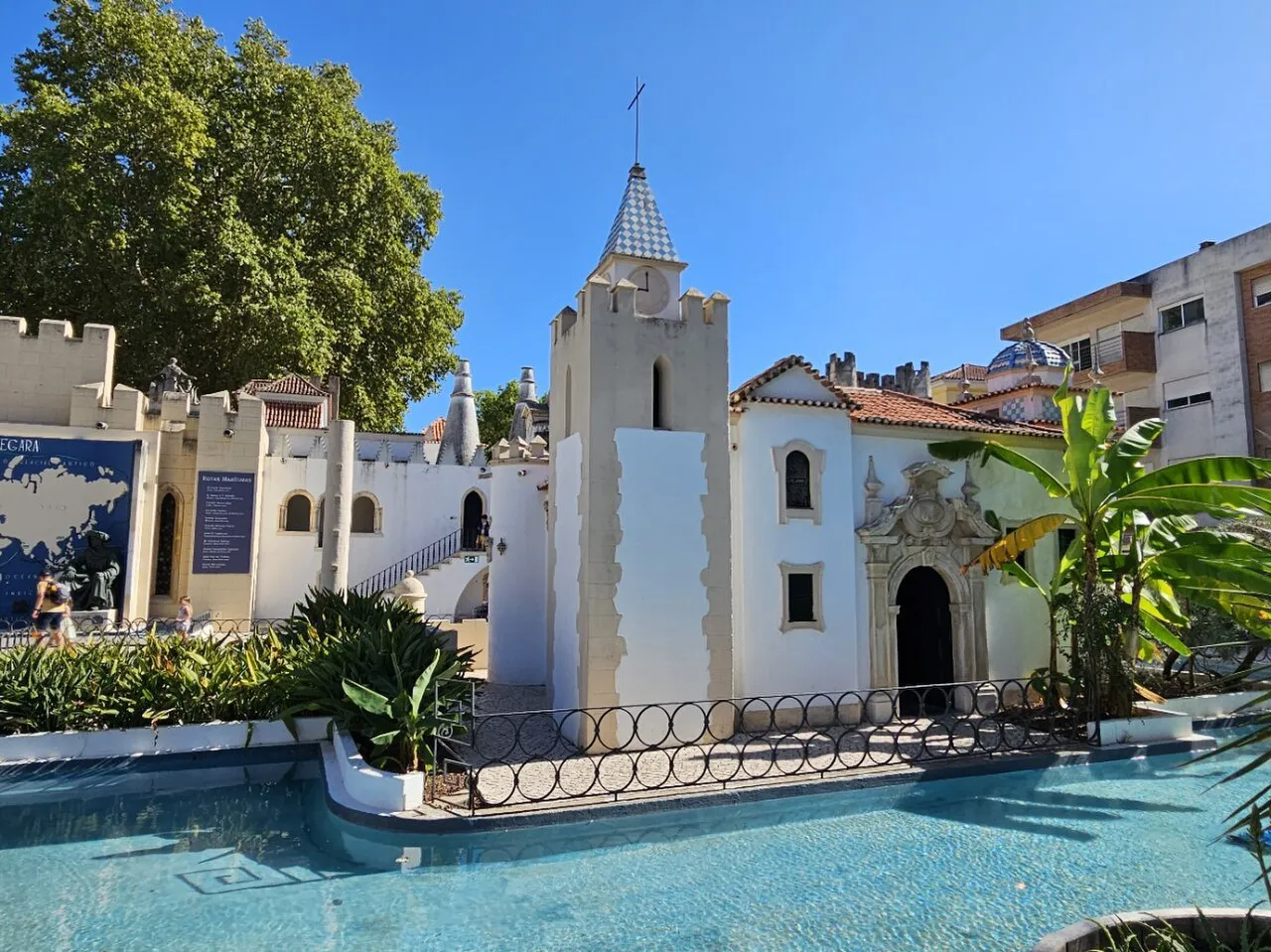 8
A miniature park opened in 1940, with regional houses, Portuguese monuments and pavilions from Portuguese-speaking places, Brazil included, all at a child's height.
View details for Portugal dos Pequenitos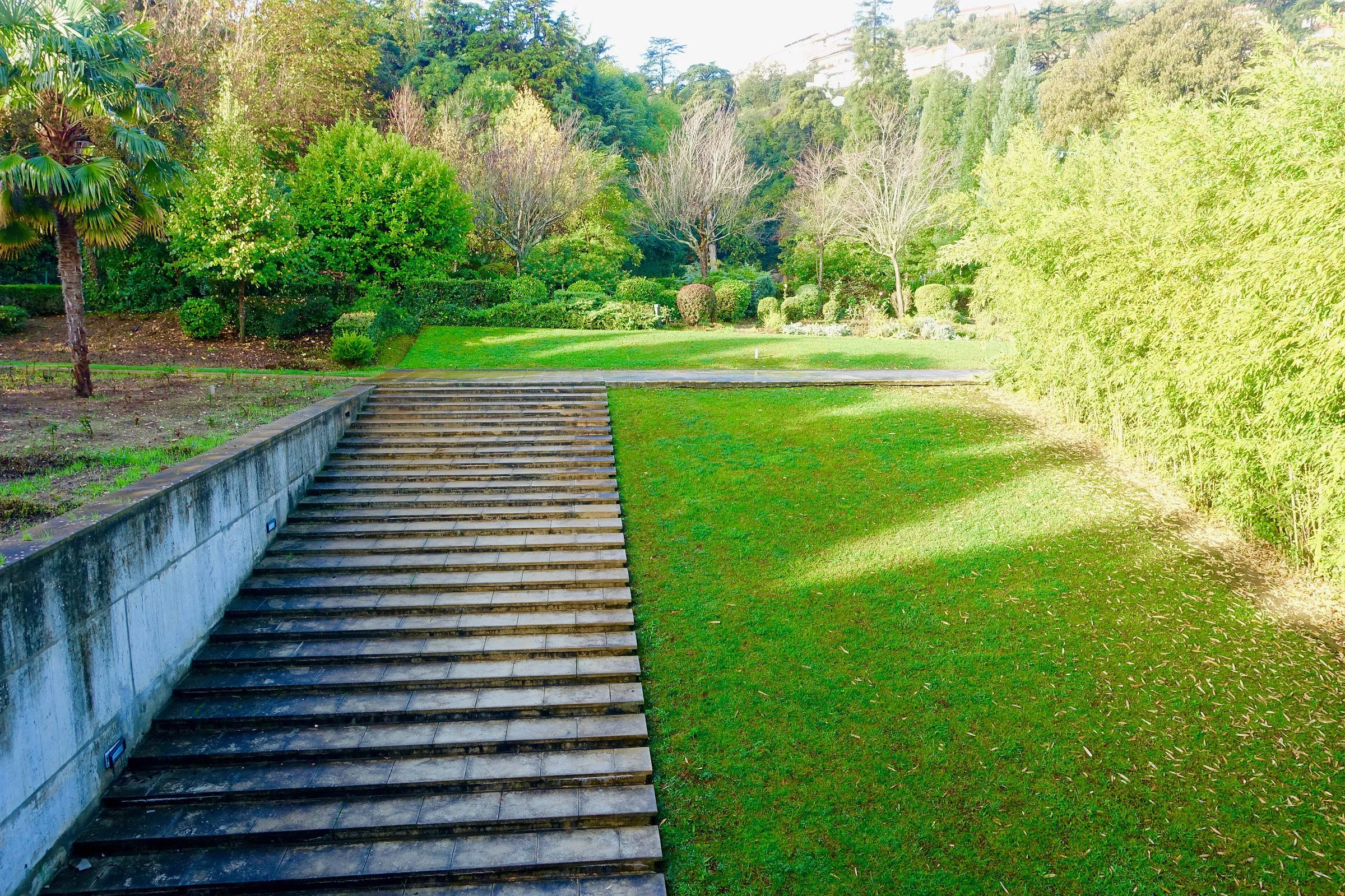 9
Gardens tied to the story of Pedro and Inês de Castro, with the Fountain of Tears mentioned by Camões in The Lusiads. The estate houses a hotel, and the gardens welcome visitors.
View details for Quinta das Lágrimas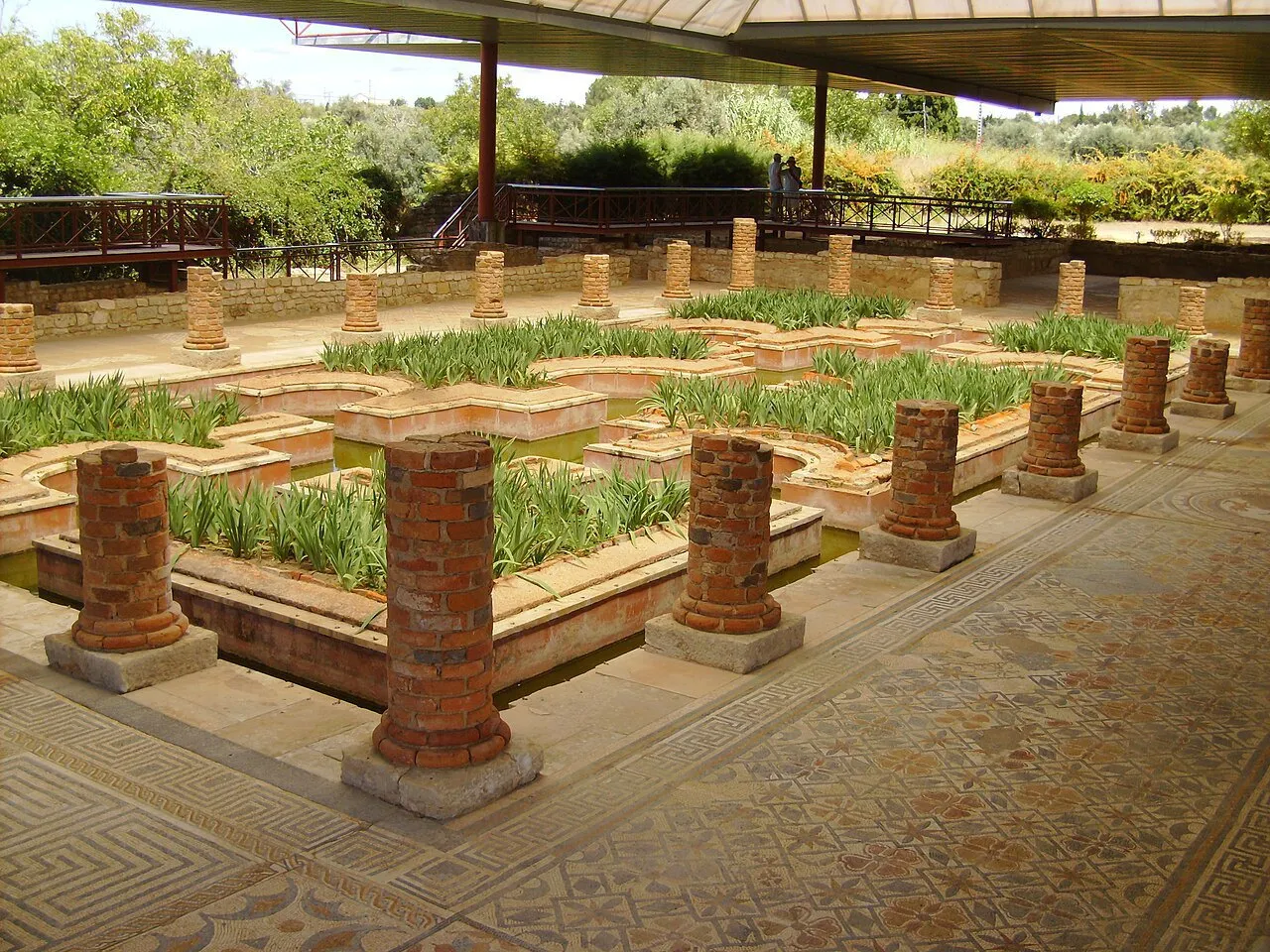 10
Outside Coimbra, in Condeixa-a-Nova, lie the ruins of the Roman city that lent its name to Coimbra, with colorful mosaics, a wall and a museum. A half-day trip.
View details for Ruínas de Conímbriga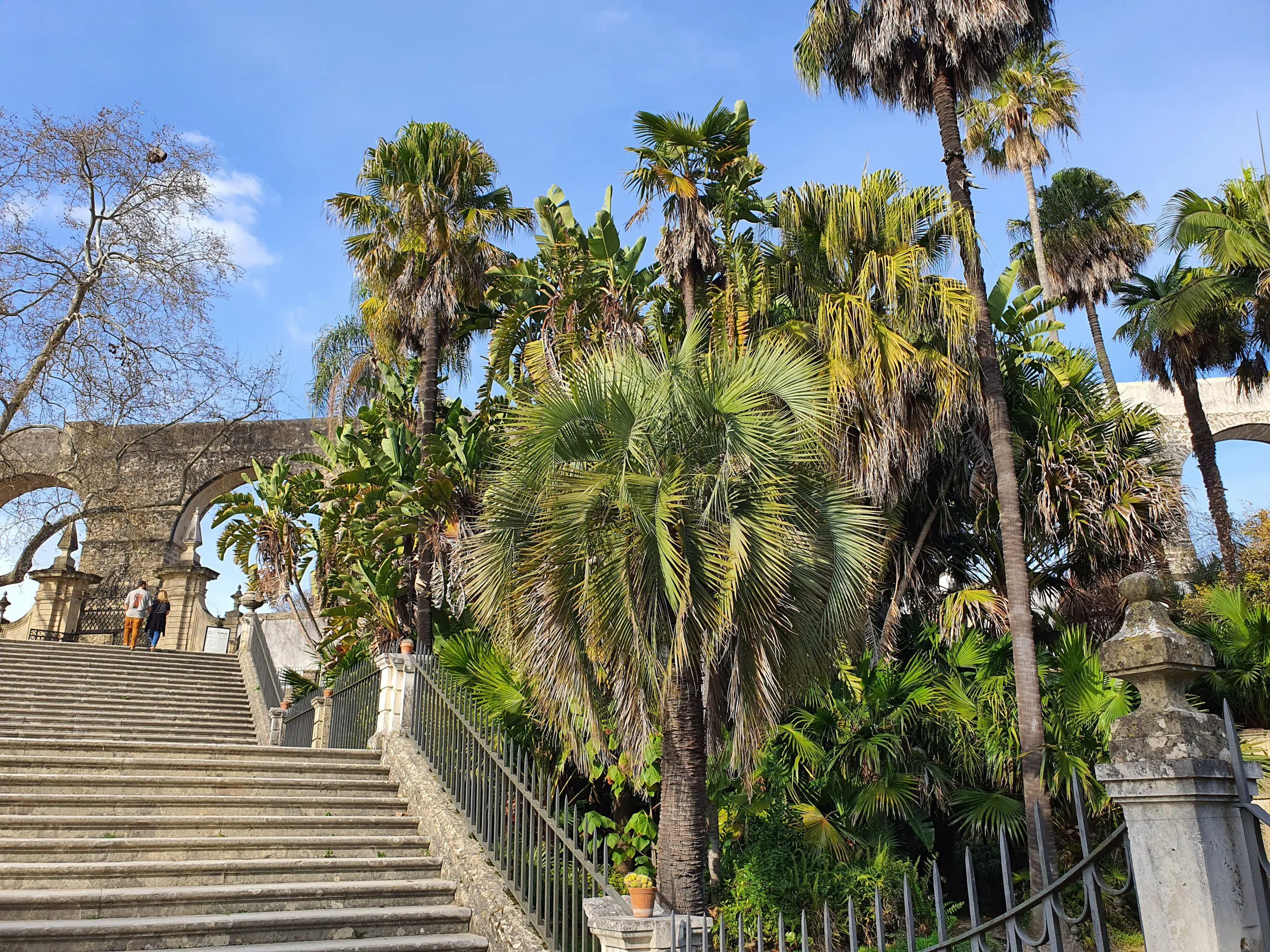 11
A garden created in 1772, during the university reform led by the Marquis of Pombal. It covers about 13 hectares (32 acres) of flower beds, an iron-and-glass greenhouse and a woodland of exotic trees.
View details for Jardim Botânico da Universidade de Coimbra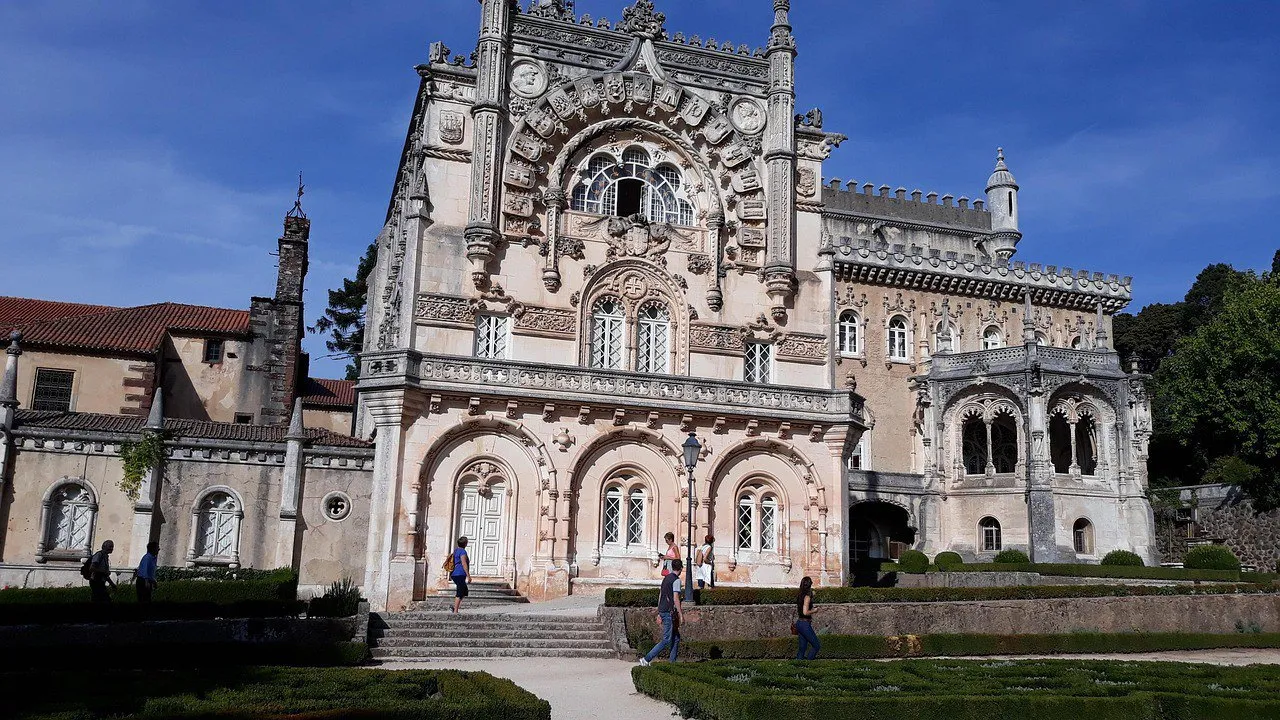 12
Outside Coimbra, in the municipality of Mealhada, a forest walled in by Carmelite friars in the 17th century, with a Neo-Manueline palace, trails and a viewpoint. A day trip.
View details for Mata Nacional do Buçaco1Among the shop windows of Rua Ferreira Borges, an arched passage cuts through the wall and the pavement turns into stairs. This was the main entrance to the walled city, the almedina, and the gate may date back to Count Sesnando, who conquered Coimbra in 1064. Its look today owes a lot to a renovation in the early 16th century, under King Manuel I.
Before the arch there is still the Barbican Gate, part of a second line of walls that reinforced the weakest stretch of the defenses. On the other side, Rua de Quebra-Costas climbs in uneven steps to the square of the Old Cathedral, with a name that needs no explanation (it means "Back-Breaker Street"). Your legs will confirm it by the third flight.
2From a distance, the Old Cathedral looks readier for a siege than for Mass: tall walls, battlements on top and narrow windows. The explanation lies in the date. Work began after 1139, when Afonso Henriques decided to fund a new cathedral in the middle of the Reconquista, and the church was designed to withstand attack.
On the north facade, the Porta Especiosa, by João de Ruão, brings the Renaissance to Romanesque stone. Inside, the high altar's altarpiece, carved by Flemish artists between 1498 and 1502, glows in gold, and the cloister, begun around 1218, already shows the shift toward Gothic.
3Beneath a museum of sculpture and painting lies another city. The cryptoporticus, a set of vaulted galleries built around the middle of the 1st century, supported the forum of Aeminium, Roman Coimbra, and is now part of the visit: you go down, the temperature drops and the arcades repeat in a line through the half-light.
Upstairs, the collection fills the former Episcopal Palace and a new building designed by Gonçalo Byrne, opened in 2012. Look for the Black Christ among the sculptures and the triptych by the Flemish artist Quentin Metsys among the paintings. The museum is named after the sculptor Machado de Castro, born in Coimbra.
4Founded in 1290 by King Dinis, the university spent more than two centuries moving between Lisbon and Coimbra before settling here for good in 1537, under King John III. A few years later, the faculties moved into the Royal Palace of the Alcáçova, which the institution bought in 1597. Hence the name Paço das Escolas: a royal palace that became a classroom.
Enter through the Porta Férrea and look at the Tower, built between 1728 and 1733, from which the bell nicknamed the Cabra marked the students' hours. The visit usually includes the Sala dos Capelos, the stage for doctoral ceremonies, and the Chapel of St. Michael. In 2013, UNESCO added the Alta and Rua da Sofia to the World Heritage list.
5You go in with a small group, at a set time, and the hall appears all at once: three rooms in a row, gilded and painted bookcases up to the ceiling and, at the far end, the portrait of King John V, the monarch who had the building raised between 1717 and 1728. A good part of the wood in the bookcases came from Brazil.
The most famous residents are ones you will not see. A colony of bats lives there and goes out at night to eat the insects that would attack the books; that is why staff cover the tables with leather sheets before closing and clean up in the morning. On the lower floor was the old academic prison, from the days when the university had its own justice system.
6Here rest Afonso Henriques and Sancho I, the first and second kings of Portugal, in tombs in the main chapel with reclining statues by Nicolau Chanterene. The monastery was founded in 1131 by the canons regular of St. Augustine and, since 2003, has held the status of National Pantheon. The Manueline portal and the Cloister of Silence, from 1517 to 1522, show the lavish renovation of King Manuel I's time.
On leaving the church, the outing continues at the Café Santa Cruz. It has operated since 1923 in the former Church of São João de Santa Cruz, with stone vaults and stained glass, and is the place to try the crúzio, a sweet associated with the house.
7Few monasteries have such a soggy history. Founded at the end of the 13th century and rebuilt from 1316 with money from Queen Saint Isabel, the Poor Clares' convent sat too low for the river: the Mondego's floods began as early as 1331, the lower floors gradually became uninhabitable and the nuns left the place for good in 1677.
For centuries, the church stayed half buried in mud. The excavations of 1995 to 2000 and a retaining wall gave back the Gothic naves with their stone vaults, and the interpretation center, opened in 2009, tells the story of the nuns' lives. The river, however, has not given up: in 2026, the water flooded the monument again.
8Adults enter this one bent over. The park opened on June 8, 1940, the idea of Professor Bissaya Barreto with a design by the architect Cassiano Branco, and gathers in reduced scale typical houses from the regions of Portugal and replicas of monuments, including those of Coimbra. Children walk through doors that their parents can only peek into from outside.
There are also pavilions for the Azores, Madeira, Brazil and former territories such as Mozambique, Macau and Timor. They were born from the national celebrations of 1940, in the middle of the Estado Novo, and today help explain how that regime wanted to present the country.
9Tradition says the Fountain of Tears was born from the weeping for Inês de Castro, killed in 1355 on the orders of King Afonso IV, father of Prince Pedro, with whom she lived a forbidden love. Camões carried the fountain into The Lusiads, and legend adds that the reddish stones on the bottom hold her blood.
The walk also passes the Fountain of Loves and a channel that Queen Saint Isabel ordered built in 1326 to bring water to the Santa Clara convent. The 19th-century palace became a hotel in 1995, and the gardens, restored from 2006, are open to the public with a ticket.
10Conímbriga is in the municipality of Condeixa-a-Nova, about 16 km (10 miles) from Coimbra, and was a Roman city of Lusitania with houses whose floors were covered in mosaics. In the House of the Fountains and the House of Cantaber, geometric designs and mythological and everyday scenes spread across the floor, and the wall once ran for about 2 km (1.2 miles).
After the attacks of the Suebi, in 465 and 468, the city lost strength, and in 586 the bishopric moved to Aeminium, present-day Coimbra, which ended up inheriting the name. The on-site museum, opened in 1962, helps you understand what the ruins only half show. Go by car, taxi or bus to Condeixa and come back to Coimbra for lunch.
11When the Marquis of Pombal reformed the university in 1772, Coimbra gained an open-air laboratory: the Botanical Garden, designed for teaching natural history and first entrusted to the naturalist Domingos Vandelli. It covers about 13 hectares (32 acres) on a slope beside the São Sebastião Aqueduct.
The upper part has formal flower beds and the Great Greenhouse, in iron and glass; farther down, the woodland brings together trees of exotic species and dense shade. After a morning among the sunny mosaics of Conímbriga, it is the right place to slow down before dinner.
12The Discalced Carmelites enclosed this forest with walls in the 17th century and, according to accounts, obtained papal decrees that banned women from entering and threatened anyone who cut down trees with excommunication. The convent operated from 1628 to 1834. In 1810, the ridge was the stage for the Battle of Buçaco against Napoleon's troops.
In 1888, construction began over part of the convent on a Neo-Manueline royal palace, completed in 1907 and now the Palace Hotel. Around it, trails lead to the Fonte Fria, the Valley of the Ferns and the Cruz Alta, with a broad view of the region. The forest is about 30 km (19 miles) from Coimbra, some 30 minutes by car, and 3 km (2 miles) from the spa village of Luso.
Long-distance trains stop at Coimbra-B, outside the historic center. From there, continue by bus or taxi to the Baixa; check the connection beforehand, because the city's transport has gone through recent changes.
The Alta is made of stairs and slick stone, which slips in the rain. Sneakers with a good sole will take you farther than any outfit chosen for the photo.
The Joanina Library receives small groups at fixed times. Buy in advance and build the first day around that time.
There are trains and buses to Luso, but with few departures, and Conímbriga depends on a bus to Condeixa or a taxi. Renting a car just for days 3 and 4 simplifies both outings.
The Queima das Fitas, in May, fills the city with students and celebration for eight days. It is great for seeing academic traditions, but book lodging well in advance.
Coimbra is stronger in sweets than in any single dish, a legacy of the convents that surrounded the city. For savory food, look to the neighbors: roast suckling pig comes from the Bairrada, around Mealhada, and chanfana is a dish of the region's hill country. A slice of arrufada with coffee in mid-afternoon solves hunger between one monastery and the next.
A thin pastry of flour, sugar and butter filled with eggs, sugar and almond, a recipe linked to the nuns of the Santa Clara convent.
A simple cake of flour, eggs, butter and sugar that used to be sold through train windows. In 2014, the one from Pastelaria Briosa won a national prize for convent pastry.
Suckling pig roasted in a wood-fired oven, a specialty of the Bairrada. Mealhada, on the way to Buçaco, is the classic stop to try it.
Goat or mutton slow-cooked in red wine with aromatic herbs, a dish of the region's hill country.