 1
Religion and art
Kiyomizu-dera Temple
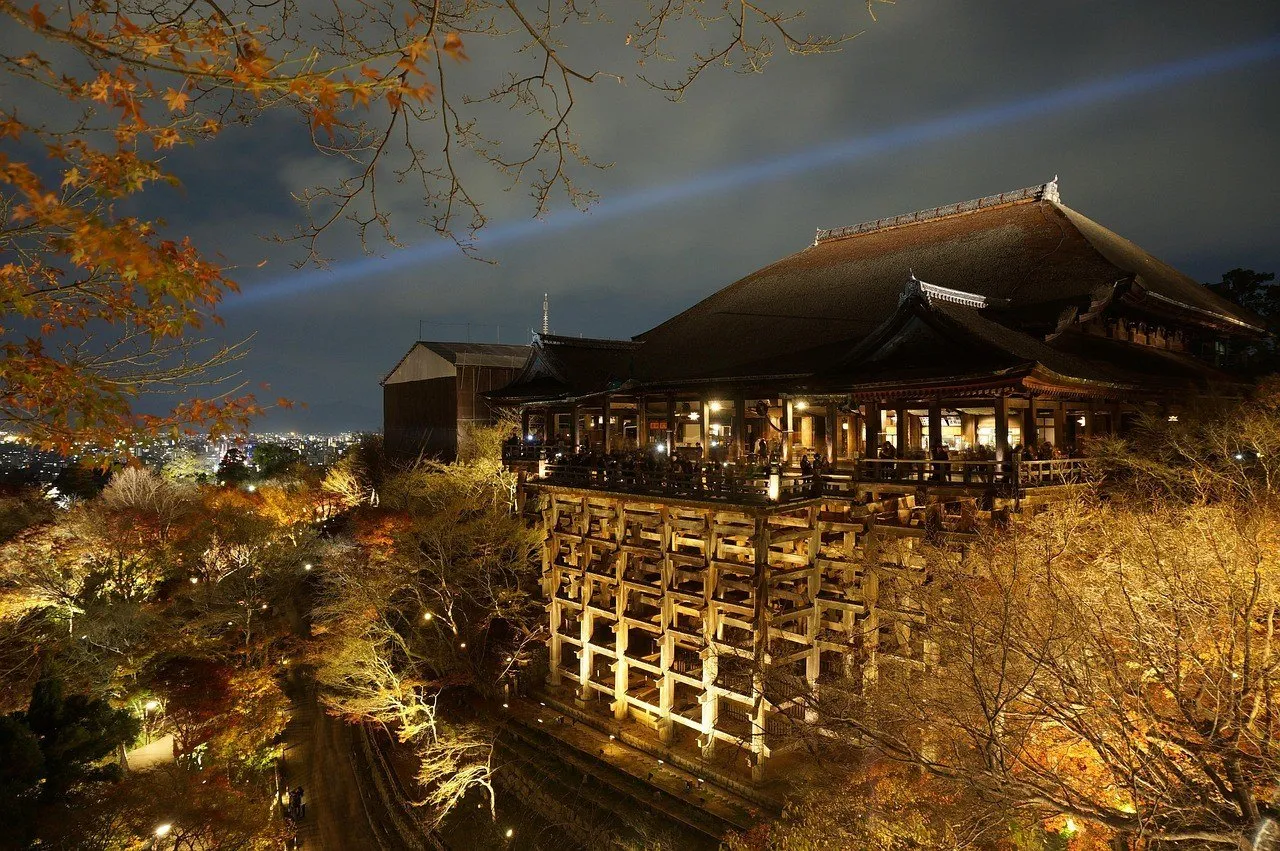
A temple on the slopes of Higashiyama, with a wooden terrace, a view of Kyoto and the spring that is part of the origin of its name.
View details for Kiyomizu-dera Temple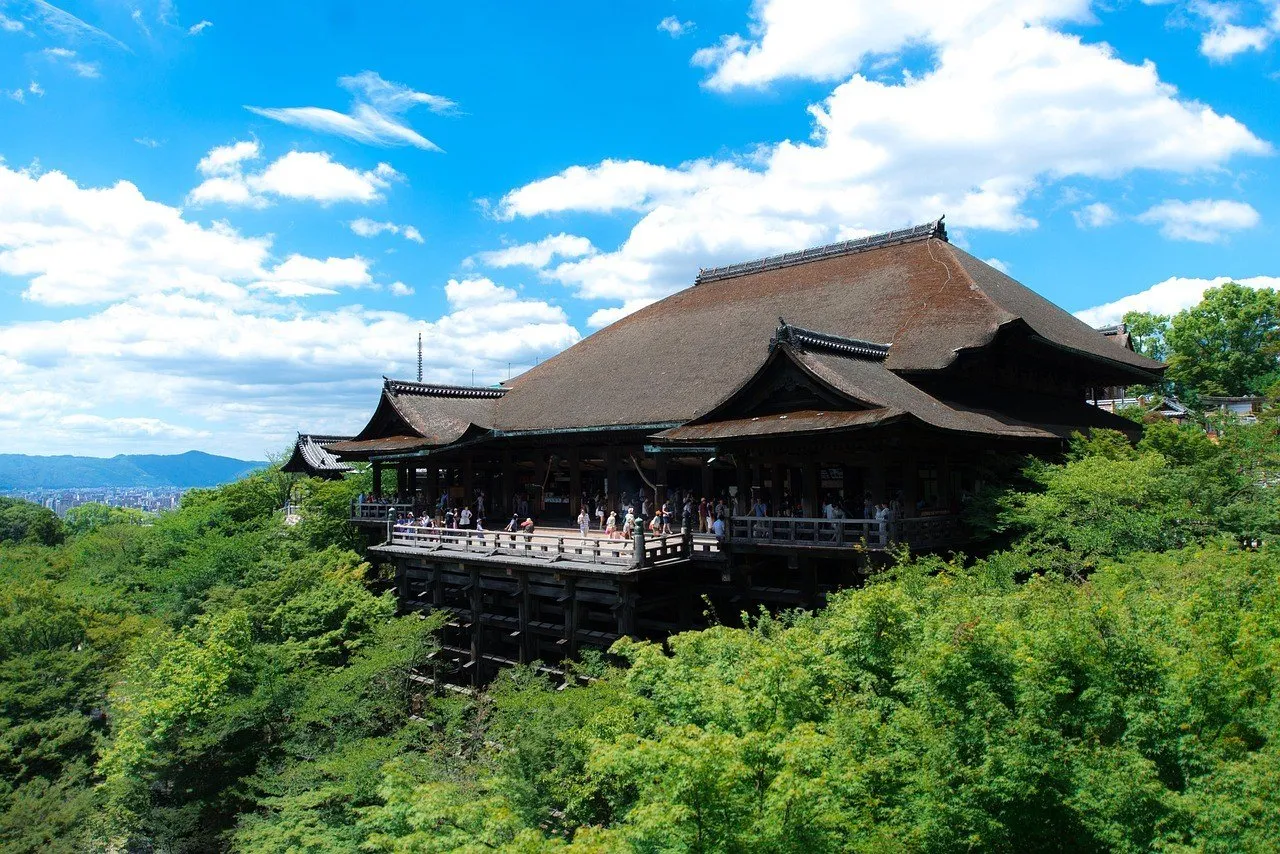
Japan
In Kyoto, you climb between wooden houses, find a temple above the trees and then get lost choosing a snack. The city asks for rested legs and free space to change your pace.
In Higashiyama, the climb makes you look at the steps first; up top, the terrace of Kiyomizu-dera changes where your eyes go. Kyoto alternates between these scales: lanterns following wooden facades, a garden designed around a pond and small food stalls. To enjoy it, pick a few places and give them time. The photo with nobody in it may not happen; the visit does not have to depend on it.
Divide your outings by area: Higashiyama and Gion in the east, Kinkaku-ji and the center on another day, Arashiyama in the west. Leave time for getting between the Golden Pavilion and Nishiki, without cutting the garden short to reach the next storefront. Use trains and the subway as the backbone of your routes and buses when it makes sense. On narrow streets, remember that homes, temples and shops keep operating while you look for the best framing.
The official name of Kinkaku-ji is Rokuon-ji; the fame of the Golden Pavilion ended up naming the whole complex in everyday use.
Nishiki Market is a shopping street of independent businesses: each shop runs on its own schedule, rather than one set of hours for all purchases.
At Tenryu-ji, the mountains in the background take part in the garden's composition: the borrowed scenery technique extends the view beyond its boundaries.
1A temple on the slopes of Higashiyama, with a wooden terrace, a view of Kyoto and the spring that is part of the origin of its name.
View details for Kiyomizu-dera Temple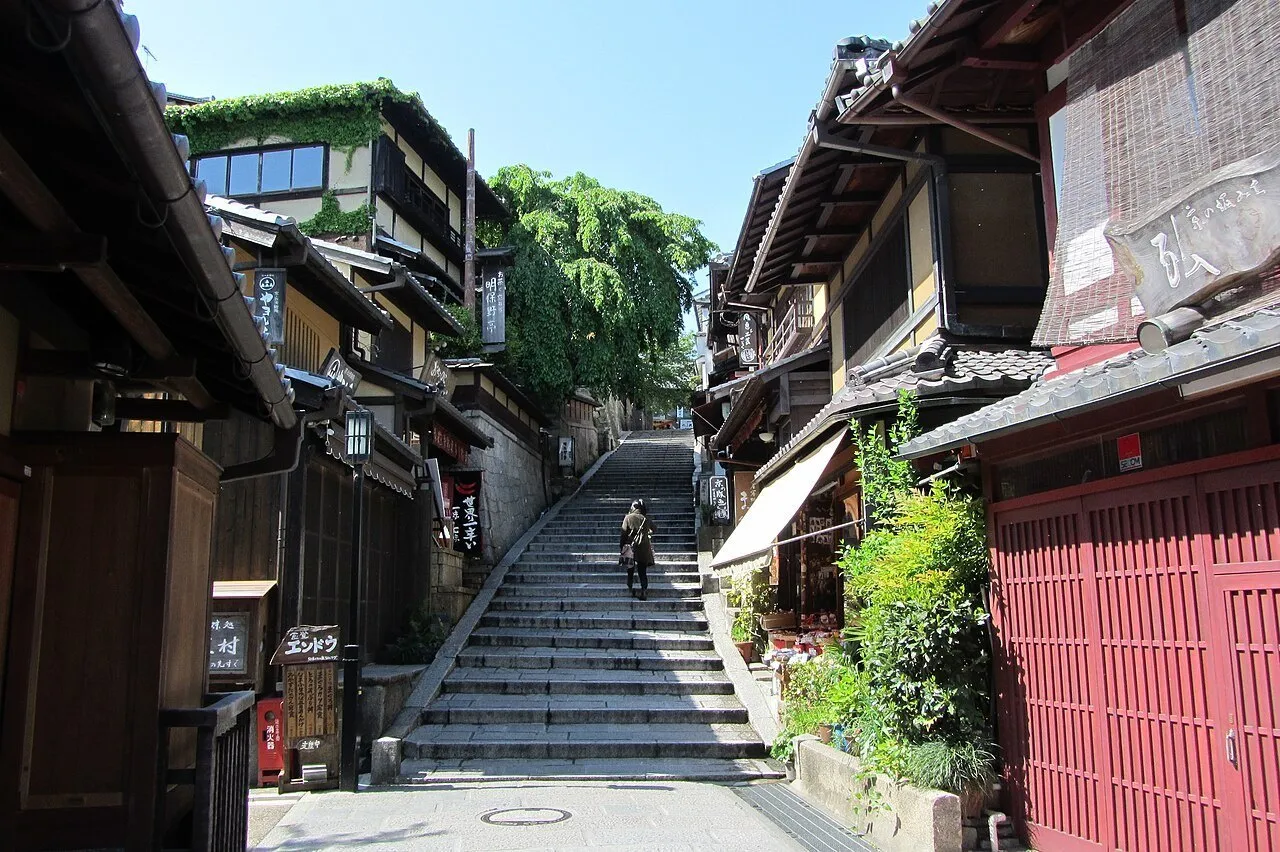 2
Stairways and sloping streets connect the Kiyomizu-dera walk to ceramics shops, sweets and wooden houses, with foot traffic that calls for care.
View details for Ninenzaka and Sannenzaka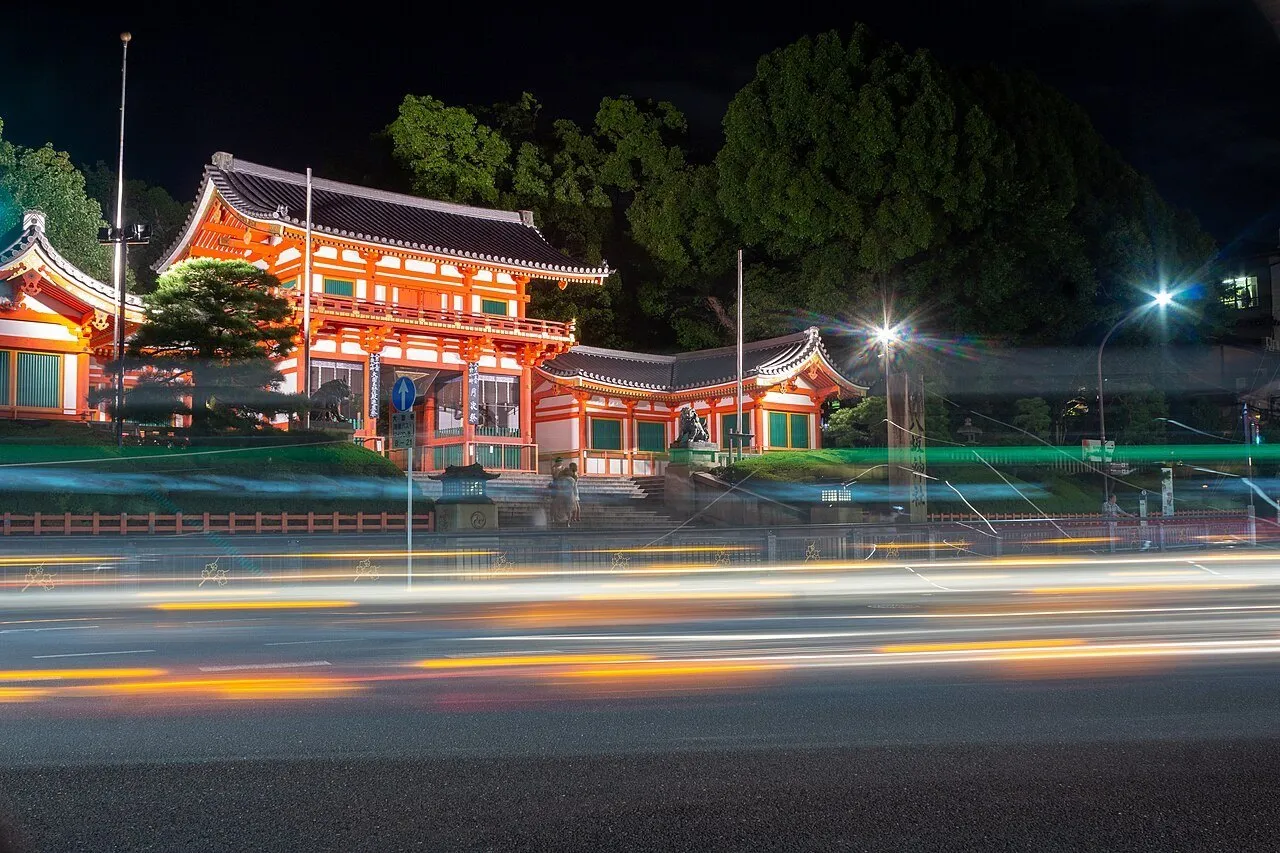 3
The shrine's gates and buildings mark the passage between Higashiyama and Gion; it is a working religious stop, with access subject to ceremonies.
View details for Yasaka Shrine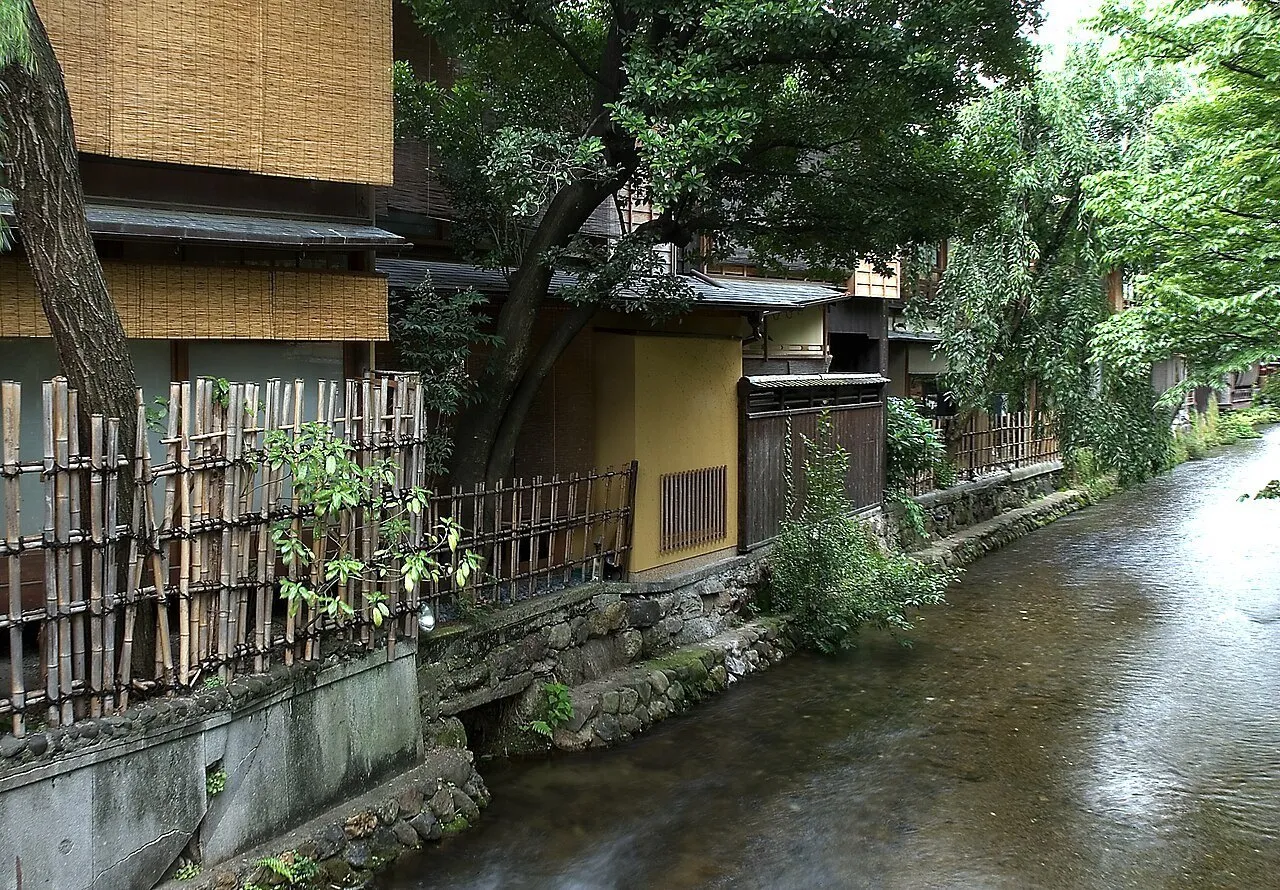 4
Wooden houses, restaurants and working streets make up Gion; the walk should respect private property and the routines of residents and performers.
View details for Gion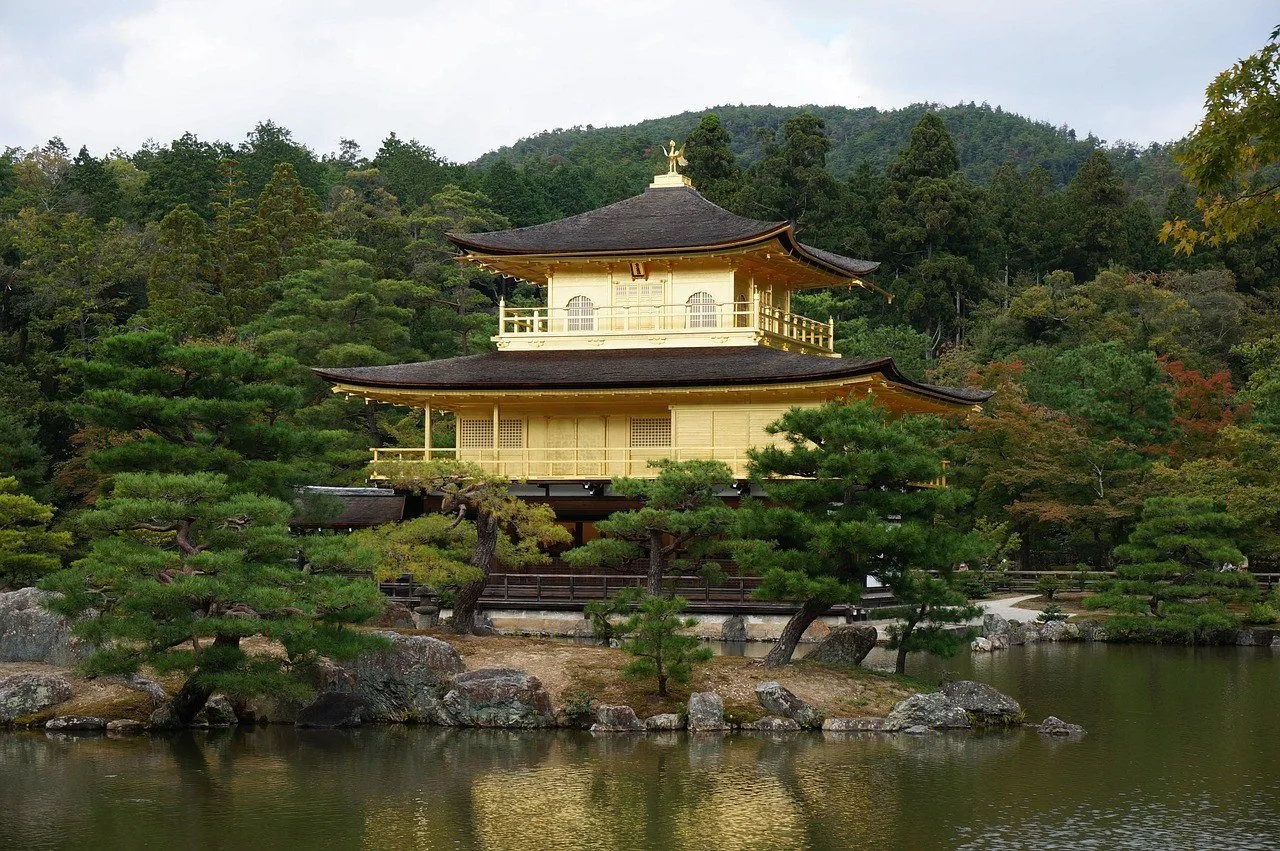 5
The golden pavilion by the pond gives the popular name to Rokuon-ji temple, an alternative that calls for its own block of time in the northwest of the city.
View details for Kinkaku-ji — Golden Pavilion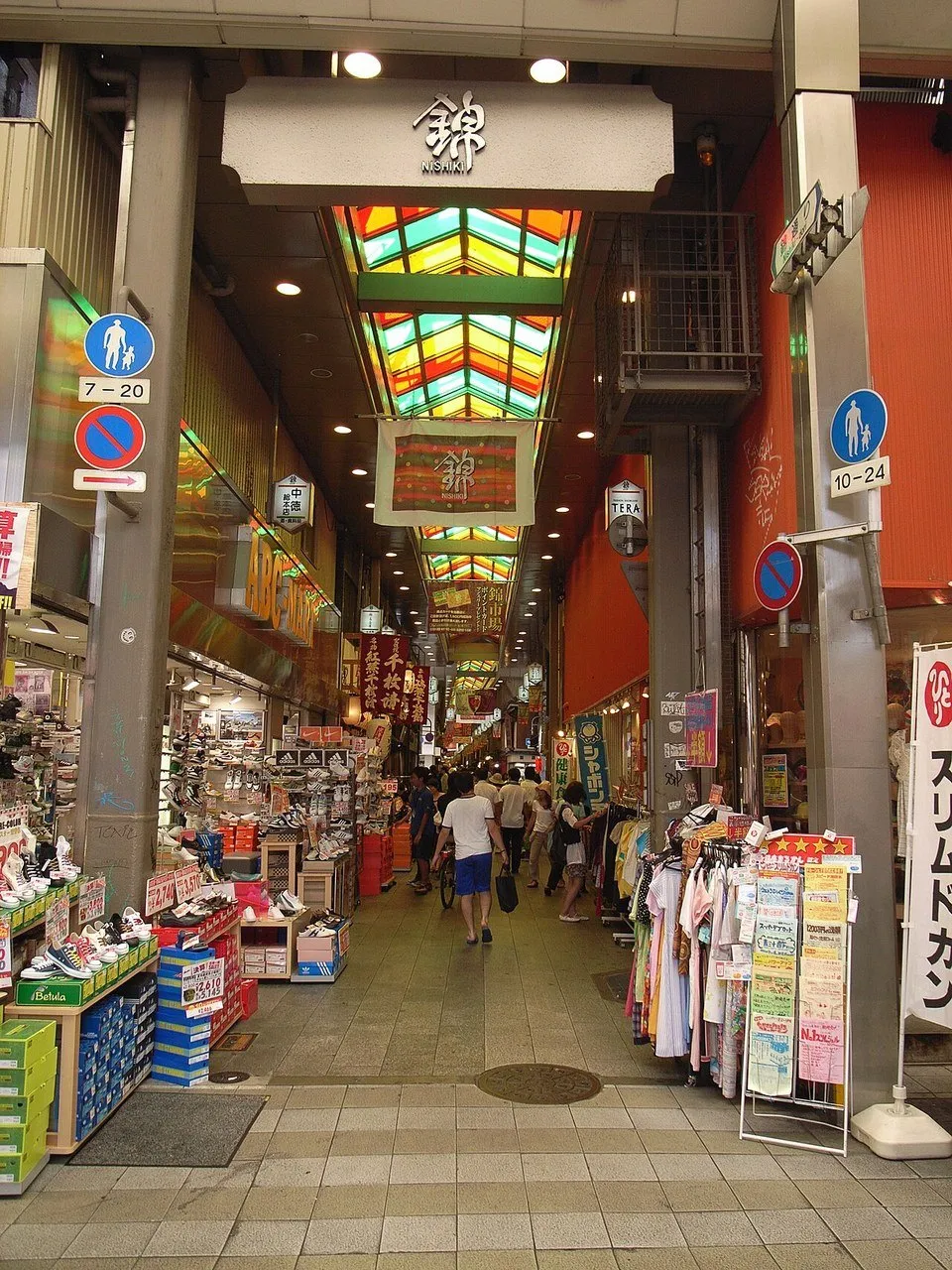 6
A shopping arcade of food and kitchen tools offers preserves, soy products and small meals, to be eaten in the shops' own spaces.
View details for Nishiki Market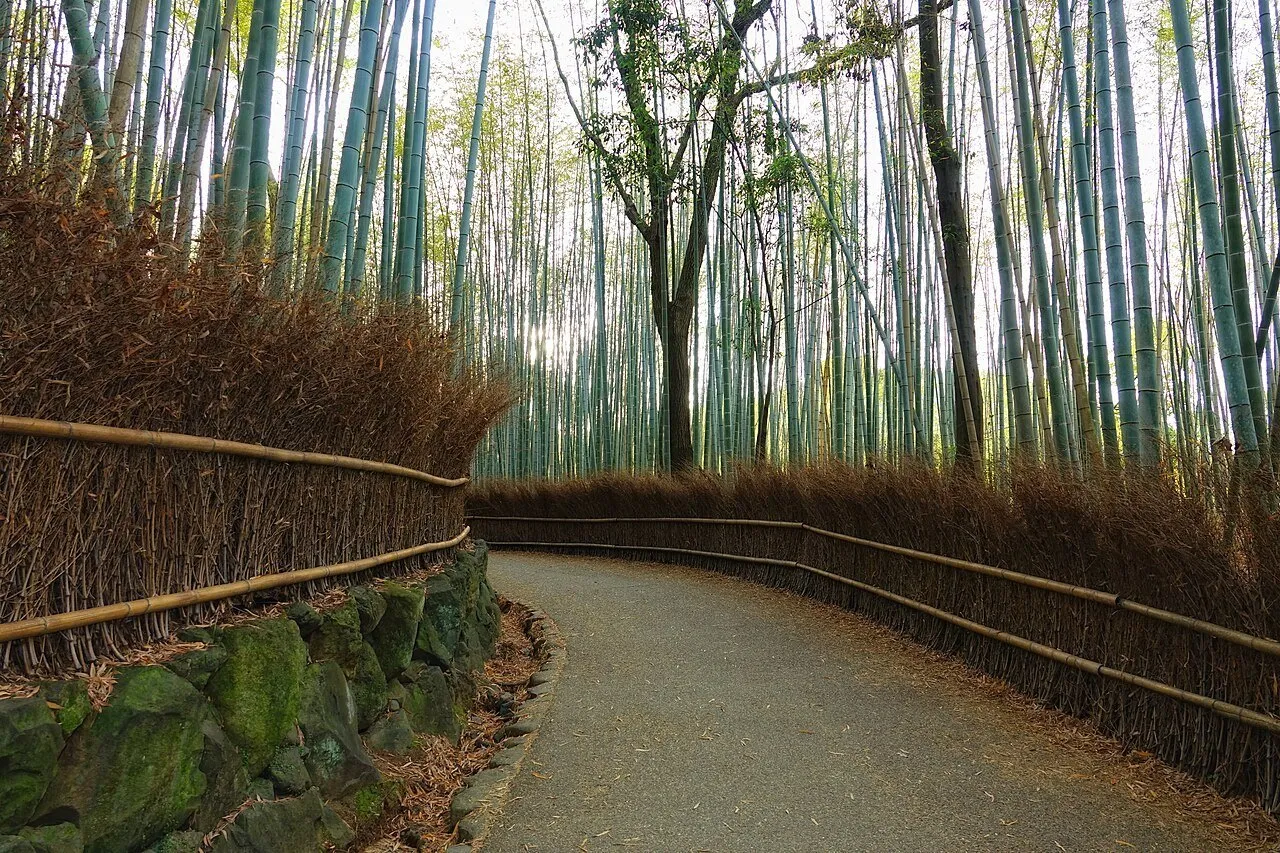 7
A short path among tall bamboo is part of the Arashiyama outing and pairs with the Tenryu-ji garden, without requiring a trip across Kyoto to another attraction.
View details for Arashiyama Bamboo Grove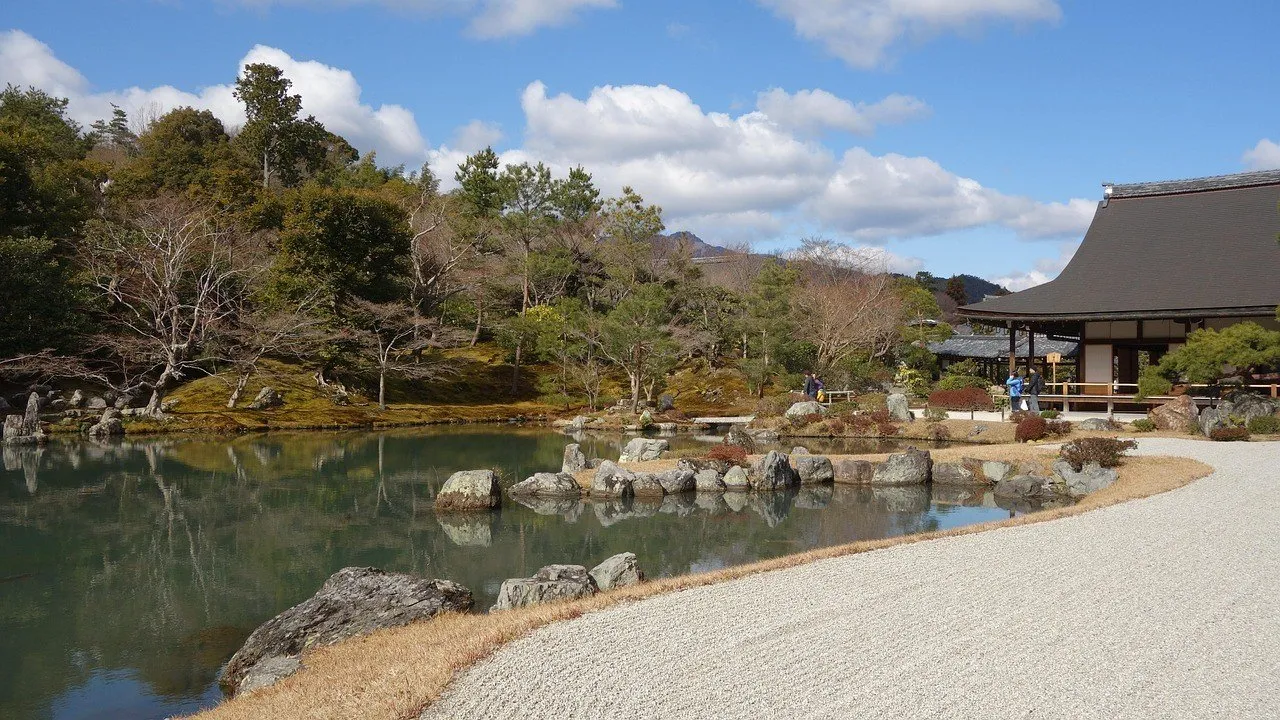 8
The Sogenchi garden combines a pond and mountains in the background; the buildings and the dragon hall have tickets and calendars separate from the garden walk.
View details for Tenryu-ji Temple1The wooden terrace juts out over the hillside and leaves the trees between you and the city. Kiyomizu-dera is a Buddhist temple dedicated to Kannon, with halls spread across Mount Otowa. Look also at the structure that supports the main hall, not just the horizon.
The Otowa spring is part of the route and of the place's religious history. Visit without interrupting those who are praying and save some energy for the climb. Illuminated evenings happen only during specific periods; do not count on night access on any date.
2The steps make you slow down, and the shop windows do the rest. Ninenzaka and Sannenzaka bring together traditional houses and shops on the slopes near Kiyomizu-dera. Among ceramics, sweets and tea, a pause can last longer than the stretch on the map.
Walk the streets without entering private entrances or photographing interiors without permission. The area around the Yasaka pagoda adds another perspective on the facades, but spotting the tower does not guarantee you can go inside. In the rain, take extra care on the stairs.
3The gate facing the city announces a change of pace on the way to Gion. Yasaka Shrine is dedicated to Susanoo-no-mikoto and is tied to the Gion Matsuri celebrations. The history of the neighborhood and the life of the shrine meet here.
Walk through the open areas and observe the architecture without treating the grounds as an empty backdrop. Festivals and ceremonies can rearrange the flow of people. A quiet passage works between the slopes and Gion, before you decide where to have dinner.
4Wooden facades and lanterns line the walk, but Gion was not built for your camera. The neighborhood brings together teahouses, restaurants, homes and places where geiko and maiko work. Getting to know it starts with respecting that routine.
Stay on the public streets, follow the signs and keep doors and entrances clear. Some alleys are private; that does not mean the whole neighborhood is closed. Do not stop performers for photos or follow them. Observe the architecture and choose a meal from the menu.
5The pavilion's reflection in the pond explains why so many people linger at the first viewing point. Known as Kinkaku-ji, the complex has the official name Rokuon-ji and belongs to the Zen Buddhist tradition. Keep going along the garden route after the most crowded photograph.
It lies in the northwest and has the morning reserved in this itinerary. Walk through the garden before heading to the center and Nishiki Market. Check the transport and take a lunch break along the way, without treating the pavilion as a quick photo stop.
6Fish, preserves, soy products and kitchen utensils compete for your attention at Nishiki. The covered passage works as a shopping street, with independent businesses: you are not walking into a single restaurant with shared hours and a shared menu.
Pick a few shops and eat in front of or inside the one where you bought, following the space indicated. Walking while chewing disrupts the flow and is discouraged by the local association. Arrive in the middle of the afternoon, and confirm which businesses will still be open.
7The path is short; it is the height of the bamboo that changes the scale of the walk. In the Arashiyama grove, light filters between the stalks and the tops move with the wind. Walk the permitted paths, without stepping into the vegetation to redo a photo.
Arriving early can reduce the competition for space, but it does not guarantee silence or an absence of visitors. Do not scratch or damage the bamboo. Combine the walk with Tenryu-ji and leave time for the river area, instead of turning Arashiyama into a bus stop.
8The water of the pond and the mountains behind it take part in the same composition. At Tenryu-ji, the Sogenchi garden uses borrowed scenery to extend the view. Take a turn along the route and look for other perspectives before moving on to the next photograph.
The garden is the basis of this visit; the buildings and the Hatto hall have their own conditions. The operator announces building closures in late October 2026, noted in the items to verify. Confirm what will be open, without assuming that one ticket includes all areas.
Compare trains and the subway with buses, which are subject to traffic. The Arashiyama stations belong to different lines; confirm which one suits your lodging and the final walk. Do not buy a pass without comparing the routes it includes.
Kansai and Itami are in the Osaka area. Check the train or bus to Kyoto and the last service according to your flight. Leave luggage at the hotel or in lockers before the stairs of Higashiyama.
Follow signs, do not cross barriers and ask for guidance when in doubt. In Gion, respect private alleys and photography signage; do not stop, follow or photograph geiko and maiko without their consent.
Summer can be very hot and humid, and winter, cold. Bring water and protection according to the forecast. Blossoms and autumn leaves vary; check actual conditions instead of booking around an exact date.
Tenryu-ji separates its visit options; choose the areas you want and confirm closures. Night illuminations are seasonal events with their own rules, not guaranteed extensions of the daytime ticket.
At Nishiki, eat in the space of the shop that sold the food. Keep your trash until you find authorized disposal and carry yen for small purchases, checking which payment is accepted before ordering.
Tofu takes different forms at the Kyoto table, from hot broth to the delicacy of yuba. Look for an obanzai meal to get to know everyday preparations and leave the market for small choices. If you have a dietary restriction, ask about the broth and seasonings too: a plant-based ingredient does not guarantee a dish entirely free of fish.
Tofu heated in broth, served with accompaniments and a dipping sauce: an especially good pause on cold days.
A film that forms on the surface of heated soy milk, used in different preparations of the local cuisine.
Everyday Kyoto home-style dishes, often served in small portions to make up the meal.