 1
Nature
Chiba Park
Near the central station, the park has a pond, lawns and Oga lotus: in early summer, the best time to see the flowers is before lunch.
View details for Chiba Park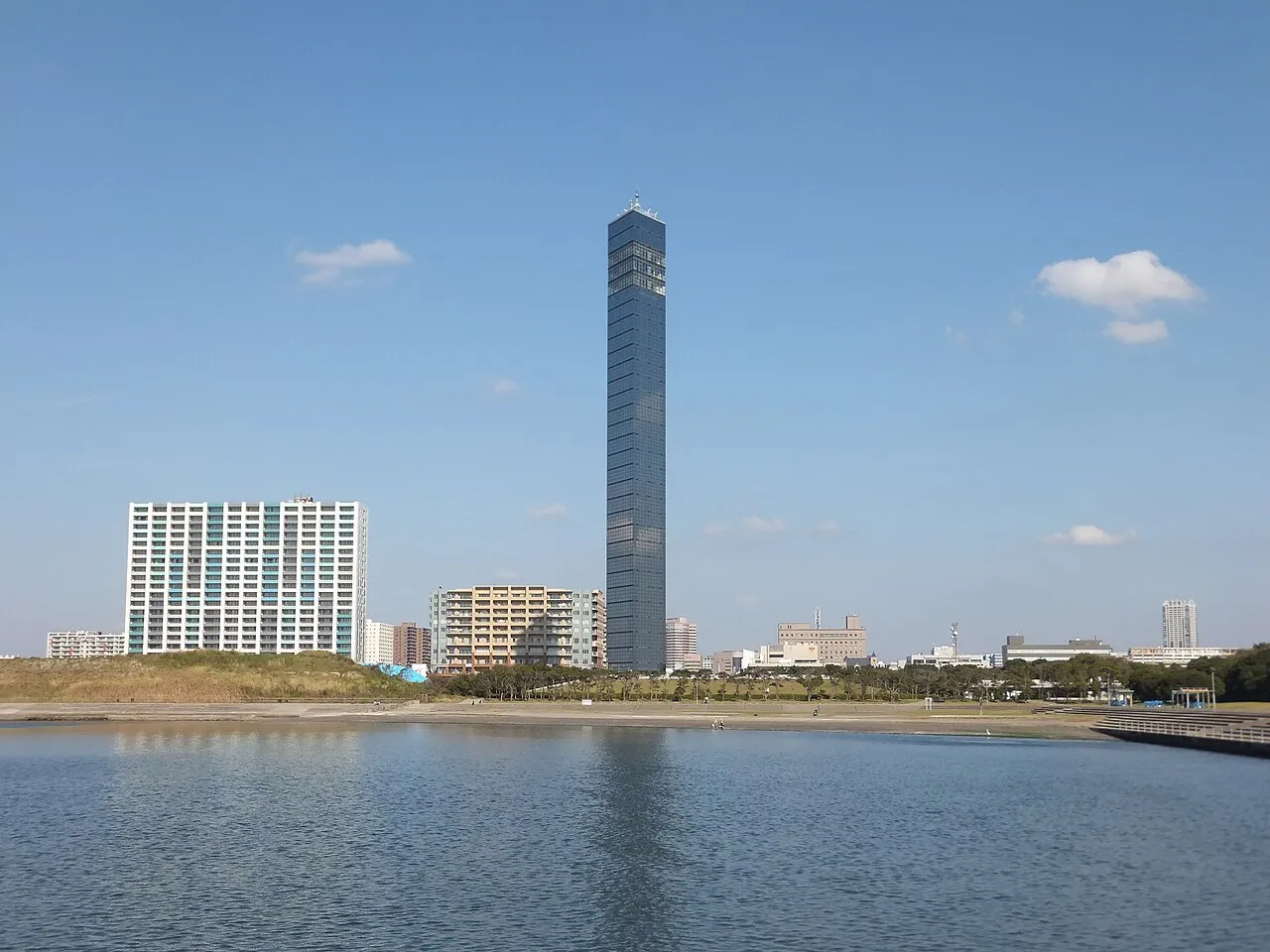
Japan
In Chiba, the train hangs over the street, the shrine looks to the stars and the afternoon ends facing Tokyo Bay. Even getting around calls for a window seat.
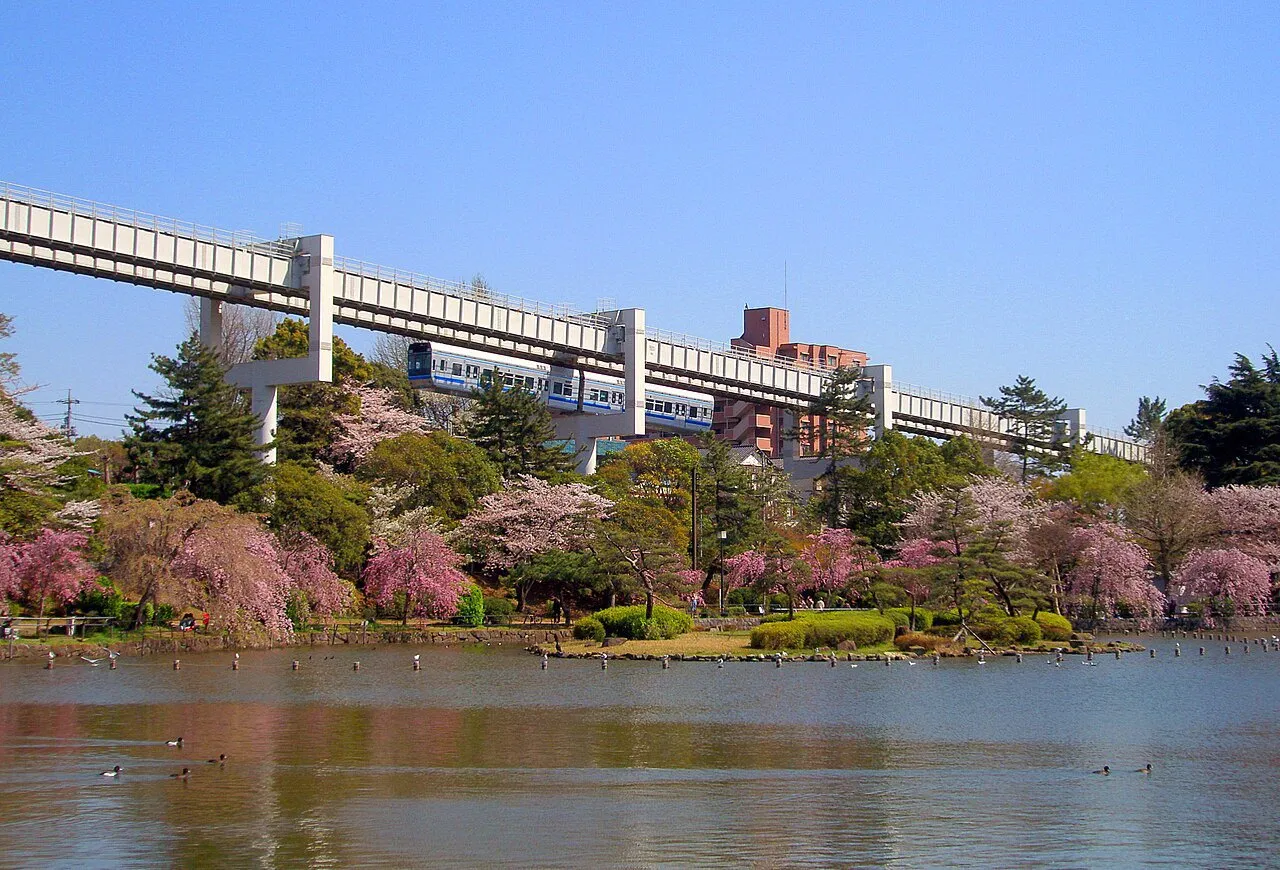
The monorail crosses Chiba with its cars hanging from the rail, and a glance upward is enough to turn an ordinary street corner into an attraction. Down below, the shops, the intersections and the daily life of a city that doesn't need to build a set to welcome you carry on as usual. Near the central station, the path can lead to a park with lotus flowers, to the red of Chiba Shrine, or to an art museum that kept an old bank building inside its own walls.
Chiba is the name of both the city and the prefecture: this guide stays within the city limits, between the center, the Tokyo Bay coast and the zoo. Plan your outings by area, because Inage beach and the Makuhari gardens are not extensions of the same walk as the castle. A day trip from Tokyo gives you a sample; the three days below leave room to look at woodblock prints, drink tea and sit facing the sea without turning the trip into a train-transfer exam.
The Oga lotus, Chiba's floral symbol, descends from an ancient seed recovered in an excavation in Kemigawa. In Chiba Park, the bloom keeps an alarm-clock schedule: the petals close around noon.
Chiba Shrine is dedicated to Myoken, associated with the North Star. The reference to the sky is part of the place's devotion, not an observatory hidden on the roof.
The building known as Chiba Castle was built to house a modern museum. The fortress-style facade and the exhibits on the Chiba clan tell stories from different eras.
The Chiba City Museum of Art kept an old bank building inside the current structure. Before you even look for a print, you have already found a small architectural surprise.
1Near the central station, the park has a pond, lawns and Oga lotus: in early summer, the best time to see the flowers is before lunch.
View details for Chiba Park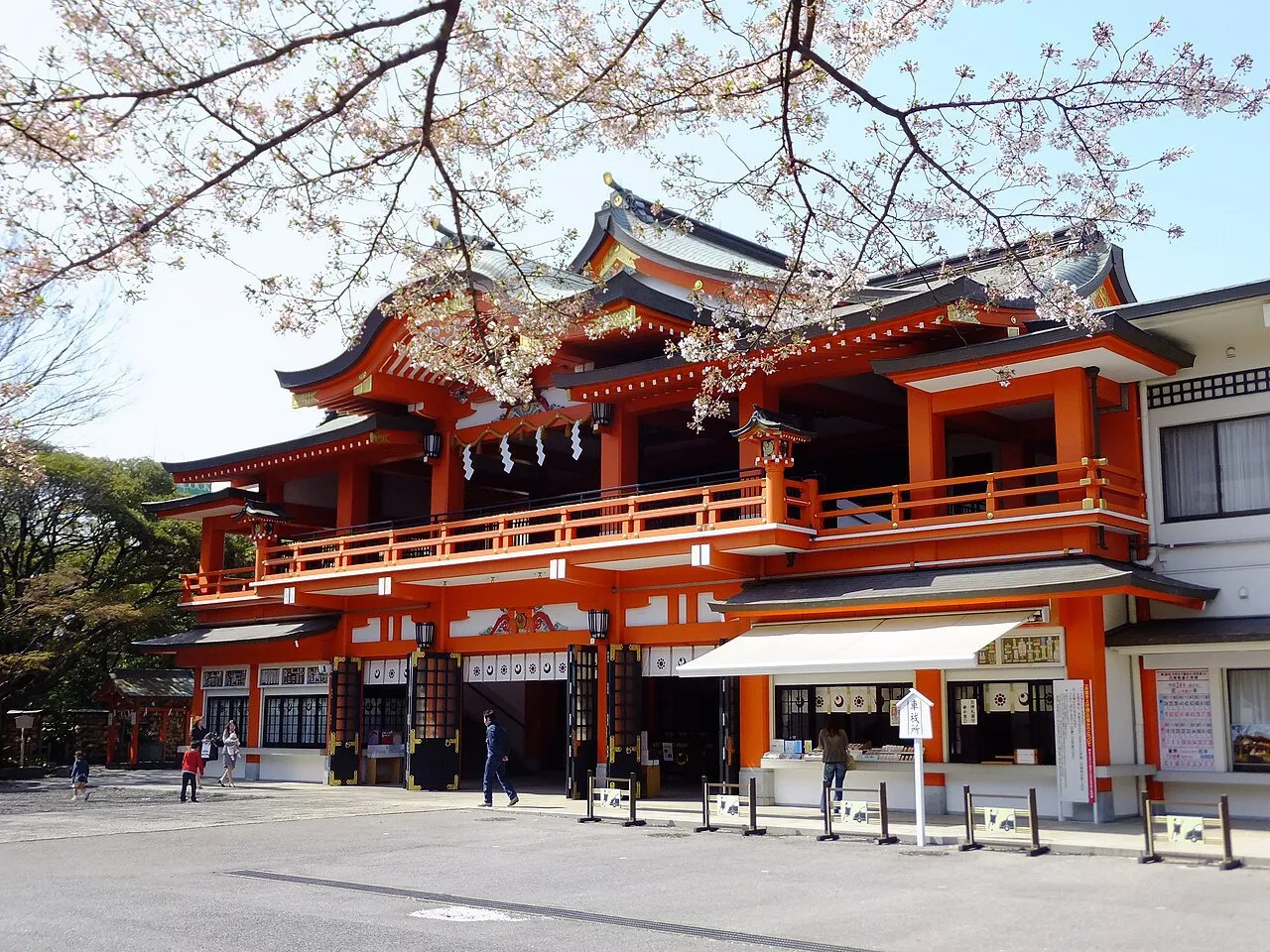 2
Red, gold and devotion to the North Star: the shrine dedicated to Myoken puts a nod to the sky in the middle of a walk through downtown Chiba.
View details for Chiba Shrine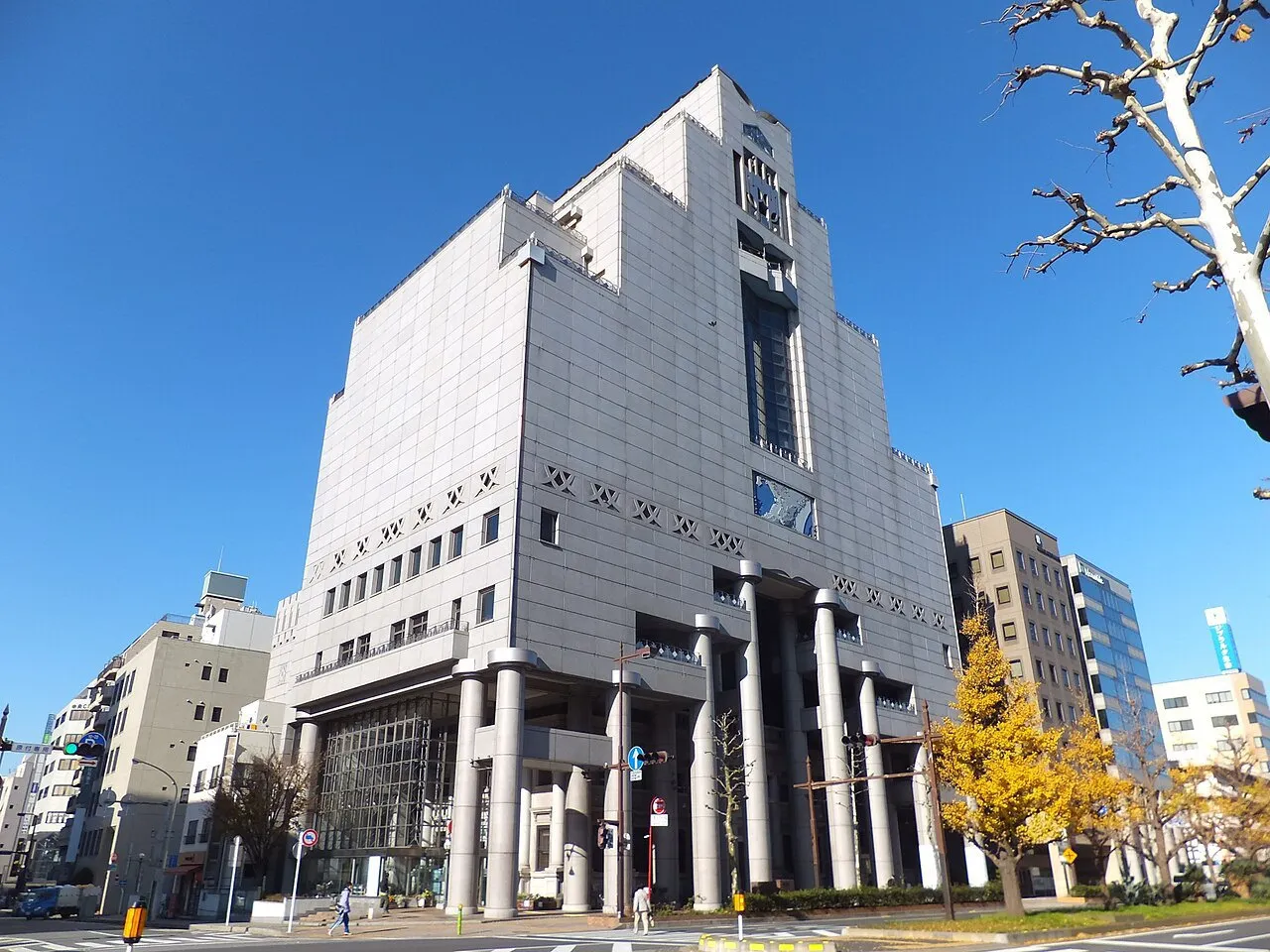 3
Woodblock prints, Japanese painting and contemporary art share an address with an architectural surprise: an old bank preserved inside the building.
View details for Chiba City Museum of Art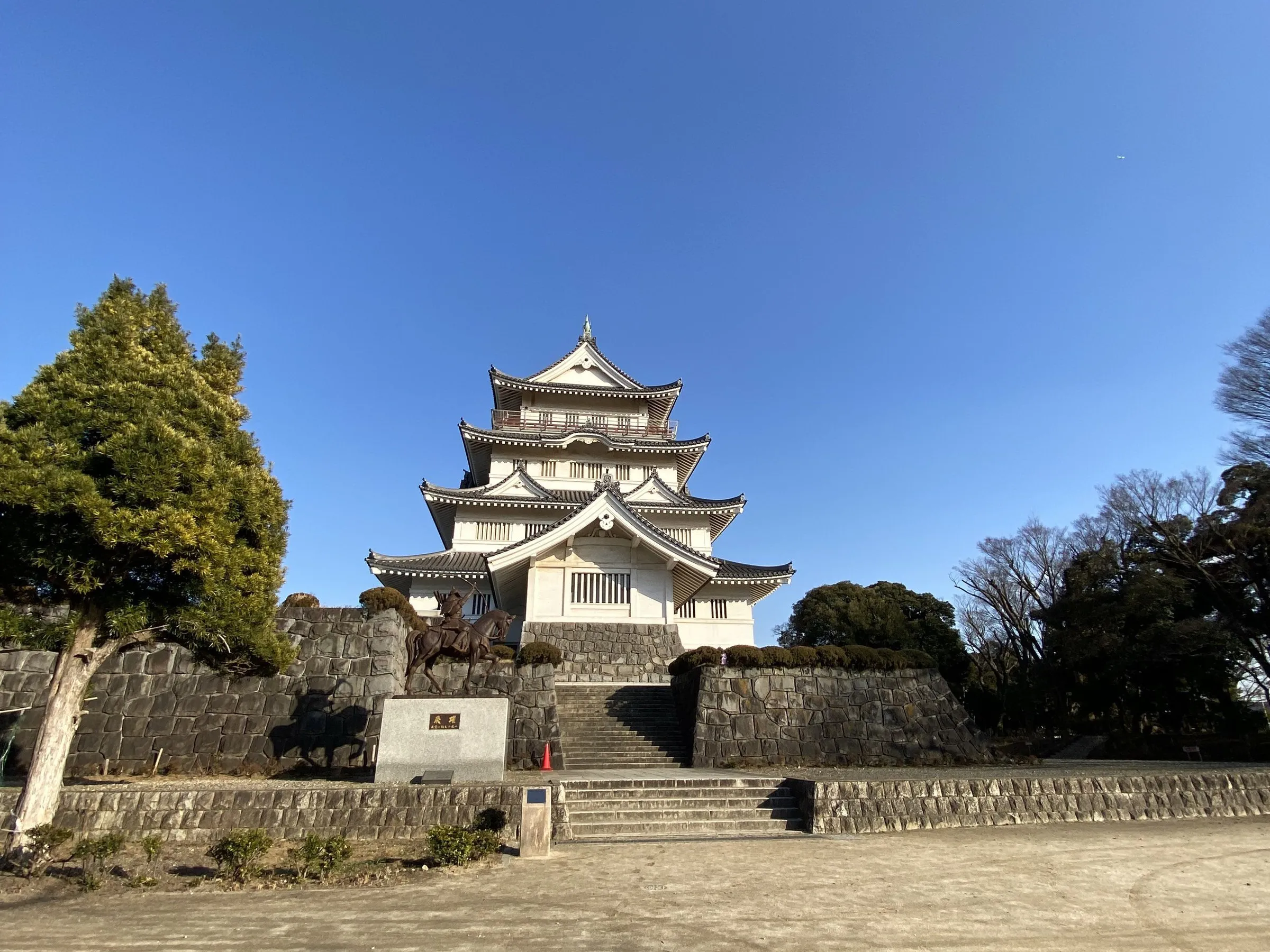 4
The castle silhouette houses a modern museum about Chiba, with archaeology, the history of the local clan and an observation floor over the city.
View details for Chiba Castle and Local History Museum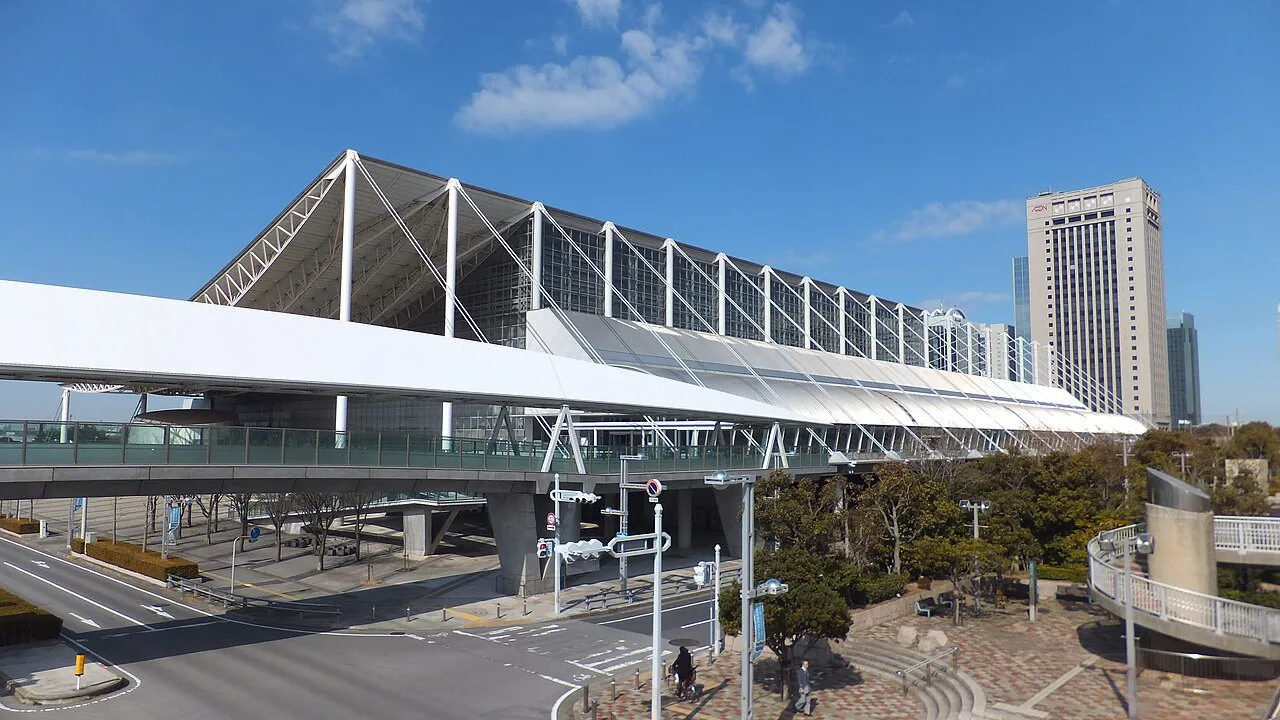 5
Exhibition halls, convention rooms and an arena make up the Makuhari complex: it's worth admiring the architecture and finding an event that suits you.
View details for Makuhari Messe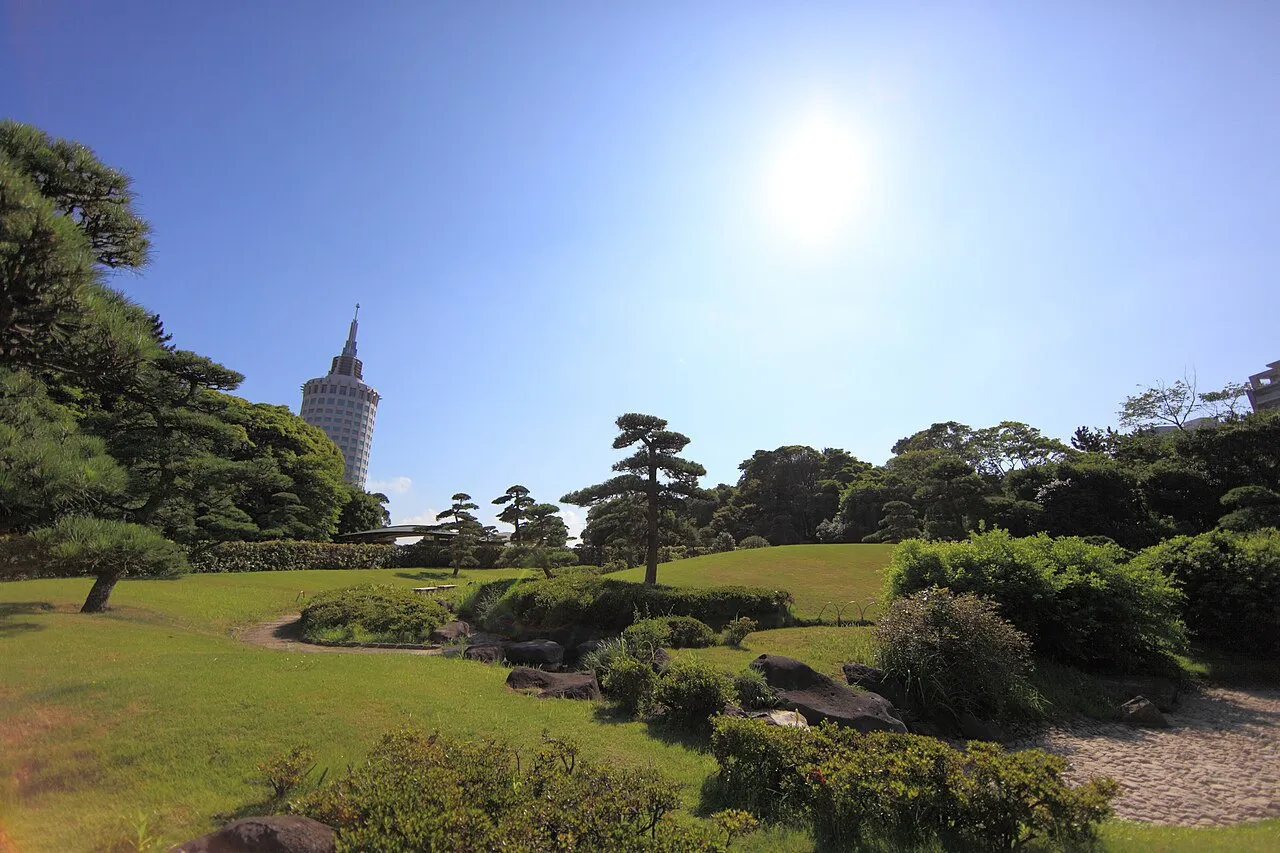 6
Inside Makuhari Seaside Park, the garden arranges paths, water and trees into small landscapes; tea with a sweet can stretch the pause.
View details for Mihama-en Garden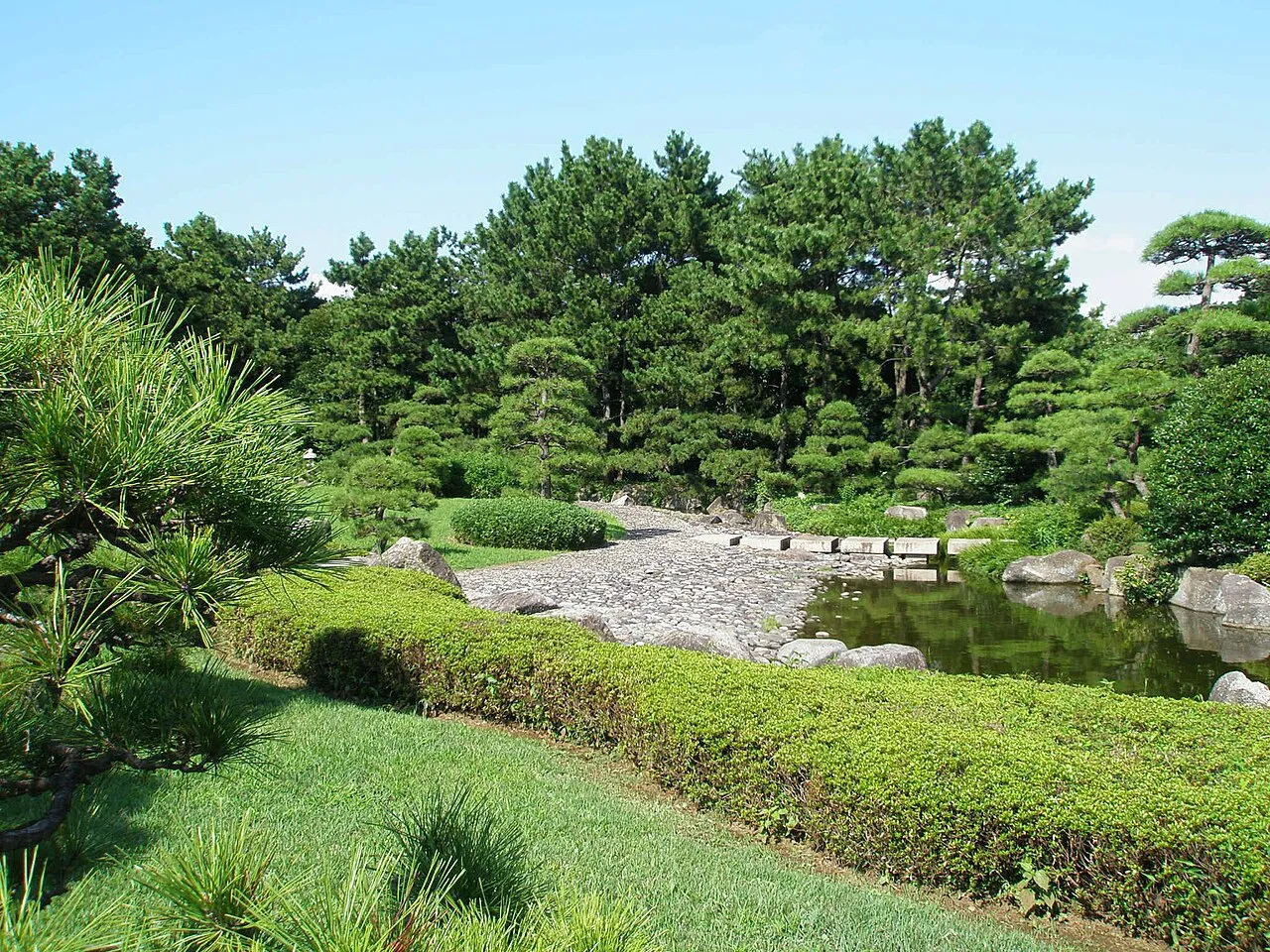 7
Pale sand, lawns and paths facing Tokyo Bay: Inage is the urban-beach break for walking, watching the water and stretching out lunch.
View details for Inage Seaside Park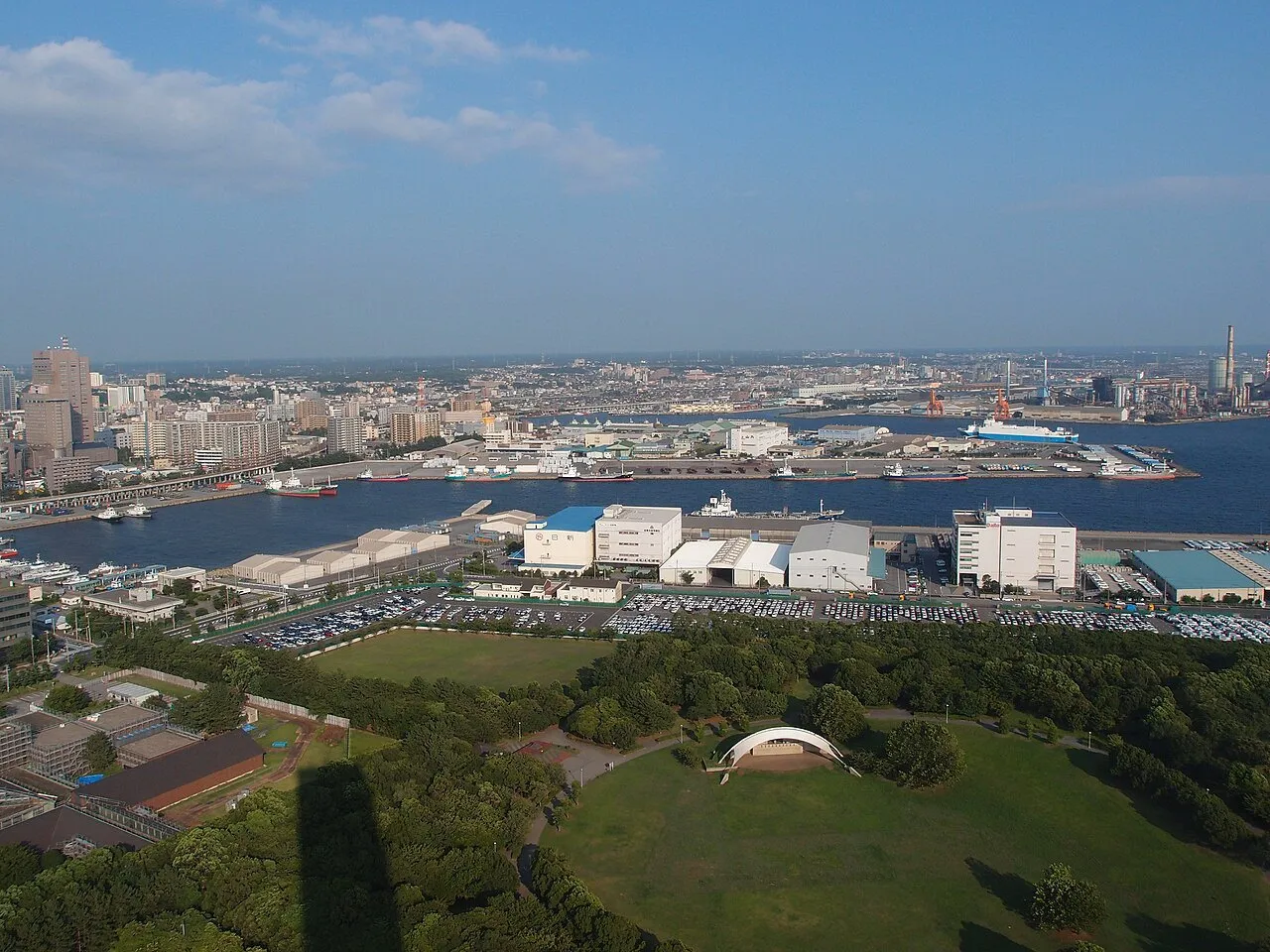 8
The mirrored tower by the port opens up views of Tokyo Bay, the city and the industrial area; on a clear day, Mount Fuji may appear.
View details for Chiba Port Tower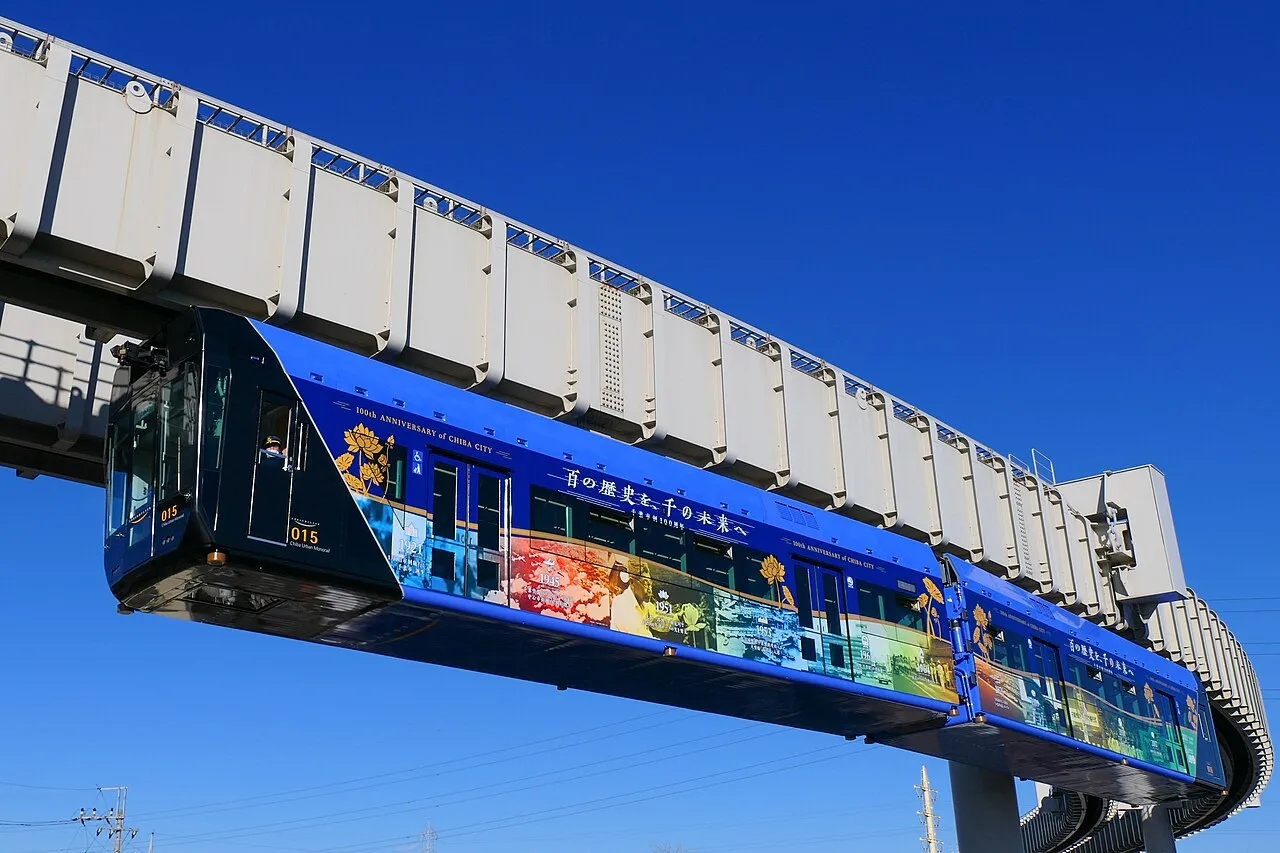 9
The cars run suspended beneath the rail, among Chiba's buildings: an everyday means of transport that also doubles as a ride above the streets.
View details for Chiba Urban Monorail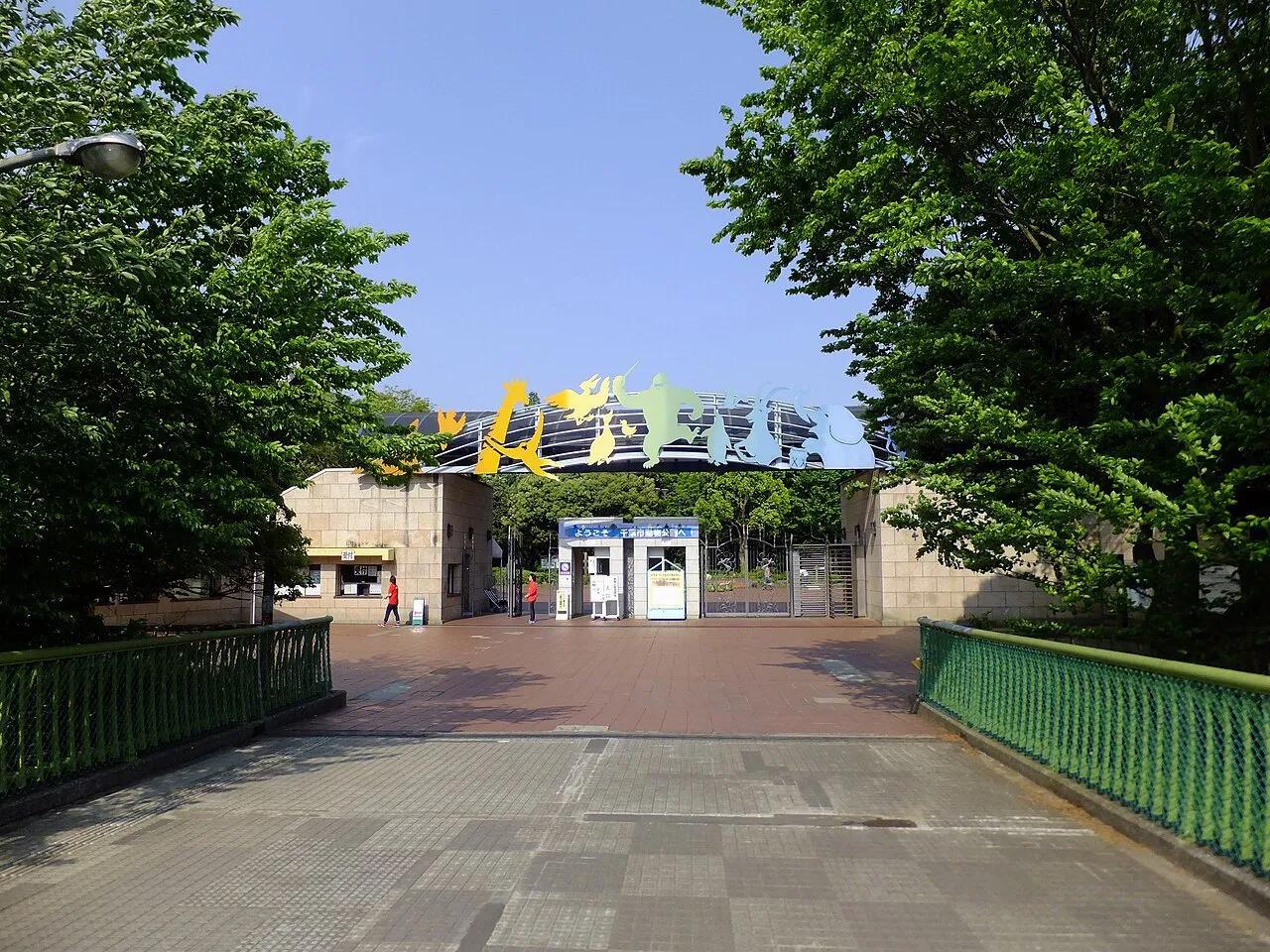 10
Linked to downtown by the monorail, the zoo has red pandas, primates and big cats, in a visit that calls for an unhurried morning.
View details for Chiba Zoological Park1The round leaves and pink blooms of the Oga lotus steal the show in early summer, but Chiba Park doesn't depend on one season: there are cherry trees in spring, autumn foliage and paths along the water. The pond offers a first pause after leaving the central station.
If the lotus is your goal, come early: the flowers tend to close around noon. Outside the blooming season, swap the flower hunt for an unhurried stroll and a rest on the Shibaniwa lawn.
2Among the downtown buildings, the red of Chiba Shrine asks you to slow down. The main devotion is to Myoken, associated with the North Star and with protection against misfortune. Notice the prayer spaces at different levels and the details of the Sonseiden complex.
The place is still a working shrine, so leave the way clear for those who came to pray. Take your time walking around the courtyard, look at the ornaments and follow local guidance on photography.
3Before heading up to the galleries, see whether the Saya-do Hall is open to visitors: the old bank building was wrapped by the museum's construction and preserved inside it. The collection combines works tied to Chiba, Japanese paintings and prints, and contemporary art.
Check the schedule and choose where to focus your time. Exhibitions change: a room you saw in a photo may not be on display during your visit. With the prints, look closely at the fabrics, the lines and the tiny scenes.
4The stacked roofs make you look for an ancient fortress, but the so-called Chiba Castle is a modern building housing the Local History Museum. Inside are archaeological objects, the story of the Chiba clan and the changes the city has gone through.
After the renovation, the suggested sequence starts on the observation floor and works down through the history rooms. First you locate the city, then you understand part of what happened there. Also set aside a few minutes to look at the facade from the paths of Inohana Park.
5In Makuhari, the size of the halls makes the walk seem shorter on the map than on your feet. Makuhari Messe brings together spaces for exhibitions, conventions and events. Check the schedule to find out which activities are open to the general public.
Without a chosen event, walk past the exterior to take in the architecture on the way to the Mihama-en garden. Don't count on walking freely into the halls: each organizer sets its own tickets and access conditions. If an exhibition catches your interest, set aside a time slot for it and shorten your day at the bay.
6In Makuhari, Mihama-en swaps the scale of the buildings for paths that wind around a pond. The Japanese garden brings together references to mountains, rivers, sea and forests in a space you explore on foot. Stop at the bends and notice how the trees frame the view.
At the Shoraitei teahouse, when the service is available, pair matcha with a Japanese sweet. Leave time to sit down: this outing loses its charm when it becomes just a photo. The garden is in Makuhari Seaside Park, within walking distance of Kaihin-Makuhari.
7The pale sand of Inage no Hama changes the scenery: instead of downtown streets, you find an open horizon over Tokyo Bay. The park combines beach, lawns and sports facilities, with areas that may charge admission or operate only part of the year.
For a simple visit, walking along the shore is enough. Between Inagekaigan station and the park there is an extra stretch that can be covered by bus. Factor in that transfer before promising to reach the next stop right after lunch.
8The mirrored facade turns Chiba Port Tower into a blade between the lawn and the sky. From the observatory, the panorama takes in the port, the city, the coast and industrial facilities. When the air is clear, Mount Fuji may appear across the bay; treat the possibility as a bonus.
The surroundings in Chiba Port Park round out the visit with room to walk by the water. Late in the afternoon, watch the light change before seeing the city lit up, depending on the tower's hours and the weather.
9You see the train go by and it takes a moment to realize: the car runs underneath the rail. The Chiba Urban Monorail works as public transport, but it makes for an outing on its own, with streets and buildings drifting in and out of the window.
The connection with JR trains at Chiba station makes it easy to fit the trip to the zoo into your itinerary. Check the destination and platform before boarding. To photograph the suspended cars from the street, stay on the sidewalk and respect the crossings.
10Red pandas, primates and big cats set the tone at Chiba Zoological Park. Dobutsukoen station is right by the main entrance: the monorail ride is already part of the arrival, instead of the stretch you endure until the visit begins.
Go through the sections with room to rest and check which enclosures are open. Don't build the trip around a single animal: an exhibit can be suspended for animal management. With children, shorten the list and let what you observe set the pace.
Chiba and Kaihin-Makuhari serve different areas. For downtown, arrive at Chiba station; for the garden, at Kaihin-Makuhari, on the Keiyo Line. Chibaminato serves the Port Tower area, with a walk to the park.
In Inage, consider the bus from the station; downtown, combine walking with the monorail. Compare passes with your actual route: a cheap ticket can turn into extra spending if it doesn't cover your transport.
Museums, the garden and the zoo follow their own calendars. Check them before ordering your three days and look for holiday changes: arriving at the castle with your camera ready doesn't guarantee an open door.
Spring and autumn favor walking. For the lotus at Chiba Park, early summer is especially interesting, but the bloom varies. Mix in breaks from the heat and keep an eye on wind and rain for bay outings.
Carry some cash and save the names of the attractions in Japanese on your phone. At the shrine and the museums, follow the photography signs and keep walkways clear.
Narita and Haneda offer connections to downtown and Makuhari. Check the route to your lodging, including service hours, and add a generous margin to the trip back to the terminal.
Peanuts show up roasted in the shell, in sweets and in creamy pastes that compete for suitcase space. The prefecture's cuisine also includes dishes from the Boso Peninsula, such as namero: look for it on menus without assuming every restaurant serves it. In Makuhari, the matcha at Mihama-en can be the sweet pause, depending on the teahouse's hours.
Roasted in the shell or turned into sweets and paste, they are a prefectural specialty also sold in the city; taste them before choosing a gift.
Finely chopped raw fish with miso and seasonings such as ginger and scallion. The dish comes from the fishing communities of Boso and is one to look for at izakayas.
Powdered green tea meets a seasonal sweet at the Mihama-en teahouse. It works as a break in the outing, without mistaking the service for a formal, reserved ceremony.