 1
Religion and art
Tochoji Temple
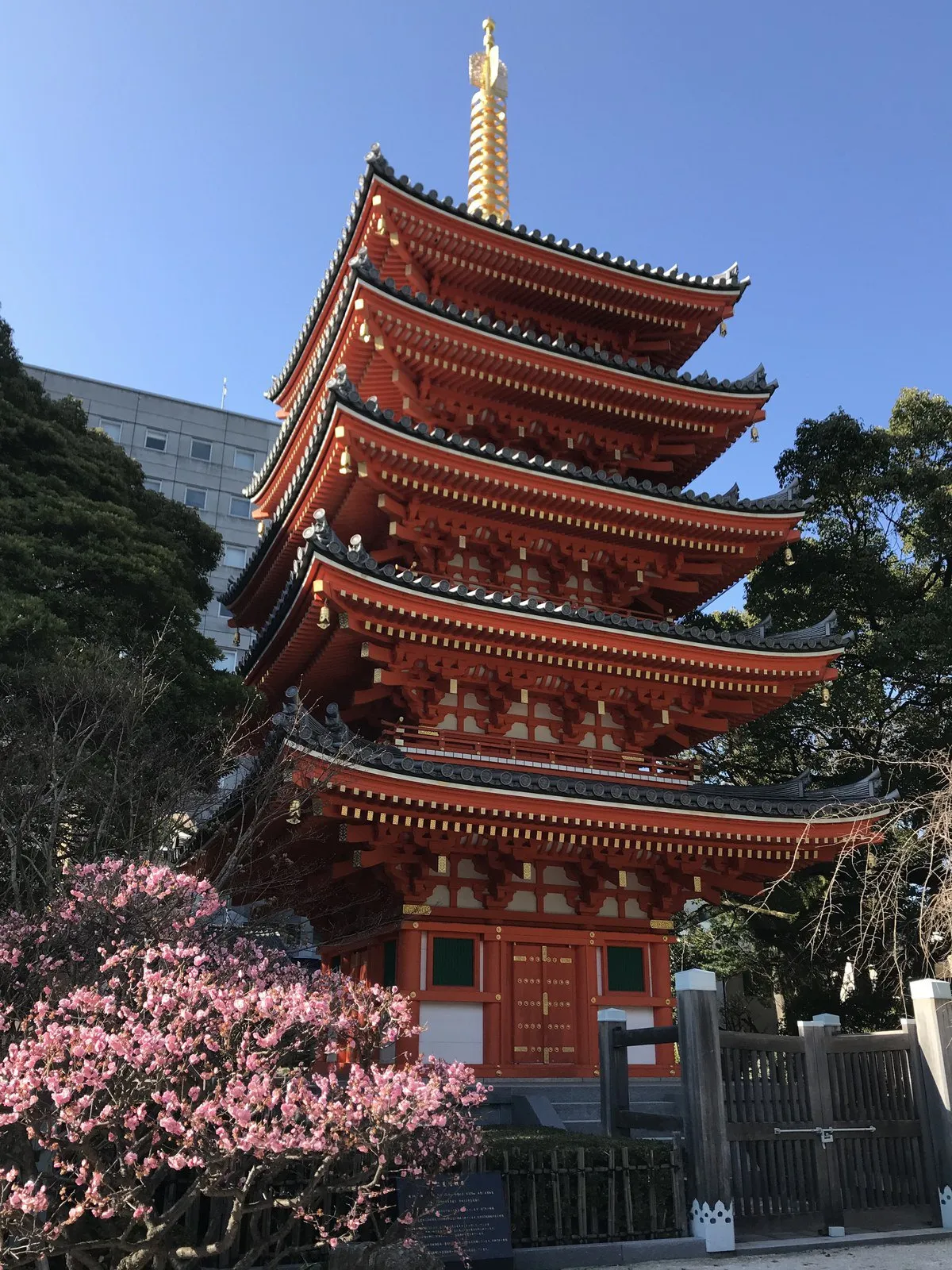
The Shingon temple holds the Fukuoka Daibutsu, a large wooden Buddha, and a red pagoda on Hakata's historic circuit.
View details for Tochoji Temple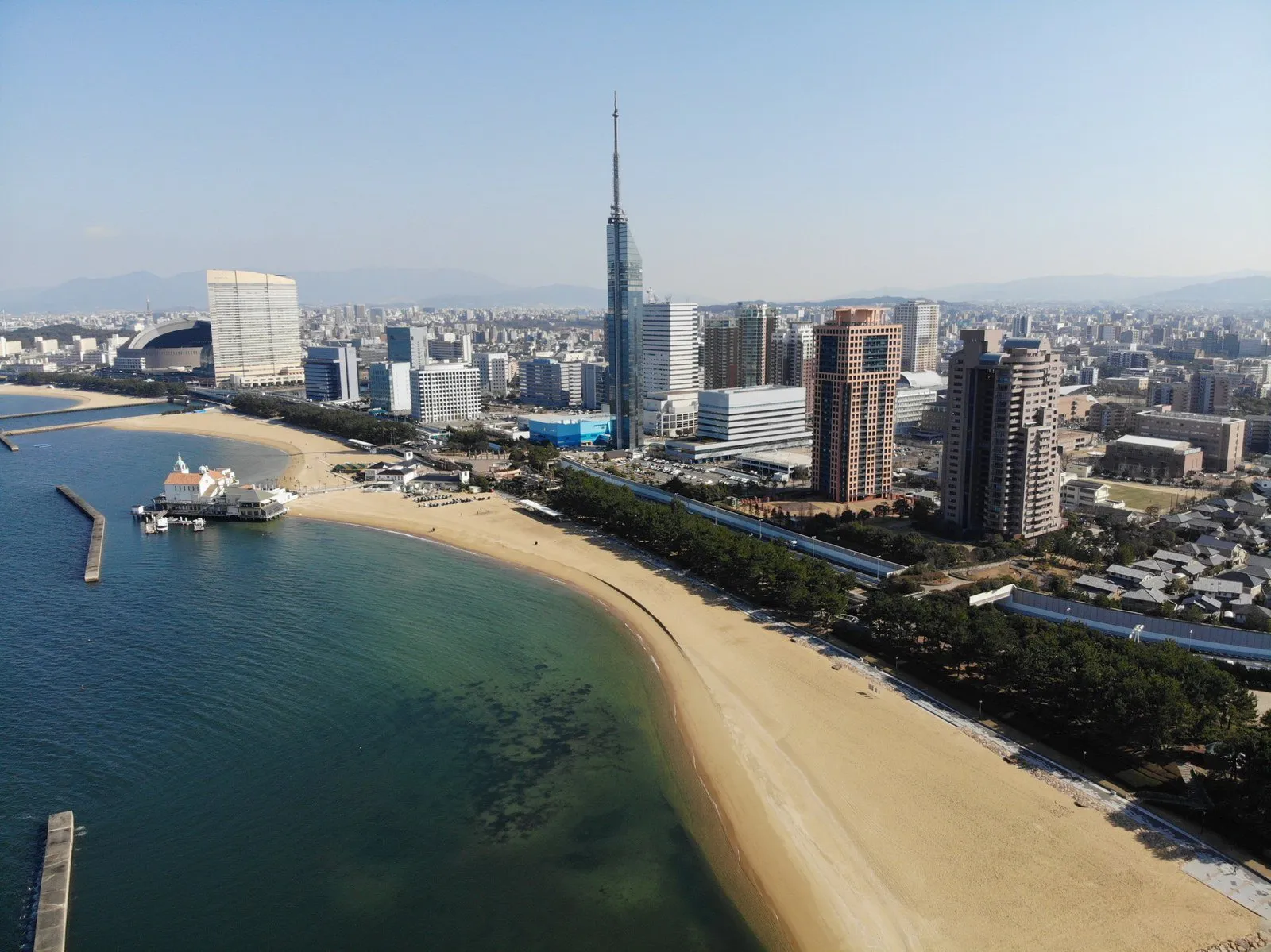
Japan
In Ohori Park, a red pavilion juts out over the lake. Fukuoka swaps the calm water for Momochi's mirrored tower and saves the pork-broth ramen for the next break.
Ohori's red pavilion appears between water and greenery, while the park paths fill with people out for a run and people who just want to sit. Fukuoka makes room for that kind of pause without leaving the center: the lake sits right beside the castle ruins, and in Tenjin a garden climbs the facade of ACROS. Farther along, Momochi beach and its tower change the horizon from green to blue and mirrored glass.
Split your visit into three parts: Tochoji Temple and Canal City in Hakata; the terraces of Tenjin, the castle ruins and Ohori Lake; and finally the coast with Fukuoka Tower. The subway helps stitch the center together, while the waterfront calls for some attention to the last stretch by bus or on foot. Between visits, leave room for ramen and for that second helping of noodles that earned its own name: kaedama.
Kaedama is the extra portion of noodles you order to make use of the broth left over from your ramen: finishing the noodles doesn't necessarily mean the meal is over.
Ohori Lake makes use of the castle's old outer moat; part of the city's military defense became a setting for walks.
ACROS's Step Garden climbs the facade in terraces, but the entrance is on the park side, not through the building.
1The Shingon temple holds the Fukuoka Daibutsu, a large wooden Buddha, and a red pagoda on Hakata's historic circuit.
View details for Tochoji Temple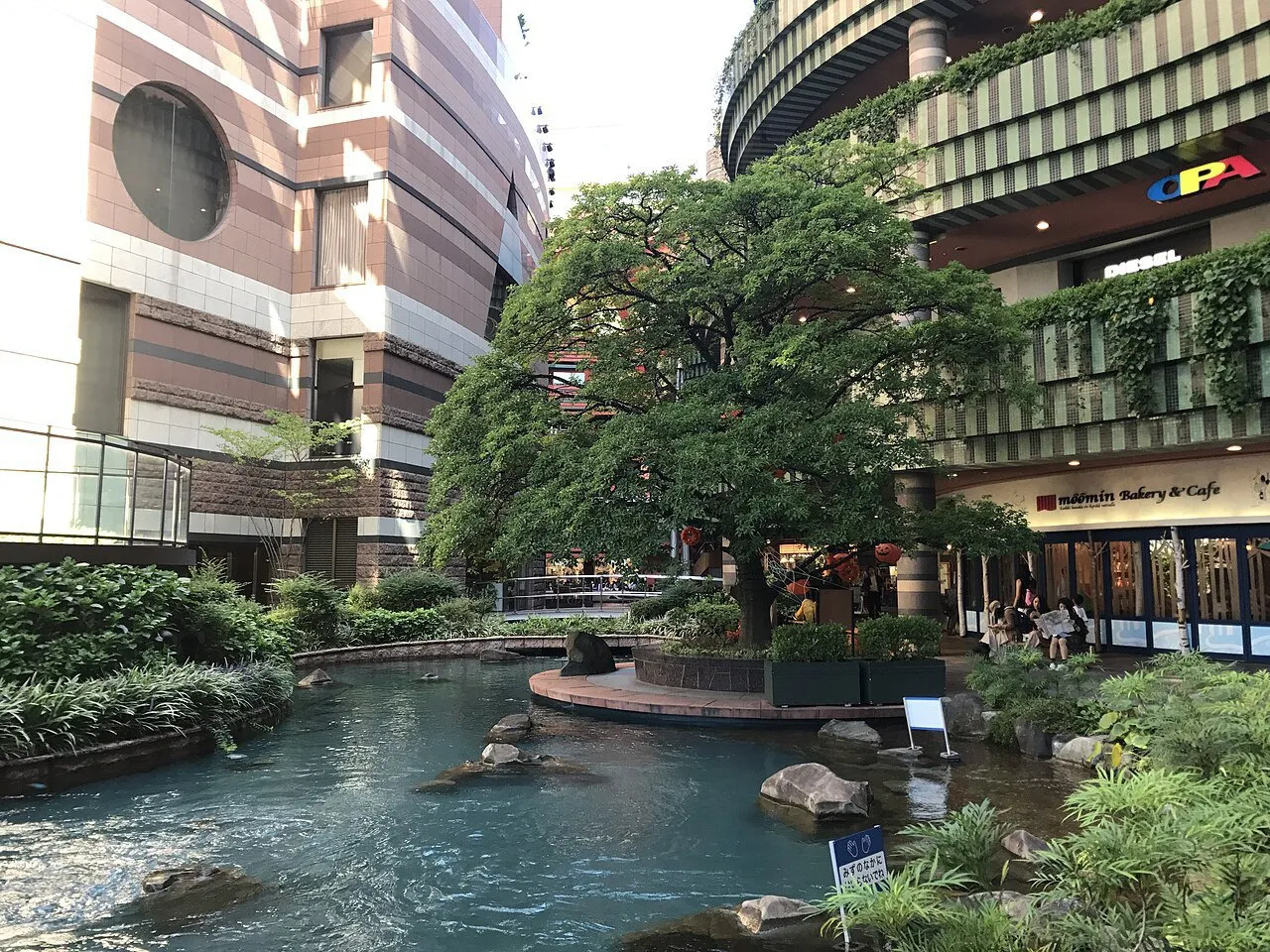 2
An artificial canal runs through the complex of shops, restaurants and entertainment, with curved facades and fountains that turn the shopping center into part of the stroll.
View details for Canal City Hakata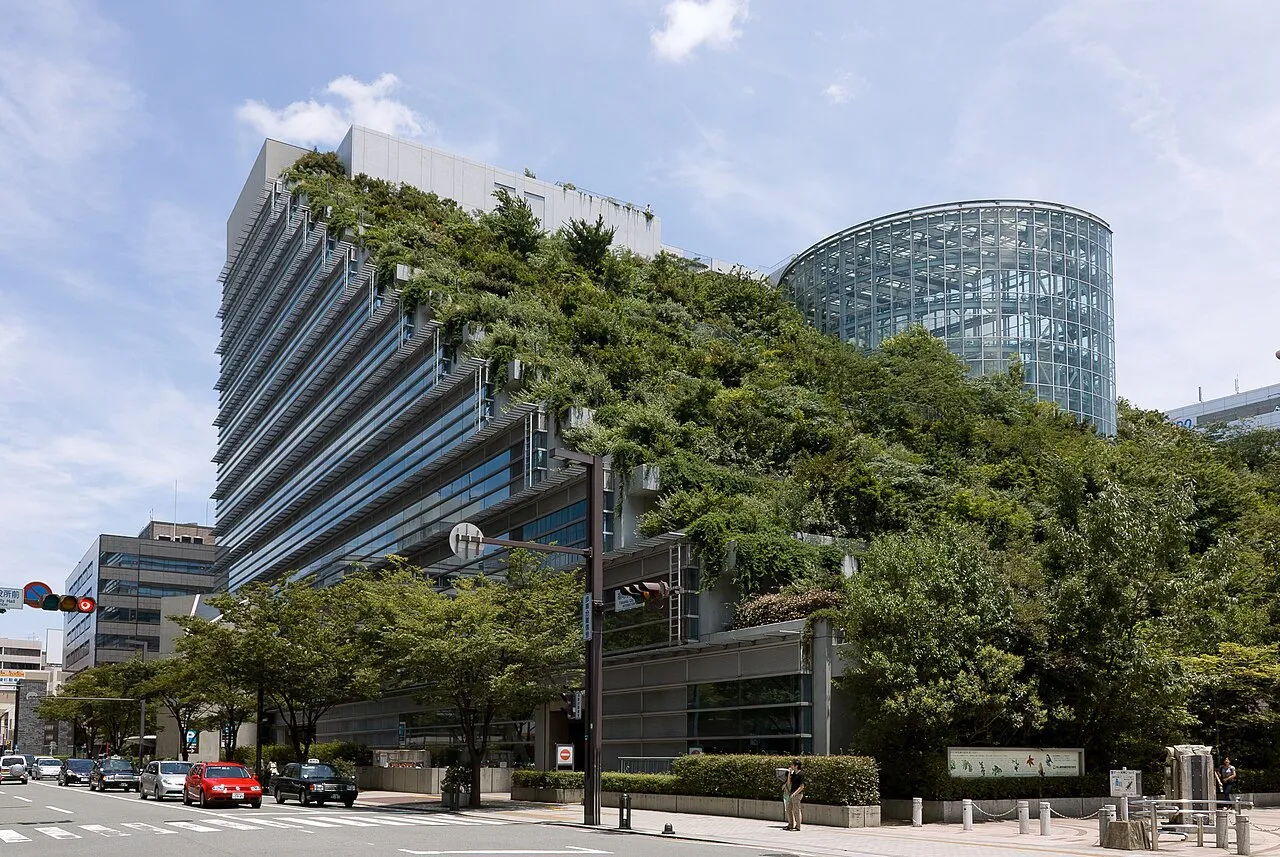 3
The cultural center has a terraced garden that climbs the Tenjin Central Park side; the outdoor route uses its own entrances and may close in rain.
View details for ACROS Fukuoka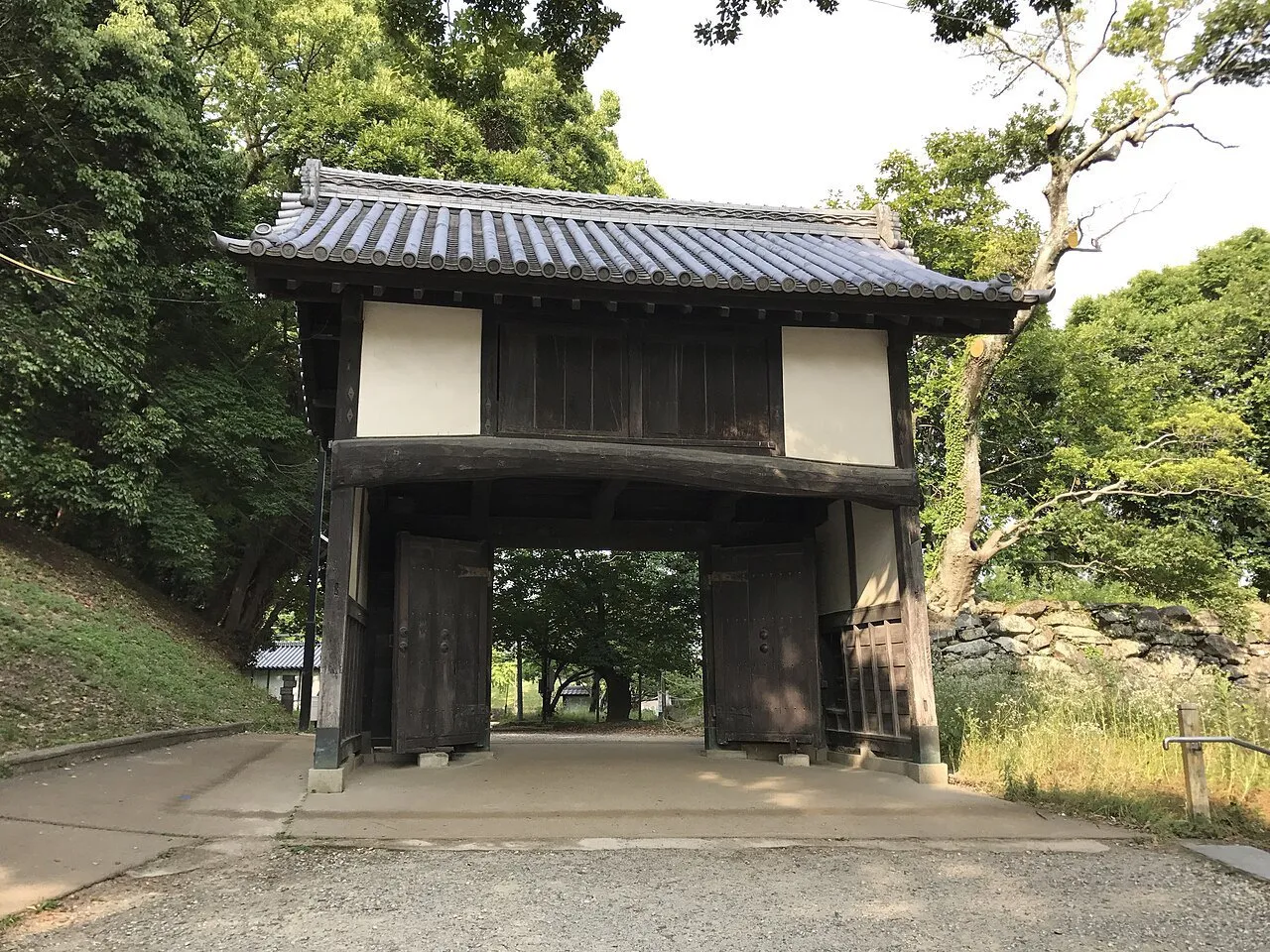 4
Stone walls, gates and raised grounds preserve a sense of the old castle in Maizuru Park; the visit pairs well with neighboring Ohori Park.
View details for Fukuoka Castle Ruins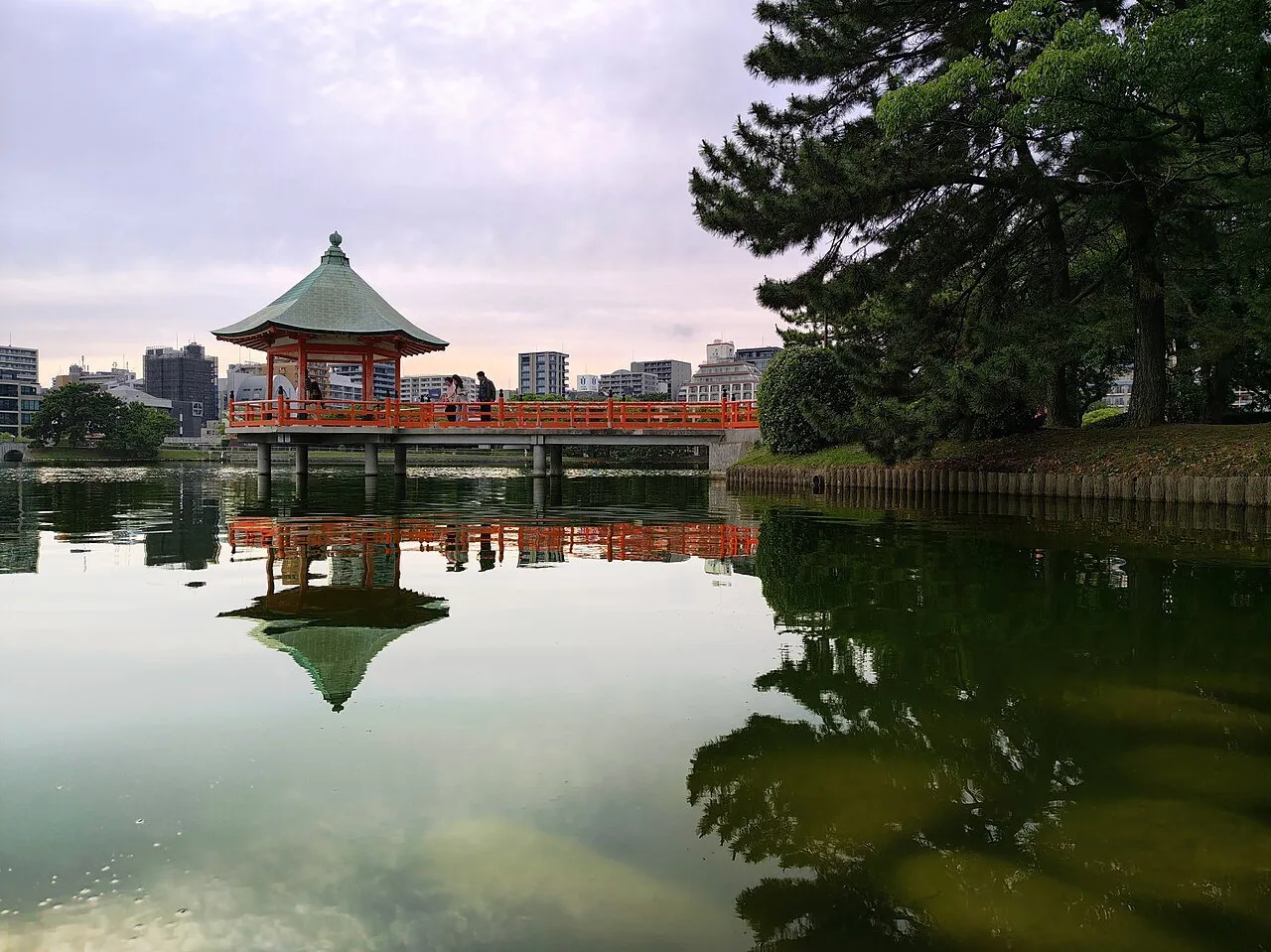 5
The lake sits at the heart of the park and uses the castle's old outer moat, with islands, bridges and a red pavilion to discover on your walk.
View details for Ohori Park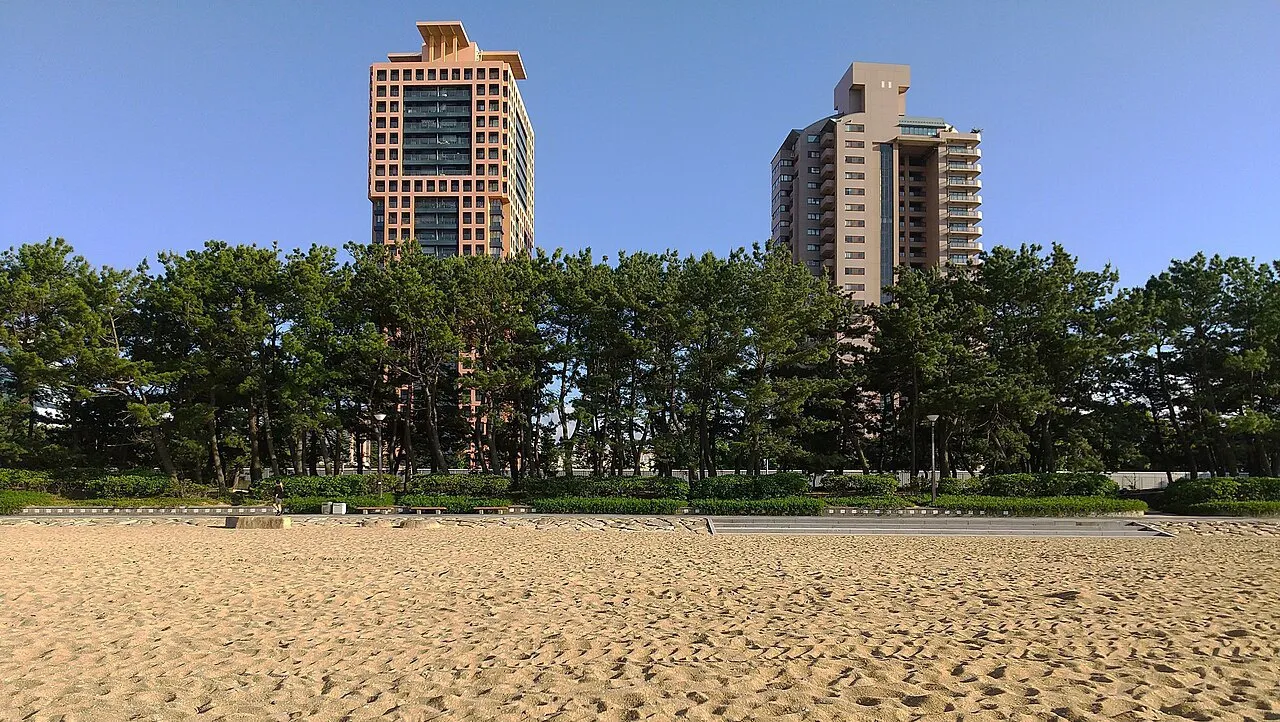 6
The artificial Momochihama beach sits next to Fukuoka Tower, with sand, bay views and the Marizon complex making a coastal break inside the city.
View details for Momochi Beach and Seaside Park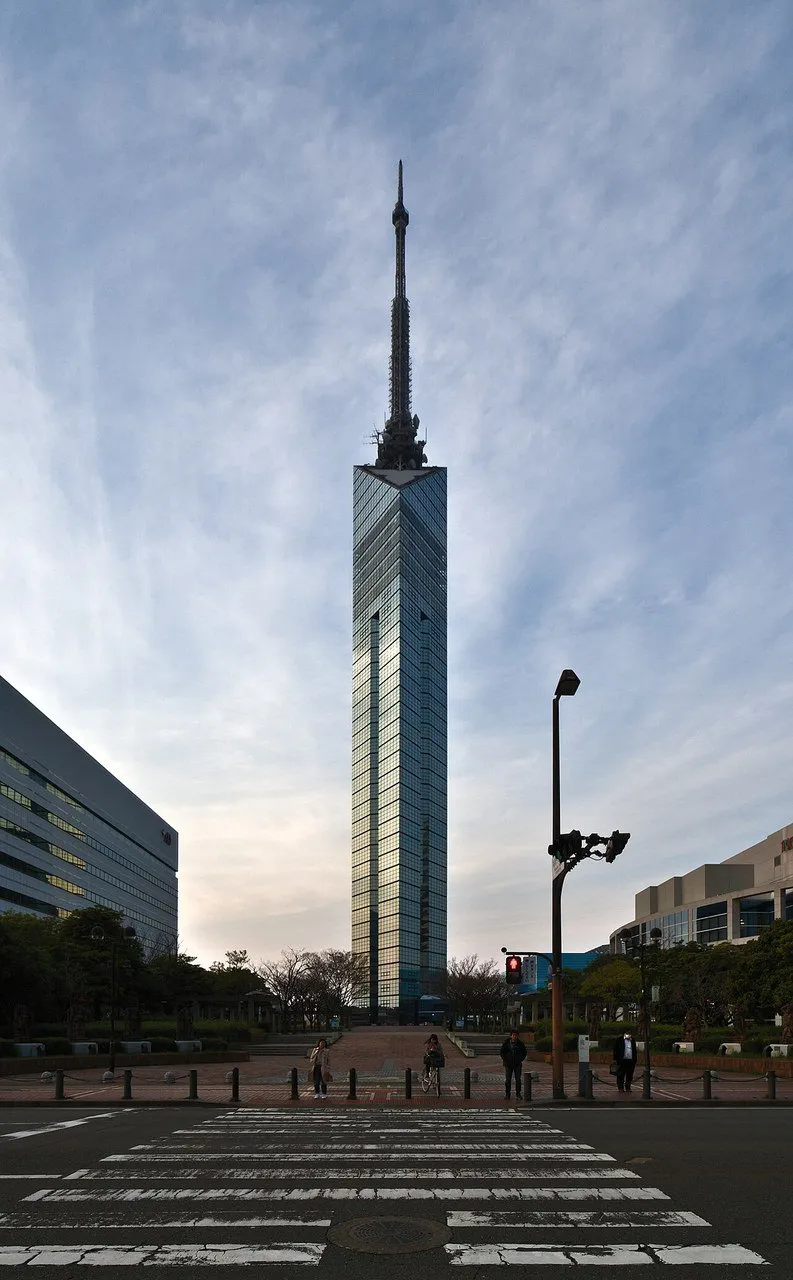 7
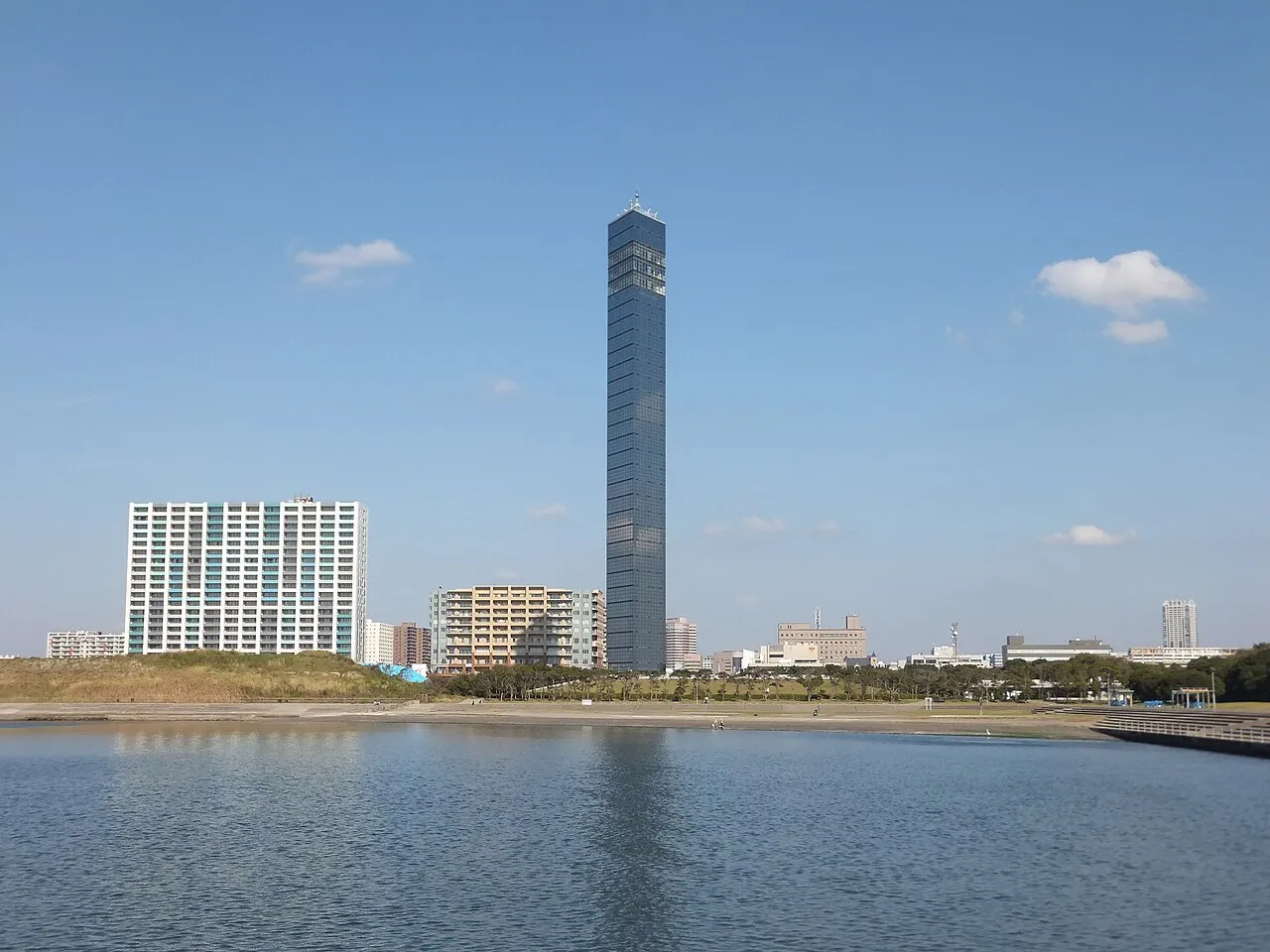
The 234-meter tower has an upper observation deck at 123 meters, with views of Hakata Bay and the city; the visit pairs well with Momochi beach right next door.
View details for Fukuoka Tower1The red pagoda stands out in the Tochoji complex, near Gion Station, but the visit is more than the exterior. The temple belongs to the Shingon Buddhist tradition and houses the Fukuoka Daibutsu, a large wooden Buddha. The link to Kukai, also known as Kobo Daishi, is part of the religious history that local tourism presents about its founding.
Start in the courtyard and check which areas are open. Then head to Canal City and let the shift from religious to commercial architecture happen along the way. Leave time to take it in: the pagoda and the Daibutsu each give you a different reason to slow down.
2At Canal City, the canal is real: water runs through the middle of the complex and shapes the walk among shops, restaurants and entertainment spaces. The curved, colorful facades make you look up before deciding where to go in. It is a stop for commercial architecture, with a fountain show when the schedule is running.
Use the stop for lunch and a few shops, without walking every corridor. The place helps on a rainy day, although the walk along the canal is not fully covered. Fountain times deserve a check, not a guess.
3Seen from the park side, ACROS looks like it handed its facade over to the trees. The Step Garden covers successive terraces on the building and creates the impression of a small mountain in the middle of Tenjin. The building hosts cultural activities, while the garden offers an outdoor route that changes with the vegetation and the height of the walk.
Don't look for the way in through the elevator: the entrances are on the Tenjin Central Park side. The climb involves stairs, and the upper lookout has its own opening. If rain closes the route, take in the park as a whole and check the cultural program.
4The stone walls do better here than a castle tower would, because the visit happens among the remains of the fortification. The site sits in Maizuru Park and lets you see how level changes, gates and walls organized the defense. Go expecting to walk among ruins; that saves you from looking for a complete palace that is not part of today's landscape.
The visitor center helps you understand the terrain before the climb. In spring, the cherry trees invite you to slow down, but the blossoms don't follow your travel dates. Combine it with Ohori and bring water: the word "park" doesn't get rid of the stairs.
5The red pavilion and the small islands share the attention with the people running past along the lakeshore. Ohori is a park used in the city's daily life, with water in the middle and paths all around. Its origin has less to do with gardening and more to do with defense: the lake uses the area of the old outer moat of Fukuoka Castle.
Cross the bridges and pick a bench when your itinerary calls for quiet. The nearby Maizuru ruins let you combine the visits without another big transfer. Nobody expects you to keep up with the runner who just passed you for the third time.
6Sand on one side, a mirrored tower on the other: Momochi makes it clear that the beach is part of the city. The seaside park includes a strip of artificial beach north of Fukuoka Tower; the Marizon area has restaurants and event spaces. It is an outing for walking while looking at the bay, with no need for an excursion to another city.
Pair the visit with the tower and check your timing before promising yourself a morning swim. Even outside summer, the walk is worth a break on the sand. Bring clothes for the wind and agree on your return before losing track of time in front of the water.
7The mirrored facade changes with the light, and the observation deck changes the scale of Momochi. Fukuoka Tower is 234 meters tall; the upper observation hall sits at 123 meters, with views of Hakata Bay and the urban fabric. From the top, beach, water and avenues fit into the same sweep of the windows.
Choose your ascent for the visibility, not for the time slot you have left. Late afternoon lets you watch the light change when the weather helps; at night, the tower's lighting varies. Leave a margin for entry and check operations before you buy.
The subway serves the domestic terminal of Fukuoka Airport; if you arrive at the international terminal, factor in the transfer between terminals or another ground connection, including when you calculate your return.
Use the subway for trips between Hakata, Tenjin and Ohori, and check the final access to Momochi; being close on the map doesn't remove the walk between the station and the beach.
When ordering ramen, check the noodle firmness options and the portion before adding kaedama; the refill is noodles only, so it's worth saving broth in the bowl to receive them.
Carry some cash for small establishments, even if you use a card for the rest of the trip; ask about the payment method before you order.
Summer brings heat and rain, with heavier precipitation in June and July; check the forecast and alerts before outings on the waterfront, in the parks and in ACROS's outdoor garden.
At Tochoji, follow the signs, keep the way clear and ask before photographing interior spaces; treat the visit as entering a working place of worship.
Hakata ramen combines thin noodles and tonkotsu broth, made with pork bones, but Fukuoka also calls for meals that don't fit in the same bowl. Alternate the noodles with a pot of motsunabe or mizutaki at a restaurant. It's worth asking about the ingredients and the portion before ordering: a clear broth doesn't mean a meatless dish, and a pot to share deserves company and appetite in equal measure.
Thin noodles in tonkotsu broth; if broth is left and noodles are not, ask for kaedama, the extra portion of noodles.
A pot of offal with vegetables such as cabbage and garlic chives in a seasoned broth; a meal to eat slowly and share.
A pot of chicken simmered in broth with vegetables; another way to make dinner the evening's main event.
Fish roe seasoned with chili, served with rice or used in other dishes; a flavor closely associated with Fukuoka.