 1
History and memory
Atomic Bomb Dome
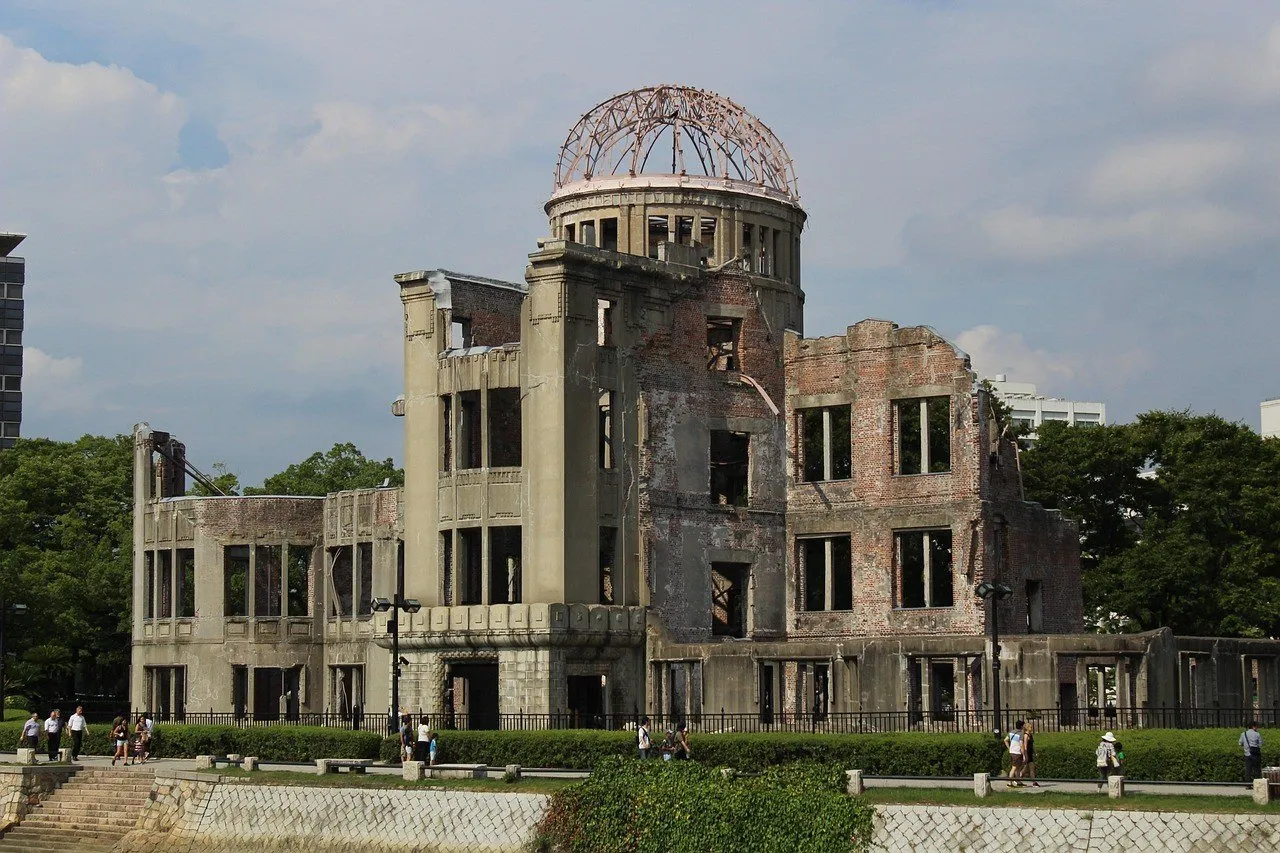
On the riverbank, the preserved structure of the former exhibition hall gives a concrete sense of the destruction and of Hiroshima's commitment to peace.
View details for Atomic Bomb Dome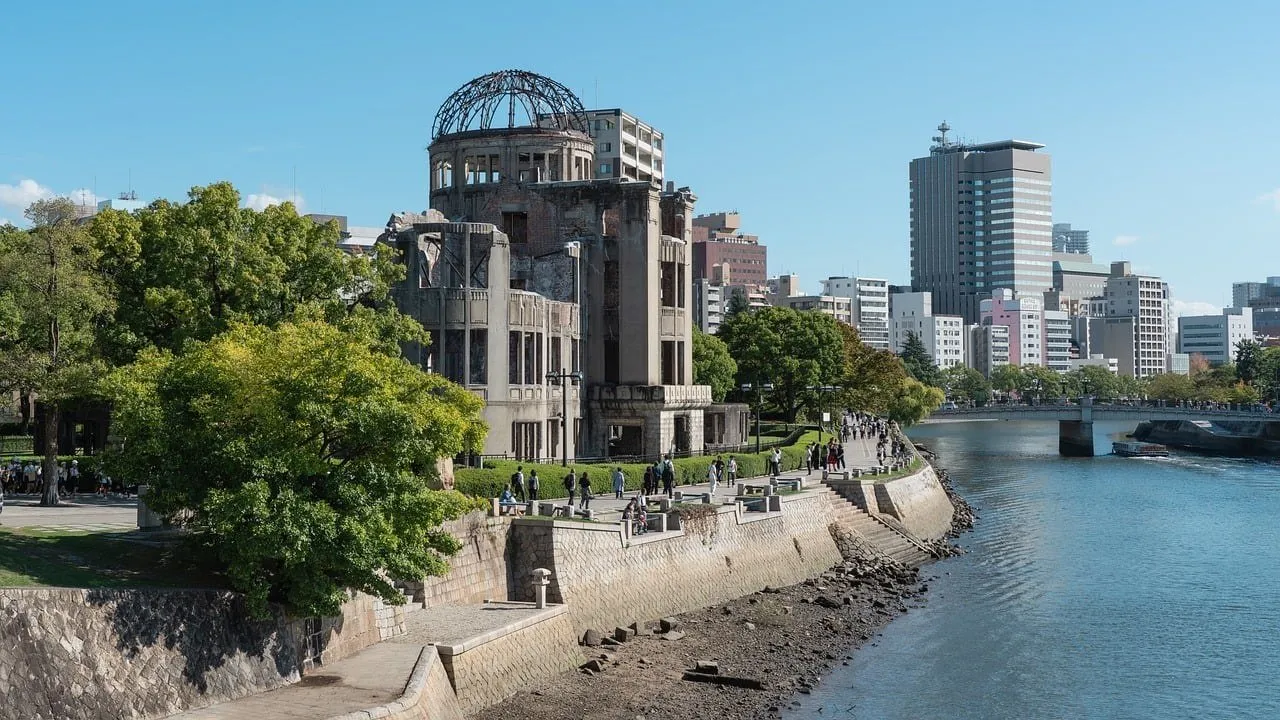
Japan
The streetcar takes you to the river and the Dome; later, a spatula clacks on the okonomiyaki griddle. Hiroshima asks for time to listen to its stories, and room in your plans for gardens and Miyajima.
The griddle sizzles as cabbage, noodles and egg build up into layers of okonomiyaki. Outside, streetcars link the station to the center, where the river leads the way to the Dome. Hiroshima has an everyday life that deserves space in your plans, alongside the visits to the memorials. To understand the city, start with the stories of the people struck by the bomb and leave time to listen, read and pause; Peace Memorial Park does not go well with a tight stopwatch.
Plan your stay as two days in the city and one on Miyajima, an island in Hatsukaichi reached by train and ferry. Shukkeien, the castle and the art museum make up a central circuit; Mitaki-dera adds a wooded hillside and needs its own trip. The itinerary below spreads out the stops without forcing you to fill every gap. The suggested times are editorial planning estimates: lines, how much you feel like walking and how long you want to stay at each place all change the math.
The paper cranes (tsuru) at Peace Memorial Park carry messages from many countries; the link between these folded cranes and peace runs through the story of Sadako Sasaki.
In Hiroshima-style okonomiyaki, the ingredients are stacked in layers: the noodles are part of the build rather than a side dish.
Senjokaku and Hokoku Shrine are names for the same building on Miyajima; the hall still shows traces of a project that was never completed.
1On the riverbank, the preserved structure of the former exhibition hall gives a concrete sense of the destruction and of Hiroshima's commitment to peace.
View details for Atomic Bomb Dome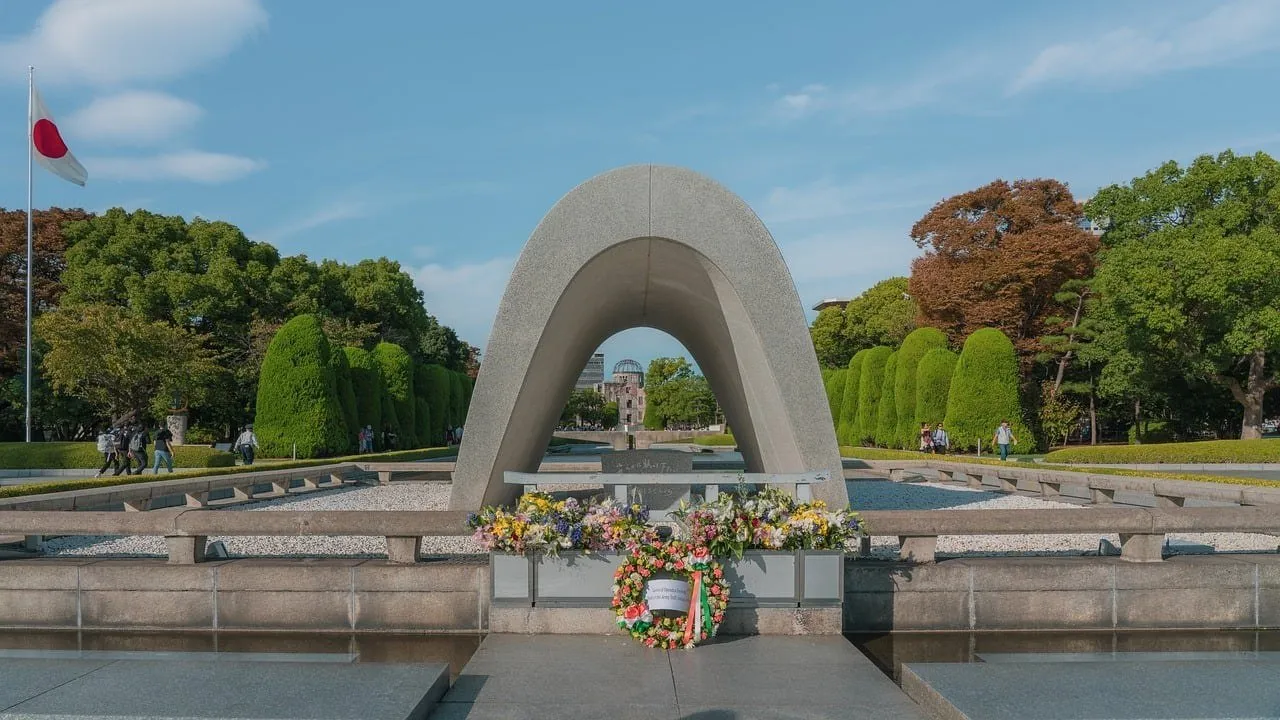 2
Paths between rivers link the cenotaph, the Flame of Peace and the Children's Peace Monument, where colorful folded cranes express wishes for peace sent from far away.
View details for Peace Memorial Park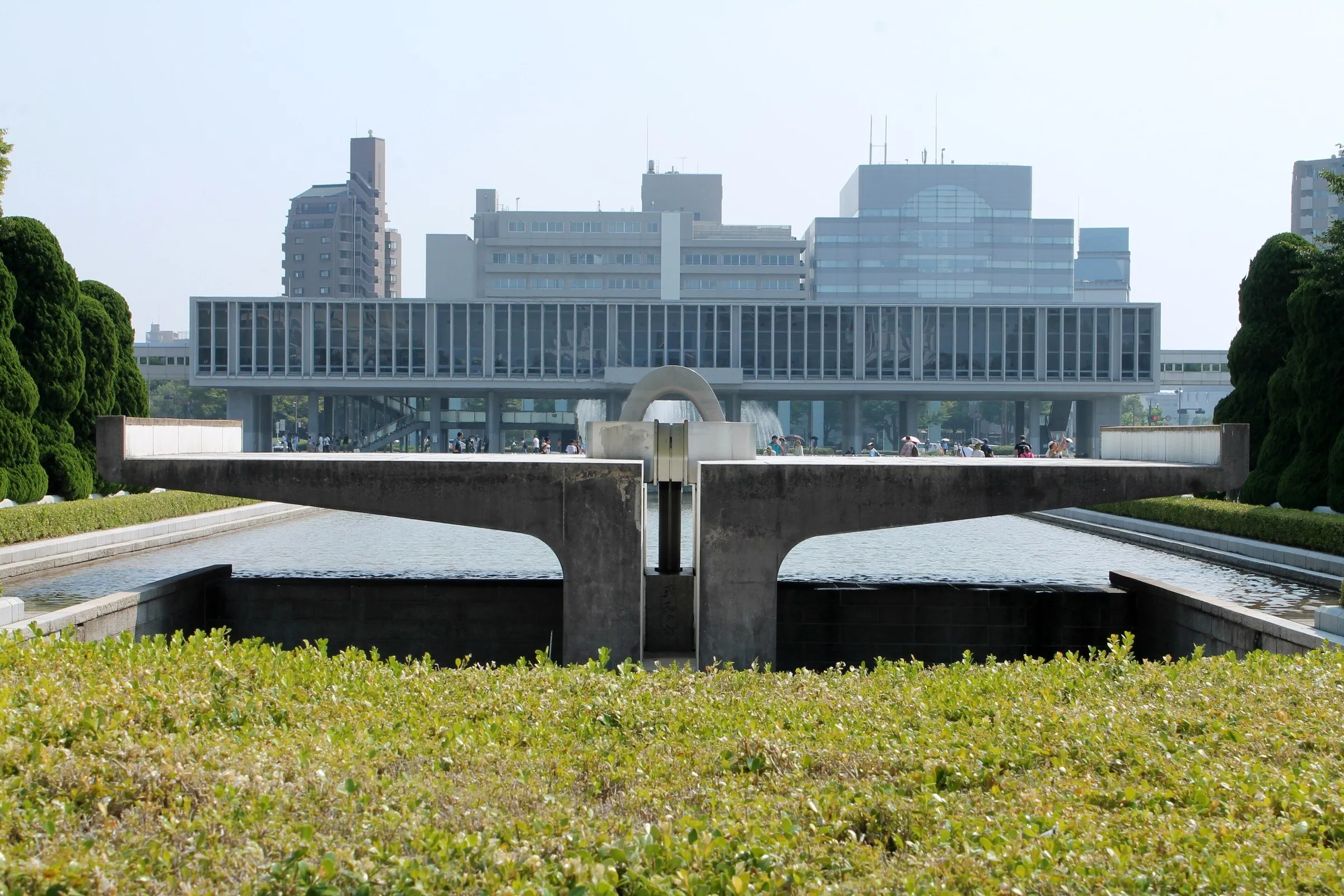 3
Personal belongings, photographs and testimonies present the lives struck by the bomb and help you understand Hiroshima before, during and after the attack.
View details for Hiroshima Peace Memorial Museum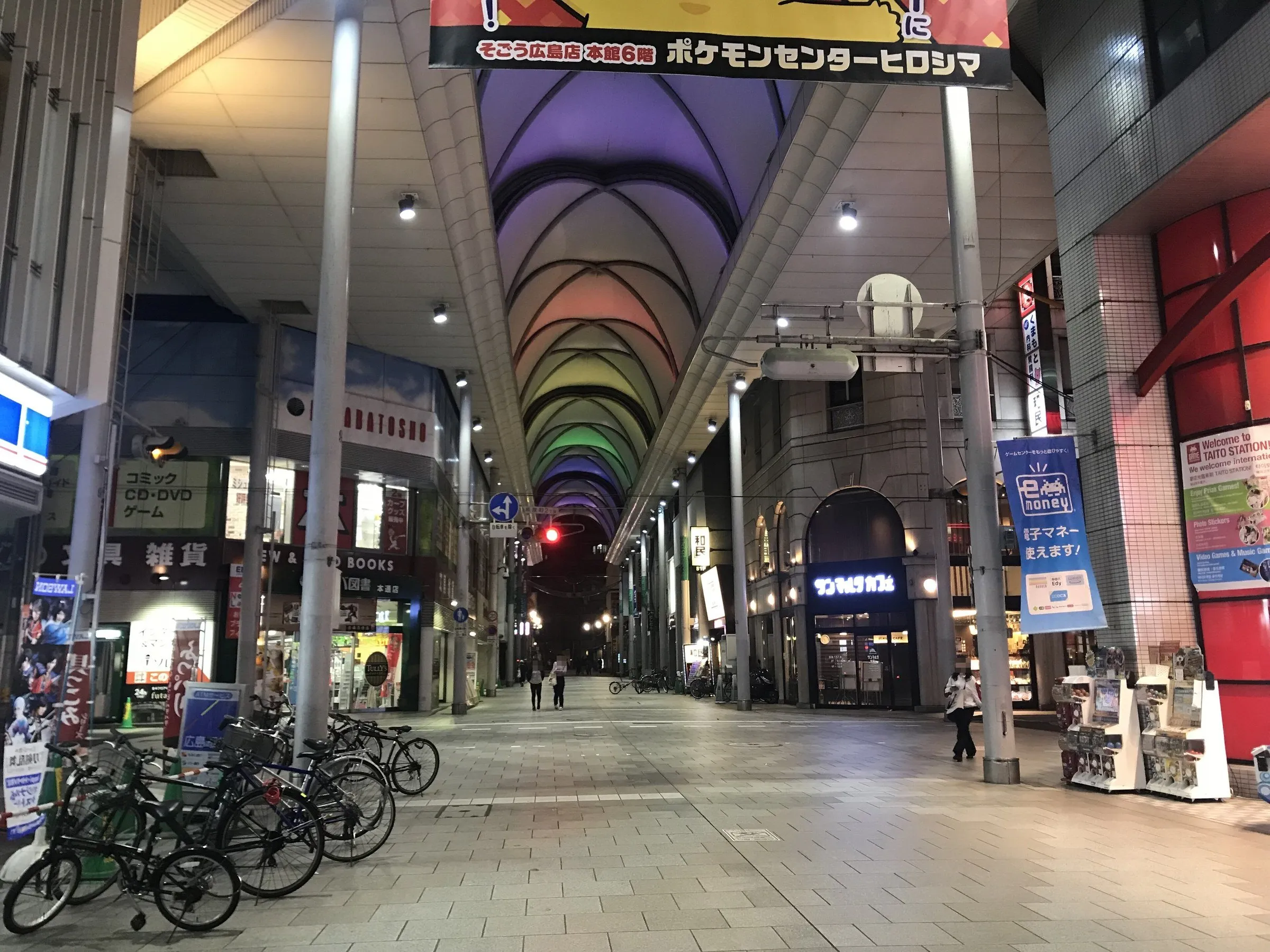 4
The covered shopping arcade gathers shops and restaurants near Peace Memorial Park: a practical spot to stroll, look for souvenirs and pick a dinner.
View details for Hondori Shopping Street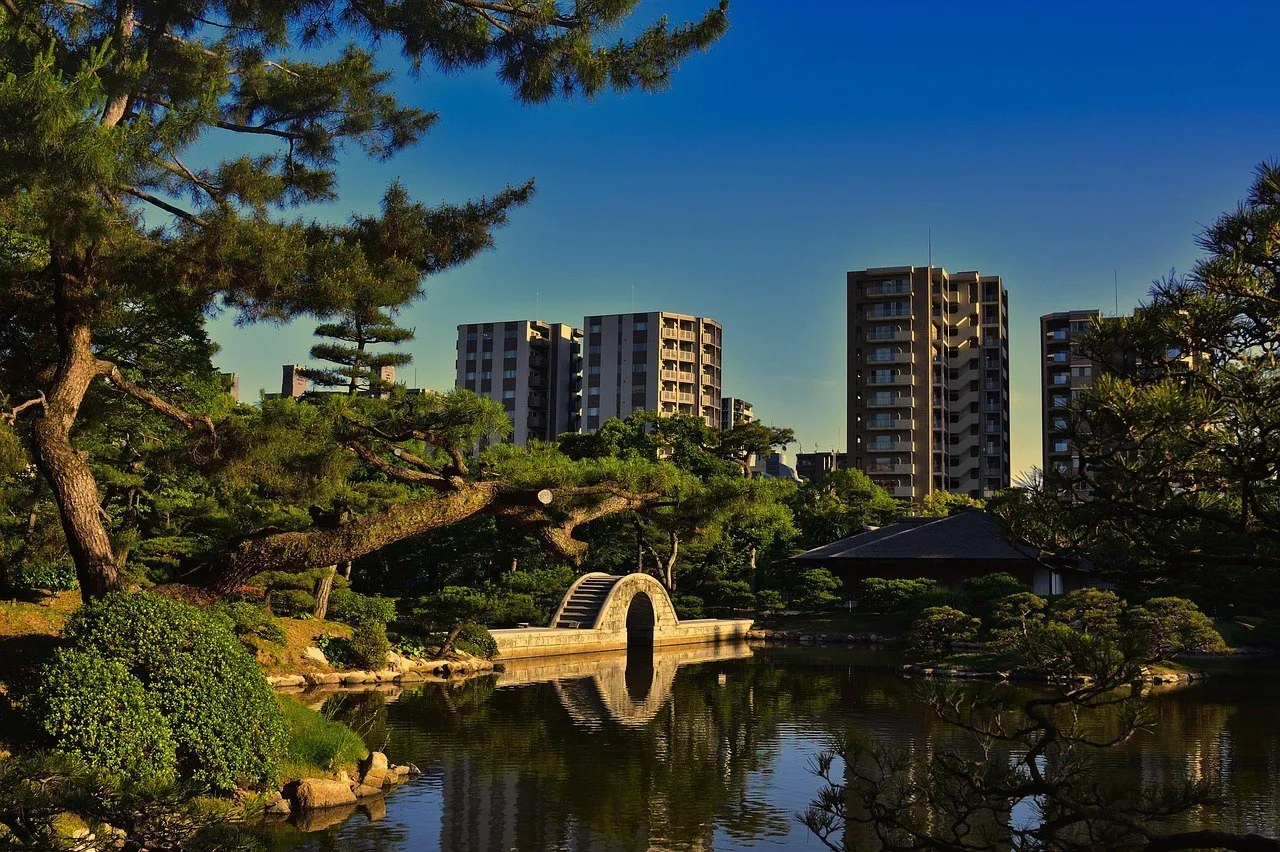 5
A pond with islets, bridges and pavilions shapes this strolling garden, designed to suggest larger landscapes at a scale that fits a walk.
View details for Shukkeien Garden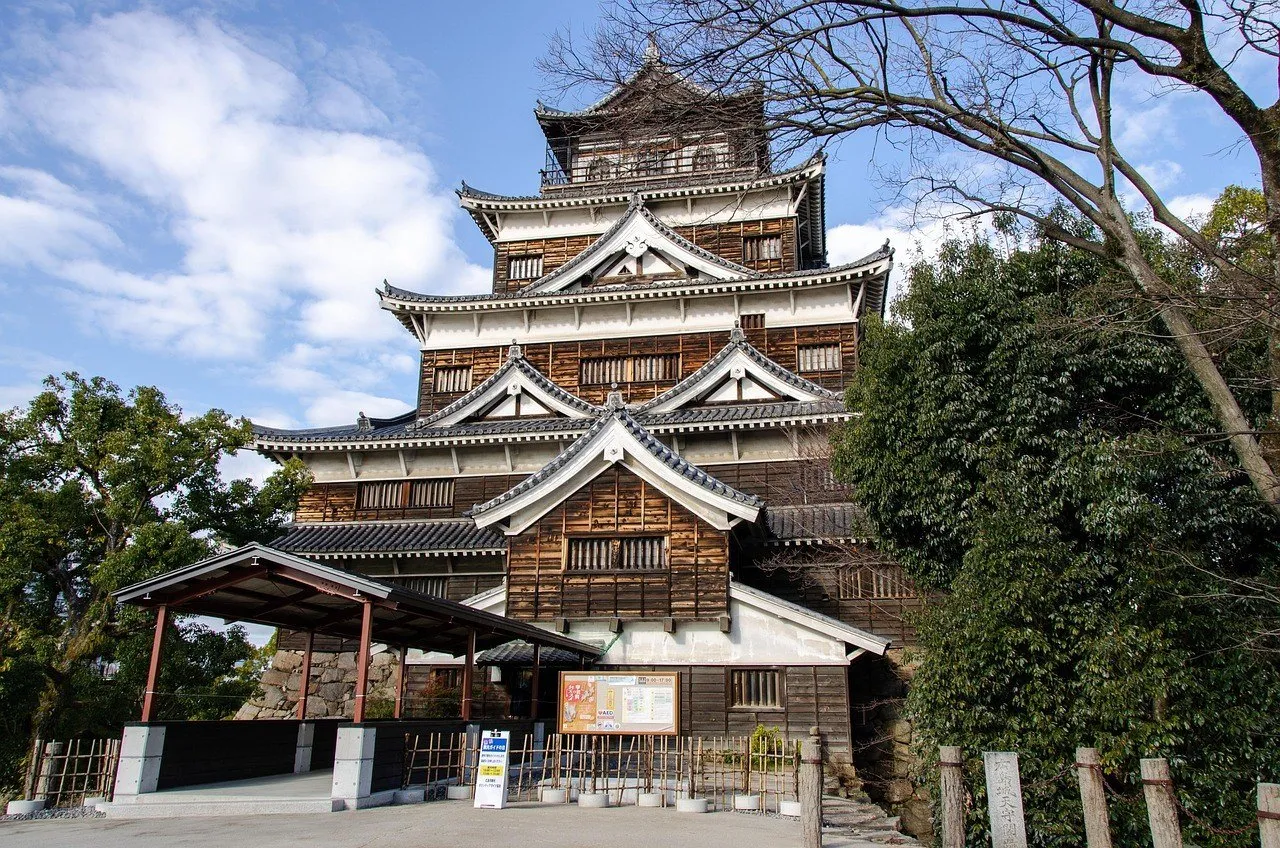 6
Moats, walls and the reconstructed keep help you read the old castle town; today's visit favors the grounds and the architecture seen from outside.
View details for Hiroshima Castle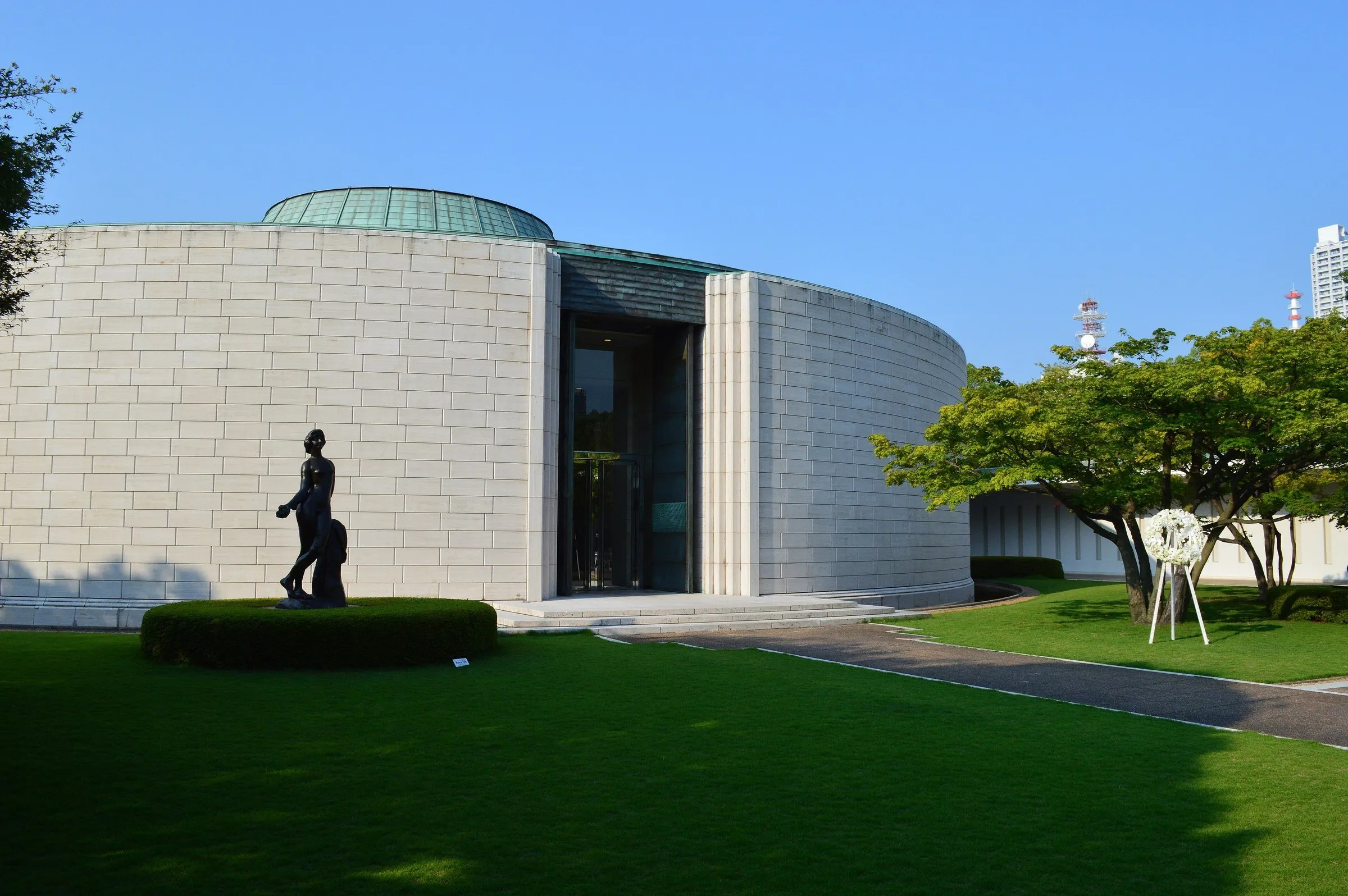 7
Near the castle, the collection brings together modern French painting, Japanese artists who worked with Western techniques and works in the Japanese tradition.
View details for Hiroshima Museum of Art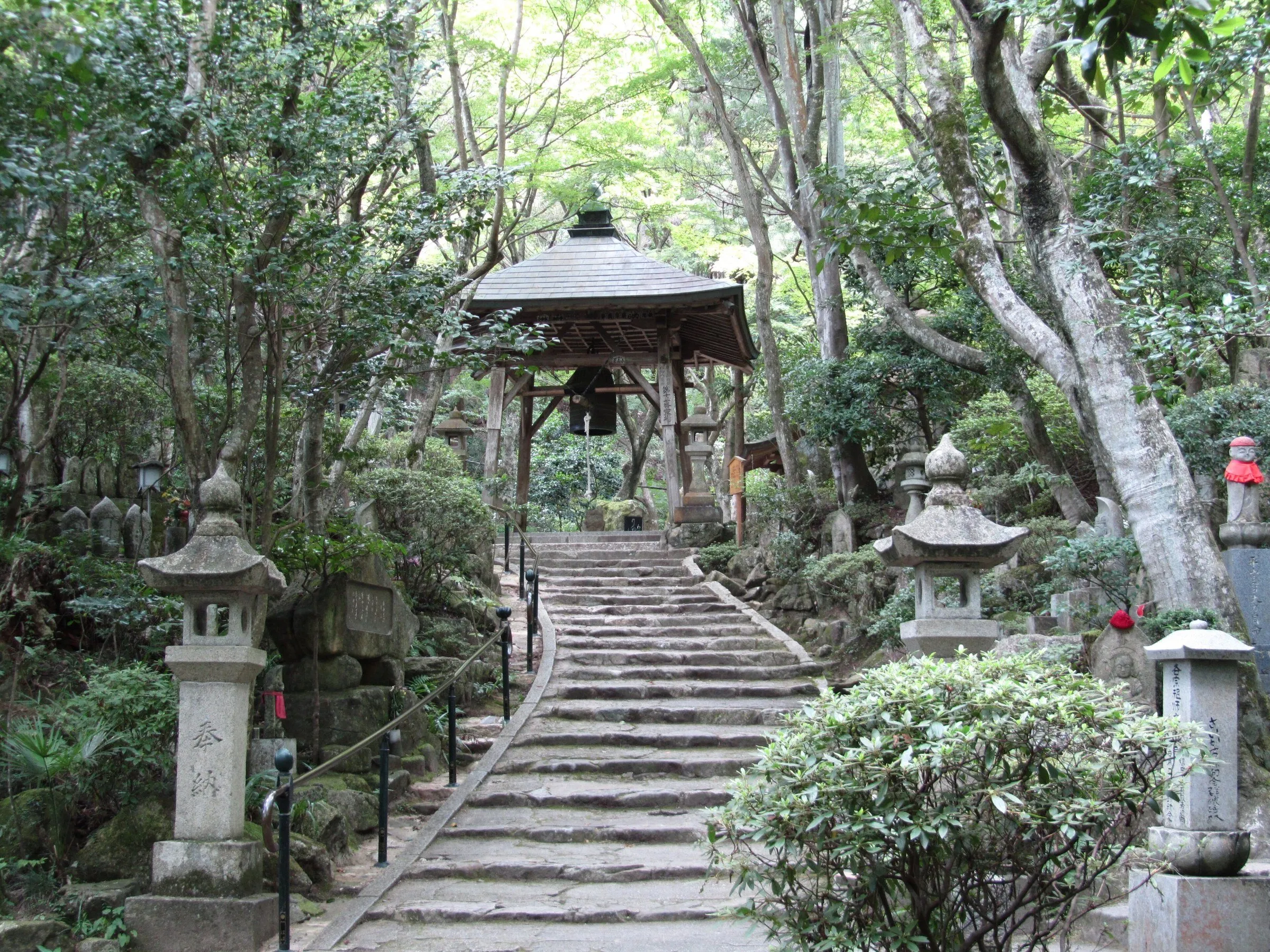 8
On the wooded slope of Mitaki, a red pagoda, stone Buddhist images and streams make for a visit with a climb and plenty of shade.
View details for Mitaki-dera Temple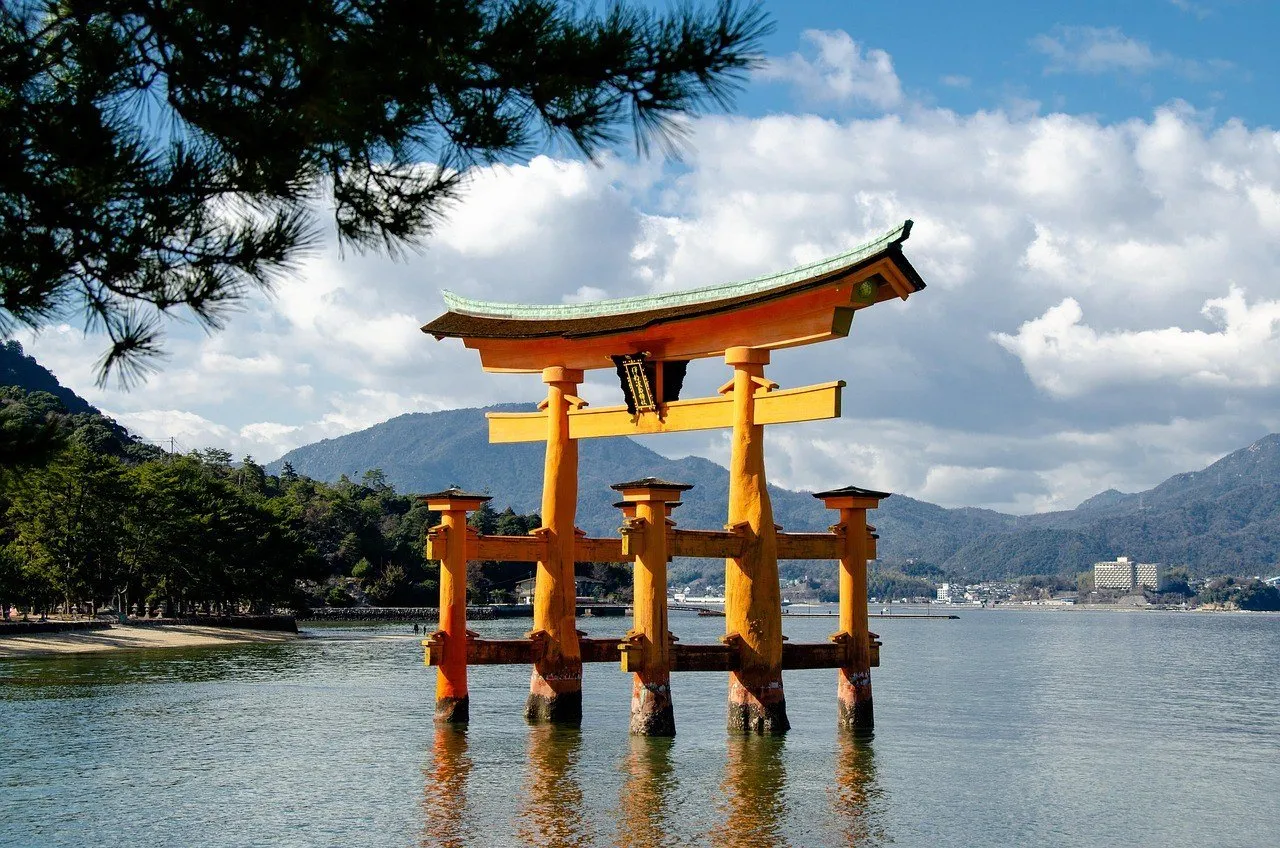 9
On Miyajima, outside the city of Hiroshima, red corridors and the great torii change appearance with the tide: the water becomes part of the architecture.
View details for Itsukushima Shrine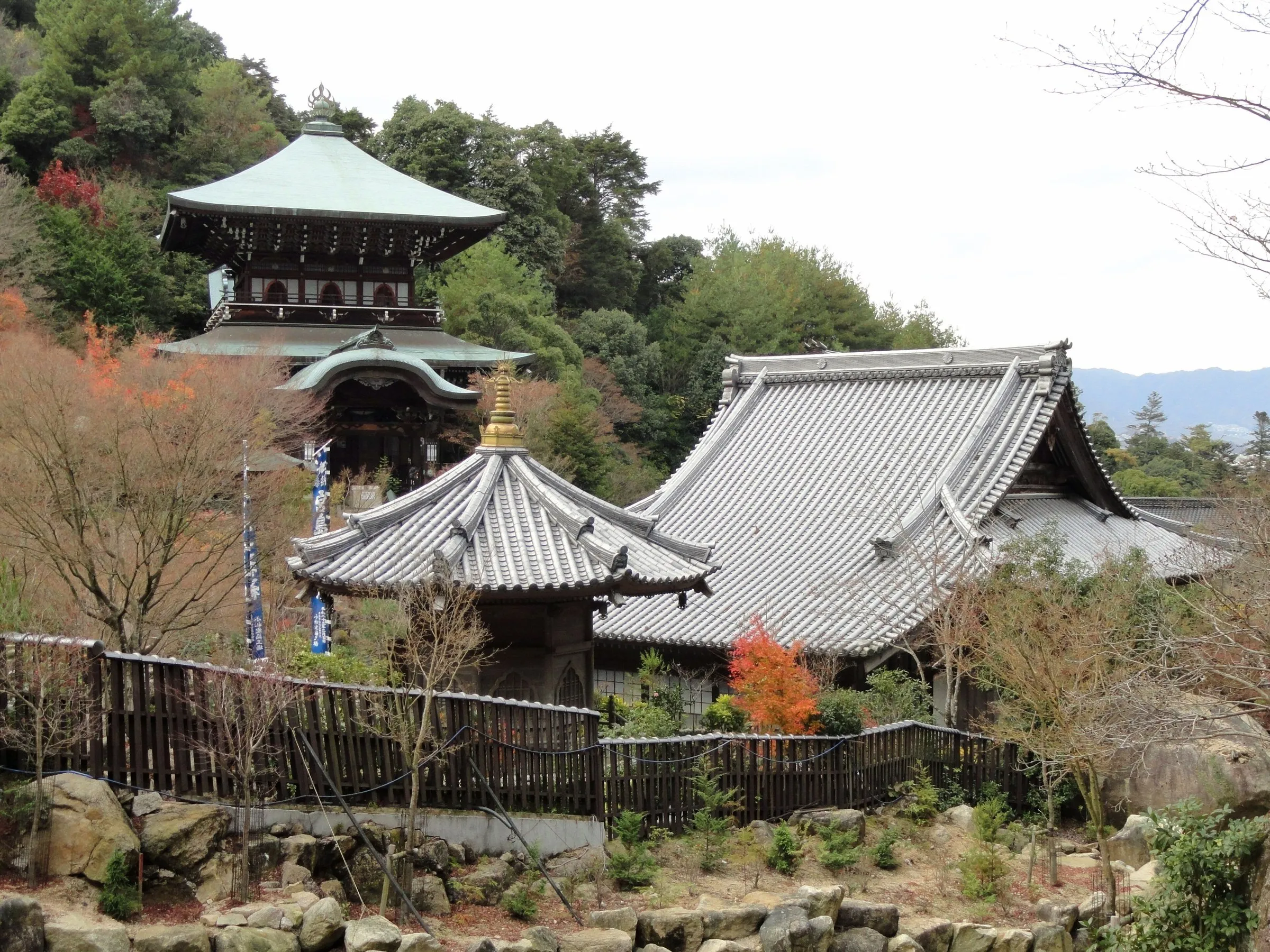 10
This Buddhist complex on Miyajima leads you from the seafront to the stairways and halls of the hillside, with religious images and a long connection to Itsukushima.
View details for Daisho-in Temple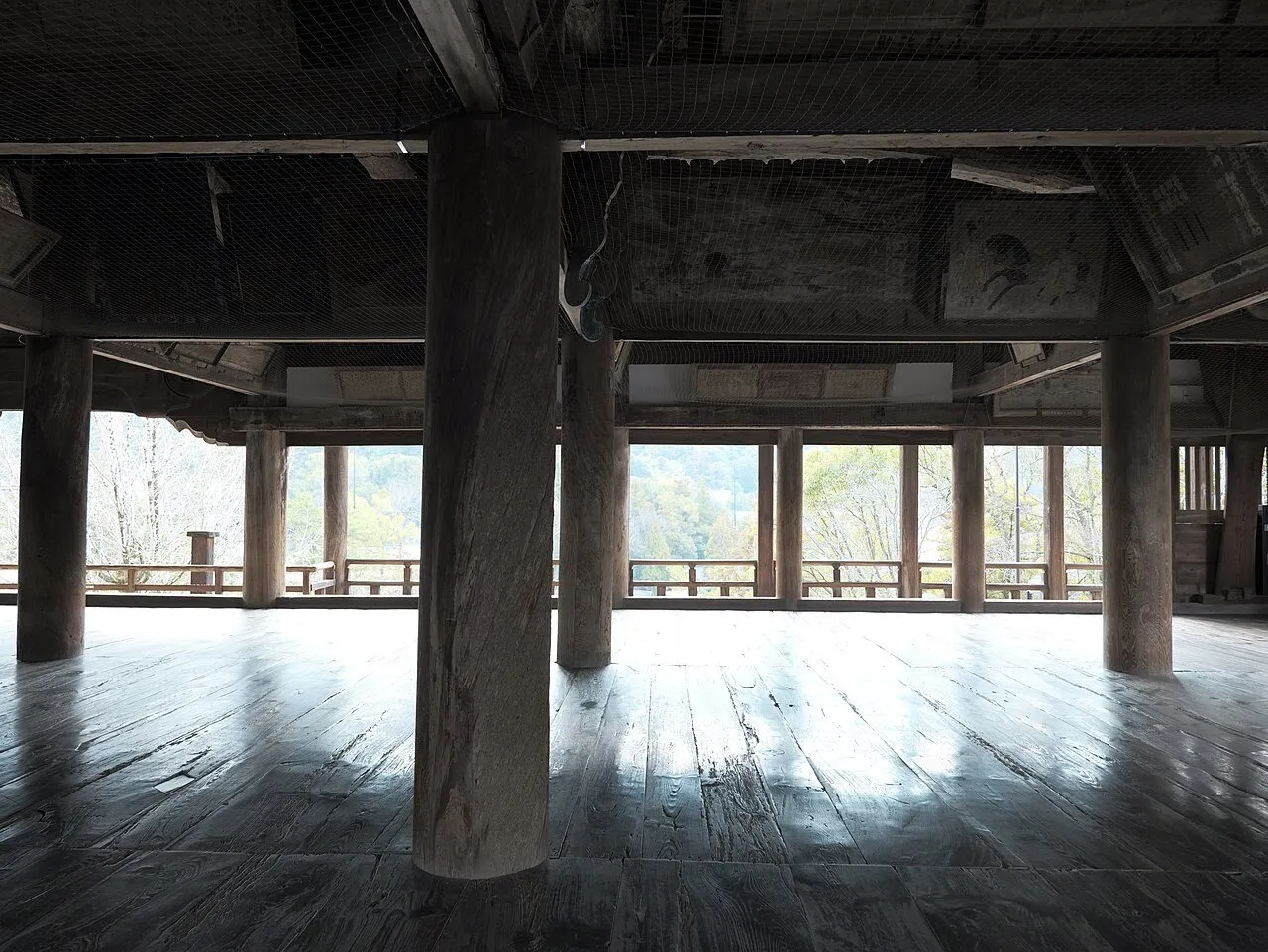 11
Miyajima's great wooden hall keeps exposed beams, open spaces and votive plaques: an unfinished building that invites you to look up.
View details for Senjokaku — Hokoku Shrine1The broken walls and the frame of the dome belonged to an industrial promotion hall. The structure that withstood the blast near the hypocenter was preserved as a witness to the bombing of August 6, 1945. Today the Dome is part of a UNESCO World Heritage Site; you view it from outside the fenced area.
Start by reading the signs before you pick up the camera. The nearby river lets you look at the building from different angles, but the point of the visit is the memory it holds. Then cross over to the park and continue along the memorials, without turning this first stop into a race for photos.
2The park gathers monuments that call for reading and attention. Pass the cenotaph dedicated to the victims and the Children's Peace Monument, surrounded by strings of paper cranes. These folded cranes are tied to Sadako Sasaki, who survived the bombing and later died of leukemia; today they arrive at the park as messages of peace.
The visit works best on foot and with time to stop along the way. Read the dedications and notice how each memorial shows a different human dimension of the tragedy. The Dome, the park and the museum form a set, but it is worth giving the outdoor area your own attention instead of treating it as just a path between buildings.
3Clothes, everyday objects and documents make this history hard to keep at a distance. The Peace Memorial Museum presents the bombing through the people who were affected, and also places the city before and after the attack and the continued existence of nuclear weapons in the world. It is an emotionally demanding visit, with images and accounts of suffering.
Set aside a good part of the day and adjust the pace to how you feel. With children, look at the content beforehand and talk about what they will see. When you leave, allow time to sit and breathe in the park; an appointment right afterward tends to be poor company for this visit.
4Under the Hondori roof, your attention shifts with every shop window: clothes, everyday goods, souvenirs and places to eat share the stroll. The shopping street crosses the center and connects to streetcars, buses and the Astram Line. It is a good reference point if you want to see where the city's everyday bustle is.
Walk in without any obligation to buy, and notice the side exits too, to get your bearings in the neighborhood. After the memorials, the itinerary leaves part of the time open here for a meal and a walk. If you tend to spend more time choosing a souvenir than visiting a museum, add that particular skill to the clock.
5A bridge crosses the pond, an island changes the view, and the path soon introduces another pavilion. Shukkeien was conceived as a garden of condensed landscapes: mountains and valleys appear suggested in miniature. The project is tied to the tea master Ueda Soko and to the Asano family, who governed Hiroshima.
Instead of looking for a single view, walk around the water and compare the scenes that appear. The garden was hit by the bombing and later restored; its present calm does not erase that history. Autumn leaves and flowers in other seasons change the visit, but the charm of the bridges and reflections does not depend on hitting one particular week.
6The keep rises above the walls, surrounded by water and trees. The original castle was destroyed by the bomb; the building you see is a postwar reconstruction. The site lets you see Hiroshima also as a city that grew around a fortress, widening the story beyond the memorials.
Plan the visit around the moats and the exterior. The main keep closed to the public in March 2026, and the operator says that viewing it from outside remains possible. The restored Ninomaru structures round out the route, depending on access conditions. So the plan here is to walk and observe the architecture, without counting on a climb up the keep.
7The collection runs through different paths of painting: Impressionism and other French movements share the collection with Japanese painting in a Western idiom and nihonga, painting in the Japanese tradition. Monet, Renoir and Van Gogh are among the artists represented, but a work belonging to the collection does not mean it is on the wall the day you visit.
Check what is currently on display and choose a few rooms to look at slowly. The stop fits into the Motomachi circuit, next to the castle, without requiring a trek across the city. It is worth comparing how artists from different backgrounds handle landscape, light and portraiture; you leave with more to talk about than a list of famous names ticked off at the door.
8Water follows the path between stone images and temple buildings. Mitaki-dera sits on a wooded slope, away from the flatter circuit of the center, and has a red pagoda and small places of worship. The sound of the waterfalls helps guide a visit made of details rather than a single facade.
Leave time to climb up and down without hurrying, especially if the ground is wet. Mitaki Station, on the JR Kabe Line, is the rail reference for planning your trip; reaching the temple still involves a walk. End the visit in daylight and remember that this is still a place of religious practice, even when the route feels like a walk in the woods.
9At high tide, water surrounds the pillars and makes the shrine look as if it floats. When it drops, it reveals the ground beneath the buildings and completely changes the scene of the great torii. Itsukushima is on Miyajima, an island in the municipality of Hatsukaichi, and deserves a day trip of its own from Hiroshima.
Walk the corridors and notice the relationship between the red wood, the roofs and the sea. The crossing to the island is part of the outing, so do not count only the time at the shrine. Check the tides before choosing the order of your day: the same place offers two readings, and neither follows your preferred breakfast schedule.
10Daisho-in changes the scale of the Miyajima visit: instead of the torii open to the sea, you find stairways, halls and Buddhist images on the hillside. Part of the Shingon tradition, the temple kept close ties with Itsukushima Shrine. Visiting both helps you see that the island's religious history does not fit in a single building.
Enter the permitted spaces, look closely at the images and make way for anyone who is there to pray. The details are spread across the complex, so it is worth slowing down and choosing what to look at, without trying to cover every corner. The climb also needs a margin in your day; squeezing the temple between two lines tends to steal the most interesting part of the visit.
11Exposed beams and unpainted wood give Senjokaku a presence very different from the red corridors by the sea. The hall, also called Hokoku Shrine, was left unfinished and holds votive plaques inside. Its name is usually translated as the hall of a thousand tatami mats, a nod to the breadth of the building.
Here, the architecture is the main subject: follow the joints, the marks in the wood and the succession of pillars, without looking for a row of shop windows. It is a short pause that fits after lunch or between the island's religious sites. When planning your arrival, treat Senjokaku and Hokoku as names for the same spot, so you do not end up booking two time slots for a single stop.
Use Hiroshima Station as your reference point for arriving by Shinkansen and connecting to the city's streetcars and buses. Choose your hotel with your outings in mind: staying near the station makes regional trips easier; the center puts you closer to the memorials and Hondori.
Hiroshima Airport is outside the center and has buses to the station and the Hiroshima Bus Center. Check the destination and schedule before boarding, and leave a margin for traffic on the way back to the airport.
Give priority to anyone paying their respects, keep your voice low and follow the photography rules. At the museum, consider the content before bringing children and take whatever breaks you need.
Carry some cash in yen for small businesses and check what each ticket covers. Compare any passes with the trips you will actually make, considering the city and Miyajima separately.
Spring and autumn are good choices for combining gardens and walks. How the flowers and leaves look depends on the year; check the forecast and adapt your Mitaki visit to the condition of the ground, wearing shoes that grip well on damp stretches.
Include the train and ferry out and back in your island day. Reconfirm the last departures, the temples' hours and the tide forecast; having the torii as your goal should not make you miss your return connection.
A meal in Hiroshima can start with watching the griddle: the okonomiyaki takes shape bit by bit, with cabbage, noodles and egg over a batter base. It is a good reason to pick a seat where you can follow the cooking. The prefecture also produces oysters, lemons and sake; check the menu to try these specialties without turning every dinner into a mission with four addresses.
Batter, cabbage, noodles and egg stacked in layers, often with pork; check the ingredients and possible adaptations at the restaurant.
A specialty of the prefecture, found in preparations such as grilled and fried; choose the style and the restaurant to suit your preference.
The prefecture has many sake producers, notably Saijo, in Higashihiroshima; to go with your meal, ask for a local recommendation.