 1
Historic monuments
Red Fort (Lal Qila)
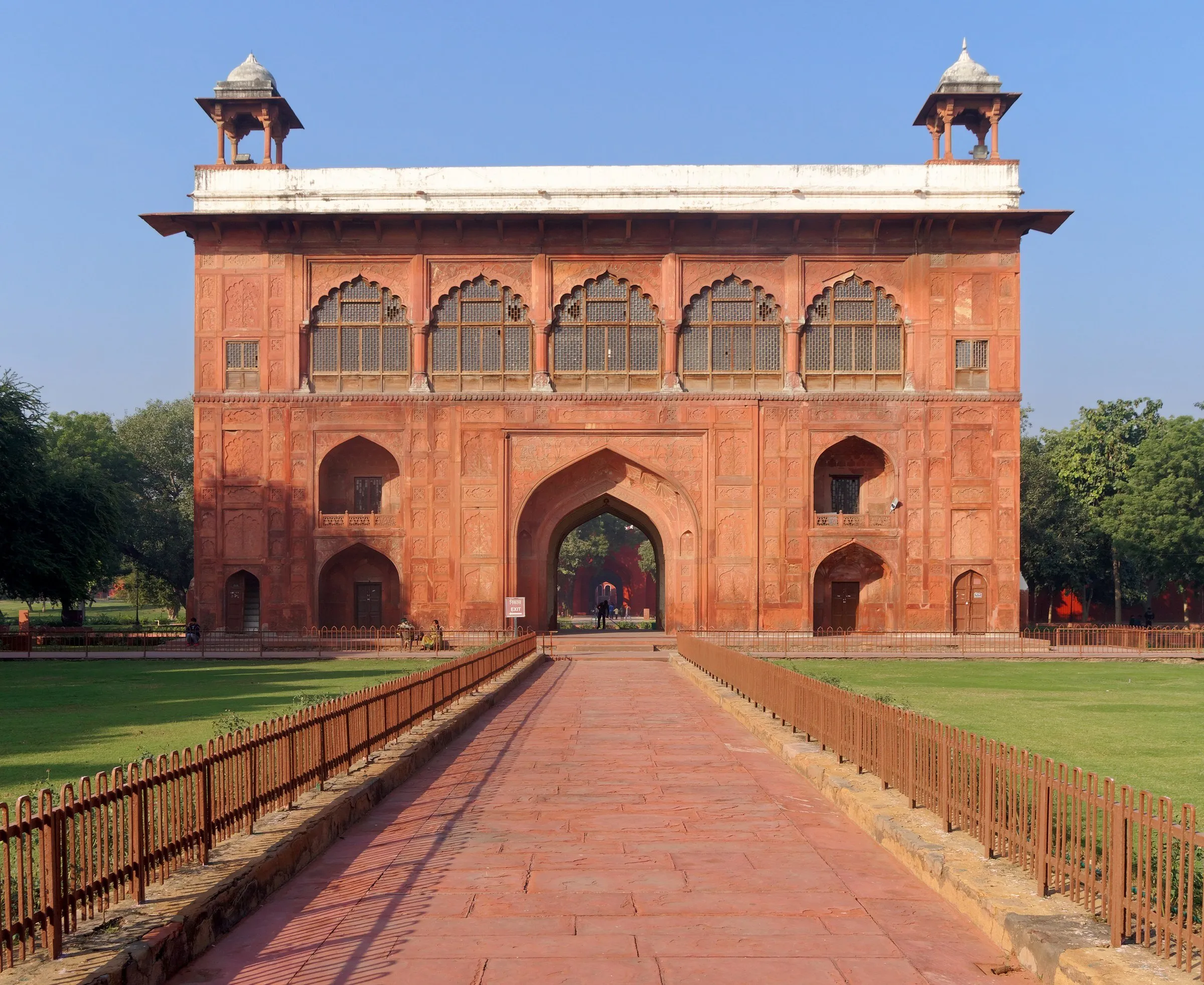
Red sandstone walls that Shah Jahan had built starting in 1639, when he moved the Mughal court from Agra to Delhi. A UNESCO World Heritage Site since 2007.
View details for Red Fort (Lal Qila)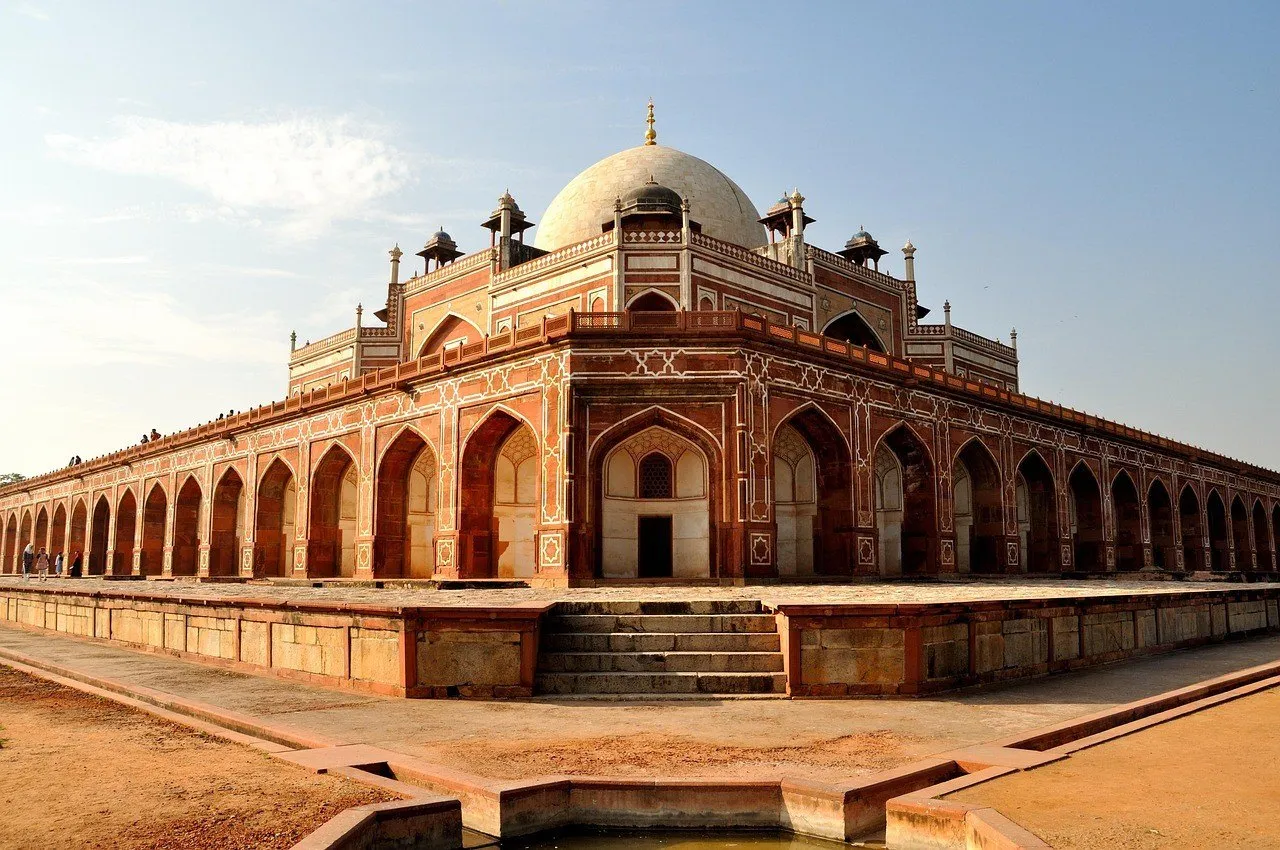
In Delhi, in a single afternoon you can leave your shoes at the door of a 17th-century mosque and of a gold-domed gurdwara, and somewhere along the way a stuffed paratha arrives hot at your table.
Before you plan anything, it helps to clear up a naming mix-up. Delhi is the capital territory, a metropolis of almost 1,500 km² (about 580 sq mi). New Delhi is the part of it that serves as India's capital: the British planned it after the seat of government moved from Calcutta in 1911, and it was inaugurated in 1931. Old Delhi, meanwhile, is the former Shahjahanabad, the city of the Mughal emperors. This guide covers both, because a traveler moves from one to the other without noticing the border.
In practice, the trip splits into three worlds. Old Delhi has the Red Fort, the Jama Masjid and the lanes of Chandni Chowk, where you walk slowly and eat well. In the New Delhi of Edwin Lutyens, wide avenues lead to India Gate. And scattered around the city are monuments ranging from the Qutub Minar, from the late 12th century, to Humayun's Tomb, plus modern temples such as the Lotus Temple and Akshardham. Between one and the next, the metro handles a good share of the getting around.
Many of the city's most beautiful places are houses of worship in daily use: mosques, Sikh gurdwaras, Hindu and Bahá'í temples. That calls for a little preparation, such as clothing that covers shoulders and knees, a scarf in your bag and socks for the moments without shoes. In return, you get some of the best memories of the trip, like sitting on the floor for a meal in a gurdwara's langar.
Chandni Chowk means something like "moonlight square": in the 17th century, a pool in the middle of the street reflected the moon.
India Gate has 13,313 names inscribed on it, of soldiers killed in World War I and the Third Anglo-Afghan War.
The origin of butter chicken ended up in court in 2024: two families tied to the Moti Mahal restaurant in Delhi are disputing who invented the dish.
The Peacock Throne, symbol of Mughal luxury, stood in the Red Fort until the Persian ruler Nadir Shah carried it off in the sack of 1739.
In the years after independence, Jawaharlal Nehru and Indira Gandhi used to go to Paranthe Wali Gali to eat parathas.
1Red sandstone walls that Shah Jahan had built starting in 1639, when he moved the Mughal court from Agra to Delhi. A UNESCO World Heritage Site since 2007.
View details for Red Fort (Lal Qila)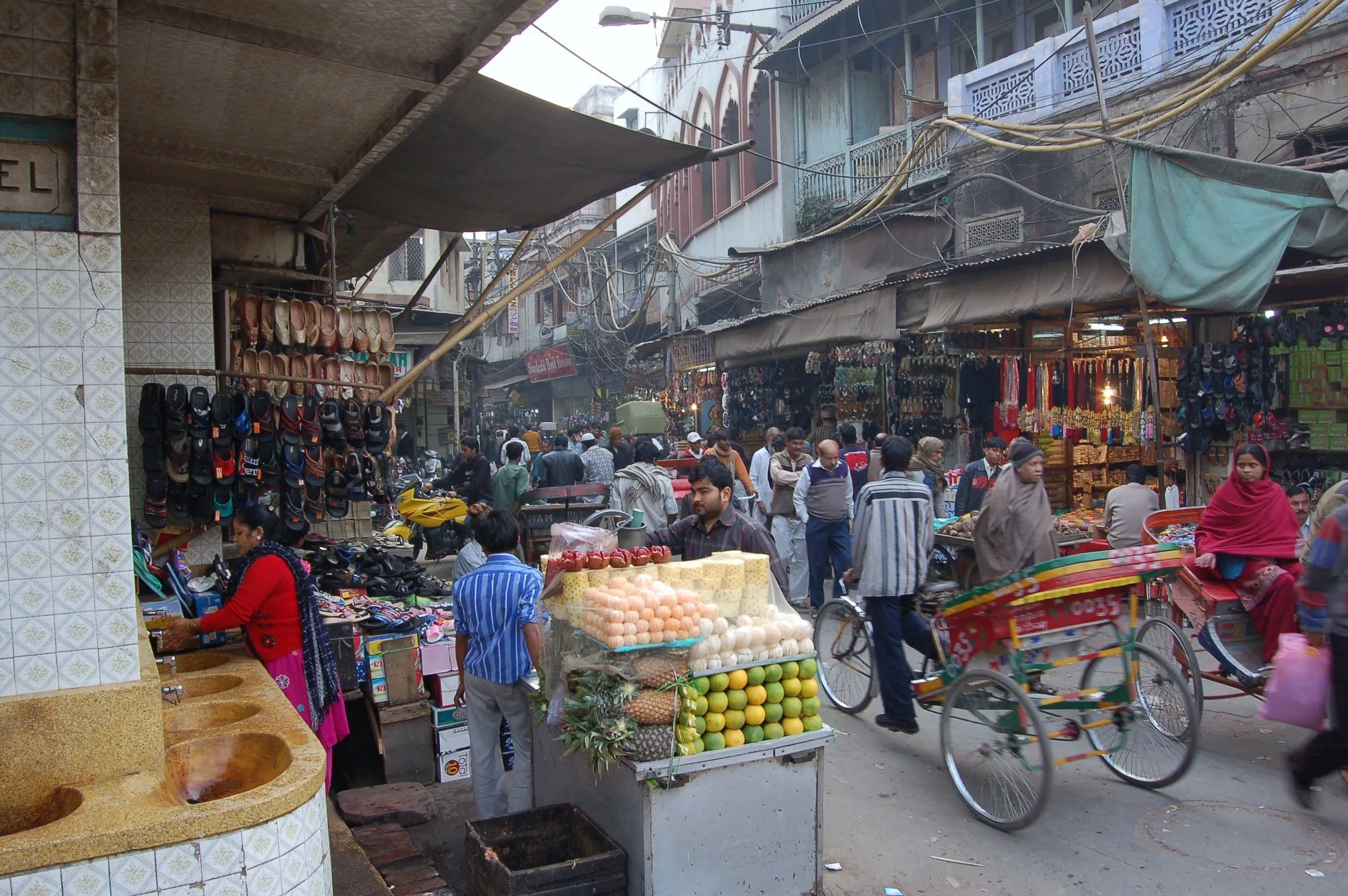 2
The market street designed by Princess Jahanara in 1650, now packed with wholesale shops, a spice market, temples and the famous parathas lane.
View details for Chandni Chowk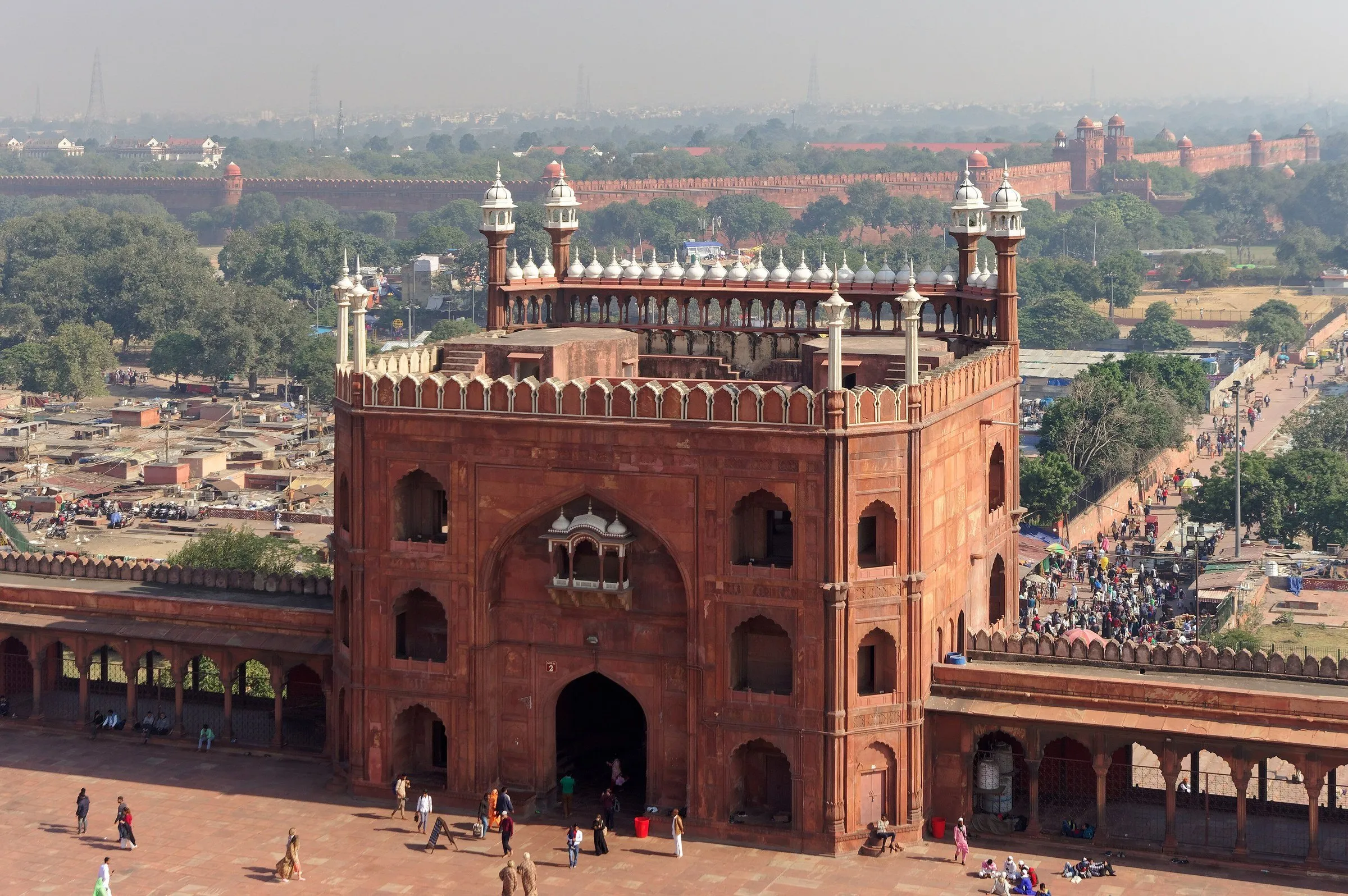 3
Shah Jahan's great mosque, in red sandstone with marble domes, with a courtyard for about 25,000 worshippers and minarets with views over Old Delhi.
View details for Jama Masjid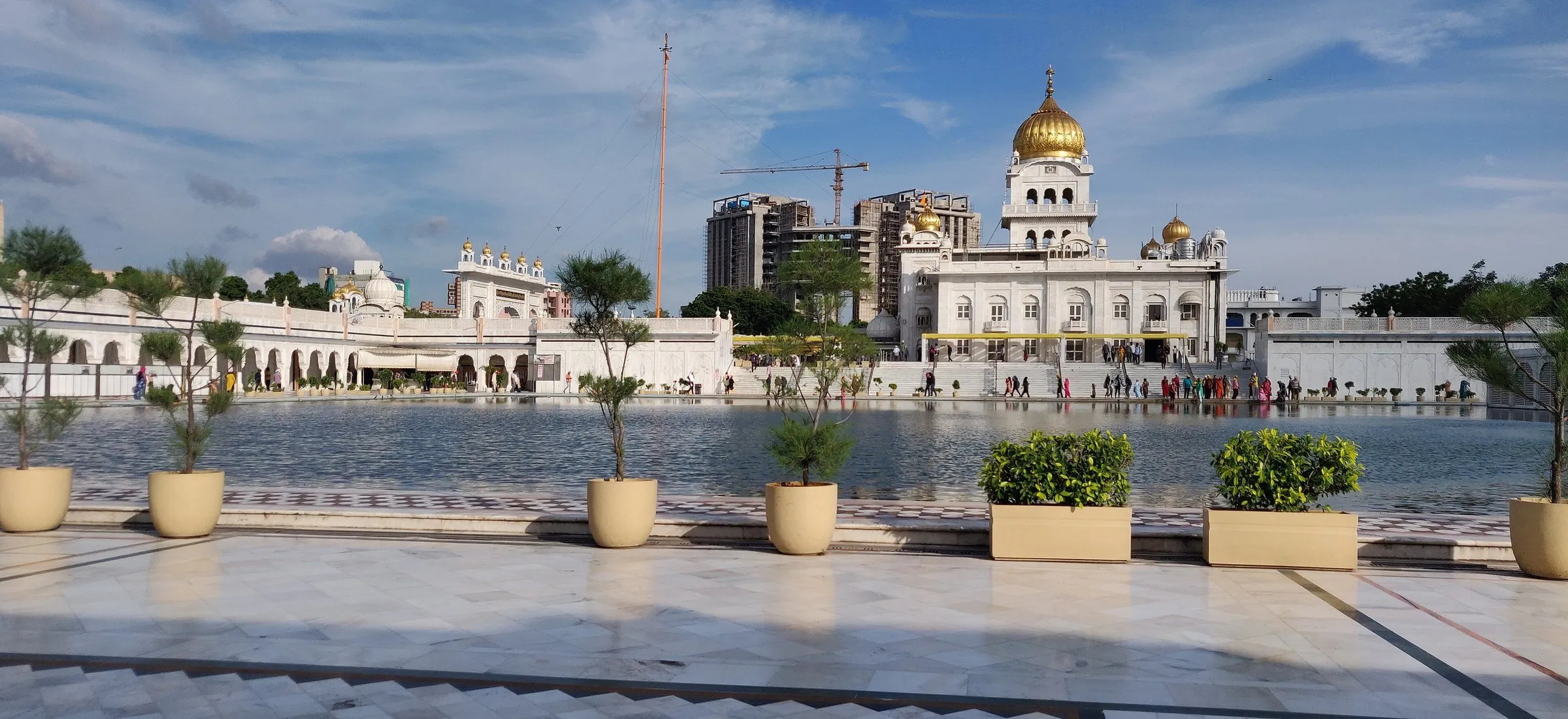 4
A Sikh temple with golden domes near Connaught Place, linked to Guru Har Krishan, with a sacred pool and a community kitchen that serves a free meal to anyone.
View details for Gurdwara Bangla Sahib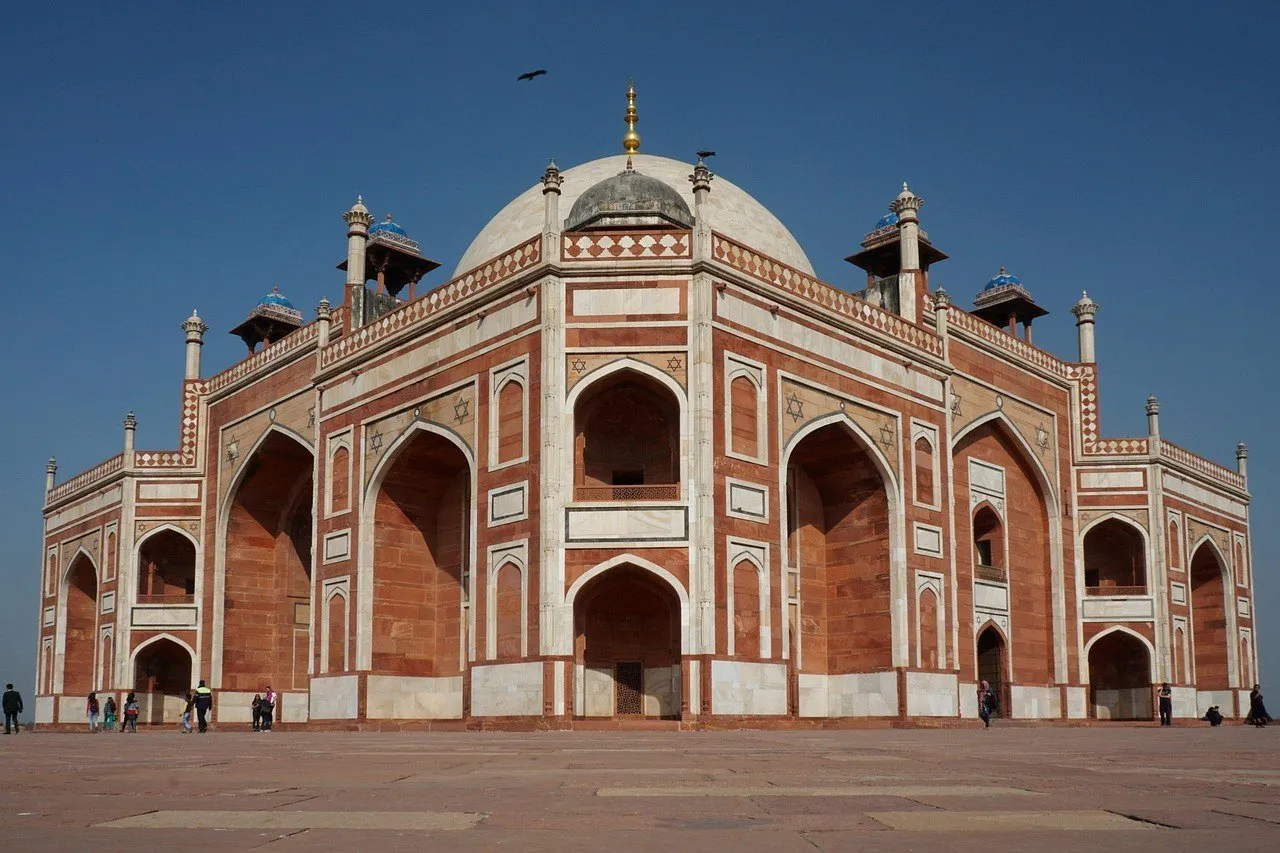 5
The first garden tomb on the Indian subcontinent, commissioned by Emperor Humayun's widow in the 16th century and the model the Mughals would take to its peak at the Taj Mahal.
View details for Humayun's Tomb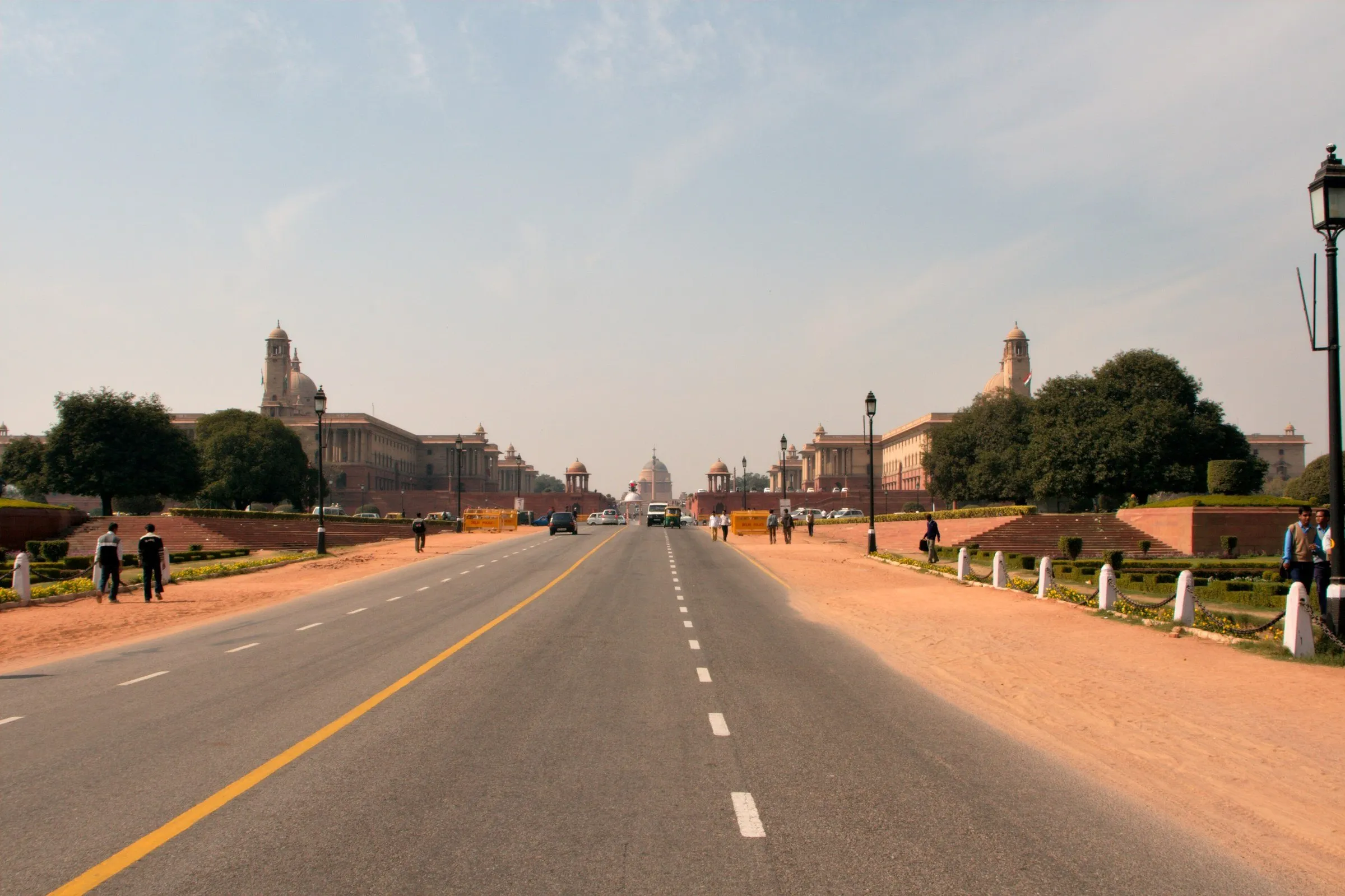 6
Lutyens's ceremonial avenue, formerly Kingsway and Rajpath, linking Rashtrapati Bhavan to India Gate and hosting the Republic Day parade every January 26.
View details for Kartavya Path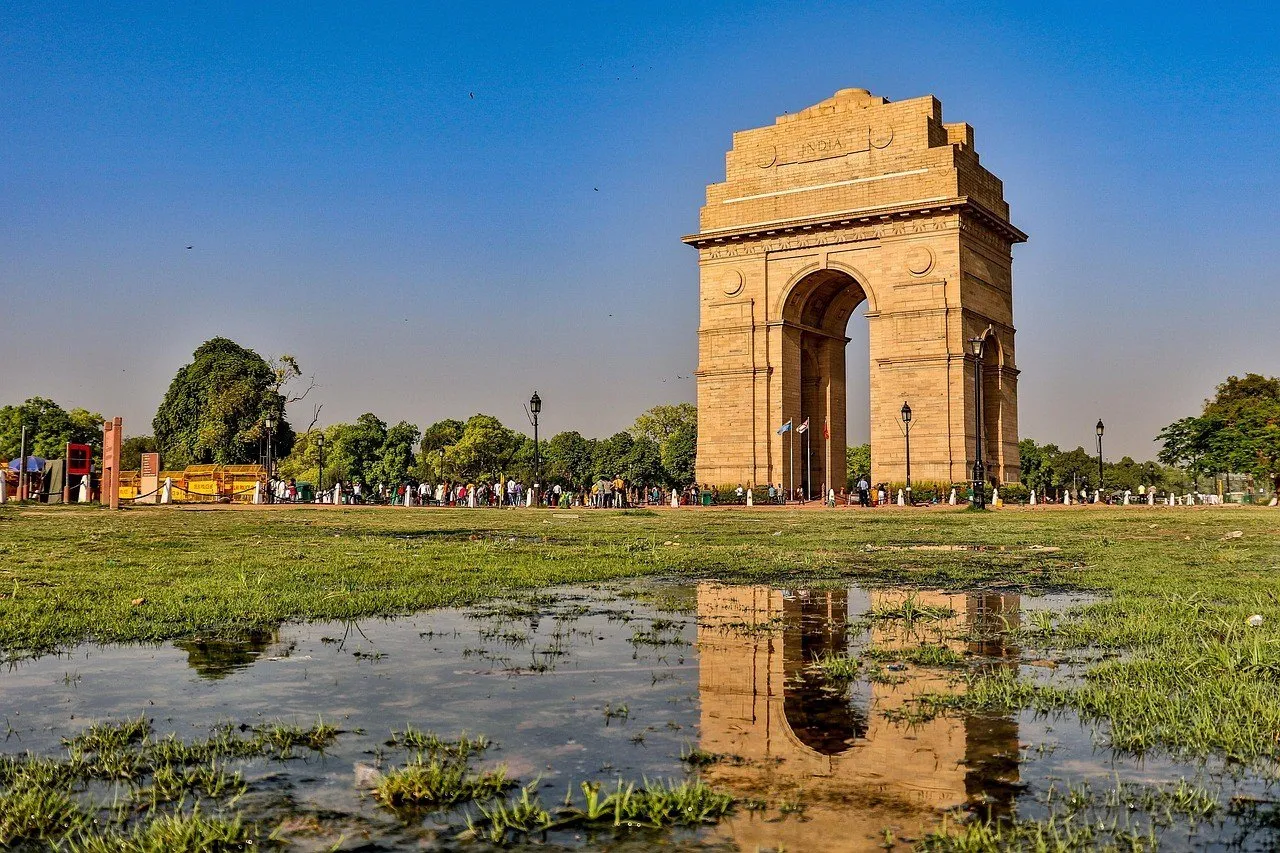 7
A 42-meter arch designed by Edwin Lutyens and inaugurated in 1931 in memory of the Indian soldiers killed in World War I and the Third Anglo-Afghan War.
View details for India Gate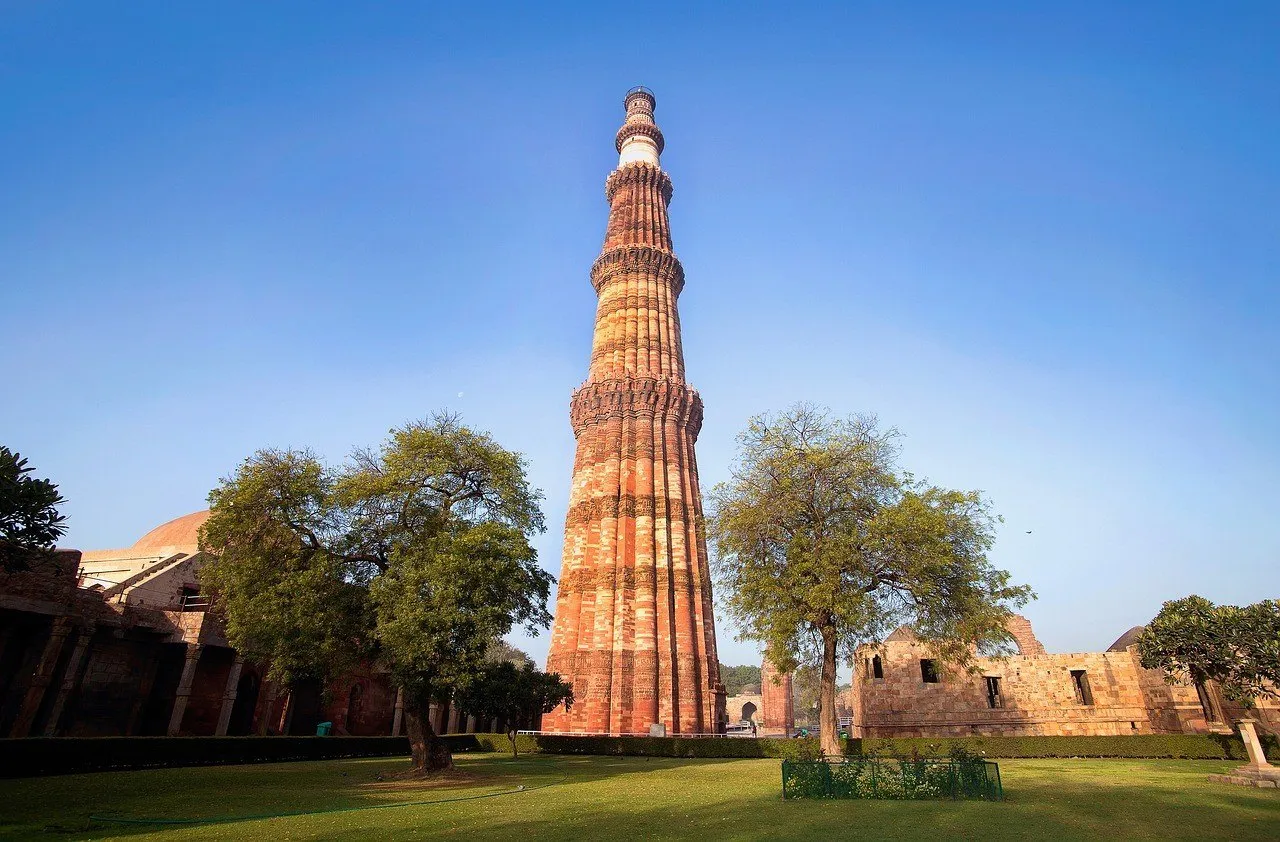 8
A 72.5-meter minaret begun in 1199, with five sandstone stories, in a complex that also holds an iron pillar with a 4th-century Sanskrit inscription.
View details for Qutub Minar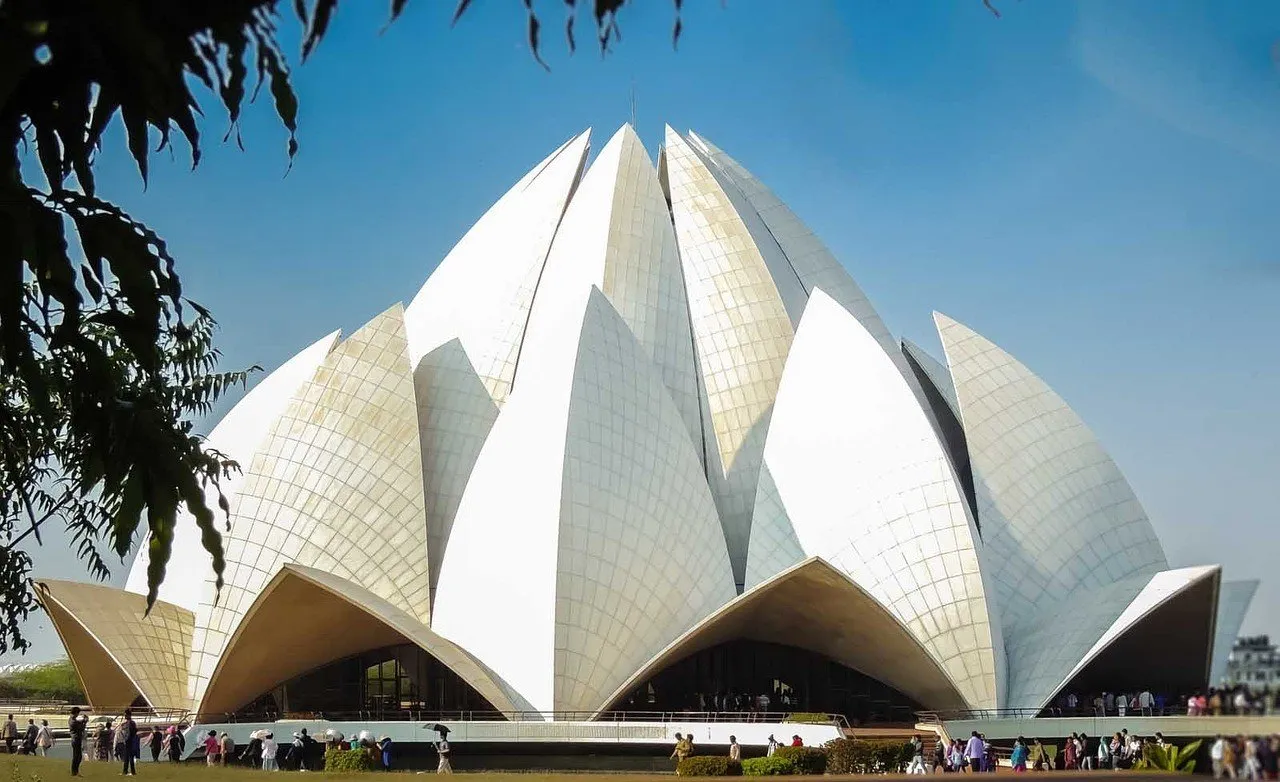 9
A Bahá'í house of worship with 27 marble-clad petals in the shape of a half-open lotus, open to people of any religion for silent prayer and meditation.
View details for Lotus Temple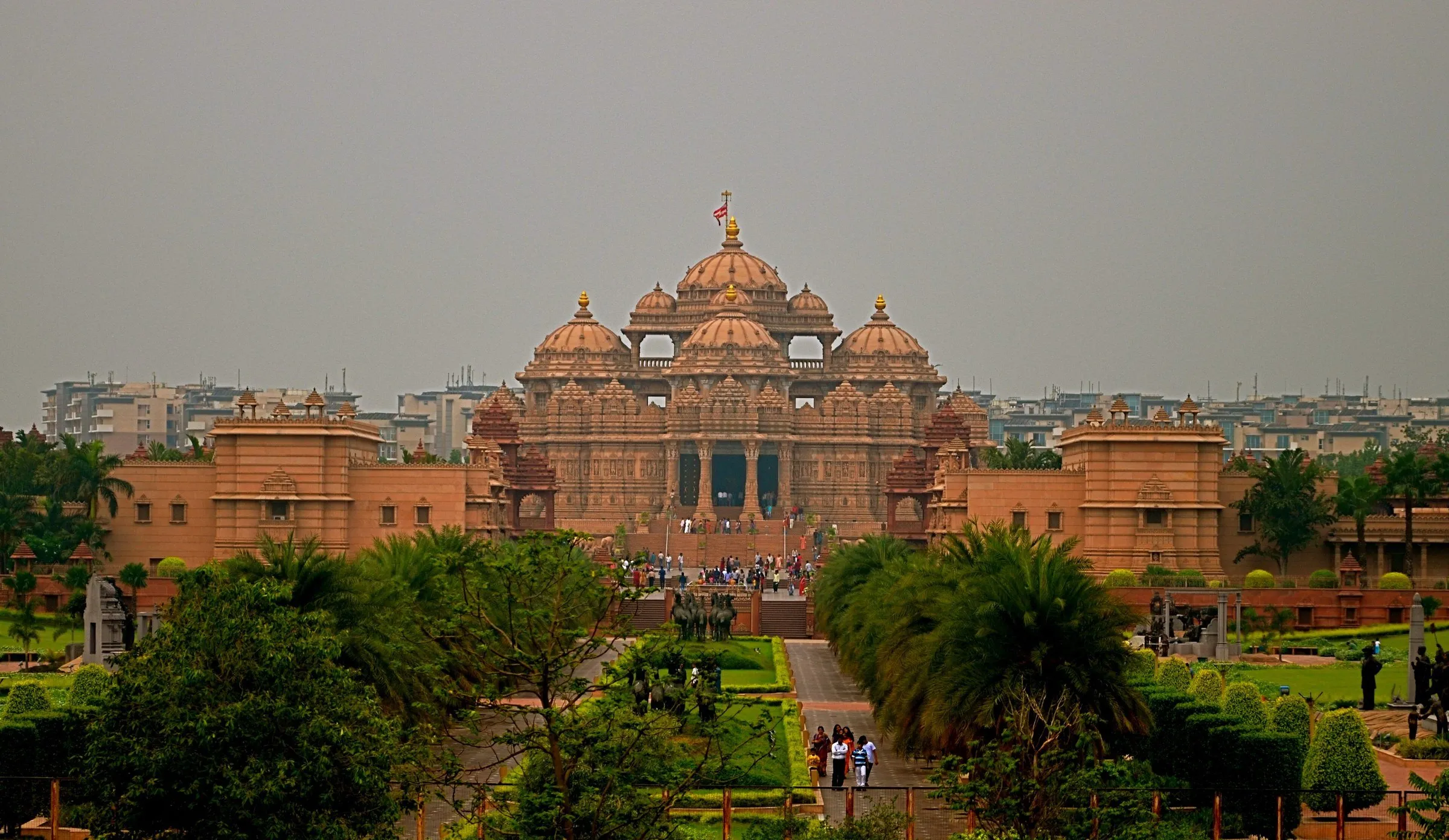 10
A Hindu complex run by the BAPS organization and dedicated to Bhagwan Swaminarayan, with a pink sandstone and marble temple, 234 carved pillars, exhibitions and an evening water show.
View details for Swaminarayan Akshardham1Anyone who enters through the Lahori Gate understands the name at once: the red sandstone of the walls dominates everything and hides, inside, audience halls, pavilions and gardens. Shah Jahan ordered the work in 1639 to move the Mughal capital from Agra to here, and the architect Ustad Ahmad Lahori is also linked to the Taj Mahal. The original name was Qila-i-Mubarak, the blessed fort.
In the Diwan-i-Aam, the emperor heard the people; in the Diwan-i-Khas, he received the nobility. It was from the fort that Nadir Shah took the Peacock Throne, in 1739. And since 1947, it is from the ramparts above the Lahori Gate that the prime minister raises the flag and gives a speech on Independence Day.
2The 1650 design was by Princess Jahanara, Shah Jahan's daughter, and it had a canal running down the middle of the street and a pool that reflected the moon, hence the name. The pool gave way to a clock tower in the 1870s, but the street never lost its bustle: it is one of India's biggest wholesale markets, with whole lanes of jewelry, electronics and wedding invitations.
The main stretch became a pedestrian walkway in 2021, which makes walking easier. For the nose, the destination is Khari Baoli, the spice market; for the stomach, Paranthe Wali Gali. Along the way you pass the Gurdwara Sis Ganj Sahib and the Jain temple Lal Mandir.
3Three sandstone gateways lead to the courtyard, and the scale only reveals itself inside: it holds about 25,000 people, with a marble ablution pool in the center. The official name, Masjid-i-Jahan-Numa, can be translated as "the mosque that reflects the world." Shah Jahan, the same one behind the Red Fort, had it built in the mid-17th century, with three marble domes over the prayer hall.
The two minarets are 41 meters (135 ft) tall, and the climb rewards you with a wide view of the rooftops of Old Delhi. It is a mosque in daily use: you enter barefoot, in clothing that covers arms and legs, and the visit should avoid prayer times. Friday is the busiest day.
4In 1664, the eighth Sikh guru, Guru Har Krishan, stayed in a palace that stood on this site and, during a smallpox and cholera epidemic, handed out well water to those in need. He fell ill and died the same year. A small shrine appeared in 1783 and grew into today's white marble complex, with the sarovar, the sacred pool, where the old well once was.
The heart of the visit is the langar: volunteers serve vegetarian meals to anyone, regardless of caste, color or creed, and everyone eats side by side, seated on the floor. Before going in, take off your shoes, wash your feet and cover your head. Photos are not allowed inside the main shrine.
5Before the Taj Mahal, there was this dress rehearsal. Commissioned by Empress Bega Begum, Humayun's first wife, and designed by the Persian architect Mirak Mirza Ghiyas, who died before it was finished and left the work to his son, it was the first garden tomb on the subcontinent and the first building to use red sandstone on this scale. The charbagh garden covers about 12 hectares (30 acres).
So many members of the imperial family were buried here that the place earned the nickname "dormitory of the Mughals." A major restoration by the Aga Khan Trust for Culture with the Archaeological Survey of India, finished in 2003, gave the complex its shine back; it has been a World Heritage Site since 1993.
6Lutyens called this stretch the "ceremonial axis," and the idea was to impress: on top of Raisina Hill stands Rashtrapati Bhavan, and the avenue runs in a straight line, passing Vijay Chowk, to India Gate and the National War Memorial. It was Kingsway in British times, became Rajpath after independence and, in September 2022, took the name Kartavya Path.
This is where the Republic Day parade passes, every January 26, and on the 29th the Beating the Retreat ceremony takes over Vijay Chowk. On other days, the avenue, reopened in 2022, is a long, flat stroll that pays off most in the late afternoon.
7It is 42 meters (138 ft) of stone with 13,313 names inscribed, of soldiers of the British Indian Army killed in World War I and in the Third Anglo-Afghan War of 1919. Lutyens, the same architect as the avenue, signed the design; the foundation stone was laid in 1921 and the memorial was inaugurated ten years later, under the name All India War Memorial.
Under the arch, from 1972 to 2022, burned the Amar Jawan Jyoti, a flame honoring the soldiers killed in the 1971 war, now merged with the flame at the National War Memorial nearby. About 150 meters away stands the canopy that once sheltered a statue of King George V, removed in 1968; since 2022, it holds a statue of Subhas Chandra Bose.
8Qutb ud-Din Aibak began the tower in 1199 and only finished the first story; his son-in-law, Iltutmish, added three more. After lightning damaged the top in the 14th century, Firuz Shah Tughlaq rebuilt the upper part and added another story. The result: 72.5 meters (238 ft) of red and gray sandstone, with bands of inscriptions that will give your neck a workout.
The complex, a World Heritage Site since 1993, includes the Quwwat-ul-Islam Mosque, the oldest surviving mosque of the Delhi sultans, and the iron pillar with a 4th-century Sanskrit inscription. Look for the lone cupola on the lawn: a leftover from a 19th-century restoration, it earned the nickname Smith's Folly.
9From a distance it looks like a flower resting on the lawn; up close, it is 27 free-standing petals clad in white Pentelic marble, brought from Greece, in three rings of nine. Designed by the architect Fariborz Sahba and dedicated in December 1986, the temple is 40.8 meters (134 ft) tall, and the central hall seats 1,300 people.
Anyone may enter, whatever their religion. Inside there are no sermons, rituals or musical instruments: there are readings of sacred texts from various traditions and moments of silent prayer and meditation. The effect is surprising: a full hall and almost no sound.
10Built by volunteers organized by BAPS, the temple dedicated to Bhagwan Swaminarayan combines pink sandstone and Italian Carrara marble. There are 234 carved pillars, nine domes and about 20,000 sculptures, in a density of detail that makes everyone walk more slowly. On the Gajendra Peeth, the carved stories are all about elephants.
Around it are exhibitions, a boat ride of about 15 minutes through dioramas of ancient India and the Narayan Sarovar lake, which gathers water from 151 sacred lakes and rivers. At nightfall, the water show runs for 24 minutes. Phones and cameras go in the free locker before the security check: here, the photo stays only in your memory.
Check the entry rules for your own nationality. The tourist e-Visa is requested on the Indian government's official website (indianvisaonline.gov.in), with options of 30 days, one year and five years. Apply at least four days ahead, make sure the status shows as GRANTED and carry a copy of the authorization.
India requires proof of yellow fever vaccination from travelers arriving from countries with a risk of transmission. Check the vaccination rules for your nationality and for the country you are arriving from, and carry the International Certificate of Vaccination if it applies. The CDC also recommends hepatitis A and typhoid vaccines and notes that malaria is present in Delhi: talk to a doctor before you travel.
Prefer sealed bottled water and wash your hands often: the CDC warns about diseases spread by contaminated water and food, including cholera.
Between October and February, air pollution in northern India can reach severe levels, and in Delhi the worst usually falls between October and December. Anyone with asthma or another respiratory condition should talk to a doctor and check the air quality index every day.
The Delhi Metro has more than 340 km (210 mi) of lines and an express line to the airport. It drops you near several sights in this guide, such as the Kalkaji Mandir (Lotus Temple) and Akshardham stations.
In mosques, gurdwaras and temples, cover your shoulders and knees and be ready to take off your shoes. In the gurdwara, everyone covers their head. At Akshardham, phones and cameras go in the locker before the security check.
In Delhi, the food tells the story of the city. The lanes of Old Delhi hold places with more than a century of stoves kept lit, like the stuffed parathas of Paranthe Wali Gali, served with chutneys, potato curry and pickles. Dishes the world associates with India, such as butter chicken, became famous in Delhi's own restaurants. And there is one meal that won't show up on a restaurant list: the langar of the gurdwaras, vegetarian, free and served to whoever shows up.
Flatbread stuffed with peas, cauliflower, cashews, almonds and even sweet versions. At Paranthe Wali Gali, it comes without onion or garlic, with tamarind and mint chutney.
Chicken in a creamy sauce of tomato, butter and garam masala, with dried fenugreek leaves. Its fame began at Moti Mahal, in Daryaganj, in the 1950s.
Served in a kulhar, the little clay cup, it is the traditional companion to parathas on the most famous lane in Old Delhi.
We use cookies and similar technologies, such as Google Analytics, in accordance with our Privacy Policy and, by continuing to browse, you agree to these terms. You can decline at any time in the policy.