About Red Fort (Lal Qila)
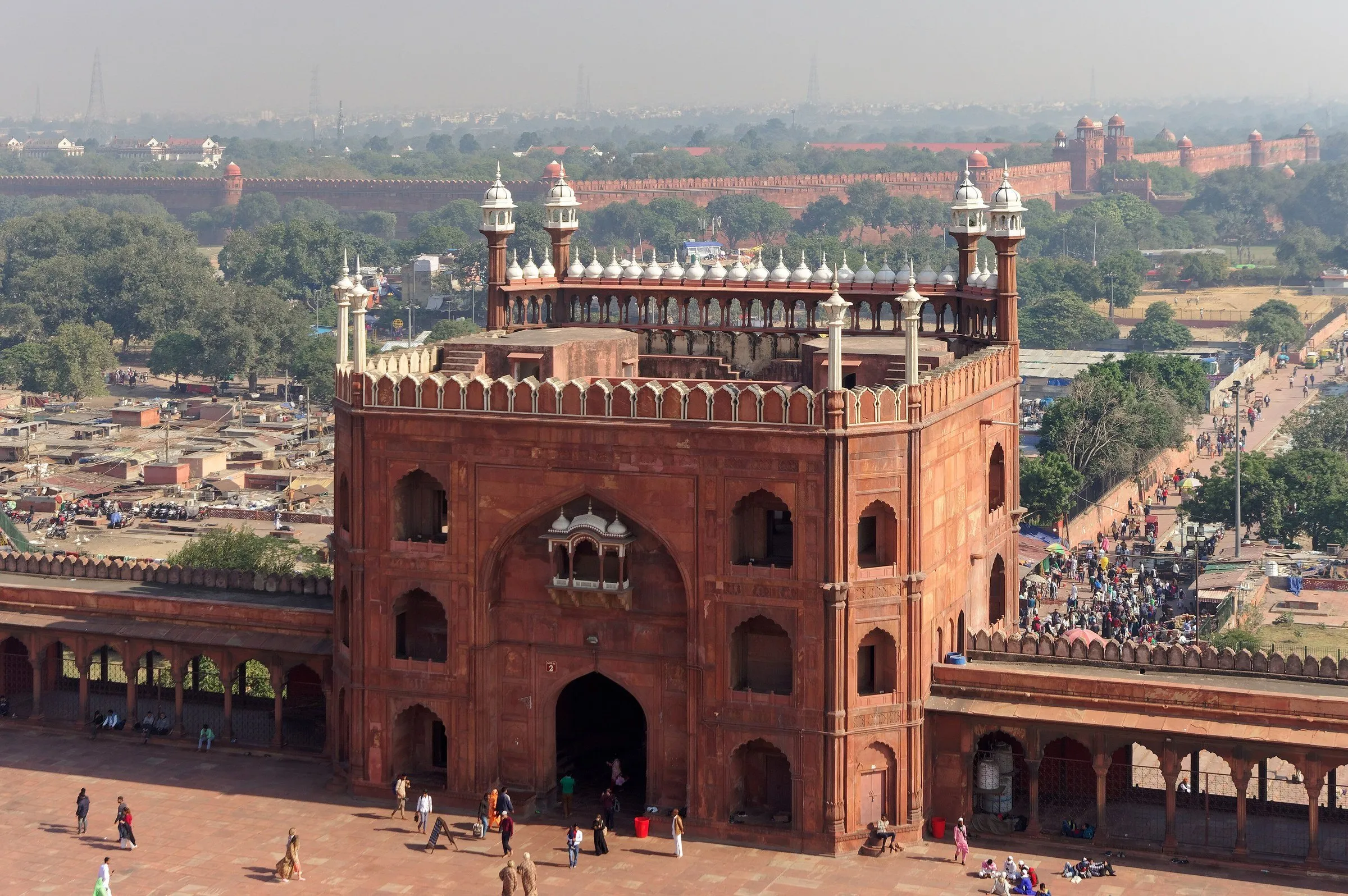
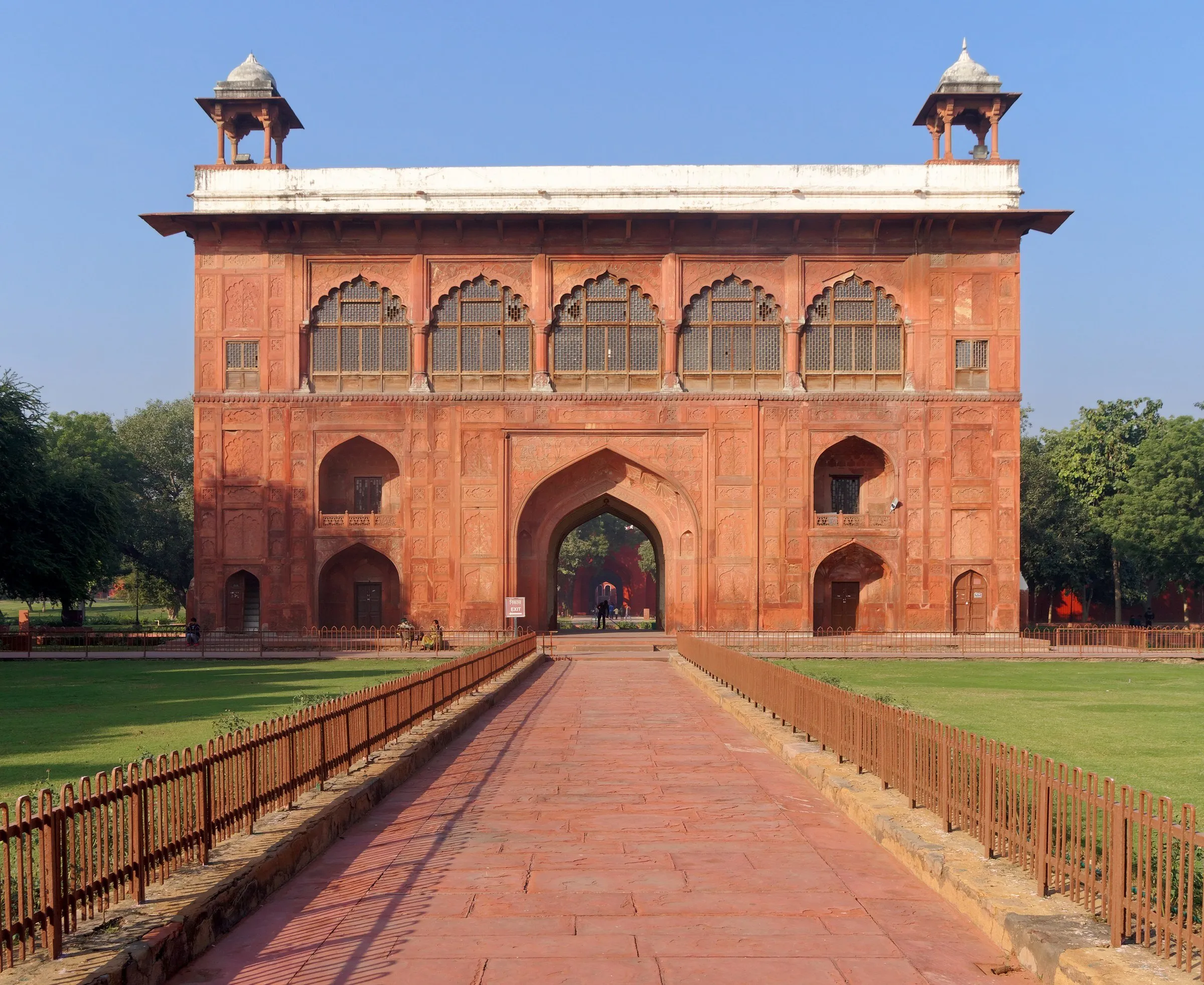
Anyone who enters through the Lahori Gate understands the name at once: the red sandstone of the walls dominates everything and hides, inside, audience halls, pavilions and gardens. Shah Jahan ordered the work in 1639 to move the Mughal capital from Agra to here, and the architect Ustad Ahmad Lahori is also linked to the Taj Mahal. The original name was Qila-i-Mubarak, the blessed fort.
In the Diwan-i-Aam, the emperor heard the people; in the Diwan-i-Khas, he received the nobility. It was from the fort that Nadir Shah took the Peacock Throne, in 1739. And since 1947, it is from the ramparts above the Lahori Gate that the prime minister raises the flag and gives a speech on Independence Day.