 1
Art and architecture
Estación del Norte
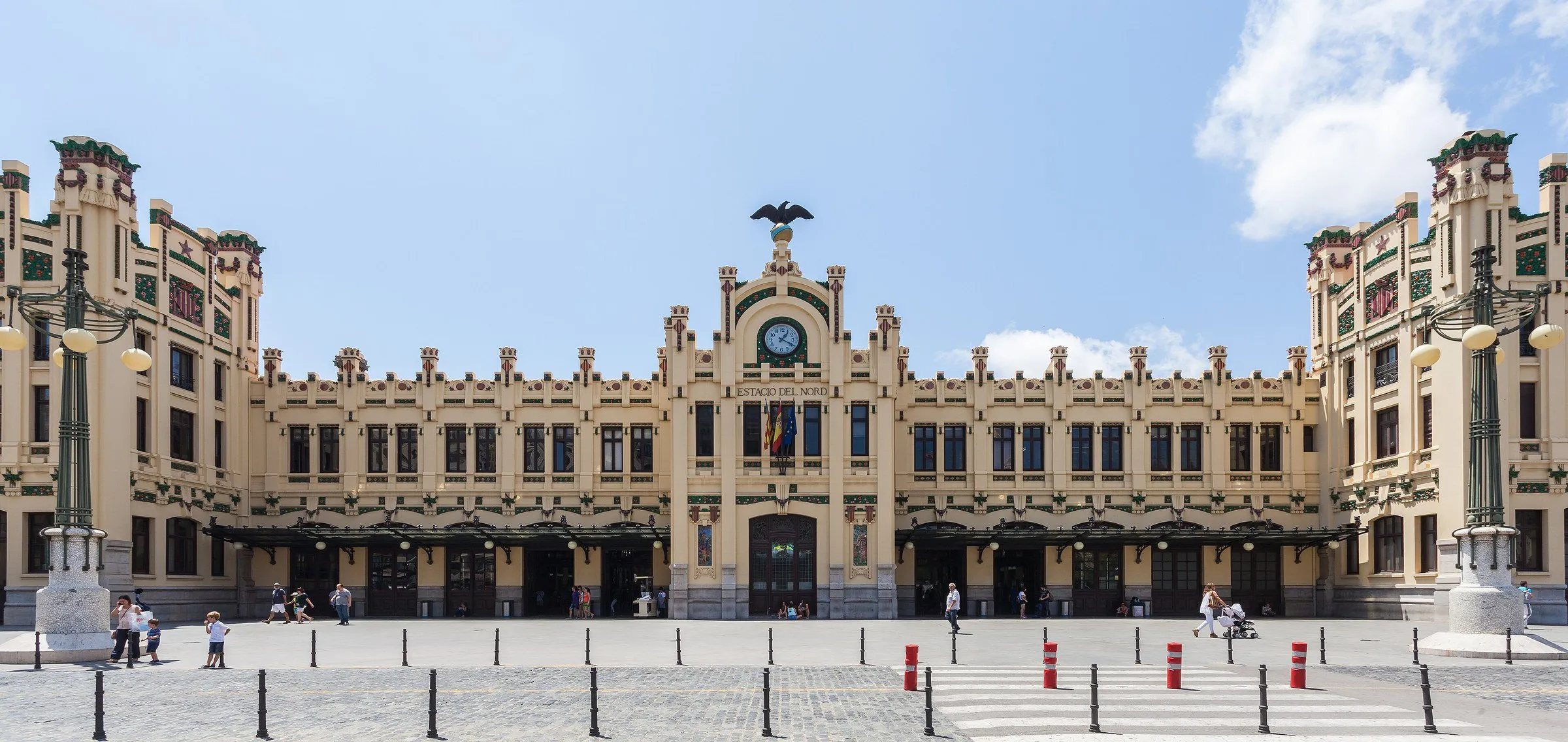
Oranges on the facade, ceramics and mosaics inside: the Estación del Norte turns arriving by train into a small tour of Valencian decoration.
View details for Estación del Norte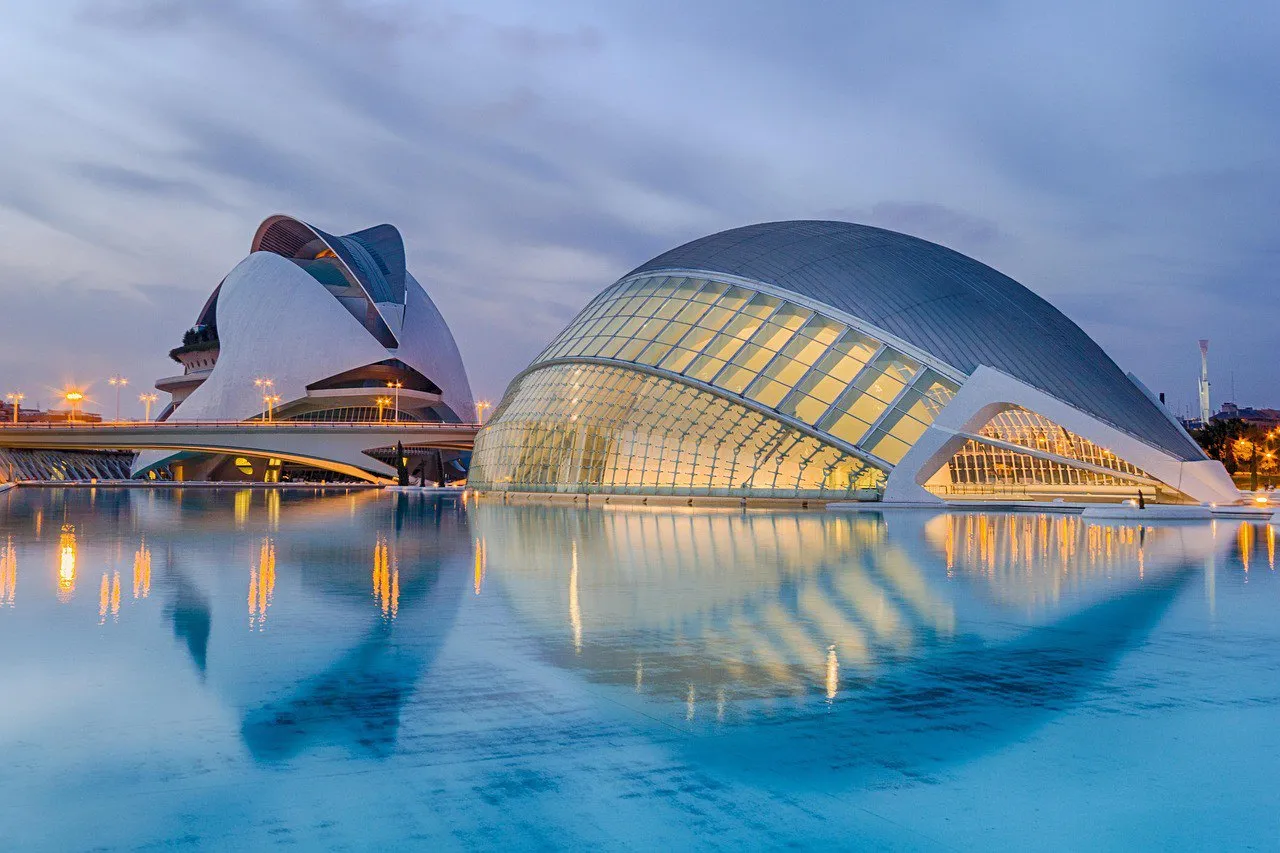
Spain
At the Central Market, you look up from the olives and find a glass dome; then you step out into a city where even the old riverbed became a place to stroll.
Valencia has a curious way of setting priorities: the train station gets oranges on its facade, the market gets a dome and the old Turia riverbed becomes a garden. You can spend the morning among fish stalls and Gothic columns, then walk under the bridges until you reach the white buildings of the City of Arts and Sciences. The distance between these stops calls for planning; the urge to photograph everything has to be factored in too.
Set aside three days for the center, the Turia route and Malvarrosa Beach; with a fourth, add Albufera, where the landscape of rice fields helps explain lunch. Traditional Valencian paella includes chicken, rabbit and vegetables, and horchata de chufa goes with the afternoon break. Our itinerary leaves room for those meals, for stepping into the places that catch your interest and for discovering that sitting down for a while can also be a great travel decision.
The Turia Gardens fill the old path of a diverted river. There were plans to put a traffic route in the space, but the mobilization of residents helped secure its green future.
At the Estación del Norte, oranges and orange blossoms are part of the decoration: Valencian agriculture shows up even in the place where you look for your platform.
Paella is also the Valencian name for the pan in which the rice is cooked; the pan ended up naming the recipe.
1Oranges on the facade, ceramics and mosaics inside: the Estación del Norte turns arriving by train into a small tour of Valencian decoration.
View details for Estación del Norte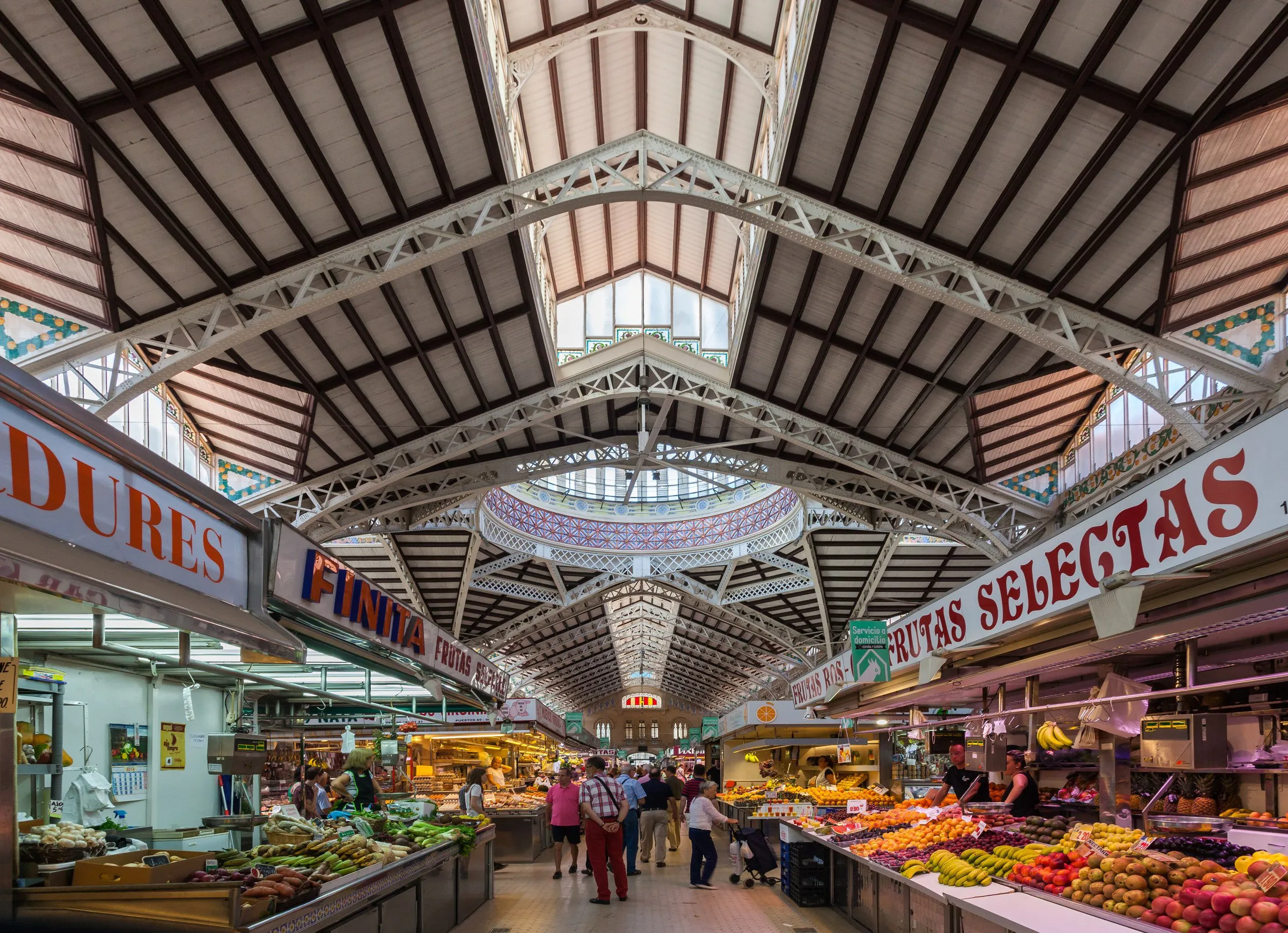 2
Iron, glass and ceramics cover stalls of vegetables, fish and preserves in the historic center; here, looking at the ceiling competes with choosing a snack.
View details for Central Market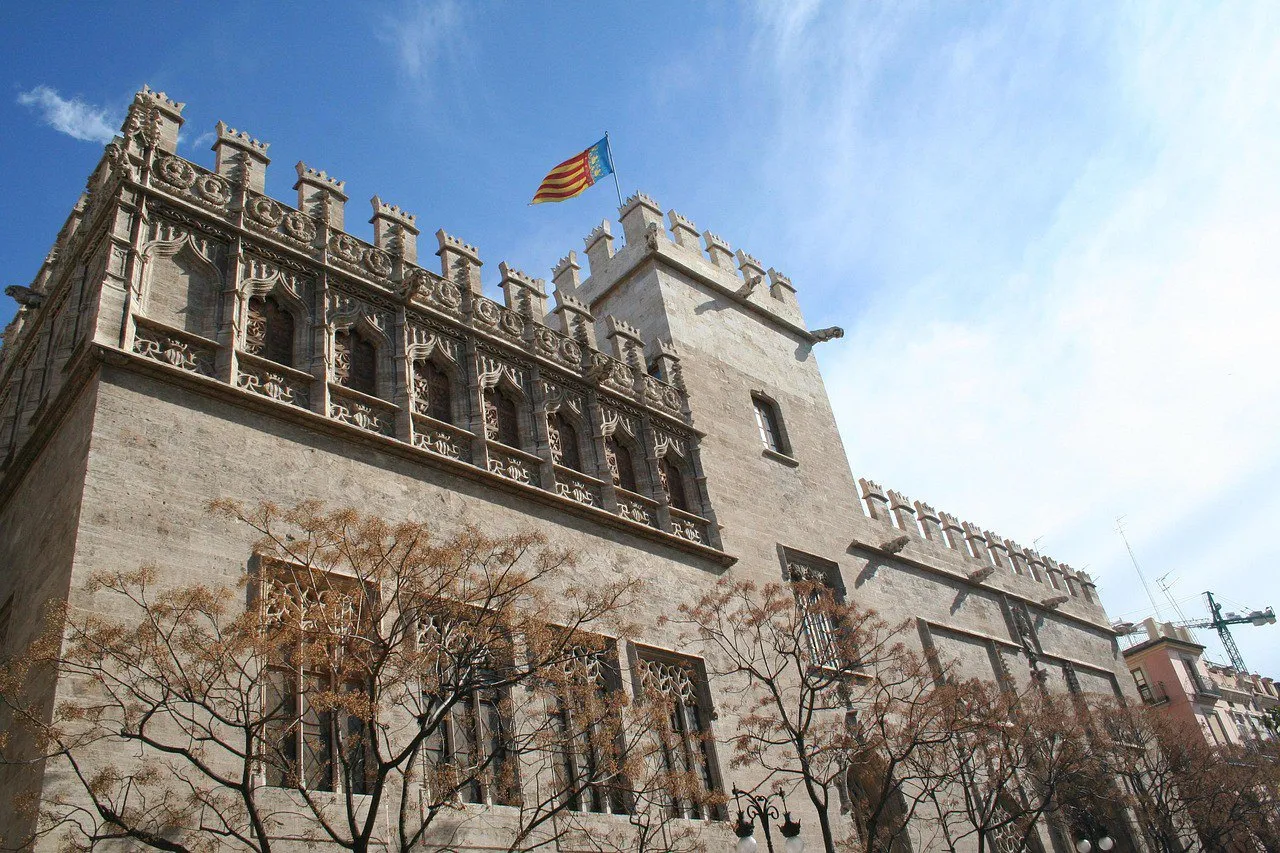 3
In the former silk trading exchange, spiral columns hold up the Gothic hall; the money traded there also knew how to pick a fine address.
View details for Lonja de la Seda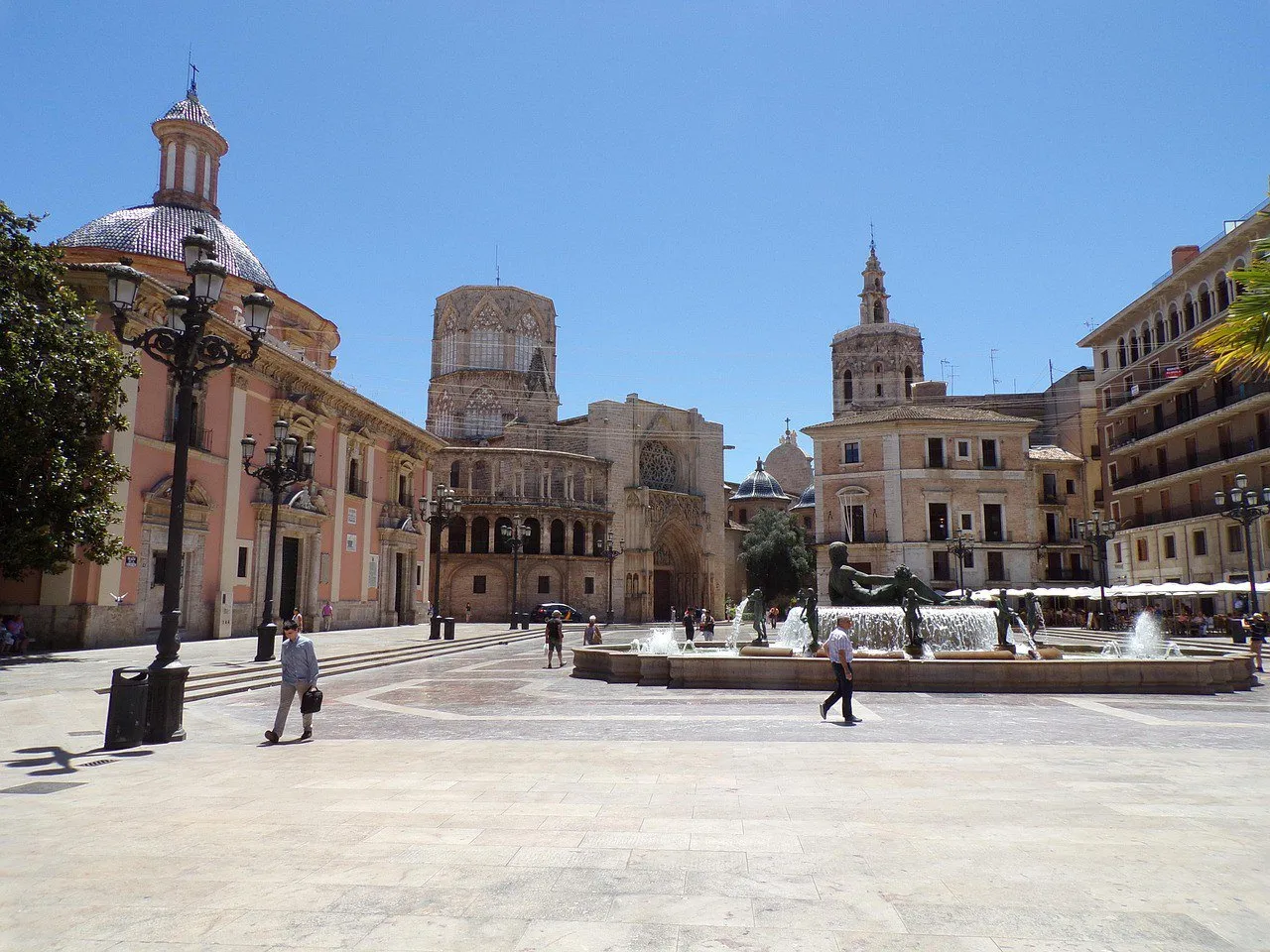 4
Doors in different styles, a chapel dedicated to the Holy Grail and the Miguelete bell tower make the cathedral a visit to see from inside and from above.
View details for Valencia Cathedral and Miguelete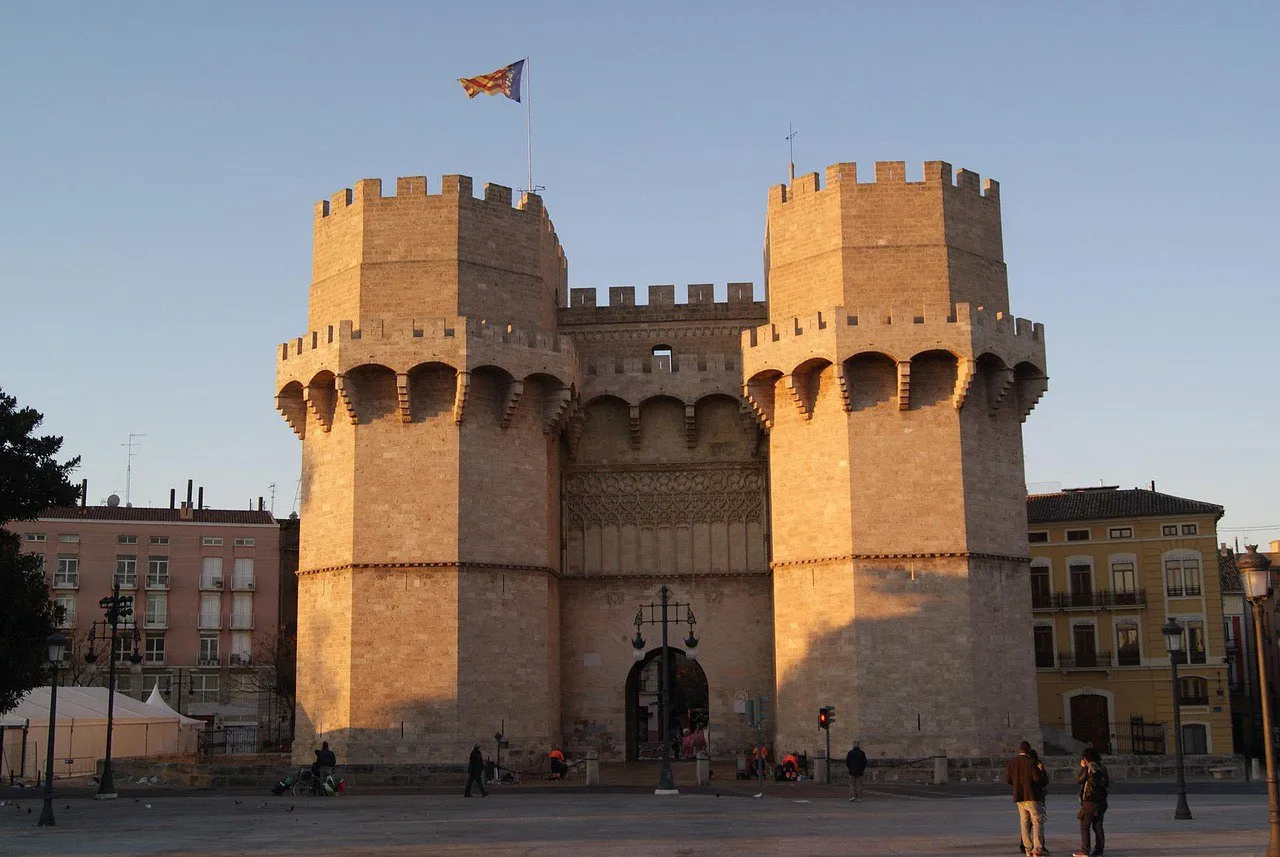 5
A former gate in the city wall keeps its Gothic towers next to the Turia; seen from different sides, they reveal both the defense and the city.
View details for Torres de Serranos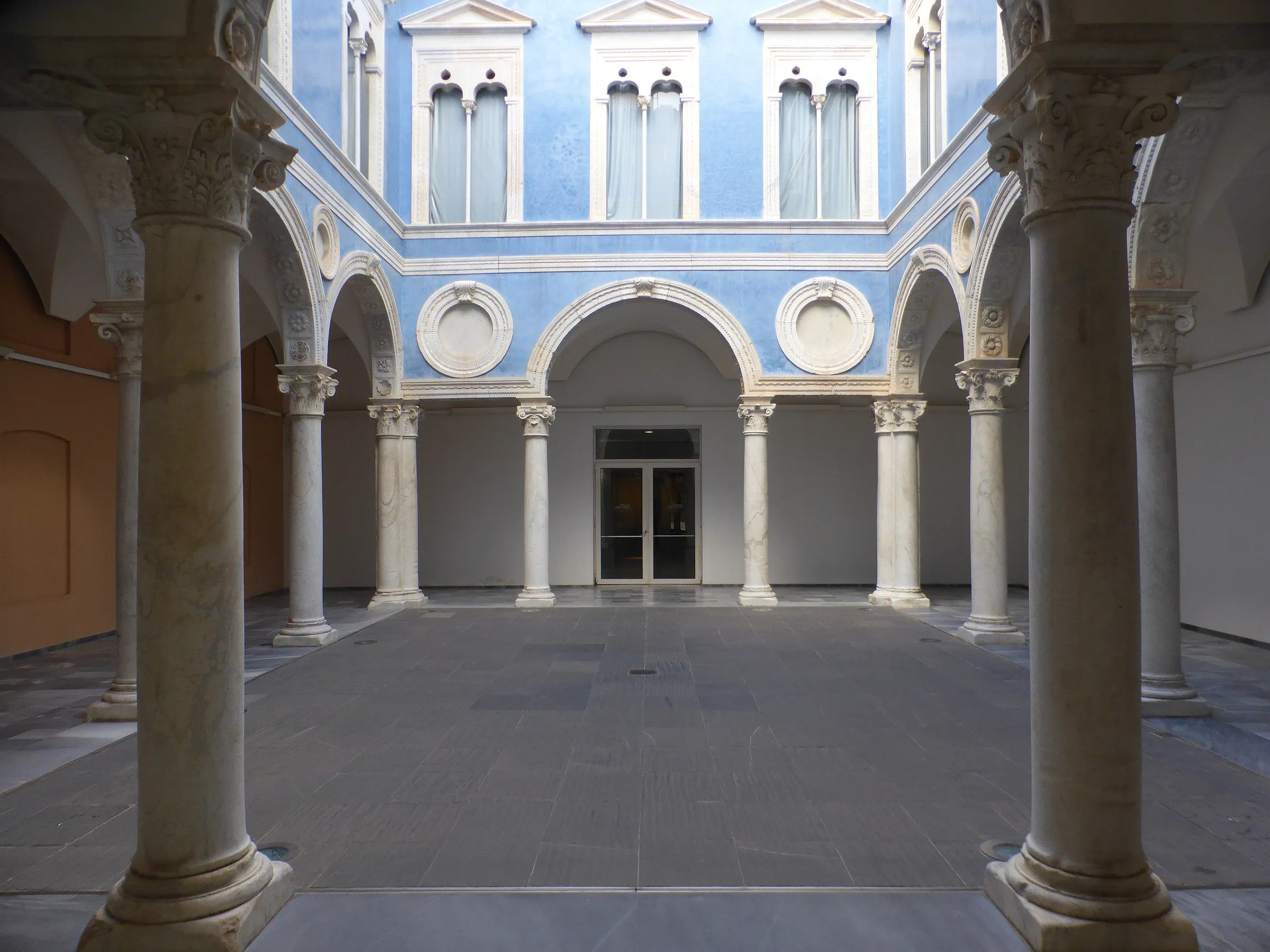 6
Paintings by Sorolla, Gothic panels and the former San Pío V College invite you to explore Valencian art with time to stop in front of the canvases.
View details for Valencia Museum of Fine Arts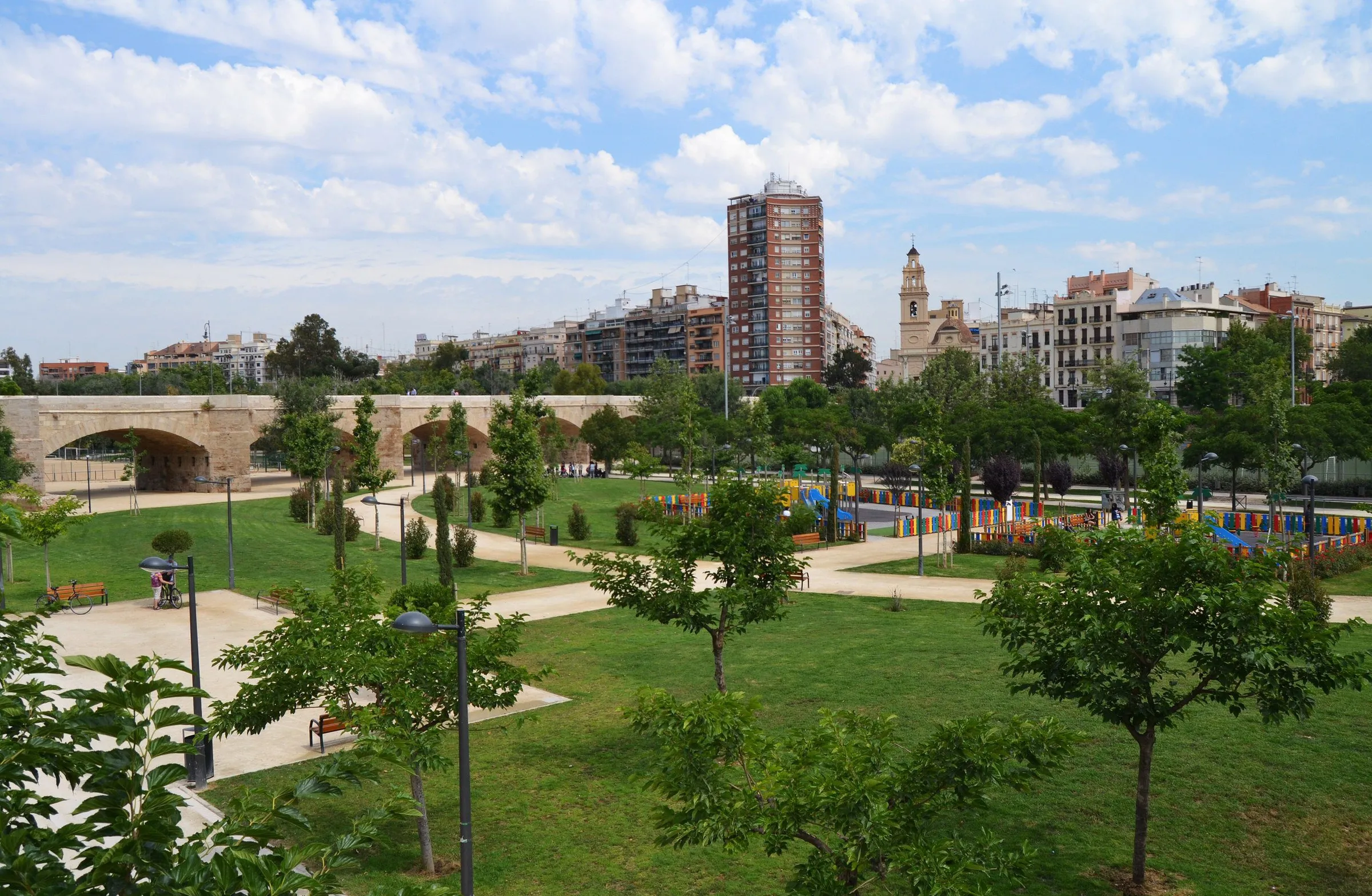 7
Bridges cross gardens, sports areas and paths in the old Turia riverbed; the park runs across Valencia and also organizes your walks.
View details for Turia Gardens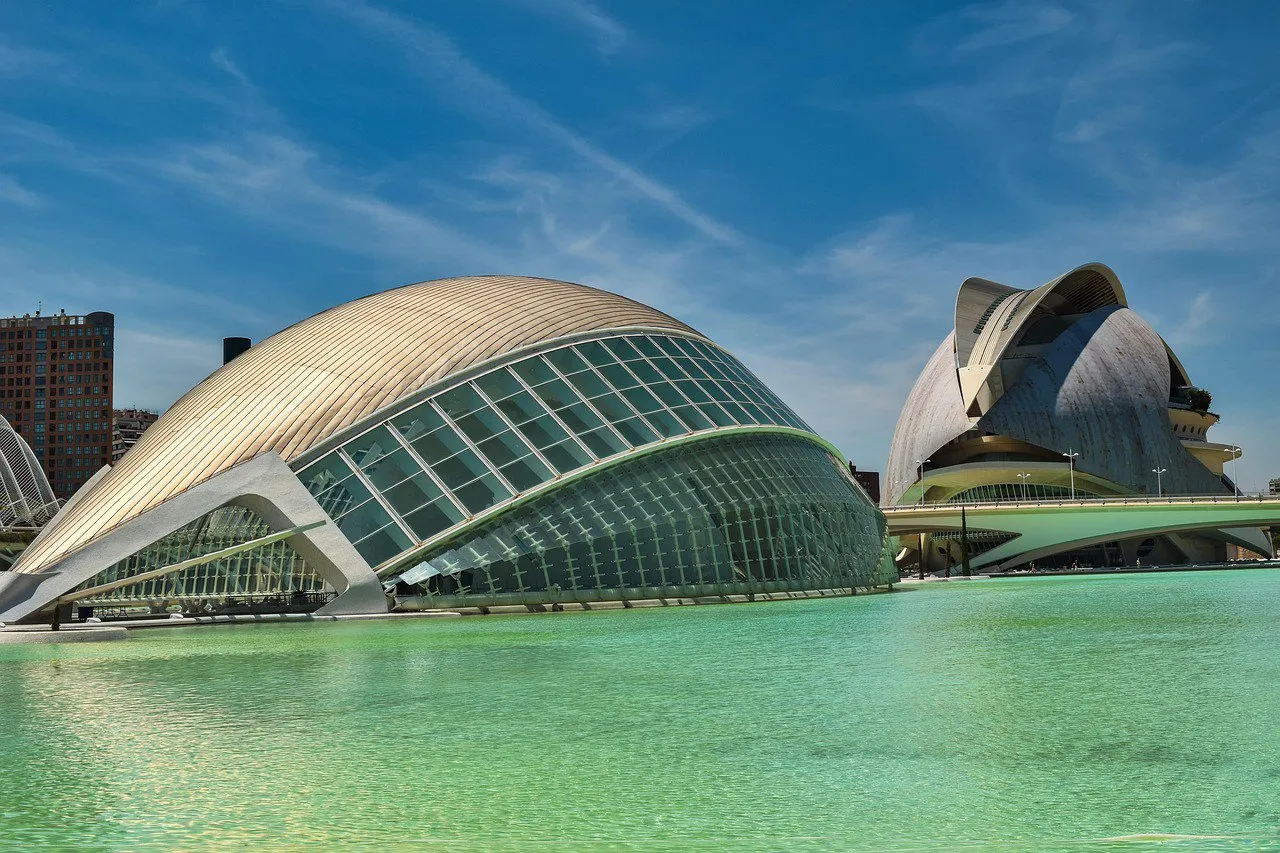 8
White buildings and reflecting pools surround spaces for science, cinema, music and marine life; looking at the architecture alone is already an outing of its own.
View details for City of Arts and Sciences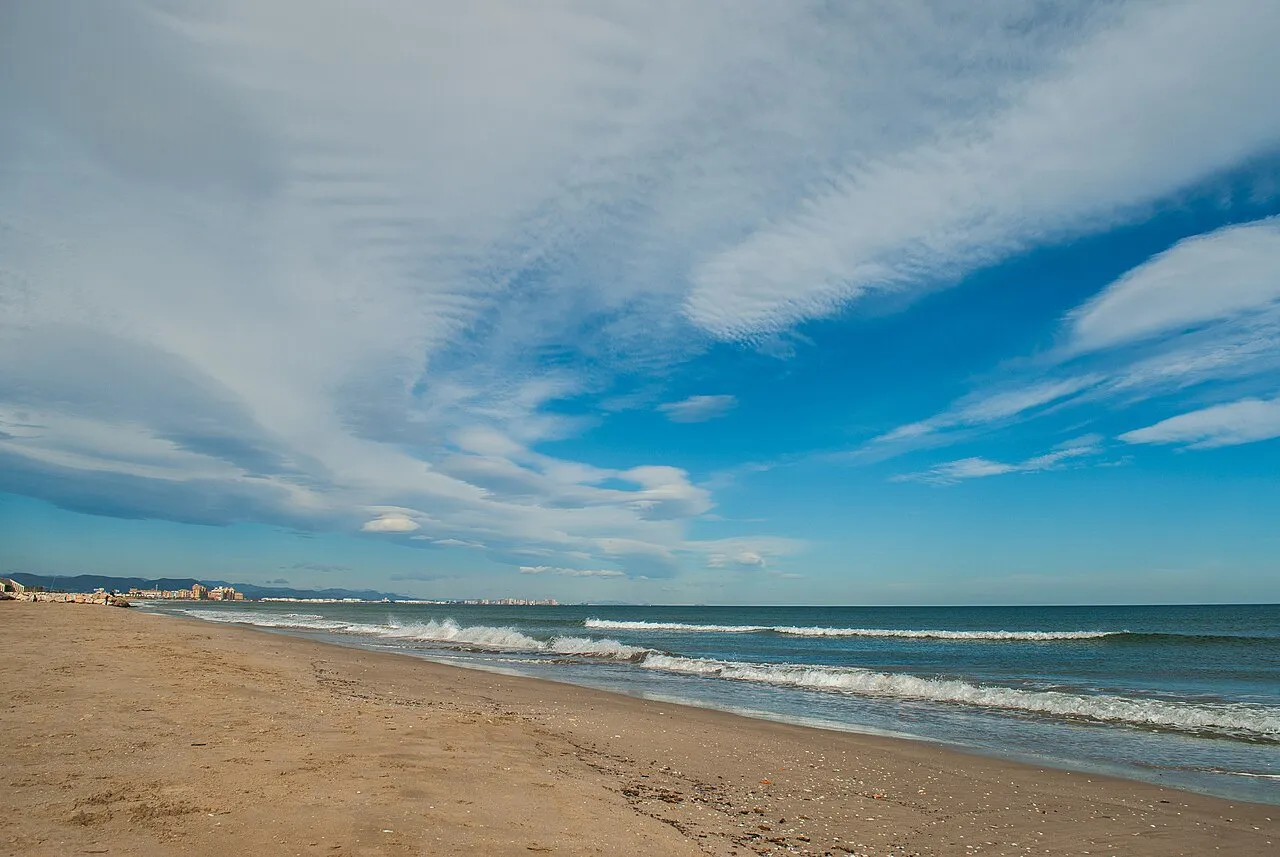 9
Fine sand, a wide strip for walking and restaurants along the promenade give Malvarrosa a beach outing that also works out of the water.
View details for Malvarrosa Beach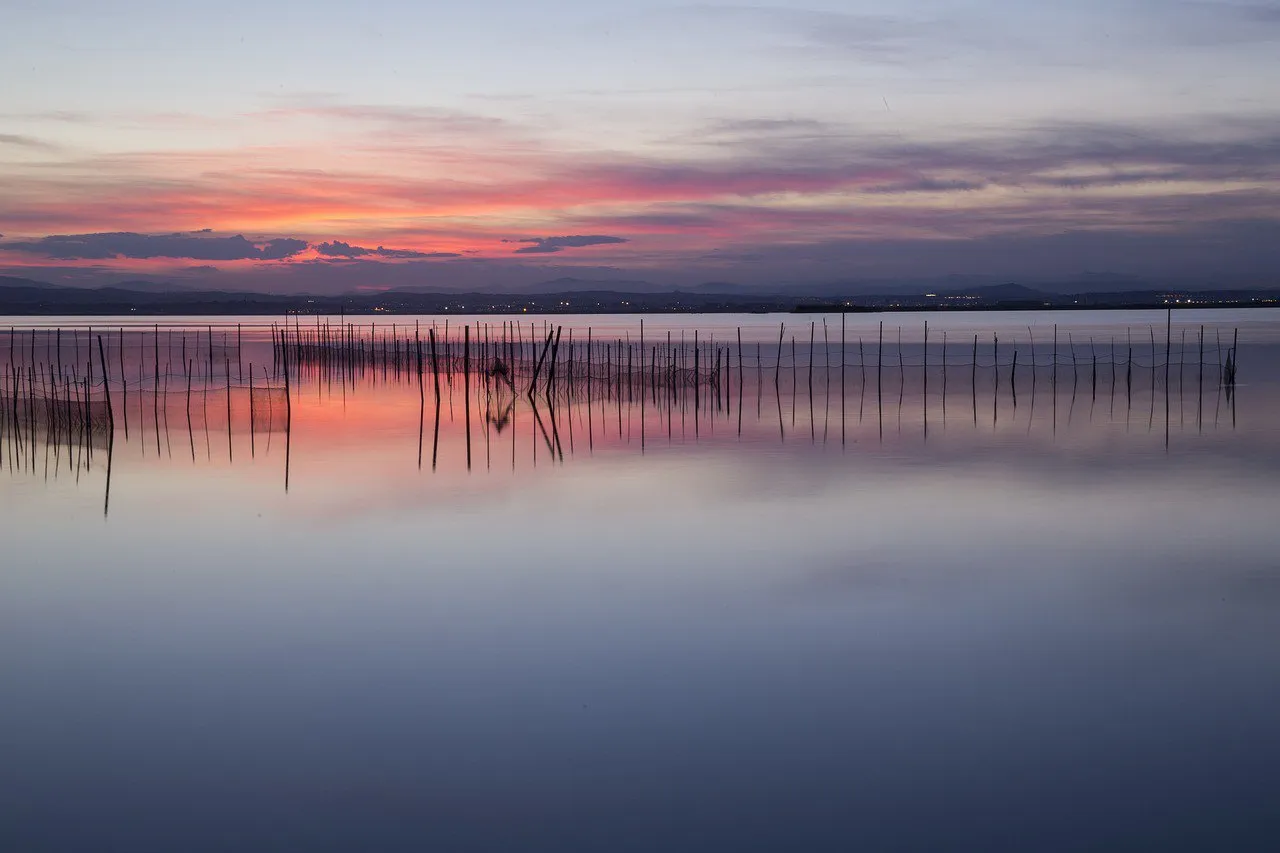 10
A lagoon, rice fields, birds and flat-bottomed boats make up an excursion south of Valencia; it is the outing that helps you see the landscape behind the paella.
View details for Albufera Natural Park1Before rushing to the center, take a look at the Estación del Norte, the work of Demetrio Ribes. The facade and the mosaics use plant motifs, oranges and orange blossoms to bring the agricultural landscape into the station. Anyone who arrives worried only about their luggage may miss the first stop of their own itinerary.
Visit the facade and the public areas without hurry, paying attention to the ceramic panels. It is a good introduction to the city for architecture lovers and a short stop for those who prefer markets and the beach.
2Walk among the stalls and look up: the iron structure, the glass and the ceramics of the Central Market deserve as much attention as the products. The dome brightens a space that is still a working market, with fruit, vegetables, fish and preserves, and not just a backdrop for passersby.
Go in the morning and set aside time to wander without hurry. Look at the ingredients of Valencian rice dishes and pick something to try based on what the stalls offer.
3The columns of the Sala de Contratación rise in a spiral and open into the vaults: it looks like a forest of stone, except that the subject here was business. The Lonja de la Seda was a trading center and is now part of the UNESCO World Heritage list, a witness to the mercantile strength Valencia once had in the Mediterranean.
The appeal of the visit lies in this meeting of beauty and function. Walk through the hall, notice how the light changes the way you read the columns and stop by the Orange Tree Courtyard.
4Walk around before going in: the cathedral's doors show different architectural styles, although Gothic dominates the whole. Inside, the Holy Grail Chapel houses the relic that tradition associates with the Last Supper. Notice the star-shaped vault of the chapel; here, it is worth separating the history of the construction from the devotion tied to the object.
The Miguelete bell tower offers another way of seeing Valencia, with the rooftops of the center seen from above. The climb takes some stamina for the spiral staircase, so choose according to your interest and physical condition.
5Seen from the front, the Torres de Serranos still carry themselves like something that controls the entrance to the city. This Gothic gate was part of the medieval wall and was one of the ways into Valencia from the north. Notice the central arch, the coats of arms and the design of the towers before looking for the next shot.
Walk around the structure to compare the outer face with the side facing the city. The location helps link the walk through Ciutat Vella to the old Turia riverbed, without turning the itinerary into a collection of back-and-forth trips. If you decide to climb, check the access conditions and add time to enjoy the view.
6Sorolla helps you see Valencia's light in a different way, and the Museum of Fine Arts lets you put that painting in conversation with other Valencian artists. The collection also includes Gothic panels and works by artists such as Goya and Velázquez. Pick a few areas of interest; trying to take in everything usually ends in quick steps and few memories.
The building of the former San Pío V Seminary College is part of the outing too. Beyond the galleries, look at the Renaissance courtyard of the ambassador Vich, rebuilt in the museum. It is a visit that works well before the Turia Gardens, alternating attention to the artworks with a stretch outdoors.
7You pass under a bridge and, where the river used to be, you find people walking, cycling and using the gardens. The Turia was diverted, and its old bed gained a series of green spaces. The transformation involved the residents, who defended the park when the land could have received a traffic route.
Pick a stretch and enjoy the path, without treating the whole length as an obligation. In our itinerary, it links the Museum of Fine Arts area to the City of Arts and Sciences. The walk takes time; if you would rather cycle, respect the space and the pace of people on foot.
8The white of the buildings and the reflections in the pools make you walk a few steps, stop and take the photo again. The City of Arts and Sciences brings together spaces with different functions: the Science Museum, the Hemisfèric cinema, the Oceanogràfic and the Palau de les Arts are all in this complex, as is the landscaped Umbracle walkway.
Decide beforehand whether you only want to see the architecture or visit an attraction inside. A walk outside fits well after the Turia; exploring the interiors can take up a good part of the day.
9At Malvarrosa, the historic center gives way to fine sand and a seaside promenade with restaurants and cafés. You can set aside the morning to walk, spread out a towel or simply look at the Mediterranean. It is an urban beach, with activity and services; the outing includes this mix of sea bathing and neighborhood life.
Leave the rice lunch for after the walk and book according to demand. Outside the swimming season, the outing still makes sense, with clothing suited to the wind.
10The horizon lowers, the city is left behind and rice fields, canals and a lagoon surrounded by vegetation appear. Albufera brings this landscape together with the strip of pine forest and dunes of the Devesa, near the sea. The connection to rice growing helps explain why food takes up so much of the conversation about Valencia.
Choose a base for the outing: El Palmar combines restaurants and boat departures; El Saler brings you closer to the Devesa. The traditional flat-bottomed boats let you see the canals and the lagoon from another perspective.
Lines 3 and 5 connect the airport to the center. Check the schedules for your arrival and the fare that includes the airport; the last train deserves attention when your flight lands late.
Do the center on foot and combine the Turia with the City of Arts and Sciences. Plan transport for the beach and for Albufera: fitting everything into the same shift leaves little time to enjoy each place.
Spring and early autumn are good choices for walking. Bring water and sun protection; before going to the beach or Albufera, check the forecast and local alerts.
Pick the interiors you really want to visit and add up transport and tickets before deciding on a pass. A bundle only saves money when your visits fit in the time available.
Keep your bag and phone close to your body while getting around and do not leave belongings alone on the sand. On residential streets, mind the volume of your conversation, especially when coming back at night.
In Valencia, it is worth building the day around a rice lunch and saving the afternoon for horchata. The Central Market presents ingredients; the waterfront and the Albufera area help connect the dish to the landscape. Check whether a reservation is needed, the cooking time and any minimum order before sitting down, especially when the group wants to share a paella.
Rice cooked in a shallow pan, traditionally with chicken, rabbit and vegetables such as green beans and garrofó, a large bean; there are regional variations.
A sweet drink made from chufa, a small tuber, served with elongated sweet breads for dipping in the glass; leave some room after lunch.
Roasted red pepper and shredded salt cod, with garlic and olive oil: a starter to get to know local flavors before the rice.