 1
Squares
Puerta del Sol
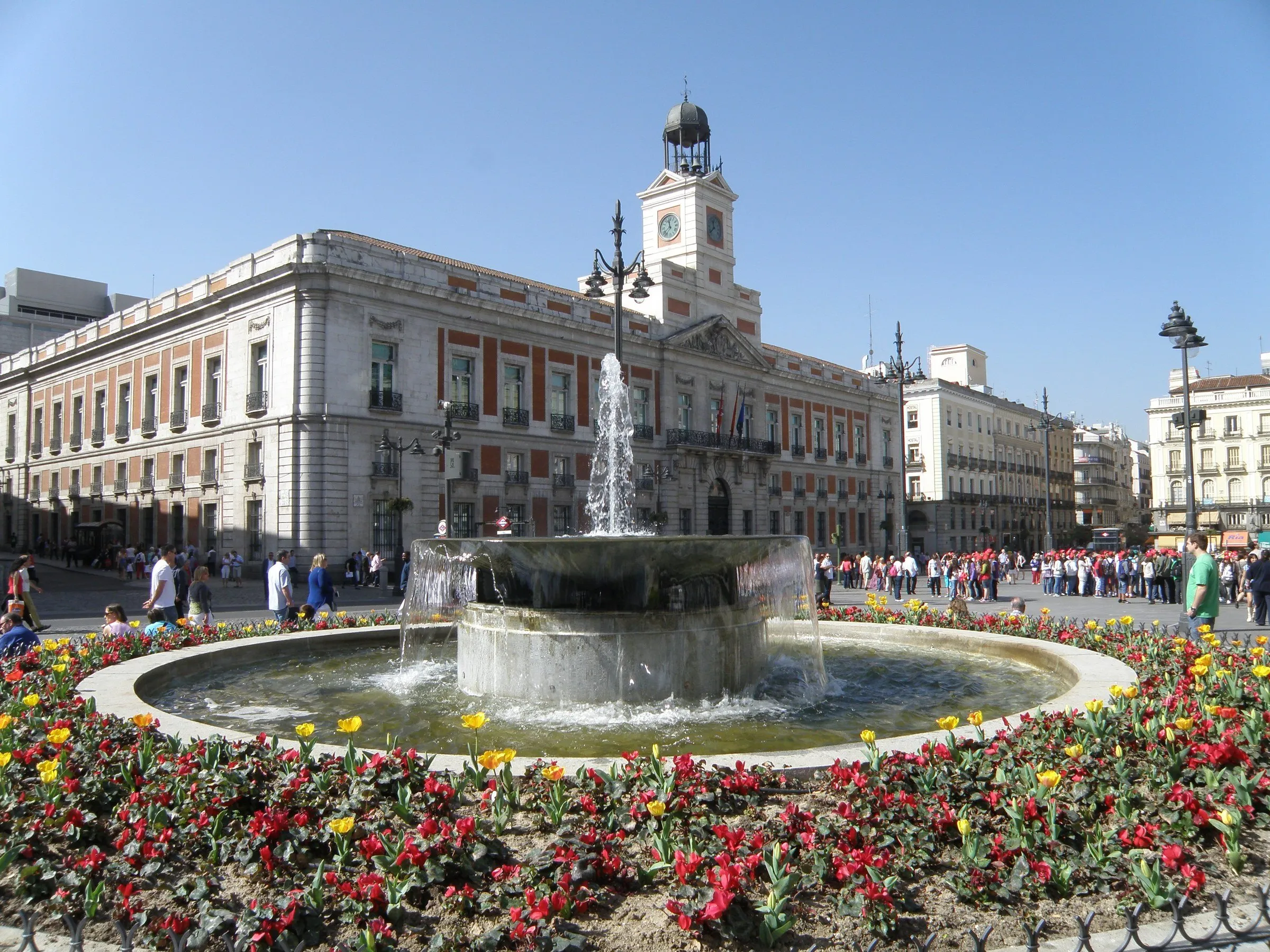
Madrid's meeting-point square brings together the Casa de Correos clock, the kilometer zero plaque and the sculpture of the bear and the strawberry tree.
View details for Puerta del Sol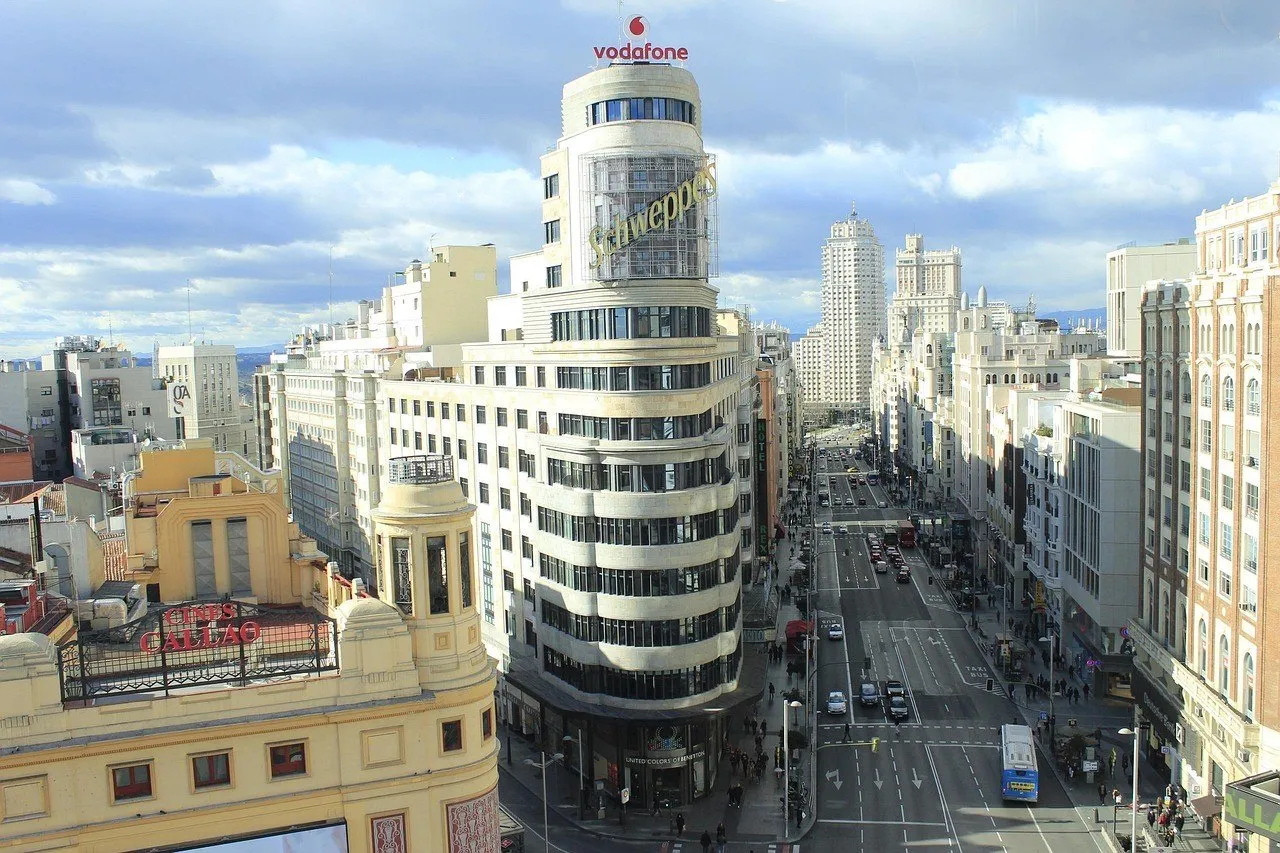
In the Puerta del Sol, someone is hunting for kilometer zero on the pavement; on the Gran Vía, you need to look up. Madrid also puts Las Meninas and a squid sandwich on the same agenda.
Madrid calls for a certain amount of neck gymnastics. On the Gran Vía, the details are on the facades and rooftops; in the Barrio de las Letras, the words are underfoot. In between, there are rooms in the Prado that can swallow a whole morning and bars where you walk in for a nibble and end up debating the next order. Plan the big visits, but leave room for that culinary detour.
Organize a first trip around three routes: the center from Sol to the Royal Palace, the Prado with the Retiro and the Reina Sofía, then the Letras and La Latina neighborhoods. Walking stitches together much of this map; the metro helps when your legs start negotiating. Spring and early fall tend to favor sightseeing, while summer calls for more shade, water and breaks during the hottest hours.
The kilometer zero plaque in front of the Casa de Correos in the Puerta del Sol marks the starting point for distances on the national radial roads leaving Madrid.
The Royal Palace is still the official residence of the kings, though the current monarchs do not live there: not every living room comes with a resident.
Debod came from Egypt and was rebuilt in Madrid after being donated to Spain; what you are looking at is an ancient temple that was moved, not a themed replica.
1Madrid's meeting-point square brings together the Casa de Correos clock, the kilometer zero plaque and the sculpture of the bear and the strawberry tree.
View details for Puerta del Sol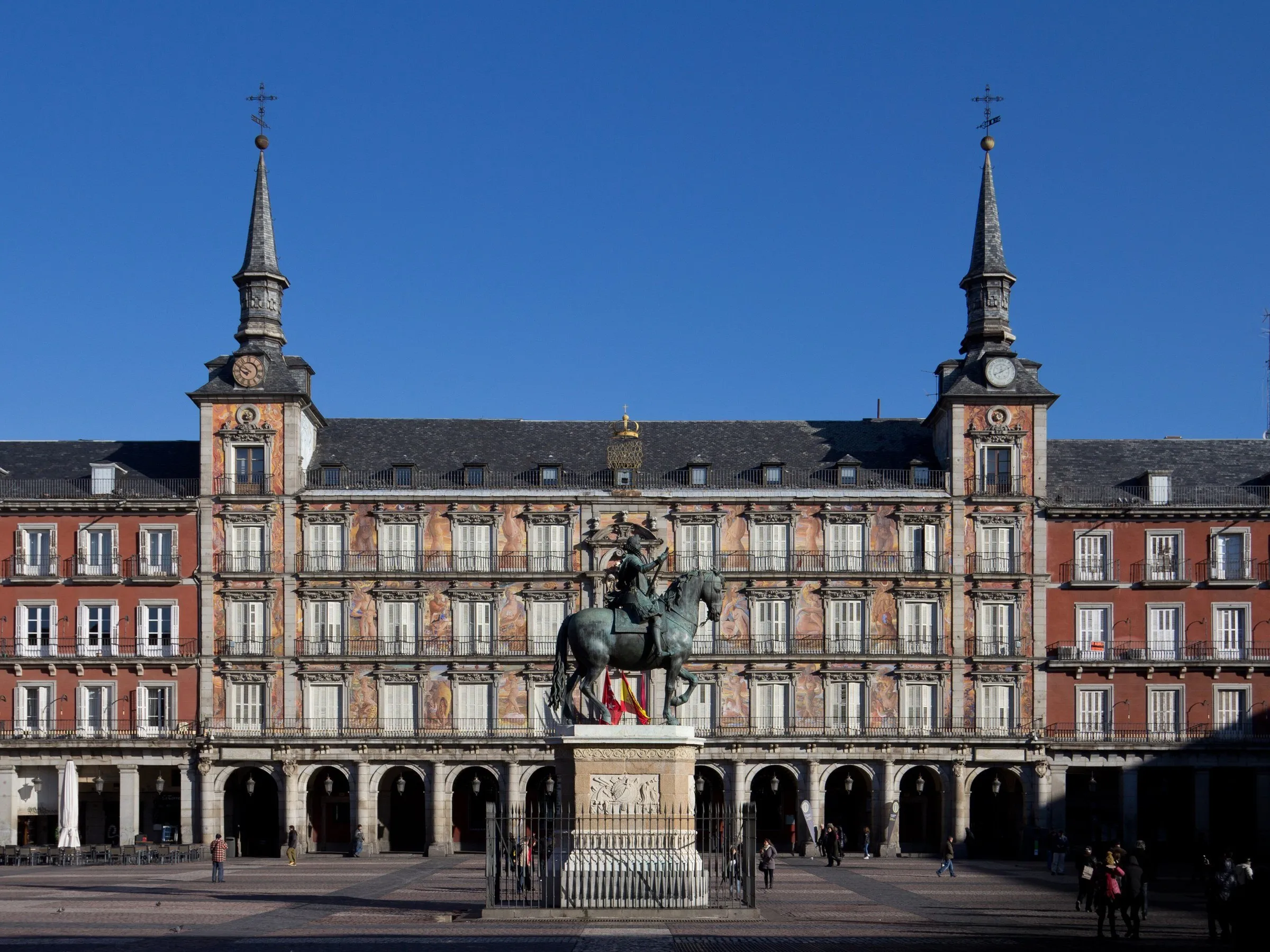 2
Arcades, reddish facades and the murals of the Casa de la Panadería surround a square worth a full lap before a break to eat.
View details for Plaza Mayor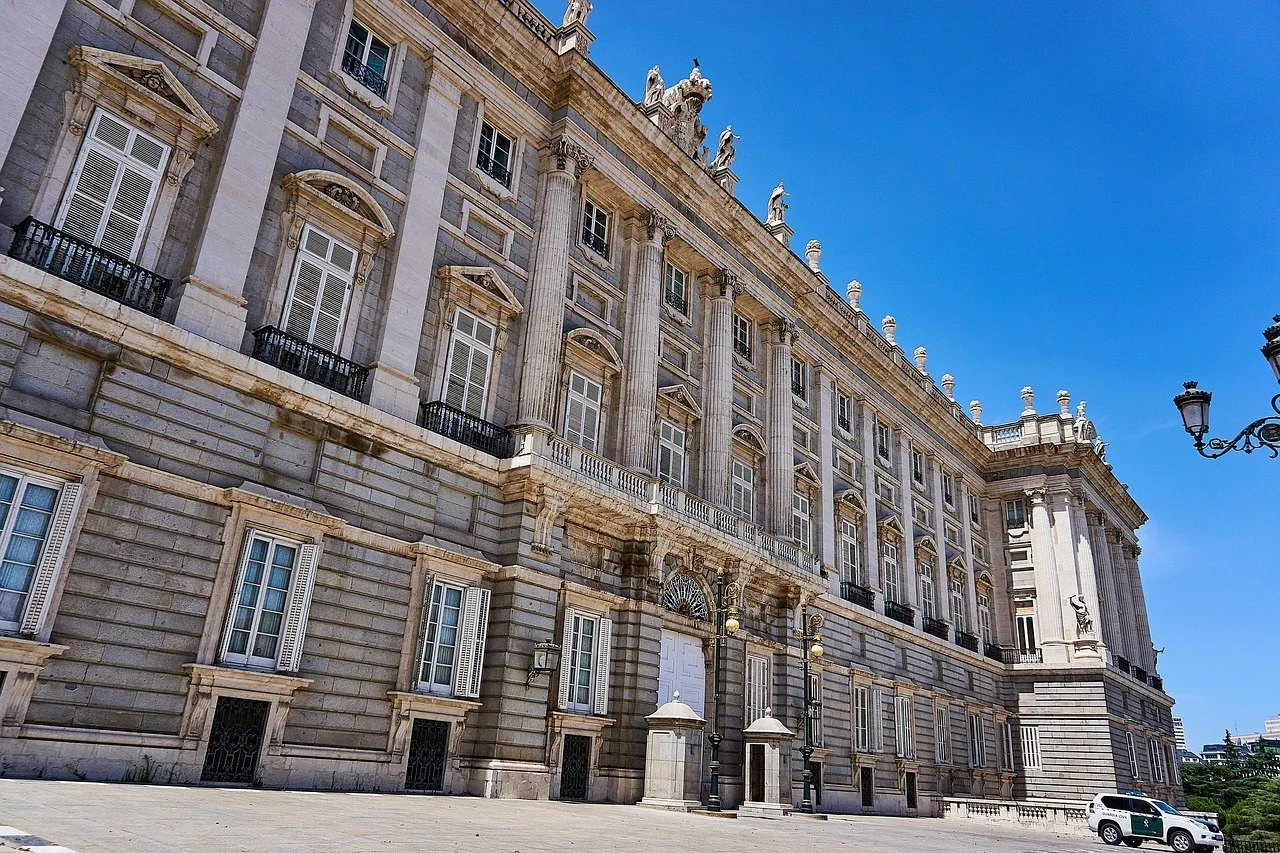 3
Ceremonial rooms, painted ceilings and meticulous decoration show Madrid's solemn side in a palace still used for official events.
View details for Royal Palace of Madrid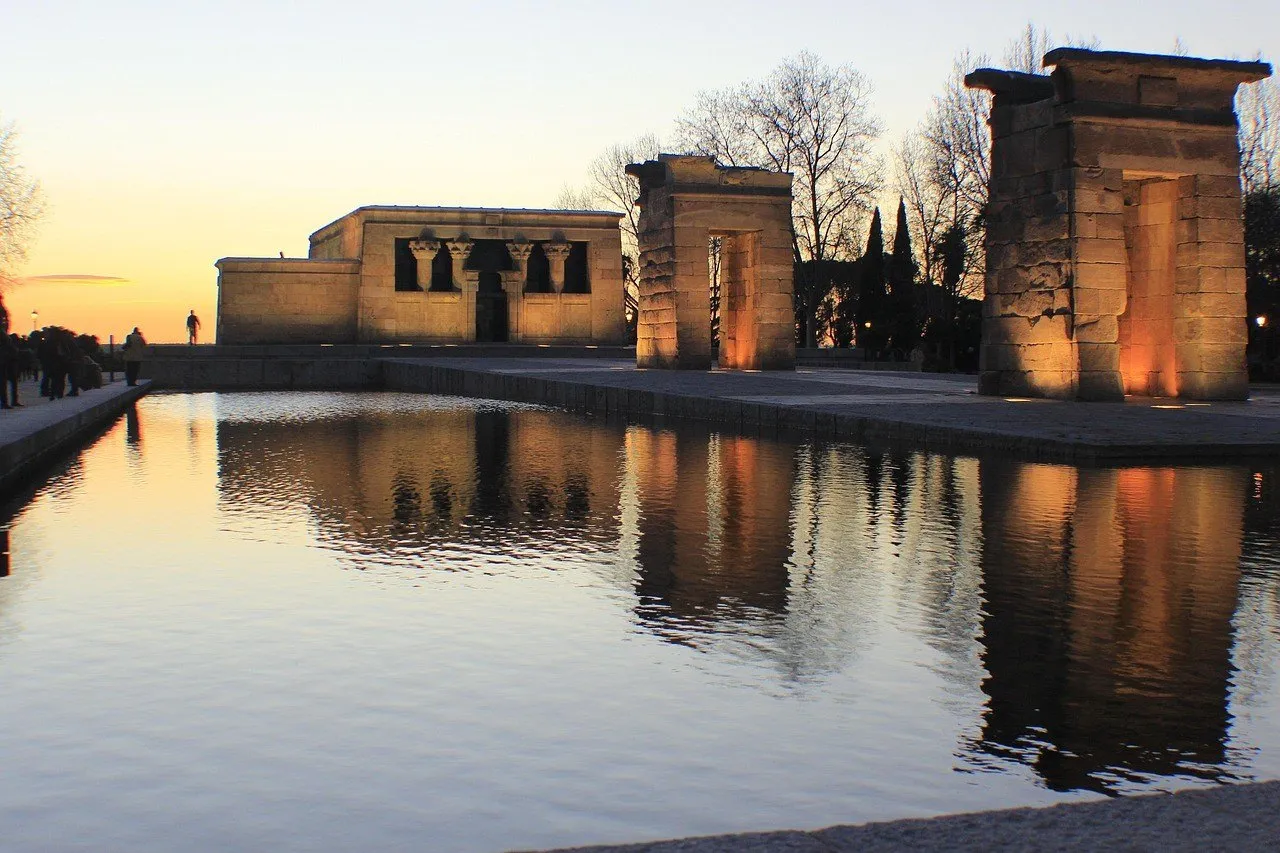 4
An Egyptian temple rebuilt near the Plaza de España combines ancient stone, gardens and an outdoor break on the west side of the center.
View details for Temple of Debod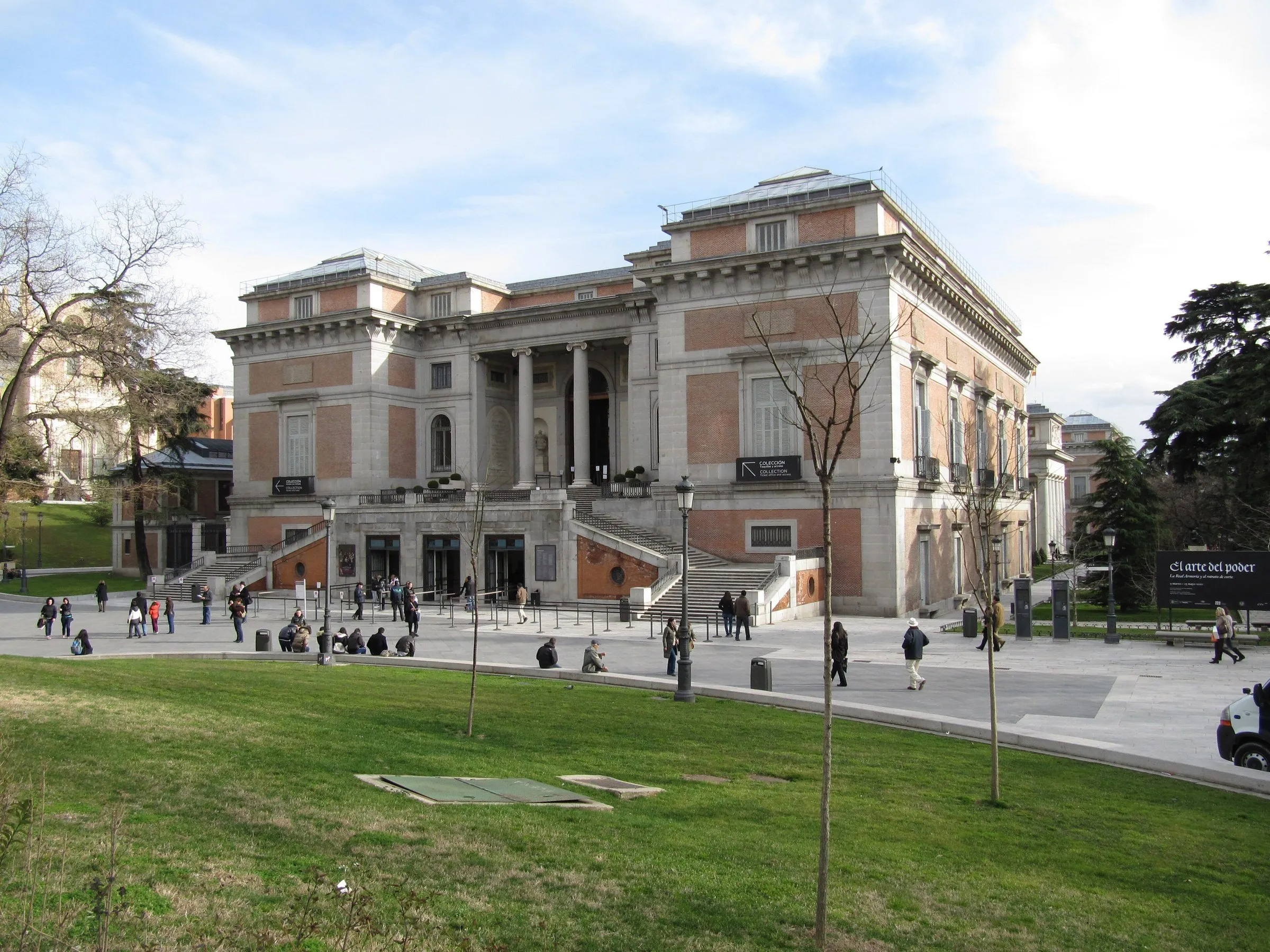 5
Velázquez, Goya and Bosch fill a morning of close looking in a museum that works better with a selection of rooms than with haste.
View details for Prado Museum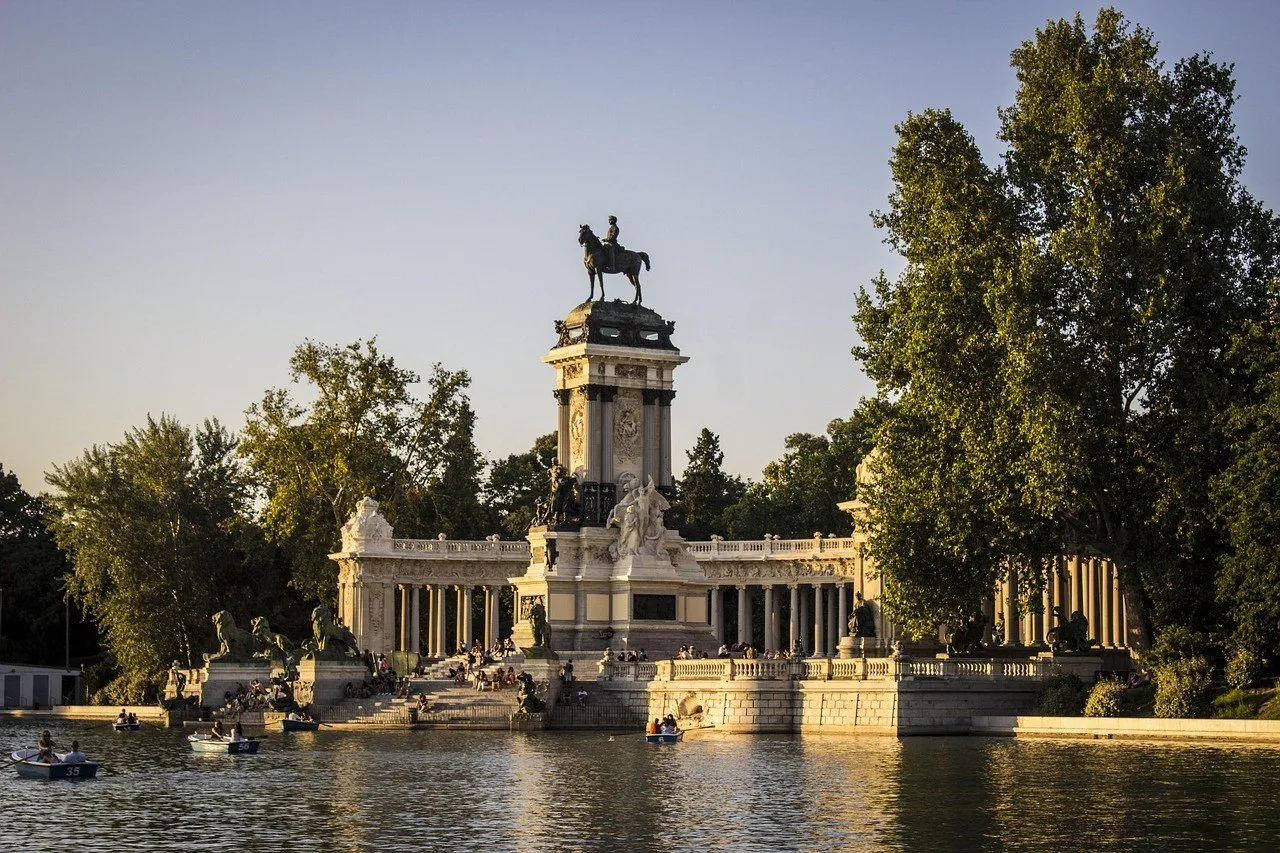 6
The Great Pond, the Monument to Alfonso XII and the tree-lined paths make the Retiro a good change of pace after the Prado's galleries.
View details for Retiro Park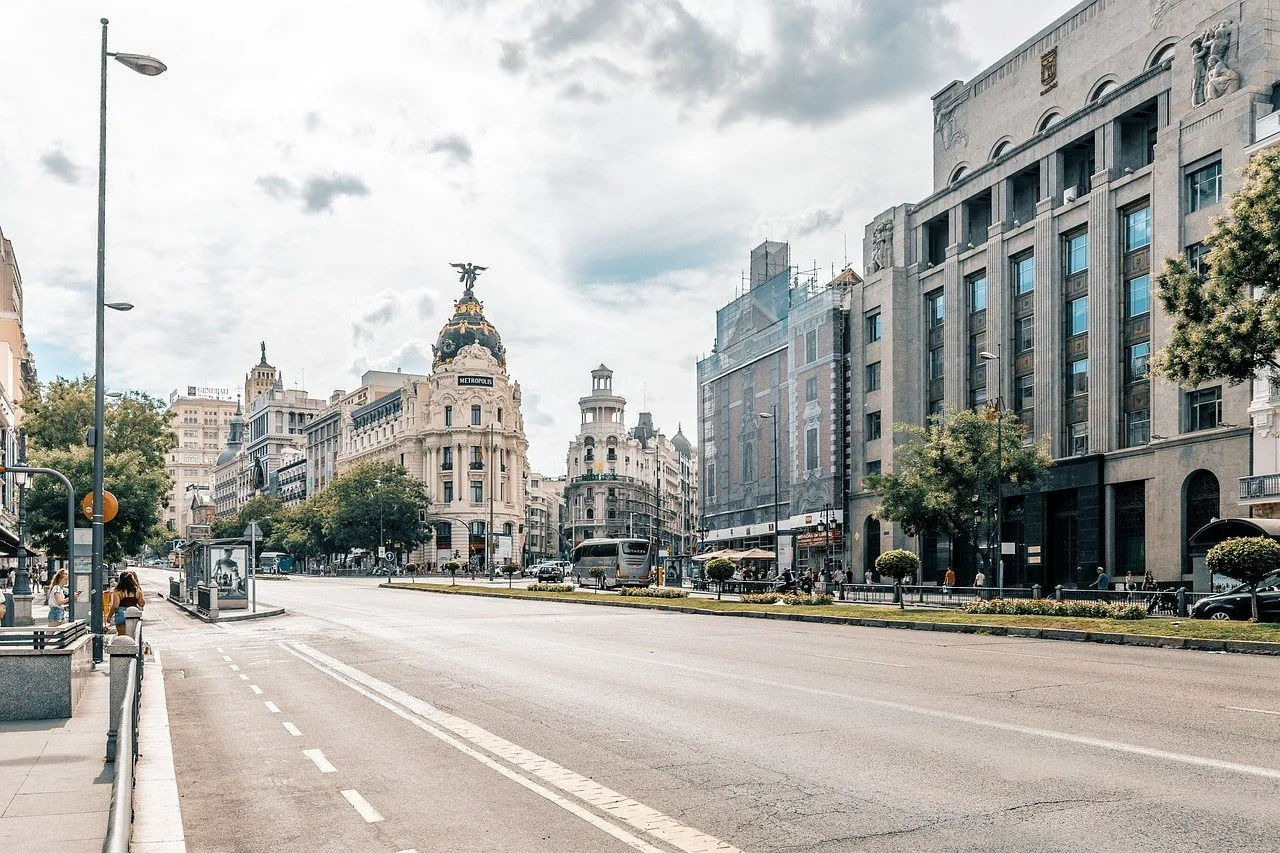 7
Between Alcalá and the Plaza de España, the avenue gathers monumental facades, shops, cinemas and theaters that help stretch the walk into the night.
View details for Gran Vía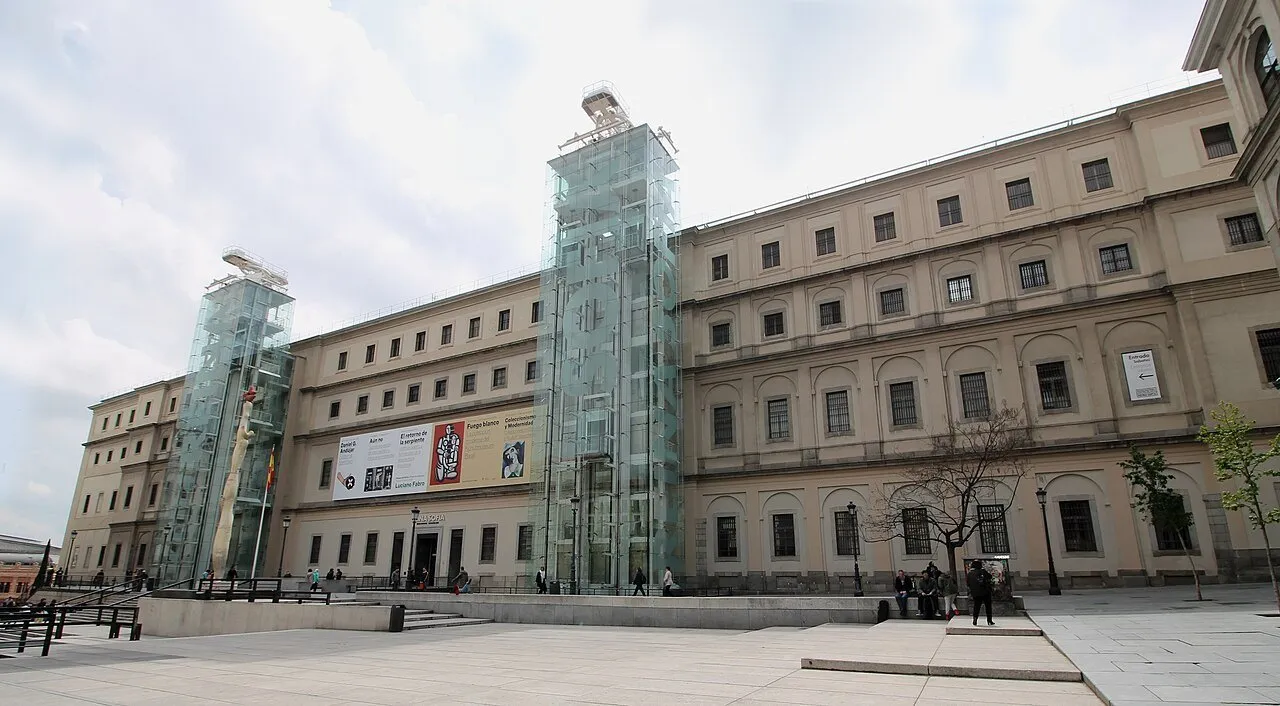 8
Picasso's Guernica is the starting point for exploring modern and contemporary art in the Sabatini and Nouvel buildings, in the Atocha area.
View details for Reina Sofía Museum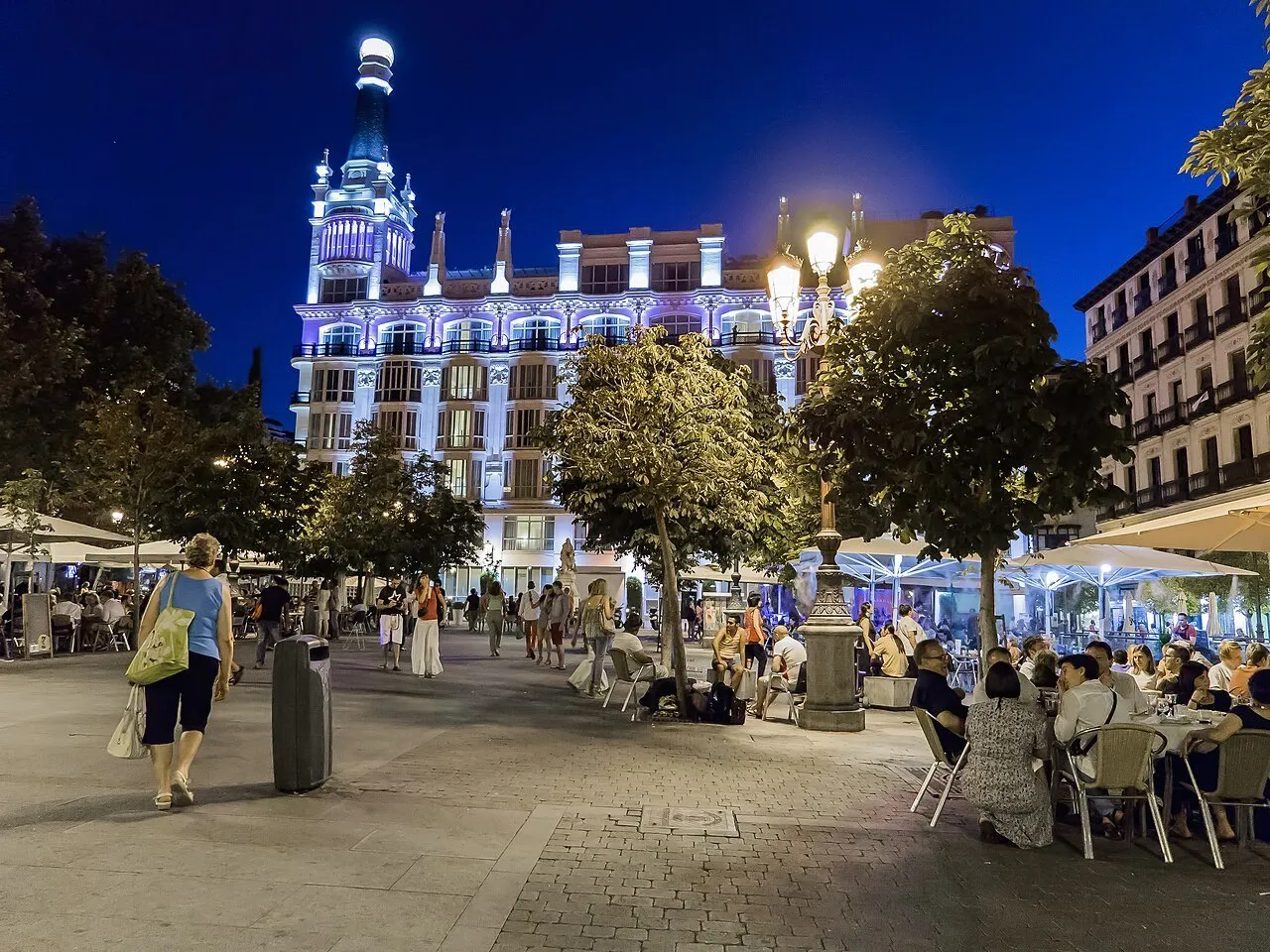 9
Quotations underfoot on Calle de las Huertas, small shops and the tables of the Plaza de Santa Ana link the memory of the writers to today's stroll.
View details for Barrio de las Letras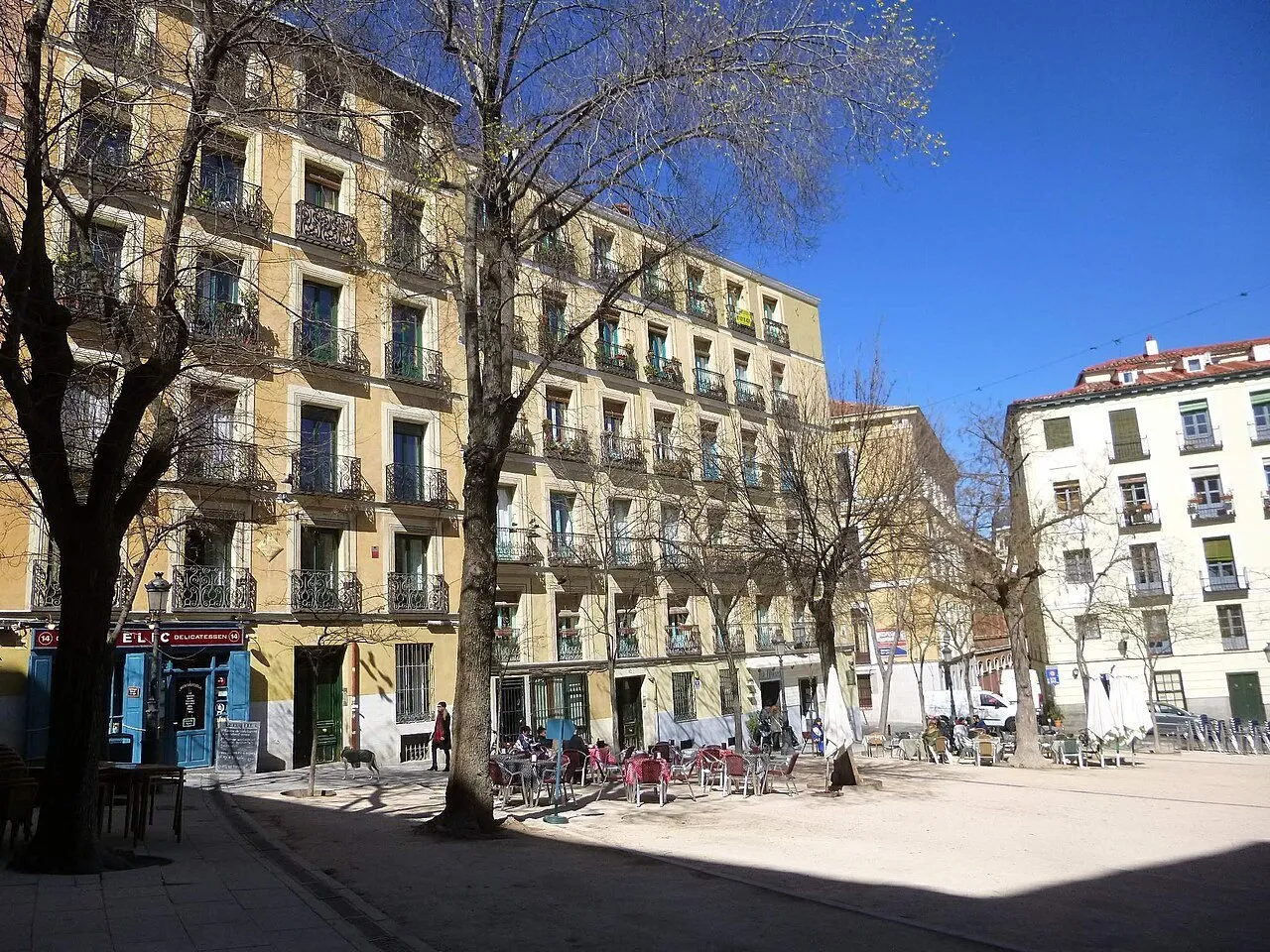 10
Cava Baja, Cava Alta and the neighborhood's squares make La Latina a route of taverns, short walks and group decisions about the next dish.
View details for La Latina1Look at the ground before following the crowd: the kilometer zero plaque sits in front of the Casa de Correos. Then raise your eyes to the clock that anchors the New Year's Eve grape tradition. The Puerta del Sol hosts meetups, photos and departures into the streets of the center.
Look for the Oso y el Madroño, the sculpture of the bear beside the tree that appears in the city's emblem. Then leave along Calle Mayor toward the next stop.
2The change of scale happens under the arches: you leave a narrow street and step into the great rectangle of the Plaza Mayor. Walk around the arcades and notice the murals of the Casa de la Panadería, with their mythological figures, before choosing a table.
On the way out through the Arco de Cuchilleros, the stairway reveals the slope that the central space hides. Afterward, look for a bocadillo de calamares on the nearby streets; the itinerary allows for a break with crumbs on your jacket.
3The Royal Palace makes you pay attention even to the ceiling. The Throne Room, with its Tiepolo painting, and the plant-motif decoration of the Gasparini Room give an idea of the complex's ambition. Notice the furniture and chandeliers too, instead of just looking at the next door.
The visit covers selected spaces, and official ceremonies can change access. Areas such as the Royal Kitchen have their own entry conditions; check what your chosen ticket includes before imagining a backstage tour.
4The stone of Debod was not born for this skyline. The temple came from Egypt and was rebuilt in Madrid after being donated to Spain, in connection with the rescue of monuments threatened by the Aswan Dam. The successive gateways lead your eye to the main building.
The gardens work as the close of the route through the center, especially when the light gets low. Seeing the exterior and going inside the temple are different outings: the interior has its own hours, which may not match sunset.
5Las Meninas, by Velázquez, puts you in front of a scene where looking and being watched become part of the game. Then swap court painting for Bosch's world in The Garden of Earthly Delights or for the works of Goya. The Prado rewards lingering in front of a few paintings.
Pick the artists who spark your curiosity and check the map. Two or three hours is a suggestion for a first visit, not a promise of exhausting the collection; to go deeper, add another morning.
6The columns of the Monument to Alfonso XII frame one edge of the Great Pond, while the paths invite you to slow down after the list of paintings. Choose a bench, stroll through the gardens and give the Retiro its own time.
The Crystal Palace is temporarily closed for architectural improvements, so the itinerary relies on the lake and the outdoor walks. Weather alerts can also restrict access to the park: the shade of a tree is no substitute for checking the city's notices.
7On the Gran Vía, looking only at the shop windows means missing half the show. Facades, domes and rooftop figures compete for attention with cinemas, theaters and stores. Walk from Alcalá to Callao; continuing to the Plaza de España, the stroll gains another sequence of buildings.
At night, the neon signs add a layer to the scene. To include a musical, pick the show first and then adjust dinner; buying a ticket just because the theater appeared on your path is a particular kind of improvisation.
8Guernica asks for a pause that a phone screen cannot provide. In front of Picasso's composition, observe the figures, the gestures and the scale before searching for a ready-made interpretation. Then extend the visit through the modern and contemporary collections, following the updated map.
The main site occupies the Sabatini and Nouvel buildings: check the recommended entrance for your ticket and leave some margin to get your bearings. There is no advantage in turning this museum and the Prado into a race on the same day.
9You can start by reading the ground. Calle de las Huertas carries quotations in the pavement, a reminder of the writers who lived in this part of Madrid, among them Cervantes and Lope de Vega. The streets climb from the Paseo del Prado to the Plaza de Santa Ana; literature demands calf muscles too.
Among bookshops, bars and facades, there is plenty for a walk with a stop to eat. On the Plaza de Santa Ana, the tables let you swap reading the pavement for watching the street.
10On the Cava Baja, old inns and taverns tell the story of this corner of Madrid as a stopover. Today, the task is to read the menus, pick a ración to share and resist the urge to order everything at the first bar. The neighboring Cava Alta rounds out the stroll.
Alternate the stops with walks through the Plaza de la Cebada and the Plaza de la Paja. The neighborhood fits at the end of the third day, when the big tickets are behind you; go ready to taste, with no obligation to eat at every tavern.
Walk between Sol, the Plaza Mayor and the Royal Palace; group the Prado and the Retiro too. Use the metro for the longer links, checking the map and service notices.
Line 8 serves the airport, with stations for T1–T2–T3 and T4; confirm your terminal and the transfer to your lodging. The airport supplement depends on the type of transit ticket you choose.
Compare single tickets and the tourist pass with your planned trips. At museums, check free-entry rules and conditions: a short free window may not fit the visit you imagined.
Summer can be very hot and dry; plan indoor stops and rest for the hottest hours. In winter, bring a coat and use the daylight for parks and walks.
Confirm the kitchen hours before betting on a late lunch or an early dinner. For sharing, check the size of the raciones and order little by little; there are more stops ahead.
In Sol, on the Gran Vía and on crowded transit, keep bags closed and your phone put away when you are not using it. At street tables, keep your belongings close to your body.
Madrid alternates between the stewpot and the fryer: cocido for an unhurried lunch, a squid sandwich for a quick break. Explore the taverns of La Latina and the streets of Letras, compare the menus and let chocolate with churros compete for the dessert spot.
Chickpeas, meats, cured sausages and vegetables, traditionally served in stages; choose a lunch with no rush.
Bread filled with breaded, fried squid rings, a classic of the breaks near the Plaza Mayor.
Fried dough for dipping in thick chocolate: the napkin is an essential part of the order.
We use cookies and similar technologies, such as Google Analytics, in accordance with our Privacy Policy and, by continuing to browse, you agree to these terms. You can decline at any time in the policy.