 1
Squares and markets
Marienplatz
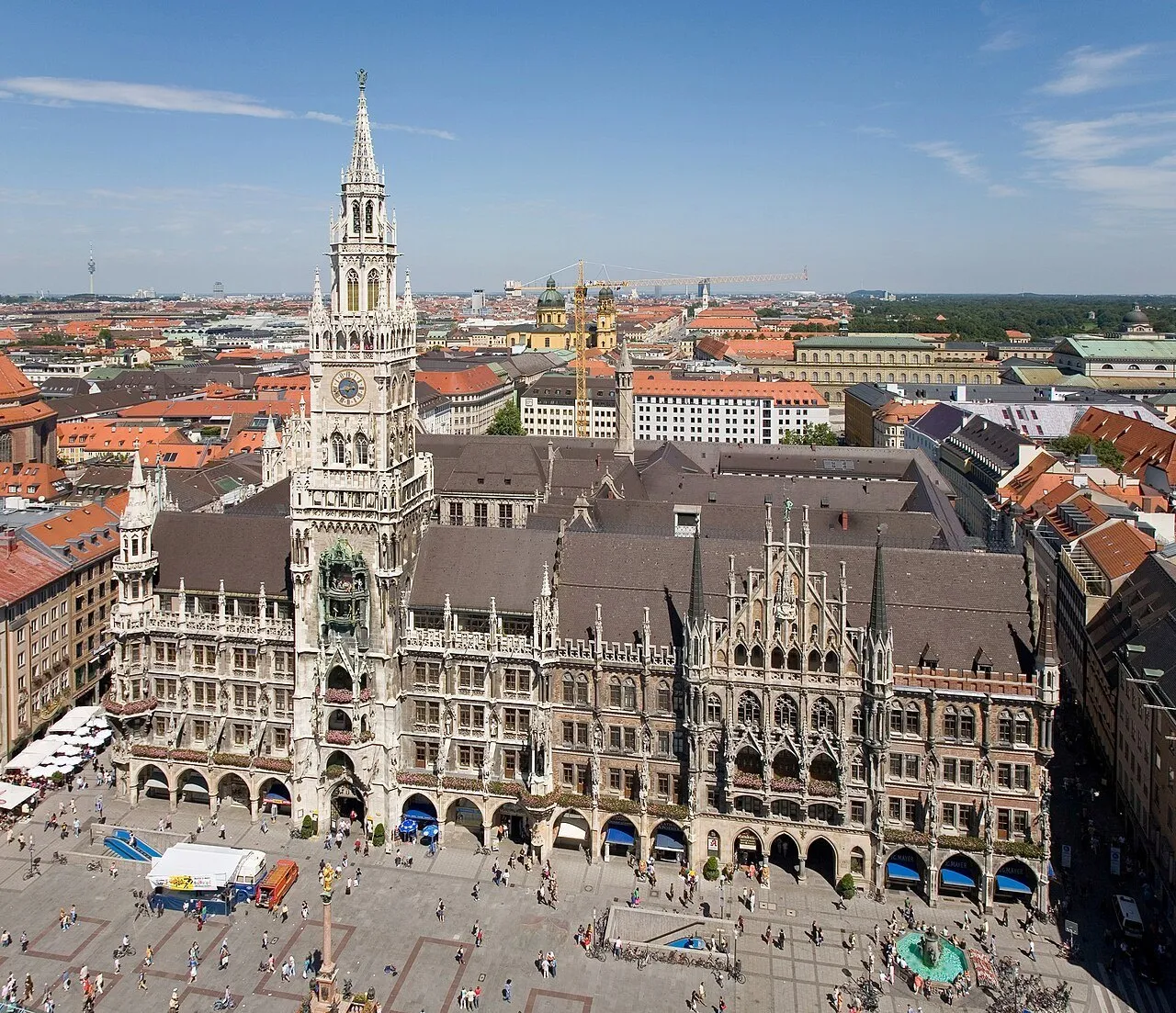
A neo-Gothic town hall, the Mariensäule and the glockenspiel's figures make this square the starting point for exploring Munich's old town.
View details for Marienplatz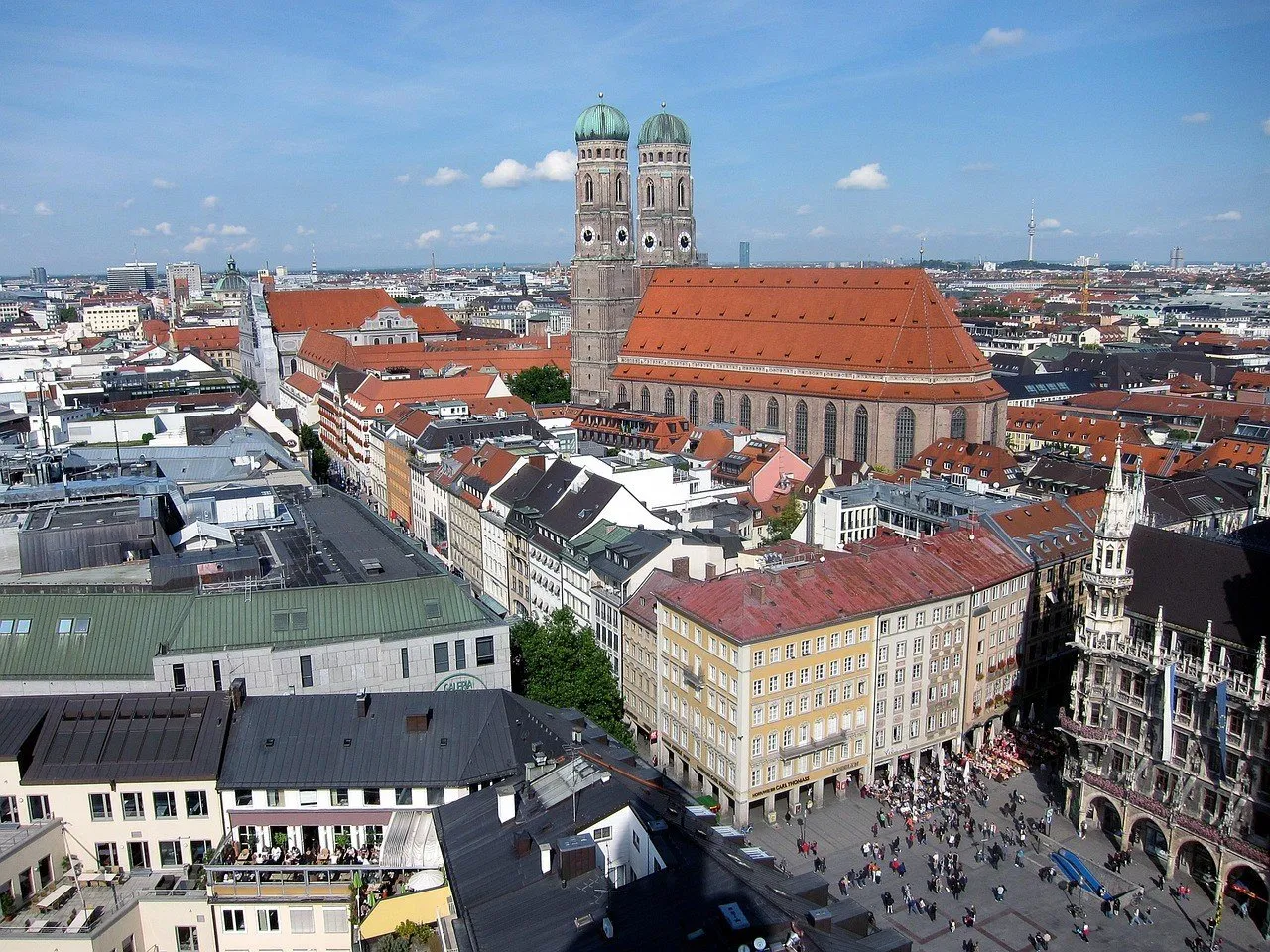
Germany
On Marienplatz, everyone looks up when the glockenspiel figures come out. Then Munich brings your eyes back down to table level: pretzel, sweet mustard and beer garden chatter.
Munich has a peculiar way of organizing a visit: first you look at the town hall on Marienplatz, then at the towers of the Frauenkirche, then at the cheese displays in the Viktualienmarkt. The old town fits nicely into a walk, but detours to palaces and parks call for public transport. A pretzel helps you negotiate with your legs; it does not replace a real break.
Think of the trip in three blocks: the old town, the Residenz with an afternoon in the Englischer Garten, and the circuit of Nymphenburg, BMW Welt and Olympiapark. It is a first selection, with partial visits to the larger complexes. To add art museums, soccer or trips outside Munich, set aside extra days. Trying to cross all of Bavaria between two lunches usually produces more train station than trip.
The name Englischer Garten describes the English landscape style, with paths and lawns that look natural; it does not mean a garden belonging to England.
The Asamkirche began as the Asam brothers' private chapel: the artists' own freedom became a small church whose decoration fills almost everything you can look at.
The Residenz's Antiquarium was designed to house ancient sculptures and later took on a role as a hall for parties and banquets.
At BMW Welt, you can watch customers receiving new cars: besides the exhibitions, the building also works as a delivery space.
1A neo-Gothic town hall, the Mariensäule and the glockenspiel's figures make this square the starting point for exploring Munich's old town.
View details for Marienplatz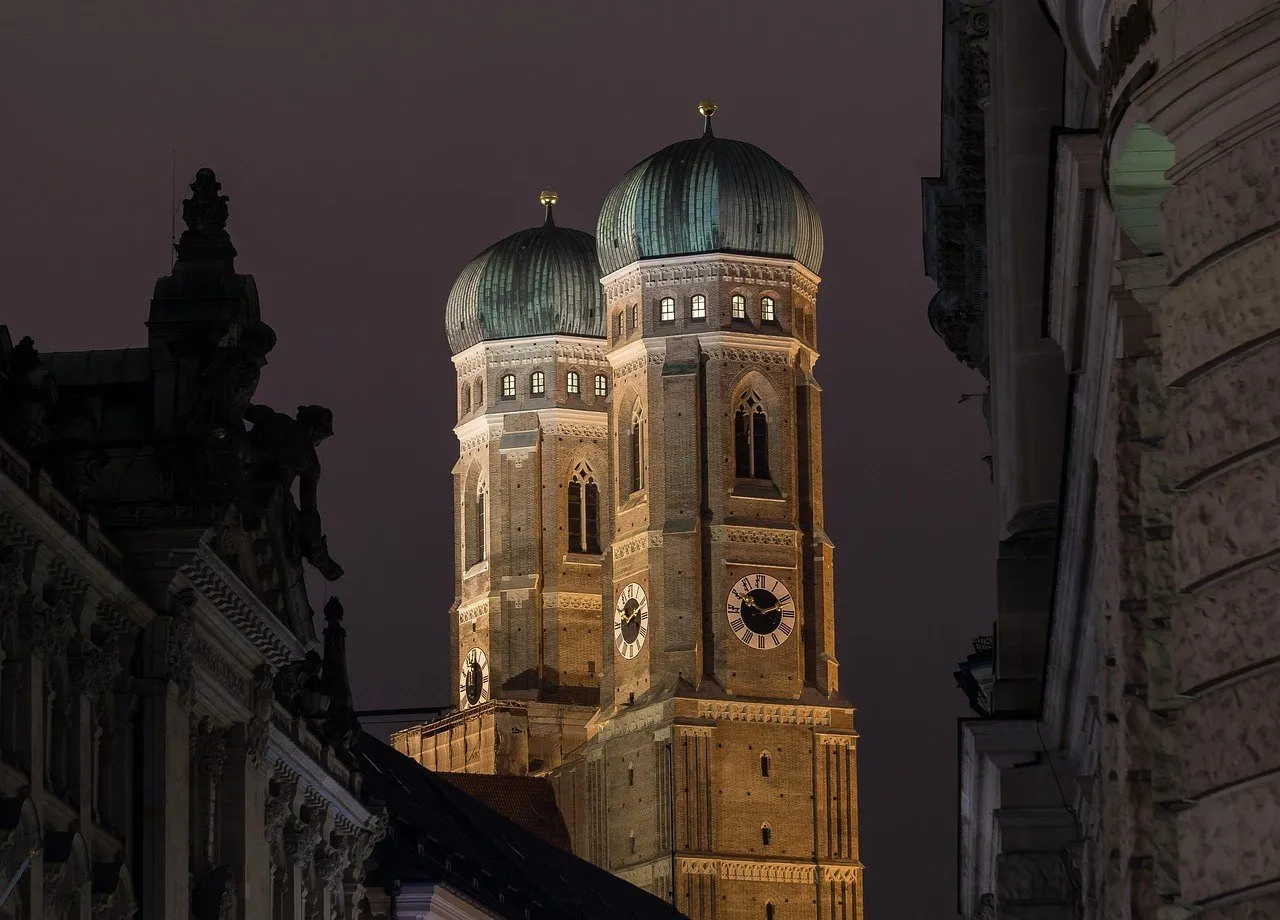 2
Towers with rounded domes identify Munich's cathedral; inside, tall columns change your sense of space with every step.
View details for Frauenkirche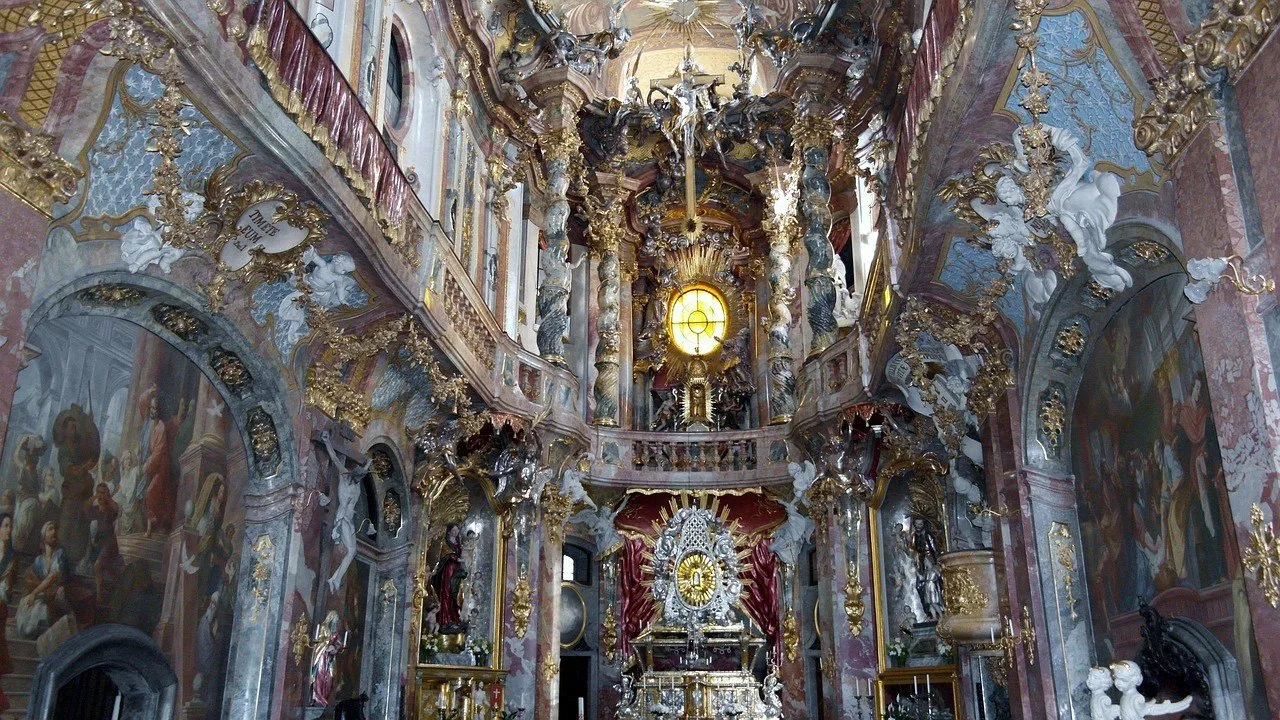 3
Among the facades of Sendlinger Straße, this church by the Asam brothers packs in sculptures, gilding and a ceiling that pulls your gaze upward.
View details for Asamkirche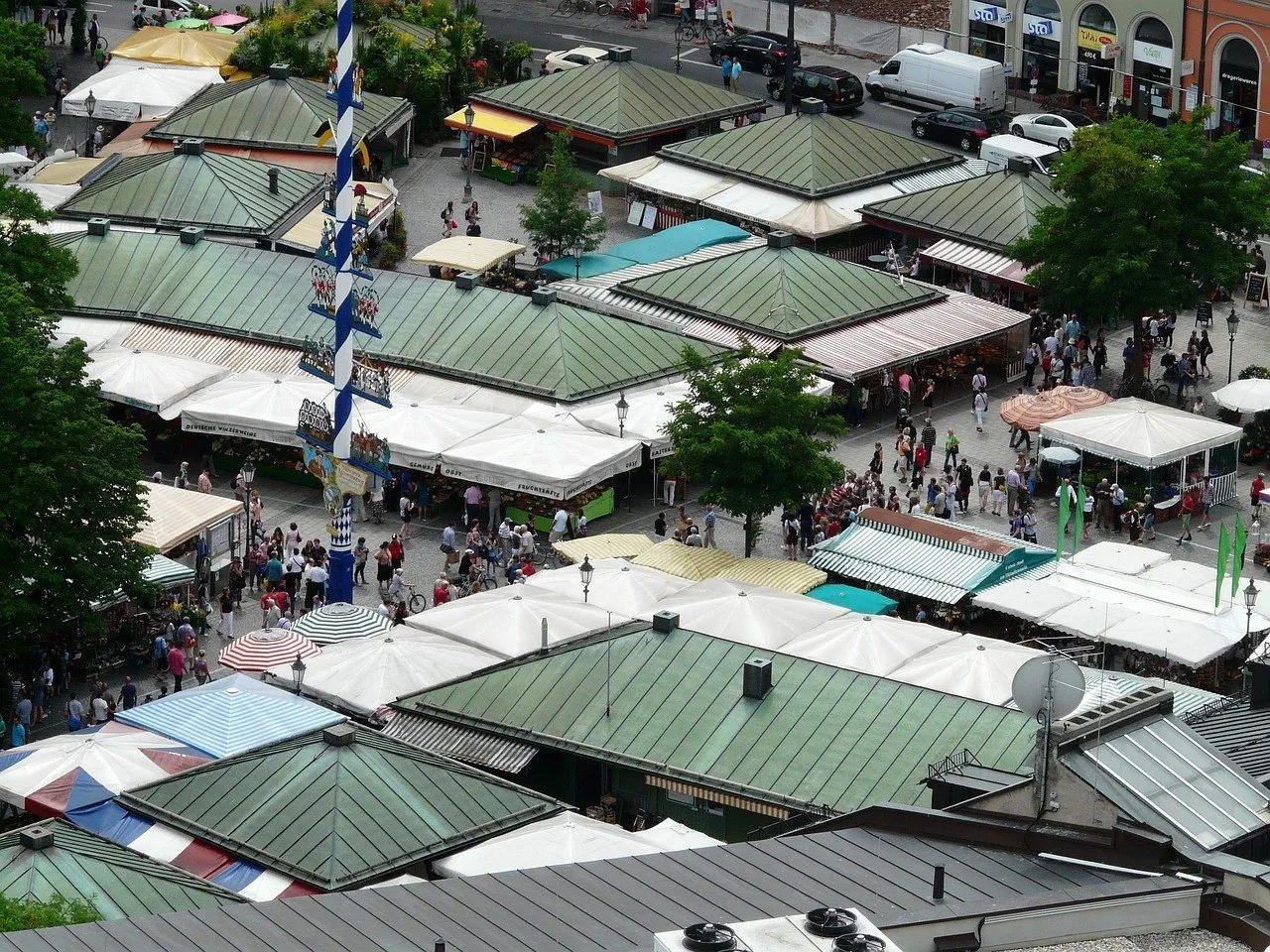 4
Food stalls, flowers and specialties surround the decorated maypole and the beer garden at this open-air market near Marienplatz.
View details for Viktualienmarkt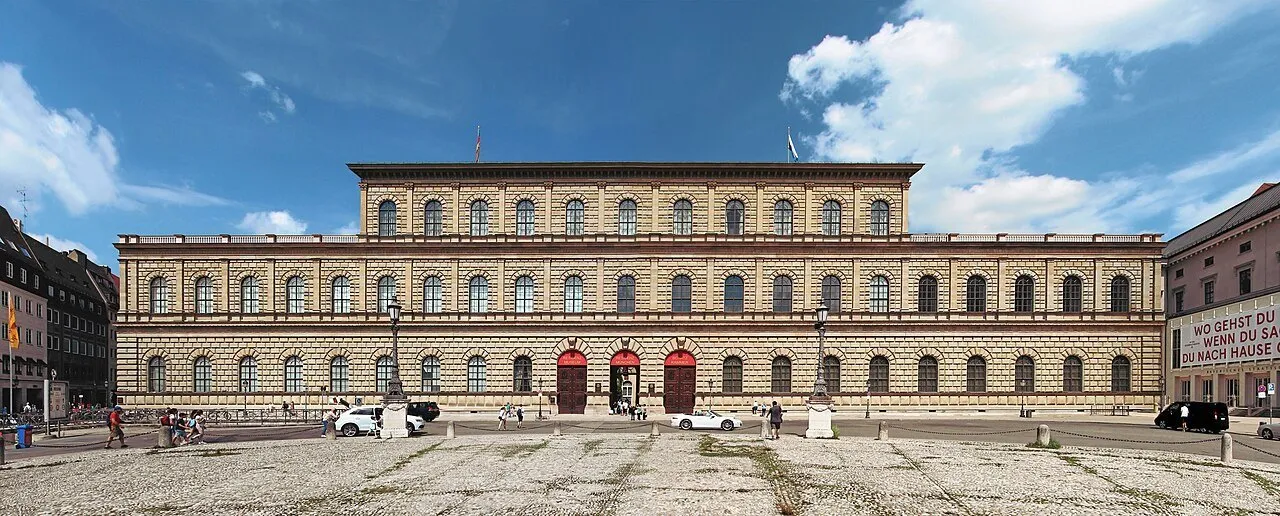 5
The city palace brings together halls and collections; the Antiquarium swaps the scale of downtown streets for a long sequence of arches, paintings and sculptures.
View details for Munich Residenz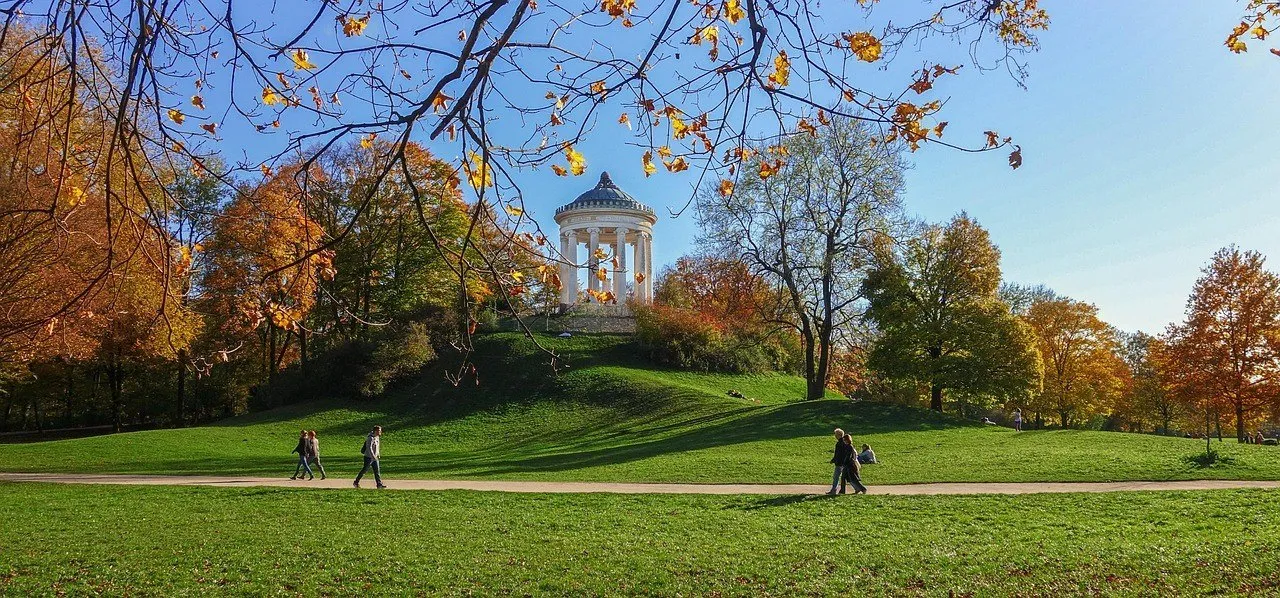 6
Lawns, streams, the Monopteros viewpoint and the Chinese Tower make for an outdoor walk you can adapt to the day's light and weather.
View details for Englischer Garten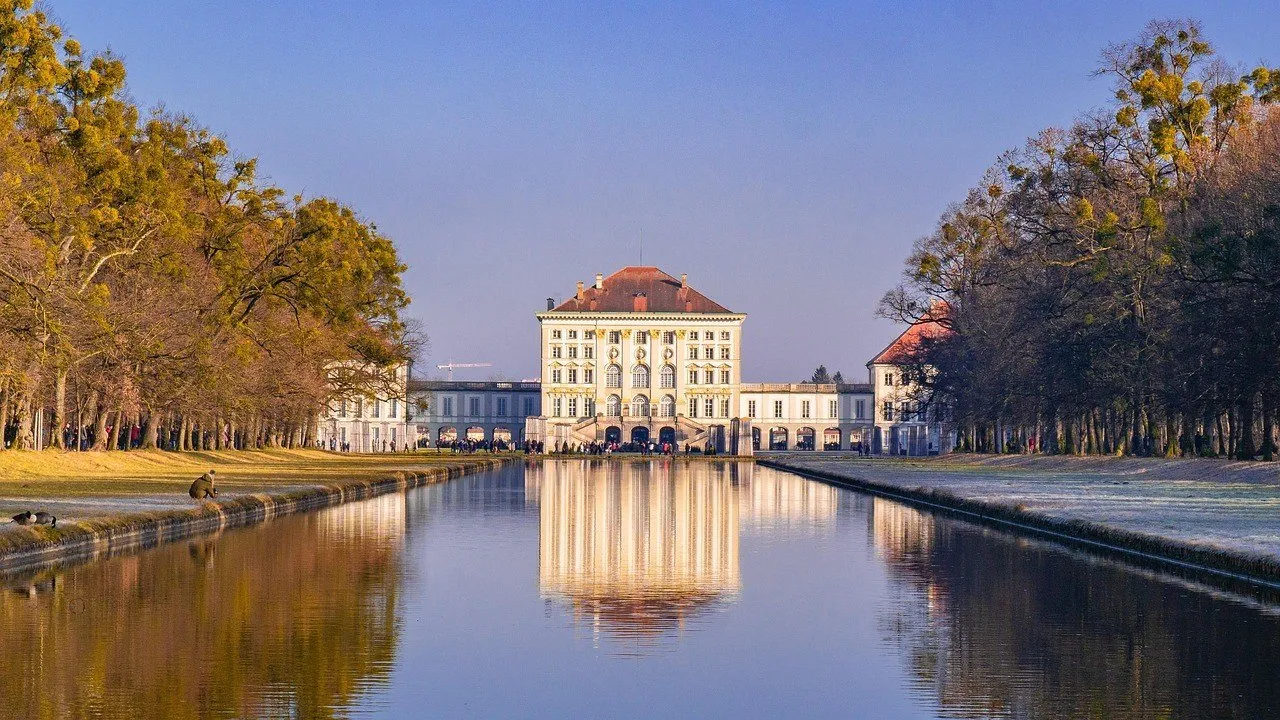 7
The long facade facing the water, the decorated halls and the park make Nymphenburg a palace morning with a walk, away from the old town.
View details for Nymphenburg Palace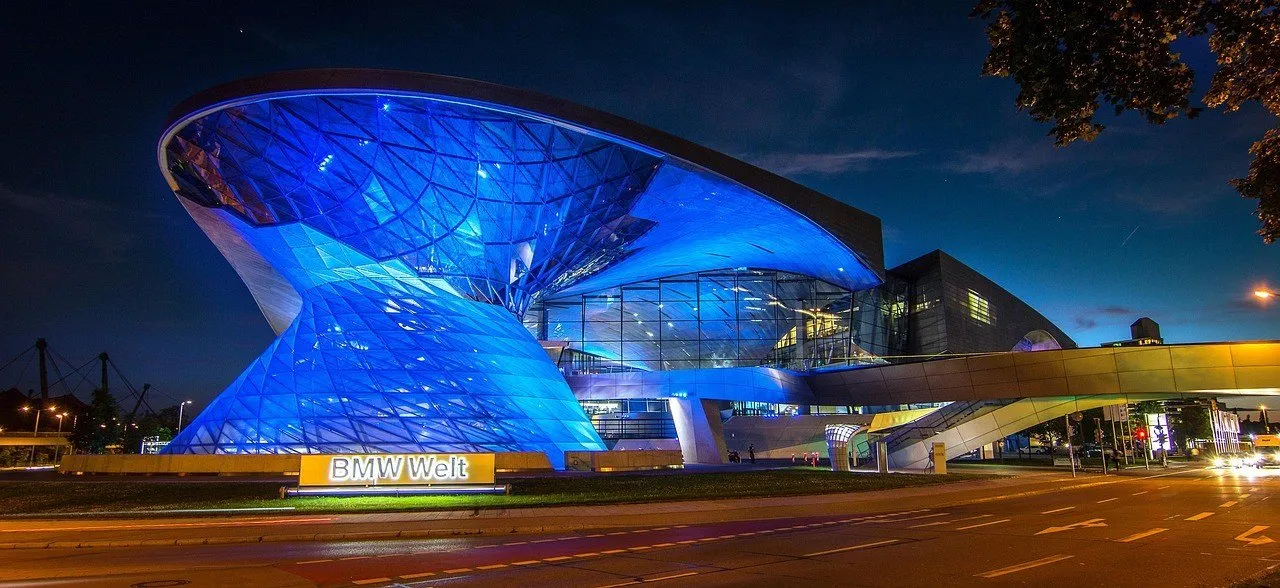 8
Cars and motorcycles fill a building of glass and curves near the Olympic park; BMW Welt has free admission and is different from the BMW Museum.
View details for BMW Welt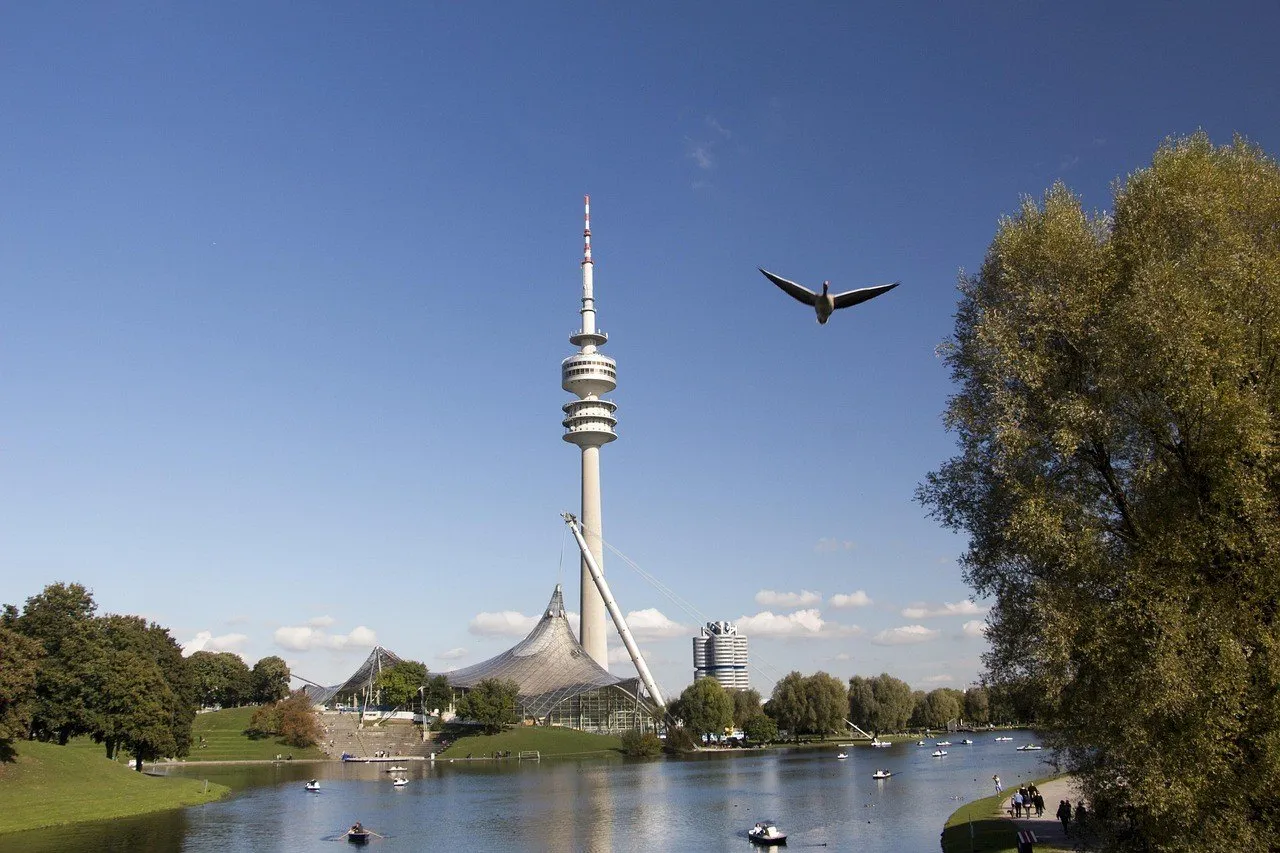 9
A lake, paths and the Olympiaberg hill let you take in the 1972 Olympic complex; the tower and stadium are closed for renovation.
View details for Olympiapark1When the Glockenspiel starts, Marienplatz gains an audience of tilted necks. The carillon's figures move in the tower of the Neues Rathaus, the neo-Gothic town hall that dominates the square. Down below, the Mariensäule (Mary's Column) marks the meeting point between pedestrians and guided groups.
Take a look at the Old Town Hall too, and use the square as a point of reference. It is worth checking the clock, but the schedule changes with the season: don't turn the morning into a stand-up wait.
2The towers with rounded domes help you recognize Munich even in a frame full of rooftops. The Frauenkirche is the city's cathedral, with an interior of columns that feels restrained after the monumental facade. Walk slowly: the alignments hide and reveal windows.
A short visit fits into the walk through the center, as long as you respect service times. The south tower has a separate tourist entrance and involves stairs before the elevator; treat that climb as an add-on to the itinerary, which already asks plenty of your feet.
3The Asamkirche squeezes in between the buildings of Sendlinger Straße; inside, hardly a surface escaped the artists. Sculptures, gilding and painting lead the eye from the darker lower part to the luminous ceiling. The Asam brothers originally created the place as a private chapel.
Its official name is St. John Nepomuk Church. A short visit goes a long way if you take in the composition instead of trying to photograph every detail. During services, put the camera away and come back at another time to look in peace.
4The smell of a snack can decide your route through the Viktualienmarkt before the map gets a say. Among the stalls you will find fruit, flowers, cheeses and ready-to-eat specialties. Look for the fountains with figures and the decorated maypole too.
The beer garden lets you combine food bought at the stalls with a drink bought there, under the local rules. Plan your visit for a day when the market is open: strolling through the area on a Sunday is not the same as finding the market in action. Each vendor keeps their own hours.
5The Antiquarium makes you slow down: the painted vault seems to go on past your first photograph. The hall was created for a collection of ancient sculptures and later adapted for parties and banquets. The pieces along the walls help tell that change.
Visiting the palace museum calls for choices. The Treasury and the Cuvilliés Theatre have their own access conditions; don't add them all to the same afternoon. In winter, closing time comes earlier, so arriving after a long lunch can shrink your visit considerably.
6In the Englischer Garten, the pace shifts between paths, lawns and running water. The Monopteros, a small Greek-inspired temple on a rise, offers a view of the rooftops and towers of the center. The Chinese Tower helps you find the beer garden for a break.
Focus your visit on the southern section. The Eisbach wave can be part of your visit as something to watch from the bank, depending on operation and current rules; seeing a board on the water is not an invitation to jump in too. In cold weather or low light, shorten the loop.
7The water in front of Nymphenburg enlarges the palace in its reflection, as if the facade didn't already take up enough space. Inside, the Great Hall and the apartments shift the focus to paintings, ornaments and portraits: details that call for a close look.
Set aside the morning for the palace and a stretch of the park, leaving the pavilions and additional collections for another visit. Admission works with time slots, and some spaces are under restoration. Gardens and smaller attractions do not necessarily follow the same calendar.
8Before the cars, you will probably look at the ceiling of BMW Welt. The building of glass and curved forms houses exhibitions of the group's vehicles and the handover of cars to customers. For anyone just visiting, the architecture already carries part of the visit.
Admission is free, but it does not include the BMW Museum, in the neighboring building, or every special activity. The itinerary plans a quick pass through the exhibition. Motor fanatics can set aside another time slot for the museum, with a separate ticket.
9The undulating roofs of the Olympic complex appear among water, paths and lawns. Built for the 1972 Games, the Olympiapark is still tied to leisure and events. Walk along the lake and, if access is open, climb the Olympiaberg to change your perspective.
Plan the visit around the outdoor areas: the Olympiaturm and the Olympiastadion are closed for renovation. Older photographs with the tower's viewing platform or people on the roof do not guarantee those activities today. Check the closures; the visit does not depend on those tickets.
Combine walking with the U-Bahn, S-Bahn, buses and trams. Check zones, validity and validation before boarding; the airport requires coverage beyond zone M. Compare the day pass with your planned trips.
The S1 and S8 connect the airport to the city, but construction may require replacement buses. Check your trip on the MVV site and leave a margin for the return; a pretty map won't tell you the train was replaced.
Visit the Viktualienmarkt on a day when the stalls are open. To save money, alternate paid attractions with squares and parks; visiting BMW Welt does not require a BMW Museum ticket.
The Frauenkirche and Asamkirche are still places of worship. Respect services, reserved areas and photo signs; in crowded places, keep your documents and phone well secured.
Spring and fall favor walking, but bring rain protection. In winter, shorten park visits to make the most of the daylight; if a storm warning is issued, check for garden closures.
Look for a Wirtshaus to try Bavarian food and a beer garden to sit outdoors. At the Viktualienmarkt, you can put together a snack and buy a drink at the beer garden, following its rules. Weisswurst is traditionally eaten in the morning; the custom explains more than a stopwatch on the plate. There are cheese options without meat, but check the ingredients.
White sausage served with sweet mustard and a pretzel; a traditional combination of the Bavarian breakfast.
Cheese spread, often made with camembert and onion, to go with bread or a pretzel in the beer garden.
Roasted pork knuckle, a hearty order for anyone who wants to sit down and make lunch part of the sightseeing.
Irregularly shaped noodles with cheese, a classic alternative to meat-centered meals.