1Römerberg and the New Old Town
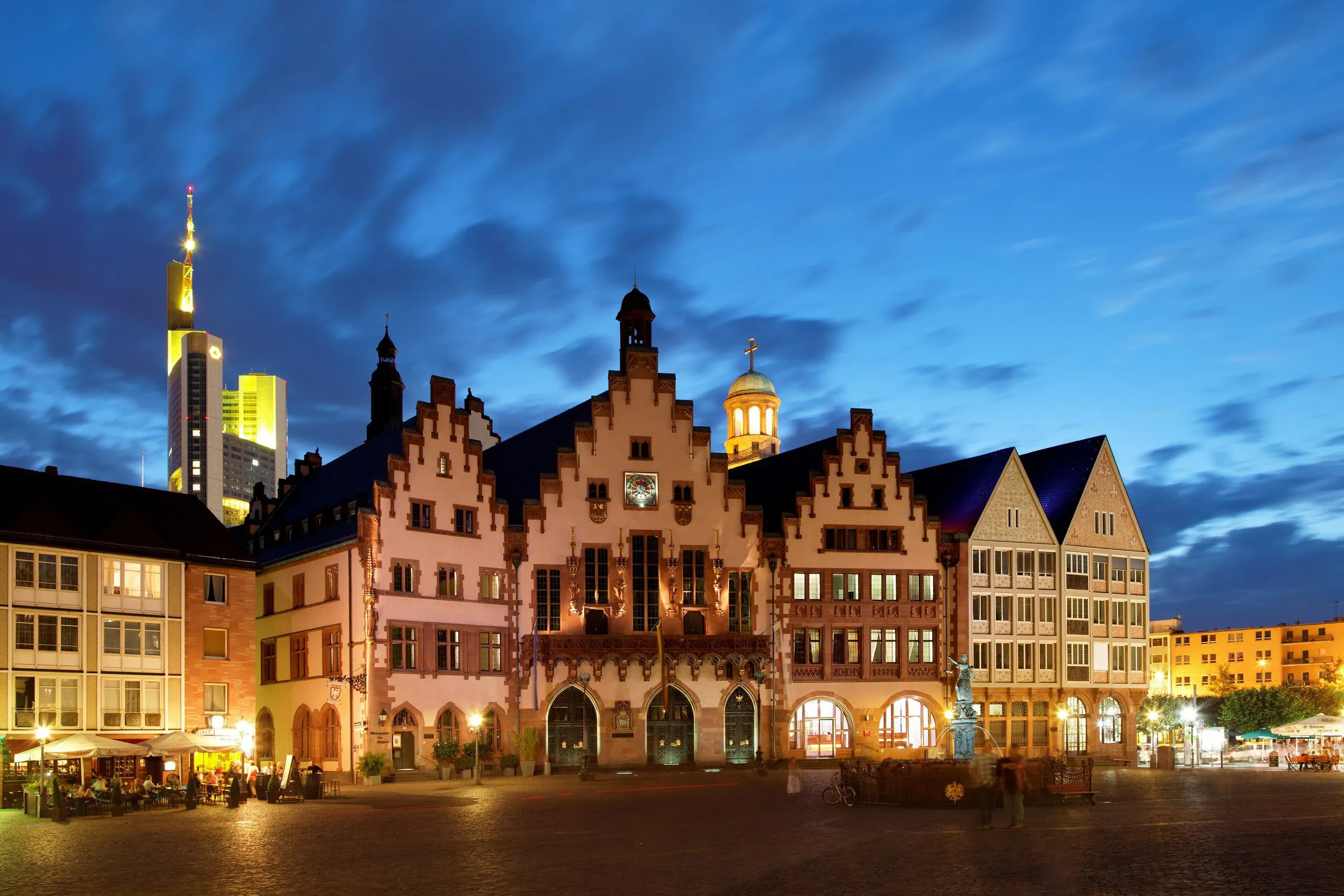
The Römer square brings together timber-framed façades and the city hall; the alleys alongside show how Frankfurt rebuilt part of its old center.
View details for Römerberg and the New Old Town
Germany
On the Eiserner Steg bridge, you frame the skyscrapers over the Main; on the Römerberg, you lower the camera to the timber-framed roofs. Frankfurt offers more than an airport connection.
The name Old Town can be misleading: the area between the Römer and the Dom mixes reconstructions of historic houses with new buildings inspired by their surroundings.
The Kaiserdom has the title of imperial cathedral, but it was never a bishop's seat; its importance is tied to the elections of kings and the coronations of emperors.
In Frankfurt, the jug for apple wine has its own name, Bembel; the glass with diamond-shaped patterns is the Gerippte.
1The Römer square brings together timber-framed façades and the city hall; the alleys alongside show how Frankfurt rebuilt part of its old center.
View details for Römerberg and the New Old Town
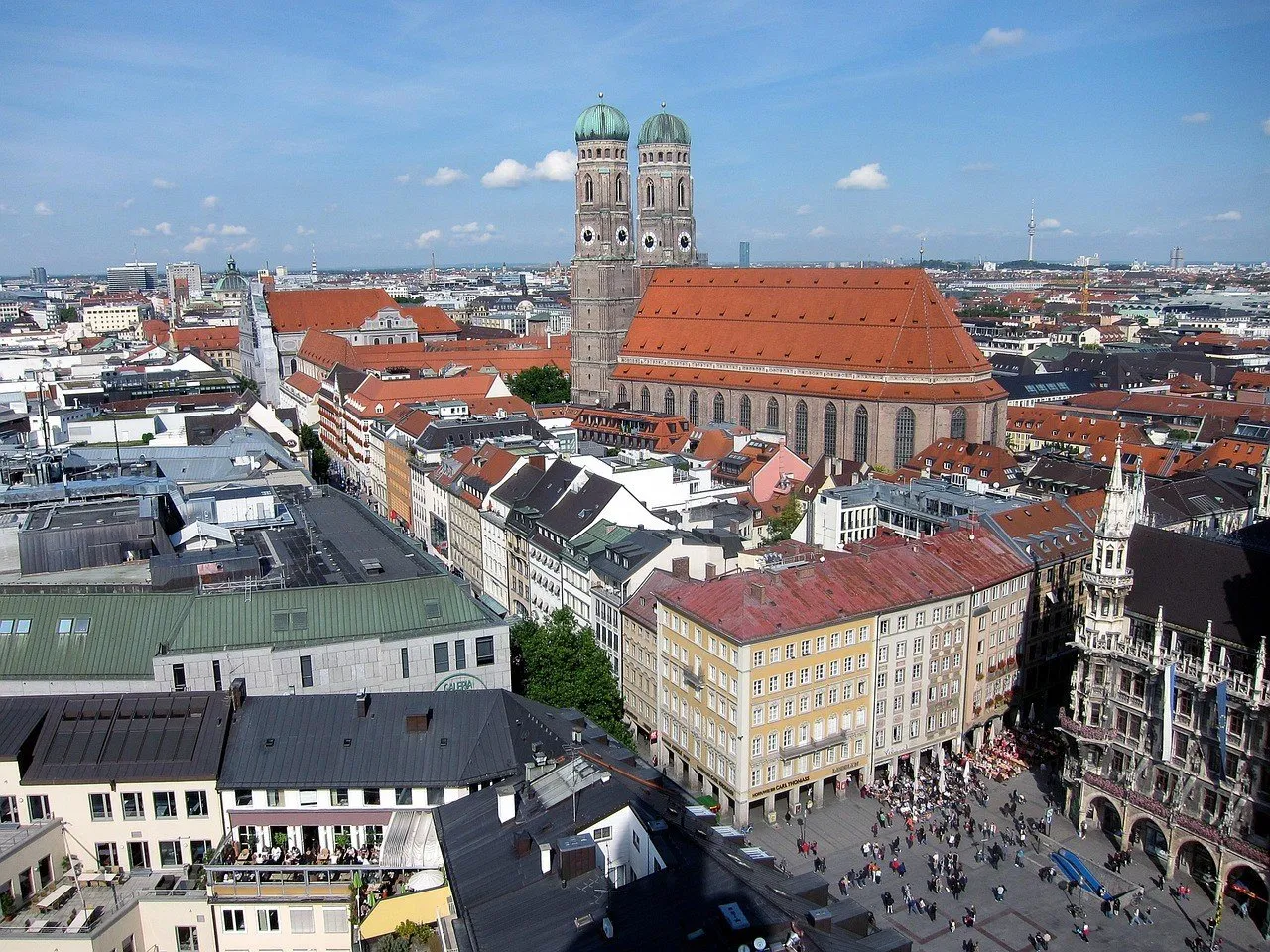
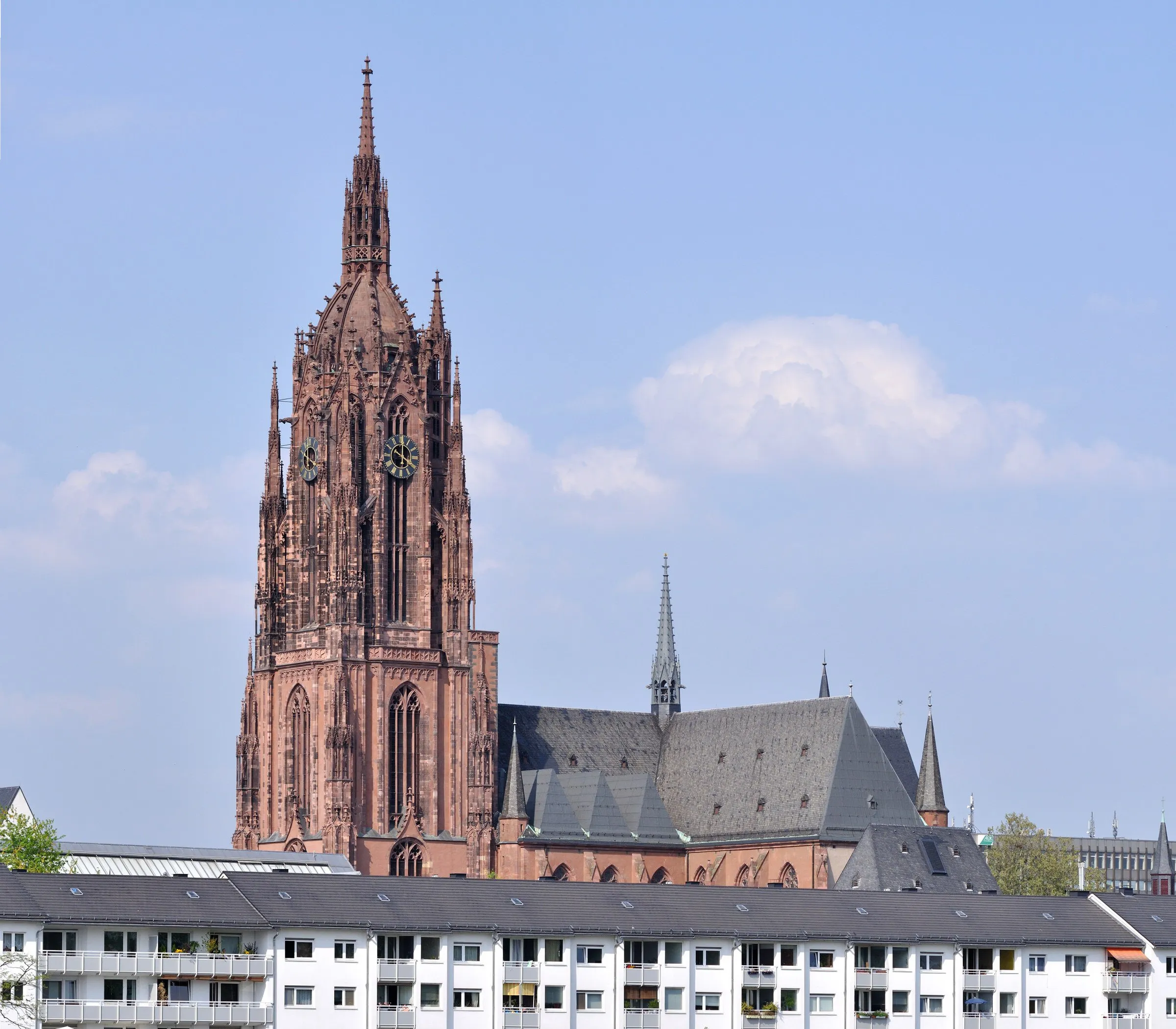
2The church tied to imperial coronations dominates the old town; a visit can include the interior, the museum and a demanding climb up the tower.
View details for St. Bartholomew's Cathedral — Kaiserdom
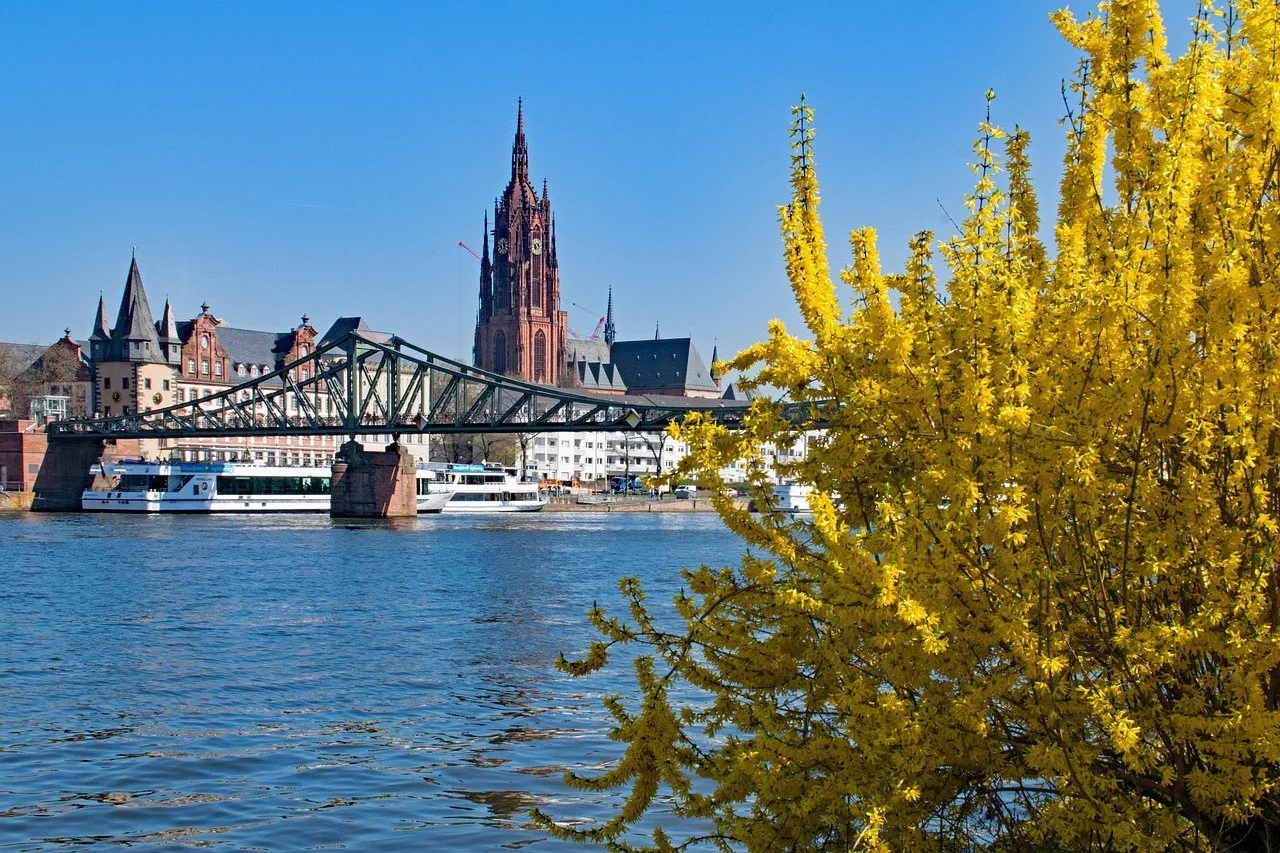
3The pedestrian bridge over the Main links the old town to the south bank and offers a view of the skyscrapers without an observation deck ticket.
View details for Eiserner Steg
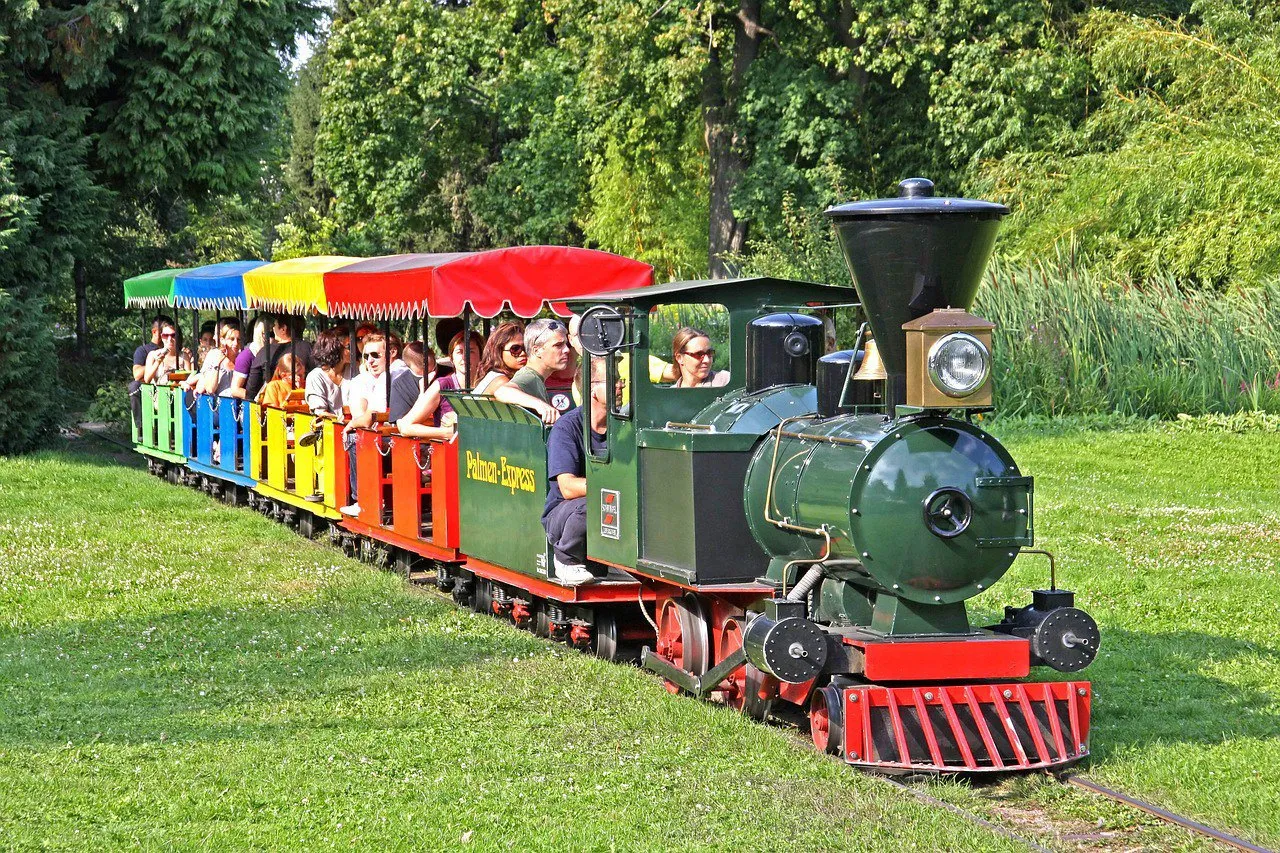
4Outdoor gardens and greenhouses with plants from different regions change the pace of the trip; the Palmengarten calls for time to stroll and sit.
View details for Palmengarten
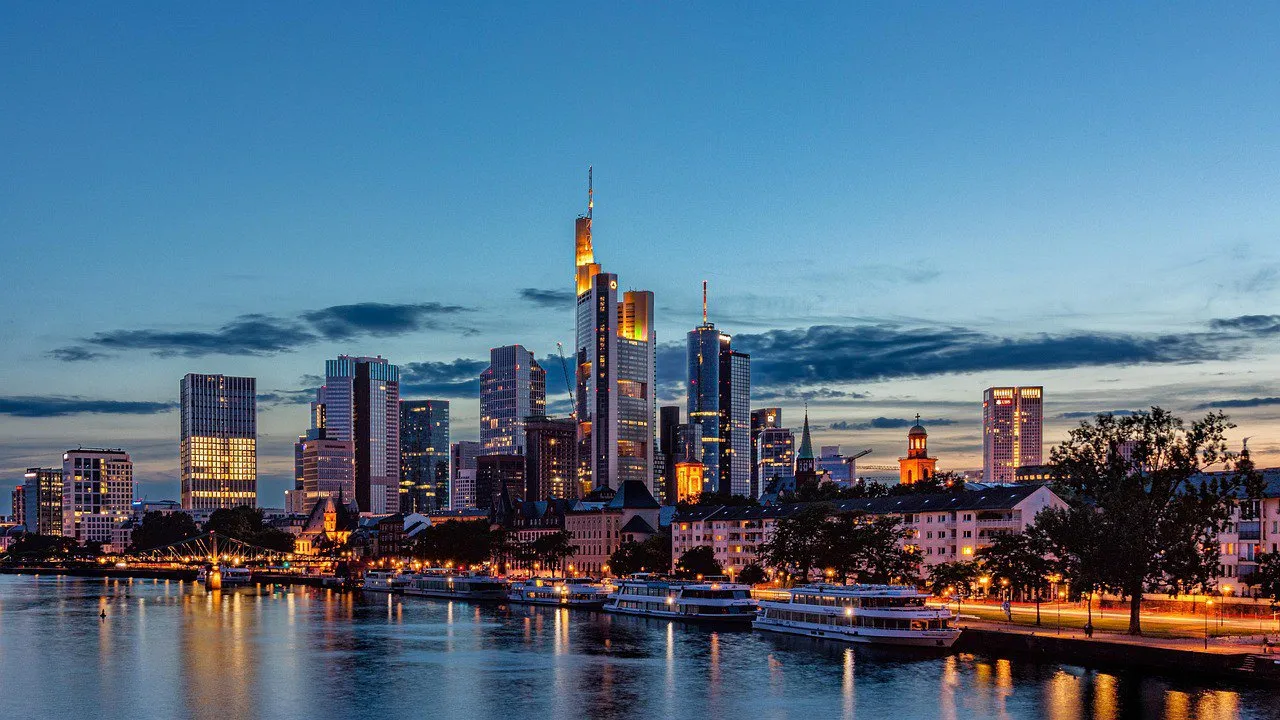
5The Main Tower observation deck puts you among the buildings of the financial district; the view works best when the weather lets you see beyond the glass.
View details for Main Tower
1On the Römerberg, the gables of the city hall and the timber-framed houses make you lower your camera from the skyscrapers to street level. The square presents Frankfurt's historic image and calls for a pause before you continue through the center.
Between the Römer and the Dom, walk past the Hühnermarkt and the Goldene Waage. The reconstruction of the New Old Town combines historic references and new buildings; look at the materials and details instead of imagining that everything survived the centuries intact.
2The Kaiserdom tower guides anyone lost in the Altstadt alleys. St. Bartholomew's Church hosted royal elections and imperial coronations, a political role that explains its weight in German history. Inside, take a good look at the architecture.
The museum and the tower operate on their own, separately from the church. Going up means facing a steep staircase: treat the viewpoint as an optional extra. If you would rather stay on the ground, the interior already gives context for the importance of the place.
3Over the Main, the steel structure of the Eiserner Steg frames Frankfurt's buildings. It is a pedestrian crossing, but it rarely works as a simple shortcut: at every angle, someone needs another photo. Count yourself in with some dignity.
The bridge connects the Altstadt to the south bank. After crossing, look at the riverside: the buildings appear head-on instead of hidden above your head. The crossing helps you understand the layout of the city without having to go up to an observation deck.
4Plants take the leading role at the Palmengarten, while Frankfurt's schedule loses its rush. The complex combines outdoor areas and exhibition houses, including the Tropicarium. Choose a route and step into the open greenhouses, without trying to collect every species.
The visit balances out the walk along the city-center sidewalks, but it needs some slack on the clock. Opening hours are shorter in winter and some houses may have restricted access. Check the day's notices; plants don't usually adapt to your dinner schedule.
5From up there, the river organizes Frankfurt, and the buildings that looked enormous become part of a design. The Main Tower observation deck helps you grasp the whole after getting to know the center on foot. Try to recognize the rooftops you visited.
Choose based on visibility, not only the wish to catch the sunset. Strong wind and rain can close the outdoor platform; hours vary by season. Stay flexible so you can move the visit earlier or swap days if the forecast improves.
At FRA, look for the regional station for S-Bahn services into the city, including the S8 and S9; there is a separate station for long-distance trains. Check the destination, platform and works before boarding.
The city day pass does not automatically include the airport. Give your origin and destination when buying and compare single and day tickets based on your planned trips.
The Palmengarten and the Kaiserdom tower change their calendar by season. Also check the Main Tower notices before buying a ticket, since wind and rain can affect the visit.
On the bridge and on trains, zip your backpack and put your phone away after using it. Check your route before leaving the station with luggage and prefer busy paths.
Carry a few euros and confirm the payment methods before ordering. Dress in layers and carry rain protection: wind and bad weather can also affect outdoor visits.
On the menu in Frankfurt, the apple wine is tart, the cheese comes with onion and the green sauce goes with eggs or potatoes. Ask about the sides and the portion size before turning a tasting into a full dinner.
A cold herb sauce, traditionally made with a mix of seven varieties; it can go with eggs and potatoes.
Fermented apple wine with a tart flavor, served in a ribbed glass or in the ceramic jug called a Bembel.
A sour-milk cheese with a marinade of vinegar, oil and onion; the word Musik in the order does not mean live entertainment.