 1
Old Dubai
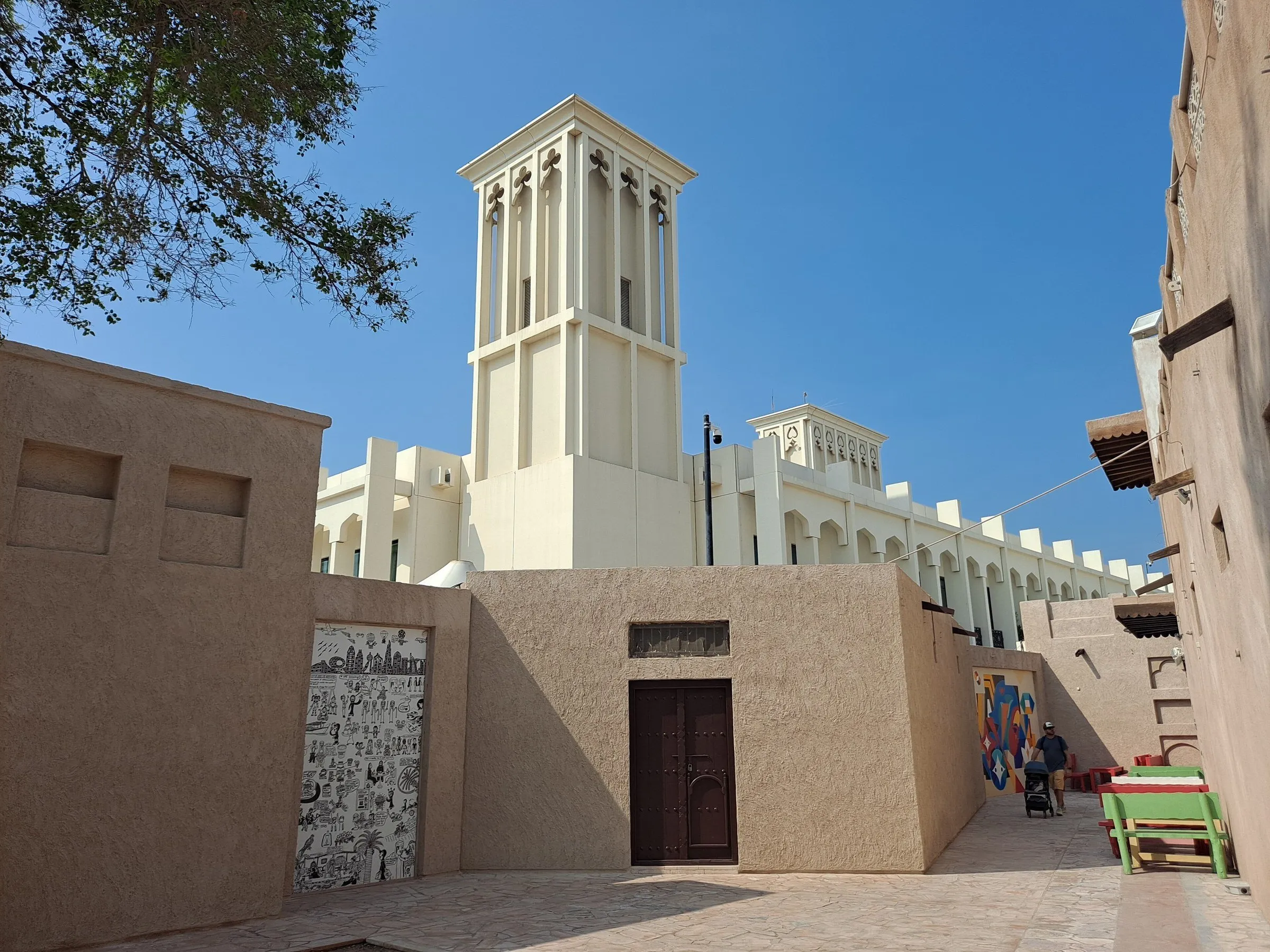
Al Fahidi Historical Neighbourhood
Narrow lanes and Persian merchants' houses built from the 1890s, nearly demolished in the 1980s and now occupied by museums, galleries and cafés.
View details for Al Fahidi Historical Neighbourhood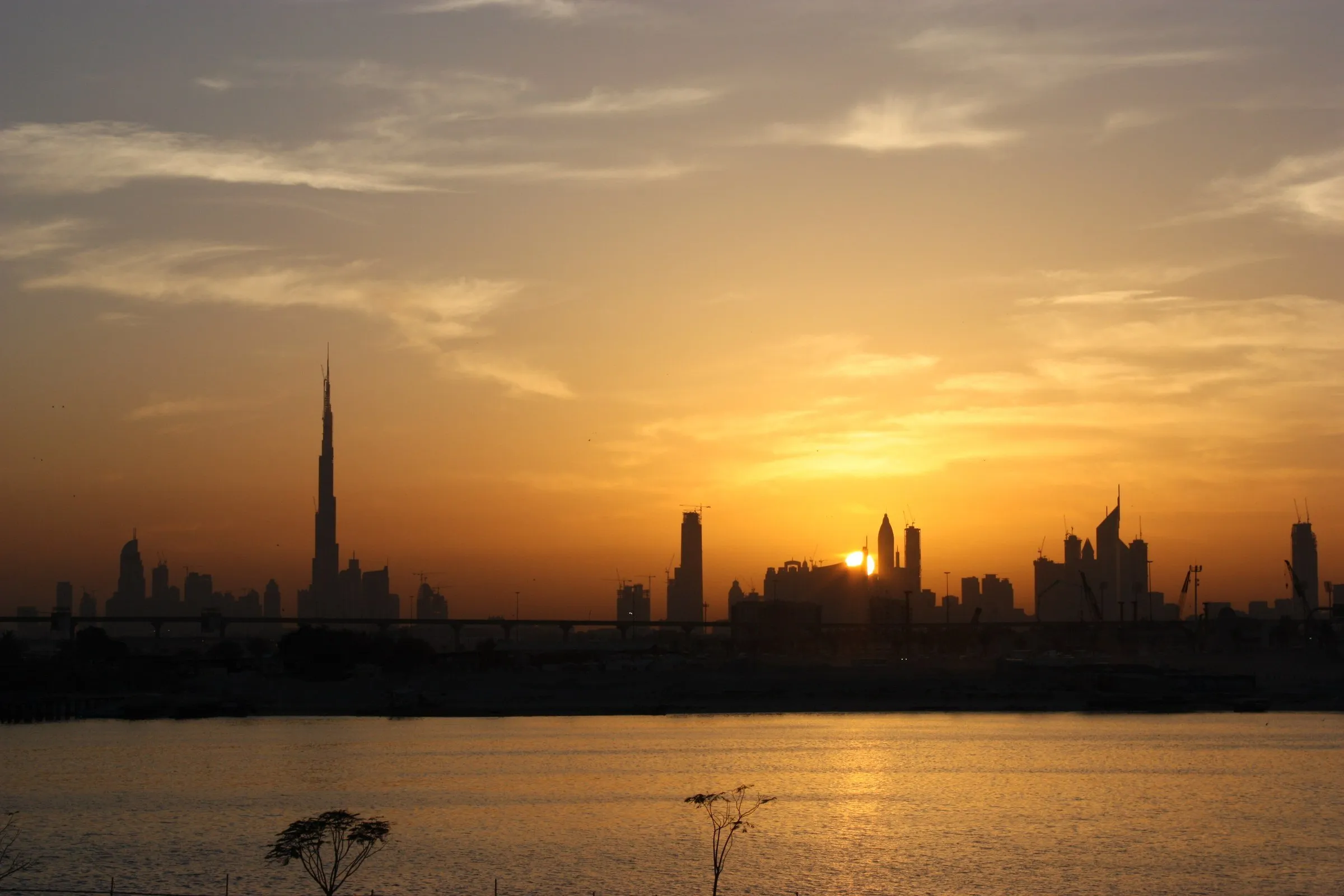
The abra that crosses the Creek leaves every few minutes and costs a single dirham coin. On the other side, the frankincense scent of the Spice Souk tells you: before the skyscrapers, Dubai was this.
Dubai has a reputation as a city that sprang from the sand overnight, but it began as a saltwater inlet. The fishing and pearl-diving village grew up on the banks of the Creek, and the Al Maktoum family began its rule in 1833. Pearls held up the economy until the 1930s, when cultured pearls wrecked the trade. Oil turned up in 1966, in far smaller volumes than in Abu Dhabi, and by 2018 it accounted for less than 1% of the local GDP.
The result is a city where about 92% of residents came from other countries. Arabic is the official language, English handles almost everything, and several South Asian languages complete the soundtrack. Local customs, however, apply to everyone: clothing that covers shoulders and knees in malls, no kissing in public, and alcohol only in licensed venues. It is not complicated, and visitors who arrive informed get around without trouble.
Divide the trip by geography. Around the Creek you will find Al Fahidi, Shindagha and the Deira souks, the oldest part of town and the best for walking. Downtown has the Burj Khalifa; the Jumeirah coast has public beaches and the mosque open to visitors; and the interior holds the red dunes of the desert reserve. In between, obey the thermometer: in summer, highs pass 40 °C (104 °F), so early morning and late afternoon are the hours for being outdoors.
Until its opening in January 2010, the Burj Khalifa was called Burj Dubai. The name changed in honor of Sheikh Khalifa bin Zayed Al Nahyan, ruler of Abu Dhabi and president of the UAE, who gave decisive financial backing to the project.
The Al Fahidi neighborhood escaped demolition partly thanks to a letter: the British architect Rayner Otter wrote to the then Prince Charles, who visited the place and suggested preserving it.
Since July 2024, some Creek abras have been 3D-printed, a new version of the wooden boat that was the city's first public transport.
The Gold Souk once displayed a 64 kg ring, by the jeweler Taiba, billed as the largest in the world. No finger could take it.
1Narrow lanes and Persian merchants' houses built from the 1890s, nearly demolished in the 1980s and now occupied by museums, galleries and cafés.
View details for Al Fahidi Historical Neighbourhood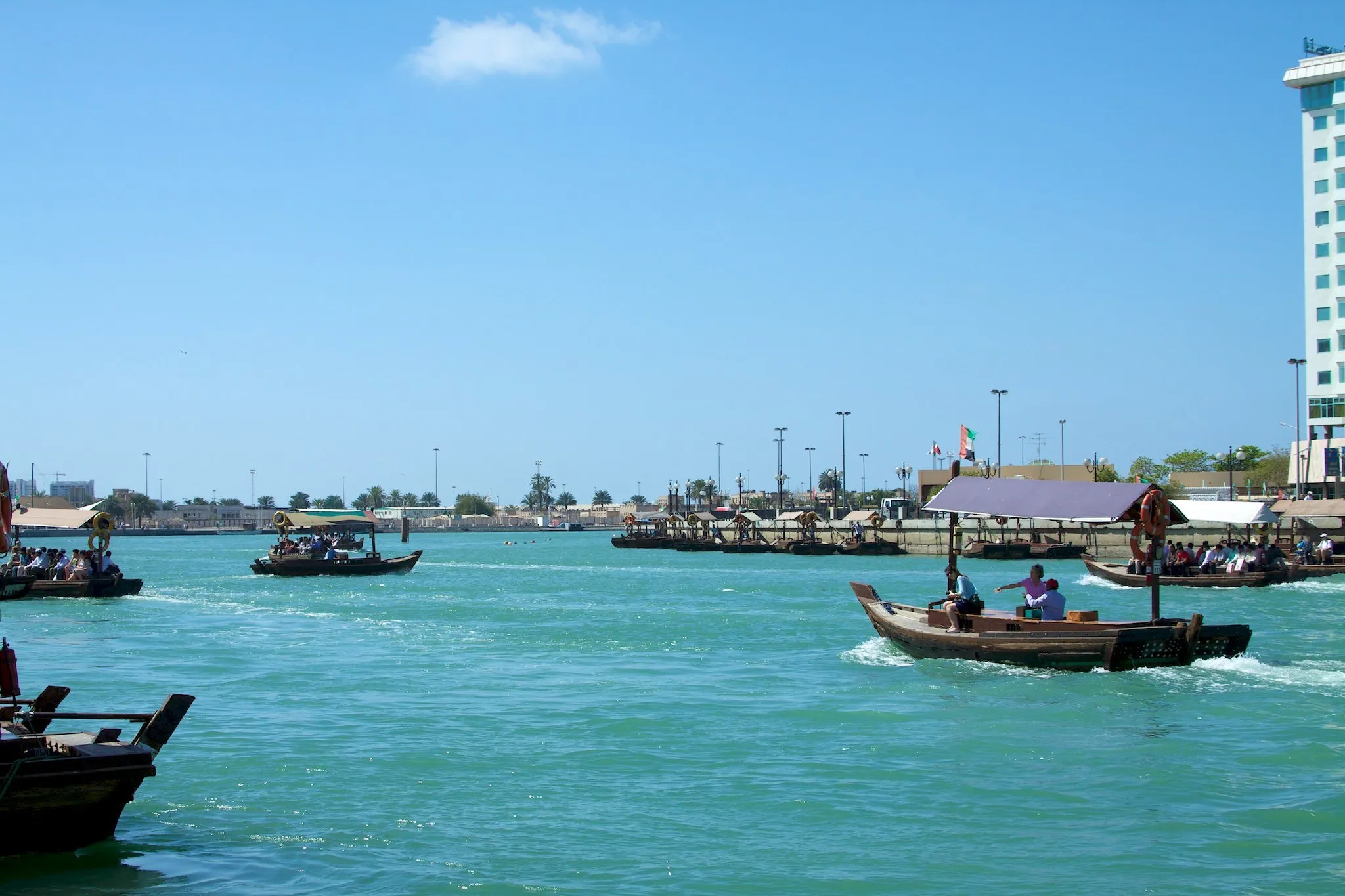 2
The inlet where Dubai was born, crossed every few minutes by abras, the wooden boats that were the city's first public transport.
View details for Dubai Creek and the Abras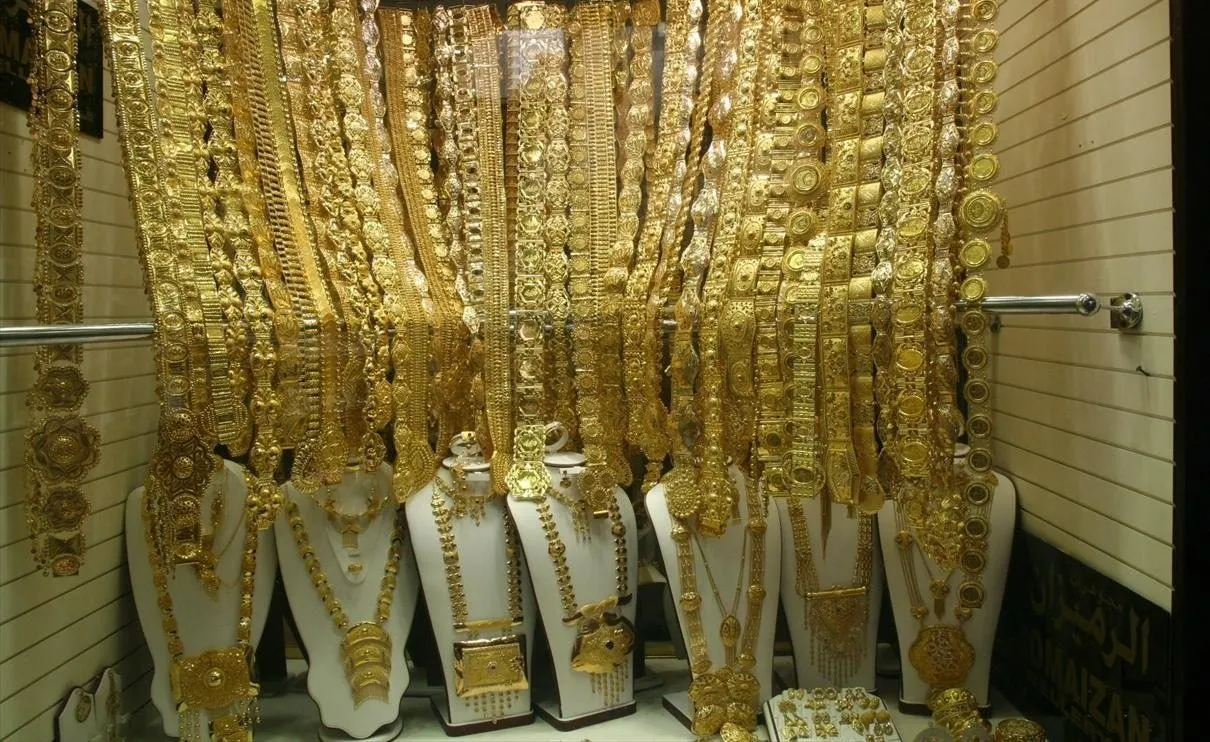 3
More than 380 shops selling gold, silver and platinum jewelry in Deira, in a market that began informally on the Creek's edge in the early 20th century.
View details for Gold Souk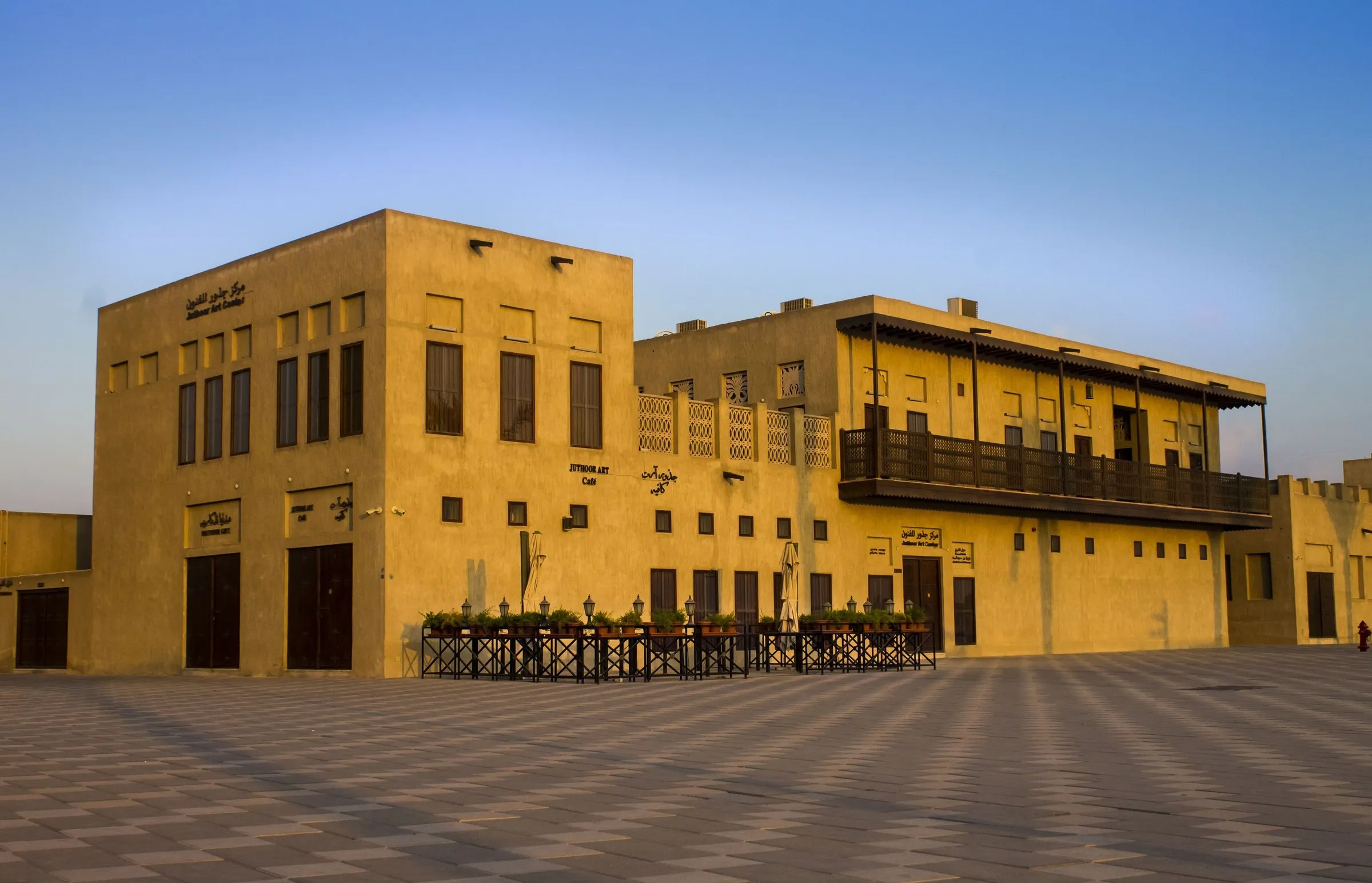 4
An open-air museum on the Creek's banks, opened in 2023, with 22 pavilions spread across 80 restored historic houses.
View details for Al Shindagha Museum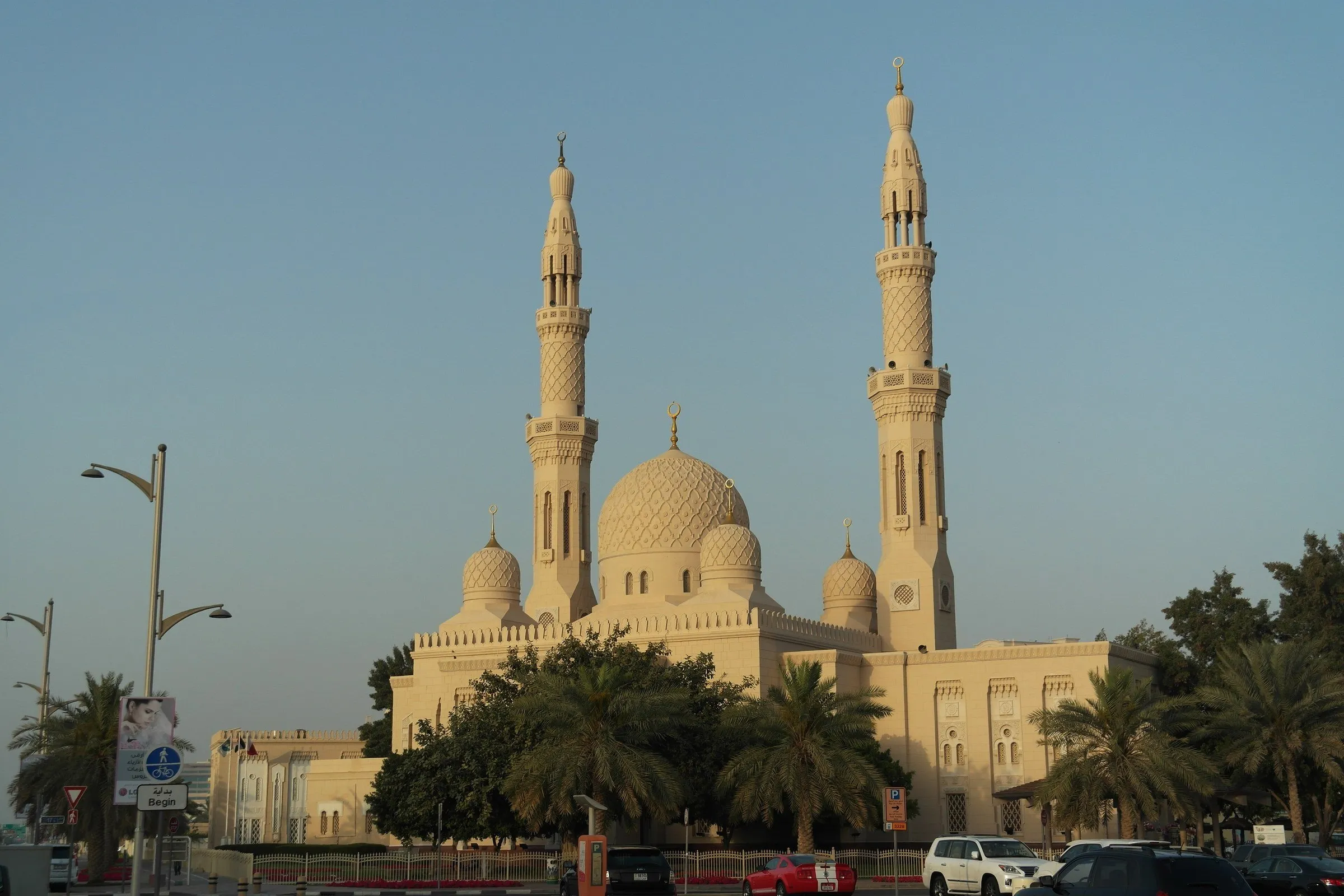 5
A Fatimid-inspired mosque opened in 1979, one of the few in Dubai open to non-Muslims, in guided visits with time for questions.
View details for Jumeirah Mosque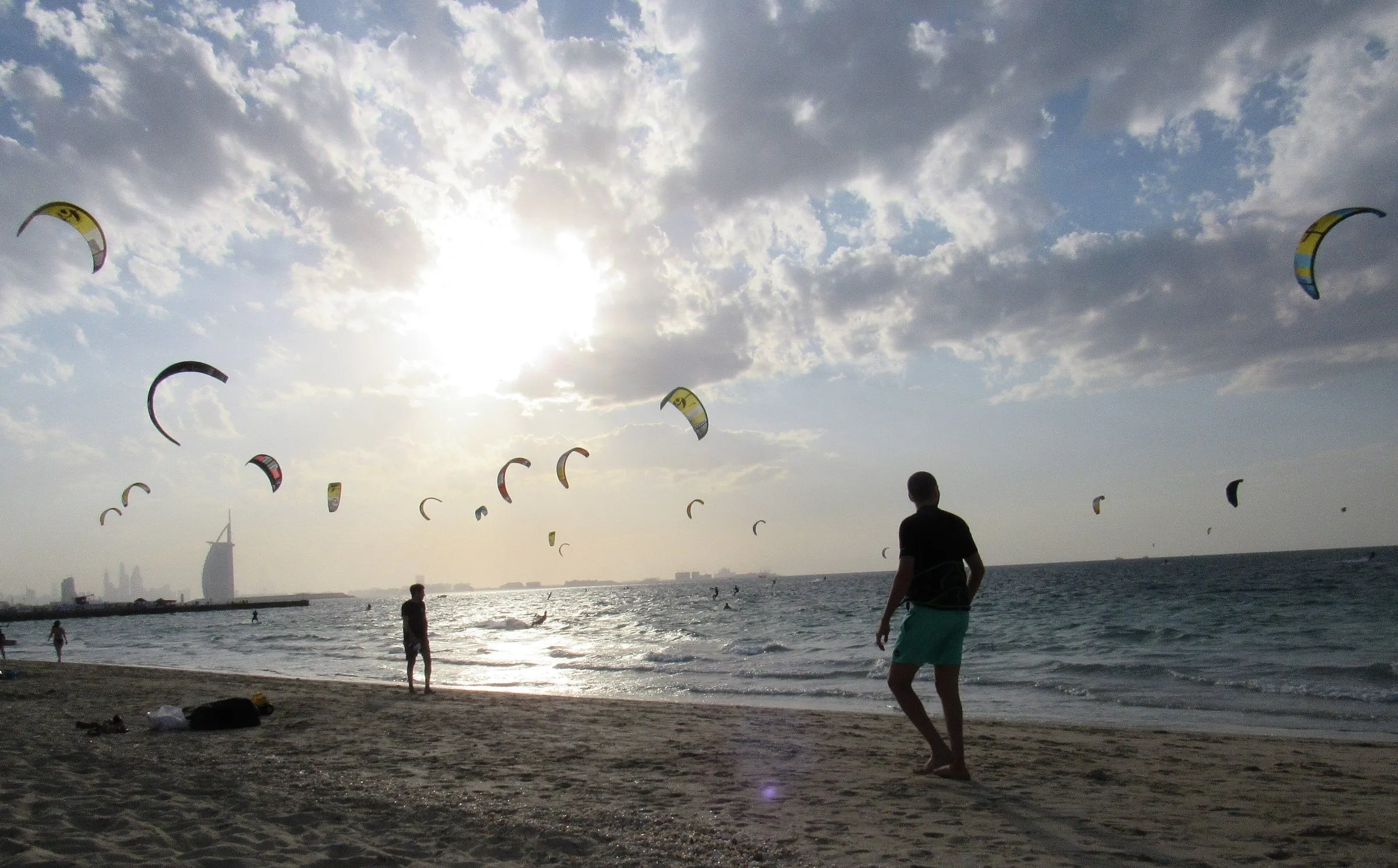 6
A 2.4 km (1.5 mile) public beach in Jumeirah with a kitesurfing area, a running track and the Burj Al Arab on the horizon, great in the late afternoon.
View details for Kite Beach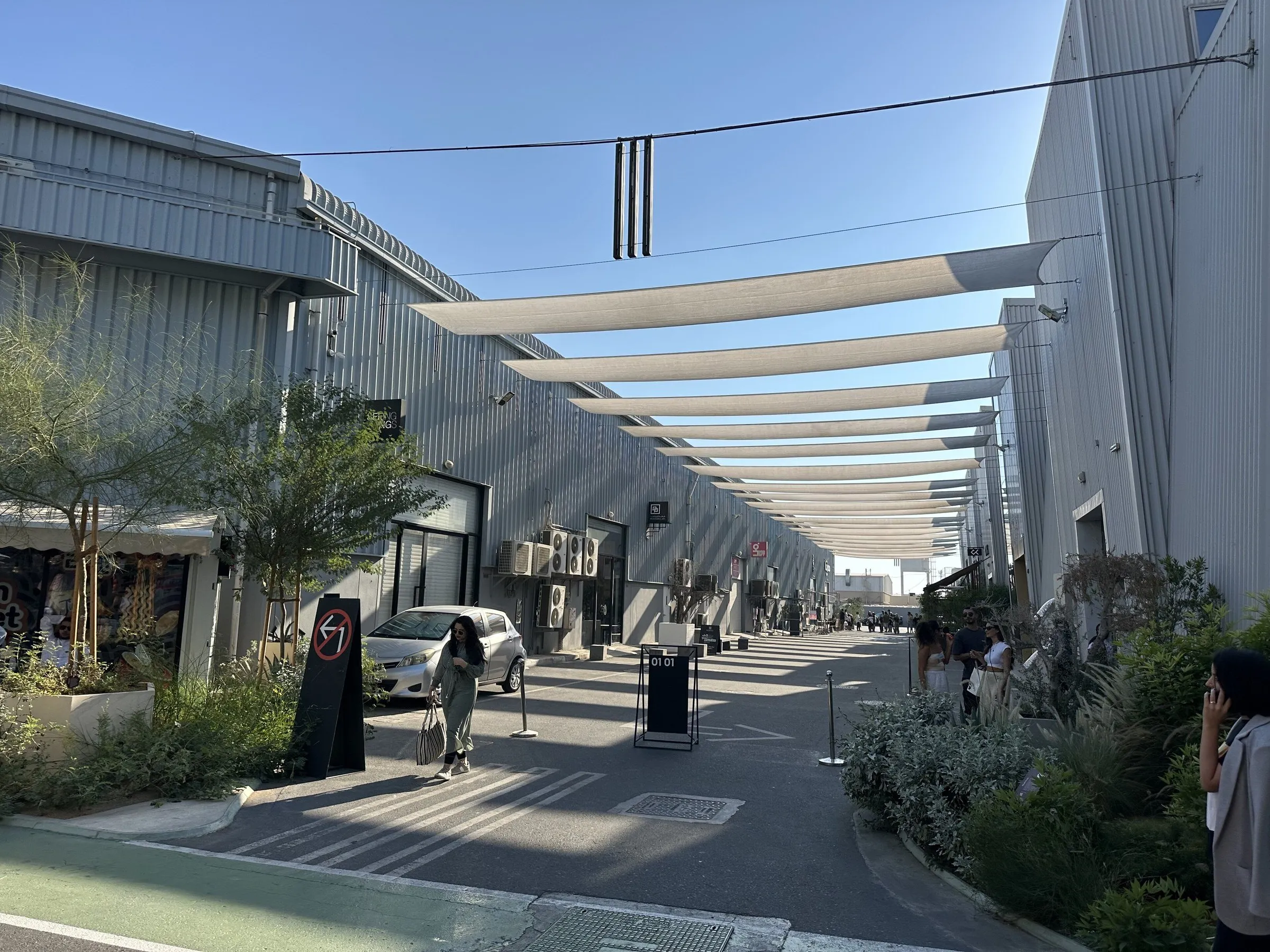 7
A former industrial warehouse zone in Al Quoz that became Dubai's contemporary art hub, with galleries, design studios and an OMA space.
View details for Alserkal Avenue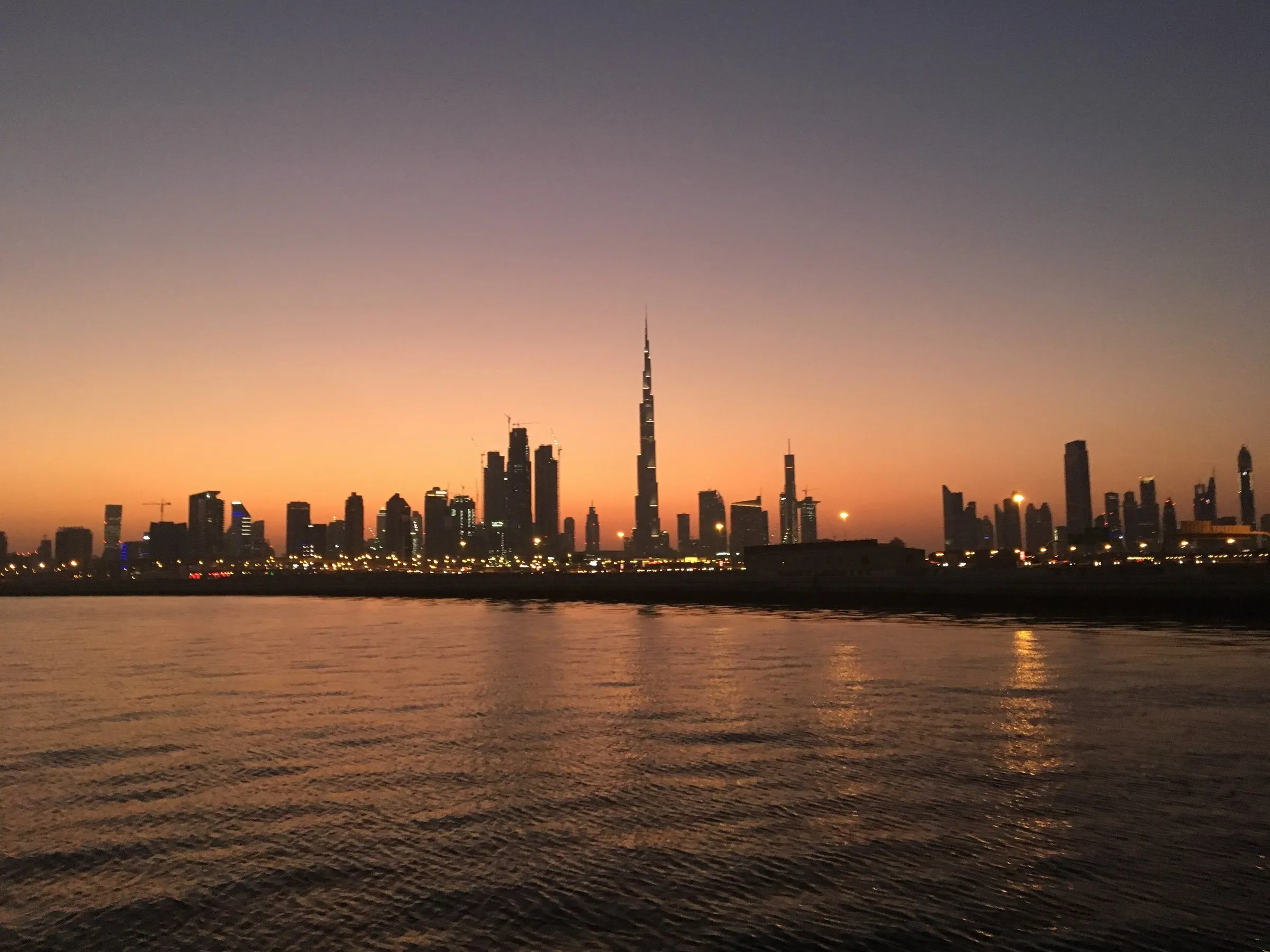 8
An 828-meter (2,717 ft) tower opened in 2010 in Downtown, with observation decks on floors 124 and 125 and on 148, the latter at about 555 meters.
View details for Burj Khalifa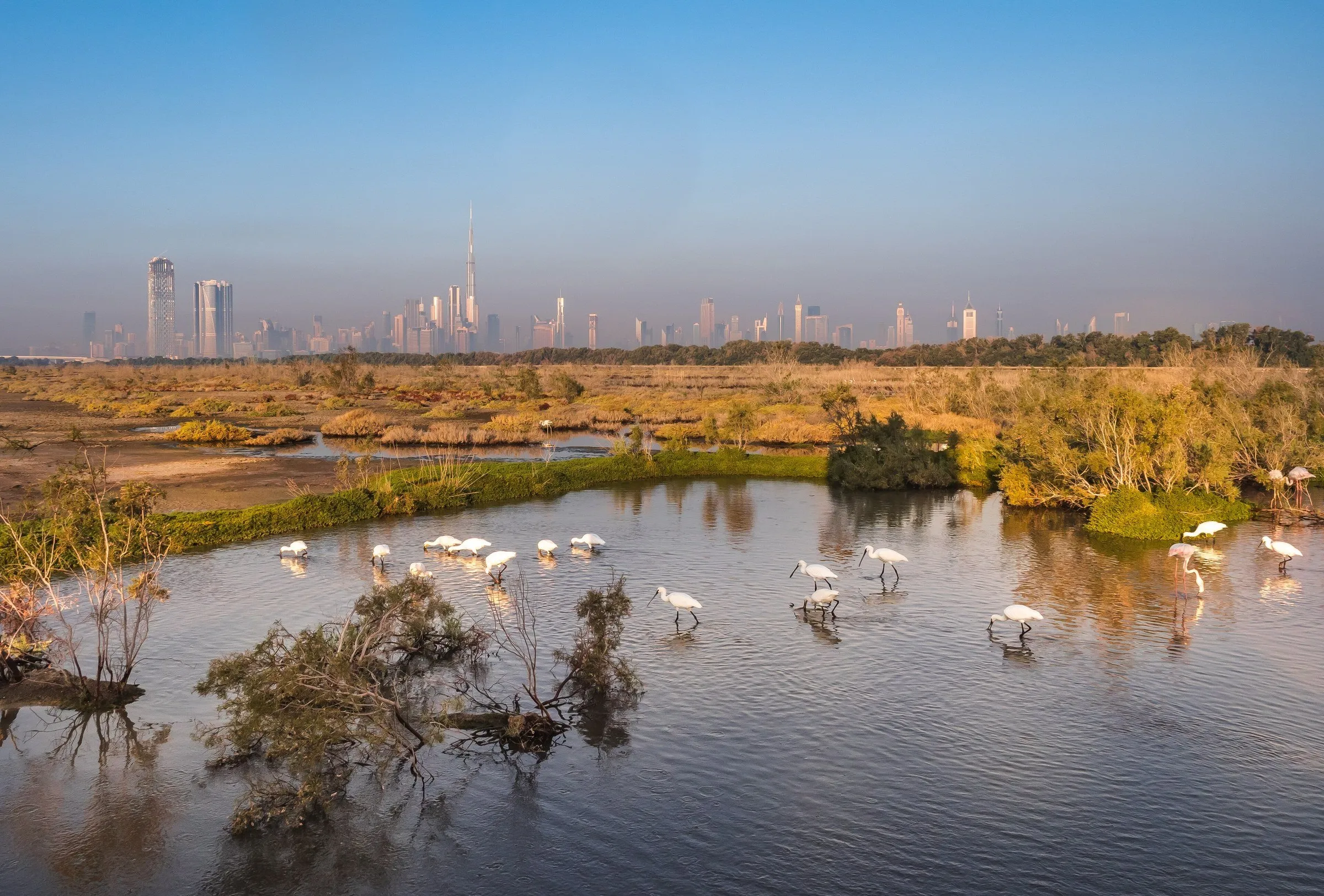 9
Mangroves, lagoons and mudflats at the natural end of the Creek, where greater flamingos feed in front of free-entry observation hides.
View details for Ras Al Khor Wildlife Sanctuary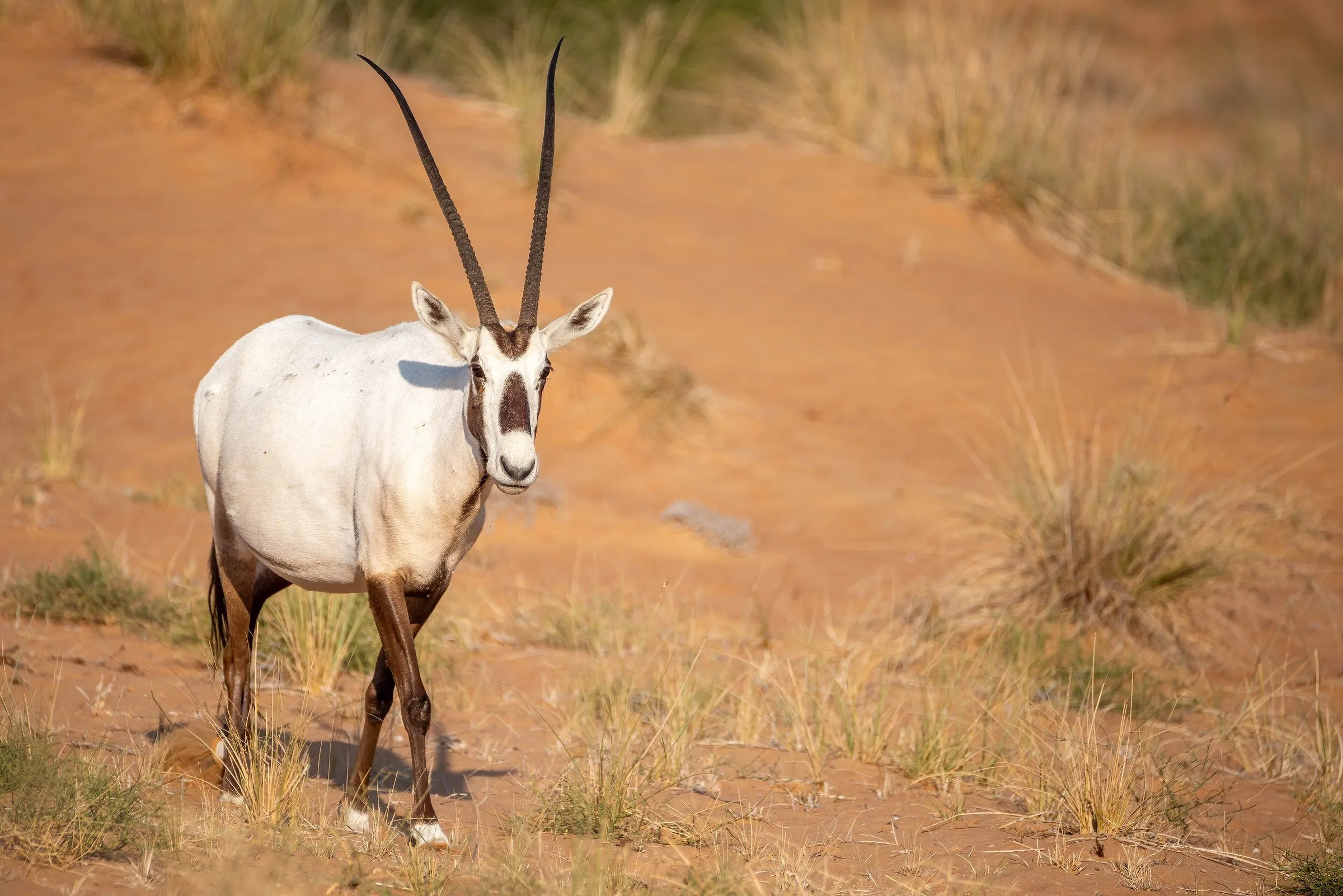 10
About 225 km² (87 sq mi) of red dunes, some 5% of Dubai's territory, home to the largest free-roaming herd of Arabian oryx in the UAE.
View details for Dubai Desert Conservation Reserve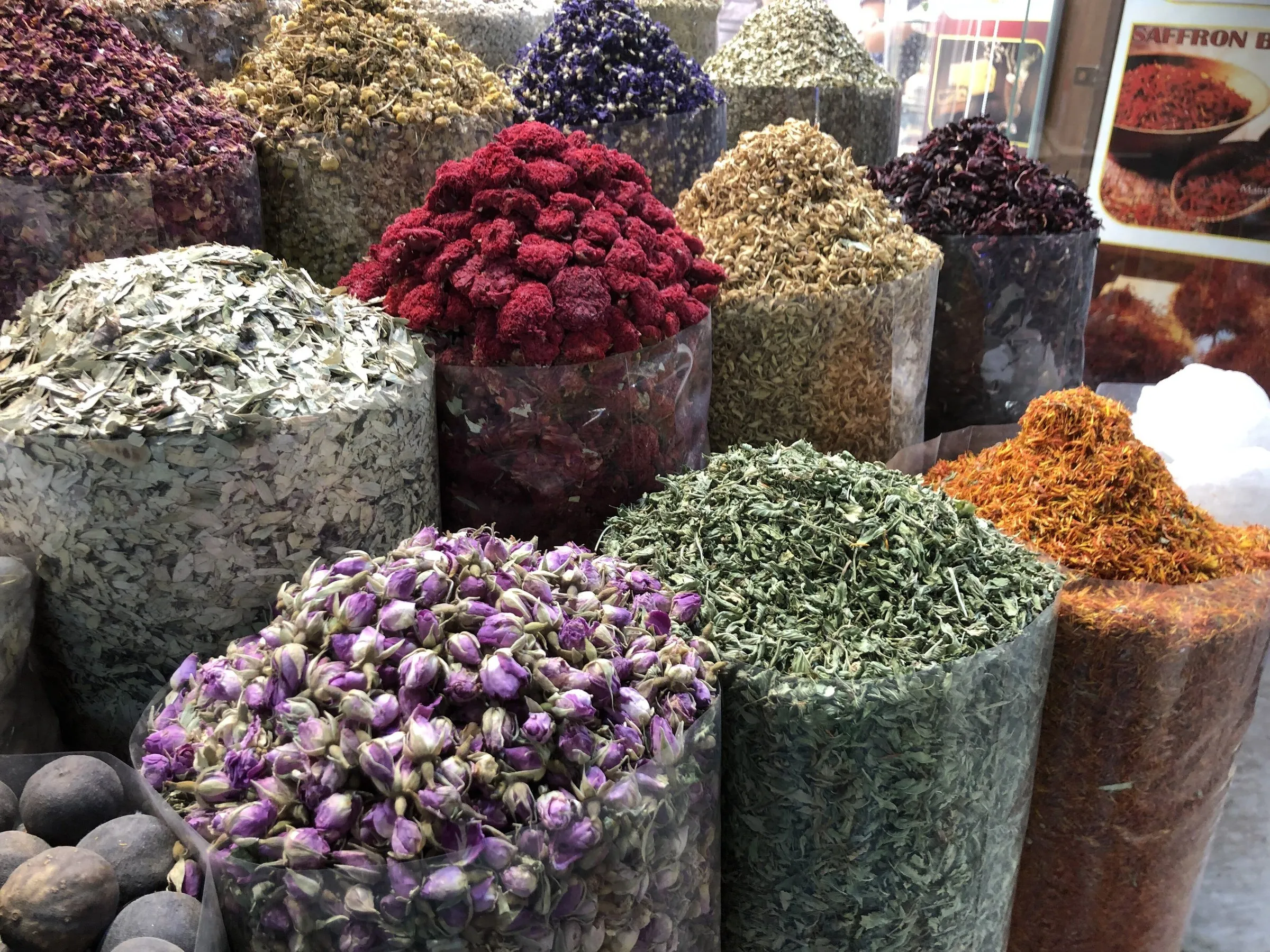 11
Deira alleys with open sacks of spices, herbs, incense and frankincense, next to the Old Souk abra station and the gold market.
View details for Spice Souk1The lanes of Al Fahidi are so narrow that two people carrying shopping bags have to agree who goes first. Persian merchants began building the houses in the 1890s, and the neighborhood's old name, Bastakiya, comes from Bastak, a town in southern Iran. Above the low buildings rise the barjeel, wind towers that were residents' answer to the summer heat.
The neighborhood once had about 60 houses. Half were knocked down in the 1980s to make way for offices; the rest were saved only after a preservation campaign. Restored from 2005, the courtyards now house galleries, the Coffee Museum, with live roasting and brewing, and the Sheikh Mohammed Centre for Cultural Understanding.
2Before any skyscraper, there was the Creek, an arm of the sea that reaches about 14 km (9 miles) inland and split the city in two: Bur Dubai on one side, Deira on the other. In the early 20th century it was Dubai's only port, and the pearl-fishing boats that sustained the economy until the 1930s sailed from here.
The abras, the city's first public transport, are still run by the government. Between the Al Ghubaiba station in Bur Dubai and Al Sabkha in Deira, they leave every few minutes and charge a coin, paid to the boatman. It may be the cheapest outing of the trip, and one of the most beautiful.
3Window after window, each fuller than the last: the Gold Souk brings together more than 380 traders, most of them jewelers. Besides gold, there is platinum, silver, bars, loose diamonds and colored stones, all a few steps from the Creek.
The market began informally, in the early 20th century, with stalls at the water's edge. It grew in the 1940s, when free trade drew merchants from India and Iran, and again after the Creek was dredged in 1963. Even if you do not buy a gram, walk through: it is Deira working at full steam.
4If Al Fahidi is the merchants' neighborhood, Shindagha holds houses of the ruling family, such as that of Sheikh Saeed Al Maktoum, where the museum opened in March 2023. The area became the largest heritage museum in the UAE: 22 pavilions spread across 80 historic houses, each with its own theme.
The names already tell the itinerary: Dubai Creek, the Birth of a City; Traditional Crafts; Traditional Jewelry; Sea Culture; House of Poetry. The House of Perfume completes the set, a good follow-up for anyone coming from the Spice Souk. The collection runs from 19th-century Dubai to that of the 1970s.
5Built between 1975 and 1979, the Jumeirah Mosque holds up to 1,200 worshippers. Official sources speak of Fatimid inspiration; some also point to Mamluk traits in the reliefs of the dome and minarets. For non-Muslims, entry is only through the tours run by the Sheikh Mohammed Centre for Cultural Understanding, whose motto is "Open Doors. Open Minds."
The tours are led by Muslim guides, outside prayer times, and cover the five pillars of Islam, ablution and prayer. At the end comes a round of questions, and that is the idea: to ask respectfully, of people who live the faith day to day, whatever you have always wanted to know.
6The beach is named after the sport: there is a reserved area for kitesurfing, and on windy afternoons the colorful sails share the sky with the silhouette of the Burj Al Arab. It has 2.4 km of sand with a promenade, running track and playgrounds, and jet skis and other motorized activities are kept in zones separate from those who just want to swim.
In the heat, flip the clock: since 2023, the municipality has allowed night swimming at illuminated public beaches, such as Jumeirah 2, Jumeirah 3 and Umm Suqeim 1. And swimwear is for the sand and the pool; to go to a café, put something on over it.
7Nobody passes through Al Quoz by accident: it is an industrial zone of sheds and workshops. That is precisely what attracted the art. In 2008, Ayyam Gallery moved into one of the complex's 39 warehouses, and other galleries followed.
Today there are more than 60 spaces for art, design and creative work, with about 25 contemporary art galleries packed within a one-block radius. The Concrete, opened in 2017, was the first project completed in the UAE by OMA, the firm founded by Rem Koolhaas. On a scorching afternoon, it is the best trade-off possible.
8Behind the number everyone knows there is an old reference. The design, by Skidmore, Owings & Merrill (SOM), with Adrian Smith as chief architect, drew inspiration from the region's Islamic architecture, such as the spiral minaret of the Great Mosque of Samarra. The tower opened on January 4, 2010 and stands 828 meters tall.
The observation decks are on two levels. At the Top occupies floors 124 and 125, at about 452 meters; SKY, on the 148th, reaches about 555. The appeal is not the record but the scale: from up there, the neighboring buildings turn into scale models.
9The flamingos of Ras Al Khor look like a photo edit: dozens of pink birds in the mud, with the city right behind them. The reserve sits where the Creek naturally ends, has been a protected area since 1998 and a Ramsar site, the list of wetlands of international importance, since 2007. More than 200 bird species have been recorded there.
Observation is done from the hides at the edge of the reserve, and the most sought-after is the Flamingo Hide. There is no path through the mangroves, so binoculars or a long lens help a lot. Winter and the migration seasons, in spring and autumn, are the best times.
10Far from the coast, the sand takes on a reddish tone and the city noise fades. The Dubai Desert Conservation Reserve covers about 225 km², roughly 5% of the emirate, and exists to protect and restore native plants and animals of the inland desert.
The reserve's symbol is the Arabian oryx, an antelope reintroduced there through conservation programs, which now forms the largest free-roaming herd in the UAE. Gazelles also appear, along with birds, reptiles and insects. Many safaris bring visitors to these dunes, and late afternoon brings cooler sand and good light for photos.
11Your nose arrives before you do. On Baniyas Street, in Al Ras, open sacks display spices and herbs from Arab and South Asian kitchens, alongside incense, frankincense, teas, fabrics and rugs. It is the quickest way to understand Dubai's food without taking a bite.
Here the price is a conversation: almost everything is negotiable. The market has shrunk in recent years, with competition from supermarkets, so do not expect a maze: in under an hour you can cover it all and still cross over to the Gold Souk.
In summer, highs pass 40 °C (104 °F), and July and August are the worst months. Between November and March the weather is mild, with January the coolest month. At any time of year, leave the streets for the morning and late afternoon.
In malls and other public spaces, covering shoulders and knees is recommended; swimwear stays on the beach and at the pool. Public displays of affection are frowned upon, and kissing can lead to detention.
In Dubai, alcohol is sold in licensed venues, such as hotels, restaurants and bars, and the minimum age is 21. Being intoxicated in public is illegal throughout the country, and in the neighboring emirate of Sharjah alcohol is prohibited.
During the holy month of Ramadan, avoid eating, drinking, smoking or chewing gum in public during the day, including inside the car, and avoid loud music. Restaurants keep serving those who are not fasting, but hours change. The dates change every year: check before traveling.
Controlled medications require prior authorization from the UAE Ministry of Health (MOHAP), requested online before the trip, and a prescription covering the quantity carried. Products with CBD, including e-cigarette refills and cosmetics, are illegal.
Do not photograph people without permission, or military or government buildings. Swearing and obscene gestures are a crime, including online, and can lead to prison or deportation.
Emirati cooking is big-pot and patient: fragrant rice, slow-cooked meat and sweets fried to order. Before anything else, though, comes the coffee. Gahwa, Arabic coffee with cardamom, is served from the dallah pot in small cups, starting with the guest on the right. Accept the first one, because refusing is usually read as a slight, and when you have had enough, gently shake the empty cup.
Rice cooked in broth seasoned with loomi, the dried lime, and served with chicken, lamb or seafood. Tangy and fragrant at the same time.
Wheat and meat slow-cooked until they become a thick cream. It shows up a lot during Ramadan, when it is shared with neighbors and mosques.
Fried dough balls drizzled with date syrup and sprinkled with sesame. Hard to eat just one.
Vermicelli with saffron and cardamom topped with a thin omelet, a sweet-and-savory breakfast that recalls the old trade routes with South Asia.
We use cookies and similar technologies, such as Google Analytics, in accordance with our Privacy Policy and, by continuing to browse, you agree to these terms. You can decline at any time in the policy.