 1
History and tradition
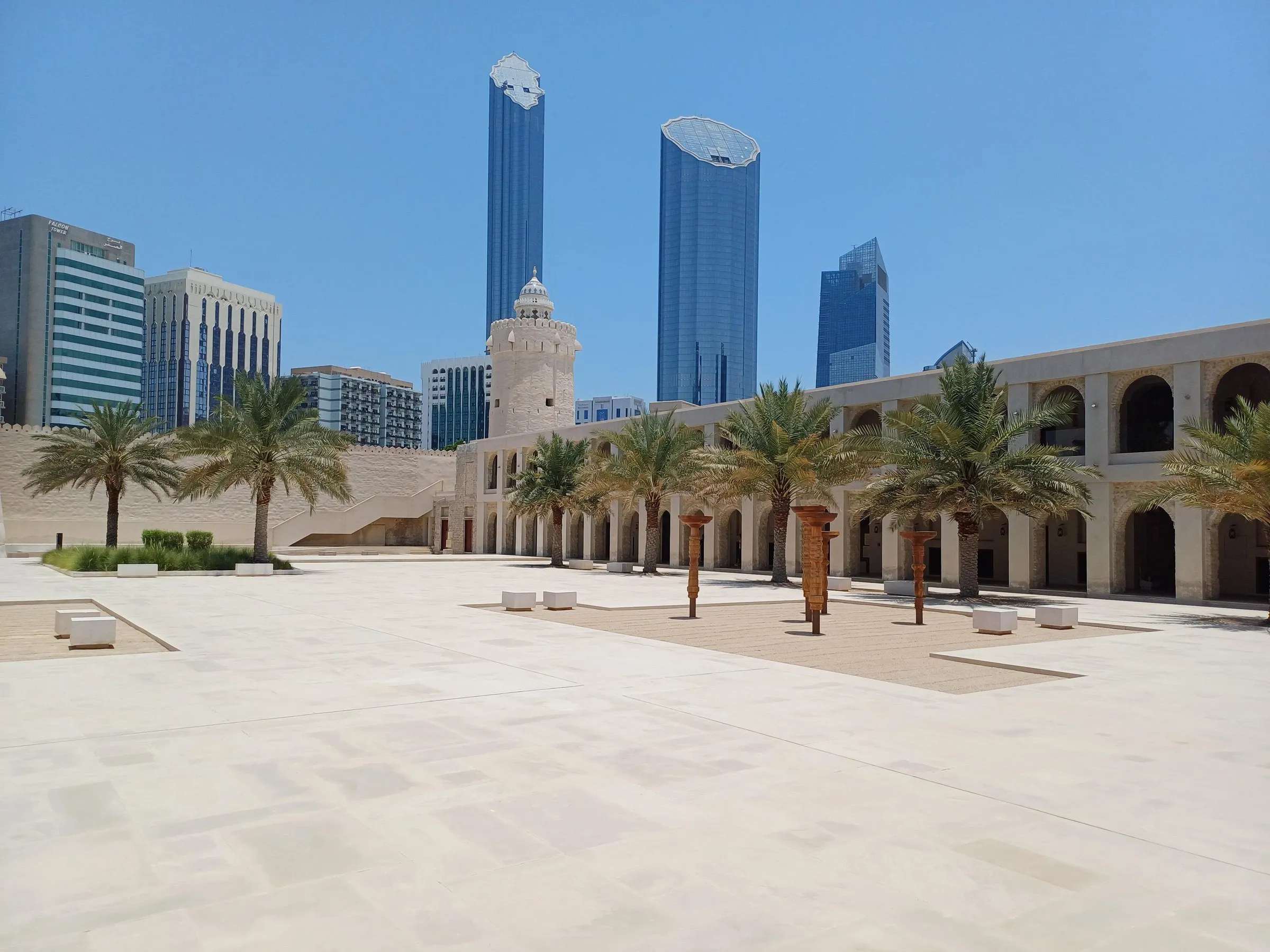
Qasr Al Hosn
The city's oldest stone building began in 1761 as a watchtower over the island's only freshwater well and was the seat of government until 1966.
View details for Qasr Al Hosn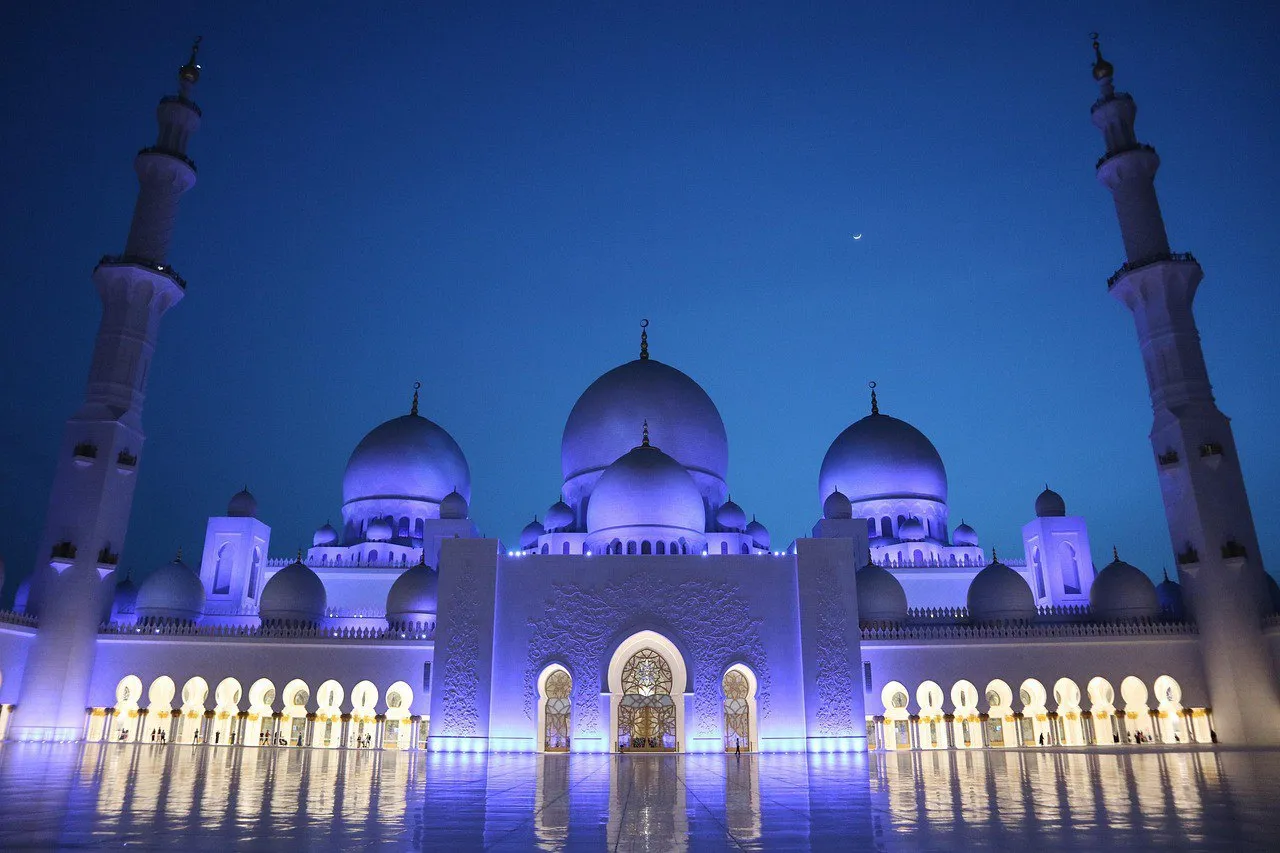
United Arab Emirates
In 1761, a watchtower guarded the island's only freshwater well. Today light filters through the 7,850 stars of the Louvre's dome, and the white fort that grew from that tower still stands among the skyscrapers.
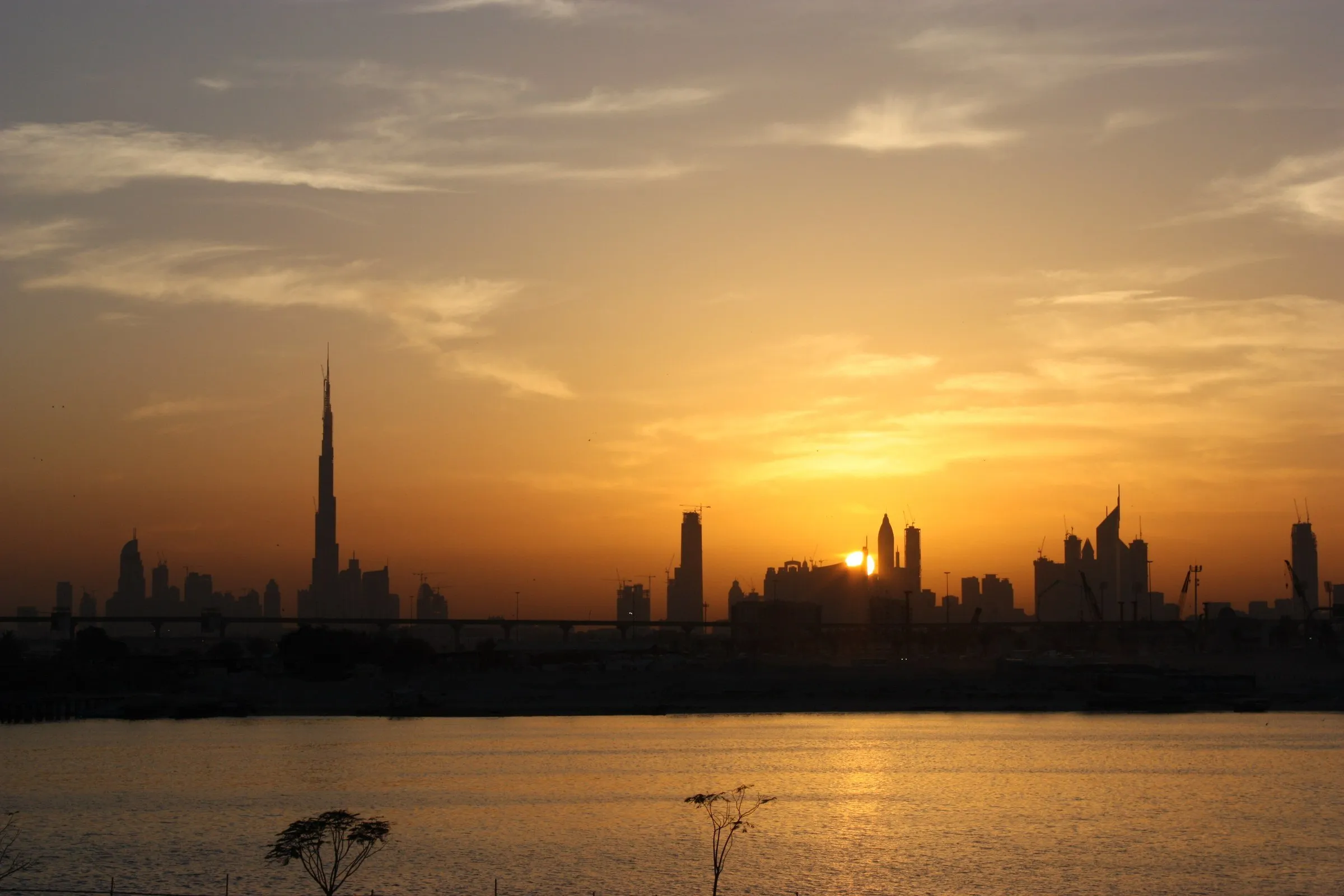
Abu Dhabi means "father of the gazelle," and the city has a very concrete birth certificate: in 1761, hunters from the Bani Yas tribe found fresh water near the coast of this T-shaped island. A village grew around the well, living off fishing and pearl diving, done on a single breath, with no air tank. Oil turned up in 1958, in the offshore Umm Shaif field, and within a few decades the village became the capital of the Emirates, with about 2.2 million residents.
The main island holds downtown, the Qasr Al Hosn fort and the Corniche. Bridges lead to Saadiyat, the island of museums and of the beach where turtles nest, and to the mainland, home to the Grand Mosque and, farther on, Yas Island, with its theme park and Formula 1 circuit. Distances are big and the sun is no help, so count on a taxi or a car and group your outings by area, as in the itinerary below.
Between May and September the city is very hot and humid, and in July and August average highs pass 40 °C (104 °F). Outside that period, the street becomes pleasant again. Whatever the season, house rules apply: clothing that covers shoulders and knees in malls and public spaces, no kissing in public, and alcohol only in licensed hotels, bars and restaurants, from age 21. They are simple agreements, and following them is part of being a good guest.
The carpet in the Sheikh Zayed Grand Mosque, often named the largest in the world, covers 5,627 m² and has over 2 billion knots. It was woven in Iran by about 1,200 artisans over roughly two years.
The Grand Mosque's exterior lighting follows the Moon: bluish clouds projected on the walls grow lighter or darker with the lunar phase.
The Abu Dhabi Pearl, found in excavations in 2017 and displayed at the Zayed National Museum, is considered the oldest known natural pearl, at about 8,000 years old.
The Abu Dhabi Falcon Hospital treats about 11,000 birds a year and is the institution authorized to issue the UAE falcon passport. Yes, falcons have passports.
The Louvre Abu Dhabi may use the French museum's name until 2047, a term extended in 2023 for another 165 million euros.
1The city's oldest stone building began in 1761 as a watchtower over the island's only freshwater well and was the seat of government until 1966.
View details for Qasr Al Hosn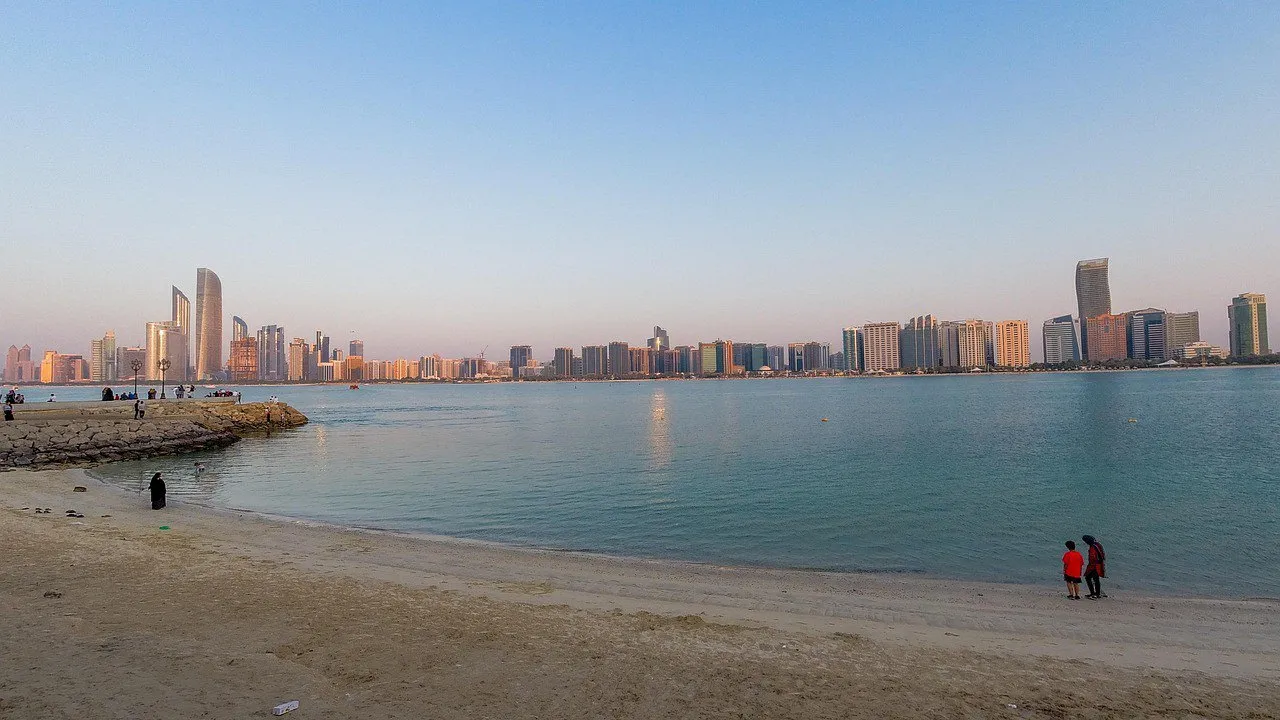 2
About 8 km of waterfront with a bike path, a promenade, playgrounds and a Blue Flag beach, where the city goes for a walk when the sun gets low.
View details for Corniche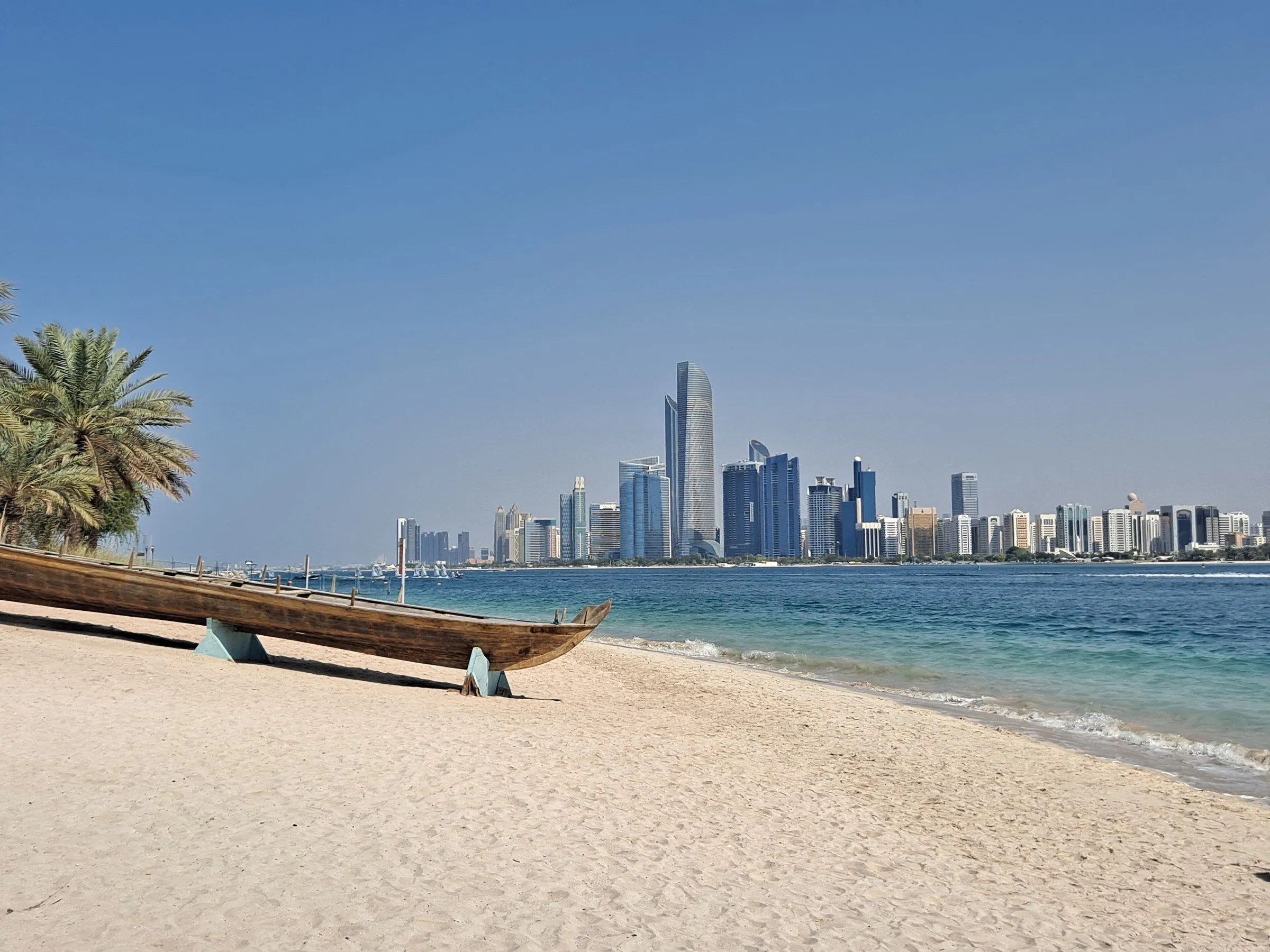 3
A replica of a traditional village on the breakwater, created in 1993, with Bedouin tents, artisan workshops and a small museum, facing the Corniche skyline.
View details for Heritage Village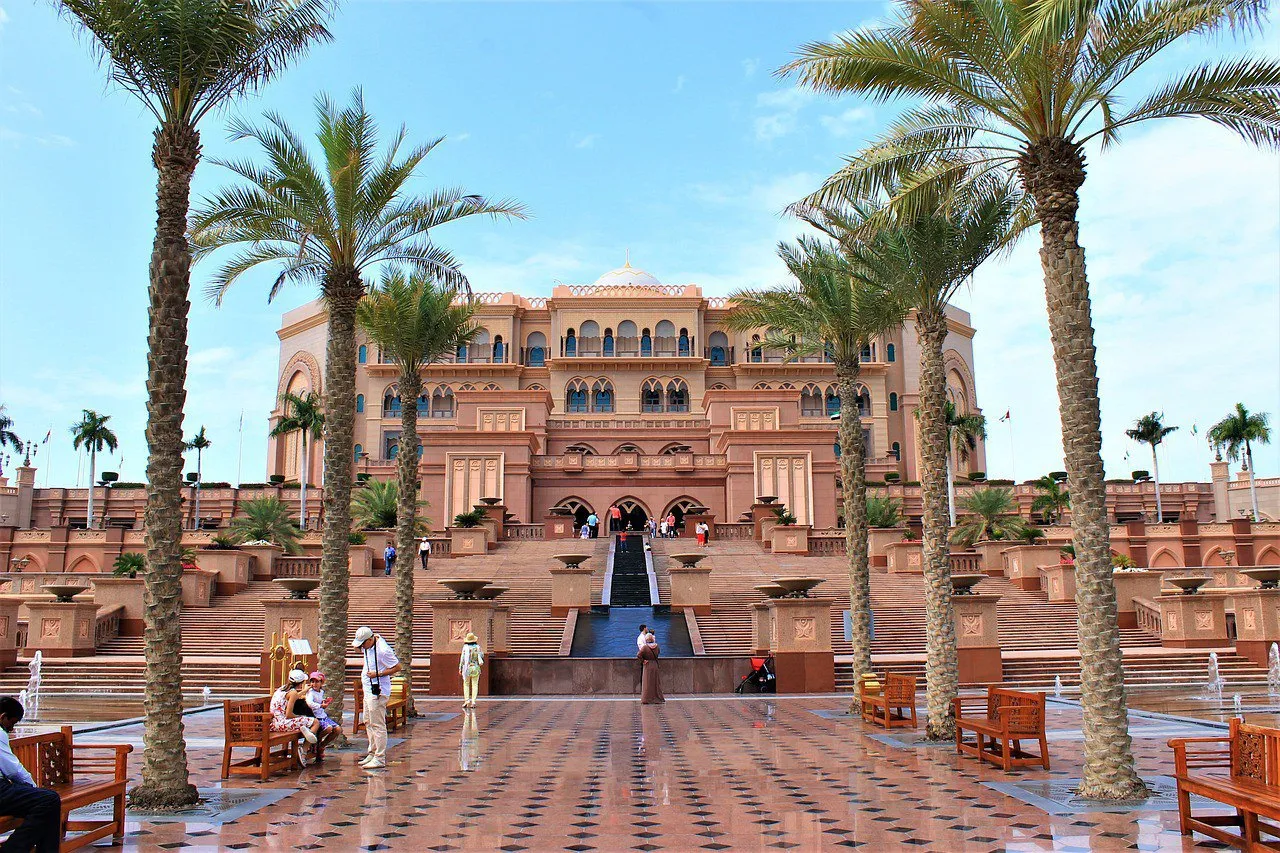 4
A hotel with the look and scale of a palace, opened in 2005, with a central dome, 114 smaller ones, gold and marble inside and 1.3 km of private beach.
View details for Emirates Palace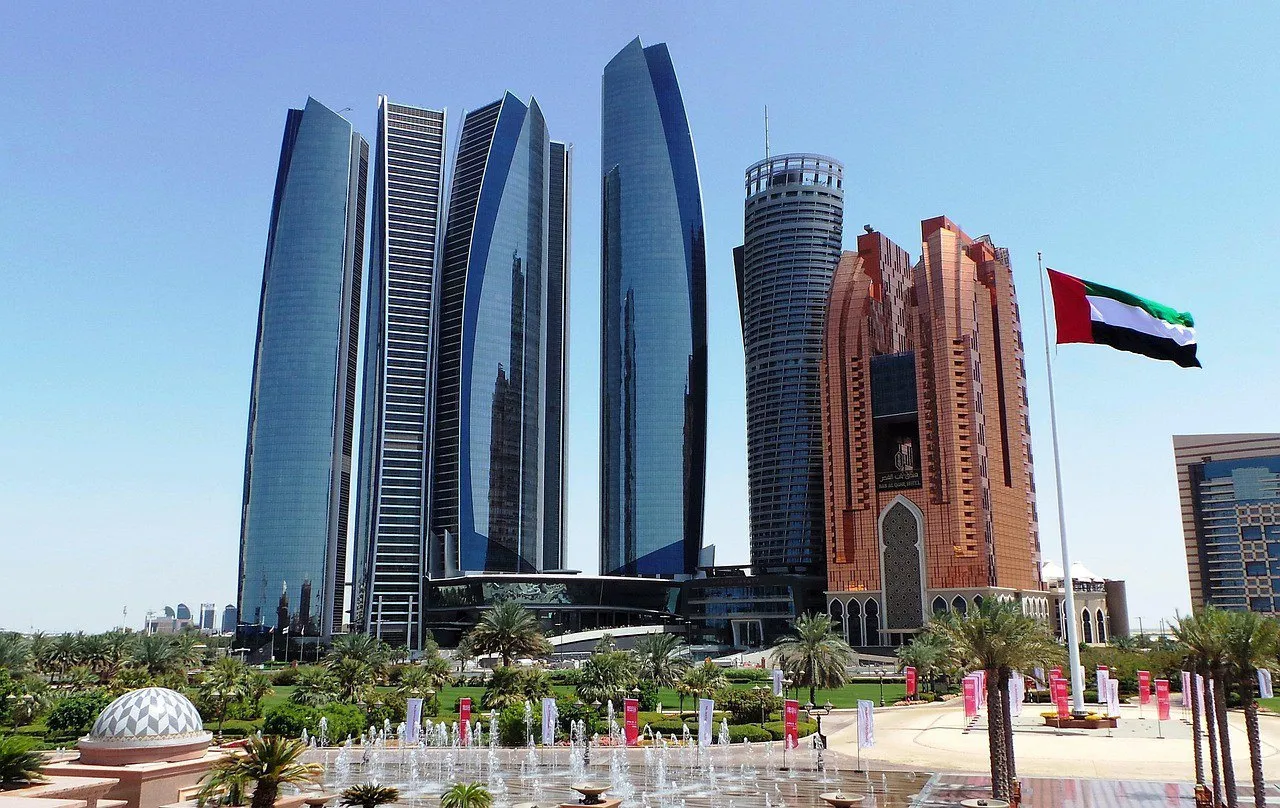 5
A complex of five towers finished in 2011, with an observation deck high up Tower 2, about 300 meters up, from which the whole Corniche is in view.
View details for Etihad Towers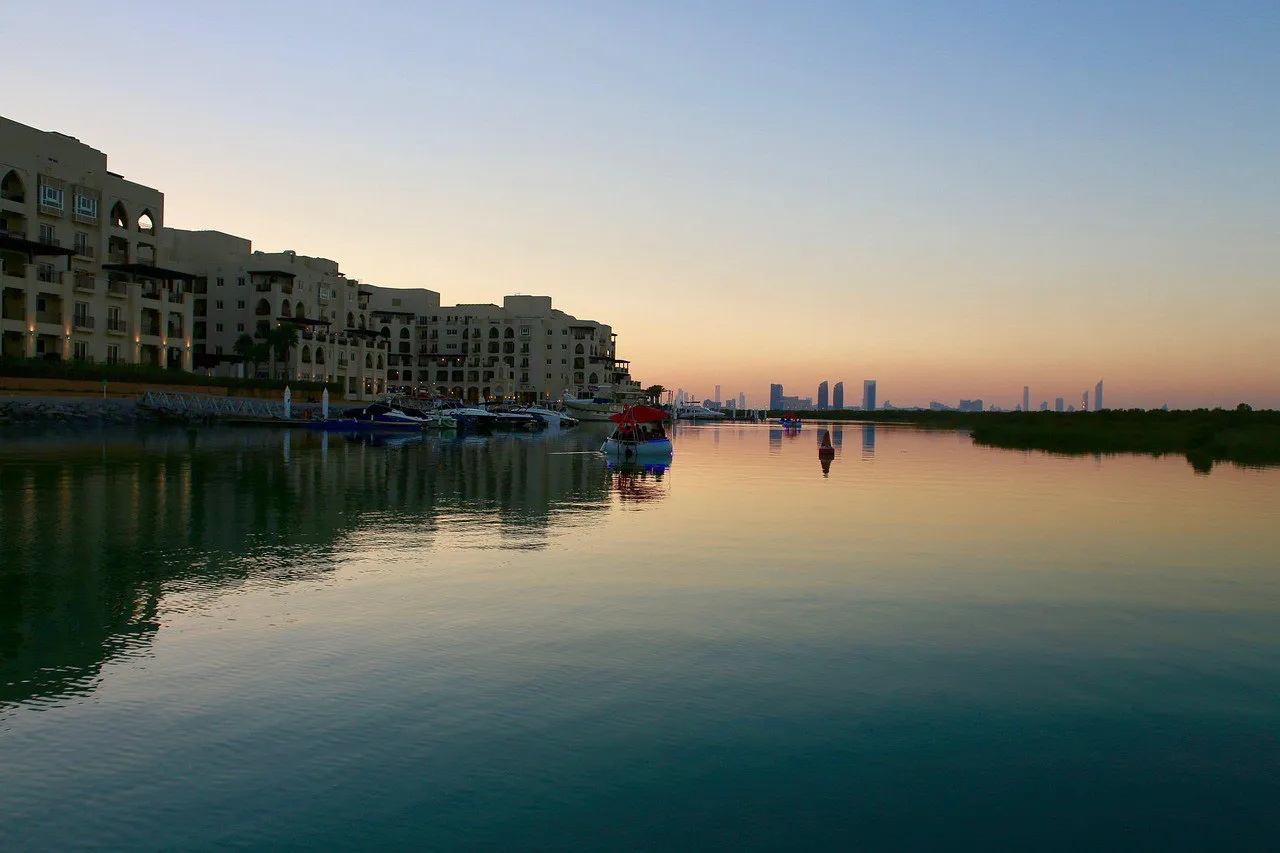 6
Narrow channels among grey mangroves on the east side of the island, paddled by kayak at high tide, with herons, crabs and cormorants along the way.
View details for Eastern Mangroves National Park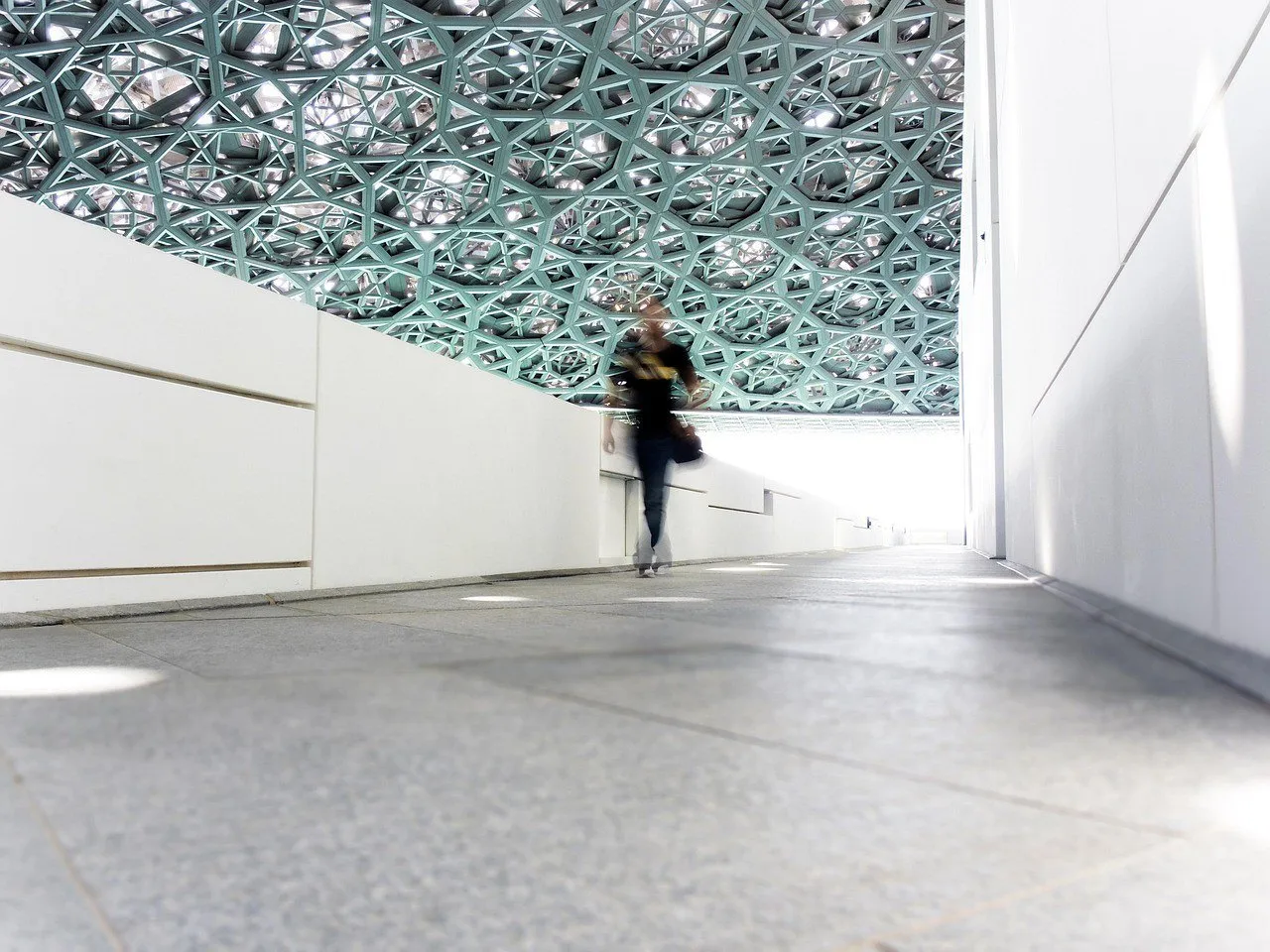 7
A Jean Nouvel museum opened in 2017 beneath a dome of 7,850 metal stars, set in eight layers to filter the sun like the leaves of a palm grove.
View details for Louvre Abu Dhabi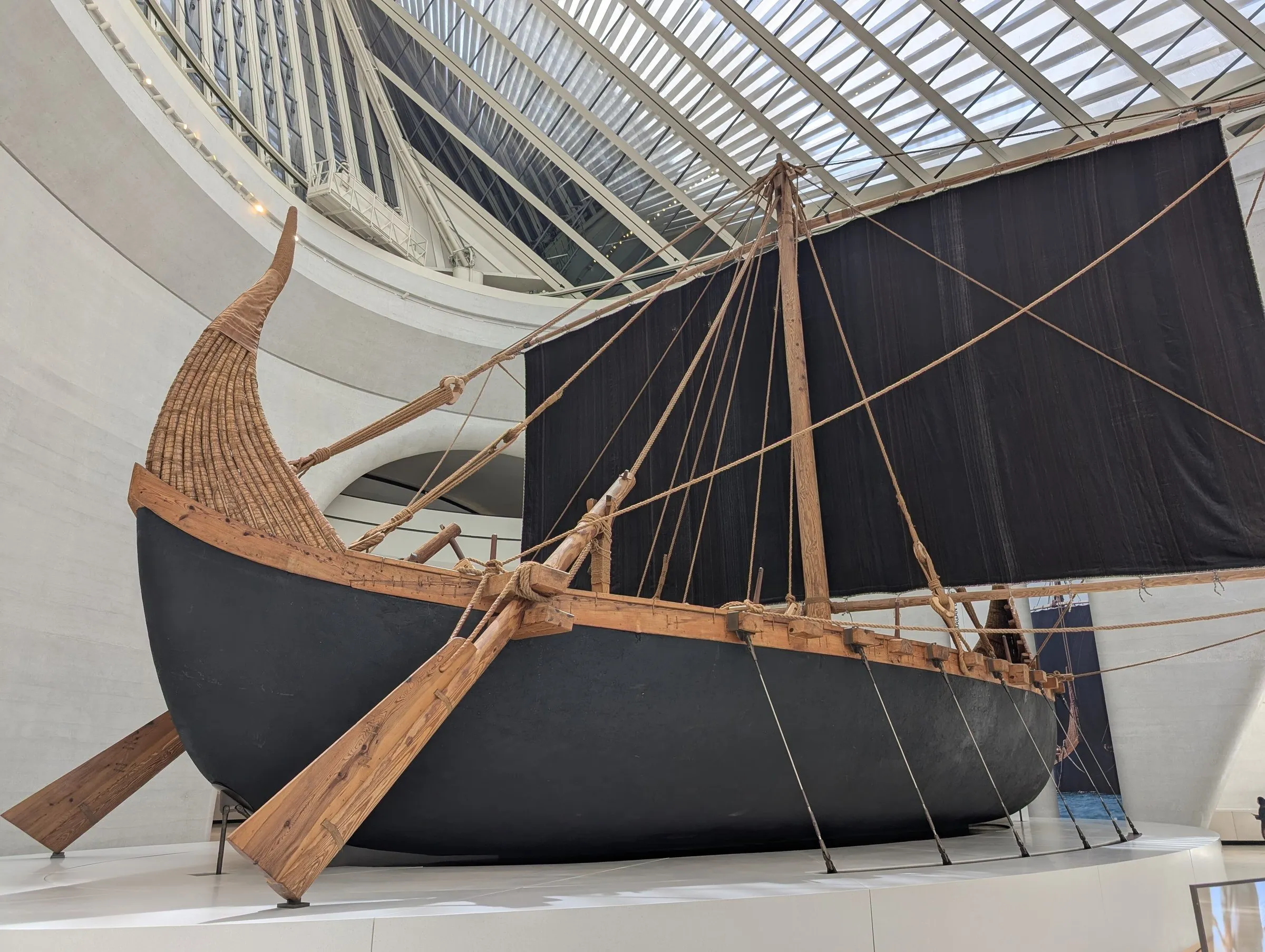 8
The national museum of the Emirates, opened in December 2025, with falcon-wing towers, an 8,000-year-old pearl and a reconstructed Bronze Age boat.
View details for Zayed National Museum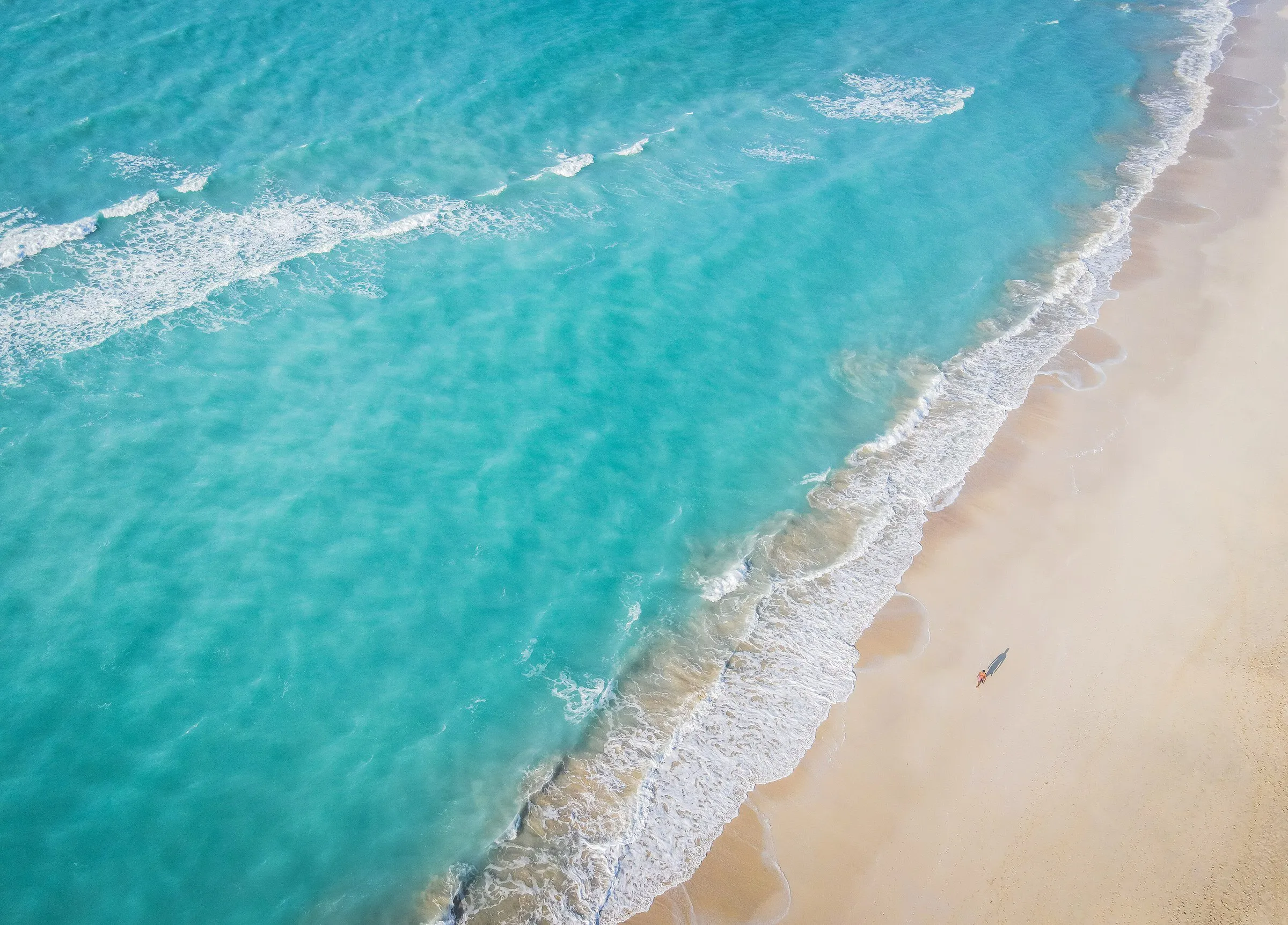 9
A pale-sand beach on Saadiyat Island, with walkways over the dunes to protect the nests of hawksbill turtles that return every year to lay eggs.
View details for Saadiyat Beach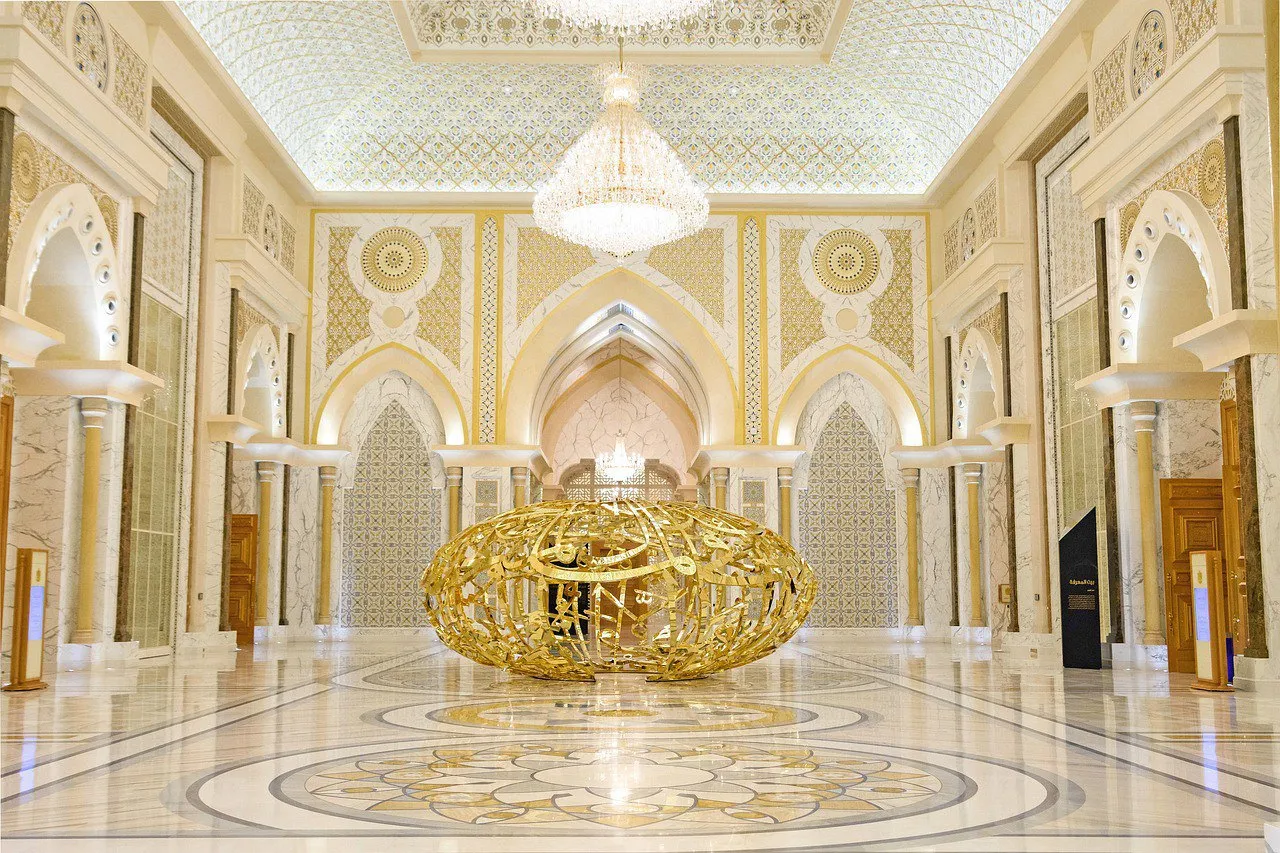 10
A working presidential palace, open to visits since 2019, with a 37-meter dome, a chandelier of 350,000 crystals and a library of more than 50,000 books.
View details for Qasr Al Watan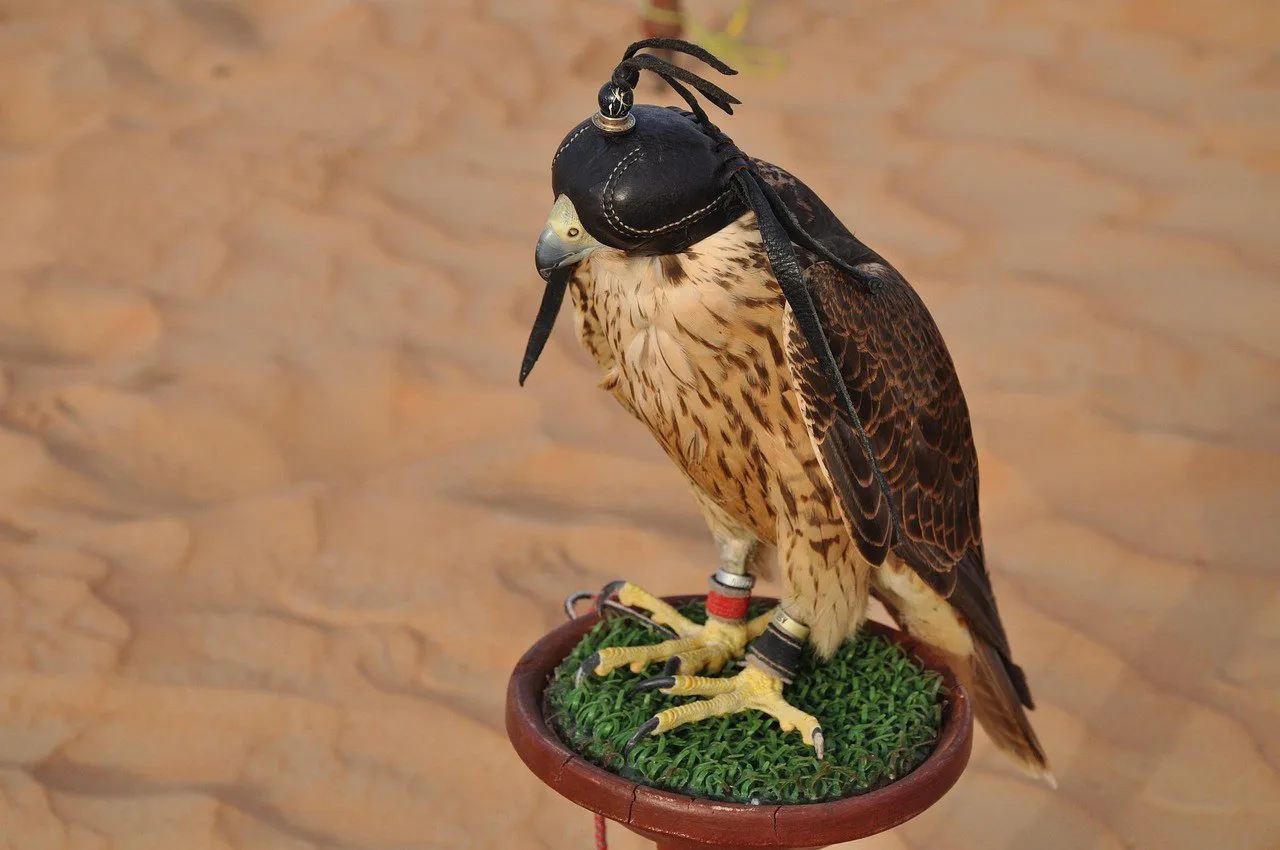 11
A veterinary hospital opened in 1999 that treats about 11,000 falcons a year and welcomes visitors on guided tours of the most unusual waiting room in the Emirates.
View details for Abu Dhabi Falcon Hospital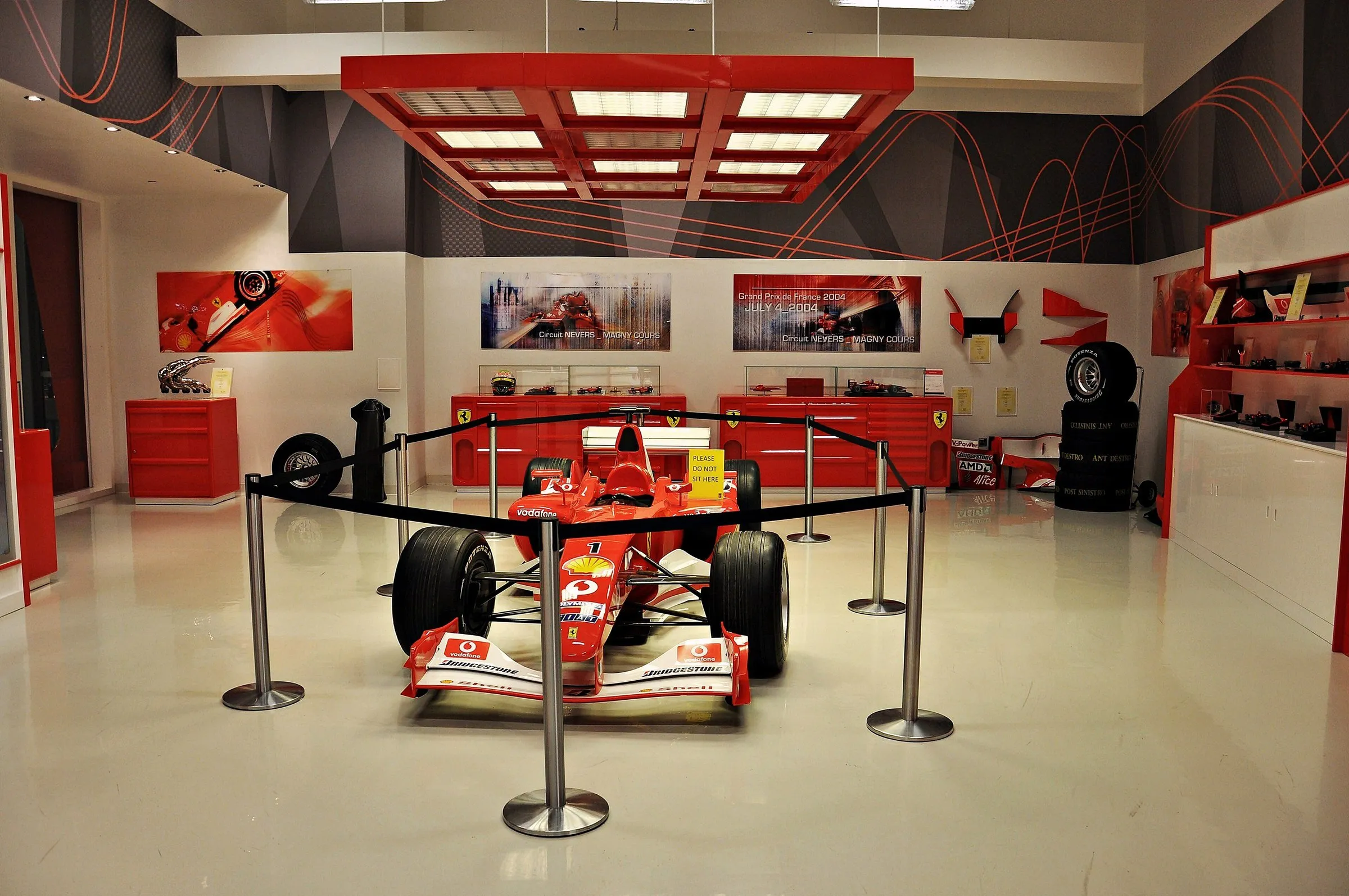 12
An indoor theme park on Yas Island, opened in 2010 under a red roof, home to Formula Rossa, a roller coaster that goes from zero to 240 km/h in 4.9 seconds.
View details for Ferrari World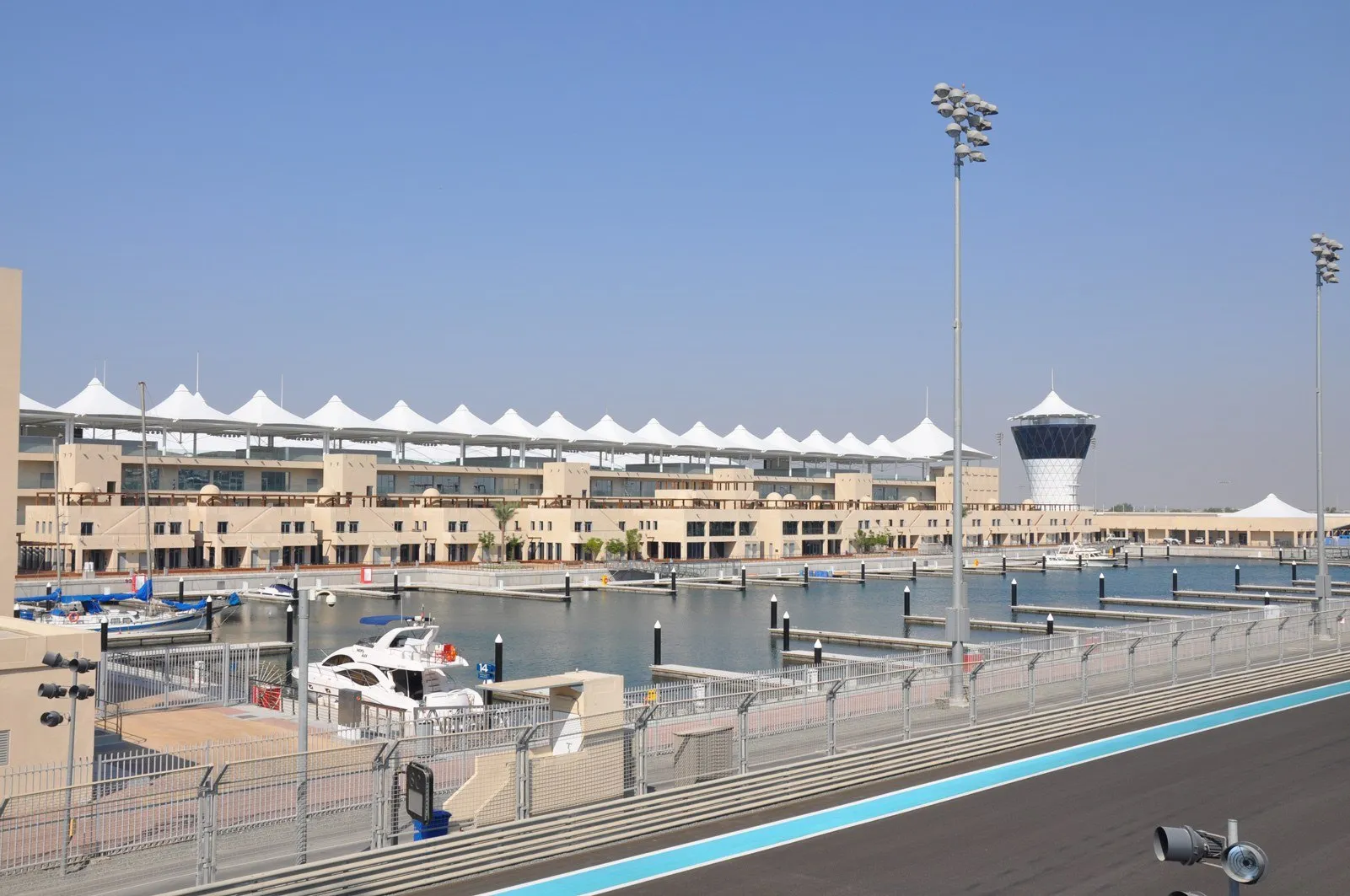 13
A Formula 1 circuit opened in 2009, with 5.281 km of track that passes beneath a hotel and alongside the marina that gives the place its name.
View details for Yas Marina Circuit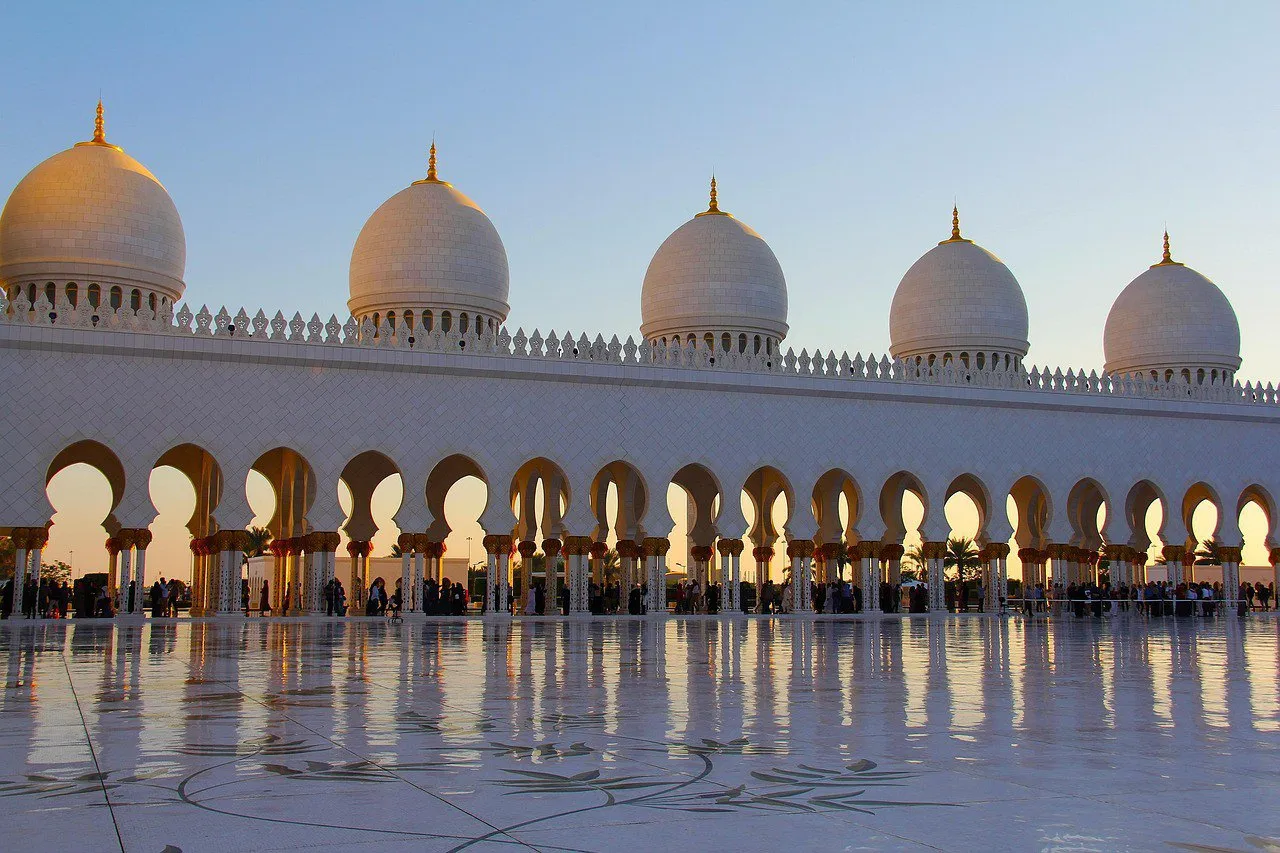 14
A white marble mosque inaugurated in 2007, with 82 domes, room for more than 40,000 worshippers and the carpet many call the largest in the world.
View details for Sheikh Zayed Grand Mosque1Everything in Abu Dhabi starts at this well. After the Bani Yas found fresh water on the island, a watchtower went up in 1761 to protect it. In 1793, the ruler Shakhbut bin Dhiyab turned it into a small fort, which became the home of the sheikhs and the seat of government until 1966. The expansion of the late 1930s was paid for with money from the emirate's first oil concession.
After about ten years of restoration, the fort reopened in 2018 as a museum, and its white walls stand out once again among the downtown buildings. In the same complex, the House of Artisans shows sadu weaving and talli embroidery live, and the Cultural Foundation hosts exhibitions.
2The Corniche is Abu Dhabi's backyard. It is some 8 km of seafront with separate lanes for bikes and pedestrians, cafés, lawns and playgrounds, and, along the way, a beach with lifeguards until sunset and a Blue Flag, the international label given to beaches with clean, safe water.
The sand is divided into sections: one with free access and others designed for families, fenced and with paid entry. Bike rental stations dot the promenade. The best time is late afternoon, when the heat eases and the waterfront fills with people running, cycling or just sitting and watching the Gulf.
3From the breakwater the view is curious: Bedouin tents and a house covered in palm leaves in the foreground, the row of Corniche buildings across the water. Created in 1993 on the orders of Sheikh Zayed and run by the Emirates Heritage Club, the village recreates daily life before oil, including an irrigation system that carried water from the well to the fields.
In the souk, artisans work leather, copper and wood, and women spin wool and braid palm leaves. The museum, in a fort-shaped building, holds pearl-diving gear, coffee pots, old weapons and jewelry. Admission is usually free.
4The Emirates Palace opened in 2005 as a hotel and behaves like a palace: a decorated central dome, another 114 smaller ones scattered across the building, gold leaf and marble everywhere and a 1.3 km private beach. Since 2020, the Mandarin Oriental group has run the place.
You don't have to be a guest to come in: restaurants and cafés welcome outside visitors, and a coffee in the lobby is the most affordable ticket to see the decor up close. Some areas are for guests only, so follow the signs. Dress smartly, skip the beachwear, and warm up your neck, because you will want to spend the visit looking at the ceiling.
5The five Etihad Towers were completed in 2011, and the tallest tops 305 meters. If the skyline looks familiar, it is because they appear in Furious 7, in the scene where a sports car flies from one tower to another. Nobody recommends trying the same route.
Tower 2 houses the Observation Deck at 300, named for its approximate height in meters. From up there, the Corniche becomes a curved line between the buildings and the sea, and you grasp the shape of the island at once. At the end of the afternoon you see the city by day and, without moving, the lights coming on.
6A few minutes from the skyscrapers, the island ends in mangrove. The dominant species is the grey mangrove, a tree that tolerates salt water and is usually 3 to 5 meters tall. These channels work as a nursery for fish, shrimp and turtles, and anyone paddling quietly sees herons fishing and dark crabs scurrying to their burrows.
The guided kayak trip lasts about two hours and requires no experience: there are safety instructions before setting out. The tide runs the schedule, because the narrowest channels are only navigable from mid-tide upward. Groups usually set off from the promenade in front of the Eastern Mangroves hotel.
7Under the dome of the Louvre Abu Dhabi, light falls in droplets that shift place through the day. The architect Jean Nouvel wanted to evoke the sun passing through the leaves of an oasis's palm trees, and the solution was 7,850 aluminum stars overlapping in eight layers, in a structure designed for a dome of about 7,000 tons.
The museum was inaugurated in November 2017 and opened to the public three days later, the result of an agreement with France that includes use of the Louvre name. With about 8,000 m² of galleries, it is the largest art museum on the Arabian Peninsula. The collection combines its own pieces and French loans, with names such as Manet, Gauguin and Mondrian.
8The five steel towers of the Zayed National Museum, a Norman Foster design, rise past 110 meters and recall the feathers of a falcon's wing. They are not decoration: the sun heats the top, hot air rises and escapes through openings, and the building cools itself without spending energy on it. The museum opened on December 3, 2025, dedicated to Sheikh Zayed, the country's founder.
There are six permanent galleries and more than 1,500 objects. Look for the Abu Dhabi Pearl, found in 2017 and considered the oldest known natural pearl, and the 18-meter reconstruction of a Magan boat from the Bronze Age. The visit begins in the Al Masar Garden, a 600-meter open-air gallery.
9On Saadiyat, the hawksbill turtles make the rules of the beach, an endangered species that has nested on this sand since before any records. That is why access is by raised walkways over the dunes, and in nesting season the night lighting is dimmed and the sunbeds leave the sand at night, so as not to confuse the hatchlings on their way to the sea.
A conservation program has monitored the nests since 2010. For visitors, what's left is a wide, quiet beach a few minutes from the Louvre, good for ending a day of museums with your feet in the water. Seeing a nesting is a matter of luck: it can happen at any hour of the night, without warning.
10Qasr Al Watan is not a museum set up in an old palace: it is the presidential palace of the Emirates, where state receptions and Cabinet meetings take place. Completed in 2017 and opened to the public in March 2019, it has the Great Hall at its center, under a dome 37 meters in diameter, and a chandelier with 350,000 pieces of crystal.
In the east wing, the House of Knowledge holds a library with more than 50,000 books on the country's history and culture, along with manuscripts on the contribution of Arab scholars to science. At night, the facade becomes the screen for Palace in Motion, a light and sound show of about 15 minutes that tells the story of the Emirates.
11Falconry is a tradition taken seriously in the Emirates, and the proof is this hospital, opened in October 1999 to care for birds of prey. It treats about 11,000 falcons a year, has climate-controlled rooms for more than 200 birds and is the institution authorized to issue the country's falcon passport.
Since 2007, the hospital has also welcomed tourists on guided visits. It is a chance to see up close work that few people imagine: exams, beak and talon care and imping, the technique of grafting new feathers in place of broken ones. Because it is far from downtown, combine the visit with your Yas Island day.
12Seen from above, Ferrari World is an enormous red roof settled on Yas Island. Underneath it, the park opened on November 4, 2010 and runs indoors and air-conditioned, which in August is worth more than any ride.
The star of the house is Formula Rossa, which goes from zero to 240 km/h in 4.9 seconds, hits 100 km/h in about two seconds and runs over 2 km of track. It was the fastest roller coaster in the world until Falcons Flight arrived. Riders wear protective goggles because of the dust in the air, a detail that says a lot about the speed. Anyone who prefers the ground can stick to the calmer attractions and watch the screams from afar.
13The Yas Marina Circuit opened in October 2009 and hosted the first Abu Dhabi Formula 1 Grand Prix that same year. The current track, 5.281 km long, passes under the W Abu Dhabi hotel, designed by the firm Asymptote, and runs right along the marina. For night races, the circuit built the largest permanent lighting installation at a sports venue in the world.
Even outside race weekend, it is worth stopping by in late afternoon. You can walk along the marina, watch the boats and make sense of the odd geometry of a racetrack with a hotel straddling the asphalt. It is the quiet stop between the adrenaline of Ferrari World and the mosque.
14Built between the 1990s and 2007, the Sheikh Zayed Grand Mosque has 82 domes, four minarets and reflecting pools that mirror the columns and glow at night. Inside, the 5,627 m² carpet was woven in Iran, and the largest chandelier reaches 10 meters in diameter. Sheikh Zayed, the country's founder, is buried in the courtyard.
It is a place of prayer, and visits follow house rules: long, loose clothing down to the ankles for everyone, and hair covered for women. Those who arrive out of code are not admitted, and the center no longer lends abayas, which are sold at Souq Al Jami, next door. Guided tours are free, and tourist entry now carries a small fee.
Between May and September, Abu Dhabi is very hot and humid, and in July and August average highs pass 40 °C (104 °F). Plan outdoor time for the morning and late afternoon, and save museums, palaces and Ferrari World for midday.
In malls and other public spaces, the advice is to cover shoulders and knees, and swimwear stays at the beach and the pool. Some attractions, such as the Grand Mosque, have their own stricter code. Public displays of affection are frowned upon, and kissing can lead to detention.
In Abu Dhabi, visitors can drink in licensed venues, such as hotels, restaurants and bars, without needing a license, from age 21. Being intoxicated in any public place is illegal across the country.
During the day, do not eat, drink, smoke or chew gum in public, including inside the car, and avoid loud music. Hotels and restaurants keep serving those who are not fasting, sometimes behind partitions, and shop hours change. Near sunset, bring extra patience for the traffic.
Ask permission before photographing people and do not point your camera at military or government buildings. Swearing and offensive gestures are a crime, including online. Products with CBD, even cosmetics and vape refills, are banned; for personal medication, check first with the UAE Ministry of Health.
The most sociable meal in Abu Dhabi may be the Emirati breakfast. The fowala is a table of fruit, sweets and breads to share, and whoever sits around it nibbles a bit of everything, in no hurry at all. At lunch come the pot dishes, such as machboos, spiced rice with meat, chicken or seafood that many compare to biryani. For dessert, luqaimat, a fried dumpling dipped in date syrup, is among the most ordered.
A fermented pancake with saffron and cardamom, a guaranteed presence at the fowala. It looks simple until the second bite.
A soft bread that shares the breakfast table with chebab. Order both and decide which one you take home in your memory.
Wheat and meat cooked slowly, mashed and finished with spiced ghee. Spoon food for an unhurried day.
Vermicelli cooked with sugar, saffron and cardamom and topped with an omelet. Sweet and savory on the same plate, served at breakfast.