 1
Religion and art
St. Paul’s Cathedral
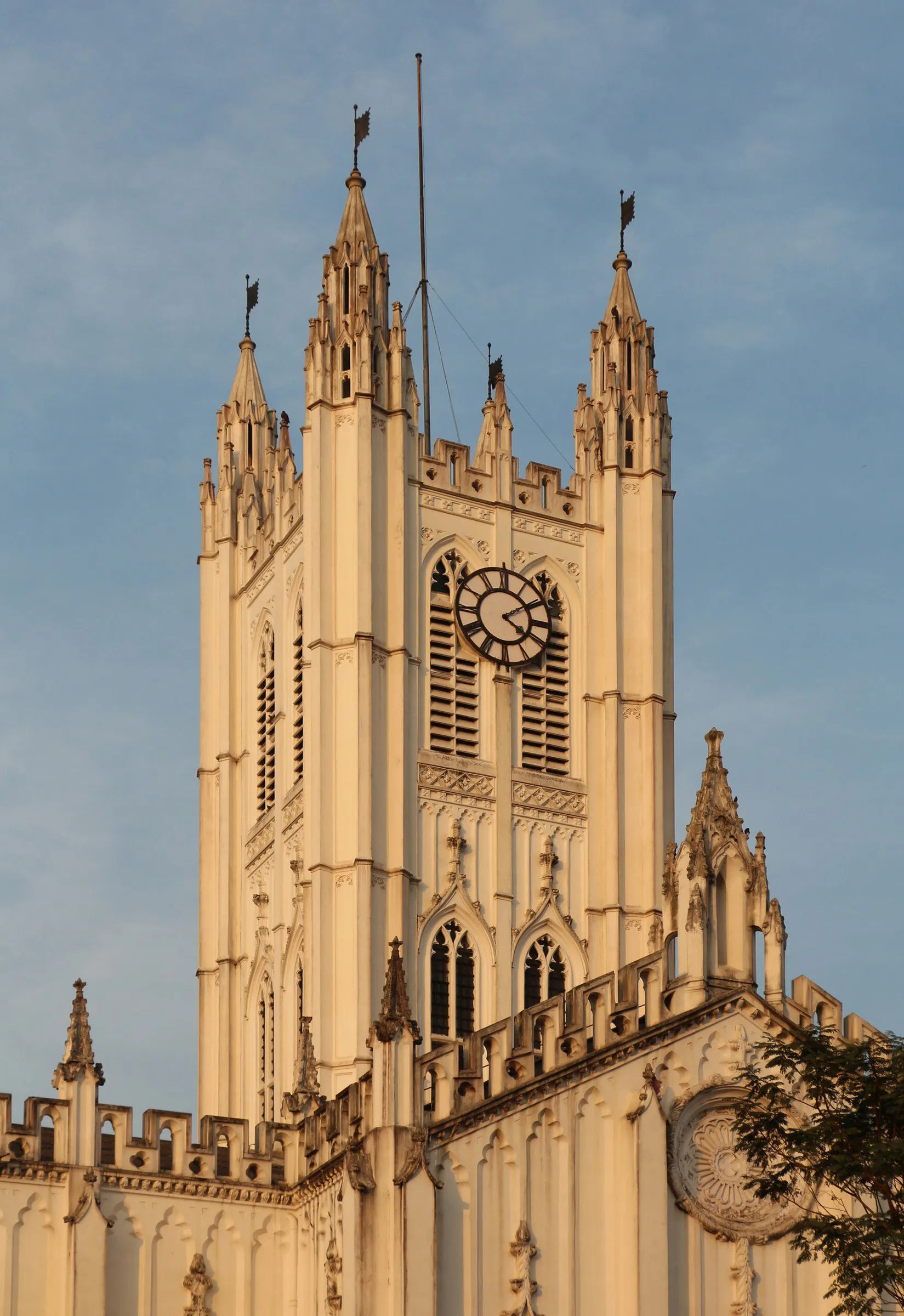
The cathedral of Anglican tradition stands near the Victoria Memorial and swaps the marble dome for arches and a Gothic-style tower.
View details for St. Paul’s Cathedral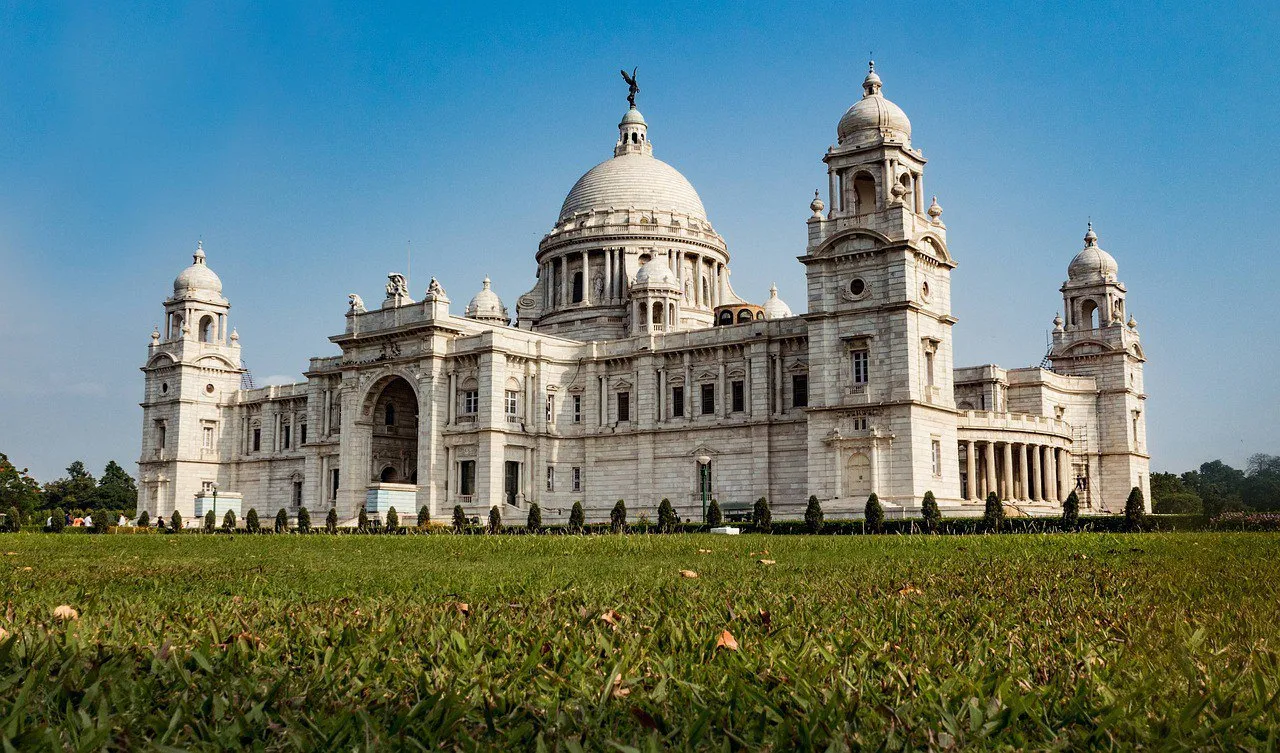
India
In Kumartuli, clay gains arms, faces and brushstrokes; on College Street, books take over the sidewalks. Kolkata asks you to look at the work of human hands before you raise your camera.
The clay of the Kumartuli workshops and the stacks of books on College Street offer two good ways to start understanding Kolkata. You follow a city that makes religious images and puts literature on sale on the sidewalk, while the Hooghly stitches your journeys together. On maps and bookings, look for Calcutta too. The outing pays off when you trade the urge to see everything for attention to one workshop, one facade and one good Bengali meal.
Set aside two days and organize the route by area: on the first, the cathedral, the Victoria Memorial and the Hooghly riverbank; on the second, the books of College Street, the artisans of Kumartuli and the view of the Howrah Bridge. Allow for car or metro rides between the blocks and a break for lunch. For walking, choose the less hot months. During Durga Puja, the calendar of the streets starts to call the shots: adapt the itinerary to the festival and confirm access to the workshops.
College Street is also called Boi Para, which can be translated as the book neighborhood: the nickname works as a street sign.
At Durga Puja, the clay images are not made to last: the celebration ends with their immersion in the river.
Howrah Bridge and Rabindra Setu are names of the same steel bridge between Kolkata and Howrah.
1The cathedral of Anglican tradition stands near the Victoria Memorial and swaps the marble dome for arches and a Gothic-style tower.
View details for St. Paul’s Cathedral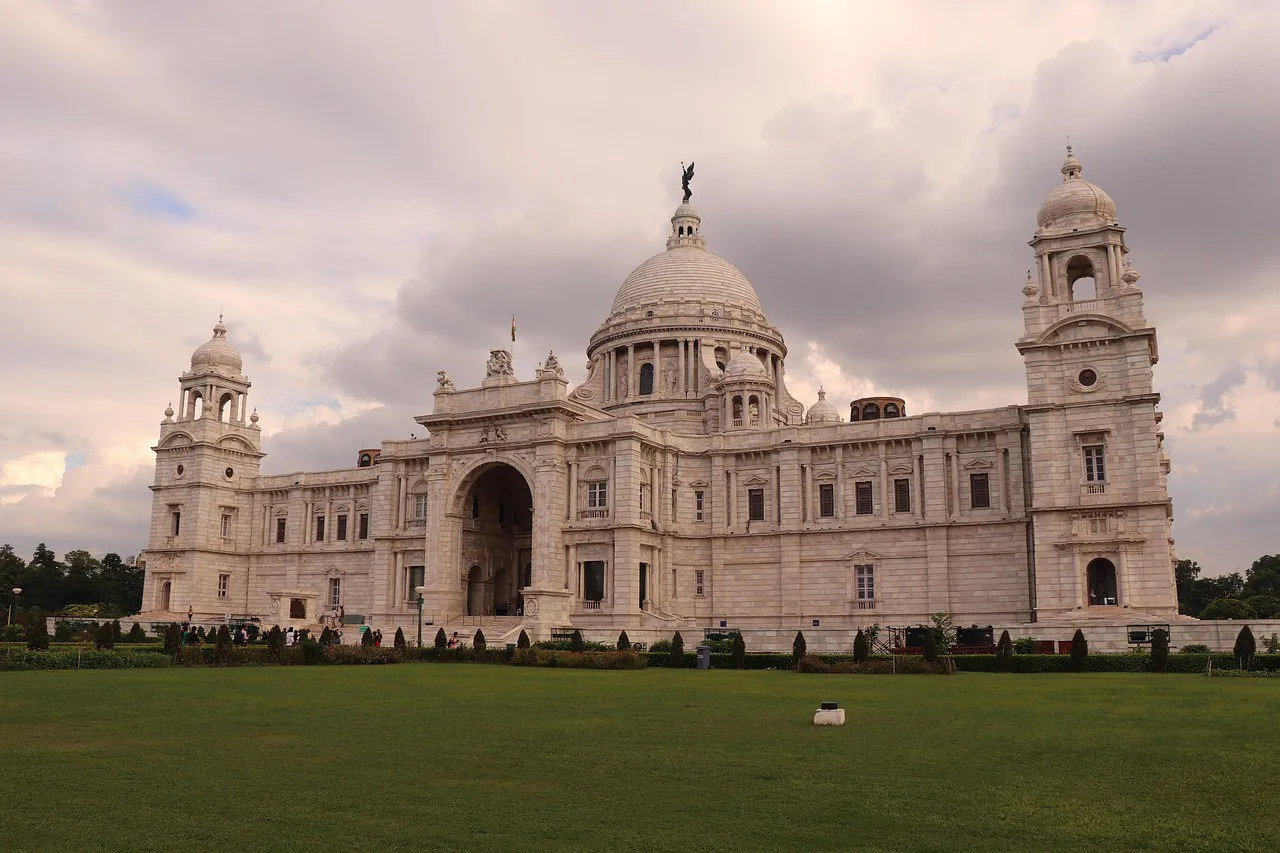 2
White marble, gardens and galleries devoted to history: the memorial to a British queen has become a visit for looking at Kolkata’s colonial past.
View details for Victoria Memorial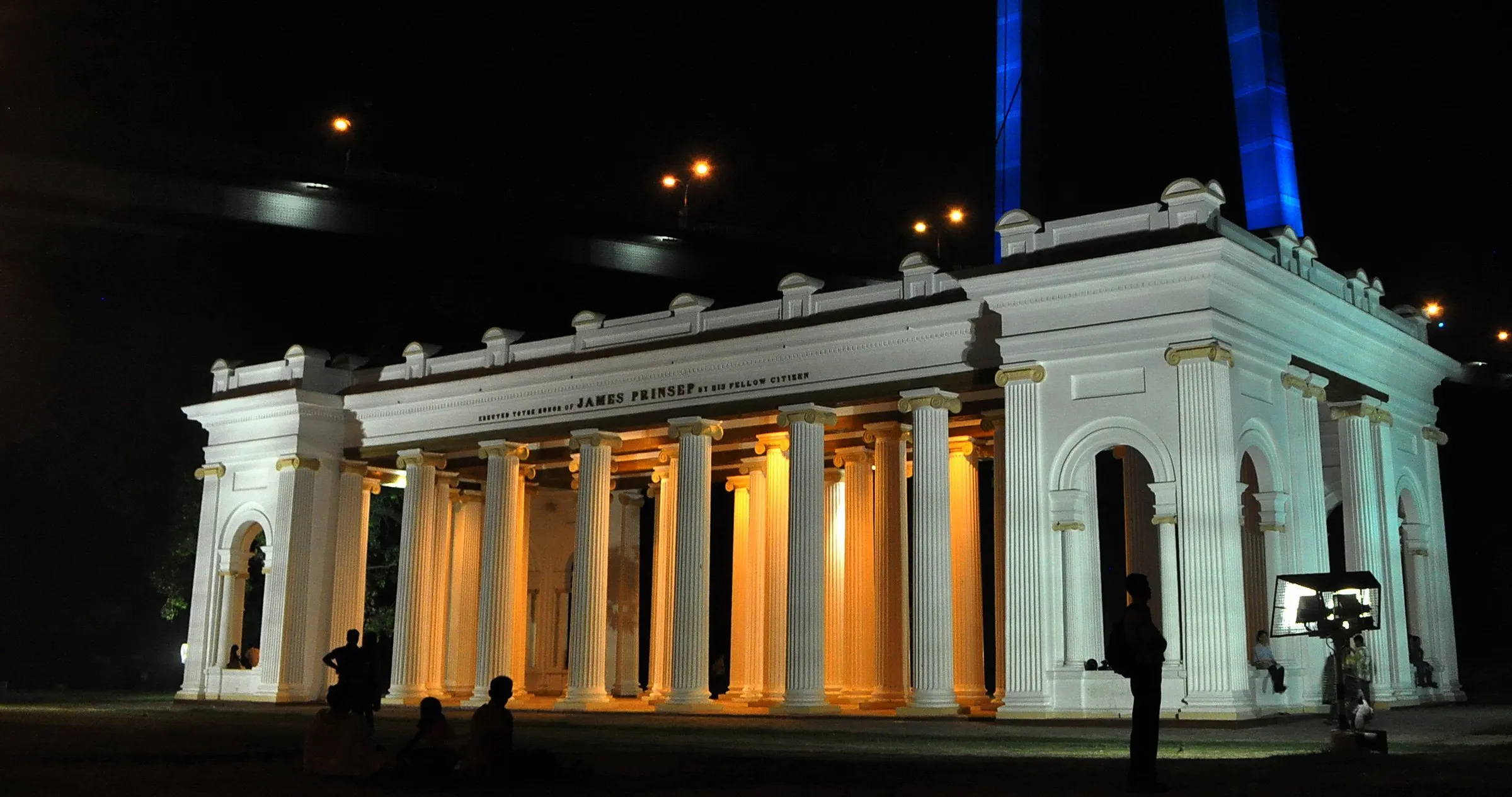 3
The pavilion of pale columns and the Hooghly riverbank share the outing with the Vidyasagar Setu bridge: a pause for a walk at the end of the day.
View details for Prinsep Ghat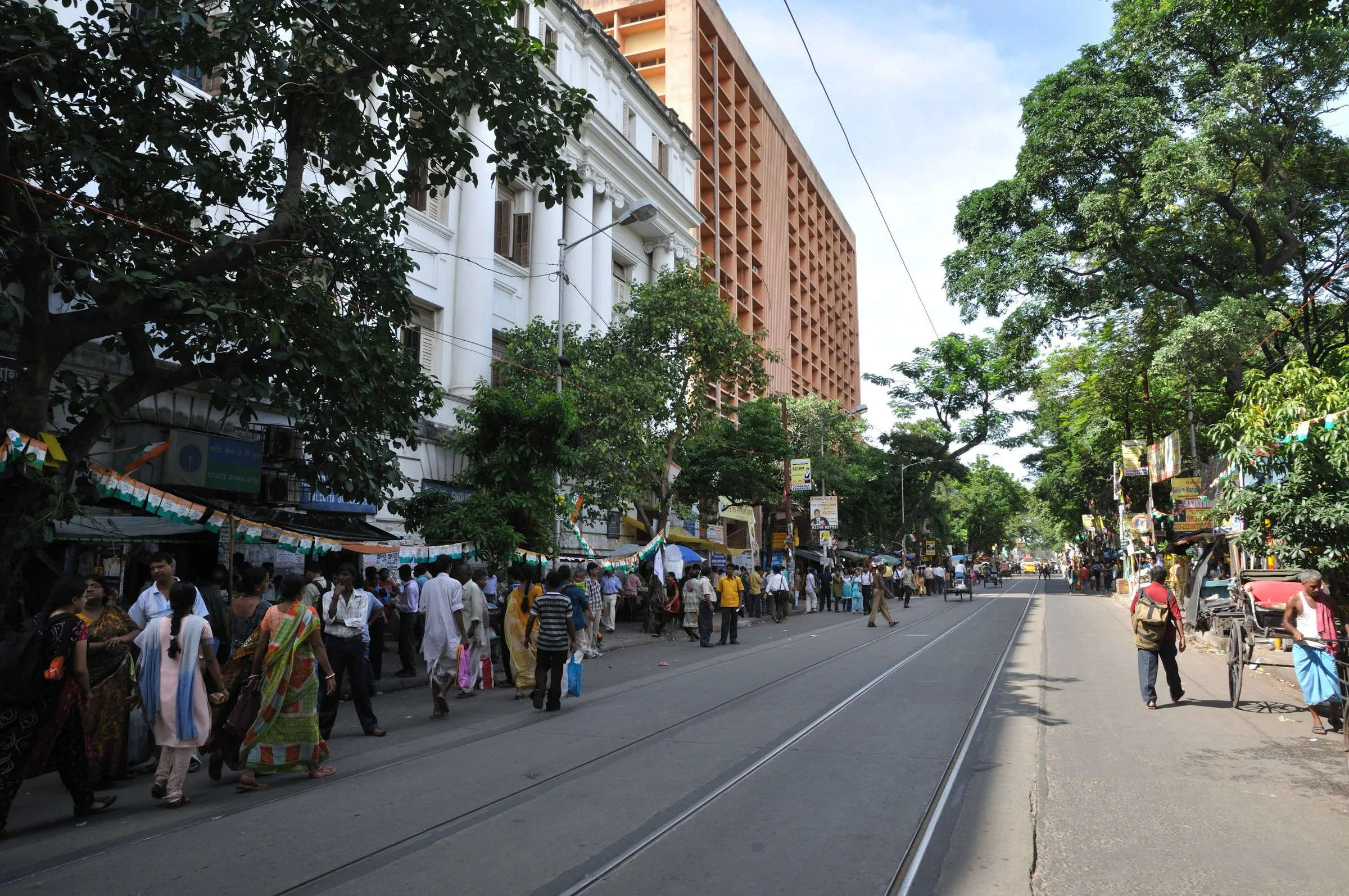 4
Stalls and bookshops make College Street a stroll among new books, used books and study materials, near university institutions in Kolkata.
View details for College Street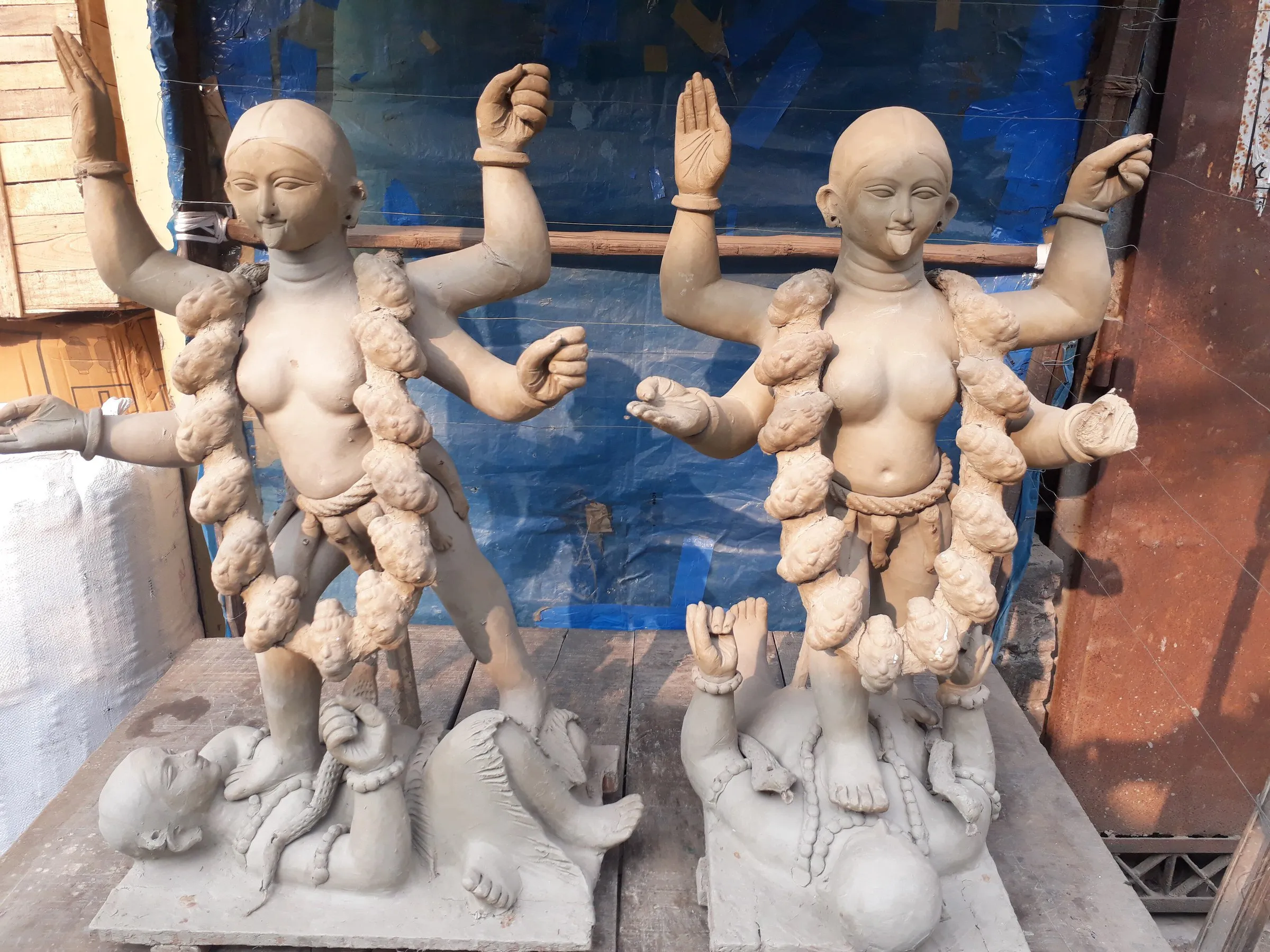 5
On the artisans’ streets, religious images are modeled in clay for festivals; the visit follows work in progress, with permission and care.
View details for Kumartuli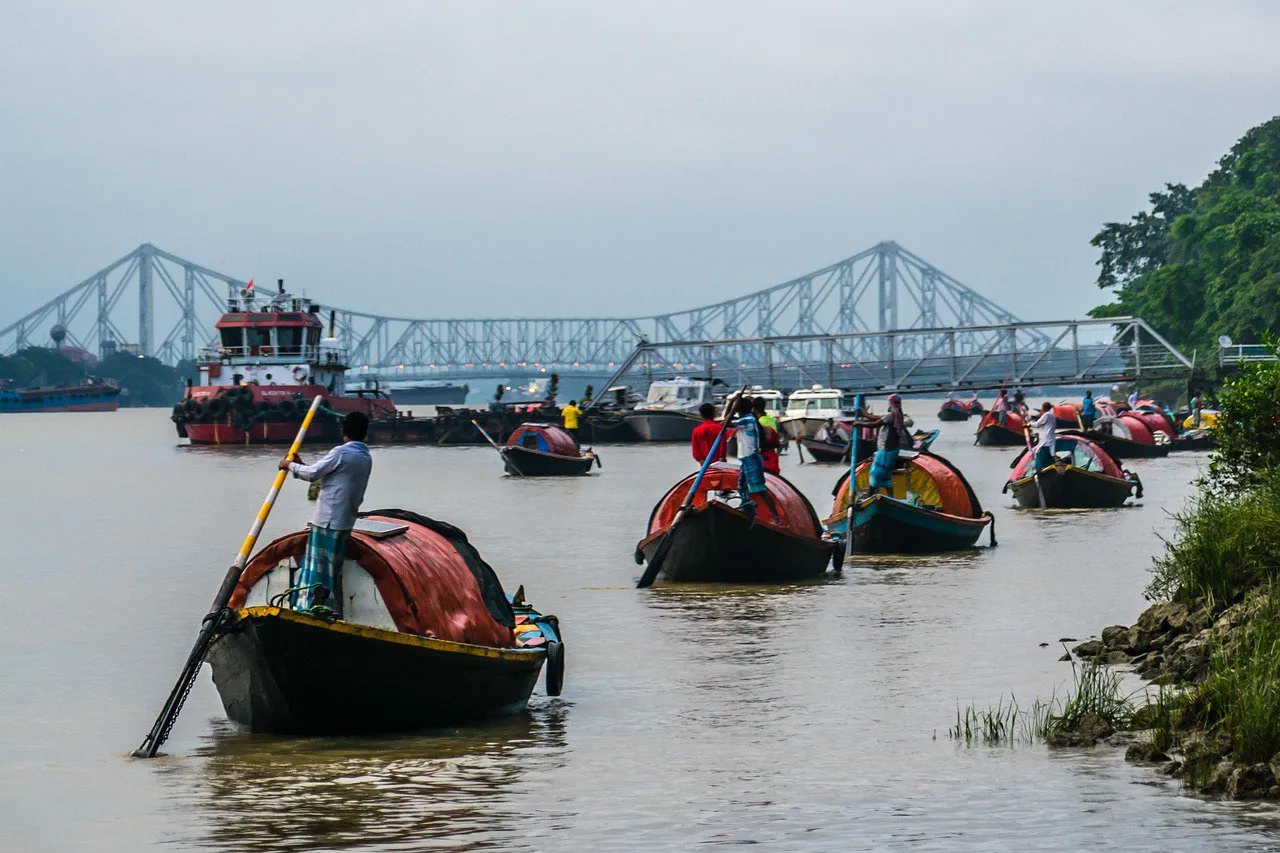 6
The steel structure of the Howrah Bridge spans the Hooghly between Kolkata and Howrah; its shape is as striking as the movement that passes over it.
View details for Howrah Bridge — Rabindra Setu1The pale tower appears among the trees before you reach the entrance. At St. Paul’s Cathedral, the Gothic design and the elongated nave change the scale of the outing: look up first, then slow down to take in the interior. It belongs to the Church of North India and keeps the Anglican tradition.
Combine the visit with the Victoria Memorial, which is nearby, but check the schedule before deciding the order. On Sundays, visiting hours for tourists start later than on other days. Worship and sightseeing keep different rhythms; enter the second without interrupting the first.
2The white marble begs for a photo from a distance, but the visit doesn’t have to end the moment you spot its reflection in the water. The Victoria Memorial was conceived in memory of Queen Victoria and today houses a museum. Gardens and galleries offer different experiences within the same complex.
Inside, look for what the collections of paintings, documents and objects say about India and its relationship with British rule. It is a good chance to trade the facade for the history it represents. Set aside time to walk the outside as well, without treating the garden as an exit corridor.
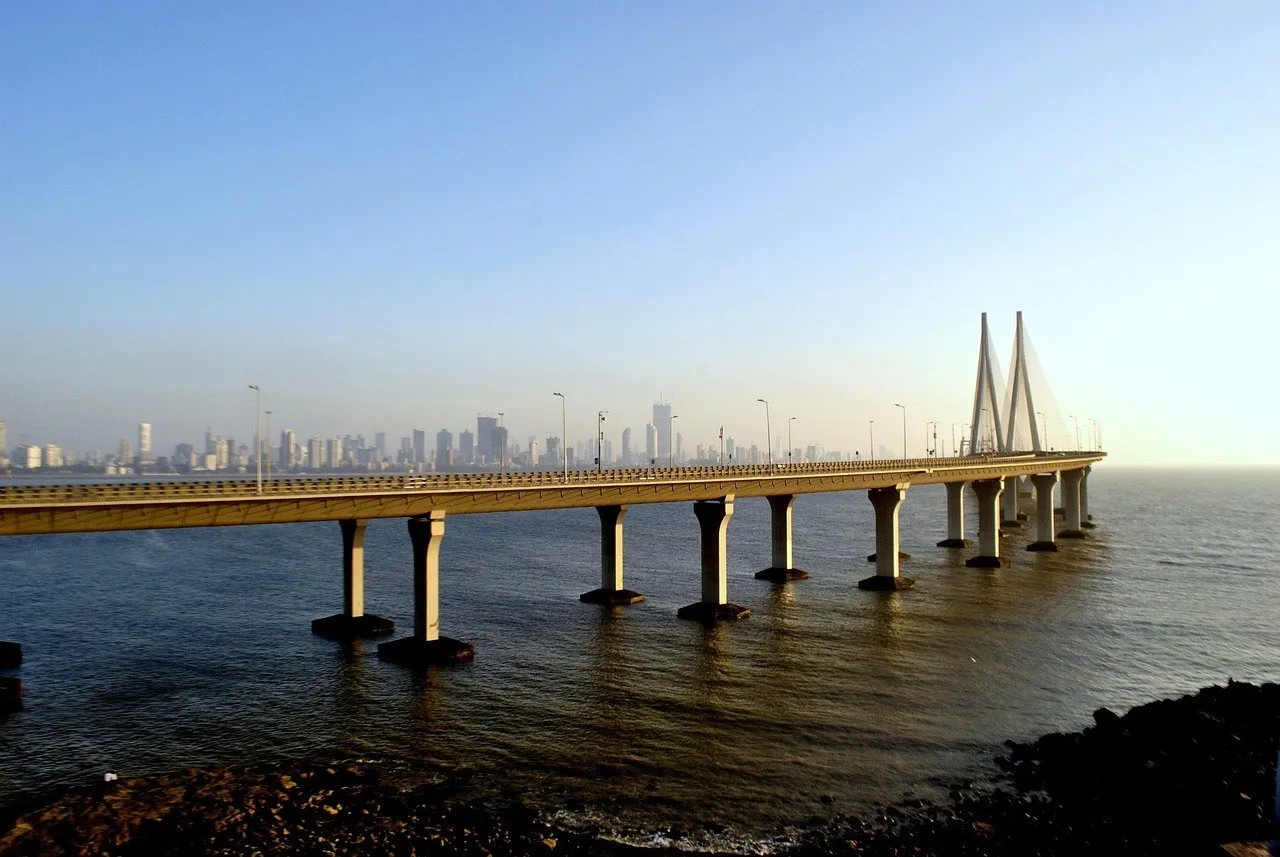
3The pale columns of the memorial to James Prinsep appear with the Vidyasagar Setu in the background. The framing brings together the classically inspired pavilion and the bridge over the Hooghly; on your first try, you may find you need to take a few steps back.
After the photo, keep going to the water’s edge and follow the movement of the river. Prinsep Ghat is a place for strolling, where the walk can last longer than the visit to the monument. Go in the late afternoon if you want to end the first day outdoors, and keep the clock out of the frame.
4Books leave the shelves and take over the stalls along College Street. You find new editions, used copies and study material in this stretch tied to university life. You don’t have to come back with a rarity: recognizing your own tendency to buy one more volume is already worth the walk.
Walk slowly, ask before touching the piles and look at the buildings of the nearby institutions, such as the University of Calcutta and Presidency University. For those who read little Bengali, looking at covers, formats and the flow of students is still a good way to enjoy the place.
5An unpainted face may wait beside an image that is ready to receive its final details. In Kumartuli, workshops produce religious clay sculptures, especially associated with the Durga Puja celebrations. The neighborhood is a place of work, and that is precisely the reason to visit.
Enter only when invited or authorized and follow the process without touching the pieces. The activity changes with orders and the festival calendar: not every visit finds the same scene. If you want to take photos, ask first; a short conversation can be worth more than the rush to fill your phone’s memory.
6The steel draws a sequence of triangles over the Hooghly. The Howrah Bridge links Kolkata to the city of Howrah and draws attention both seen from the bank and on the route of those who need to cross the river. It is infrastructure in use, with traffic and pedestrians following their own commitments.
To see the whole structure, look for a permitted spot along the river. If you choose to cross on foot, follow the flow and save your pauses for a place where you won’t block anyone. Your moment of contemplation works best when it doesn’t become an obstacle in other people’s way.
Combine metro and car between the blocks of the itinerary, checking the current network map. Look at the riverbank too before choosing the sequence.
November to February tends to bring less hot days. Alternate the sidewalks of College Street and the gardens of the Victoria Memorial with breaks, even in this season.
In Kumartuli, ask permission before entering or taking photos, and don’t touch the pieces. Keep the aisles clear for those who work and carry materials.
Set aside cash for tickets and check the conditions for cameras and bags at the Victoria Memorial. At the cathedral and in the workshops, follow local guidance before taking photos.
At the stalls and on the approaches to the Howrah Bridge, keep your bag and phone close to your body. Step out of the flow to check the route or call a ride.
Durga Puja takes place in September or October. Check the dates and book lodging ahead; put together your own program for the festival, adapting the outings in this guide.
Rice and fish sustain much of the Bengali table. Start with a machher jhol; between visits, the kathi roll takes care of hunger. For dessert, the sweet shops ask you to choose between sandesh and mishti doi. If you pick both, consider the next walk part of the negotiation.
Fish in a light broth or sauce, served with rice: a good gateway to Bengali food.
Flatbread rolled around fillings such as chicken, meat, egg or vegetables; choose your combination before trying to eat while walking.
A Bengali sweet made from milk, found in different shapes at sweet shops; start with a small portion and compare.
Sweetened yogurt, a spoon dessert to end the meal without having to pick yet another sweet from the display.