 1
Squares and parks
Plaza Mayor
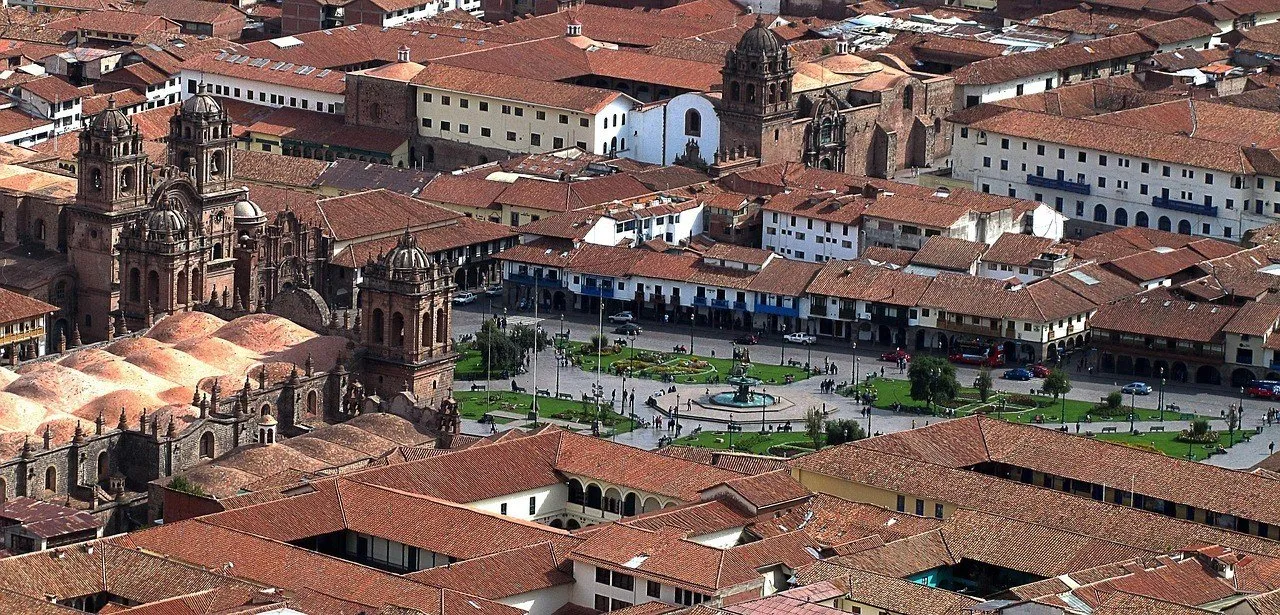
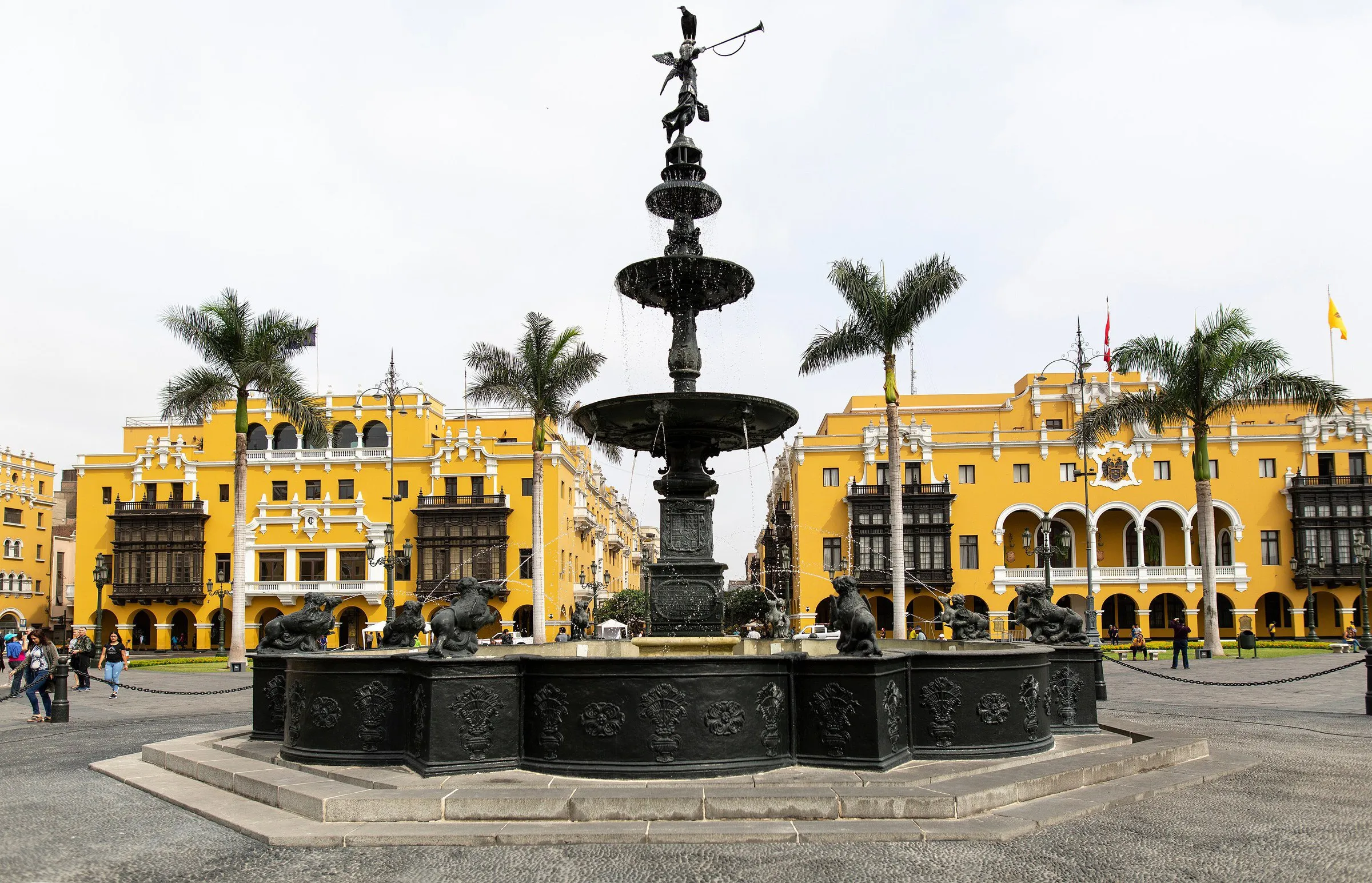
The central square brings together the Government Palace, the city hall and the cathedral. It is a good first stop for understanding the layout of Lima's historic center.
View details for Plaza Mayor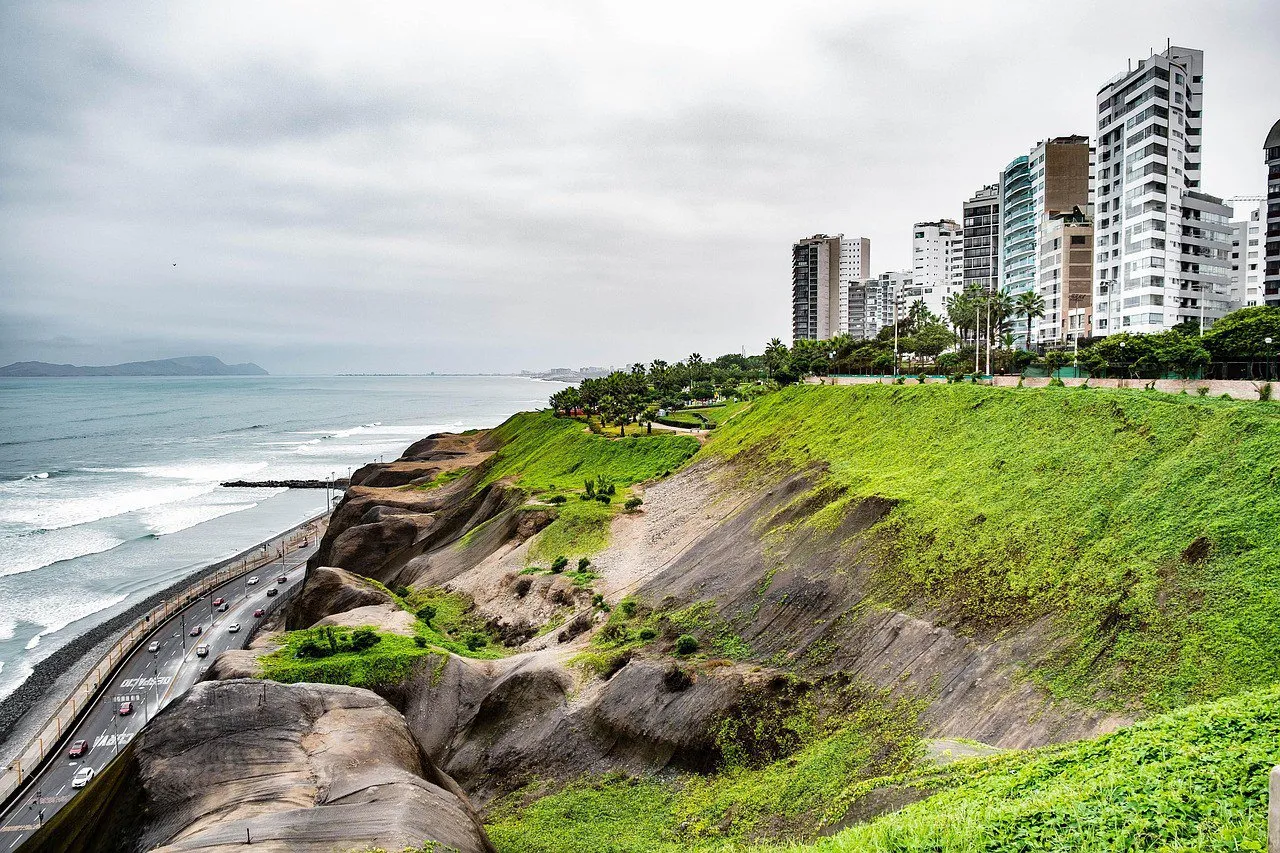
Peru
High on the Miraflores cliffs, the Pacific fills the horizon, and the fog sometimes wipes out the view. Farther along, an adobe pyramid interrupts the buildings: Lima was here long before the Incas.
Lima asks you to look up, then down at your plate. Downtown, enclosed wooden balconies jut out over the street; in Miraflores, the parks sit on top of the cliffs, with the Pacific far below. Somewhere in between, there is room for a break with ceviche or lomo saltado. Lunch deserves a spot on the agenda, because eating here helps you understand how Peruvian ingredients meet Chinese, African and Spanish influences.
For a first visit, split the historic center, the museums and the Miraflores and Barranco strip into separate blocks. Crossing Lima back and forth turns traffic into the main attraction, the kind nobody asked for. Three days are enough to combine churches and art with Huaca Pucllana, a ceremonial center older than the Incas, and still leave an afternoon for a walk by the sea. Gray winter skies can hide the horizon; in summer, your odds of a sunny stroll go up.
The ruins of Huaca Pucllana belong to the Lima culture: the city's pre-Hispanic history goes far beyond the Incas, even if they get most of the fame.
At the Museo Larco, the storerooms can be visited too. You see objects on display in the galleries plus a part of the collection that, in many museums, would stay behind a closed door.
The enclosed balconies of the historic center belong to an architectural tradition highlighted by UNESCO. It pays to look at the facades above shop-window height.
Chifa is the name for Chinese-style restaurants whose cooking picked up a Peruvian accent; chaufa rice is a tasty way to understand that conversation.
1The central square brings together the Government Palace, the city hall and the cathedral. It is a good first stop for understanding the layout of Lima's historic center.
View details for Plaza Mayor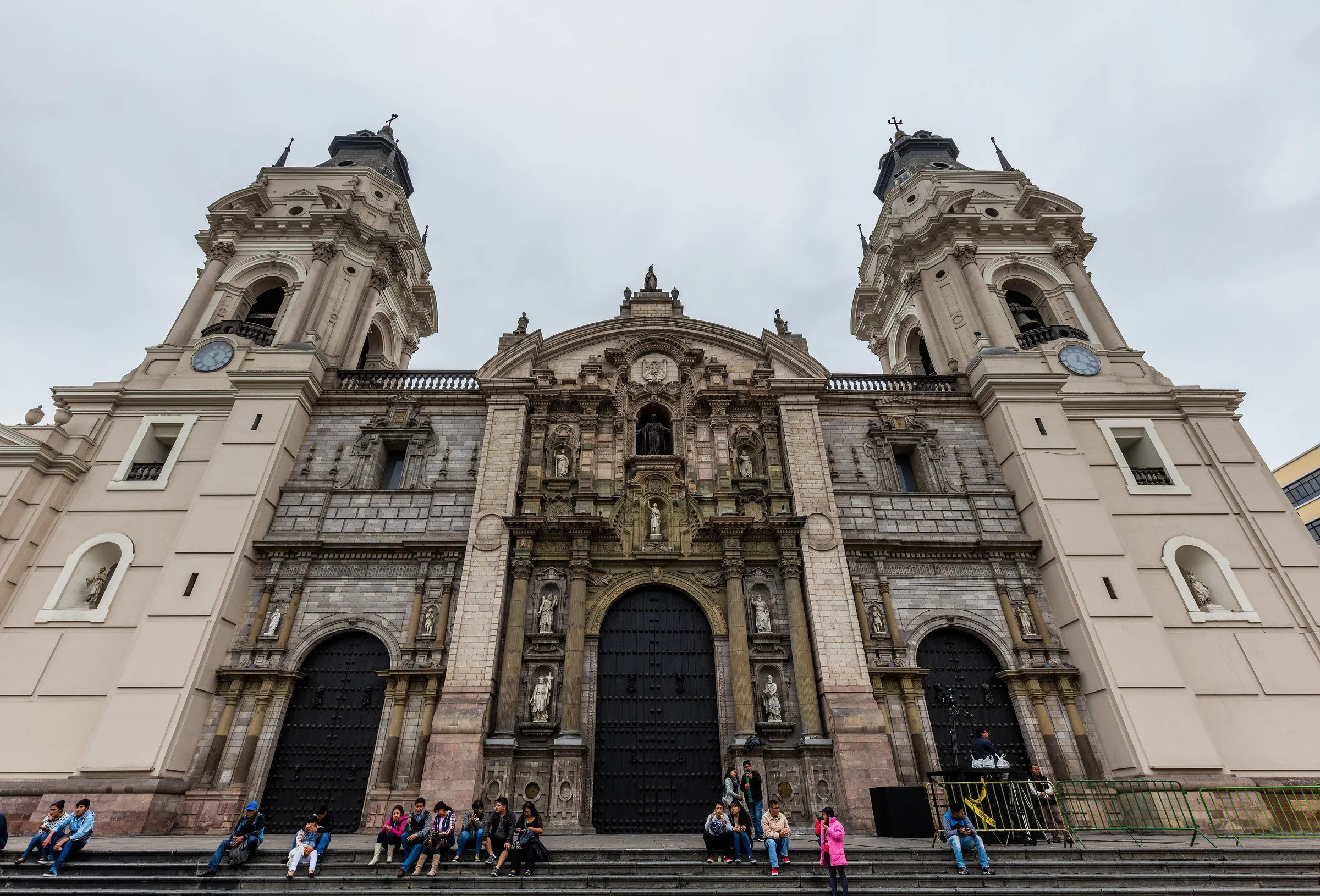 2
On the Plaza Mayor, the cathedral holds religious art, chapels and the tombs of figures from Peruvian history; the facade is only the beginning of the visit.
View details for Lima Cathedral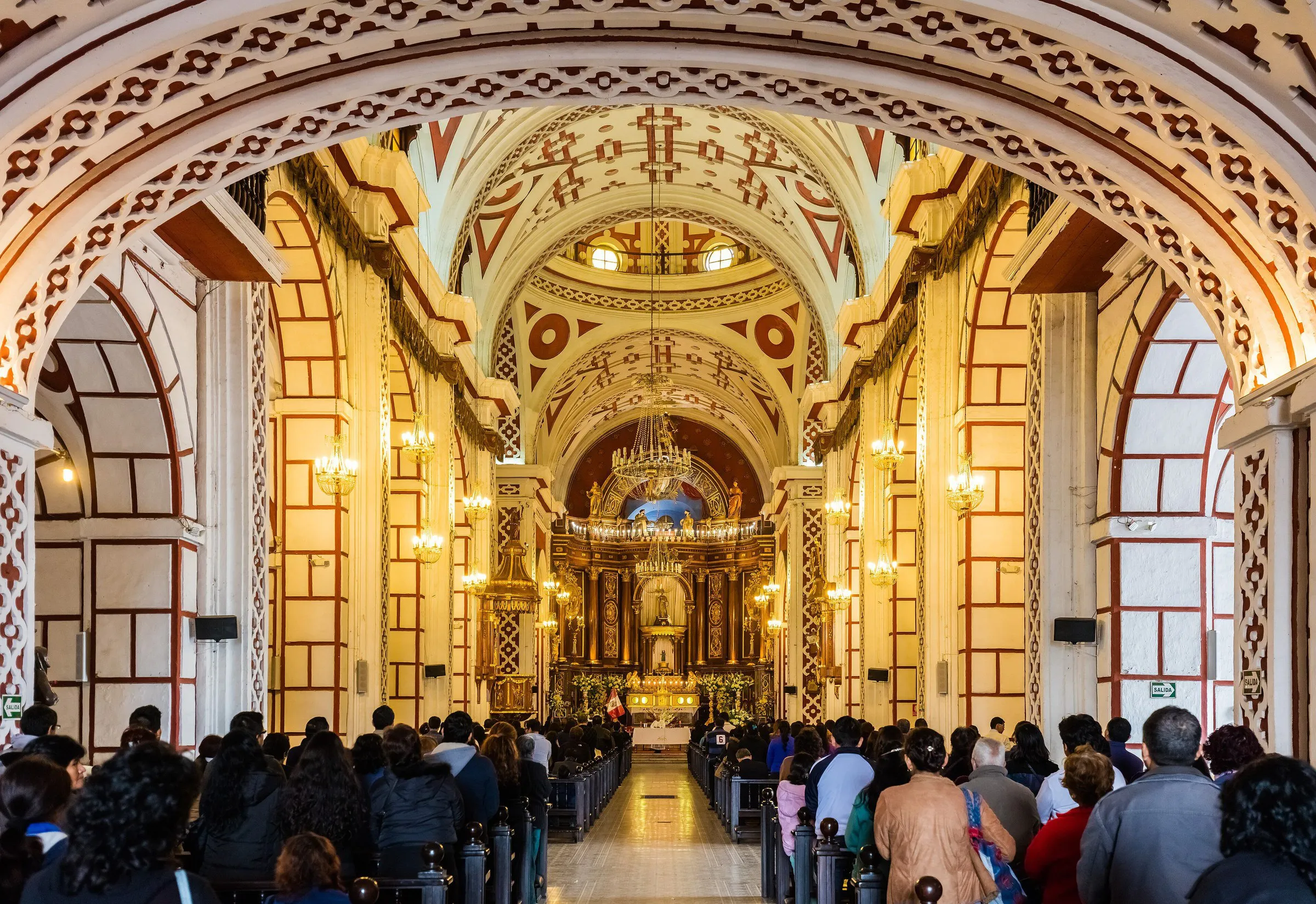 3
Above ground, viceregal art and convent spaces; below, passages with the bones of Lima's former residents. The visit shifts in tone quite a bit between the two.
View details for Convent of San Francisco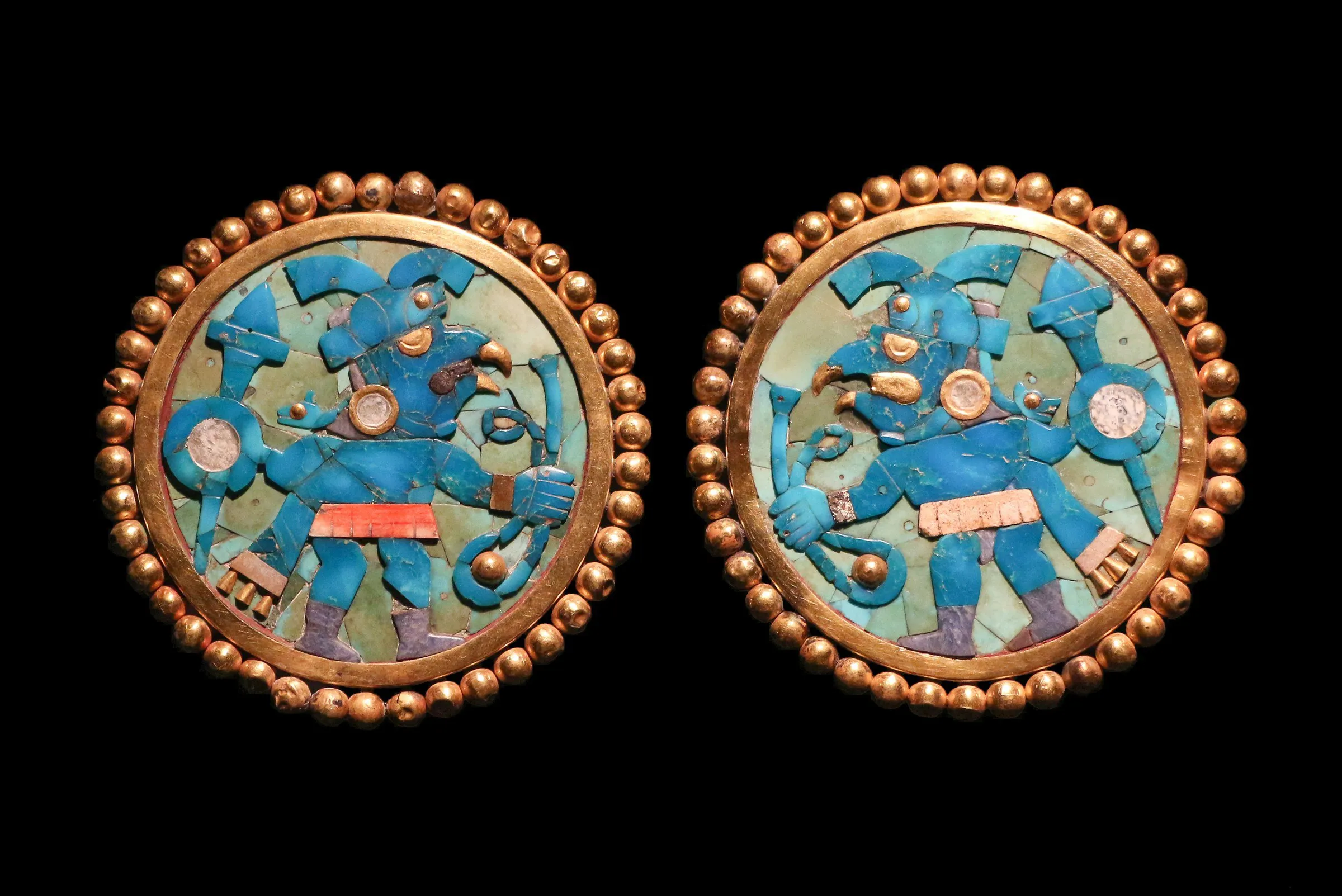 4
Pre-Columbian art, gardens and storerooms open to visitors make the Larco a good stop for widening your view of Peru's cultures before the Incas.
View details for Museo Larco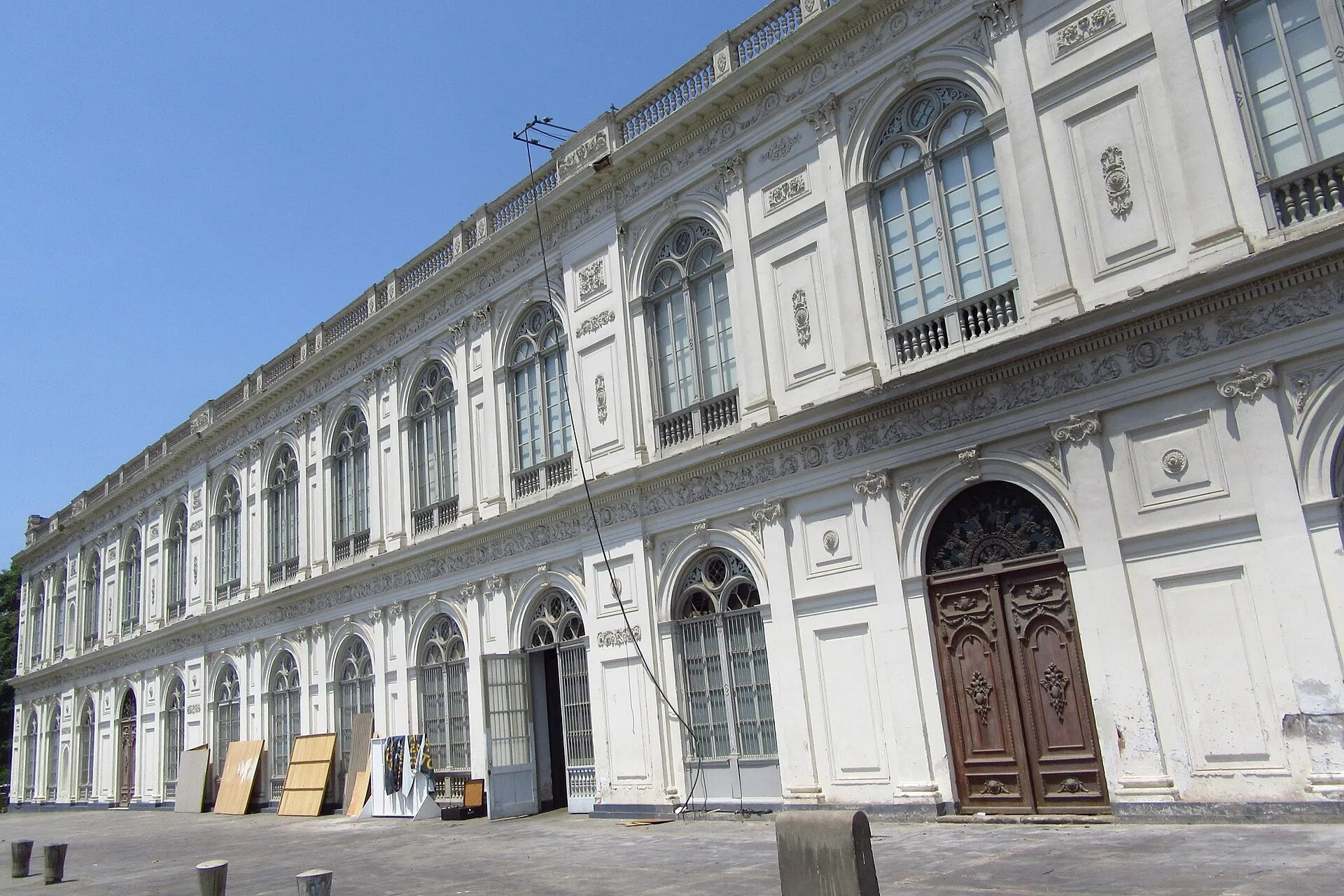 5
In the Parque de la Exposición, MALI brings together pre-Columbian, colonial, republican and contemporary works: a good chance to connect eras of Peru.
View details for Lima Art Museum (MALI)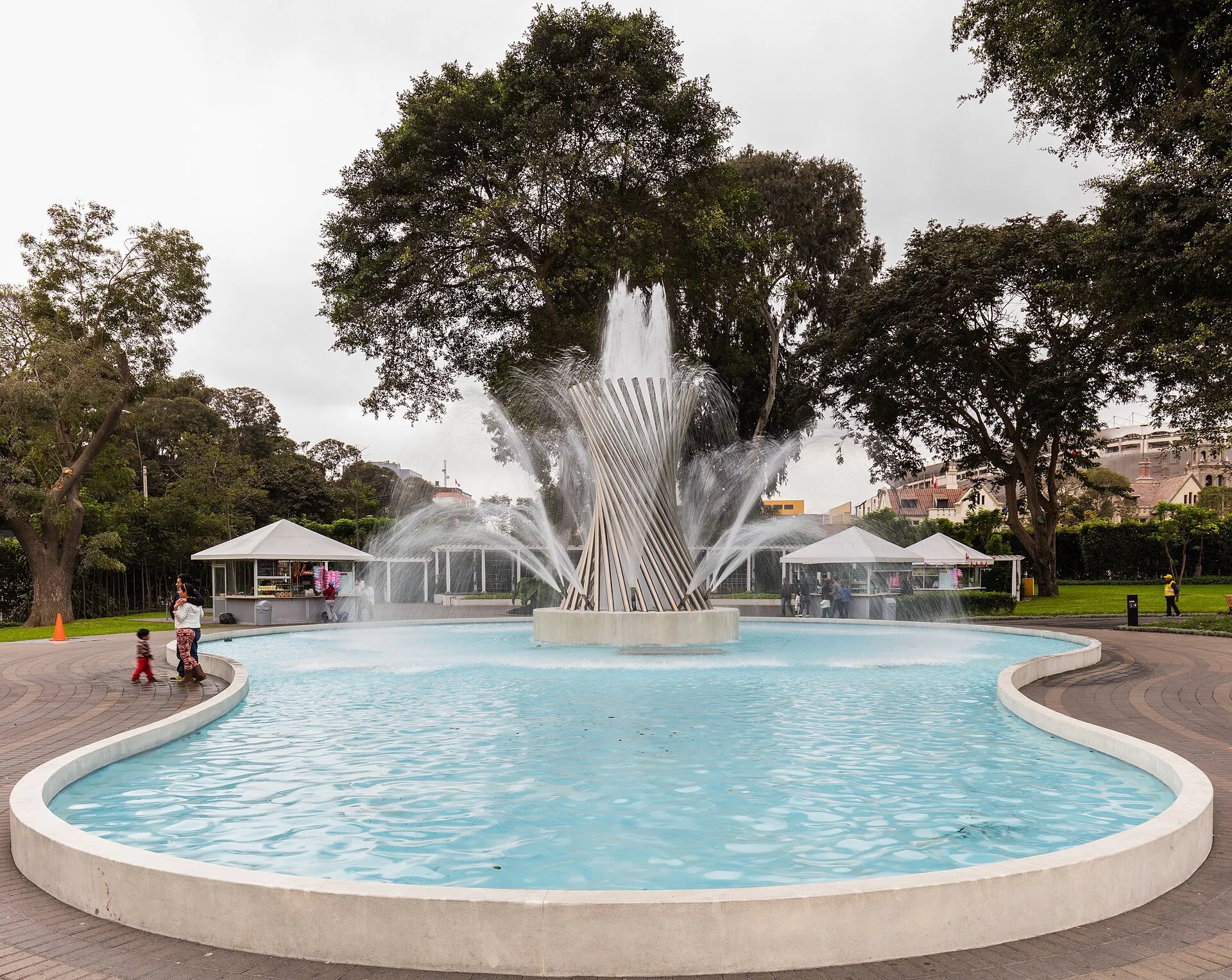 6
In the Parque de la Reserva, ornamental and interactive fountains come alive with light and music after dark. A walk to end the day outdoors.
View details for Magic Water Circuit (Circuito Mágico del Agua)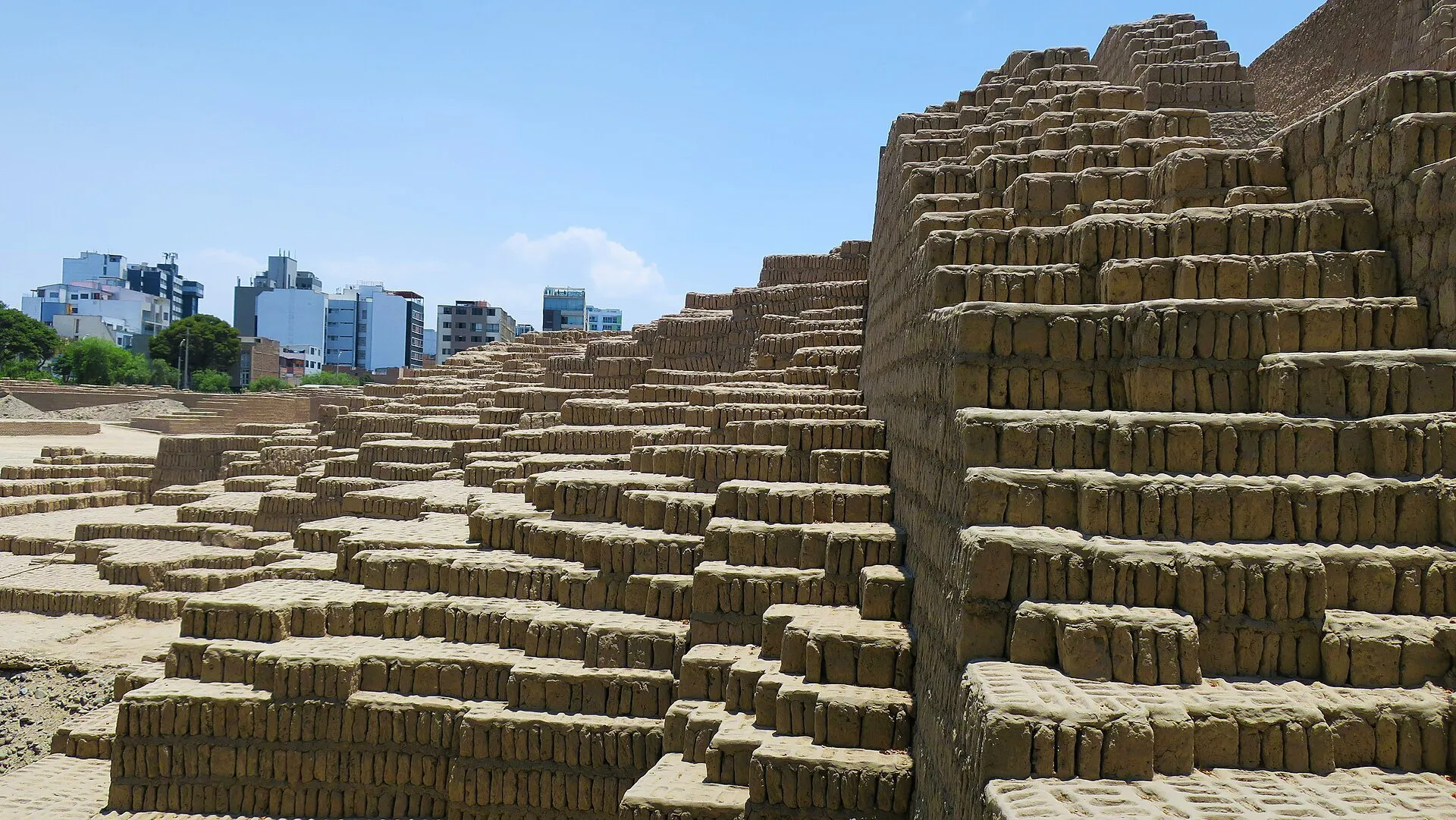 7
An adobe ceremonial center of the Lima culture surrounded by the modern city: Huaca Pucllana puts the pre-Inca past in the path of anyone visiting Miraflores.
View details for Huaca Pucllana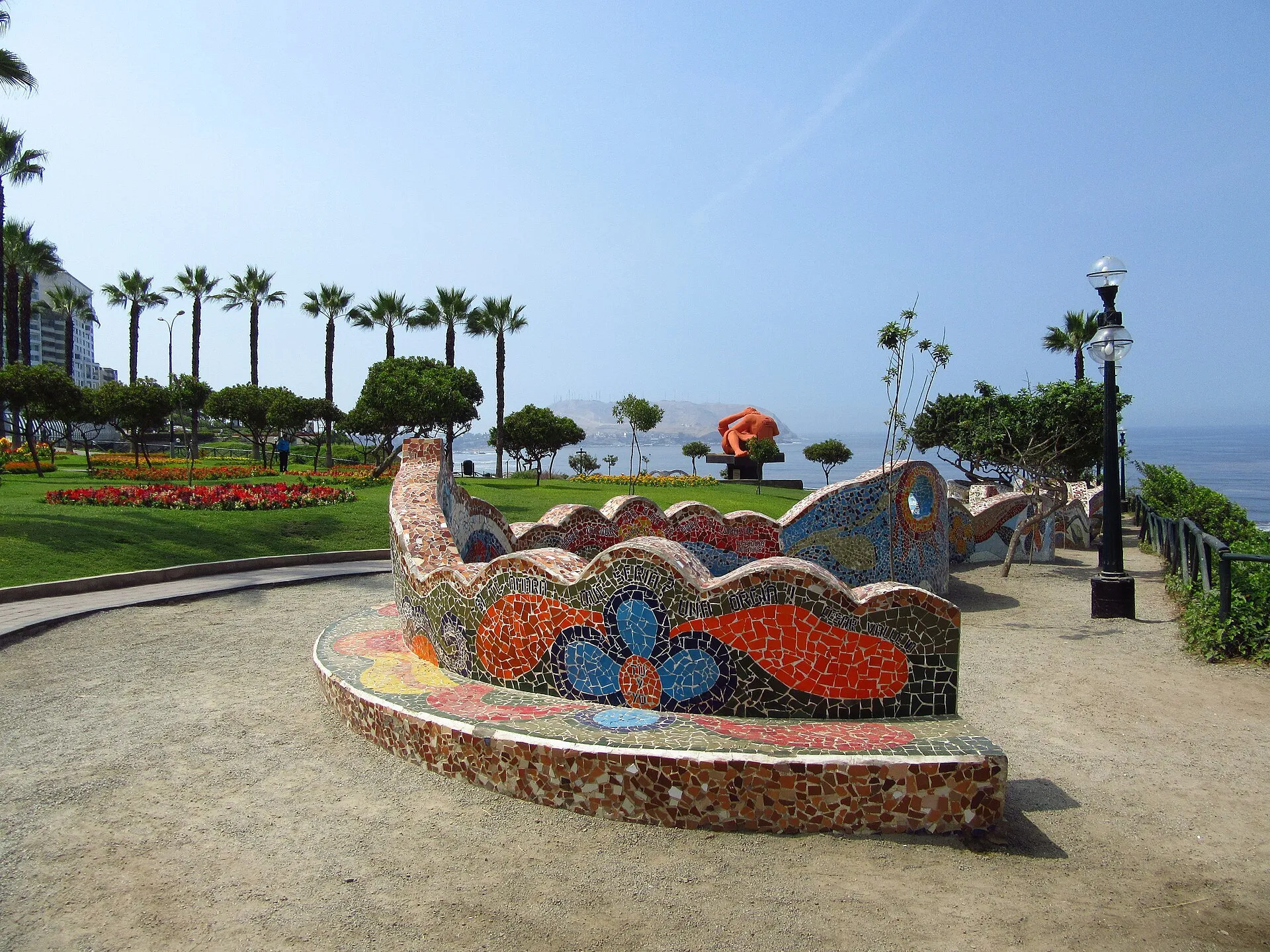 8
Clifftop parks follow the Pacific; in the Parque del Amor, mosaics and the sculpture El Beso share your attention with the view of the sea.
View details for Miraflores Malecón and Parque del Amor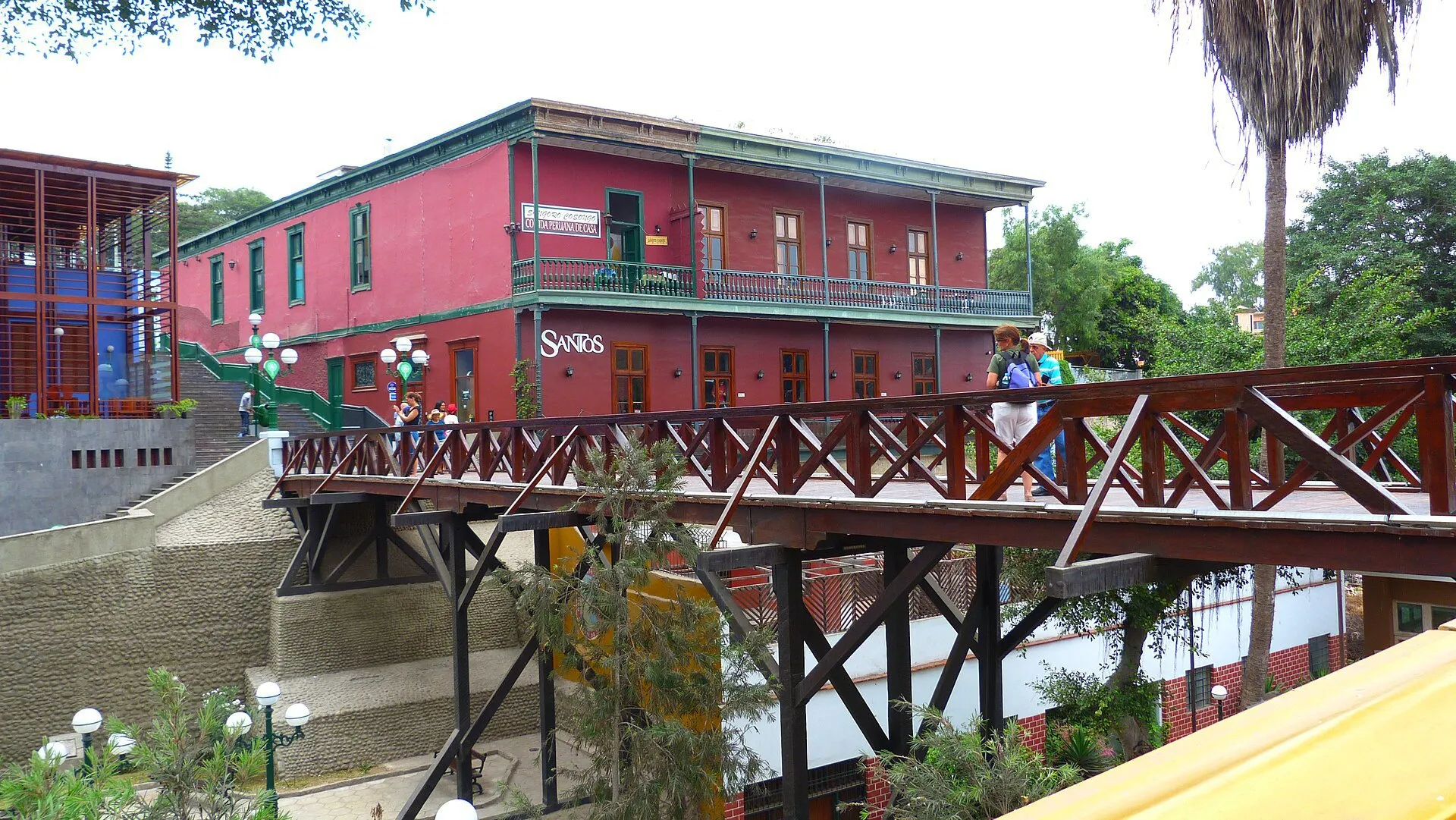 9
Streets with murals, the bridge over the ravine and the Bajada de Baños set the pace of a walk through Barranco, good for stretching the afternoon and picking a place for dinner.
View details for Barranco and the Bridge of Sighs (Puente de los Suspiros)1The fountain in the middle gives you a simple reference point to start: walk around it and notice how political and religious power share the sides of the square. The Government Palace, the Municipal Palace and the cathedral are all part of this ensemble; the square helps you organize the center in your head before you step inside the buildings.
Start with a lap looking at the facades, paying attention to the balconies around you. Begin the day here and move on to the cathedral and San Francisco. Stopping to look up pays off more than trying to tick the square off your list in five minutes.
2Anyone who photographs the towers from the square and walks on misses the interior: Lima Cathedral also works as a place to see sacred art and religious furnishings. After the openness of the square, slow down to take in the pieces.
Among the burials is that of Francisco Pizarro, a central figure of the Spanish conquest. Use the visit to think about that difficult history too. Combine the ticket with San Francisco, but give each place its own time: the collections and routes are different.
3The route through San Francisco combines religious architecture and objects preserved by the Franciscan order, such as paintings, silverwork and liturgical ornaments. Notice the difference between how these objects were used and how the museum presents them: the convent helps you see how religion took part in the life of the city.
In the catacombs, underground corridors hold the remains of Lima's former residents. It is a burial space, and the tone of your visit deserves to match. If enclosed spaces or bones make you uncomfortable, find out about the route before buying a ticket; there is no need to discover that preference while already underground.
4In the gardens of a former mansion, the Museo Larco presents pre-Columbian Peru. Look at shapes, materials and imagery without trying to memorize the name of every culture: choosing a few pieces and reading their explanations usually gives you more than walking past every display case on autopilot.
The special detail is the visitable storerooms, which show part of the collection beyond the conventional galleries. There is also a gallery devoted to erotic art, to be seen within the cultural context the museum presents. Leave time for the gardens at the end; the pause helps you absorb all that information before the next transfer.
5Think of MALI as a conversation between periods rather than one more museum of old objects. The collection spans pre-Columbian, colonial, republican and contemporary work. Follow that thread to notice how themes and depictions of the country change.
The museum sits in the Parque de la Exposición, a workable stop before continuing to the Magic Water Circuit (Circuito Mágico del Agua). Since the day already includes the Larco, pick your priorities and check the current exhibitions. The marathon is only worth it if you still have attention left for the artworks; tired legs also start to have opinions about art.
6After a day of museums, a change of scenery is welcome: in the Parque de la Reserva, the fountains make the outing happen with water, light and music. The complex has ornamental structures and interactive areas, plus the multimedia show, which deserves a place in your evening plans.
Arrive with time to wander before the performance and choose your distance from the water according to how much you want to get wet. Visitors who step in to test a fountain sometimes leave with an extra item on the agenda: drying their clothes. Check which areas are running and arrange your ride back before you get distracted by the show.
7The adobe pyramid upends the expectations of anyone who associates Miraflores only with hotels and the seaside promenade. Huaca Pucllana was a ceremonial center of the Lima culture, older than the Incas. Look at the texture of the structures: the handmade mud bricks make archaeology visible in small details.
The place was also used for burials by other cultures, among them the Wari. The visit helps you tell these occupations apart, since they do not all fit under the same “Inca ruin” label. Include the guided tour offered by the site in your plans and avoid squeezing this stop between appointments: the explanation makes a difference in understanding what appears before you.
8On the malecón, the path runs above and the sea lies far below. You see the Pacific from parks on the cliffs, without turning the afternoon into a beach outing. Pick a stretch and let the view set your pauses.
In the Parque del Amor, the sculpture El Beso, by Víctor Delfín, sits at the center, and the mosaic walls carry phrases about love. If the sky is overcast, stick to the promenade and the park; the fog has not signed a contract with the sunset. Afterward, head to Barranco without spending all your energy on the walk.
9Barranco is best known on foot, among the streets of the historic core, the murals and the area around the Puente de los Suspiros. The bridge links two sides of a ravine: the terrain explains the neighborhood as much as the facades do. Cross it, look at the surroundings of the Ermita and continue down the Bajada de Baños as access allows.
Afterward, give the neighborhood some time without a to-do list. A coffee or dinner break fits better here than one more ride to another corner of Lima. If you want to photograph the passages and see the terrain, arrive while it is still light and check the way back before night falls.
Group your outings by area and check the traffic: a short distance on the map does not guarantee speed. Between the blocks of this itinerary, prefer licensed transport or a ride booked through an app.
Jorge Chávez is in Callao. Check the services and access options on the airport's website and arrange transport to your lodging before you land; leave extra time for the return.
Keep an eye on your phone and bag, especially when taking photos. Stick to busy tourist routes and ask your lodging for current advice on the areas you plan to visit after dark.
Lima's winter brings humidity, fog and garúa, the fine drizzle. Bring an extra layer for the malecón; in summer, pair light clothing with sun protection.
Carry soles for small expenses and check the payment methods at each attraction. Compare ticket categories: discounts for residents may require documents that a foreign visitor does not have.
At the cathedral and San Francisco, follow the guidance on silence, photography and open areas. Keep the tourist visit separate from religious services and confirm when the museum is open.
A food itinerary can alternate a cevichería, a house of criollo cooking and a chifa. It is more interesting to try different cuisines than to turn every lunch into a hunt for the same dish. Ask how the ají comes if you prefer little heat, and save one unplanned meal for later: in Lima, the urge to order one more starter can wreck your punctuality at the museum.
Fish with citrus acidity and seasonings: order the house version and adjust the heat to your taste.
A cold dish of mashed potato with fillings that may include chicken, seafood or avocado; check the version before ordering.
Stir-fried beef with onion, tomato, potatoes and soy sauce, showing the Chinese influence on Peruvian cooking.
A drink made from purple corn, an alcohol-free option to go with the meal.