 1
Markets
San Pedro Market
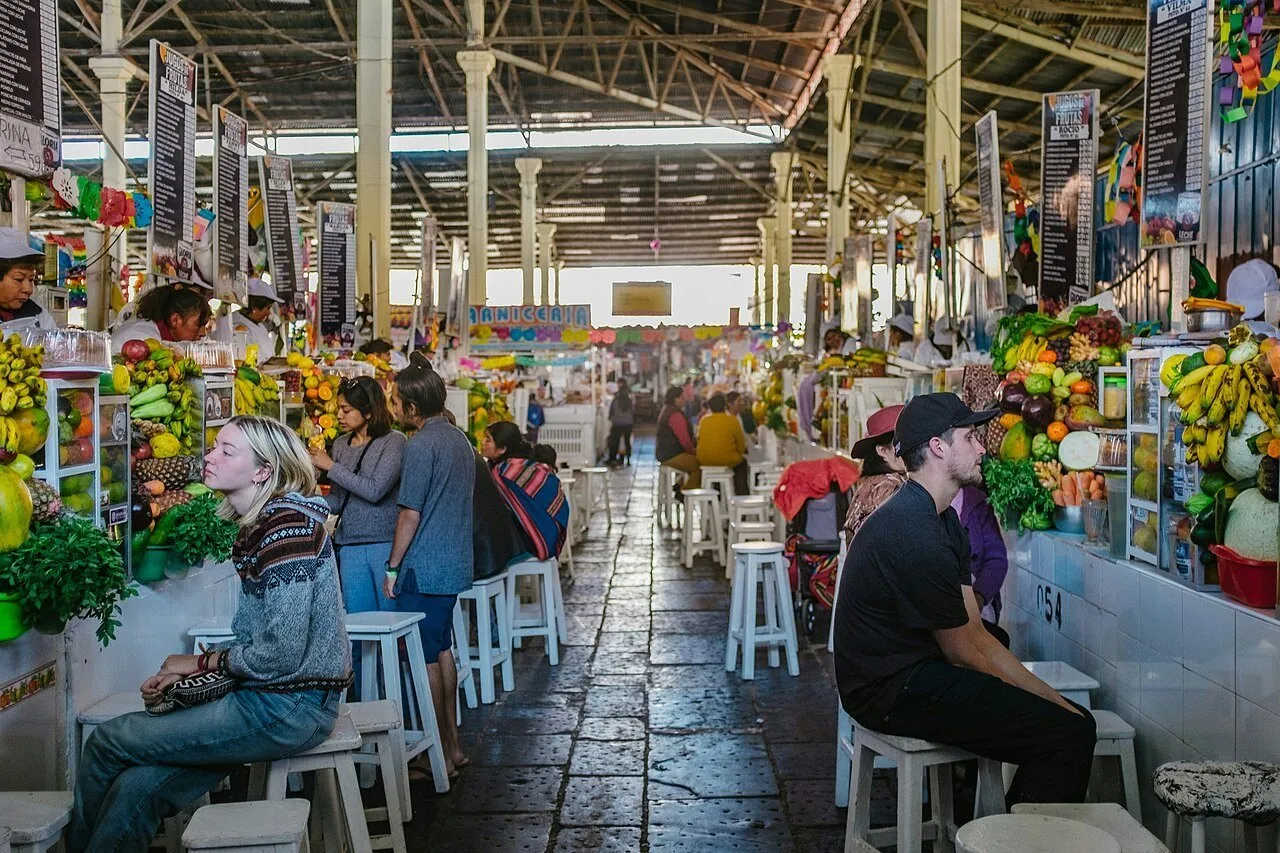
Andean grains, cheeses, breads and fresh produce share the aisles of San Pedro Market, a good stop for seeing Cusco through its kitchen too.
View details for San Pedro Market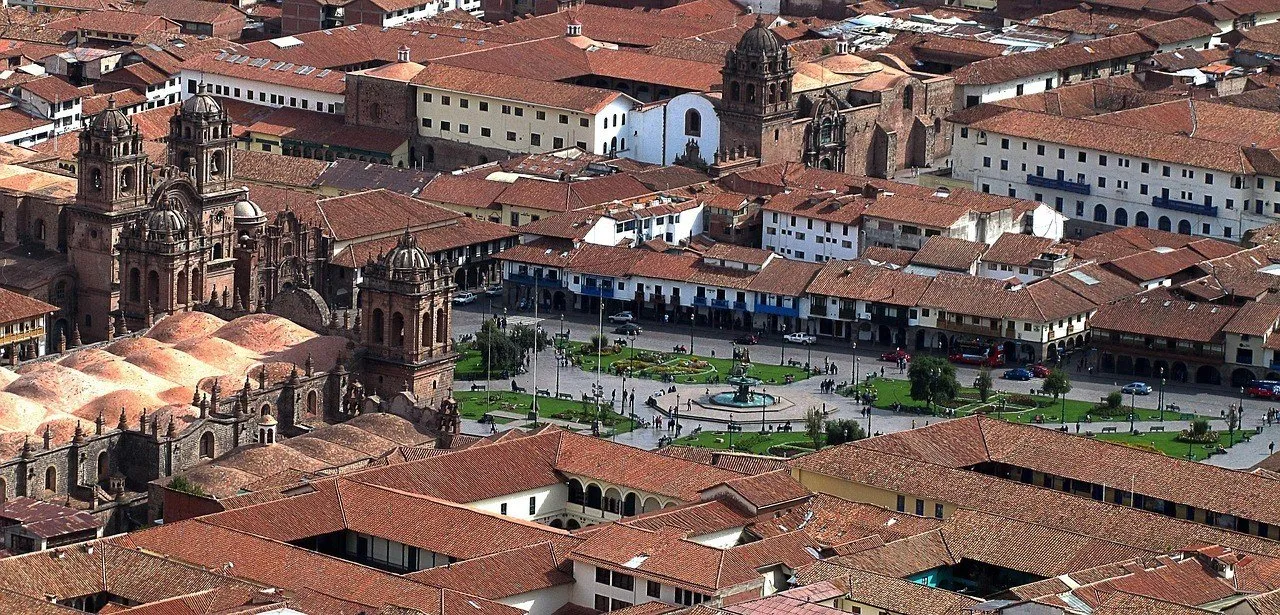
Peru
In Cusco, you head out for a coffee and stop in front of a stone with twelve angles. A bit further on, the street climbs toward San Blas: the map swears it's close, the slope asks for a break.
The joints in Inca walls deserve as much attention as the churches rising above them. In Cusco, the former capital of the Inca Empire, Spanish rule built on top of earlier structures, and that layering is still visible in the streets. You can go from the polished stone of Qorikancha to the paintings in the cathedral and end up studying a wall on Hatunrumiyoc. The center has inviting distances, but it sits at about 3,400 meters (11,200 feet) above sea level: let your enthusiasm walk at the speed of your body.
Save your arrival for rest and spread the following outings across the historic center, the slopes of San Blas and the archaeological circuit to the north. That makes three days of sightseeing, without squeezing the Sacred Valley or Machu Picchu into the same bundle of hours. At San Pedro Market, the subject changes from stones to cheeses, breads and Andean grains. And at Tambomachay, it's the channels and fountains that hold your attention. Cusco gives you more when you stop treating it as a departure lounge for another destination.
At Qorikancha, the church and convent of Santo Domingo occupy structures of the former center of sun worship; the story of the conquest is written into the building itself.
The Twelve-Angled Stone is part of a wall on Hatunrumiyoc Street. You don't need to enter the Archbishop's Palace to see it.
San Blas is known for its artisans: besides strolling among the colonial houses, it's worth looking for the workshops and asking about the pieces.
At Tambomachay, water still runs through the channels and fountains of the Inca site. It's a lesson in engineering with its own soundtrack.
1Andean grains, cheeses, breads and fresh produce share the aisles of San Pedro Market, a good stop for seeing Cusco through its kitchen too.
View details for San Pedro Market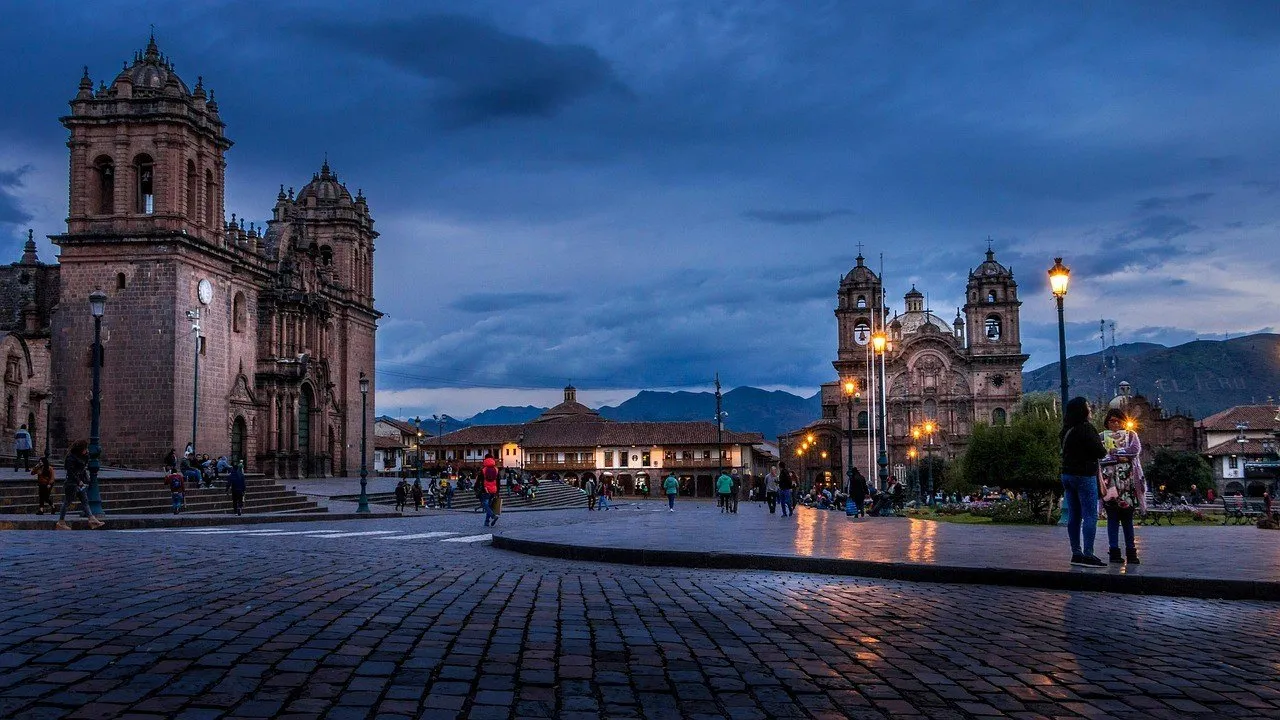 2
Cusco's main square gathers arcades, the cathedral and the Church of the Company of Jesus, on ground that was already important for Inca ceremonies.
View details for Plaza de Armas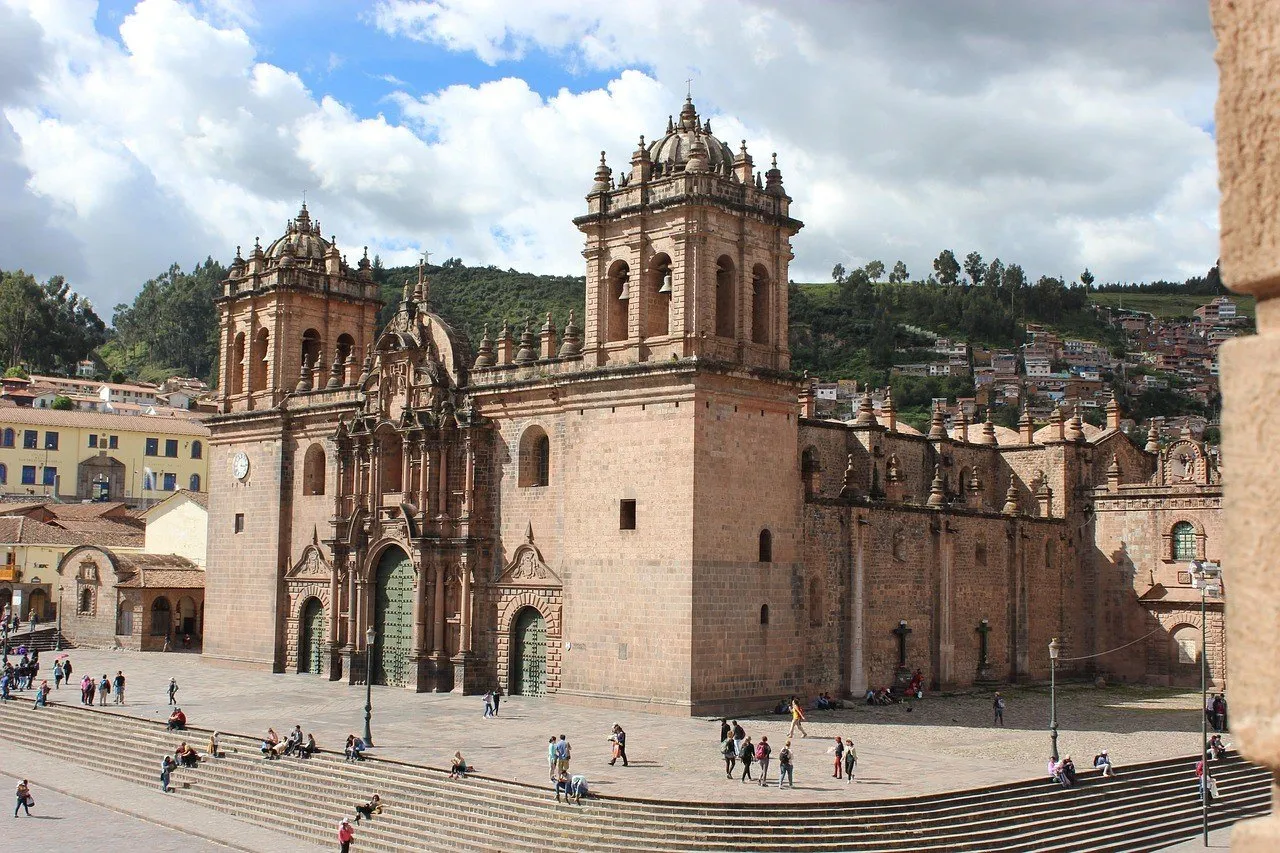 3
Facing the Plaza de Armas, the cathedral holds Cusco School paintings, carved woodwork and silver pieces on the former site of an Inca palace.
View details for Cusco Cathedral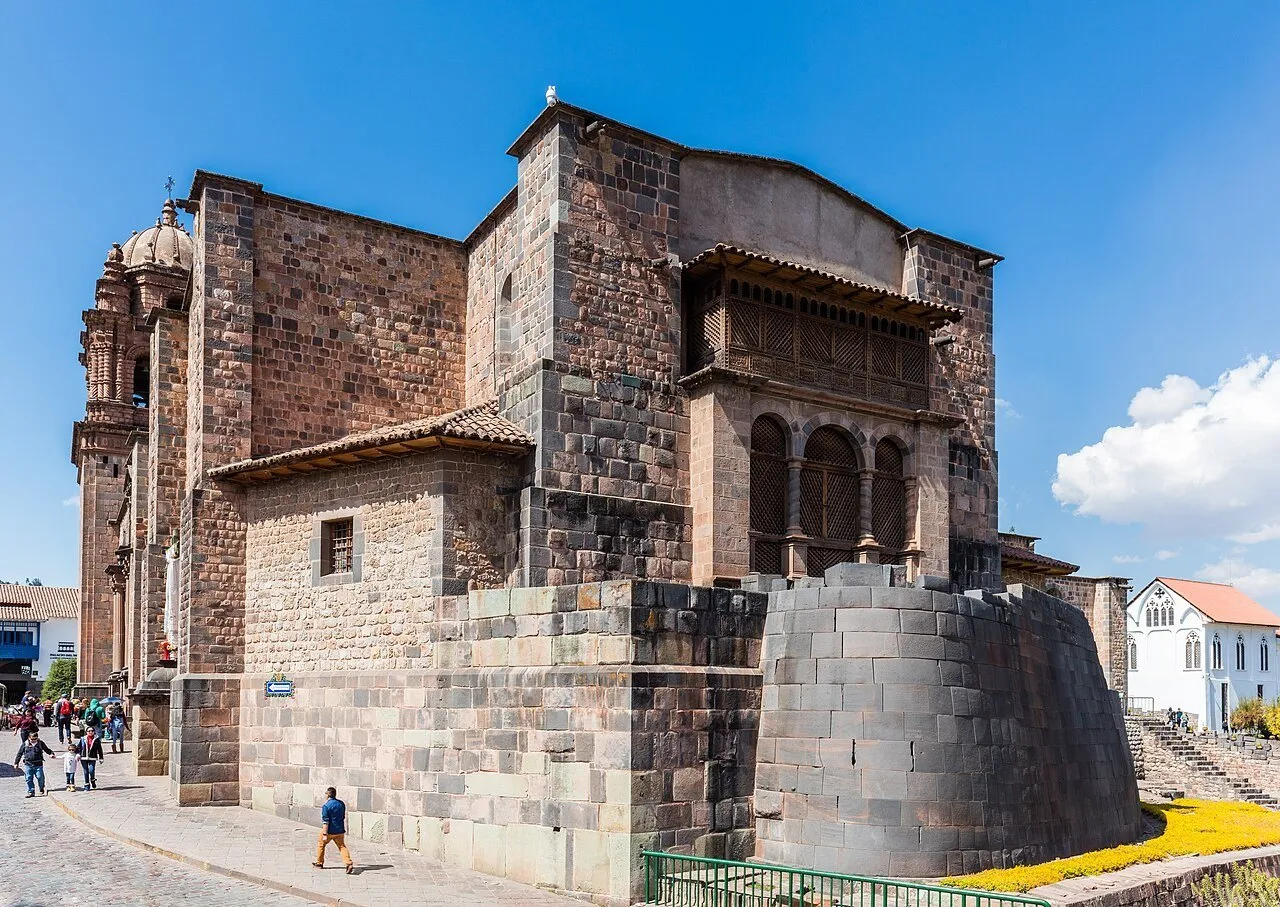 4
The former center of sun worship keeps Inca structures beneath the Santo Domingo complex, a layering you can actually see in the construction.
View details for Qorikancha and Santo Domingo Convent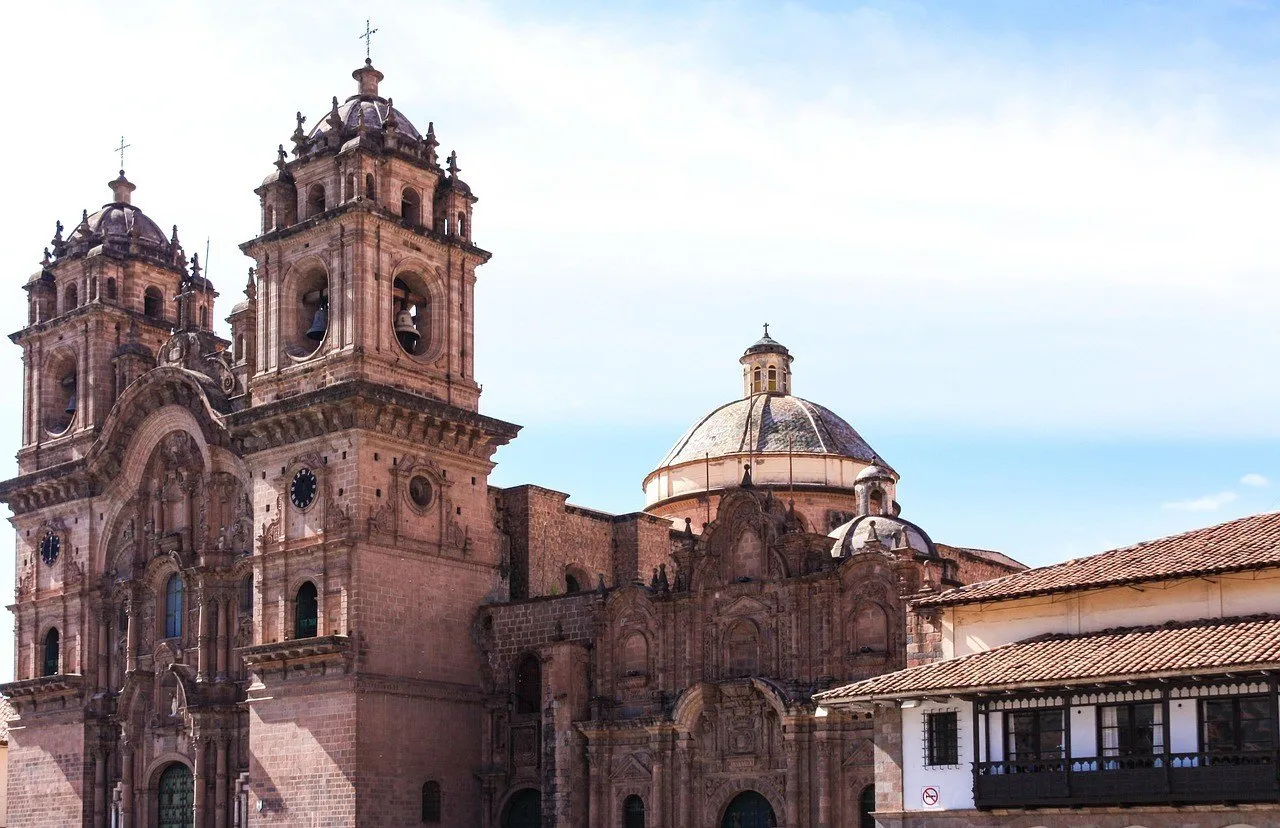 5
On the Plaza de Armas, the Jesuit church stands on the former site of Amarucancha, the palace of Huayna Capac, and adds another layer to the center's landscape.
View details for Church of the Company of Jesus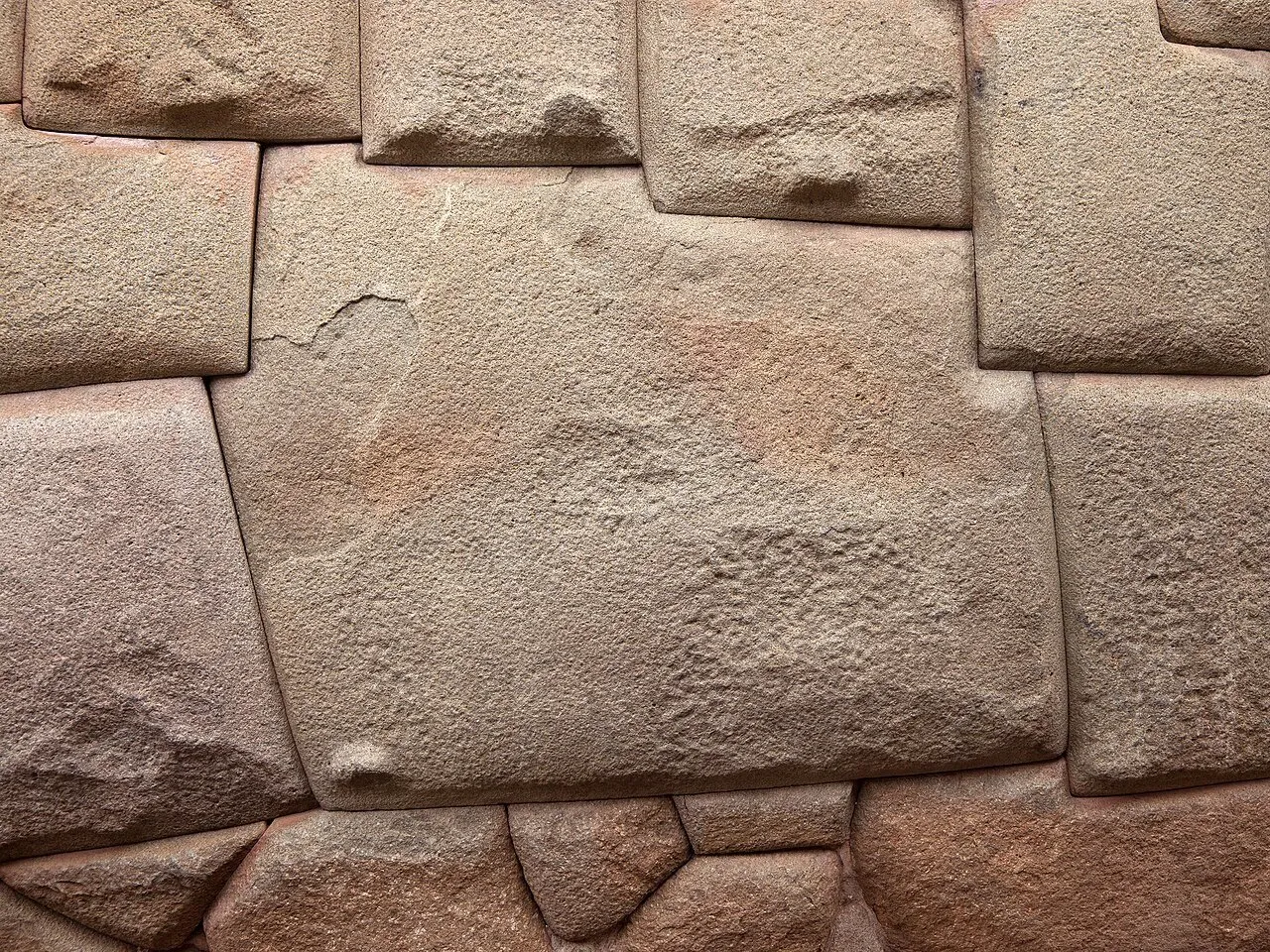 6
A block with twelve angles fitted into the Hatunrumiyoc wall turns a short stop into an exercise in observing Inca stonework.
View details for Twelve-Angled Stone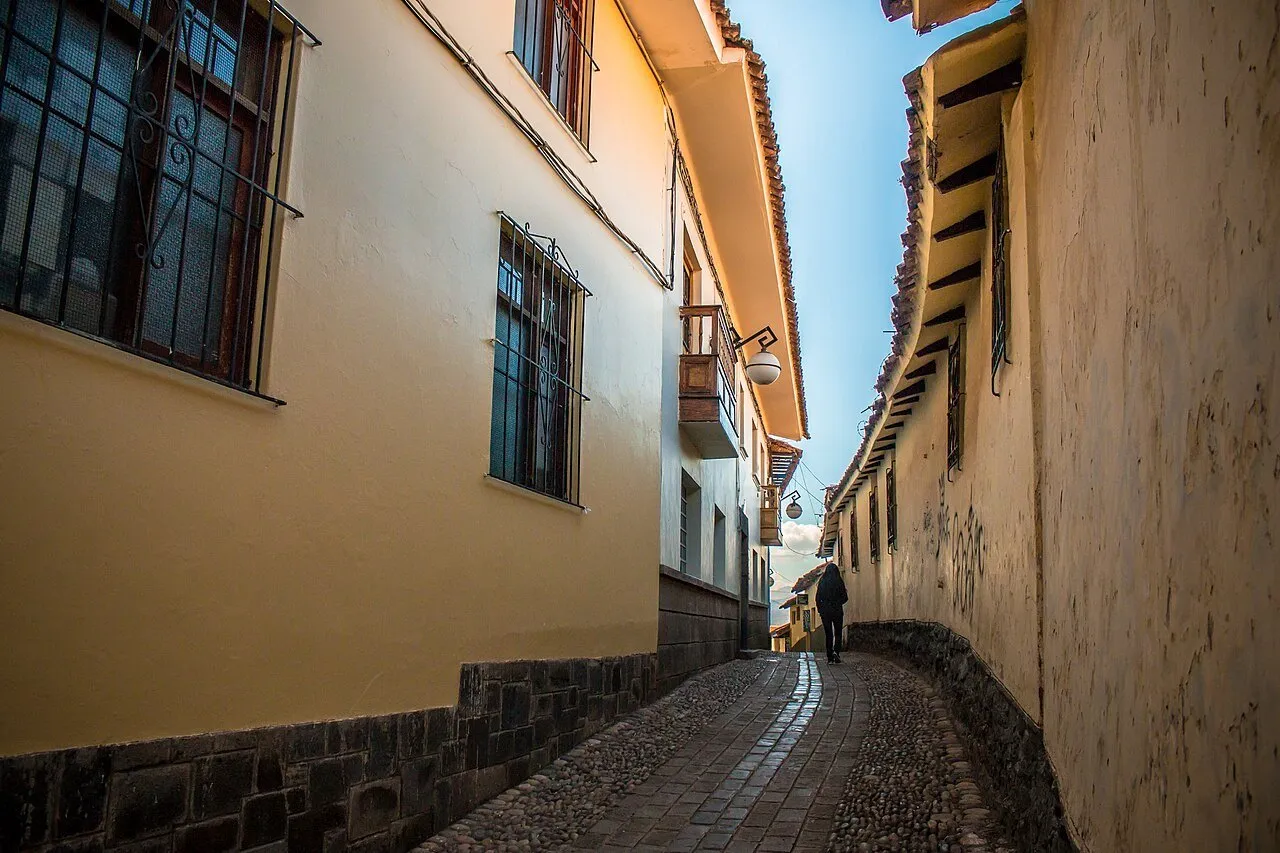 7
Narrow, sloping streets, colonial houses and artisans' workshops make San Blas a neighborhood to cover bit by bit, with breaks on the climb.
View details for San Blas Neighborhood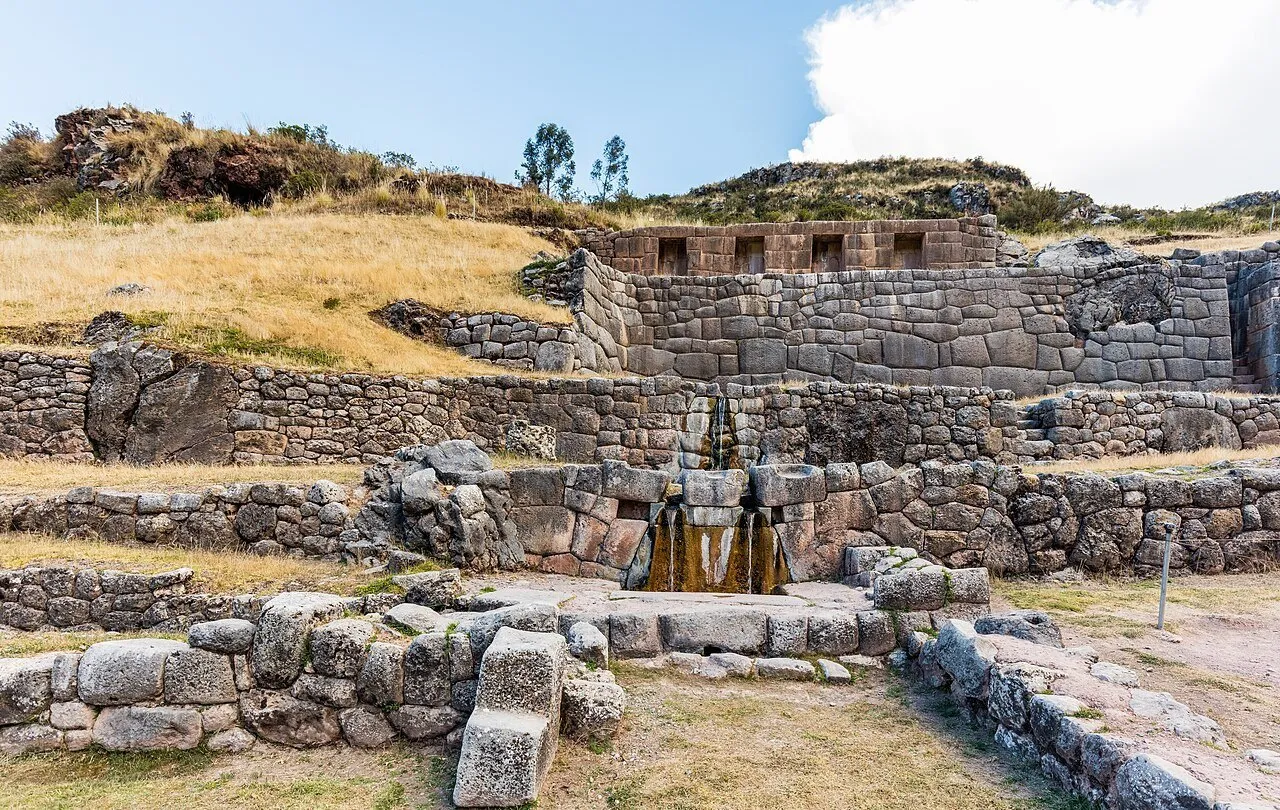 8
Channels, terraces and stone fountains carry water at Tambomachay, an Inca site associated with the worship of that resource in the Andean landscape.
View details for Tambomachay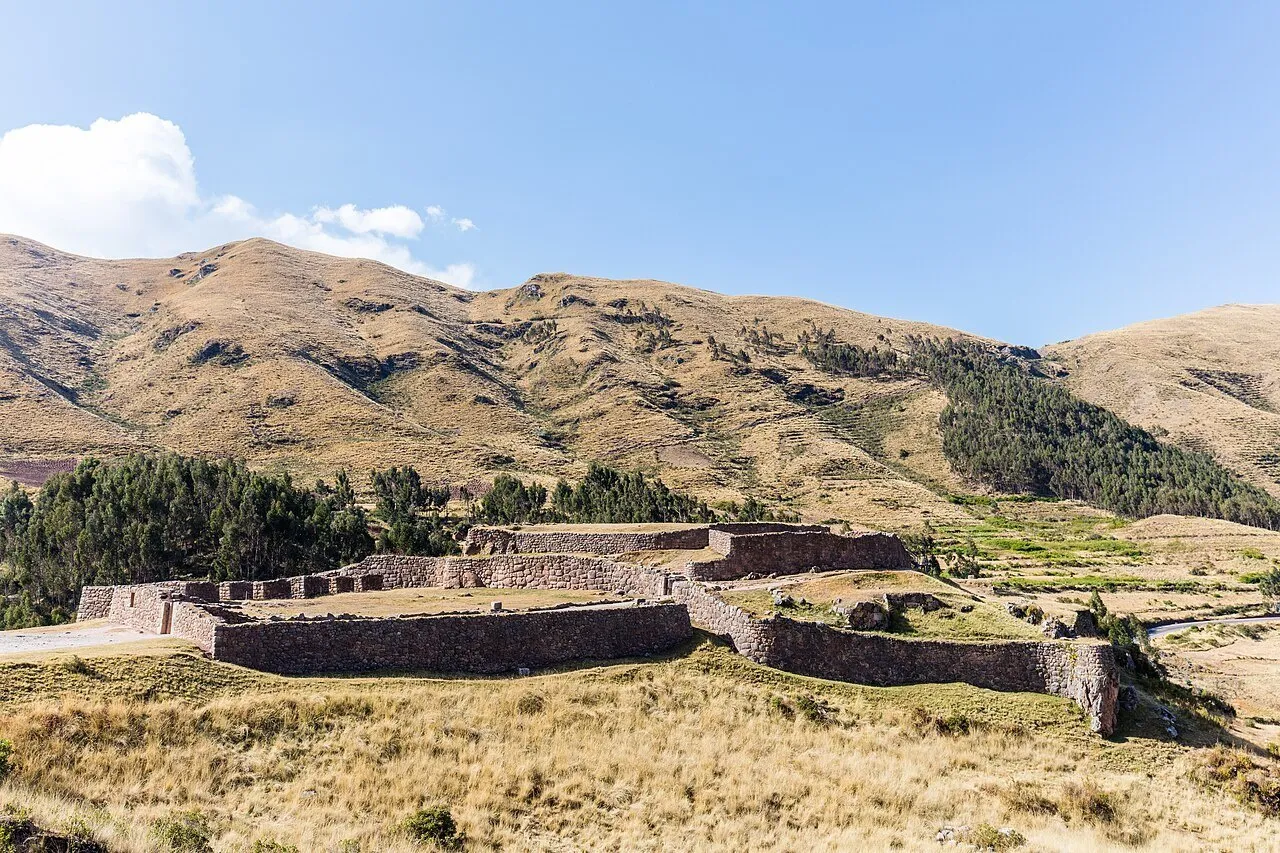 9
Terraces, enclosures and walls at Puka Pukara help explain how the paths around Cusco were controlled, at a stop close to Tambomachay.
View details for Puka Pukara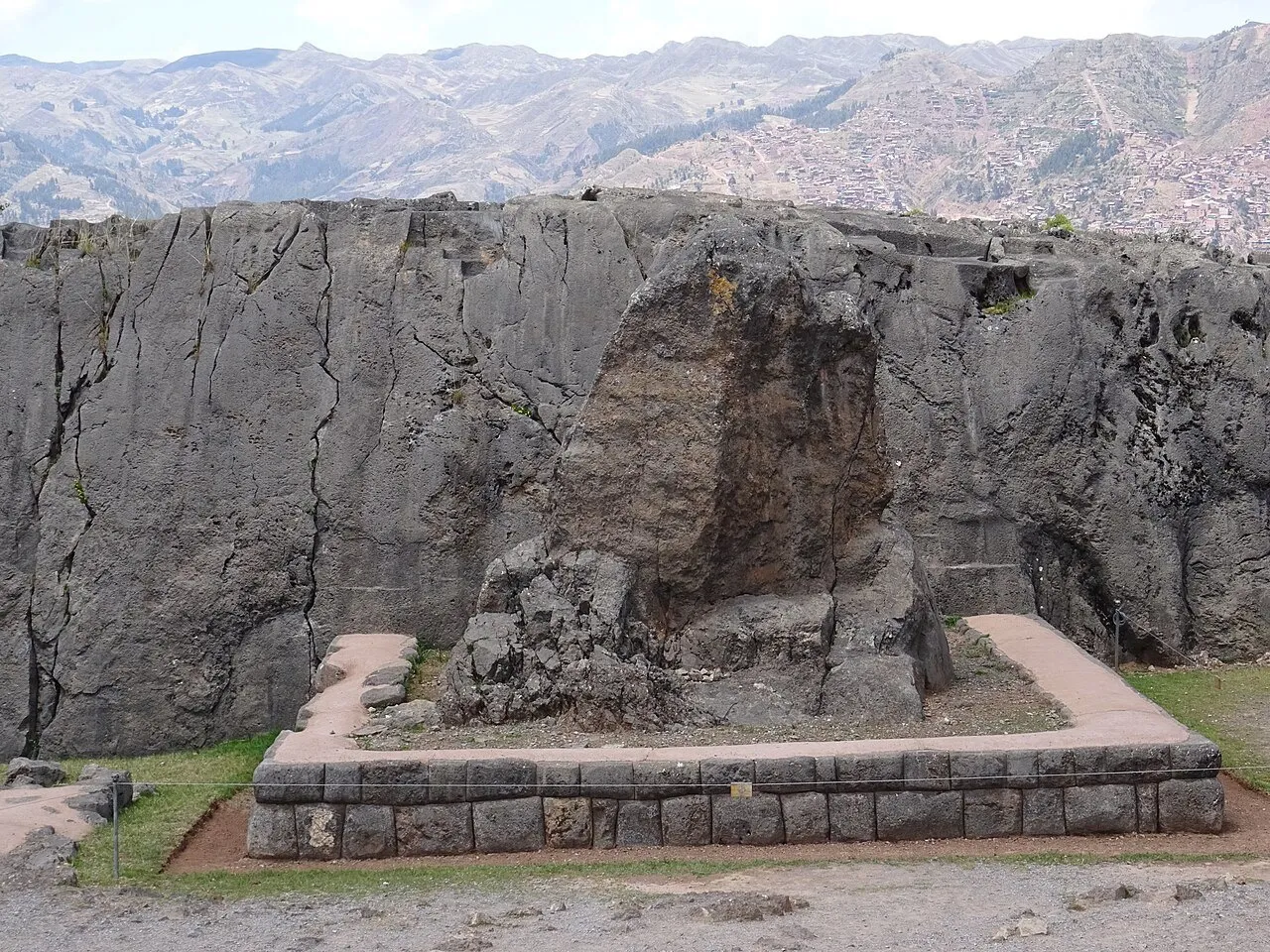 10
Carved rock, channels and galleries shape the ceremonial center of Qenqo, a stop where details matter more than the distant view.
View details for Qenqo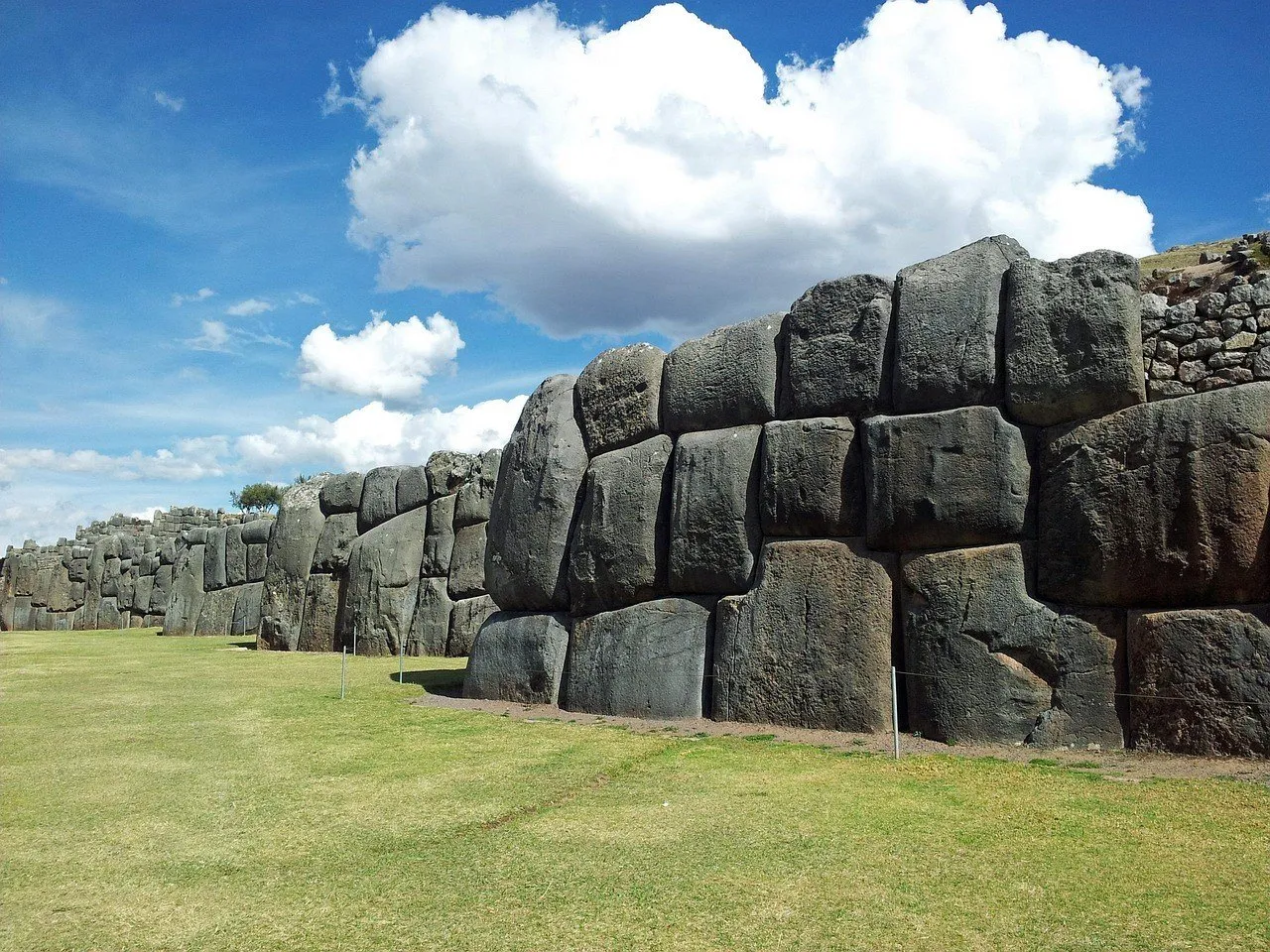 11
The great stone walls of Sacsayhuamán tower over the slope north of Cusco and show the scale of Inca ceremonial architecture.
View details for Sacsayhuamán1At San Pedro, it pays to arrive with curiosity before arriving with a shopping list. Among stalls of grains, cheeses, breads and fresh produce, the ingredients give the trip a different scale: after so much time looking at walls, you start paying attention to varieties of corn.
The market is in the historic center and pairs well with a walk to the Plaza de Armas. Take a lap before deciding what to buy, ask the names of the products and avoid treating the aisle as a photo studio. People are working here and doing their daily shopping.
2Pick a bench and let the facades organize your map: the cathedral stands on one side, the Company of Jesus on another. The square occupies part of a space that already had a ceremonial role in the Inca period. The walk starts with churches, but the history of the ground came before them.
Use the stop to get your bearings in the center and plan your temple visits. It's worth coming back after wandering the streets: the same facades help you understand how the colonial city settled on top of the Inca capital. Here, sitting down counts as a plan too.
3The facade can look like the whole destination, until you step inside and realize how much detail is kept there. The cathedral was built over the former palace of the Inca Wiracocha and preserves Cusco School paintings, woodwork and silver objects. The visit pays off when your eyes slow down.
Try comparing the materials: the stone outside, the carvings and the shine of the pieces inside tell different stories in the same building. It's a good visit to do with explanations, instead of just crossing the naves looking for the next exit.
4The meeting of Inca walls and the Santo Domingo complex needs no before-and-after illustration. Qorikancha was an important center of sun worship, and the church and convent were built on its structure. Look at the stones, the openings and the changes in material.
The visit pays off if you look at the building as a whole, rather than searching only for the exterior photo spot. There is also an art gallery in the convent. Set aside time for the guide's or the panels' explanations and check which spaces are included in the ticket available.
5Cross the square without putting your camera away right away: the facade of the Company of Jesus asks for a look of its own. The temple occupies the former site of Amarucancha, the palace of the Inca Huayna Capac. Once again, Cusco's religious geography takes over a place of power that predates the conquest.
Compare its presence on the square with that of the cathedral and, if a tourist visit is available, go in with time to take in the architecture. The point here is not to collect one more church, but to notice how different buildings compete for your attention in the same urban space.
6The challenge is to follow the outline without losing count. On Hatunrumiyoc, the Twelve-Angled Stone sits among other blocks in the wall associated with the former palace of Inca Roca, where the Archbishop's Palace was built. The precision of the joints explains why so many people stop in front of it.
Look at the neighboring stones too: isolating the best-known block in a photo makes you lose the logic of the whole. The attraction is on the street, on the way to San Blas, and the visit can be brief. You don't need to touch it or try to slip anything into the joints to understand the craft.
7In San Blas, the distance on the map doesn't tell the whole story: the streets are narrow and they climb. The neighborhood brings together colonial houses, workshops and craft shops. Swap the rush to the next corner for a chat about a piece or a break in the square.
The walk pairs well with Hatunrumiyoc, but it deserves a different pace from the flatter stretch of the center. Notice the doors, the details of the facades and the works on display. If you're tired, end the route before attempting any extra climb; the neighborhood doesn't demand a record number of steps.
8Before choosing your photo angle, listen to the water. Tambomachay has channels and fountains built in stone, with a flow that is still active. The complex is associated with water worship and shows how hydraulic engineering was also part of Inca ceremonial spaces.
Watch the water pass between levels, respecting the site's barriers. Since it's the farthest stop on this itinerary, it makes sense to start here and head gradually back to Cusco. The nickname "the bath" isn't an invitation to get in: your part ends at the visitor path.
9Puka Pukara swaps monumental blocks for reading the landscape. Terraces, plazas and enclosures occupy a position that lets you watch the surroundings; the complex is thought to have served for controlling roads, for surveillance and for rest. It's a visit that also invites thoughts about travel in the Inca world.
Combine the stop with Tambomachay on the same car trip. Instead of rushing from wall to wall, try to understand how the spaces are laid out on the terrain. The visit is relatively short, and it's worth saving a pause to look beyond the ruins before heading toward Qenqo.
10At Qenqo, the monument seems to grow out of the rock itself. Channels, galleries and worked surfaces make up a center of ceremonial and religious character. After the big panoramas of the circuit, it's a good change of scale: the interest lies in looking up close and noticing the work done on the stone.
Some interpretations of ancient rituals are hypotheses; a good guide helps separate what you see from what is inferred. Walk the open route without hurrying and follow the conservation guidelines, especially where the path narrows.
11Facing the blocks of Sacsayhuamán, the question arises on its own: how did this get here? The complex north of the center was of great religious and ceremonial importance to the Incas. Spend the first part of the visit on the shapes and the fits of the walls, without turning weight estimates into a competition.
The park connects to the old neighborhoods of the center by pedestrian paths, but arriving by car can save effort. Leave time to observe the site's relationship with the city below and to hear explanations about its different sectors. Big stones deserve a visit without a stopwatch.
Peru's Ministry of Health recommends resting during the first hours at altitude. Set that time aside outside your itinerary and avoid early exertion; if you feel seriously or persistently unwell, seek medical care instead of pushing on with the outing.
Group the center's visits on foot, with shoes that grip well on the cobblestones and slopes. For Tambomachay, Puka Pukara, Qenqo and Sacsayhuamán, arrange the transfers and the return before setting out.
Check with COSITUC which Tourist Ticket option covers your circuit. Confirm separately the entry to Qorikancha, the cathedral and the Company of Jesus, without assuming that a single ticket covers everything.
Even in the driest season, Cusco's nights are cold. Go out in layers, with protection from sun and rain; check the forecast before the day of the archaeological sites.
Bring soles in small bills for shopping at San Pedro, ask prices before ordering and keep your phone and wallet safe in the crowded aisles. Ask permission before photographing vendors and customers.
Respect worship times and the photography rules in the churches. At archaeological sites, stay on the authorized route and look at how the blocks fit together without touching, climbing or testing the joints.
San Pedro helps you recognize ingredients; the picanterías and restaurants help you find them on the plate. Potatoes, corn and other Andean products appear in recipes that vary a lot from one place to another. Ask what goes into the dish and how big the portion is before ordering: a Cusco soup can handle the whole dinner without consulting the main course.
A hearty soup with ingredients such as chuño, potato, corn and meat; ask for the composition of the house version.
A cold dish associated with Corpus Christi, combining meats, cheese, corn and other ingredients; availability depends on the time of year.
Fried trout, usually served with potatoes, corn and salad, a common combination in Cusco restaurants.