 1
Squares and parks
Plaza Botero
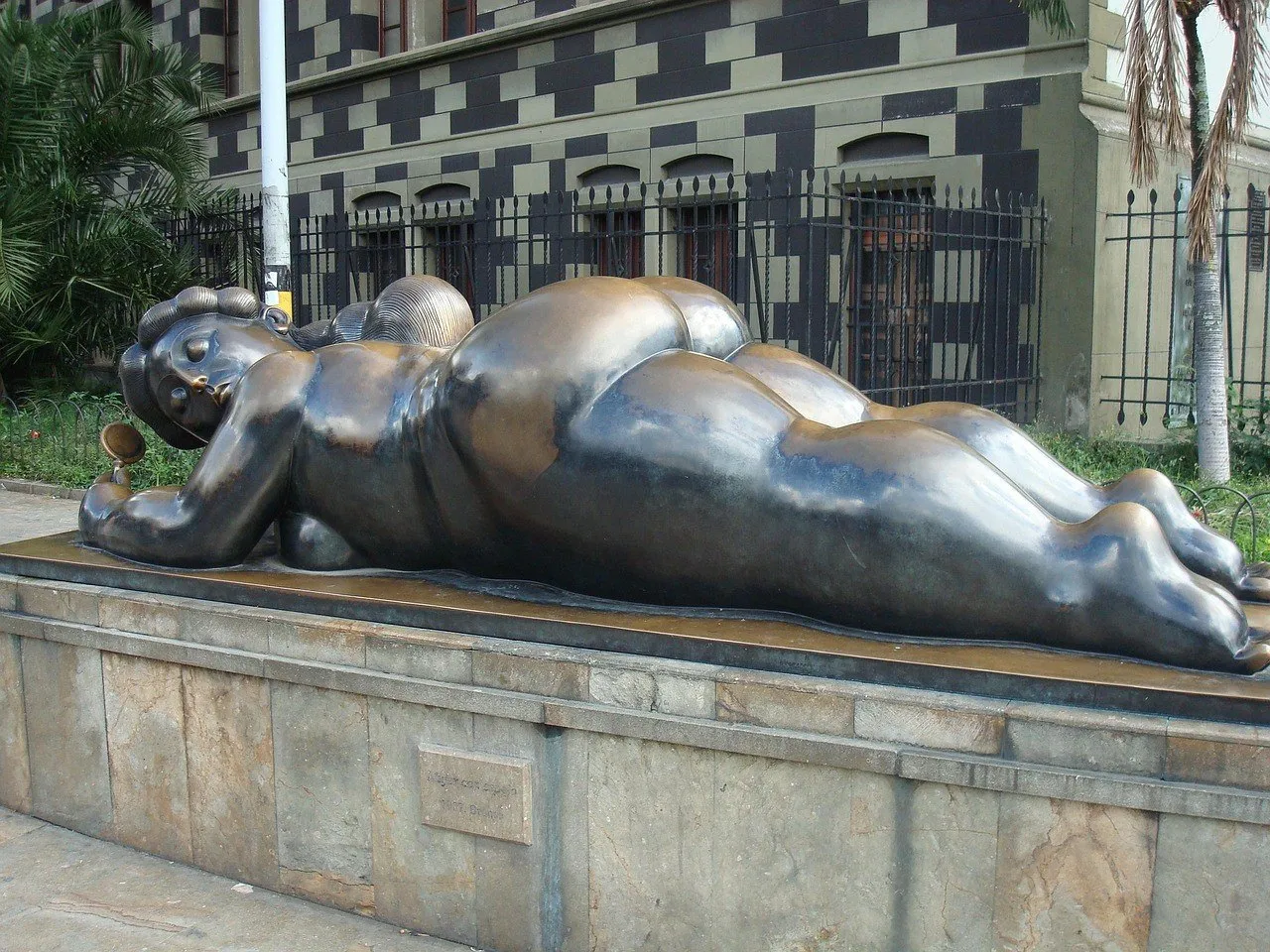
Bronze figures by Fernando Botero fill a plaza in downtown Medellín, between the Museo de Antioquia and the Palacio de la Cultura.
View details for Plaza Botero
Colombia
In Comuna 13, you ride outdoor escalators past murals; downtown, you share a plaza with a bronze Botero cat. In Medellín, even getting between sights gives you something to talk about.
The metro runs along the valley floor, the cable car climbs the slope, and the houses keep going up the mountain. In Medellín, in the Aburrá Valley, the ride itself helps you understand the city: distances hide steep hills, while trains and cable cars bring places closer together. Start downtown, where Botero sculptures share space with shops and ornate facades, and save time to hear the stories behind the murals of Comuna 13.
Three days combine art, memory, gardens and the view from Cerro Nutibara. Use the metro as your backbone and fill in the rest of the trips according to each address. For Parque Arví, add a day or swap out one block of the itinerary: the cable car ride and the forest paths need breathing room. In between, there are arepas, coffee and a bandeja paisa that deserves a spot of its own at the table.
The volume in Botero's sculptures is an artistic language choice: looking at the cat and the horse in the plaza helps you see that the idea goes beyond human figures.
Pueblito Paisa was built to represent the traditional towns of Antioquia; it is not an old village that the city ended up swallowing.
The Comuna 13 escalators also serve residents getting around: the equipment that shows up in your photo is part of the neighborhood's daily routine.
Metrocable Line L goes to Parque Arví; the ride starts above the city and continues over the treetops.
1Bronze figures by Fernando Botero fill a plaza in downtown Medellín, between the Museo de Antioquia and the Palacio de la Cultura.
View details for Plaza Botero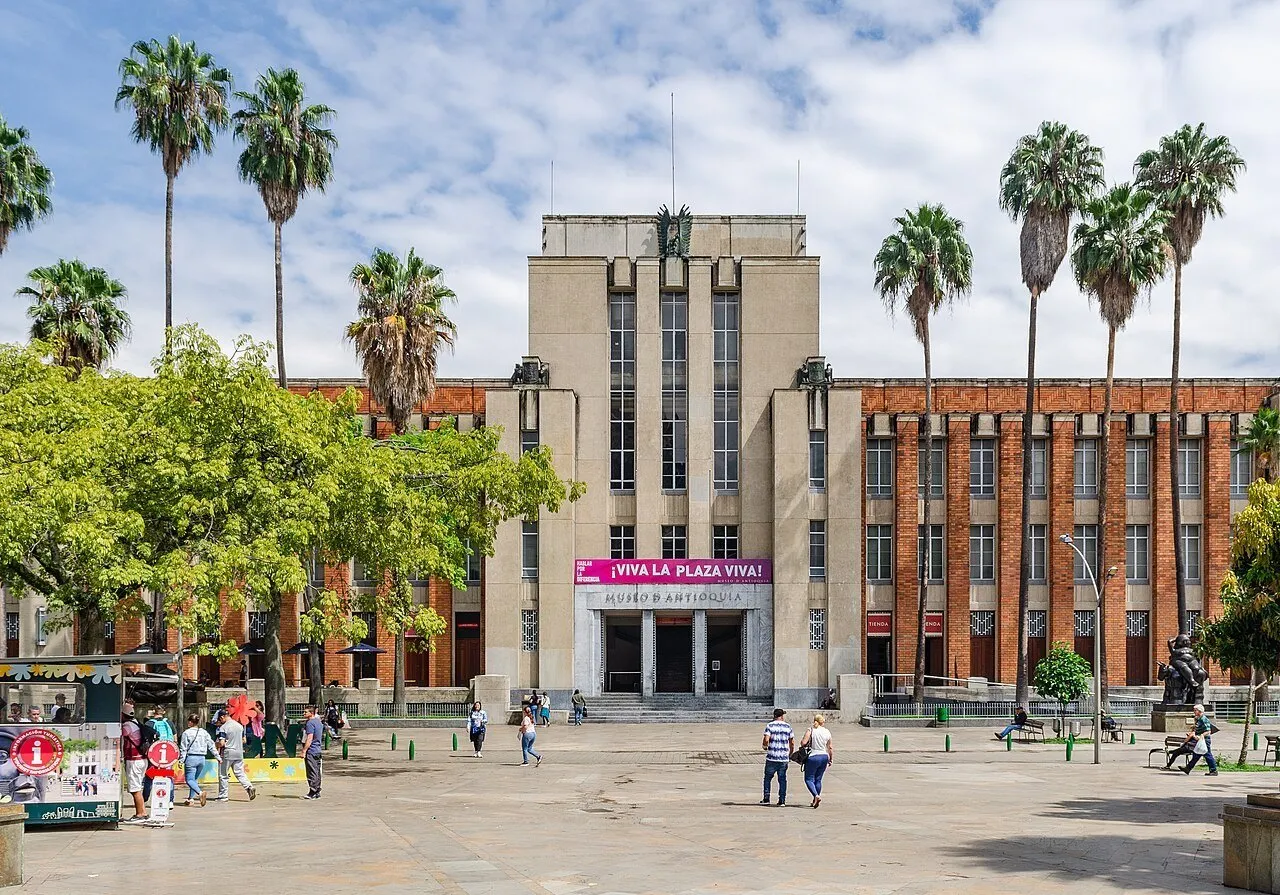 2
Next door to Plaza Botero, the museum gathers works by the artist and other takes on Colombian art, with long-term galleries and temporary shows.
View details for Museo de Antioquia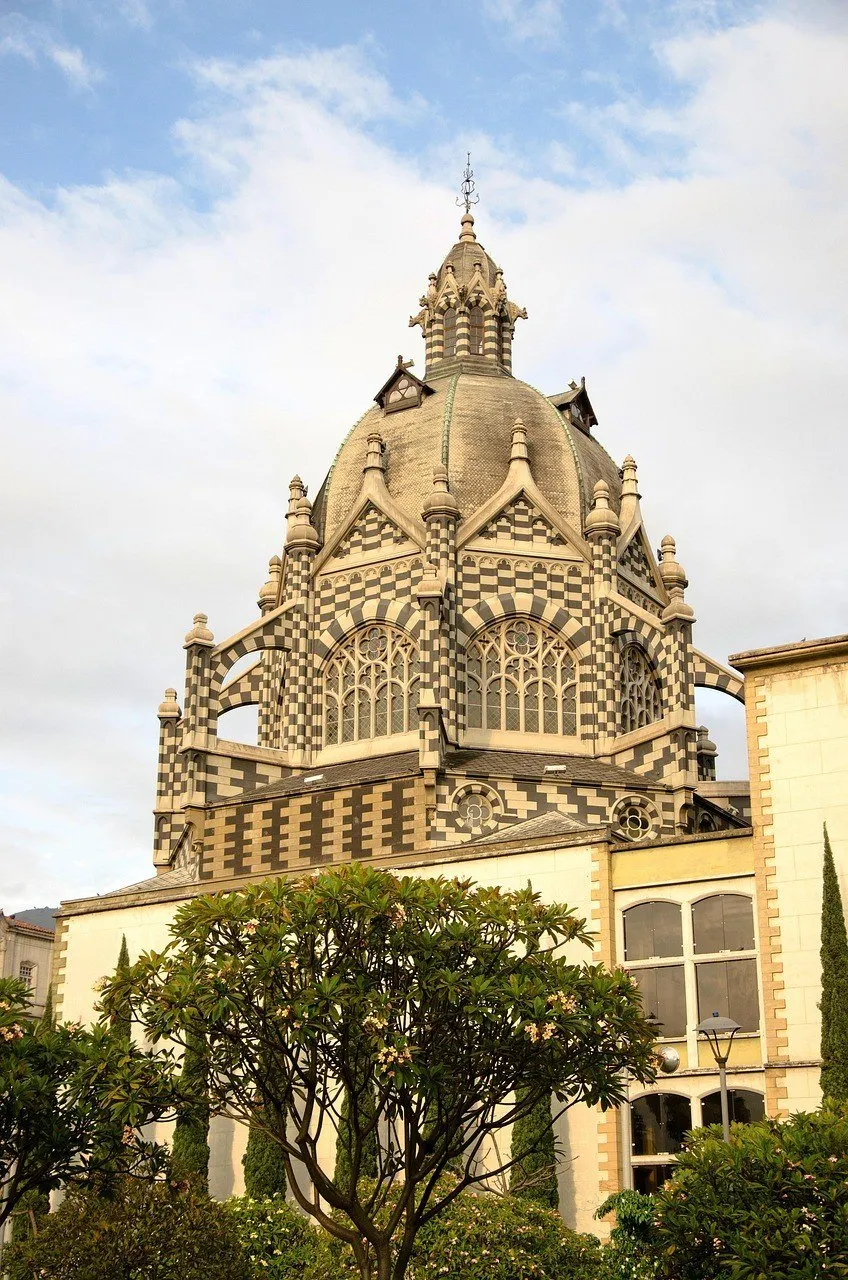 3
Beside the Botero sculptures, the palace's patterned facade grabs your attention before the galleries, archives and cultural activities inside.
View details for Palacio de la Cultura Rafael Uribe Uribe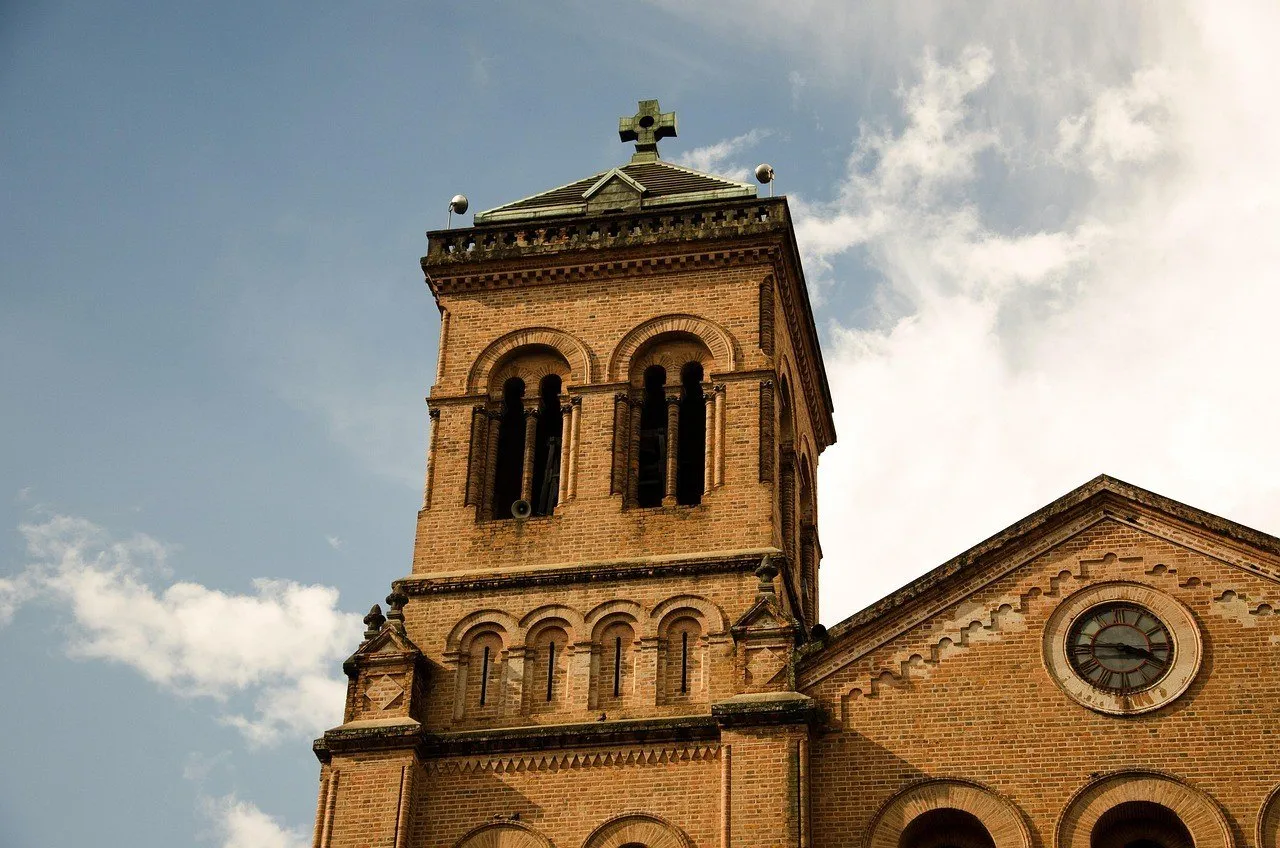 4
Facing Parque de Bolívar, the brick cathedral invites you to look at its arches, stained glass and religious art in downtown Medellín.
View details for Metropolitan Cathedral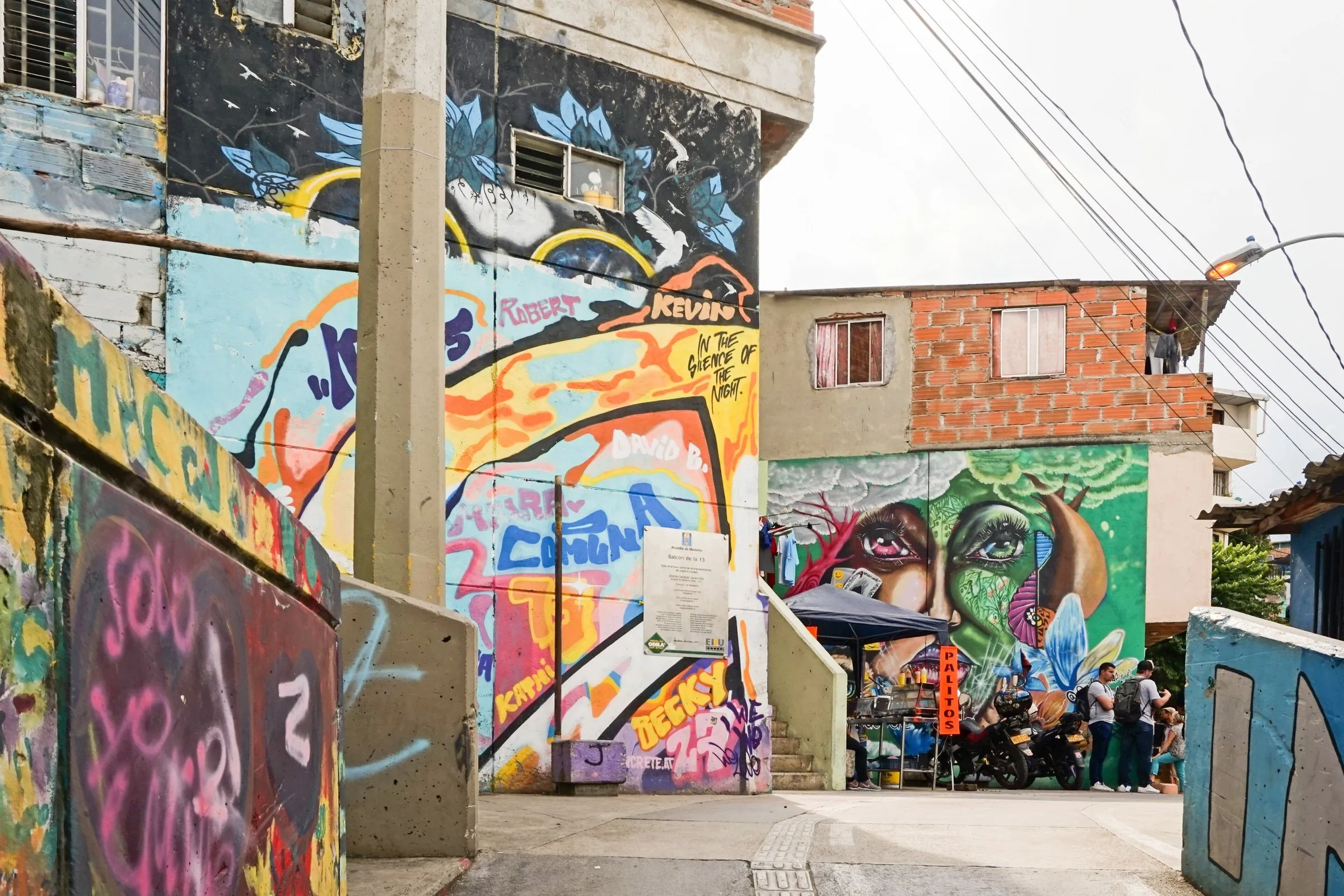 5
Murals, dance performances and outdoor escalators mark the tourist route through Comuna 13, where local guides help put the neighborhood in context.
View details for Comuna 13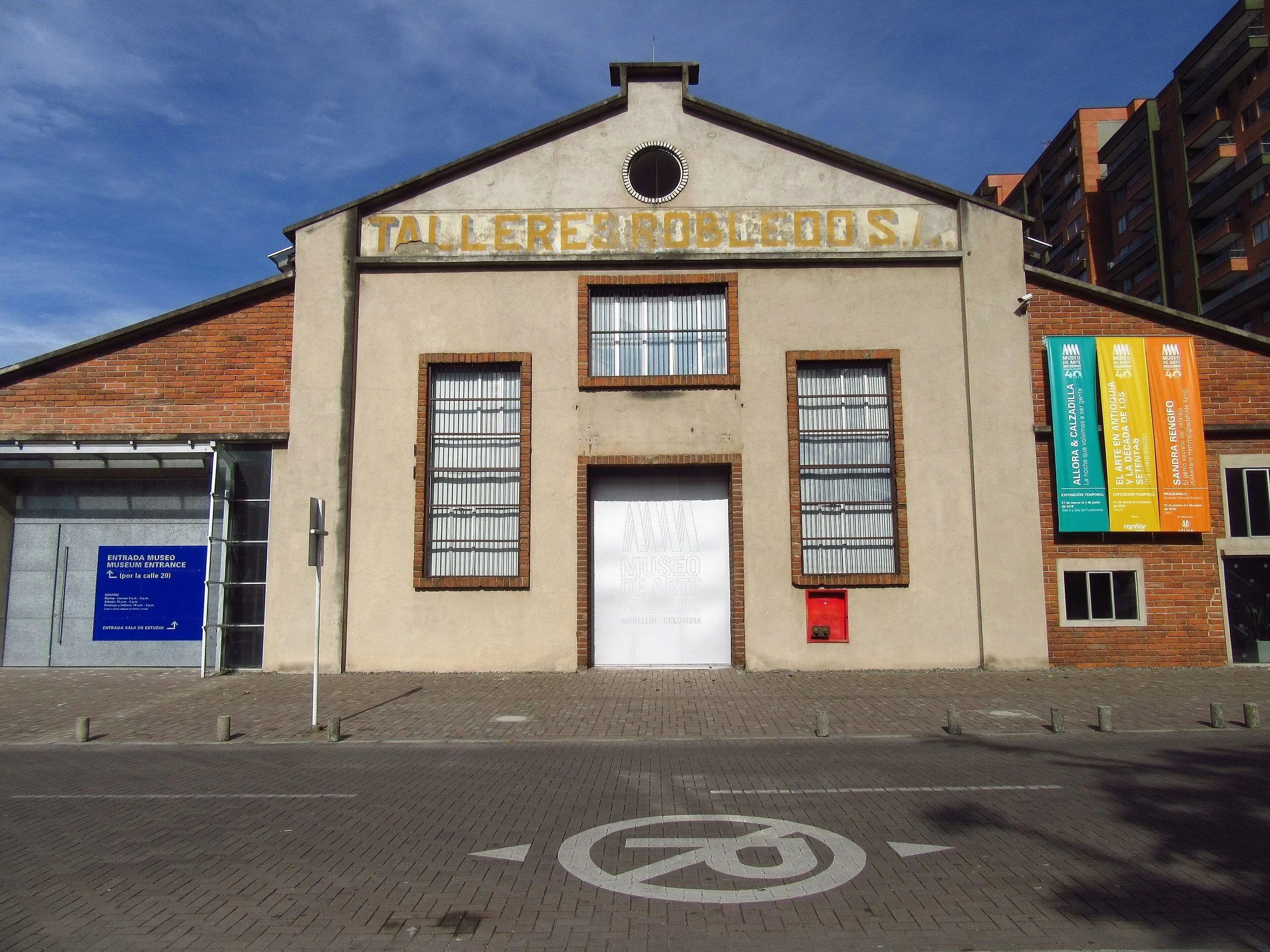 6
In Ciudad del Río, the MAMM presents modern and contemporary art exhibitions, plus film and activities that change throughout the year.
View details for Museo de Arte Moderno de Medellín — MAMM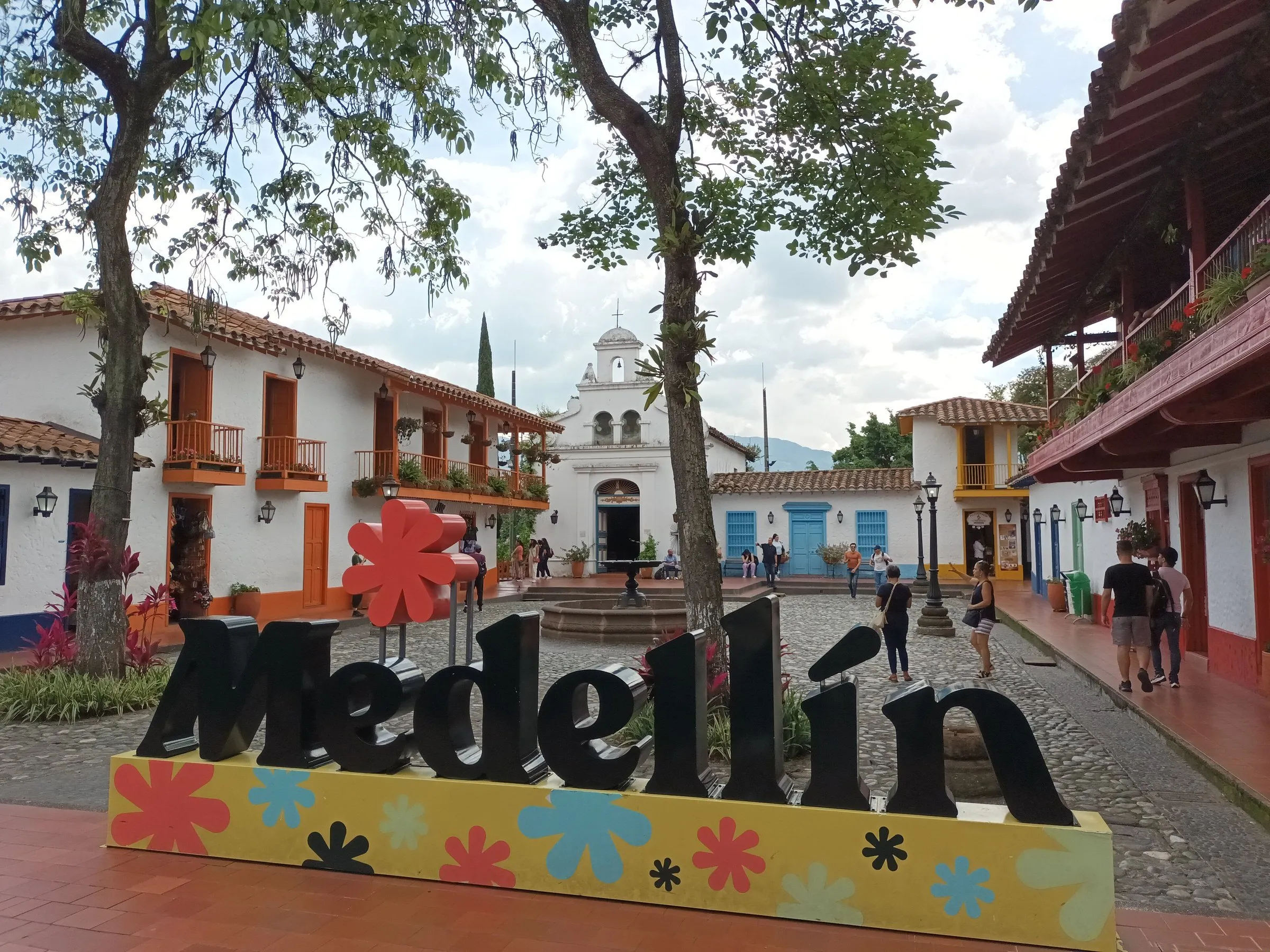 7
A square, a church and Antioquian village facades on top of Cerro Nutibara, with the Medellín valley spreading out beyond the rooftops.
View details for Pueblito Paisa and Cerro Nutibara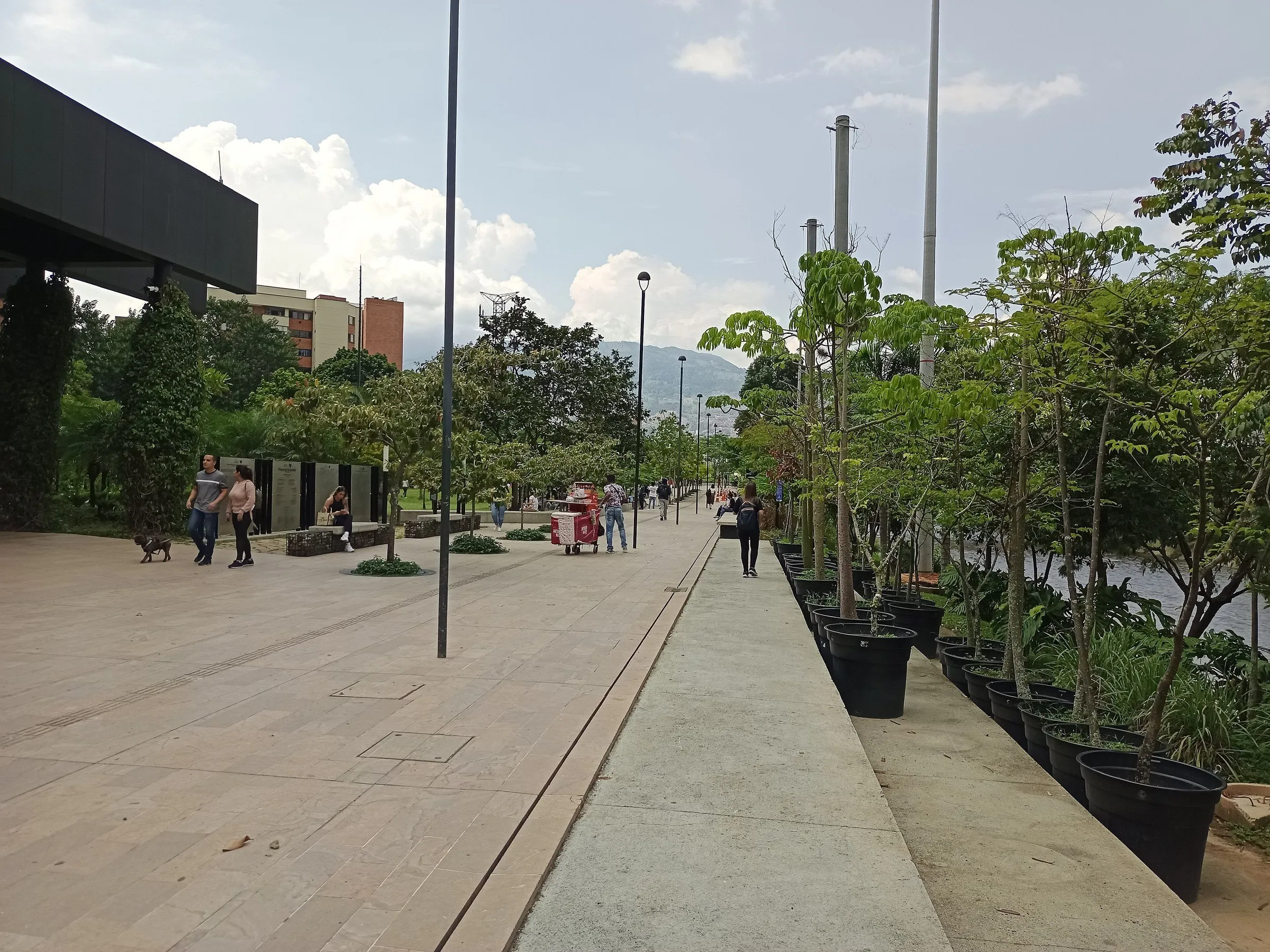 8
Footbridges, gardens and resting areas bring you closer to the Medellín River and offer an outdoor break between museums and viewpoints.
View details for Parques del Río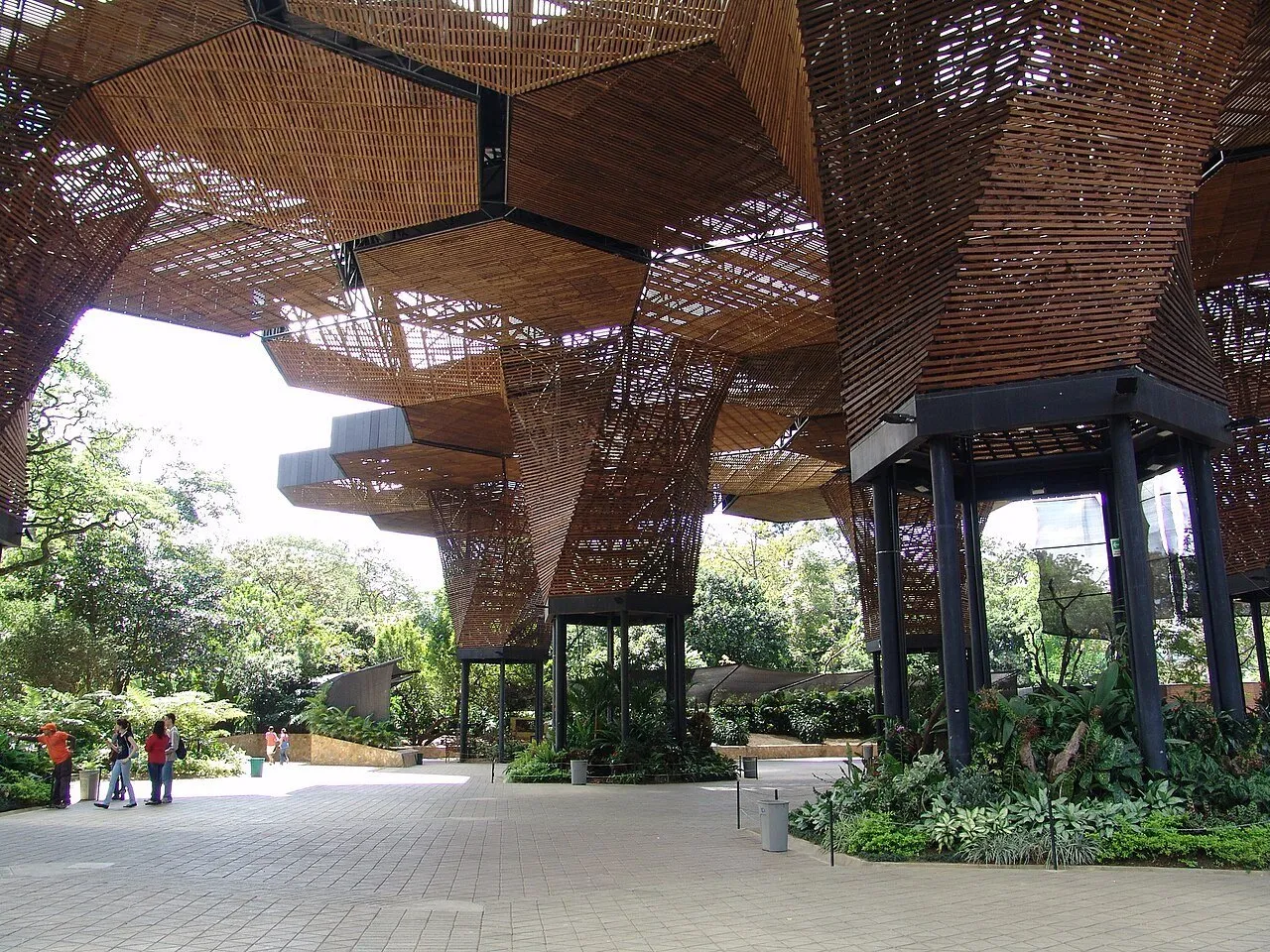 9
Plant collections and tree-lined paths share space with the Orquideorama, a structure that makes you look up before you look at the flowers.
View details for Joaquín Antonio Uribe Botanical Garden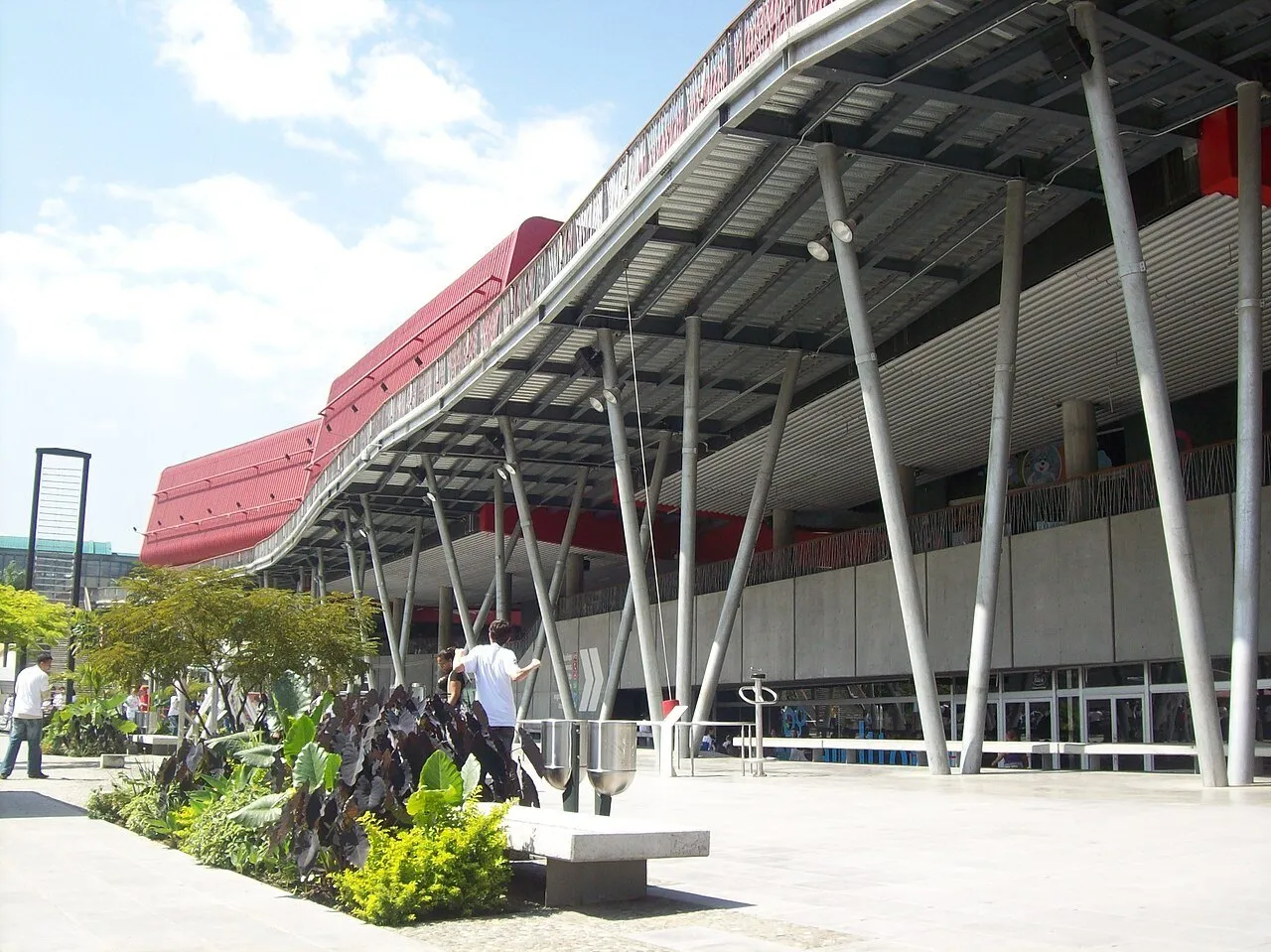 10
A science museum with interactive experiences and an aquarium, next to the Botanical Garden: set aside time to test the ideas, not just walk past them.
View details for Parque Explora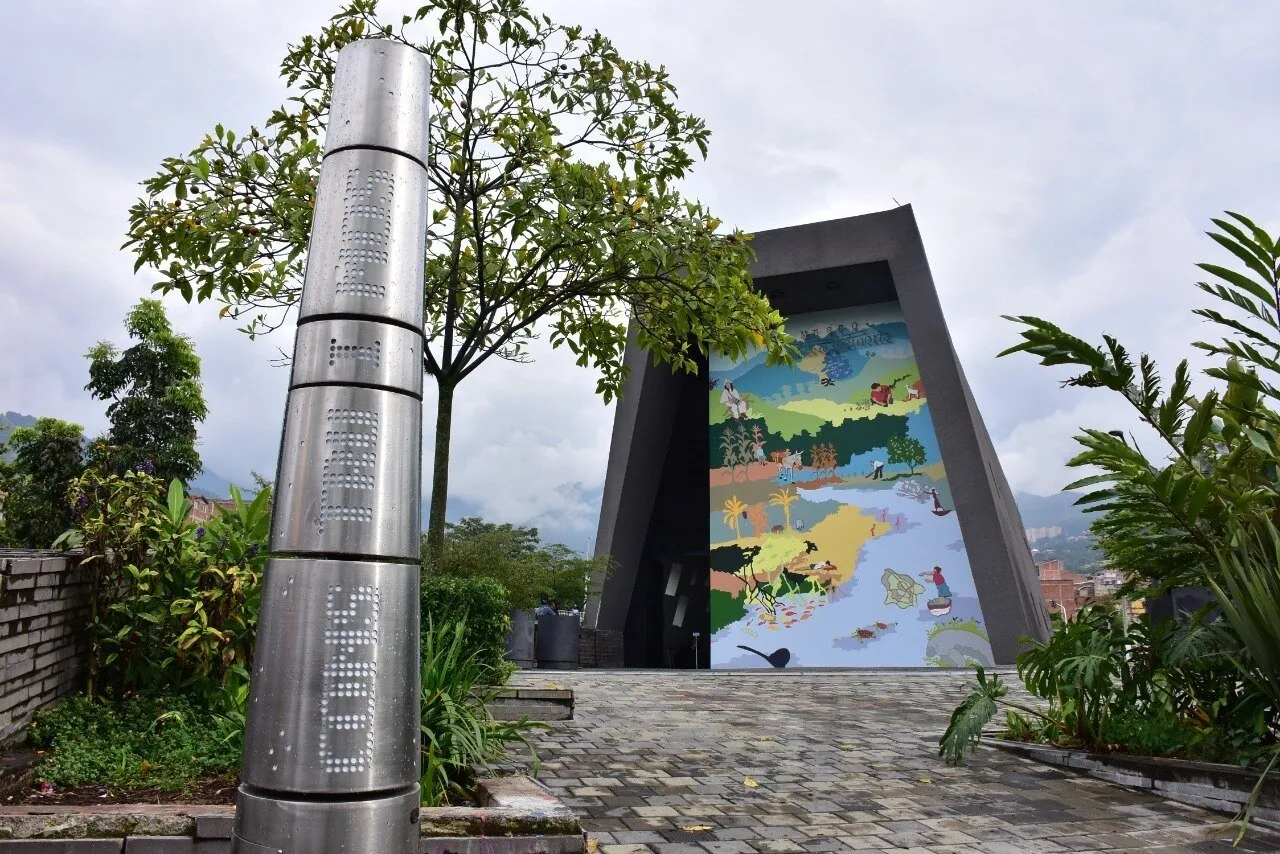 11
In Parque Bicentenario, a museum devoted to memories of the armed conflict and of violence, focusing on the voices and initiatives of victims.
View details for Museo Casa de la Memoria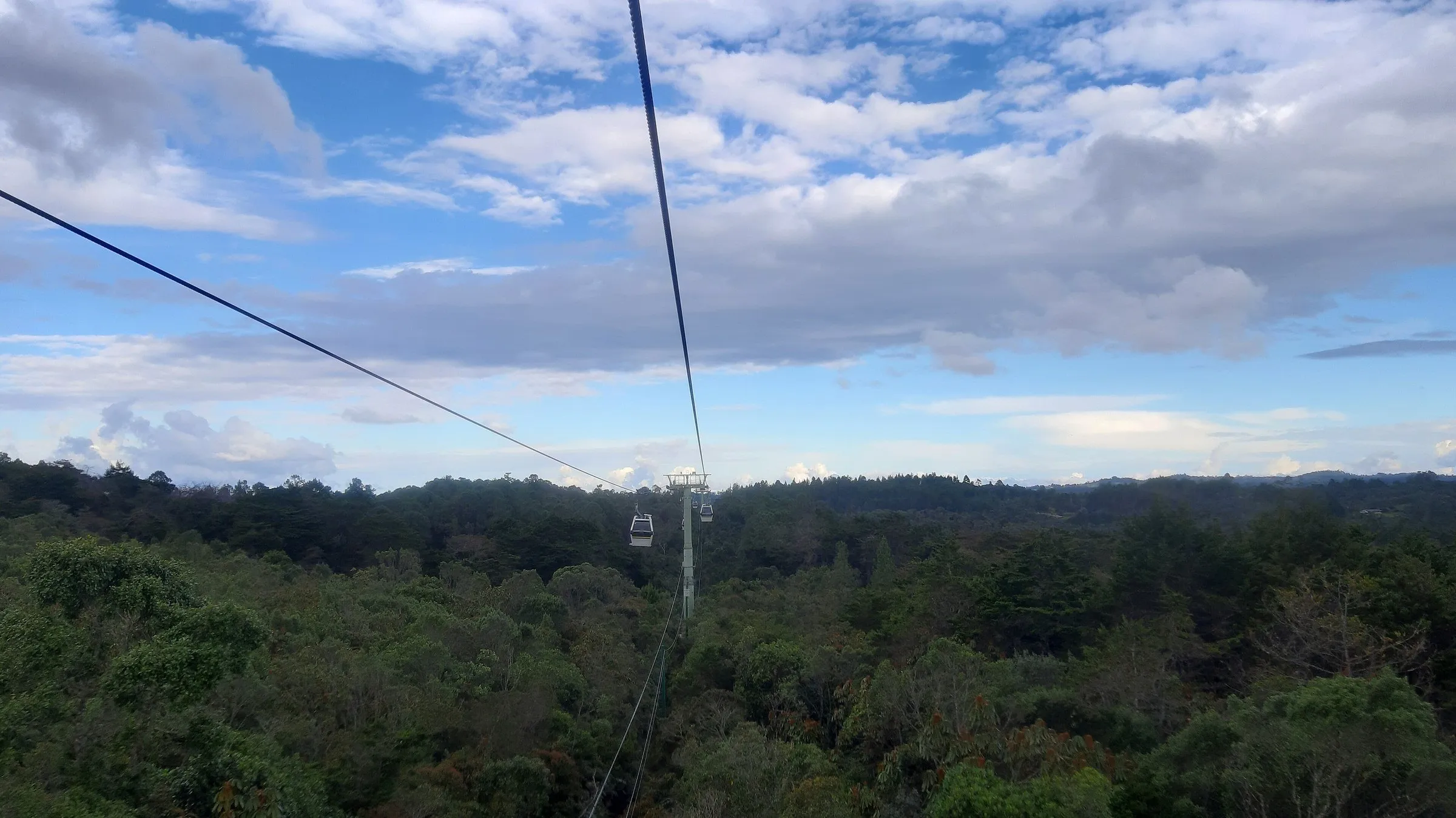 12
The Metrocable ride continues over the forest to Santa Elena, where Parque Arví offers nature trails and activities depending on the schedule.
View details for Parque Arví1A bronze cat sits right in the middle of downtown, utterly unbothered. Horses and human figures show how Fernando Botero worked with proportions: the same volume repeats in bodies, animals and objects.
Walk around the sculptures and change your angle instead of stopping at the first photo. The plaza kicks off a walk through downtown, next to the museum and the palace. Go during the day and watch your belongings while you take pictures.
2After the bronzes outside, step in to look at Botero more slowly. The Museo de Antioquia presents the artist's works alongside other collections and exhibitions of Colombian art. The plaza pulls your eyes in every direction; here you can stop in front of a single piece.
Pick the rooms that spark your curiosity and set aside time for the wall labels. Check the photography rules at the entrance, especially for the Botero rooms.
3The facade makes your eyes wander before you even step inside. Right by Plaza Botero, the Palacio de la Cultura Rafael Uribe Uribe houses the Institute of Culture and Heritage of Antioquia, with galleries, a library and collections about the region.
Access follows the institution's operations and programming. Check which areas welcome visitors that day; don't count on everything being open. A stop outside already lets you take in the building's details.
4Bricks set the tone at the Metropolitan Cathedral, which faces Parque de Bolívar. The pleasure here is in following the repeating arches and then taking in the stained glass and religious art inside.
Fit the visit into your downtown day, and respect services. If there is a Mass, move around less and put the camera away. The stop works better as a pause for observation than as one more backdrop to rush past.
5The escalator climbs between houses and murals, with music drifting along the way. In Las Independencias, in Comuna 13, graffiti also tells stories of violence, resistance and artistic creation. A local guide explains what a photo cannot.
Come ready to listen. The comuna is bigger than the tourist route, and a visit does not sum up residents' lives. Respect people's doorways and ask before photographing anyone.
6At the MAMM, the program is a good reason to check what is on right now. The museum in Ciudad del Río shows modern and contemporary art and offers film and educational activities.
Exhibitions change: choose based on your interests rather than expecting the same lineup of artists. Between rooms, let one piece raise questions. Afterward, take a break in the surroundings; sitting for a while may be your most successful art intervention yet.
7You climb a hill inside the city and find a square with a church, a fountain and village facades. Pueblito Paisa recreates the traditional architecture of Antioquia at the top of Cerro Nutibara.
After taking in the little square, look for the viewpoints over Medellín and its mountains. Add the climb to your visit time if you go on foot, and avoid slippery paths when it rains. Crafts and regional food help stretch the stop.
8After seeing Medellín from above, get close to the axis that organizes the valley: the river. Parques del Río brings together paths, gardens and resting areas on both banks, linked by footbridges.
Stroll between the sections or pick a bench. Late in the afternoon, the light favors a walk. Look for the sculptures and notice the relationship between river, roads and buildings: a traffic corridor that also makes room for staying in the city.
9The Orquideorama competes with the plants for your attention. Its structure creates a shelter of repeating forms inside the Botanical Garden, where paths and living collections let you switch between observing and strolling without hurry.
Start with the areas that interest you most and read the plant labels. The garden hosts events that can affect access; check the calendar. Being close to Explora lets you combine the two visits without crossing the city between them.
10Here, curiosity gets room to touch things. Parque Explora brings together science, interactive experiences and an aquarium in a visit for adults and kids alike. Pick the exhibits that make you ask how something works and try them out without rushing.
Set aside a good part of the day, especially with children. The complex is connected to other science spaces, but the tickets sold may vary. Check what your ticket includes before adding activities.
11Listening changes the way you see Medellín. The Museo Casa de la Memoria works with memories of the armed conflict and of violence, giving space to victims and to reflection on the present.
Set aside time to read, listen and take breaks. The visit extends the conversation about memory and resistance from the Comuna 13 tour. If the science and garden day runs long, rearrange the blocks instead of rushing through these stories.
12The houses fall behind and the cable keeps going over the trees. Getting to Parque Arví is part of the trip: Line L takes you to the Santa Elena area, where the pace shifts to forest paths.
Check trails and conditions when you get off. Set aside half a day or more, round trip included; Arví replaces an entire block of the itinerary. On the cable system, the route passes through Acevedo, Santo Domingo and the tourist line.
Use the metro to connect the different areas and check the final stretch. San Javier is the reference stop for Comuna 13, but it does not drop you at the escalators.
José María Córdova is in Rionegro. Plan your transport to your lodging and leave a margin for traffic on the way back; the terminal is outside Medellín.
Bring a compact rain jacket and a light layer for the viewpoints. When the ground is wet, skip the dirt paths on Cerro Nutibara and check conditions at Arví.
Visit the downtown plazas during the day and keep your phone put away between shots. In Comuna 13, keep walkways clear and ask permission before photographing residents.
Carry pesos in smaller bills. Check closures, holidays and garden events before spreading out your days; the itinerary is flexible, but a closed door usually is not.
Bandeja paisa arrives ready to take over the table; ask for a smaller portion if you still plan to climb Cerro Nutibara. In between meals, compare arepas and save a pause for coffee. With corn, beans and hearty dishes, even a snack can force you to rethink dinner.
Beans, rice, meats, egg and sides such as avocado and fried plantain; the lineup varies, but the talent for a long lunch stays.
Corn preparations in versions such as the white paisa arepa and the chócolo (sweet corn) one; try it with cheese to compare textures and flavors.
Cooked corn served with milk, a traditional side that can also mark the pause after a meal.